This Secret Texas State Park Is a Kayaker’s Dream With Nearly 14 Miles of Cypress-Lined Water Trails
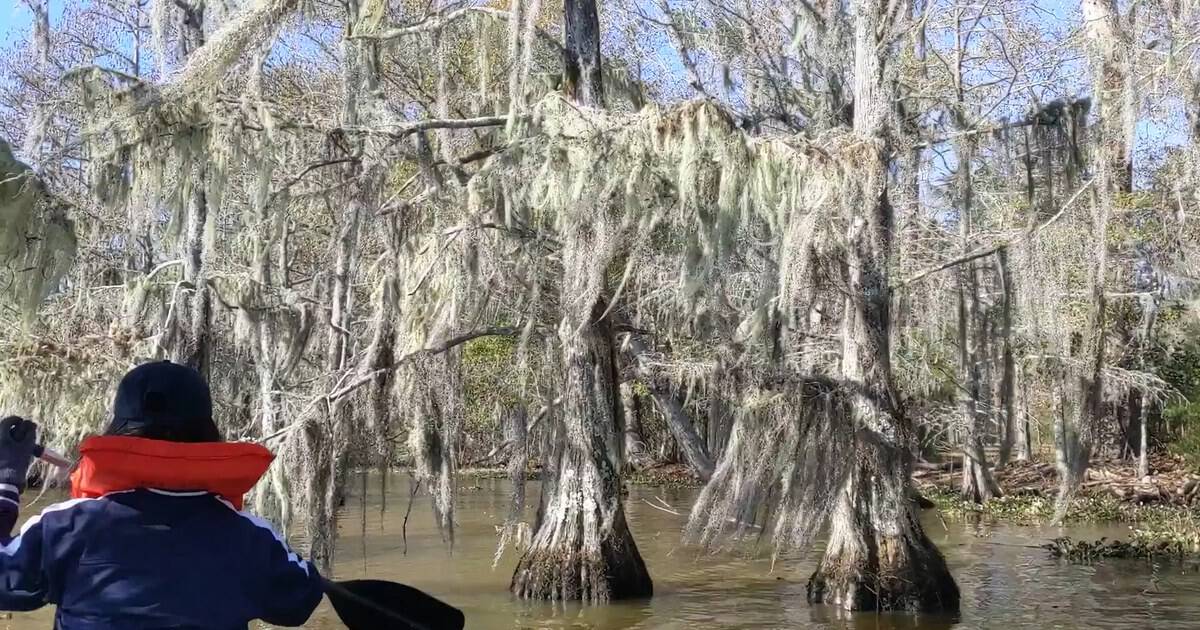
The first time I lowered a kayak into flat, tea-dark water, something in my shoulders let go and never fully came back. No motor, no hurry, just the small clean sound of a paddle dipping and the world sliding by at the speed of a heron’s patience.
If that feeling is your idea of a good day, there is a park deep in the Piney Woods of East Texas built for exactly it. Nearly 14 miles of marked paddling trails thread through a drowned cypress forest, past knees of gray wood and long curtains of Spanish moss.
Those same trails spill out onto an open lake and slip into the narrow guts of a moving river. Its name is Martin Dies, Jr. State Park, tucked between Jasper and Woodville along the edge of the Big Thicket.
Here is why paddlers who know it tend to keep it to themselves, and how to point your own bow at it.
Gliding Through a Drowned Forest
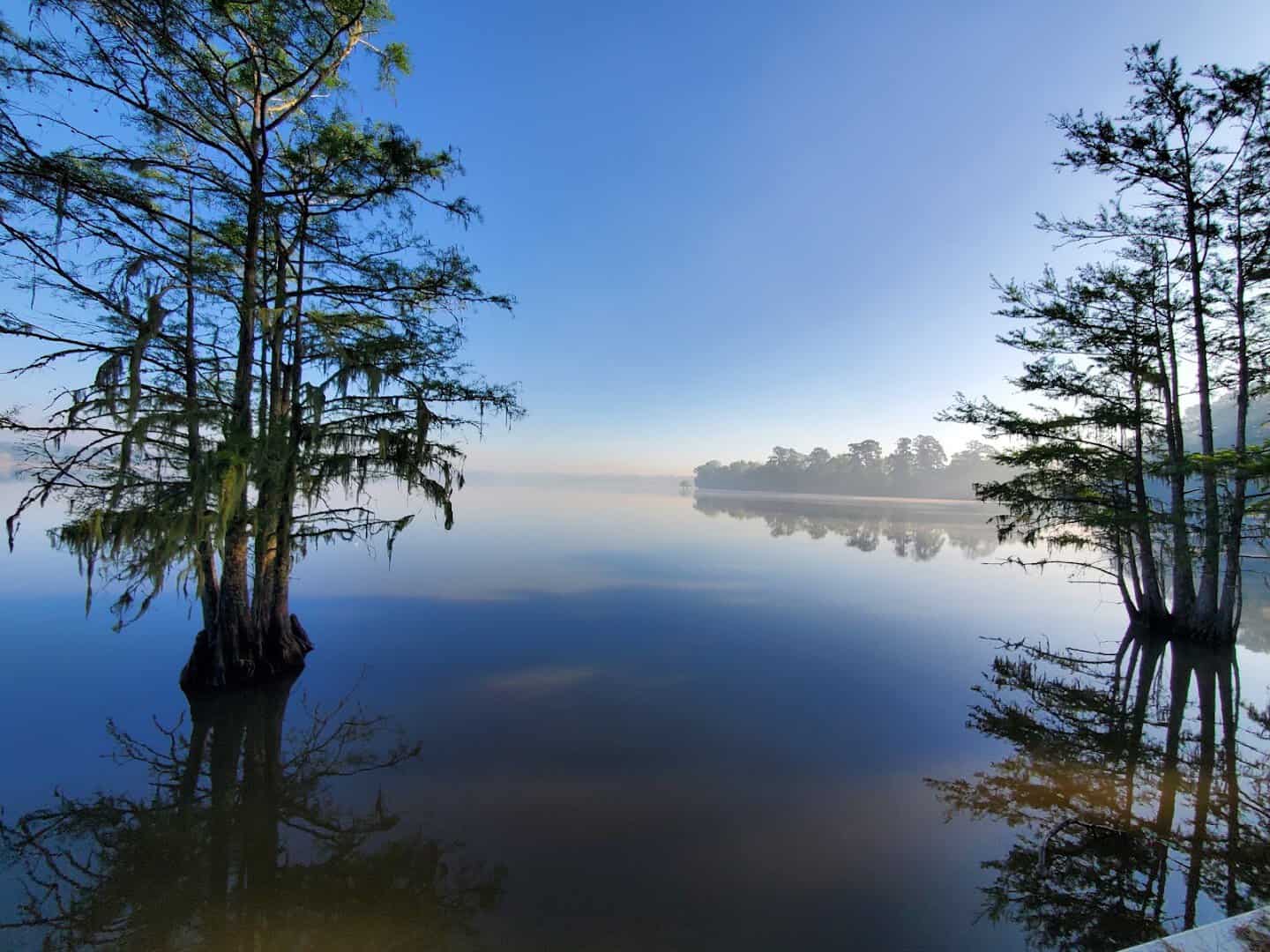
Picture launching just after sunrise, when the fog still hangs low over the water. On a misty East Texas morning the bald cypress seem to float, their reflections doubling every trunk until you cannot tell water from sky.
It is the kind of scene that makes you stop paddling just to look. Photographers drive hours for that trick of light, and from a kayak you get it to yourself.
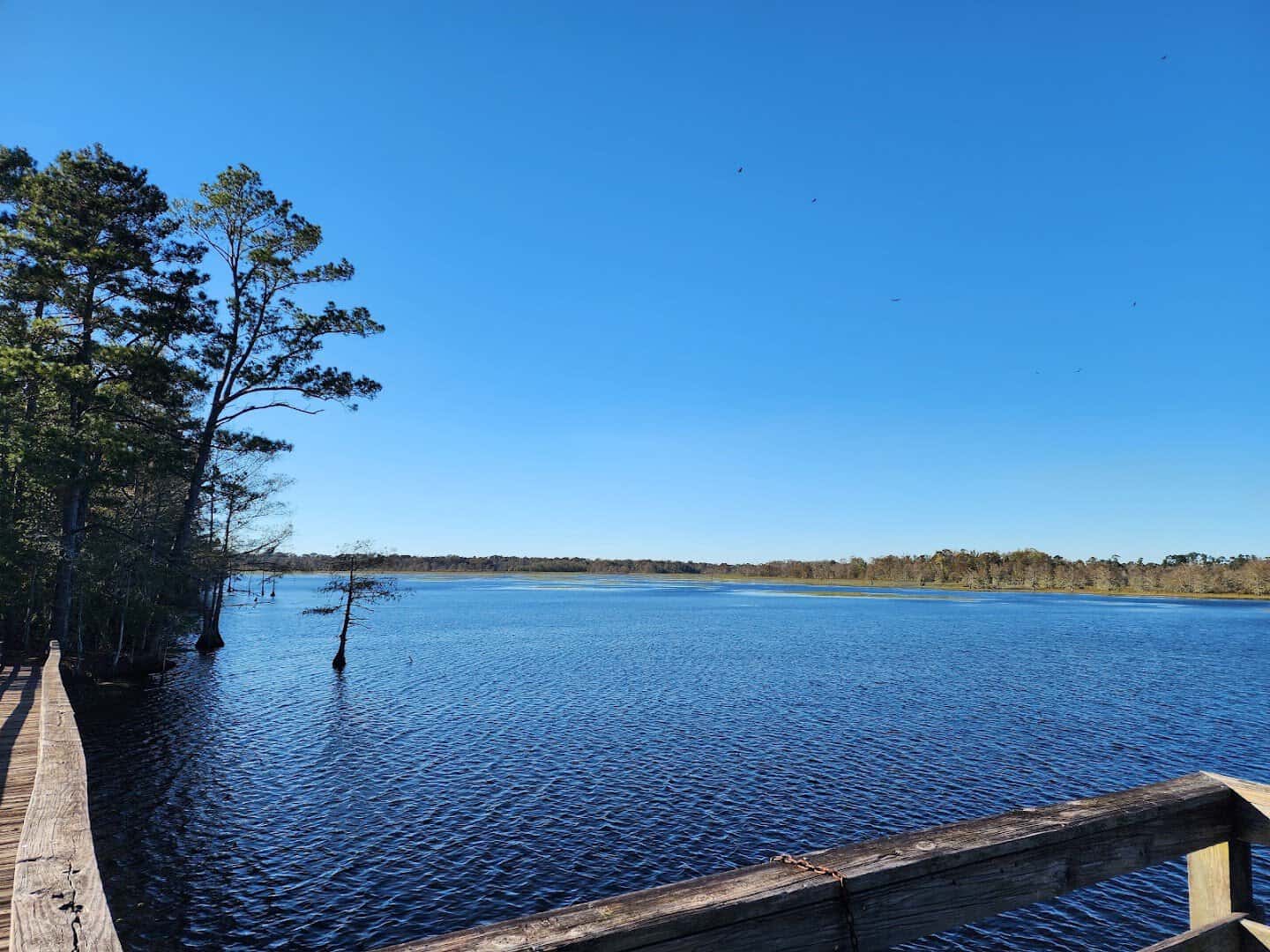
The water here is a patchwork. There are backwater sloughs so still they mirror the trees, the wide open sheet of B.A. Steinhagen Reservoir, and the Neches River pushing along with a current you can feel in the blade. One outing can hand you all three moods.
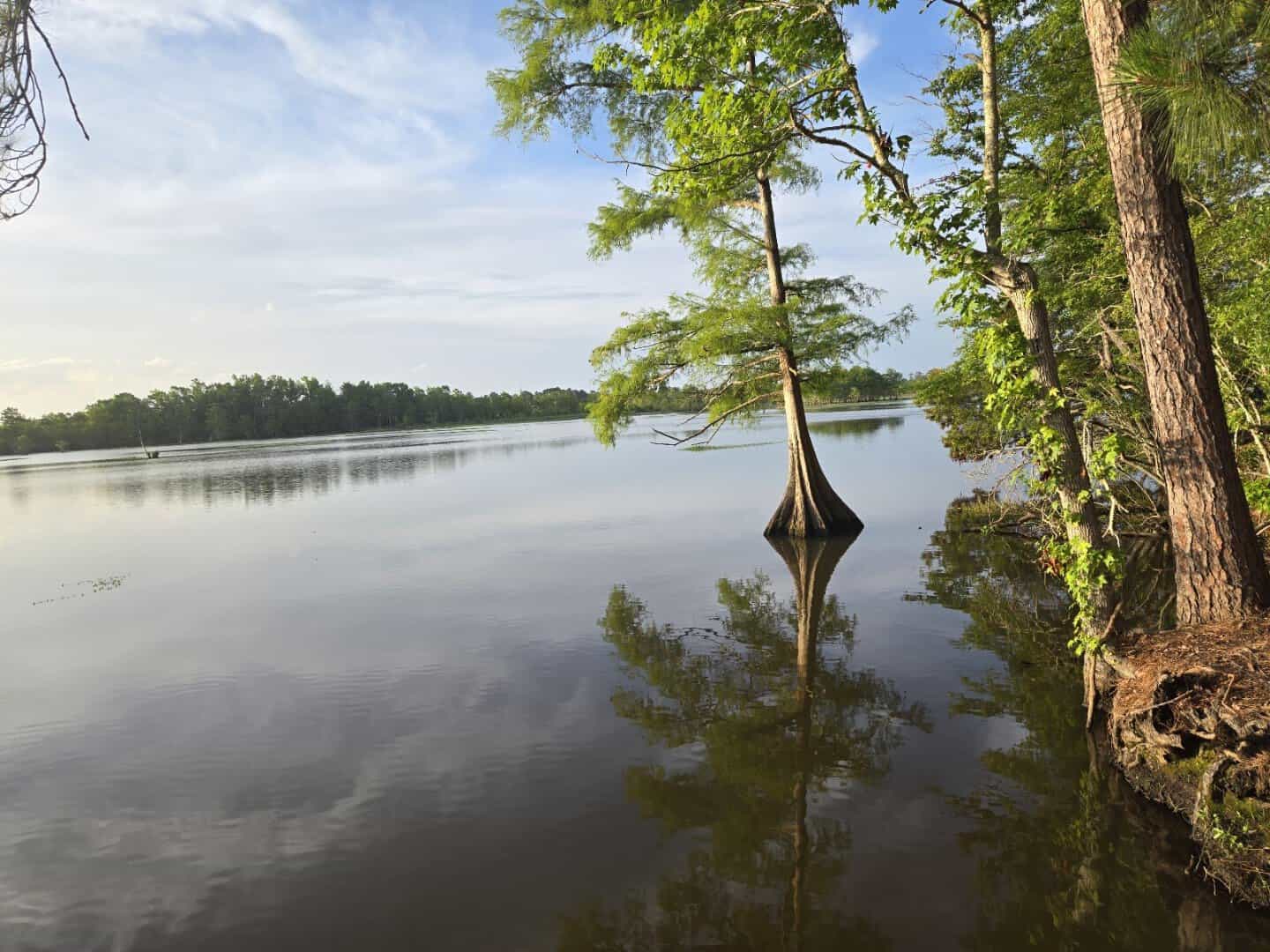
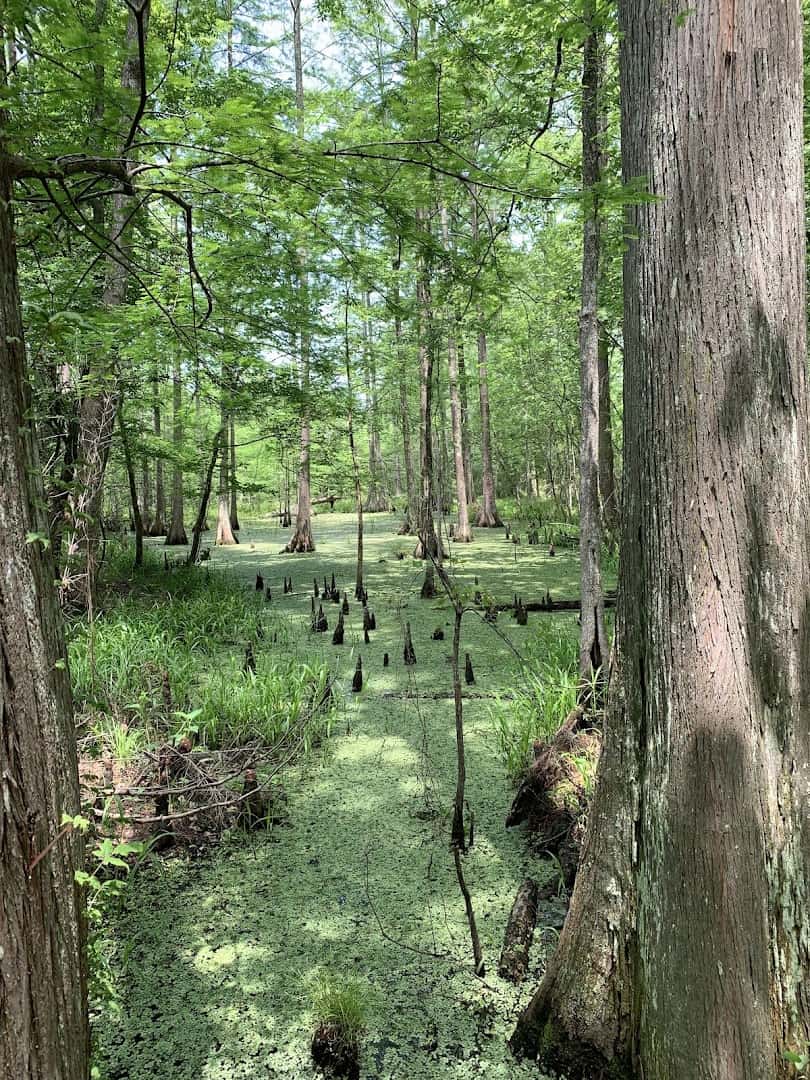
You glide under old-growth river-bottom hardwoods, some of these cypress genuinely ancient, their trunks flared wide where they meet the waterline. Turtles slide off logs as you pass. A kingfisher rattles ahead and lands again just out of reach, leading you along like it has somewhere to be.
The quiet is the thing people remember. Sound carries strangely across still water, so a bird call two bends away lands right in your ear, and your own paddle becomes the loudest thing for acres. Few places let you feel that alone this easily.
There is a smell to it, too, the green, mineral scent of a living swamp: wet bark, warm mud, cypress needles baking in the sun. It settles over you within a few strokes and stays with you the whole way back to the ramp.
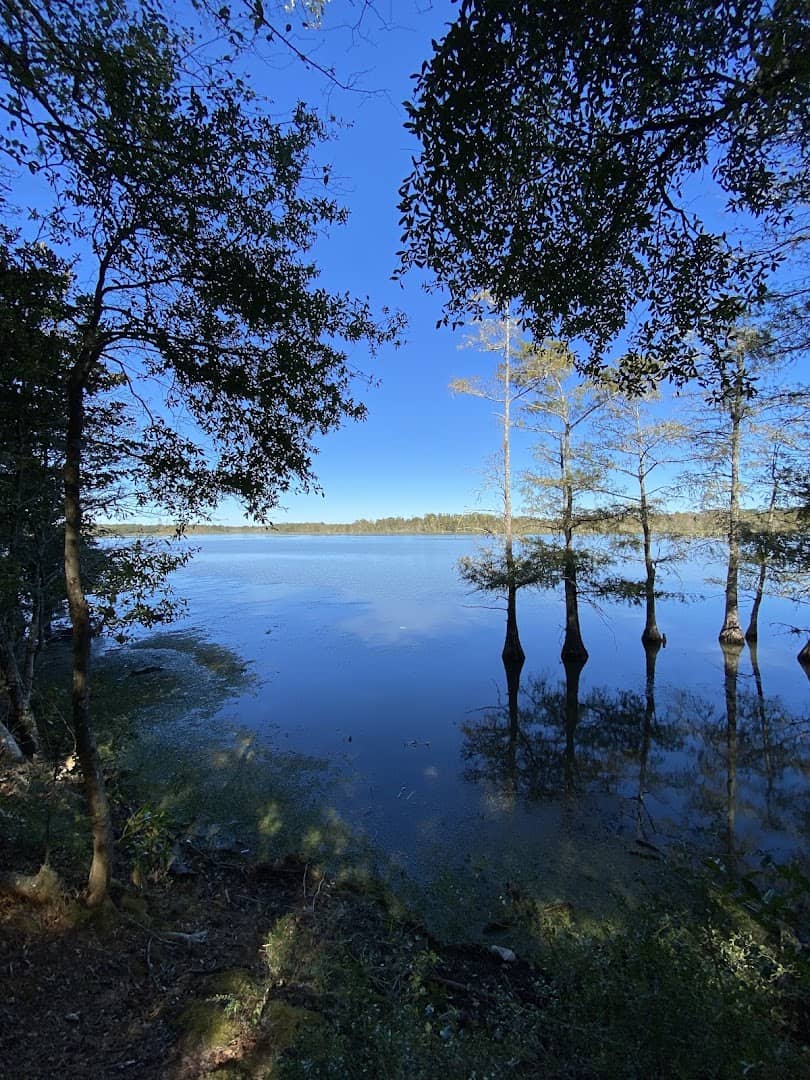
This is beginner-friendly paddling, which is part of the charm. The sloughs are calm, the routes are marked, and you can go as far or as little as your arms feel like. There is no wrong way to spend a morning back here.
Four Ways to Read the Water
The park lays out its paddling as a set of marked trails, so you choose your route by mood and by how much daylight you have. Buoys and signs handle the navigating, which frees you up to watch the tree line instead of a map.
The Sandy Creek Paddling Trail is the long one, running close to 4.9 miles. It hugs the shoreline for a while, then breaks across a stretch of open water on the reservoir, so it earns its billing as the most ambitious of the routes.
The Neches Paddling Trail is the choose-your-own-adventure. A series of eight buoys marks it, and depending on the loop you pick it runs anywhere from about 3 miles to a full day of roughly 16. It slips through narrow cuts before dropping you onto the river itself.
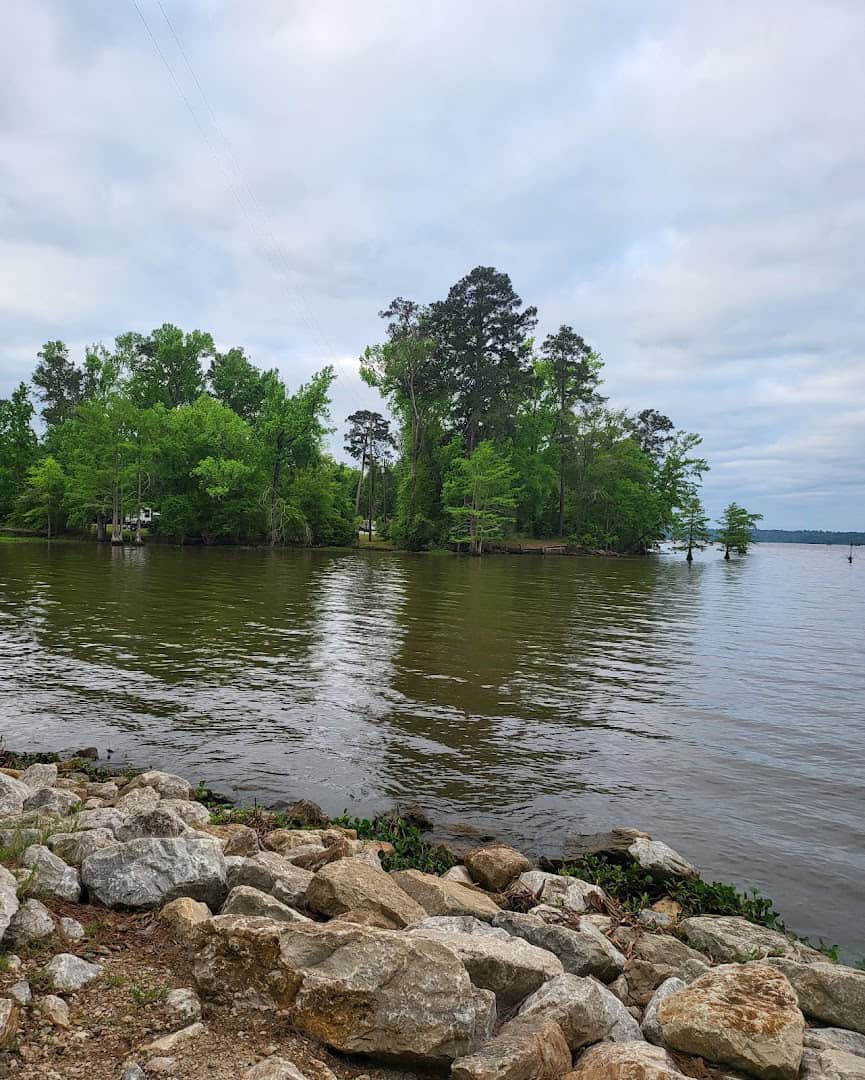
The Walnut Slough Paddling Trail is the gentle showpiece, listed at about 4.3 miles. Launch near the observation bridge and you can make a loop of roughly 3 miles around the park’s island, passing under bridges and through the channel between the island and the mainland.
Then there are the cypress-swamp stretches that wander around the Wolf Creek and Rush Creek camping units, all knees and shadow and reflection. Add them in and the whole marked network comes to almost 14 miles.
Do not feel you have to conquer it in one day. Pick a trail, take your time, and come back for the rest another weekend.
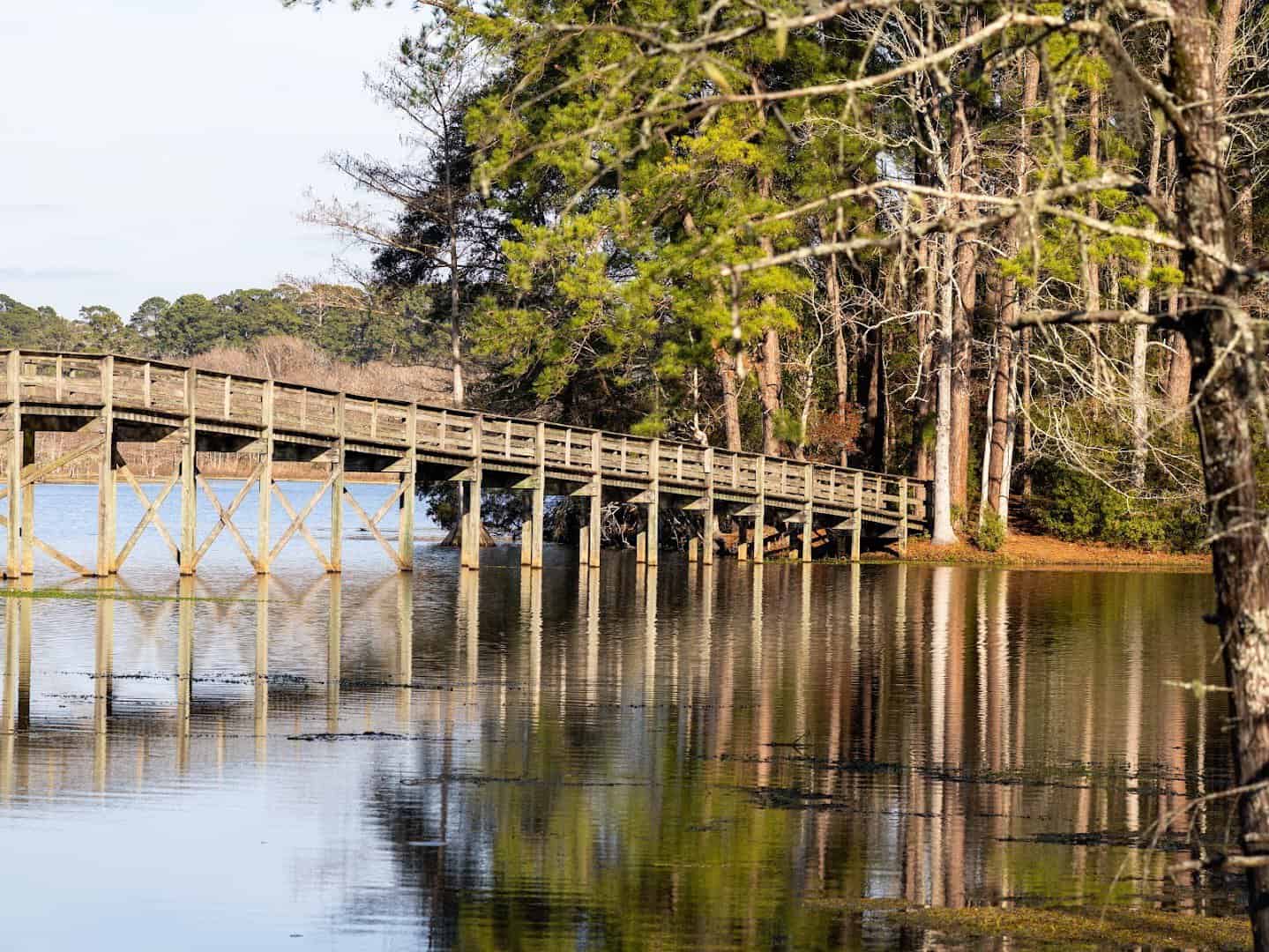
Pro tip: go early. The water is glassiest and the wildlife busiest in the first couple of hours after dawn, and the light through the cypress is worth setting an alarm for.
The Eyes in the Slough
Let’s talk about the alligators, because you came here half-hoping. They are real, they live in these sloughs, and the park makes it easy to see them without sharing a boat lane. A raised boardwalk, the swamp deck, runs out over the water where they like to sun.
Come to the observation pier near dusk and you may catch what regulars come for. Dozens of small glowing eyes scatter across the dark water and look right back at you.
It is thrilling and completely safe from the deck. This is the sort of thing kids talk about for weeks afterward, and honestly, so do a fair number of the grown-ups.
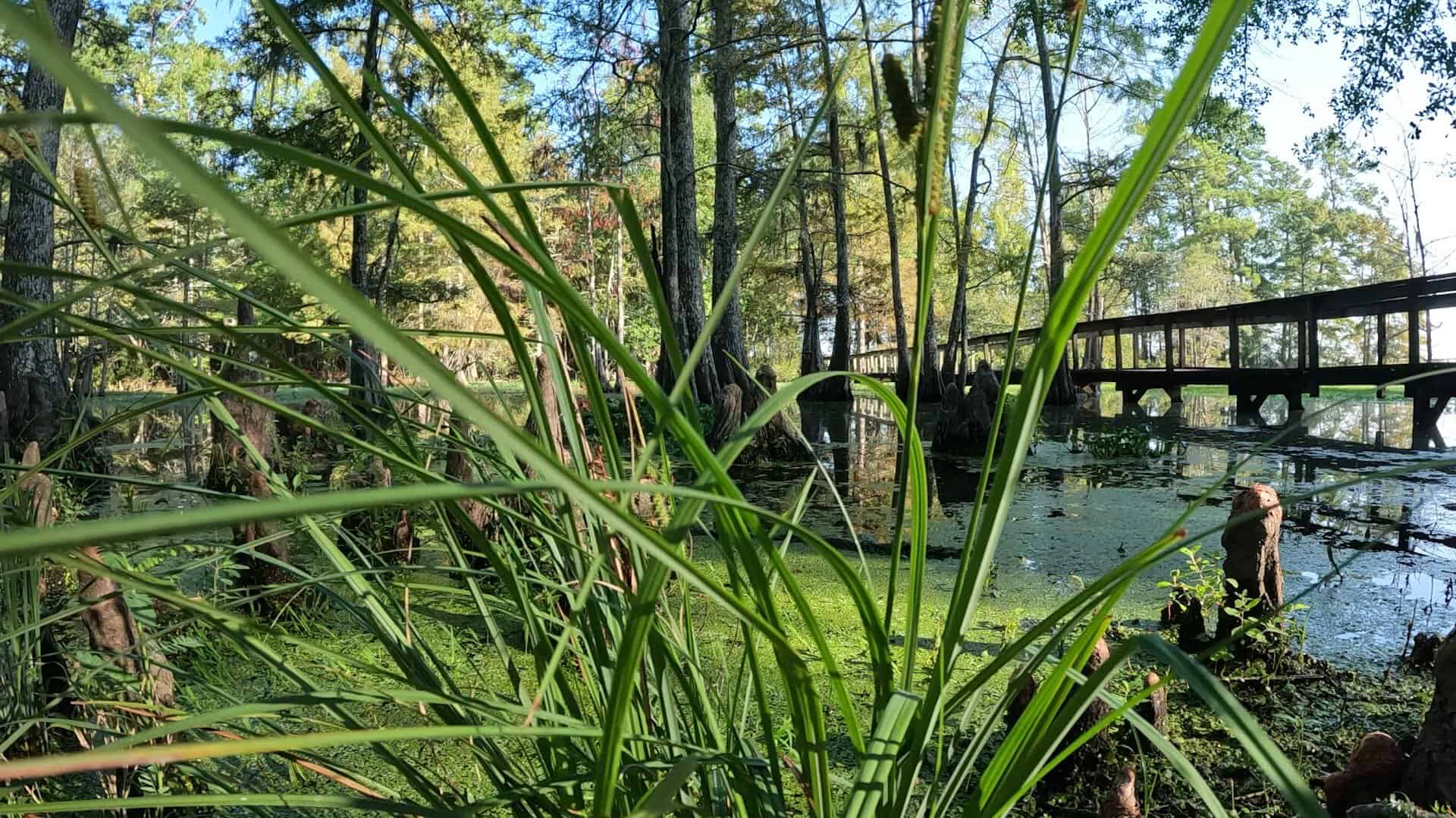
The birds are the everyday show. Great blue herons stalk the shallows on stilt legs, anhingas dry their wings like small black flags, and egrets lift off the sloughs in slow white arcs. Osprey, belted kingfishers, woodpeckers, and swallow-tailed kites work the tree line above.
That birdlife is no accident. The park sits along a well-known migratory corridor, and its mix of swamp, open water, and pine draws serious birders with their scopes and their life lists all through spring and fall.
Under the surface it is just as busy. The reservoir holds catfish, largemouth bass, crappie, and perch, and the lighted fishing piers draw a quiet evening crowd. Did you know you do not need a fishing license to fish from shore or a pier inside a Texas state park?
From Dam B to a Paddler’s Secret
None of this water was here a lifetime ago. The whole paddling paradise sits on a reservoir that people made on purpose, and the story is worth knowing before you launch.
Work on damming the Neches River began in 1947. The impounding of B.A. Steinhagen Reservoir started in 1951, and the Town Bluff Dam, known locally as Dam B, was finished in 1953. The lake honors B.A. Steinhagen, a Beaumont citizen who pushed hard for the project in its planning years.
The park itself started life under a plainer name. Leased from the U.S. Army Corps of Engineers in 1964, it was first called Dam B State Park, which tells you exactly how romantic those early planners were feeling.
In 1965 it was renamed for Martin Dies, Jr., the son of a longtime East Texas congressman. The new name stuck, and the park slowly grew into the wooded, water-laced escape paddlers chase today.
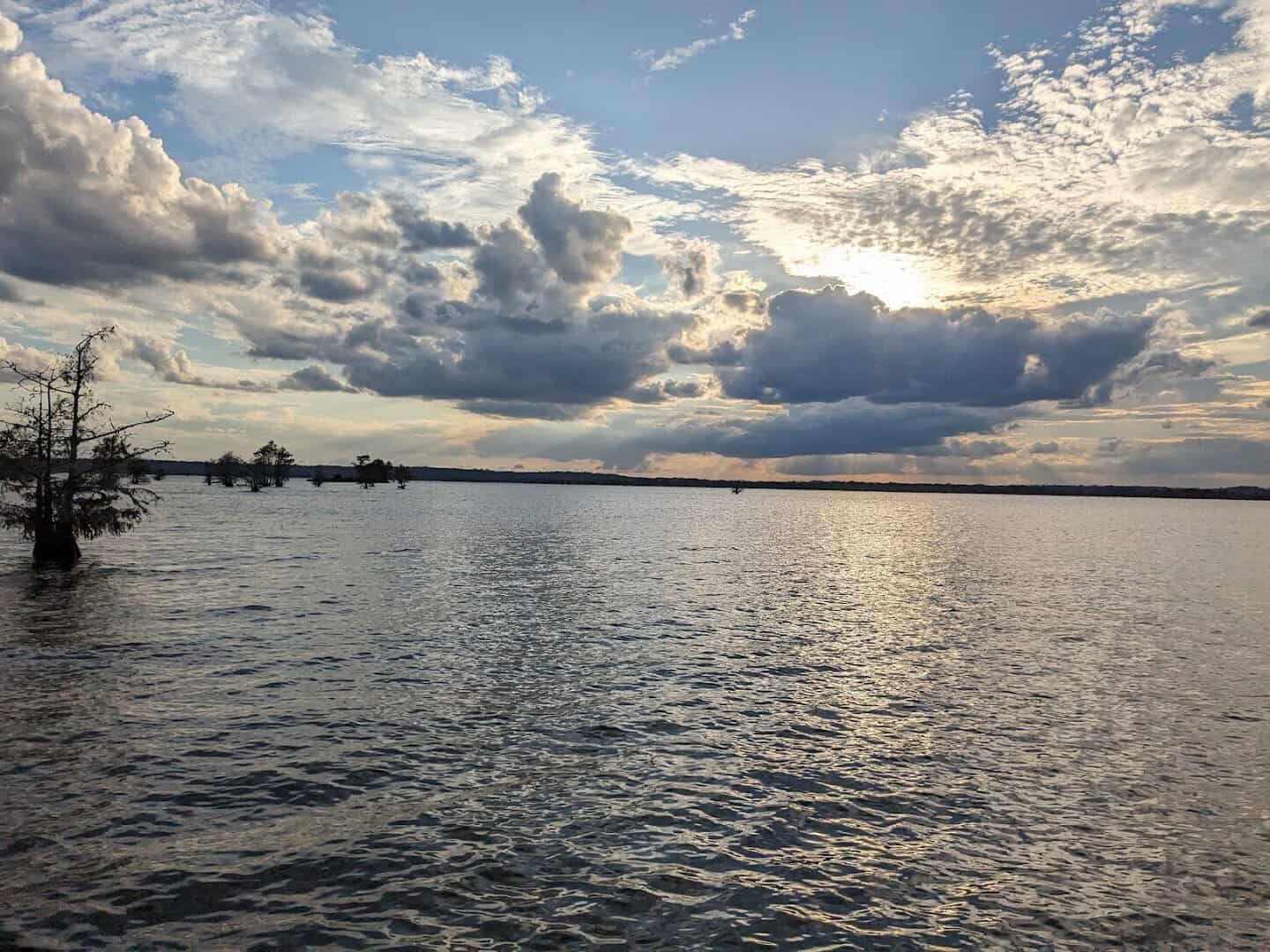
The park now spreads across roughly 705 acres in four units. Walnut Ridge and Hen House Ridge sit in Jasper County, while Wolf Creek and Rush Creek lie across the county line in Tyler County.
That four-unit layout is why the paddling feels so varied. Each unit meets the water differently, one on open reservoir, another tucked into swampy backwater, so no two launches show you quite the same view.
All of it rests on the doorstep of the Big Thicket, that famously tangled meeting of swamp, forest, and prairie. The paddling trails are your easiest way into that wild edge without owning a swamp boat of your own.
Beyond the Paddle
Even if the water is the reason you come, there is plenty waiting when you beach the boat. Shaded hiking and nature trails loop through the pines and along the sloughs, short and flat enough for a family with little legs.
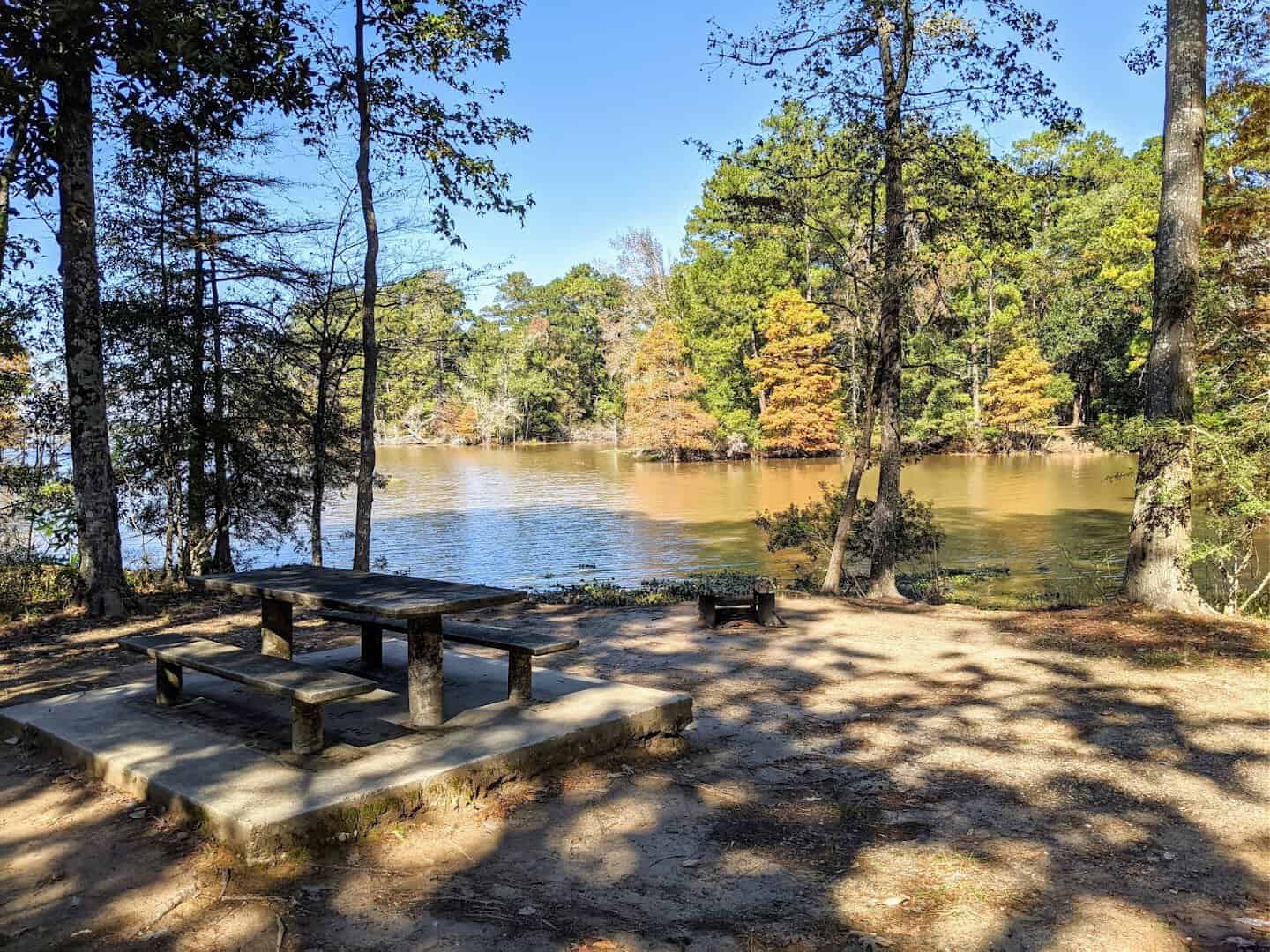
The fishing alone justifies a trip for some folks, and the lighted piers mean you can keep casting after the sun drops. Others come to hunt geocaches, spread a picnic, or simply nap in a hammock strung between two loblolly pines.
It is worth checking the park’s event calendar before you go, since ranger-led walks and nature programs pop up on the schedule and can turn a pretty paddle into a trip the kids actually learn something from.
My honest take is that a mix makes the best day: paddle the cool early hours, hike or fish through the warm middle of the afternoon, then drift back to the swamp deck at dusk for the gators. That is a full, satisfying day in one park.
Renting a Boat and Staying the Night
No kayak? No problem. The park rents kayaks and canoes right at headquarters, generally from about 8:30 in the morning until 4:30 in the afternoon, so you can show up empty-handed and still be on the water within the hour.
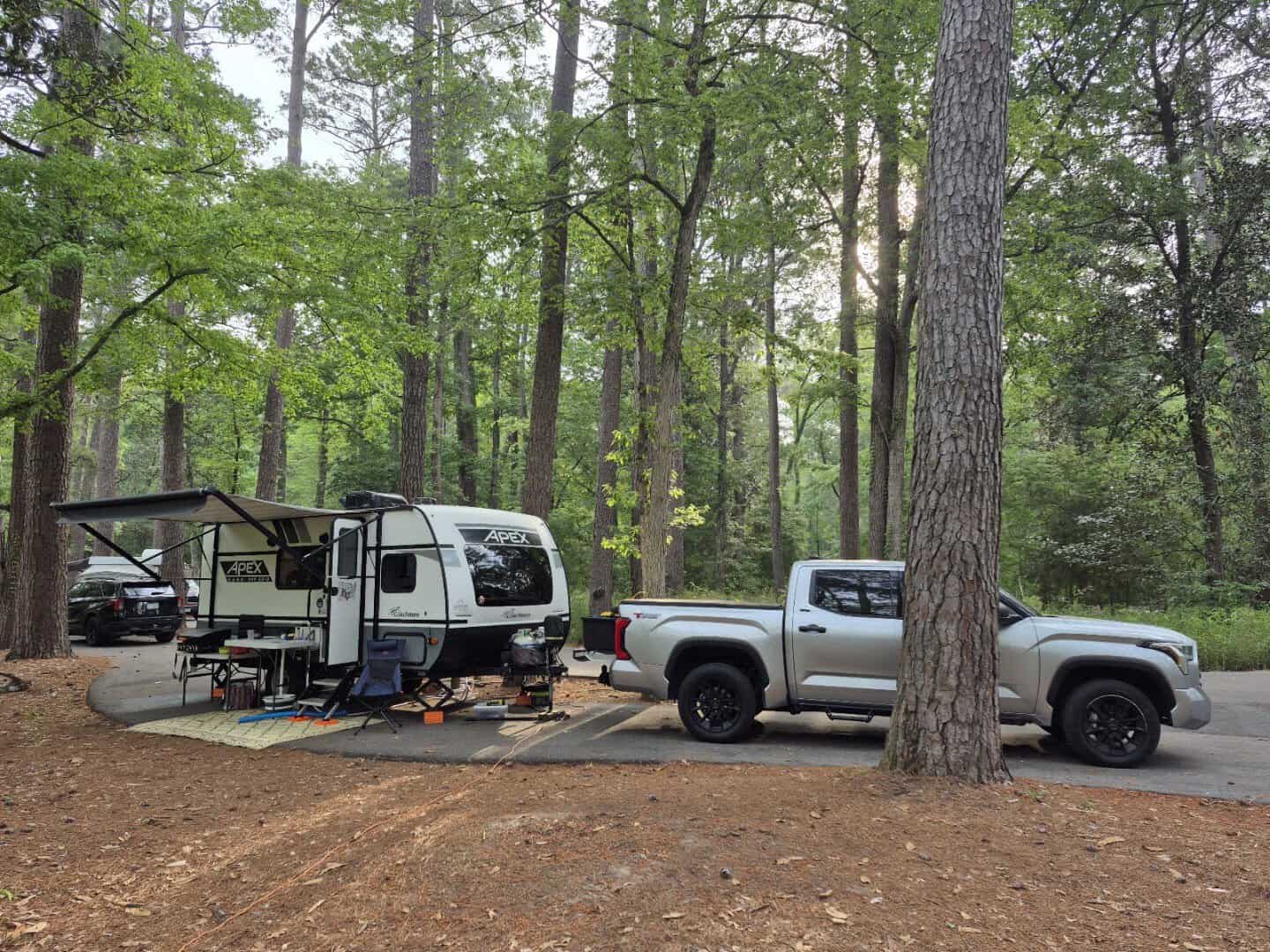
My honest advice is to make it an overnight. The park carries more than 200 campsites with water and electric hookups, plus screened shelters and cabins for anyone whose idea of camping includes a real bed and a roof.
Staying over is how you unlock the two best hours here. The dawn fog on the cypress and the after-dark glow of alligator eyes both happen once the day-trippers have driven home. A cabin ten minutes from the boat ramp puts you first on the water.
Tip: if you want the floating-cypress photo everyone chases, ask a ranger which ramp faces the morning fog. The boat ramp on the west side of the park is a well-loved spot when the mist rolls in and the trees seem to hover in the clouds.
How to Get There
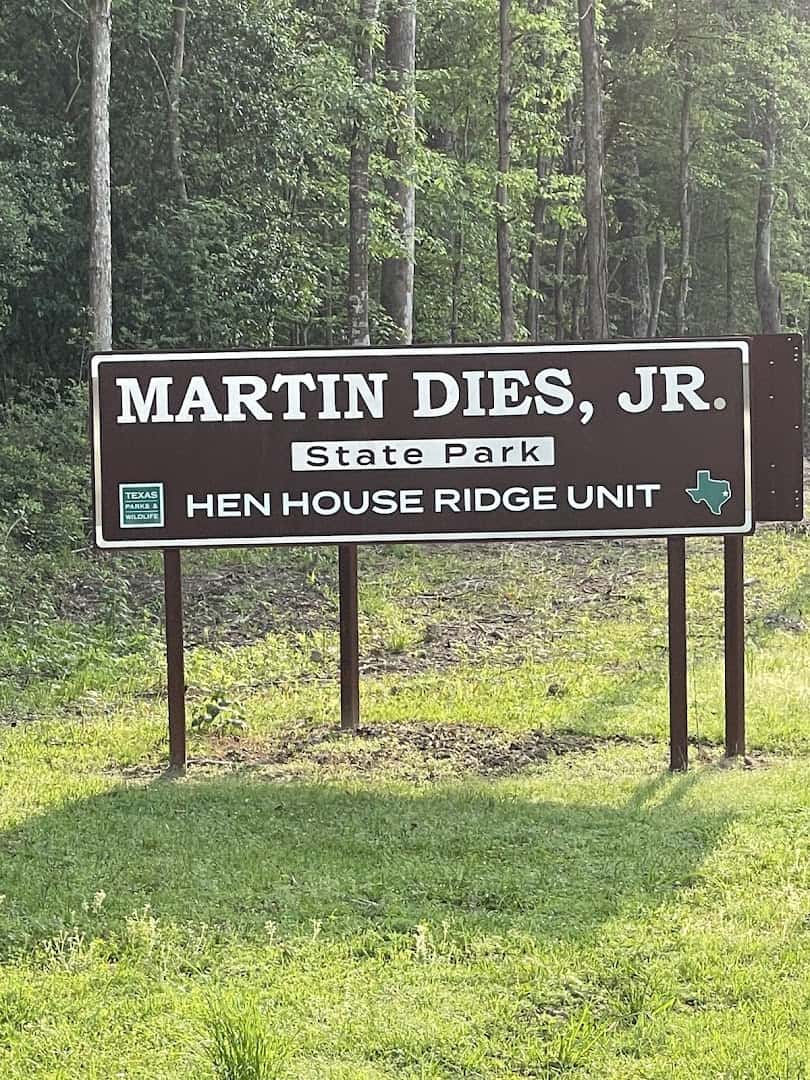
Where: Martin Dies, Jr. State Park, 634 Park Road 48 South, Jasper, TX 75951. The park sits about 12 miles west of Jasper along US Highway 190, roughly halfway to Woodville, so it slots easily into any East Texas or Big Thicket road trip.
Reserve a campsite, cabin, or day-use spot ahead through Texas Parks and Wildlife, especially on spring and fall weekends when the paddlers and the birders both turn up. Bring bug spray, a hat, and more water than you think you need.
Spring and fall are the sweet spots for paddling here, with mild air and the migratory birds moving through. Summer mornings still work if you launch early and off the water before the heat climbs, and even a gray winter day delivers that famous floating-cypress fog.
Point the Bow East
Some parks you visit for a landmark. This one you visit for a feeling, that unhurried glide through a forest that grew up in the water, with a heron for a guide and an alligator or two keeping score.
So load the cooler, throw the paddles in the truck, and give yourself a slow morning in the sloughs. Whether you are a lifelong paddler or you have never held a kayak, this quiet corner of East Texas is ready to show you how good still water can feel.
Featured image: F N via Martin Dies Jr State Park

Stella Raines
Editor-in-Chief
Stella brings over a decade of storytelling experience to TX Headlines. With roots in West Texas and a love for road trips, she leads the editorial team with an eye for the hidden stories that make Texas unforgettable.
More Stories

These 10 Texas Spots Bloom Into Seas of Bluebonnets Each Spring

This Enchanting Texas Nature Trail Feels Like Hiking Through a Fairytale Forest

This Underrated Texas State Park Gives You a Full Day of Swimming and Hiking for Just $5

This Easy Texas Hike Leads to a Swinging Suspension Bridge Hidden in the Pines
Tags