This Old-Fashioned Texas Market Is Packed With Homemade Treats and Feels Like a Trip Back in Time

Some of my favorite Saturdays growing up were spent in a creaky old country store where the floorboards popped, the candy came in glass jars, and somebody’s grandmother sold bread she had baked that morning. I have never quite gotten over the pull of a place like that.
So when I hear about a working farm north of Waco where the shelves are stocked with grass-fed beef, warm loaves, real butter, and rows of handmade goods, I want to point the car straight at it.
This is a place with an old-world hush, the kind you feel the moment you step out of the parking lot and into what feels like another century. Cars fade behind you and the pace drops to the speed of people who make things by hand.
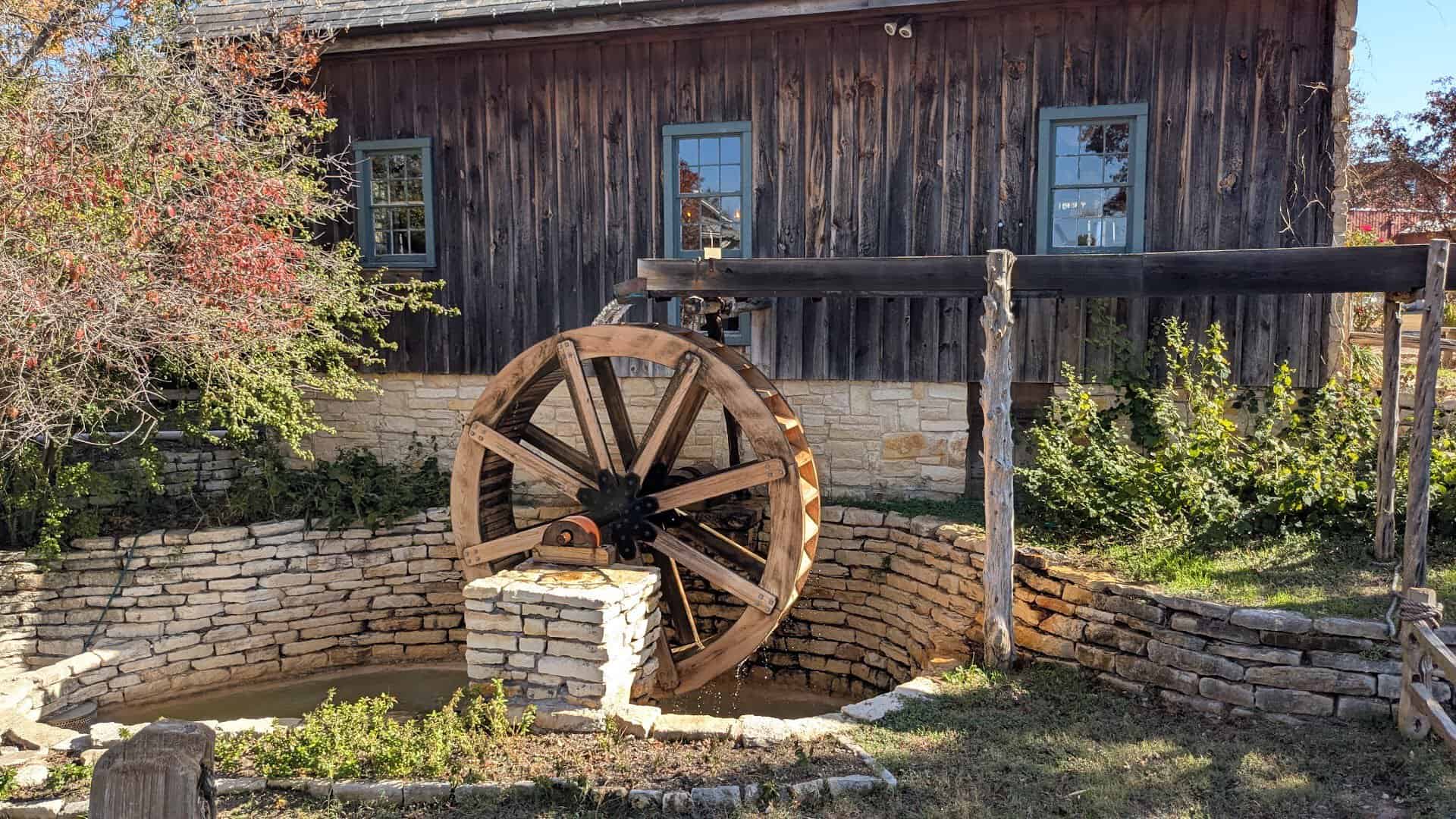
Below, let’s walk through the market, the general store, the crafts, and the old mill that still grinds grain by water power, so you know exactly what to load into your basket before you go.
A Market That Feeds You Like a Farm Would
The heart of the whole place is the market, and it is stocked the way a farm kitchen would stock itself. Everything leans toward locally sourced, natural, and organic, with much of it coming from family-run gardens, farms, and orchards across central Texas.
The butcher shop is the anchor. You will find grass-fed and all-natural beef and lamb, authentically pastured chickens, farm eggs, and quality fish. This is meat with a face and a field behind it, not a foam tray under fluorescent light.
Then come the baked goods, and this is where I lose my willpower entirely. Artisan breads, pastries, and treats sit out fresh, the kind of loaves with a real crust and a crumb that pulls apart in strands.
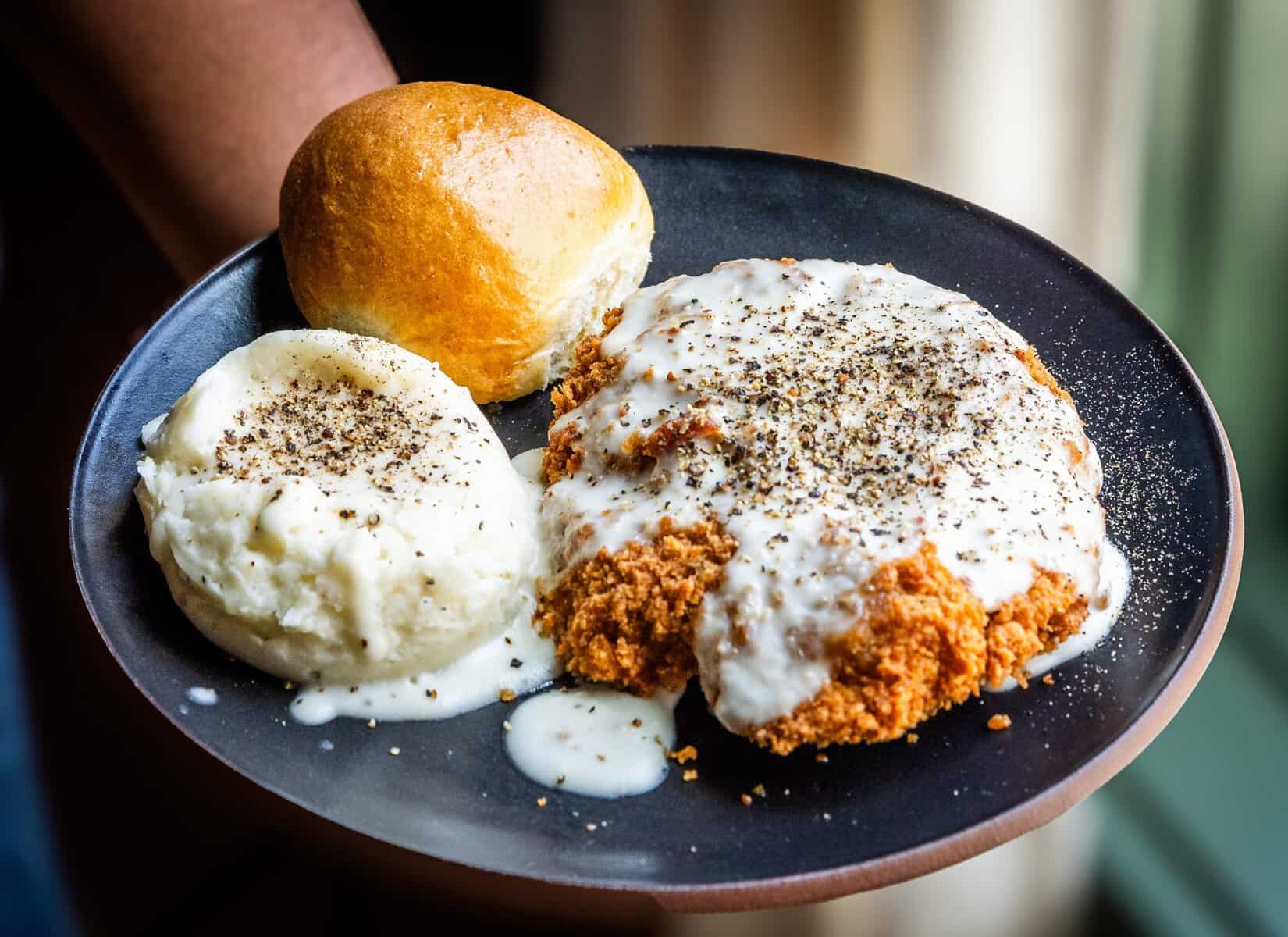
There is a particular smell to a room full of fresh bread, warm and yeasty and a little sweet, and it does something to your resolve. I have never once left a bakery like this with only the loaf I came in for.
You can round out a whole week of meals here. Organic milk, butter, and cream fill the cooler, produce comes in by the crate, and even the cleaning supplies lean simple and old-fashioned. Come hungry and bring a cooler.
What gets me every time is the pantry side of things. Jars line the shelves, the sort of old-fashioned goods that used to be standard in every farm kitchen and now feel like a small luxury you have to go out of your way to find.
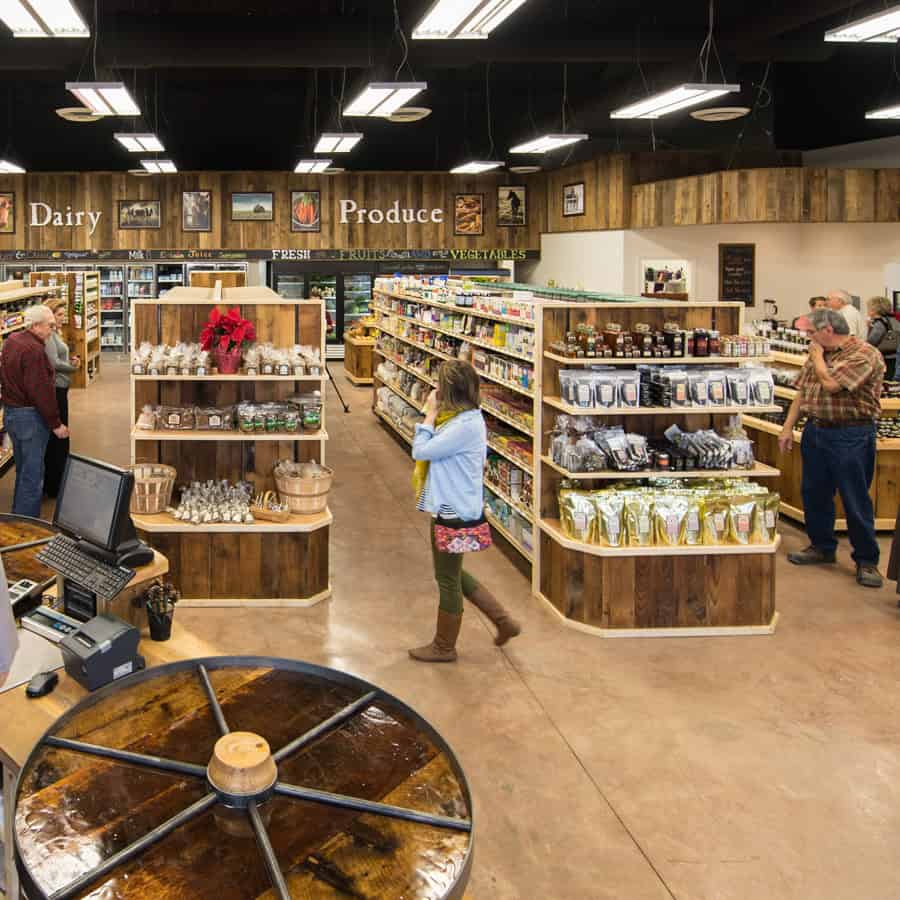
Think honey, preserves, and the fresh flour and baking mixes milled right here on the property. This is a place built for people who still cook from scratch, and the shelves reward you for it.
The General Store: Old-Fashioned Goods Under a 200-Year-Old Roof
If the market feeds you, the general store outfits you. This is the shop you walk into needing one thing and leave with five, because half of it is stuff you forgot they still make.
The shelves carry books, livestock feed, garden tools, kitchen and canning supplies, cutlery, and hand-crank grain mills. It is genuinely a homesteader’s hardware store, the place you go when you actually intend to put food up for winter.
Even if you have never canned a thing in your life, it is a lovely place to browse. The tools are the honest kind, made to be used and repaired rather than replaced, and there is something grounding about a store that assumes you might grow your own food someday.
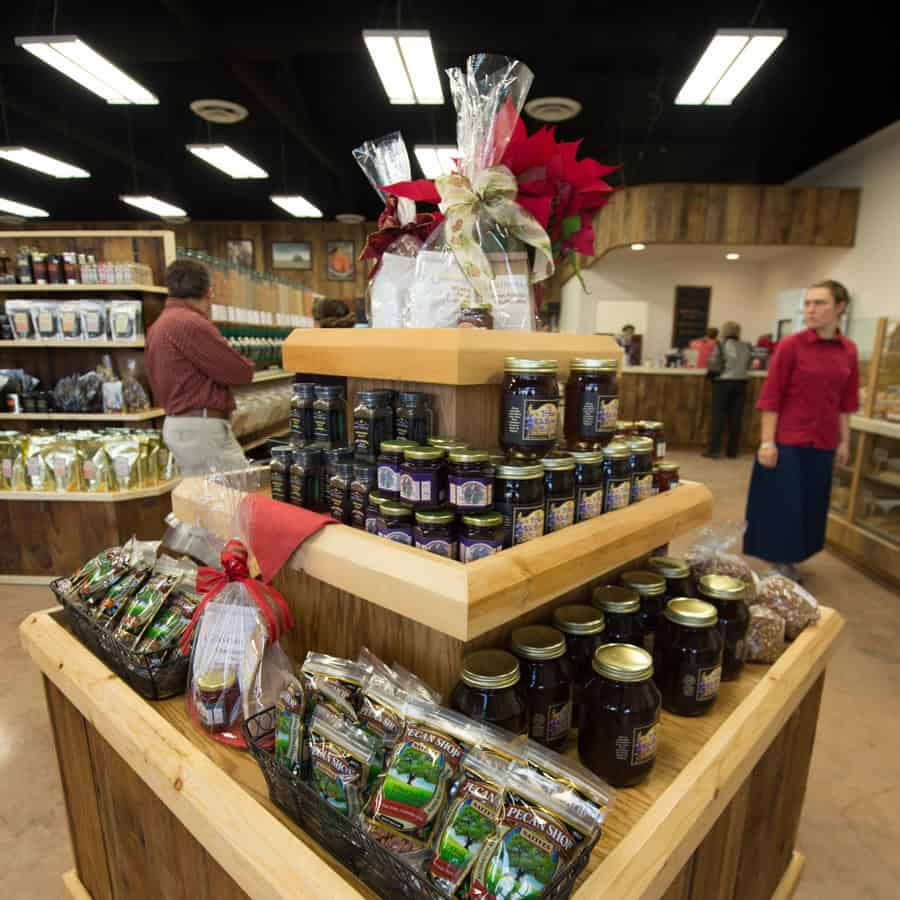
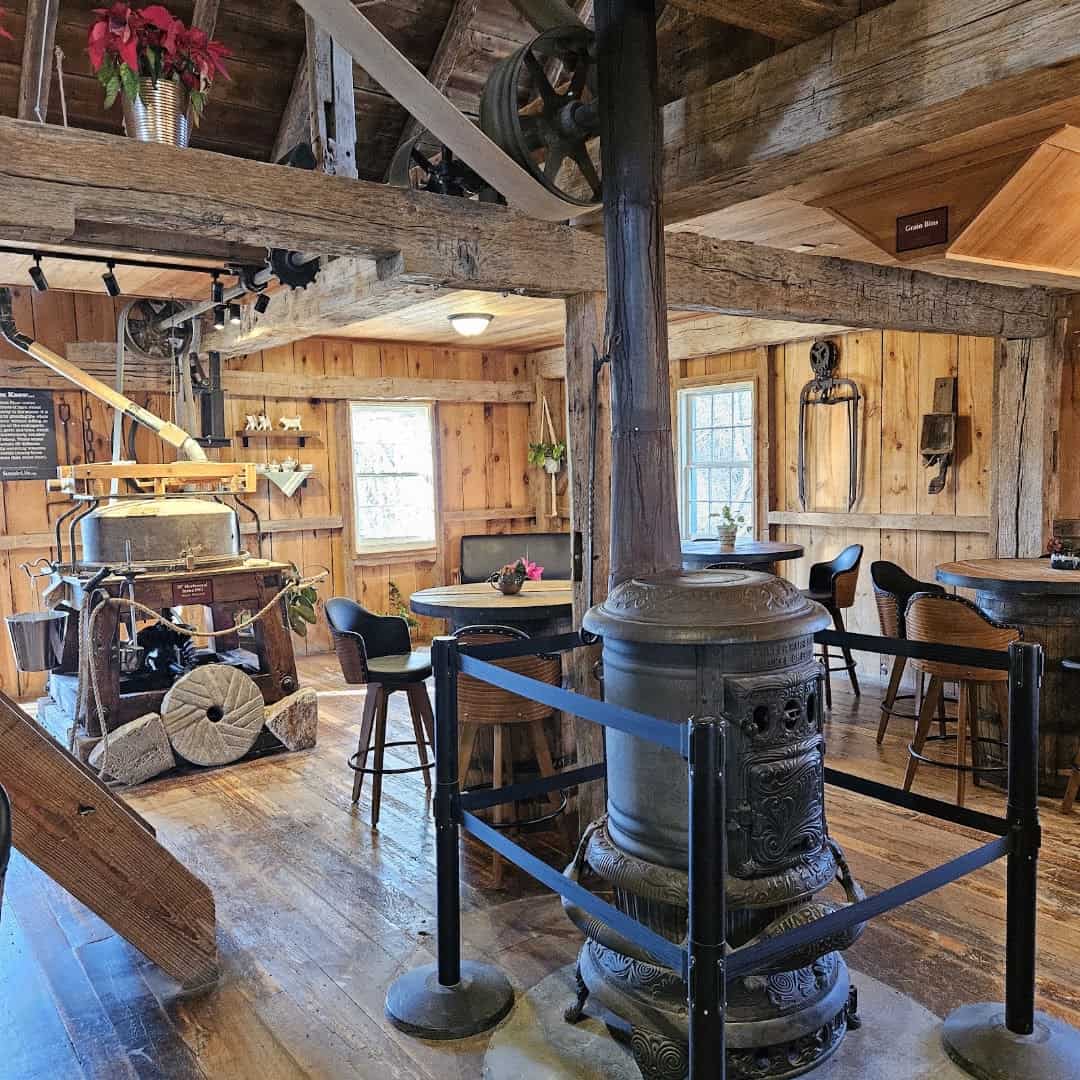
The building itself is the showstopper. The general store is built from two early hand-hewn barn frames, and those frames were originally raised around 1780. You are shopping inside timbers older than the state of Texas by a wide margin.
The main showroom is insulated and cooled for comfort. The feed and storage barn next door stays true to tradition, using a ventilated roof and gable-end vents to move air the way barns did long before air conditioning existed.
Handmade Things You Can Watch Being Made
Walk into the big restored barn and you find yourself surrounded by hundreds of one-of-a-kind handcrafted items. Hand-turned wooden bowls, rocking chairs, bed frames, hand-quilted quilts, natural soaps, and stacks of children’s and how-to books fill the space.
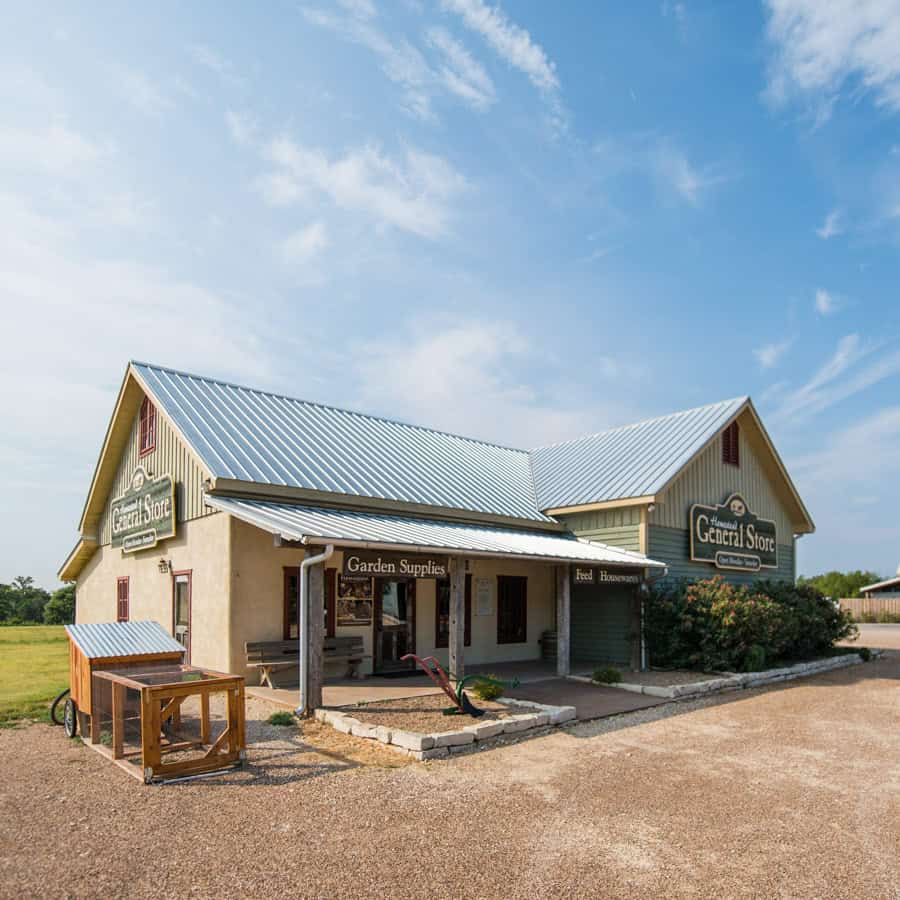
These are not trinkets. Each piece carries the care of the person who made it, and the community is open about why that matters to them. True craft, as they put it, takes more than skill. It takes the maker’s personal investment in the thing.
What makes it different from a gift shop is that you can often watch the work happen. Potters shape clay on the wheel at the Potter’s House and fire their pieces in a custom wood-fired kiln. They make everyday household pottery as well as giftware.
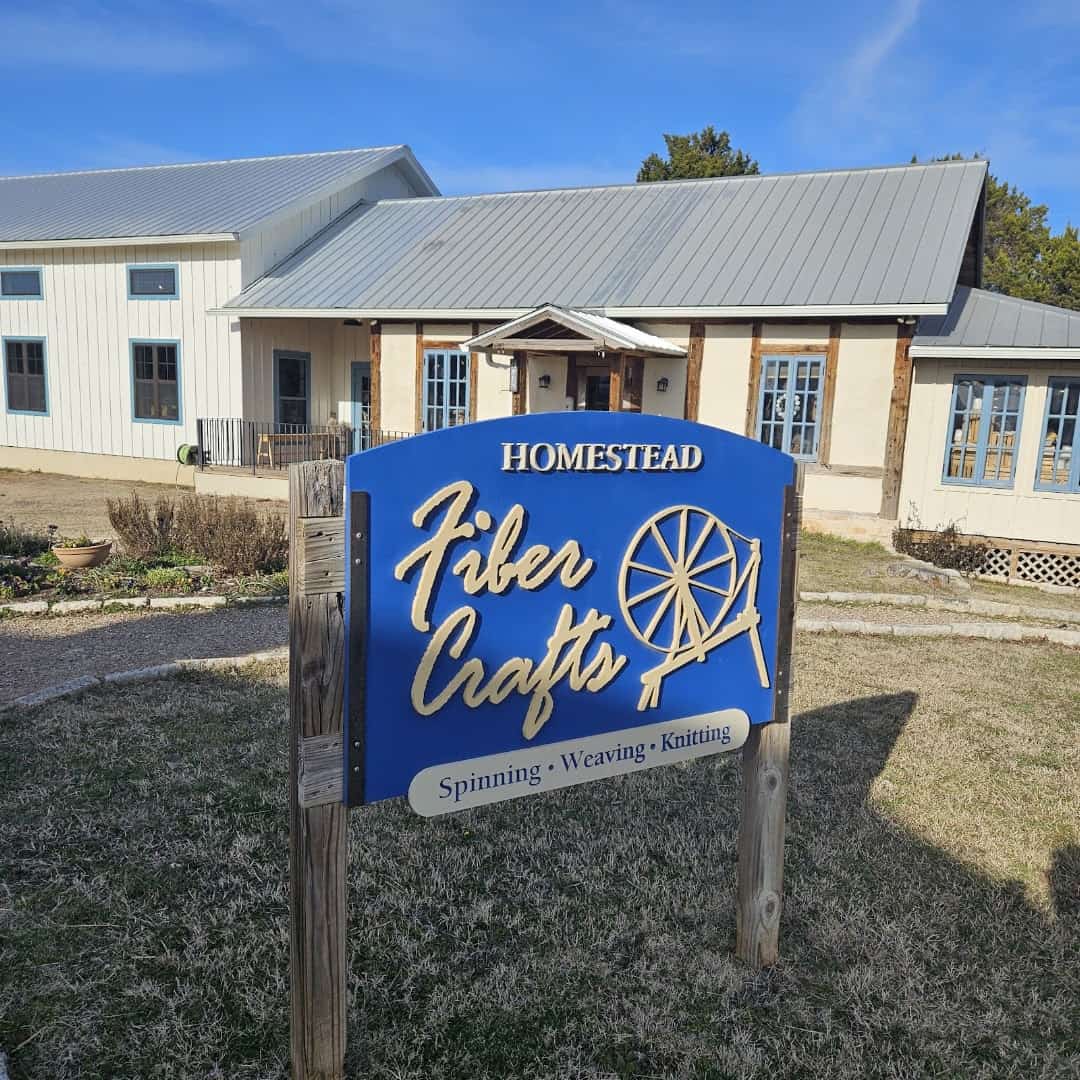
At the forge, blacksmiths hammer raw steel into dinner bells, pot racks, hooks, andirons, lamps, and custom ironwork. In the fiber crafts barn, weavers and spinners carry on the slow art of turning yarn into cloth, and they sell looms and knitting supplies too.
The woodworking shop is a favorite of mine to linger in. Solid wood construction, hand-cut joinery, steam-bent curves, and hand-carved details go into heirloom furniture built to outlast the people who buy it, which is a rare thing to be able to say about a chair.
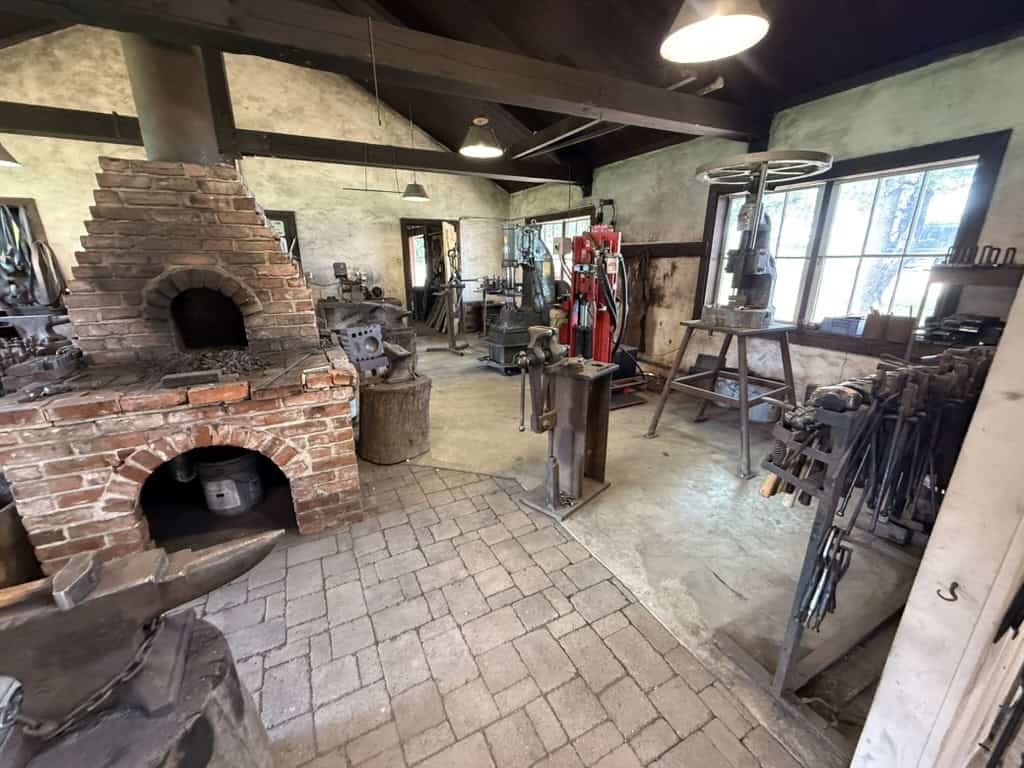
Did you know you can even take a class here? The village teaches craft and homesteading skills, so you can go home knowing how to throw a pot or work a loom, not just carrying one someone else made.
The Mill That Still Runs on Water
Here is the detail that made me fall for this place. Tucked into the village is a water-powered gristmill, a restoration of a mill dating to around 1760, and it still grinds fresh whole-wheat flour and cornmeal daily.
There is a specific smell to fresh-milled grain, sweet and nutty and nothing like the flour in a paper sack. Watching water turn a wheel that turns a stone that turns wheat into flour is the kind of quiet magic that no factory can sell you.
That flour is not just for show. It feeds the bakery and turns up in the organic grains, flours, and baking mixes you can carry home, so the loaf you buy traces straight back to the stone you just watched spinning.
Cheese, Ice Cream, and Barbecue Worth the Detour
The food does not stop at the market counter. The village runs its own cheesemaking facility, and the artisan cheese it turns out has earned a real following well beyond McLennan County.
On a hot Texas afternoon, the move is the fresh-cranked ice cream, made on-site and worth every drip. Pro tip: save it for last. Ice cream and a warm car are not friends, so eat it before you load up the cooler.
The cheese is worth a special mention. It is made in small batches, aged with real care, and people drive out here specifically to buy it. Pick up a wedge for the road and a second one you will pretend was also for the road.
For a full meal, Cafe Homestead cooks made-from-scratch dishes daily from local, natural, and organic ingredients, and it has built a top-rated reputation doing it. Nearby, Homestead Red Wagon Barbecue handles the beef and chicken for anyone who came for smoke.
How a New York Congregation Built a Texas Homestead
The story behind all this is not as old as the barns. It begins in 1973, when Blair Adams started a small congregation in New York City, drawn to a simpler, more rooted way of living than the city offered.
The community searched for land for years before settling near Waco. In 1990 the group put down permanent roots in McLennan County, eventually building out a 510-acre farm where members collaborate on agricultural projects while running their own households and businesses.
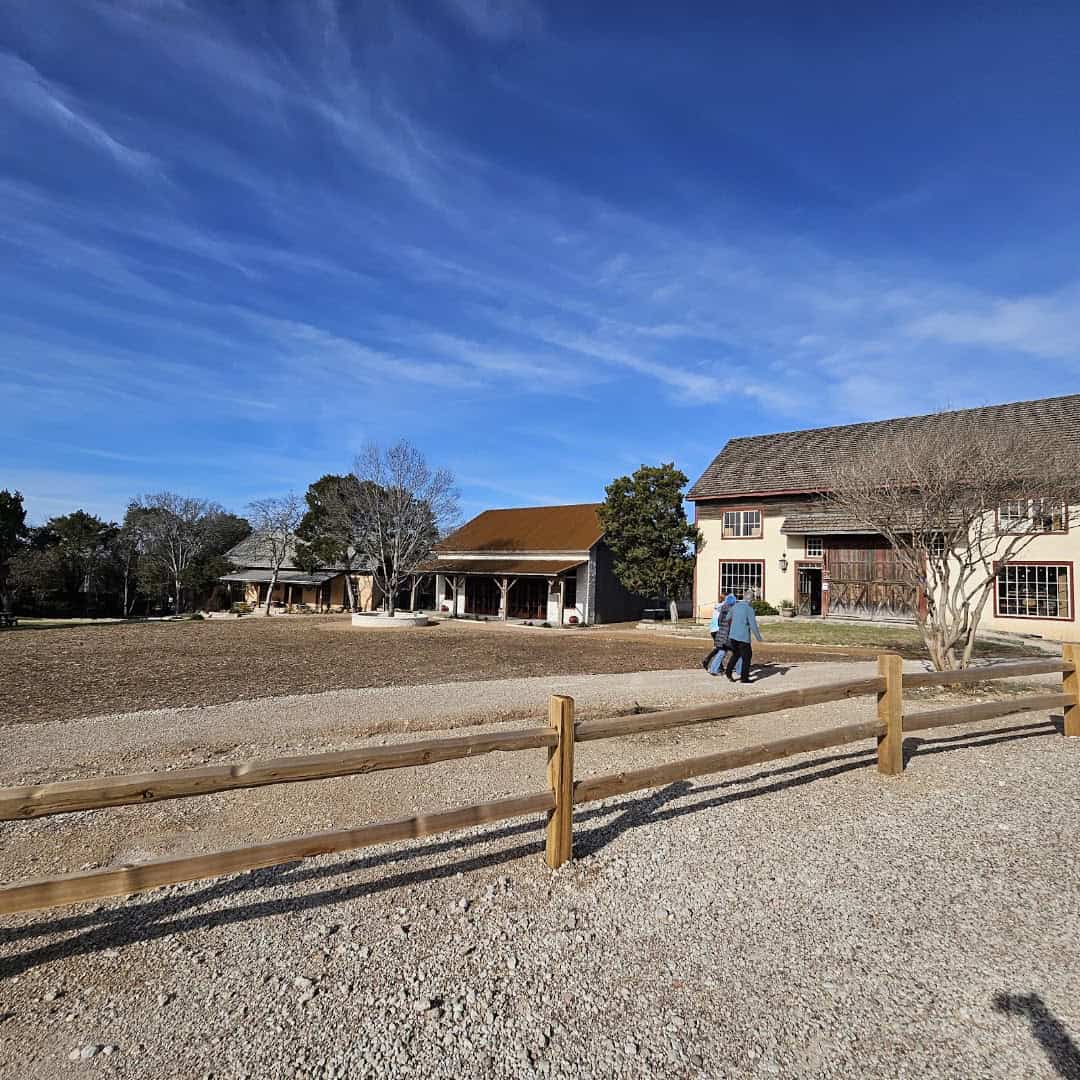
What grew there is Homestead Heritage, a Bible-believing community devoted to family, craftsmanship, and simple living. They describe a visit as a window into a bygone era, before industrialization, when artisan shops thrived on excellence and life centered on faith, family, and friendship.
They gathered antique buildings to match the way of life. The 1700s timber-frame barn, the 1780 store frames, the 1760 mill, all rescued and raised again, so the setting is as handmade as everything sold inside it.
That is what saves the place from feeling like a theme park. Nothing here is a reproduction pretending to be old. The barns really are two and three centuries old, the crafts really are made by hand on-site, and the food really does come off the surrounding land.
Making a Day of It
Give yourself more time than you think you need. Between the shops, the craftsmen at work, the gardens, the livestock area, and the aquaponics greenhouse, this is an afternoon, not a quick errand.
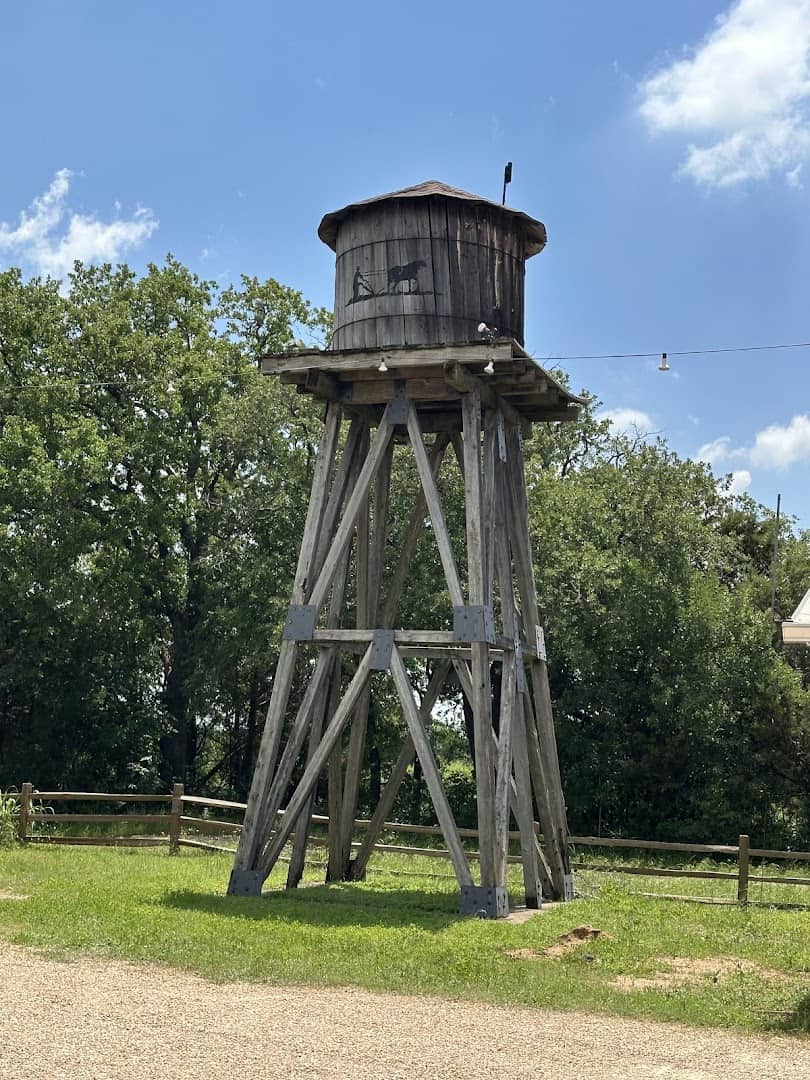
Kids do well here. There are horse-drawn hayrides, animals to see, and hands-on things to do, plus self-guided and group tours if you want the fuller story of how the village runs.
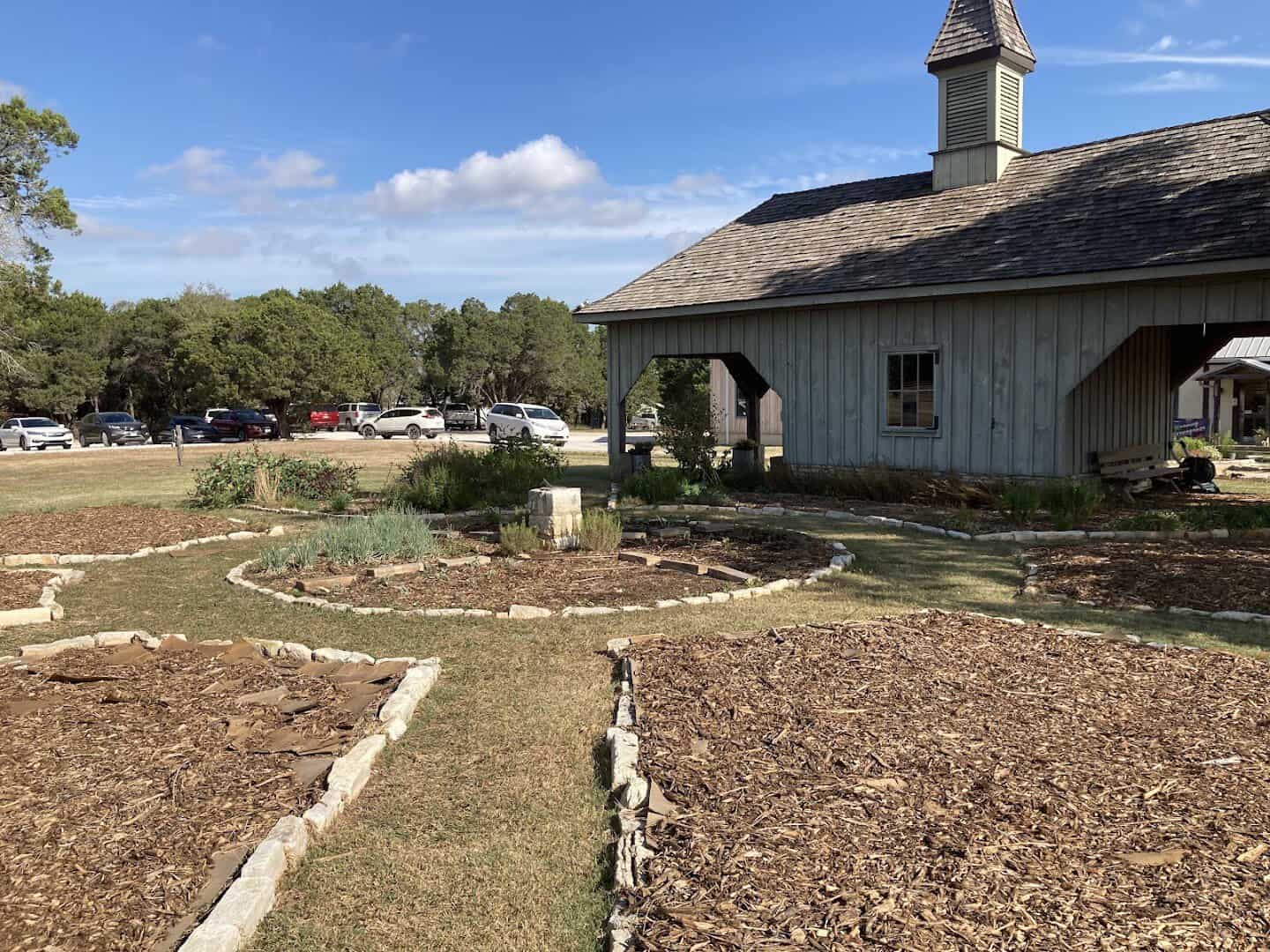
Save time for the growing side of the farm. There are gardens to wander, a livestock area, and an aquaponics greenhouse where fish and plants grow together in one clever loop. It is a working farm, so the food on the shelves and the farm outside are the same story.
Time your trip with an event if you can. The Labor Day Festival brings live music, sorghum pressing, pony rides, and an indoor farmers market, and the big Homestead Fair each late November leads into a Christmas Holiday Market with festive food and crafts.
A few practical notes. The market runs roughly 9:30 in the morning to 6:30 in the evening, Monday through Saturday, and the general store keeps similar daytime hours. The wider village closes earlier than the shops, so check current times before a long drive.
How to Get There
Where: Homestead Craft Village at Homestead Heritage, 608 Dry Creek Rd, Waco, TX 76705.
It sits just north of Waco, an easy hop off Interstate 35. That makes it a natural stop whether you are running down from Dallas or up from Austin.
Waco itself is worth a stop too, so it is easy to build a full day around the trip. Give yourself the daylight to enjoy it.
Load Up the Cooler and Go
This is the rare Texas errand that feels like a small vacation. You come for a loaf of bread and leave with cheese, a hand-thrown mug, a bag of fresh-milled flour, and the strange calm of a few hours spent somewhere unhurried.
So pick a Saturday, bring a cooler and a little patience, and let yourself wander. Just try not to eat the whole bag of treats before you make it back to the car.
Featured image: @ Homestead Heritage

Stella Raines
Editor-in-Chief
Stella brings over a decade of storytelling experience to TX Headlines. With roots in West Texas and a love for road trips, she leads the editorial team with an eye for the hidden stories that make Texas unforgettable.
More Stories

This Nerve-Racking Texas Bridge Is a 20-Story Climb Straight Into the Sky
This Sprawling Three-Story Texas Bookstore Is a Book Lover’s Wildest Dream
This Beloved Texas Tradition Turns a Whole Hill Country Town Purple Every June
This Sprawling Texas Antique Market Is So Big You’ll Need 8 Hours to See It All
Tags