This Prehistoric Texas Park Lets You Dig Up 300-Million-Year-Old Fossils and Keep What You Find
Every kid I knew went through a rock phase. Mine hit hard around age eight, when I filled a shoebox with driveway gravel I was absolutely certain hid dinosaur bones.
It did not pan out. But I never quite let go of the hope that the ground under my feet was keeping secrets from me.
Turns out one patch of North Texas actually is, and it will let you carry the secrets home. Just west of Fort Worth sits Mineral Wells Fossil Park, an eight-acre scoop of ancient seafloor where the dirt is packed with creatures that died more than 300 million years ago.
You do not squint at them through museum glass here. You dig them out with your own two hands and keep every single one you find.
Here is why this scrappy little dig site has rockhounds driving in from all over the state, and how you can spend a whole afternoon there without spending a dime.
A Dig Site That Says Yes When Every Museum Says No
Walk into almost any place that holds real fossils and the rules are the same. Look, do not touch. Read the little placard. Keep moving.
Mineral Wells turns that on its head. There are no reservations, no guided tour you have to book, no permit to pull, no gift-shop replica standing in for the real thing. You park, you climb down into the eroded bowl of the old pit, and you start hunting.
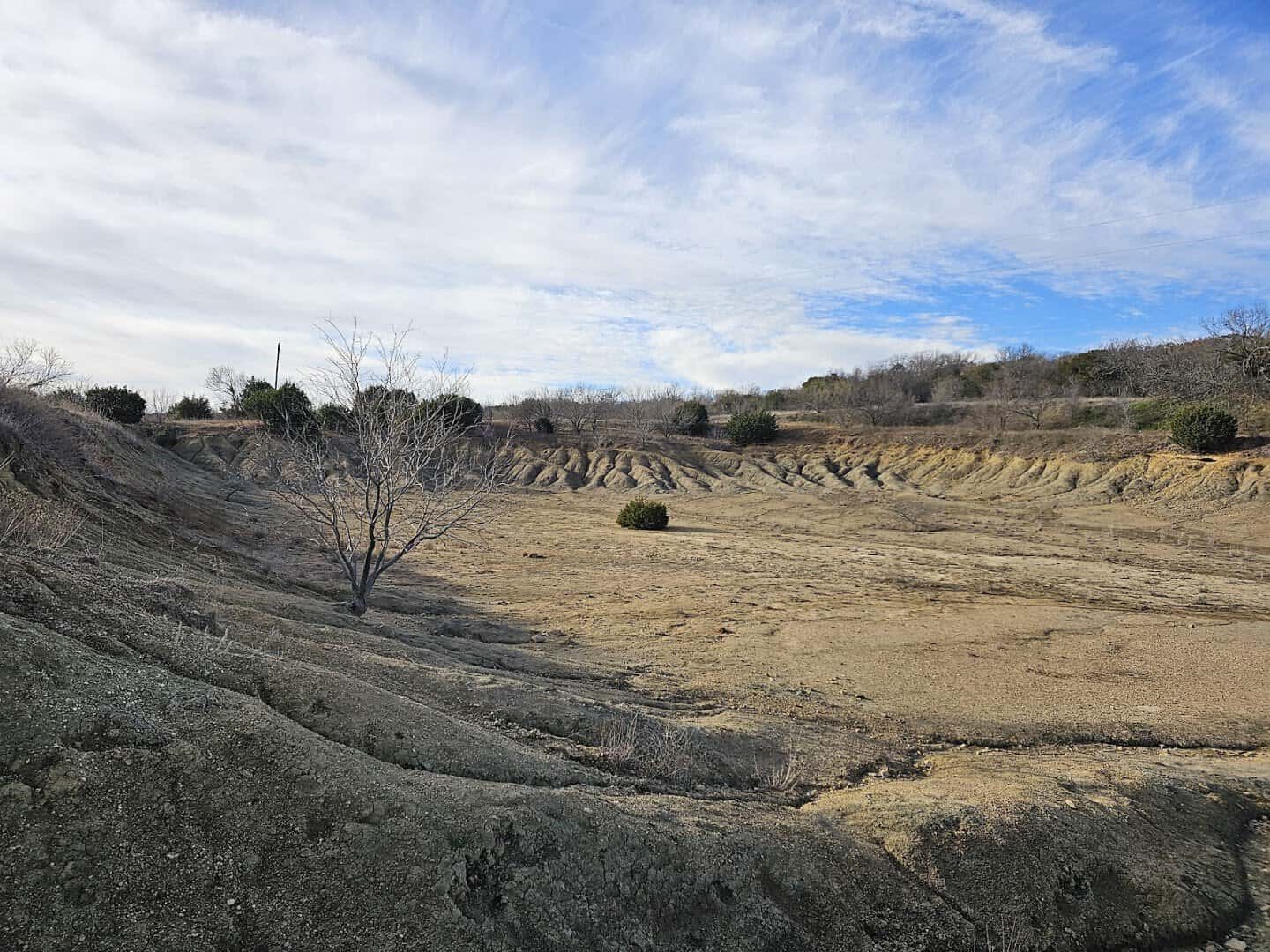
The ground itself does most of the heavy lifting. Rain and time have been breaking this hillside apart for decades. Every good storm loosens a fresh layer of gray shale and washes new specimens up to the surface.
So you are not really excavating. You are reading what the weather already lifted up and set out for you, like a slow tide leaving shells on a beach.
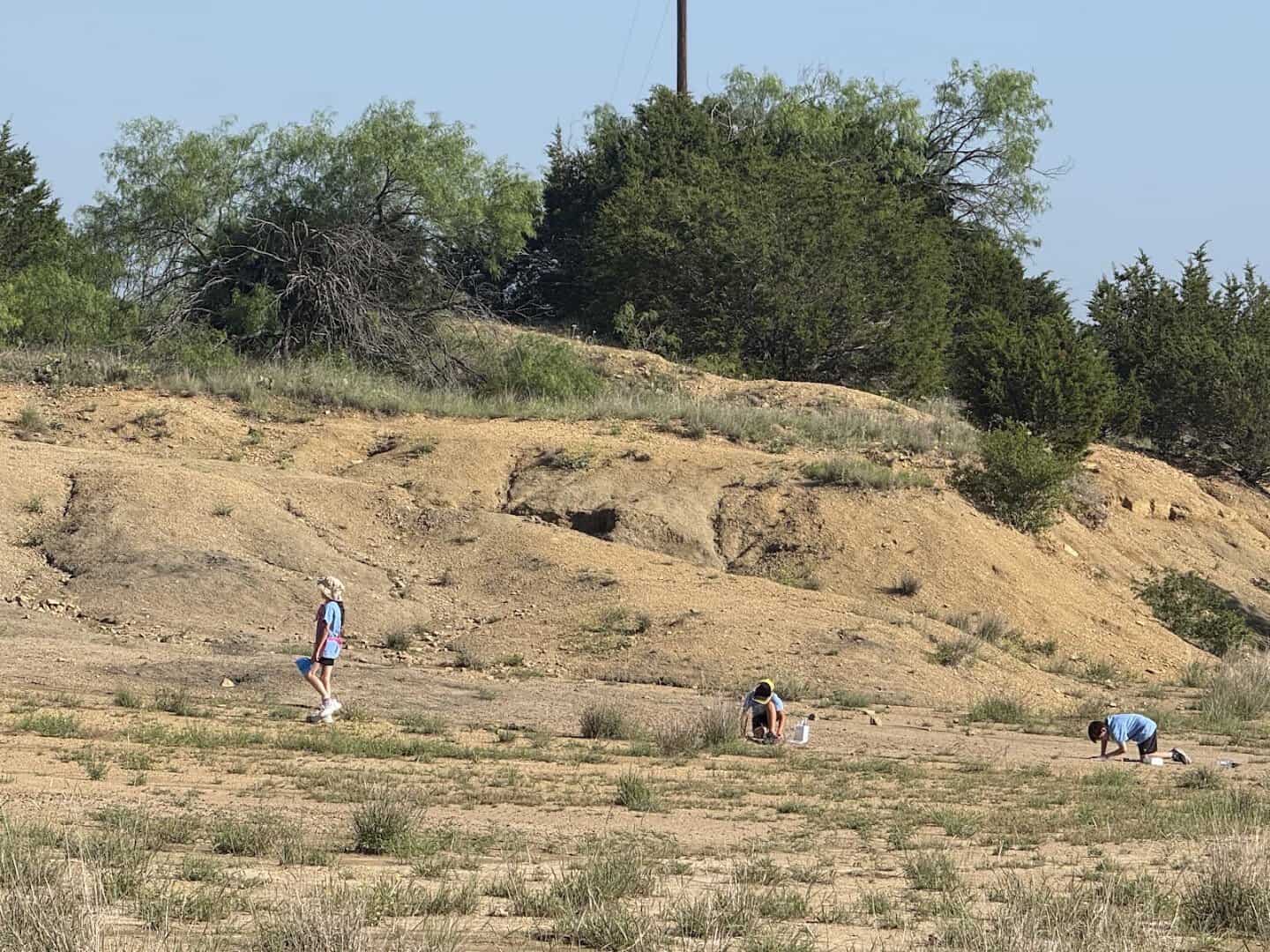
You will see people of every stripe spread across the slopes. Retirees with knee pads and soft brushes. Kids stuffing plastic bags. Serious collectors bent low, working a single seam with the patience of a jeweler.
It is one of the very few public sites in the whole country where the answer to “can I keep this?” is simply yes. No paperwork, no catch, no ranger waiting to take it back at the gate.
What You Will Actually Pull Out of the Ground
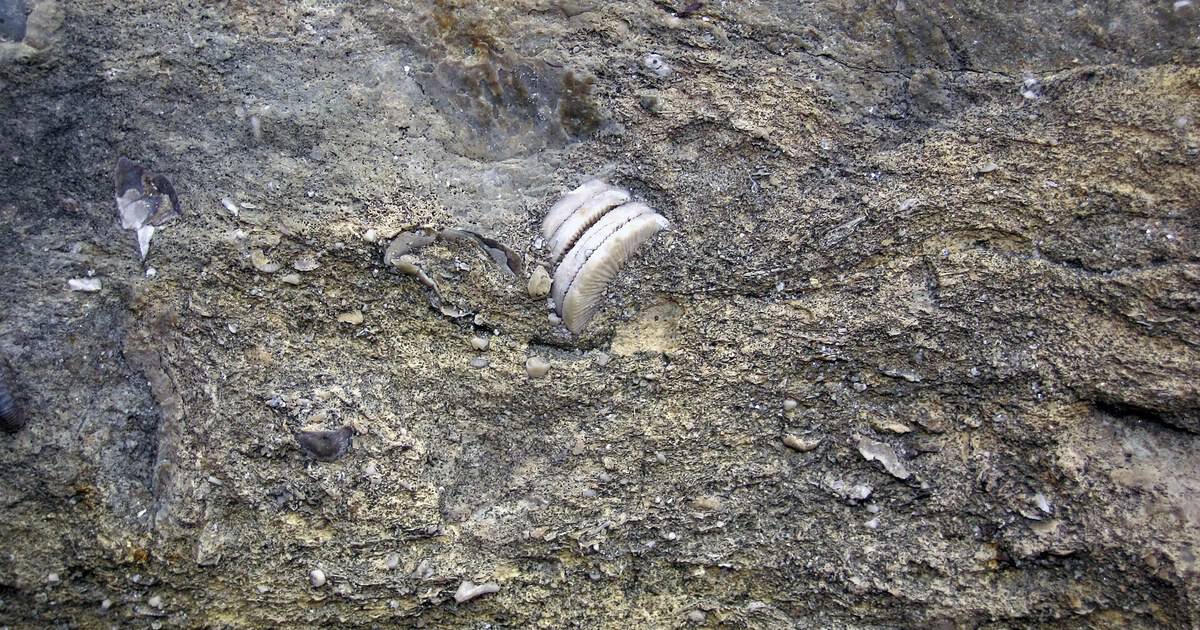
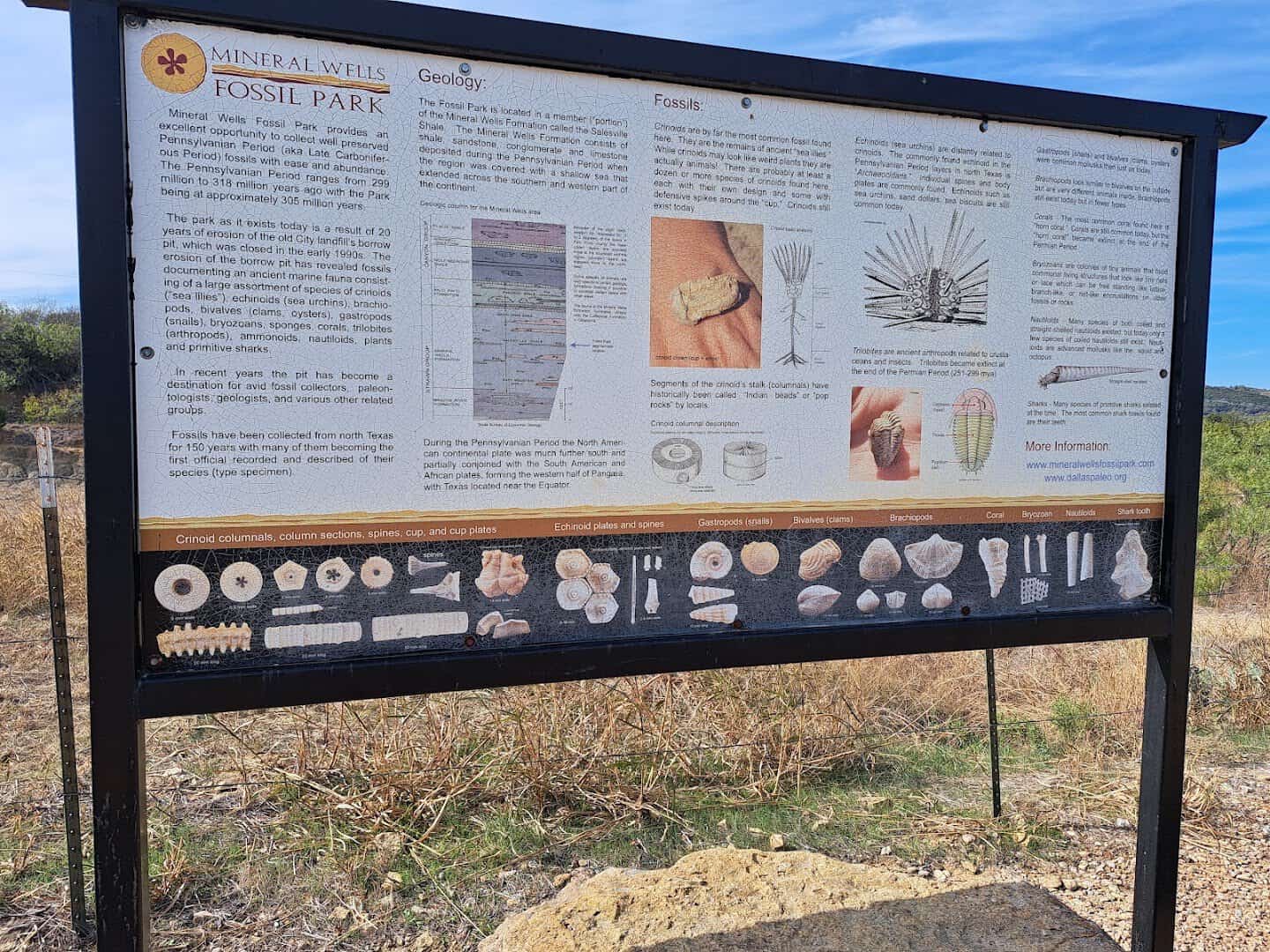
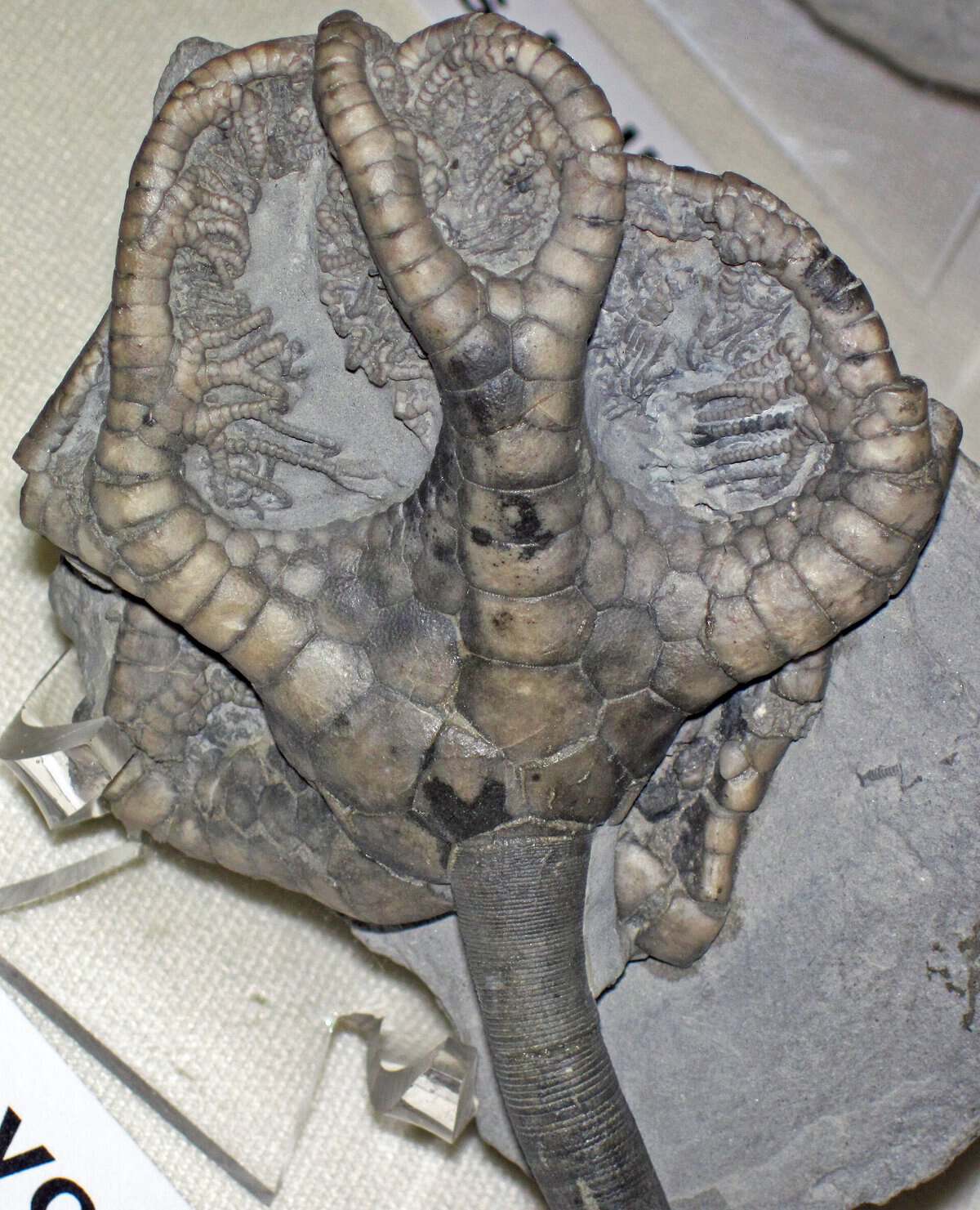
The undisputed star here is the crinoid. If that word is new to you, picture a sea lily, a strange animal that looked like a plant and stood anchored to the seafloor on a long, segmented stalk.
Those stalks are what you find most. They broke apart into thousands of small round discs, each one with a hole punched clean through the middle. They look uncannily like beads that somebody already drilled for a necklace.
Jewelers and crafters adore them for exactly that reason. Fill a bag with the little discs and you have practically strung a bracelet 300 million years in the making, no drill required.
_(17204172290).jpg)
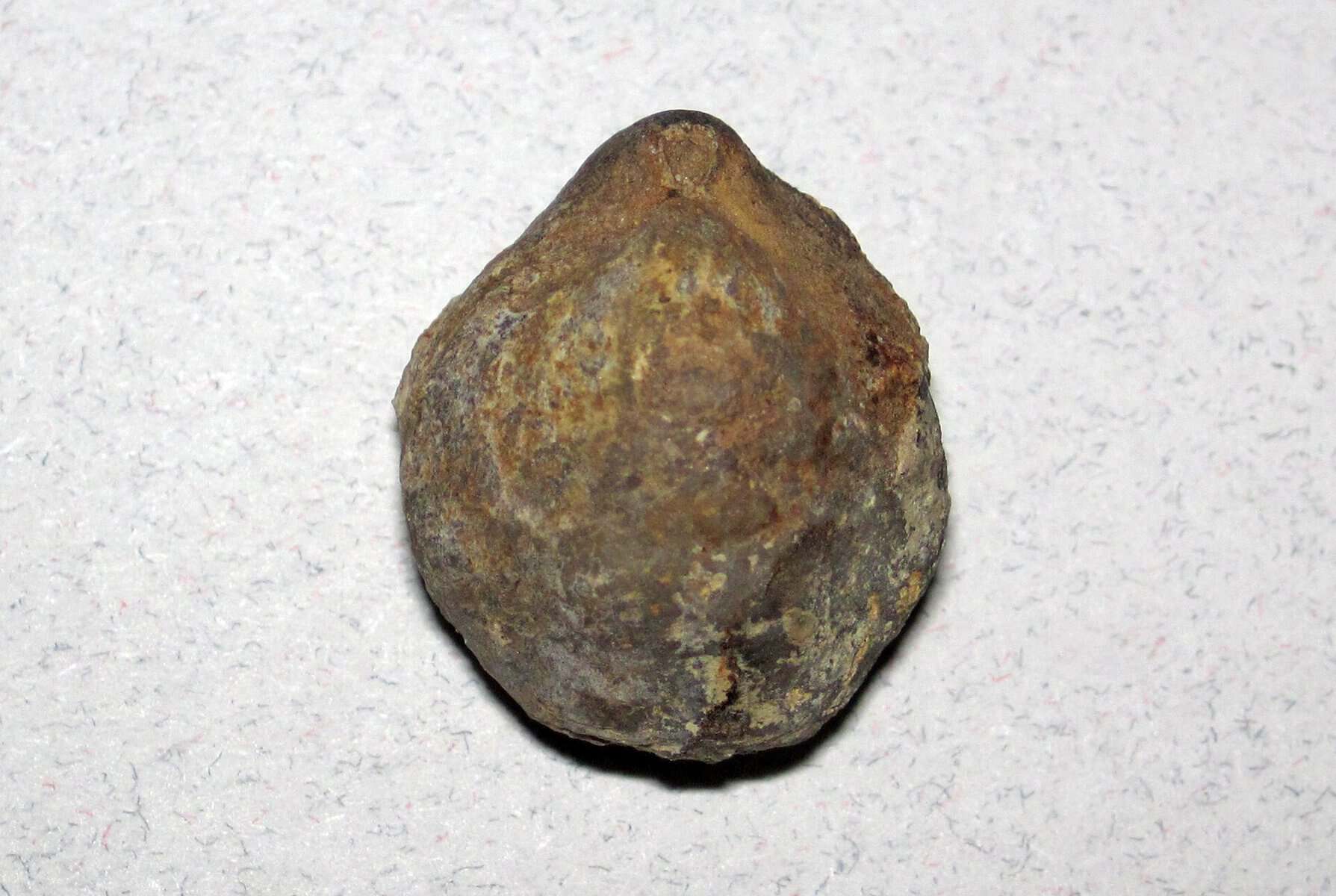
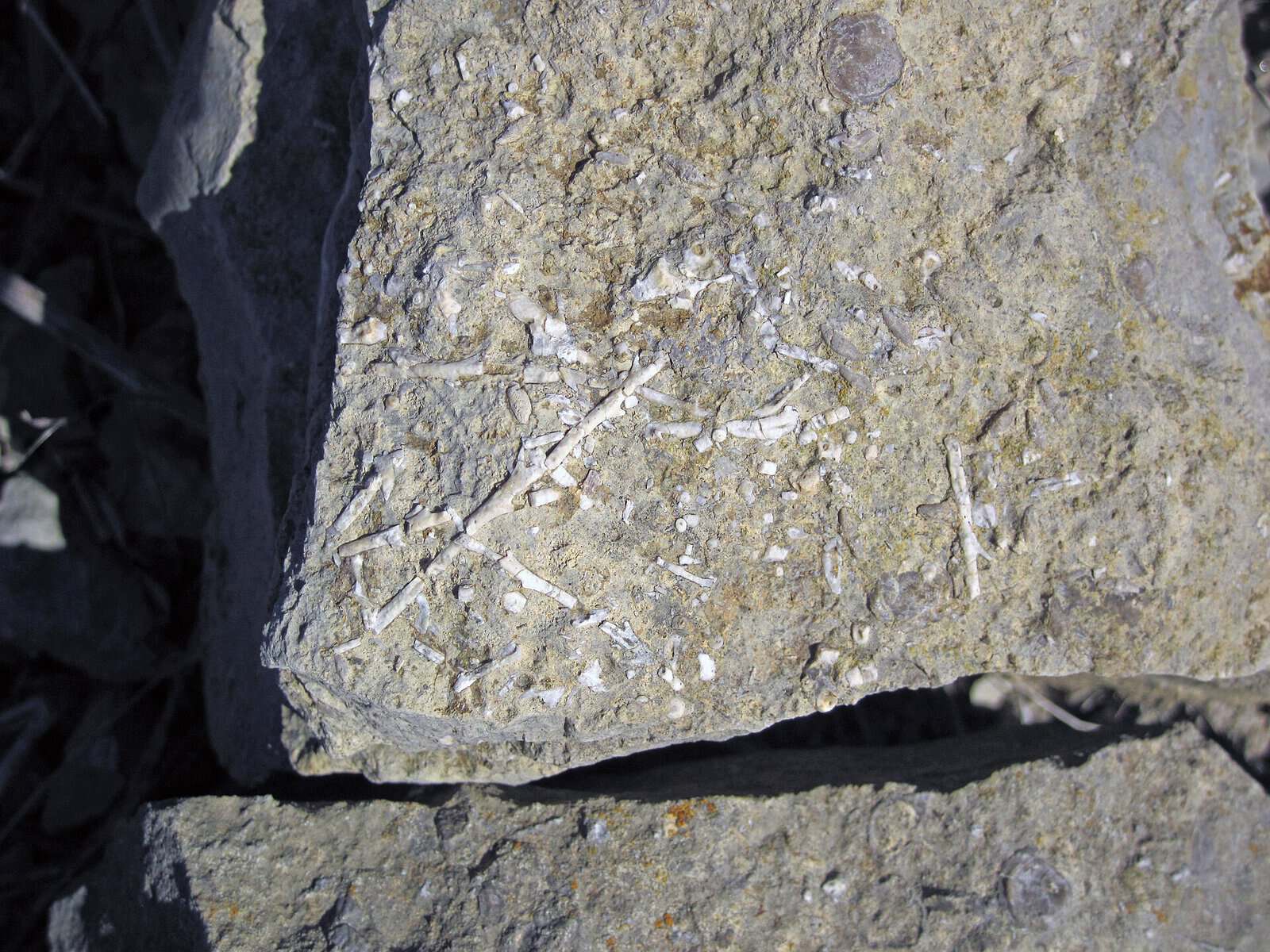
Crinoids are only the opening act. The eroding bank also gives up brachiopods, the little clam-like shells that carpet the site by the hundred. You will spot bryozoans too, lacy colony-builders that look like fossilized coral fans.
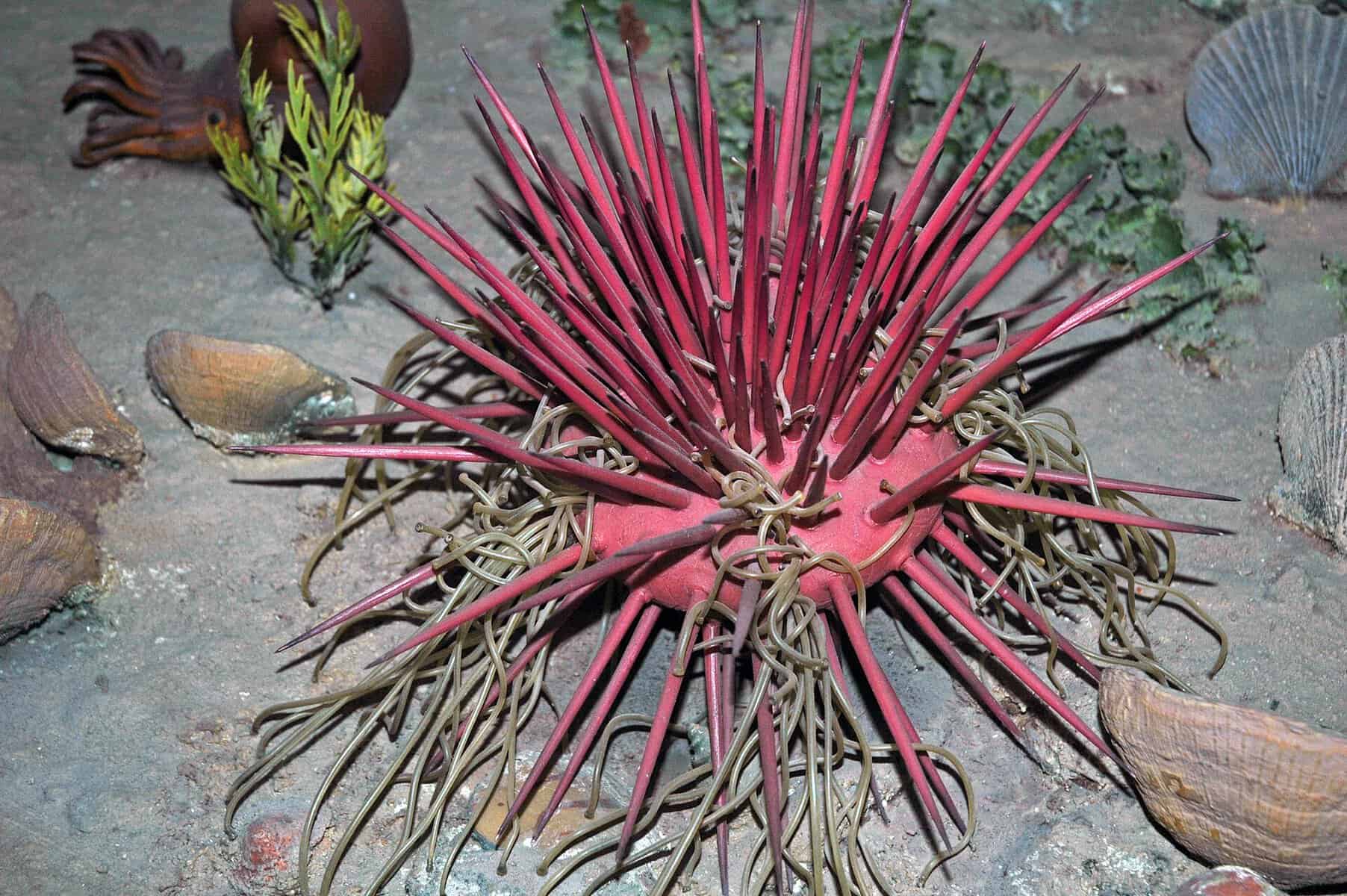
Keep looking and the cast grows. There are echinoids, the ancestors of today’s sea urchins, plus real clams, oysters, snails, and knobby chunks of ancient coral. Each one is a page torn out of a book most of us never knew existed.
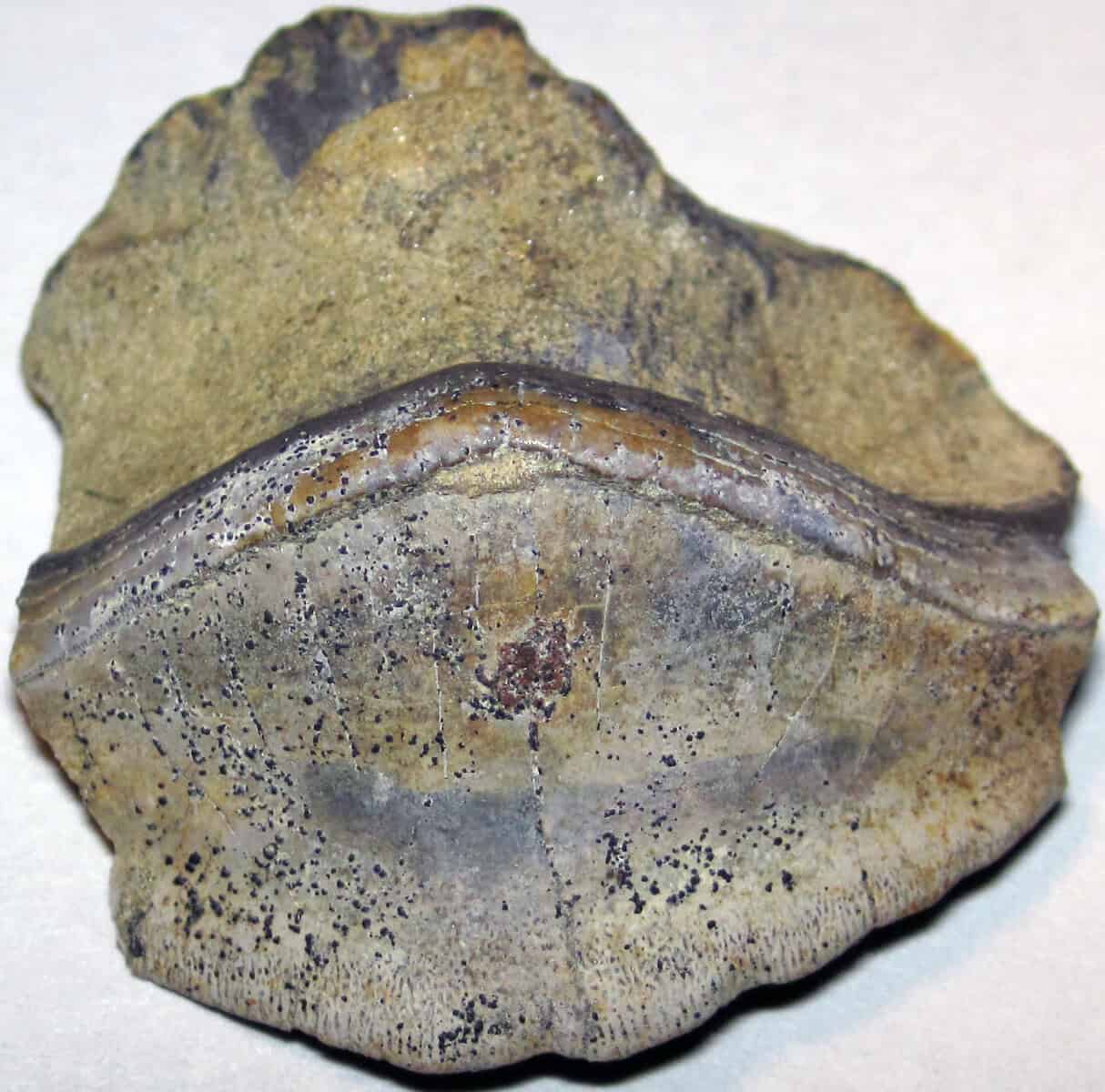
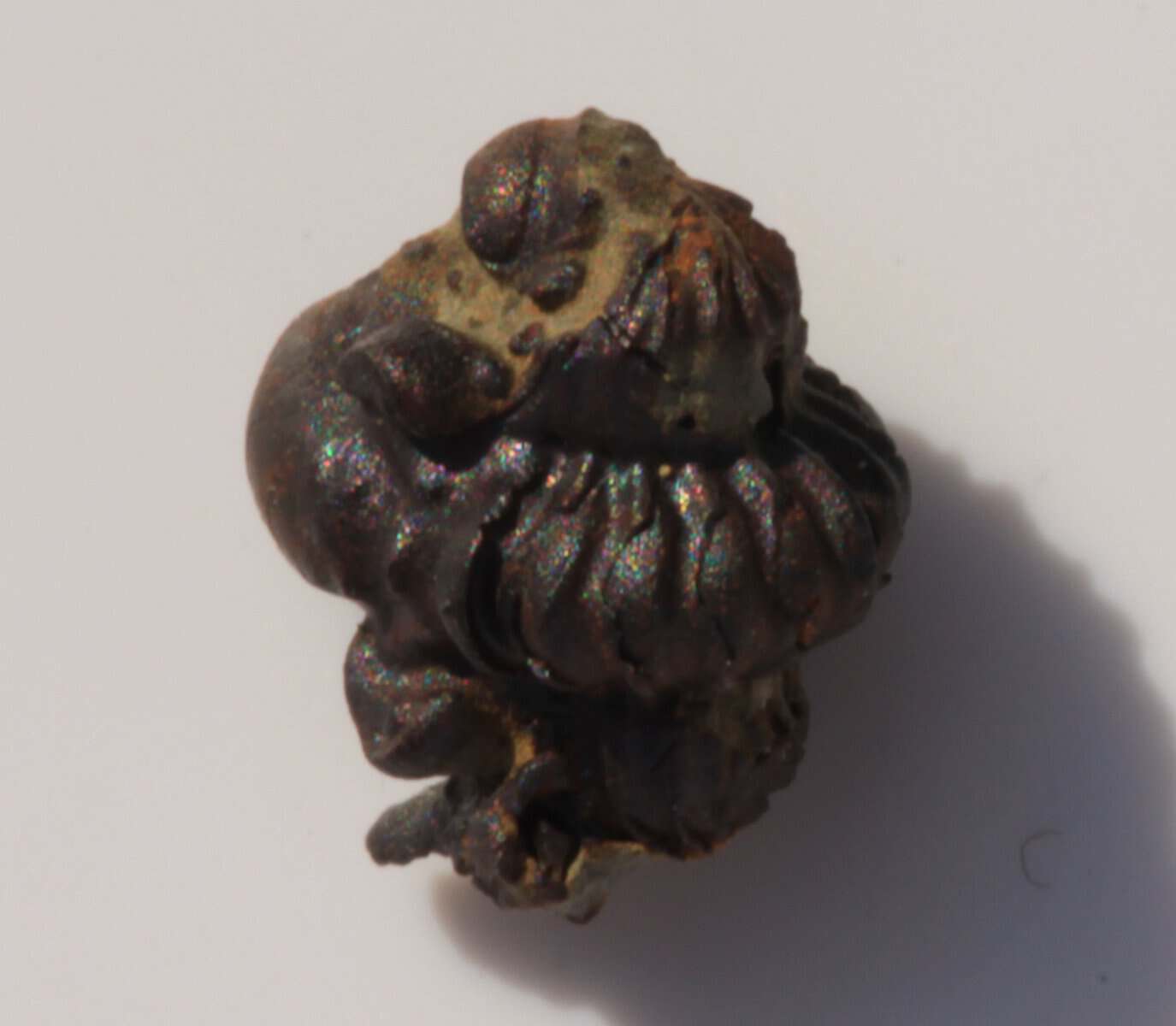
Then there are the finds that make a whole carload gasp. Shark teeth, small but unmistakable, dropped by primitive sharks that once cruised this water. Trilobites, the armored bugs of the deep past, turn up in fragments for the patient and sharp-eyed.
_(Skelley_Member,_Upper_Pennsylvanian;_Noble_County,_Ohio,_USA).jpg)
A whole, intact trilobite is the kind of prize people talk about for years. Most days you will not find one. But knowing it is possible is exactly what keeps your eyes glued to the gravel.
A little advice on the hunt itself: slow down and look for pattern. The seafloor creatures were built on symmetry, so a ridge, a fan, a perfect little circle in an otherwise random smear of rock is almost always something that was once alive.
Did you know every fossil here is the genuine article, a real scientific specimen and not a cast or a replica? The piece you slip in your pocket is the actual remains of an animal that lived and died before the very first dinosaur ever walked.
The 300-Million-Year-Old Backstory
To understand what you are holding, rewind the calendar to the Pennsylvanian Period. That stretch of deep time ran from roughly 323 to 299 million years ago, long before the dinosaurs and long before much of anything crawled onto dry land.
.jpg)
Back then, Texas was not Texas at all. A warm, shallow sea washed over this entire region, the kind of clear tropical water you would happily book a flight to reach today.
The seafloor teemed with life. Whole forests of crinoids swayed in the current. Reefs of coral and bryozoan spread across the bottom while primitive sharks glided overhead through the blue.
As those creatures died, they sank into the mud and were slowly buried, layer upon layer, for millions of years. The soft mud eventually hardened into the gray rock geologists now call the Mineral Wells Formation.
_(Greenup_Limestone,_Upper_Pennsylvanian;_cut_along_the_Embarras_River,_Cumberland_County,_Illinois,_USA).jpg)
Then the sea drained away, the continent shifted, and the whole ancient aquarium got locked underground. It sat there in the dark, waiting, for longer than the human mind can honestly picture.
What you scoop off the slope is a direct handshake with that vanished ocean. Hold a single crinoid disc up to the sunlight and you are looking straight at a Texas that was tropical, underwater, and almost impossibly old.
How a Landfill Pit Became a Fossil Paradise
The origin story is gloriously unglamorous. This place was never designed to be a park. It began as a borrow pit, a plain hole the City of Mineral Wells dug to scrape up dirt for covering its landfill.
The city closed the pit in the early 1990s and, for the most part, walked away from it. Nature quietly took over from there.
_(33076207185).jpg)
Roughly two decades of hard Texas rain went to work on the exposed banks. It sluiced away the soft rock and revealed what had been sleeping underneath the whole time, a dense bed of Pennsylvanian marine fossils just sitting there for the taking.
Word got out among rockhounds, and a spot like this could easily have been loved to death or fenced off for good. Instead, the Dallas Paleontological Society stepped in.
The society worked hand in hand with the city to secure the pit as a rare public collecting locality, then to build it into something ordinary visitors could actually enjoy. It is genuinely unusual for a fossil bed this rich to stay open to the public.
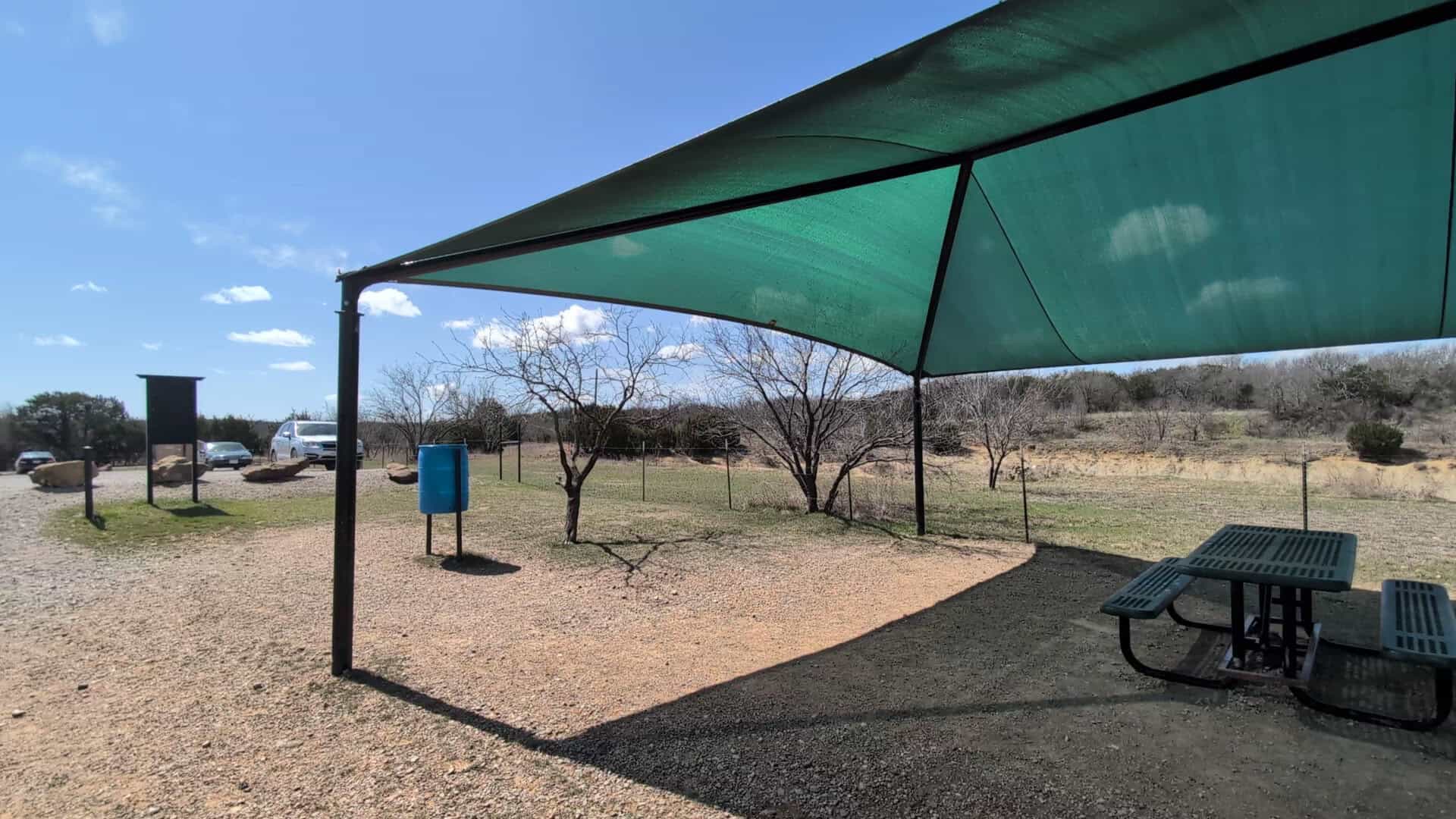
That partnership is why the park keeps getting better instead of quietly eroding back into obscurity. In October 2021, volunteers and city officials gathered for a ribbon cutting on a brand-new shade structure, tables, and benches.
Now hunters have a spot to escape the Texas sun and spread out their haul to sort it. Steady improvements toward better access and a friendlier layout have kept coming since.
Come Ready to Get a Little Dirty
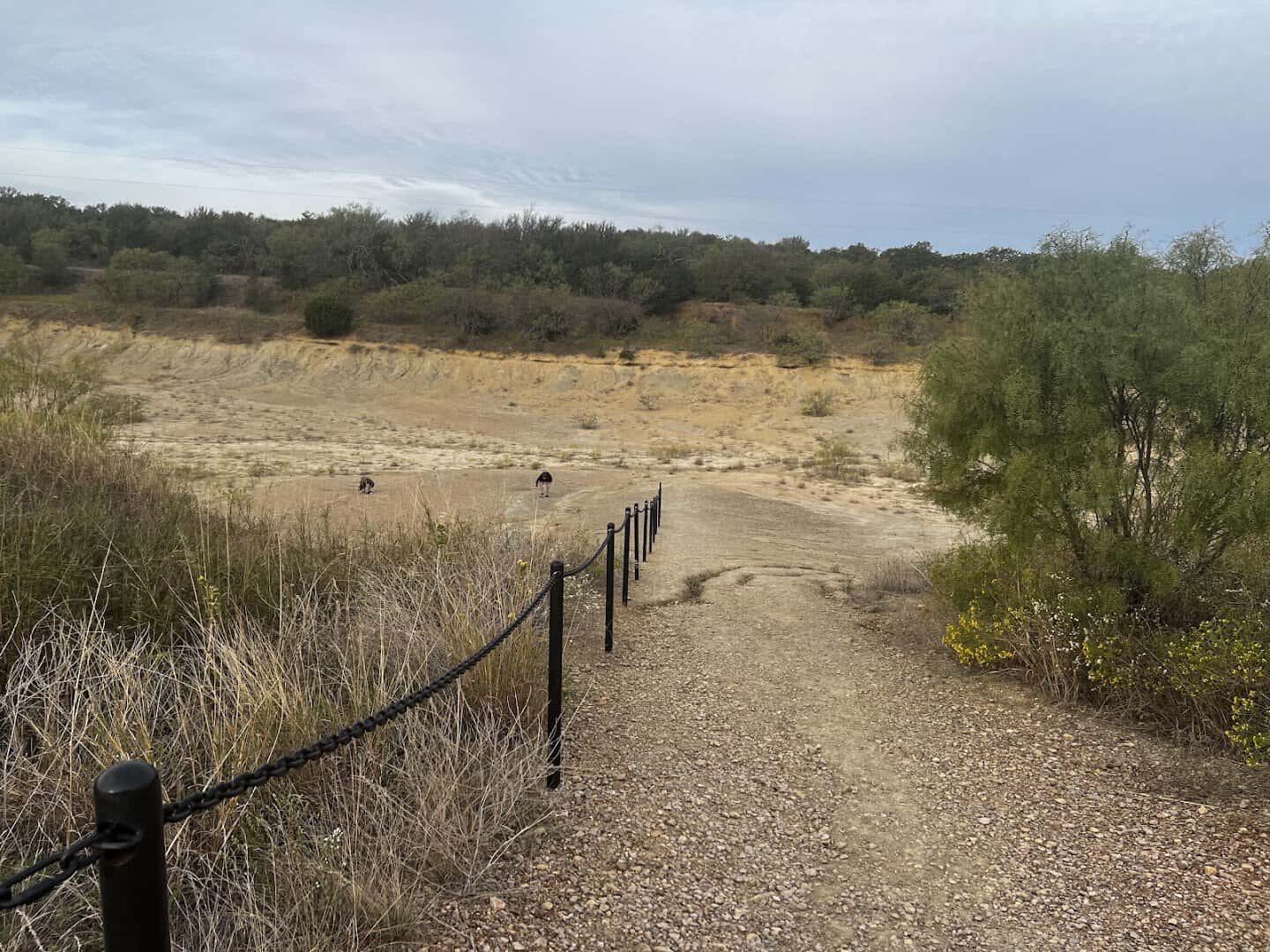
This is a wild dig site, not a manicured attraction, and honestly half the fun lives in that difference. The terrain is genuinely rough.
You will be working with loose soil, steep slopes, and a few spots where the ground drops away faster than you expect. Sturdy shoes with real ankle support beat sandals here every time.
There is a shade structure now, but not much natural cover, so the sun is a real factor for most of the Texas year. The restrooms are primitive and there is no running water anywhere on site.
That last part matters more than people think. Whatever you plan to drink over a few hours in the heat, you carry it in yourself.
Here is my packing rule: bring more than you think you need. A jug of water, a wide-brimmed hat, knee pads for all that crouching, and a soft brush to dust off your finds. Small zip-close bags help you sort as you go.

Timing helps too. Early morning and late afternoon are the kindest hours, both for softer light on the rock and for dodging the peak of the midday heat.
And bring the kids. Few outings flip a restless afternoon into wide-eyed wonder faster than handing a seven-year-old a real fossil they pried loose all by themselves. It is a science lesson that never once feels like homework.
Make a Whole Day of It in Mineral Wells
The fossil park is the headliner, but the town it sits beside is worth a wander of its own. Mineral Wells built its name on the “crazy water” that drew health-seekers here by the trainload a century ago.
The grand old Baker Hotel towers over downtown as a reminder of those flush spa-town days. You can still pick up a jug of the famous mineral water in town and toast your morning of digging.
Just up the road, Lake Mineral Wells State Park adds miles of hiking and biking trail plus a lake for paddling. It also holds some of the best rock climbing in North Texas, so the geology theme keeps right on going.
A morning of fossils and an afternoon at the lake makes for a full, cheap, and deeply satisfying day trip. You get history, science, and fresh air all in one tank of gas.
How to Get There
The park sits just outside the town of Mineral Wells, about 45 miles west of Fort Worth in Palo Pinto County. That puts it within easy day-trip range of the entire Dallas and Fort Worth area.
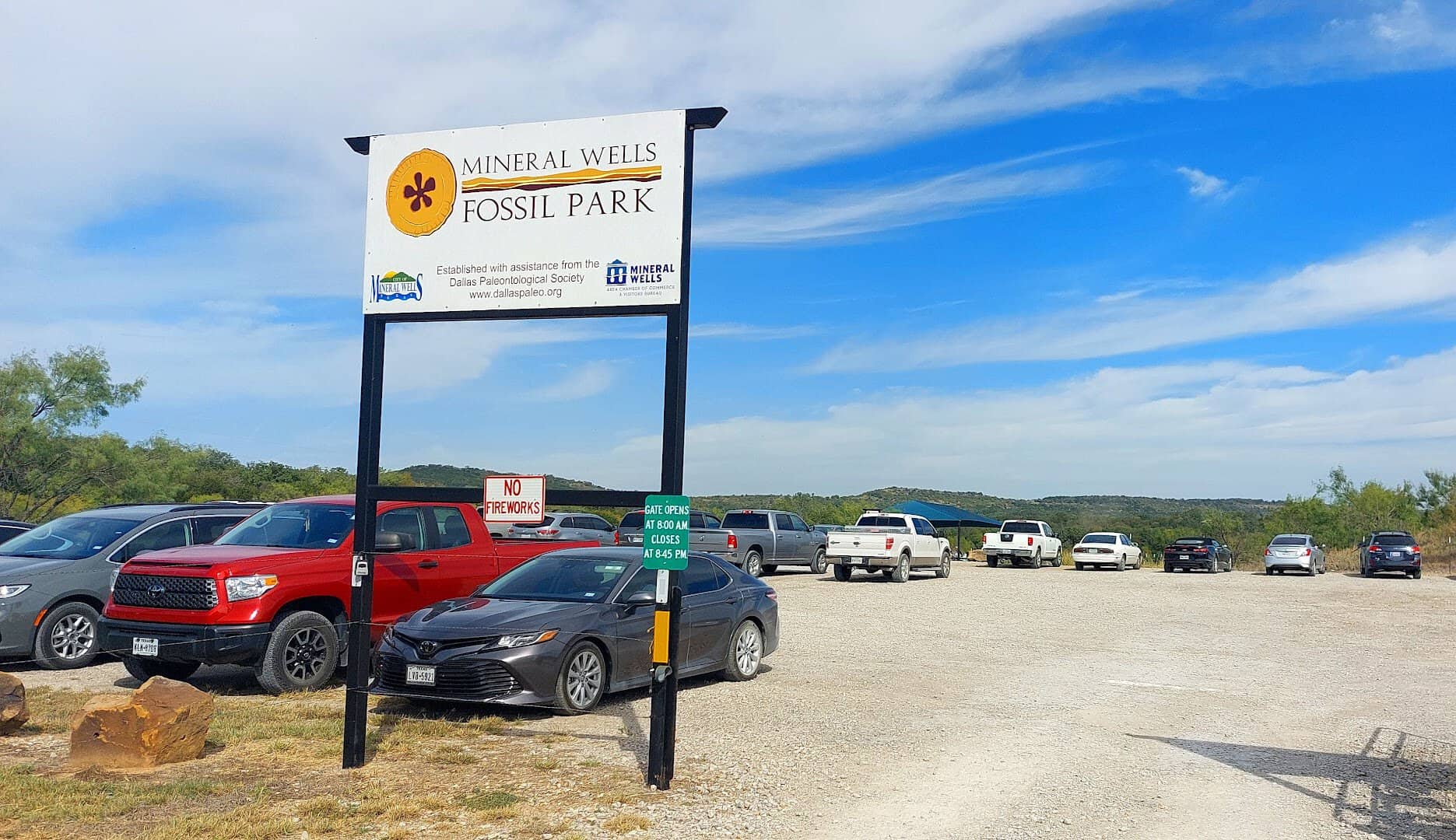
Where: Mineral Wells Fossil Park, 2375 Indian Creek Road, Mineral Wells, TX 76067
Admission is completely free, and so is keeping everything you dig up. The park is open daily from 8 a.m. to 8:45 p.m., with no ticket booth, no reservation, and no catch.
It is run by the City of Mineral Wells, so there is nobody to pay and no form to sign. You simply show up ready to hunt.
Go Dig Up a Piece of Ancient Texas
There are not many places left where you can walk in off the road, kneel down in the dirt, and come away holding something older than the dinosaurs and entirely yours to keep.
This is one of them, and it costs you nothing but a tank of gas and a willingness to get your knees good and dusty.
So grab a hat, toss a fistful of bags in the car, and point it west.
Come at a gentle hour, take your time on the slopes, and try not to fill the whole trunk before lunch. Somewhere in that gray Texas hillside, a 300-million-year-old souvenir is waiting for you to notice it.
Featured image: James St. John (CC BY 2.0), Wikimedia Commons
_7_(32871912820).jpg)

Stella Raines
Editor-in-Chief
Stella brings over a decade of storytelling experience to TX Headlines. With roots in West Texas and a love for road trips, she leads the editorial team with an eye for the hidden stories that make Texas unforgettable.
More Stories
This Nerve-Racking Texas Bridge Is a 20-Story Climb Straight Into the Sky

This Sprawling Three-Story Texas Bookstore Is a Book Lover’s Wildest Dream

This Beloved Texas Tradition Turns a Whole Hill Country Town Purple Every June

This Sprawling Texas Antique Market Is So Big You’ll Need 8 Hours to See It All
Tags