This Hidden Texas Sanctuary Has Logged More Than 240 Fluttering Species
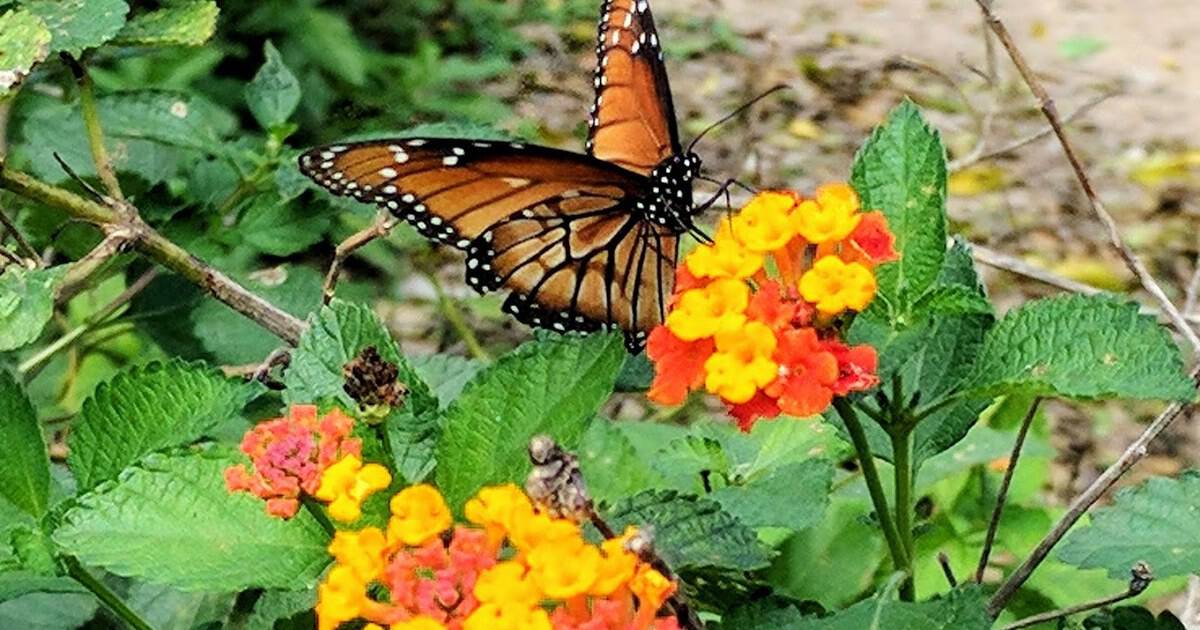
I have always thought you needed a rainforest to be swarmed by butterflies. Turns out I was wrong by about a thousand miles, because the best butterfly show in the country is hiding at the bottom of Texas.
Down in the Rio Grande Valley near Mission, there is a place where the air itself seems to shimmer. This is a living kaleidoscope, a preserve that has logged more than 240 butterfly species and keeps adding to the list.
That is close to 40 percent of every butterfly species ever recorded in the United States, all gathered on one patch of restored South Texas ground. The place is the National Butterfly Center, and it may be the finest open secret in Texas travel.
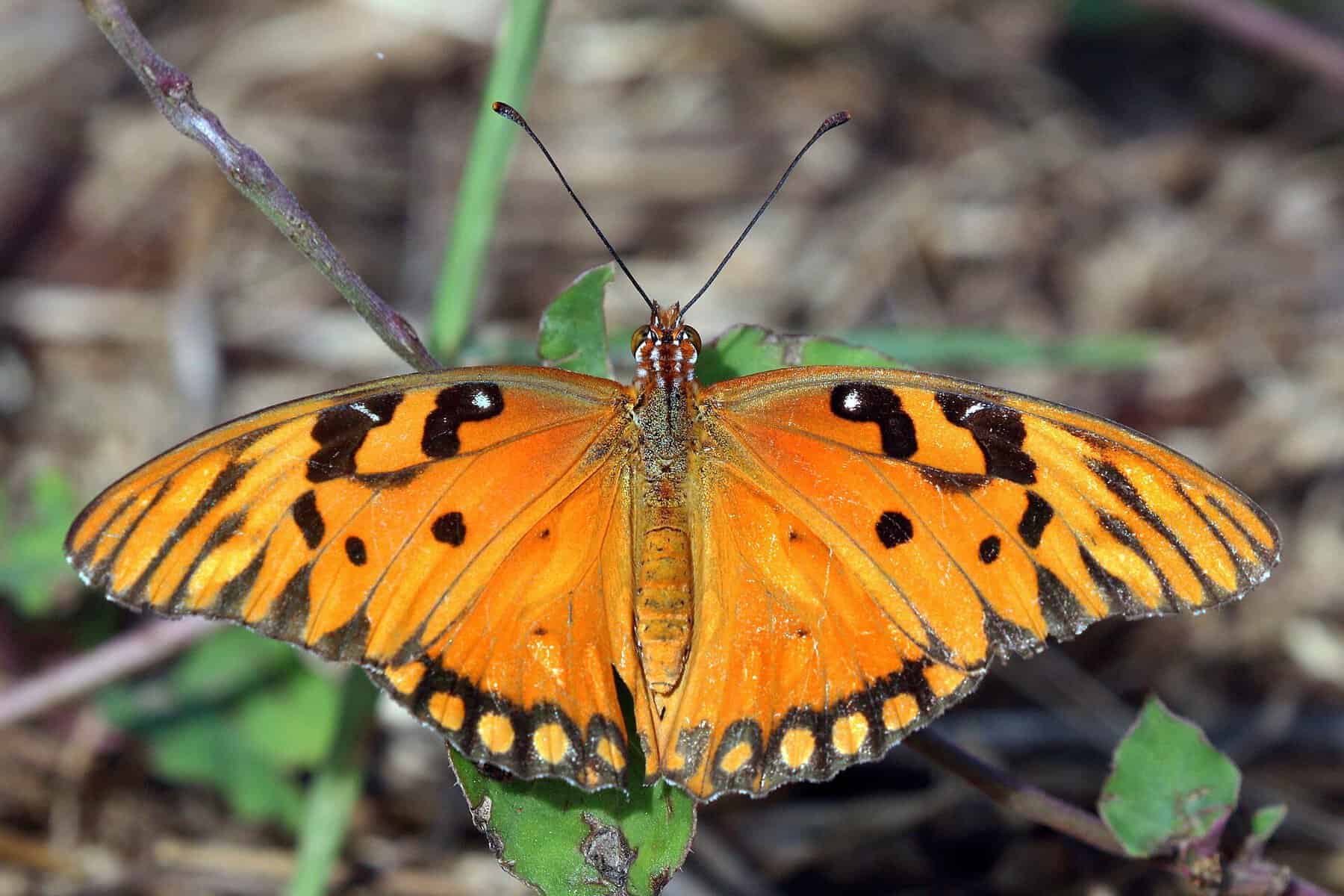
Below, I will walk you through what flies here, how a plain field became this, what it costs, and the exact week you should point your car south.
A Cloud of Wings You Can Walk Right Into
There is no glass dome here and no ticketed indoor flight room. The butterflies are wild and free-roaming, and you meet them out in the open on their own terms.
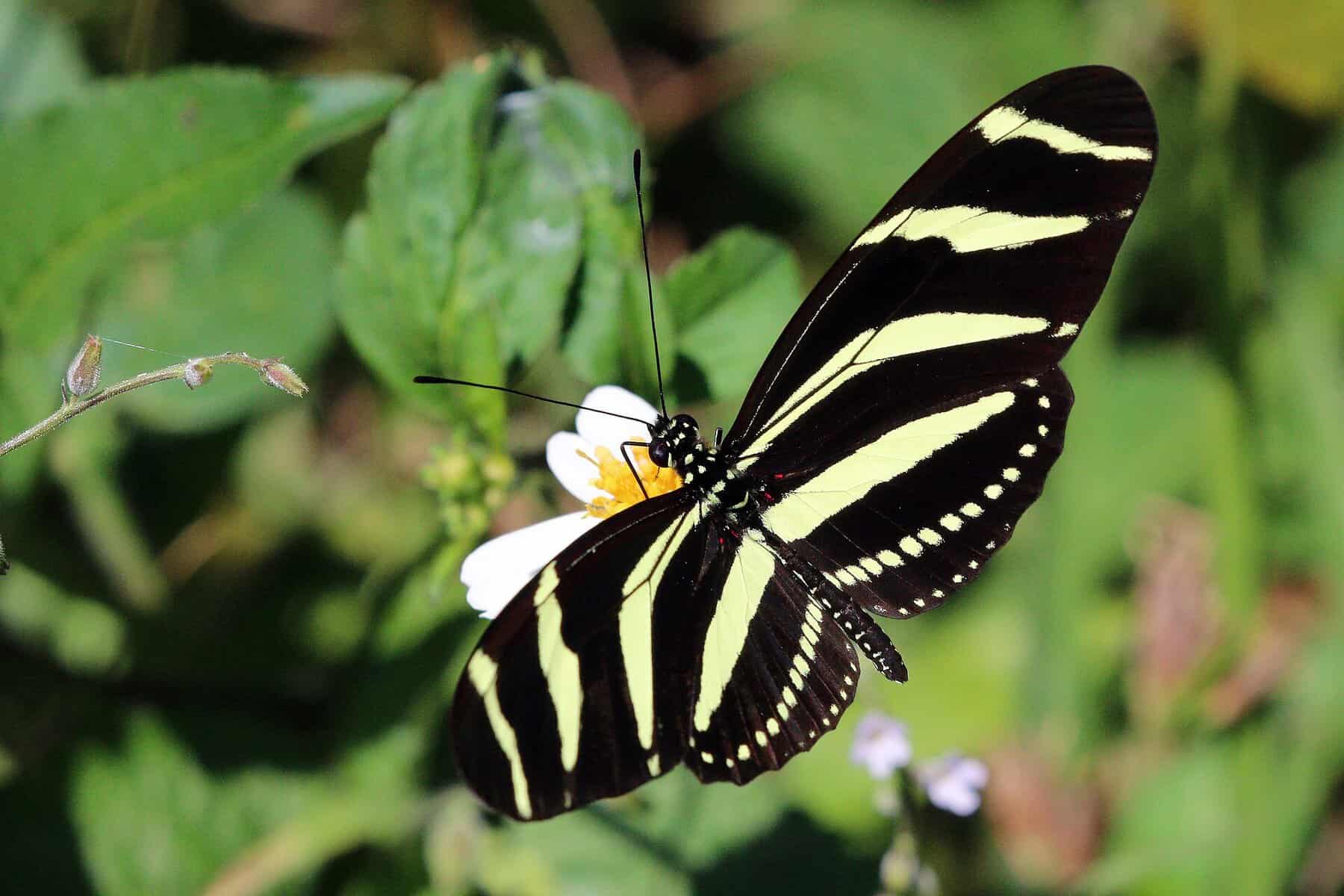
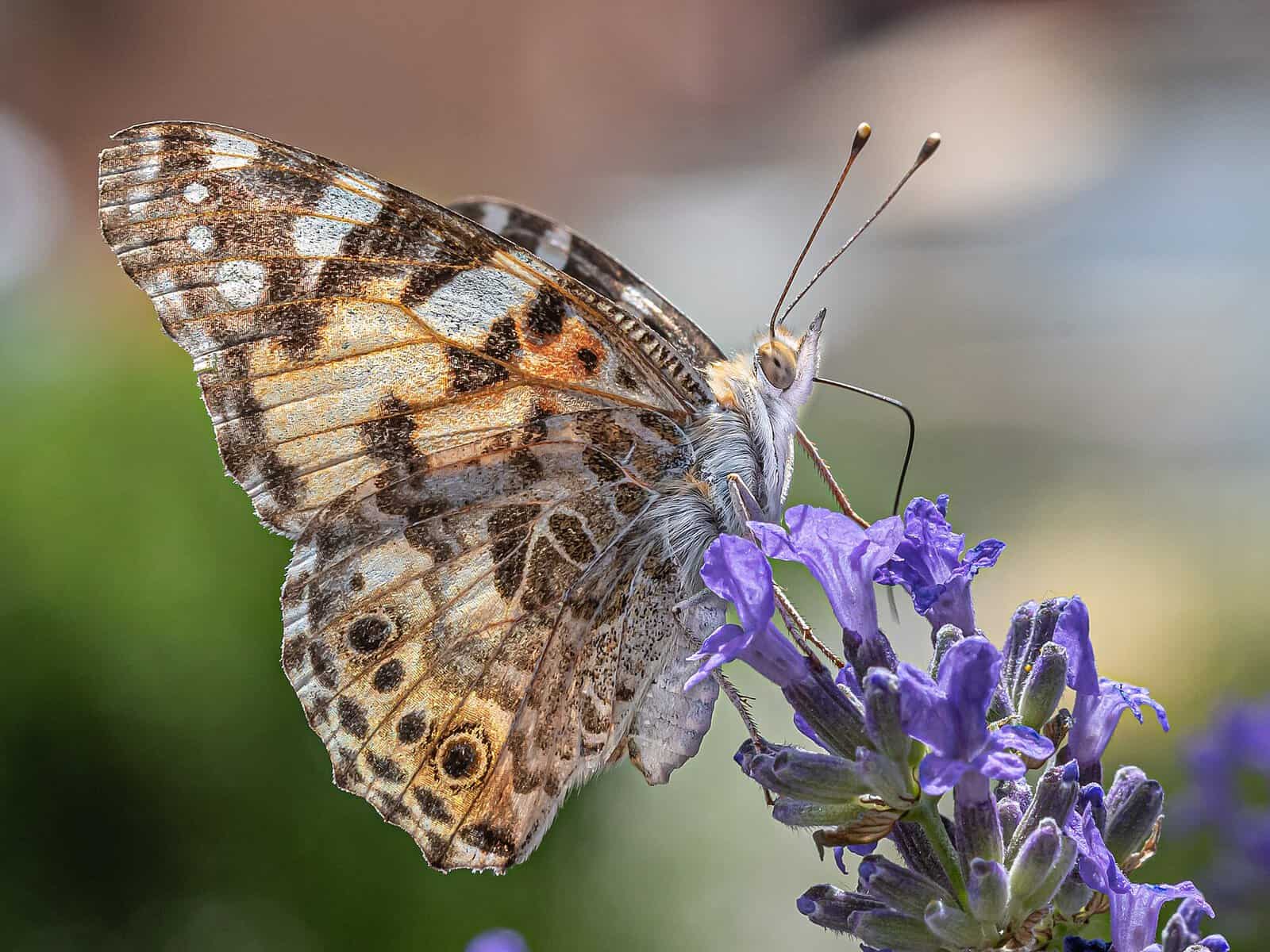
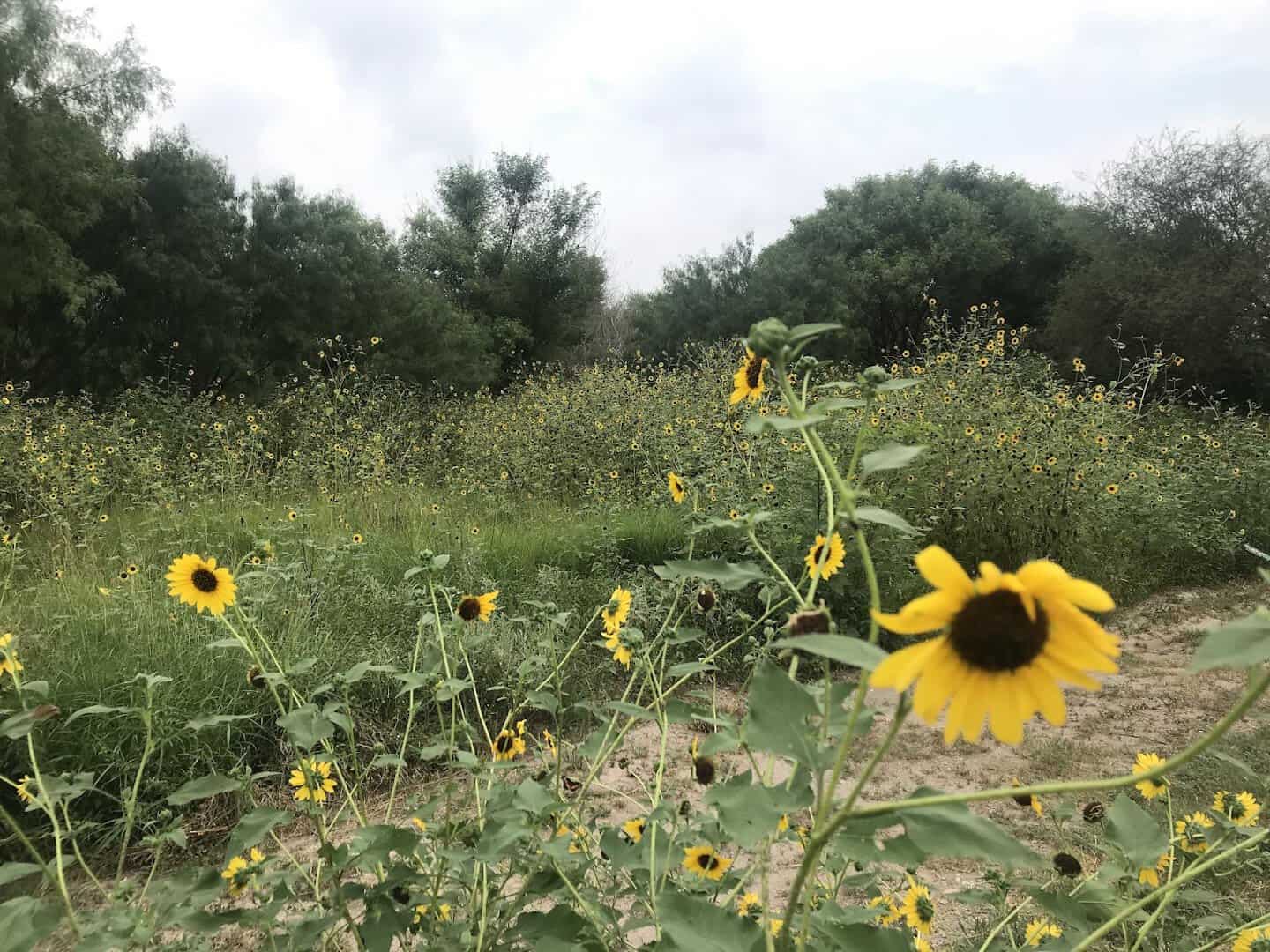
Walk up to the gardens in front of the visitor pavilion and you can find clouds of queen butterflies drifting over wild stands of milkweed and mistflower. Yellow sulphurs hover above tangled native plants, dozens at a time, lifting off when you step near.
The current count sits at 246 species and climbing. Guides say a patient visitor could reasonably hope to see around 350 species over a full year. That is roughly half of every butterfly species found in all of North America, in one spot.
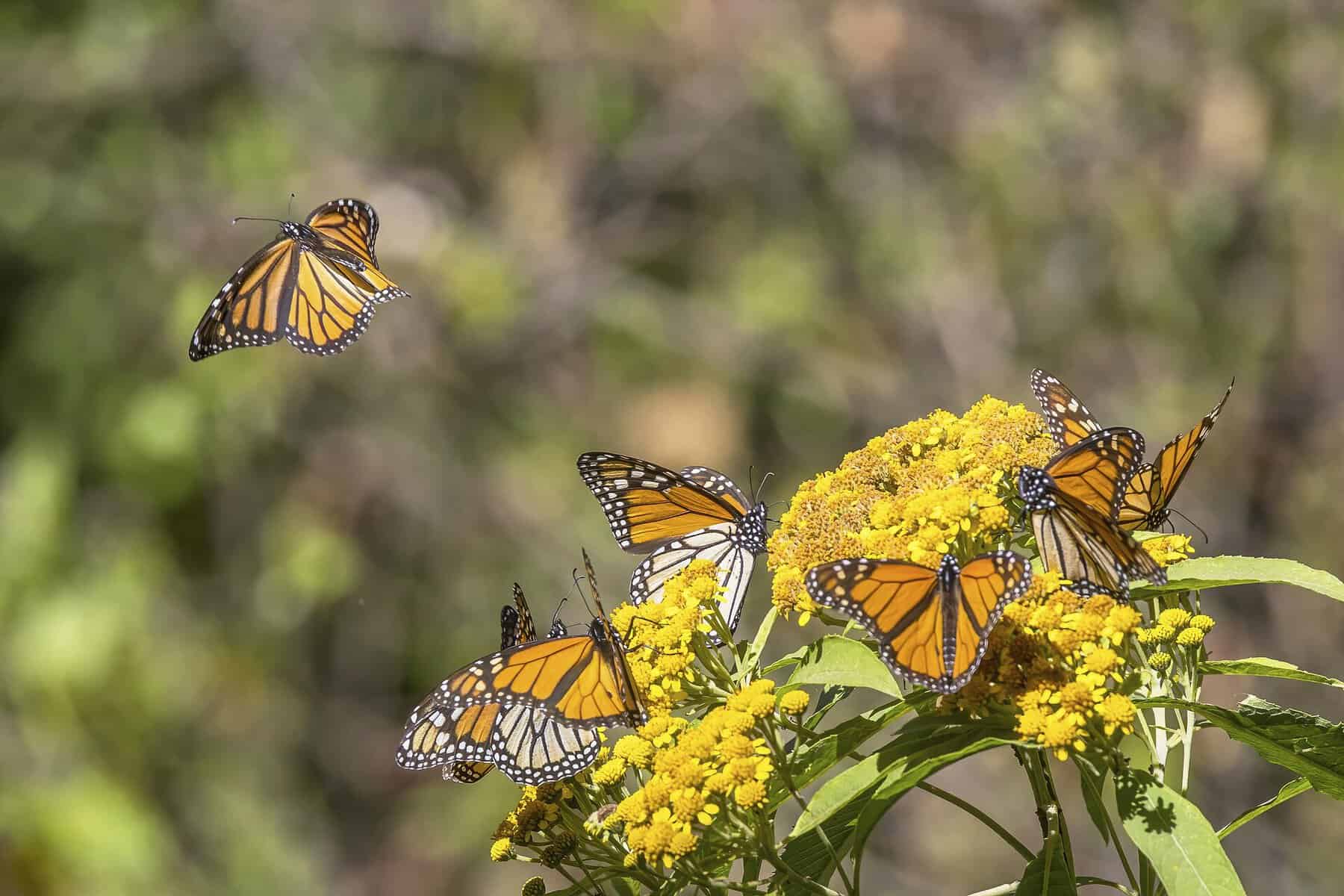
You can wander trails through 100 acres of restored habitat, planted on purpose with native nectar flowers and caterpillar food plants. Observation areas and small educational exhibits sit along the way.
Pro tip: move slowly and stand still near a blooming shrub. Butterflies spook at fast motion, and the reward for holding still is a queen or a sulphur landing close enough to count the spots on its wings.
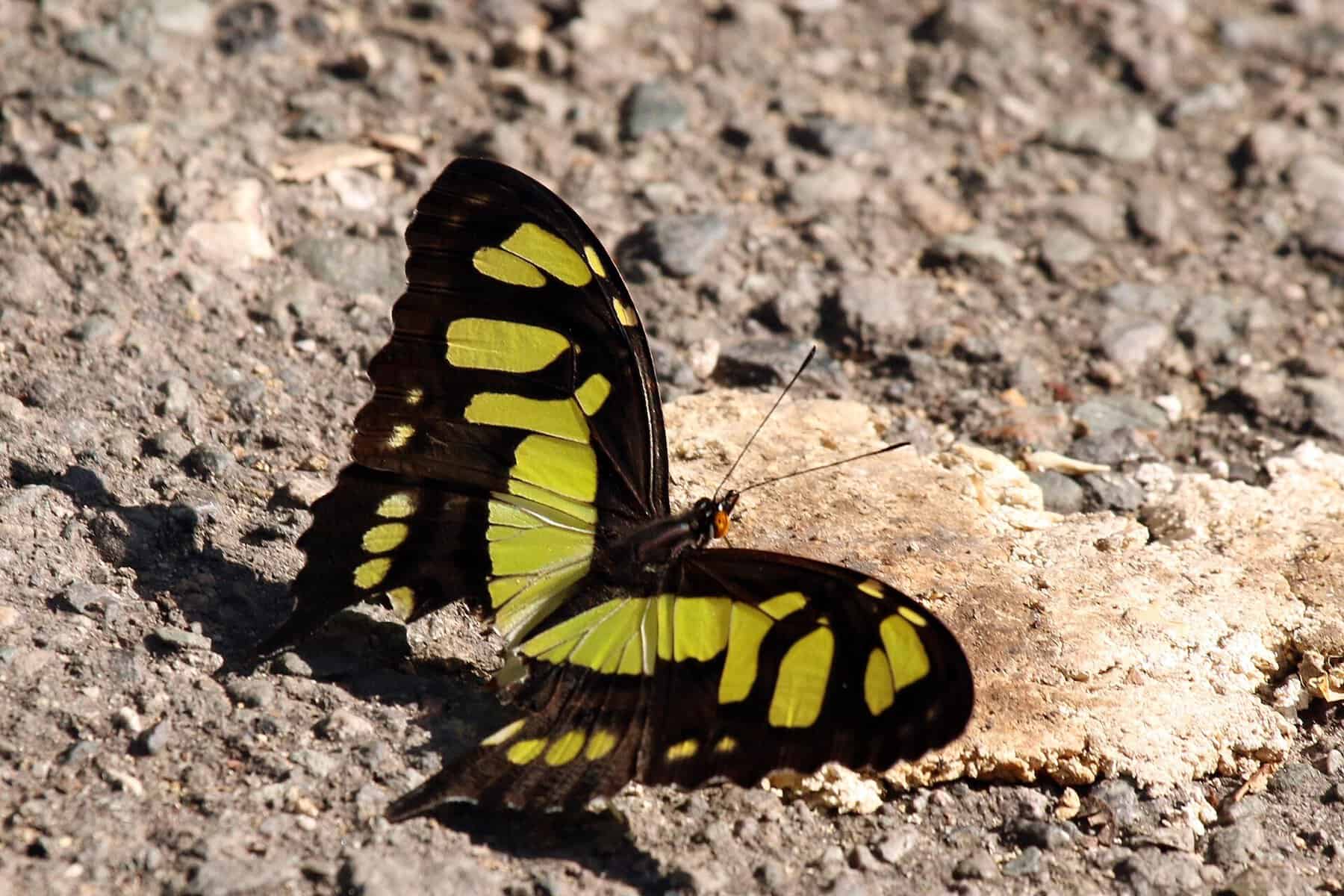
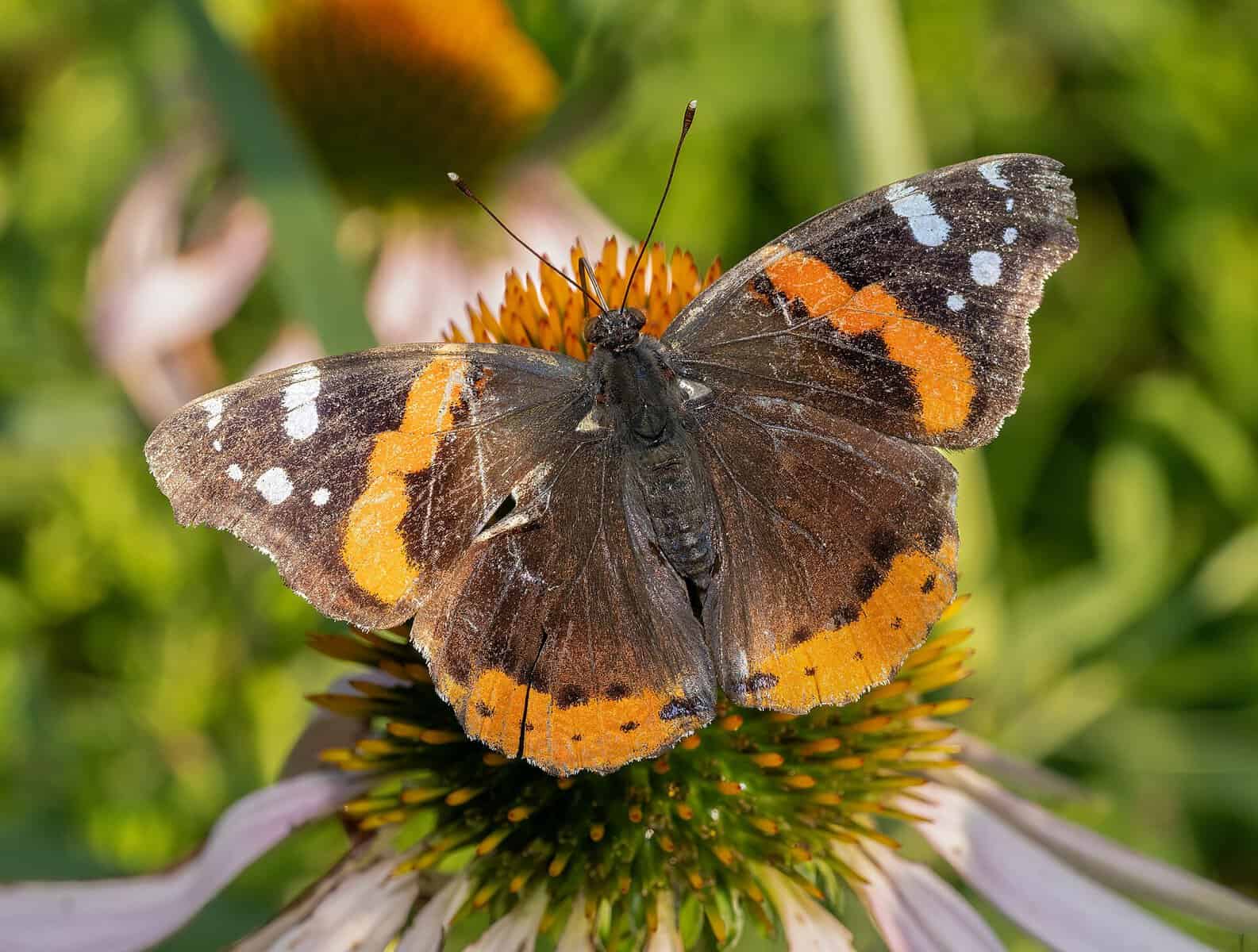
The variety is the thing that gets you. In a single morning you might watch big orange sulphurs, little yellows, dainty sulphurs, and a queen or two, and that is before you find the strays that pulled the experts in.
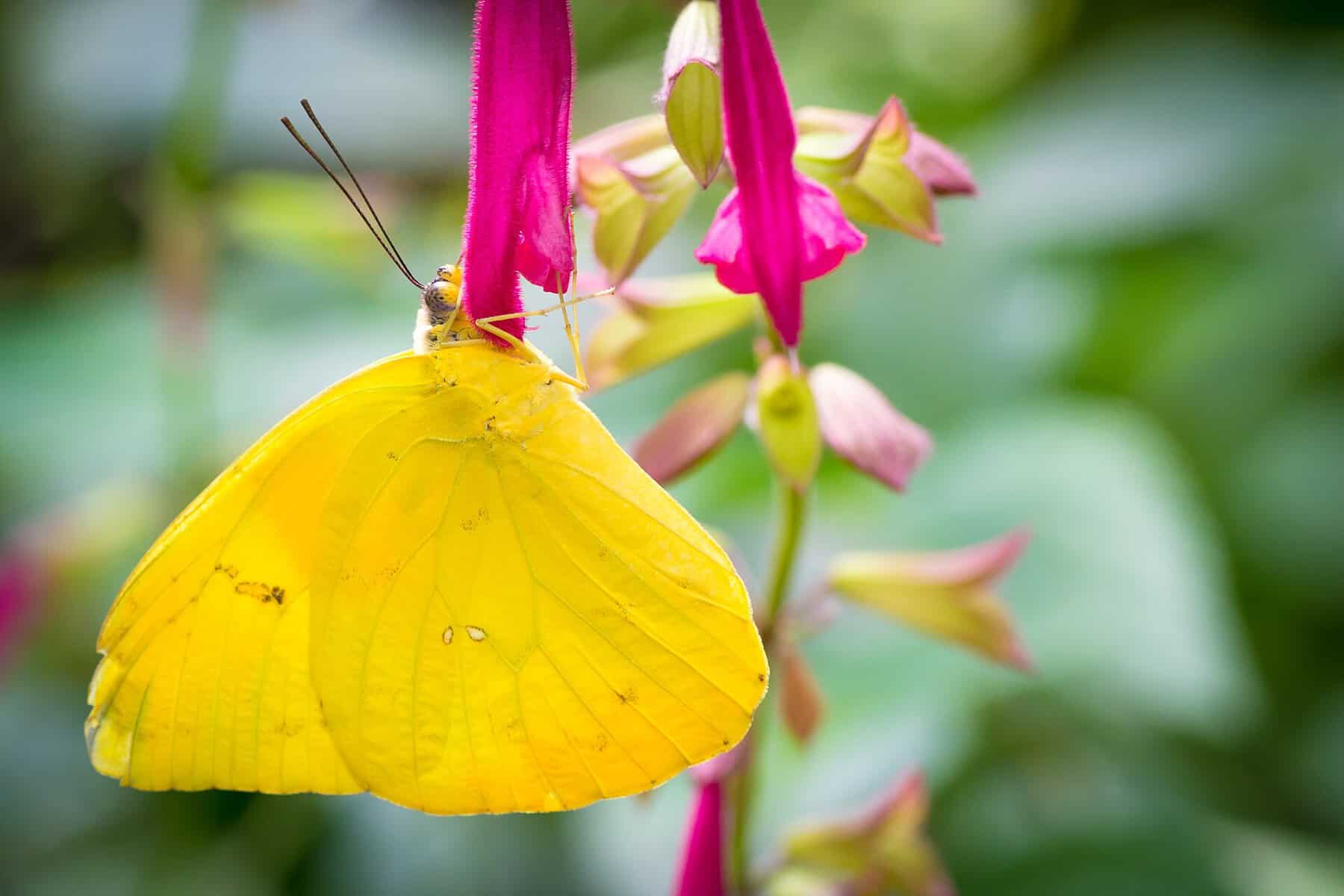
It is the kind of place that turns a casual visitor into someone who suddenly owns a field guide. You come to see butterflies and leave wanting to learn all their names.
Why the Valley, of All Places
The Rio Grande Valley holds the greatest volume and variety of butterflies of anywhere in the United States. This preserve sits right at the heart of it, about a mile from the river.
The reason is geography. Down here, deep South Texas brushes up against the tropics of Mexico, so species that reach the country almost nowhere else drift across and settle in.
That is why serious butterfly watchers fly in from all over. A tropical stray that would be the find of a lifetime elsewhere can be a Tuesday afternoon here, and the life lists get long fast.
The center also sits next to Bentsen-Rio Grande Valley State Park, so the whole corner of the map is stitched together into one of the richest wildlife destinations in the state.
It Is Not Just Butterflies
The name undersells the place a little. Butterflies are the headline act, but they share the stage with a long list of other creatures.
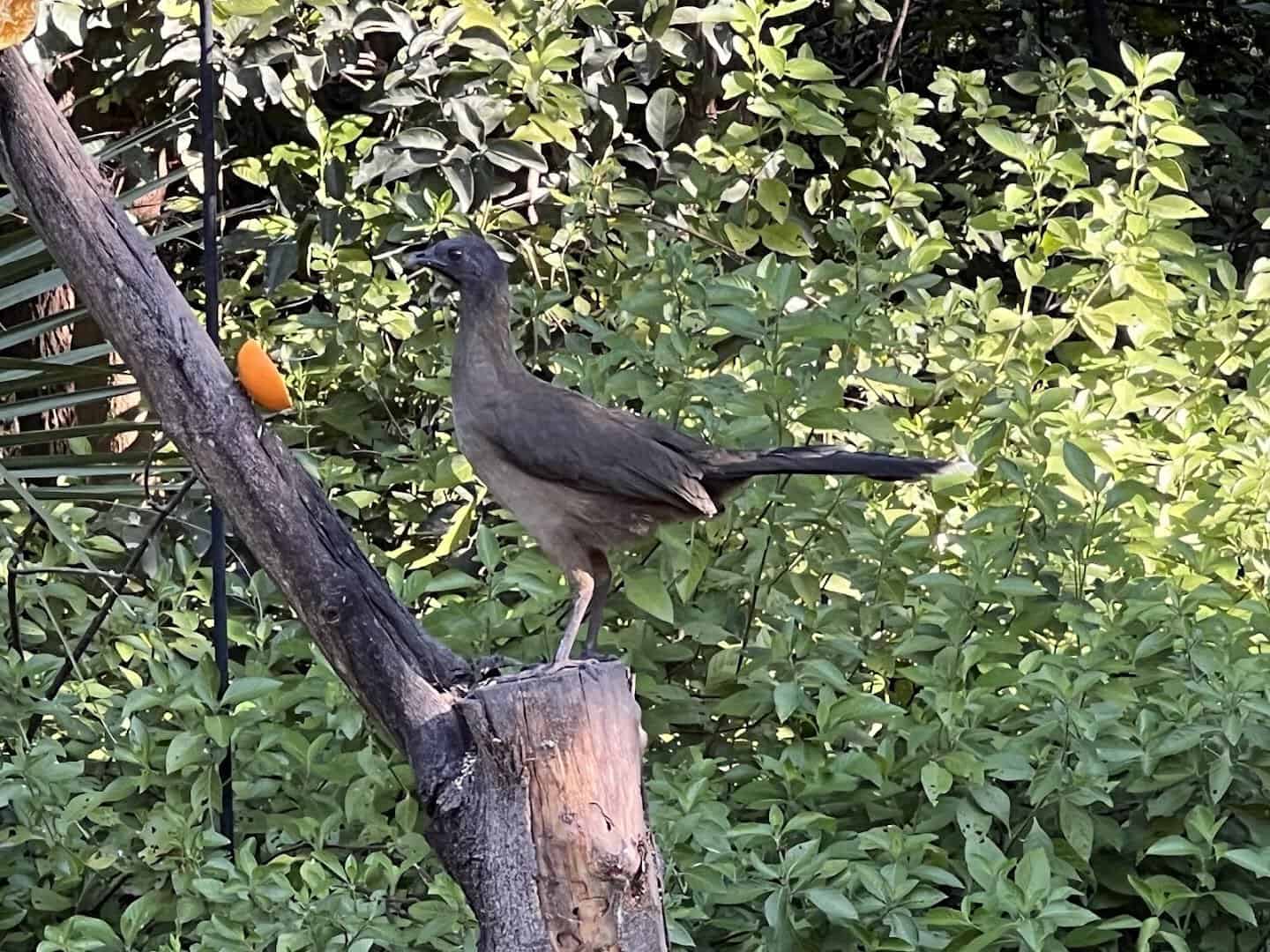
The preserve is home to nearly 300 species of birds, which makes it a serious stop on any Rio Grande Valley birding trip. Bring binoculars and give yourself extra time.
Add roughly 60 species of dragonflies and around 130 species of reptiles, and you start to see why naturalists treat this small property like sacred ground. There is something moving on every plant.
Did you know? Some of the birds here are also Valley specialties that barely cross into the United States, so a butterfly trip quietly turns into a bird trip whether you planned it or not.
From Onion Field to Wildlife Refuge
Here is the part that still amazes me. This whole riot of life was, not that long ago, a commercial onion field. Flat, farmed, and about as ordinary as ground gets.
The land was bought and slowly handed back to nature. Over roughly two decades, crews revegetated it with native plants and coaxed the butterflies back one bloom at a time.
The center is a project of the North American Butterfly Association and was founded by entomologist Jeffrey Glassberg, who wanted a permanent home for wild butterflies instead of caged ones. It opened to the public in the early 2000s.
For years the preserve was led by executive director Marianna Treviño Wright, who grew up in the Rio Grande Valley catching horned toads and local critters as a kid. Her roots in the Valley shaped the place. Stephanie Lopez now serves as executive director.
The preserve has kept growing, too. A recent expansion added around 350 acres, bringing the total land in restoration and preservation to nearly 500 acres. More ground means more habitat, and more habitat means more wings.
A Garden Built to Feed Them
The magic here is not an accident. It is horticulture, planned bloom by bloom, and it is worth understanding before you go.
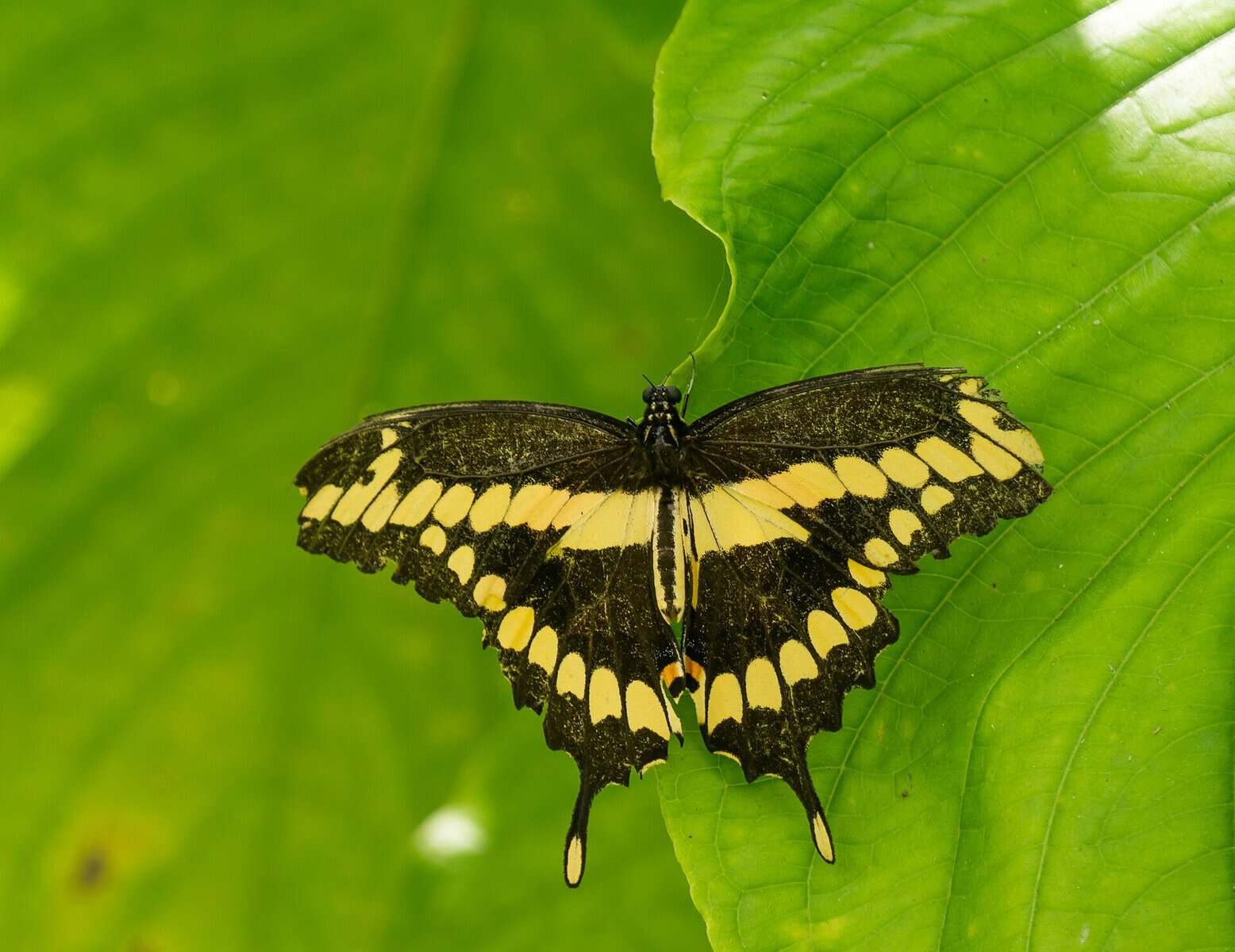
Butterflies need two very different things from a landscape. Adults sip nectar from flowers, and their caterpillars chew specific host plants, often just one or two kinds.
So the preserve is planted for both jobs. Milkweed and mistflower for the nectar, and a deep bench of native Texas host plants for the eggs and the hungry caterpillars that follow.
That is why the counts stay so high. A garden that only offered flowers would draw visitors passing through, but this one gives whole generations a reason to stay and hatch.
Walk the beds slowly and you can read the whole life cycle in one afternoon: eggs, caterpillars, a chrysalis tucked under a leaf, and the fresh adult drying its wings in the sun.
The Pavilion With a Serious Pedigree
You might expect a modest little visitor center at a small preserve. Instead you get a genuinely handsome one.
The Visitor’s Pavilion was designed by architect Wendy Evans Joseph, whose credits include work on the United States Holocaust Memorial Museum in Washington and the Women’s Museum in Dallas.
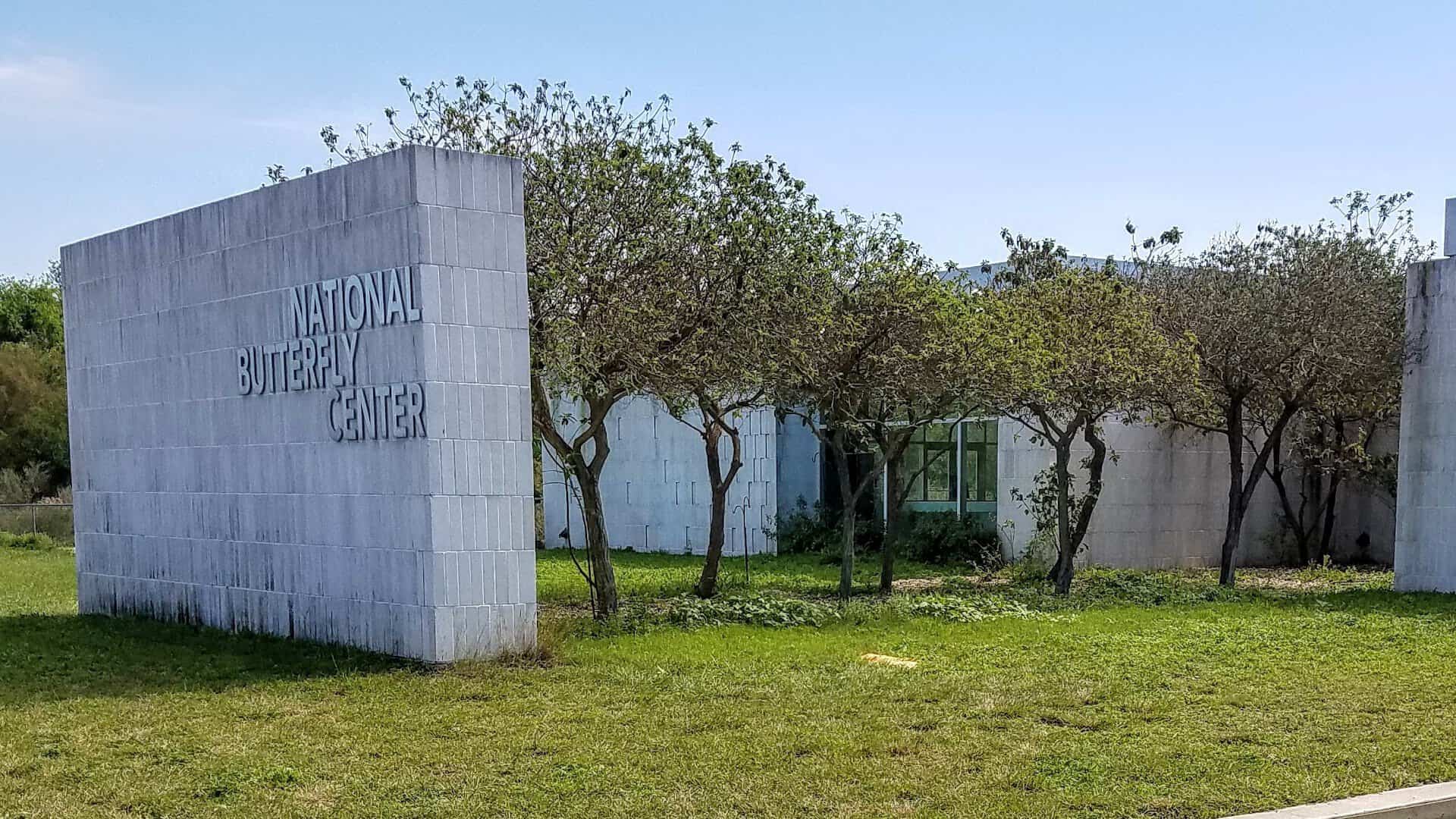
It is a real building by a real name, dropped into the citrus country of deep South Texas. Inside you can get your bearings, learn what is flying that day, and step straight out into the gardens that crowd right up to the doors.
When to Go for the Big Show
Butterflies are seasonal, and timing changes everything here. Show up at the wrong moment and you see a lovely garden. Show up at the right one and you see the sky move.
The peak stretch runs from late October into early November, when species counts climb fast and the gardens fill. That is also when the center throws its biggest party of the year.
The Texas Butterfly Festival lands in that window each fall, with the 29th annual edition held November 1 through 4 in 2025. It brings several days of talks and guided field trips.
Those trips are the real draw for enthusiasts. Expert leaders take small groups onto both public lands and private ranches at the absolute peak of the season, reaching spots you could never find on your own.
Even outside the festival, fall is the surest bet. Warm days, blooming natives, and the tail of the migration all line up in your favor at once.
Spring and summer still have plenty flying, so do not write off an off-season visit. The counts are lower, but the gardens are alive year-round and the crowds are thinner, which has its own quiet appeal.
What It Costs and How to Plan
Good news for anyone budgeting a Texas road trip: this is a cheap day out for what you get.
General admission runs $10 for adults and $5 for children ages 5 to 12, and kids 4 and under get in free. A week pass is $35, which is also the price of an annual individual membership.
So if you plan to visit twice, the membership pays for itself. Local residents from nearby counties get a break at $5 for adults and $2.50 for children.
Group rates start around $10 per person for two-hour programs for parties of more than ten, which makes this an easy field trip for a class or a club.
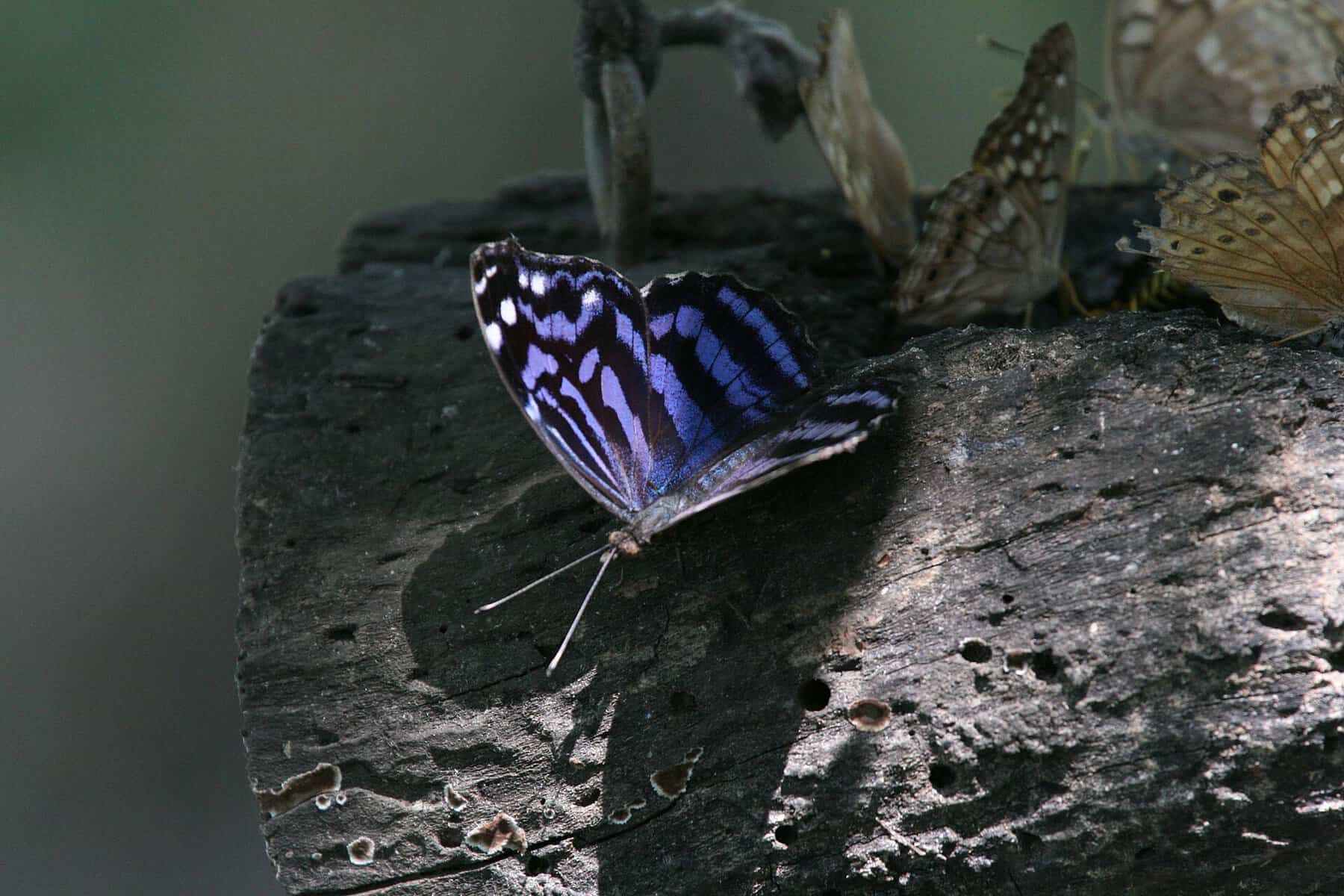
One thing to know before you haul out a big camera: professional photographers pay a minimum fee that starts at $75. Casual snapshots on your phone are free, so most visitors never think about it.
The gates are open 8 a.m. to 5 p.m., seven days a week, weather permitting, with a few holiday closures. Mornings are cooler and the butterflies are active, so an early start is worth it.
Make a Whole Weekend of It
The preserve rewards an unhurried visit, and the surrounding Valley makes it easy to stretch one morning into a full trip.
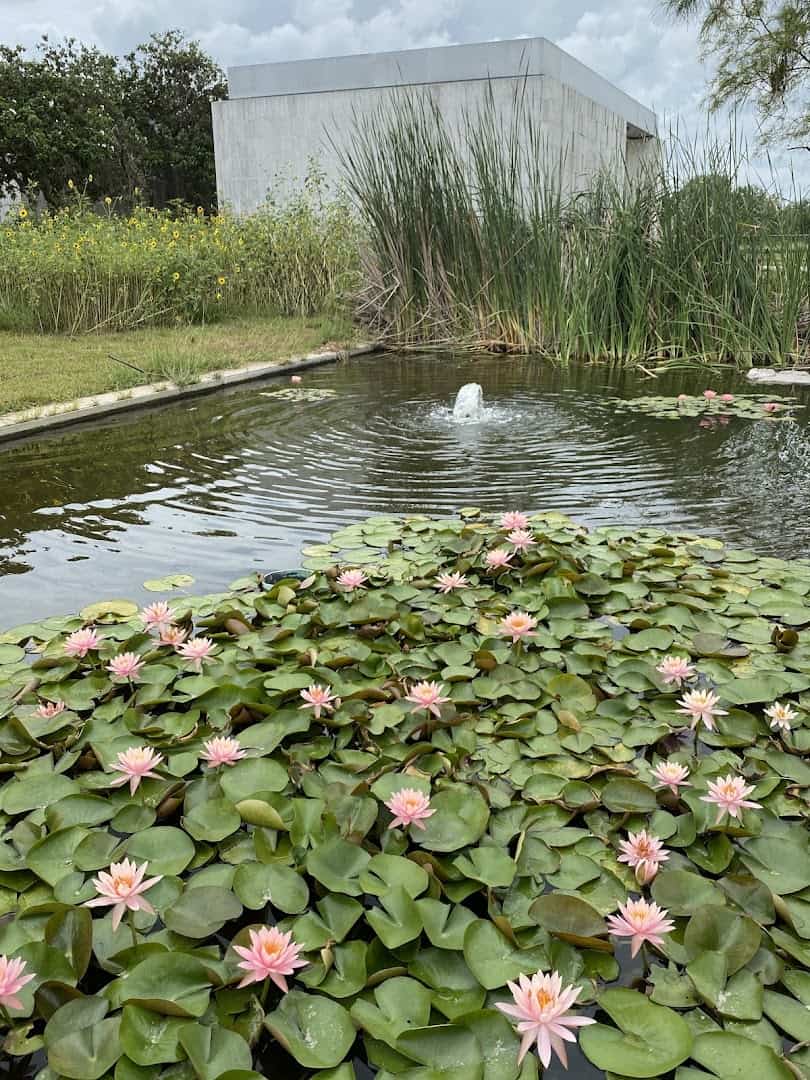
Bentsen-Rio Grande Valley State Park sits right next door and anchors the World Birding Center network, so you can pair butterflies at one and green jays and chachalacas at the other.
Mission itself is a comfortable base, with McAllen minutes away for food and a bed. The Valley is famous for its citrus and its Tex-Mex, so nobody goes hungry down here.
If you can only give it one visit, aim your camera low and slow. A phone works fine, but a patient morning near the mistflower will hand you photos you would swear came from a nature magazine.
How to Get There
The preserve sits in the citrus-and-palm country of the Lower Rio Grande Valley, at the very bottom of the state. Mission is just west of McAllen, an easy add-on to any Valley birding or beach trip.
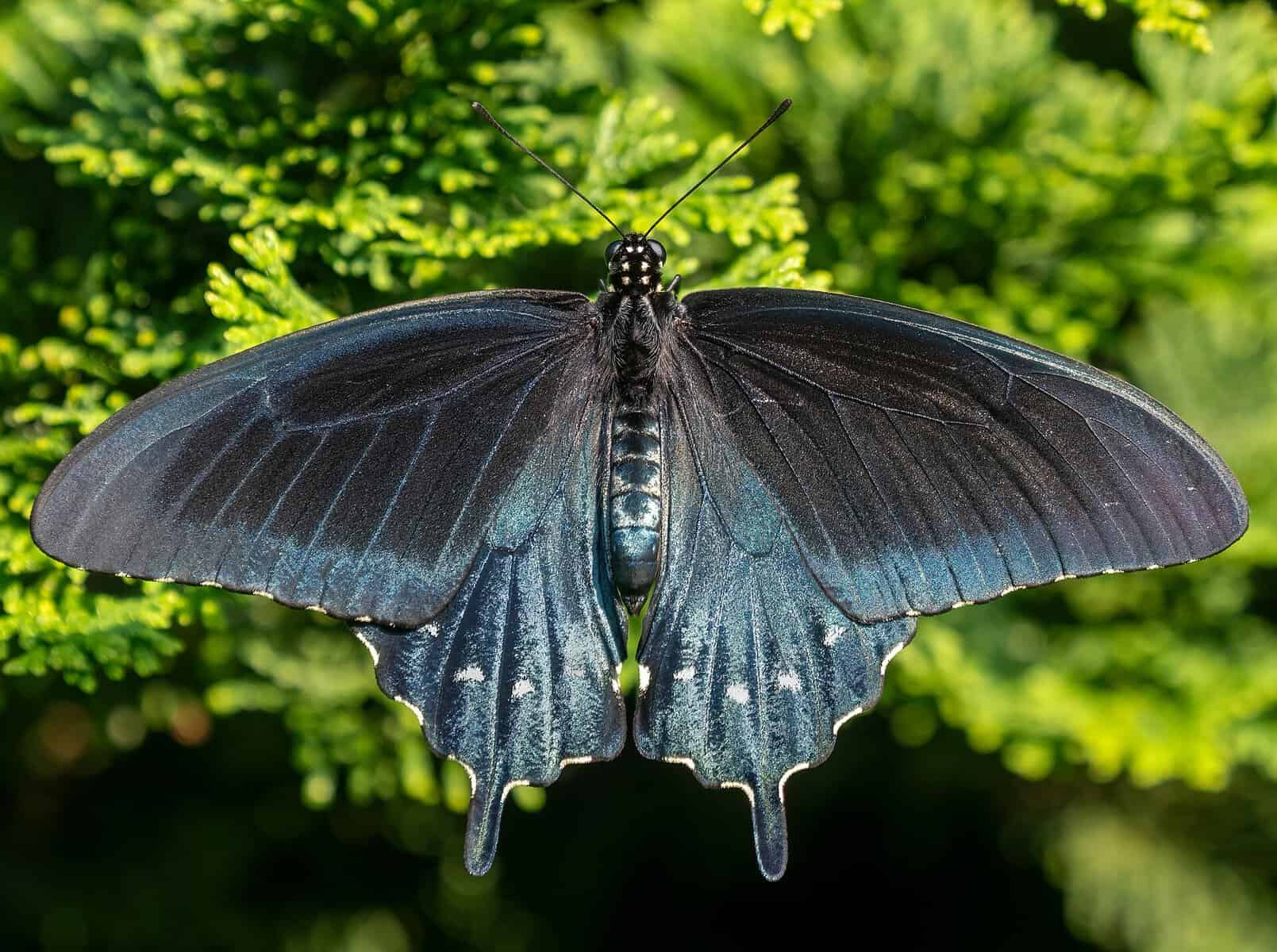
Where: National Butterfly Center, 3333 Butterfly Park Drive, Mission, TX 78572. Call 956-583-5400 to confirm hours and festival details before you drive down.
Plan Your Texas Butterfly Run
There are the famous Texas landscapes, and then there are the quiet ones that reward the people who bother to look. This is firmly the second kind.
Pack water, wear a hat, aim for a fall morning, and give yourself a couple of unhurried hours to let it happen. The show does not rush, and neither should you.
Whether you are a lifelong butterfly nerd or someone who just wants to stand inside a cloud of wings for a while, this hidden corner of South Texas delivers something you will not forget. Go slow, look close, and let the smallest travelers in Texas show off.
Featured image: Henry P. via National Butterfly Center

Stella Raines
Editor-in-Chief
Stella brings over a decade of storytelling experience to TX Headlines. With roots in West Texas and a love for road trips, she leads the editorial team with an eye for the hidden stories that make Texas unforgettable.
More Stories
.JPG)
_Piedra_Herrada_2.jpg)
_(18412640504).jpg)
.JPG)


.JPG)
.jpg)

.jpg)
Tags