This Hidden Texas State Park Is a Kayaker’s Dream With 14 Miles of Paddling Trails
Everybody chases the same three Texas rivers. The Guadalupe in a rented tube, the Frio in July, the Comal because someone posted it. I love them too.
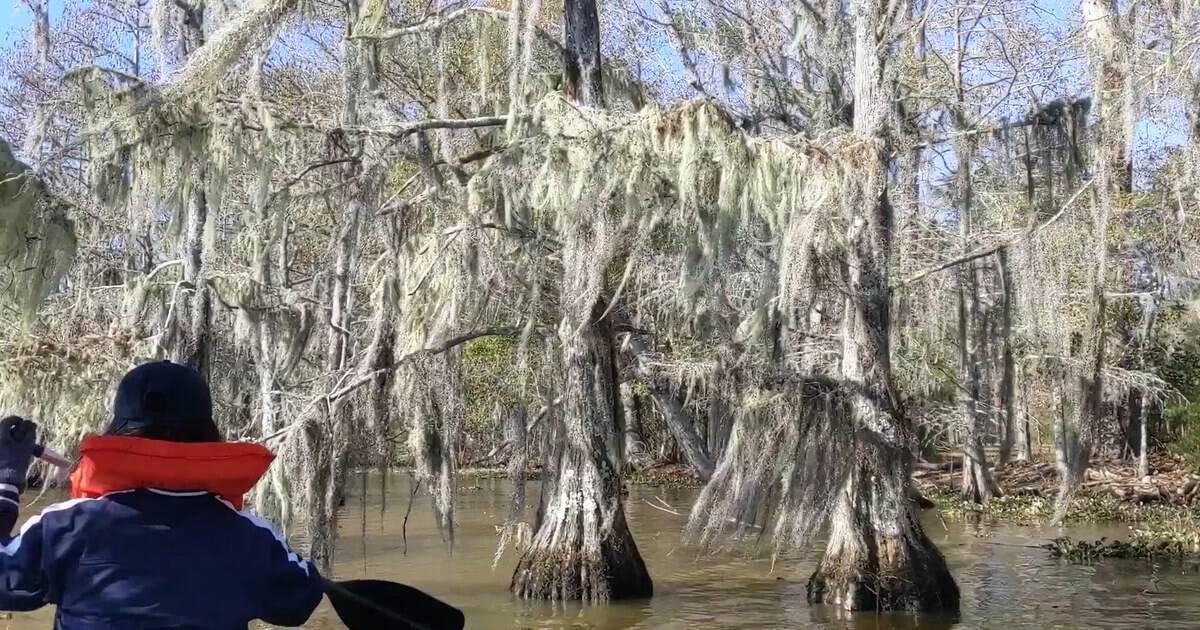
But there is a quieter kind of paddling that never makes the reels. It hides way out in the Pineywoods, past Jasper, on the edge of the Big Thicket, where the map runs out of highways and the water turns dark and still.
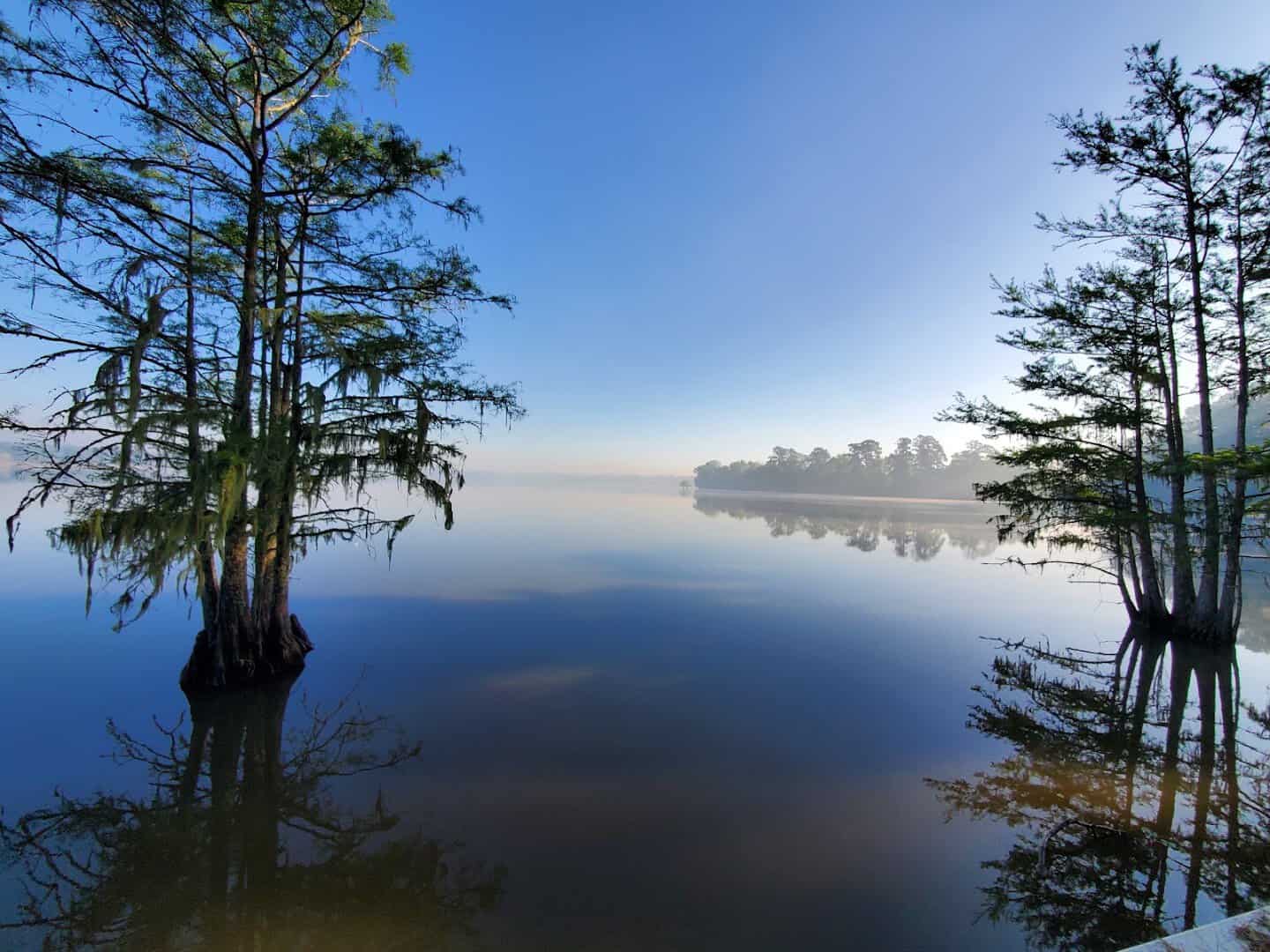
Out there sits a state park built around black backwater and giant bald cypress. It is a swampy paradise, and it holds nearly fourteen miles of marked paddling trails through water so calm it doubles the trees.
Below, I will show you the trails, the gators, the cabins, and why almost nobody talks about it. The park is Martin Dies, Jr. State Park, and if you have never heard of it, that is exactly the point.
It draws a fraction of the crowd that Garner or Enchanted Rock pull, which is a gift if you like your mornings quiet. This is a place you go to disappear for a weekend, not to fight for a parking spot.
Three Trails and Fourteen Miles of Black Water
The paddling is the reason to come. Three marked state paddling trails loop through the sloughs, the open lake, and the moving river. Together they add up to nearly fourteen miles of water you can follow without getting lost.
The Walnut Slough Trail runs about 4.3 miles and takes most people two to four hours. It threads the quiet backwater, the kind of route where you stop paddling just to hear how silent it gets.
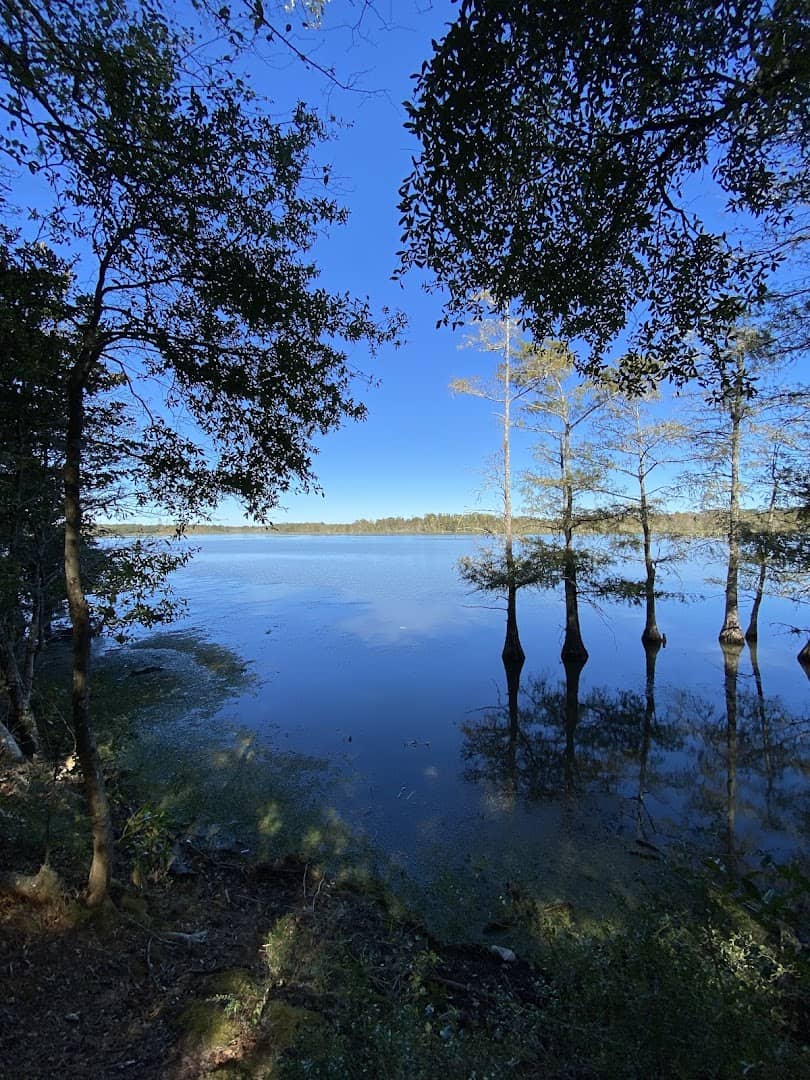
Turtles slide off logs ahead of your bow, and the only traffic is a heron lifting off. It is the trail I would send a first-timer down.
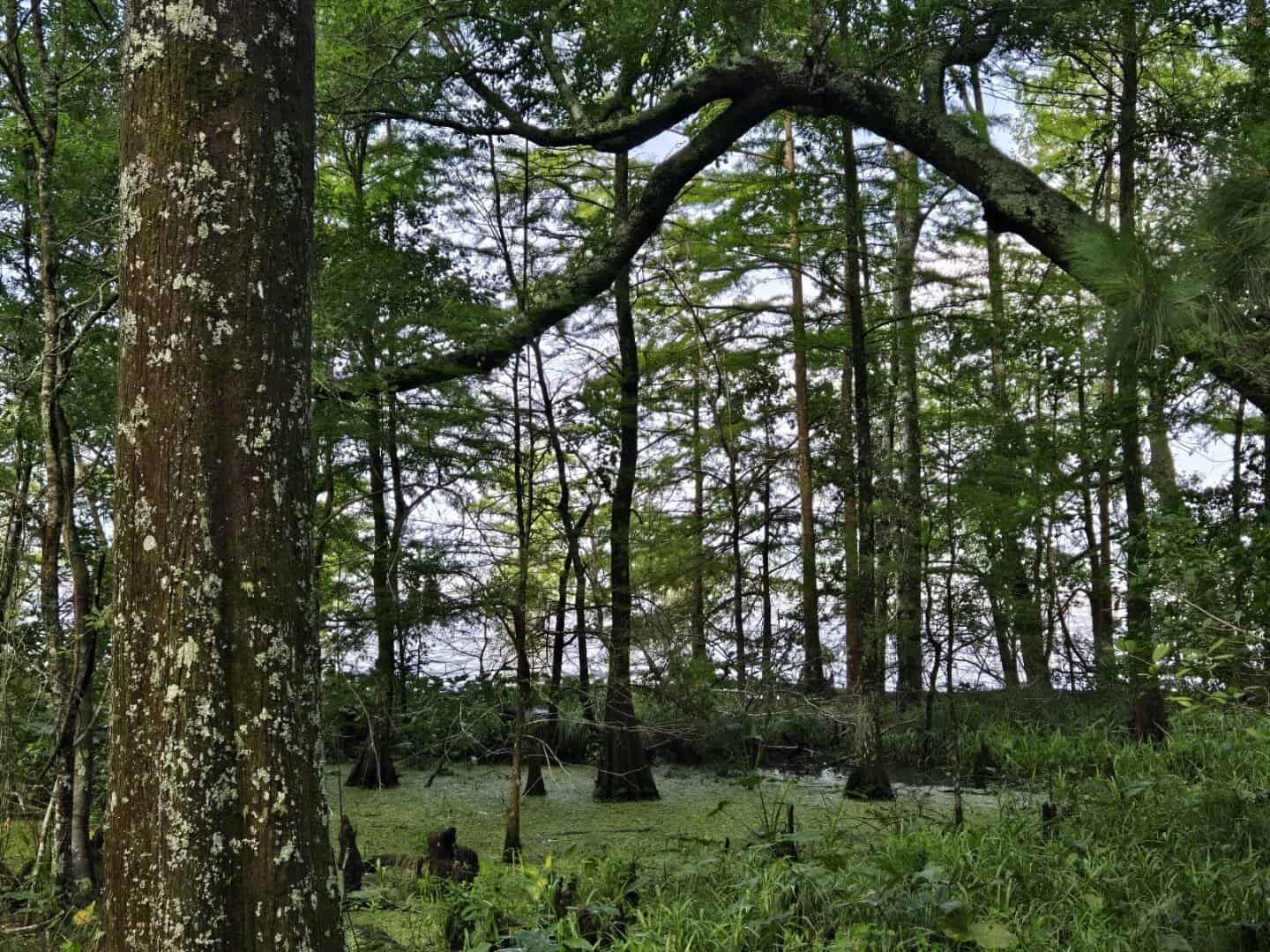
The Sandy Creek Trail runs about 4.9 miles at a similar pace. Both wind through old river-bottom hardwood forest and past cypress so big they look like they were planted by giants.
Their knees poke up out of the water all around your boat, gray and knobby and older than anyone paddling past. In low light they look almost like they are watching you.
The third one is the wild card. The Neches Paddling Trail is marked by a string of eight buoys and drops you into the stronger current of the Neches River.
Follow it and you head out toward “the Forks,” the swampy meeting place where the Neches and the Angelina rivers come together in open water. It feels like paddling into the deep end of the wild.
That trail stretches anywhere from 3.2 to 16 miles depending on the route you pick, so it works for a short afternoon or a serious all-day expedition. Newer paddlers should stick to the sloughs; the river current rewards a little experience.
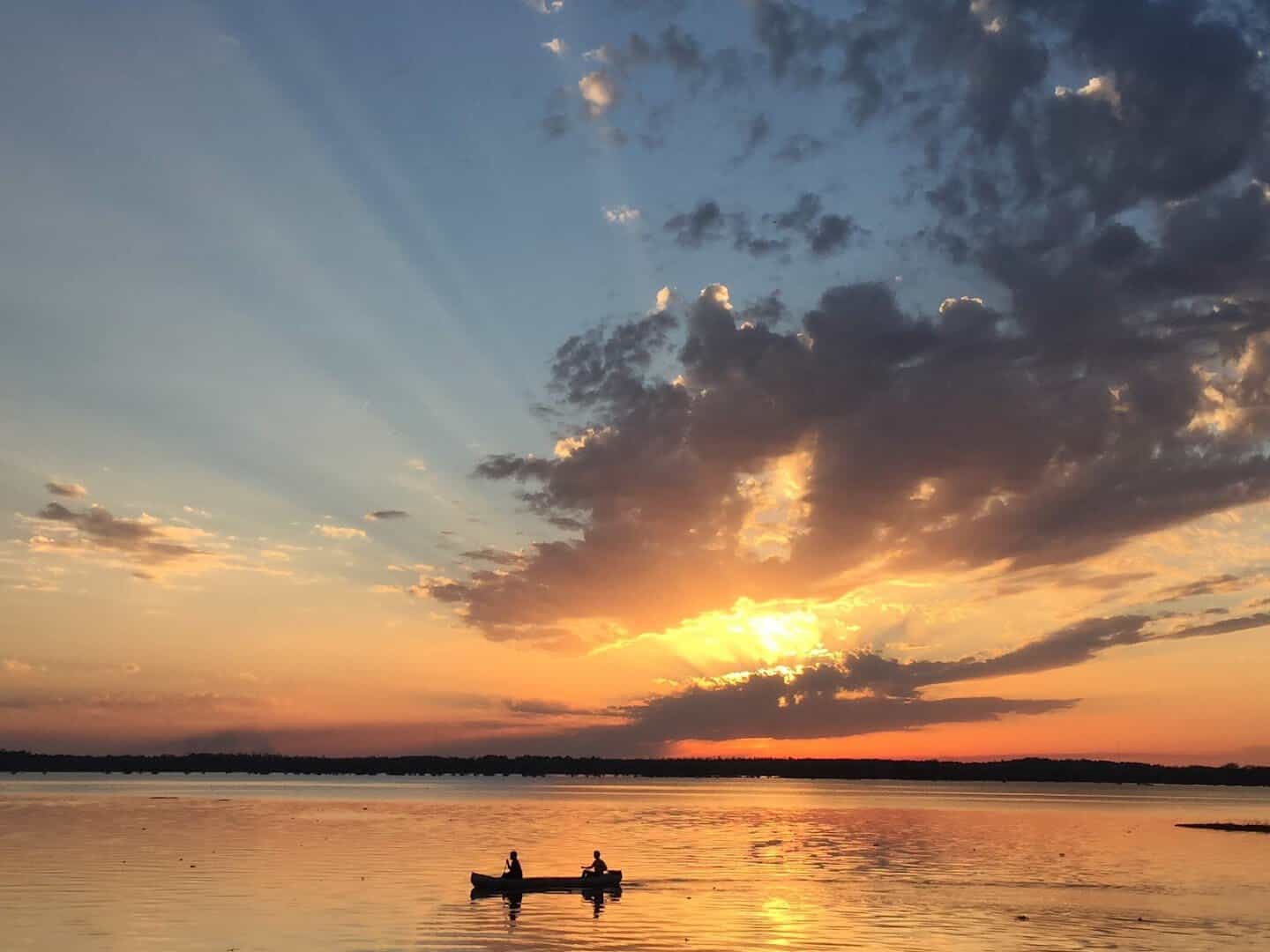
Come at first light and the water goes glassy and gray, with mist sitting on top of it. That fog is half the reason photographers keep this place a secret, and it burns off by mid-morning, so the magic hour is early.
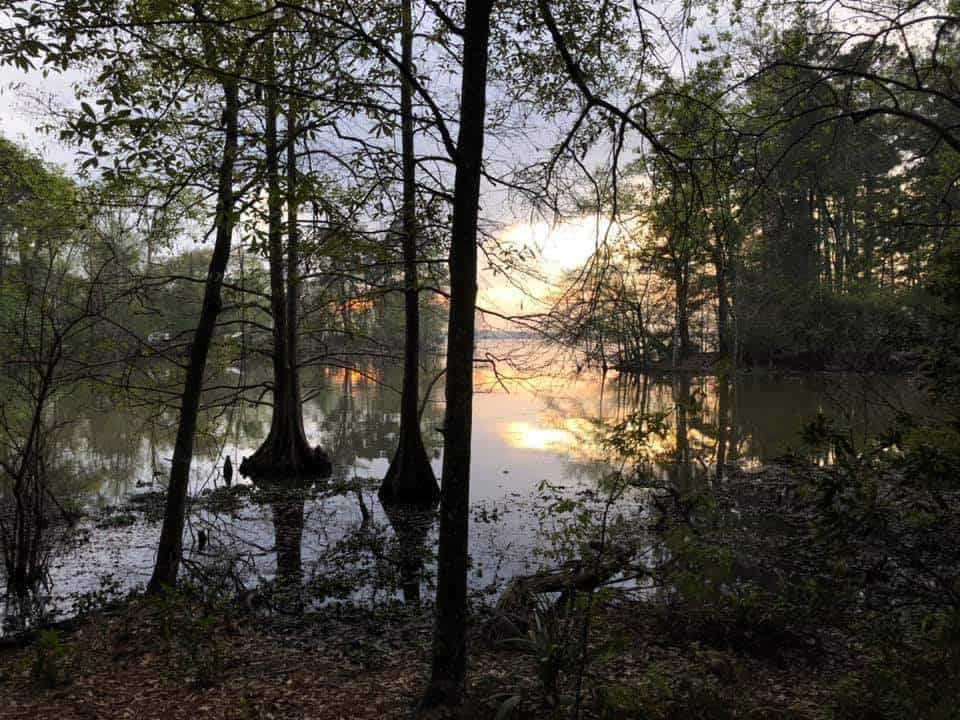
Set an alarm you will hate, then thank yourself on the water. A cypress swamp under morning mist is one of those scenes a phone camera cannot quite ruin.
A Park That Comes in Three Parts
Martin Dies is really three parks wearing one name. It is split into the Hen House Ridge Unit, the Walnut Ridge Unit, and the Cherokee Unit, spread along B.A. Steinhagen Reservoir on either side of U.S. 190.
Hen House Ridge and Walnut Ridge are where the camping lives, each with its own boat ramps, trails, and water access. You can launch a kayak, walk a boardwalk, and roll back to your tent without ever moving the car.
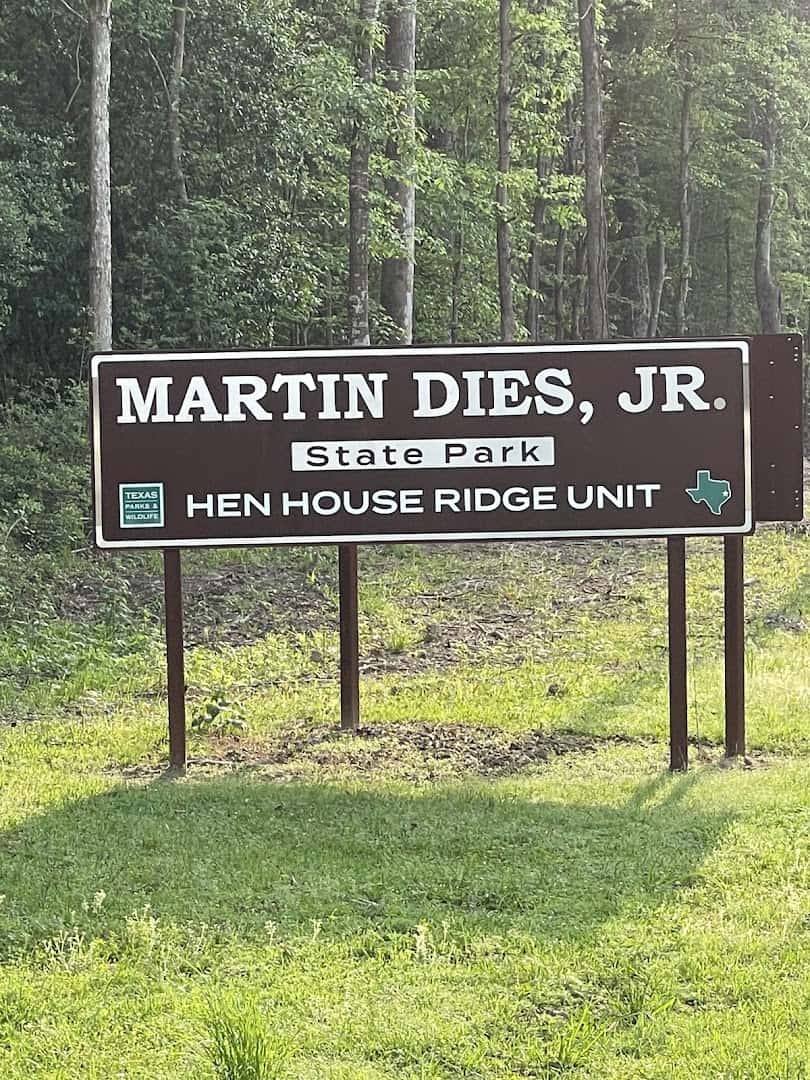
The Cherokee Unit is day-use only, which makes it the quiet one, the spot you slip off to when the campgrounds fill up on a Saturday. Pack a picnic and you have the shade almost to yourself.
Pro tip: check which unit your campsite is in before you drive out. They are minutes apart by car but sit on different fingers of the lake, and showing up at the wrong one after dark is a rookie mistake.
Who Else Is Out on the Water
You are not the only one using these sloughs. American alligators are common here, sunning on logs and cruising the shallows, and part of the thrill of a dawn paddle is knowing they are around. Keep your distance, keep your hands in the boat, and enjoy the show.
They share the water with river otters and American minks, plus fifteen species of turtles lined up on every half-sunk branch like they are posing. It is one of the most alive stretches of water in the state.
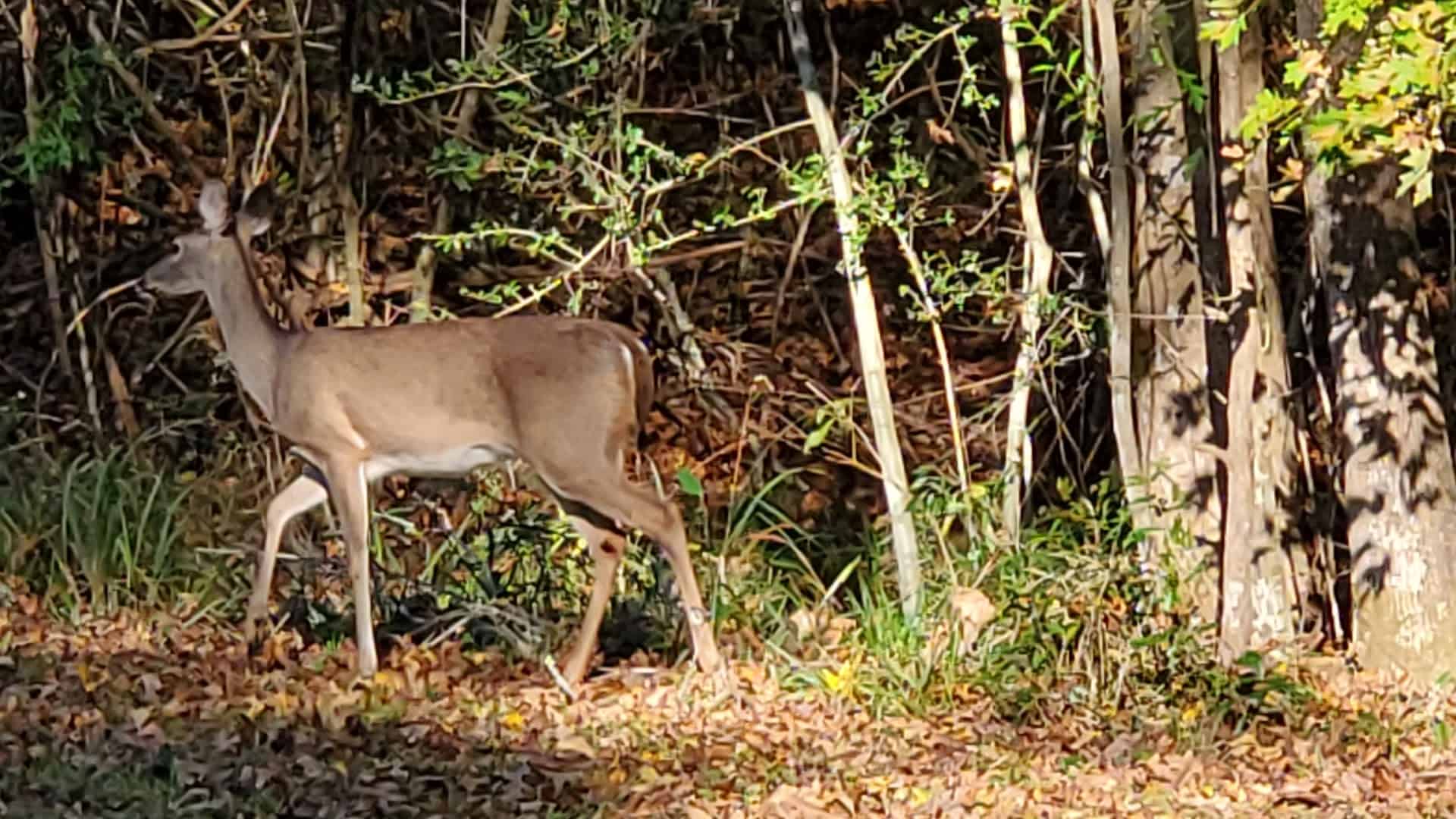
The birds are the other headline. The park sits on a southern migration route, which makes it a serious spot for birders. Herons stalk the shallows, woodpeckers hammer the hardwoods, and spring and fall bring waves of migrants moving through the Big Thicket.
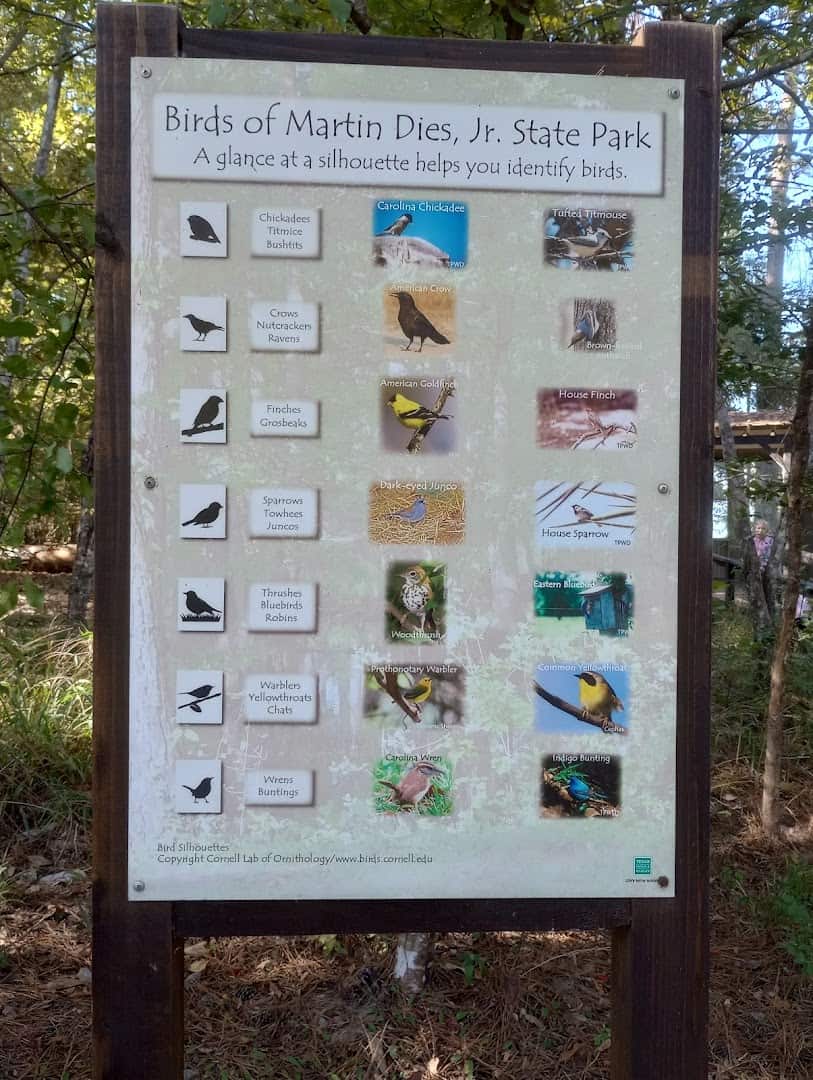
The park even hands out its own bird checklist if you like to keep score. Bring binoculars and a slow morning, and you will fill in more boxes than you expect. Ospreys and prothonotary warblers are the kind of prize regulars come hunting.
The Best Season to Point a Boat Here
This is a year-round park, but the seasons change what you come for. Spring is the showstopper: mild water, heavy bird migration, and everything greening up at once.
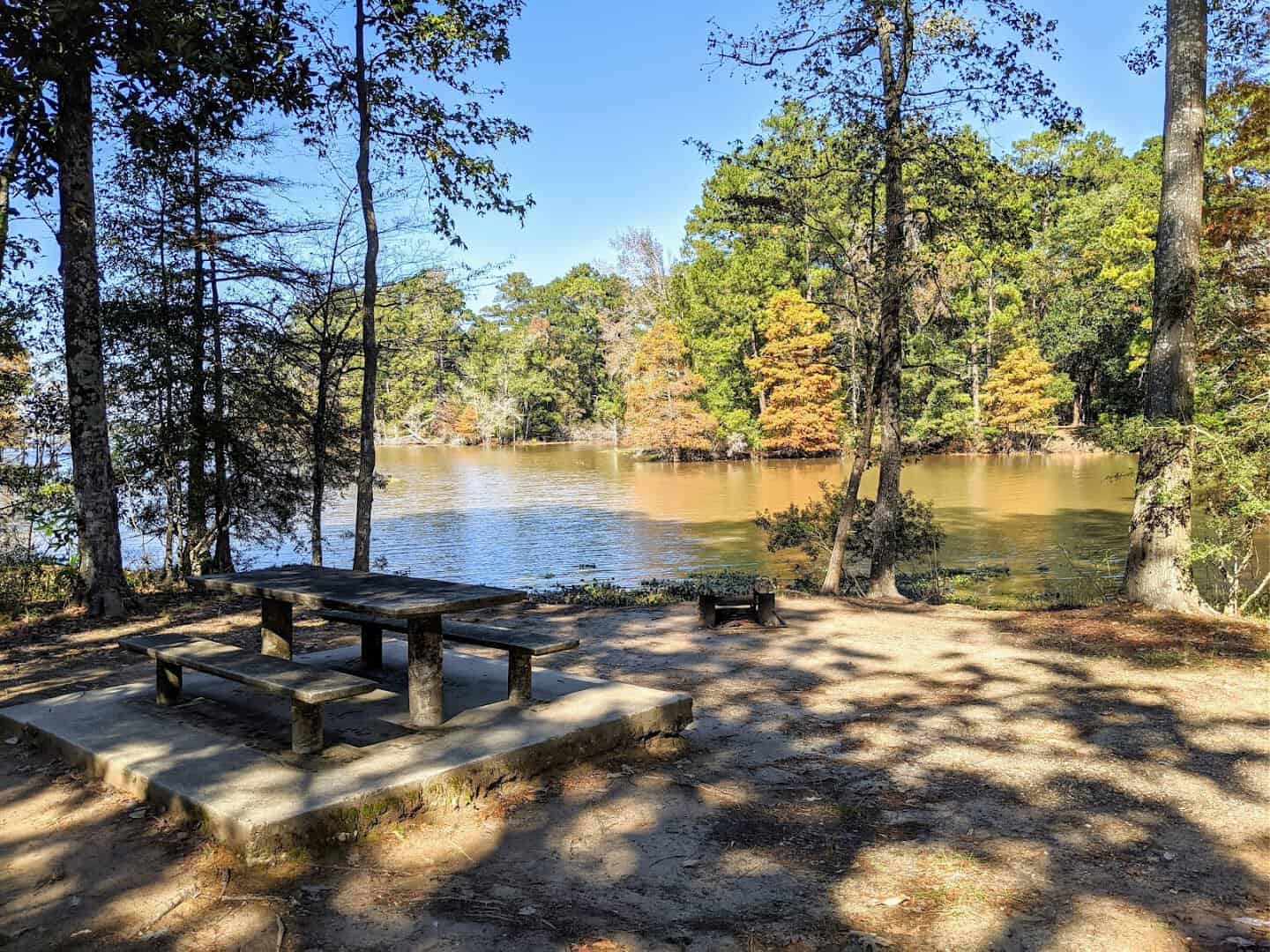
Fall is the quiet favorite. The mosquitoes ease off, the light goes gold, and the hardwoods along the sloughs start to turn, which makes a paddle feel like drifting through a painting.
Summer is warm and buggy but wonderful early, when the fog is thick and the water is cool before the heat lands. Winter is the emptiest and eeriest, all bare cypress and long views across the reservoir.
Whenever you come, aim for the shoulder of the day. Dawn and the last hour before dark are when the wildlife moves and the water goes still, and they are worth rearranging a trip around.
Cast a Line, Then Stretch Your Legs
Not everything here happens in a kayak. B.A. Steinhagen Reservoir is a solid fishing lake, and anglers work the backwaters and the river channel for bass, crappie, catfish, and bream.
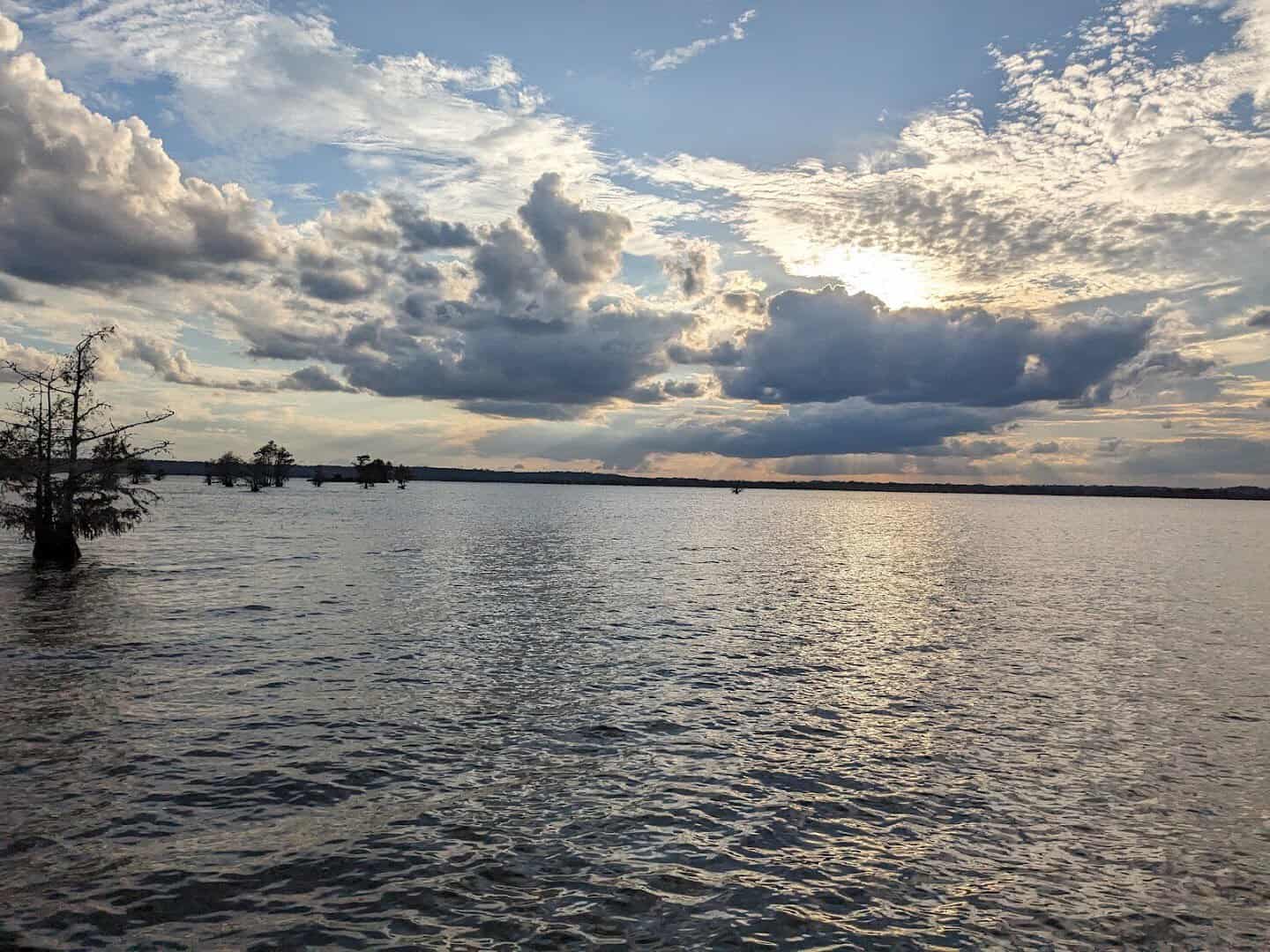
You can fish from a boat, from the bank, or from one of the piers, and a quiet slough at dawn is as good a place to drop a line as it is to float one. Kids tend to catch their first fish here without much fuss.
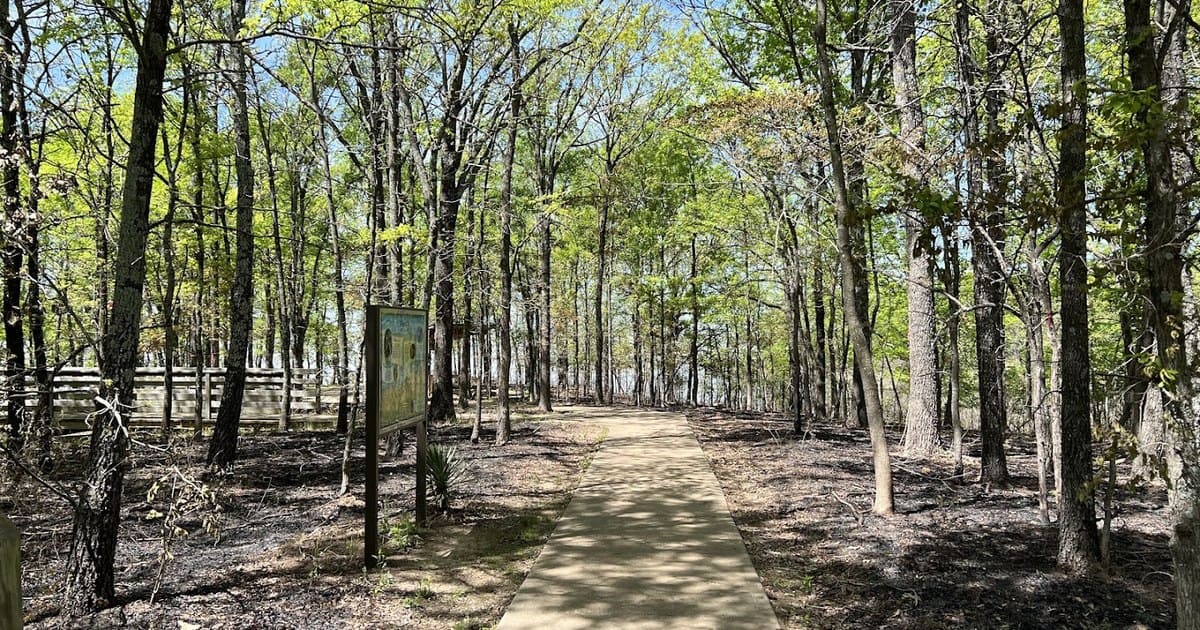
When you want dry land, there are about seven scenic miles of hiking and biking trails threading the woods. They roll past shallow sloughs lined with beech, magnolia, sweet bay, cypress, and willow, and the shade holds up even in summer.
Several of the trails cross the water on boardwalks, so you can watch for turtles and gators without a paddle in hand. It is the easiest way to show the swamp to someone who is not quite ready to get in a boat.
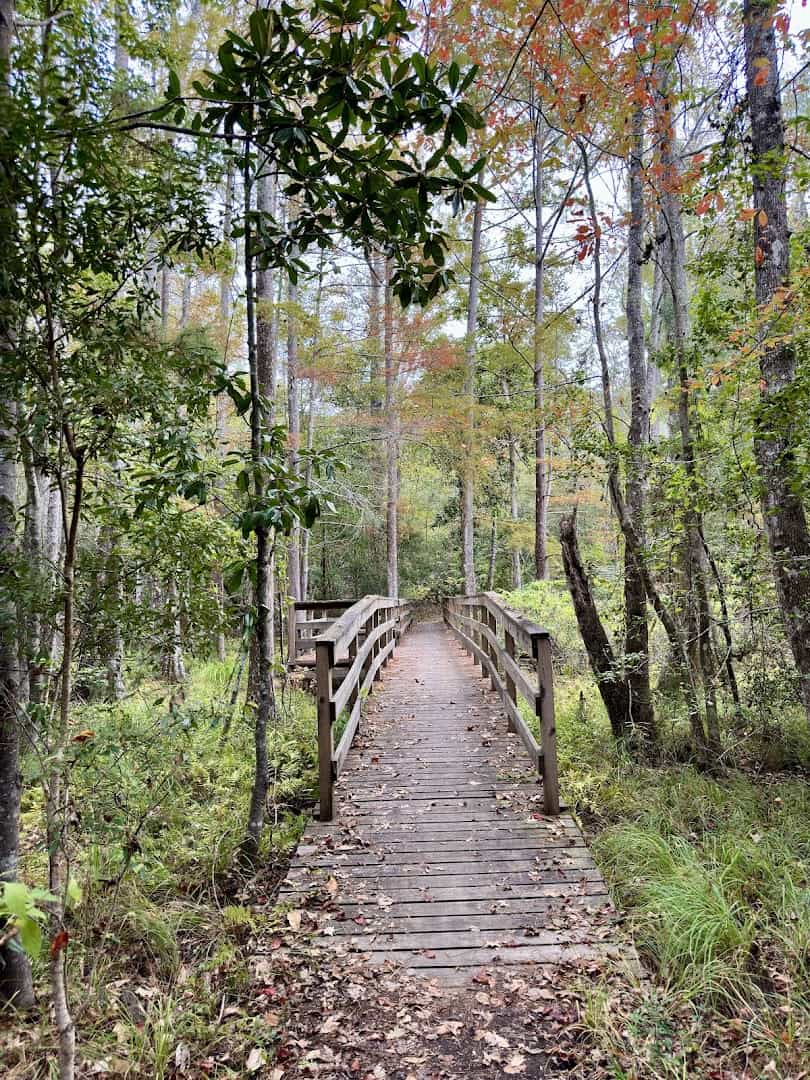
Did you know? Some of these trails link right to the paddling launches, so a family can split up for an hour, one crew on foot and one on the water, and meet back at the same cypress cove.
Where You’ll Sleep Under the Cypress
This is a park you stay in, not one you rush through. There are more than two hundred campsites, most with water and electricity, spread across the two camping units.
If a tent is not your thing, the park keeps thirty-seven screened shelters and nine cabins. The shelters are a great middle ground, a roof and a screen between you and the mosquitoes without hauling a full setup.
The cabins are the prize, and they book out fast for holiday weekends, so plan ahead if you want four walls and a real bed by the water. A reservation months out is not overkill in spring.
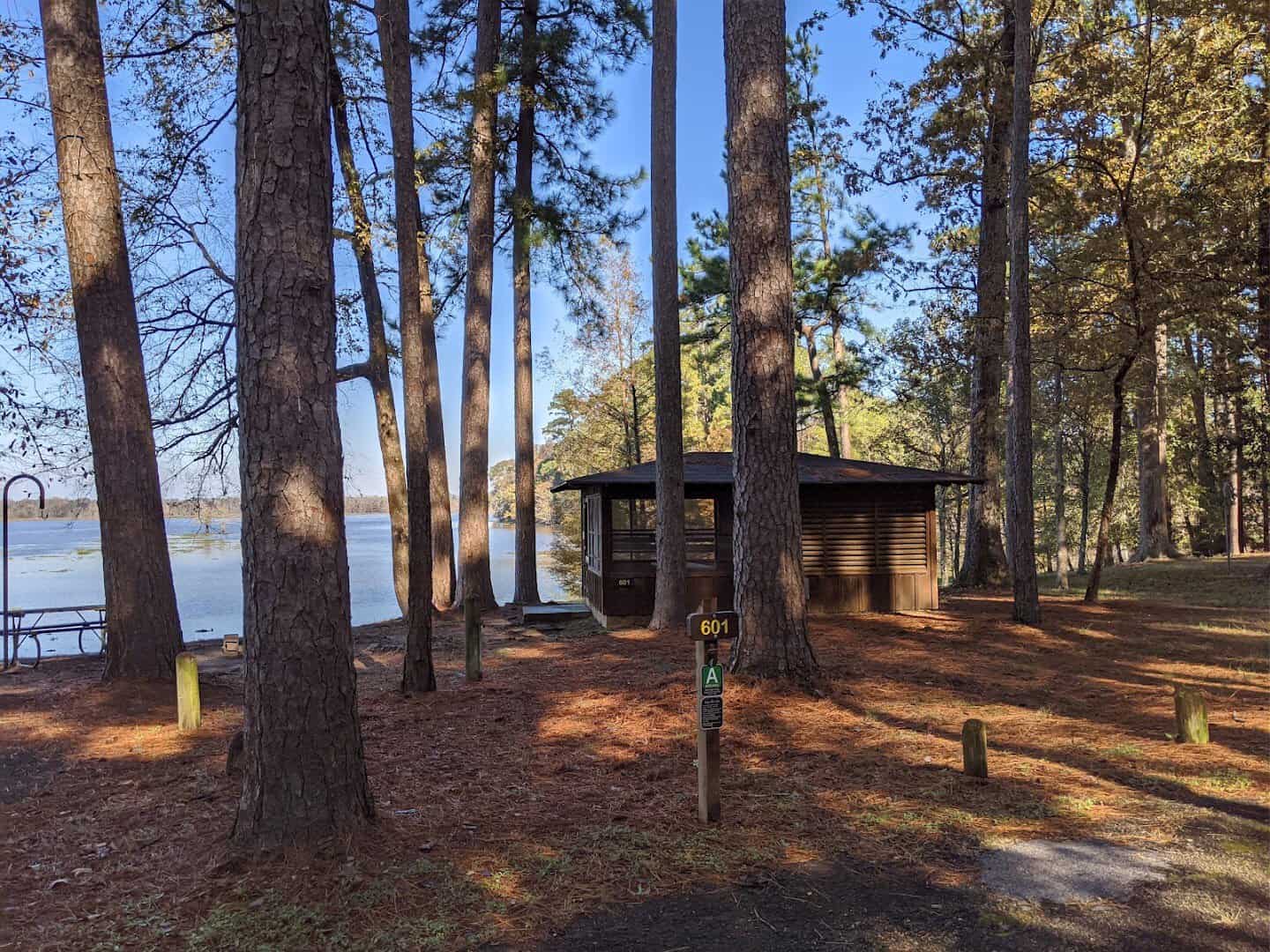
Fall asleep to a chorus of frogs, wake up to that cypress fog, and you understand why regulars come back to the same loop year after year. Some families have been booking the same site for decades.
Why It’s Called Martin Dies, Jr.
The name is stranger than the scenery. This land started life as Dam B State Park, tied to the Town Bluff Dam, nicknamed “Dam B,” which was built on the Neches River back in 1951.
That dam created B.A. Steinhagen Reservoir, the very lake you are paddling. The still, tree-lined water that feels so ancient is actually the backwater of a mid-century engineering project.
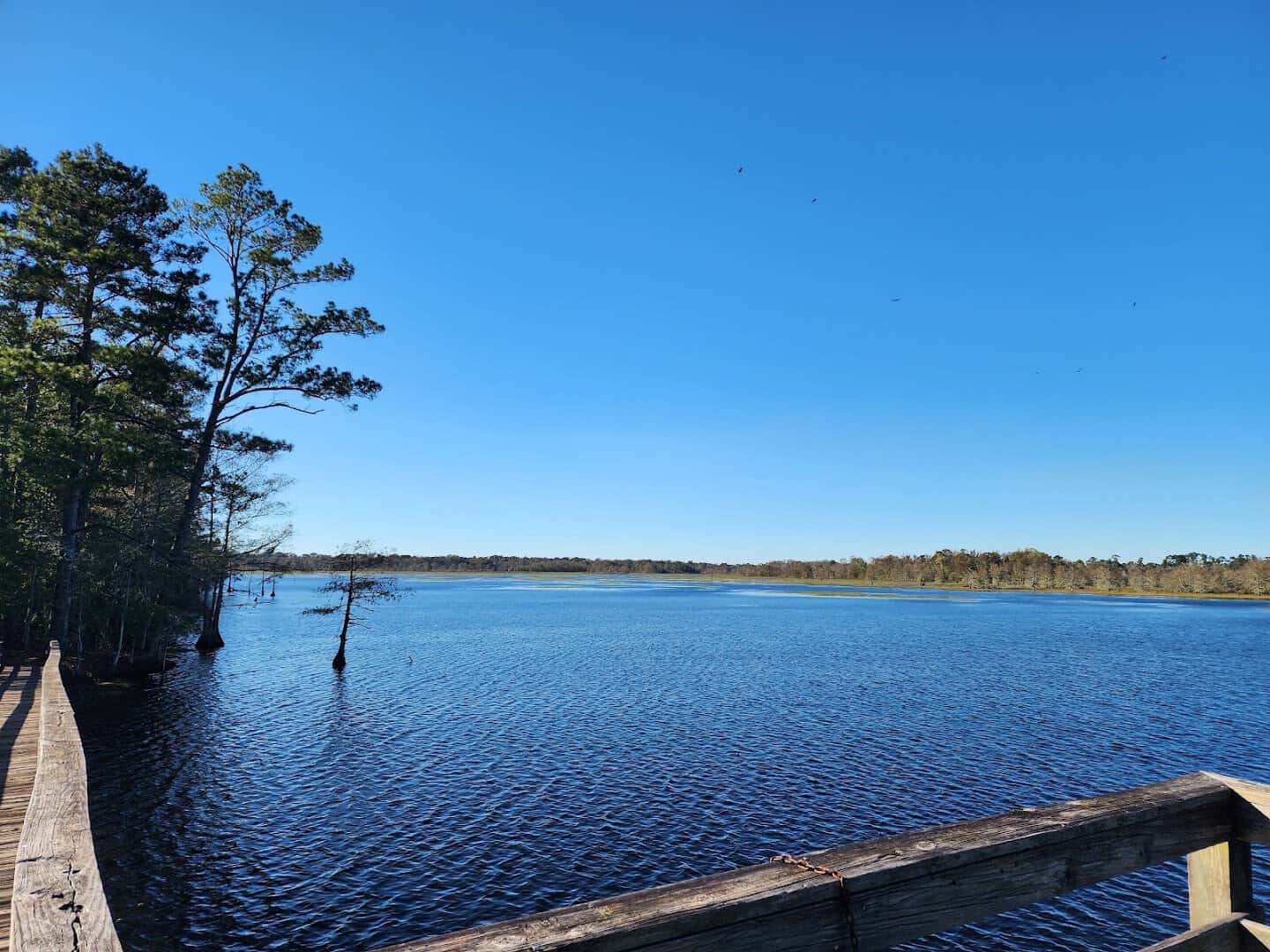
The state leased the land from the U.S. Army Corps of Engineers in 1964 and opened the park in 1965. That same year it was renamed for Martin Dies, Jr., a Texas political figure and the son of a U.S. congressman of the same name.
So the giant cypress feel prehistoric, but the lake itself is younger than you would guess, an engineered reservoir that nature has thoroughly reclaimed. Mystery solved.
Pro Tips Before You Push Off
You do not need to own a kayak to do this. The park rents kayaks and canoes, so you can show up empty-handed and still get on the water. That alone makes it an easy first paddling trip for a family.
Rangers also run guided paddling tours through the sloughs, teaching the ecosystem and the natural history as you go. It is the best way to learn to read the water your first time out, and to spot wildlife you would paddle right past on your own.
The entry fee is gentle: about $4 a day for adults, and free for children twelve and under. The park is open daily from 6 a.m. to 10 p.m., so an early launch for that famous fog is easy to pull off.
Book rentals and campsites ahead rather than counting on a walk-up, especially on weekends and holidays. And bring bug spray you actually trust. This is a swamp in the best sense of the word, and the mosquitoes know it.
How to Get There
Martin Dies, Jr. State Park sits about fifty-five miles north of Beaumont in Jasper and Tyler counties, right on U.S. Highway 190 between Jasper and Woodville, deep in East Texas.
Where: 634 Park Road 48 South, Jasper, TX 75951
Point the Bow Downstream
Texas has louder rivers and more famous parks, but very few places where you can slide a boat into black water at dawn, drift past cypress the size of houses, and share the morning with otters and gators instead of a crowd.
Load the kayak, or plan to rent one, pick your unit, and go find the quiet water. Just try not to keep it a secret for too long.
Featured image: F N via Martin Dies Jr State Park

Stella Raines
Editor-in-Chief
Stella brings over a decade of storytelling experience to TX Headlines. With roots in West Texas and a love for road trips, she leads the editorial team with an eye for the hidden stories that make Texas unforgettable.
More Stories
Tags