This Magical Texas Coastline Glows Electric Blue After Dark
I have never outgrown the thrill of watching something glow in the dark. Fireflies drifting over a summer yard. A glow stick snapped to life at a concert. Those little plastic stars stuck to a childhood ceiling.
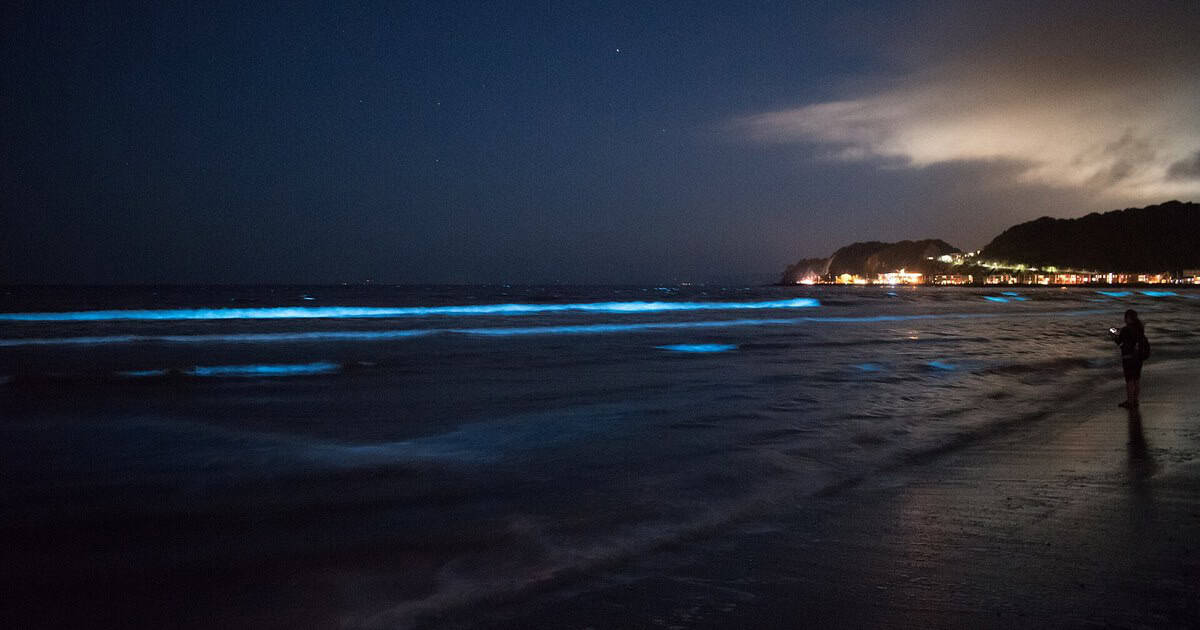
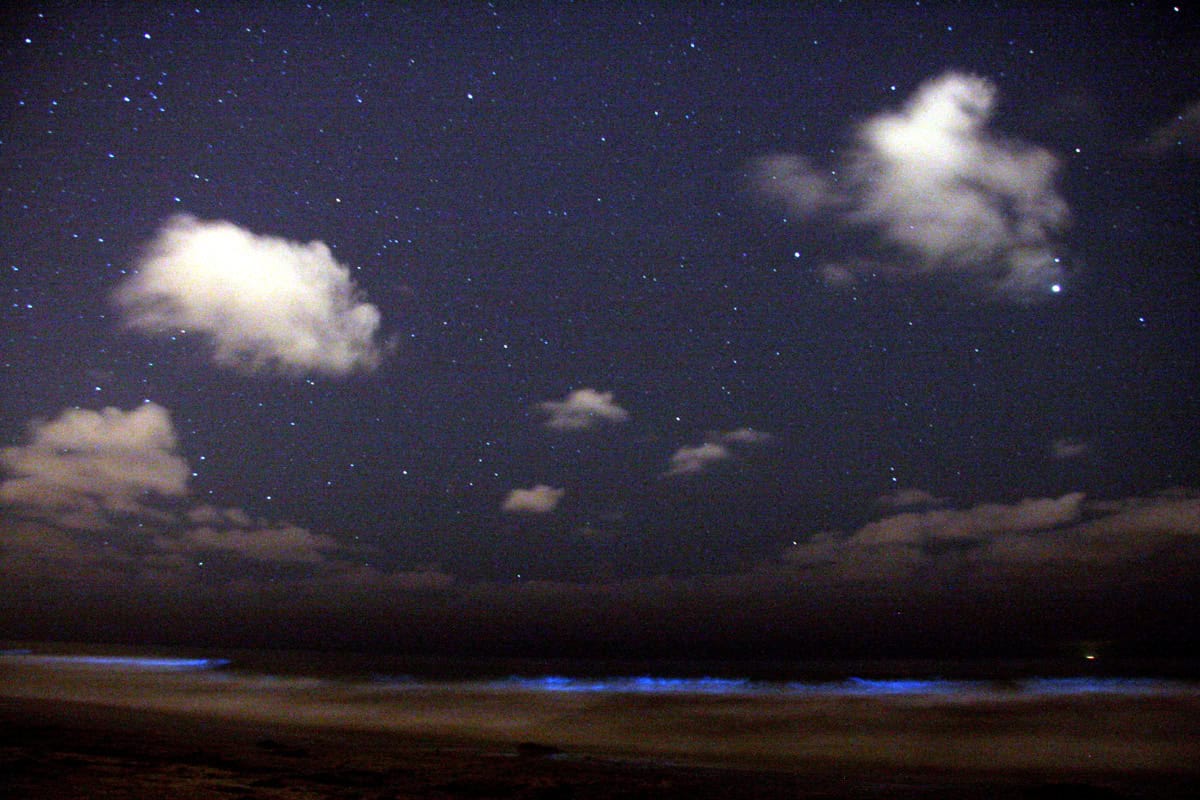
So the first time I heard that a stretch of the Texas coast can light up electric blue after sunset, I could hardly believe it was real. On the right night, the surf here turns to liquid starlight, every wave breaking in a wash of glowing blue.
It is one of the rare corners of the country where the water genuinely glows, and most Texans have no idea it happens in their own backyard. Below, here is what causes it, when to look, and where along the coast your odds are best.
What Makes the Water Glow
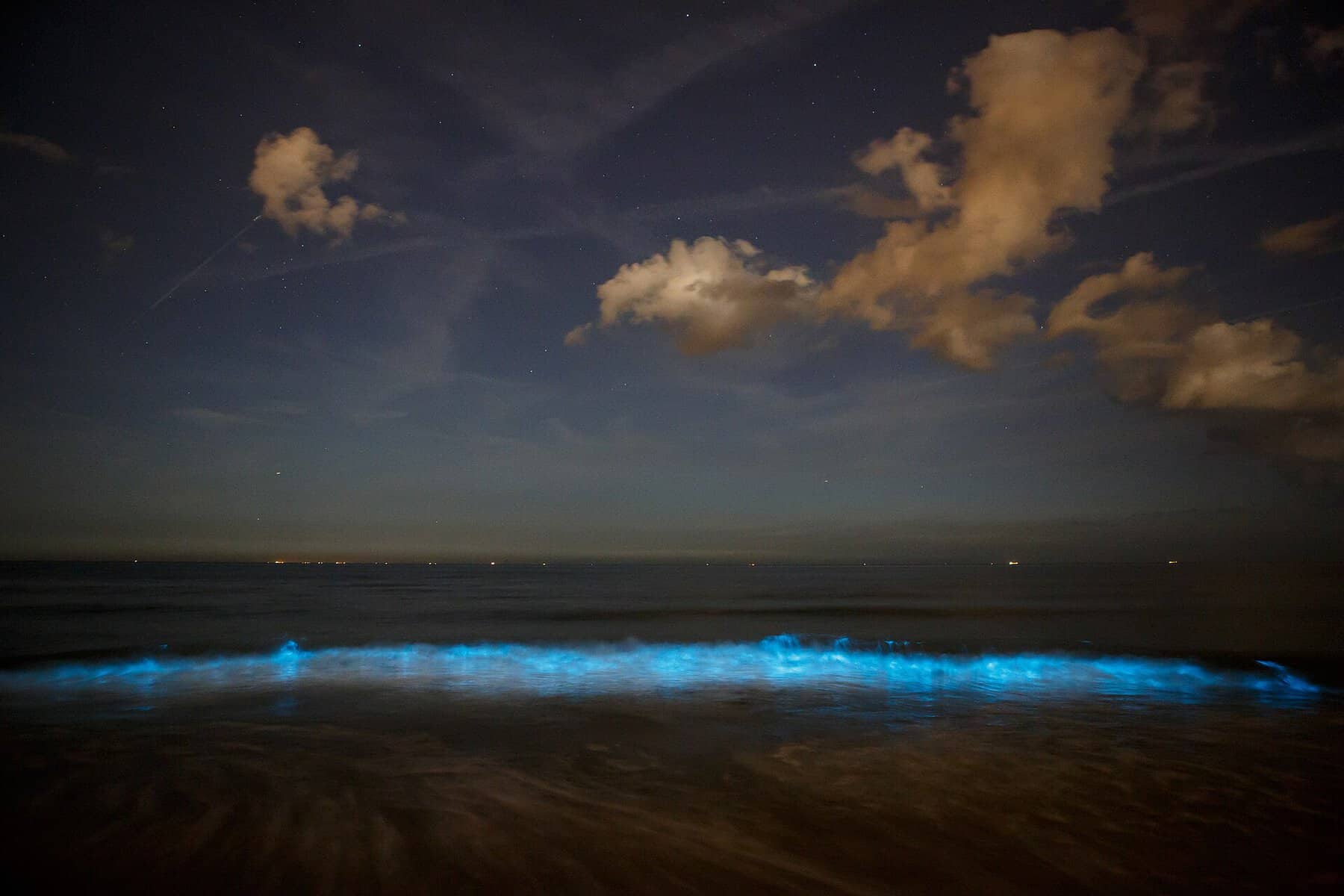
The glow has a wonderfully strange source. It comes from dinoflagellates, single-celled marine plankton so small you could line up thousands across a fingertip. Two kinds are behind the Texas show: Noctiluca and Pyrodinium.
Noctiluca scintillans is the star of the pair, and it has earned a far lovelier nickname. Scientists and beachcombers alike call it sea sparkle. By daylight a heavy bloom can tint the water a rusty pink, giving no hint of the trick it is holding.
Then night falls, and the trick begins. The light is a chemical reaction, the same cold glow a firefly carries in its tail. No heat, no flame, just a quick pulse of blue every time the water is stirred.
A breaking wave sets it off. So does a kicking foot, a paddle stroke, a fish darting through the shallows. Researchers believe the flash is a kind of burglar alarm, a startle meant to scare off whatever just bumped into the plankton.
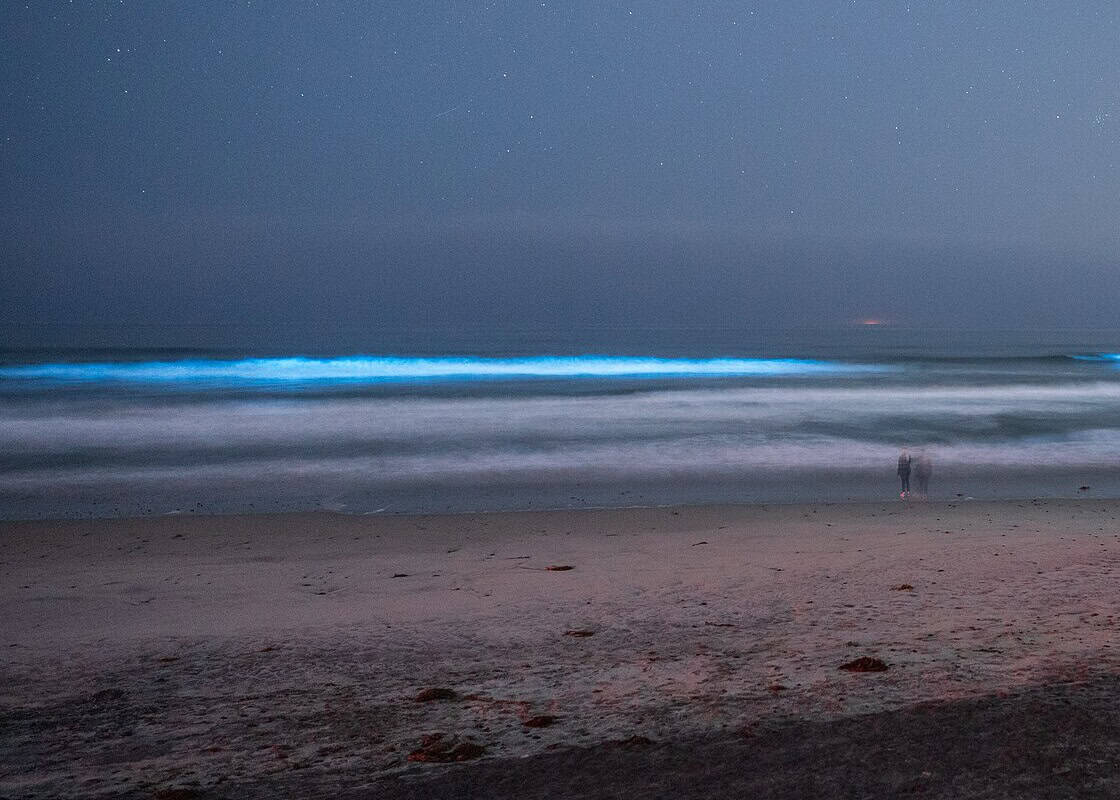
There is a reason it always reads as blue and never red or gold. Blue-green light travels farthest through seawater, so that is the color the plankton evolved to throw, and it is the color that carries best to your eye across a dark wave.
Scientists at the Harte Research Institute in Corpus Christi, where Dr. Mike Wetz studies these coastal blooms, have watched the phenomenon fire up along our beaches. Best of all, the entire display is completely harmless to people and to marine life.
That is the part I love most. Something so eerie and otherworldly turns out to be a tiny, gentle creature putting on the biggest light show it knows how to make, and millions upon millions of them crowd into a single glowing wave.
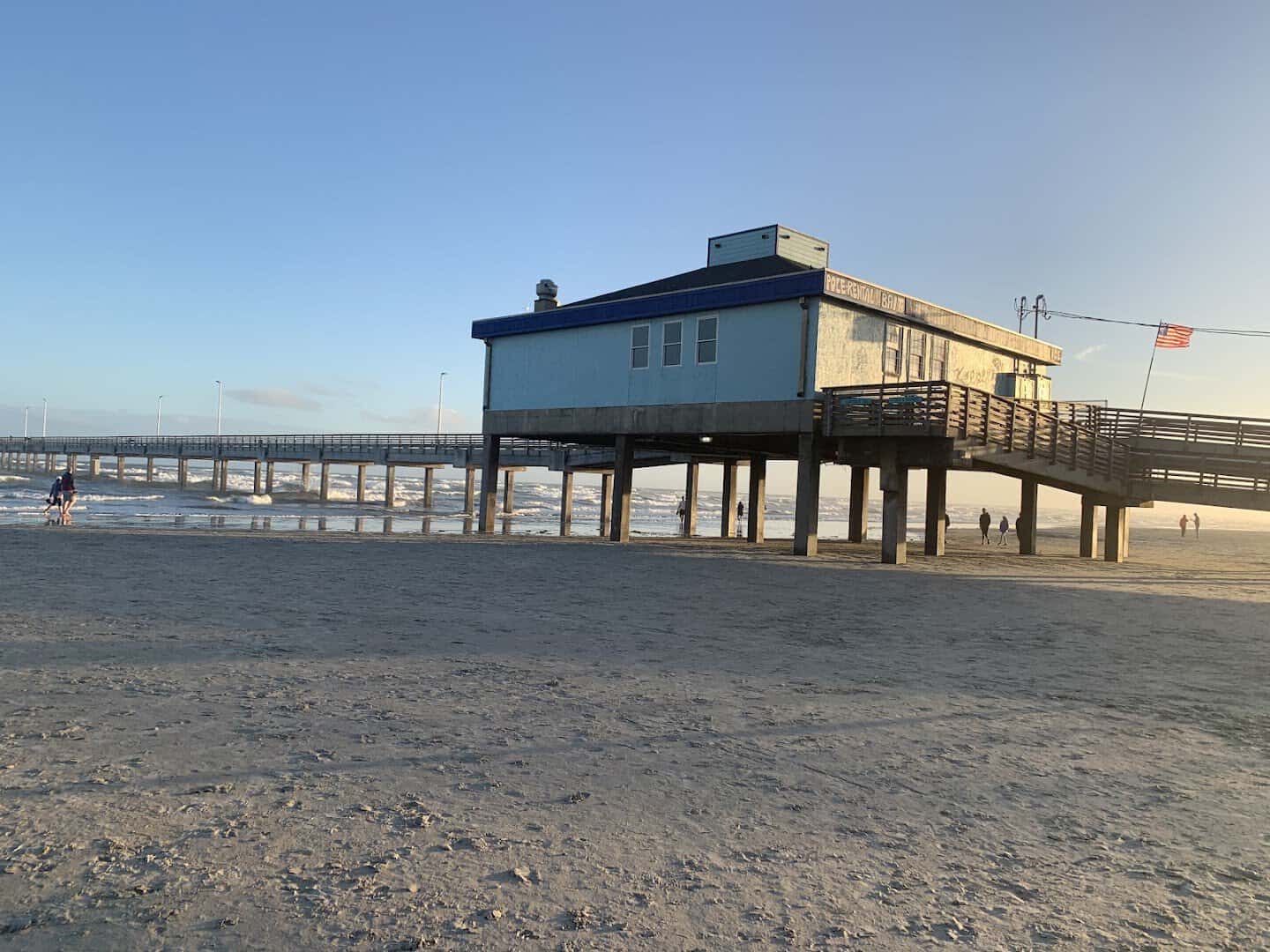
Sea sparkle is not the only thing that glimmers offshore, either. Comb jellies drifting through the Gulf shimmer with their own faint light, and boaters sometimes notice a glowing trail peeling off the propeller on a dark night. The whole coast has a hidden nightlife.
Timing the Glow Just Right
Here is the honest truth that makes it feel like magic: nobody can promise you the glow. It depends on a bloom, and a bloom depends on warm water, sunlight, and the right mix of nutrients all lining up at once.
Sea sparkle tends to bloom in the warmer months, often through spring, when the conditions swing in its favor. A bloom might glow for a single night or linger for a week or two, then quietly fade away with a shift in the wind and tide.
The show also seems to favor calm, settled weather. A stretch of warm, still days lets a bloom build up and hang near the shore, so a quiet forecast is a better sign than a stormy one.
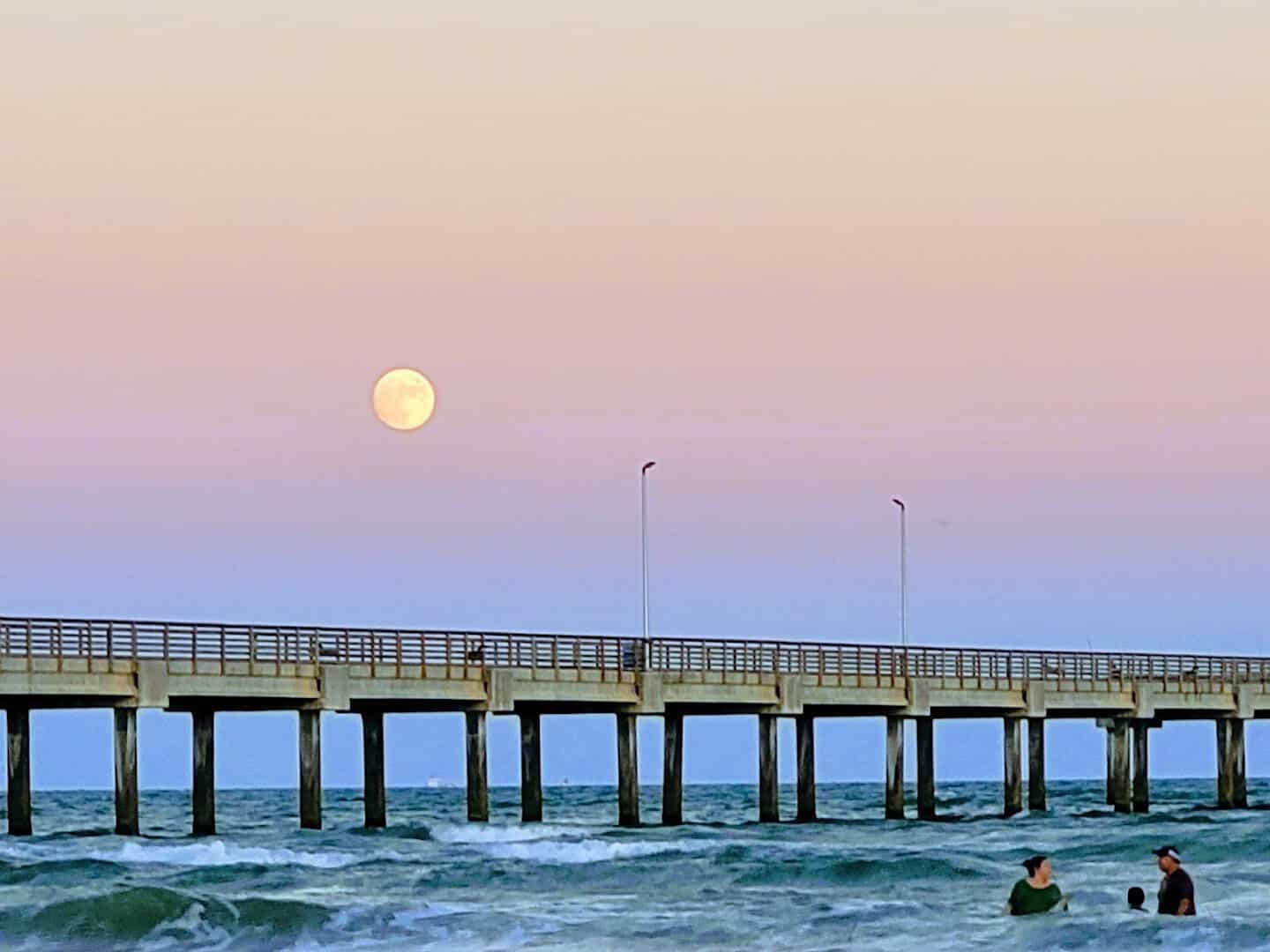
Because it comes and goes, timing your trip is really about the dark. Wait until full night, well after the last light has drained from the sky. The blue is faint, and it needs a black backdrop to shine against.
Then chase the new moon. A bright moon washes out the glow the same way it hides the stars, so the darkest nights of the month give you the best odds by far.
Pro tip: give your eyes a solid twenty minutes to adjust, and leave the bright phone flashlight in your pocket. A small red-filtered light lets you find your footing on the sand without wrecking your night vision.
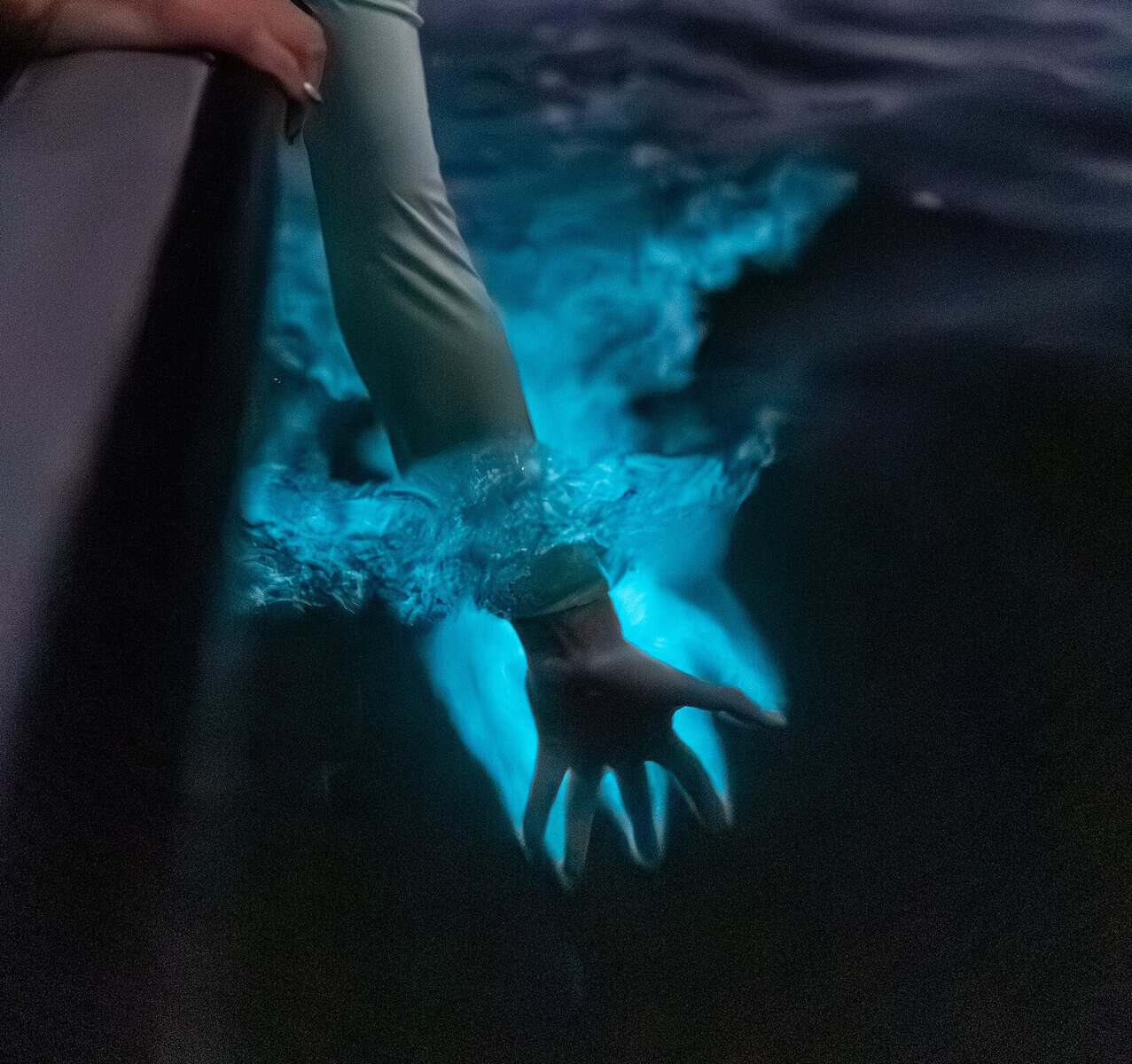
Did you know movement is the trigger? The water glows brightest exactly where it is stirred, so a slow walk through the shallows lights the surface around your ankles like a switch, and every wave that curls over does the same.
Where the Coast Lights Up
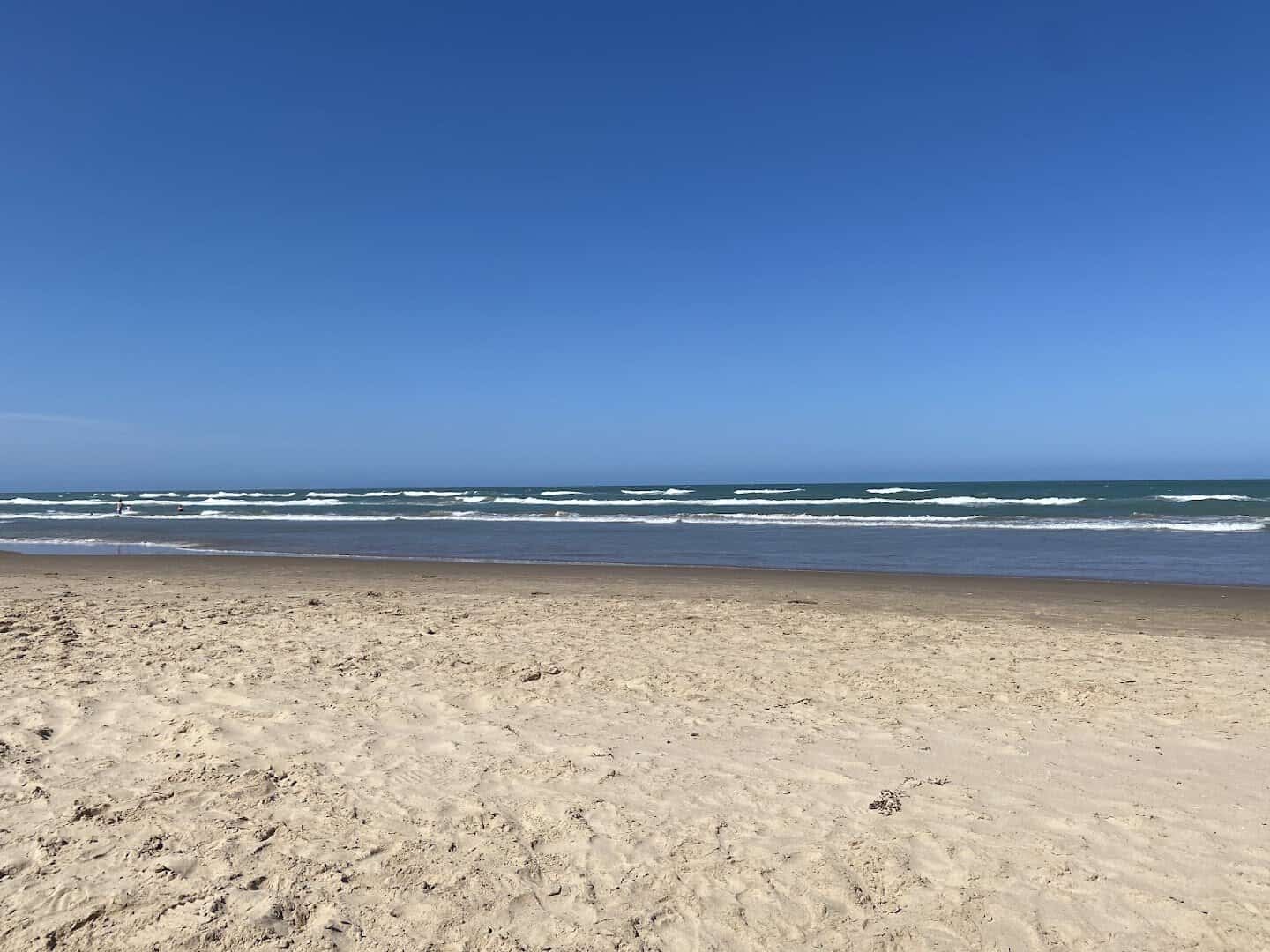
The glow can surface anywhere along the Texas Gulf, but a handful of beaches see it more often than the rest. Each one offers a dark shoreline and the kind of hush the show truly deserves.
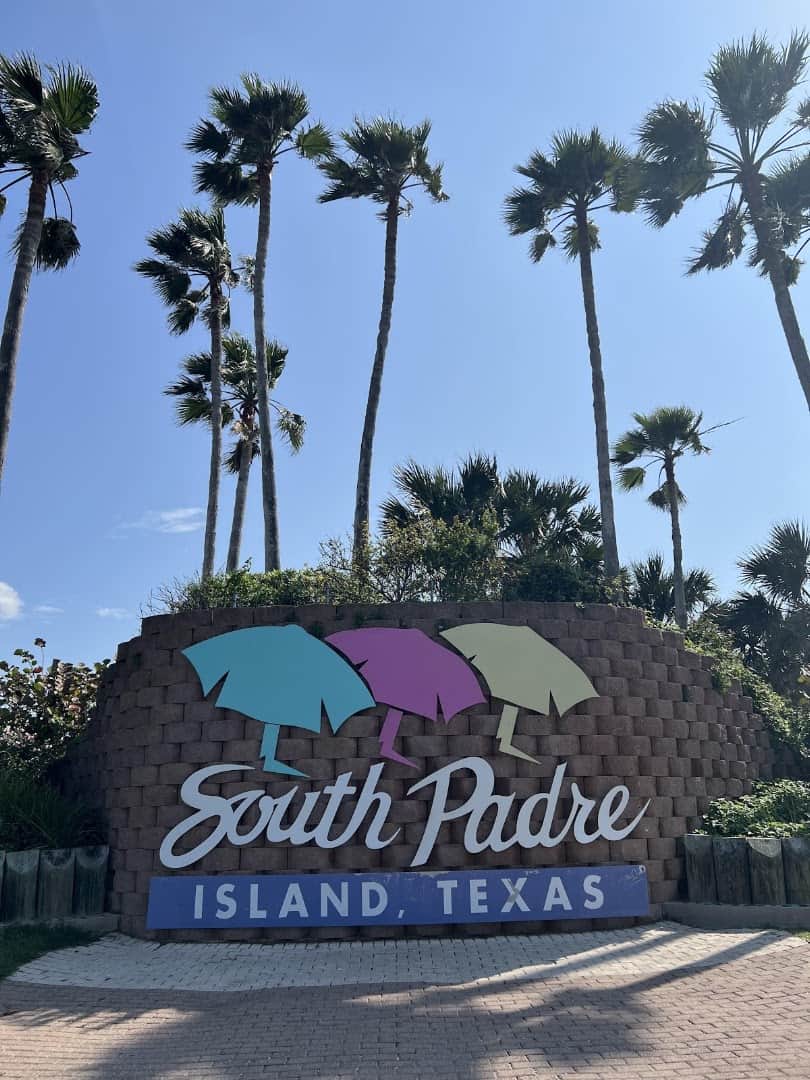
South Padre Island, way down at the state’s southern tip, is the classic place to try. Its wide, open beaches and the calm shallows of the Laguna Madre on the bay side both catch the sparkle when a bloom rolls in.
That bay water is a secret weapon. The Laguna Madre is shallow and protected, so it stays glassy when the surf is rough, and a night paddle across those flats can leave a glowing wake trailing off the back of a kayak.
.jpg)

.jpg)
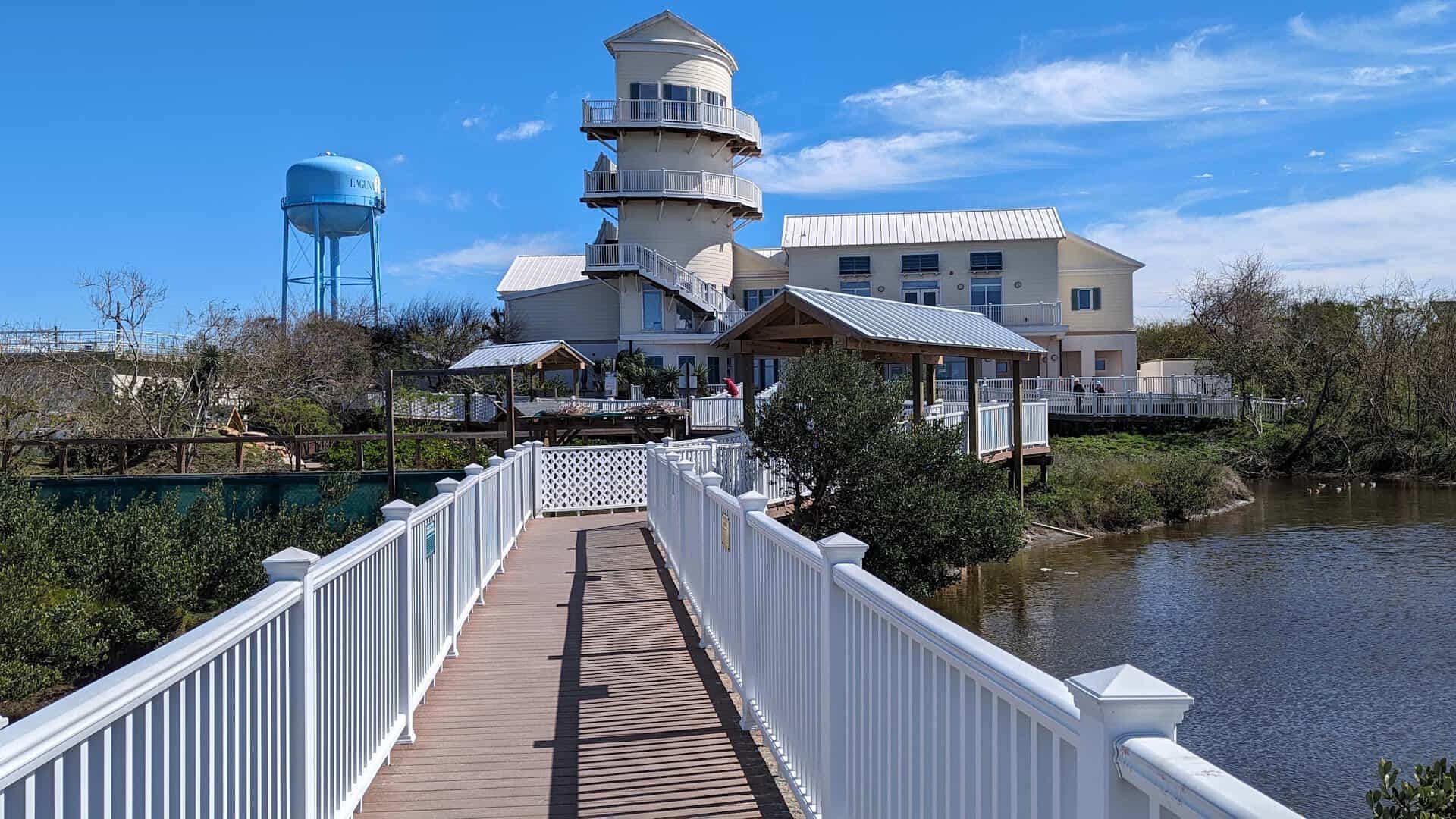
If you want an easy way onto the bay, the South Padre Island Birding and Nature Center covers forty-three acres of coastal wetland with long boardwalks reaching out over the water. It is a gentle place to get your bearings before the sun goes down.
Farther north, Port Aransas and the long wild strand of Padre Island National Seashore are beloved by local glow watchers. The seashore protects more than sixty miles of undeveloped beach, which means genuine darkness, the rarest ingredient of all.
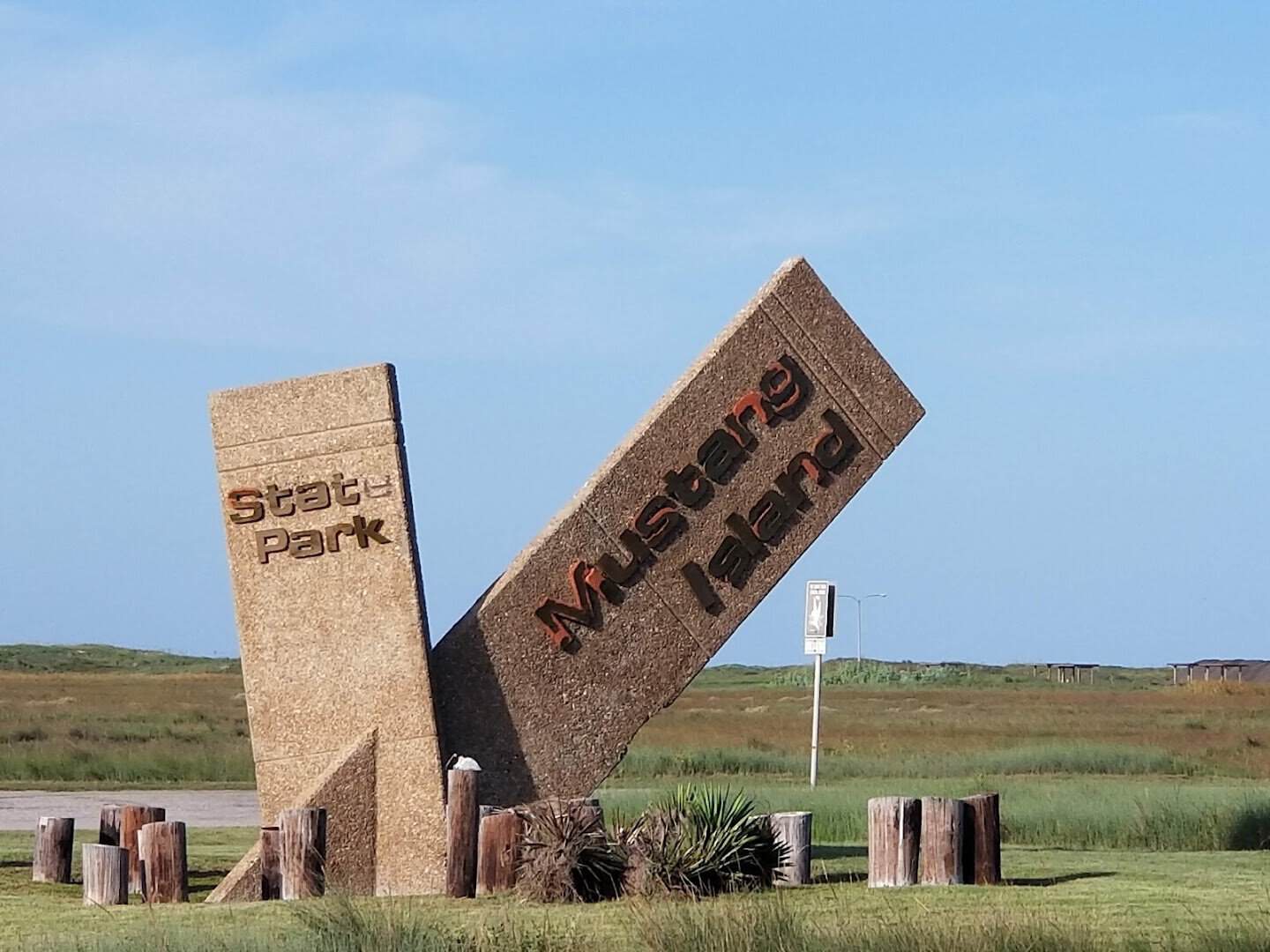
Mustang Island, tucked between Port Aransas and Corpus Christi, is another dark, dune-lined stretch worth a look. The farther you get from city lights, the more the faint blue has room to show off.
Up on the Upper Coast, Galveston and the Bolivar Peninsula get their turn too. Crystal Beach, out on Bolivar, has a quiet reputation for some of the strongest light shows on the whole Texas coast.
Down on Galveston Island, the long seawall beaches and quieter East End stretches are the easiest coast to reach for most of the state. When a bloom lands here, it turns a weekend beach town into something out of a dream.
Wherever you end up, look right at the wave line first. That churning band where the water tumbles over itself is where the plankton get shaken hardest, and it is usually the first place the blue flickers to life.
If the surf stays dark, try tossing a handful of sand or a smooth stone into the shallows. A sudden splash can wake a sleepy patch of plankton and send a quick ring of light rippling out across the water.
How the Sea Got Its Sparkle
People have marveled at glowing seas for as long as they have sailed them. Old mariners spoke of the burning of the sea, an eerie light that trailed behind their ships and swirled around their oars in the dead of night.
Even Charles Darwin was captivated. Crossing the Atlantic aboard the Beagle in 1832, he wrote of a night when the whole surface of the ocean shone with a living, pale flame as far as he could see.
For centuries the cause stayed a mystery, chalked up to everything from trapped moonlight to the breath of sea monsters. Only later did science trace the glow to the humble plankton drifting invisibly in the water.

The plankton behind the wonder were named long ago, and the name is perfect. Noctiluca means night-light in Latin, and scintillans means sparkling, a fitting title for a creature that turns black water into a field of drifting blue stars.
Texas has logged its own memorable glow nights. Beachgoers have caught the surf shimmering blue on South Padre in recent years, and researchers noted notable coastal blooms as recently as 2025, proof the show is alive and well on our shores.
What to Know Before You Chase It
The best news of all: watching the water glow costs nothing. There is no ticket to buy and no gate to pass through. You just need a dark beach, a little patience, and a healthy dose of luck.
Dress for a cool coastal night even in summer, because the breeze off the Gulf can bite once the sun is down. Flat, stable footing helps, and a friend along makes the waiting far more fun if the bloom turns shy.
Go with a group and stick to familiar, patrolled stretches of beach after dark. A dark shoreline is beautiful and a little disorienting, so it pays to know where your car is and to keep an eye on the tide.
If you want to boost your chances, a few local outfitters run guided night kayak trips on the bay when the water is active. It is a lovely way to be right on top of the glow instead of watching it from the sand.
Bring the kids if you can. There are few science lessons better than a child dragging a hand through the shallows and watching the water light up under their fingers, and it is the sort of memory that sticks for life.
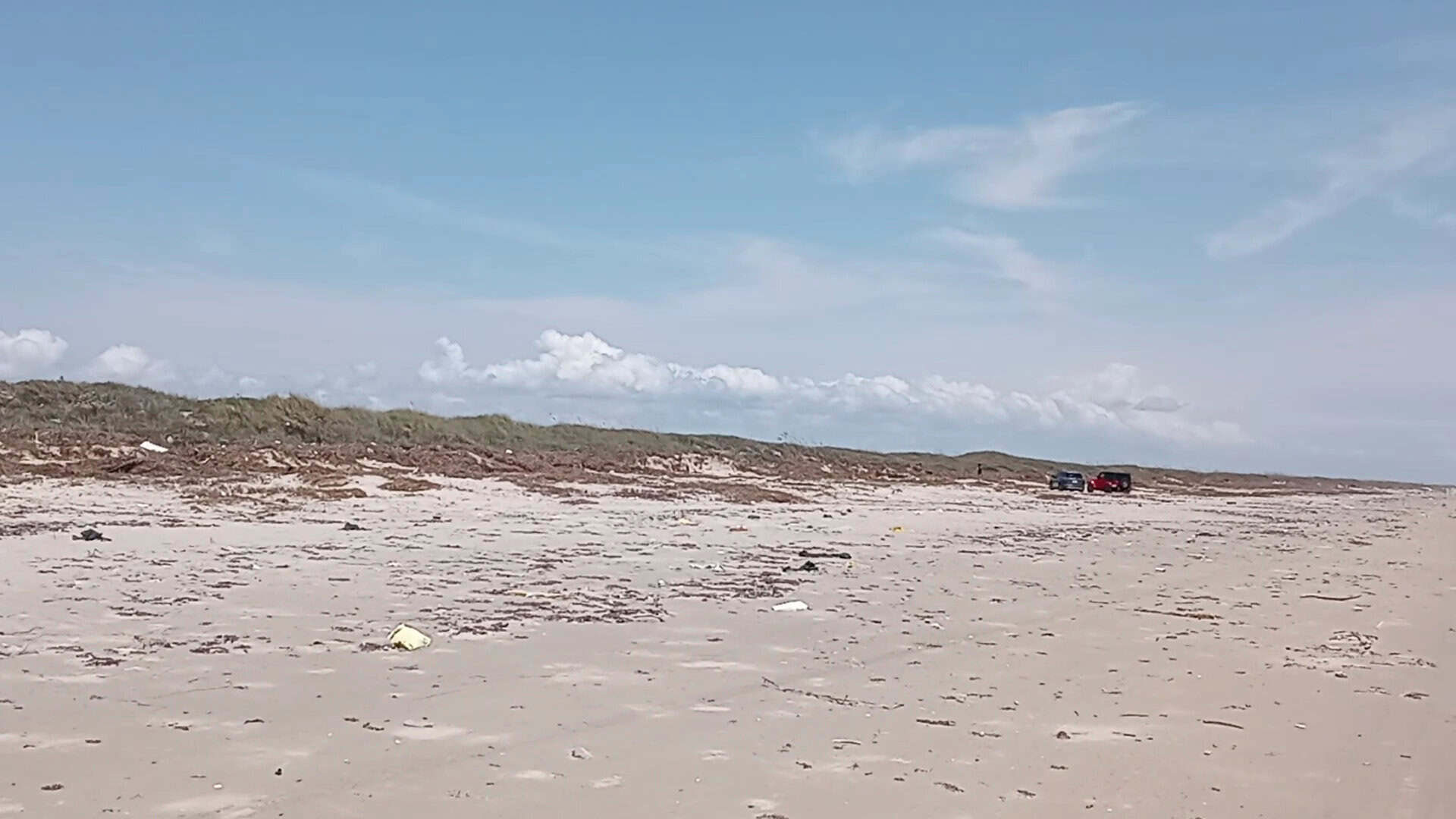
Treat the beach gently while you are out there. Pack out whatever you bring in, give nesting birds and sea turtles a wide berth, and keep bright lights off near the dunes. The darker and cleaner we keep the coast, the better the glow shows up for everyone.
To catch it on camera, a phone in night mode can work, but a real camera on a tripod with a long exposure is what captures that dreamy, glowing blue you see in the best photos. Steady the shot and let the light gather.
How to Get There
South Padre Island sits at the far southern end of the Texas coast, reached by the Queen Isabella Causeway out of Port Isabel. Port Aransas and Padre Island National Seashore are an easy drive from Corpus Christi, farther up the shore.
Where: South Padre Island, TX, and Padre Island National Seashore, 20420 Park Road 22, Corpus Christi, TX 78418.
When Magic Meets the Gulf
There is something humbling about standing on a Texas beach and watching the water answer your footsteps with light. It is the kind of moment that reminds you the wildest wonders are not always half a world away.
So keep an eye on the beach reports, watch for a warm and windless night, and point the car toward the coast. Bring someone you love, kick off your shoes, and go make the water glow. You will never look at the Gulf the same way again.
Featured image: Doricono (CC BY-SA 4.0)


Stella Raines
Editor-in-Chief
Stella brings over a decade of storytelling experience to TX Headlines. With roots in West Texas and a love for road trips, she leads the editorial team with an eye for the hidden stories that make Texas unforgettable.
More Stories
6 Easy Texas Walking Trails That Are Flat, Scenic, and Perfect for a Relaxing Stroll
This Hidden Texas Sanctuary Has Logged More Than 240 Fluttering Species
This Hidden Texas State Park Is a Kayaker’s Dream With 14 Miles of Paddling Trails
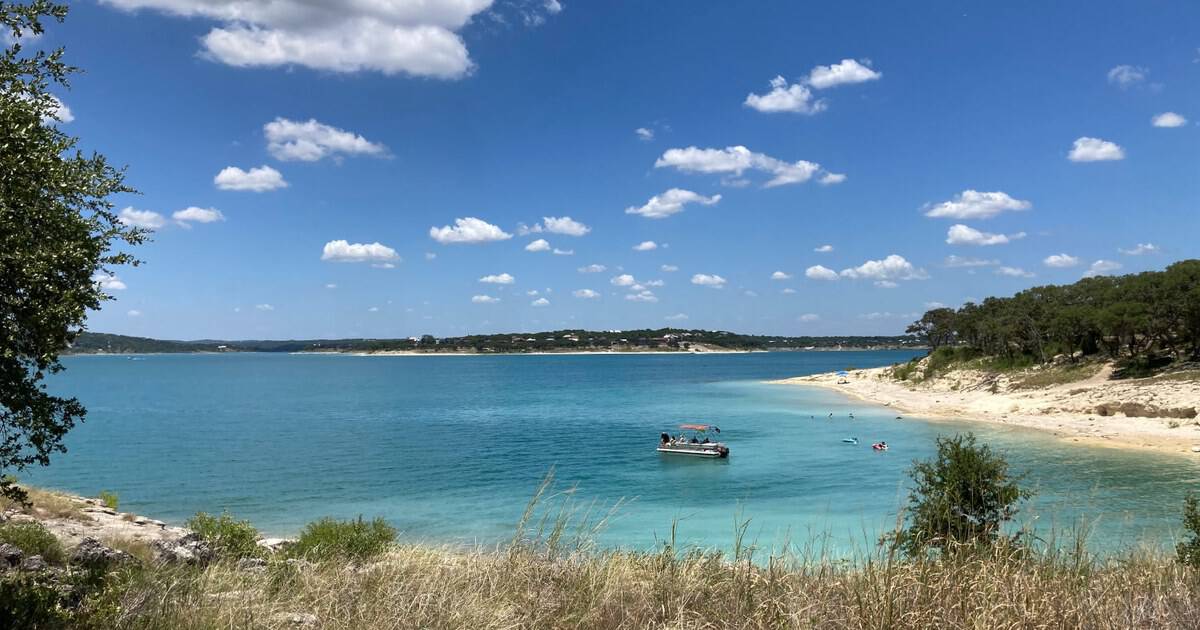
This Turquoise Texas Lake Is So Clear It Looks Like the Caribbean
Tags