This Turquoise Texas Lake Is So Clear It Looks Like the Caribbean
I have loved Texas water my whole life, but I would never call it clear. I grew up on rivers the color of sweet tea and a Gulf that runs green-brown by August.
So the first time a friend swore there was a lake in the Hill Country where you could see your toes chest-deep, I told her she was thinking of a postcard from somewhere else. She was not.
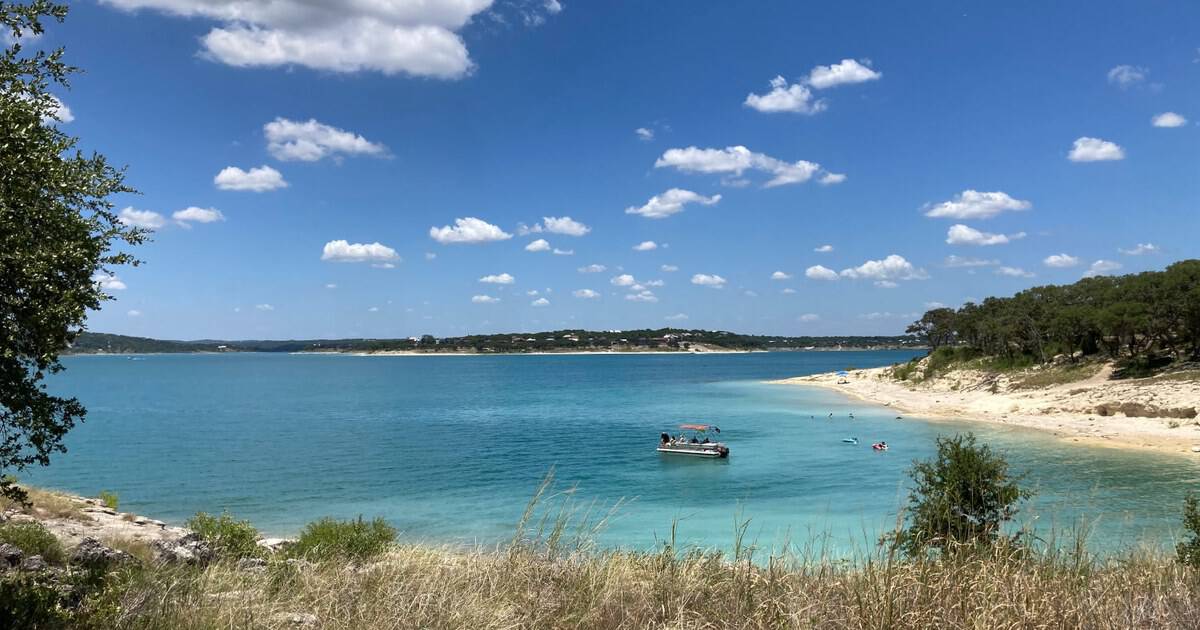
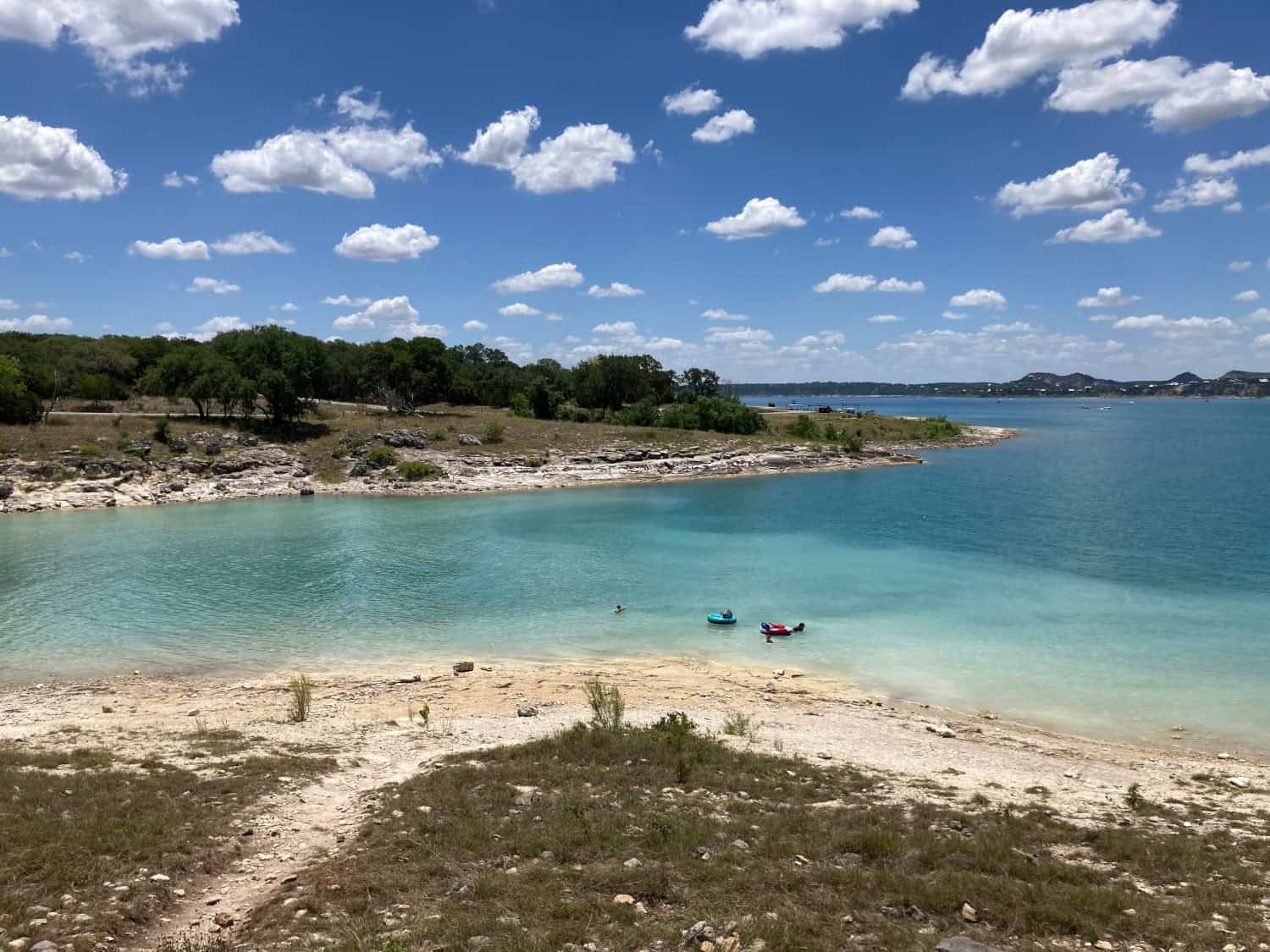
She was thinking of Canyon Lake, and the water really does run that impossible turquoise when the light is right. Tucked into the limestone country between San Antonio and Austin, this 8,230-acre reservoir is the one Texas lake nobody believes is real until they see it.
Here is why it looks the way it does, where you can actually get in, and the strange and wonderful thing a flood carved into the ground right next to it.
Why the Water Runs So Clear
The secret is in the rock. The Hill Country sits on enormous beds of limestone, which is mostly calcium carbonate, and Canyon Lake’s bottom and shoreline are that pale stone rather than silty mud.
Water reaches the lake partly through underground springs, and those springs run through limestone before they ever surface. The rock acts like a slow natural filter, so what arrives is already clean and low in the fine sediment that turns most lakes cloudy.
The color is the same trick the Caribbean pulls. Sunlight hits the calcium carbonate suspended in clean water and scatters, and blue and green wavelengths win, so the shallows glow that bottled-water teal.
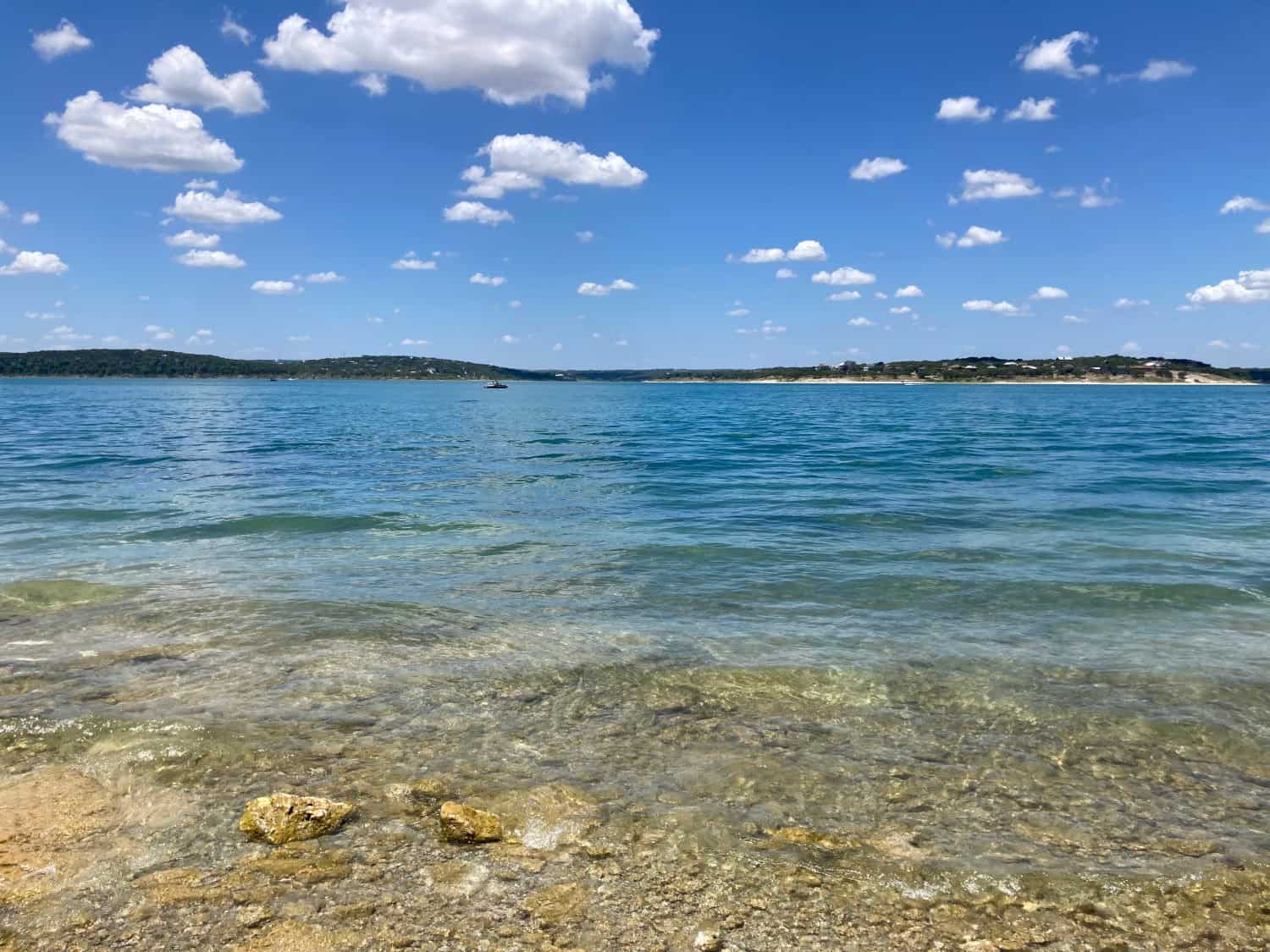
The stony bed helps a second way. Because there is little loose mud to lift, a passing boat does not cloud the water the way it would over a soft bottom. The clarity holds even on a busy Saturday.
That is a big part of why locals call it the Jewel of the Texas Hill Country. Depth matters too, because Canyon Lake is deep and spring-fed, so it stays cooler and cleaner than a shallow stock pond that bakes green in July.
The combination of cool inflow, a rocky basin, and real depth is rare in Texas. It is why this one lake keeps its color while so many others turn the shade of a catfish pond by midsummer.
A Lake That Looks Photoshopped
Canyon Lake is big in a way that surprises first-timers. It holds roughly 80 miles of shoreline and drops to about 134 feet at its deepest, so it is a real lake, not a swimming hole with good marketing.
That size means coves. You can find a shallow, sun-warmed inlet where the water barely reaches your knees and reads pure aqua, then round a point and be floating over deep blue with the bottom nowhere in sight.
It is a boating and paddling lake as much as a swimming one. Kayaks and paddleboards are the honest way to earn the color, because from a low seat inches above the surface the clarity is dizzying, like drifting over glass.
Bring goggles. The visibility underwater is the part photos never quite catch, and cooling off in water this clean, in a state that specializes in the opposite, feels like getting away with something.
Where to Get in the Water
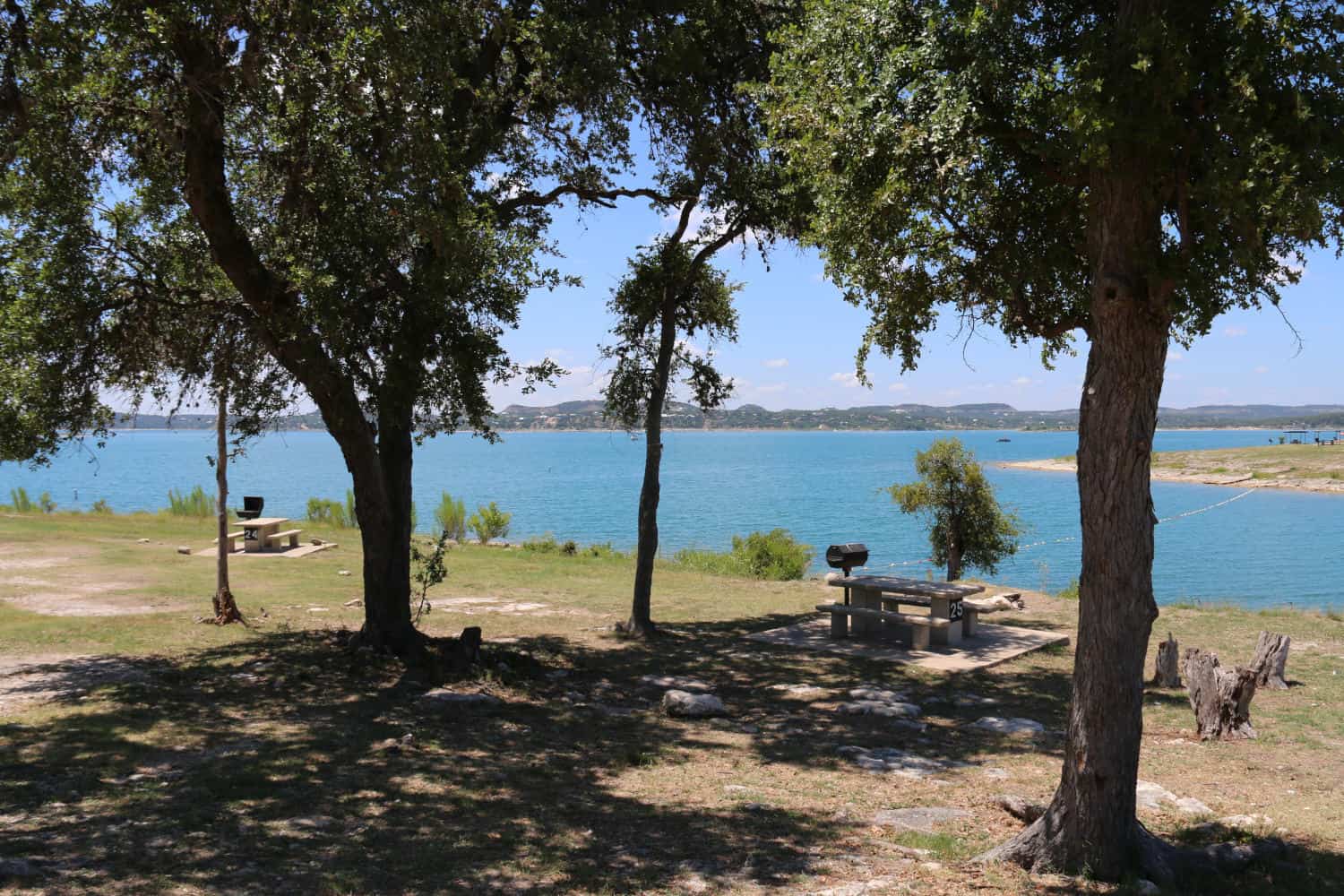
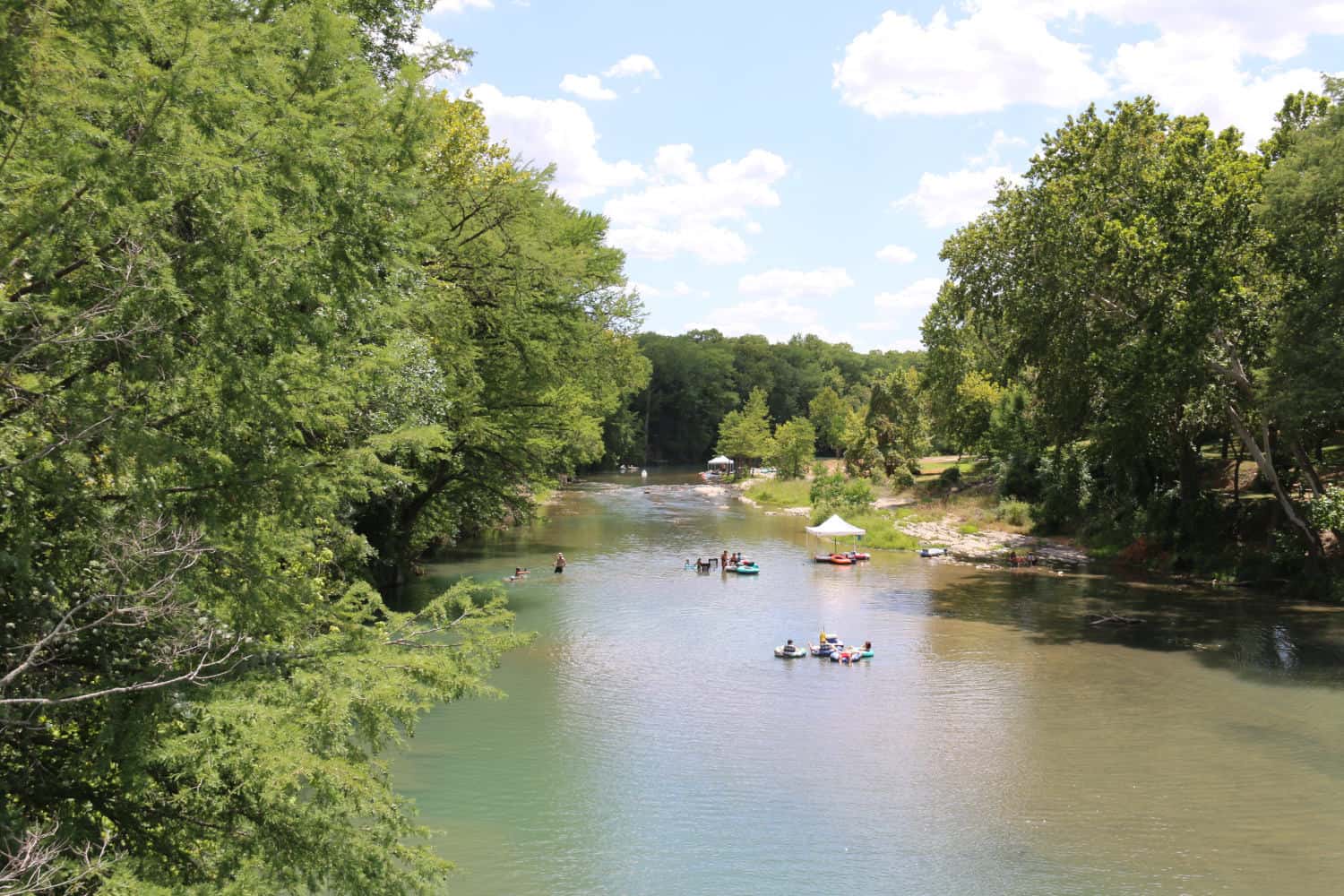
The lake is ringed by day-use parks, and a few are built for exactly this. Comal Park sits on the south shore near Startzville, spreads across about 116 acres, and gives you a swim beach along with boat ramps, a playground, sand volleyball, and a walking trail.
Canyon Park, run by the U.S. Army Corps of Engineers, is the one people point newcomers to for swimming, with wide beach stretches made for wading in slow and floating the afternoon off.
Overlook Park is the view. It looks down over the dam and the water from up high, and trails drop from there toward the lake for people who want the whole postcard before they get their feet wet.
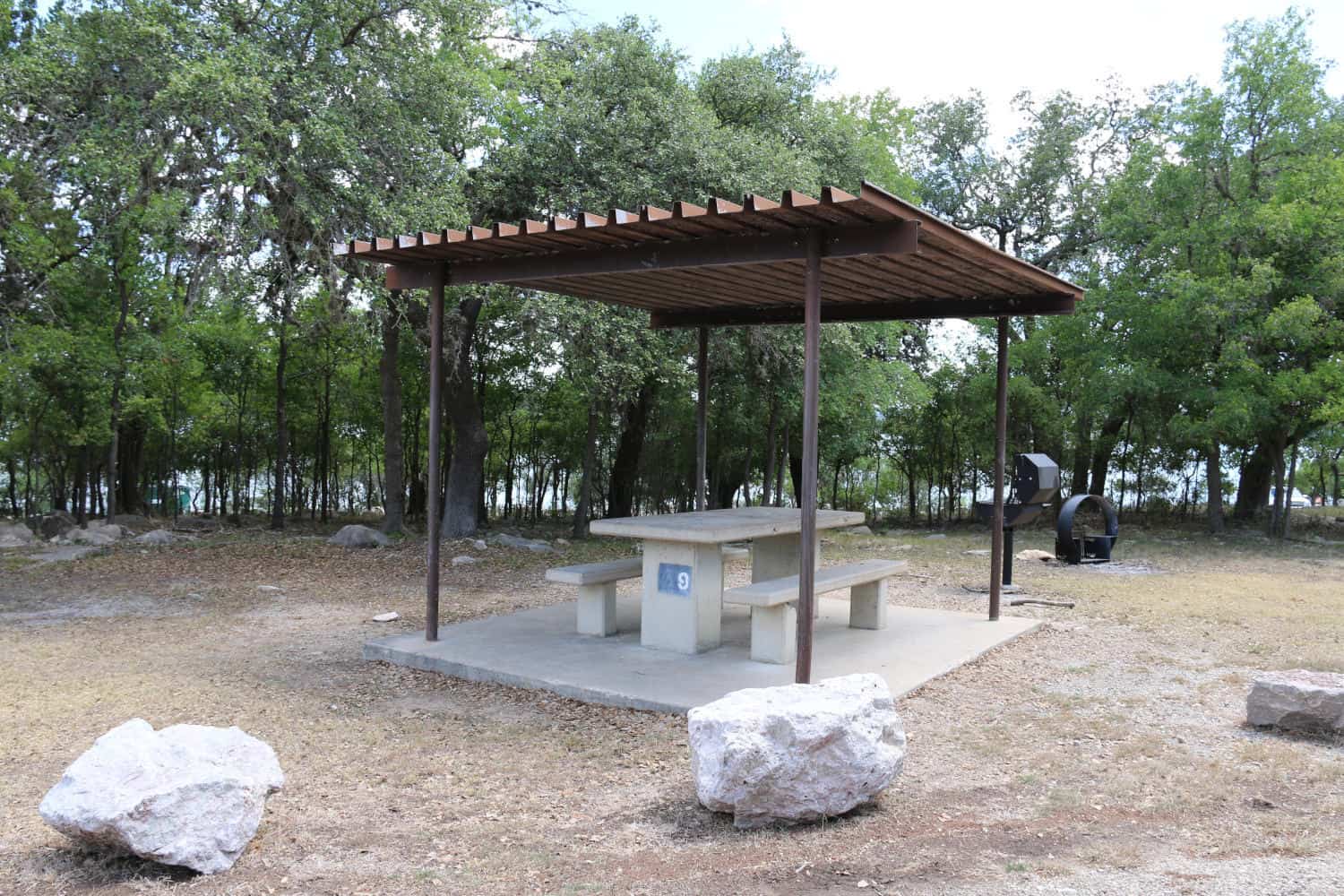
Most of the parks charge a small day-use fee, often around $5 per person, and close at sunset. They run first-come, first-served, so the clear answer is to arrive early on a summer weekend.
Pro tip: the water is coldest and clearest in late spring before the crowds thicken. A weekday morning in June can feel like you have a Caribbean cove to yourself, which is not a sentence you get to write about most of Texas.
One thing to respect while you are there. Jumping or diving from bridges, trees, and other structures over the water is not allowed, so read the posted signs and keep the day an easy one.
More Than a Place to Swim
That clarity does something no other Texas lake can quite match: it makes this a scuba lake. Divers train and log dives here precisely because you can actually see, and on a calm day the visibility beats most freshwater in the state by a wide margin.
It is a serious fishing lake too. Anglers work it for striped bass, largemouth, catfish, and sunfish, and the clear water means you sometimes watch the fish decide about your lure before they commit, which is either a thrill or a heartbreak depending on the day.
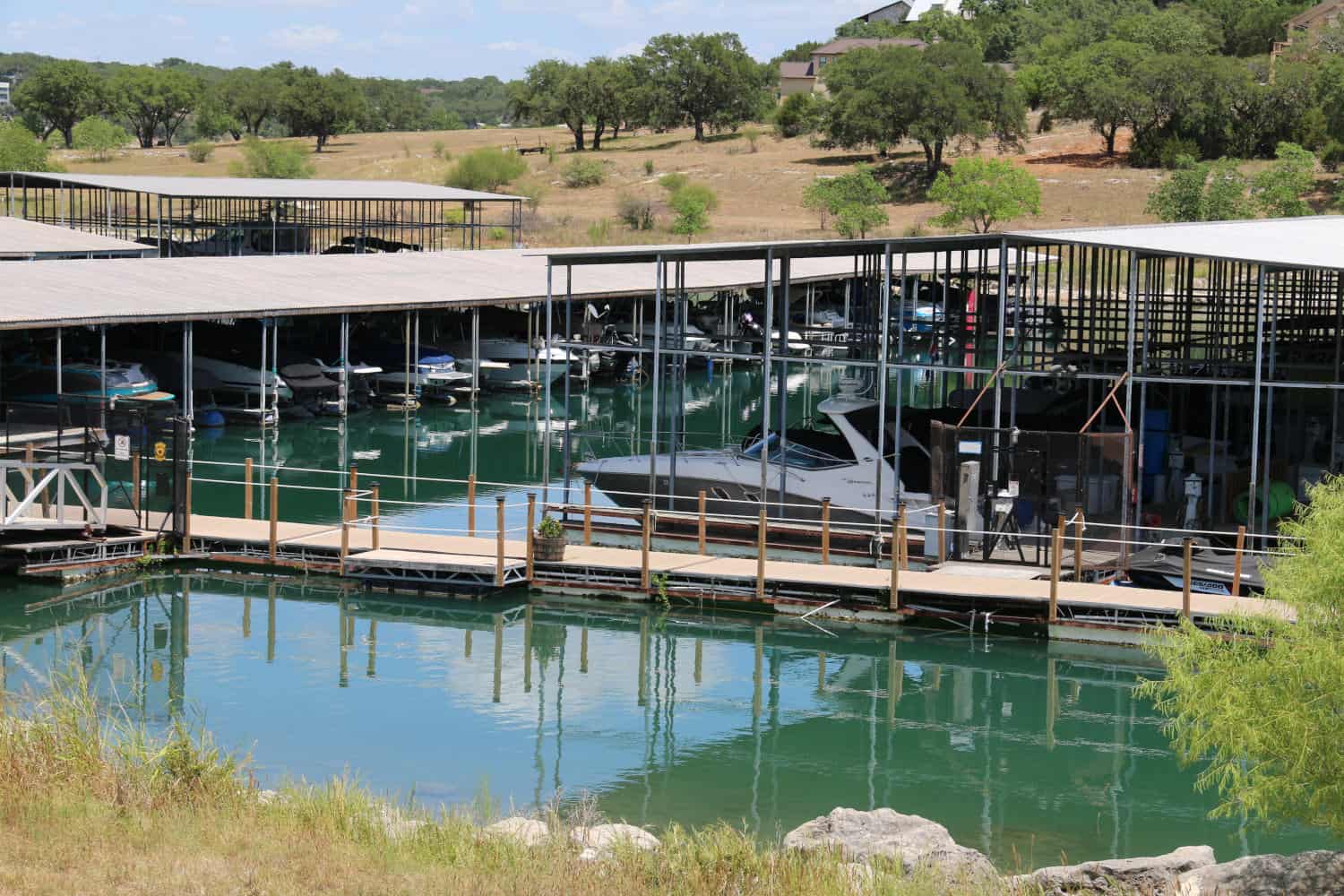
Then there is the flat-out fun of a big open reservoir. Ski boats, wakeboarders, pontoon rentals, and sailboats all share the 8,230 acres, and there is enough water that the lake rarely feels crowded once you are out past the swim beaches.
If you would rather stay dry, the shoreline is laced with hiking around the parks and the marinas, and sunset from the high ground near the dam is the kind of view that quietly ends up as somebody’s phone wallpaper.
The Gorge a Flood Carved in a Week
Here is the part the postcards skip. Right below the lake’s emergency spillway is a canyon that did not exist a generation ago, and the story of how it got there is one of the best in Texas.
In the summer of 2002, nearly three feet of rain fell on the watershed in about a week. For the first time since the dam was built, water poured over the emergency spillway, peaking at a staggering 67,000 cubic feet per second.
That flood did in six weeks what a river usually takes ages to do. The rushing water stripped away soil and sheared open the limestone underneath, cutting a gorge roughly 64 acres across and exposing rock that had been buried for over 100 million years.
What it uncovered turned the disaster into a scientific gift. Down in the scoured stone are dinosaur tracks, pressed into what was once the muddy edge of an ancient sea, left by giants like the acrocanthosaurus more than 100 million years ago.
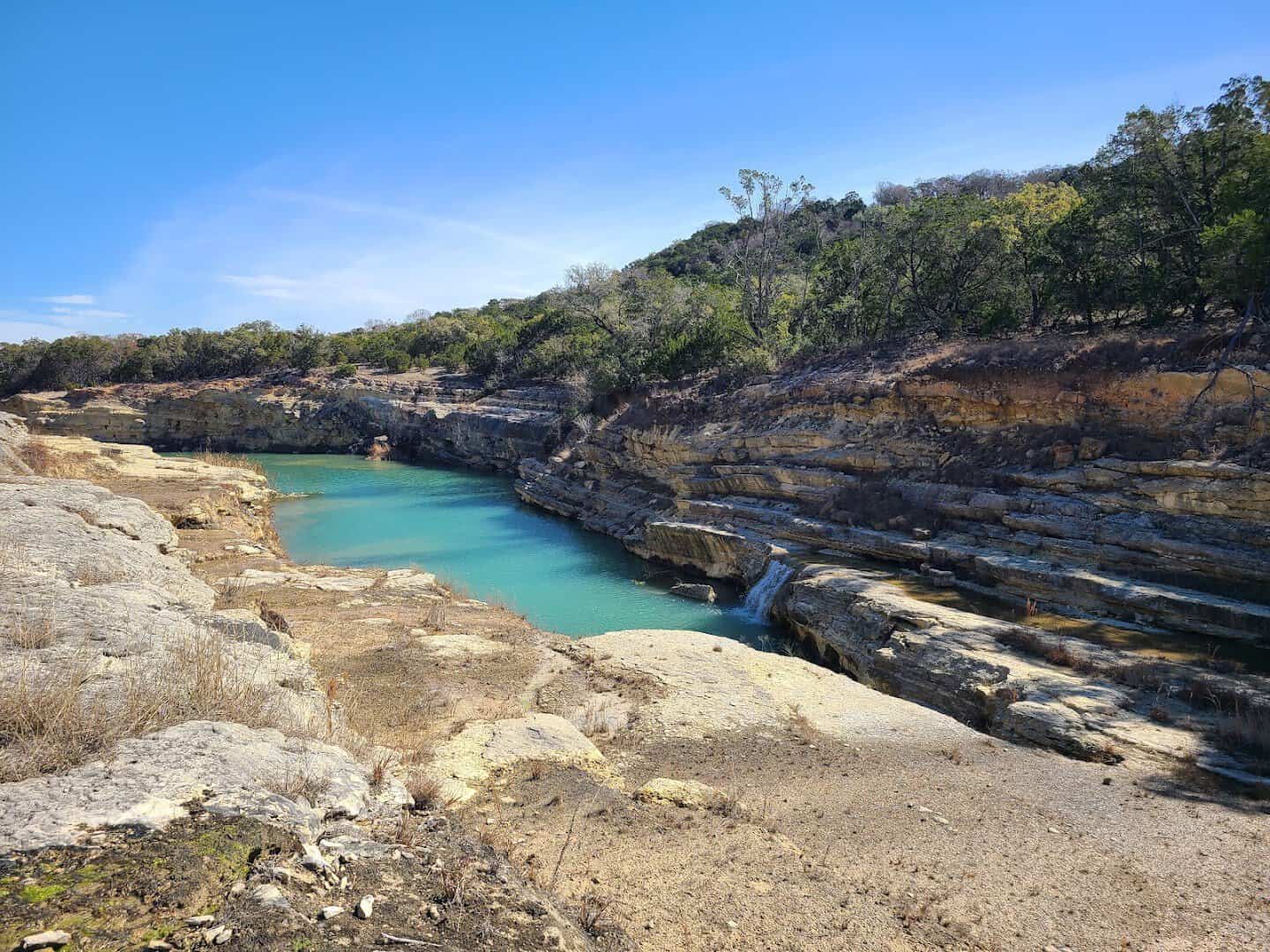
Geologists call it a rare gift because you can normally only read this kind of rock history in a textbook. The flood peeled back layer after layer of Cretaceous limestone at once. A walk through the gorge is a walk backward through deep time.
You can walk it, but only with a guide. The Guadalupe-Blanco River Authority and the Gorge Preservation Society have run guided tours since the site opened to the public in 2007. The route covers the fossils, the tracks, and the raw geology of a canyon born in a single flood.
Tours run a few hours, group sizes stay small, and there is no rock or fossil collecting, so book ahead and check the current schedule before you drive out. It is one of the best value outings in the Hill Country.
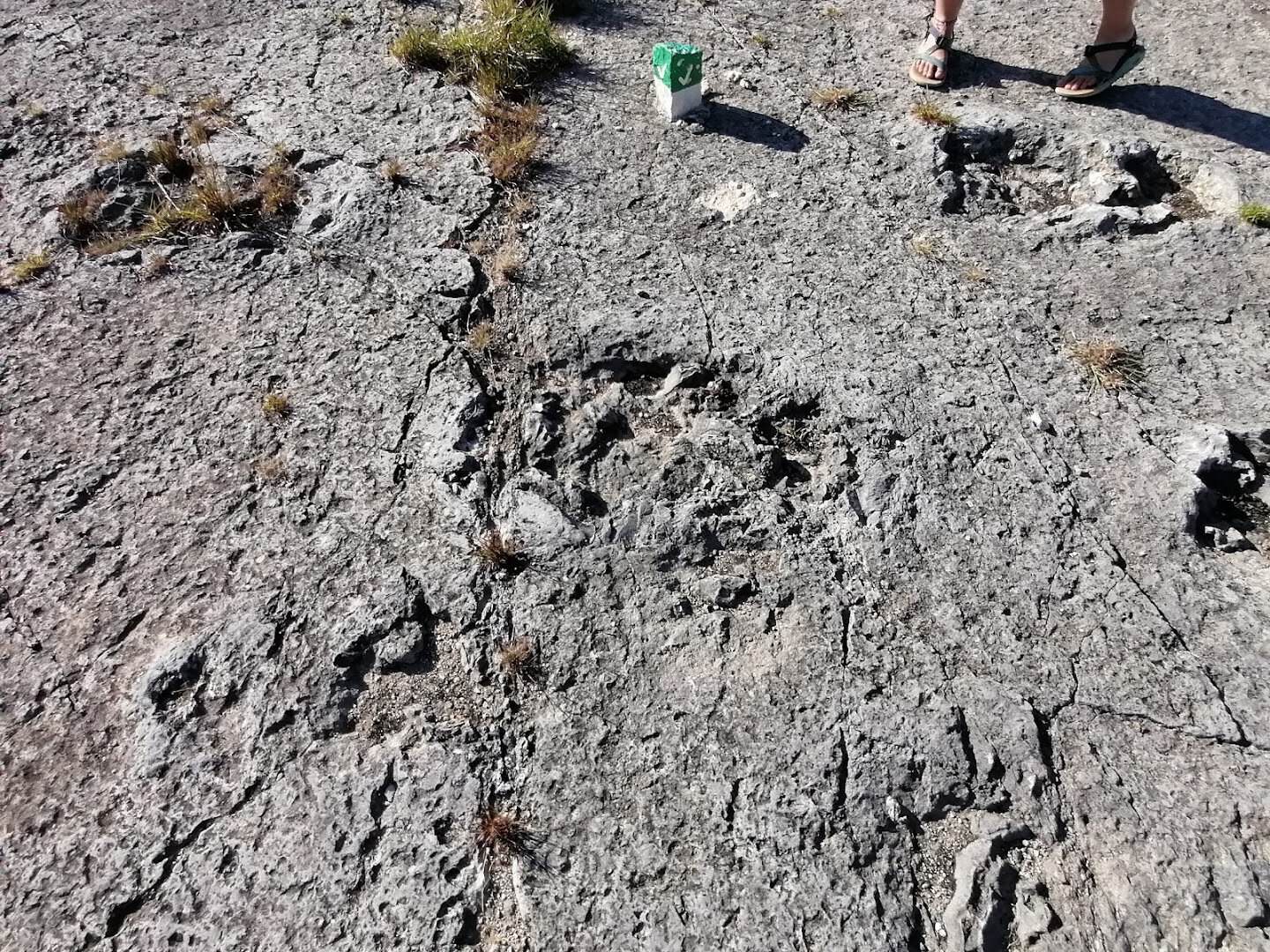
Did you know a place could show you a dinosaur’s footprint and a modern flood’s fury in the same afternoon? This one does, and it is right next door to a beach where you will spend the rest of your day floating.
A Brief History of the Lake
Canyon Lake is not a natural lake at all, which makes the color even stranger. It is a reservoir, and it was built for a grim reason that had nothing to do with recreation.
The lower Guadalupe River flooded hard and often in the early twentieth century, with devastating years in 1921 and 1935, so the U.S. Army Corps of Engineers set out to tame it. Construction on Canyon Dam began in 1958 and finished in 1964.
The result is a genuine Texas record. Canyon Dam rises about 224 feet above the streambed, which makes it the highest earthen dam in the state, a wall of packed earth holding back the whole shining lake.
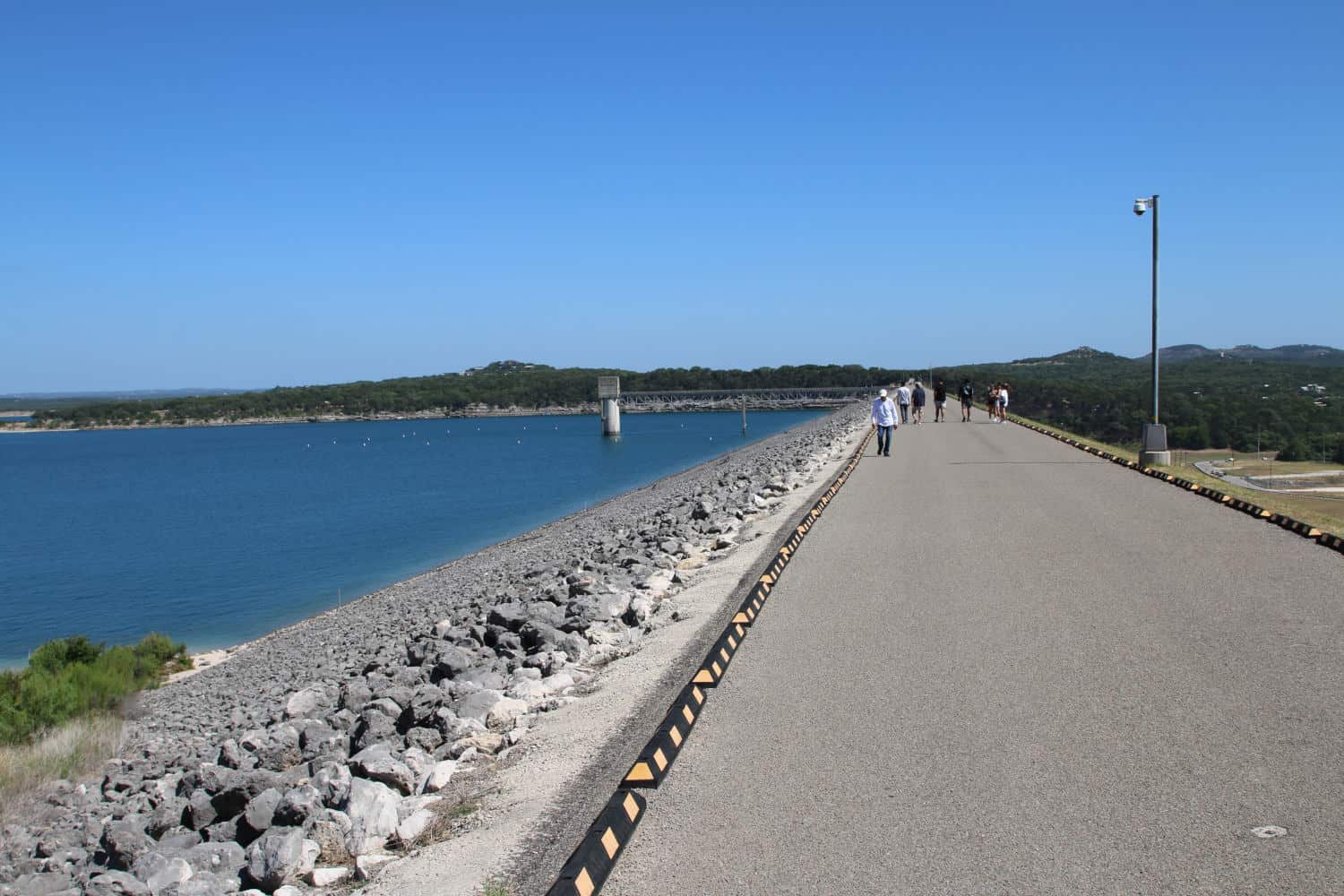
The lake was dedicated in 1966 and filled to its normal level by 1968, and it has done its first job faithfully, blunting major floods downstream in years like 1978, 1987, 1991, and 1998. A hydroelectric plant added at the dam began generating power in 1989.
So the turquoise you swim in is a happy accident. Engineers set out to stop a killer river, and in the doing they made one of the prettiest lakes in Texas.
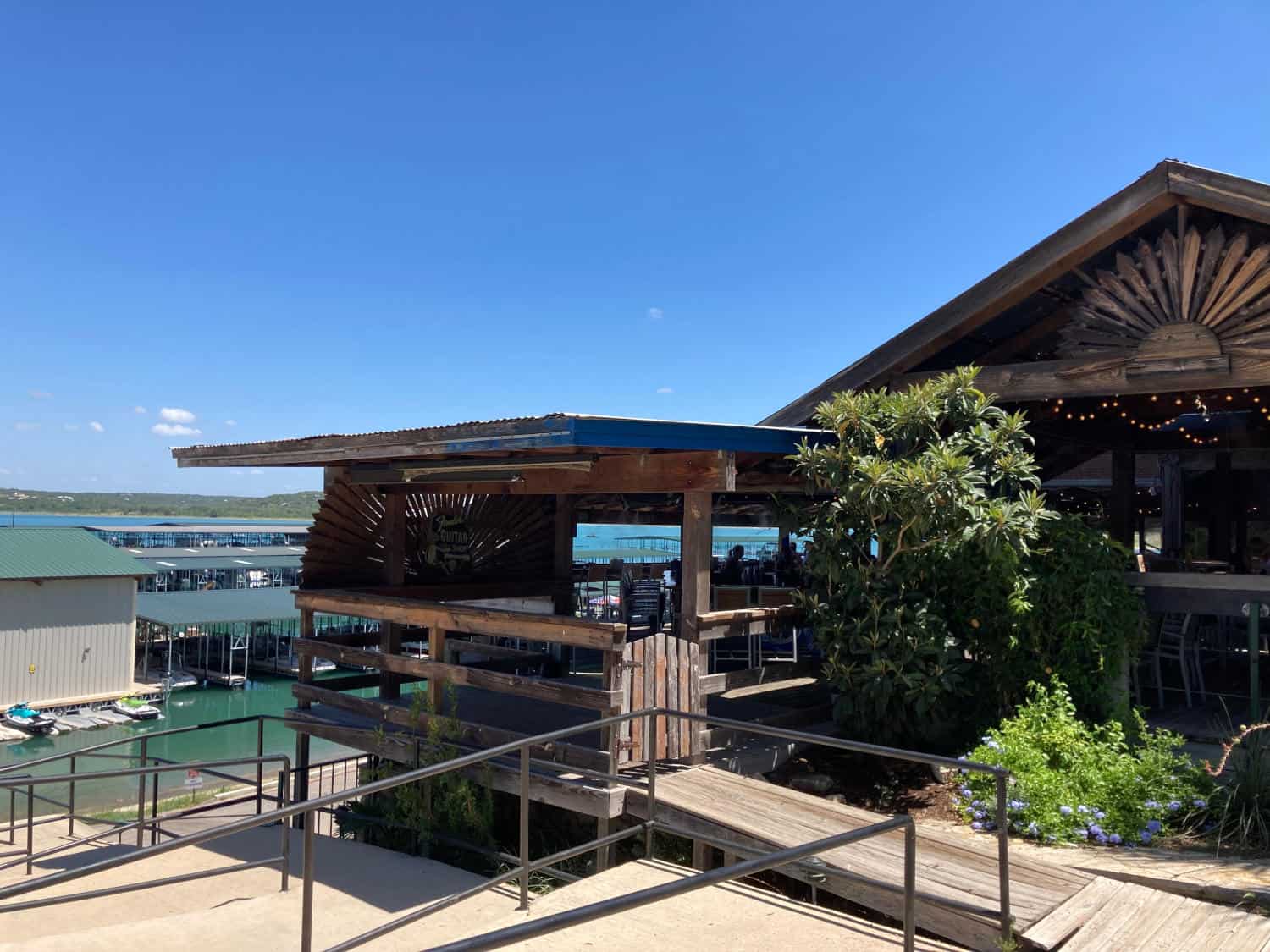
The dam changed the whole area around it. Once the water rose, the little communities on its shores turned into weekend country, with lake houses, marinas, and bait shops filling in where ranchland used to run down to the river.
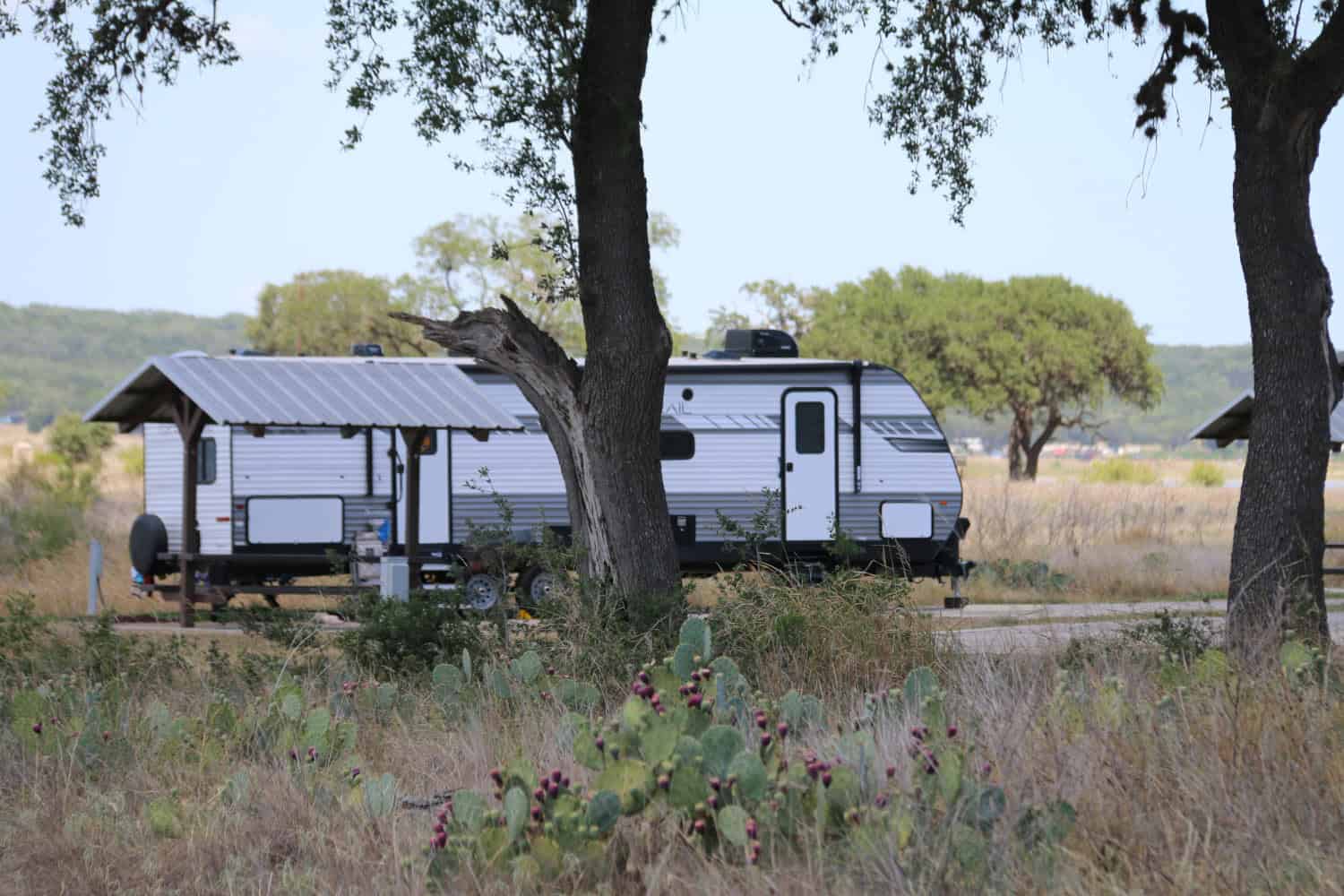
Today tens of thousands of visitors pass through in a busy summer season, and the lake anchors the local economy the way the ranches once did.
Making a Day of It
The land around the lake is classic Hill Country, and the small communities that ring it, Sattler, Startzville, Canyon City, and Fischer, keep the whole trip low-key and unhurried.
The Guadalupe River runs out of the dam and on toward New Braunfels, so a Canyon Lake morning pairs naturally with a river tube or a meal downstream in the afternoon. Two very different kinds of Texas water in one day.
Pack like you mean it. There is limited shade on the open beaches, so bring water, sunscreen, and something for your feet, because the same limestone that clears the water can be sharp underfoot at the edges.
How to Get There
Canyon Lake sits in the Texas Hill Country about 16 miles northwest of New Braunfels, roughly 35 miles from downtown San Antonio and about 40 miles from Austin, which makes it an easy day trip from either city.
Where: Canyon Lake, Comal County, Texas, near Sattler and Startzville off FM 2673 and Canyon Lake Drive. Individual parks like Comal Park, Canyon Park, and Overlook Park sit at points around the shoreline, so pick your access point before you set out.
Go See the Color for Yourself
Some places have to be seen to be believed, and this is one of them. Load the cooler, grab the goggles, and point the car toward the Hill Country. See if you can keep from grinning the first time you look straight down through the water to the stones below.
Featured image: @ Canyon Lake

Stella Raines
Editor-in-Chief
Stella brings over a decade of storytelling experience to TX Headlines. With roots in West Texas and a love for road trips, she leads the editorial team with an eye for the hidden stories that make Texas unforgettable.
More Stories
Tags