This Narrow Texas Slot Canyon Is the Most Claustrophobic Hike in the State
Some people relax the moment stone walls close in around them. I am not one of them. Give me a wide horizon and a big sky and I am happy, so I always assumed a slot canyon would be my personal nightmare.
Then I started reading about one hidden in far West Texas, and something flipped. The photos show a passage so tight and so tall that the sky shrinks to a ribbon, and instead of feeling trapped, I felt curious. Really curious.
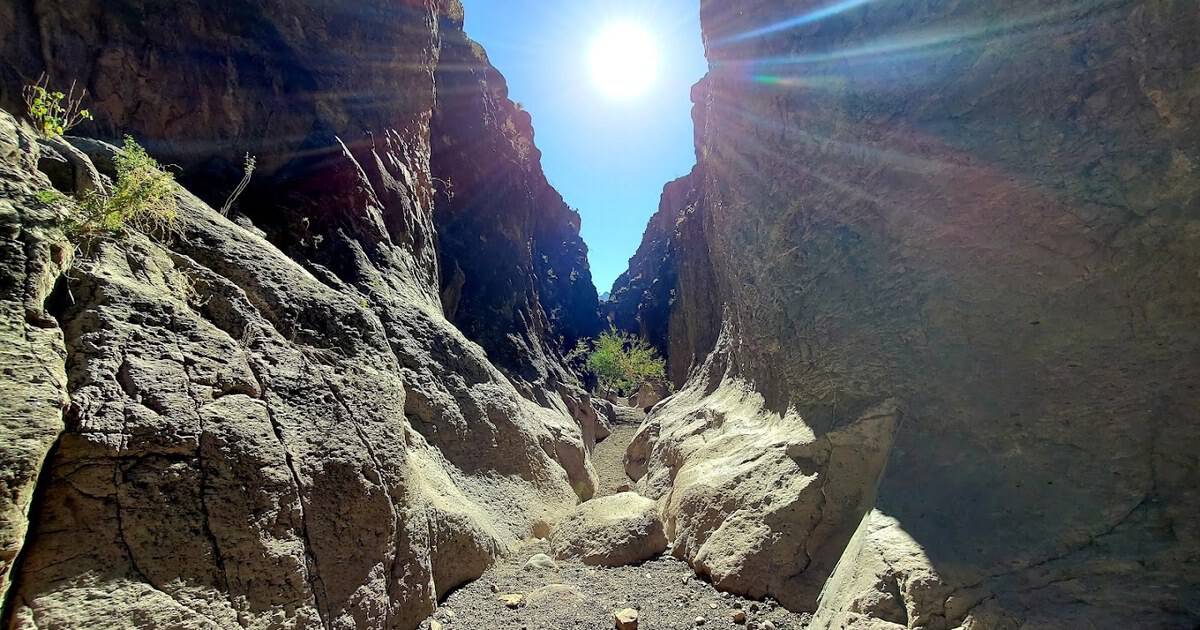
This is a walk into a narrow stone throat in Big Bend Ranch State Park, and it may be the most claustrophobic hike in Texas. It is called Closed Canyon, and the name is a promise the trail keeps.
Below, here is what waits inside those walls, why the canyon dead-ends where it does, and everything you need to go see it for yourself.
The Walls That Lean In
The trailhead sits off a lonely stretch of FM 170, and the first few minutes feel ordinary. You drop down a gentle wash of pale gravel toward a notch in the mesa. Then the notch swallows you.
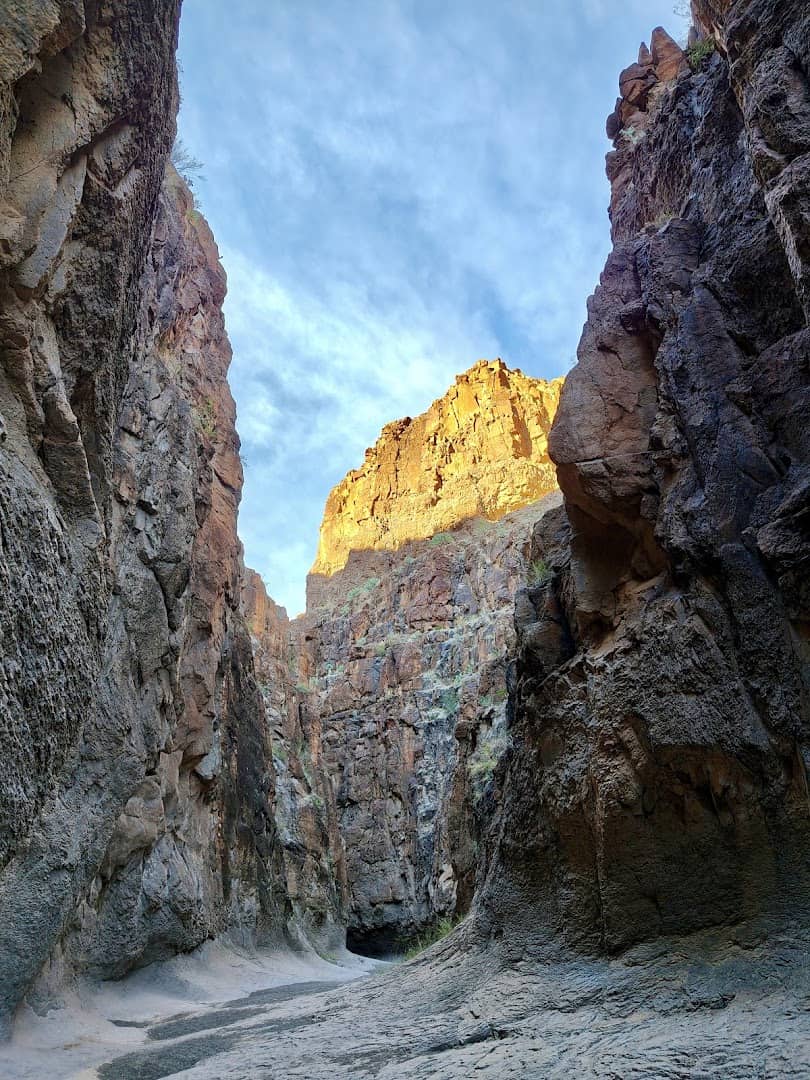
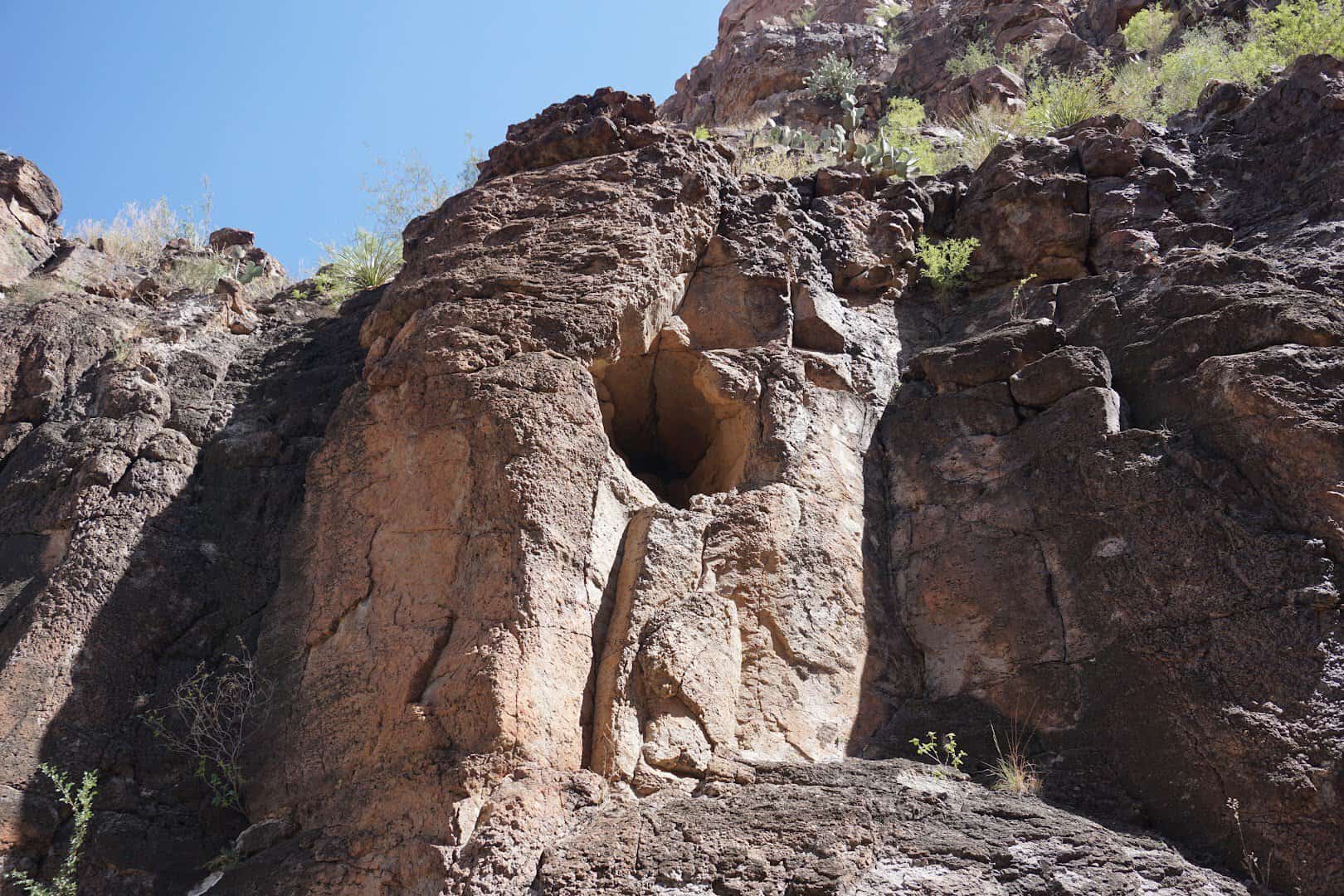
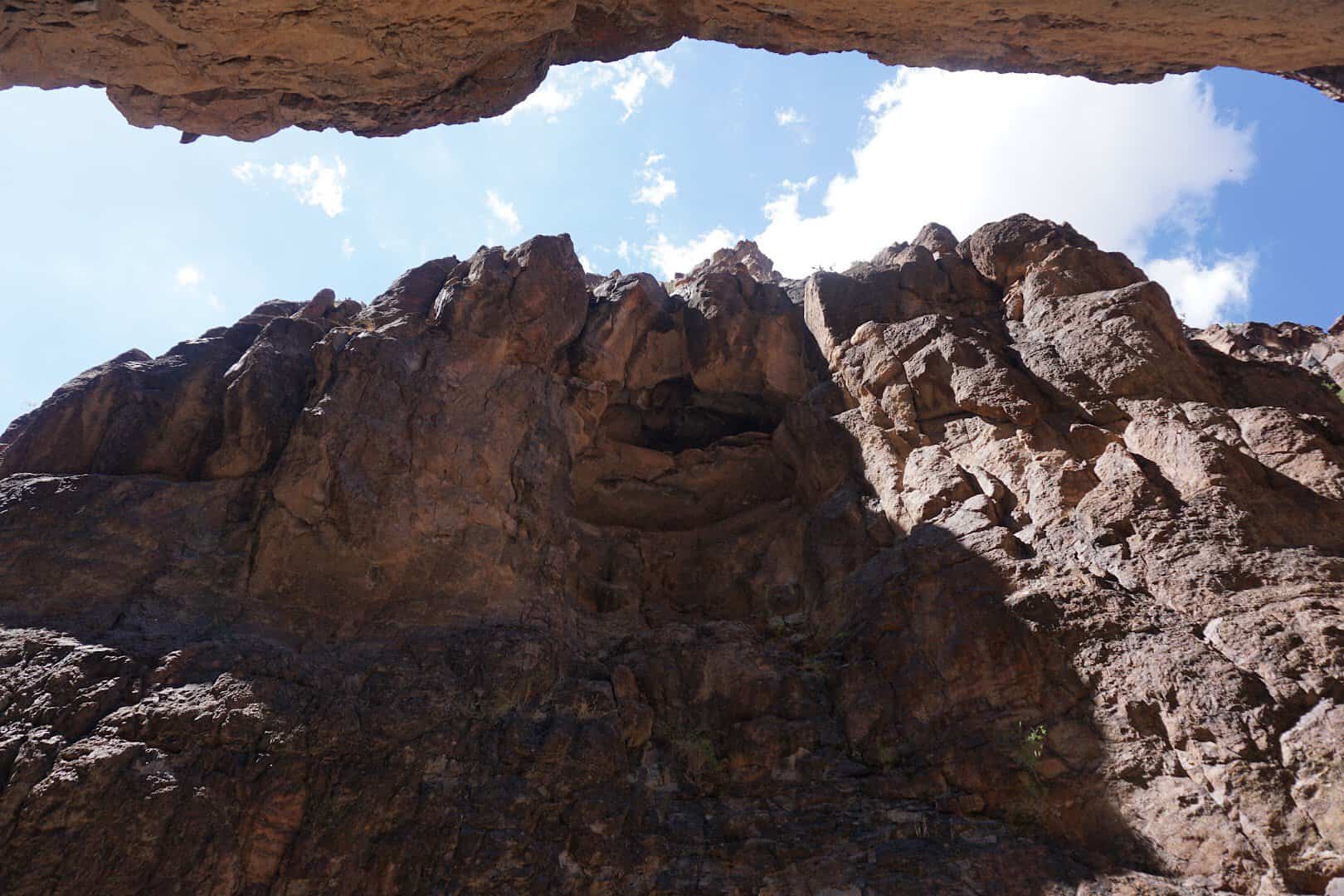
Within a couple hundred yards, the canyon closes overhead. Walls rise more than 100 feet on either side, worn smooth and dark, and the light goes soft and golden as it bounces down from the rim far above.
Sound changes too. Your footsteps come back to you off the rock, and a normal voice turns into a low echo. It is the kind of quiet that makes you whisper without deciding to.
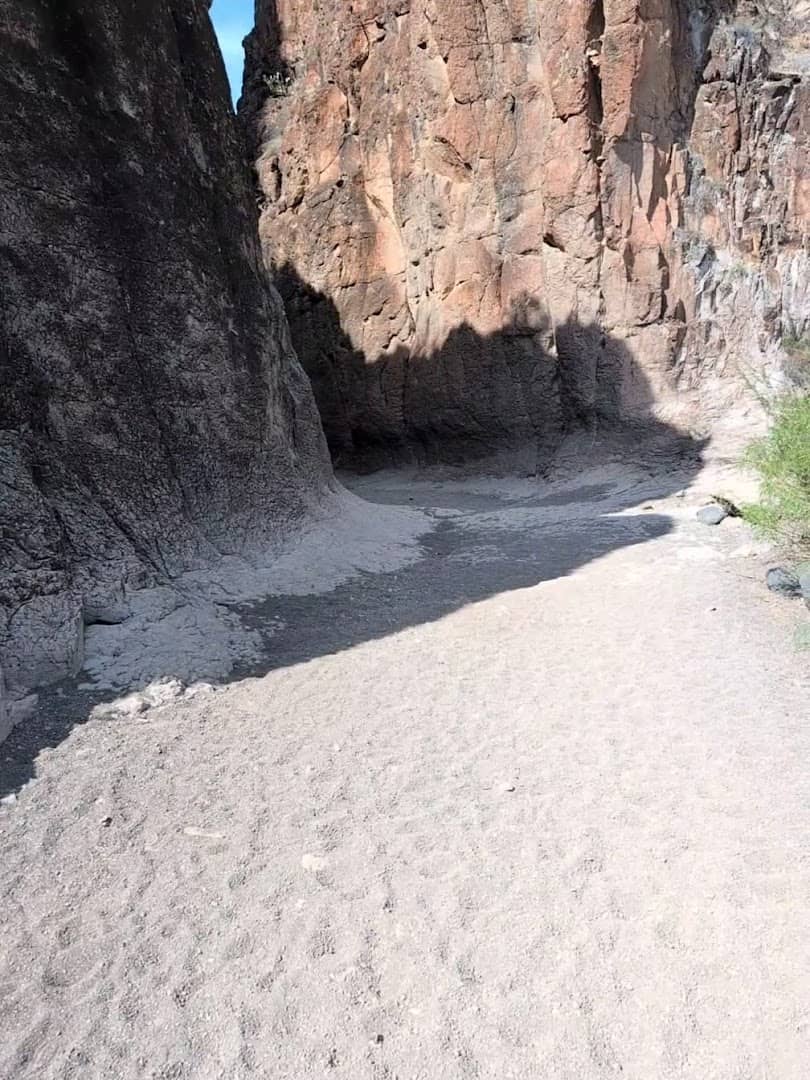
You cannot see far ahead. The canyon curves, the walls step in, and each bend hides the next. That is the whole appeal. You keep going because you have to know what is around the corner.
The floor underfoot is a mix of sand, gravel, and rounded stone, smooth from centuries of water. In places you weave around boulders the size of cars, wedged where old floods dropped them. Every step feels a little more committed than the last.
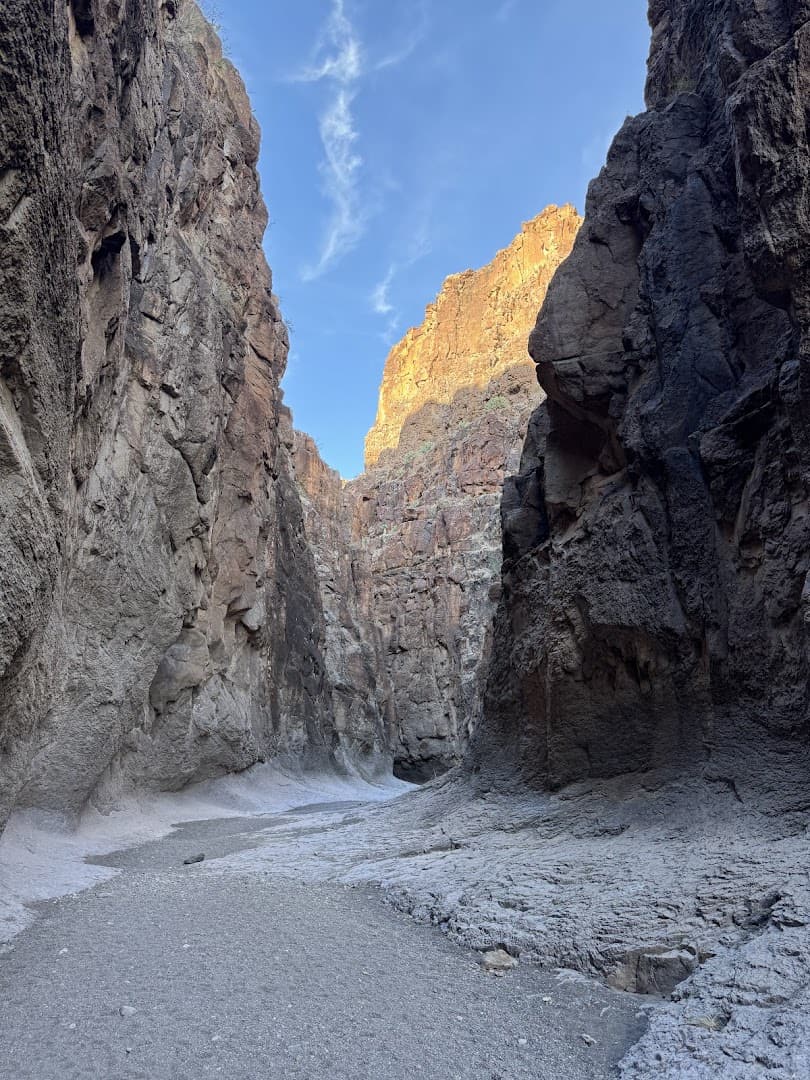
What surprised me most in the accounts I read was the light. Mid-morning, the sun clears the rim and slides down one wall in a warm amber glow, while the base of the canyon stays cool and shadowed. Photographers time their visits for exactly that hour.
Just How Narrow Does It Get?
Wide enough to feel grand, tight enough to raise your pulse. For most of the route the gap between the walls runs a comfortable dozen feet or more. Then it pinches.
At the tightest squeeze the canyon narrows to roughly nine feet across, with more than 100 feet of stone standing straight up on both sides. Look up and the sky is a jagged blue seam. Stretch out your arms and the walls feel close enough to press back.
The whole thing is short. It runs about seven-tenths of a mile in, close to 1.4 miles round trip, and most people spend under two hours on it. You are not signing up for a death march. You are signing up for a slow, wide-eyed shuffle deeper into the rock.
Here is why they call it Closed Canyon. The trail does not loop and it does not break out the other side. It ends at a pour-off, a smooth drop worn by flash floods that is far too high and too slick to climb down safely.
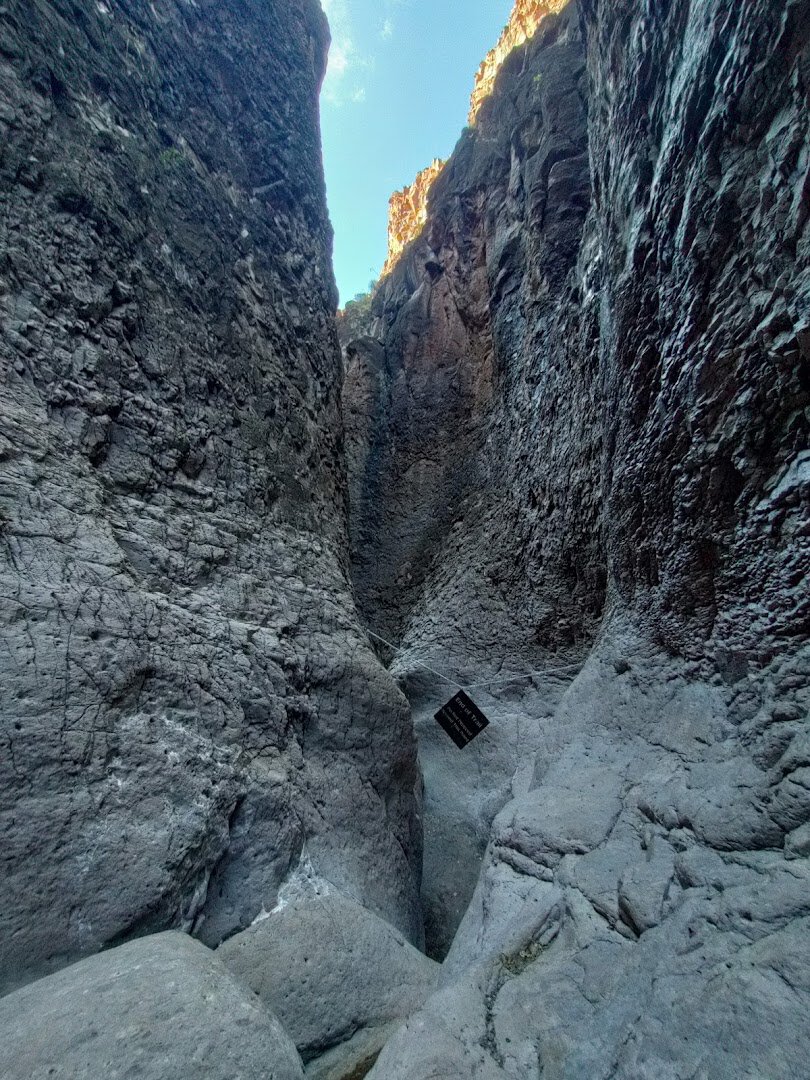
That dead end is the turn-around, and it is the honest thing about this hike. You go in as far as the canyon lets you, then you walk back out the way you came, watching the same walls open up in reverse.
Experienced canyoneers do push past it, roping down a series of drops that ends in a bolted rappel of about 60 feet. Beyond that, the chasm finally spills out toward the river. That is a serious technical descent, not a family stroll.
It needs gear, skill, and a partner who knows the ropes, and rangers will tell you the last drop has claimed people who tried it unprepared. If that is not your world, do not feel like you missed anything. The walk to the pour-off is the reason most people come.
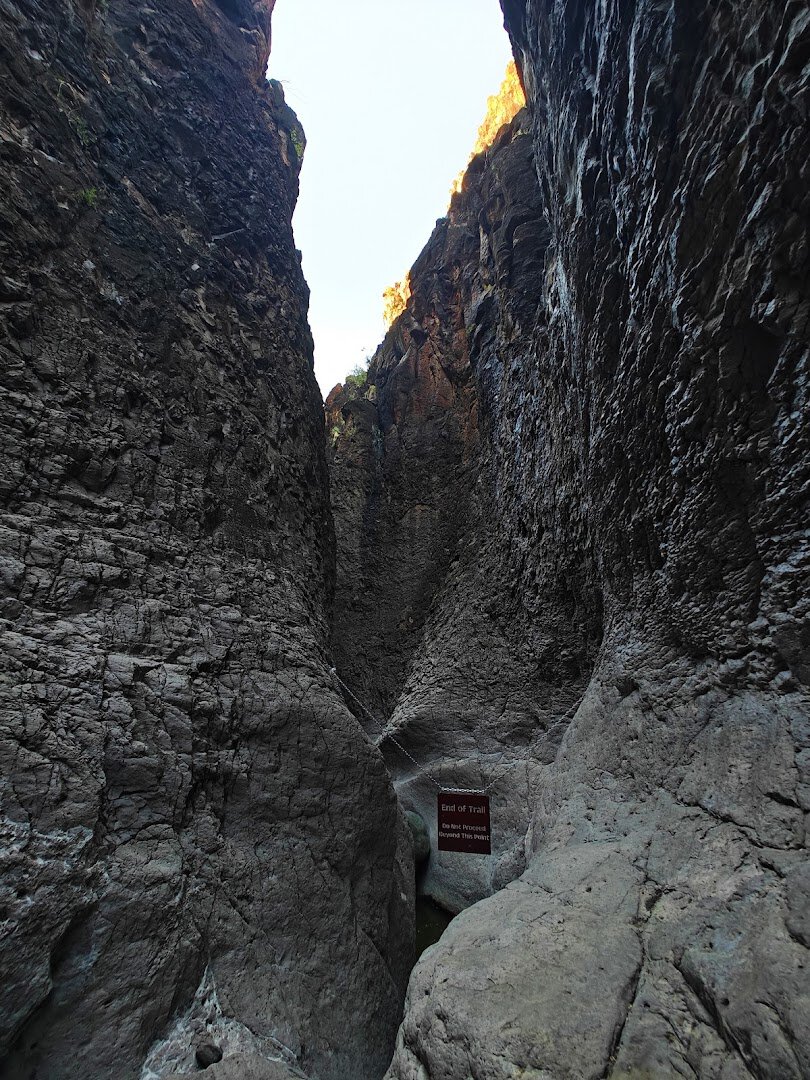
For the rest of us, the pour-off is a perfect stopping point. You have earned the view, you snap a few photos of the impossible walls above, and you turn back knowing you saw the good part.
The Rock That Built the Squeeze
What makes this canyon so strange is what it is carved from. The stone here is volcanic, part of a layer geologists call the Santana Tuff, laid down when this corner of Texas was a land of eruptions and ash.
Over a very long time, water did the rest. Rare desert floods came roaring off the high ground and sliced a chasm straight through the mesa, on their way down to Colorado Canyon and the Rio Grande beyond.
That cutting split one mesa into two, Mesa de la Cuchilla on the east side and Mesa de Nueve on the west, with your narrow trail threading the gap between them. The floods also polished the walls to a smooth grey sheen you will want to run your hand along.
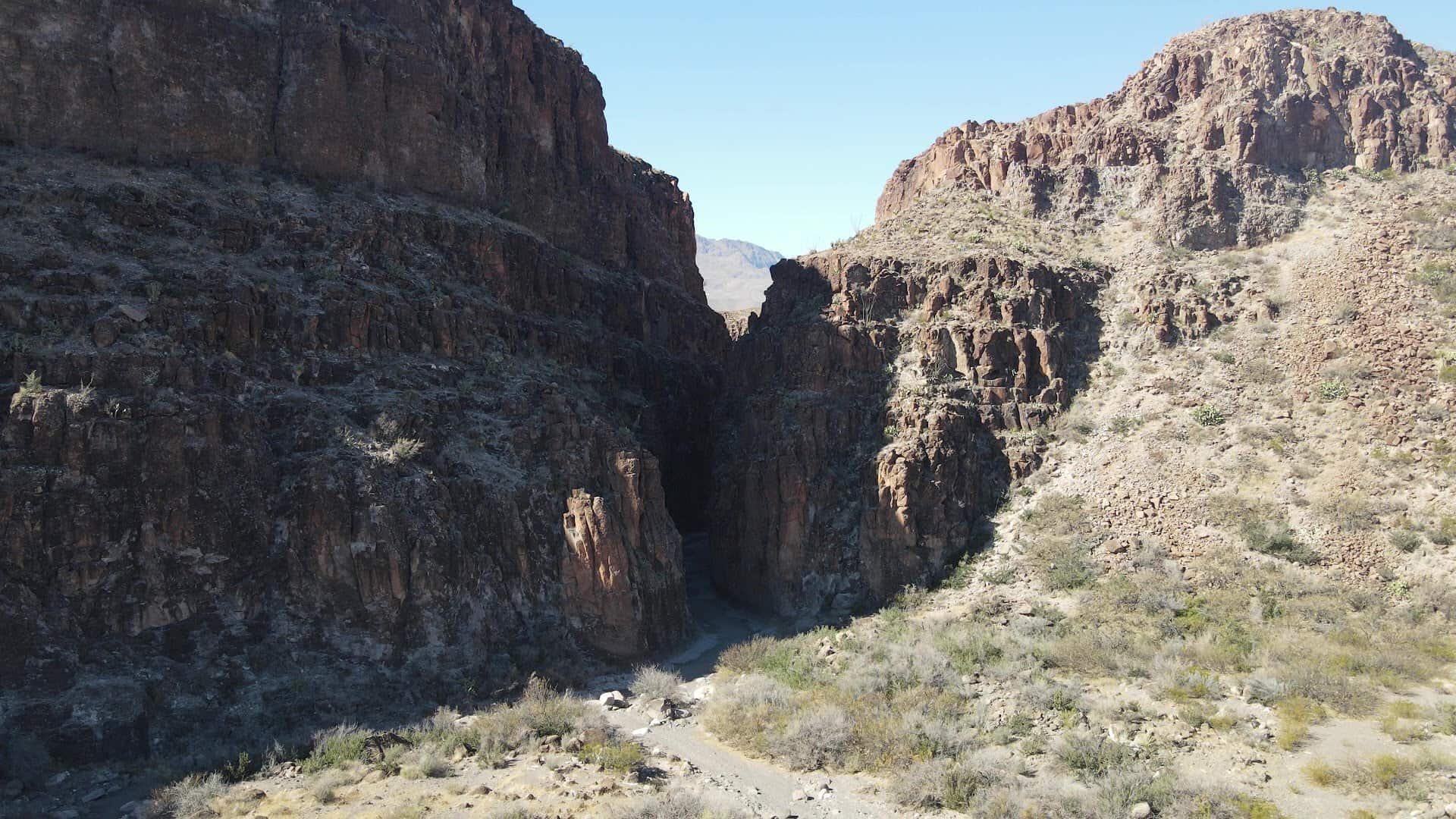
The colors shift as you move. Up high the rock glows rust and gold where the sun lands on it, while down at your feet the same stone turns cool grey and almost blue in the shade. Bring a camera and a little patience.
Did you know? People who have hiked slot canyons all over the West say the same thing here. Except for the dark volcanic rock, you would swear you had been dropped into a canyon in Utah. It is that dramatic, and it sits just above the Rio Grande.
A Ranch Bigger Than Some States
The canyon sits inside Big Bend Ranch State Park, and the park itself is a wonder worth knowing. At more than 300,000 acres it is the largest state park in Texas by a wide margin, a stretch of desert mountains most Texans have never set foot on.
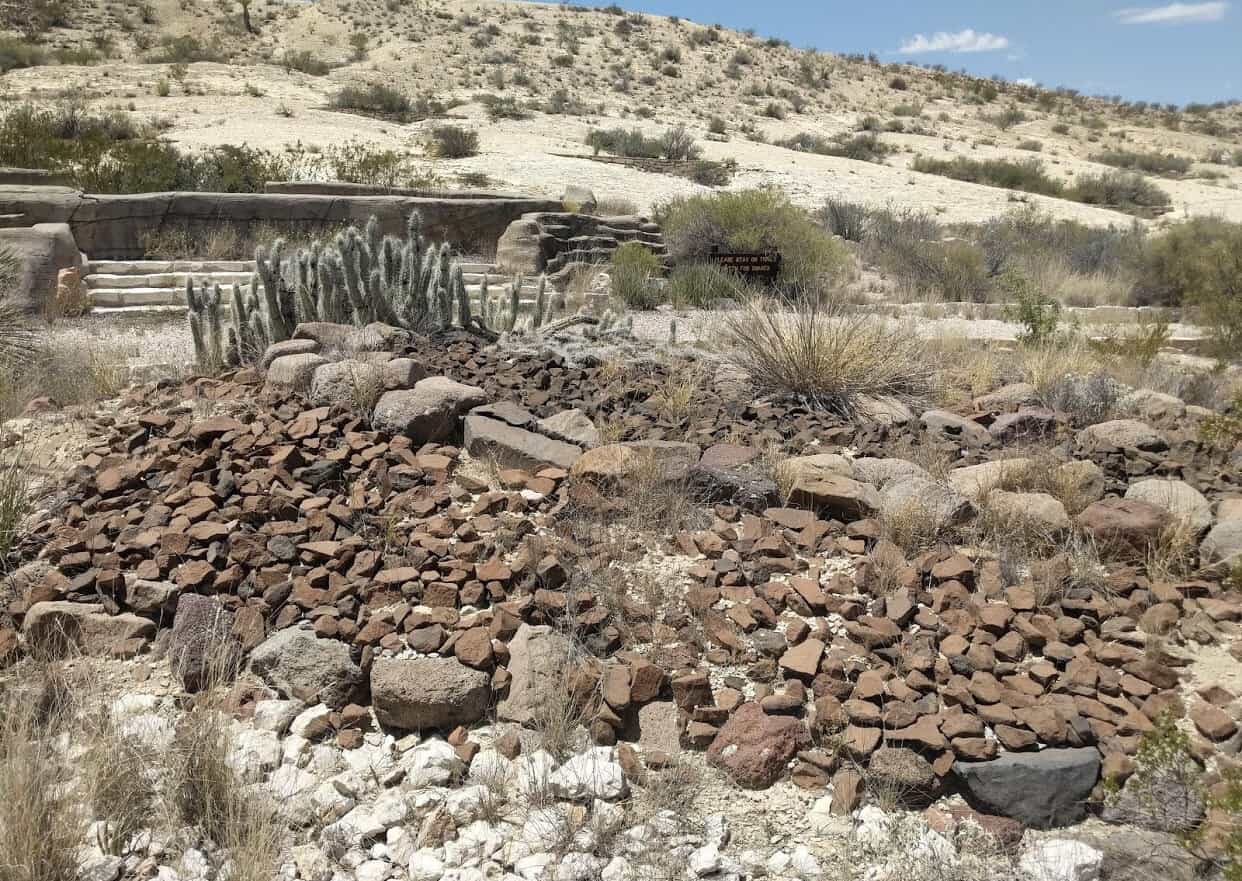
Before it was a park it was a working ranch. The Bogel brothers began buying up small parcels here in the 1910s and built their headquarters at a spot called Saucita, which still stands at the heart of the park today.
In 1934 the Bogels sold their land to Manny and Edwin Fowlkes, who grew the holding toward 300,000 acres. In 1958 it passed to Len “Tuffy” McCormick, and by then it ranked among the fifteen largest ranches in the entire country.
Texas bought the ranch on July 21, 1988, for 8.8 million dollars, which pencils out to around 36 dollars an acre. It opened to the public in a limited way in January 1991, was renamed a state park in 1995, and finally opened fully in 2007.
So when you walk Closed Canyon, you are walking through the tail end of a century of Texas ranching, now kept wild for anyone willing to make the drive.
The Drive In Is Half the Adventure
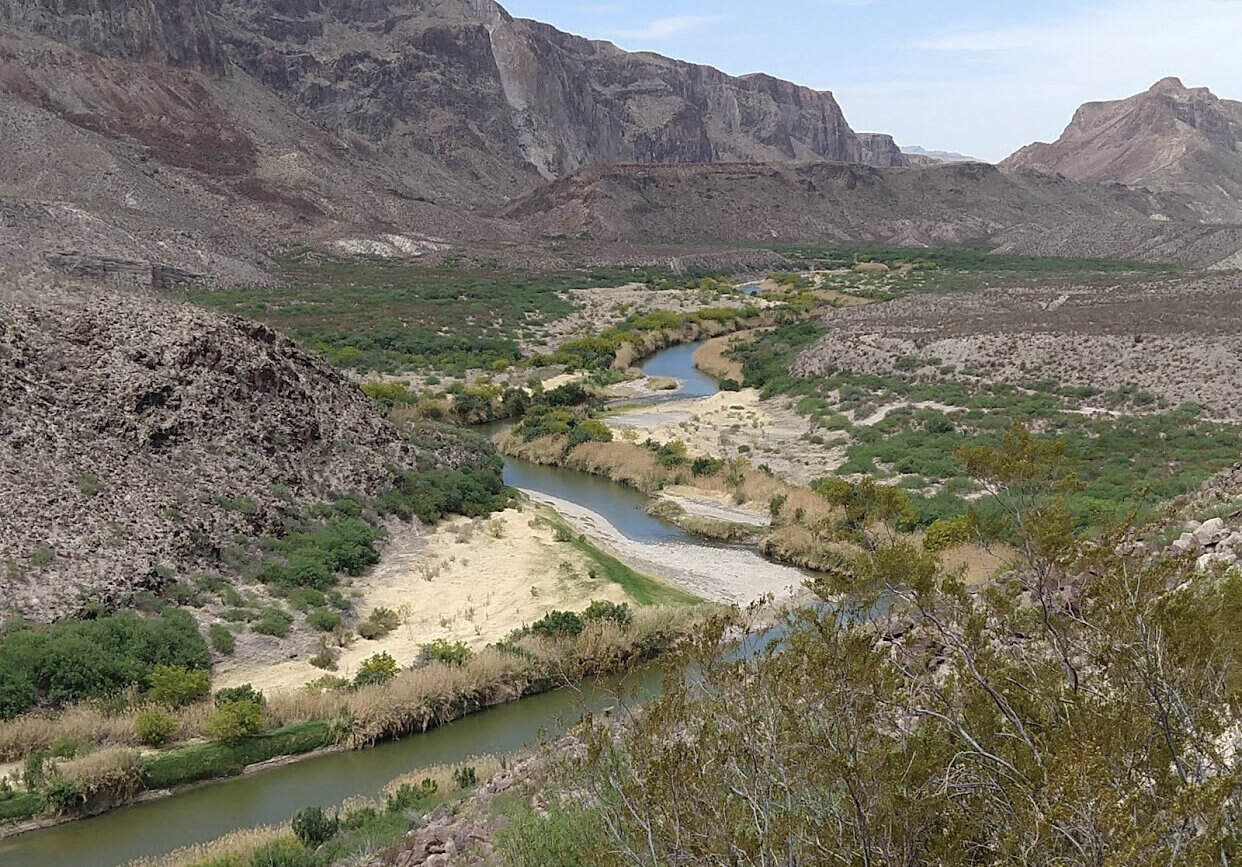
Getting to the trailhead is a treat in its own right. The canyon opens off FM 170, the ranch road that hugs the Rio Grande between Lajitas and Presidio. Locals call it the River Road, and it is regularly ranked among the most scenic drives in America.
You will roll past painted cliffs, big river bends, and long empty views with the mountains of Mexico rising just across the water. There are pullouts and picnic spots the whole way, so build in extra time to stop and stare.
The road climbs and dives as it follows the river, and one famous stretch called the Big Hill tops out at a lookout worth every second. On a clear day you can see for miles into two countries at once, with the Rio Grande a green thread far below.
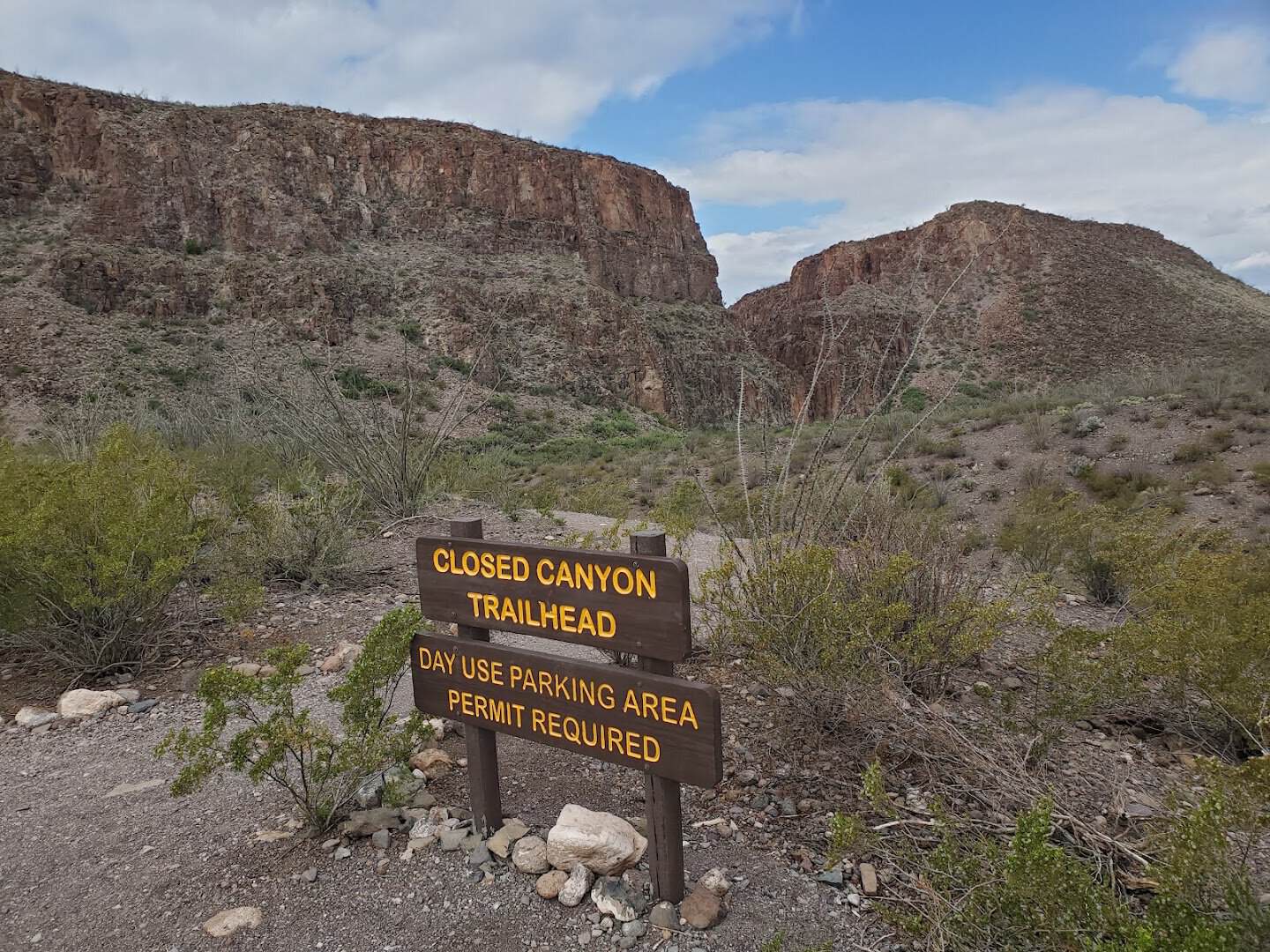
The trailhead itself is easy to miss. It is a small gravel lot roughly 22 miles west of the Barton Warnock Visitor Center, and about 26 miles east of Fort Leaton near Presidio. Watch your odometer and watch for the sign.
When to Go, and How to Stay Safe
Timing matters more here than on almost any other Texas hike. The best window runs from October through April, when the desert is cool and the light in the canyon is gorgeous. Summer in this part of the state is brutally hot.
Summer is also flash-flood season. From roughly June through August, storms can dump rain miles away and send a wall of water down a slot canyon with almost no warning. Hikers have been caught in Closed Canyon and barely made it out.
Pro tip: check the forecast for the whole region, not just the trailhead, before you step in. If you see dark clouds building anywhere upstream, or if it starts to rain while you are inside, turn around and get out immediately. No photo is worth it.
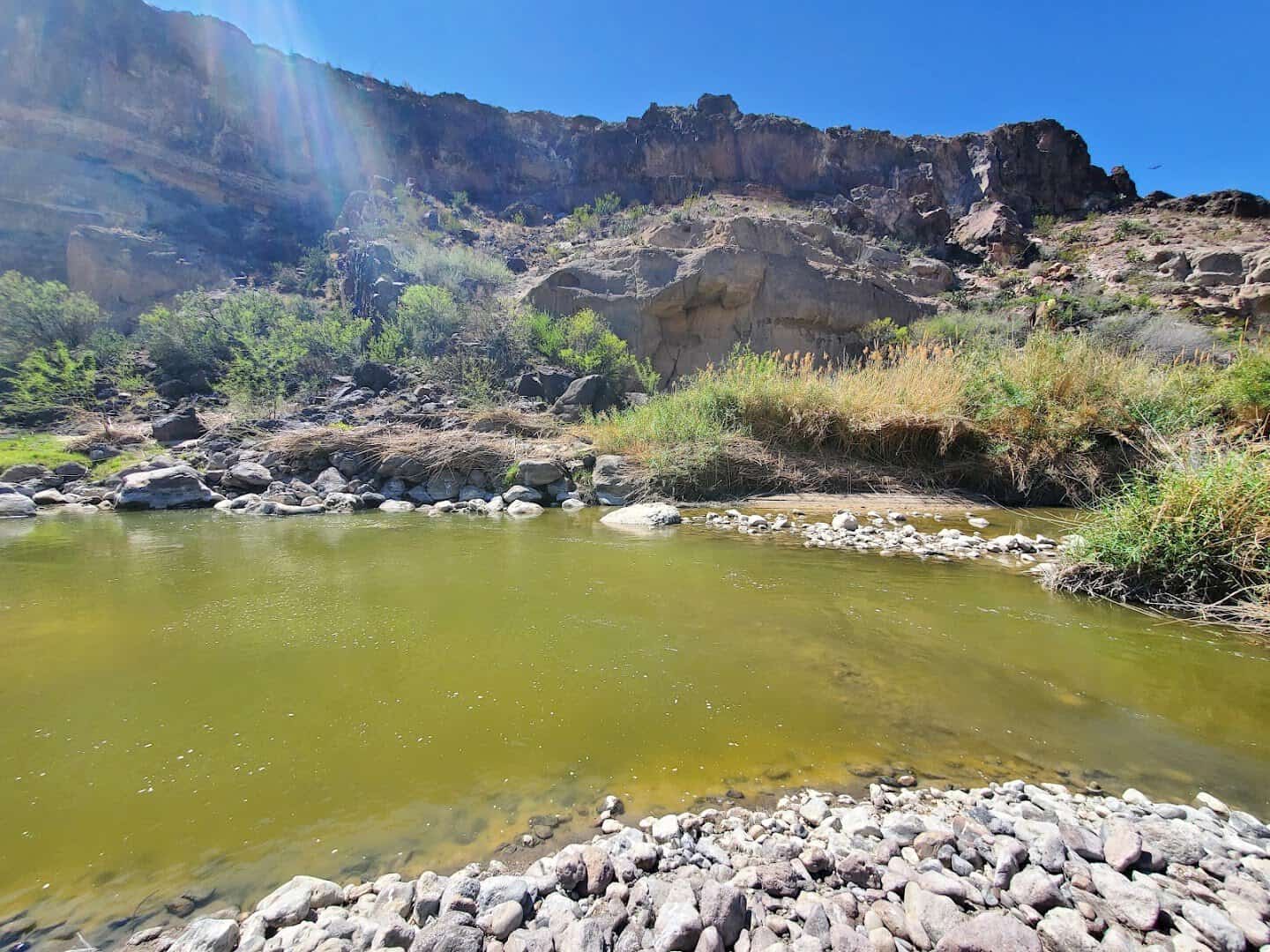
Bring more water than you think you need, wear real shoes with grip for the slick rock, and go with a friend. Tell someone your plan before you leave the visitor center.
There is little to no cell signal out here, which is part of the magic and part of the risk. Out in this country, you look after your own group, so plan for it and enjoy the quiet.
What It Costs and What to Know
Big Bend Ranch charges a modest day-use fee, recently $5 per person for ages 13 and up, which you can pay at the Barton Warnock Visitor Center or Fort Leaton on your way in. Children twelve and under get in free.
It is worth stopping at Barton Warnock anyway. The staff there give you the current road and weather conditions, sell maps of the park’s backcountry, and can tell you whether any recent rain has left water or debris in the canyon.
The hike itself is family-friendly in dry weather. There is no serious climbing to reach the pour-off, just a rocky, sandy walk that little legs can usually handle, though the final drop is a firm turn-around point for everyone.
Whether you are a lifelong Texan or just passing through the Big Bend, this is one of those places that rearranges what you thought the state looked like. Flat and wide is only one version of Texas. This is the version with walls.
How to Get There
Where: Closed Canyon Trailhead, FM 170 (River Road), Big Bend Ranch State Park, Terlingua, TX 79852. The lot sits about 22 miles west of the Barton Warnock Visitor Center at 21800 FM 170, Terlingua, TX 79852.
Point the Car West and Go
Some hikes give you a summit and a big reveal. This one gives you the opposite, a slow narrowing, a shrinking sky, and the strange thrill of a place that closes in until it simply says stop.
So pack the water, gas up before Lajitas, and give yourself a whole day for the River Road and the walk at the end of it. Then step into the narrowest, most beautiful dead end in Texas, and see if you would try it too.
Featured image: Kelly Rittenhouse via Closed Canyon Trail

Stella Raines
Editor-in-Chief
Stella brings over a decade of storytelling experience to TX Headlines. With roots in West Texas and a love for road trips, she leads the editorial team with an eye for the hidden stories that make Texas unforgettable.
More Stories
Tags