This Dizzying Texas Bridge Is So Steep It Feels Like Driving Into the Sky
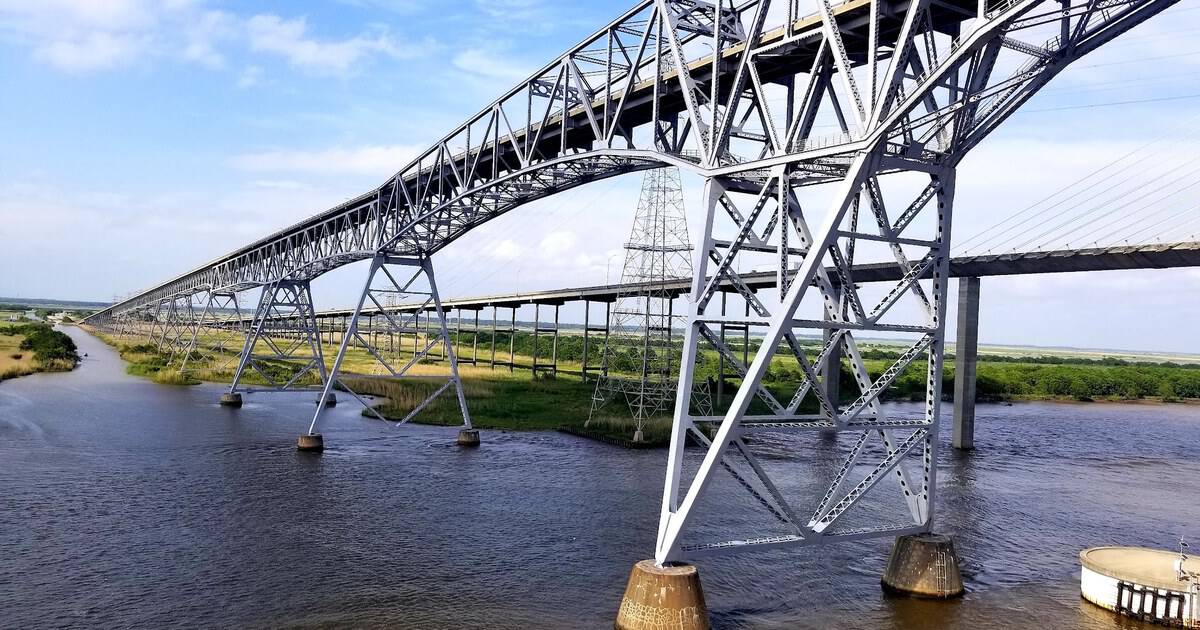
I have always had a complicated relationship with high bridges. I mean the steep kind, where the pavement climbs so sharply that you lose sight of the far side and start to wonder if it simply ends somewhere up in the clouds.
There is a specific little jolt that comes right before the crest, when your windshield holds nothing but sky. Your hands tighten on the wheel all on their own. I seem to chase that feeling and dread it in roughly equal measure.
In Southeast Texas, one crossing has turned that queasy thrill into a genuine local rite of passage. The Rainbow Bridge over the Neches River is a towering steel giant, and first-timers really have been known to gasp, grip the wheel, and yes, let out a scream on the way up.
Here is why this notorious span earns the white knuckles, from the airship story behind its dizzying height to the fresh restoration that just brought it roaring back to life.
Driving Straight Into the Sky
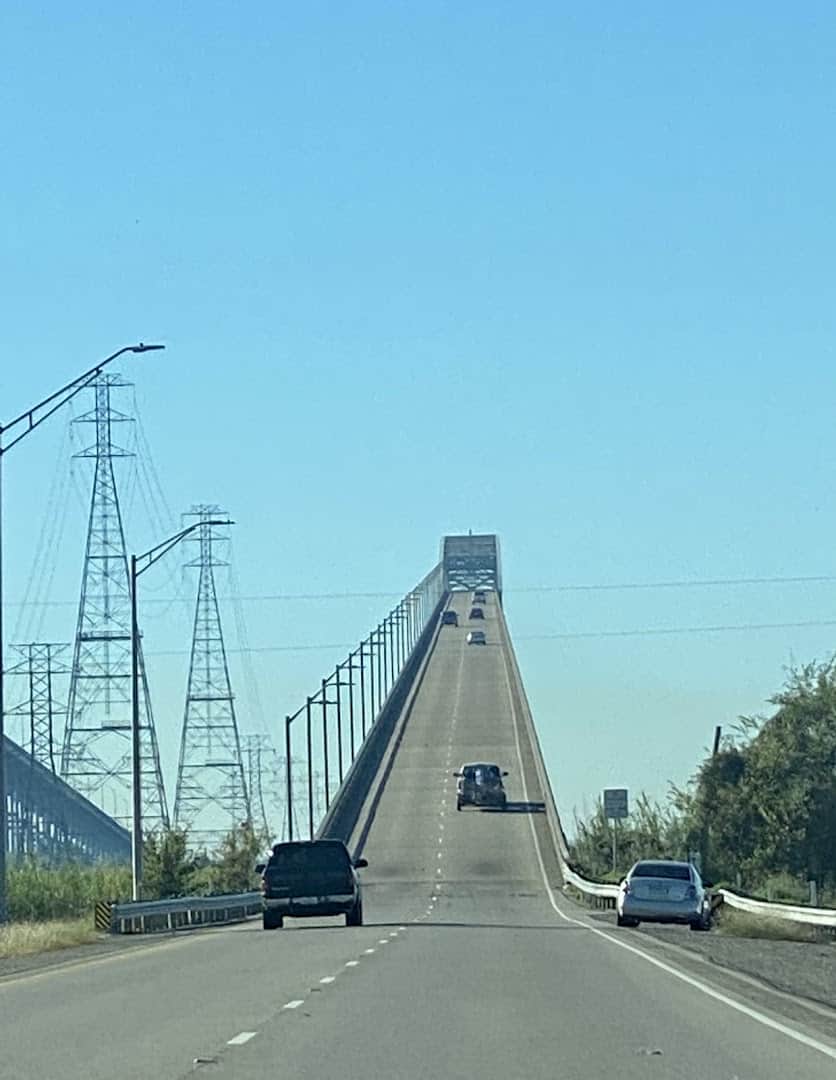
The thing that gets people is the grade. The Rainbow Bridge does not ease you upward the way a gentle modern overpass does. It ramps hard and fast, and because the roadbed crests so high, you cannot see the descent until you are right on top of it.
For the length of that climb, your windshield fills with almost nothing but blue. No road ahead, no far bank, no horizon, just the hood of your car pointed straight at the clouds. Your brain quietly insists the pavement has to end somewhere up there.
Then you reach the top, the whole world drops away in front of you, and the road pours down the far side like the back of a roller coaster you did not agree to ride. That is the famous stomach-flip everyone in the area talks about.
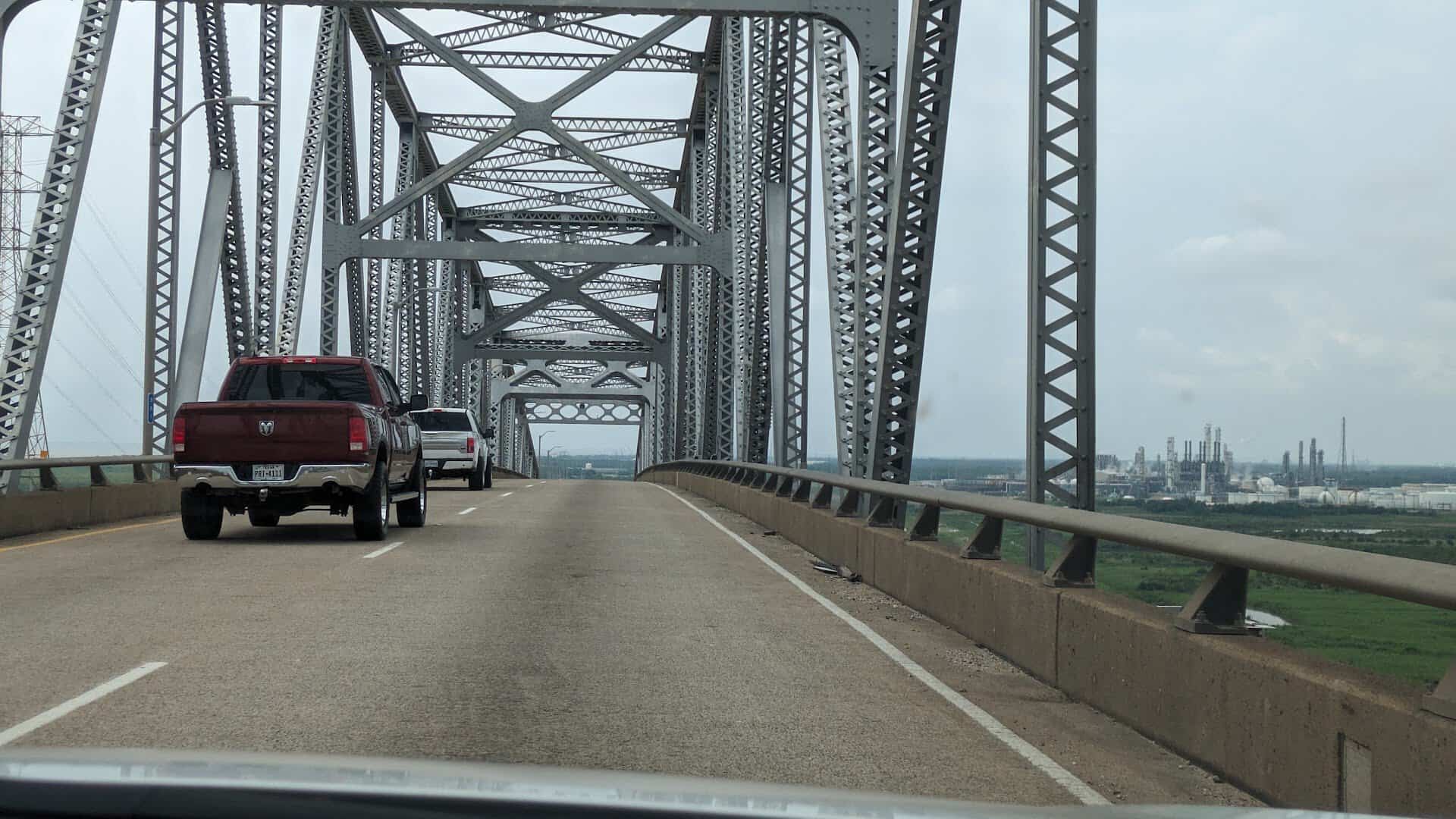
It helps to remember it is a trick of geometry, not a sign of danger. The bridge is solid and the lanes are plenty wide. But knowing that in your head rarely stops a first-timer’s heart from hammering the whole way over.
Regular commuters, of course, treat it like any other stretch of highway. They have crossed it ten thousand times and barely glance at the view. It is the visitor, the nervous passenger, and the teenager on a first solo drive who feel every single foot of it.
Near the very top, the whole world seems to change. You are suddenly higher than almost anything else for miles, the traffic noise thins out into open air, and the river shows up far below like a map. It is disorienting in the best way.
Why on Earth Build It So High?
You cannot look at those 177 feet of clearance and not ask the obvious question. Why send ordinary drivers up into the stratosphere when the river sliding along below is calm, flat, and barely busy with boats?
The answer is one of the great “just in case” stories in Texas engineering. When it was designed back in the 1930s, planners built it tall for the USS Patoka, then one of the tallest ships in the U.S. Navy.
The Patoka carried a moored airship on a towering mast, and the bridge had to clear it. Read that again. A dirigible, floating over the Neches River in deep Southeast Texas. That was the scenario they cleared room for.
Here is the twist that makes locals grin. The Patoka never once sailed beneath it. The airship era faded almost as soon as the bridge opened, the great Navy ship stayed away, and the crossing got its sky-high span for a guest that never bothered to show up.
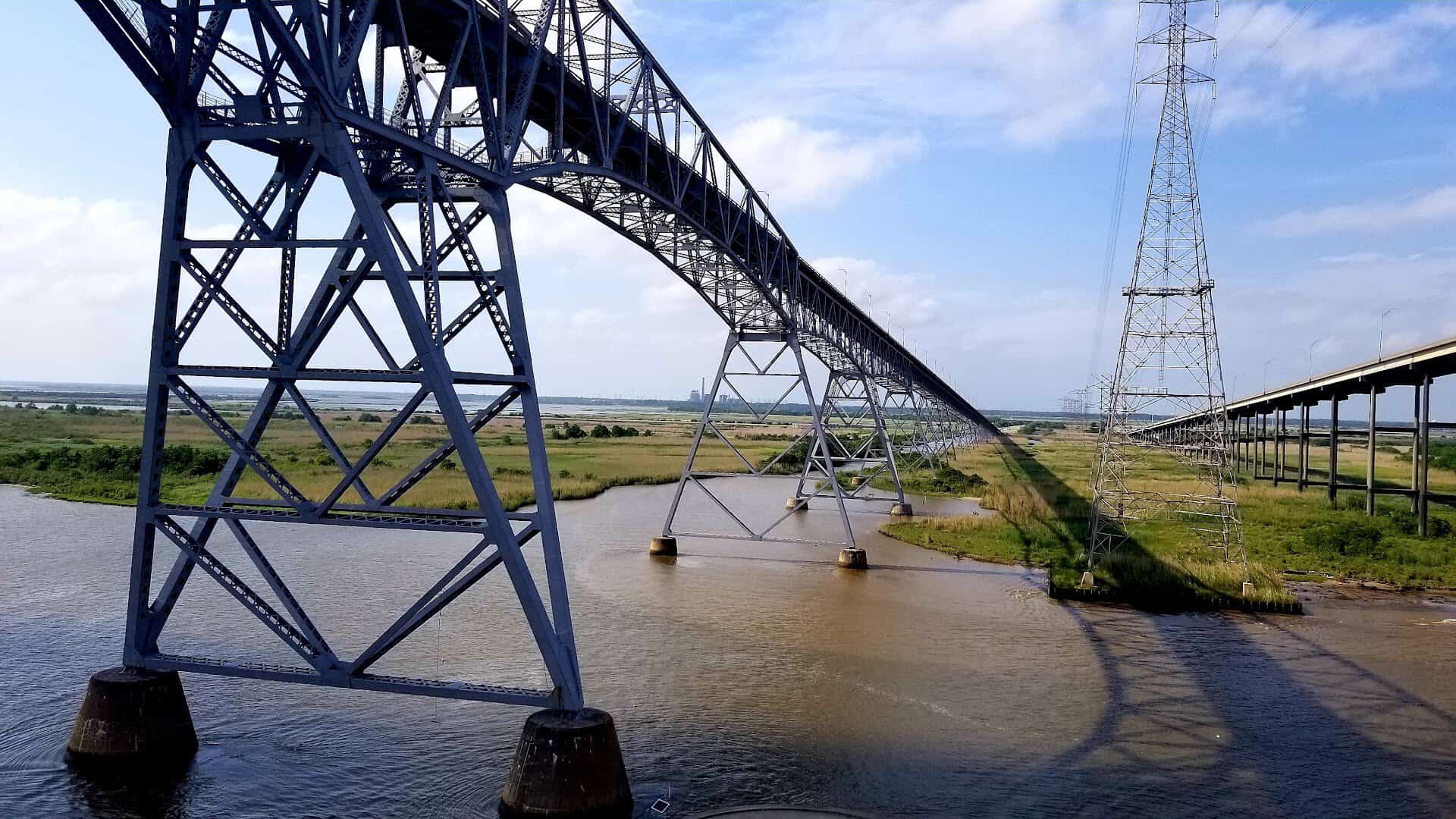
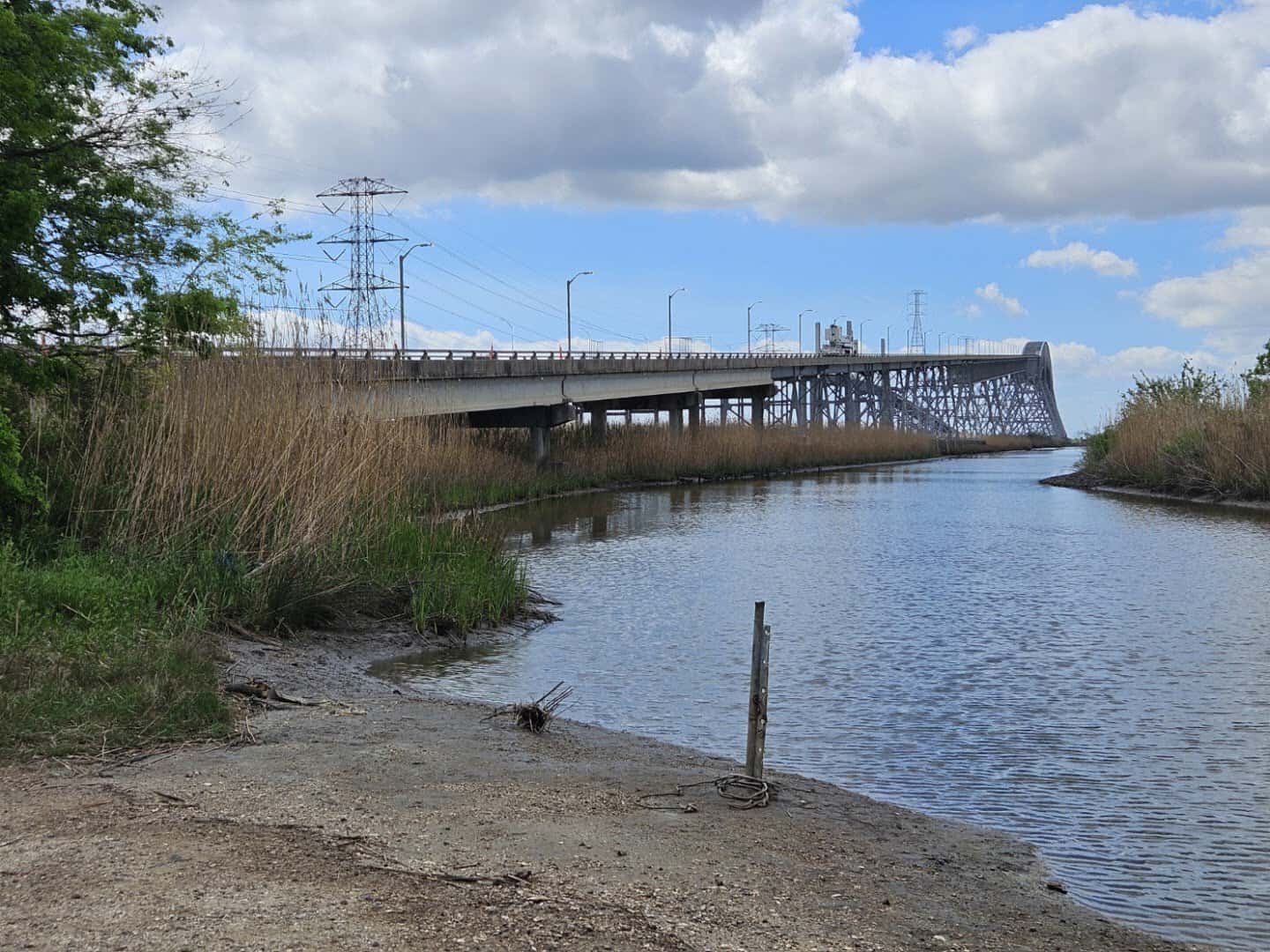
The height was not wasted, though. That soaring clearance later let the Bethlehem shipyard upstream in Beaumont build and float out enormous jack-up offshore drilling rigs.
More than seventy of those rigs left the yard that way across the decades. A bridge designed for a phantom airship ended up quietly serving the Gulf Coast oil business instead, which is a very Texas kind of plot twist.
A Brief History of the Rainbow
Construction began in May 1936 and wrapped up two and a half years later. The bridge opened to traffic on September 8, 1938, under a much plainer name: the Port Arthur-Orange Bridge.
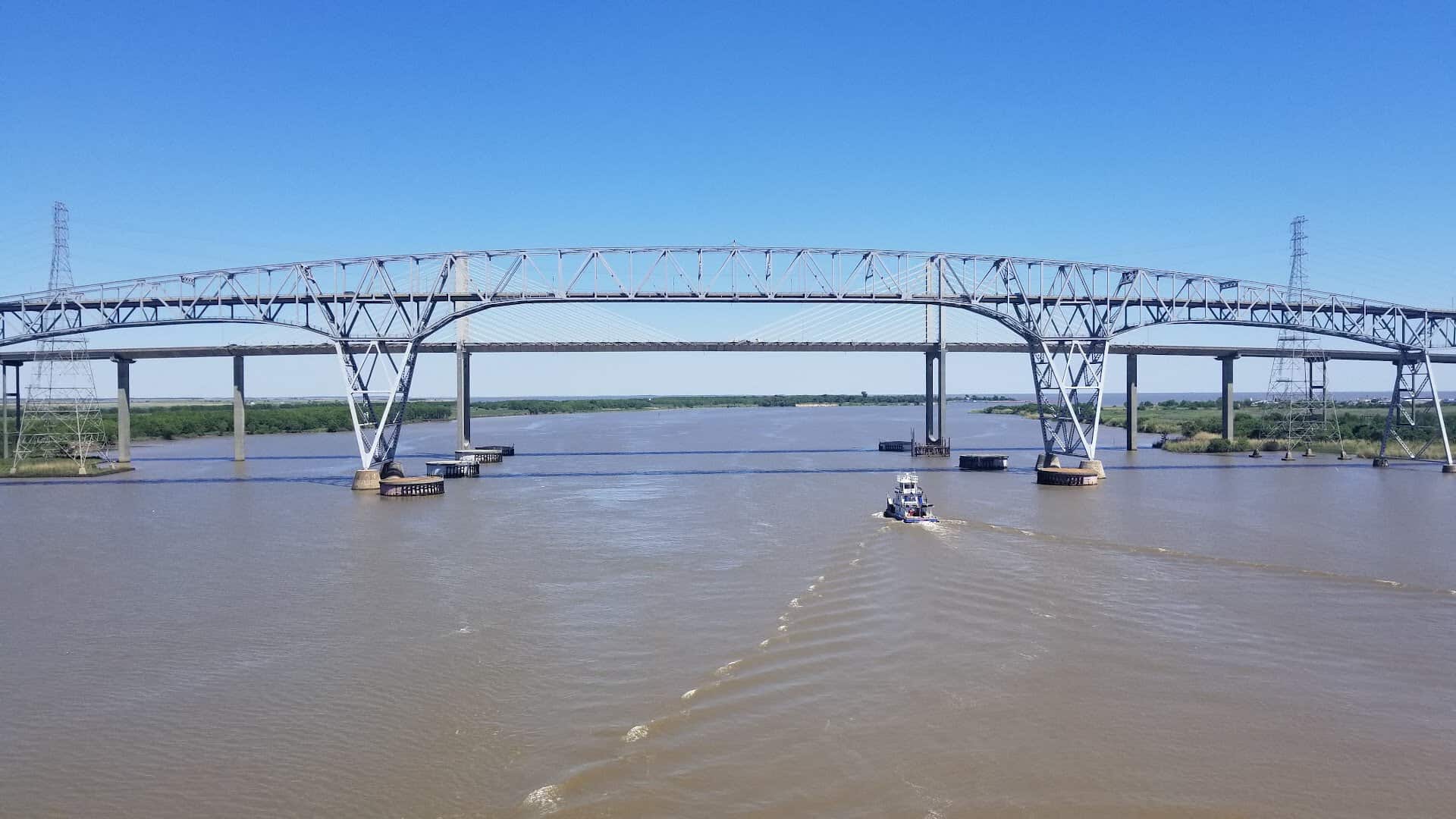
The project engineer was G. G. Wickline. He faced the tricky job of carrying a highway across nearly 7,750 feet of marsh and soft river bottom, which is no small feat even now.
The design work came from the New York firm of Ash, Howard, Needles and Tammen, with the steel raised by Taylor-Fichter of New York and Fort Pitt Bridge Works of Pittsburgh. It was a serious, out-of-state engineering effort for a small Texas county.
It cost roughly $2.75 million to build, a genuinely large sum in the depths of the Depression. The money came through the Public Works Administration, one of the New Deal programs putting Americans back to work, so this crossing is a real, standing piece of 1930s history.
When it opened, that 680-foot main span sat about 177 feet above the water. At the time that made it the highest elevated roadbed over tidal water in the country, second in overall height only to the Golden Gate Bridge out in California.
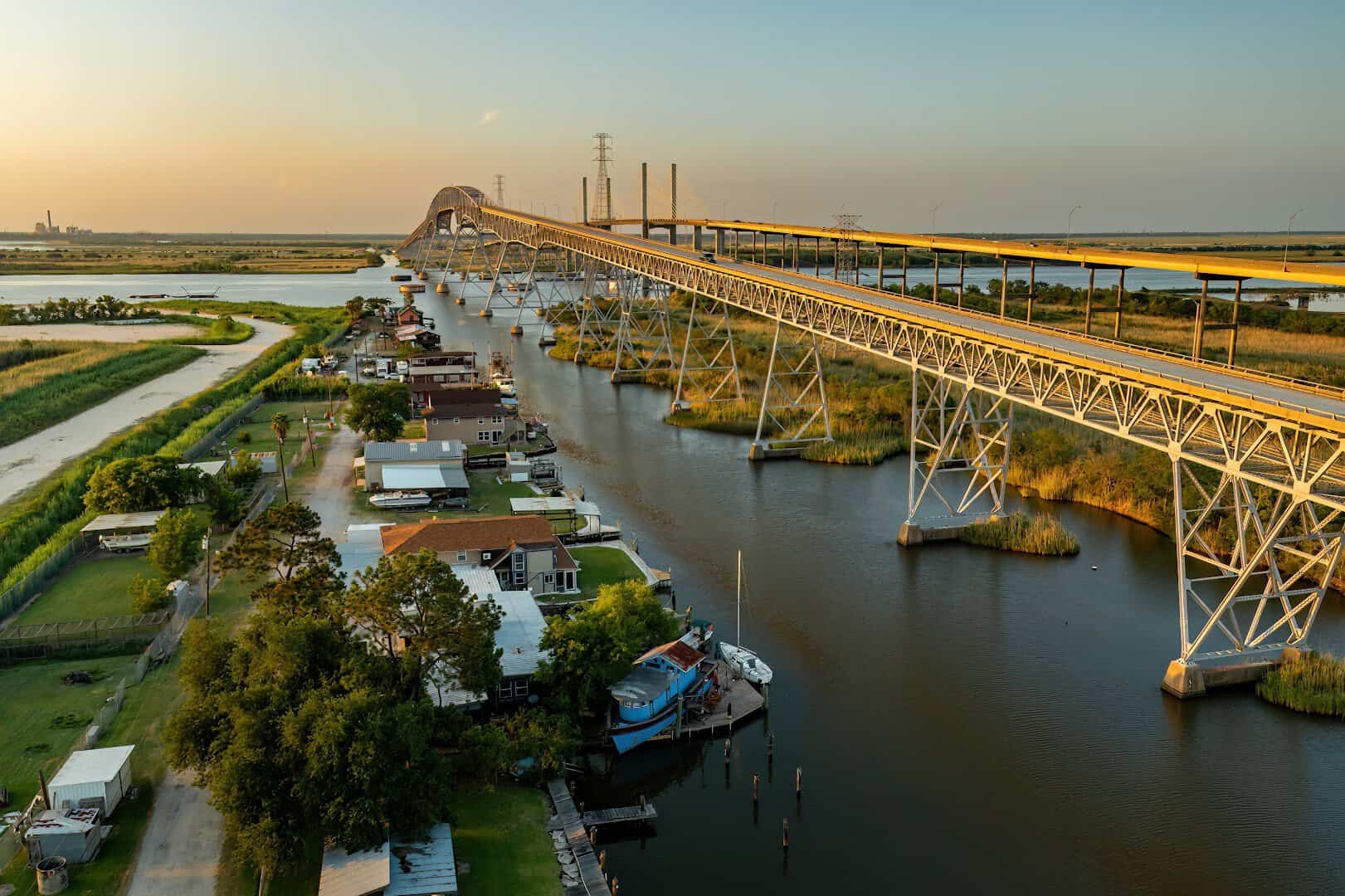
It replaced the old Dryden Ferry, which had shuttled cars and people across the river the slow way for years. Overnight it became a proud new link in the coastal route drivers of the day knew as the Hug-the-Coast Highway.
How It Got Such a Colorful Name
The Rainbow Bridge did not start life with that cheerful, storybook name. It only became the Rainbow Bridge in 1957, after a public naming contest invited the community to rechristen their towering arch.
As the story goes, the winning entry came from a young local girl. She looked up at that great curving sweep of gray steel and decided it resembled a rainbow arcing over the river. The name caught on at once, and it fit far better than Port Arthur-Orange ever had.
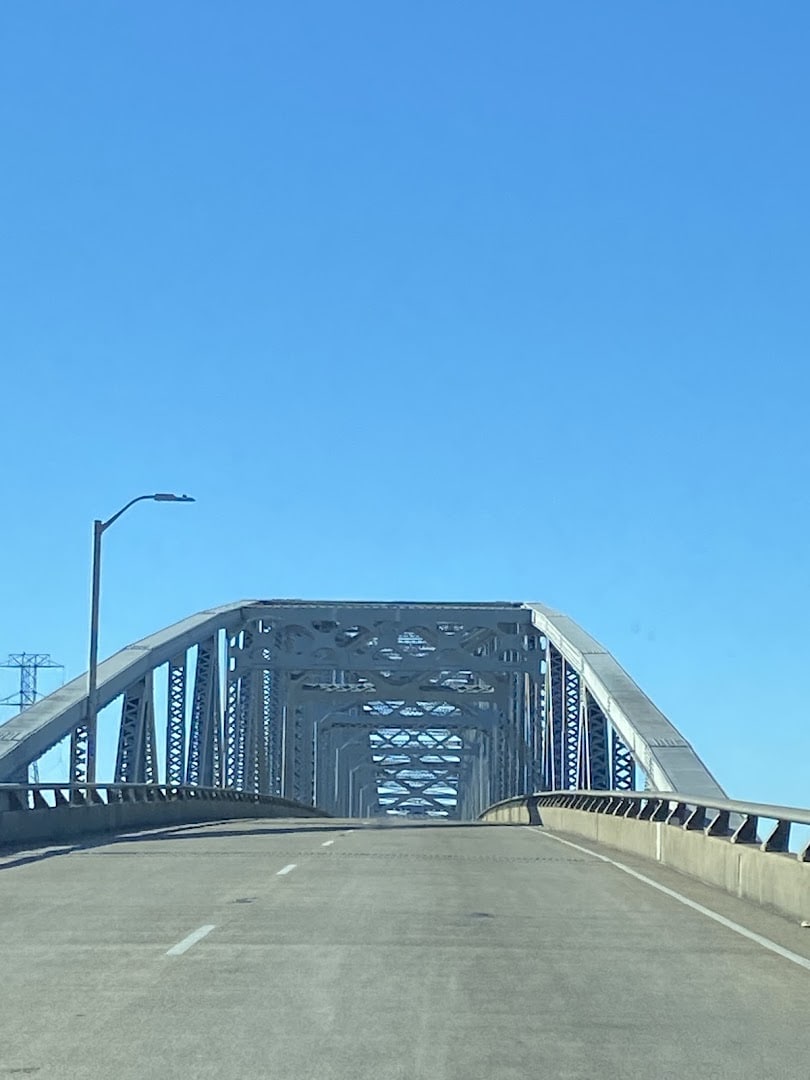
It is a lovely bit of framing when you think about it. A structure that terrifies grown adults behind the wheel got its lasting, gentle identity from a child who looked at all that iron and saw something soft and colorful.
The name has done its job for nearly seventy years now. Ask anyone in the region for directions and they will not say the Port Arthur-Orange Bridge. They will say the Rainbow, and everyone knows exactly which climb they mean.
The Quieter Bridge Right Beside It
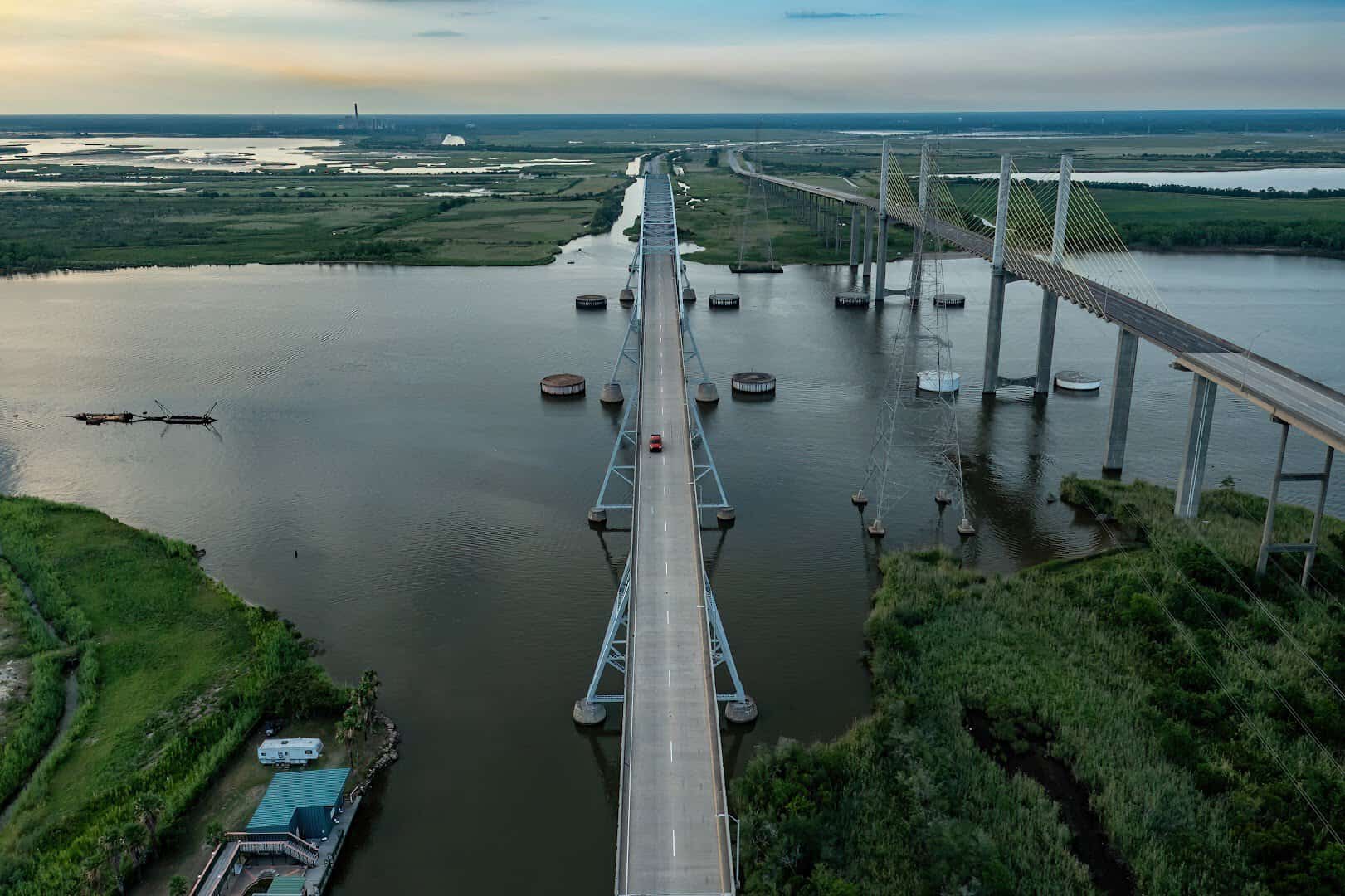
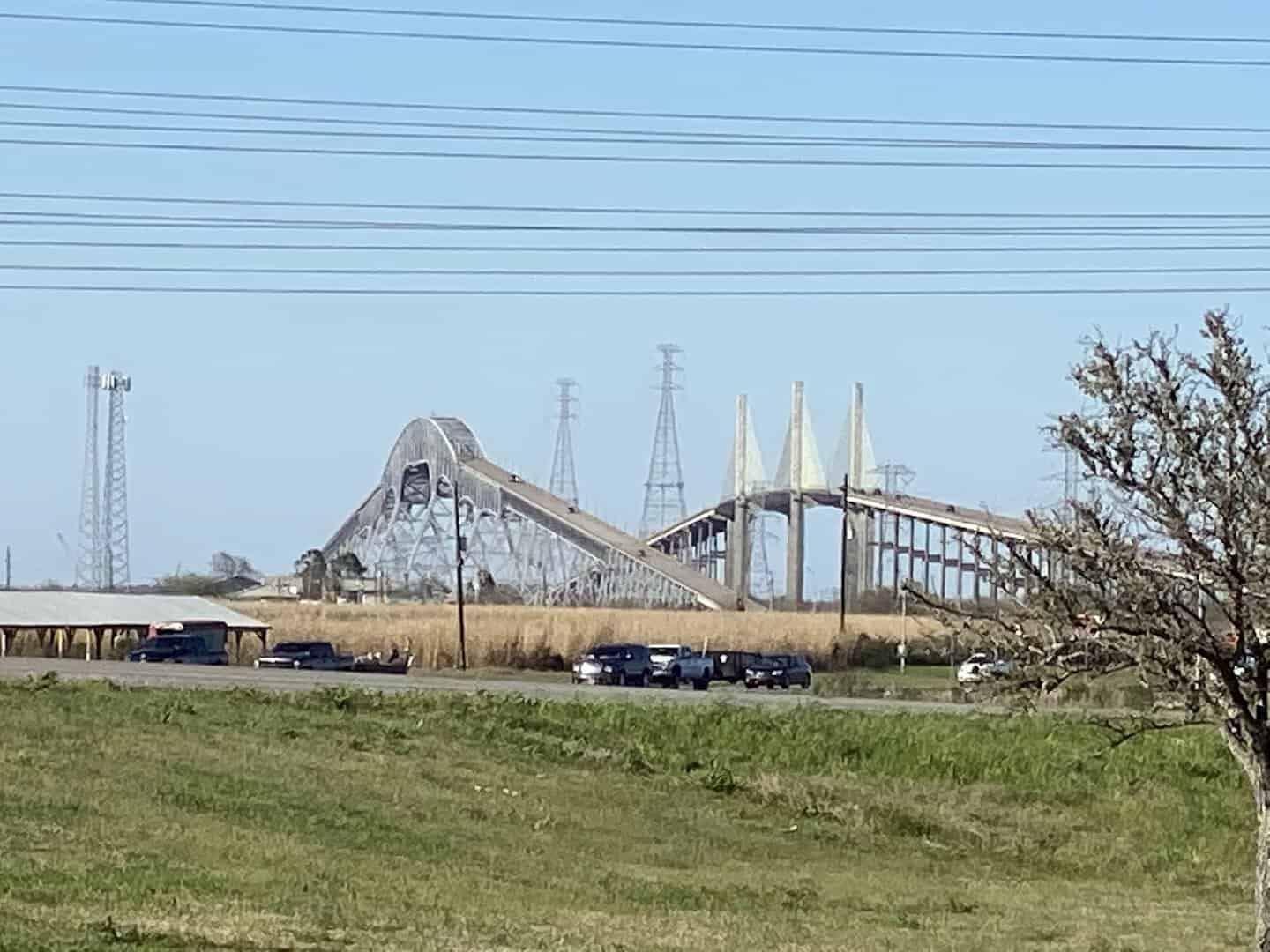
Look out your side window on the crossing and you will notice a second, sleeker bridge running right alongside. That is the Veterans Memorial Bridge, a cable-stayed span dedicated in 1990, more than half a century after its famous neighbor.
It is younger, lower, and far less dramatic to drive, with a 640-foot main span and roughly 143 feet of clearance. Some locals fondly call it the calmer cousin of the pair.
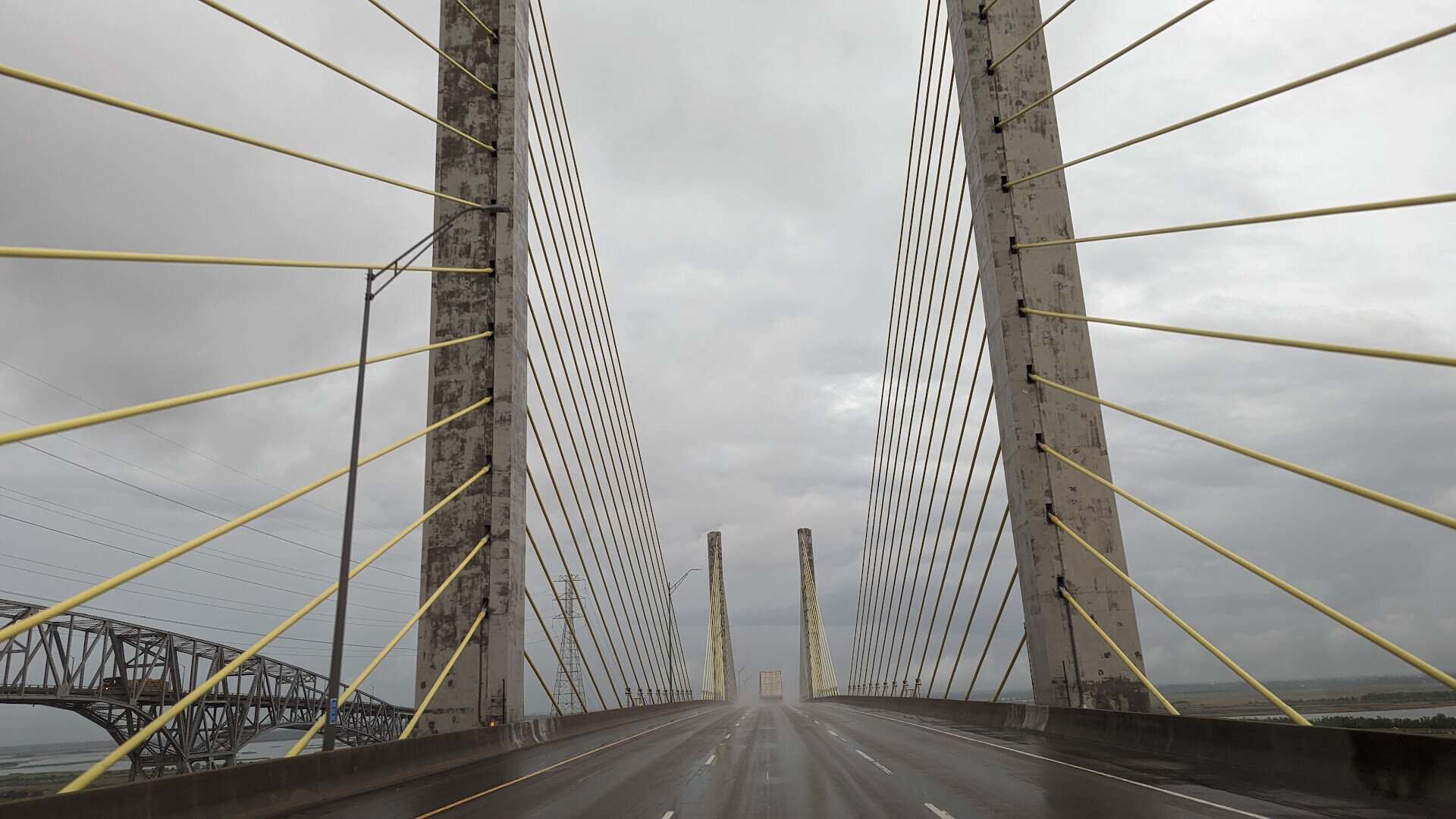
These days the two bridges work as a team. The Veterans Memorial Bridge carries the eastbound traffic, while the Rainbow Bridge handles everyone heading west. So the famous white-knuckle climb is a one-way thrill now, not a there-and-back ordeal.
That pairing is part of why the Rainbow survives at all. With a modern sibling to share the load, the historic span can keep doing what it does best without carrying the full weight of the region’s traffic on its aging shoulders.
Freshly Restored and Back in Action
If you tried to drive the Rainbow Bridge sometime in the last year and found it firmly closed, you were not imagining things. In March 2025 it shut down completely for a major overhaul, with all traffic routed over to its neighbor.
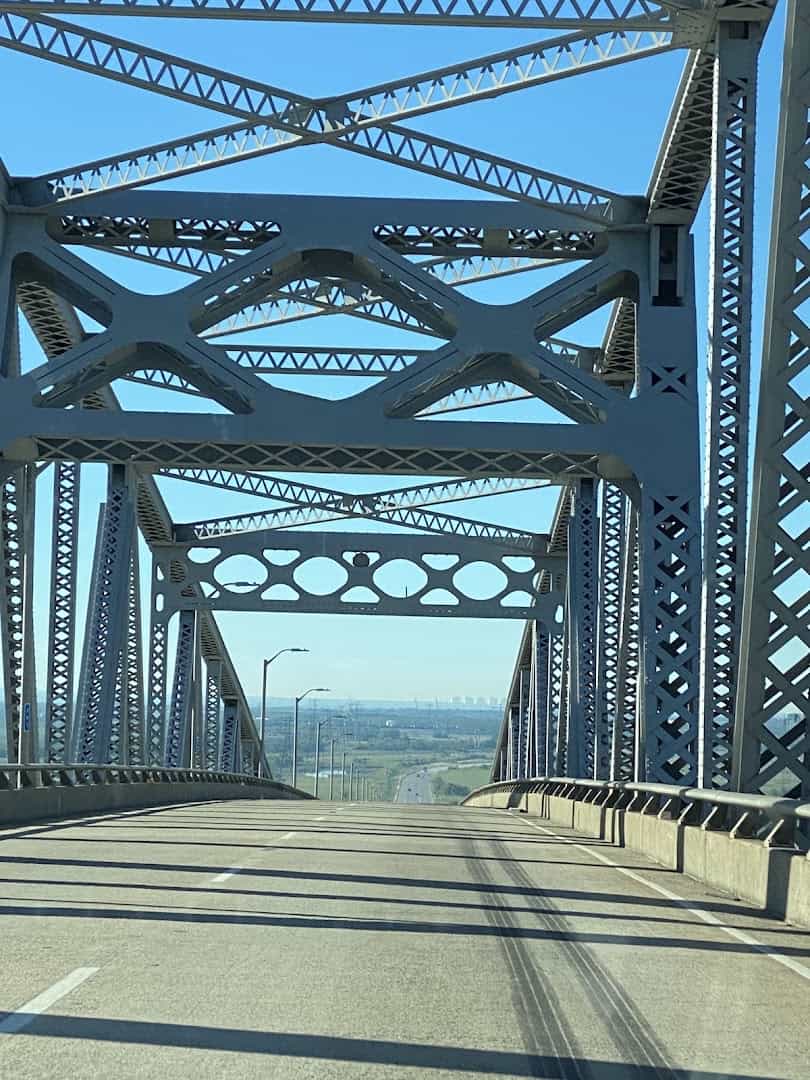
This was no quick cosmetic touch-up. TxDOT poured roughly $26 million into the old girl: a full-depth concrete deck restoration, fresh paint stripped right down to the bare steel, new bolts throughout, and the replacement of about 1,200 rivets along with four heavy steel member pins.
The work was originally scheduled to take a full year and a half. Thanks to a fast-moving contractor and cooperative weather, it wrapped up well ahead of that timeline.
As one TxDOT spokesperson put it, the project came in “six months ahead of schedule.” The bridge reopened to drivers in the spring of 2026, back in full working order and ready for its next crowd of nervous first-timers.
That is genuinely good news for anyone who loves a dramatic drive. The span you can climb today is in better shape than it has been in decades, with a rebuilt deck under your tires and more than eight decades of stories baked into the steel around you.
Tips for Your First White-Knuckle Crossing
If the height makes you nervous, plan your crossing for a calm time of day. Midday on a clear, dry afternoon gives you strong visibility and lighter traffic, which takes a surprising amount of the drama out of the climb.
Keep a slow and steady speed, and let the car ahead lead you up and over the crest. Watching someone else disappear over the top first is oddly reassuring, and it keeps you from creeping up the grade in a white-knuckled crawl.
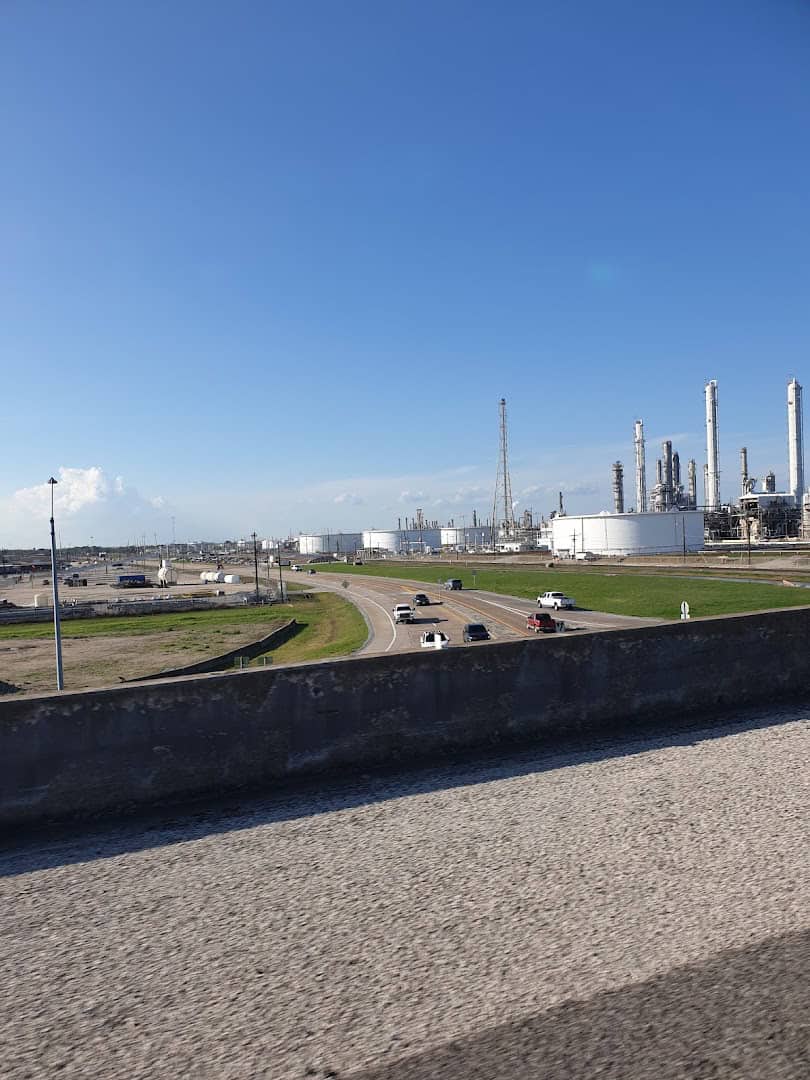
Here is a tip worth remembering. The view from the top is genuinely spectacular. On a clear day you can see the refineries, the winding ship channel, and the wide green sweep of the Neches spreading out toward the Gulf. If you are the passenger, keep your camera ready.
And if you do let out a startled yelp somewhere on the way up, take comfort in this. Generations of Southeast Texas drivers have done exactly the same thing, and most of them turned right around and did it again.
How to Get There
The Rainbow Bridge carries State Highway 87 across the Neches River, linking the city of Port Arthur with Bridge City and Orange County to the east. It sits in the heart of the industrial Golden Triangle, an easy detour off Interstate 10.
Where: Rainbow Bridge, TX-87, Port Arthur, TX 77640
From Port Arthur, follow State Highway 87 north toward Bridge City and you will find yourself climbing it before you quite realize what is happening. Just remember that the return trip heading east runs over the neighboring Veterans Memorial Bridge instead.
Point the Car at the Sky
Whether you live in Texas or you are just passing through along the coast, the Rainbow Bridge turns an ordinary errand into a story you will happily tell for years. It is steep, it is storied, and it is very much worth the quick jolt of adrenaline.
So the next time you find yourself near the Neches, take the long way around, point the car west, and let that grand old steel rainbow lift you right up into the sky. Just try not to scream too loudly on the way over.
Featured image: Oleksandr Protsenko via Rainbow Bridge

Stella Raines
Editor-in-Chief
Stella brings over a decade of storytelling experience to TX Headlines. With roots in West Texas and a love for road trips, she leads the editorial team with an eye for the hidden stories that make Texas unforgettable.
More Stories
Tags