This Tiny-Town Texas Bakery Has Kept Old-World Baking Traditions Alive for Over 80 Years
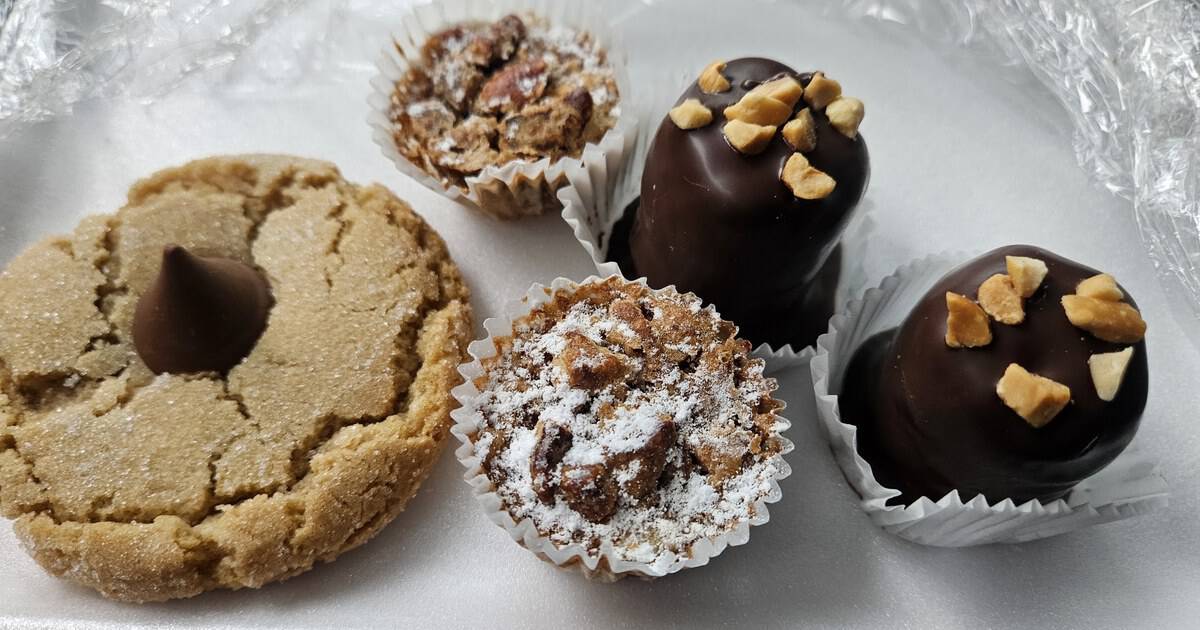
The best bread I have ever eaten came out of an oven in a town small enough to drive through in under a minute. That is the thing nobody tells you about small-town Texas: the recipes worth crossing a county for almost never come from the big city.
Twenty-five miles west of San Antonio sits a bakery with diagonal timbered walls and a French bread recipe that has not changed in generations. Locals line up before dawn for it. By late afternoon the shelves are close to bare.
Here is why a family bakery in a village of a few thousand people has kept people driving out from the city for more than eighty years, and what you should order when you finally make the trip.
Get There Before the Sun, or Get There for the Leftovers
The doors open at five in the morning, Monday through Saturday. That is not a quirky detail. It is the whole strategy.
The bakers are up in the dark, and the first trays of French bread, doughnuts, and cinnamon rolls hit the cases while most of the county is still asleep. Regulars know the rhythm. They come early, coffee in hand, because the good stuff moves fast.
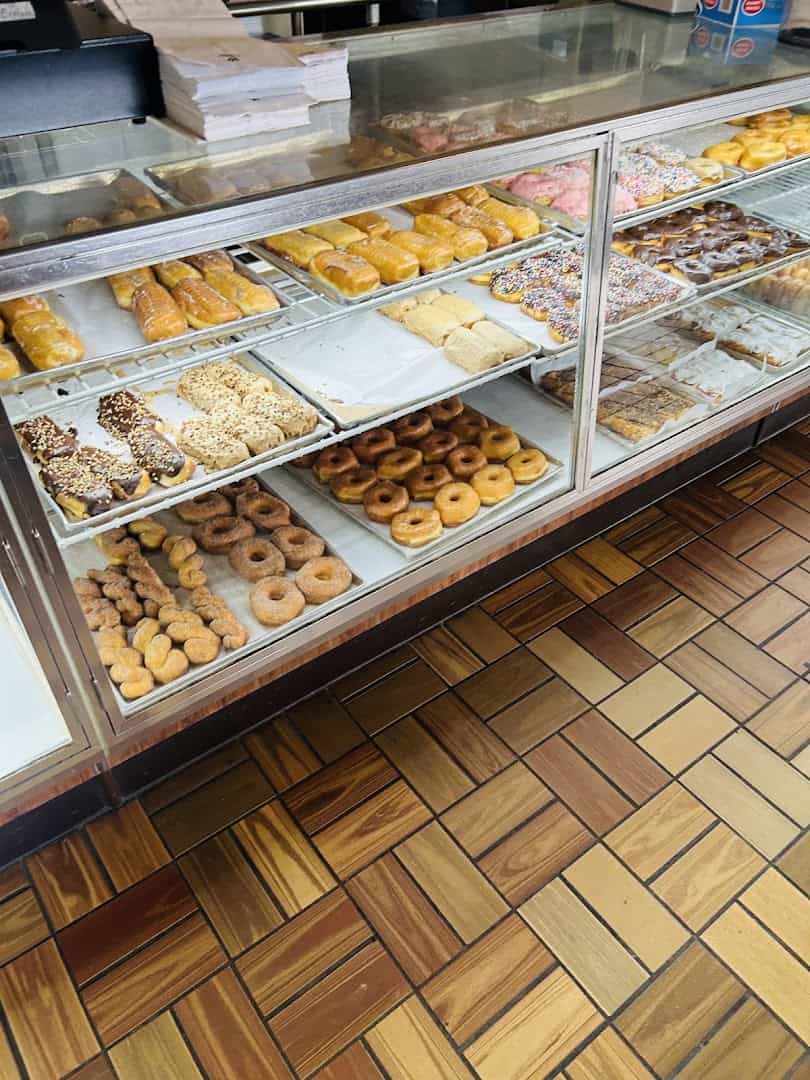
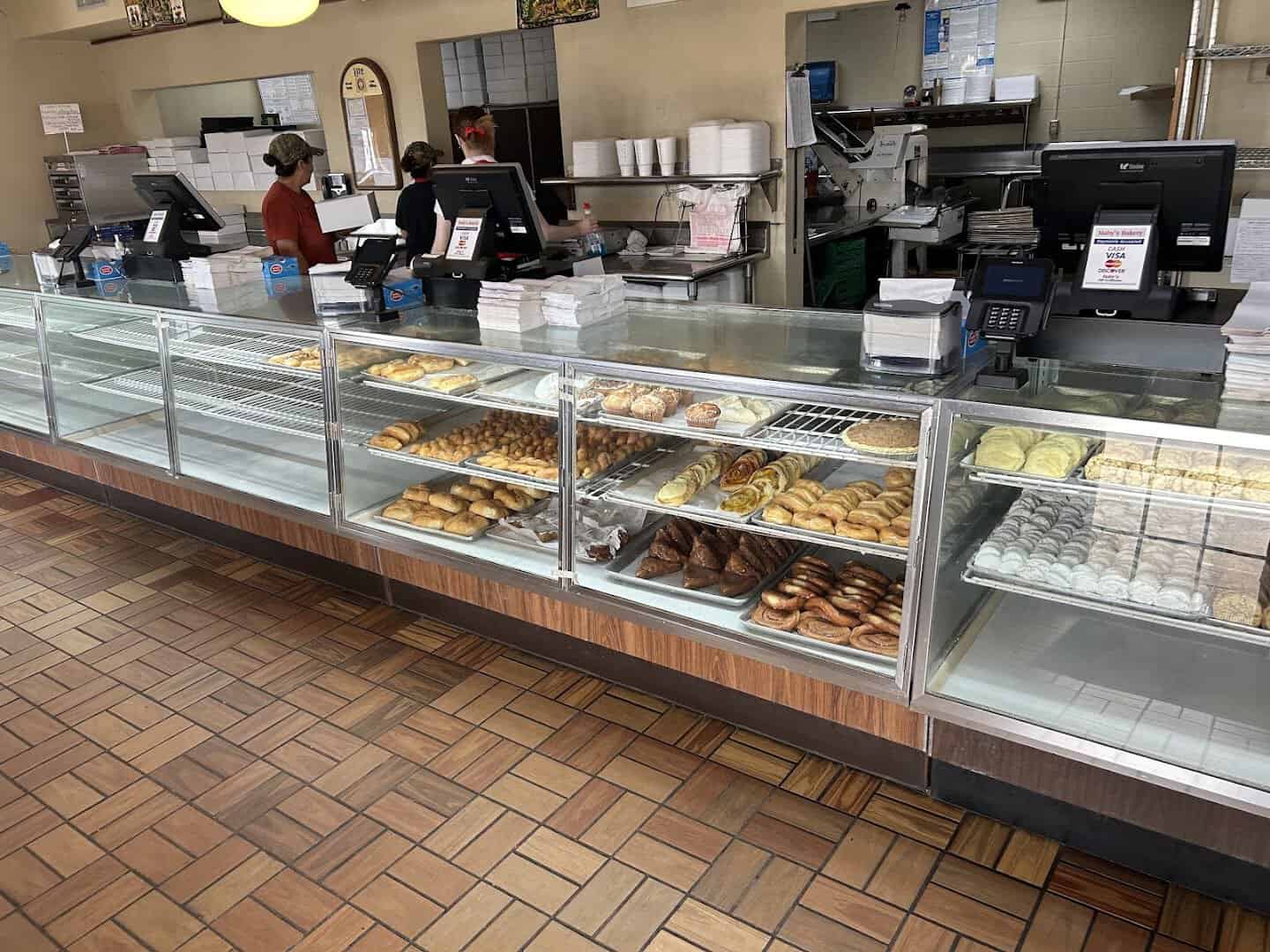
Come at opening and you can smell the yeast and warm sugar before you reach the counter. The cases run long and full, and the choice feels almost unfair. You will change your order twice before you reach the register.
Come at four in the afternoon and you take your chances. The shelves thin out as the day goes, and popular items sell clean through. Pro tip: if you have your heart set on something specific, call ahead and they will set it aside for a morning pickup.
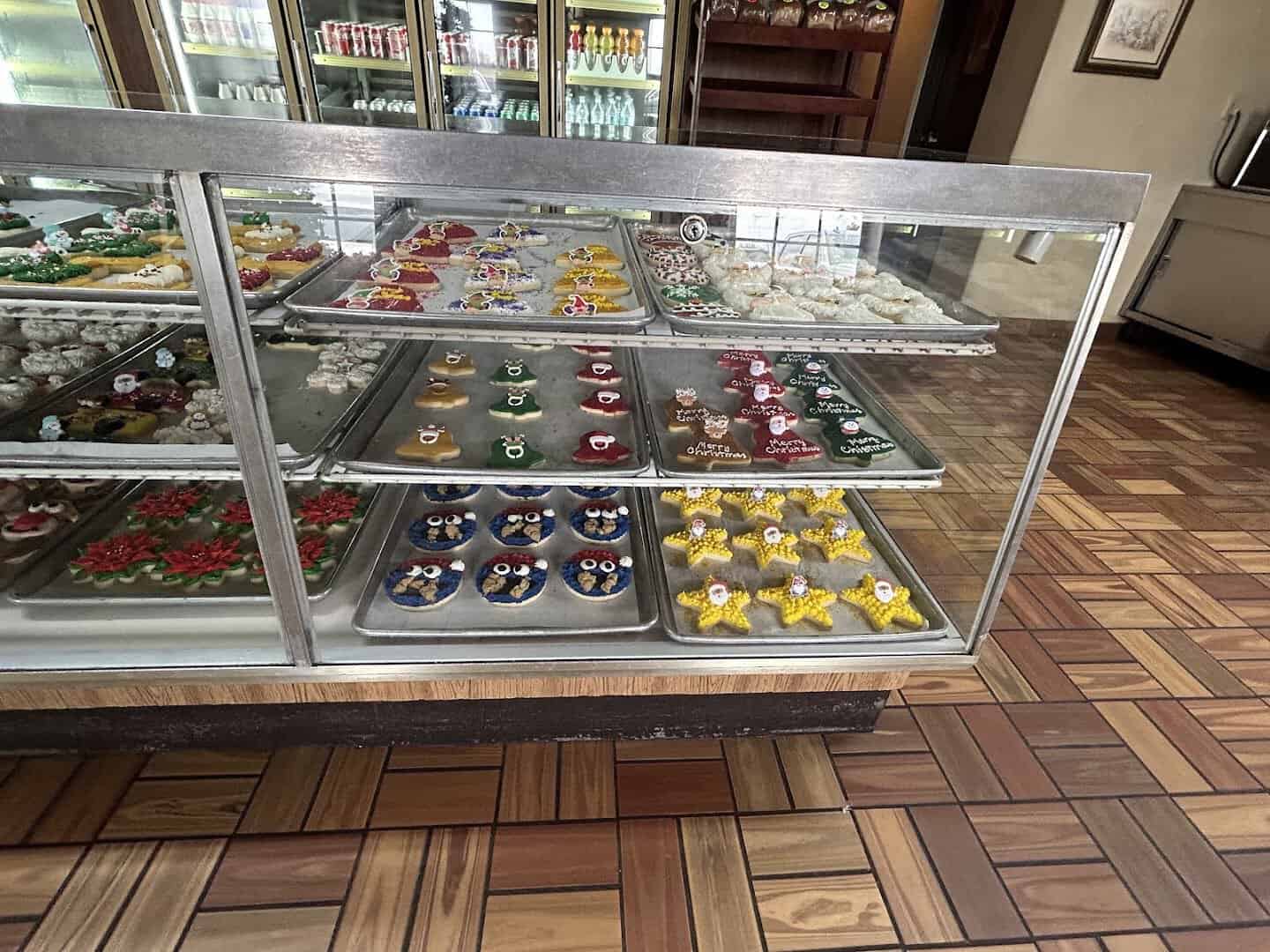
There is a reward for the late crowd, though. Day-old baked goods go out at a discount, and day-old bread here still beats fresh bread almost anywhere else. Bring cash, take a number, and do not be shy about pointing at things through the glass.
The Alsatian Bakes That Made the Name
This is a bakery built on Old World recipes, and the ones worth the drive carry names most Texans cannot pronounce on the first try. That is part of the charm.
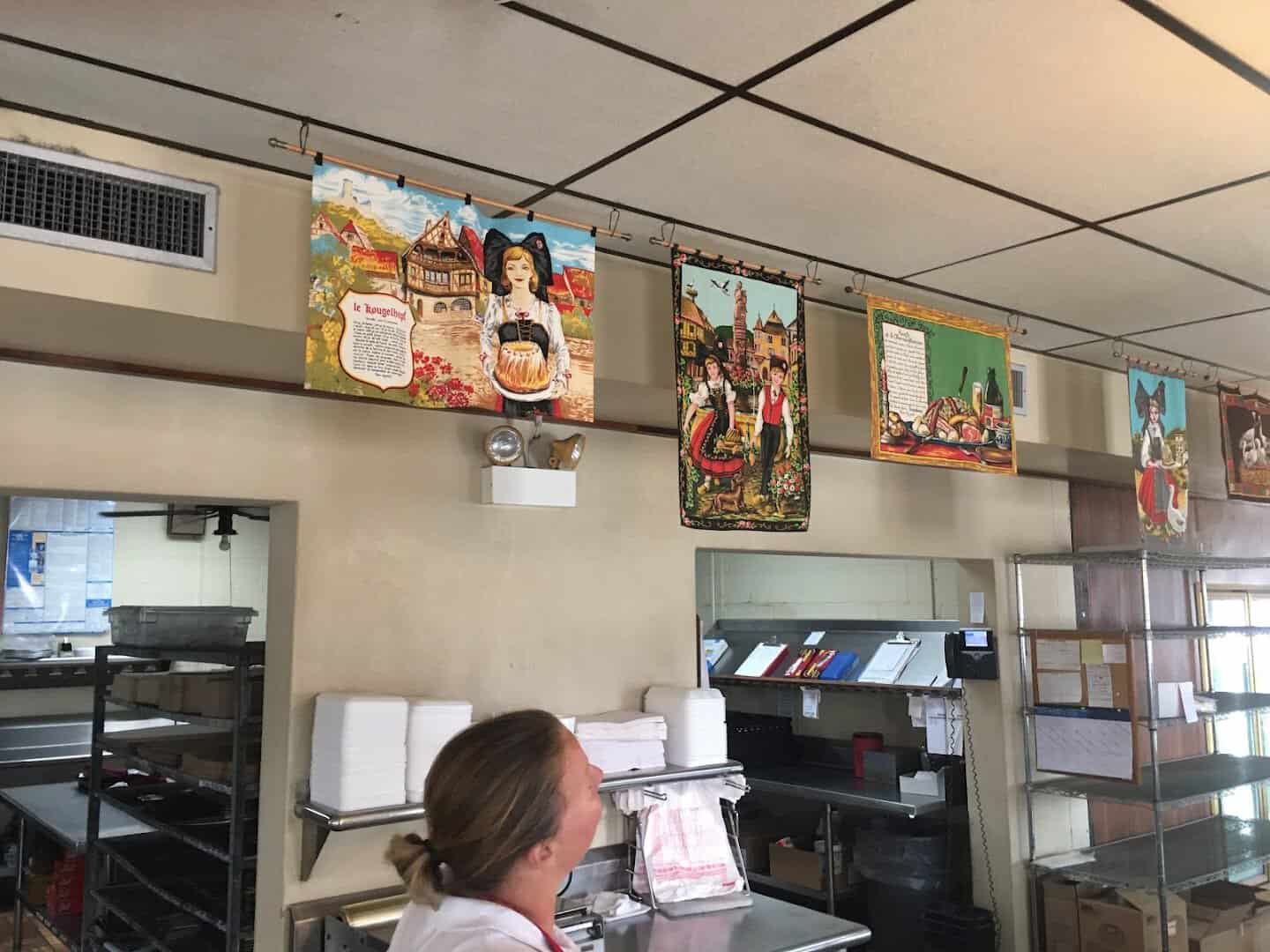
Start with the kugelhopf. It is a ring-shaped breakfast cake, not too sweet, studded and dusted and meant to be sliced and eaten with butter and a little jelly. In Alsace it is a Sunday-morning staple. Here it sits in the case like it belongs, because it does.
Then there is the stollen, a dense fruited bread that shows up on European tables around the holidays. At this bakery they bake them small, about the size of a hamburger bun, so you can take one home without committing to a loaf the size of a football.
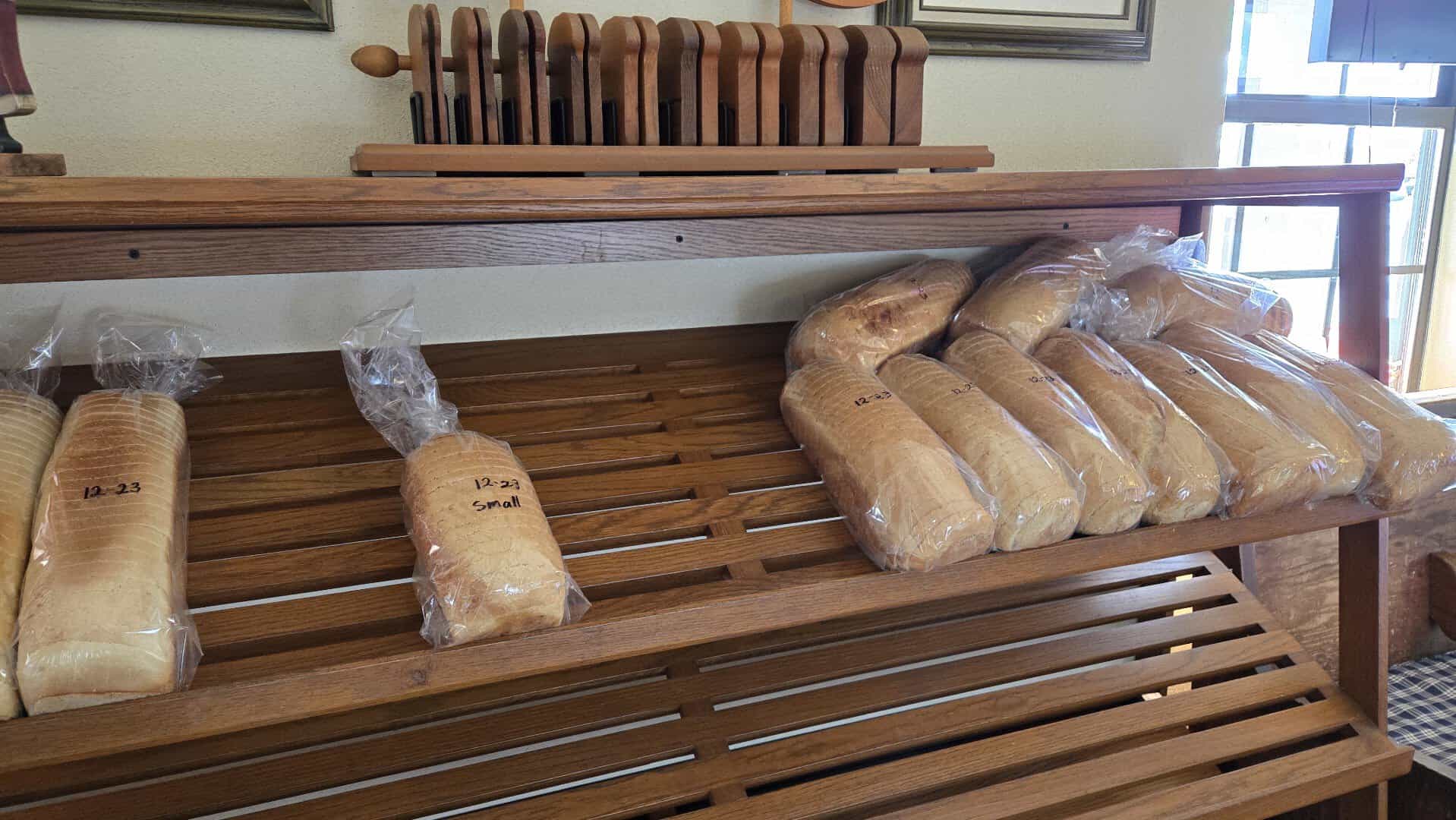
The French bread is the quiet star. It comes from an old family recipe, made by hand, with a crackling crust and a soft inside that turns an ordinary sandwich into an event. One longtime customer summed the whole place up in four words: “You can count on them.”
Save room for the coffee cakes and the strudels too. They are the kind of thing you buy “to share” and then finish alone in the car before you hit the highway. No judgment. It happens to everyone.
What Else to Fill the Box With
Alsatian pastry is the heritage, but the case is far bigger than that, and the everyday bakes are half the reason locals keep coming back.
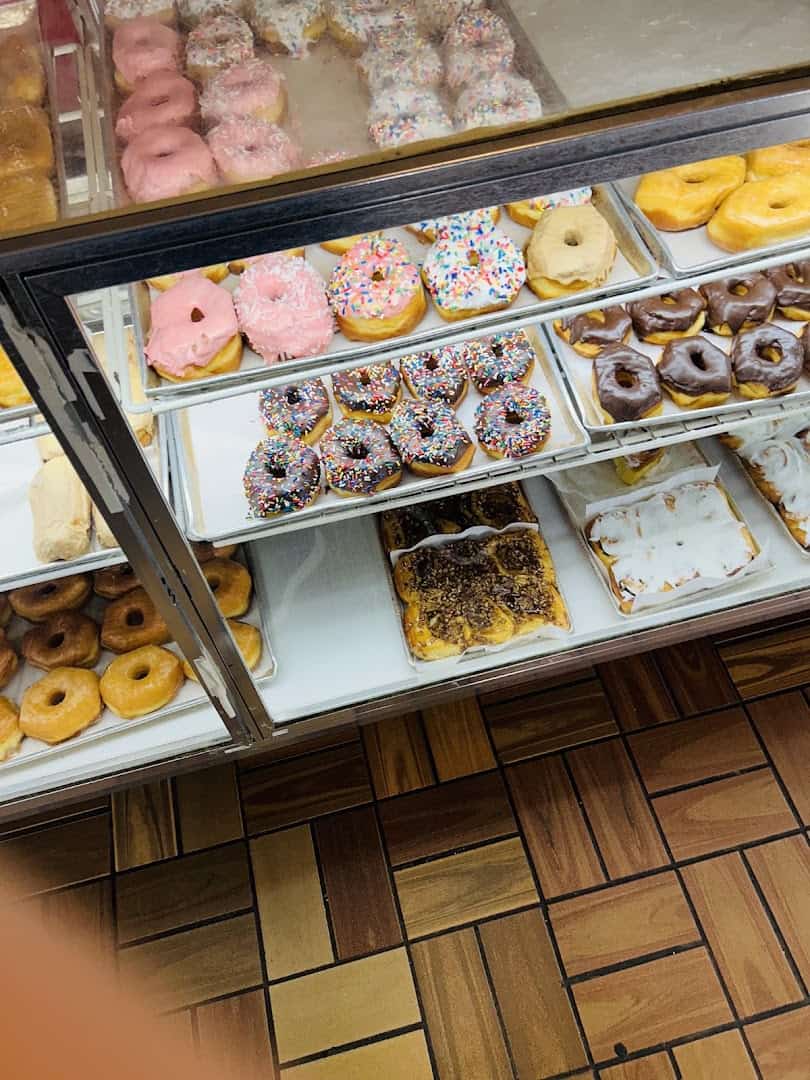
The doughnuts have a real reputation. People who have eaten their way across the state will tell you these are among the best doughnuts in Texas, and they say it with the certainty of folks who do not hand out that title lightly.
What sells them is not a trick. It is the same thing that sells everything else here: they are made fresh that morning, by hand, in small enough batches that nothing sits around going stale. Simple, done right, every single day.
The cinnamon rolls and honey buns come out fresh every morning, big and glossy and pull-apart soft. The cowboy cookies, packed and chewy, have a quiet cult following of their own. And yes, there are kolaches, because this is Texas and a bakery without kolaches would start a small riot.
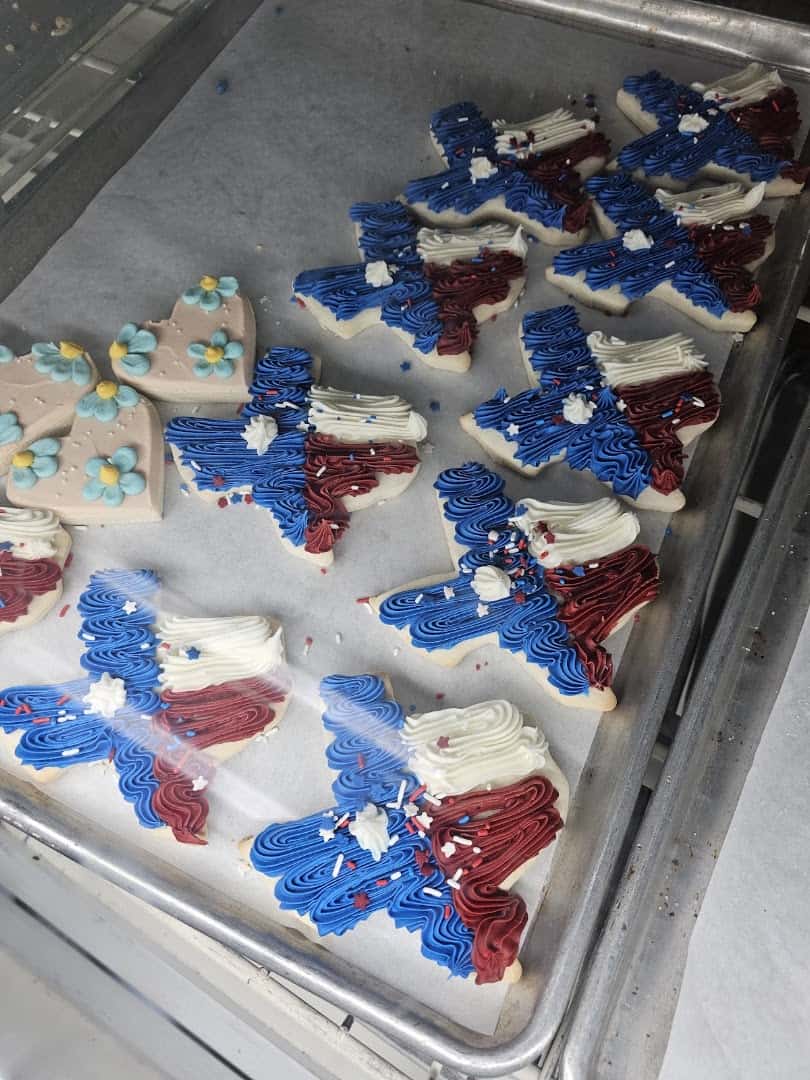
The macaroons deserve a special mention. There are the classic golden coconut ones, and then there is a Turkish version made with dates and chopped pecans that you will not find in many other cases in the state. Order both. Compare. Report back.
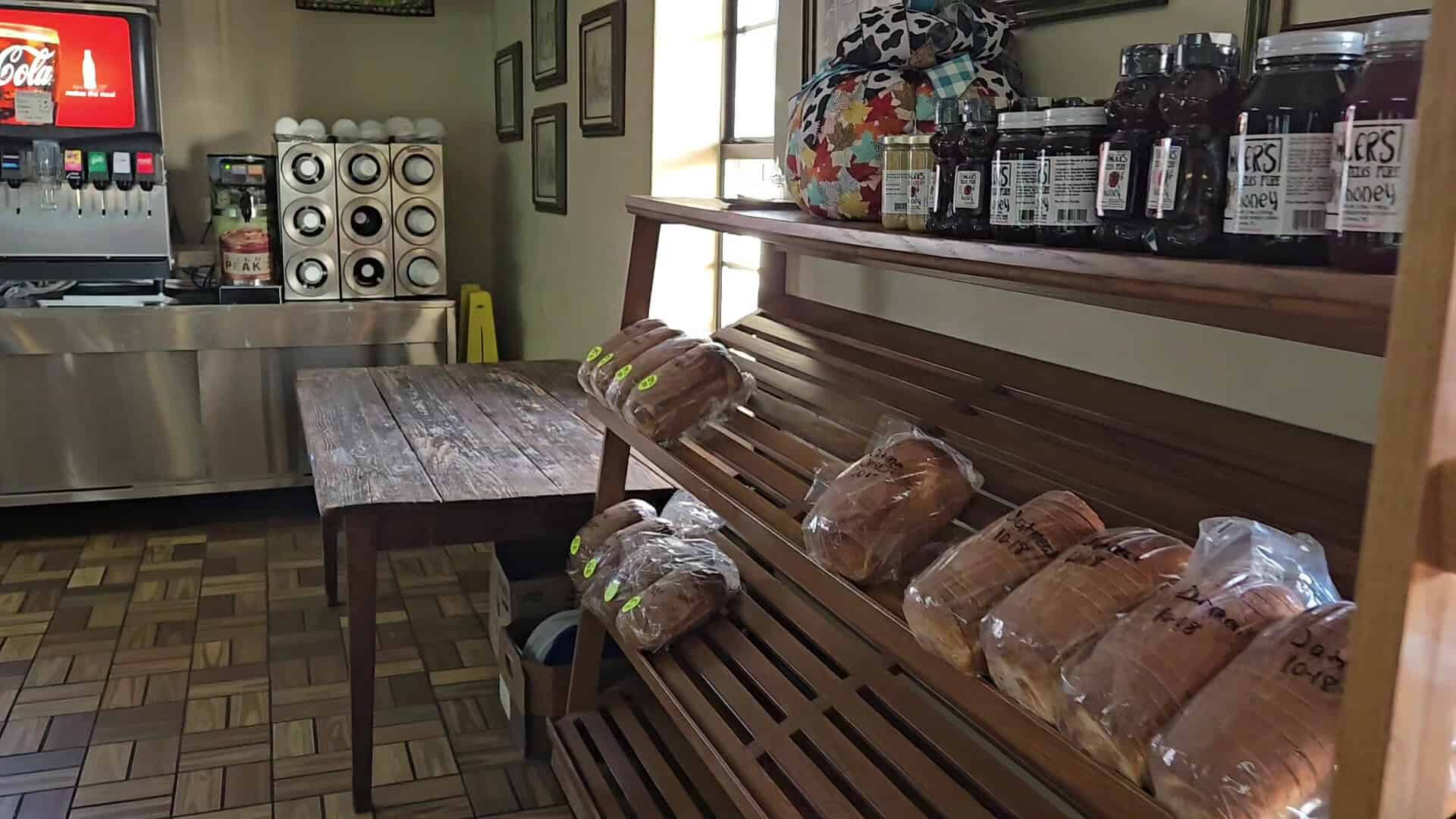
Bread lovers should look past the French loaf too. Rye, pumpernickel, wheat, and a seasonal pumpkin bread all rotate through the shelves, each one made the slow way, and each one gone by the time the afternoon crowd wanders in.
Pies, Wedding Cakes, and a Bread Drink
Weekends are when the case gets serious. Pies show up alongside the pastries, and the coffee cakes come out in the kind of numbers that suggest half the town plans its Sunday around them.
The bakery also handles the big days. Custom cakes are a real part of the business here, from birthday rounds to full wedding tiers, decorated to order for families who have been buying bread from the same counter their whole lives.
To drink, there is more than a pot of plain coffee. A chocolate frappe, an iced coffee, and a house bread drink round things out, so you can grab something cold for the road and a warm loaf for the table in one stop.
Did you know a bakery in a town this size runs its own little economy? Locals order the holiday stollen weeks ahead, and the Christmas rush turns the early-morning line into something close to a reunion.
A Bakery With Three Families’ Fingerprints on It
The story starts in 1940, when a man named Stanley Haby bought a small bakery from a baker named John Gries. Haby put his name over the door, and that name has stayed there through every owner since.
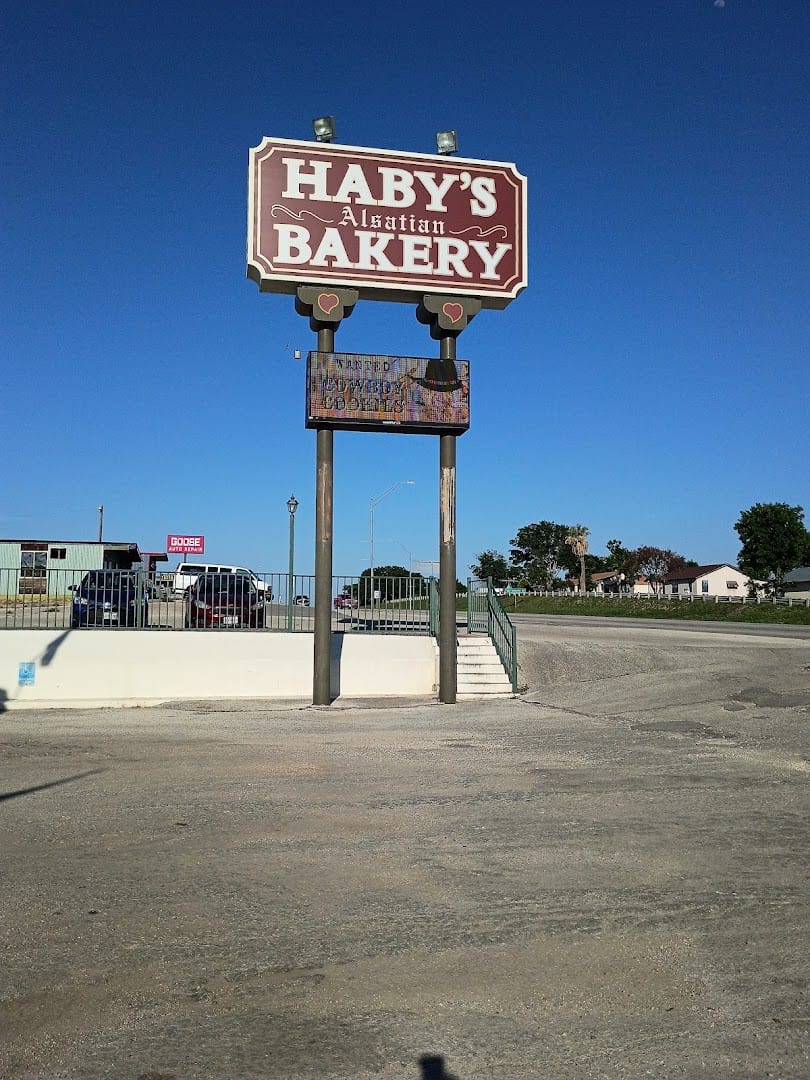
Back then the bakery sat on Fiorella Street, across from Zion Lutheran Church, in the heart of the old town. In 1959 Haby moved it to its current spot on the highway, where it could catch the travelers heading west out of San Antonio.
In 1974 the bakery changed hands again. Sammy and Yvonne Tschirhart bought it and set about growing it. They widened the selection, leaned into the Alsatian roots, and turned a good local bakery into a genuine destination.
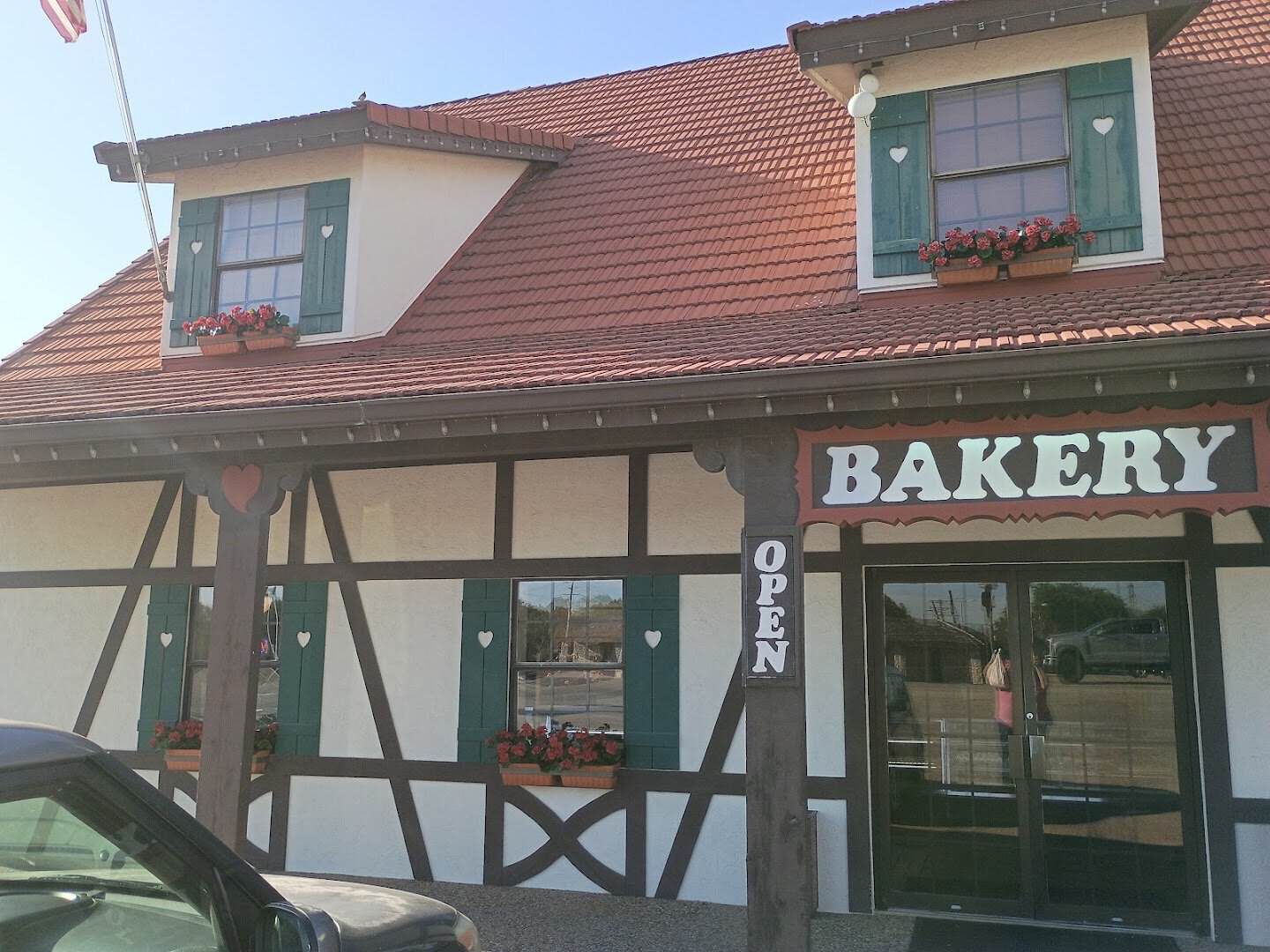
Did you know the building’s storybook look is younger than the recipes inside it? The Tschirharts remodeled in 1983, wrapping the place in the diagonal half-timbered style you see today, a nod to the crooked-beamed cottages of eastern France. The recipes are old. The pretty walls came later.
The company still runs under the Tschirhart family name, which means the people minding the ovens are keeping a promise that stretches back to the year before Pearl Harbor. That kind of continuity is rare, and it tastes like it.
Why This Town Bakes Like Eastern France
To understand the bakery you have to understand the town, because a place this specific does not appear out of nowhere.
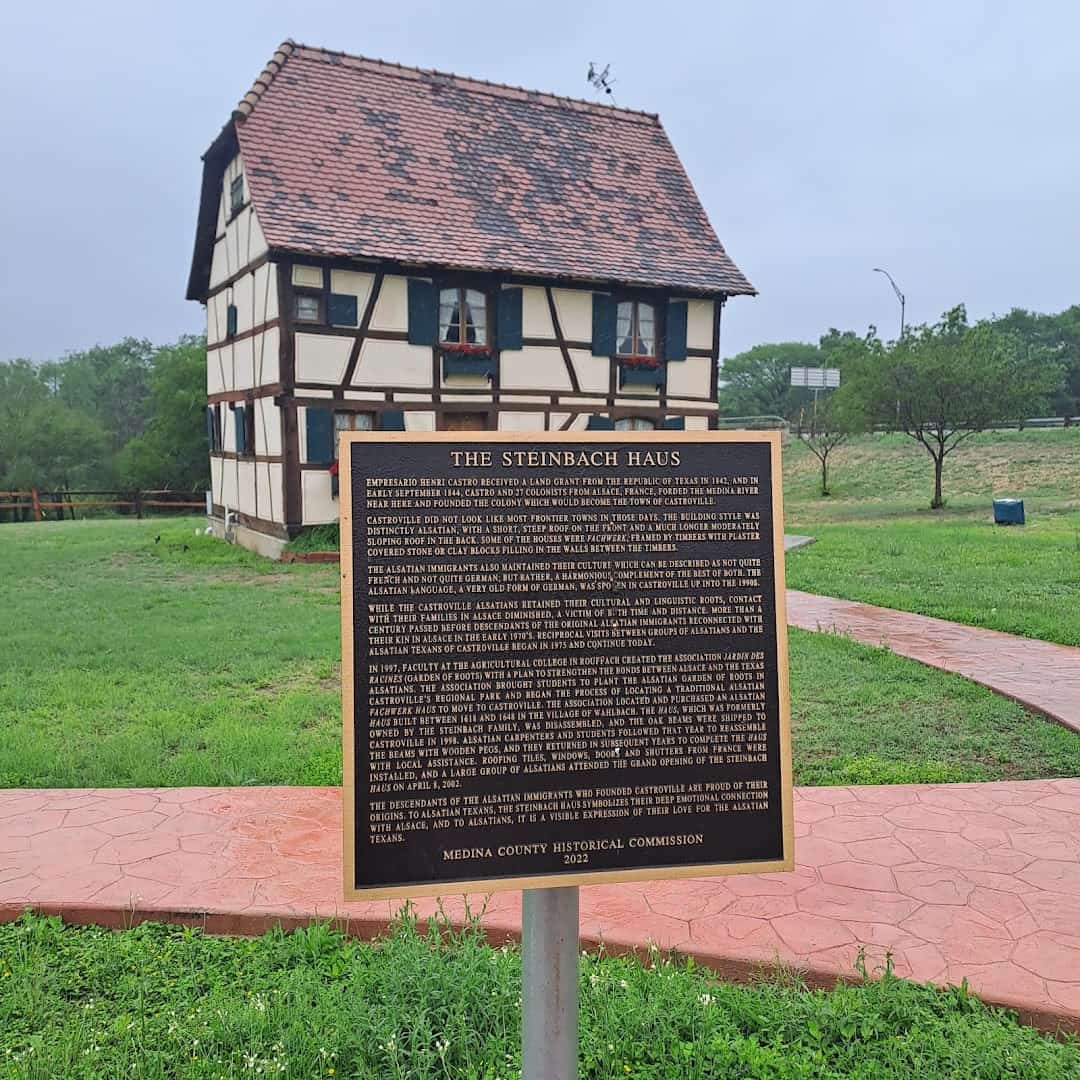
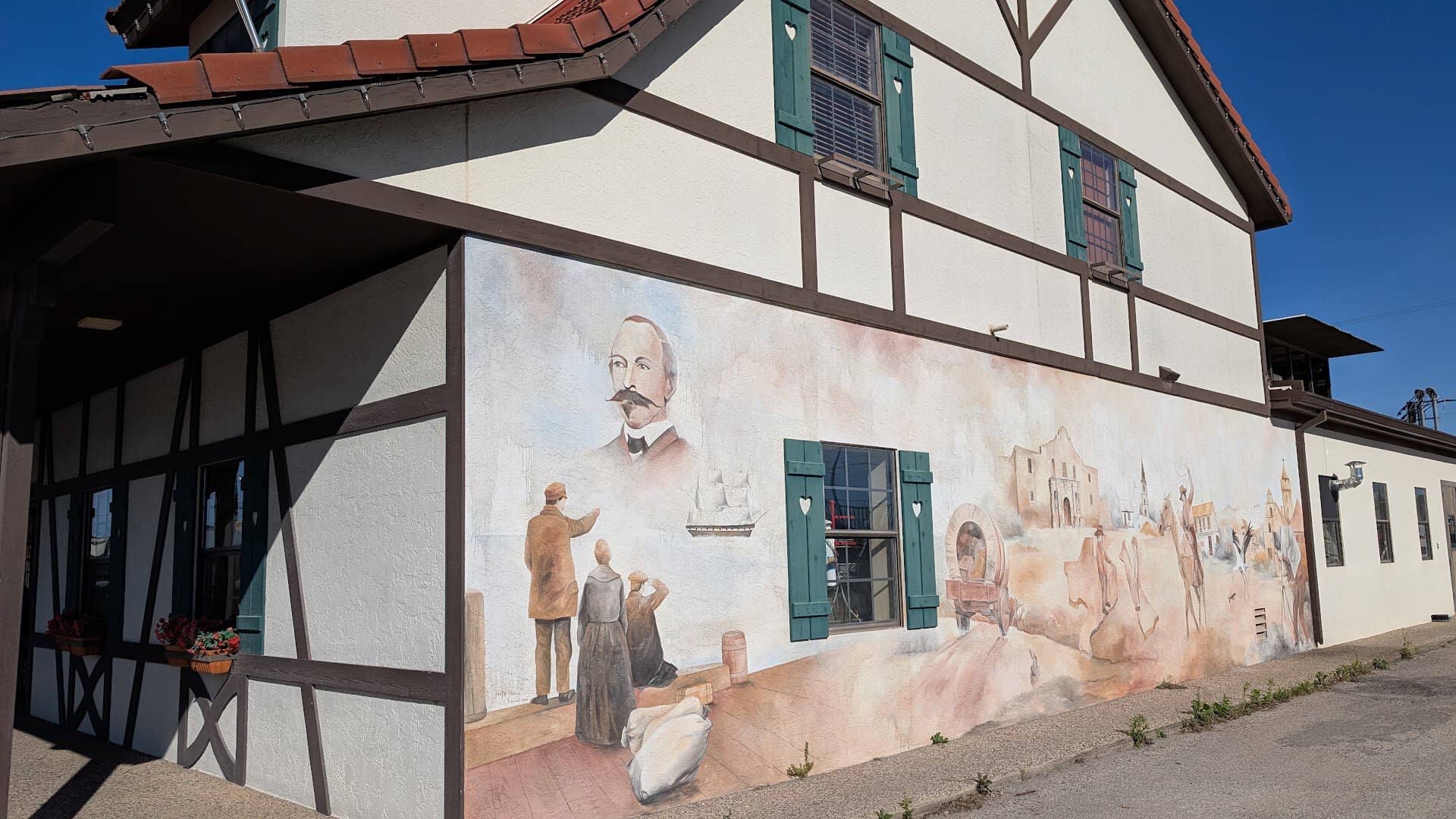
The town was founded in 1844 by a man named Henri Castro, an empresario who recruited settlers to fill a stretch of vacant Texas land. Most of the families who answered came from Alsace, the borderland between France and Germany.
That is a place where the food, the language, and the rooflines all sit somewhere between the two countries. The settlers packed that in-between identity into their trunks and carried it across an ocean to the banks of the Medina River.
They brought that in-between culture with them and never fully let it go. For years the older residents spoke Alsatian, a Germanic dialect you would struggle to hear anywhere else in the United States. A handful still do.
You can read the heritage in the architecture. Steep mansard roofs, wooden shutters, and fachwerk cottages of lime plaster and rough native stone line the older streets. The whole place looks like a slice of the old country dropped onto the South Texas prairie.
Dozens of those early buildings still stand, which is part of why the town wears the nickname Little Alsace of Texas. Walk a block off the highway and the strip malls fall away, replaced by tidy stone homes that would not look out of place in a village near Strasbourg.
The connection is not just sentimental. The people of the original Alsatian town gifted a two-and-a-half-story timbered house to the community. It was taken apart, shipped across the ocean, and rebuilt here by craftspeople from both sides in 1998. It now serves as the visitors center.
The bakery is the edible version of all that. When you bite into a kugelhopf here, you are tasting a tradition that crossed an ocean in 1844 and simply refused to fade.
Make a Morning of It
The bakery is easy to fold into a bigger day out. The town is small, walkable, and packed with antique shops, historic homes, and that gifted Alsatian house standing in for a proper museum.
Whether you live down the road or you are just passing through on your way west, the move is the same. Come hungry, come early, and come with a plan to buy more than you think you need.
The staff are warm and the coffee is cheap. On a slow morning you can sit with a kugelhopf and a chocolate frappe and pretend, for an hour, that you are on the other side of the Atlantic.
Few day trips out of San Antonio deliver that for the price of breakfast. Pair it with a wander through the old streets, a stop at the visitors center, and an antique shop or two, and you have a full morning that costs almost nothing.
How to Get There
The bakery sits right on the old highway on the eastern edge of town, an easy half-hour drive west from downtown San Antonio and a natural first stop on any Hill Country loop.
Where: 207 US Highway 90 East, Castroville, TX 78009. Open Monday through Saturday, 5 a.m. to 7 p.m., closed Sundays and major holidays.
Start Planning Your Little Alsace Breakfast Run
Some Texas food is loud and smoky and made for a crowd. This is the opposite. It is quiet, careful, generational work, the kind that only survives when a family decides it is worth surviving.
So set your alarm early, point your car west, and grab a French loaf, a kugelhopf, and a dozen doughnuts before they are gone. Just try to make it home with any of it still in your box. You have earned the drive.
Featured image: Amy T via Haby’s Alsatian Bakery

Stella Raines
Editor-in-Chief
Stella brings over a decade of storytelling experience to TX Headlines. With roots in West Texas and a love for road trips, she leads the editorial team with an eye for the hidden stories that make Texas unforgettable.
More Stories
This Old-Fashioned Texas Restaurant Serves Home Cooking That Tastes Just Like Grandma’s
This Nostalgic Texas Cafe Keeps Regulars Coming Back for Its Chicken Fried Steak and Fried Catfish
This Old-World Texas Butcher Shop Has Been Making Handmade German Sausages and Schnitzel Since 1961
This Hill Country Market Is Packed With Hundreds of Texas-Made Salsas, Jams, and Sauces
Tags