This Mountaintop Texas Observatory Lets You See Planets and Distant Galaxies Up Close
The first time I got far enough from a city to see the Milky Way as an actual textured band rather than a rumor, I stood there feeling like I owed the sky an apology.
All those years I had written it off as mostly empty, and here it was, crowded and bright and quietly enormous.
Nobody warns you how much a genuinely dark sky hands you all at once. There is a place in West Texas built for exactly that overload.
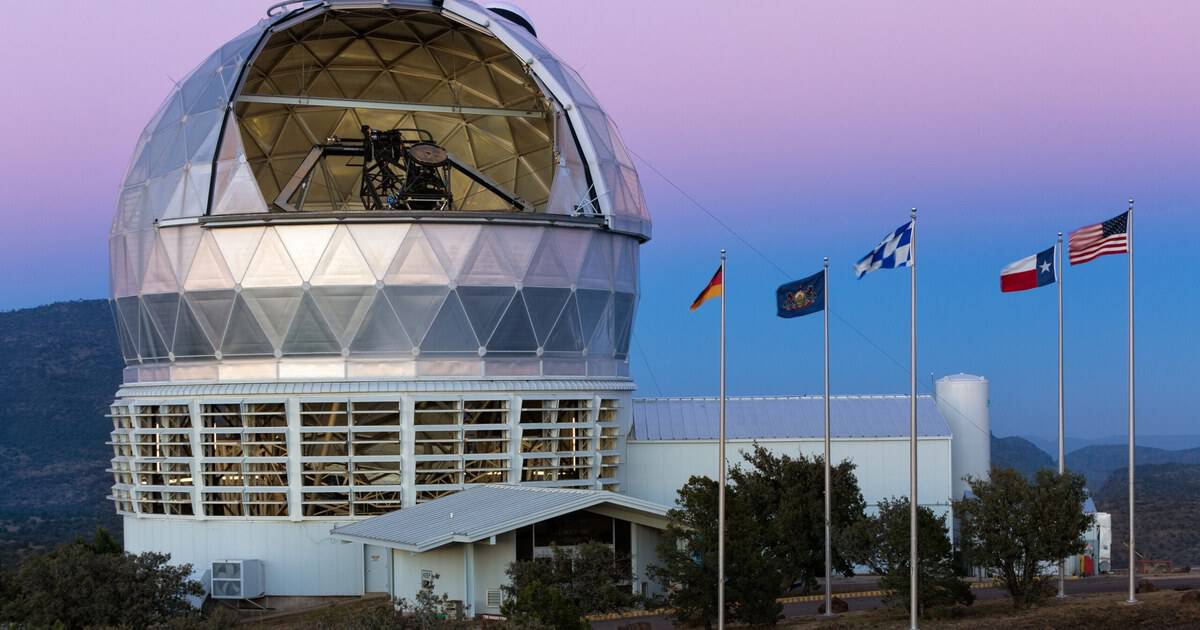
Perched on a mountaintop in the Davis Mountains, this observatory gives ordinary visitors the kind of up-close cosmos that used to belong only to astronomers with grant money.
Below, I will walk you through the star parties, the giant research telescopes, the surprisingly good daytime programs, and how to plan a trip that ends with Saturn’s rings floating in front of your own eye.
What Actually Happens at a Star Party
The star party is the reason most people make the drive, and it earns the reputation. It runs on Tuesday, Friday, and Saturday evenings, and it starts before full dark with an open-air tour of the sky itself.
A guide stands under the opening night sky and walks the crowd through the constellations overhead, tracing the shapes with a laser so you can actually follow along. It is the part that turns a random scatter of dots into a map you can read.
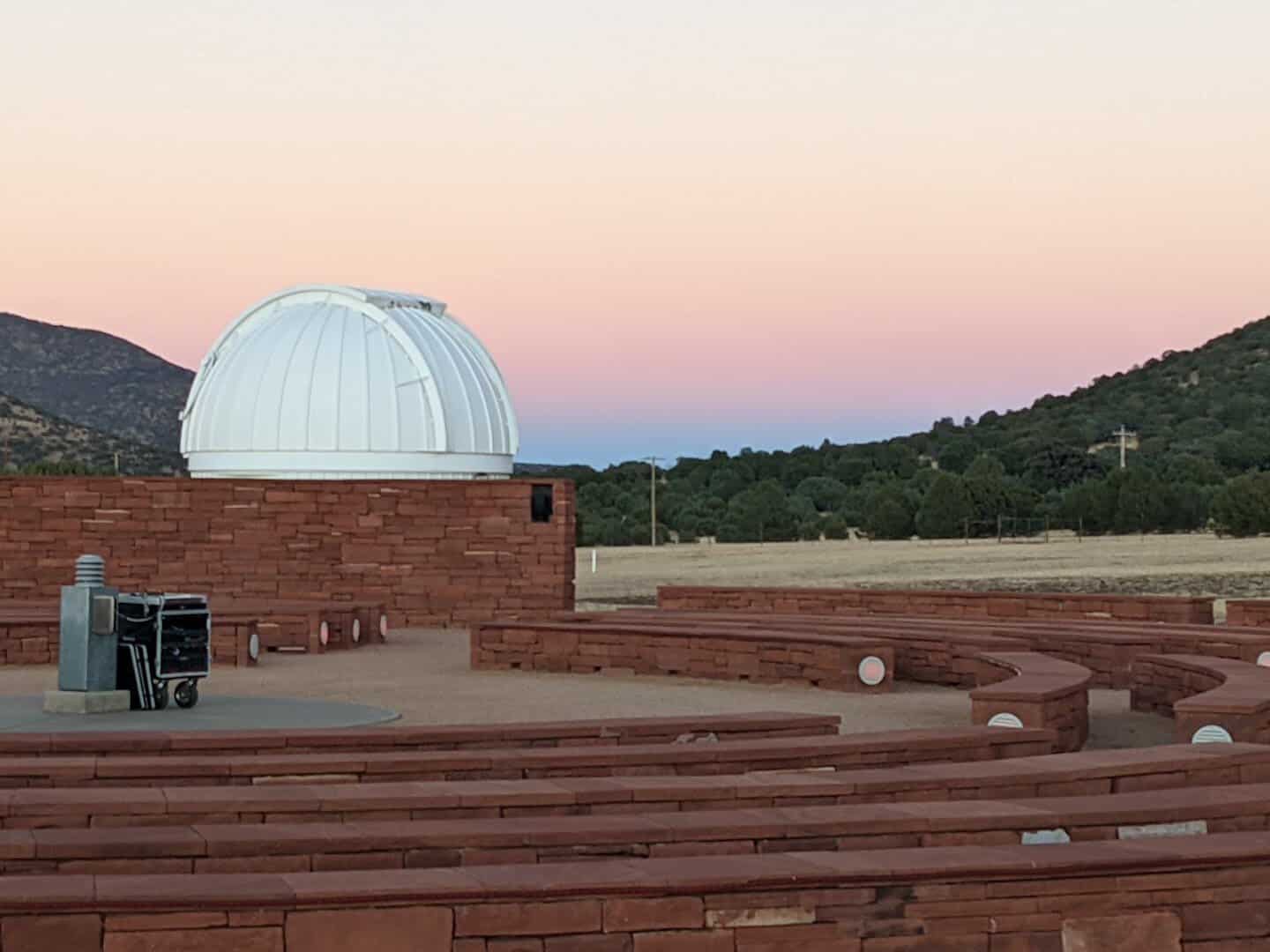
Then the telescopes take over. The Public Observatory lines up several large telescopes, each pointed at something different, and you move from one to the next in the dark.
One eyepiece holds Saturn, its rings clearly separated from the planet. Another catches the cloud bands striping Jupiter, or the craters crawling along the edge of the Moon.
Point one at deep space and the view changes character entirely. Star clusters resolve into hundreds of pinpoints. Nebulae glow as soft smudges of gas. A faraway galaxy shows up as a faint oval of light that left home millions of years before you were born.
The best part is that everyone reacts the same way. Grown adults gasp at a ring they have seen in a hundred photographs, because seeing it live, wobbling slightly in real air, is a completely different thing. Kids press their faces to the eyepiece and refuse to move.
The staff are the quiet secret of the whole thing. They are genuinely thrilled to be there, and they explain what you are seeing without ever making you feel small for not knowing it. Ask a beginner question and you get an answer, not a lecture.
Telescopes That See Far Deeper Than Your Eyes Ever Could
The public telescopes are only half the story. This is a working research observatory, run by the University of Texas at Austin, and daytime guided tours take you up the mountain to stand beside the instruments doing the real science.
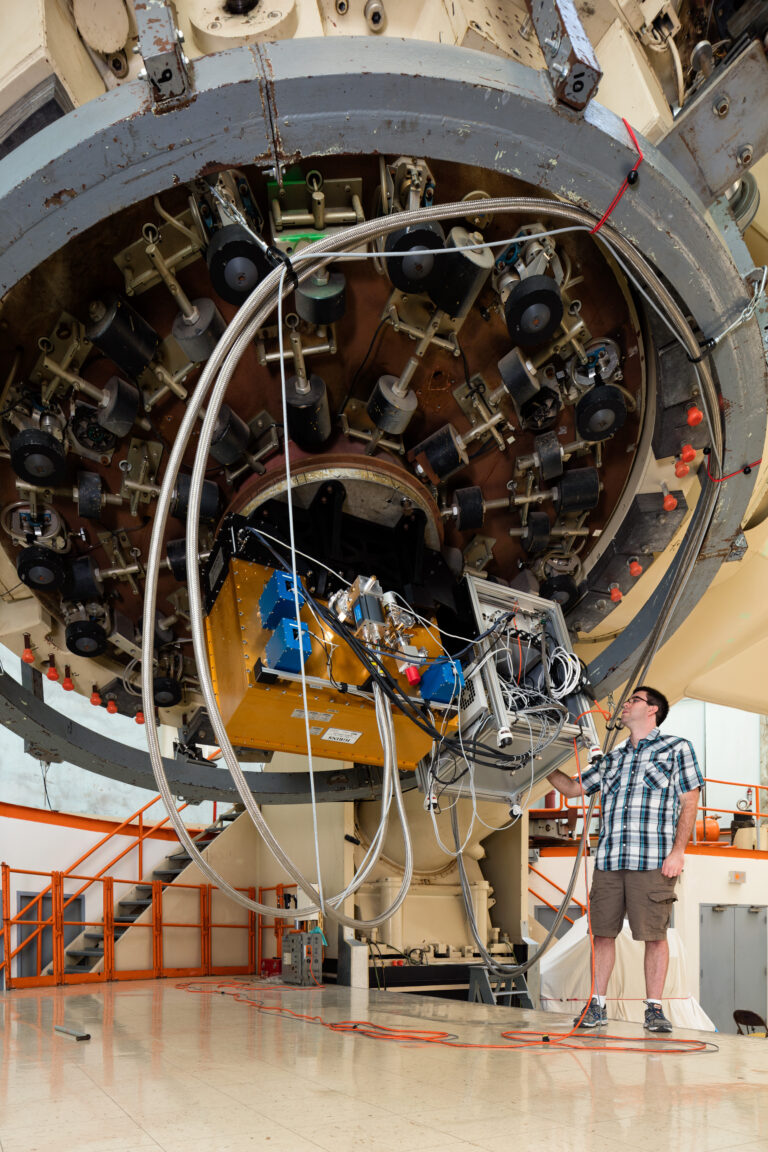
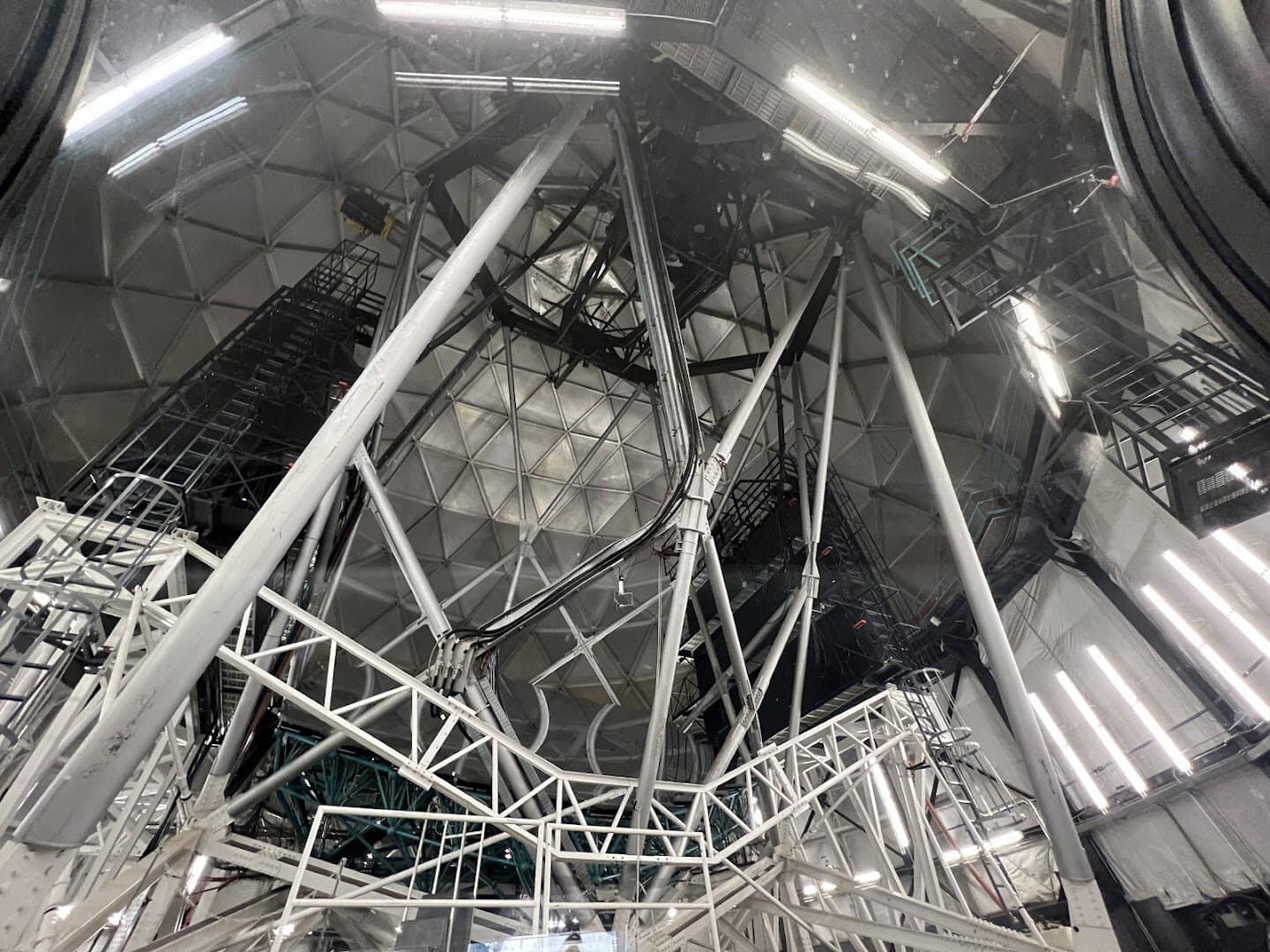
The headline machine is the Hobby-Eberly Telescope. Its mirror is close to ten meters across, roughly thirty-two feet of light-gathering glass built from dozens of hexagonal segments, which ranks it among the largest optical telescopes on Earth.
It is also delightfully odd. Instead of tilting up and down like a backyard scope, its mirror sits locked at a fixed angle while a tracker rides above it to follow the sky. That clever design let engineers build something enormous for a fraction of the usual cost.
What it does with all that glass is the wild part. The Hobby-Eberly is the heart of a survey mapping dark energy, the mysterious force pushing the universe apart.
It has gathered light from more than a million galaxies sitting nine to eleven billion light-years away, building the largest map of the early universe anyone has ever made.
Did you know the light landing in that mirror tonight left those galaxies before the Sun and Earth even existed? Looking through these instruments is a form of time travel, and the guides lean into that idea rather than dodging it.
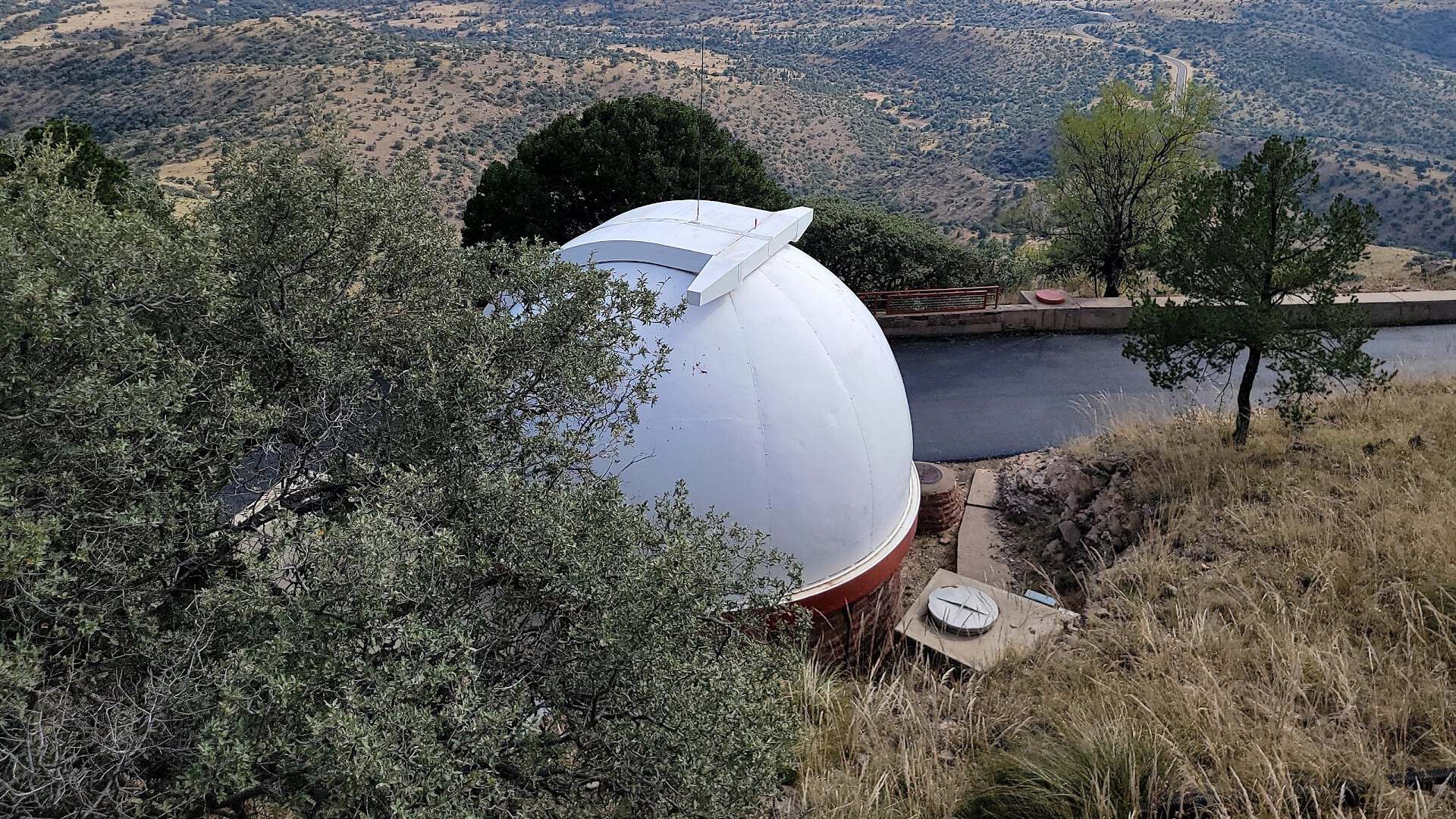
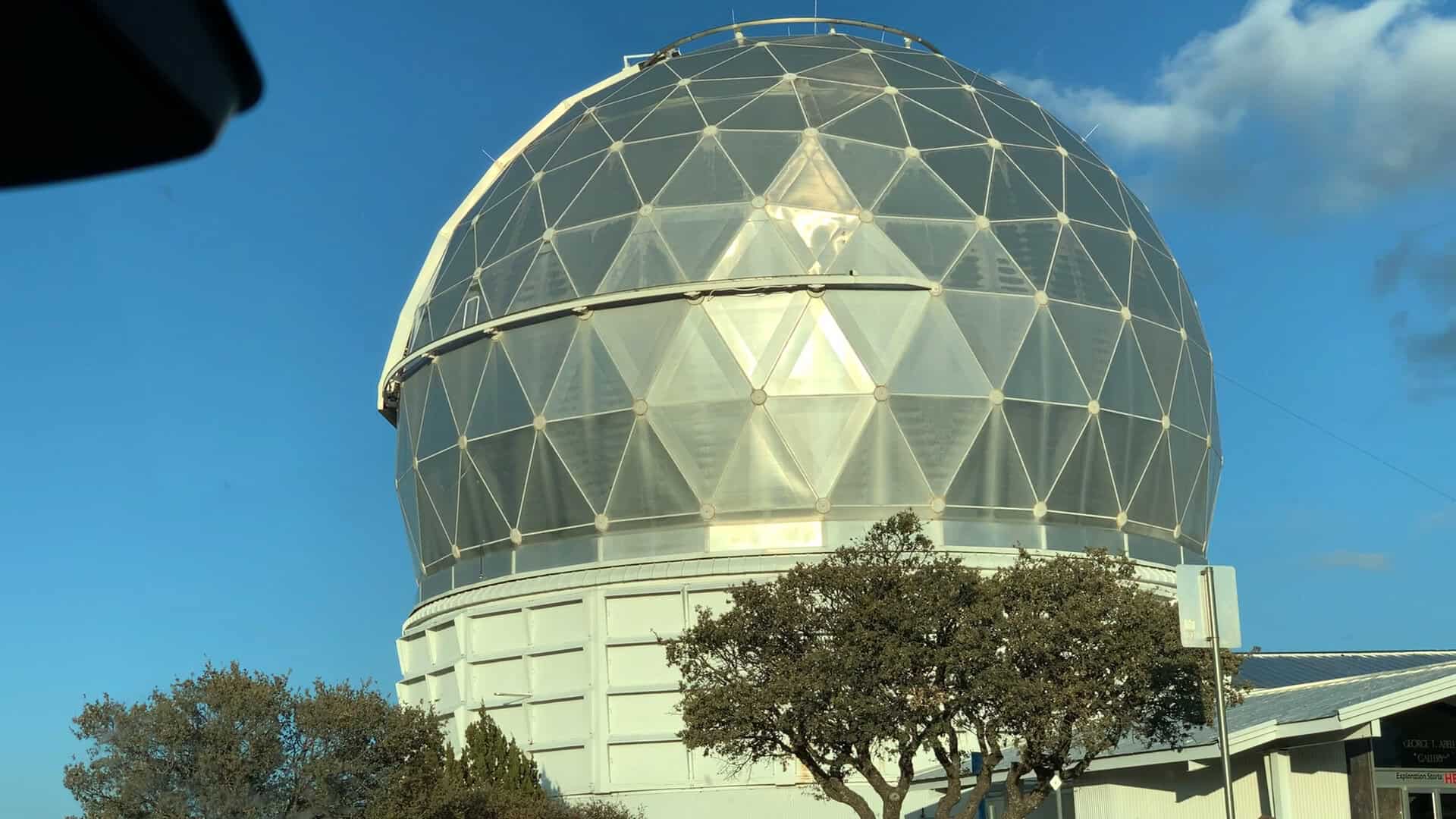
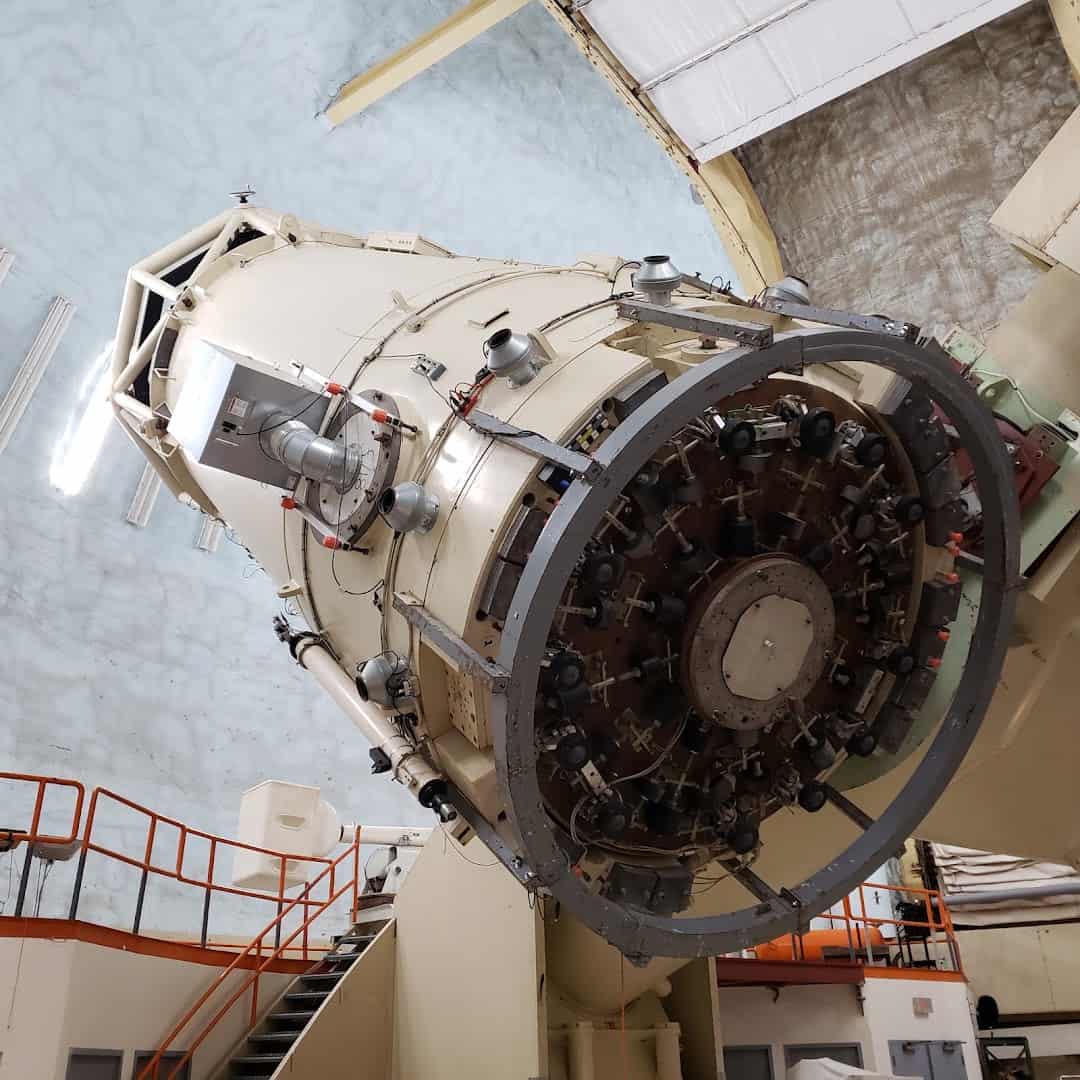
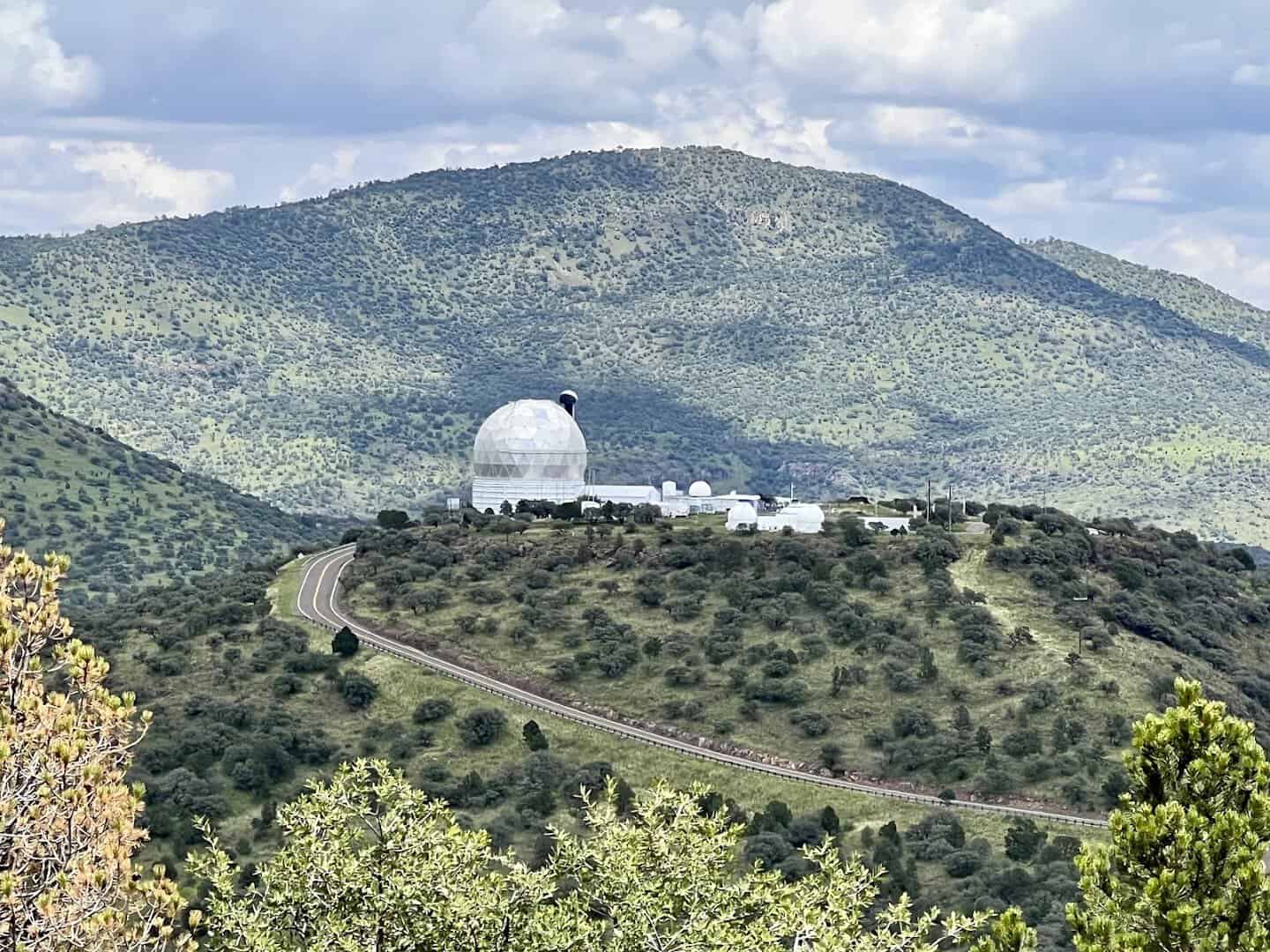
Nearby stands the Harlan J. Smith Telescope, a 107-inch giant finished in 1968 that was the third largest in the world when it opened. Its white dome is a landmark you can spot from the road winding up the mountain.
Come for the Sun, Not Just the Stars
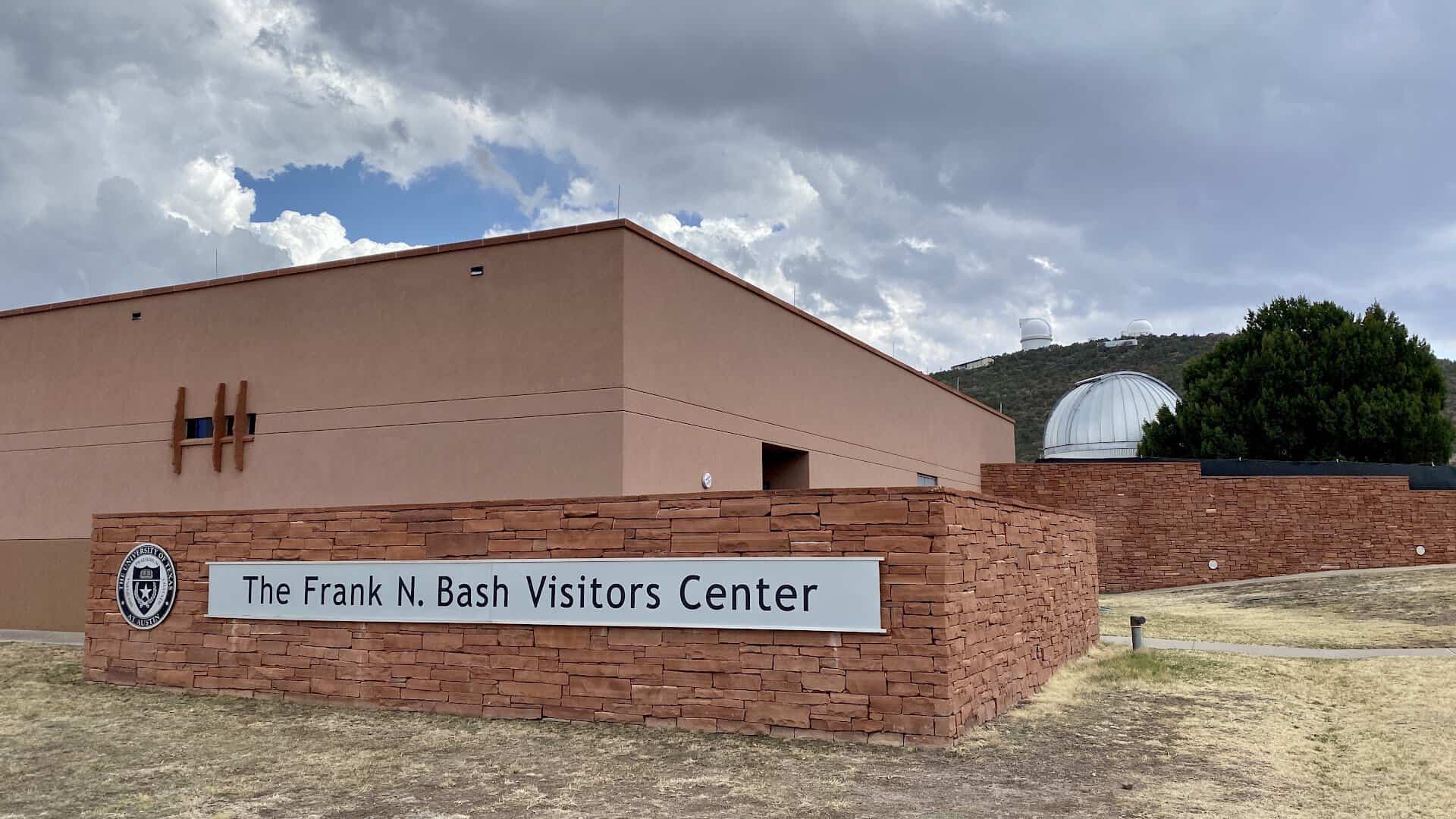
Here is the part first-timers miss: the observatory is worth a visit in broad daylight. The Frank N. Bash Visitors Center anchors the daytime experience, with a theater, hands-on science exhibits, a gift shop, and the StarDate Cafe for when the mountain air makes you hungry.
The theater program is a genuinely good primer. A guide runs you through what is happening in the sky that week, so by the time you are standing at a telescope after dark you actually know what you are hoping to find.
The daytime solar viewing is a small thrill of its own. Using specially filtered telescopes that make it safe to look, guides show you the surface of the Sun, sometimes with prominences of plasma arcing off its edge.
It is our closest star, and you rarely get to really look at it. Seeing a sunspot with your own eye, live rather than in a photo, rearranges how you think about the thing you squint away from every afternoon.
Guided tours of the research domes run in the afternoon, so you can see the big telescopes up close before returning for a star party after dark. Pairing a daytime tour with an evening program is the move that makes the long drive pay off twice.
A Sky So Dark It Feels Like a Different Planet
What makes all of this possible is the sky above the Davis Mountains, one of the darkest stretches left in the continental United States. There simply are not enough cities out here to wash the stars out.
In 2022 the surrounding region was certified as the Greater Big Bend International Dark Sky Reserve, more than 15,000 square miles of protected night, the largest such reserve in the world at the time. The observatory helped lead the effort, because dark skies are its working equipment.
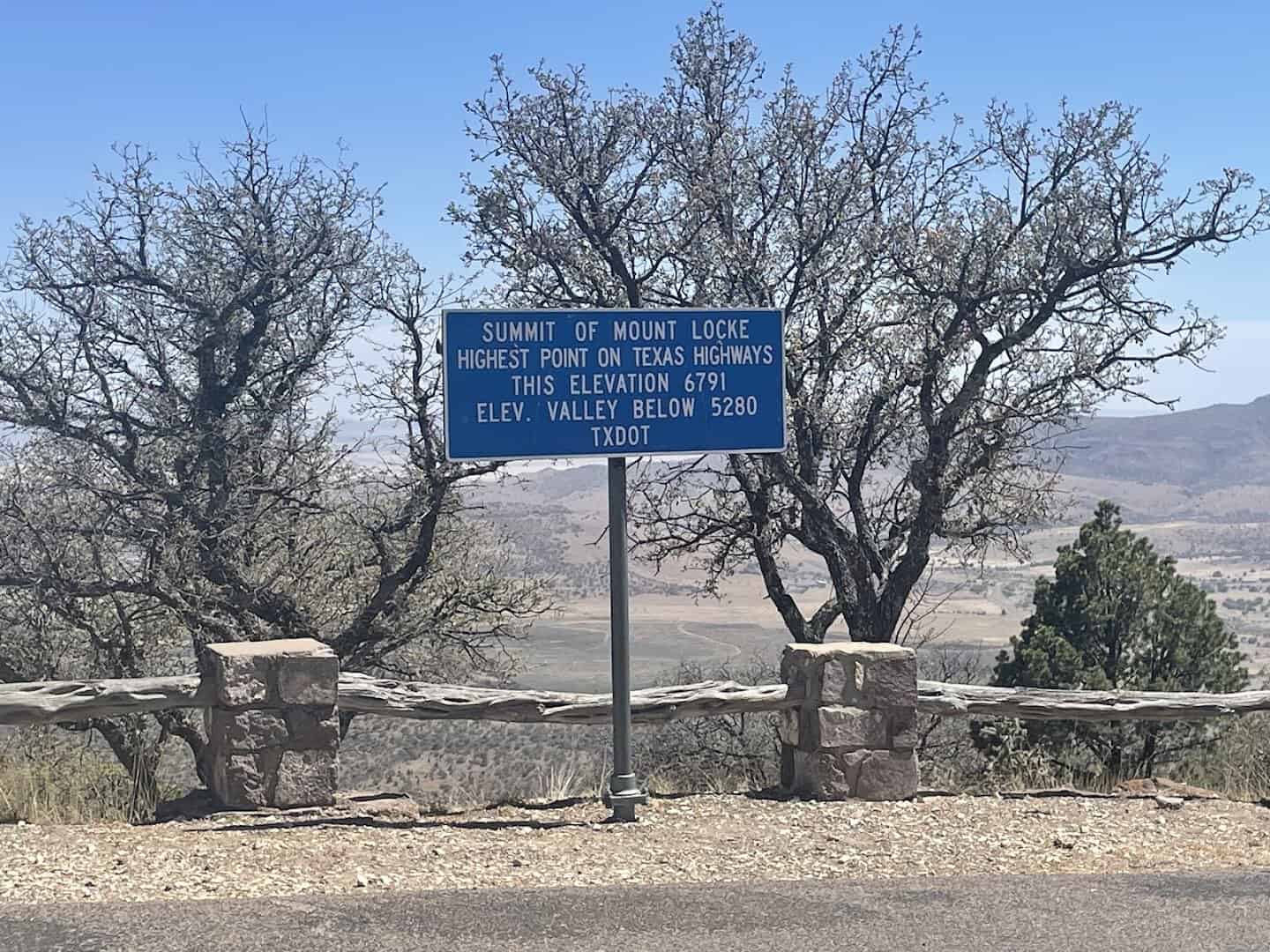
The domes sit high, too. They crown Mount Locke and neighboring Mount Fowlkes, and the road up Mount Locke climbs to nearly 6,800 feet, some of the highest ground the Texas highway system reaches. Thin, clear mountain air is exactly what a telescope wants.
On a good night the Milky Way stretches from one horizon to the other, thick enough to throw the faintest shadow. It is the kind of view that quietly reorders your sense of scale.
How a Paris Banker’s Fortune Landed on a Mountaintop
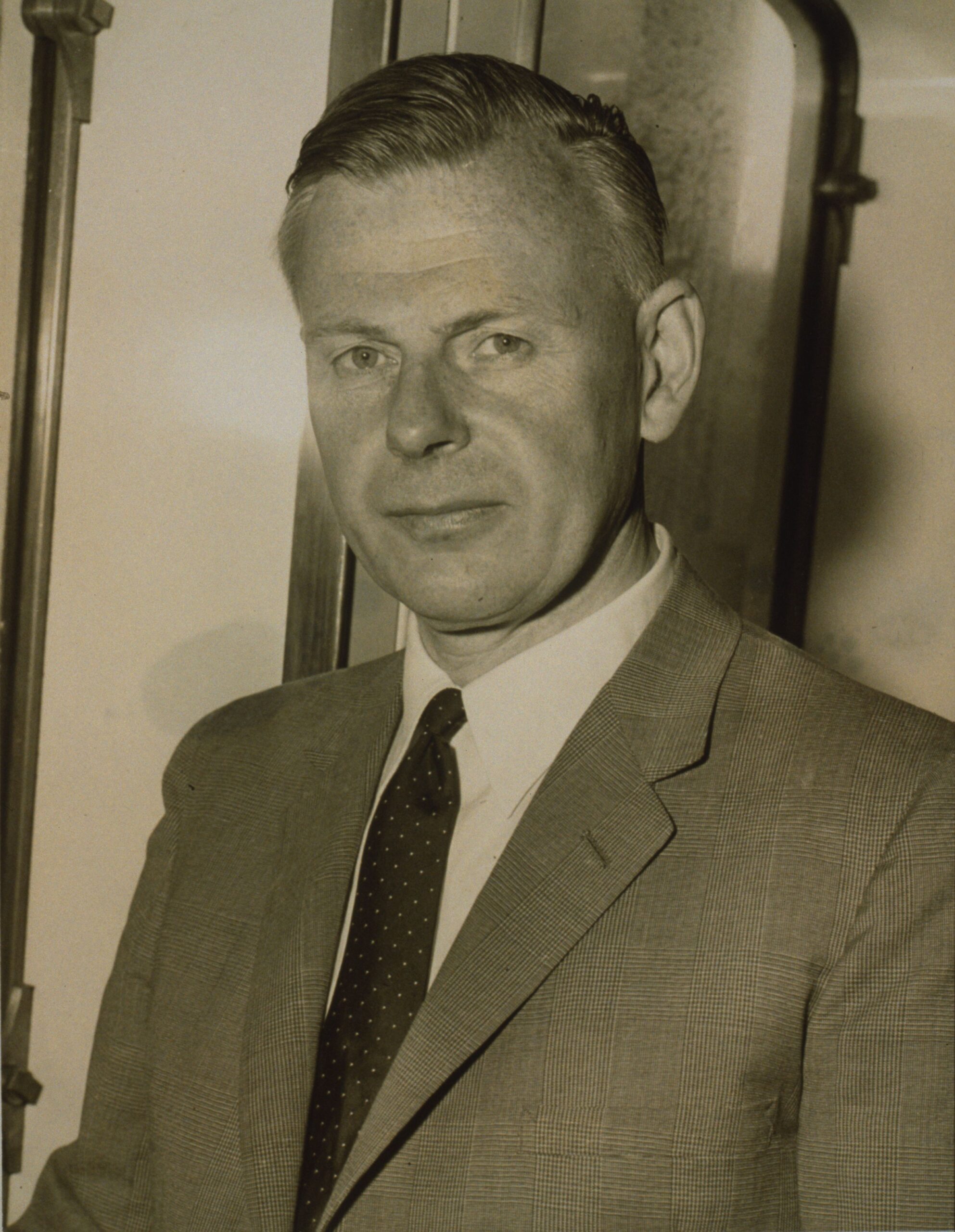
The whole thing began with a will. William Johnson McDonald was a banker in Paris, Texas, with a lifelong fascination for the stars. When he died in 1926, he left the bulk of his fortune to the University of Texas to build an astronomical observatory.
His relatives were, to put it kindly, surprised. After the legal dust settled, the university came away with around 850,000 dollars, a staggering sum at the time, earmarked to erect and equip an observatory for the study of astronomical science.
Texas had the money but not the mountain, so the university partnered with the University of Chicago, which had the astronomers. They chose the remote Davis Mountains for their dark skies and got to work in the depths of the Great Depression.
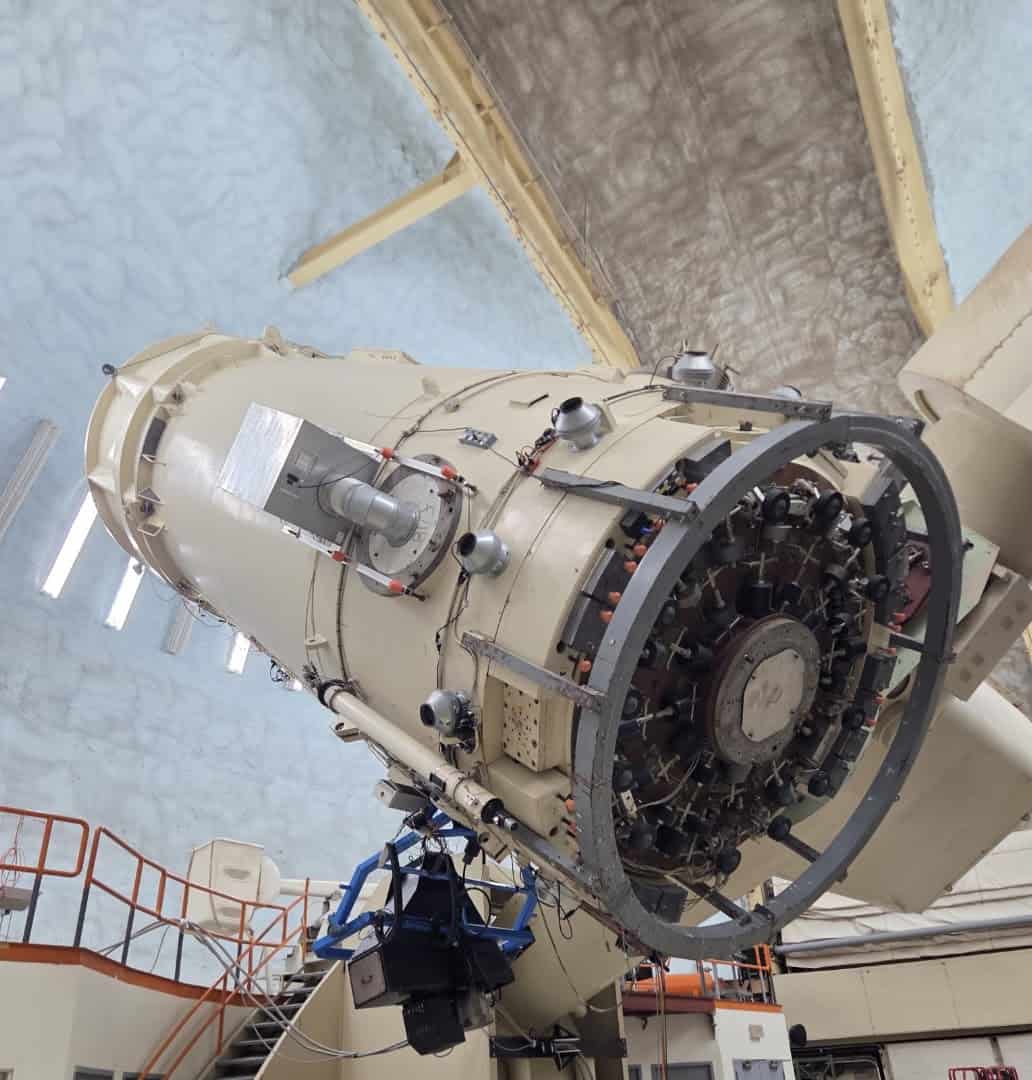
The first telescope, an 82-inch giant, was dedicated on May 5, 1939, in front of many of the greatest astronomers of the day. At that moment it was the second-largest telescope in the world.
It was later named for Otto Struve, the observatory’s first director, and it still sits on Mount Locke today. From that single dome the outpost grew, adding the 107-inch telescope in the 1960s and the Hobby-Eberly in the 1990s.
Along the way the mountaintop became its own tiny community. Astronomers needed somewhere to sleep between long nights at the eyepiece, so residences and a lodge went up on the mountain, and the place turned into a working village of people who keep vampire hours by choice.
Not bad for a bequest a banker’s family never saw coming.
Before You Point the Car West
A few honest logistics will save your trip. This is real West Texas remoteness, several hours from San Antonio or Dallas, so plan to stay overnight nearby rather than trying to round-trip it in a day.
Book your star party tickets in advance, especially for weekend evenings, because the programs are popular and space is limited. Reserving a few weeks ahead is the safe play.
Pro tip: dress for a mountain, not for Texas. Even after a hot afternoon, the temperature drops hard once the sun goes down at altitude, and standing still in the dark for a couple of hours gets cold fast. Bring layers you think you will not need.
Ticket prices are refreshingly modest and vary by program. Daytime general admission runs only about $3, and solar viewing and the guided dome tours cost a few dollars each.
The evening star parties run a bit more, in the range of $10 to $25 depending on the night and your age. Check the current schedule and rates when you book.
If you want a longer, quieter look through one of the larger telescopes, ask about the special viewing nights, which put small groups on the bigger instruments for a couple of hours.
How to Get There
Give yourself time for the approach. The drive threads through the Davis Mountains on one of the prettiest stretches of road in Texas, past the historic town of Fort Davis and up switchbacks that open onto long desert views. It sets the mood before you ever reach a dome.
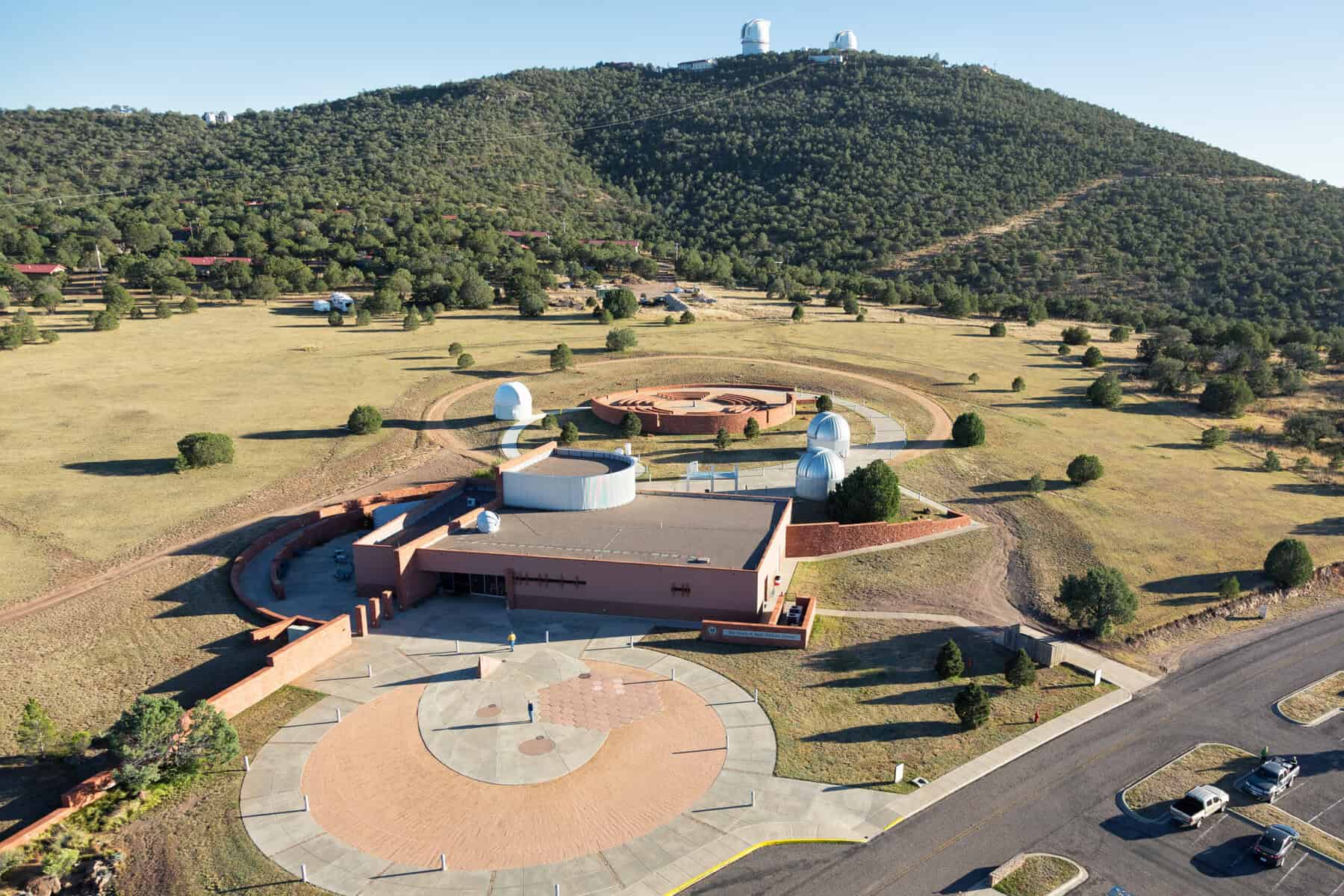
The observatory sits about sixteen miles northwest of the town of Fort Davis, up a mountain road that is worth the drive on its own. The visitors center is open Tuesday through Saturday in the afternoons, with evening star parties on select nights.
Where: McDonald Observatory, 3640 Dark Sky Drive, Fort Davis, TX 79734
Go See a Galaxy With Your Own Eyes
We spend most of our lives under a sky we can barely see, and it is easy to forget how much is up there waiting for us. A single clear night on this mountain fixes that in a hurry, and it tends to stick with you long after.
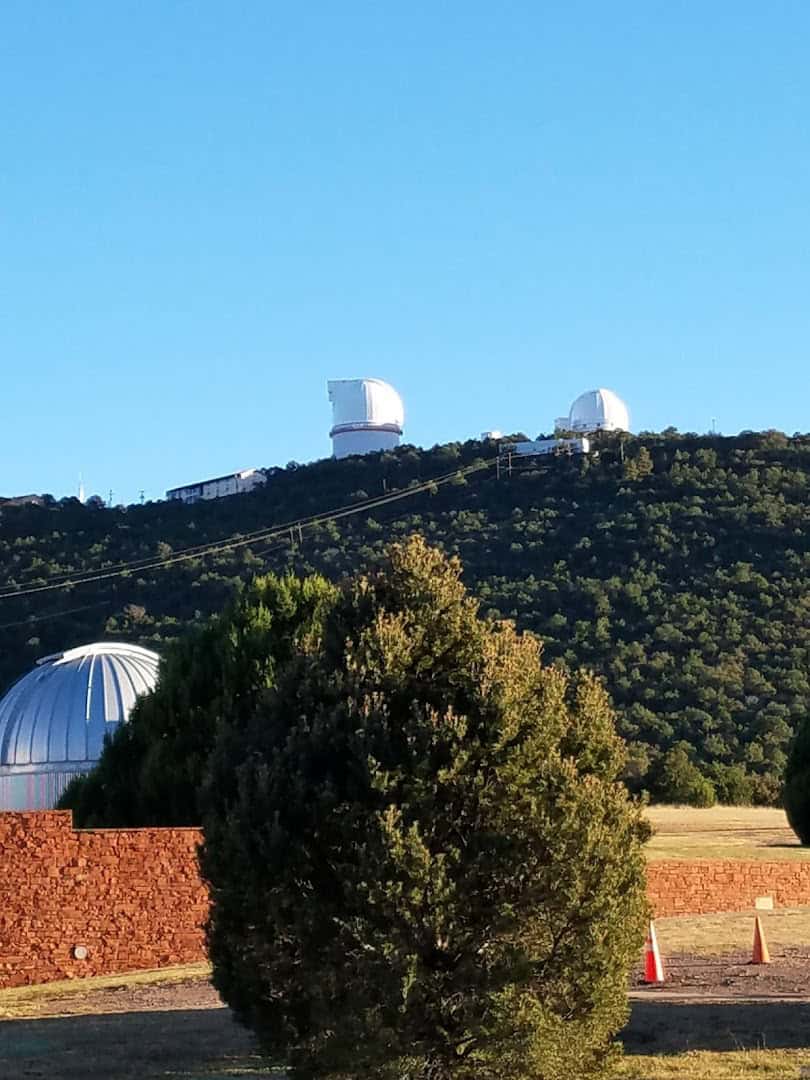
Fill up the tank, pack a jacket, book your spot at a star party, and point the car toward the Davis Mountains.
Whether you are a lifelong stargazer or you have never looked through anything bigger than binoculars, you will drive home having seen the rings of a planet and the glow of a galaxy with nothing between you and the universe but a lens and a very dark Texas sky.
Featured image: @ McDonald Observatory

Stella Raines
Editor-in-Chief
Stella brings over a decade of storytelling experience to TX Headlines. With roots in West Texas and a love for road trips, she leads the editorial team with an eye for the hidden stories that make Texas unforgettable.
More Stories

This Giant Crystal Lagoon Near Houston Feels Like a Caribbean Beach Vacation Without Leaving Texas

This Sprawling Texas Antiques Fair Feels Like an Entire City of Vendors

10 Giant Texas Thrift Stores Where $25 Still Fills a Cart

This Colossal Texas Used Bookstore Is the Kind of Place You Can Lose a Whole Afternoon
Tags