This Quiet Texas Garden Is So Magical You’ll Never Forget Your First Visit
I have a rule about Texas: the best places tend not to shout. No giant sign off the interstate, no line out the door. You have to know they are there, or get lucky, or follow a friend who swears the drive is worth it.
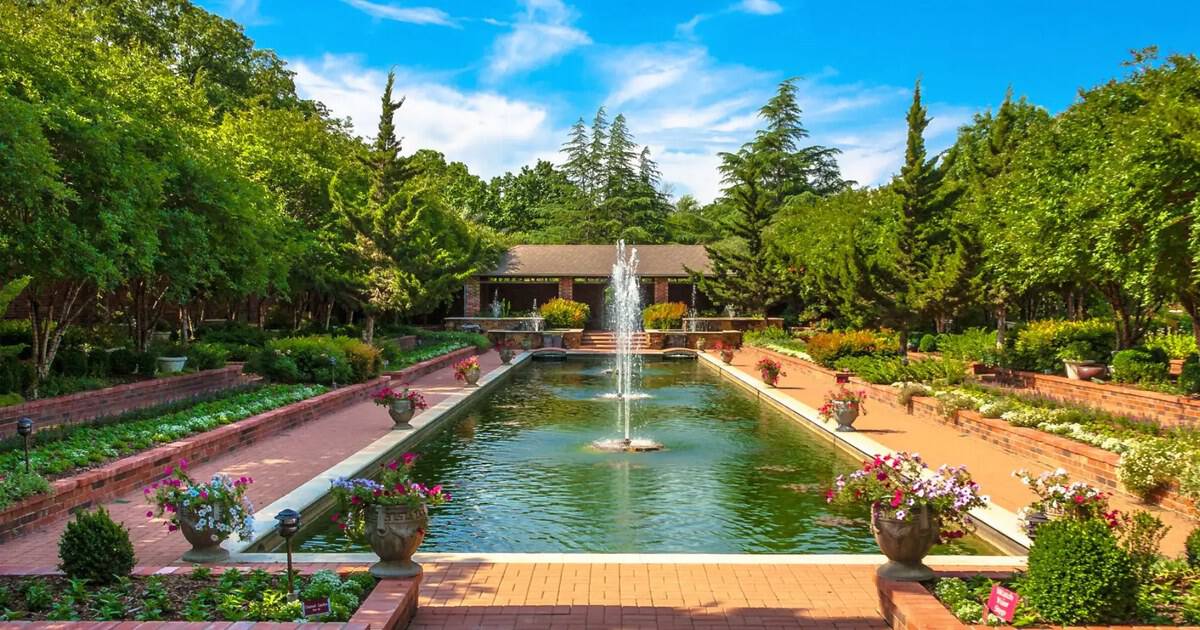
This is one of those places. Tucked down a gravel road between Weatherford and Mineral Wells, roughly 45 minutes west of Fort Worth, sit 143 acres of blooms, water, and wandering peacocks that carry a real sense of unhurried quiet.
It goes by Clark Gardens Botanical Park, and it began as one couple’s private paradise long before it ever opened its gates to the rest of us.
Here is what waits at the end of that gravel road, why so many people leave calling it magical, and everything you need to plan a slow afternoon of your own.
A Garden That Rewards Slowing Down
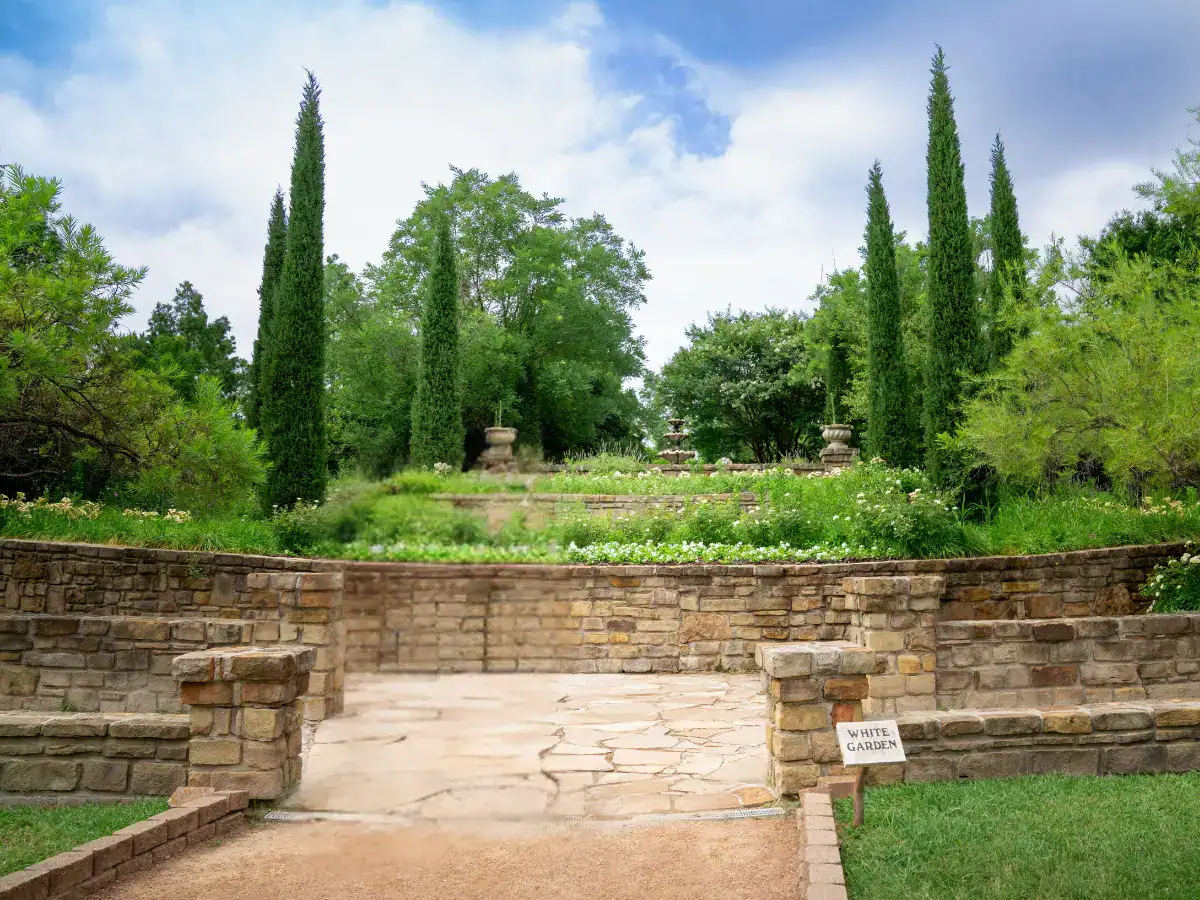
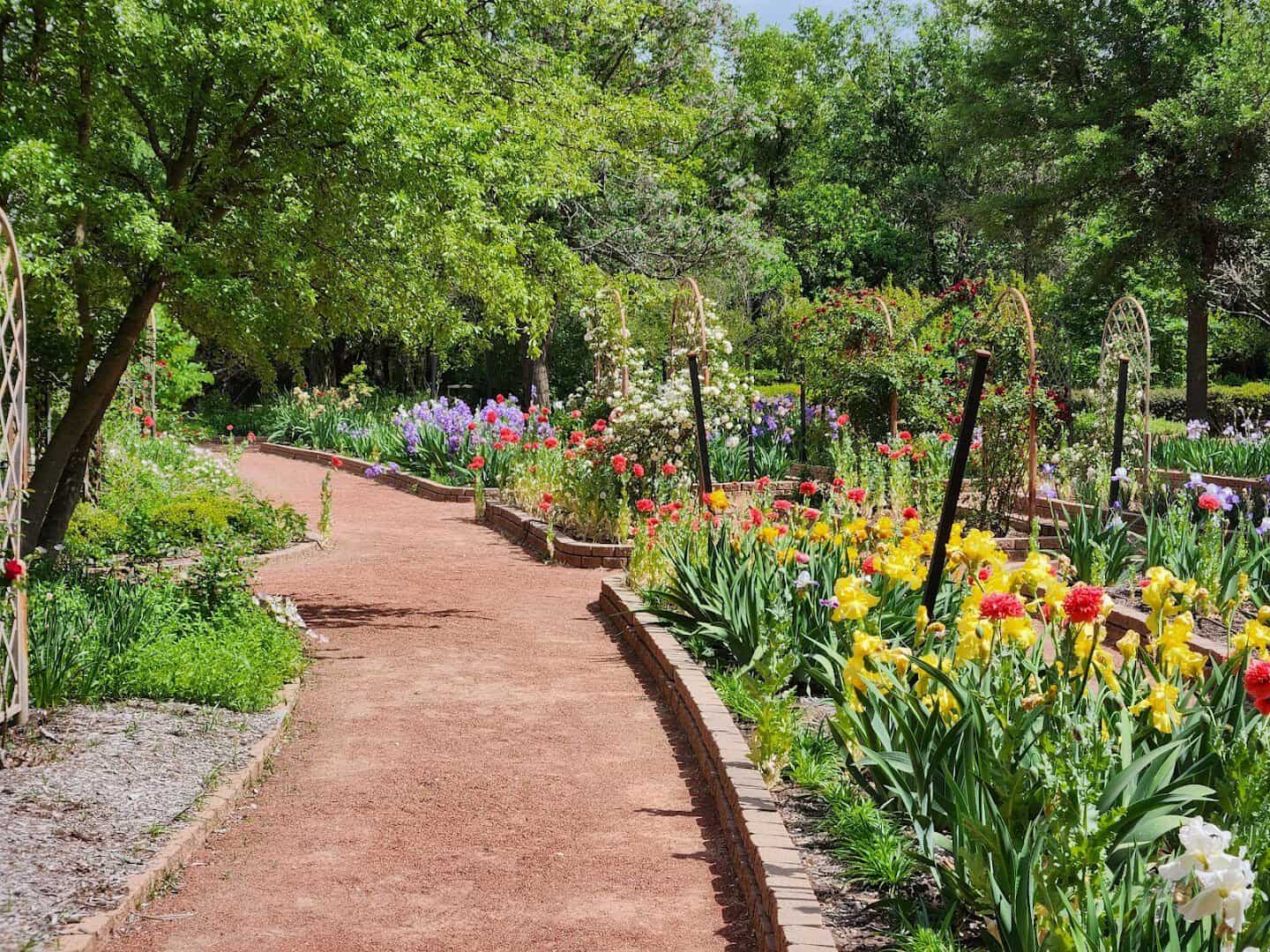
The first thing that gets you is the space. Gravel paths wind through about 35 acres of planted gardens, so you are never stacked shoulder to shoulder with a crowd. You walk, you stop, you look. That is the whole assignment.
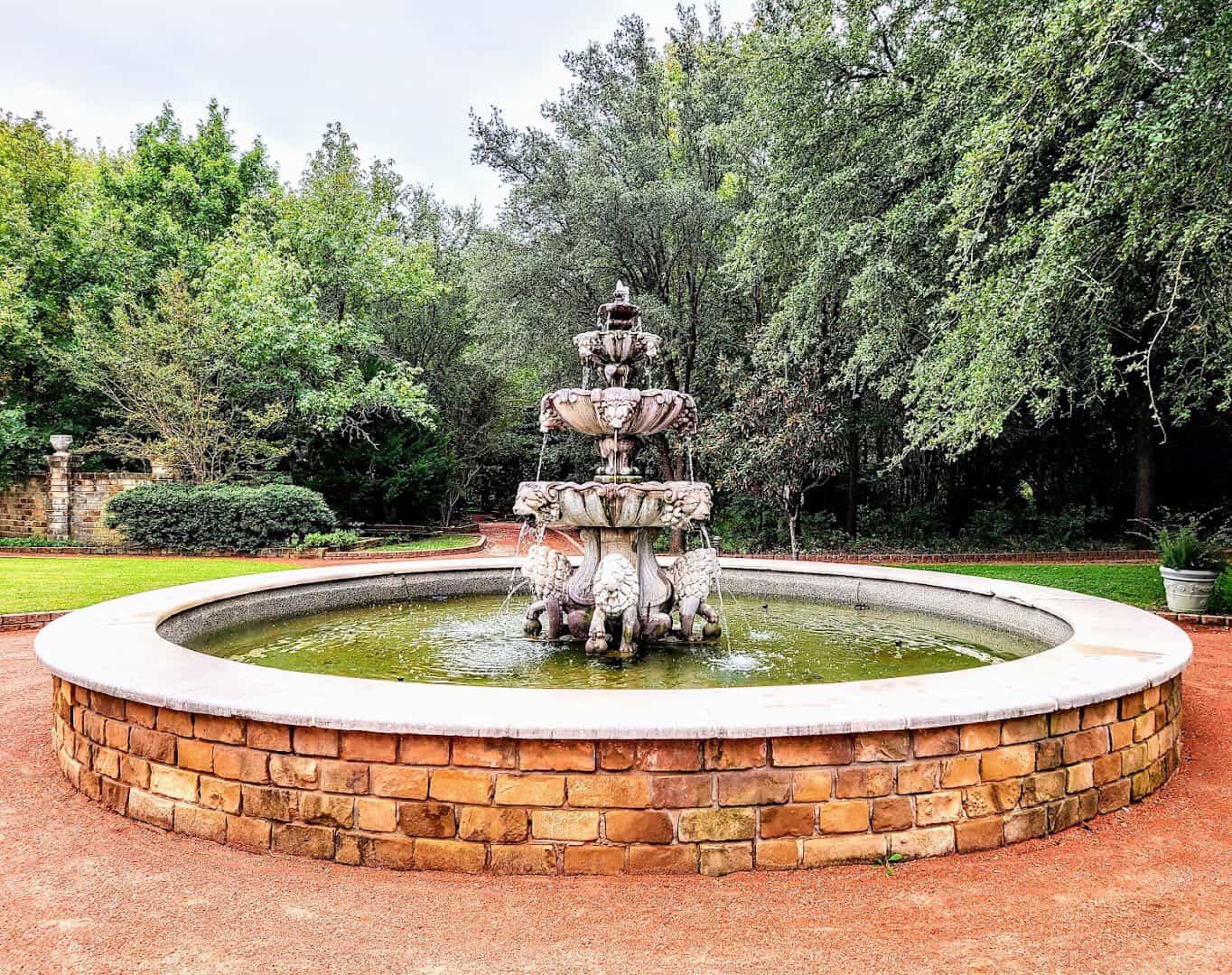
Water is everywhere. Ponds, lagoons, and small lakes catch the light, fed by waterfalls that keep a soft rush going in the background. Swans glide across the surface while ducks paddle after them.
Watch the sky, too. A blue heron or a great egret will sometimes swoop low over the water, casting a wide shadow before it settles at the edge to fish.
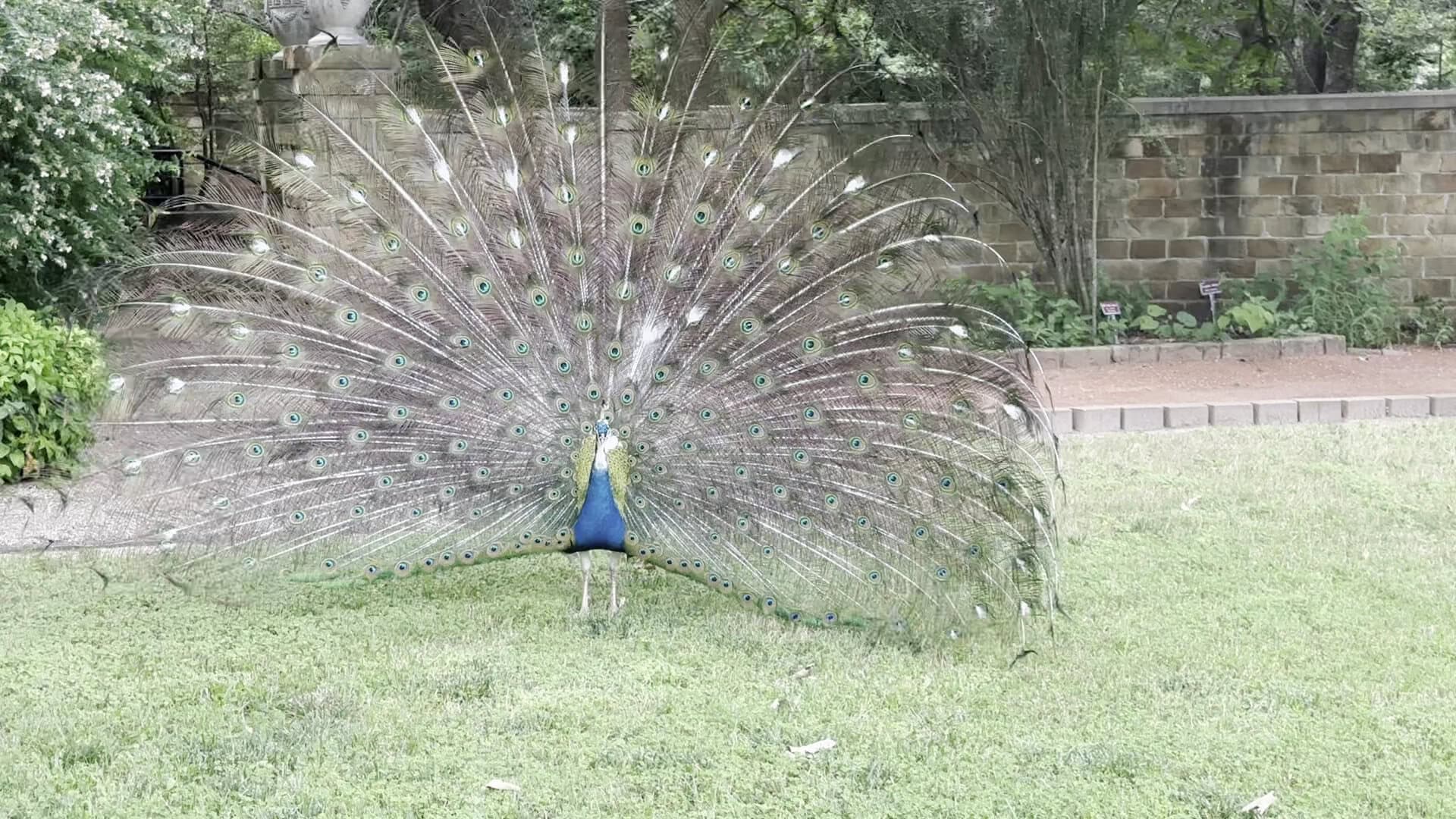
And then there are the peacocks. They roam the grounds like they own the place, because in a way they do. You will hear one before you see it, that strange sharp call.
Then a bird the color of a jewel struts across the path in front of you, tail dragging, as if you are the guest and it is the host showing you around.
Smell hits before you notice you are smelling anything. Warm cypress, cut grass, roses somewhere off to the left, the mineral cool that comes off moving water. It is the kind of air that makes you breathe slower without deciding to.
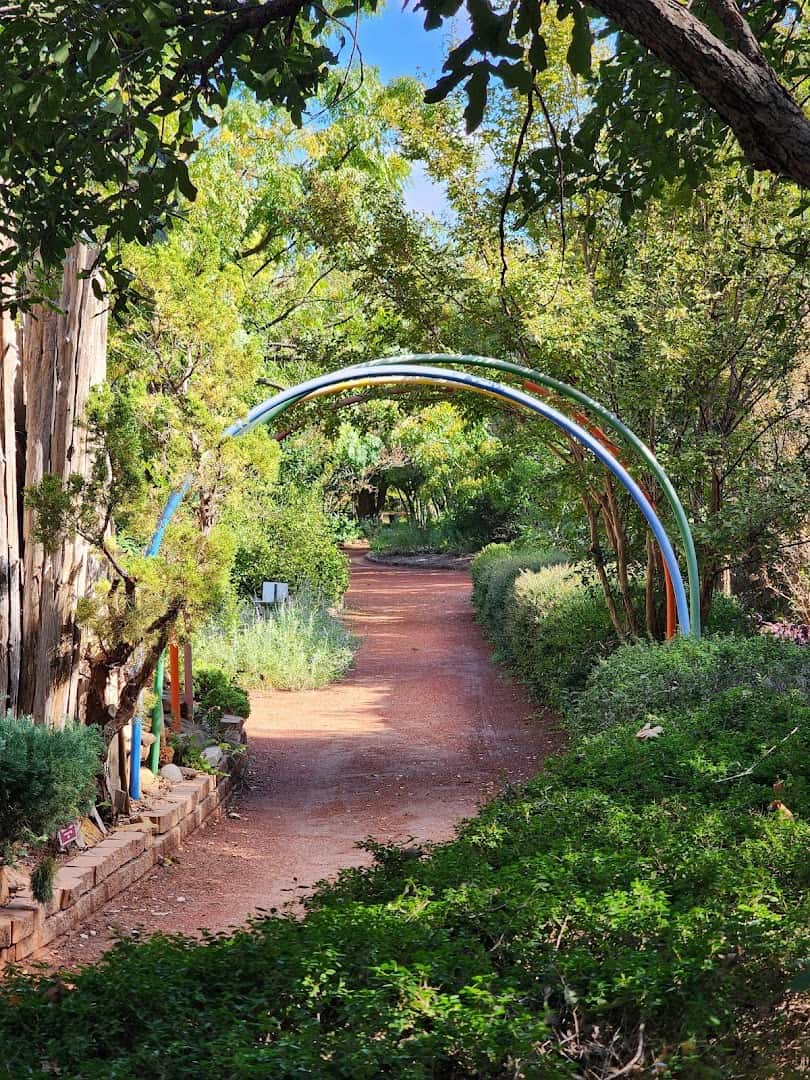
I love a place that lets you set your own pace. There is no set route and no timed ticket herding you along. You follow the path that looks interesting, sit on a bench when your feet ask, and let a couple of hours disappear.
An Iris Collection People Drive Hours to See
If you time it right, the irises will stop you in your tracks. Clark Gardens is a nationally recognized iris garden, with a collection counted anywhere from 3,000 to nearly 4,000 varieties depending on the year.
Peak bloom lands in April, roughly mid-month into early May, and for those few weeks the beds turn into a sea of purple, gold, rust, and white. The reputation runs deep enough that the garden was named a Master Plantings site for a national American Iris Society convention.
Irises are not the only stars. The gardens hold an extensive collection of heirloom roses, plus day lilies, herbs, and ornamental grasses worked into the beds, so there is texture and scent even between the big bloom shows.
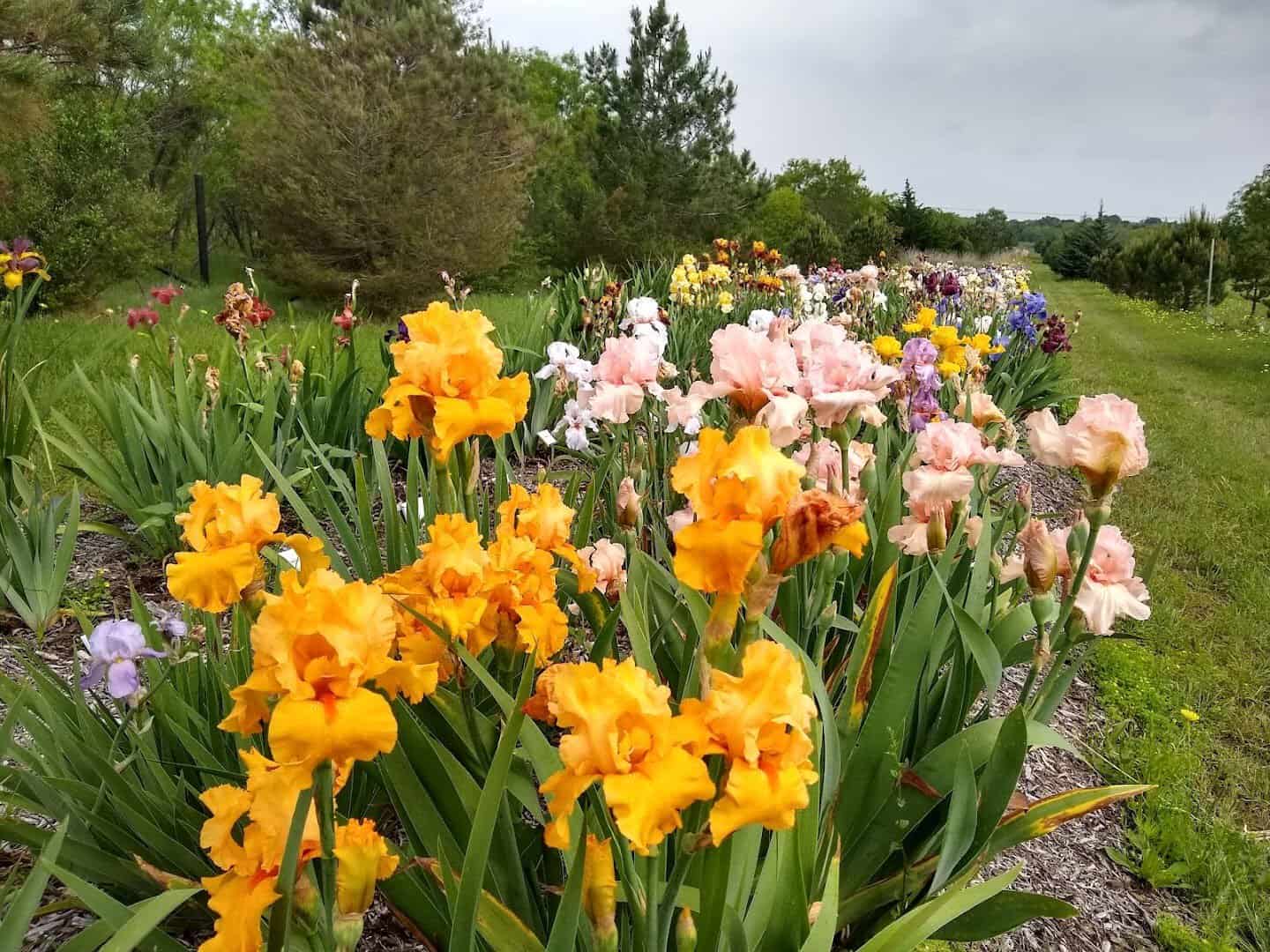
The color runs all year, too. Spring brings ruffled poppies and azaleas. Summer pushes out hot reds, yellows, and oranges. Fall lights up the bald cypress and maples alongside chrysanthemums and crape myrtle. Even winter holds onto holly berries and evergreens.
If you want the whole place at full tilt, aim for the annual Spring Festival, usually late March into early April, when the grounds run near peak and the garden leans hard into the season.
Pro tip: if the irises are your whole reason for going, call ahead or check the site before you drive. Bloom timing shifts with the weather, and a warm March or a late freeze can move the peak by a week or two.
The Tiny Train Nobody Expects
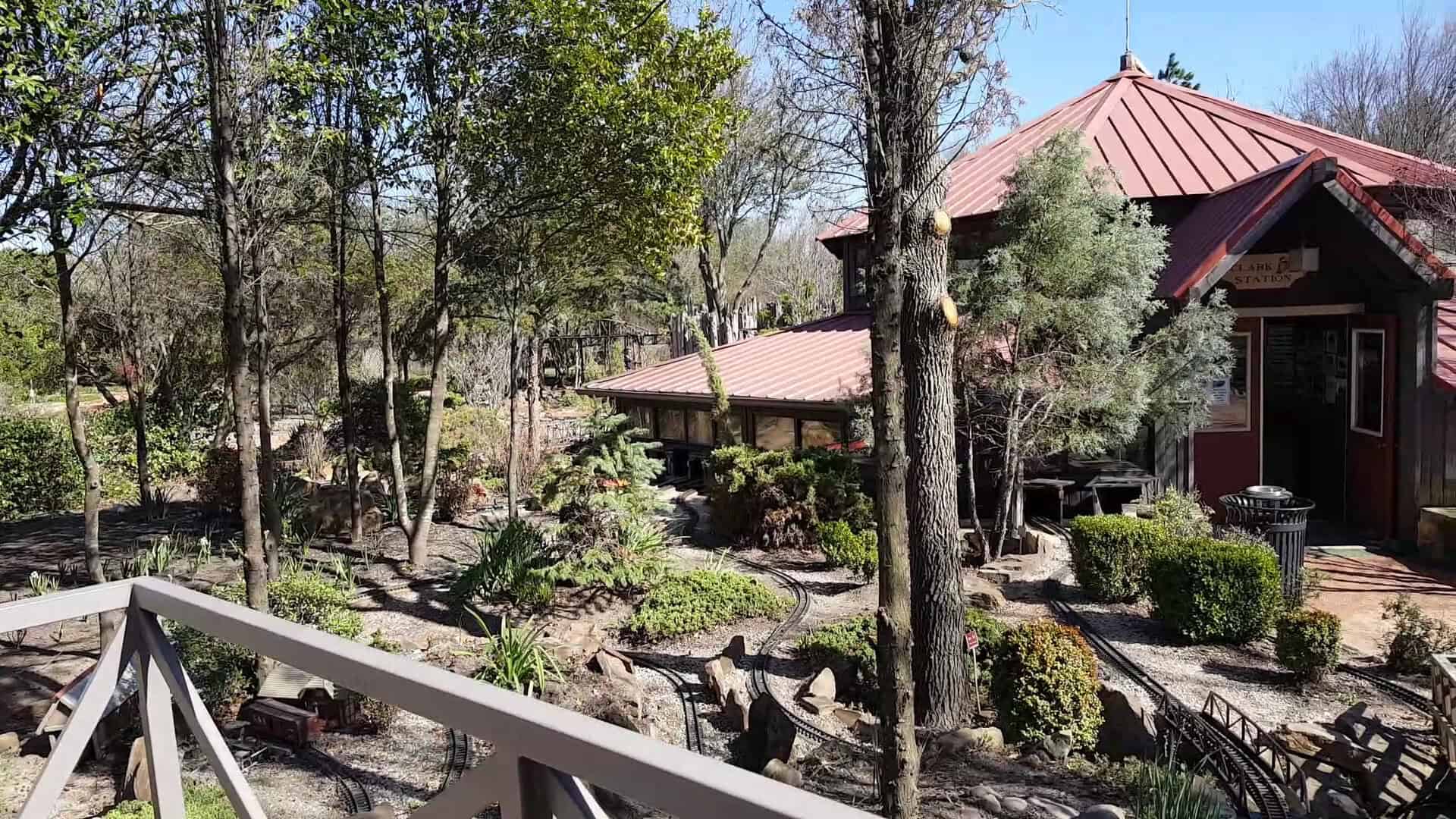
Here is the surprise that makes kids and grandparents equally giddy. Threaded through part of the garden is a G-scale model railroad, the big garden-train size, running along hundreds of feet of track.
Different sources put the layout anywhere from 700 to 1,200 feet, and either way it is a lot of tiny railroad. The little trains chug past miniature scenes and Texas landmarks built right into the landscaping.
They duck under real plants that stand in for forests, and you end up crouching down to watch them, grinning like you are eight years old again.
The trains are seasonal, so this is another one to check before you go. They typically run in the cooler stretches, roughly Labor Day through Thanksgiving and again from March into early July, and weather can pause them on any given day.
Trees With Famous Ancestors
One corner of Clark Gardens is quietly one of the most interesting things in the whole place, and most visitors walk it without realizing what they are looking at. It is a historic tree trail, and the trees along it are not just any trees.
More than 80 of them were grown from cuttings and seeds of historically significant trees around the country. Think offspring of trees tied to Gettysburg, to the Alamo, to real moments in American and Texas history.
You are essentially strolling past living descendants of famous ground, which is a strange and lovely thing to do on an ordinary afternoon. The garden bills it as one of the larger historic tree trails in the country, and each tree carries a marker with its story.
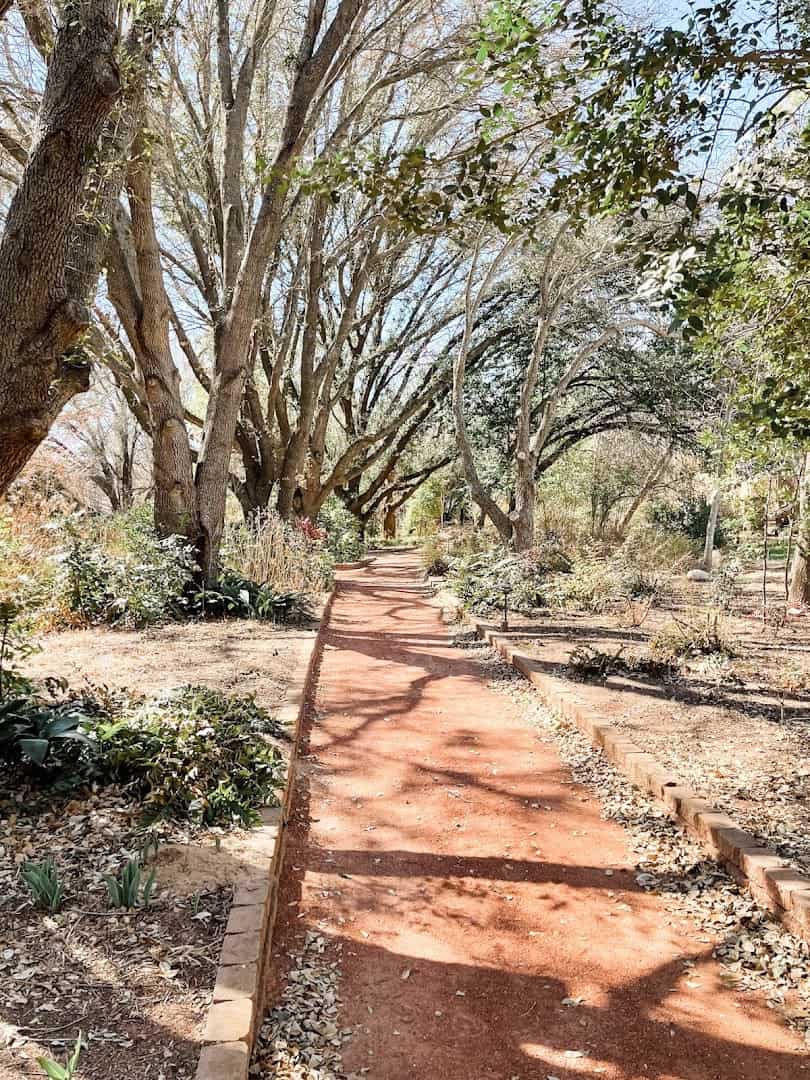
Take the time to read a few. It turns a pleasant walk under the branches into something closer to a slow tour through American history, with no admission line and no velvet rope in sight.
Did you know a garden could double as a history lesson? The canopy also does the practical work of keeping you comfortable, shading a good two-thirds of the walkways so a summer stroll stays bearable.
How a Mesquite Field Became a Masterpiece
The story behind all this is my favorite part. Max and Billie Clark bought the land in the late 1960s and built their home here in 1972.
What they bought was not a garden. It was a thin, mesquite-covered field, the kind of hard North Texas ground that grows rocks better than roses.
They started planting for a simple reason. Their daughter was getting married in 1973, and they wanted the grounds to look beautiful for the wedding. Then they just kept going.
“It was never meant for the public, it was meant for us,” Max once said. “We never put anything on paper. We just built it a little at a time.”
Little at a time turned into decades. The Clarks hauled in thousands of truckloads of topsoil and compost to feed the poor native dirt. Remarkably, the gardens grew without a permanent irrigation system.
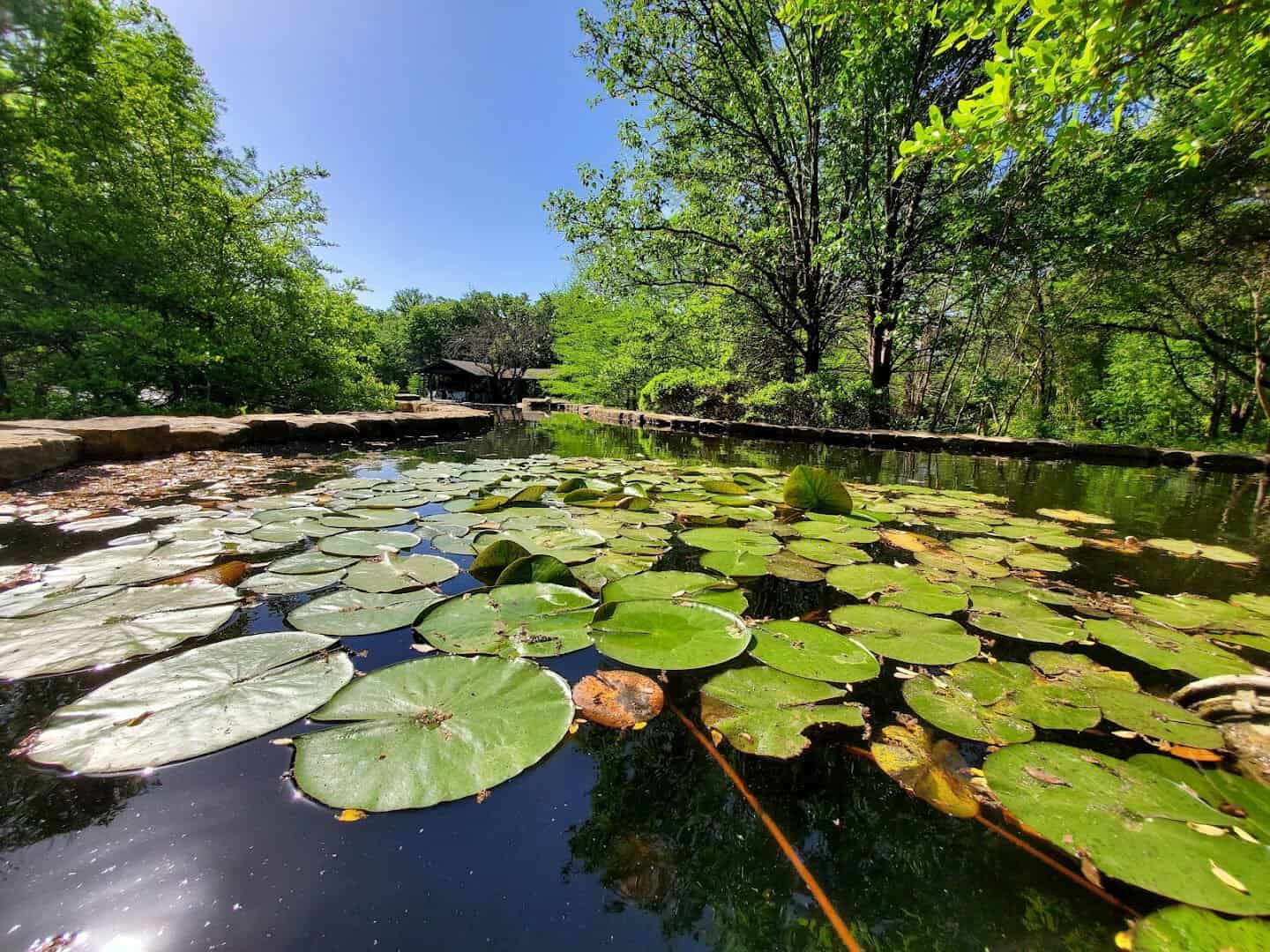
In dry summers, water was carried by hand from the lakes to whatever was struggling. That detail still amazes me. Most gardens this size run on a web of sprinklers and timers.
This one was coaxed out of the ground the slow, stubborn way, one bucket and one truckload at a time, by people who simply would not quit on it.
Max had a gardener’s stubborn confidence about the whole thing. Asked once how he could make so much out of such barren land, he reportedly answered, “Pardon me, ma’am, but before I got here God wasn’t doing much with it.”
Even in his eighties he was still out in the beds most of the week, which tells you everything about how the place got so good.
In 1999 the couple created the Max and Billie Clark Foundation and donated 143 acres to it, turning their private labor of love into something the public could share.
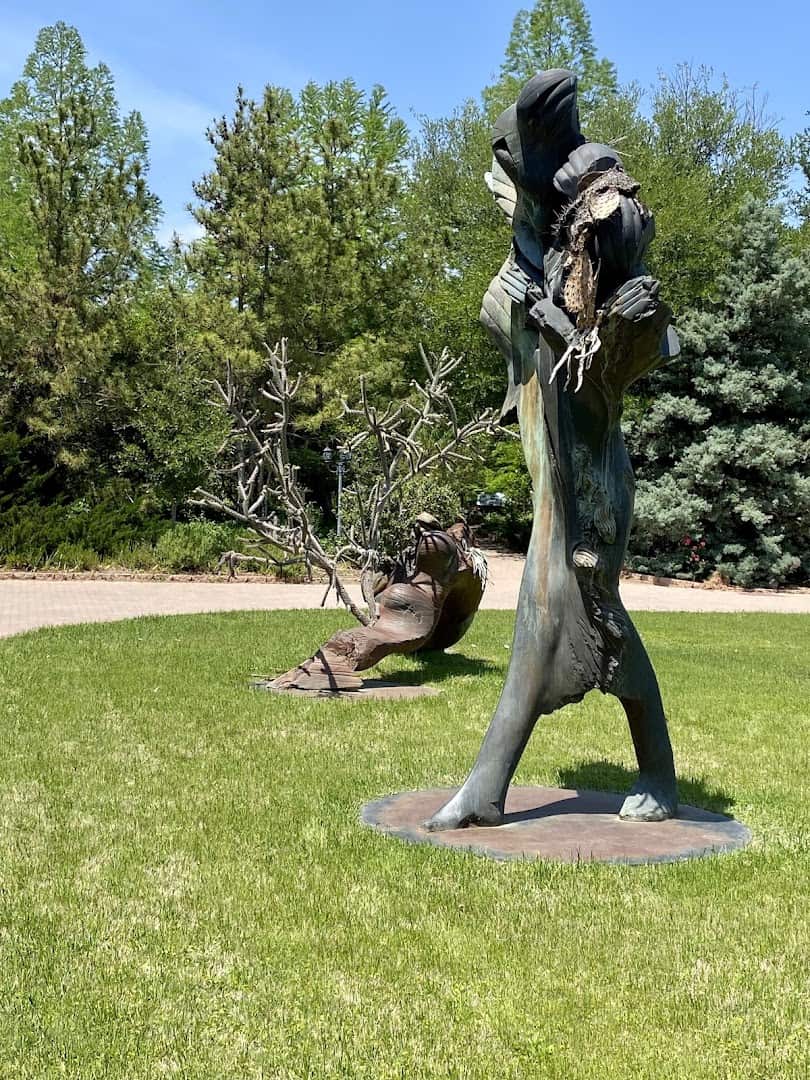
Clark Gardens opened its gates on April 22, 2000, and has been drawing garden lovers from all over the state ever since. Look for the bronze statues of the family on the grounds, a quiet tribute to the people who built the place by hand.
Weddings, Peacocks, and a Sandstone Chapel
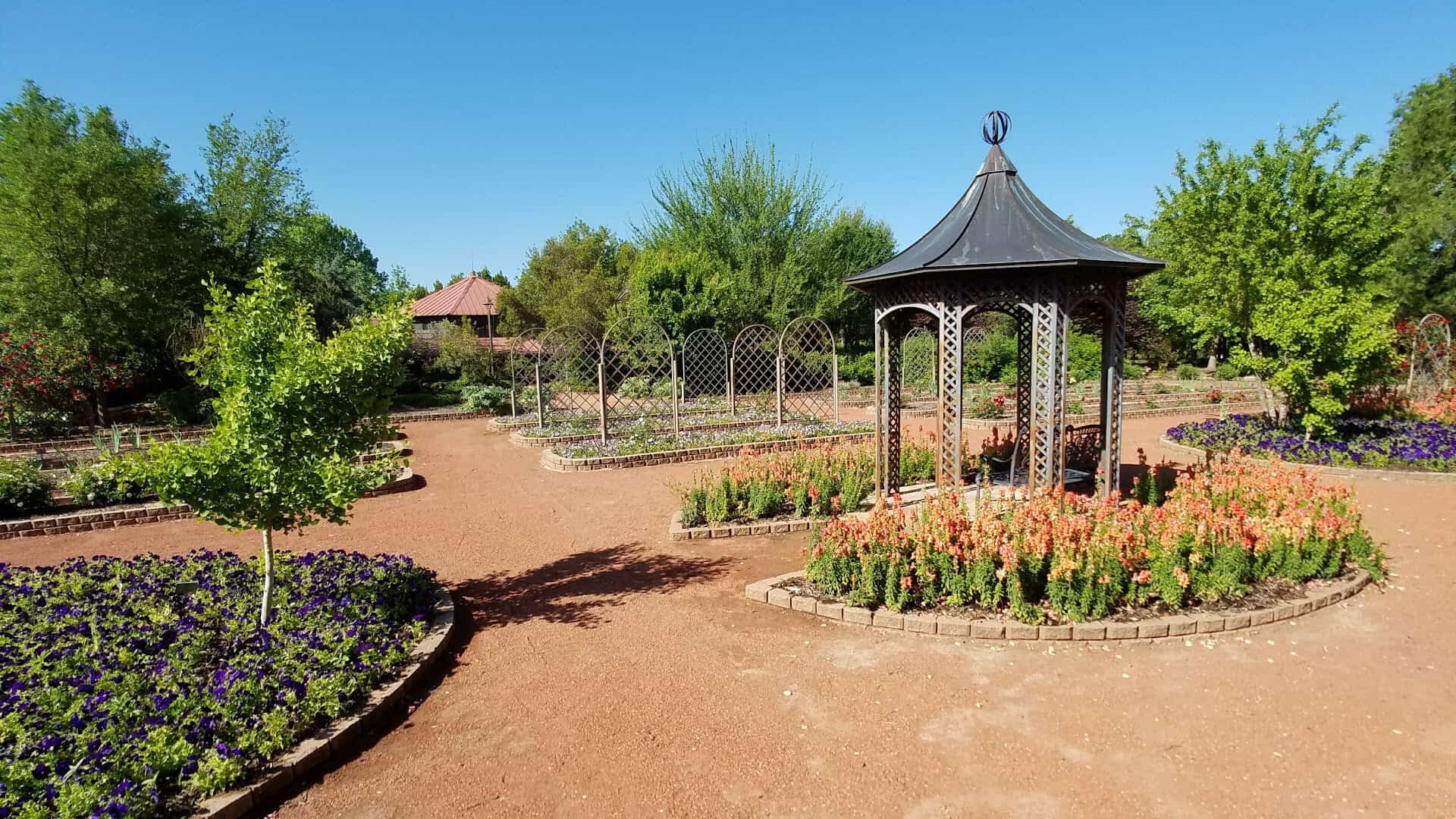
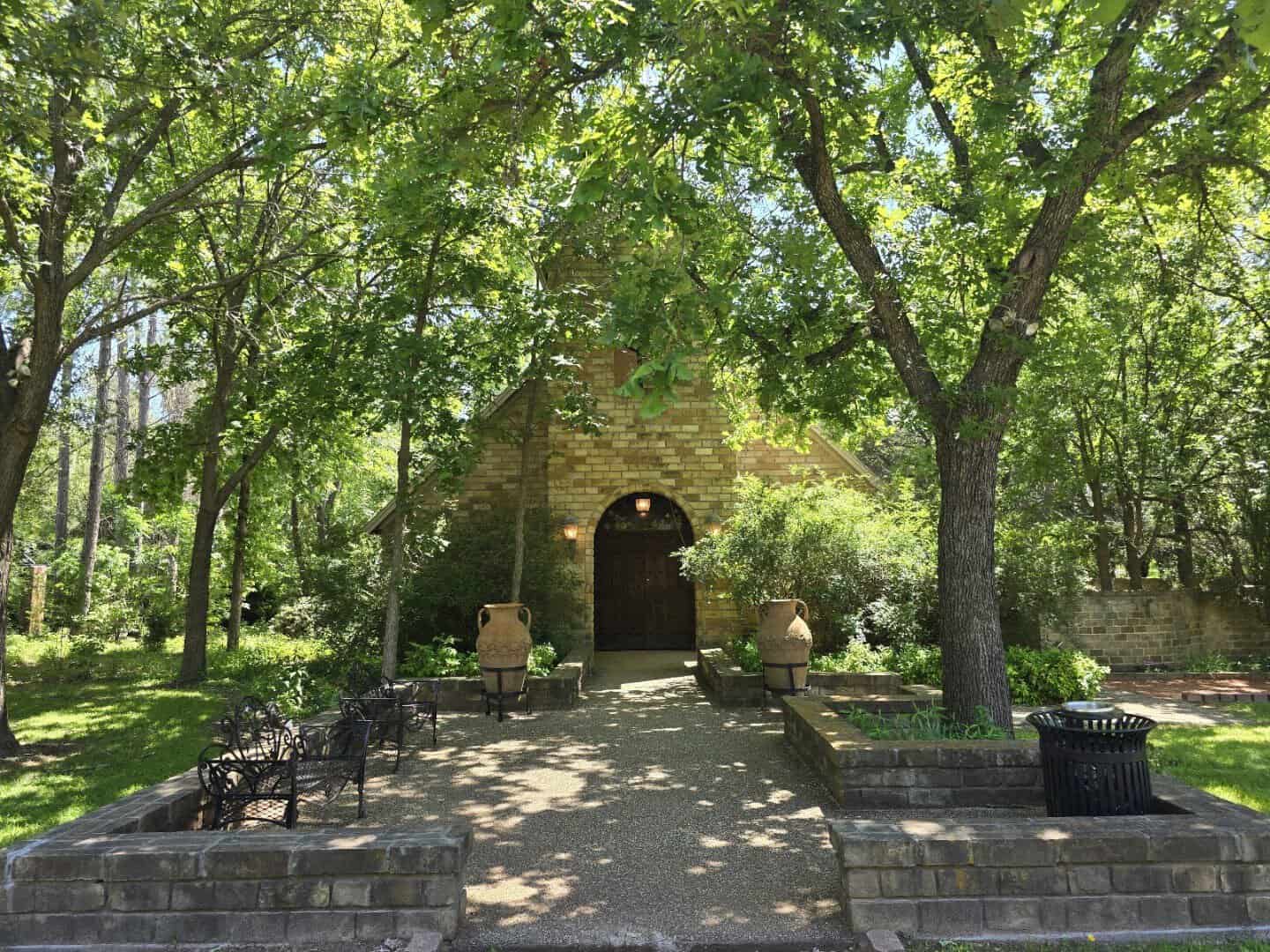
All that beauty makes Clark Gardens a favorite for celebrations, and the centerpiece is a small sandstone chapel that looks like it grew right out of the Texas landscape.
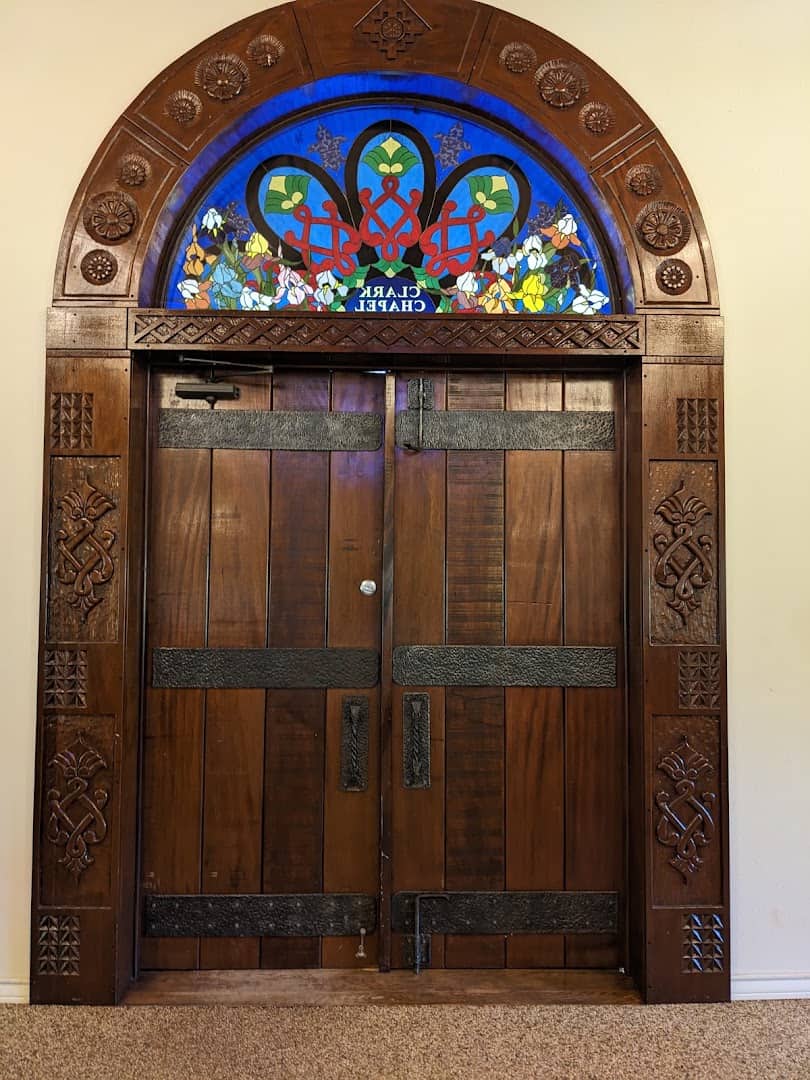
Couples book it for weddings surrounded by water and blooms instead of four plain walls. You do not need a wedding invitation to enjoy the romantic feel, though.
A formal English-style garden, the lagoons, and the shaded benches make the whole property feel dressed up for an occasion even on an ordinary Tuesday.
Bring a picnic. Pavilions dot the grounds and picnicking is welcome, so a sandwich and a shady table can turn a visit into a whole lazy afternoon.
Leashed dogs are welcome too, which means the family member who usually waits in the car gets to come along for once.
What It Costs and When to Go
Clark Gardens is refreshingly affordable for what you get. Adult admission has typically run around $7, with lower rates for children and seniors, and members visit free.
Because prices and policies can change, it is worth a quick look at the official site before you load the car. Hours are seasonal, and that is the one thing not to wing.
The garden generally opens around 8 a.m. on weekdays and Saturdays and a little later on Sundays, but summer and winter visits often require a reservation. A quick call to the office at 940-682-4856 settles it in a minute.
If you fall hard for the place, you can stay the night. Clark Gardens has two on-site rentals, The Retreat and The Cottage, and guests get garden admission included.
Waking up inside the gates, before the day visitors arrive, is about as close to having the place to yourself as you will ever get.
How to Get There
Where: Clark Gardens Botanical Park, 567 Maddux Rd, Weatherford, TX 76088. It sits about 45 minutes west of Fort Worth and a few miles east of Mineral Wells, so it pairs easily with a longer Parker County day trip.
The address says Weatherford, but the garden is genuinely out in the country, which is half its charm. Follow the directions, watch for the turn, and trust the gravel.
Plan Your Quiet Texas Escape
We spend so much of Texas life in the fast lane, on the interstate, in the drive-through, refreshing our phones. Clark Gardens is the opposite of all that.
It is a place built by hand over half a century for no better reason than to be beautiful, and you can feel that intention the moment the gravel crunches under your tires.
So pick a bloom you want to catch, pack a picnic, bring the dog, and point the car west. Give yourself the whole afternoon, walk slow, and let a peacock show you around. You really will remember your first visit.
Featured image: @ Clark Gardens Botanical Park

Stella Raines
Editor-in-Chief
Stella brings over a decade of storytelling experience to TX Headlines. With roots in West Texas and a love for road trips, she leads the editorial team with an eye for the hidden stories that make Texas unforgettable.
More Stories

These 10 Texas Spots Bloom Into Seas of Bluebonnets Each Spring

This Enchanting Texas Nature Trail Feels Like Hiking Through a Fairytale Forest

This Underrated Texas State Park Gives You a Full Day of Swimming and Hiking for Just $5

This Easy Texas Hike Leads to a Swinging Suspension Bridge Hidden in the Pines
Tags