This Hidden Texas Cheese Shop Ages Its Cheddar in a Hillside Cave, and Dairy Lovers Adore It
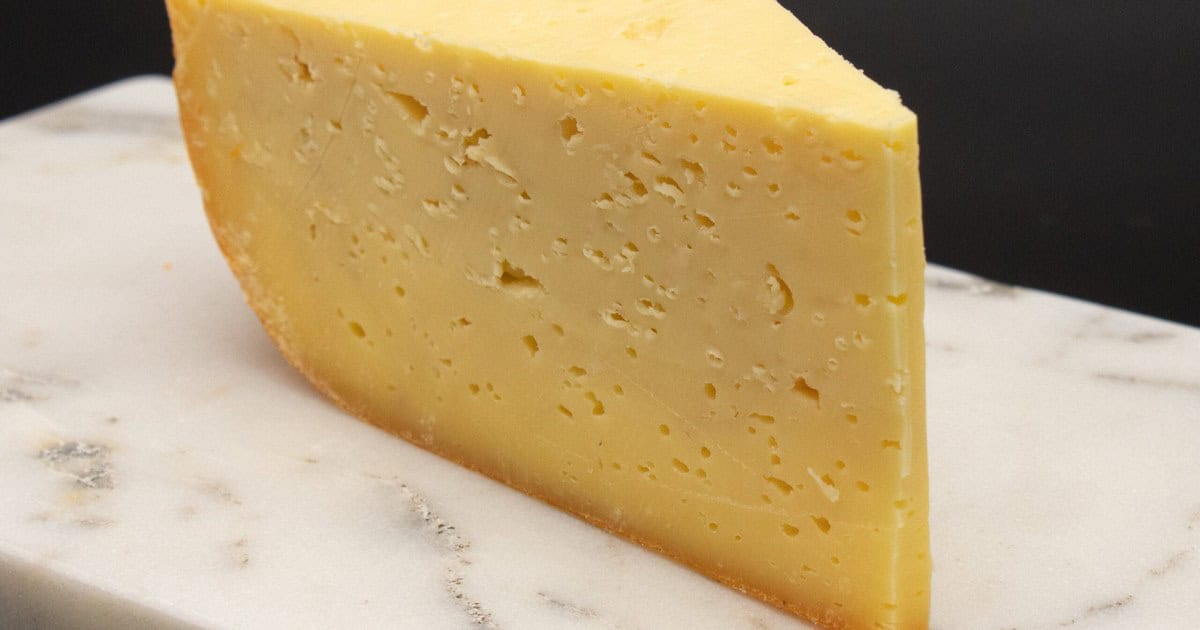
Here is my honest opinion about cheese: the good stuff is never in the refrigerated aisle. It is at the end of a county road, made by someone who knows every cow by name.
That is exactly the kind of place I keep a running list for. One of the best of them sits on a working farm outside Dublin, in the ranch country west of the metroplex.
It has cave-cooled cheddar, more than twenty handmade varieties, and a family that has been at it since the year 2000. This is Veldhuizen Cheese, and it does not do anything the easy way.
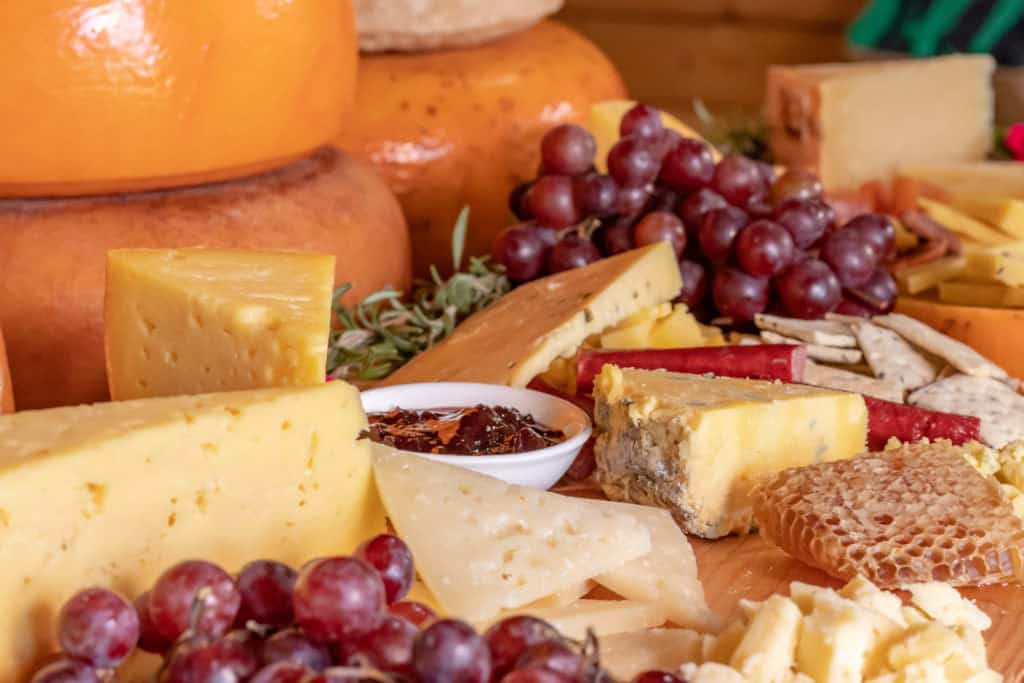
The shop belongs to Stuart and Connie Veldhuizen, and it is the reason dairy lovers point their cars down a gravel drive on purpose. Below, here is what they make, how they make it, and why the trip out is worth every mile.
Raw Milk and a Hillside Cave
Start with the thing that makes this cheese taste like nothing from a grocery chain. It is made with raw milk, straight from the farm’s own herd, and the milk is never heated past the temperature it left the cow at.
Conventional dairies pasteurize their milk at around 181 degrees. Stuart keeps his between 89 and 102 degrees the whole way through, roughly a cow’s own body heat. That gentle handling leaves the milk’s natural bacteria alive, and those little cultures are what build the deep, layered flavor.
Then comes the part that surprises first-time visitors. The finished wheels are aged in a cave built right into the side of a hill. Cool, still, and humid, it is the closest thing Texas has to the old stone cellars of Europe, and it does the same slow work.
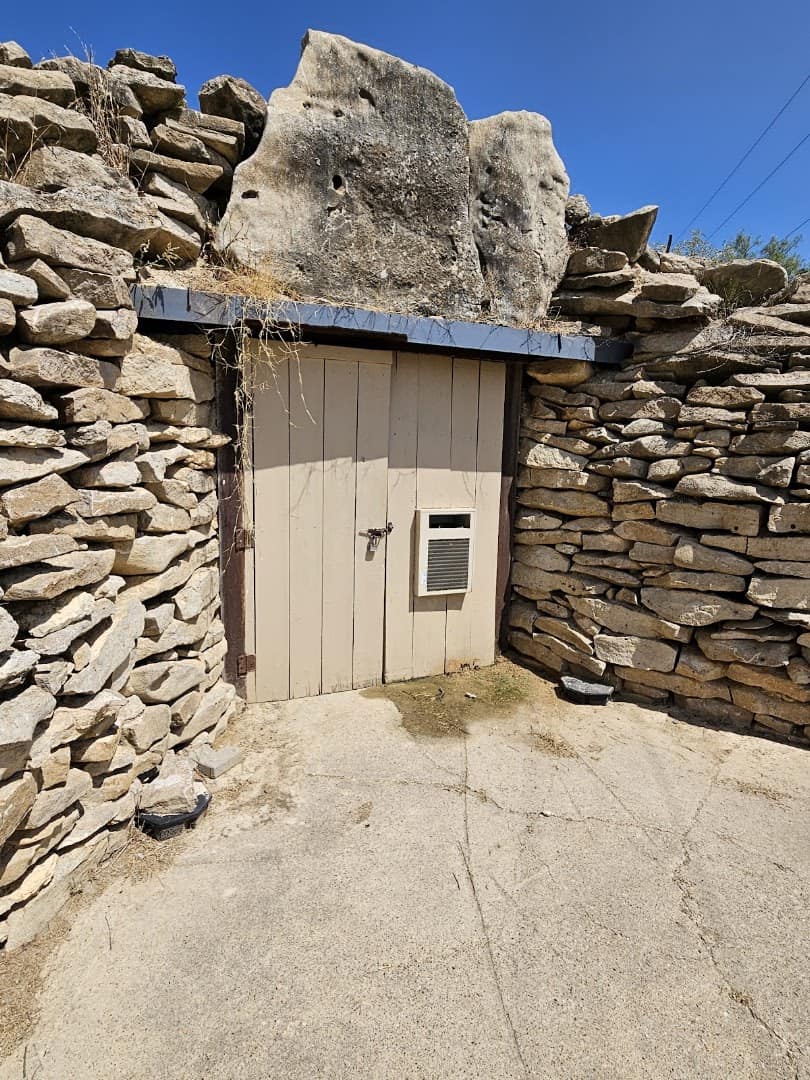
Connie puts it plainly: as the cheese ages, “flavors will concentrate.” The taste deepens without turning salty. A young wheel and an old one from the same recipe can taste like cousins rather than twins.
The care shows up on the plate, and visitors say so. One traveler summed up a stop in two words on a review site: “Outstanding cheeses.” That is the whole review, and honestly it is all you need.
What you notice first is how clean and bright everything tastes. There is a grassy, almost sweet note under the sharp cheddars that you simply do not find in a shrink-wrapped block. It tastes like the pasture the cows were standing in that morning.
Twenty Varieties and a Few Legends
They started with a single cheese. Today the counter holds more than twenty, and choosing is the happy problem of the visit.
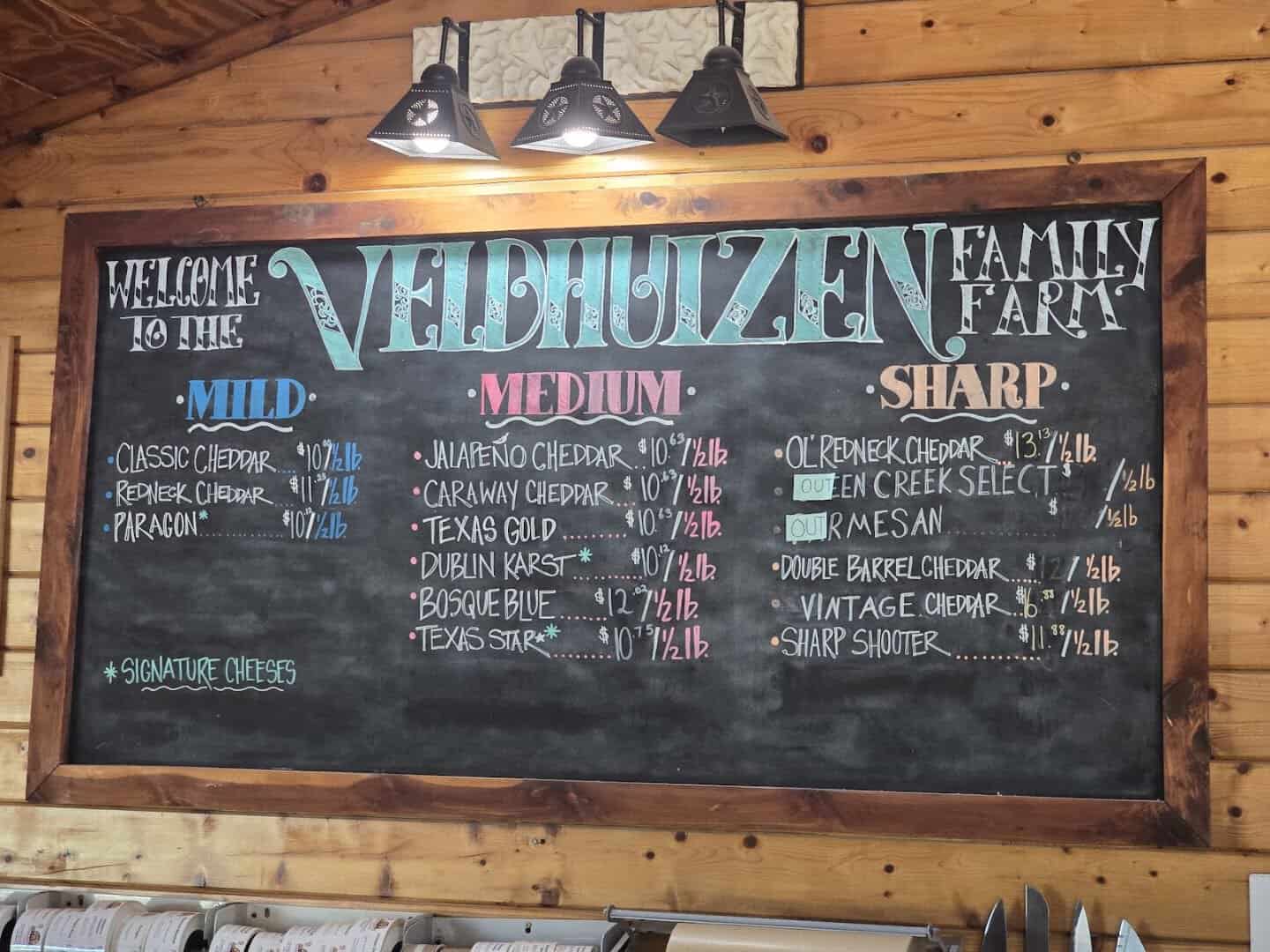
The one everybody asks for is the Redneck Cheddar, made with a pour of Shiner Bohemian Black in the mix. It melts like a dream, which makes it the cheese you buy two blocks of and regret buying only two.
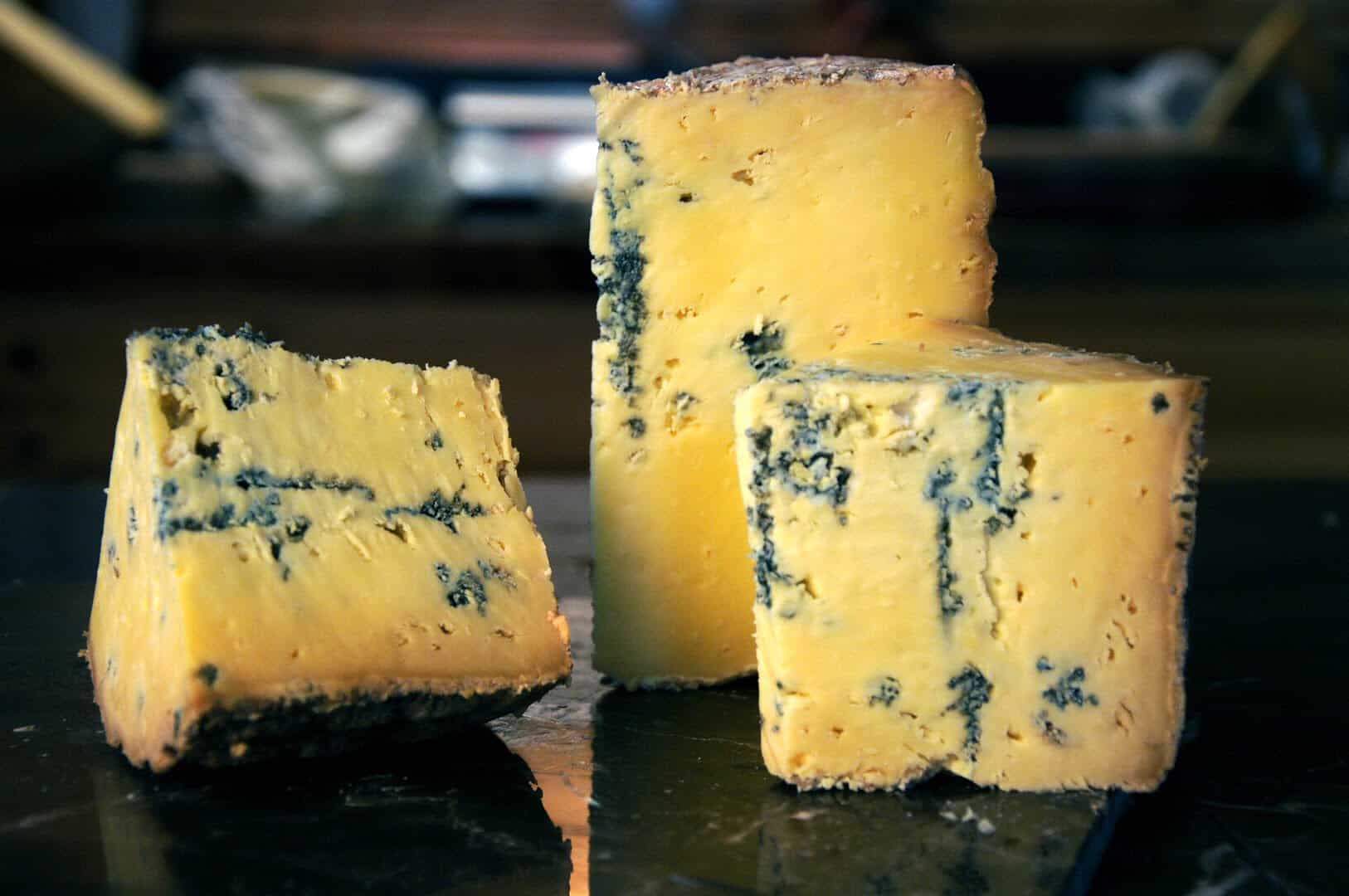
Then there is Bosque Blue, the farm’s showpiece. It has a mellow, almost Stilton-like richness, a golden color, blue veining spread clean through, and a woven basket pattern pressed into the rind. It is creamy and crumbly at once.
The lineup keeps going: Dublin Karst, Sharp Shooter Cheddar, Caraway Cheddar, Jalapeno Cheddar, Texas Gold, and a Mixed Milk Gouda. A few even lean sweet, folding in honey, caramel, butterscotch, or vanilla.
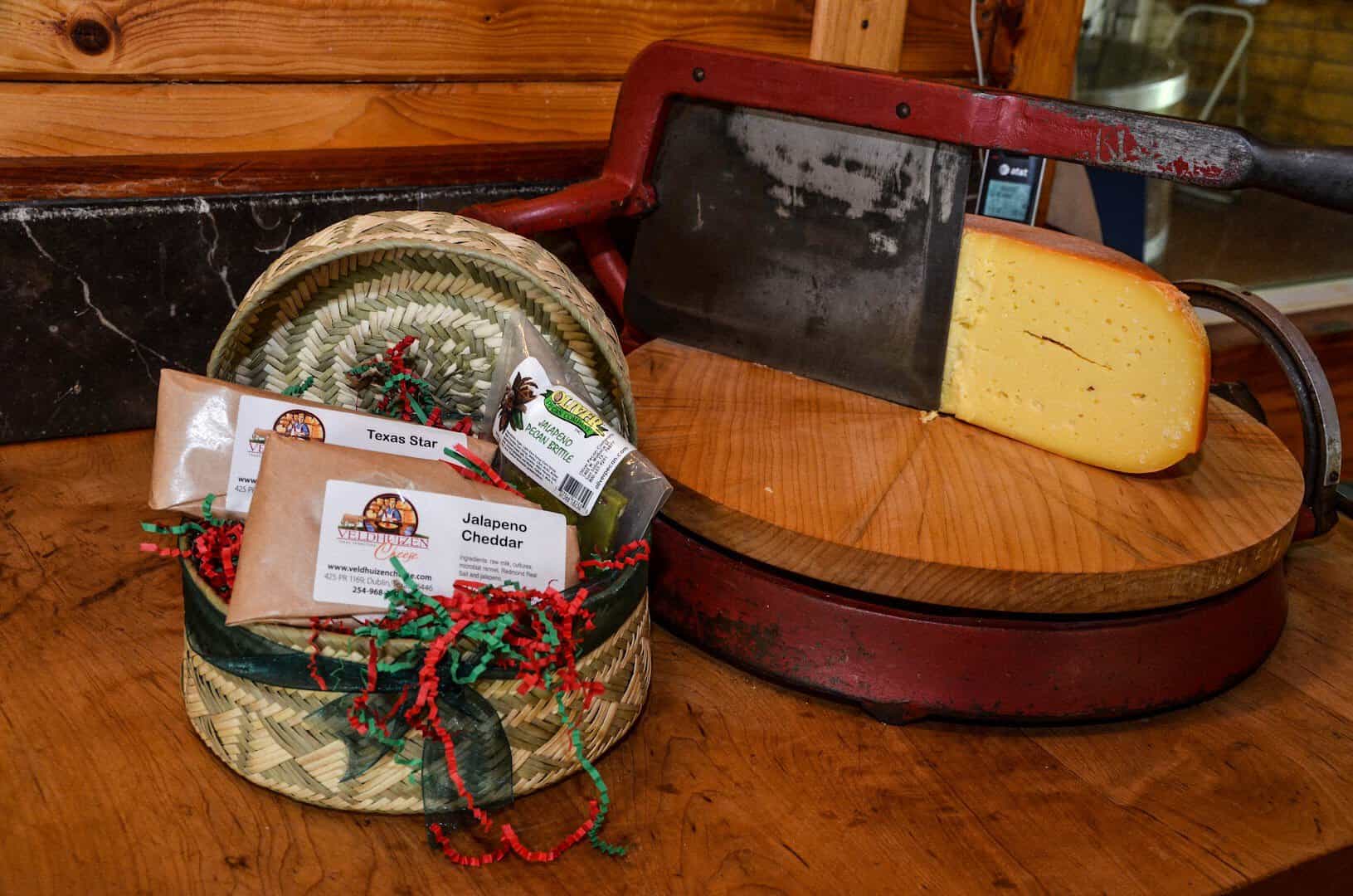
The jalapeno cheddar carries a slow heat that builds after the bite, not a gimmick pepper punch. The caraway is the one I would put on a rye cracker and call lunch. Each recipe is its own small argument for making the drive.
Pro tip: come hungry and come curious. The whole point of a counter this size is to try the odd one out, the flavor you would never pick blind. Buy the one you cannot describe.
The Only Cows-and-Sheep Dairy in Texas
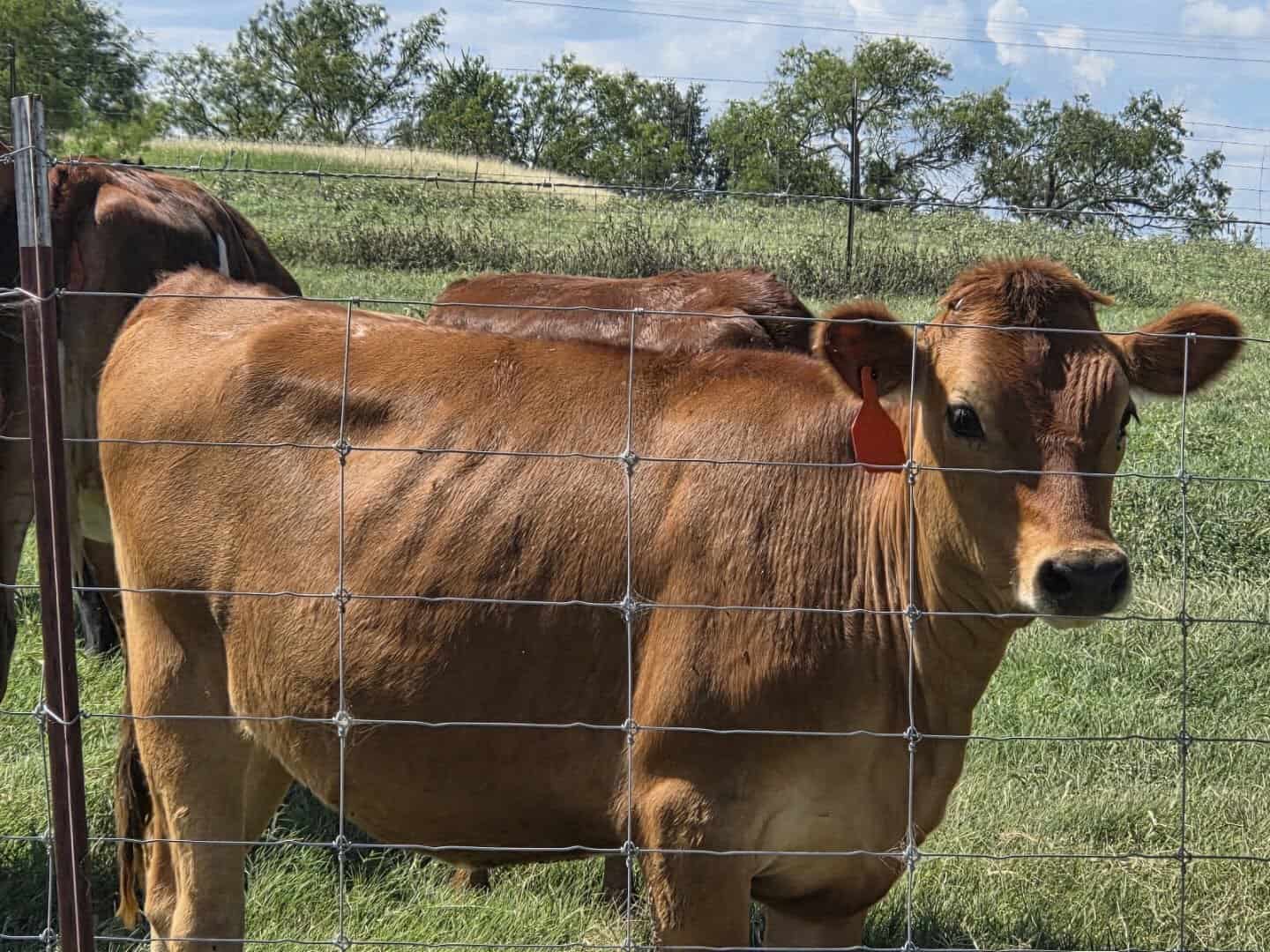
Here is a detail that sets the farm apart from every other creamery in the state. The Veldhuizens milk both cows and sheep, which makes theirs the only dairy in Texas working with both animals at once.
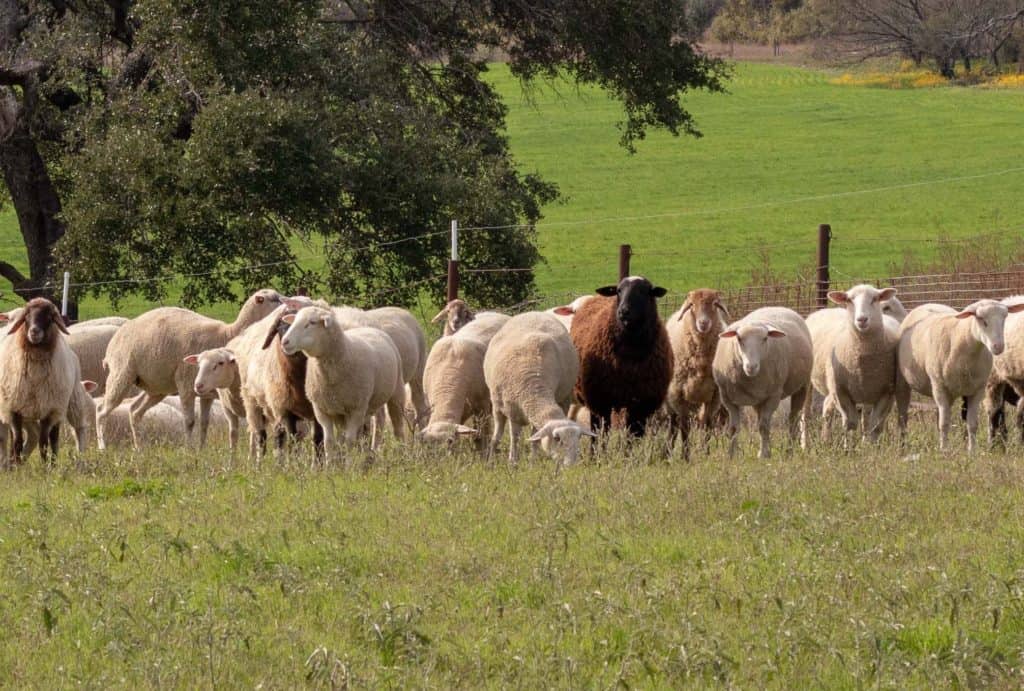
That opens a door most cheesemakers never get to walk through. There is Wooly Texas, an all-sheep cheese with a flavor all its own, plus a pure Sheep Gouda. Sheep milk is richer and sweeter than cow milk, and it shows.
Better still are the blends. A couple of the cheeses marry cow milk and sheep milk into one wheel, and the result is the kind of thing Stuart’s family simply calls gorgeous. You can taste both animals in a single bite.
The herd itself lives an easy life. “The only time we really mess with them is milking, which is twice a day,” Stuart has said. The rest of the day the animals graze, and they tend to wander over to visitors out of plain curiosity.
How a Wheel Comes Together
Watching the make is half the fun, and the farm’s tour walks you through it start to finish. It begins, wisely, with a tasting, so you know what you are working toward.
The warm raw milk is cultured and set until it firms into curd. That curd is cut, then run through a Cheddar mill that breaks it into small pieces ready to salt.
Salt goes in, and so do the extras that make a given cheese itself, a splash of beer here, caraway seed there. Then the whole batch is packed into molds and pressed into the wheels that will spend their months in the cave.
Did you know a single wheel can age for the better part of a year before it ever reaches the counter? That patience is the whole difference. Nothing here is rushed, and you can taste the wait.
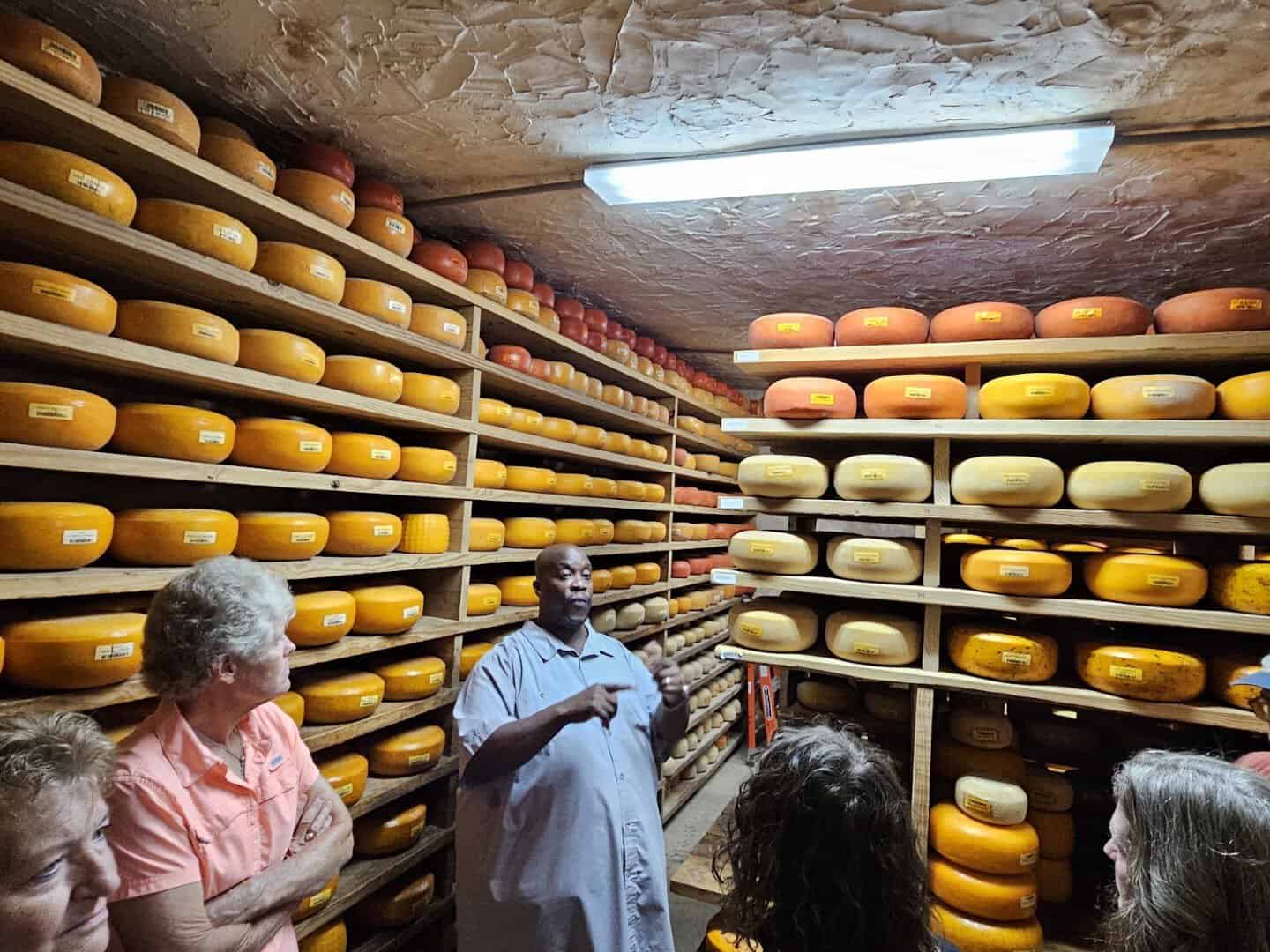
The tour also lets you step toward the aging room and see the wheels lined up in their slow ripening, twenty kinds at various stages. It is oddly calming, all those cheeses quietly doing their thing while the farm hums along outside.
Kids tend to love it more than you would expect. Between the grazing animals wandering up to say hello and the chance to taste a dozen cheeses in a row, it is a farm visit that does not feel like a lecture.
A Minnesota Dairyman Who Swore Off Cows
The origin story is my favorite part, because it nearly did not happen. Stuart grew up on a dairy farm in southwest Minnesota and moved to Dublin in 1990.
By 1995 he was so worn down by the conventional dairy business that he swore he would never milk another cow. For a few years he meant it.
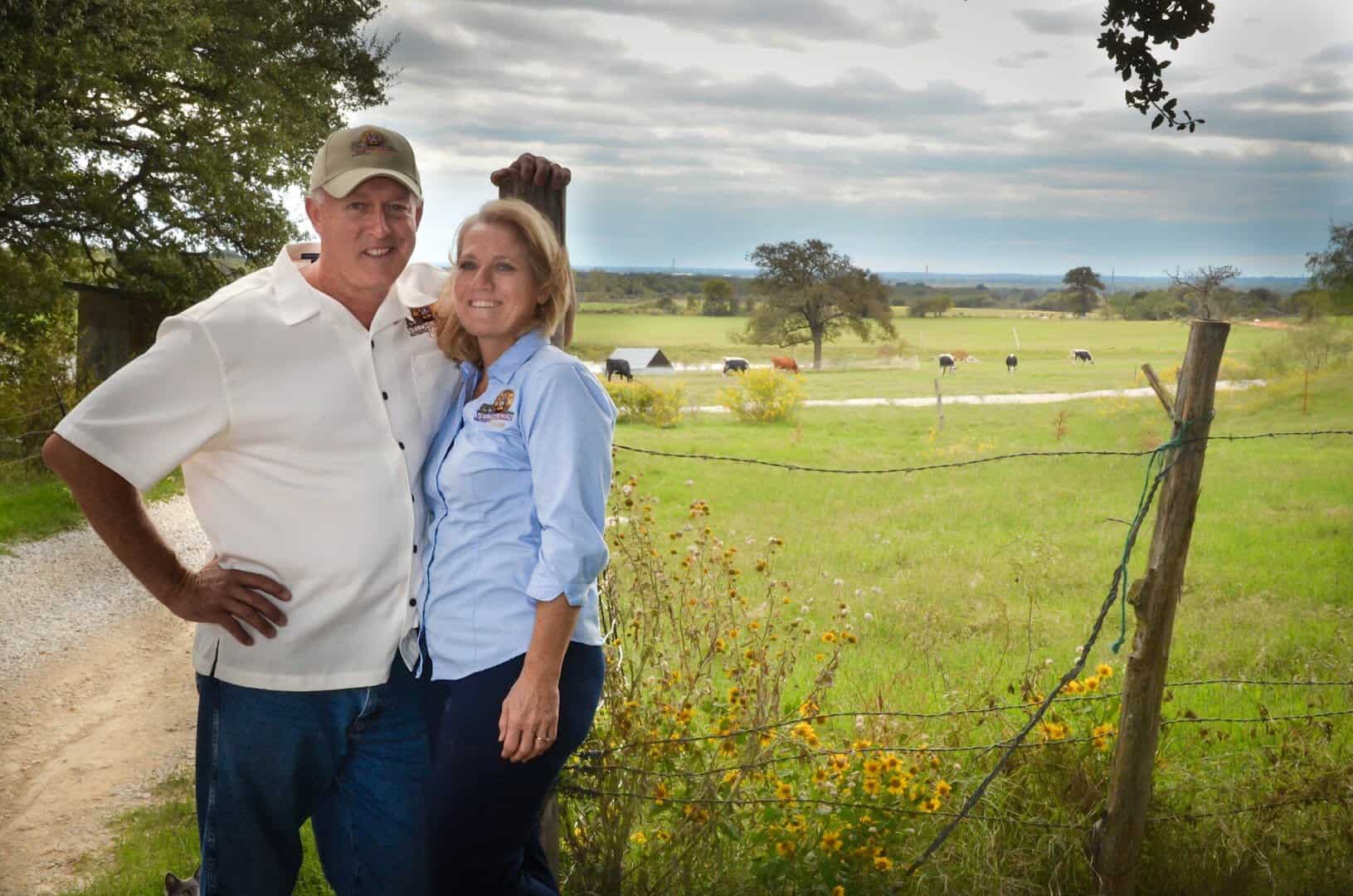
Then Connie floated a different idea. Come back to dairy, she said, but from another angle entirely: make cheese. In 1999 he came around, and in 2000, with more passion than money, the two of them started the cheese business that runs today.
It worked. Within a decade and a half the farm was selling its raw milk varieties to some of the nicer hotels and restaurants in Dallas and Houston, and Stuart earned a spot as a Farm Aid Farmer Hero for the way he does it.
Now it is a four-generation affair. Stuart and Connie run it alongside their daughters Chelsea and Rachel, with Stuart’s father still in the mix. When they say family farm, they mean the whole family.
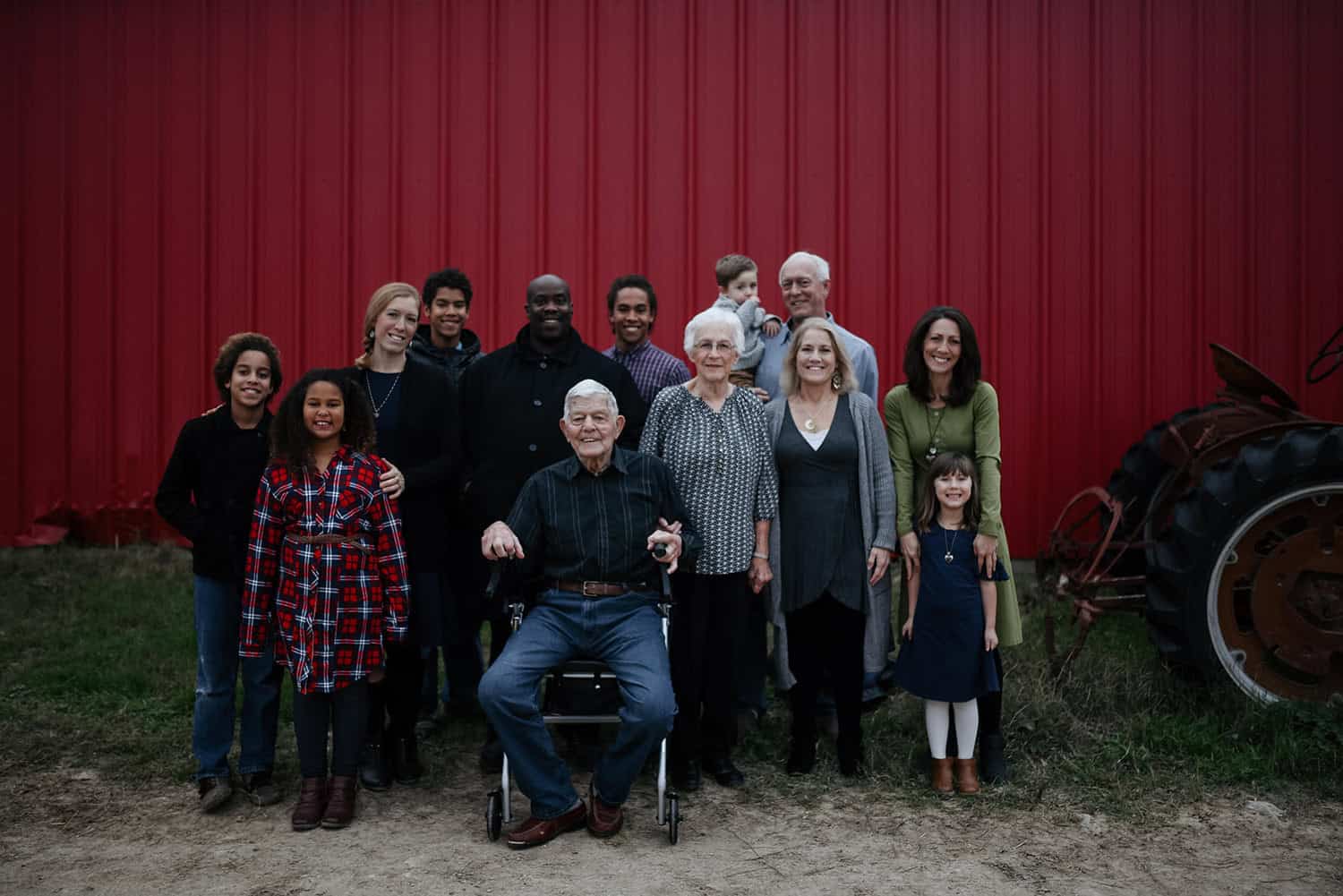
I love that the near-miss is baked into the story. The best version of this place only exists because a burned-out dairyman listened to his wife and picked up a cheese vat instead of quitting. Texas is better for it.
More Than Cheese at the Counter
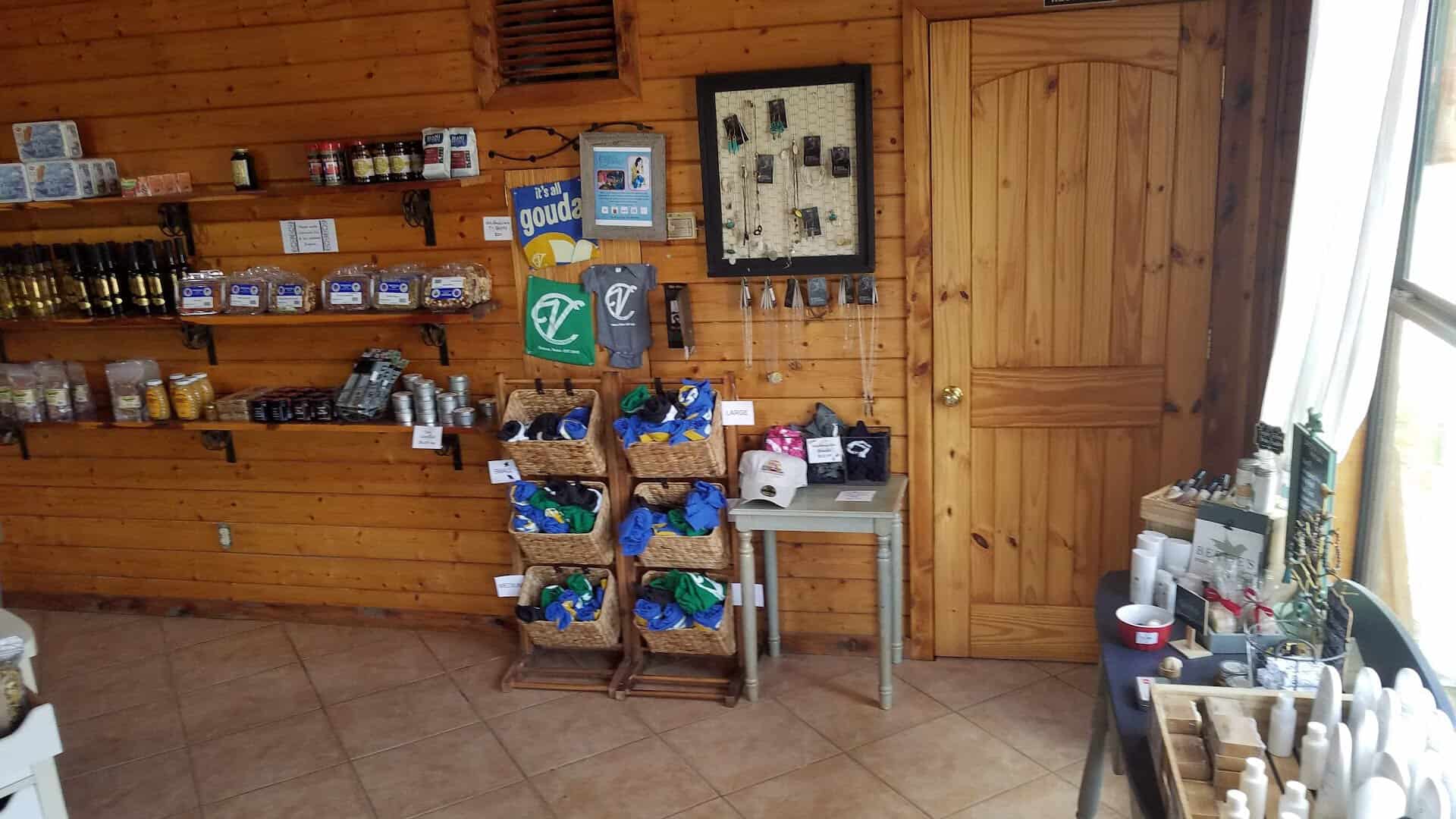
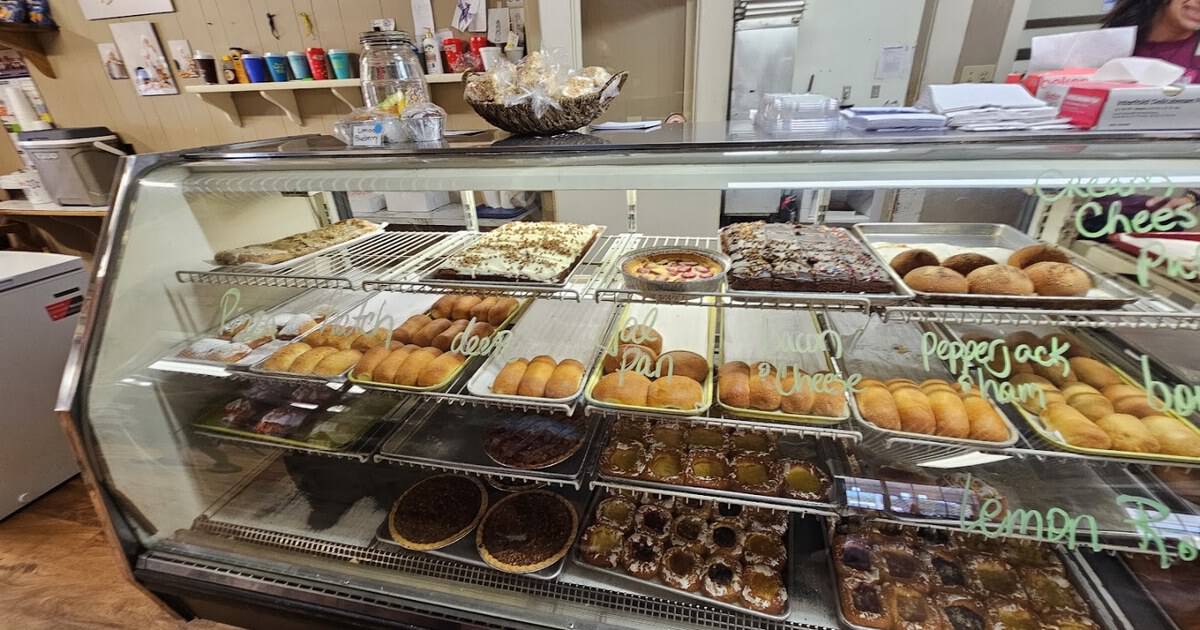
Cheese is the headline, but the farm store is stocked deeper than that. This is a genuine farmstead pantry, not a single-note gift shop.
You can carry home raw milk, farm yogurt, and hand-churned butter. There are free-range eggs, farm ground beef, and uncured bacon in the cooler too.
They even keep olive oil blends on the shelf. It is the sort of stop where a quick cheese run quietly turns into a full cooler on the drive home, and nobody in the car complains.
Taking the Tour
If you want the full experience, plan around the tour schedule. Tours run on Thursdays at noon and on Saturdays at 10:30 in the morning and again at 1:30 in the afternoon.
They are gentle on the wallet: eight dollars for adults, six for children six to twelve, and free for the little ones under six. Larger groups can arrange a private tour by appointment.
One planning note. The tours pause during August, so if you are set on seeing the make in action, aim for another month and call ahead to confirm the day you want.
Why the Drive Is the Point
You cannot stumble onto this place, and that is exactly what keeps it special. It sits on a real working farm down a county road, well off the highway, in the quiet country between Stephenville and the metroplex.
The reward for the effort is a kind of cheese you cannot get any other way: made by hand, aged in the earth, and handed to you by the people who milked the animals that morning. Big-box convenience cannot fake that, and it does not try.
So make it a proper outing. Pair it with a swing through the town of Dublin, famous in its own right, and you have yourself a full day in the Texas countryside.
Time it around a Thursday or a Saturday and you can watch a wheel actually take shape, then buy the finished version of what you just saw. Few food stops let you close the loop like that, from the milking parlor to the shopping bag in one visit.
Bring a cooler, and bring more than you think you need. Everyone underestimates how much they will want once the tasting starts, and the shop is a long way to drive back for a second block.
How to Get There
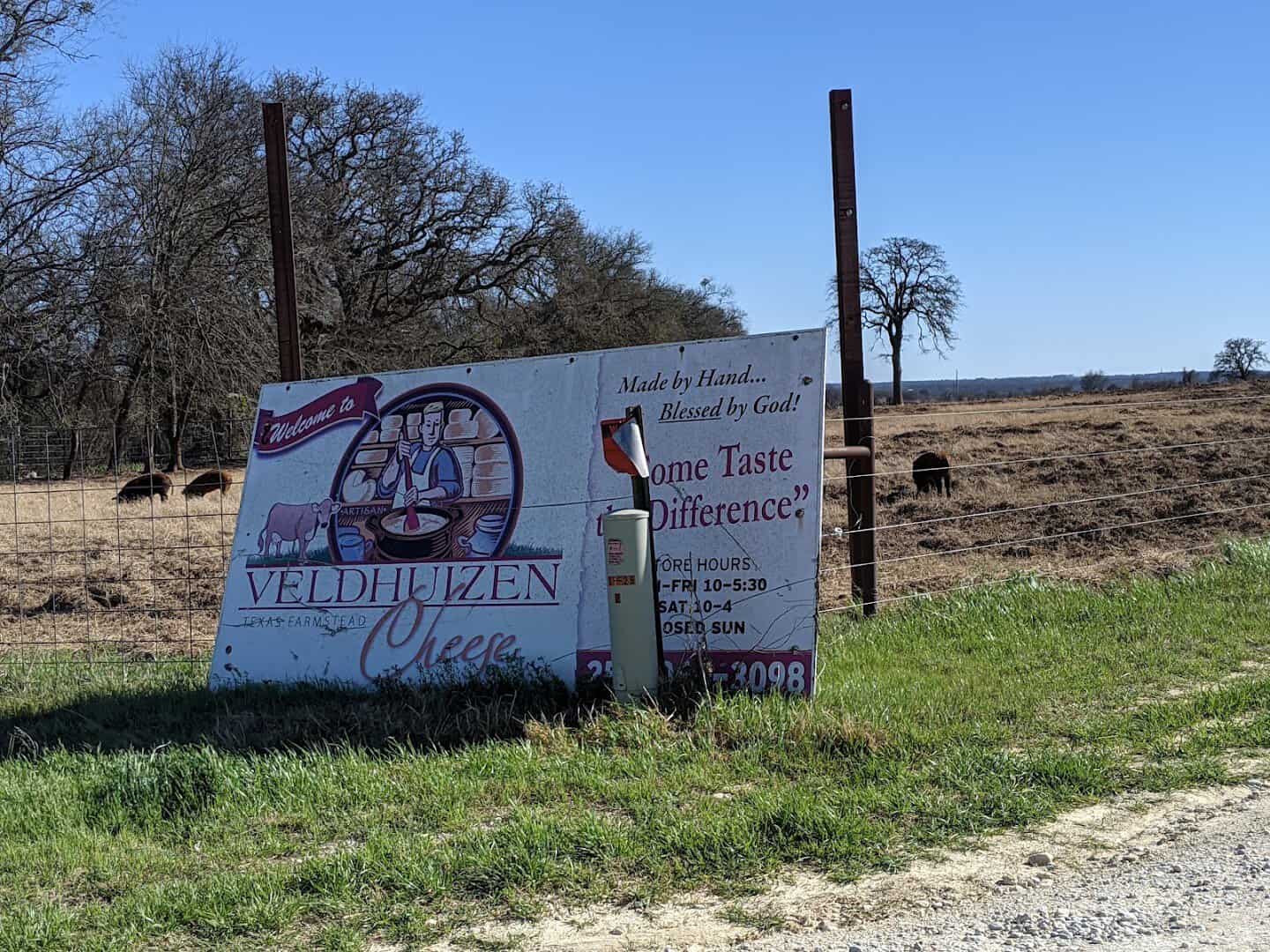
Where: Veldhuizen Cheese, 3364 County Road 299, Dublin, TX 76446. Store hours are Monday through Friday from 10 a.m. to 5:30 p.m. and Saturday from 10 a.m. to 4 p.m., closed Sundays. Reach the shop at (254) 968-3098.
Dublin sits west of the Dallas-Fort Worth metroplex, a straight shot down US-377 past Stephenville. The last stretch is county road, so trust your map and enjoy the pastures rolling by.
Plan Your Texas Cheese Run
Some places earn the miles, and a family farm turning raw milk into cave-aged cheddar is squarely one of them. Bring a cooler, leave room in the schedule, and taste your way down the whole counter.
Whether you live in Texas or you are just passing through, point the car toward Dublin, grab a wedge of Bosque Blue and a block of that beer-washed cheddar, and try not to open them before you get home.
Featured image: @ Veldhuizen Cheese

Stella Raines
Editor-in-Chief
Stella brings over a decade of storytelling experience to TX Headlines. With roots in West Texas and a love for road trips, she leads the editorial team with an eye for the hidden stories that make Texas unforgettable.
More Stories
Tags