15 Iconic National Parks That Belong on Your Bucket List
I keep a running list on my phone titled “before I’m too old to hike it,” and almost every line on it is a national park. Some places you read about. These you have to stand inside.
There are 63 national parks now, and I love arguing about the order. But a handful sit above the debate. These are the ones with raw, humbling grandeur, the parks that make a first-timer go quiet at the overlook.
Below, I’ve pulled fifteen icons everyone should see at least once, spread coast to coast so no single region hogs the list. Geysers, granite domes, red arches, glaciers, swamp, and the tallest peak on the continent. Here’s where to point the car.
1. Yellowstone National Park, Wyoming
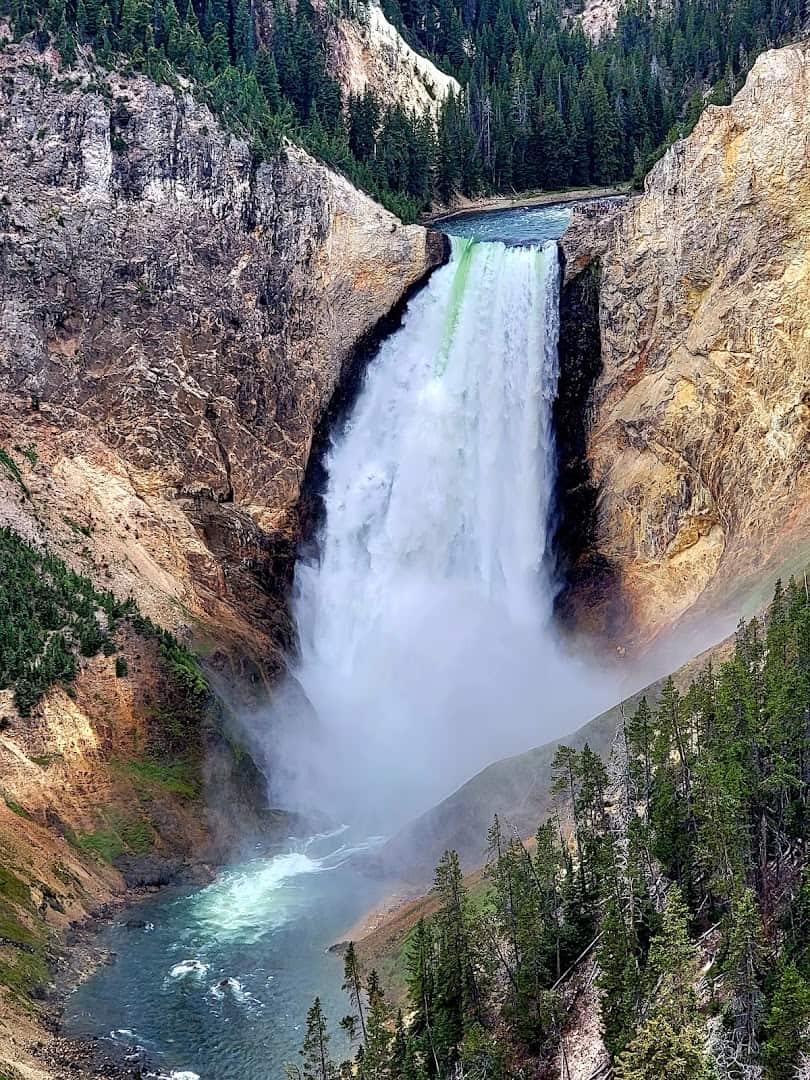
Start where the whole idea started. Yellowstone became the world’s first national park in 1872, when Ulysses S. Grant signed it into being before anyone was sure what a national park even was.
It sits on a supervolcano, which is why it hisses and steams. Old Faithful still erupts roughly every 90 minutes, and Grand Prismatic Spring glows in colors that look edited even in person.
Give it three days. Drive Lamar Valley at dawn, nicknamed America’s Serengeti, where bison jam the road and patient watchers spot the wolves brought back in 1995.
Where: Yellowstone National Park, Wyoming. The closest gateways are West Yellowstone and Gardiner, Montana, both about 90 minutes from the airport in Bozeman, Montana.
2. Zion National Park, Utah
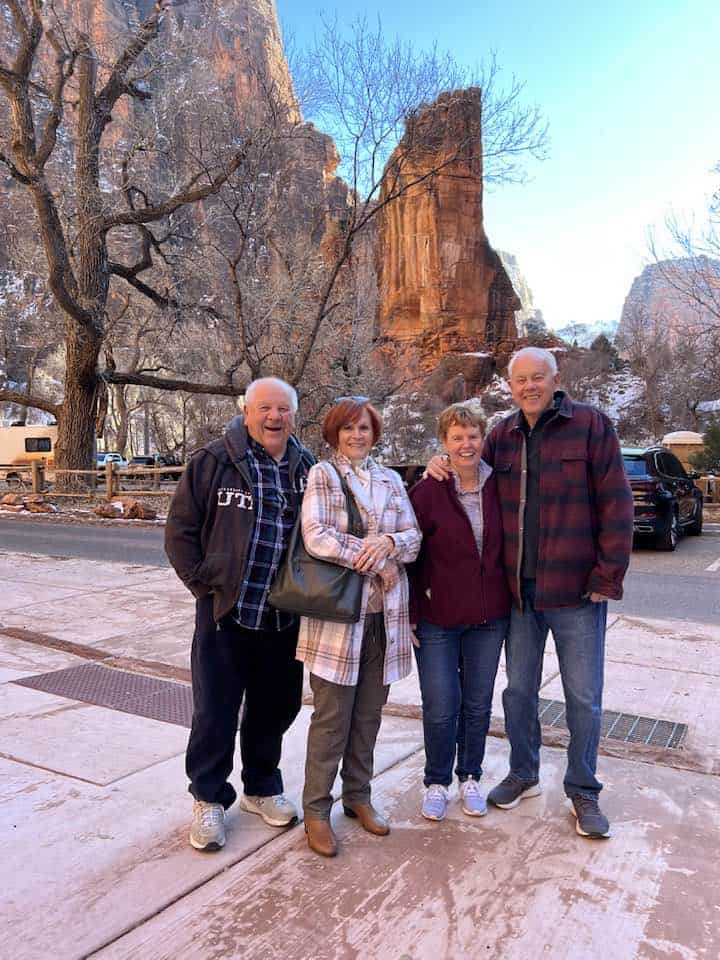
Utah’s first national park is a canyon you walk into from the bottom, looking up. Zion’s walls climb 2,000 feet of cream, pink, and red sandstone, and the Virgin River keeps carving them deeper.
Two hikes made it famous. Angels Landing is the knife-edge climb with chains bolted into the rock, now by permit. The Narrows sends you wading up the river itself, canyon walls squeezing close overhead.
A free shuttle runs the scenic drive most of the year, so you leave the car and watch the cliffs instead. Go early, because the light on the sandstone at dawn is worth the alarm.
Where: Zion National Park, Utah. The main entrance is at Springdale, about 45 minutes from St. George and roughly 2.5 hours northeast of Las Vegas on I-15.
3. Acadia National Park, Maine
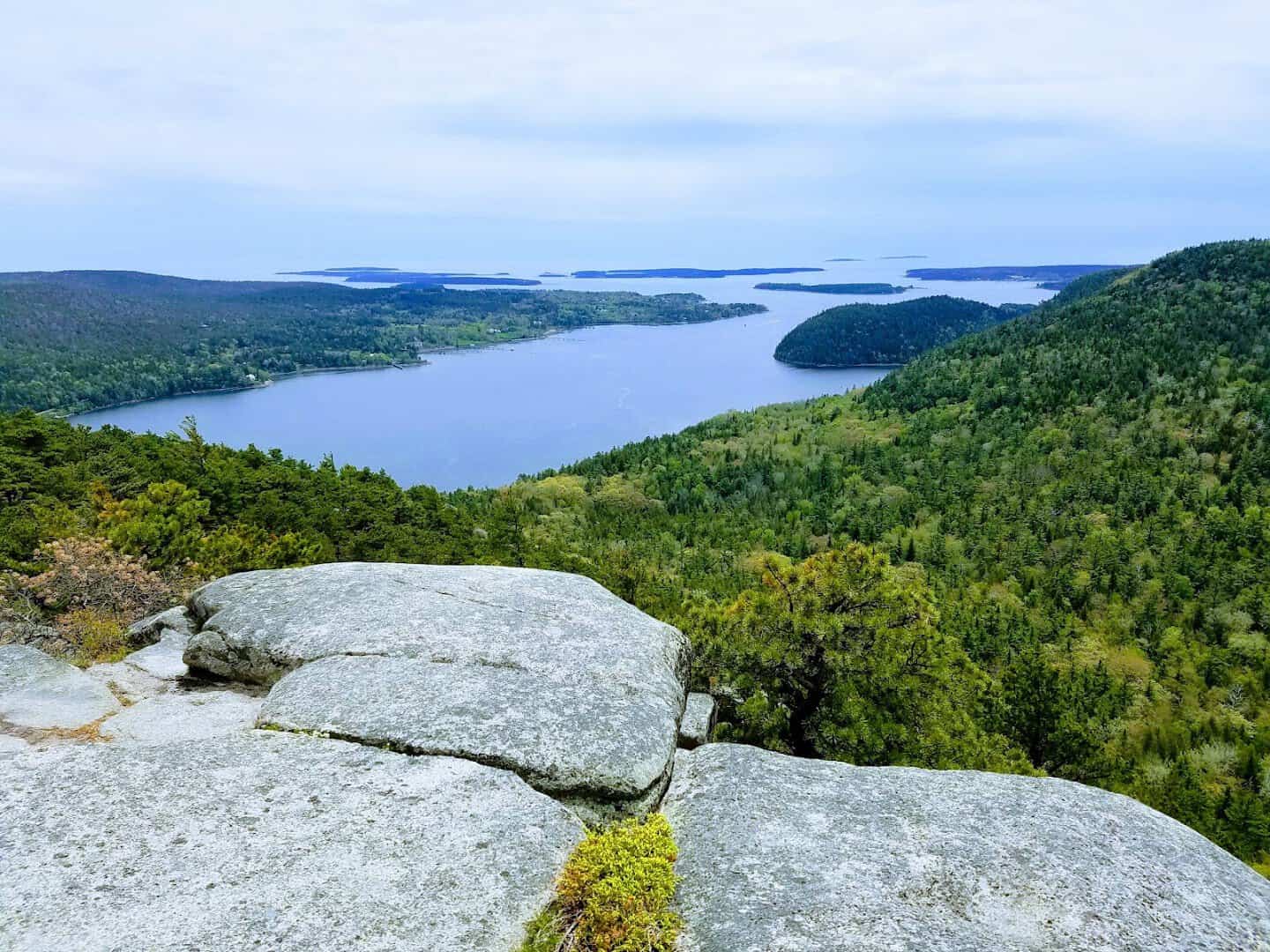
Acadia is proof you do not need the West for a knockout park. It was the first national park east of the Mississippi, protected in 1916 and named Acadia in 1929, gifted largely by families who loved this coast.
Cadillac Mountain is the draw. At 1,530 feet it is the highest point on the Atlantic seaboard, and for part of the year it is the first spot in the country to catch the sunrise.
Rent a bike for the 45 miles of carriage roads John D. Rockefeller Jr. built, all graceful stone bridges. Then finish at Jordan Pond House with tea and warm popovers, a tradition older than the park.
Where: Acadia National Park, Maine, mostly on Mount Desert Island. Base yourself in Bar Harbor, about an hour from the airport in Bangor.
4. Grand Teton National Park, Wyoming
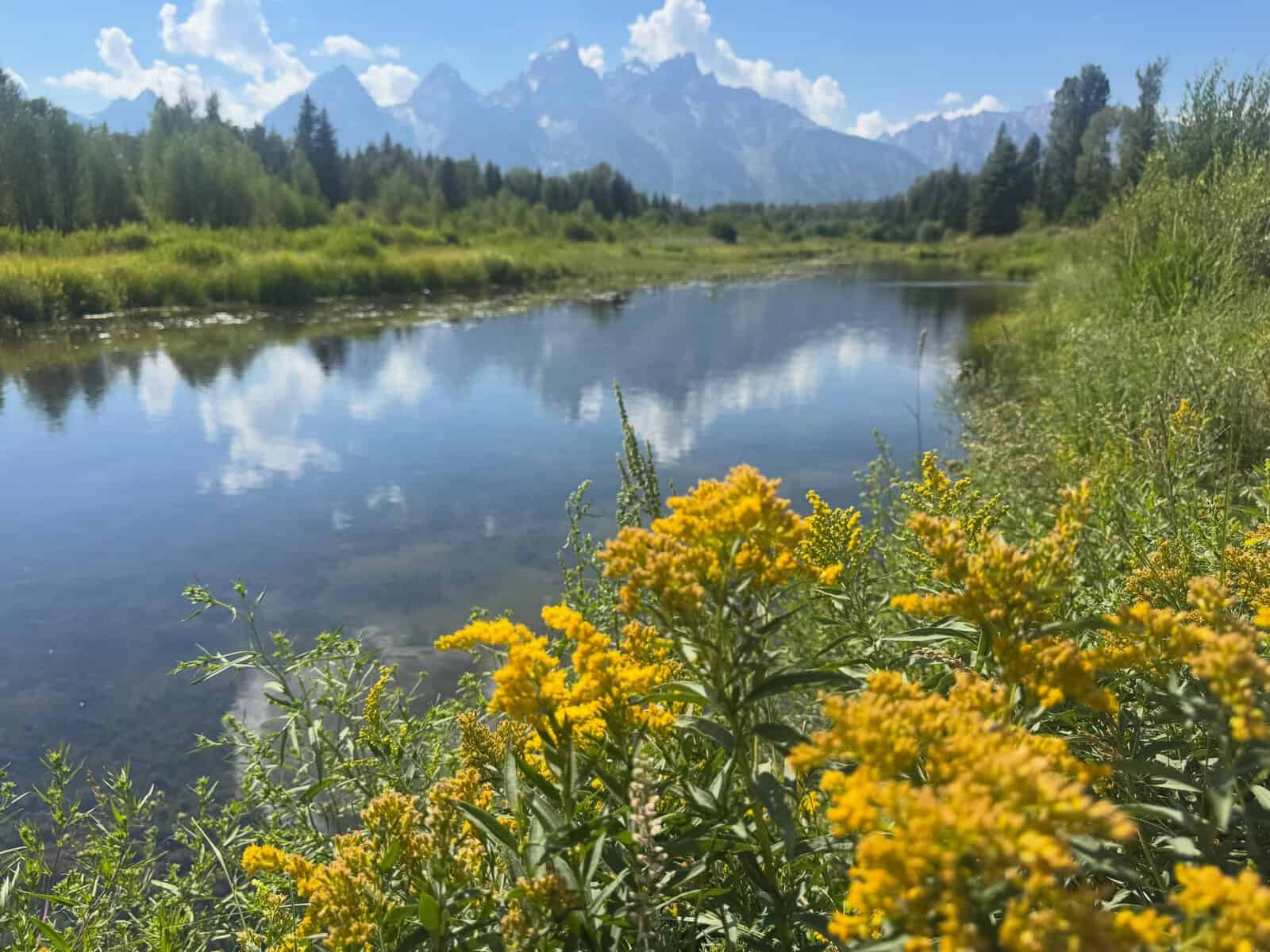
No foothills, no warning. The Teton Range jumps straight off the valley floor, and the jagged summit of Grand Teton tops out at 13,775 feet. Few mountain views in the country hit you this fast.
The park protects the range and the string of lakes beneath it. Jenny Lake mirrors the peaks on a still morning, and a boat shuttle drops you at the trail to Hidden Falls and Inspiration Point.
Wildlife is everywhere along the valley the locals call Jackson Hole. Watch for moose in the willows and pronghorn on the flats, then swing by Mormon Row for the most photographed barns in America.
Where: Grand Teton National Park, Wyoming. Moose is the south hub, about 30 minutes from the airport in Jackson, and the park connects north to Yellowstone by the John D. Rockefeller Jr. Parkway.
5. Great Smoky Mountains National Park, Tennessee
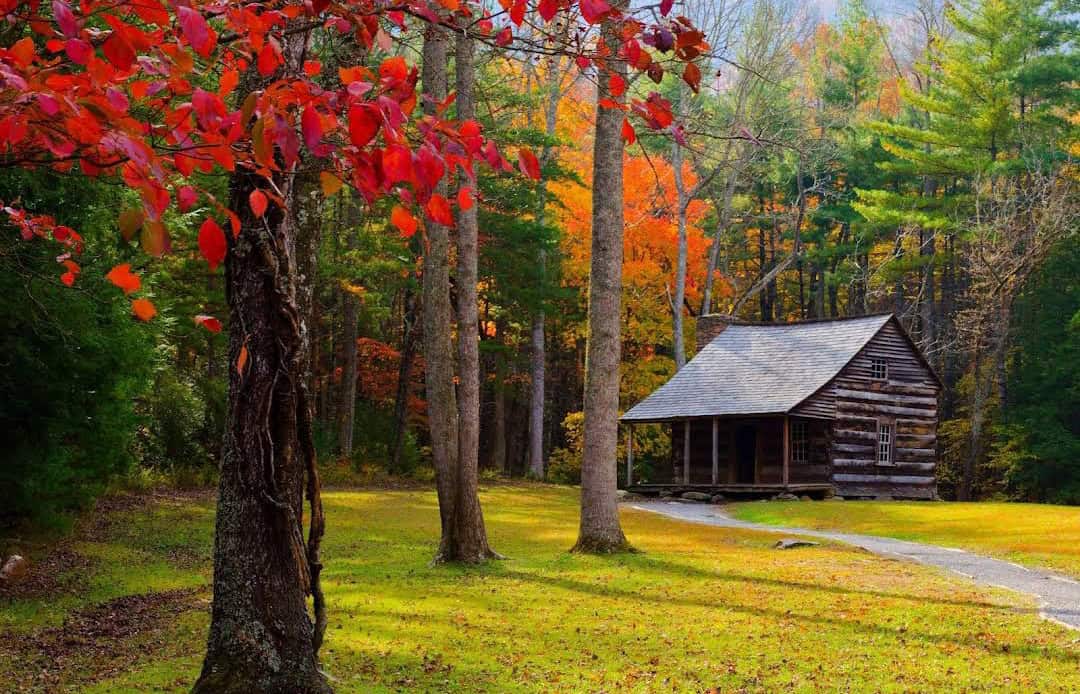
Here is a stat that surprises people. The Smokies pull in more visitors than any other national park, well over 12 million a year, and there is no entrance fee to get in.
The name comes from the blue haze over the ridges, a natural fog the Cherokee called the place of the blue smoke. Established in 1934, the park protects more than 19,000 documented species, with thousands more uncounted.
Loop Cades Cove at dawn for black bears and old homesteads. For a few weeks each June, synchronous fireflies blink in unison here, a light show that happens in only a handful of places worldwide.
Where: Great Smoky Mountains National Park, straddling Tennessee and North Carolina. The busiest entrance is at Gatlinburg, Tennessee, about an hour from Knoxville.
6. Yosemite National Park, California
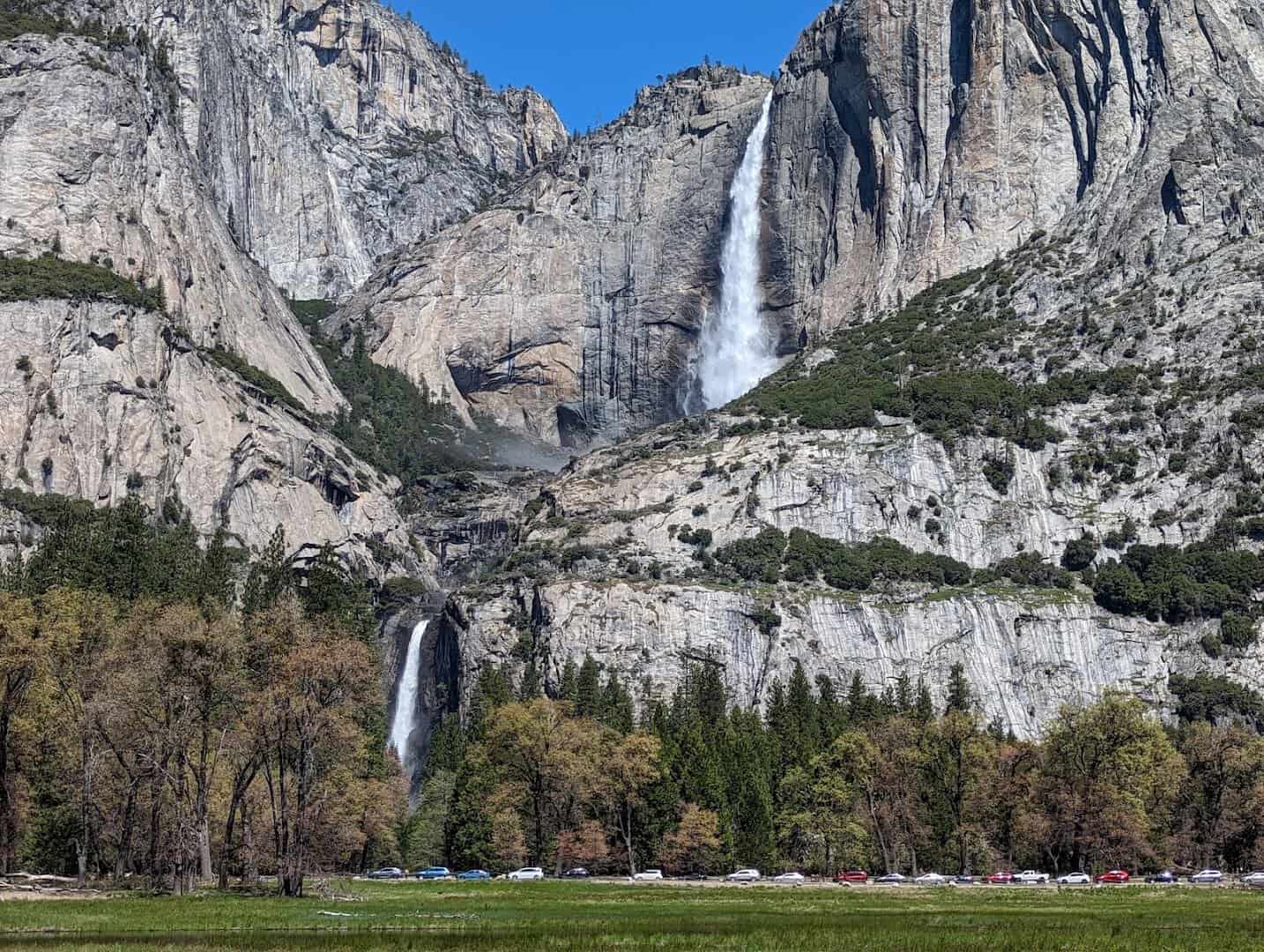
Some places earn their fame. Yosemite is one of them. Abraham Lincoln protected the valley back in 1864, and it became a full national park in 1890, thanks in large part to a stubborn Scot named John Muir.
The scale is the thing. El Capitan rises about 3,000 feet of sheer granite, the kind climbers train years to touch. Half Dome watches over the whole valley like it is keeping score.
Go in late spring when the snowmelt roars. Yosemite Falls drops 2,425 feet then, the tallest waterfall in North America, and you hear it long before you round the bend and see it.
Where: Yosemite National Park, California. About 3.5 hours east of San Francisco on Highway 120, with Mariposa the handiest gateway town for a night’s rest.
7. Shenandoah National Park, Virginia
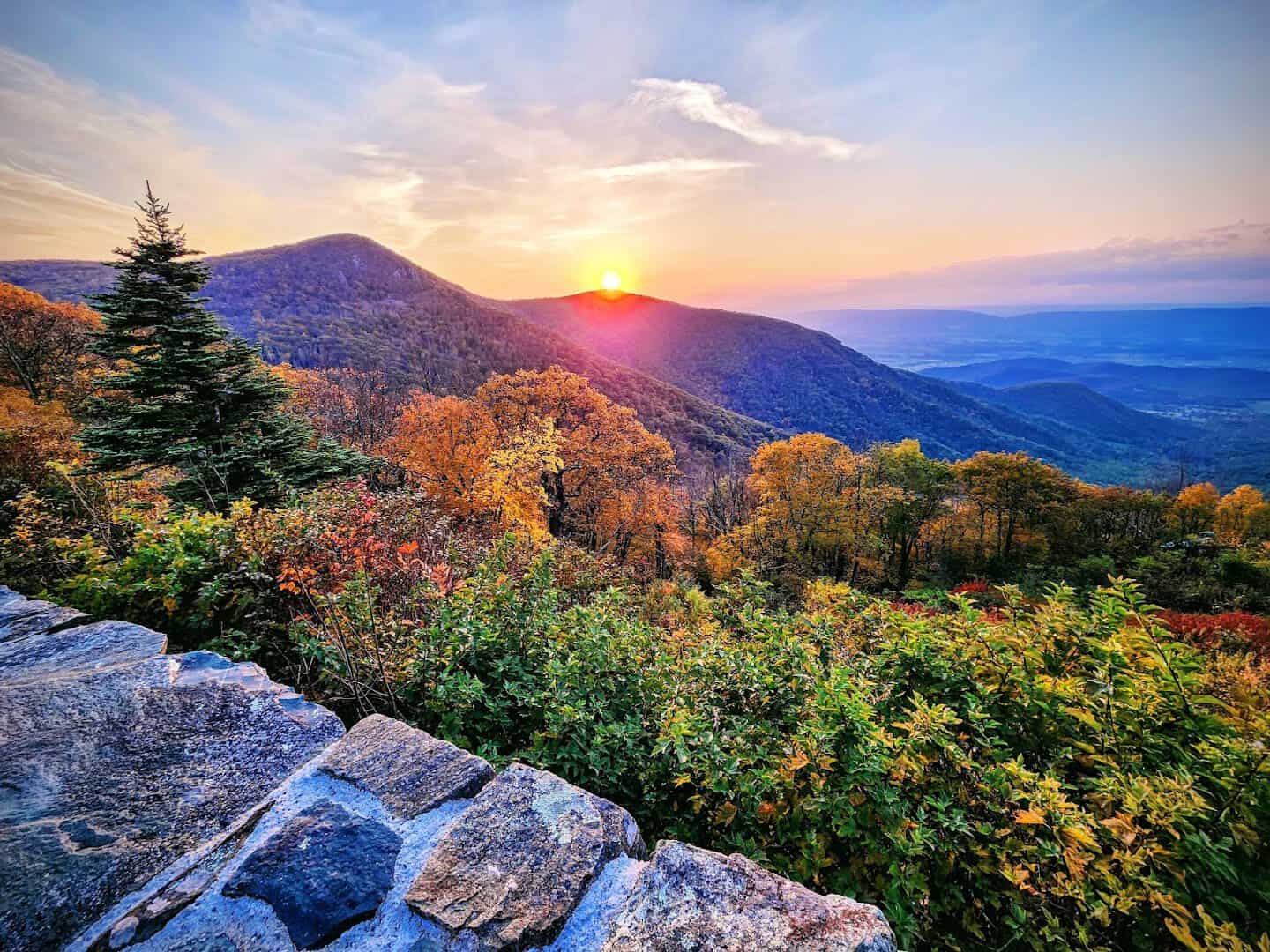
An hour from Washington, the Blue Ridge Mountains roll out in soft, hazy waves. Shenandoah became a park in 1935, stitched together from worn-out farmland that the forest has quietly reclaimed ever since.
Skyline Drive is the spine, 105 miles of ridgetop road with 75 overlooks. In October the hardwoods turn gold and crimson, and the whole range looks like it is on fire in the best way.
Step onto the Appalachian Trail, which threads the park for about 100 miles. Shorter walks reward you fast, like the climb up Old Rag or the falls at Dark Hollow, and deer graze the meadows at dusk.
Where: Shenandoah National Park, Virginia. The Thornton Gap entrance near Luray sits about 90 minutes west of Washington, off US-211.
8. Rocky Mountain National Park, Colorado
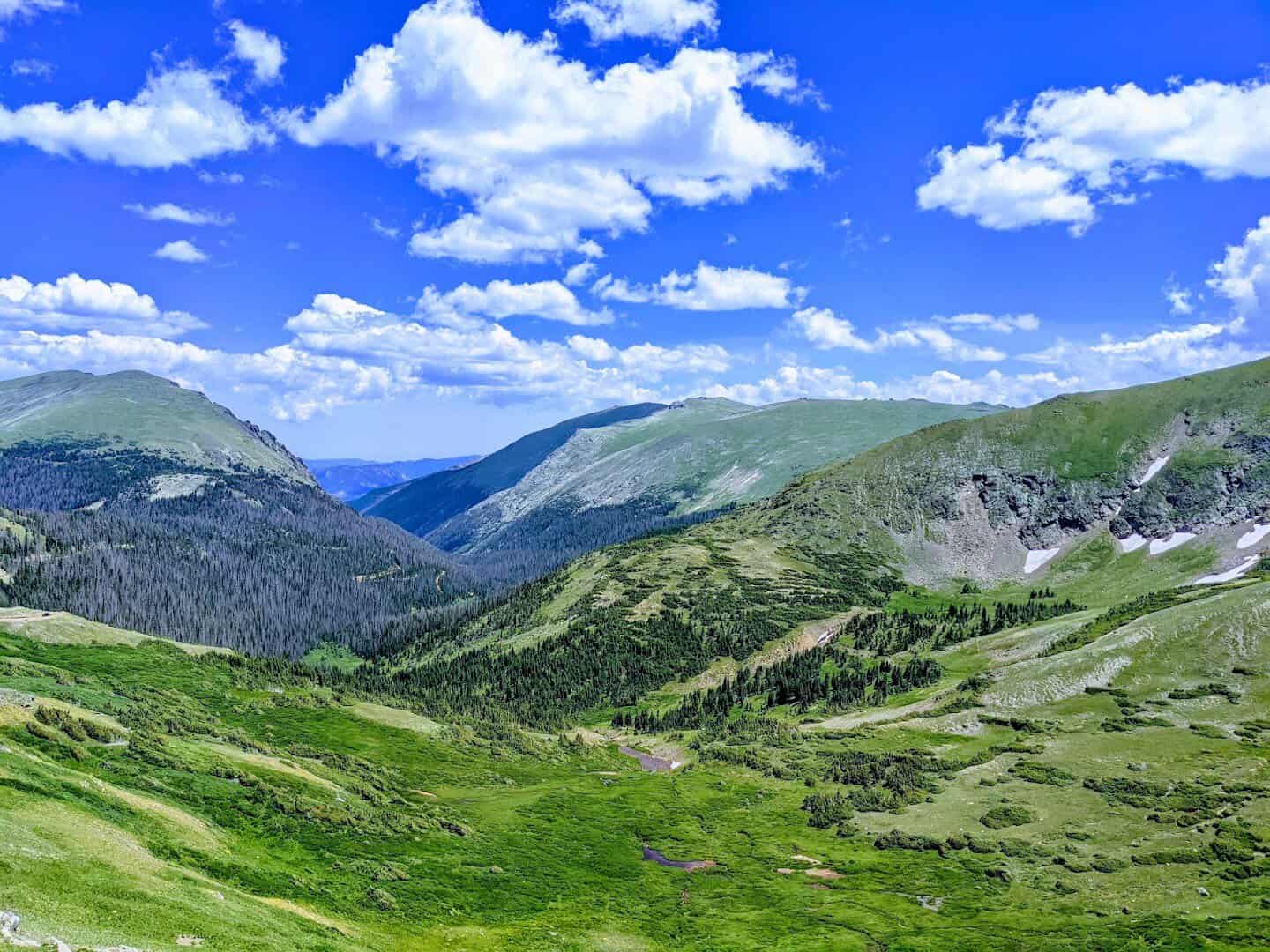
If you want the high country without a mountaineering course, this is your park. Established in 1915, Rocky Mountain packs more than 60 peaks over 12,000 feet into one glorious, oxygen-thin package.
Drive Trail Ridge Road, the highest continuous paved road in the country, cresting above 12,000 feet. You climb from pine forest into alpine tundra in an afternoon, with the whole Front Range unrolling below.
Autumn is the quiet favorite. Elk bugle across the meadows during the September rut, a sound that carries for miles. Take the altitude seriously, hydrate, and give your body a day before any big hike.
Where: Rocky Mountain National Park, Colorado. Estes Park guards the east entrance and Grand Lake the west, both roughly 90 minutes from Denver.
9. Olympic National Park, Washington
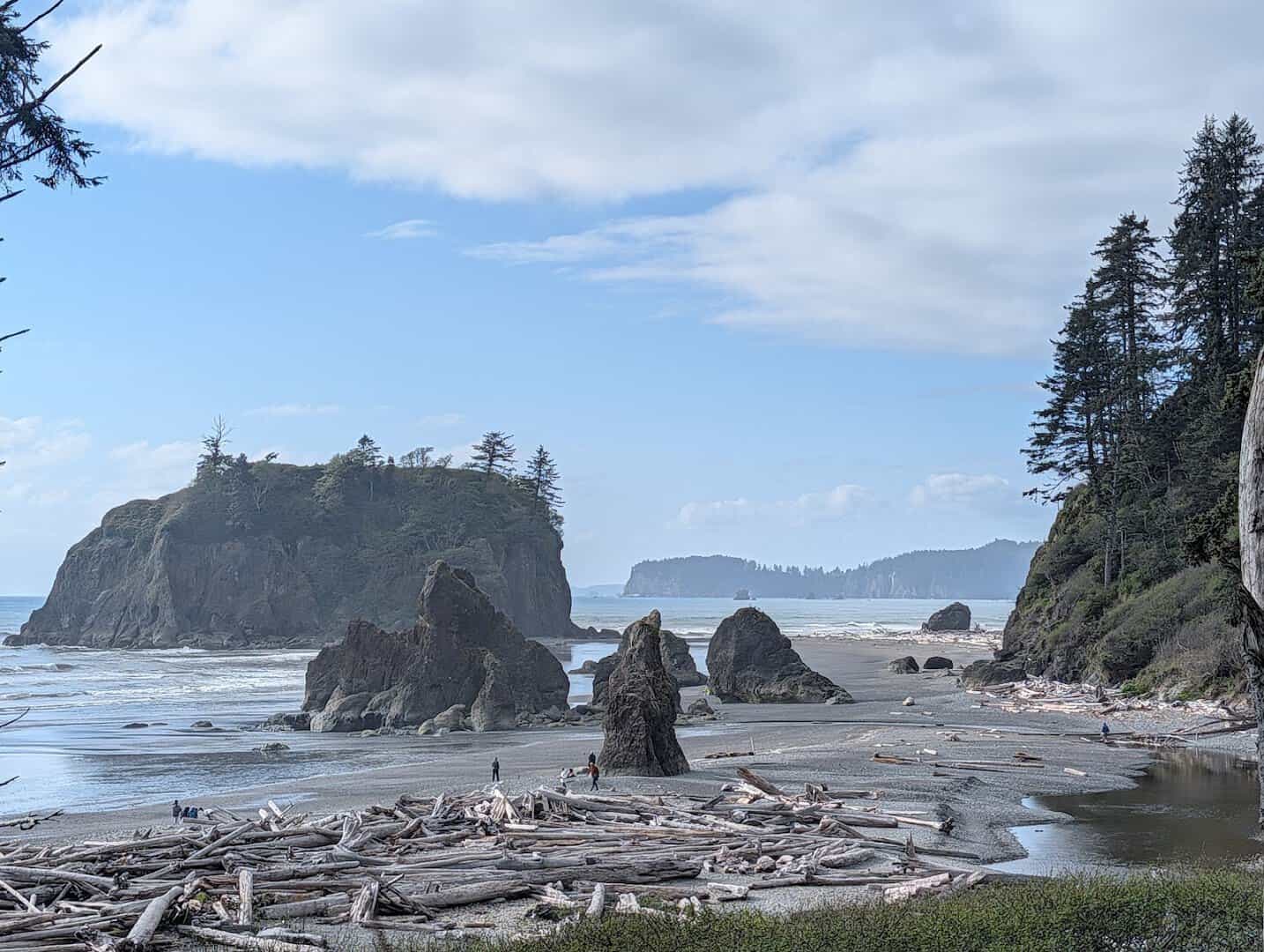
Olympic is really three parks in one, and that is why I never tire of recommending it. Franklin D. Roosevelt made it official in 1938, protecting nearly a million acres of wildly different worlds.
In one day you can stand on a wild Pacific beach at Ruby Beach, wander the dripping, moss-draped Hoh Rain Forest, and gaze up at glaciers on Mount Olympus. Few places pack that much range together.
The Hoh soaks up around 12 feet of rain a year, so everything wears green. Pack a rain jacket whatever the forecast, and time low tide for the coast, when the tide pools open among the sea stacks.
Where: Olympic National Park, Washington. Port Angeles is the main hub, about 2.5 hours from Seattle including the ferry ride across Puget Sound.
10. Arches National Park, Utah
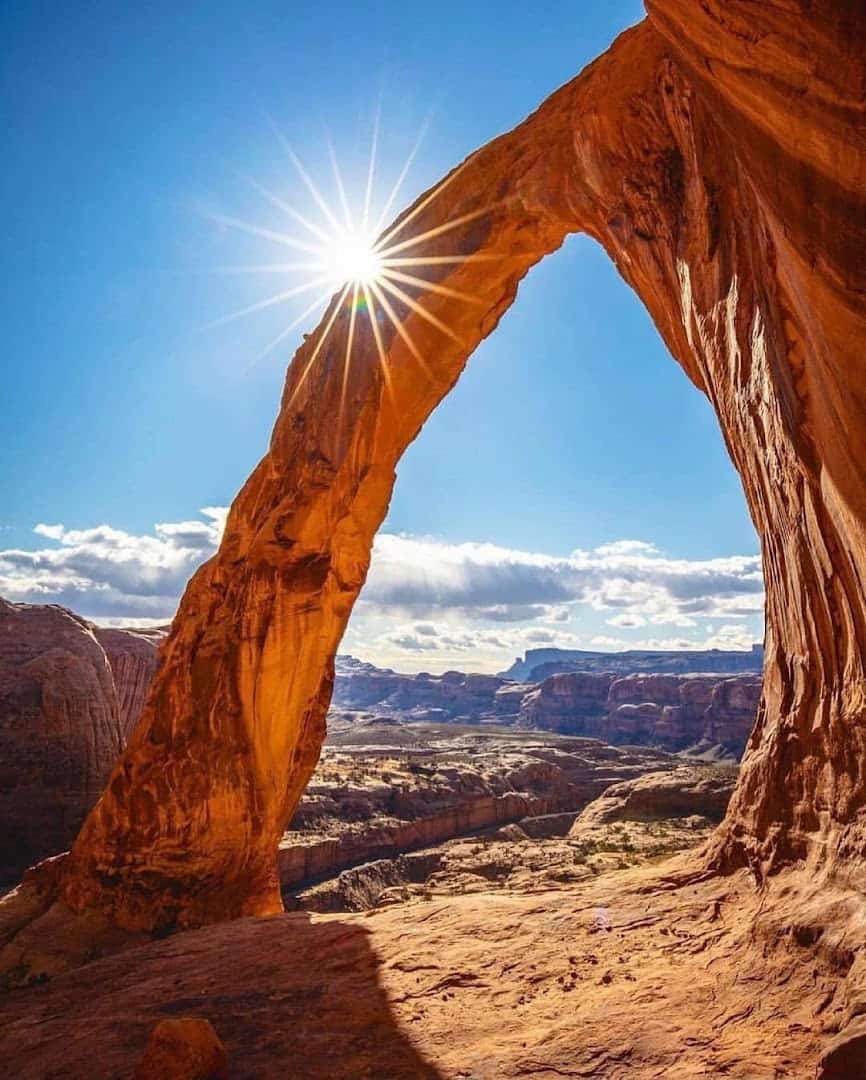
Nowhere on Earth has more natural stone arches than this stretch of Utah desert, over 2,000 of them. Water, ice, and time did the sculpting, leaving fins and windows of glowing red rock everywhere you look.
Delicate Arch is the star, the free-standing span you see on the Utah license plate. The moderate hike to reach it climbs slickrock with no shade, so carry water and aim for the softer light of late afternoon.
The scenic drive links the rest, from Balanced Rock to the Windows to the fins of Devils Garden. Stay after dark, because the skies here are so clear the Milky Way pours right over the arches.
Where: Arches National Park, Utah. The entrance sits 5 minutes north of Moab on US-191, about 3.5 hours southeast of Salt Lake City. A timed-entry reservation is required in the busy months.
11. Grand Canyon National Park, Arizona
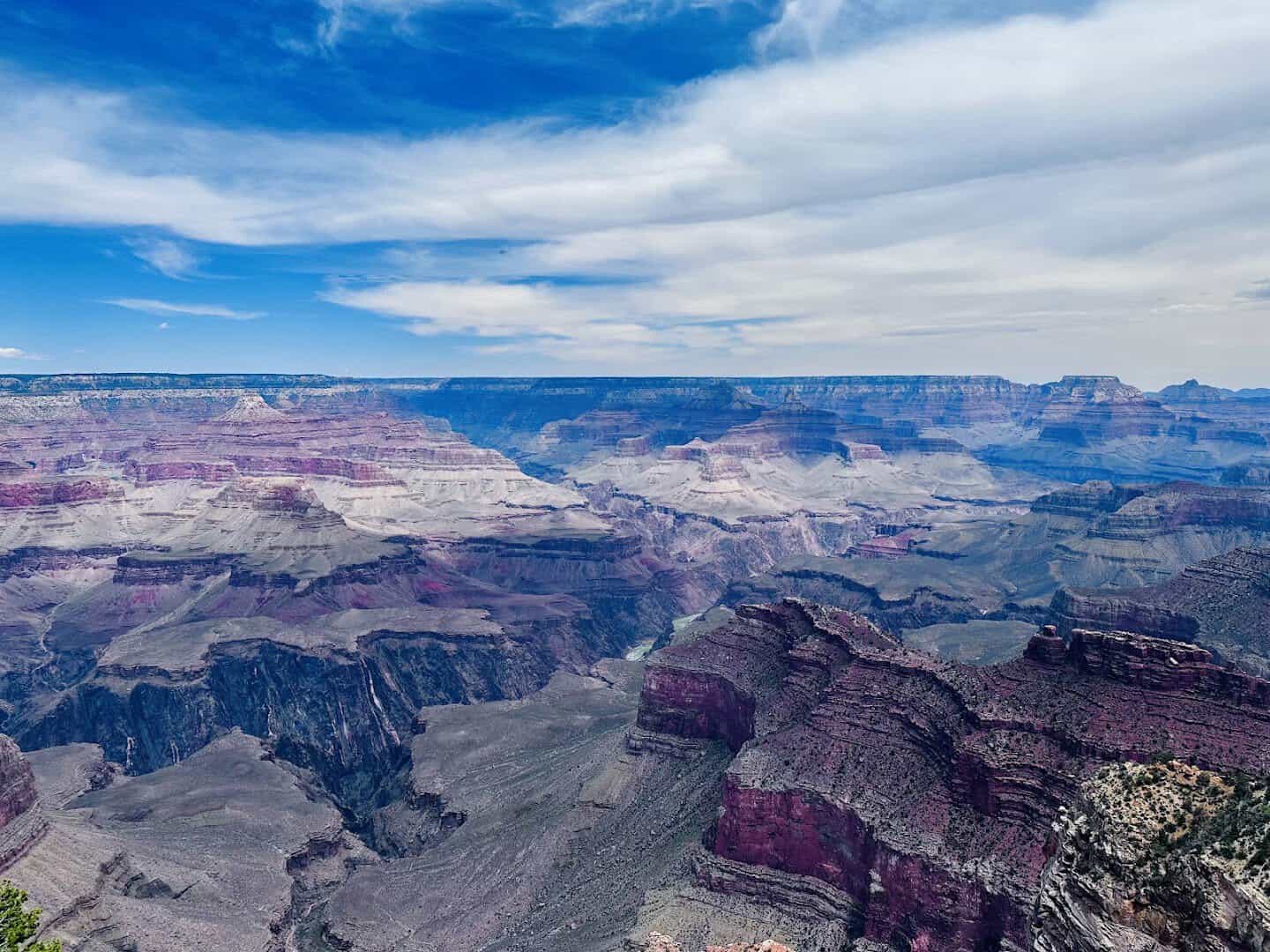
No list of American icons skips this one. Photos undersell it every single time. You walk up to the rim expecting to be prepared, and the sheer size still knocks the words out of you.
The canyon runs 277 river miles long, plunges about a mile deep, and lays bare nearly two billion years of rock. The Colorado River carved all of it, patiently, over millions of years.
It became a national park in 1919. Most visitors stick to the South Rim, open year-round with the classic overlooks. Come for sunrise or sunset, when the light sets the whole gorge on fire.
If your knees allow, hike a mile down the Bright Angel Trail. Even a short descent changes everything, and you feel the canyon instead of only looking at it.
Where: Grand Canyon National Park, Arizona. The South Rim at Grand Canyon Village is about 90 minutes from Flagstaff and 3.5 hours from Phoenix.
12. Sequoia National Park, California
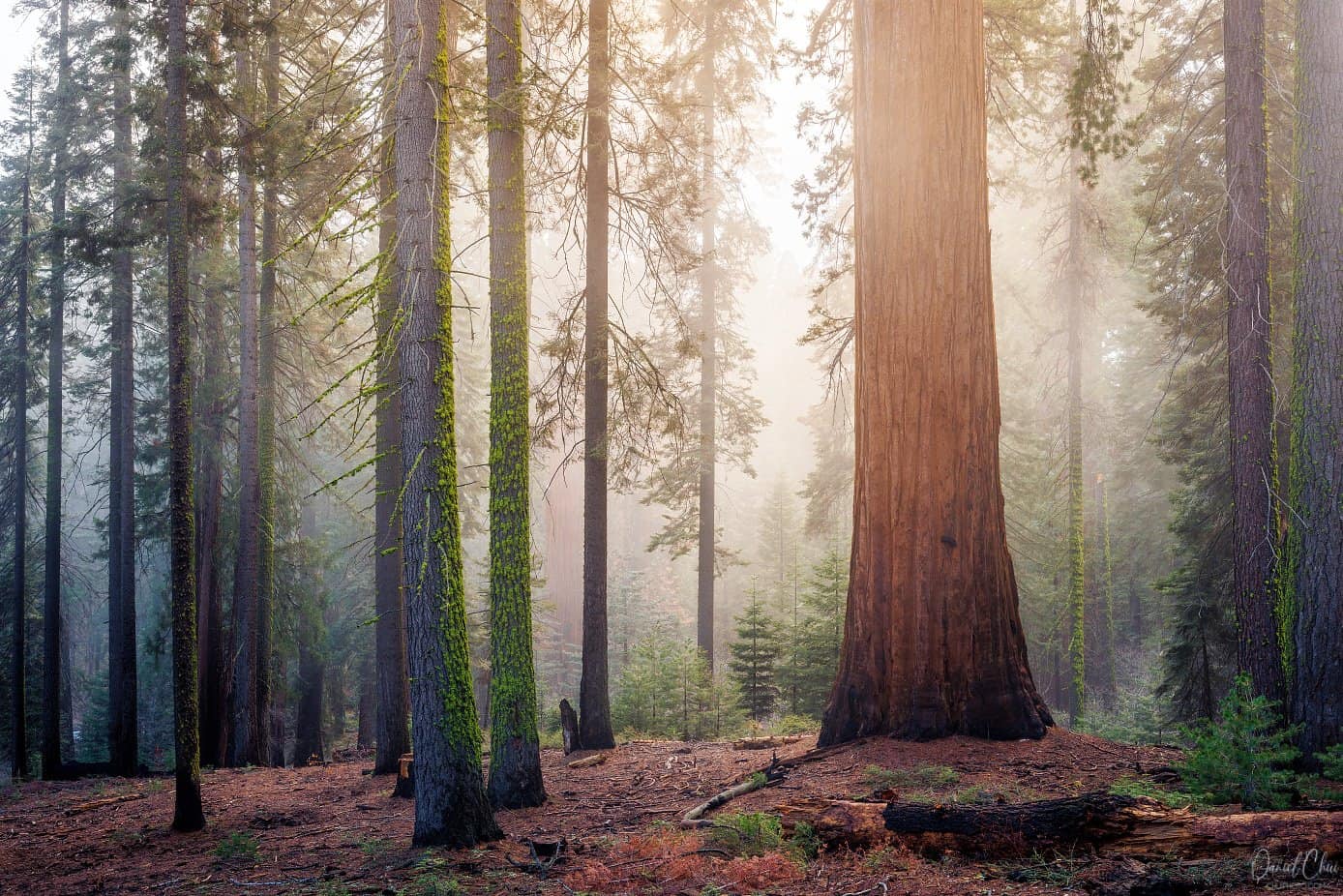
Some trees rewrite your sense of scale. Sequoia protects the giant sequoias, the largest living things on the planet, and standing at the base of one is the whole reason to come.
The General Sherman Tree is the biggest of all by volume, about 275 feet tall with a base you could not hug with ten friends. A flat, paved trail leads right to it through a grove of near-giants.
Established in 1890, the park climbs from foothills to the granite of the high Sierra. Drive up to Moro Rock and climb the stone stairway for a view that falls away in every direction.
Where: Sequoia National Park, California. The Ash Mountain entrance is about 45 minutes east of Visalia on Highway 198, roughly 4 hours north of Los Angeles.
13. Glacier National Park, Montana
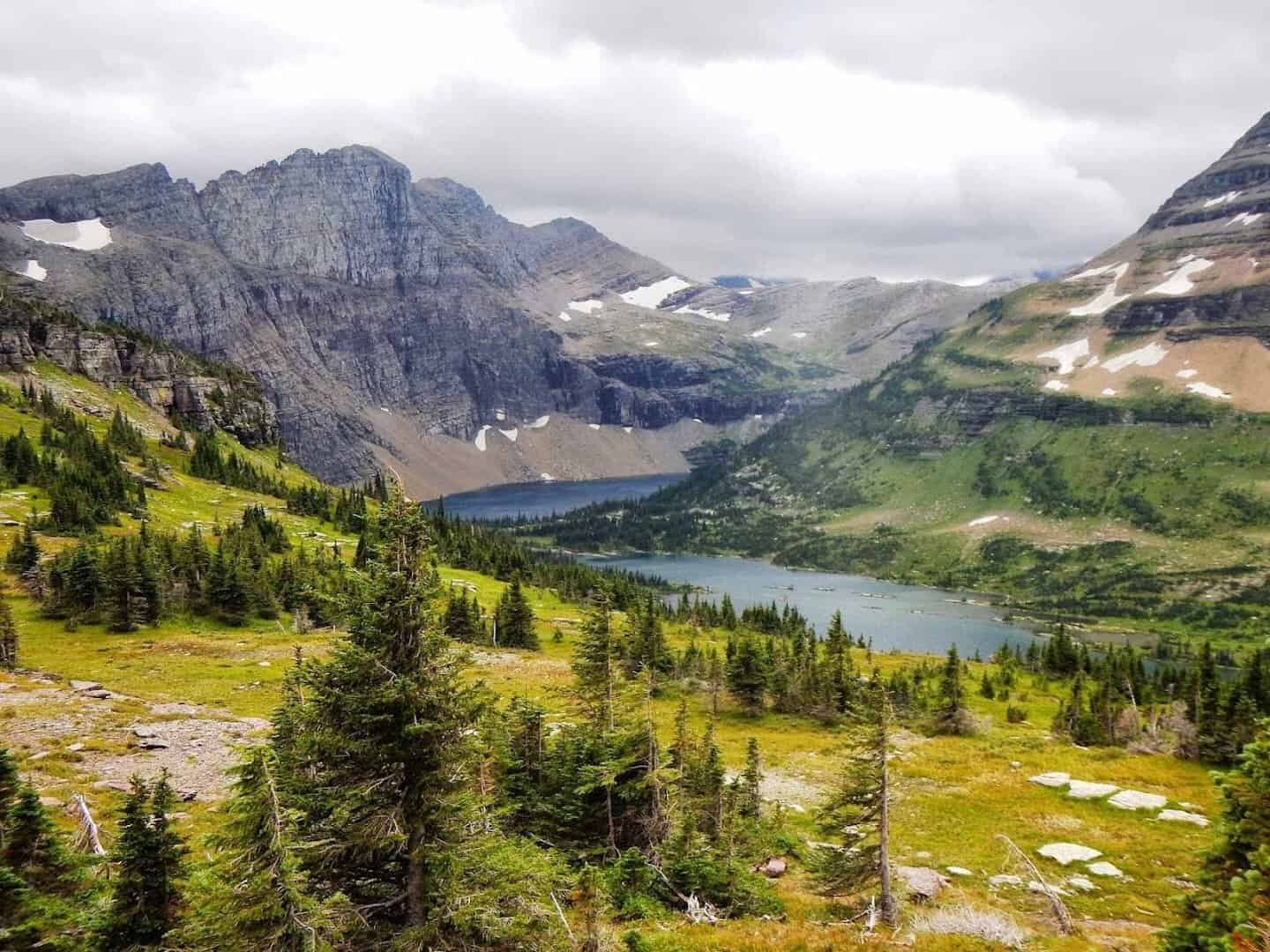
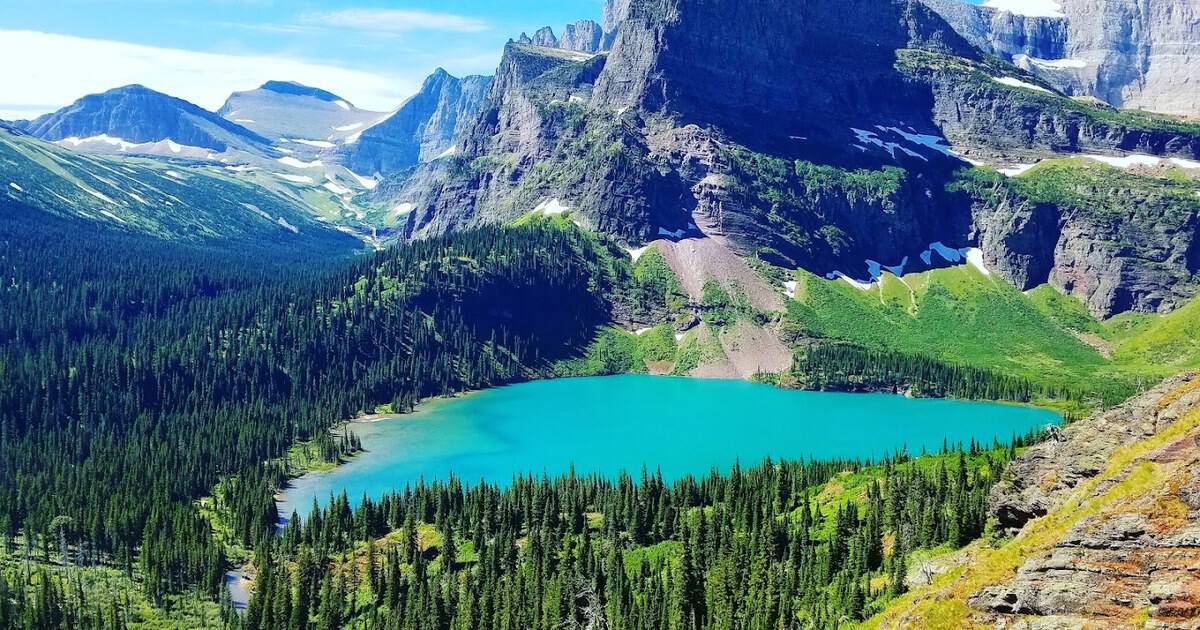
People call Glacier the Crown of the Continent, and once you see it, you stop arguing. Sawtooth peaks, water so clear it looks fake, and meadows that turn into wildflower riots in July.
The showstopper is Going-to-the-Sun Road, a 50-mile marvel finished in 1933 that climbs over Logan Pass. It is narrow, it is jaw-dropping, and mountain goats often stroll the shoulder like they own it.
Do not wait too long. The park was created in 1910 with roughly 150 glaciers, and only about two dozen remain. Grizzlies roam here, so carry spray, make noise, and grab a vehicle reservation for peak season.
Where: Glacier National Park, Montana. Enter at West Glacier, about 30 minutes from Glacier Park International Airport near Kalispell.
14. Everglades National Park, Florida
End somewhere completely different. The Everglades is not mountains or granite. It is a slow, shallow river of grass, the largest tropical wilderness in the country, and unlike anything else on this list.
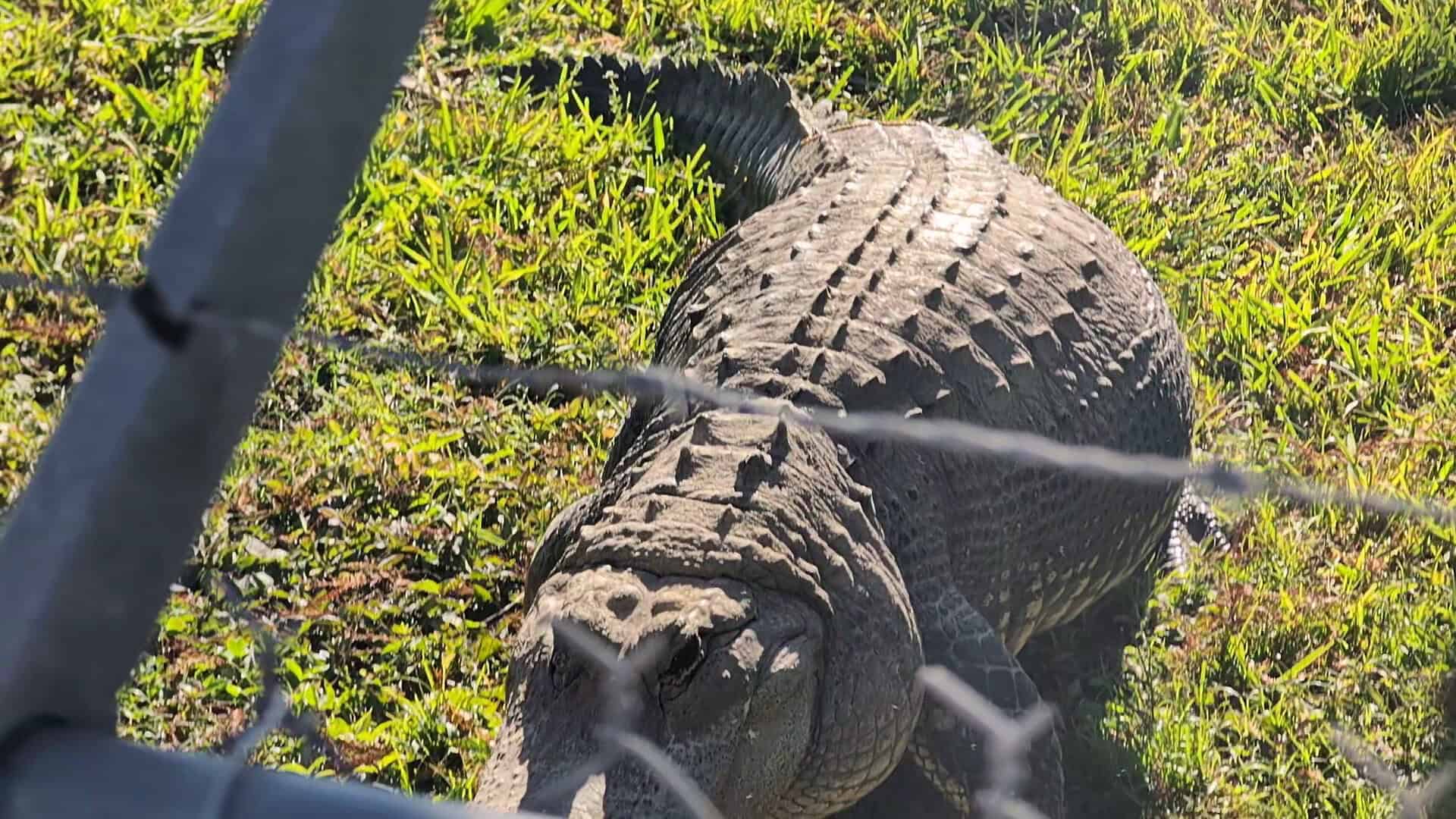
Writer Marjory Stoneman Douglas gave it that river of grass name, and the fight to protect it made it a national park in 1934. It is the only place on Earth where alligators and crocodiles share the water.
Walk the short Anhinga Trail for gators, wading birds, and maybe a flash of pink from a roseate spoonbill. Come in the dry winter season, roughly December through April, when wildlife crowds the shrinking water.
Where: Everglades National Park, Florida. The main entrance sits near Homestead, about an hour from Miami, with the Shark Valley entrance closer still to the city.
15. Denali National Park, Alaska
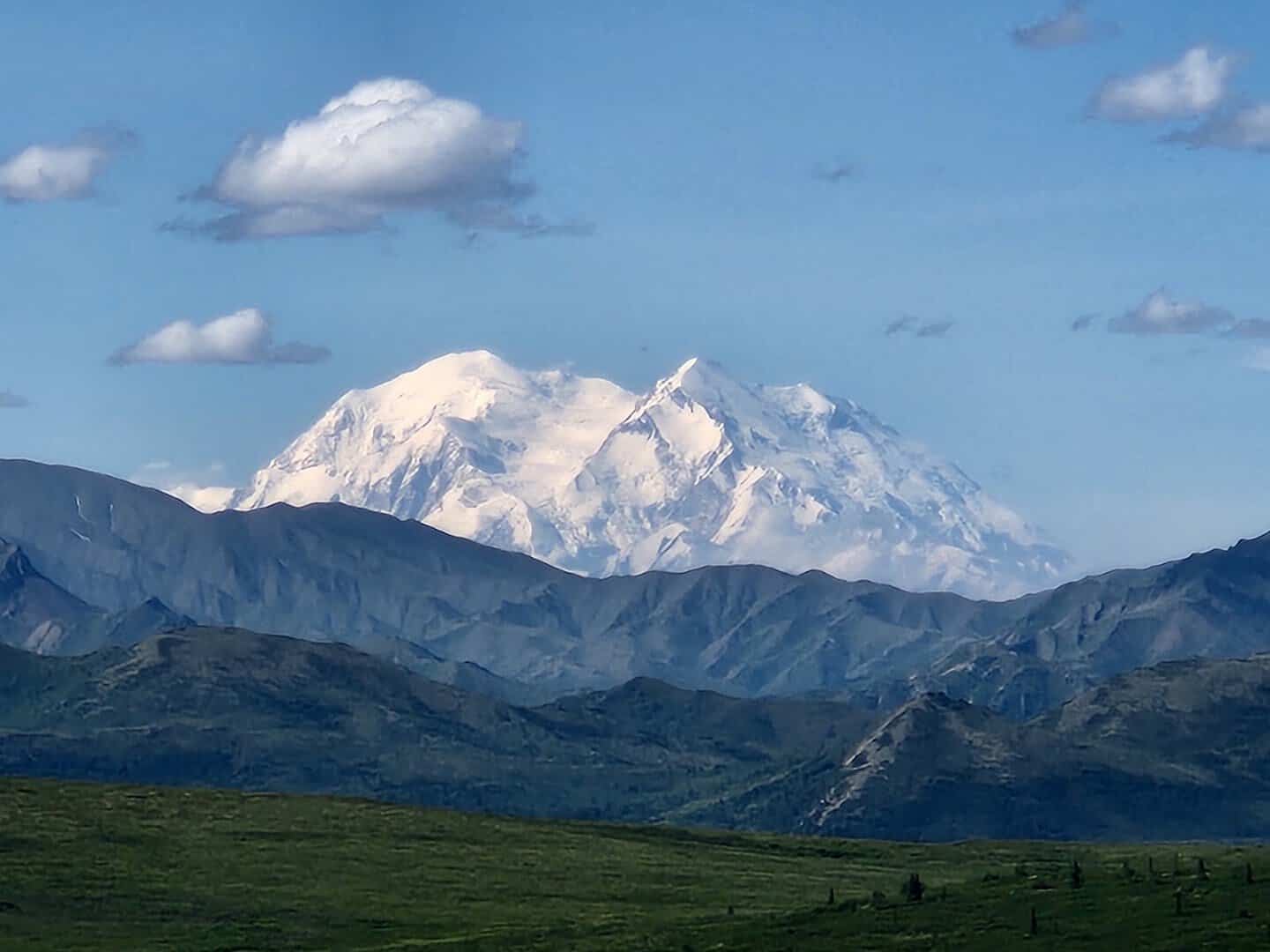
Denali is the big swing, the trip you plan for years. At its heart stands Denali itself, 20,310 feet, the tallest mountain in North America and shy behind clouds more often than not.
The park was established in 1917 and covers six million acres, larger than some states. One 92-mile road runs into it, and private cars can only go so far, which keeps the wildness intact.
Take the park bus and watch for the big five: grizzly, moose, caribou, Dall sheep, and wolf. Only about 30 percent of visitors ever glimpse the full peak, so give yourself several days for the odds to tip your way.
Where: Denali National Park, Alaska, along the Parks Highway. Roughly 2 hours south of Fairbanks and 4 hours north of Anchorage.
Start Planning Your Park Bucket List
You will not knock all fifteen out in one trip, and honestly you would not want to. Each one deserves its own slow visit, its own bad weather day, its own perfect morning at the overlook.
So pick one for this year. Buy the annual pass, pack layers, get your permits early for the popular hikes, and go stand somewhere that makes you feel small in the best possible way.
Featured image: Josh Kettelkamp via Glacier National Park

Stella Raines
Editor-in-Chief
Stella brings over a decade of storytelling experience to TX Headlines. With roots in West Texas and a love for road trips, she leads the editorial team with an eye for the hidden stories that make Texas unforgettable.