This Secret Texas State Park Lets You Camp Right on the Lake for Just $20 a Night
Here is a hill I will die on: the best camping in Texas is not the camping everybody already knows about.
It is the little place two counties over that never trends, never packs its lot with a hundred RVs, and somehow still has a lakeside site open on a Friday in October.
That is the kind of park I go hunting for, and East Texas hides a good one about an hour southeast of Dallas.
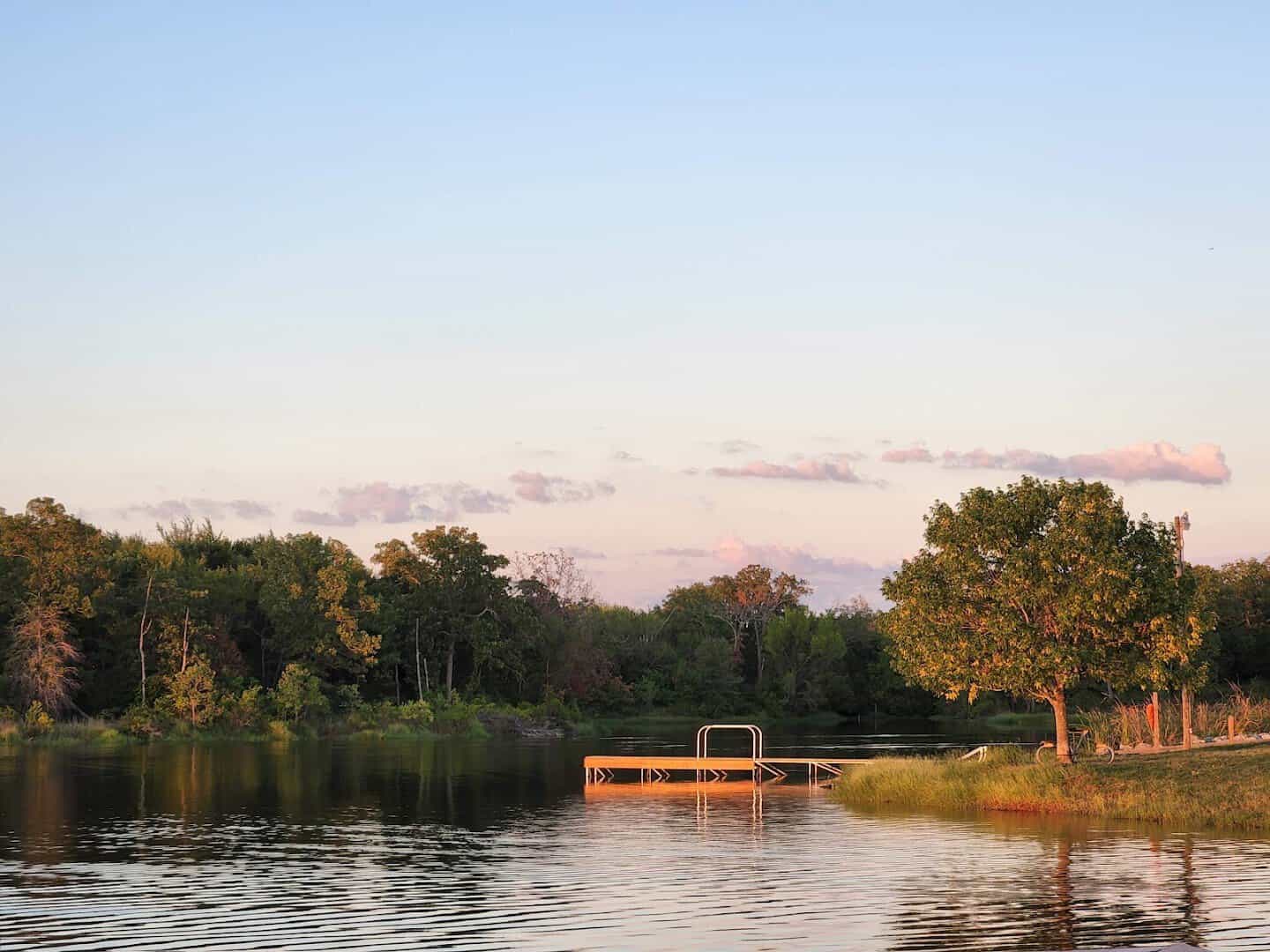
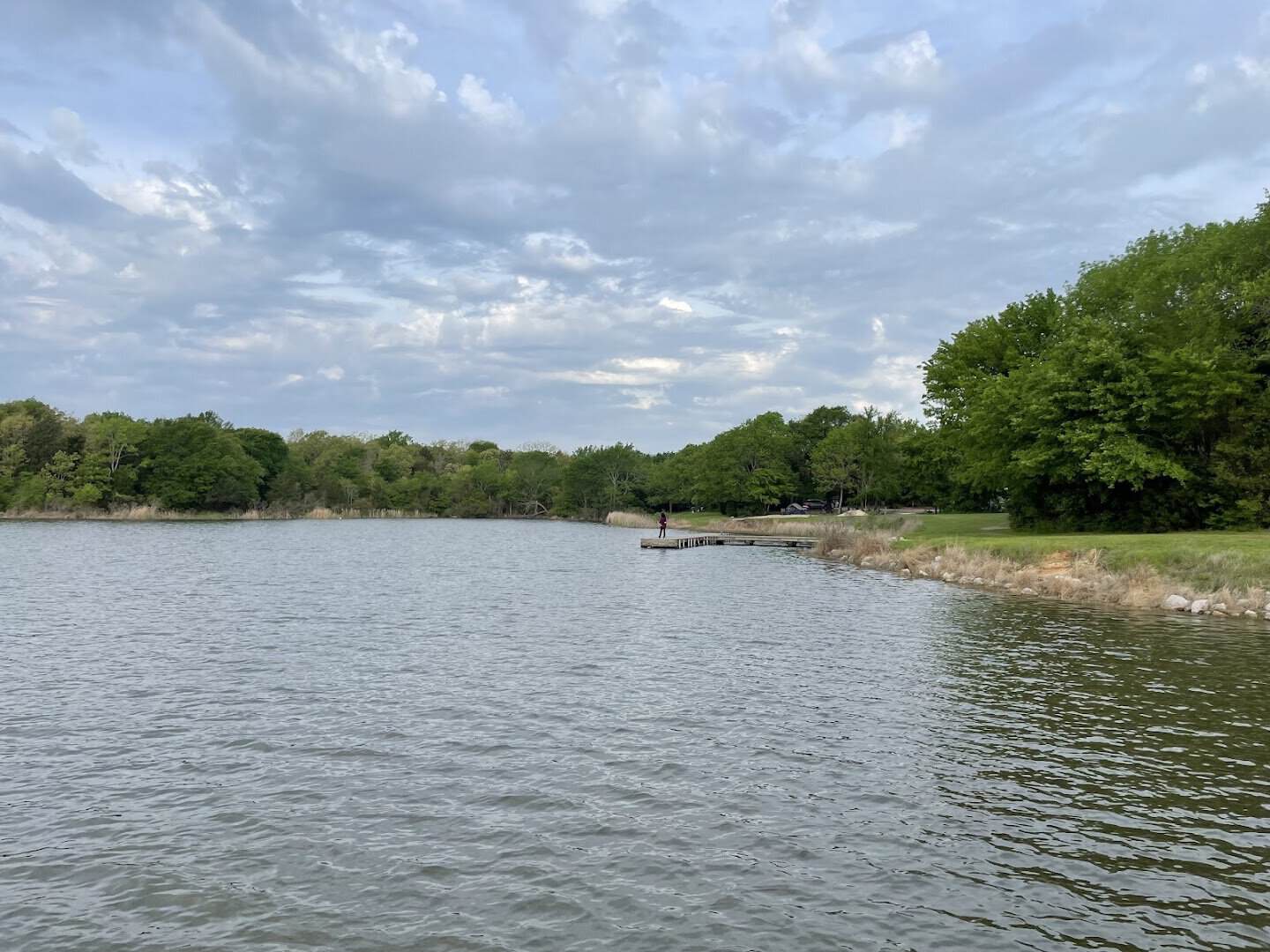
The park wraps around a quiet water lake the state built on purpose, 1,582 acres of Post Oak Savannah folded around 355 acres of largemouth-bass water. Below, I will walk you through why a $20 site here beats a lot of trips that cost ten times as much.
Wake Up Where the Water Starts
You know the feeling of unzipping a tent and finding a parking lot? This is the opposite of that.
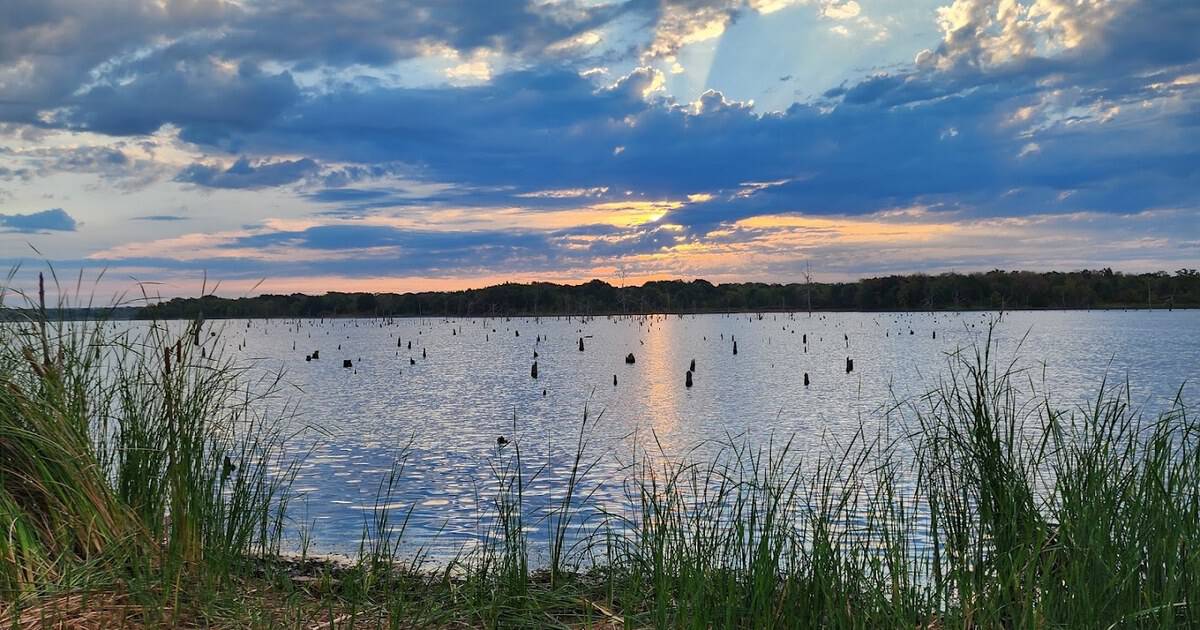
A handful of the developed sites here sit close enough to the shoreline that the first thing you see in the morning is the lake going pink and a mist burning off the standing timber. Coffee tastes different out there. I do not make the rules.
The math is the part that still surprises people. A developed site with water and electricity runs from about $10 to $20 a night, and the top of that range is where the good spots live. Twenty dollars for a lakefront wake-up call.
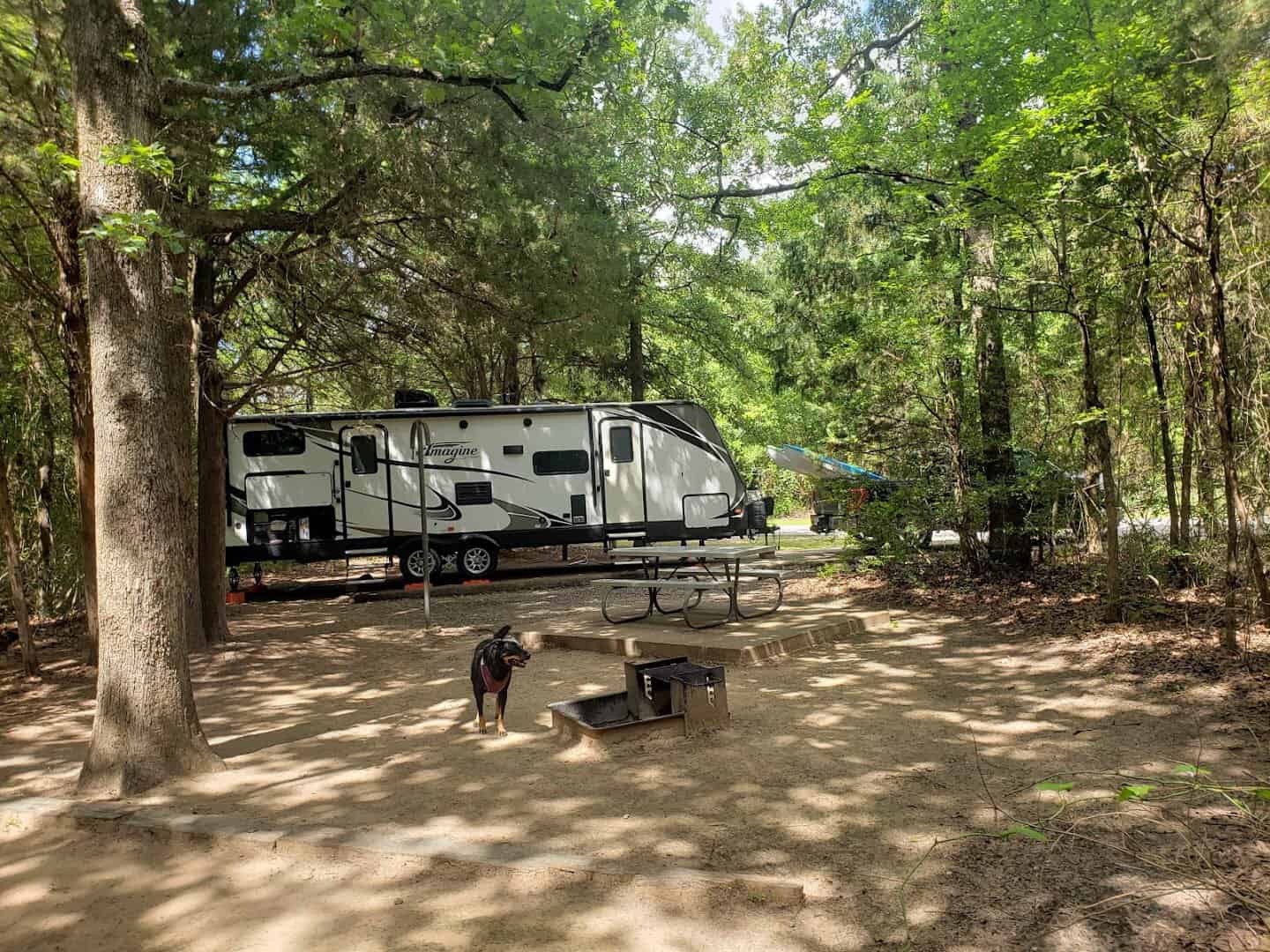
There are 59 of these developed sites, each with a water hookup, an electric hookup, a lantern post, a picnic table, and a restroom with showers close by. Twenty-seven carry 50-amp service for the bigger rigs, and the rest run 30-amp.
Nothing here is fancy, and that is the whole appeal. The sites are clean, spaced out, and pointed at the water instead of at each other.
Campers say the same thing over and over about this place. It is quiet, it is clean, and there is just enough room between sites that you are not living inside your neighbor’s evening.
For a park this close to a major city, that calm is rarer than it should be. You can hear the frogs at night instead of a generator two spots down.
A Lake Built on Purpose
Most Texas lakes are accidents of a dam that was really about water supply or flood control. Purtis Creek is not one of them.
The lake was impounded in 1985 and then stocked and shaped for a single job: fishing. That intention is why the whole park feels tuned to the water rather than fighting it.
It is also why anglers talk about this little lake the way they talk about places three times its size. Reputation, not surface area, is what draws them down FM 316.
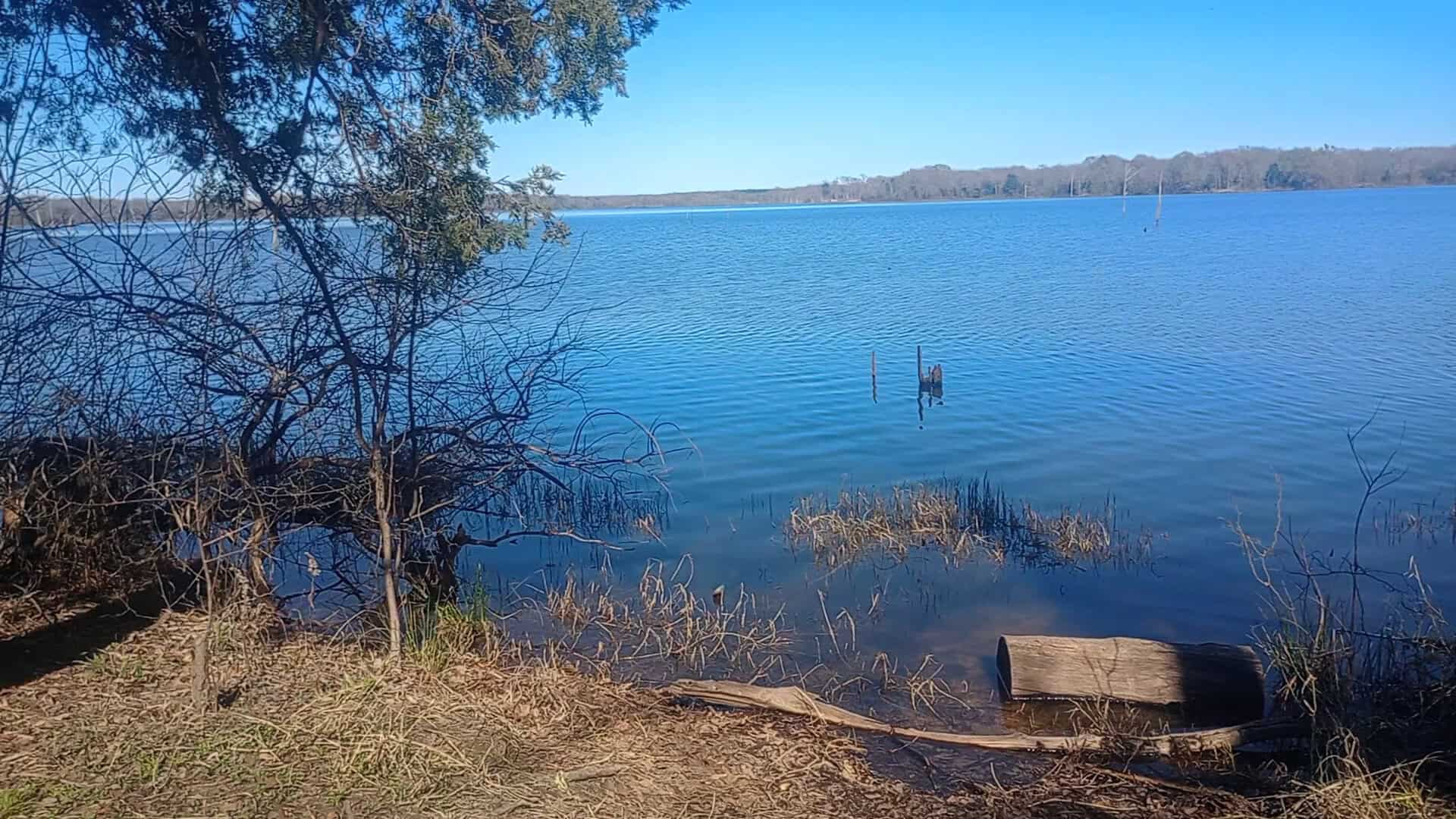
Largemouth bass are the headliners, and here they come with a rule that catches newcomers off guard. Any bass 16 inches or longer is catch and release, no exceptions. You land the fish of your trip, you get your photo, and you slide it right back in.
“You catch a ten-pounder and you just let it go?” a friend asked me once, sounding genuinely wounded. Yep. That is the entire idea.
Protect the big breeders, keep the gene pool strong, and the lake keeps growing giants for the next angler down the line. It is a long game, and decades on, it is still working.
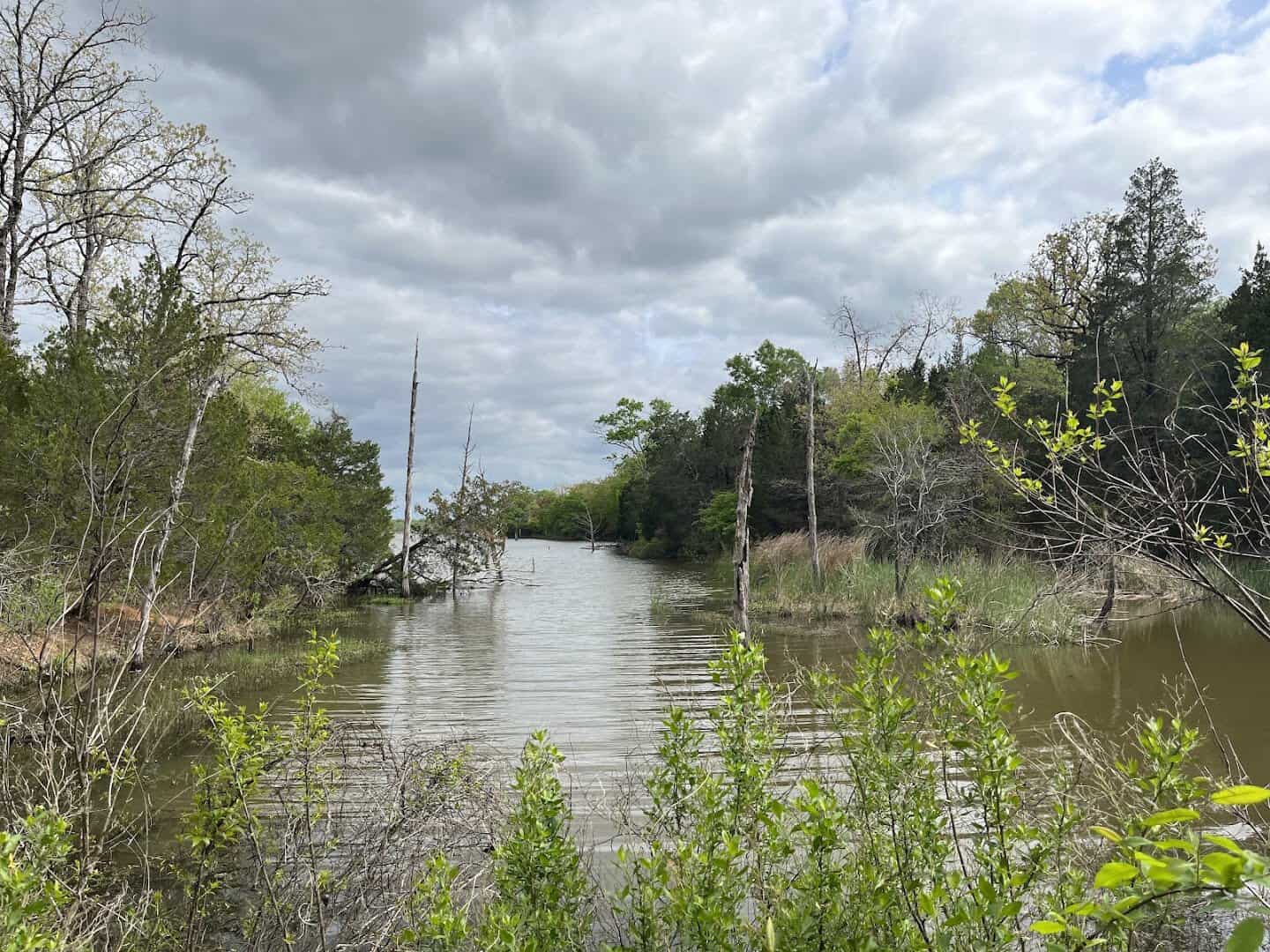
You are not stuck with bass, though. Catfish, crappie, bluegill, and sand bass are all fair to keep, so dinner is still on the table even when the trophy swims off.
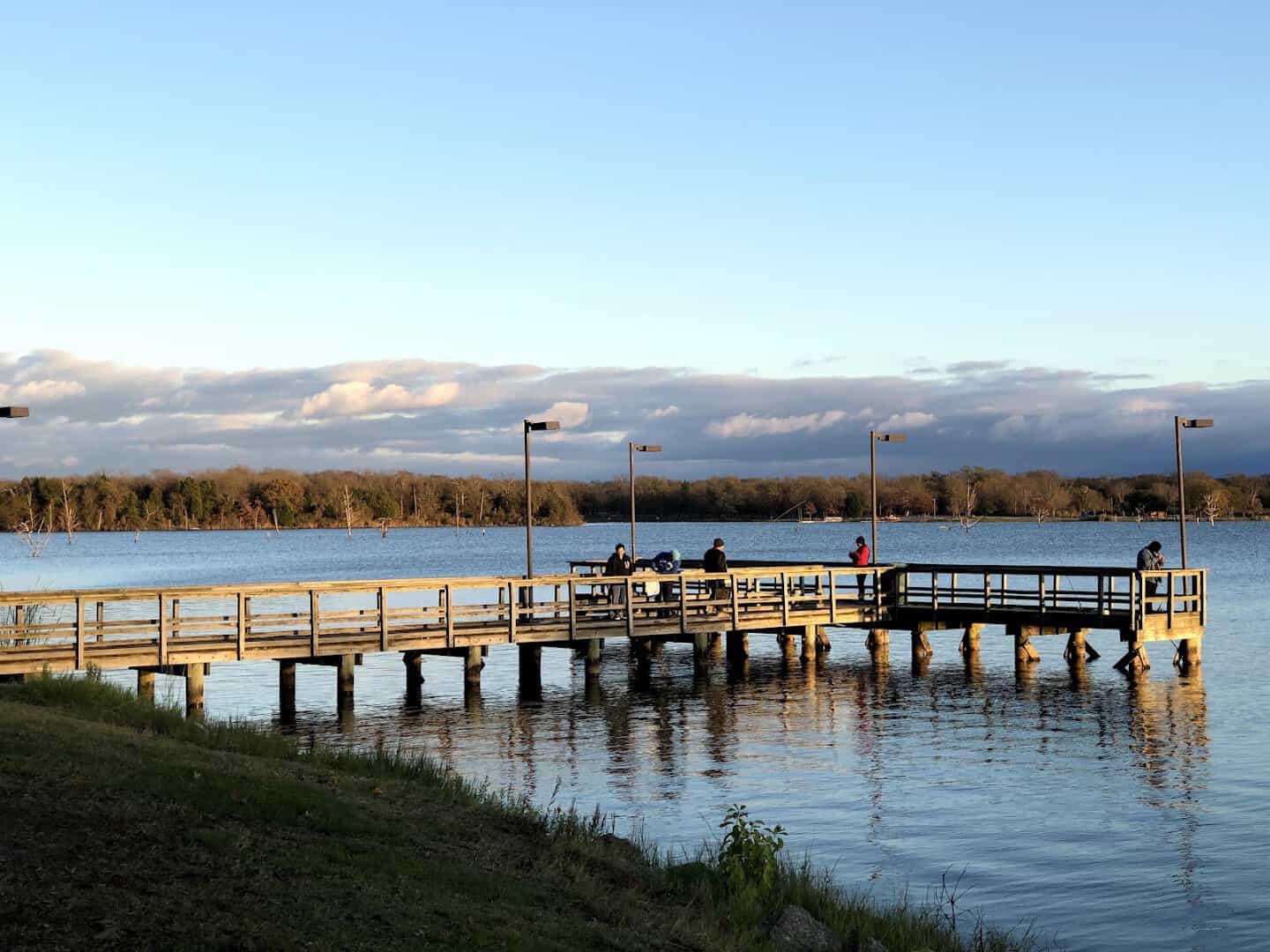
The park store sells frozen bait and live worms, so a forgotten tackle run is not the road-trip crisis it would be somewhere more remote. You can also fish the piers if you never brought a boat at all.
Did you know the dead timber poking out of the water is part of the design too? Those drowned trees are structure. Bass stack up around them, which is exactly why a 355-acre lake fishes bigger than the map says it should.
Fifty Boats and Not One More
Here is the rule that keeps the whole lake feeling like a secret. Only 50 motorized boats are allowed on the water at any one time, first come, first served. When the count is full, the ramp waits.
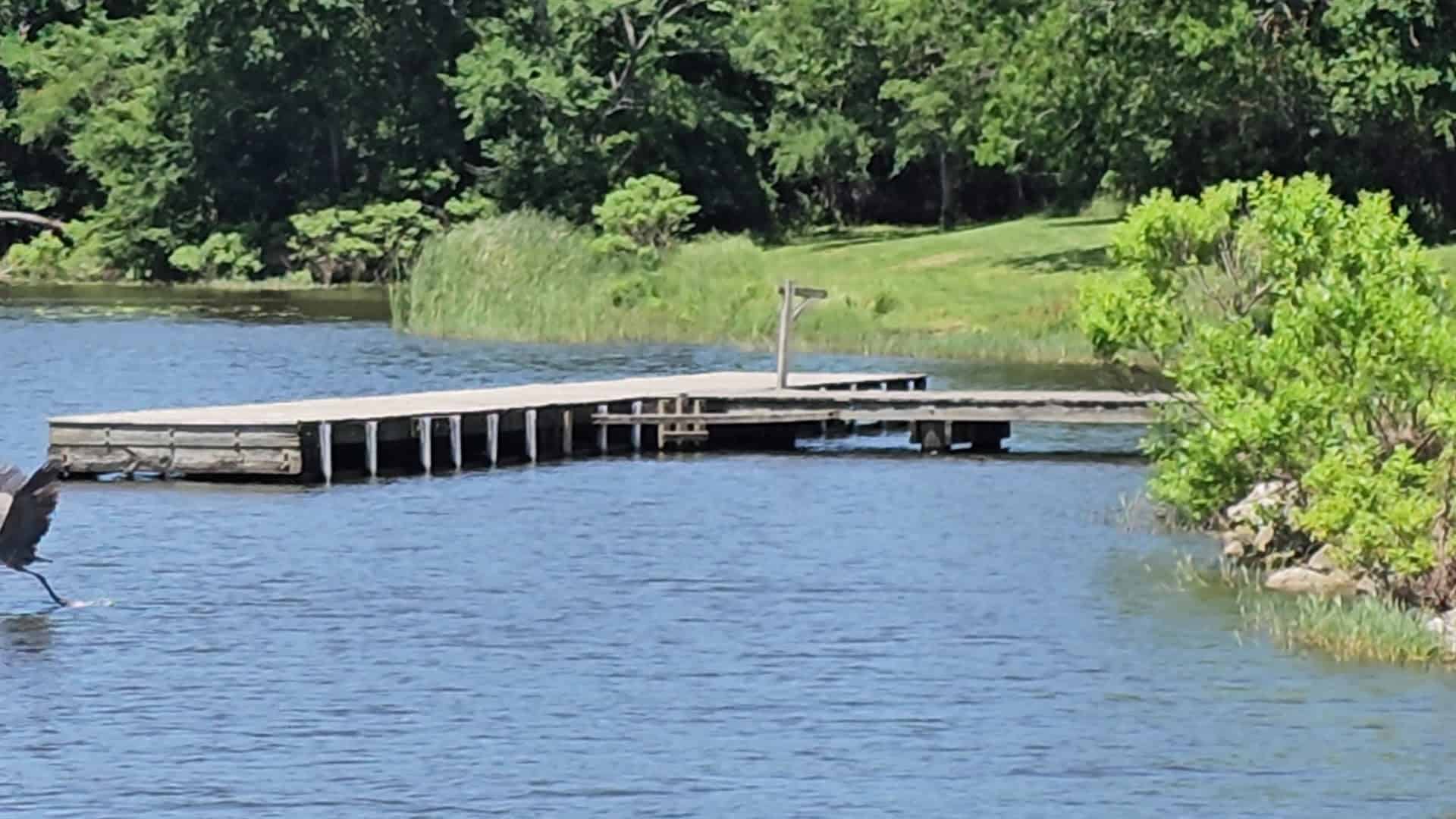
On top of that, the lake is idle-speed and no-wake from one shore to the other. No screaming jet skis, no wall of engine noise, no rogue wake flipping your canoe. Just glassy water and the sound of your own paddle dipping in.
That is a paddler’s dream, and you do not even have to haul your own boat to live it.
The park runs self-service kayak and canoe rentals straight from automated machines, the same way it dispenses firewood. You can roll in empty-handed and still be on the water within the hour.
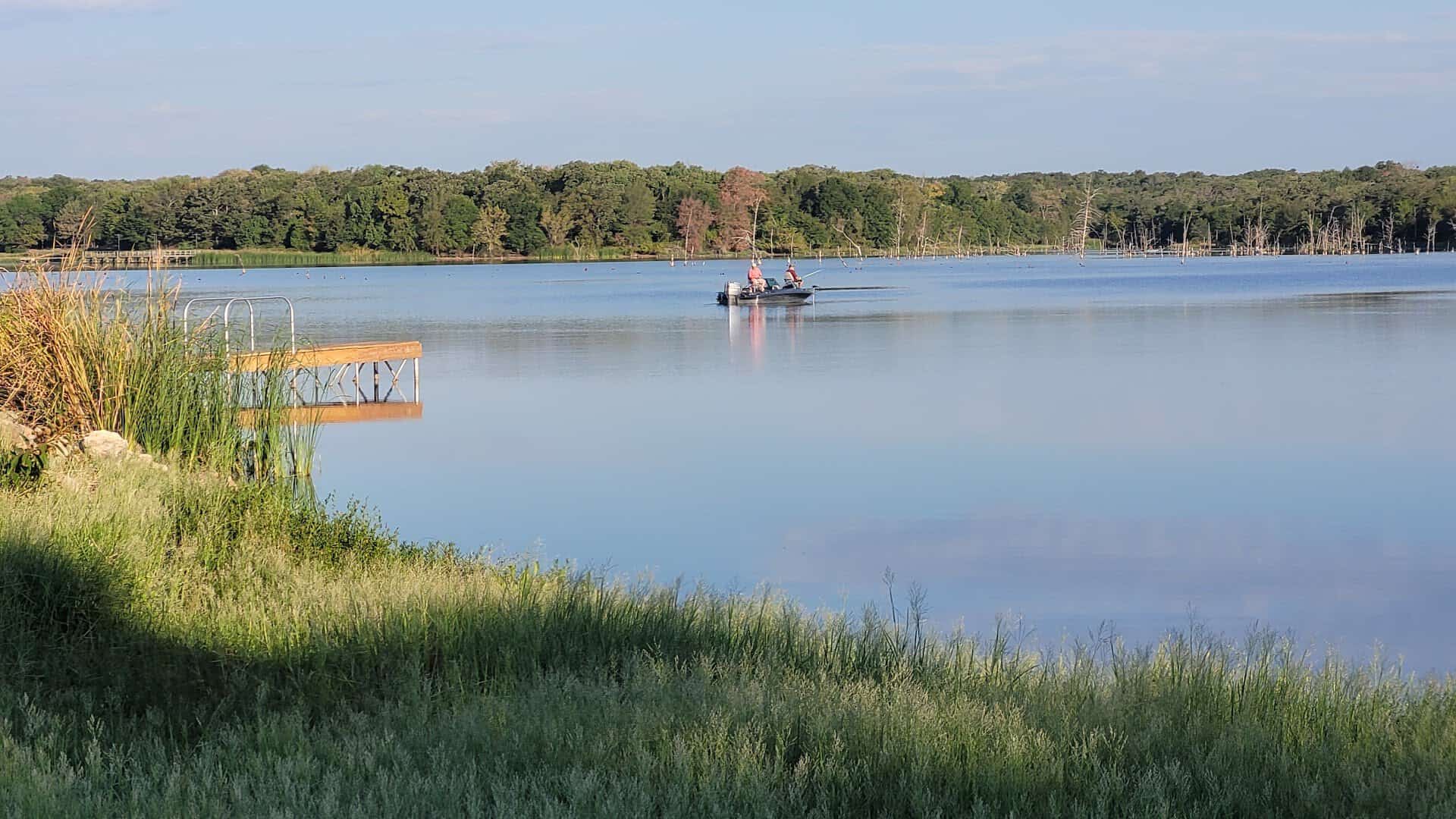
Point the bow toward those flooded trees and the lake turns into a gentle maze worth getting slightly lost in. Herons work the shallows. Turtles line up on the sunny snags like they are waiting for a bus.
Early morning is the window you want. Get out before the day heats up and the lake is often pure glass, the mist still hanging in the dead trees, and half the coves are yours alone.
The quiet does the thing quiet does. Somewhere in the second hour your shoulders drop about two inches without asking your permission first.
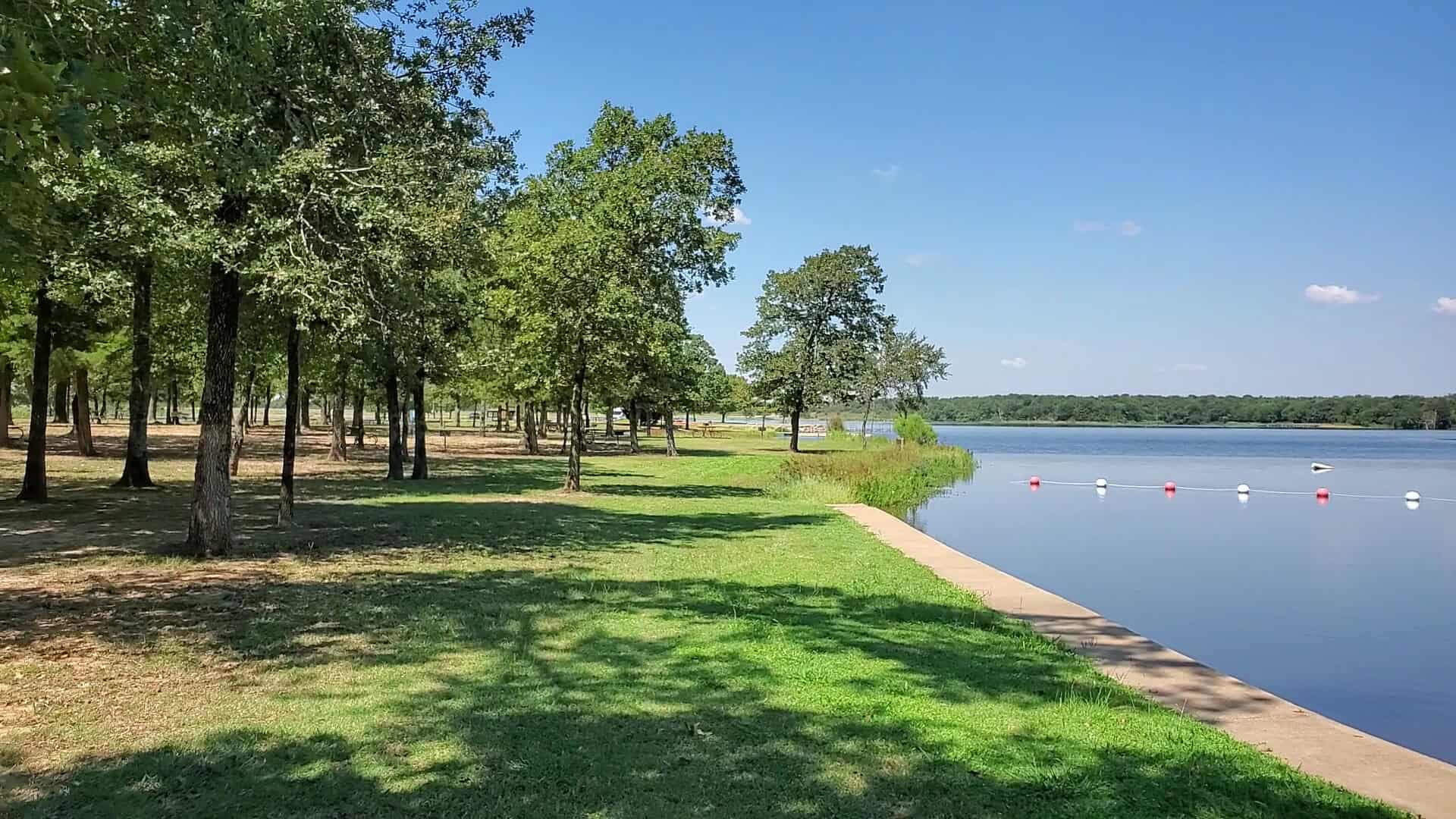
There is a designated swimming area too, unguarded, for the days when floating beats fishing. Bring your own eyes for the kids, but the shallow, calm water is about as gentle an introduction to lake swimming as Texas hands out.
Paths Through the Post Oak
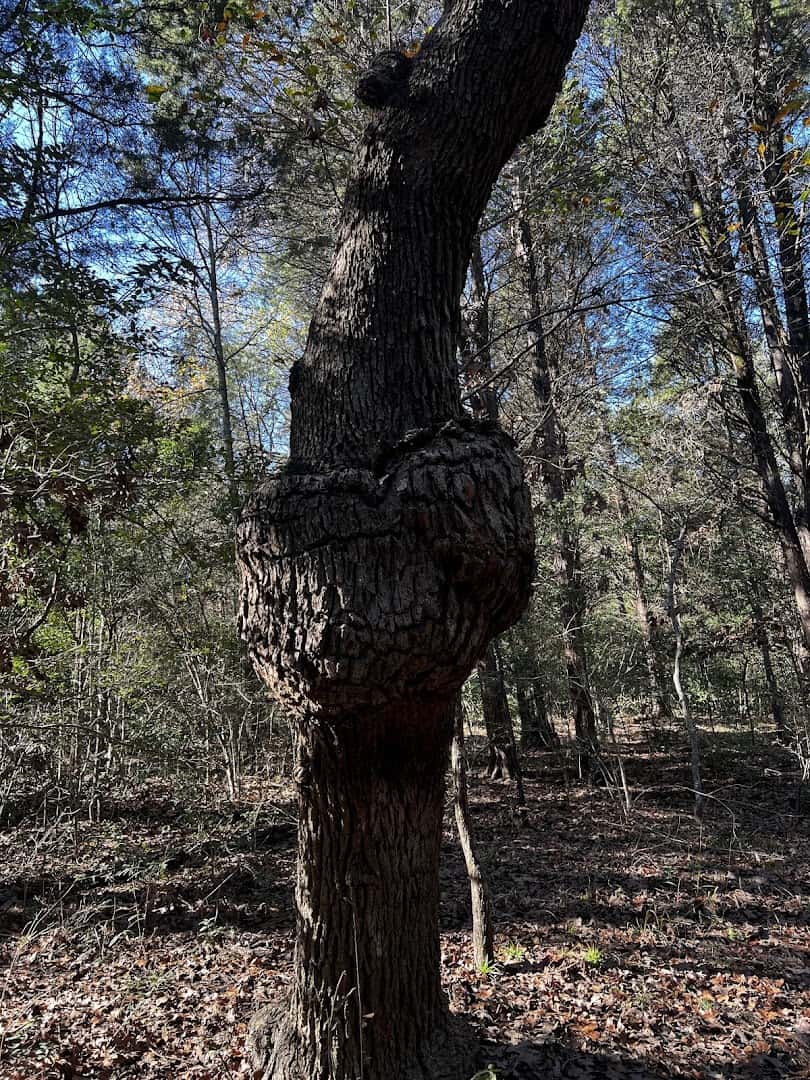
The land around the lake earns its keep the moment you step off the water. This is Post Oak Savannah, so the woods run to oak, elm, walnut, pecan, and the occasional gnarled eastern red cedar, and the shade turns real by mid-morning.
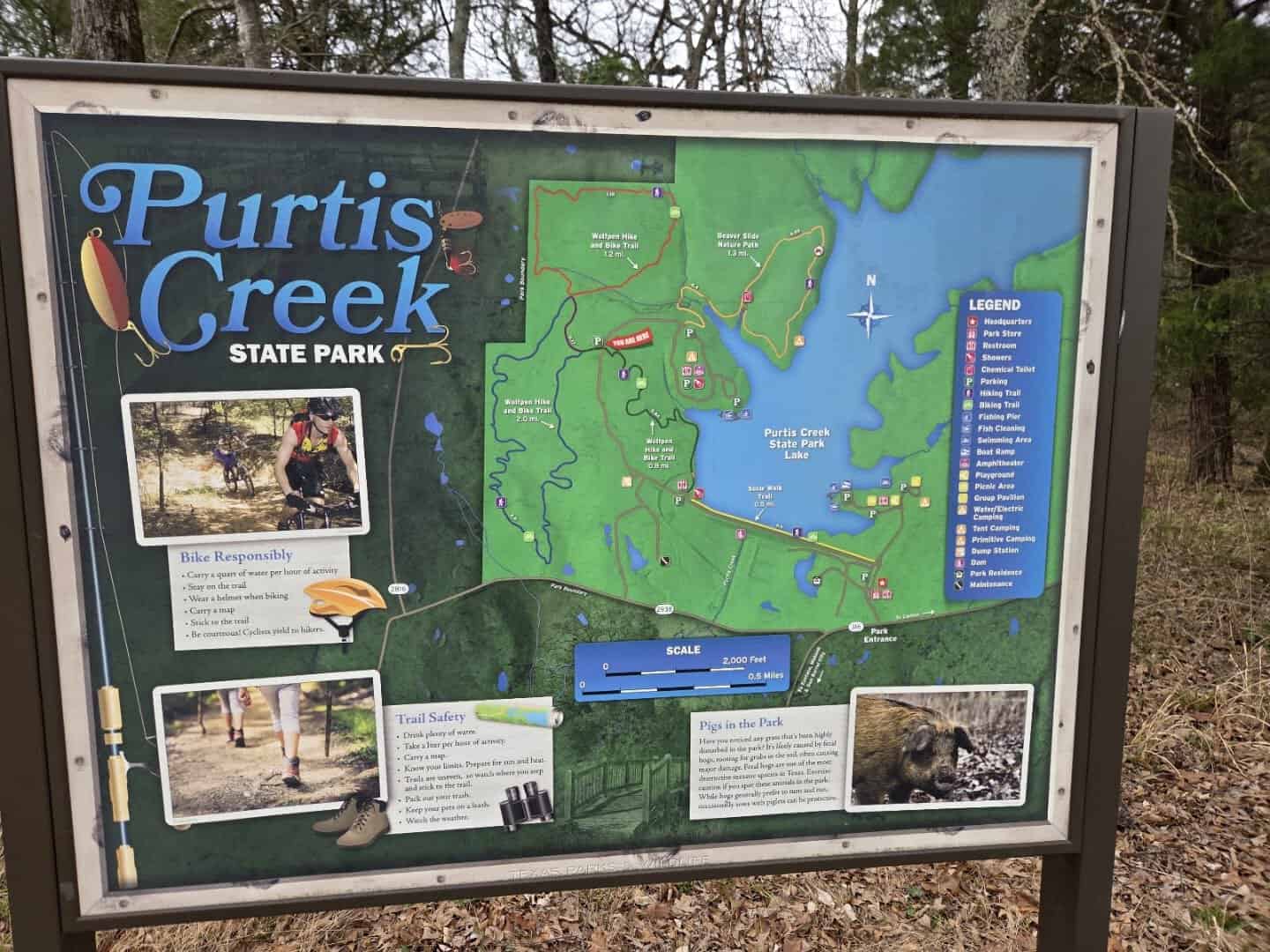
The Wolfpen Hike and Bike Trail is the main event at 4.1 miles, split into three color-coded loops so you can size the day to your legs.
There is a gentle 0.8-mile green, a rolling 2.0-mile blue, and a middle 1.2-mile red. Hikers and mountain bikers share it without much drama.
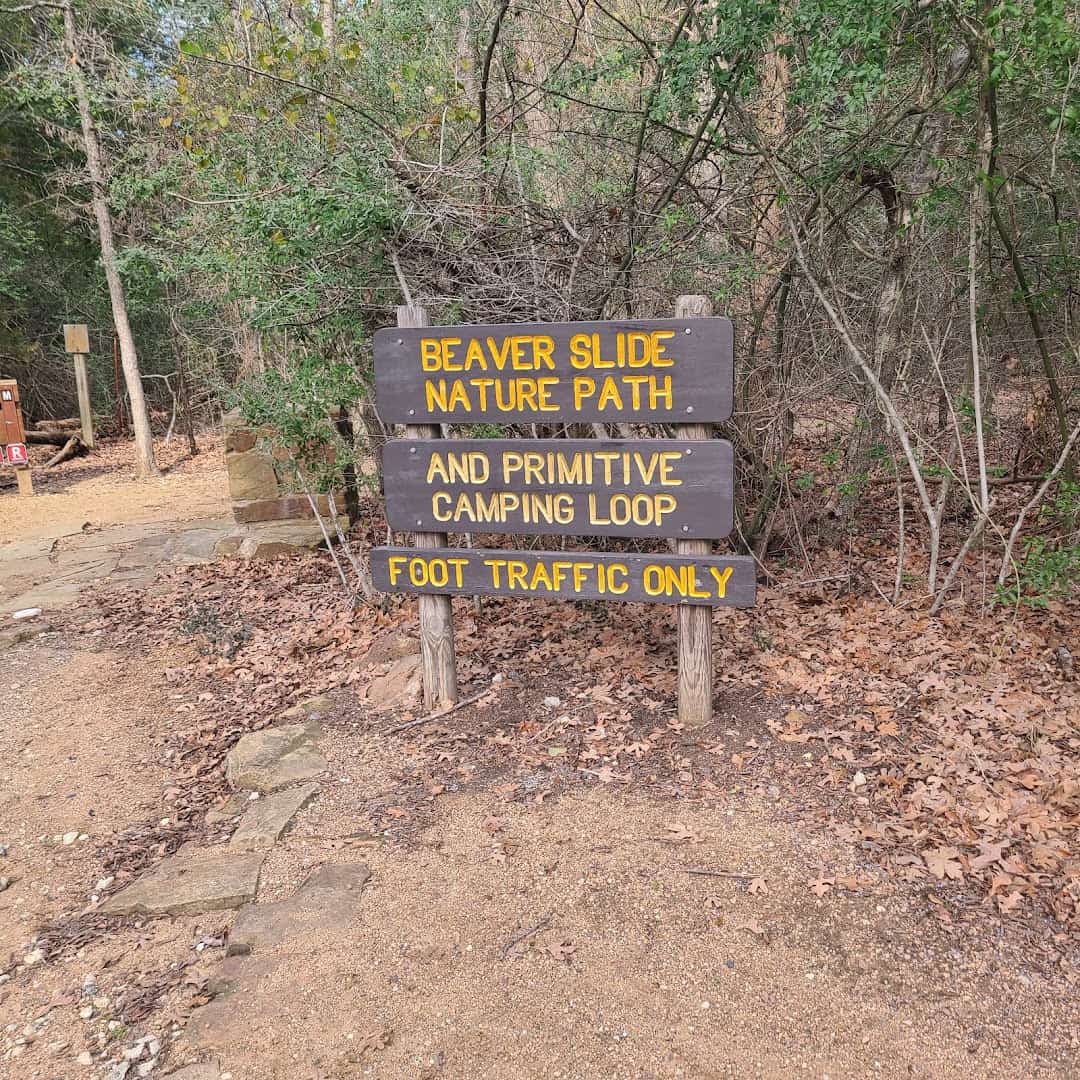
For something slower, the Beaver Slide Nature Path runs 1.3 miles of easy woodland walking. The paved half-mile Solar Walk crosses the top of the dam with the whole lake laid out on one side, which makes it the obvious pick for a sunset stroll.
Keep your ears open while you walk. This is birding country, thick with woodpeckers, warblers, and vireos, the kind of woodland chatter that makes you stop and tip your head back to find the singer.
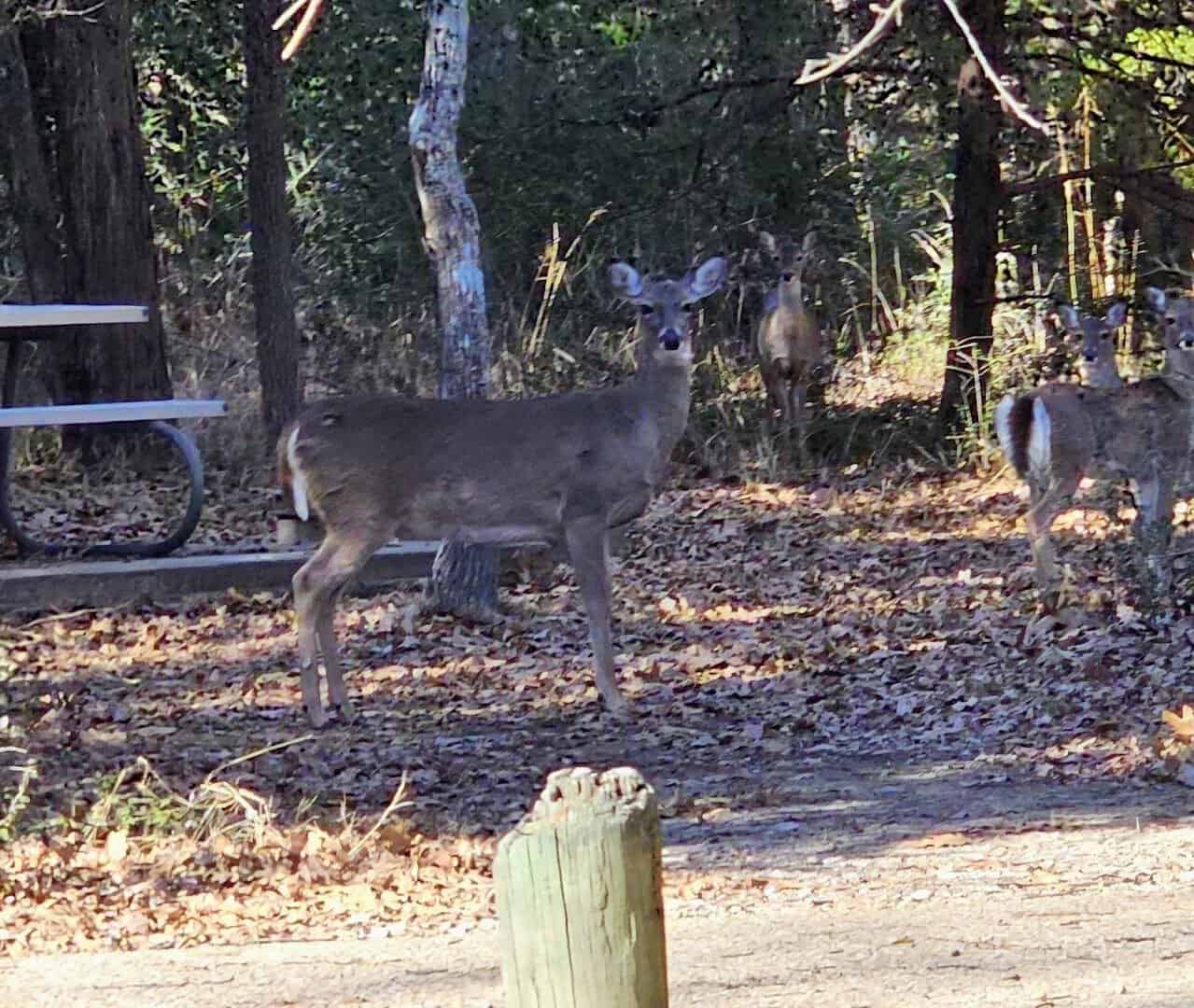
White-tailed deer drift through the campground at dusk like they hold the lease, because in a sense they do. Come at first or last light and you will share the place with more wildlife than people.
A Brief History of a Lake That Was Always the Plan
Purtis Creek did not grow up as a park. Between 1976 and 1982, the state pieced the land together from private owners for about $2 million, a patient assembly that took the better part of a decade.
The lake came next, impounded in 1985 behind a new dam. The gates finally opened to the public in 1988, and from the very first day the catch-and-release rule on big bass was written into how the place worked.
That order of operations matters. This was designed as a fishing lake first and a campground second, and nearly forty years on, that original blueprint still runs the show.
The park itself straddles the line between Henderson and Van Zandt counties, about four miles north of the little town of Eustace and fifteen miles northwest of Athens. It sits deep enough into the country to feel remote and close enough to Dallas to reach after work on a Friday.
Booking Your Lakeside Spot
Spring and fall are the sweet spot here. The oaks throw honest shade all summer, but a mild Texas October by the water is hard to top, and that is exactly when the lakeside sites vanish first.
This is the one place I will nag you: reserve ahead. Purtis Creek is small, word has quietly gotten out, and it hits capacity often, for day use as well as camping.
Booking online or by phone before you drive out is the difference between a lakefront weekend and a long U-turn at a full gate. On a nice-weather Saturday, this is not optional.
If the developed sites are gone, the park keeps a few other doors open. There are five walk-in tent sites for a short carry from the car, good for tent campers who want a little separation from the RVs.
Then there are 13 primitive hike-in sites, tucked between roughly two-thirds of a mile and 1.7 miles from the nearest parking. A $10 night out there buys you real solitude and a sky absolutely loaded with stars.
The amenities punch well above the price. Two lighted fishing piers plus an unlit one let you fish long after dark, and fish-cleaning stations mean you are not dressing catfish on your picnic table.
There is a playground for the kids, a rentable pavilion for a group, two boat ramps, and a park store for the bait and firewood you inevitably forgot at home. It is more small comforts than a place this peaceful has any right to offer.
Pro tip: the day-use fee is just $5 for anyone 13 and up, and free for kids 12 and under. So if you only want a morning of paddling and a shore lunch, you do not have to camp overnight to get the best of the water.
How to Get There
The park sits on Farm Road 316, an easy run from either Dallas or Tyler, with the last few miles winding through the kind of East Texas farmland that lowers your blood pressure before you even arrive.
Gates are open daily from 6 a.m. to 10 p.m., and the park number is 903-425-2332 for anything the website does not answer.
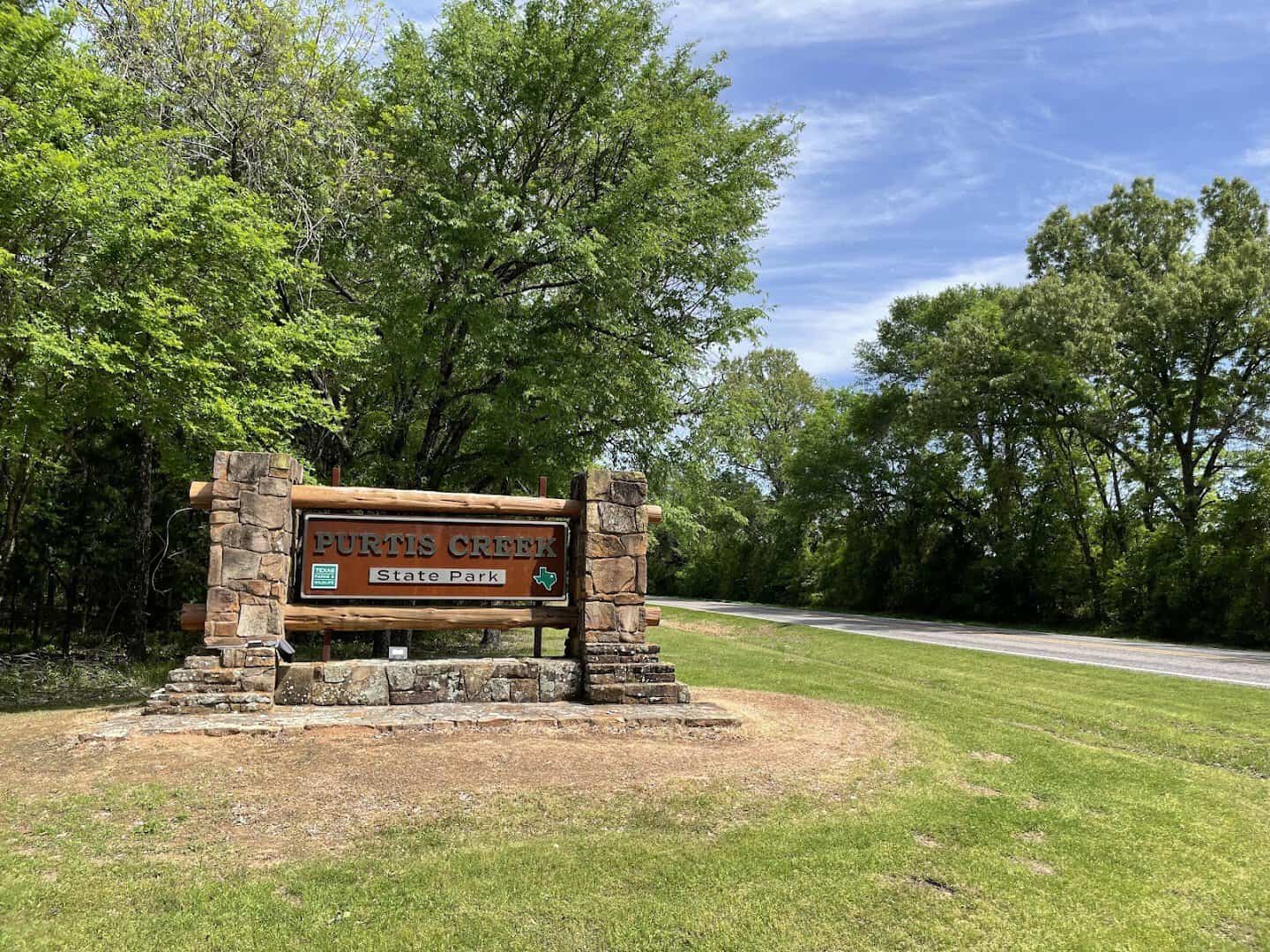
Where: Purtis Creek State Park, 14225 FM 316 N, Eustace, TX 75124
Point the Car East
Some trips are about spectacle. This one is about the opposite of spectacle: a slow lake, a cheap site with your toes near the water, a big bass you set free, and a night quiet enough to hear the whip-poor-wills start up.
Pack the tent, throw the rods in the truck, and book that $20 lakeside spot before somebody else beats you to it. Then go find out for yourself what Texas camping feels like when nobody else is watching.
Featured image: Michelle via Purtis Creek State Park

Stella Raines
Editor-in-Chief
Stella brings over a decade of storytelling experience to TX Headlines. With roots in West Texas and a love for road trips, she leads the editorial team with an eye for the hidden stories that make Texas unforgettable.
More Stories

These 10 Texas Spots Bloom Into Seas of Bluebonnets Each Spring

This Enchanting Texas Nature Trail Feels Like Hiking Through a Fairytale Forest

This Underrated Texas State Park Gives You a Full Day of Swimming and Hiking for Just $5

This Easy Texas Hike Leads to a Swinging Suspension Bridge Hidden in the Pines
Tags