This Old-Fashioned Texas Market Is Packed With Homemade Treats and Handmade Goods
I have a weakness for any store where the person behind the counter can tell you exactly which farm your eggs came from. Not a marketing story printed on the carton. An actual answer, because the farm is a few fields over and they know the folks who run it.
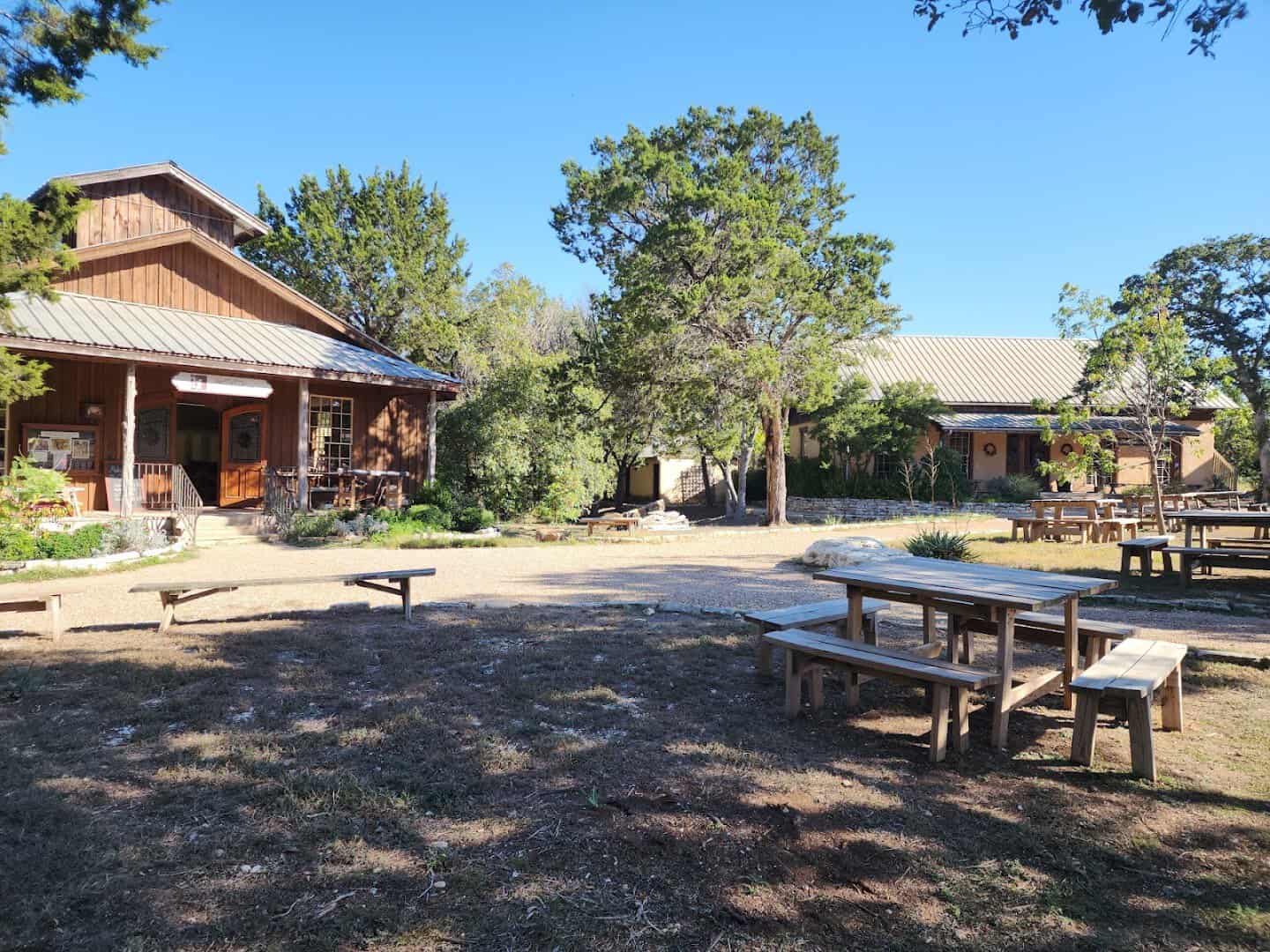
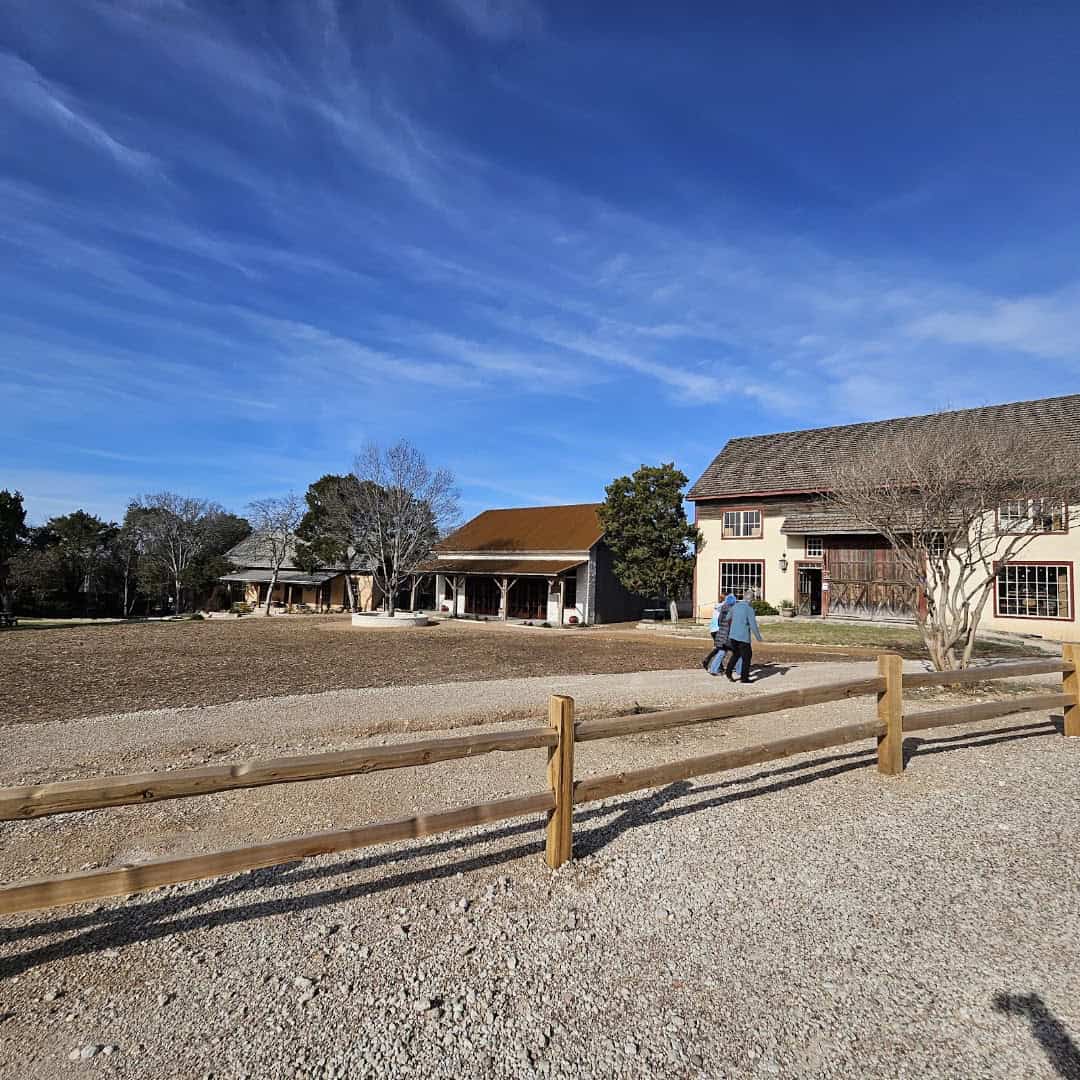
That is the whole feeling at a certain market tucked into the farmland just north of Waco. The place runs on the quiet idea that slower is better. It looks like a step back in time, all hand-hewn barns and homemade everything, and people keep making the drive for it.
Below, here is what you will find waiting: a working mill grinding flour in the middle of the room, cinnamon rolls people plan their weekends around, shelves of pantry goods you cannot buy at a chain, and a whole village of craftspeople doing things the old way on purpose.
An Amish-Style Market That Is Not Actually Amish
First, let me clear up the thing everyone assumes. This market gets called Amish all the time, and it is easy to see why. The plain dress, the traditional crafts, the wood-fired ovens, the sense that someone slowed the clock down about a century ago.
But it is not Amish, and it does not claim to be. It is run by Homestead Heritage, a close-knit farming and craft community of around a thousand people who chose this way of life for faith reasons of their own.
Think of it as Amish-style rather than Amish. The result on the shelves is much the same, homemade and handmade and unhurried, but the story behind it is entirely its own, and it is a good one. More on that later.
The Mill in the Middle of the Store
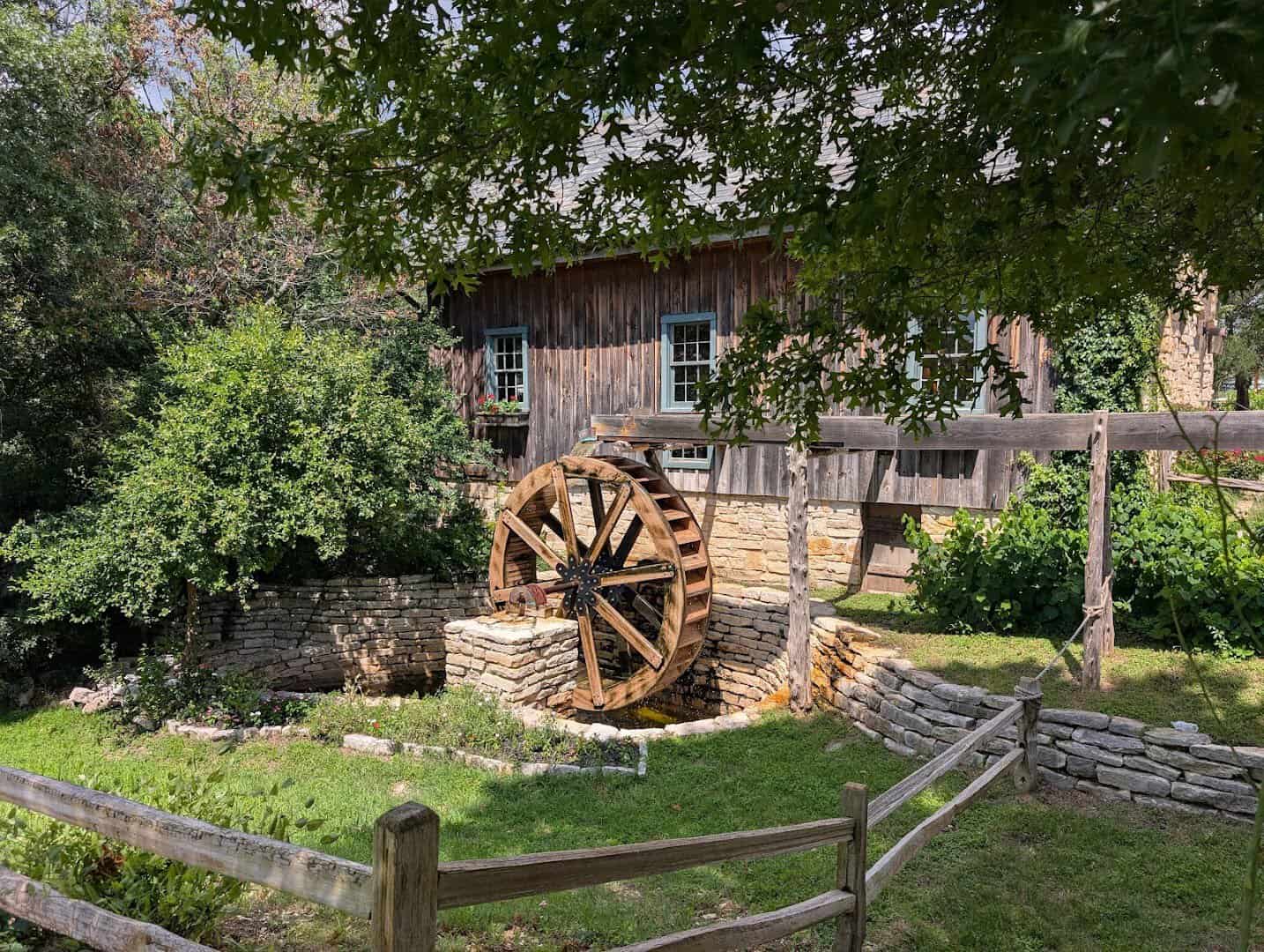
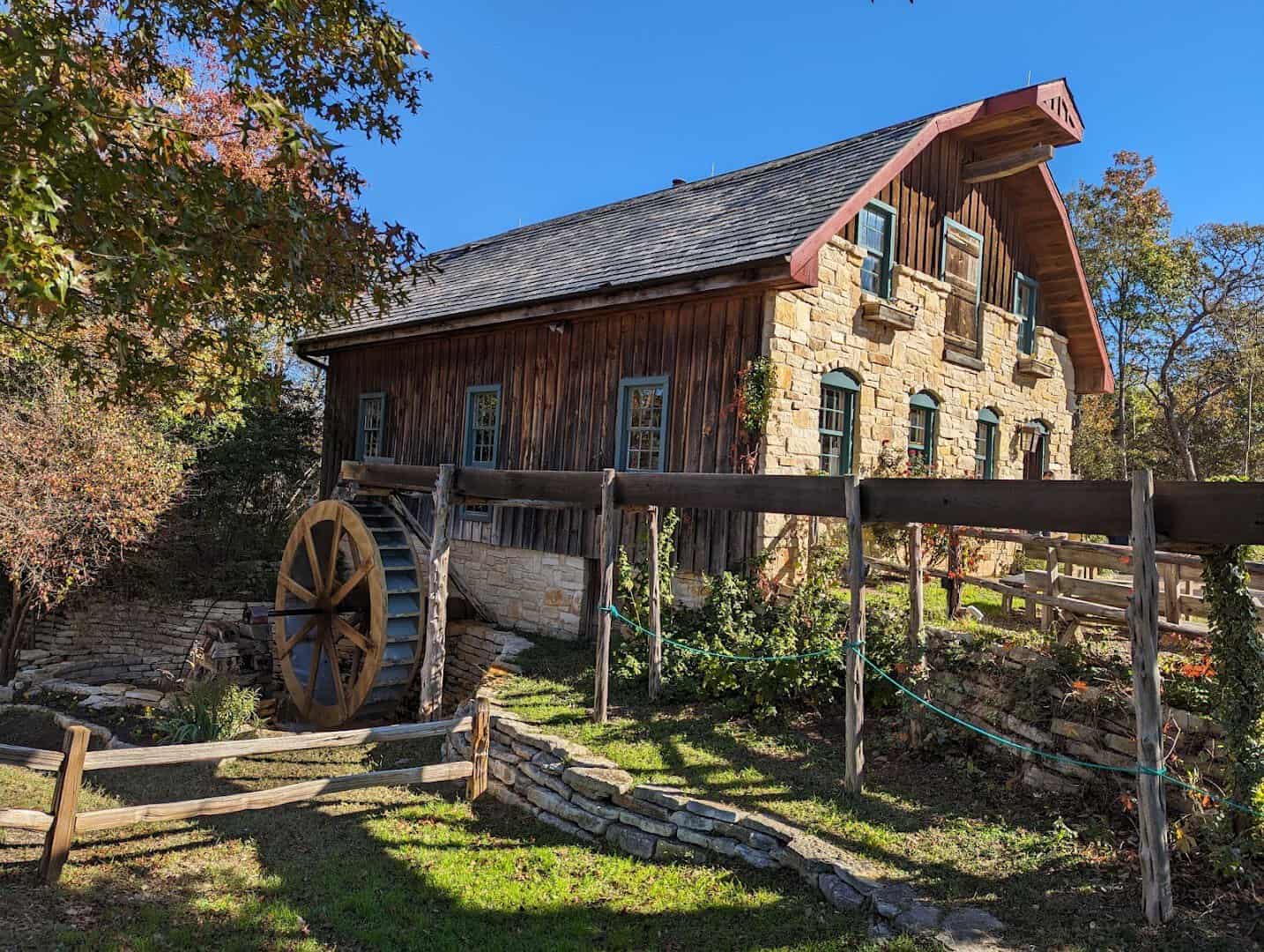
Here is the detail that stops first-time visitors in their tracks. There is a real, water-powered gristmill running right inside the store, a restored mill with roots going back to the 1700s, quietly turning grain into flour while you shop around it.
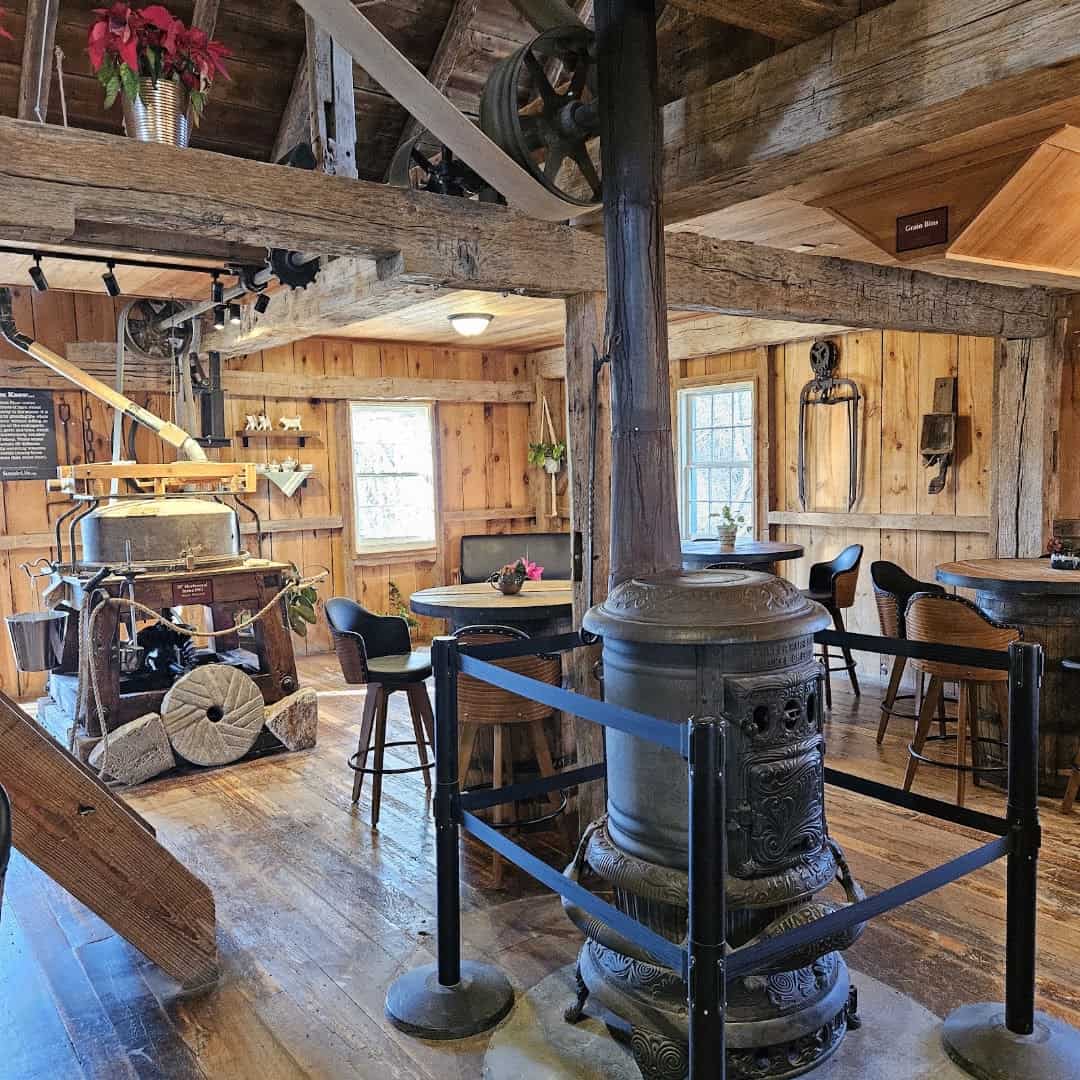
Texas has only a couple of working mills left, and this is the one that actually grinds flour for people to buy. Watch the stones turn, then walk a few feet and pick up a bag of the flour they just made, or a warm scone baked from it.
There is something honest about that. No warehouse, no truck, no middleman. Grain goes in, flour comes out, and you can see the whole thing happen from where you are standing.
The mill sits inside a building framed from old hand-cut barn timbers, so the whole space smells faintly of wood and warm grain. It is the kind of spot where kids press their noses to the rail and grown-ups quietly wish their own kitchen looked like this.
Homemade Treats Worth the Weekend Drive
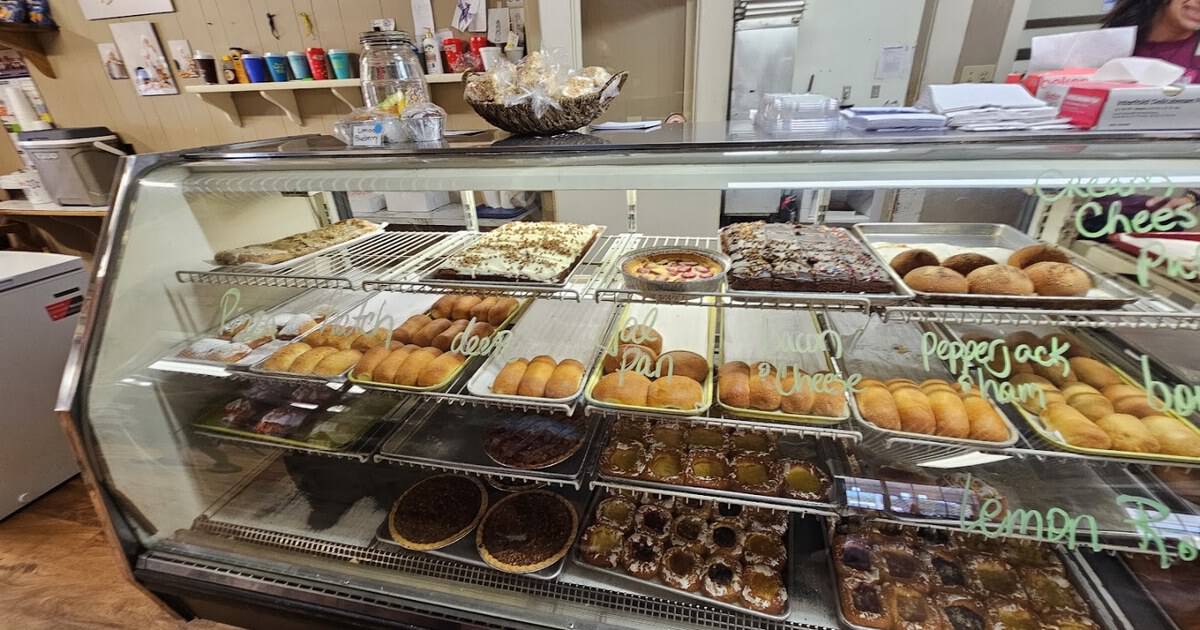
Now to the part that fills the parking lot. The baking here has a reputation, and it earns it. The brown butter cinnamon rolls are the headliner, big and soft and gone by early afternoon on a good day.
If you have ever driven an hour for a pastry and felt a little silly about it right up until the first bite, this is that kind of place. Folks keep coming back for those rolls, and they are not shy about saying so.
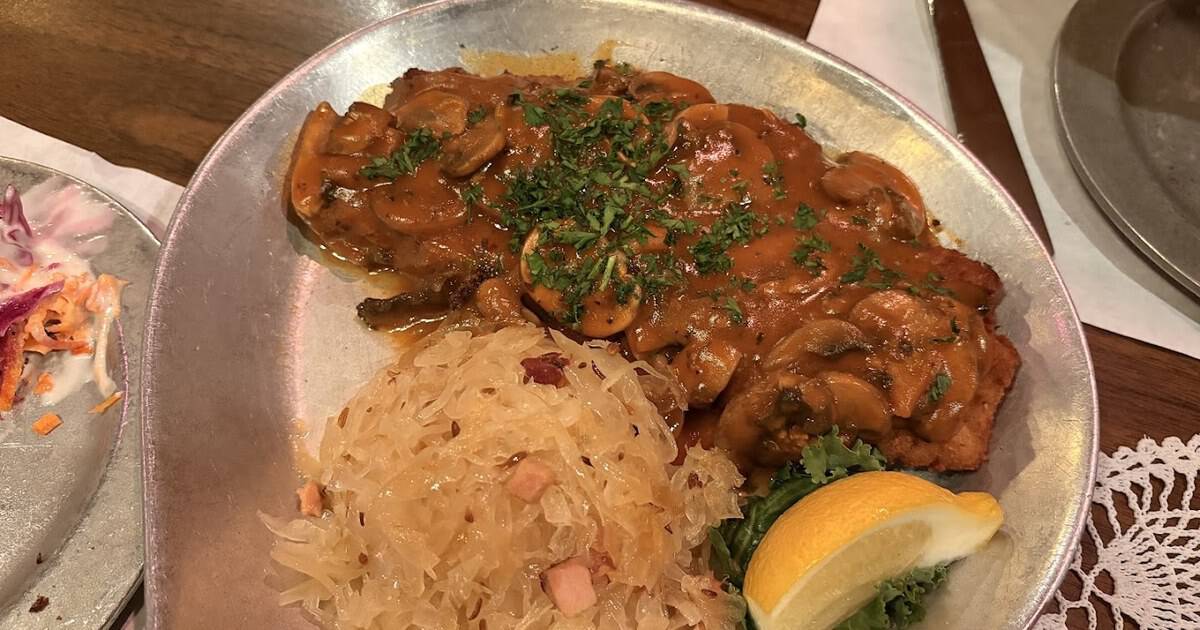
There is a café on-site too, turning out real meals and desserts made from what the community grows and raises. Think hearty sandwiches on that house-milled bread, seasonal plates built around the farm’s own produce, and pie that tastes like somebody’s grandmother had a hand in it.
The ice cream is a small legend of its own, churned in flavors like sorghum pecan, sweetened with sorghum grown right there on the land. It is the sort of scoop that tastes like a place, not a factory, and it pairs alarmingly well with a still-warm slice of anything.
Pro tip: come hungry and come early. The best baked goods sell through, and the café can fill up on a pretty Saturday, so a mid-morning arrival beats the lunch rush and leaves you time to wander.
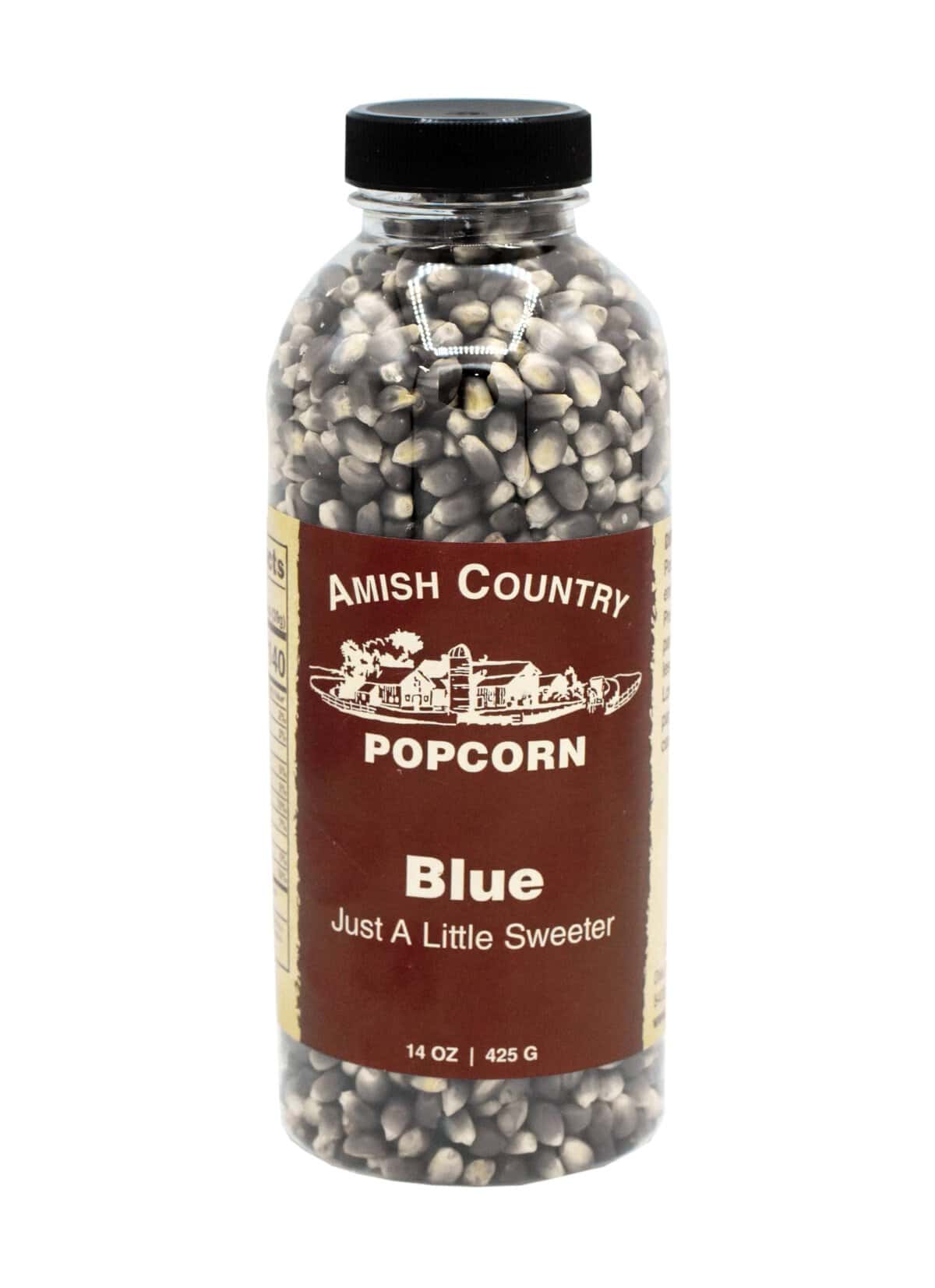
Beyond the sweets, the market keeps a proper larder. You will find grass-fed beef and lamb, pastured chicken and farm eggs, fresh fish, and organic milk, butter, and cream. Most of it comes from family farms and gardens scattered across central Texas.
The cheese deserves its own mention. There is a cheese house on the property, and a well-known cheesemaker just next door, so the counter carries fresh, handmade wheels you can taste before you commit. Cut-to-order, wrapped in paper, still cool from the case.
It is the sort of grocery run that feels less like an errand and more like a small outing. You taste a cheese, you smell fresh bread, and you leave with a bag heavier and better than anything a supermarket would have handed you.
Old-Fashioned Goods and Handmade Everything
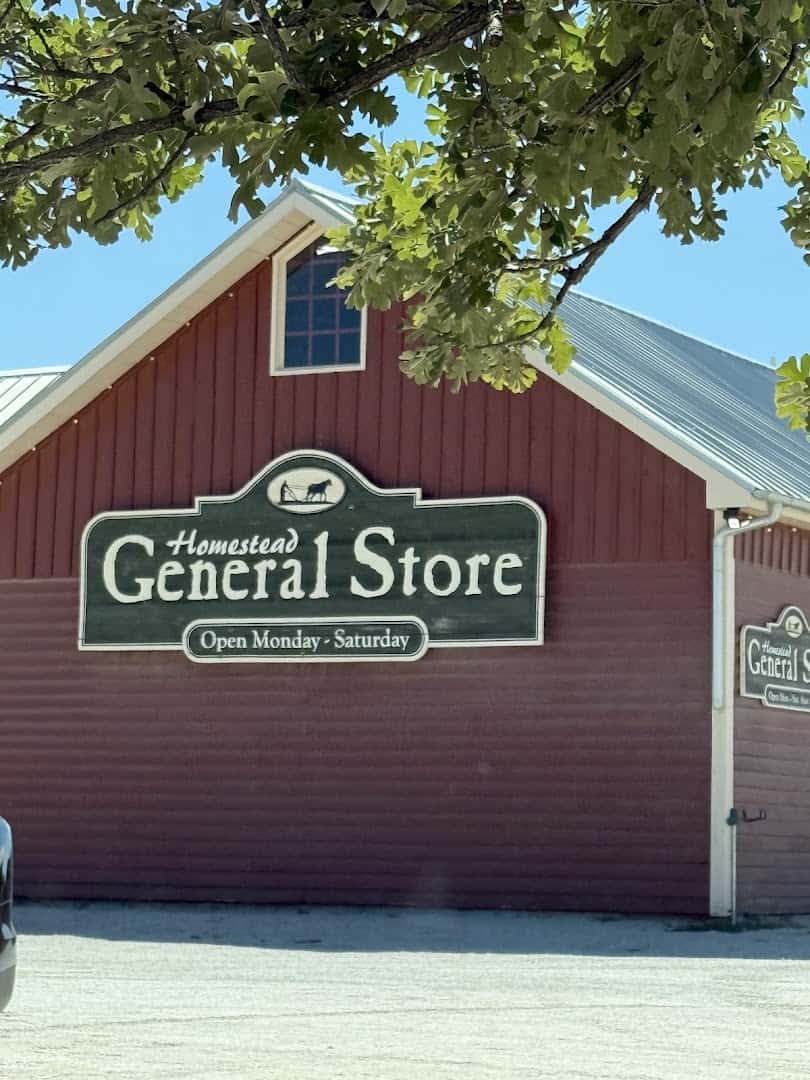
The treats pull people in, but the old-fashioned goods are why they linger. Next to the food sits a general store built for people who actually live close to the land, and half the fun is browsing things you did not know were still made.
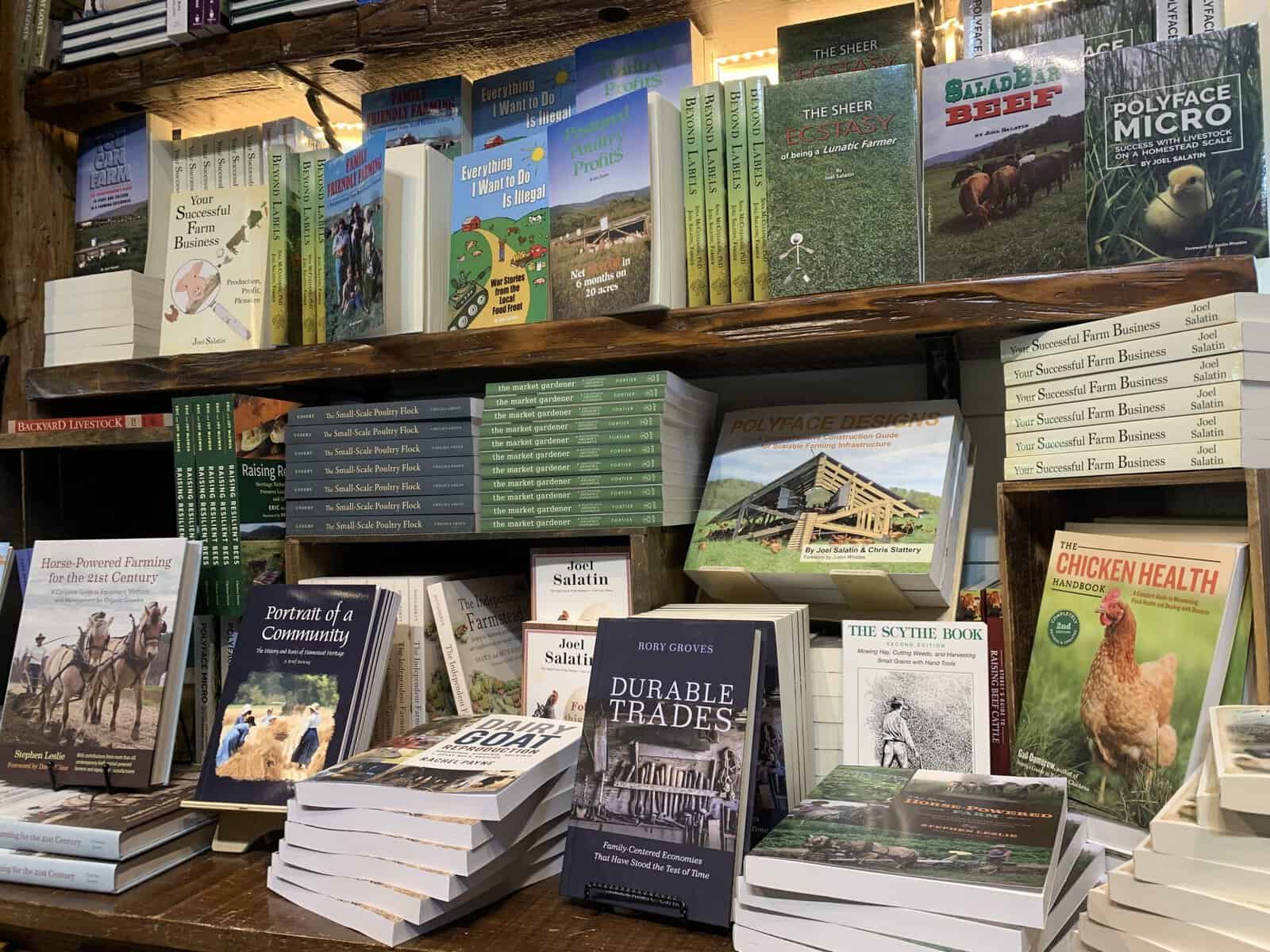
Think canning jars and kitchen tools, garden implements, cutlery, books, even hand-cranked grain mills for the folks who want to grind their own at home. It is a homesteader’s hardware store with none of the plastic and all of the charm.
The building itself is part of the pitch. The general store was raised from two hand-hewn barn frames cut around 1780, so you are shopping inside a piece of history that was standing before Texas was Texas.
Then there is the craft village around it, and this is where an afternoon disappears. Homestead Heritage keeps working shops open to the public, staffed by craftspeople who have won real recognition for their work.
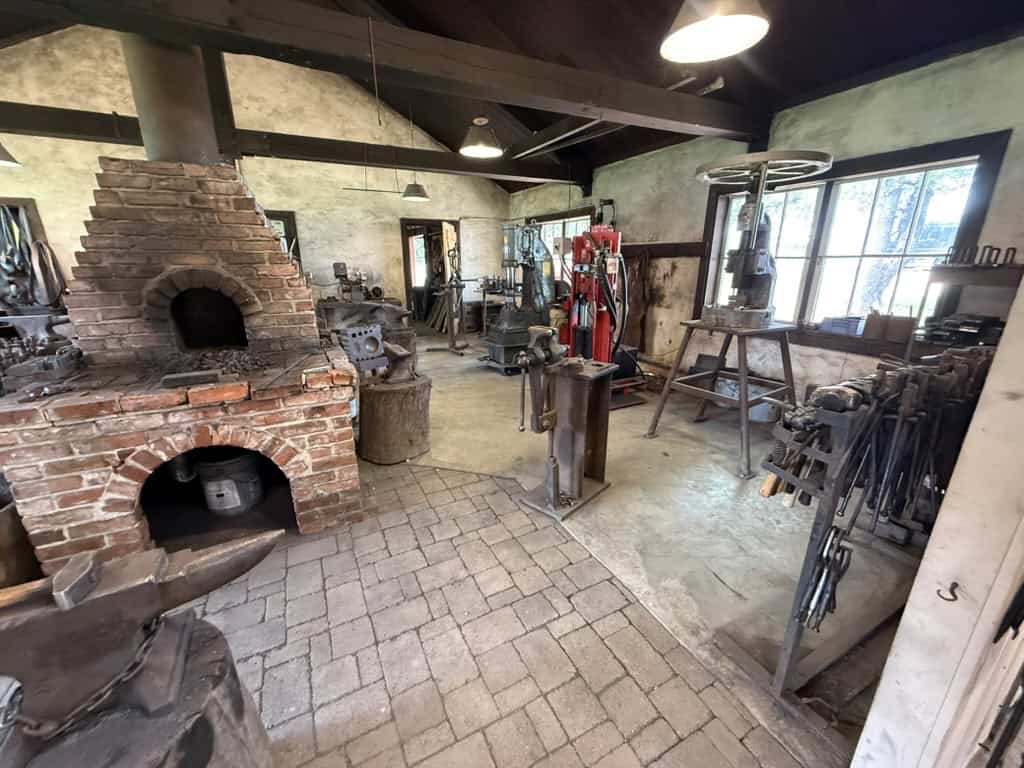
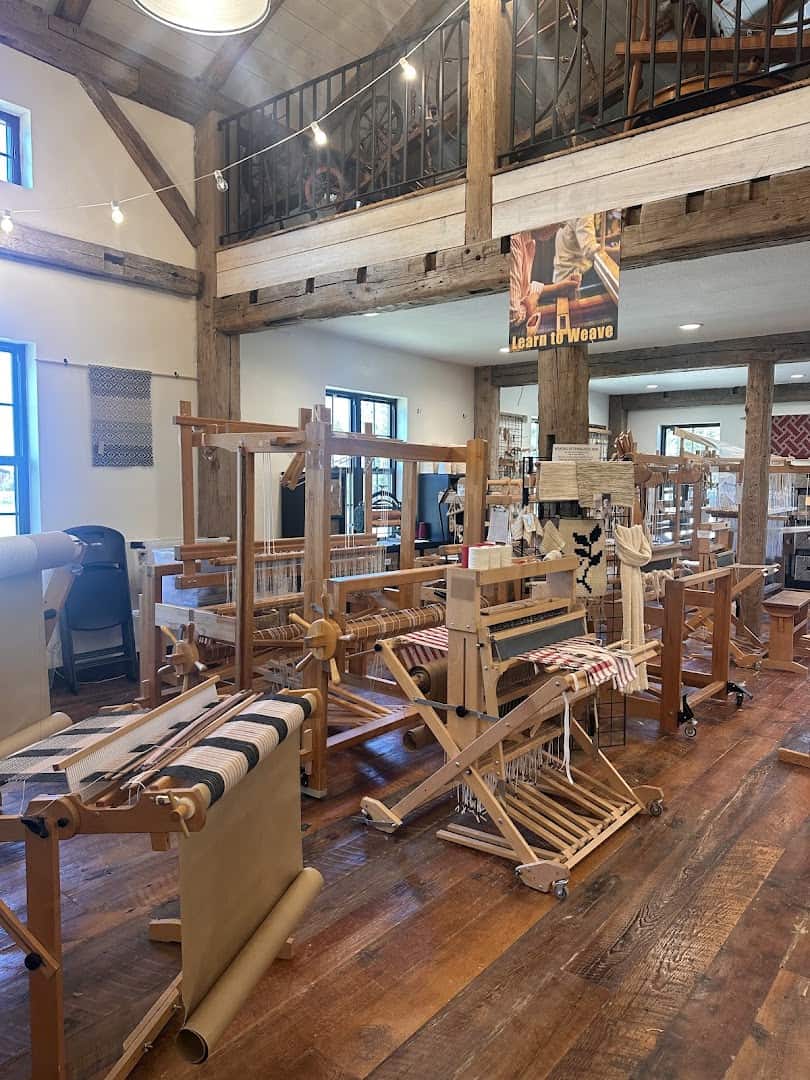
There is a potter throwing bowls and mugs at the wheel, a blacksmith at the forge, a woodworking shop turning out fine furniture, a cheese house, and a fiber cottage where wool becomes yarn on a spinning wheel. You can watch, ask questions, and buy the results.
Did you know you can often catch these crafts mid-demonstration? Seeing a bowl take shape under someone’s hands, or a horseshoe glowing on the anvil, turns a shopping trip into something closer to a small museum you are allowed to touch.
The gift barn gathers the prettiest of it in one place, handmade pottery, wooden bowls, woven baskets, natural soaps, the kind of goods that make honest presents. Buy one thing here and you will keep telling people where it came from.
From Hell’s Kitchen to a Texas Farm
The history is better than you would guess from the calm out front. The community that became Homestead Heritage started in the early 1970s as a small peace church, and not on a farm at all. It began in Manhattan, in the rough old neighborhood known as Hell’s Kitchen.
From a New York City sidewalk to a Texas cornfield is quite a journey, and they took the long way. The group eventually left the city, spent time farming in Colorado, and kept searching for land where they could build the agrarian life they were after.
They found it in central Texas, on a stretch of farmland near Elm Mott, just north of Waco. In 1990 they bought the property, a farm of a bit over 500 acres they named Brazos de Dios, which means the arms of God.
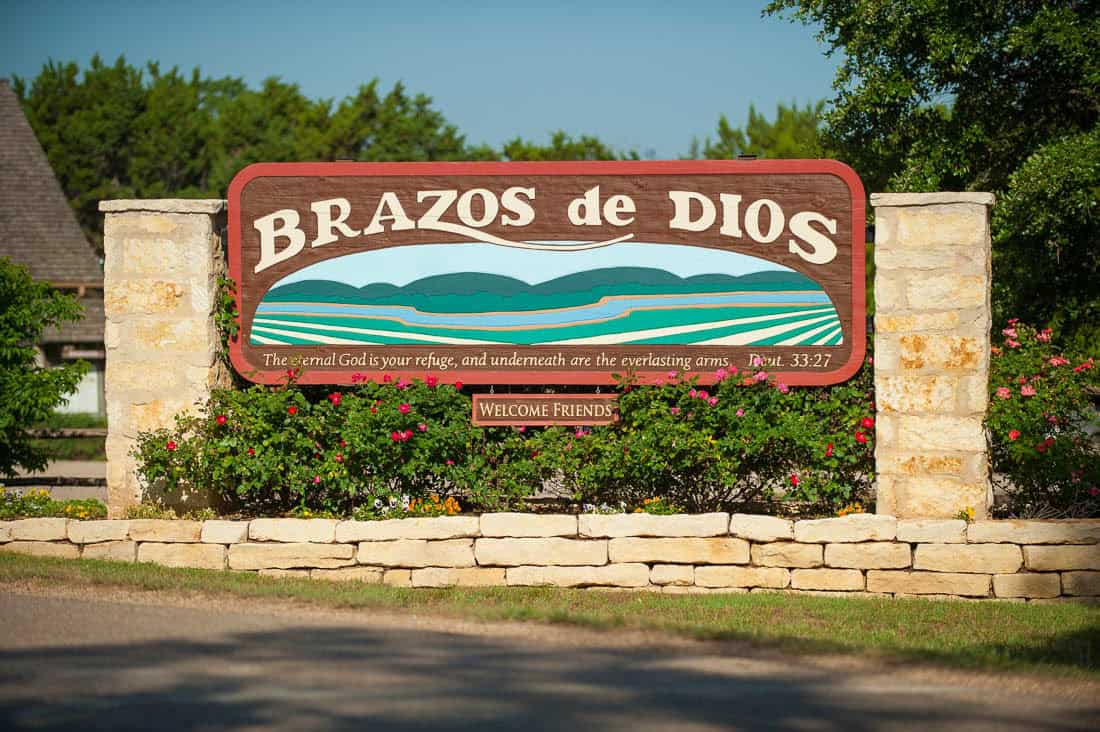
From there it grew into what stands today: roughly a thousand people living on and around the land, a working farm, and a craft village built to keep old skills alive and to welcome visitors in to see them.
They take the teaching part seriously too. The community runs hands-on schools and workshops through its Ploughshare Institute, where regular folks can sign up to learn blacksmithing, woodworking, cheesemaking, or timber framing from people who do it for real.
That is the quiet engine behind the shelves. The bread, the flour, the pottery, the furniture, none of it is a theme or a costume. It is how these families actually live, and the market is simply the front door they opened to the rest of us.
Which is what makes the place land differently than a gift shop dressed up to look rustic. The old-fashioned part is not decoration here. It is the whole point, practiced every day by people who mean it.
Making a Day of It
A word on how to visit, because this rewards a little planning. The market and village sit on a peaceful spread of farmland, so give yourself room to stroll the grounds, not just dash in for rolls and dash out.
It is open Monday through Saturday and closed on Sundays, in keeping with the community’s rhythm. Weekday mornings are the calmest if you want the craftspeople to yourself; Saturdays bring more of a friendly buzz and the fullest bakery case.
Bring a cooler if you are driving any distance, since the meat, dairy, and eggs are the kind of thing you will want to take home. And leave a little cash in the budget, because nobody walks out of that general store empty-handed.
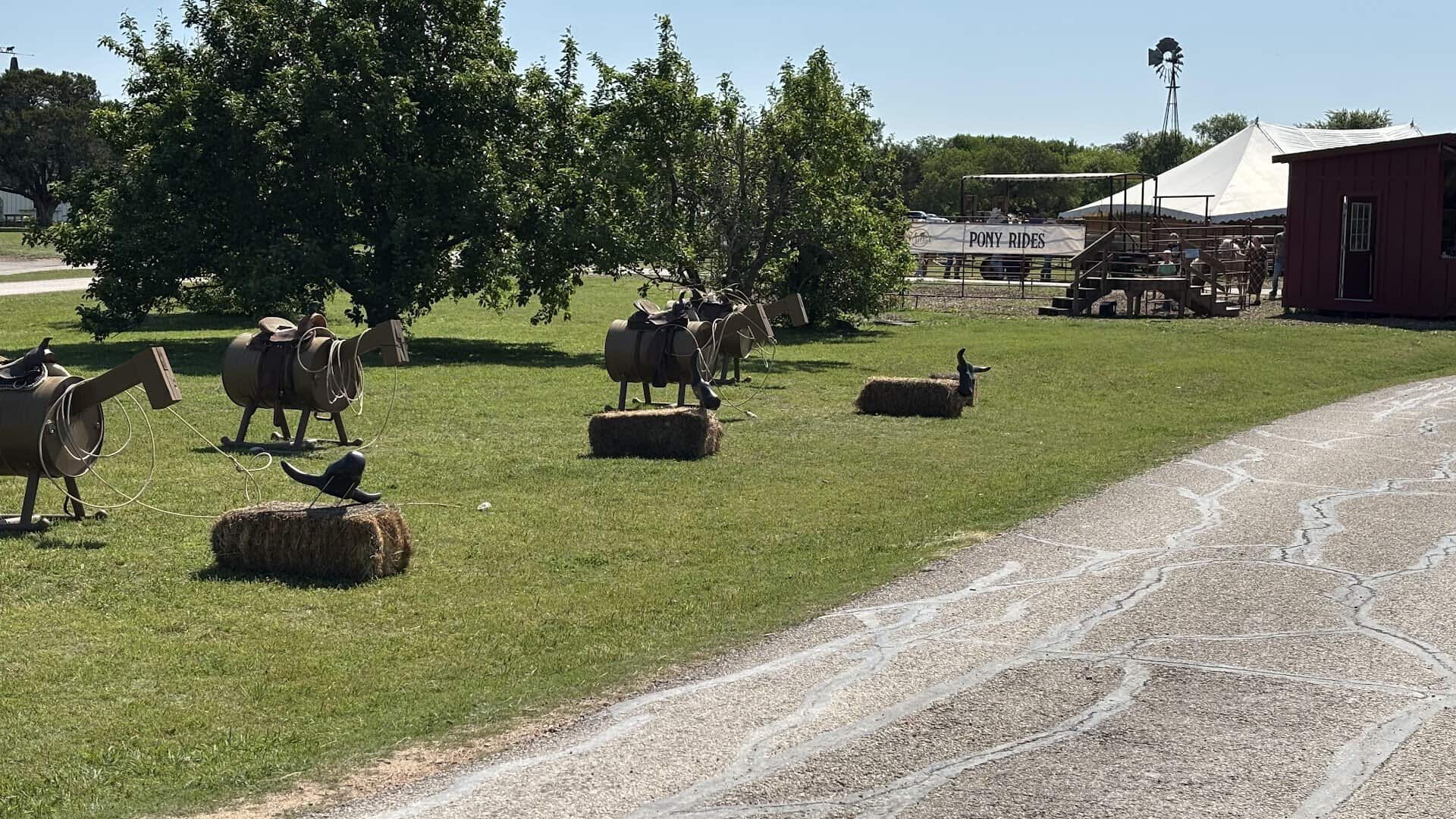
Fall is an especially lovely time to go. The community leans into harvest season, and there is an annual sorghum event where you can watch cane pressed and cooked down into syrup the old way, with music, food, and demonstrations across the grounds.
Whether you live down the road in Waco or you are passing through on the highway between Dallas and Austin, it makes an easy and worthwhile detour. And it is only about fifteen minutes from downtown, so you can pair it with a bigger day in town.
It is the rare tourist stop that does not feel staged. For the people who live and work there, it was never a show in the first place. That is the thing you carry home along with the bread and the flour.
How to Get There
Where: Homestead Heritage and the Homestead Craft Village, 608 Dry Creek Road, Waco, TX 76705. It sits in the farmland just north of the city, an easy drive from downtown Waco and right off the I-35 corridor between Dallas and Austin.
Hours run Monday through Saturday, with the village closed on Sundays. Hours can shift with the season and around community events, so it is worth a quick check before a long drive.
Go See the Slow Way for Yourself
Some places sell you a feeling and hope you do not look too closely. This one does the opposite. The closer you look, the more real it gets, right down to the flour ground under your feet and the hands that shaped the bowl on the shelf.
So point the car north of Waco and grab a cinnamon roll before they run out. Watch the mill turn for a minute, and take home something made by someone who was standing right there.
It is the kind of ordinary magic that is getting harder to find, and you will be glad you drove out to see it. Go while the rolls are warm, and bring an empty bag and a little extra time.
Featured image: @ Homestead General Store

Stella Raines
Editor-in-Chief
Stella brings over a decade of storytelling experience to TX Headlines. With roots in West Texas and a love for road trips, she leads the editorial team with an eye for the hidden stories that make Texas unforgettable.
More Stories
Tags