This Lush Texas Wildlife Refuge Has a Canopy Bridge That Lets You Walk Above the Treetops
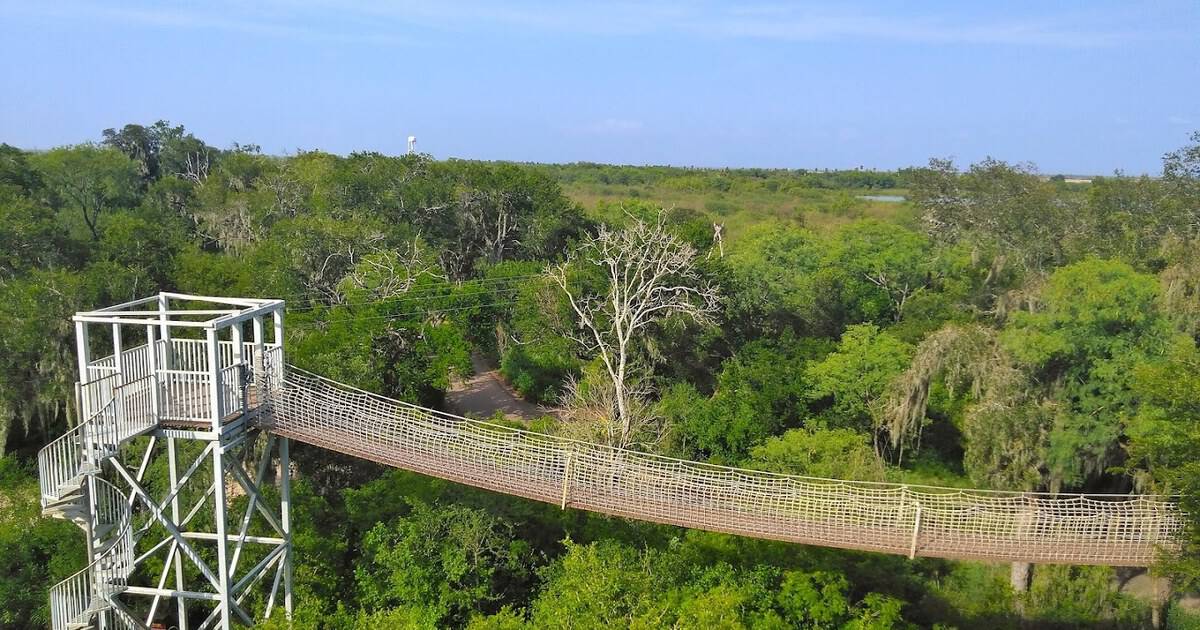
Nobody tells you that the best view of a forest is not from the trail. I learned that the slow way, over a lot of years and a lot of trails.
The real view is from about eighteen feet up, on a bridge that sways when you shift your weight, with the leaves close enough to touch and a bird looking back at you like you are the one on display.
I have chased that feeling my whole life. Most of the time you get it by accident, on a tall staircase or a lookout tower, catching a slice of treetop before the moment passes. Down in the Lower Rio Grande Valley there is a place built entirely around it.
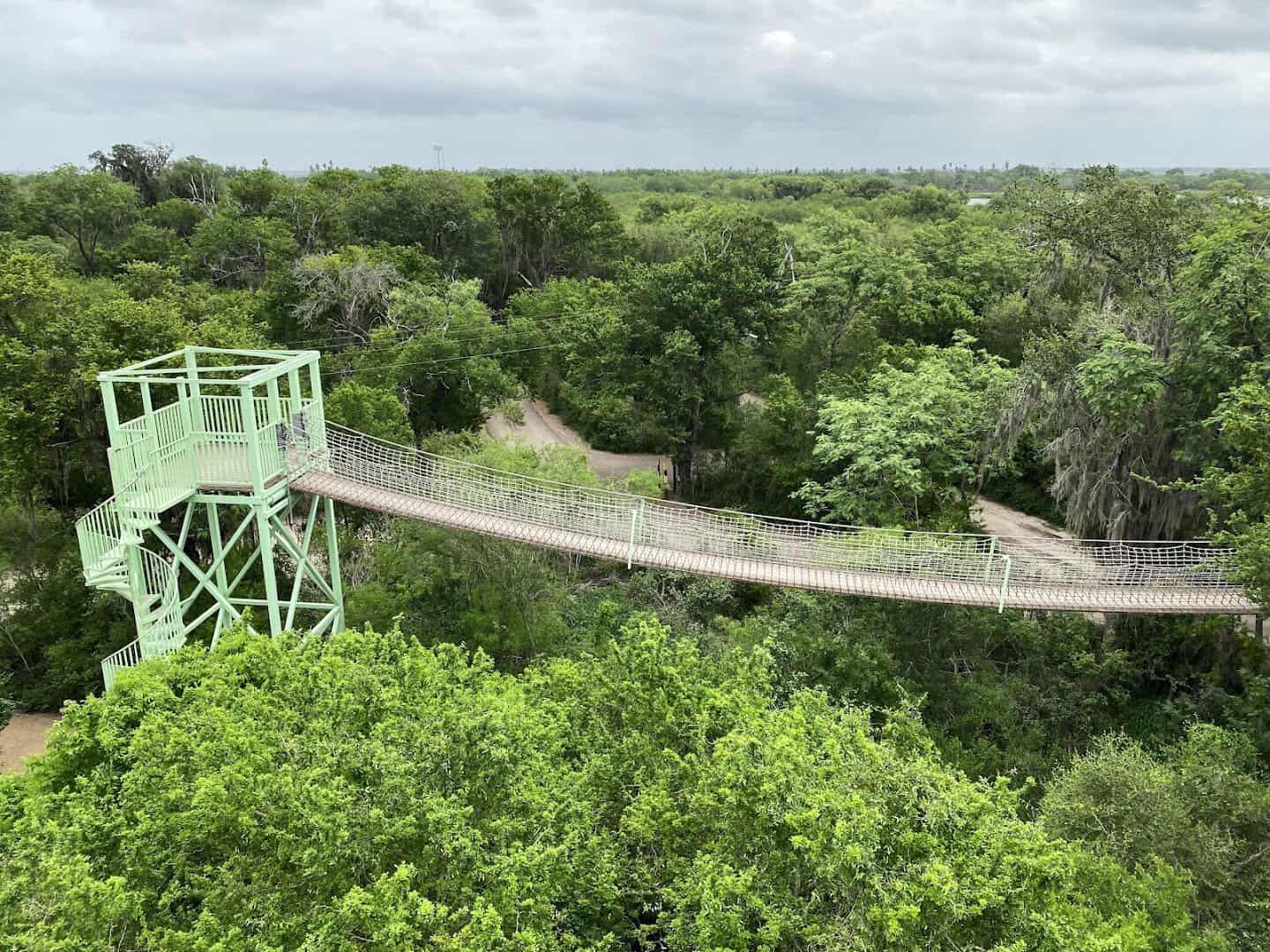
Santa Ana National Wildlife Refuge sits just south of Alamo, and it hides a swaying sky bridge that carries you straight into the canopy.
Below, we will walk that bridge and meet the four hundred kinds of birds that pass through. We will also find out how a napkin sketch became the first canopy walk in the national refuge system.
A Bridge That Floats in the Branches
The canopy walk is the reason most first-timers come. It runs one hundred feet through the tops of the ebony and cedar elm trees, strung between two steel towers that stand twenty-five feet tall.
You climb a spiral staircase, thirty-one steps, and then the ground drops away. The walkway itself is woven nylon rope netting with recycled-plastic boards underfoot, and it dips in the middle the way a vine bridge does, down to about eighteen feet at its lowest point.
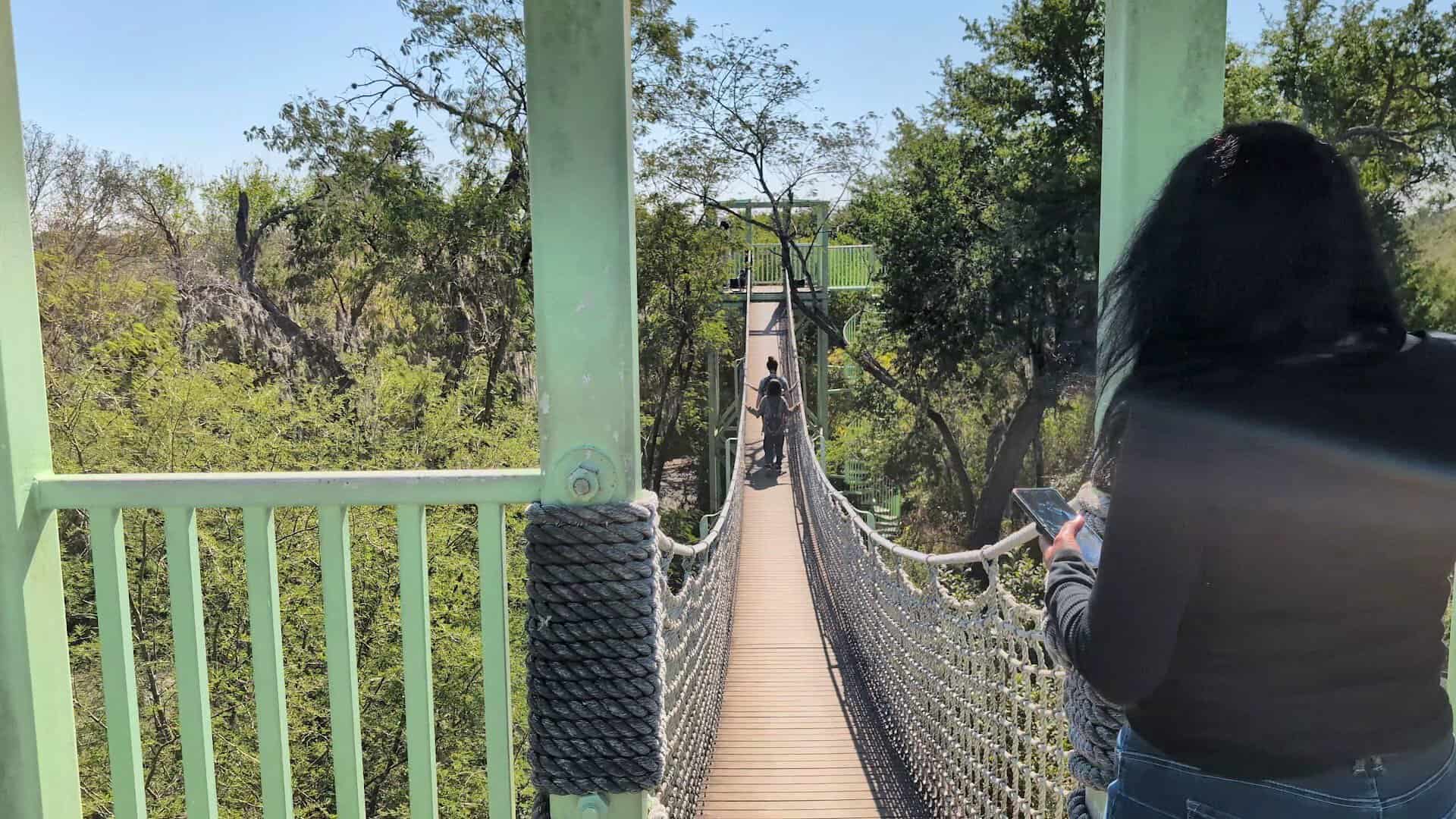
That dip is on purpose. It puts you eye level with the branches, close to the snags and hollows where the small, secret life of a forest actually happens. Lizards sun themselves on bark. Beetles work the seams. Warblers flick through the leaves an arm’s length away.
It moves. The whole span gives a little as you cross, which is half the fun and completely safe. Engineers load-tested the structure at five thousand pounds, and a chest-high hand rope runs the length of it.
Here is the part that surprises people. You are not deep in some remote jungle. You are less than a mile from the Rio Grande, standing above what used to be the river’s floodplain, in a corner of Texas that feels like it belongs several countries south.
Time your climb for early morning and the canopy is at its busiest. Birds work the branches before the day heats up, and the light comes in low and gold. Go slow, stay quiet, and the treetops give up their secrets one small movement at a time.
Four Hundred Kinds of Wings
Santa Ana is one of the top birding destinations on the planet, and that is not local pride talking. Nearly four hundred bird species have been recorded here, which is a stunning number for a refuge you can walk across in an afternoon.
The reason is geography. The refuge sits at the meeting point of two great migratory routes, and it marks the northern edge of the range for a whole cast of tropical birds that barely reach the United States anywhere else.
This is where you finally see the birds from the field-guide daydreams. Green jays, impossibly colored in lime and blue. Plain chachalacas, loud and prehistoric-sounding, crashing through the brush. Great kiskadees calling their own name from the reeds.
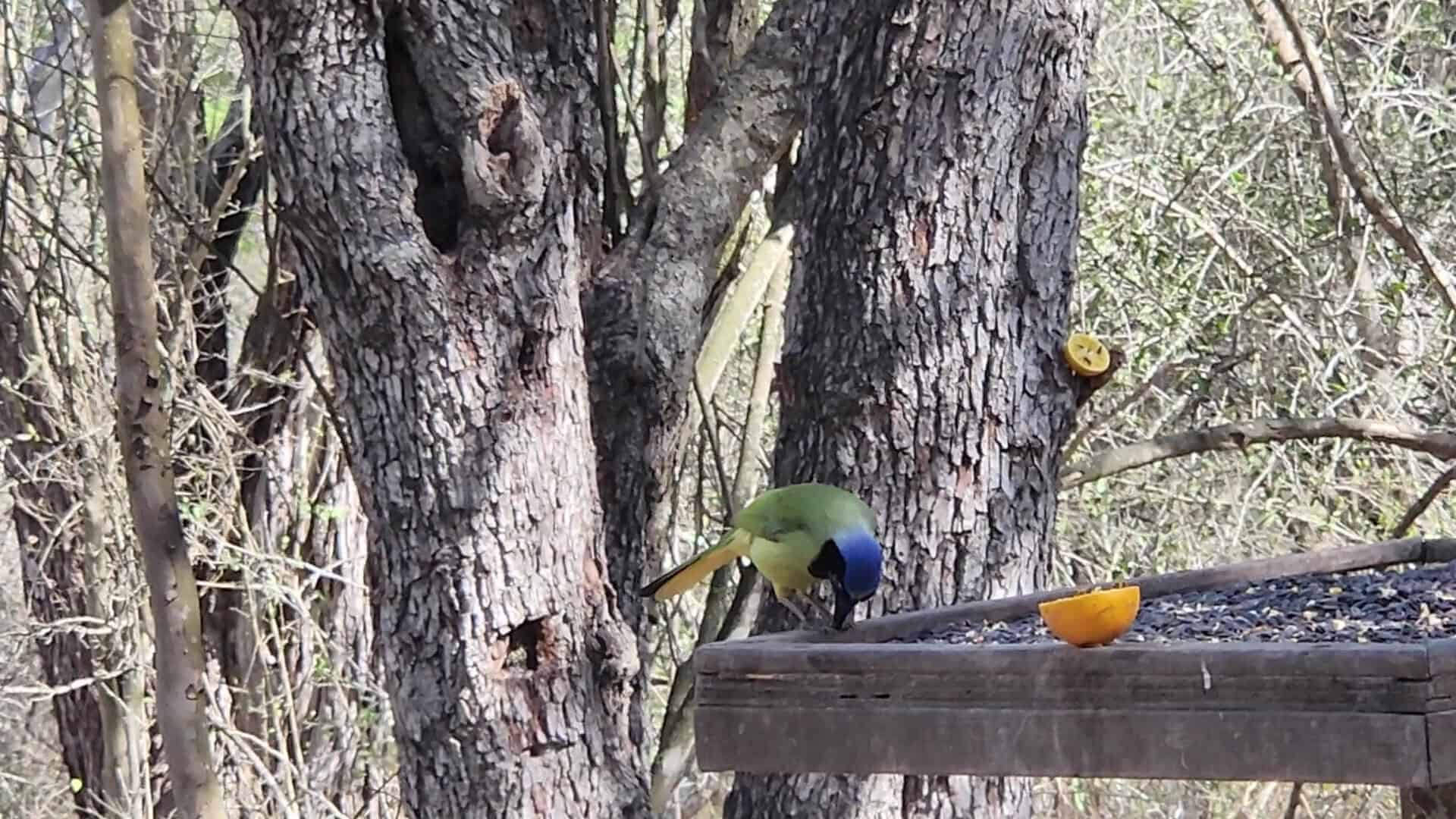
Spring turns the volume all the way up. More than thirty-five species of warbler move through during migration, and rarer raptors like the hook-billed kite and the gray hawk ride the thermals overhead. Serious birders keep a list here that reads like a passport stamp collection.
Winter has its own crowd. The refuge sits square on the Central Flyway, the great north-south highway of migrating birds, and when the cold pushes ducks and geese south, the resacas fill up with them. This narrow tip of Texas acts like a funnel, gathering wings from half a continent.
Did you know the refuge is quiet royalty for another reason too? Deep in the thickest brush, the endangered ocelot and its cousin the jaguarundi are still believed to prowl.
You are very unlikely to see one, and that is exactly the point. Santa Ana protects the dense, tangled cover these rare cats need to survive.
A Butterfly Crossroads in the Brush
The birds get the headlines, but the butterflies might steal your afternoon. More than three hundred butterfly species have been logged inside the refuge, and on a warm day the trails shimmer with them.
There are Malachite butterflies, so green they look painted, and White Peacocks drifting low over the grass. Zebra longwings, Julias, and Mexican bluewings turn a patch of blooming shrubs into slow, living confetti.
This is the tropical crossroads at work again. Temperate North American species share the same flowers with Mexican species that wander no farther north than here. Standing in the middle of it, you feel like you have crossed a border without leaving the state.
Late fall is prime butterfly time, when the fall bloom peaks and the numbers swell. Photographers love it. So do kids, who tend to forget the heat entirely the moment a Malachite lands on a nearby leaf and just sits there, showing off.
Twelve Miles of Trail and a Tower Above It All
The canopy walk is the star, but it is one stop on a much bigger map. Santa Ana spreads across 2,088 acres, and more than twelve miles of trails thread through every kind of habitat the Valley has to offer.
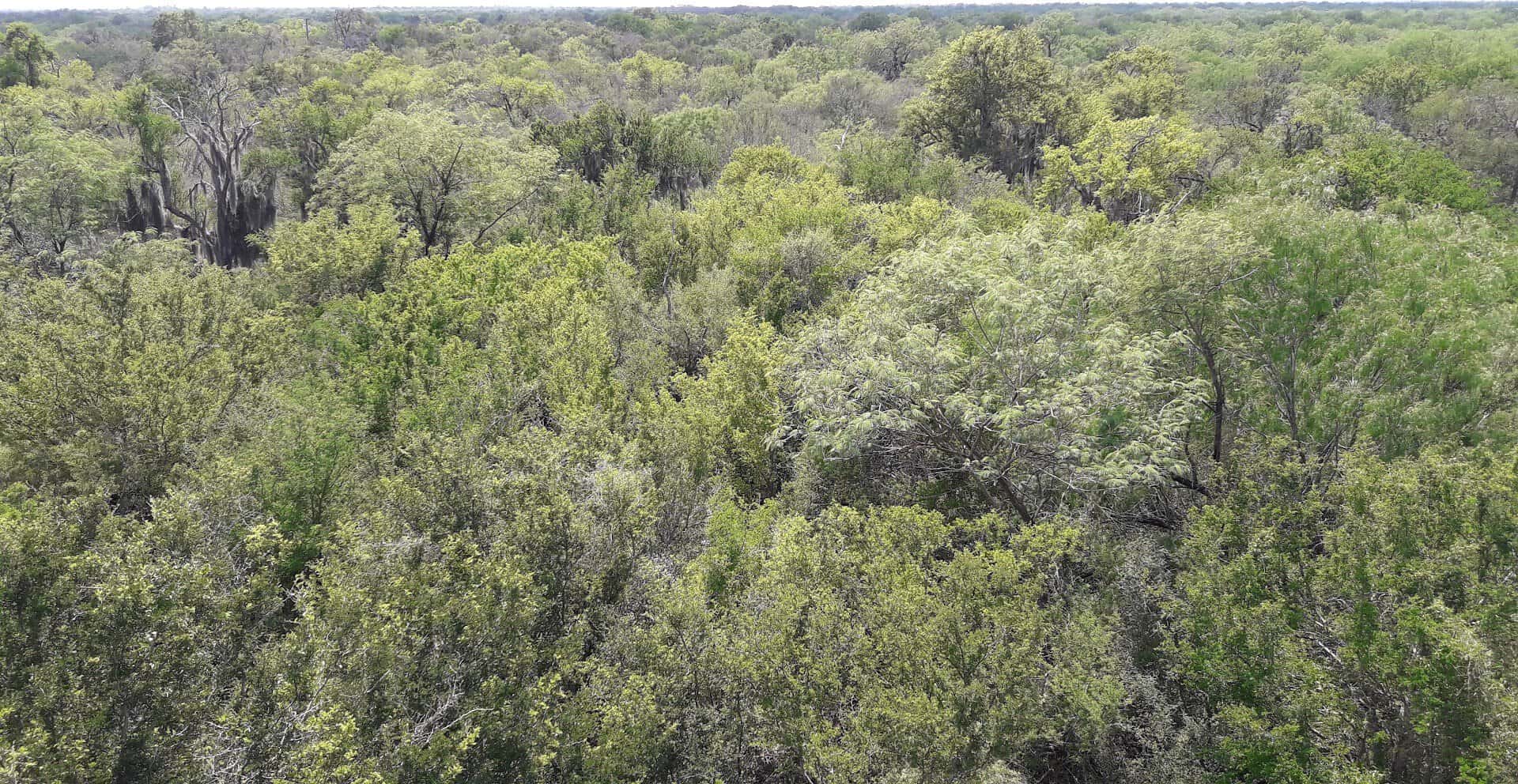
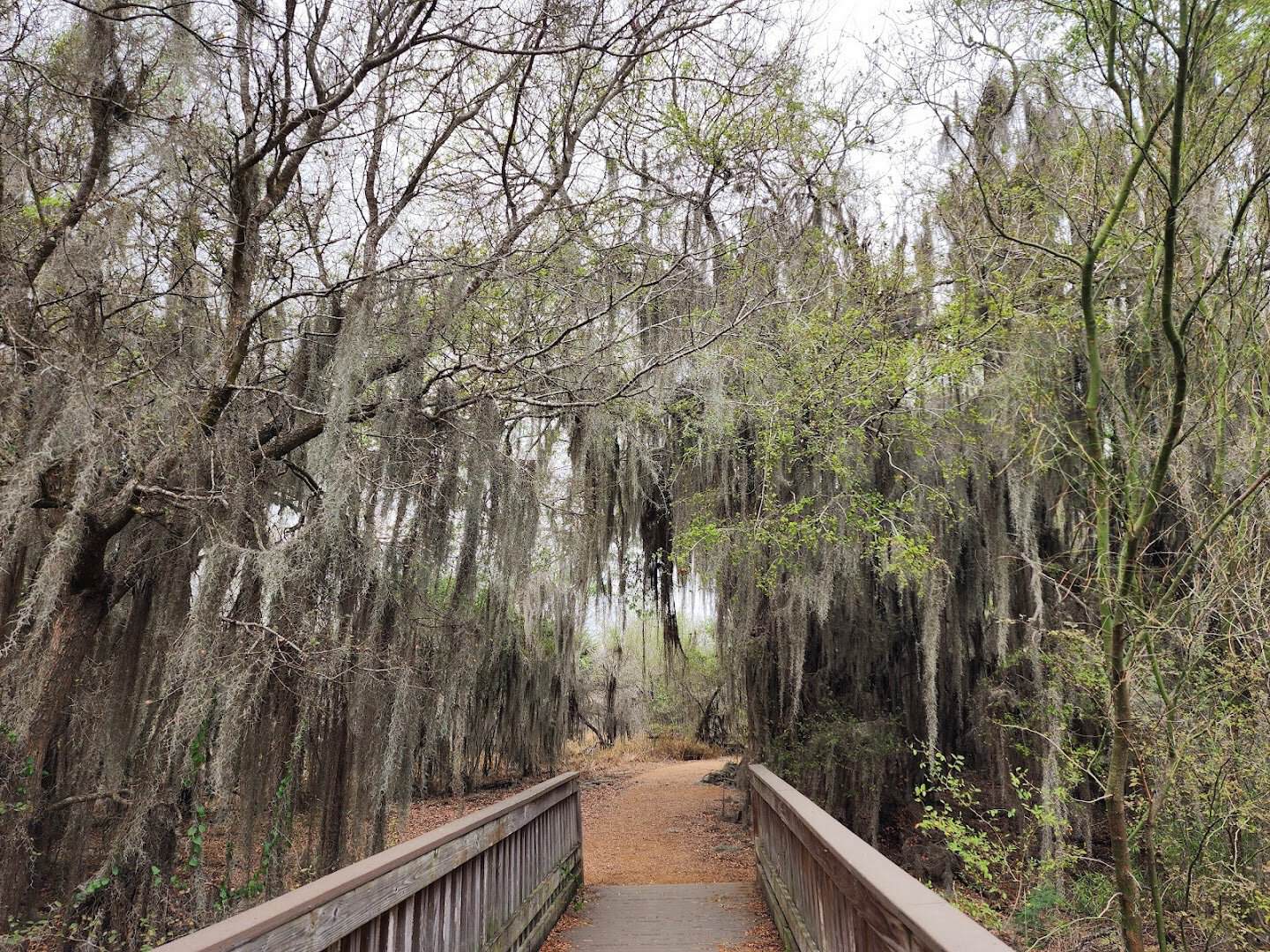
You move from dense subtropical woodland to open grassland to the edges of the resacas, the old oxbow lakes left behind when the river changed its mind long ago. Spanish moss hangs from the cedar elm and anacua branches. Sabal palms and thornscrub crowd the paths.
At the heart of it all runs a paved seven-mile loop road. In the cooler months a guided nature tram carries visitors around it. The rest of the year it belongs to walkers and cyclists, and a bike lets you cover far more ground than your feet alone.
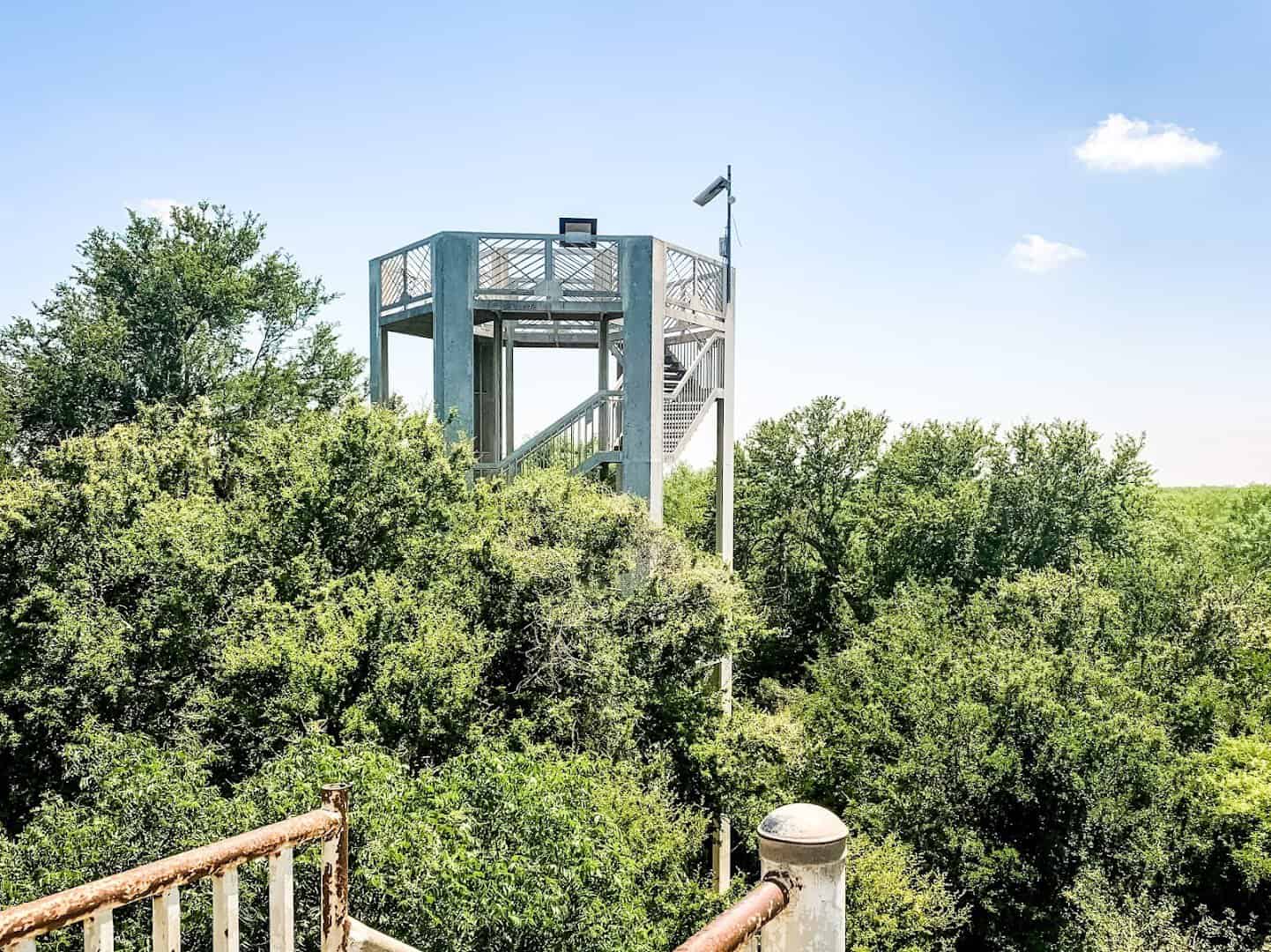
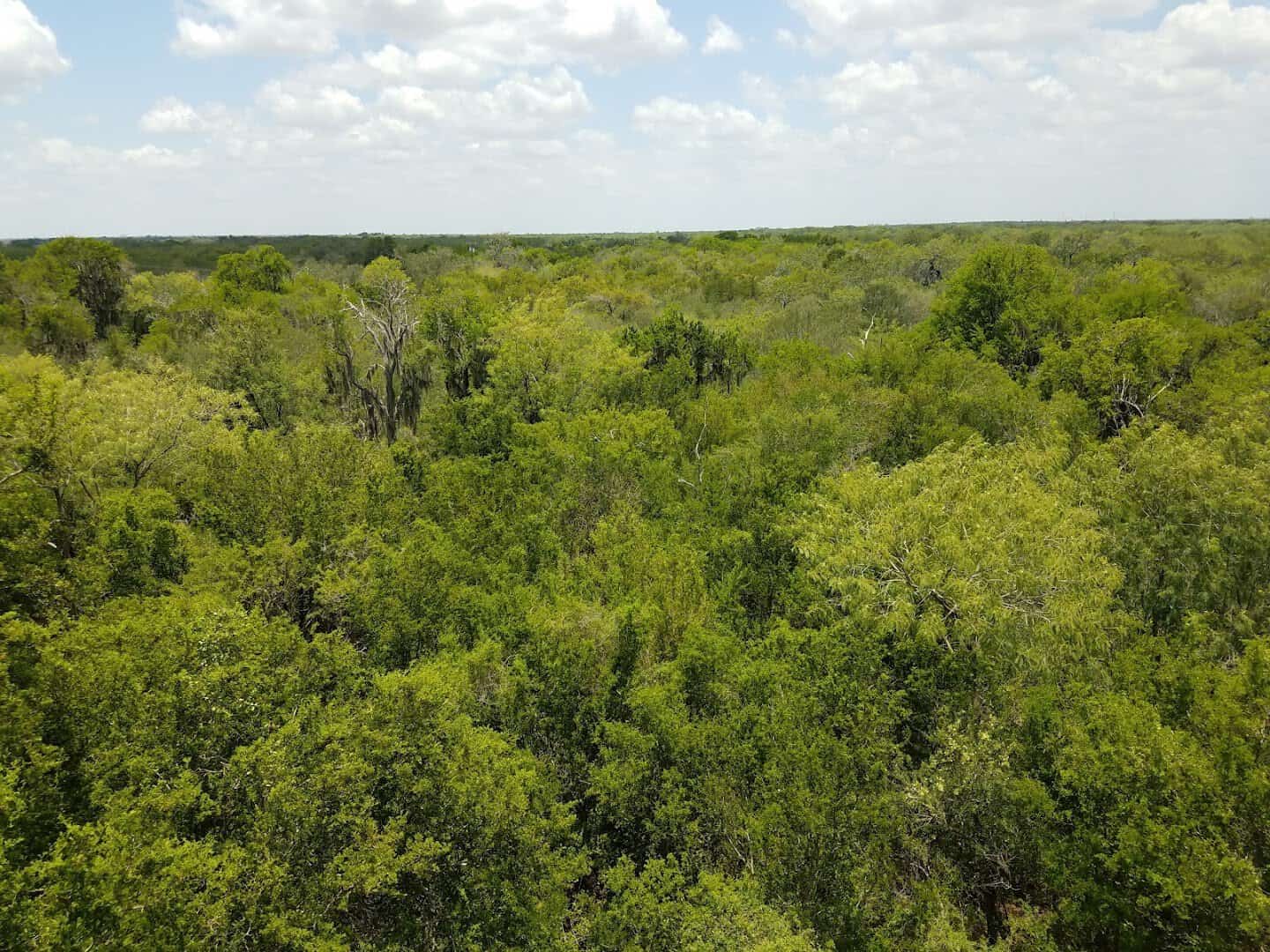
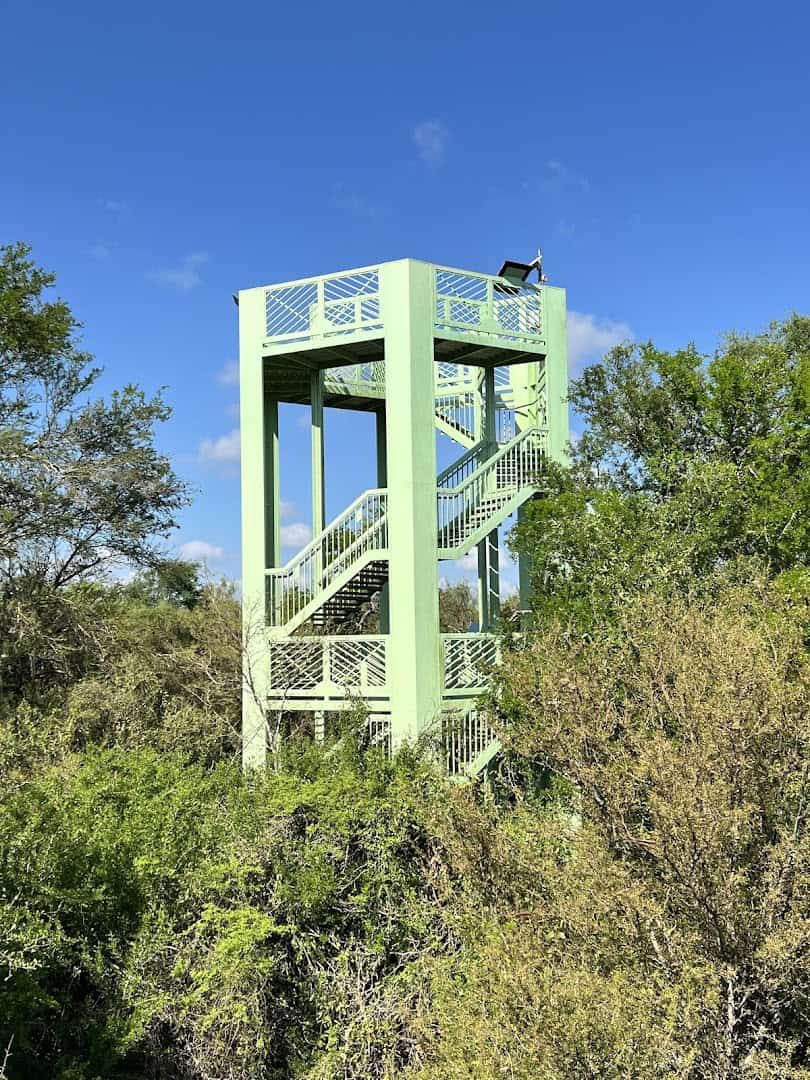
If you want the big picture, climb the observation tower. It is an old forty-foot fire tower, seventy-three steps to the top, and the reward is a view out over the treetop sea you were just standing inside, with the Rio Grande glinting somewhere beyond the green.
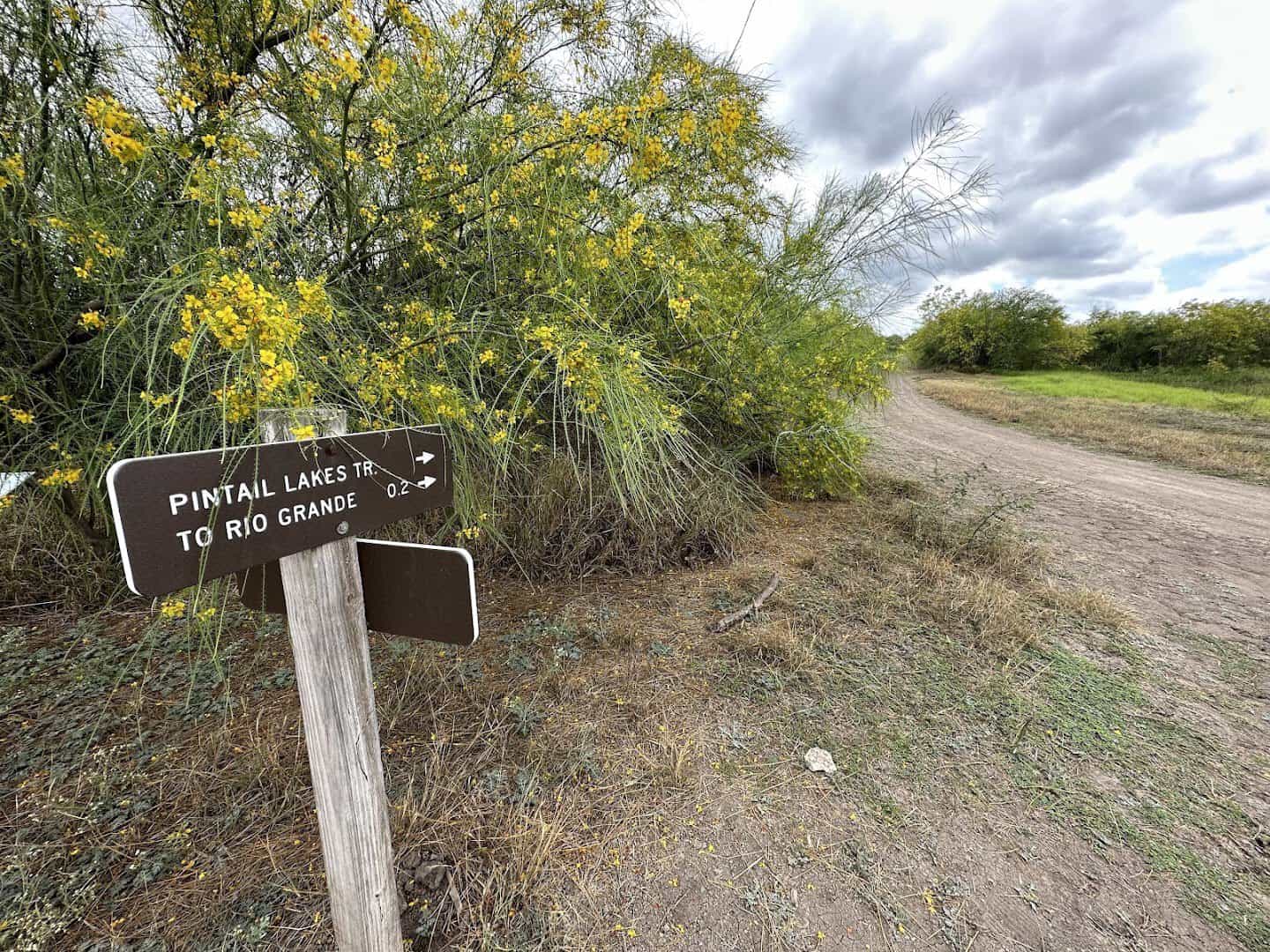
The Pintail Lakes Trail is another favorite, a two-mile loop that skirts the water and runs close to the river. This is where the ducks gather in winter, and where a quiet walker often spots the most.
The refuge even keeps photo blinds, so you can sit still and let the wildlife come to you. Patience pays off here more than good gear does.
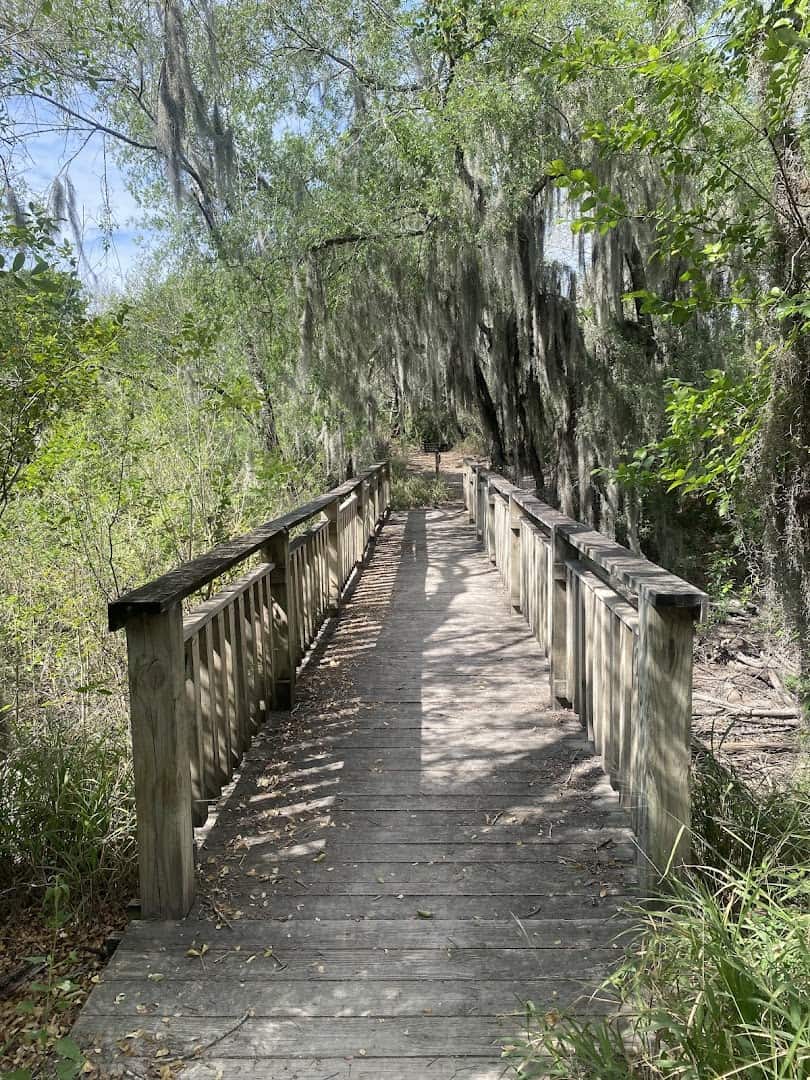
Pro tip: for an easy, accessible stroll, take the Malachite Trail. It is a short paved boardwalk loop, friendly to wheelchairs and strollers, and a gentle way to sample the refuge if a long hike is not on the menu that day.
From a Napkin to the Treetops
Santa Ana was set aside back in 1943, created to protect migratory birds and the vanishing subtropical forest along this stretch of the Rio Grande. Almost all of the Valley’s native woodland has been cleared for farms and towns, which makes these 2,088 acres a genuine ark.
The land earned national recognition early. It was designated a National Natural Landmark in 1966, a nod to just how rare this pocket of habitat had become.
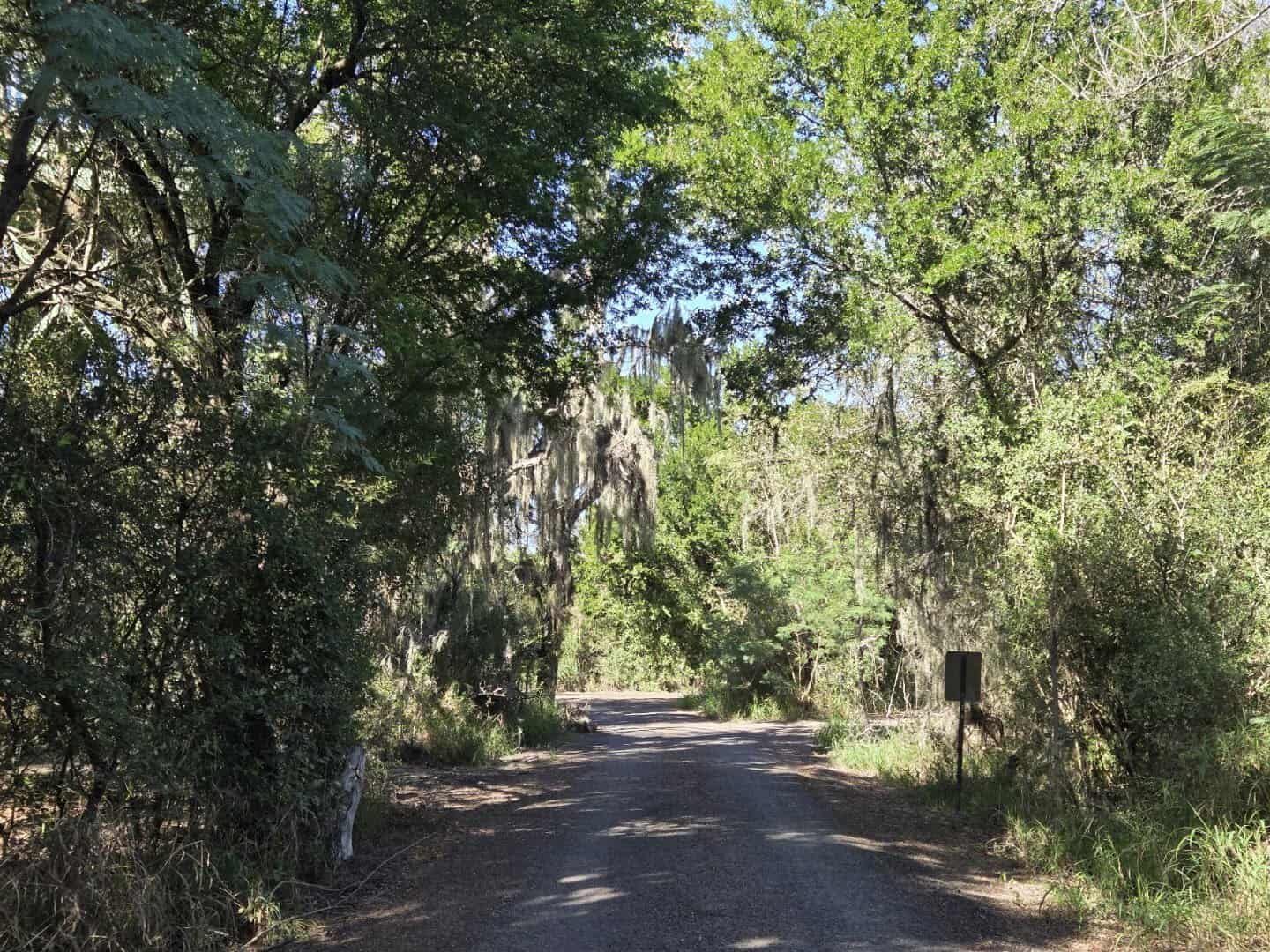
Rare is the right word. Most of the native forest that once lined this stretch of the Rio Grande has been cleared over the past century for farms and towns. What survives inside these fences is a green island, a last stronghold for creatures with nowhere else to go.
The canopy walk is the young addition, and its origin story is my favorite kind. Around 2005, refuge maintenance supervisor Joe D’Arrigo and project manager Ken Merritt got to talking about the famous canopy walks of Central America and wondered why the Valley could not have one.
The first version of the whole idea was, by their own account, sketched out on a napkin. Engineers took that scribble and turned it into a freestanding structure, built to disturb the trees as little as possible.
Merritt’s vision was simple and lovely. He pictured kids up there, peering into tree snags to find the lizards and bugs that never come down to the ground. When it opened, it was the first canopy walk of its kind in Texas and in the national refuge system.
One early visitor summed it up best, marveling that it looked like it had stood for years rather than months. “It blends in so well,” they said, which is the highest praise a piece of human building can earn inside a wild place.
What to Know Before You Go
Santa Ana is refreshingly easy to visit. The refuge grounds are open seven days a week from sunrise to sunset, so you can time your trip for the cool gold of early morning when the birds are busiest.
Entry runs about five dollars per vehicle for a day pass, with an annual pass around ten dollars, and payment is handled through Recreation.gov. It is a small price for a place this generous with what it holds.
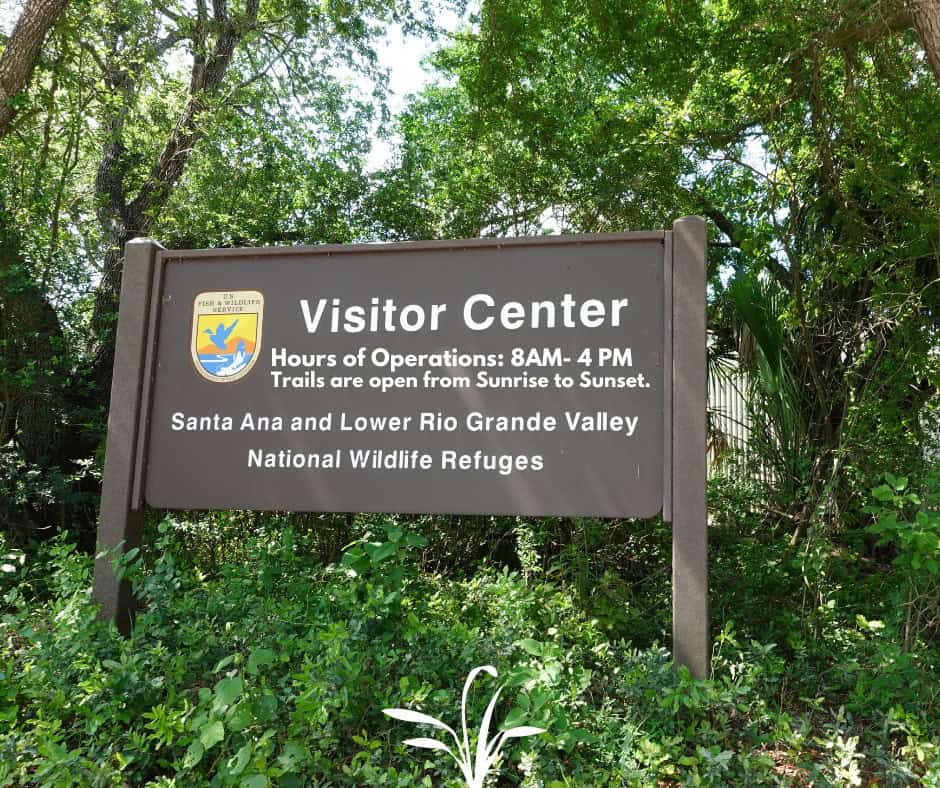
Start at the visitor center. Staff and volunteers there will help you plan the day, and you can watch a short film, browse the wildlife exhibits, and grab a trail map before you head out. It is the easiest way to get your bearings on a refuge this size.
Bring water, sun protection, and bug spray. This is subtropical Texas, and the same warmth that grows the palms and draws the butterflies means you will want to plan around the midday heat, especially in summer.
Fall through spring is the sweet spot. The weather softens, the migratory birds pour through, and the whole refuge feels alive. Bring binoculars if you have them, and a little patience. The best sightings come to people who slow down.
How to Get There
The refuge sits in Hidalgo County, just south of the town of Alamo, deep in the Lower Rio Grande Valley near the Mexico border.
Where: Santa Ana National Wildlife Refuge, 3325 Green Jay Road, Alamo, TX 78516
Come Walk Above the Trees
There are plenty of places in Texas to see a pretty bird from a trail. There is exactly one where you can climb into the canopy, feel the bridge sway under your feet, and meet the forest at eye level the way its own residents do.
So pack the binoculars, fill the water bottle, and point the car toward the Valley. Climb those thirty-one steps, let the leaves close in, and go find out what the treetops have been keeping from you all this time.
Featured image: Vladyslav Atkins via Santa Ana National Wildlife Refuge

Stella Raines
Editor-in-Chief
Stella brings over a decade of storytelling experience to TX Headlines. With roots in West Texas and a love for road trips, she leads the editorial team with an eye for the hidden stories that make Texas unforgettable.
More Stories

These 10 Texas Spots Bloom Into Seas of Bluebonnets Each Spring

This Enchanting Texas Nature Trail Feels Like Hiking Through a Fairytale Forest

This Underrated Texas State Park Gives You a Full Day of Swimming and Hiking for Just $5

This Easy Texas Hike Leads to a Swinging Suspension Bridge Hidden in the Pines
Tags