This Magical Texas Nature Preserve Draws More Than 200 Species of Butterflies Year-Round
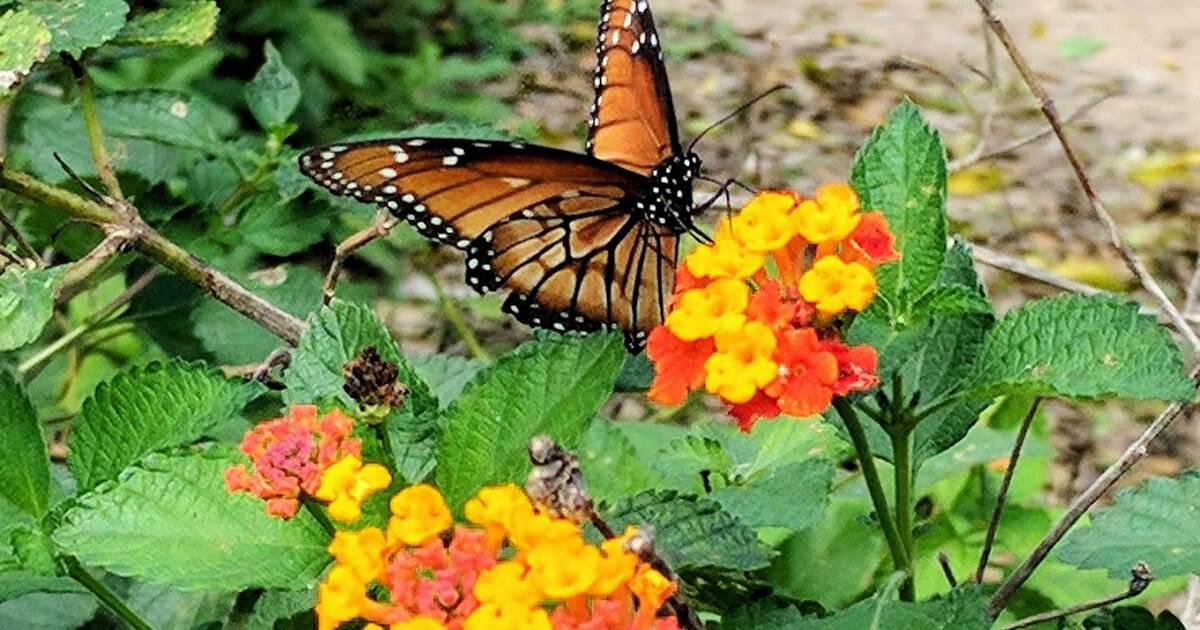
There is a particular kind of joy in watching a butterfly decide where to land. It drifts, doubles back, hovers over one bloom, then picks another for reasons known only to itself. I could lose a whole afternoon to that and never once reach for my phone.
Down in the Lower Rio Grande Valley, just outside the town of Mission, sits a place built entirely around that feeling. It is a hundred acres of fluttering color, a native plant garden and wildlife preserve where butterflies are not a happy accident. They are the entire point.
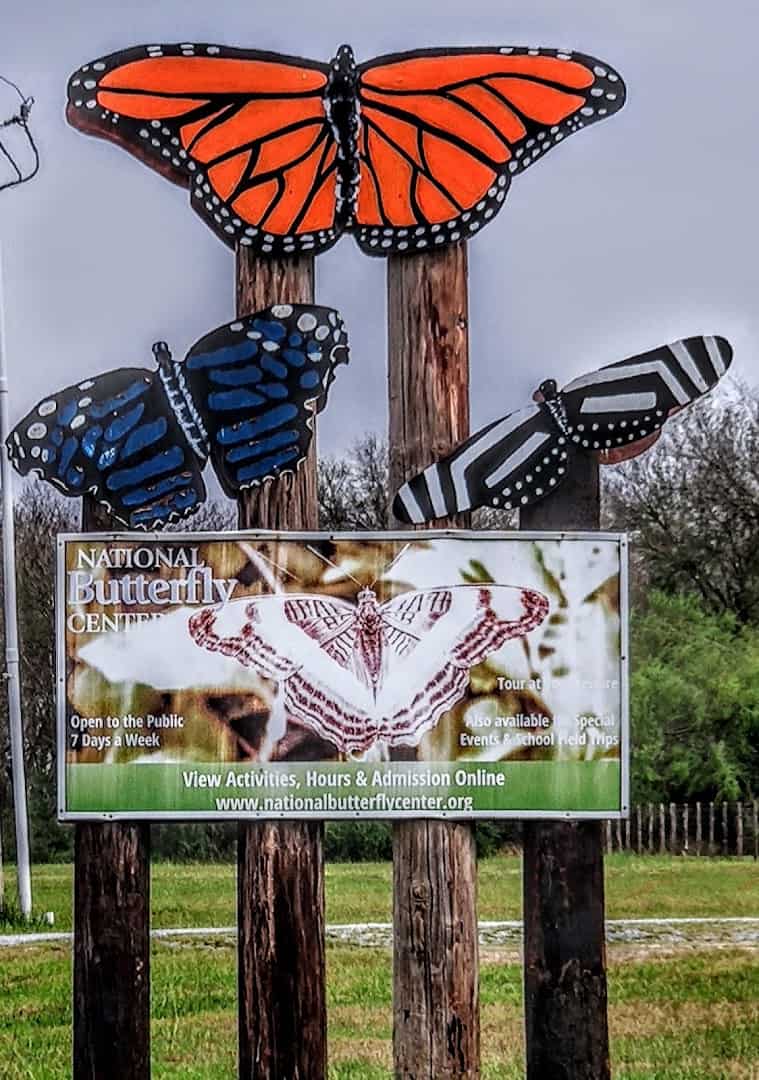
This is the National Butterfly Center, and it holds a title no other spot in the country can claim. Below, I will walk you through what makes it the most butterfly rich place in America.
We will get to the creatures you meet beyond the wings, how the preserve came to be, and exactly when to go so the air is practically humming with color.
A Hundred Acres of Flying Flowers
You do not come here for a building. You come for the outdoors, and the center hands you a hundred acres of it to wander.
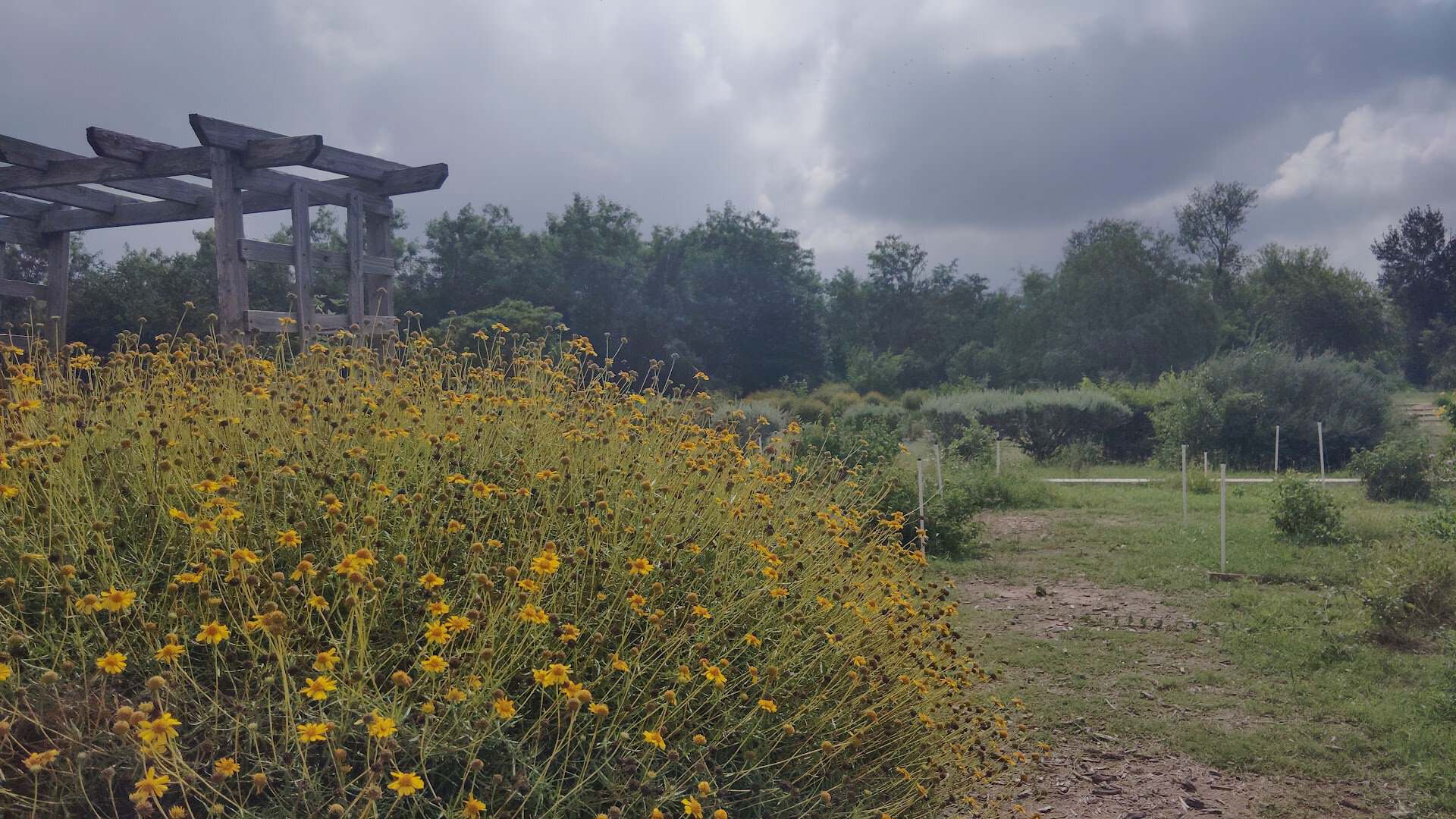
Trails wind out from the visitor center through three different worlds. First come the cultivated gardens, planted thick with nectar flowers chosen to keep something in bloom nearly all year. Then the open wildscapes. Then denser native thickets where the shade feels ten degrees cooler.
Everywhere you look, the flowers seem to have come loose and taken flight. A dozen butterflies work a single flowering shrub, opening and closing their wings in the sun. Step closer and they barely mind you.
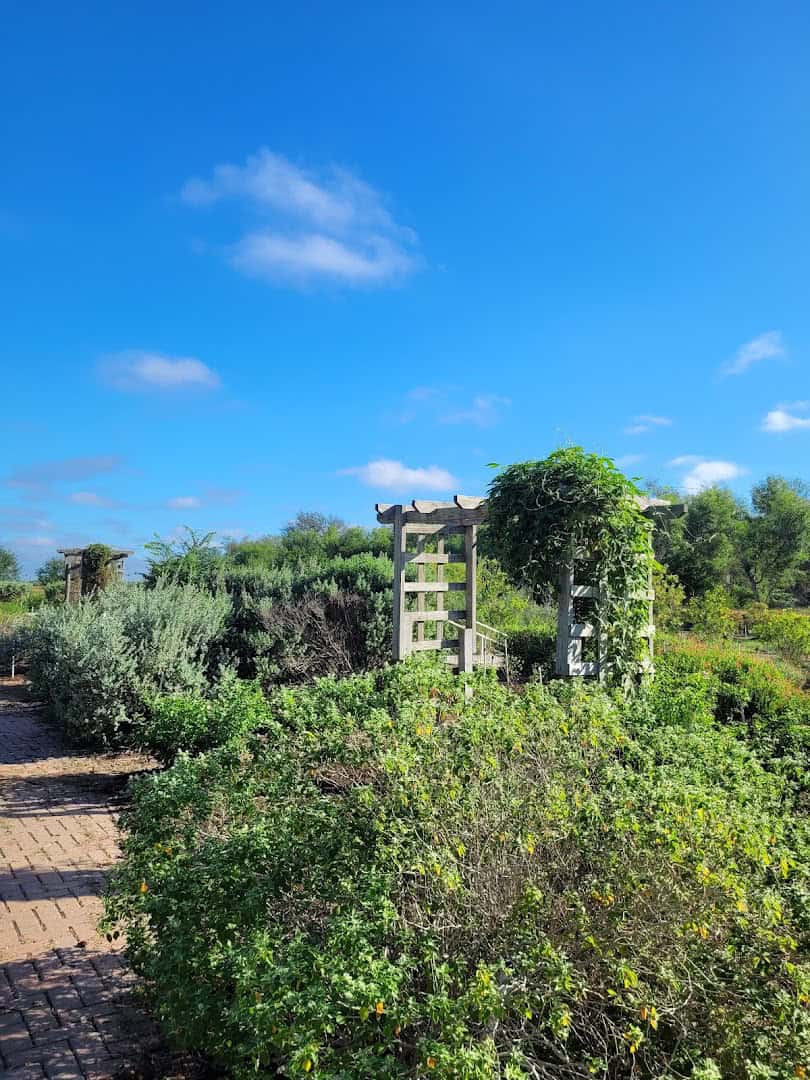
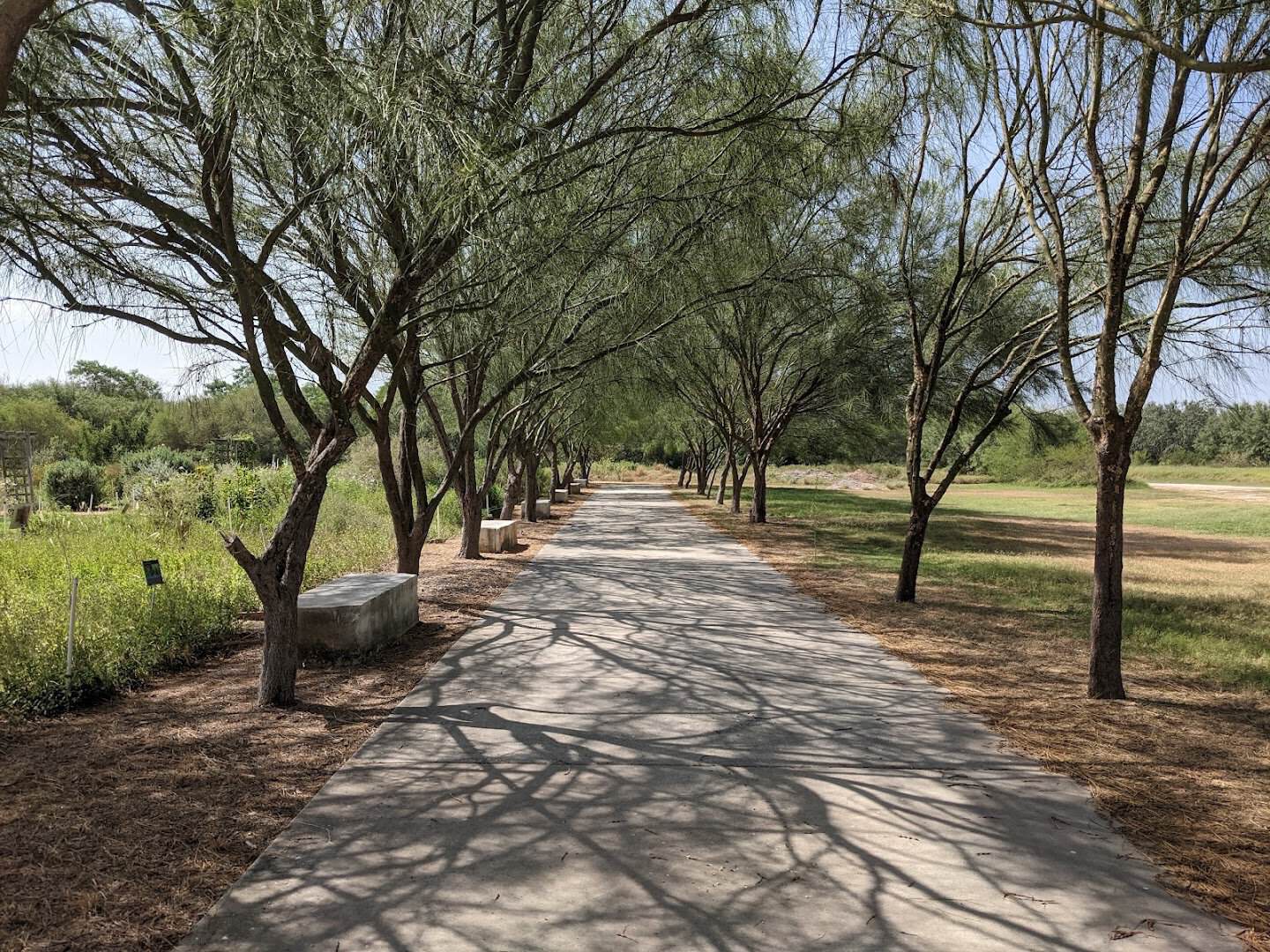
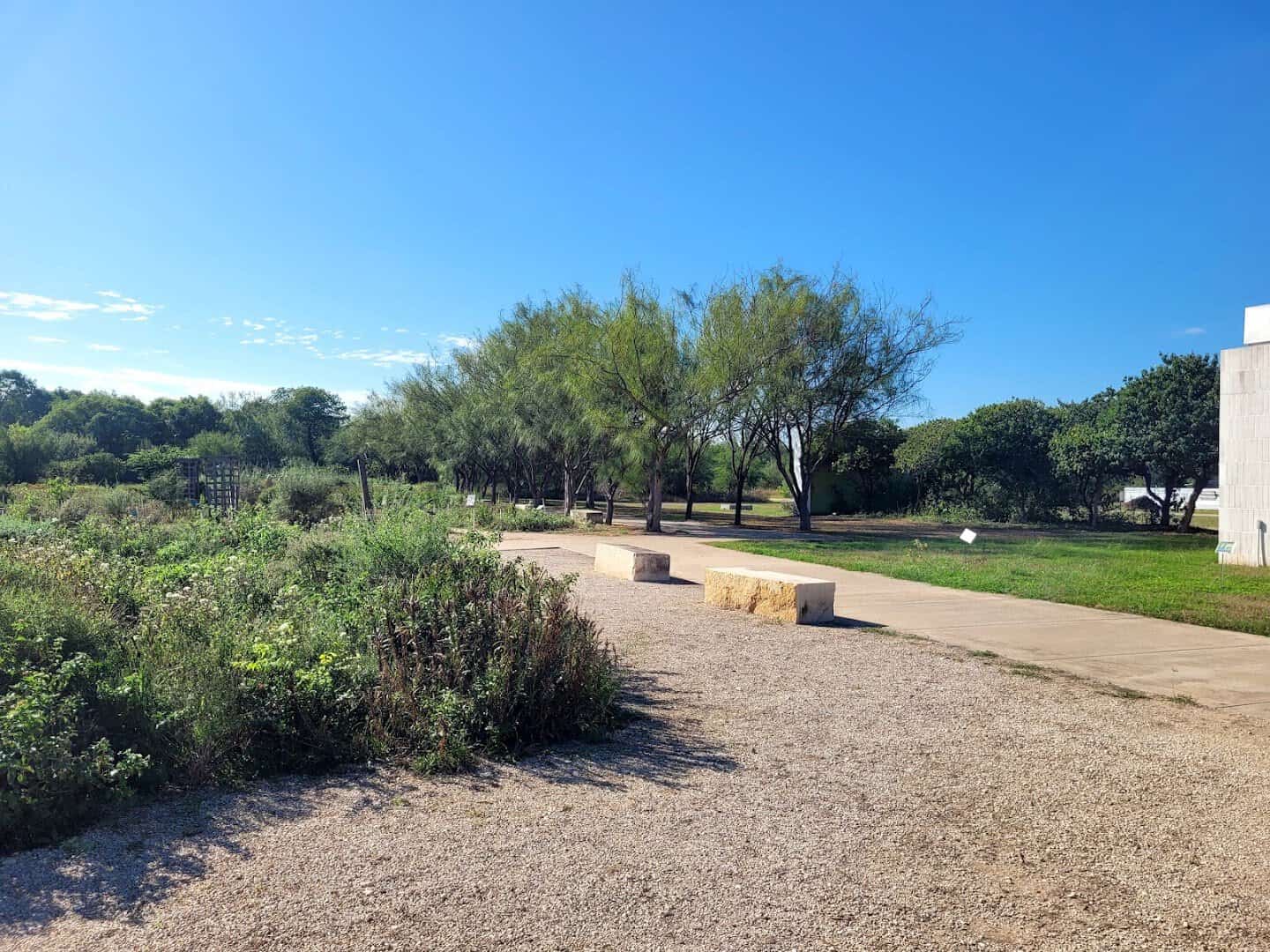
The paths are flat, wide, and easy, which makes this a rare nature outing that works for a toddler and a grandparent on the same morning. There are benches when you want to sit and simply watch the traffic.
The feeders sweeten the deal. Staff put out fermenting fruit and sugar water, and the butterflies pile onto it, giving you a front row seat without any chasing. It is one of the calmest, most quietly thrilling things you can do outdoors in Texas.
Take the loop slowly. A butterfly garden rewards the patient, and if you amble you will see three times what you would see marching through. Let your eyes adjust to the small movements at knee height and in the flower heads, and the whole place comes alive.
What Grows Here Is the Whole Secret
The reason so many butterflies gather in one spot is not luck. It is the plants, chosen one by one to feed them.
Butterflies need two very different kinds of plants, and the center grows both. Nectar plants feed the adults, and host plants feed the caterpillars, which are famously picky about which leaves they will eat.
The gardens lean hard on native South Texas bloomers that butterflies cannot resist. Mistflower, with its fuzzy blue purple clusters, is a genuine butterfly magnet, and you will often find a single mistflower patch carrying more wings than the plant seems able to hold.
For the monarchs, it is all about milkweed, the only plant their caterpillars will eat. The center cultivates it on purpose, which is part of why the fall migration leans on this stretch of the valley so heavily.
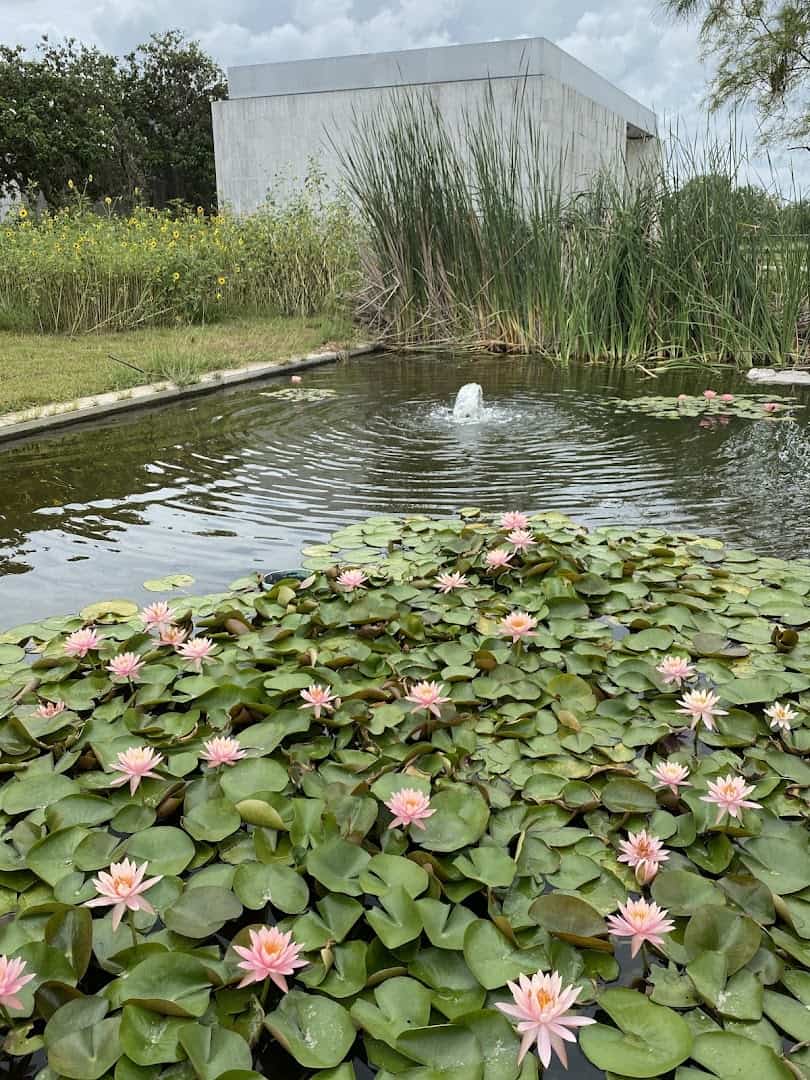
All of it is grown on site. The center runs a native plant nursery raising over 100 species, and it doubles as the largest botanical garden in the country devoted to propagating native pollinator plants.
Best of all, you can buy some to take home. Plant a little mistflower or milkweed in your own yard and you start your own small version of the magic, one visiting monarch at a time.
More Than 200 Species, and Counting
Here are the numbers that make butterfly people go quiet. More than 240 species have been recorded at the center. On a good day, a single visitor can spot over 60 kinds without leaving the grounds.
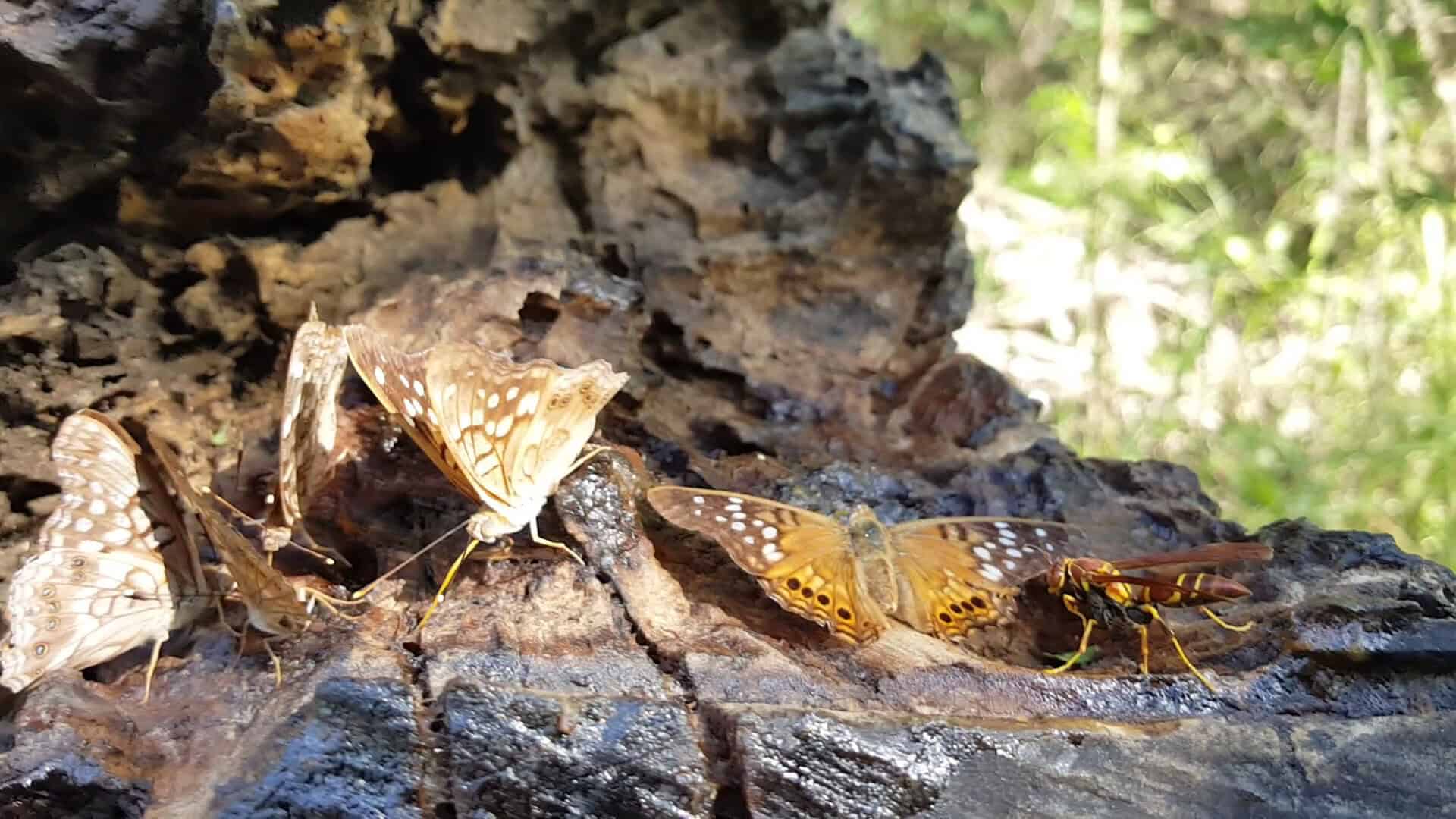
That is not normal. Texas leads the entire country with over 442 recorded butterfly species, and the Rio Grande Valley alone is home to more than 300 of them. Nearly 150 of those live nowhere else in the United States, only here and across the river in Mexico.
So the center is not just pretty. It is the single most butterfly diverse sanctuary in the nation, a place where you can see insects that a lifelong collector in Ohio will never lay eyes on.
Watch for the red-bordered pixie, a tiny dark beauty edged in orange and blue that gives its name to the center’s newest land. Look for the Mexican bluewing, whose upper wings flash an electric band of blue when it opens them.
And in fall, the monarchs pour through by the thousands. This corner of Texas sits directly under their migration route to and from Mexico, so the gardens become a filling station on one of the great journeys in nature.
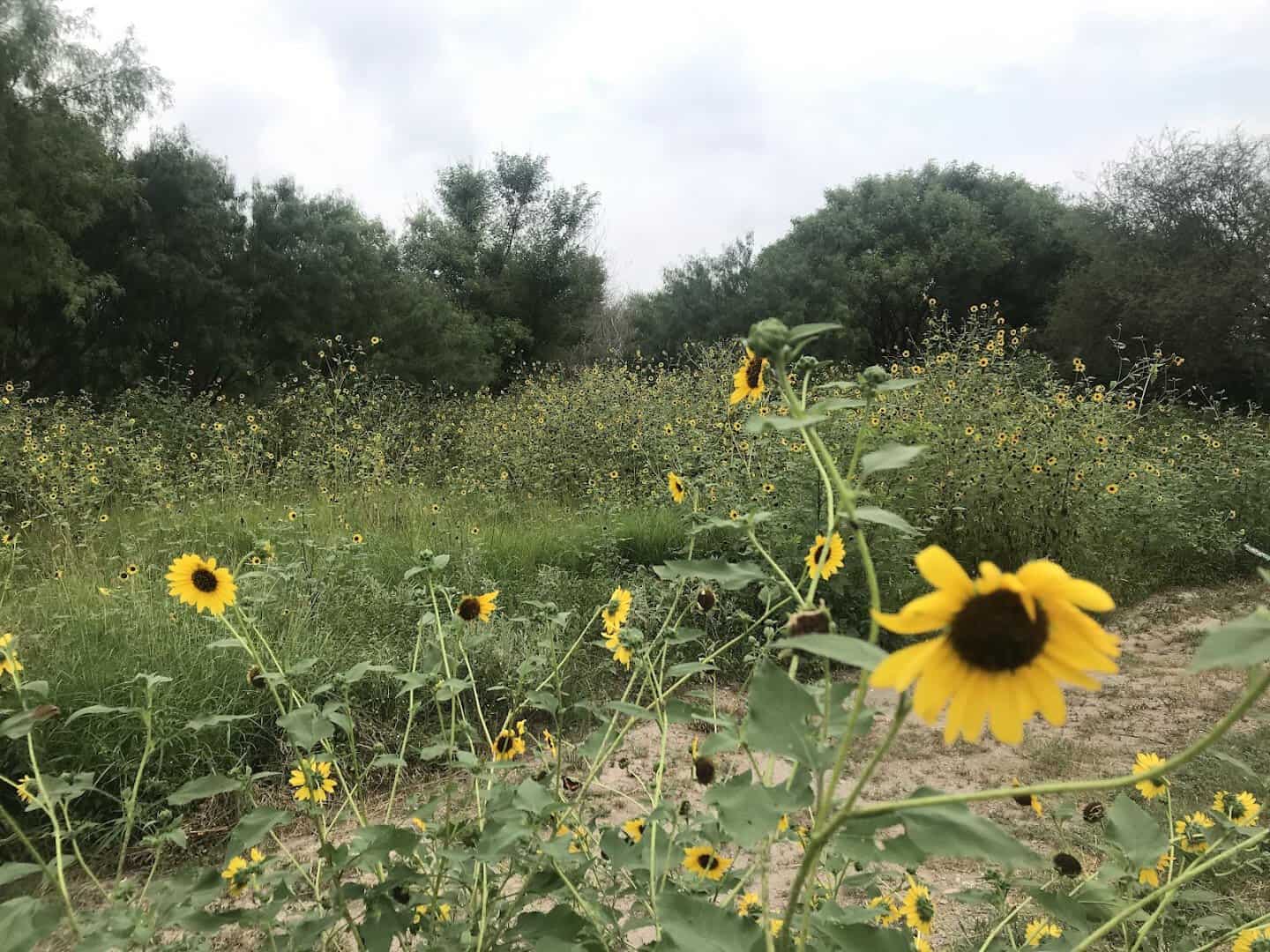
Part of the fun is that you never quite know what will turn up. Because so many of these species drift up from Mexico, a rare stray can appear that has almost never been seen north of the border.
Serious butterfliers travel across the country hoping to add one of those to their life list. On the right day, an ordinary morning walk becomes a small chase for something almost nobody in the United States gets to see.
You do not need to be an expert to enjoy any of it. The staff are famously friendly and happy to name whatever just landed in front of you, and the visitor center keeps plenty of guides on hand. Genuine wonder is the only ticket the place really asks for.
The Wild Side of South Texas
The center calls itself the wild side of South Texas, and the butterflies are only the headliners. Stand still for ten minutes and the supporting cast shows up.
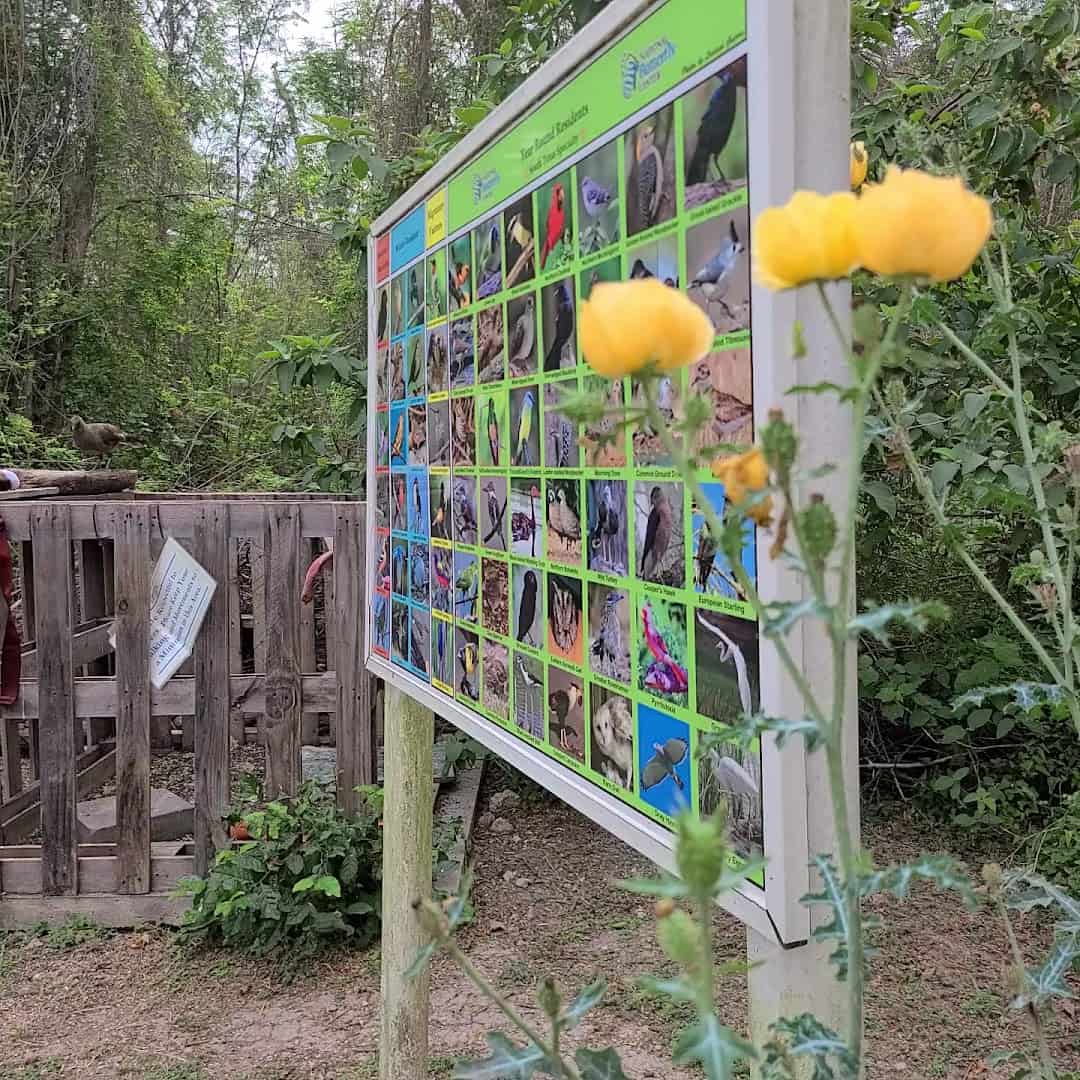
Birders adore this place. Nearly 300 bird species have been documented on the grounds, including South Texas specialties like the emerald green jay and the plain chachalaca, a loud, chicken sized bird you will hear long before you see.
There is a dedicated bird watching area stocked with food and water, so you can settle in and let the wildlife come to you. Bring binoculars and you may not want to leave.
The list keeps going. Researchers have identified more than 50 native bee species here. Bobcats, armadillos, coyotes, and blacktail jackrabbits all move through the preserve, mostly at the quiet edges of the day.
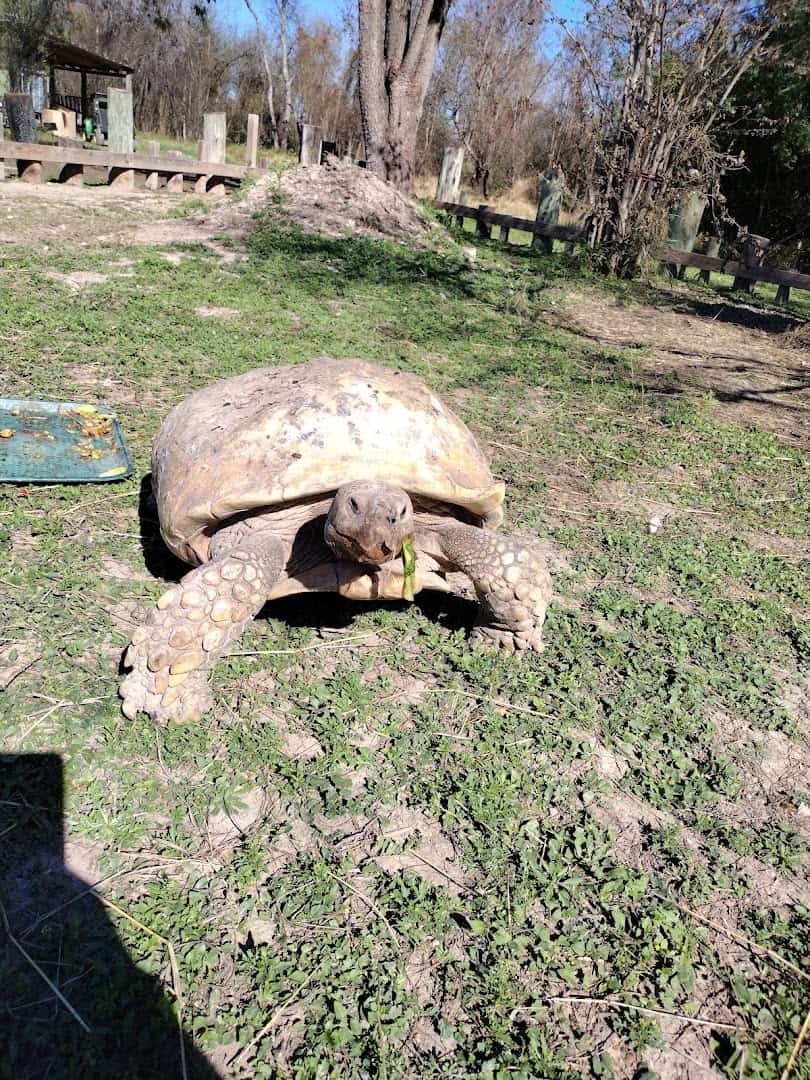
Did you know the grounds even have a resident celebrity? Spike, a large African spurred tortoise, plods around like he owns the place, which as far as the children who meet him are concerned, he does.
That mix of star attractions and quiet surprises is what keeps families coming back. Kids who arrive thinking bugs are gross tend to leave clutching a field guide, and there is something about a landscape this alive that resets a tired grown up too.
How a Butterfly Obsession Became a Preserve
The center exists because one man decided butterflies deserved a home of their own. Jeffrey Glassberg founded the North American Butterfly Association in 1992 to promote the study and enjoyment of wild butterflies.
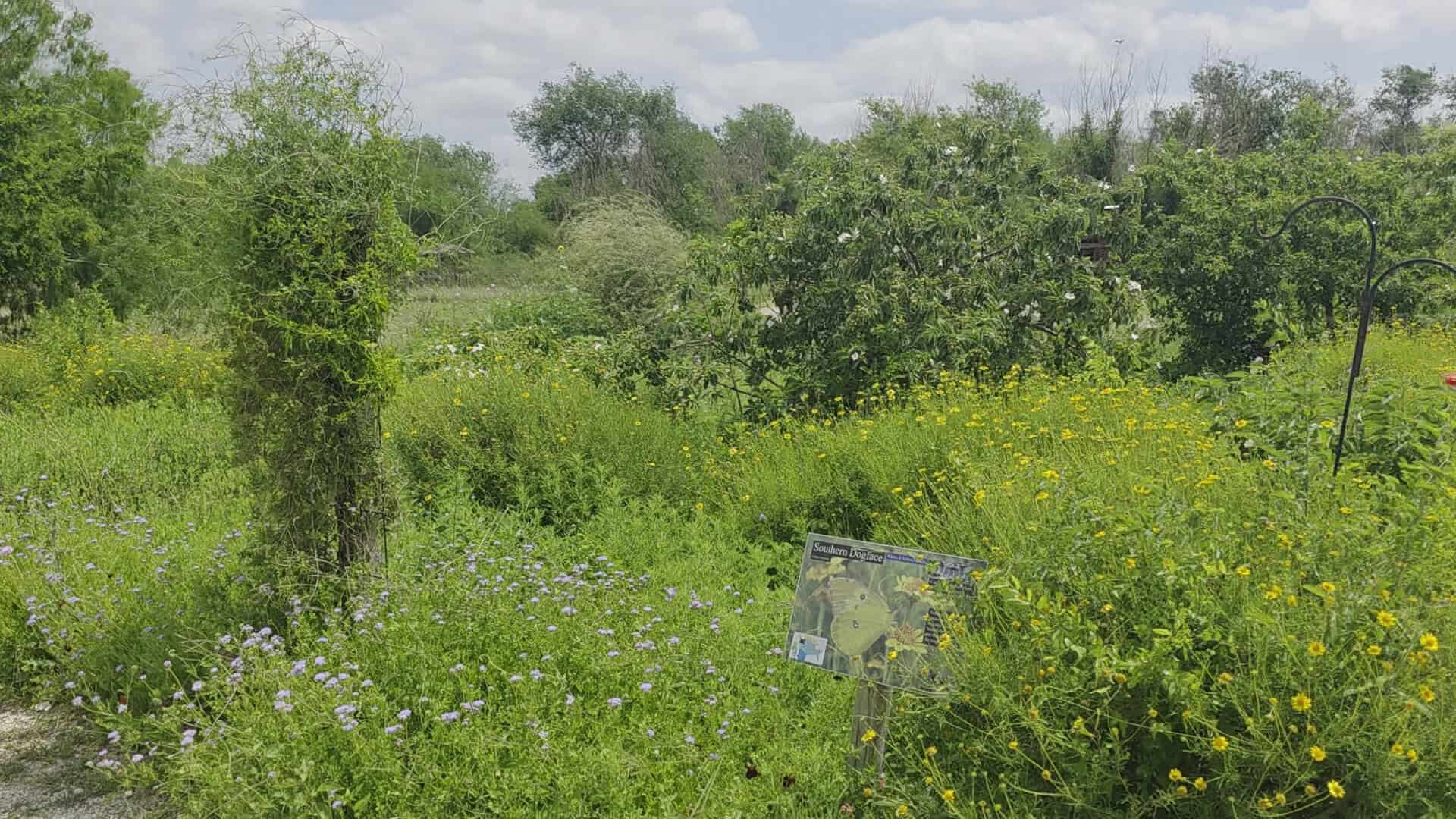
The association went looking for the most butterfly rich ground in the country and found it in the Lower Rio Grande Valley. The National Butterfly Center was established here in the 1990s on land that had been worn thin by farming.
By 2002 its mission had sharpened into what it is today: restoring native habitat so the valley’s butterflies always have somewhere to feed and breed. Fields once cleared for crops were replanted, acre by acre, with the flowers and shrubs the butterflies actually need.
That work never really stops. The center grows its own native plants in an on site nursery, cultivating over 100 species so the gardens can keep something blooming through the seasons.
It is run as a project of the North American Butterfly Association, a nonprofit, and today it is led by executive director Stephanie Lopez. Around 35,000 visitors passed through in a single recent year.
The story is still being written. The center recently added roughly 350 acres from The Nature Conservancy, a new tract about six miles west named the Pixie Preserve after that little orange bordered butterfly. What started at a hundred acres is quietly becoming something much larger.
When to Come for the Most Wings
You can visit any day of the year, but timing changes everything about what you will see.
The spring and fall migrations are the showstoppers. As butterflies stream toward and back from Mexico, the gardens fill up, and the fall push in particular turns the place into a swirl of orange and gold.
Pro tip: go early in the day, before the heat climbs and, just as important, on a day with little wind. Butterflies hunker down when it is gusty, so a calm, sunny morning is worth more than any other condition.
If you want the full spectacle, aim for the Texas Butterfly Festival, the largest event of its kind in the country. The 30th annual festival runs November 7 through 10, 2026.
The festival adds guided field trips led by expert naturalists who can find species you would walk right past on your own. It is the deep end of the pool for anyone ready to go all in.
Dress for a warm, sunny walk and bring water, a hat, and sun protection. The best butterfly weather is also the weather that will cook you if you are careless, so plan around the heat rather than fight it.
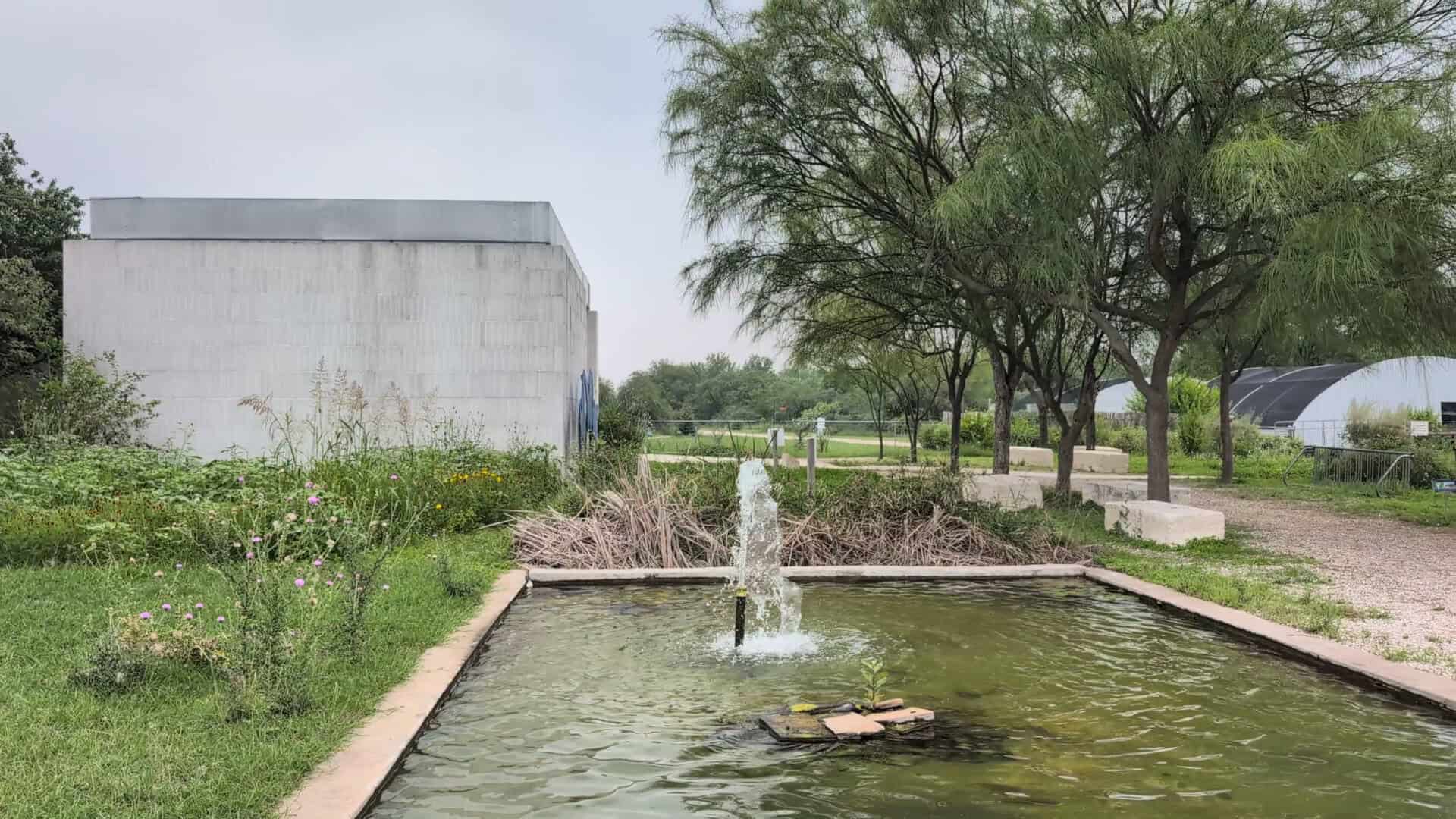
A camera with a decent zoom pays for itself here, but honestly, your eyes are the only gear you truly need. This is one of those places where the point is simply to look.
Admission is a gentle ten dollars, and the center is open from 8 a.m. to 5 p.m. seven days a week, weather permitting. Give yourself more time than you think you need. Plenty of visitors arrive planning to stay an hour and are still wandering the trails four hours later.
How to Get There
The National Butterfly Center sits just southwest of Mission, deep in the Rio Grande Valley, tucked next to Bentsen Rio Grande Valley State Park. It is an easy drive from McAllen and the rest of the valley.
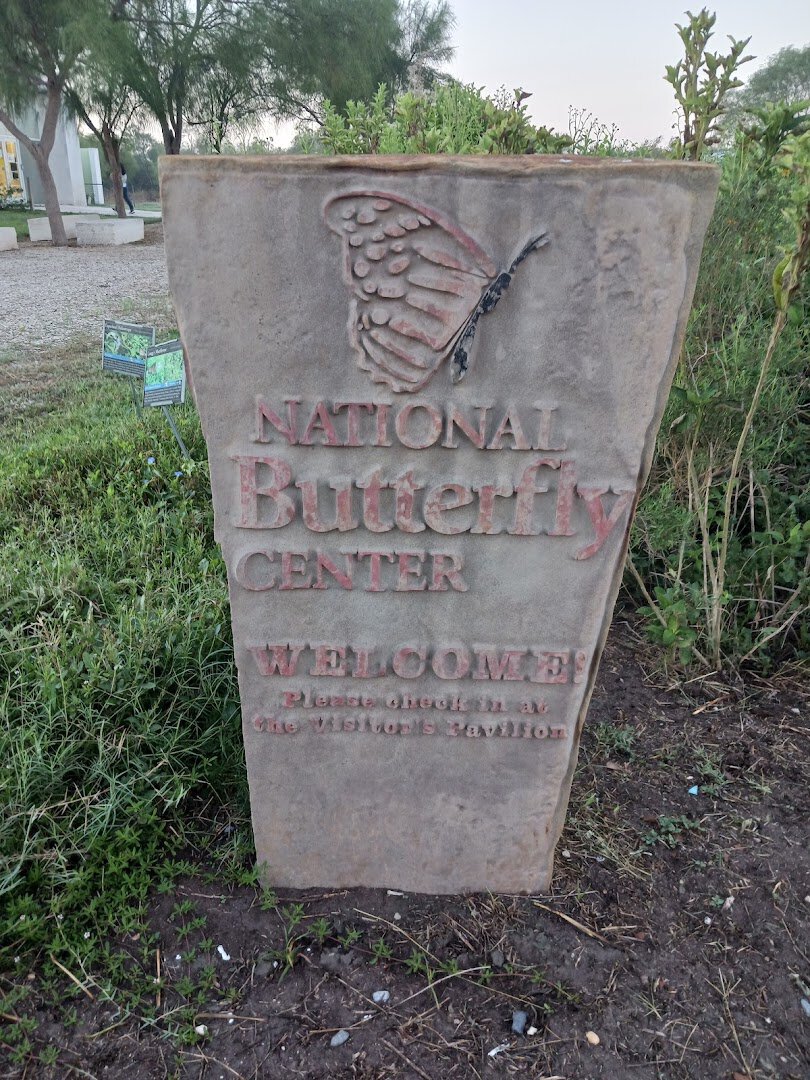
Where: 3333 Butterfly Park Drive, Mission, TX 78572
Let the Butterflies Find You
Some Texas trips are about big skies and long drives. This one is about slowing all the way down until a butterfly trusts you enough to land on your sleeve.
So pack the binoculars, pick a calm sunny morning, and point the car toward the valley. Walk slow, look close, and let a hundred acres of flying flowers remind you how much life fits into a single quiet afternoon.
Featured image: Henry P. via National Butterfly Center

Stella Raines
Editor-in-Chief
Stella brings over a decade of storytelling experience to TX Headlines. With roots in West Texas and a love for road trips, she leads the editorial team with an eye for the hidden stories that make Texas unforgettable.
More Stories

These 10 Texas Spots Bloom Into Seas of Bluebonnets Each Spring

This Enchanting Texas Nature Trail Feels Like Hiking Through a Fairytale Forest

This Underrated Texas State Park Gives You a Full Day of Swimming and Hiking for Just $5

This Easy Texas Hike Leads to a Swinging Suspension Bridge Hidden in the Pines
Tags