This $3 Texas Wetland Preserve Is Packed With Viewing Docks, Bird Blinds, and 300 Bird Species
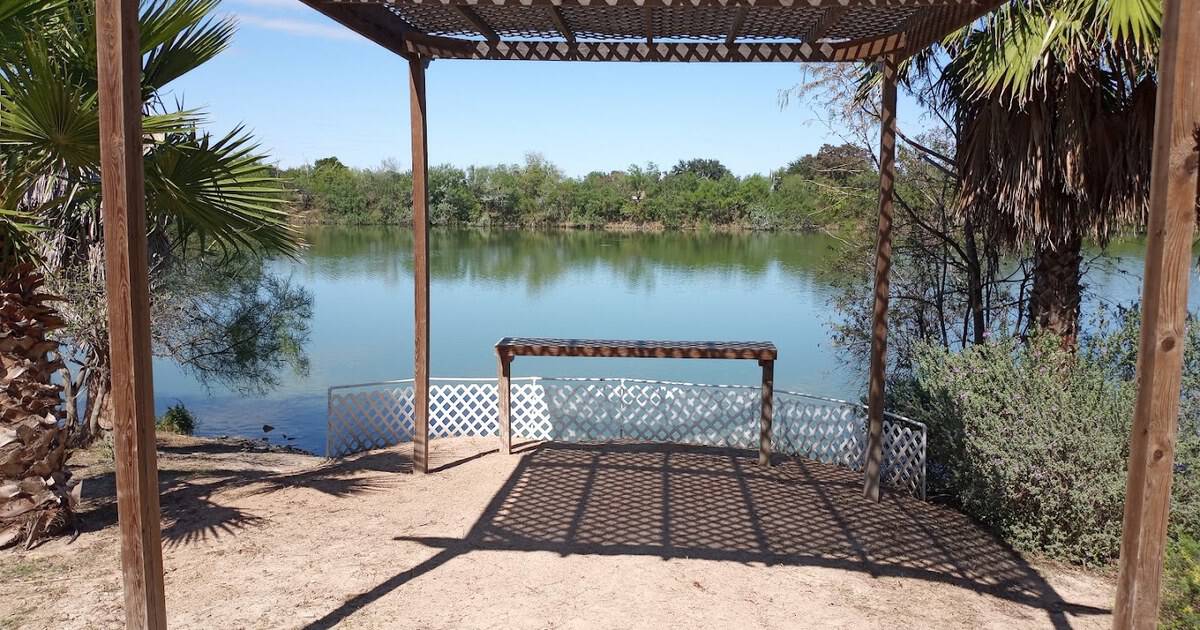
I used to think a real wildlife show in Texas meant a four-hour drive, a park pass, and a guide with a spotting scope. Nobody warned me that one of the best sits behind a city water plant, on a quiet pond in town, for less than a coffee.
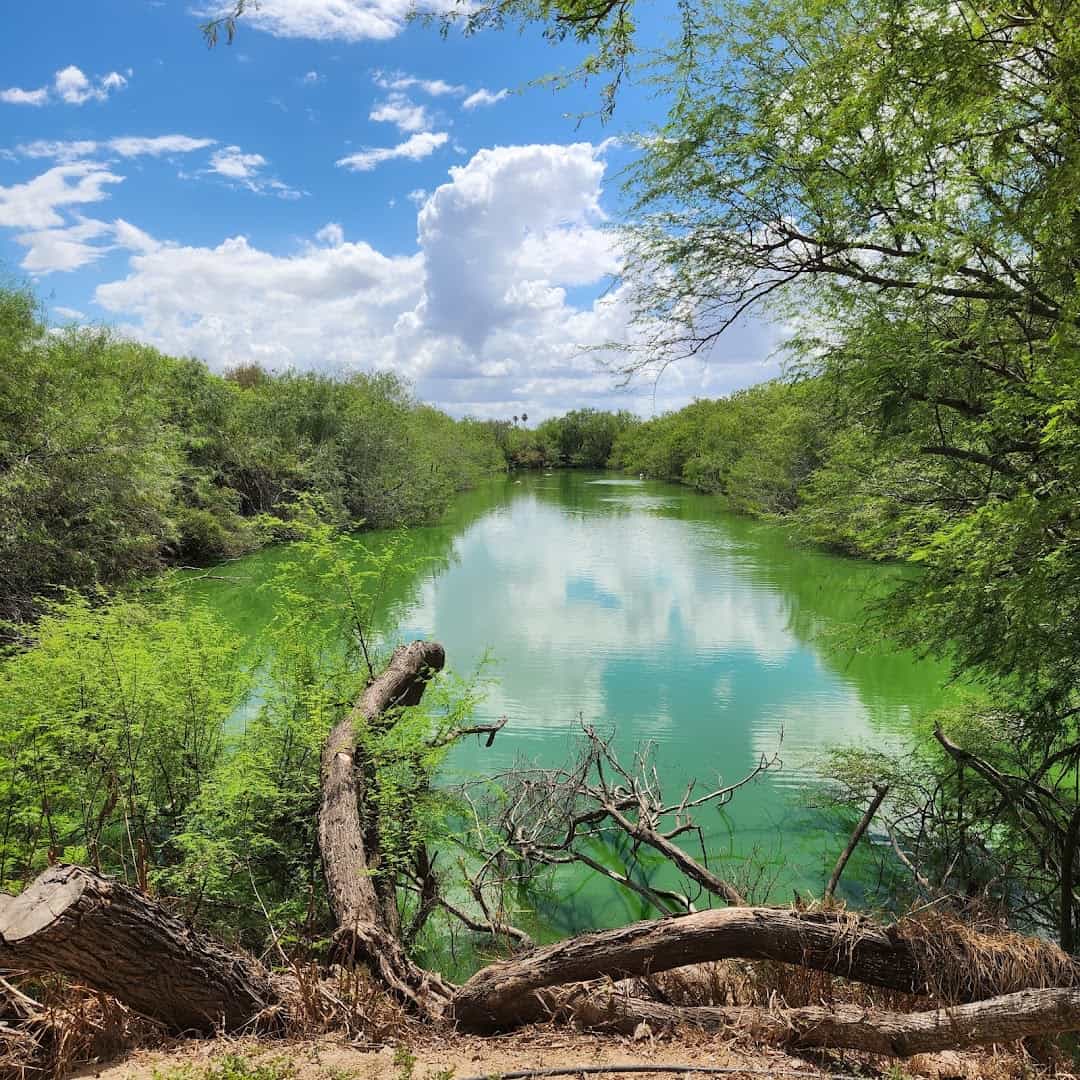
That pond belongs to the Edinburg Scenic Wetlands and World Birding Center in Edinburg, deep in the Rio Grande Valley. Picture slow, glassy water ringed with reeds, a wooden dock jutting out over it, and a whistling duck arguing with a cormorant ten feet from your shoes.
Admission is three dollars. Below, I will walk you through the docks, the birds, the butterfly garden, the story of how a farm field became a wetland, and everything you need to plan a morning there.
Seven Docks and a Dragonfly Pond
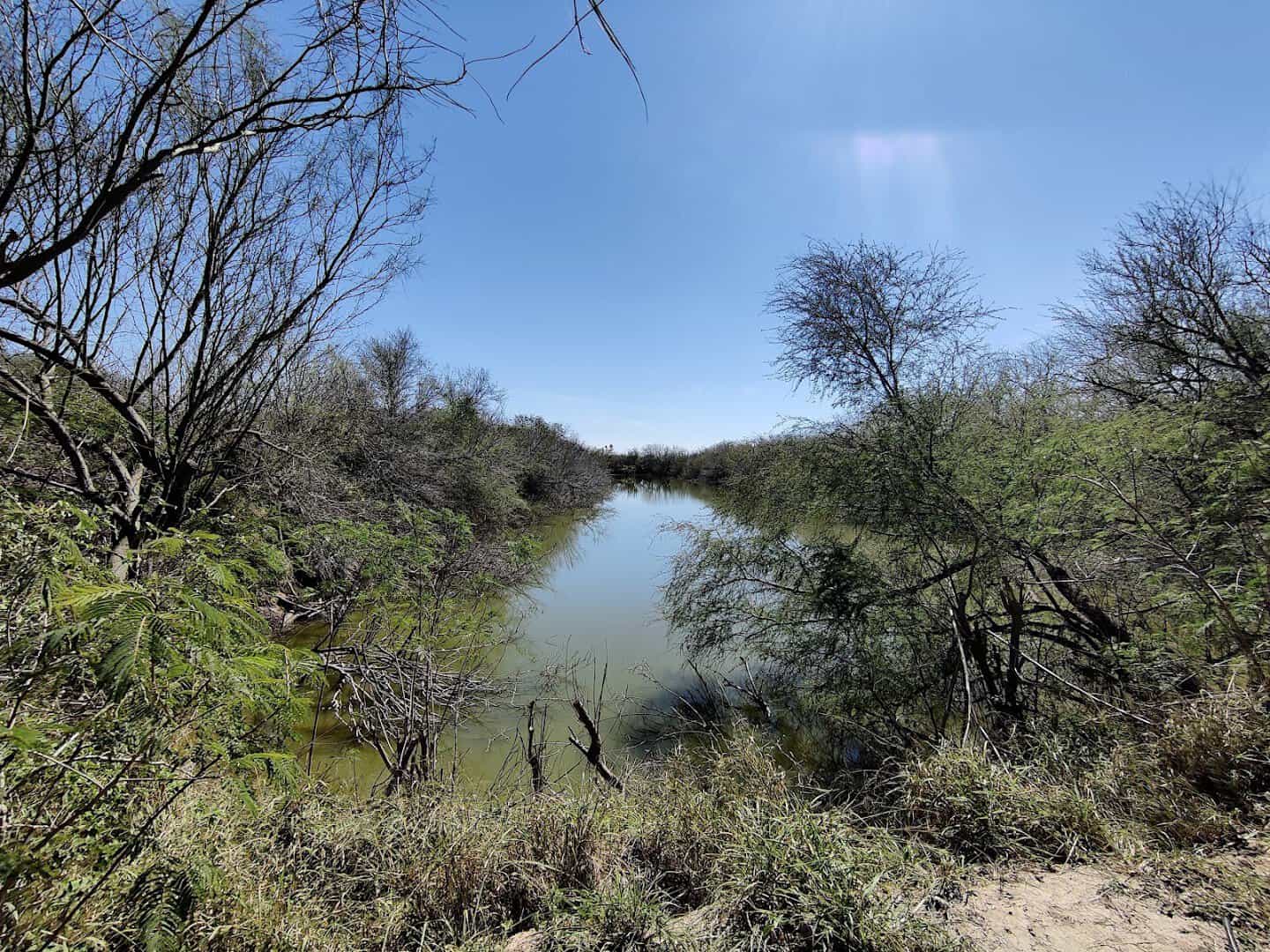
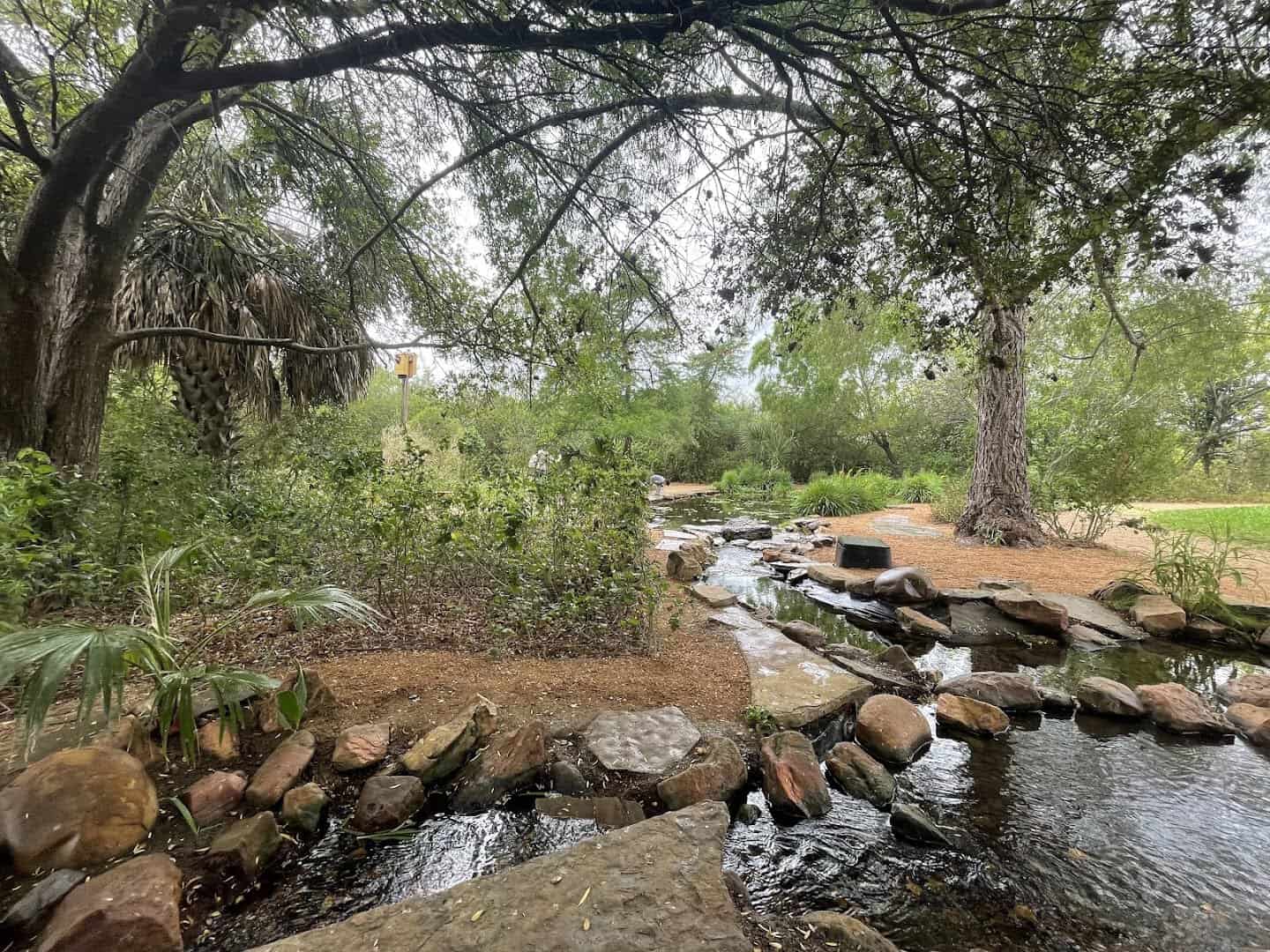
The layout is what makes this place work so well for regular people, not just serious birders. Two large wetland ponds anchor the site, and a two and a half mile loop of walking trail wraps around and between them.
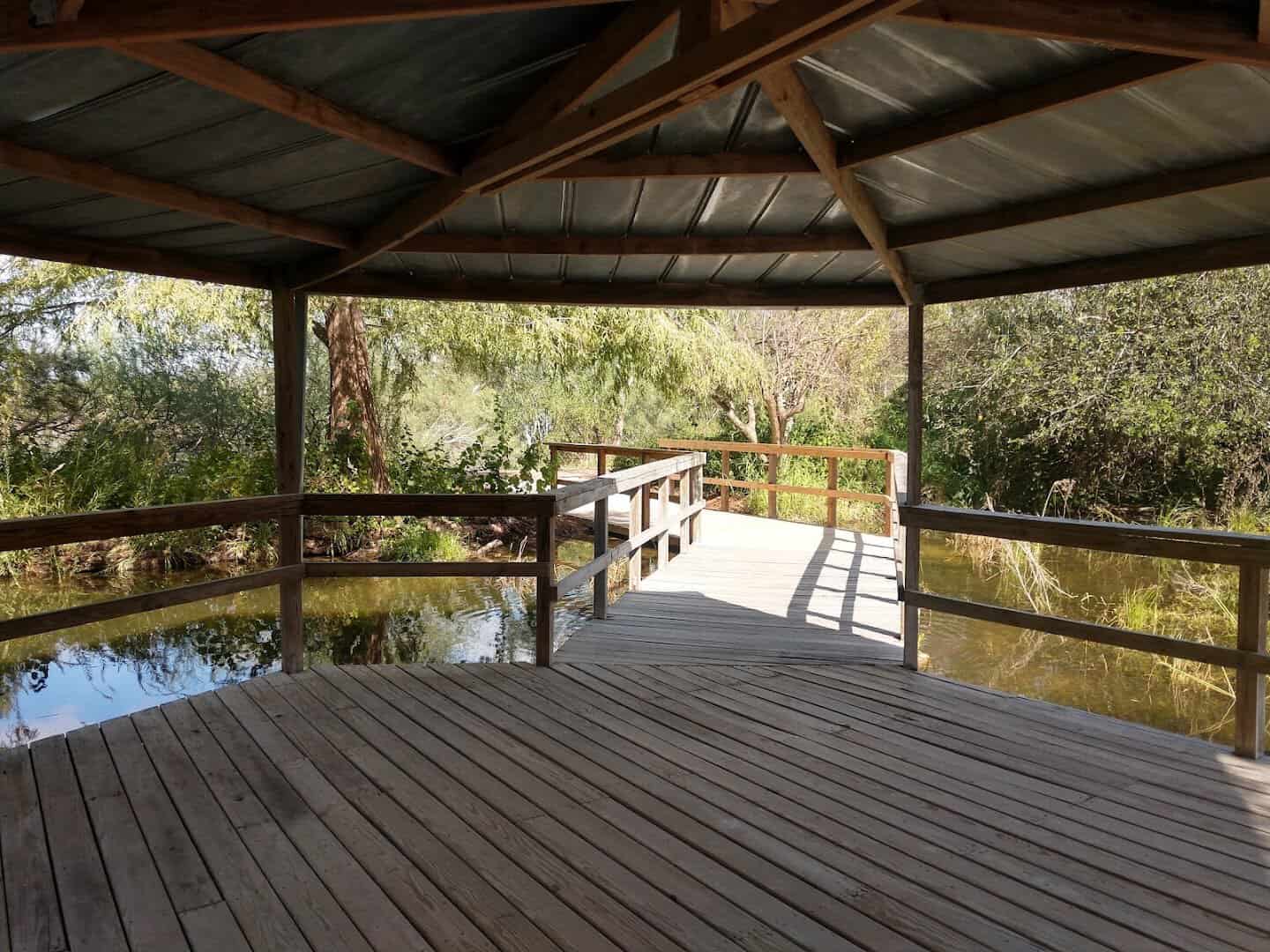
Along that loop you will find seven viewing docks. Each one pushes you out over the water, so you are looking across the pond rather than at it through brush. Bring a folding stool if you like to sit still, because sitting still is how you see things here.
Tucked along the trail are bird blinds, too. A blind is a little wooden screen with viewing slots cut into it, and it hides you from the birds well enough that they forget you exist. Ten quiet minutes behind one and the whole pond relaxes around you.
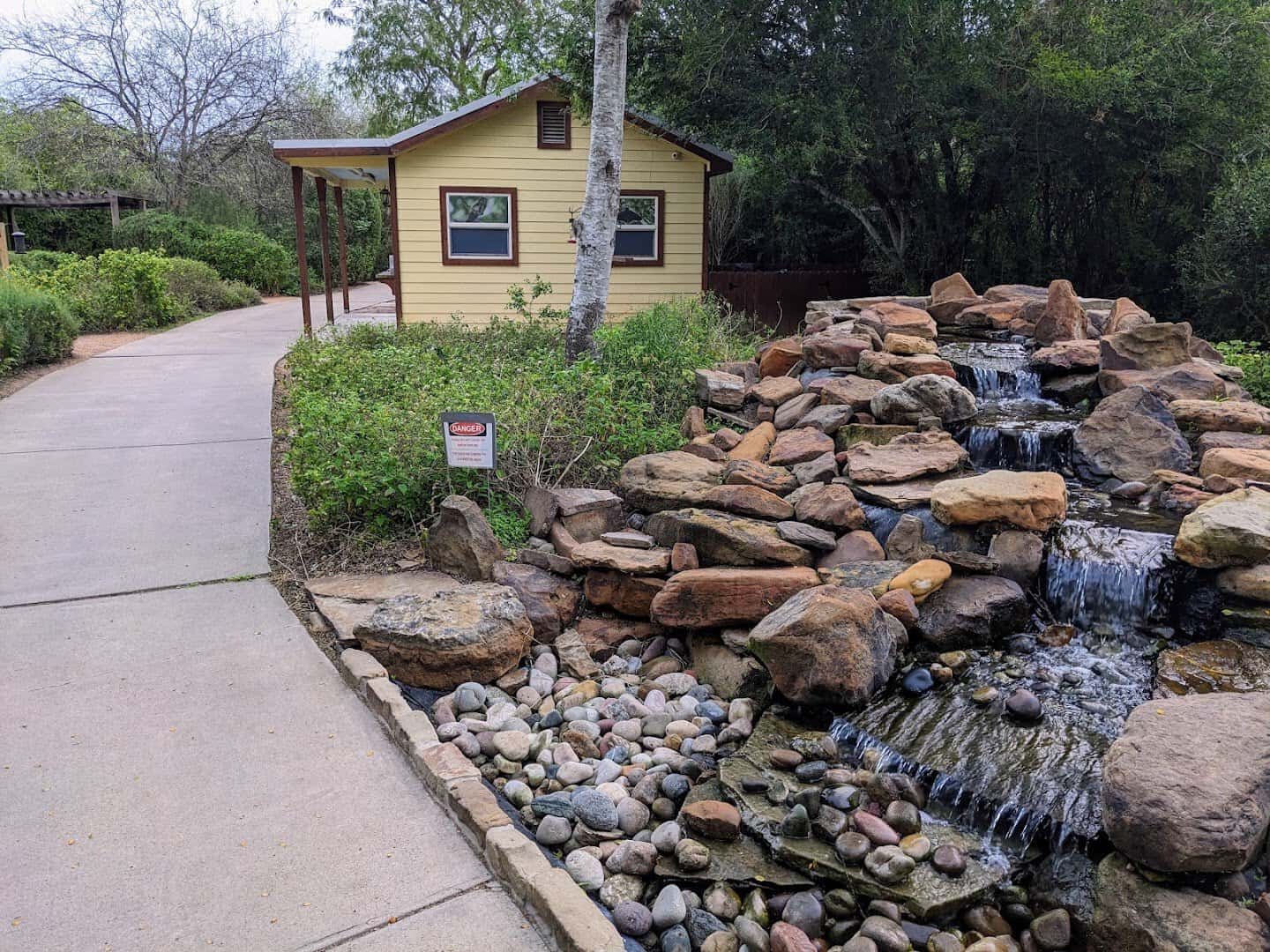
Then there are the smaller water features. A canal overlook where the water moves a little faster. A Discovery Pond built for kids and curious adults to peer into. And a dragonfly pond, which is exactly what it sounds like and my favorite corner of the whole property.
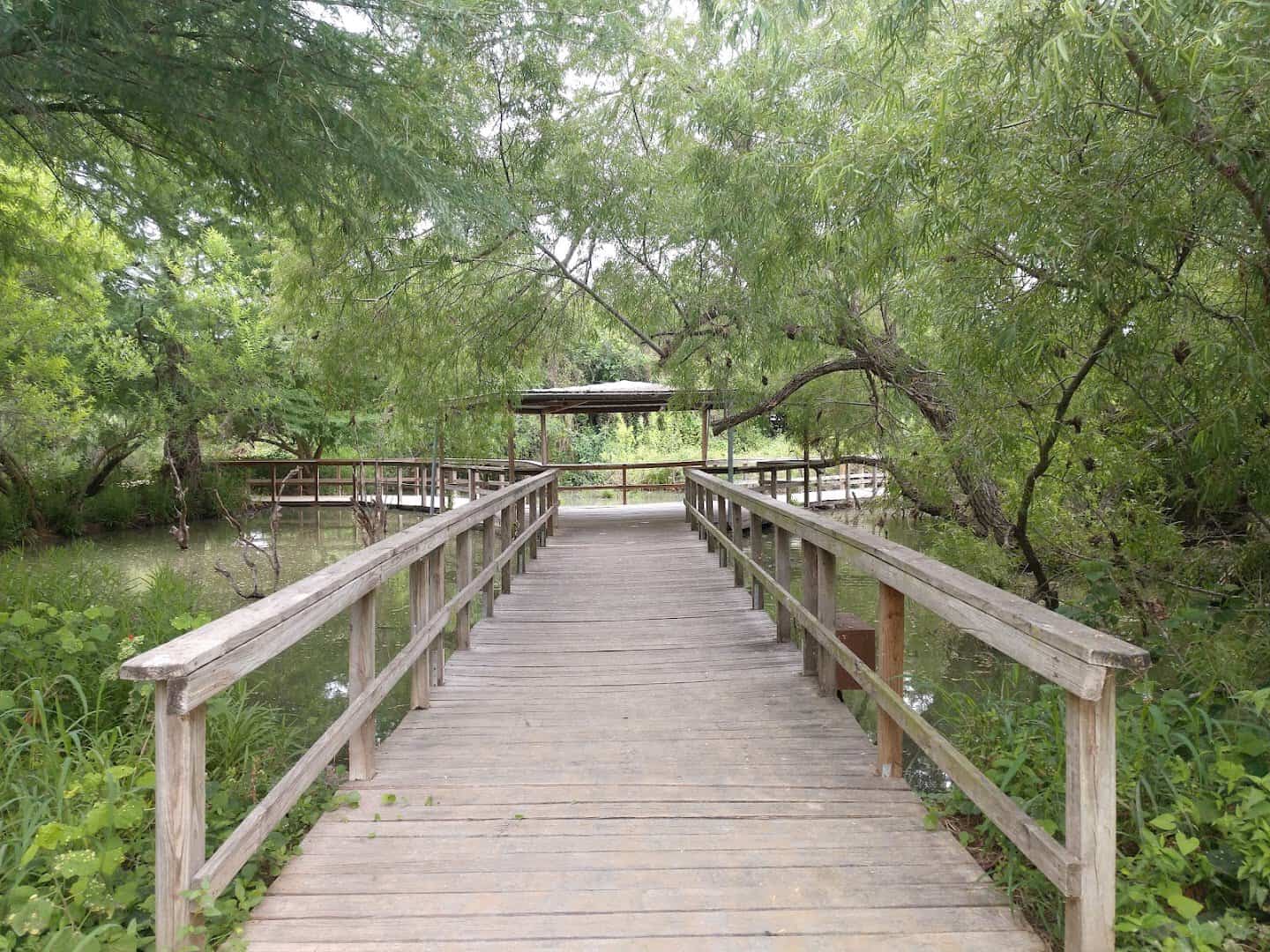
Stand at the edge of the dragonfly pond in the warm months and the air over the water glitters. Dragonflies hover, dart, and land on the reed tips like tiny helicopters. If you have never watched one hunt, you are in for a treat.
Who You Will Meet on the Water
The center has logged more than 300 bird species on its 40 acres. That is a staggering number for a spot this size, and it comes down to geography. Mexican species reach their northern limit in the Valley, so birds you cannot see anywhere else in America turn up here.
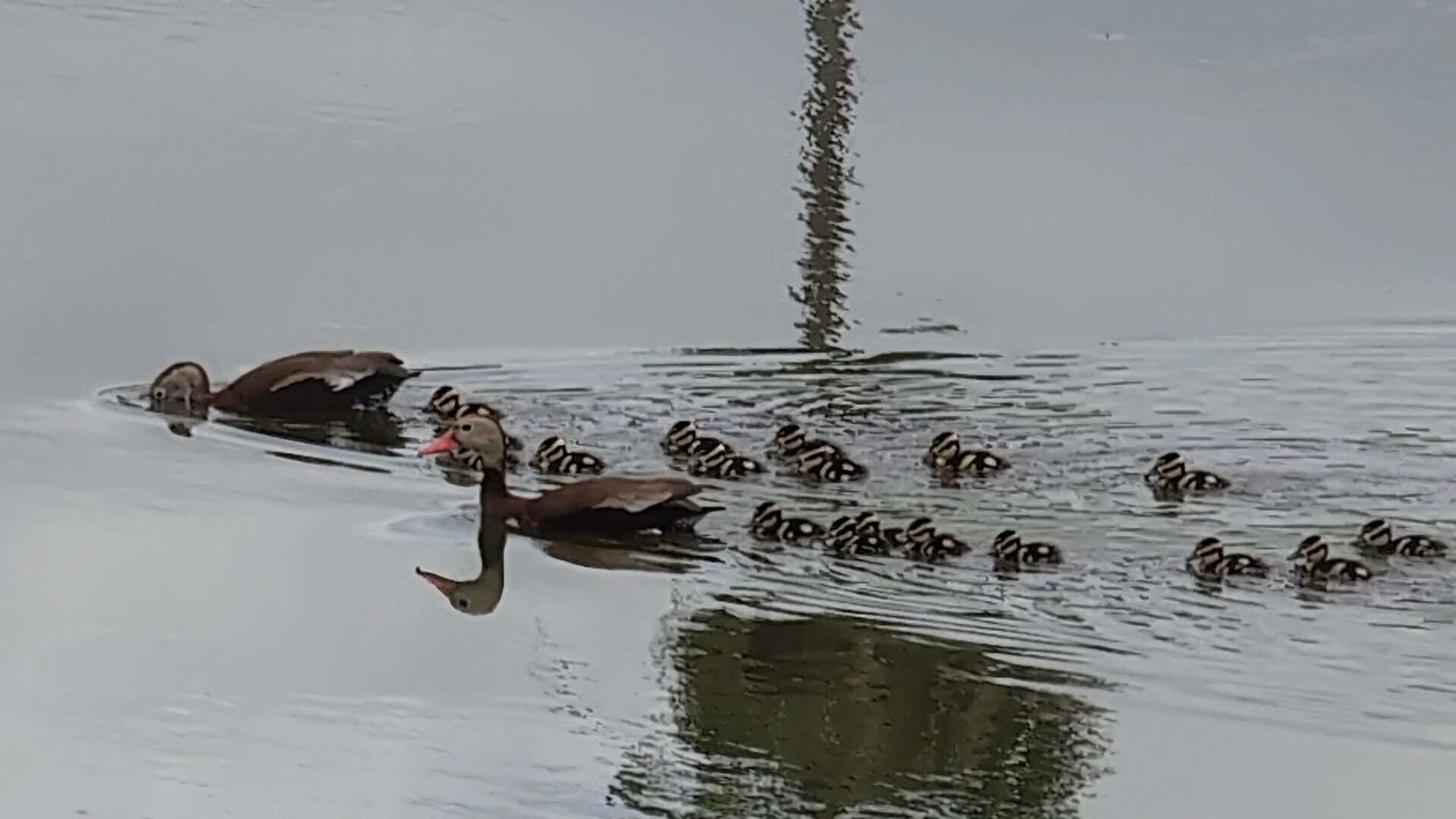
Start with the black-bellied whistling duck. They are pink-billed, long-legged, and loud, and on a good morning the ponds are crowded with them. Birders who have visited describe them as everywhere at once, which matches every photo I have seen from the site.
Then look for the least grebe. This is a tiny dark diving bird with a bright yellow eye, and the deep south of Texas is one of the very few places north of the border where you can find one. The Edinburg ponds are a reliable spot for them.
My personal bucket bird is the green kingfisher. It is small, shiny, and emerald, and it sits low over the water waiting to drop on a fish. Birding guides list it among the specialties here, along with the masked duck, which hides in the back ponds.
Egrets and cormorants are the easy ones. You will see them on nearly every visit, standing in the shallows or drying their wings on a snag. Do not pass them by because they are common. An egret in morning light is still one of the prettiest things in Texas.
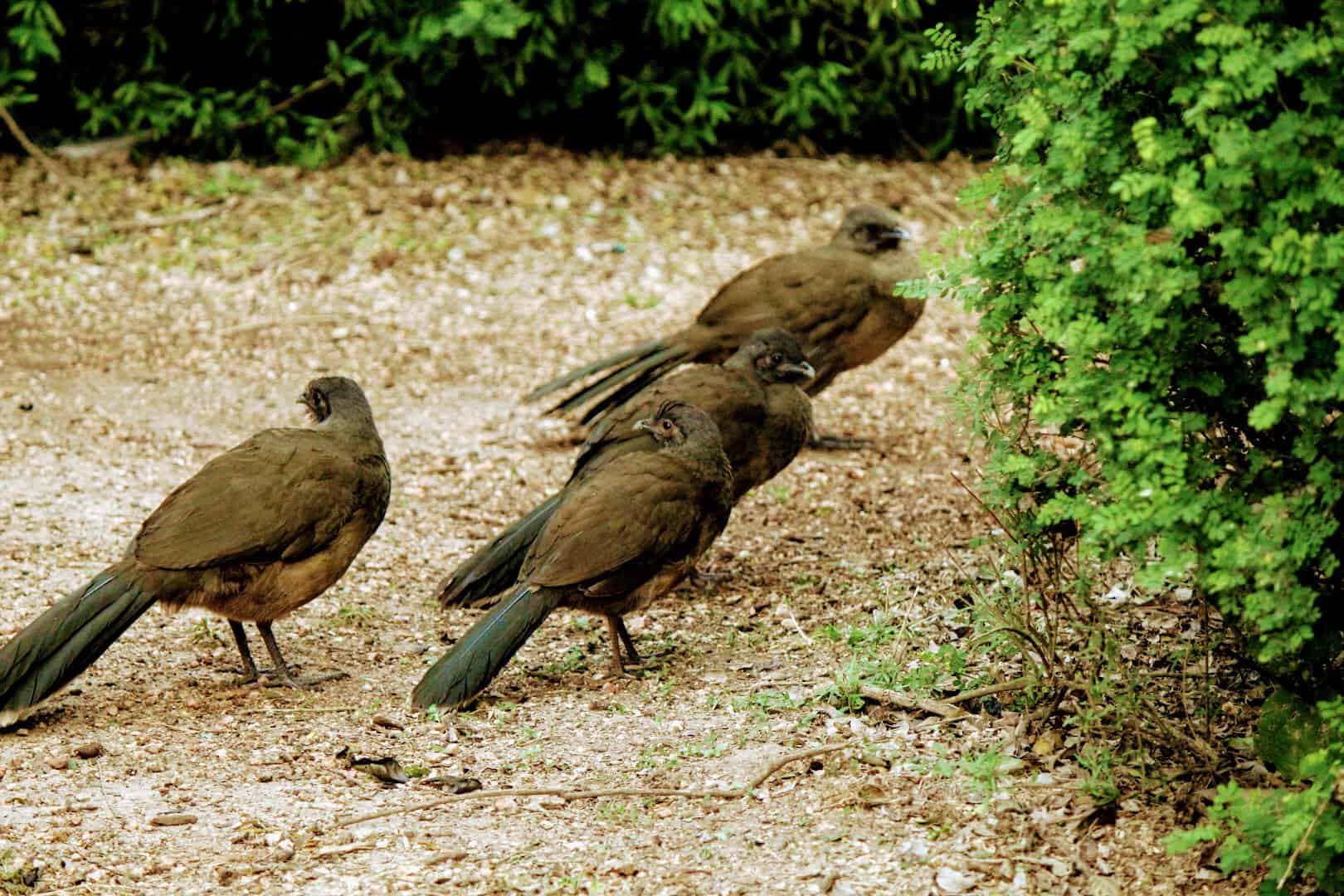
Step away from the water into the thorn scrub along the trail and the cast changes. Green jays flash blue and lime through the branches. Great kiskadees yell their own name from the treetops. Plain chachalacas and olive sparrows scratch in the leaf litter, and buff-bellied hummingbirds work the flowers.
In winter, the feeders near the interpretive center draw one of the Valley’s most sought-after visitors, the crimson-collared grosbeak. One regional guide calls this the most dependable site in the Rio Grande Valley for it. Get there before nine on a cold morning and watch the feeders.
Did you know? The site keeps a full bird checklist in both English and Spanish, and you can download it before you come. Print it, bring a pencil, and turn your walk into a scavenger hunt.
Butterflies, Dragonflies, and a Garden That Hums
Birds get the headlines, but the butterfly garden might be the part you remember. It covers three and a half acres around the interpretive center and is planted entirely with native species, which is why it hums with life instead of just looking pretty.
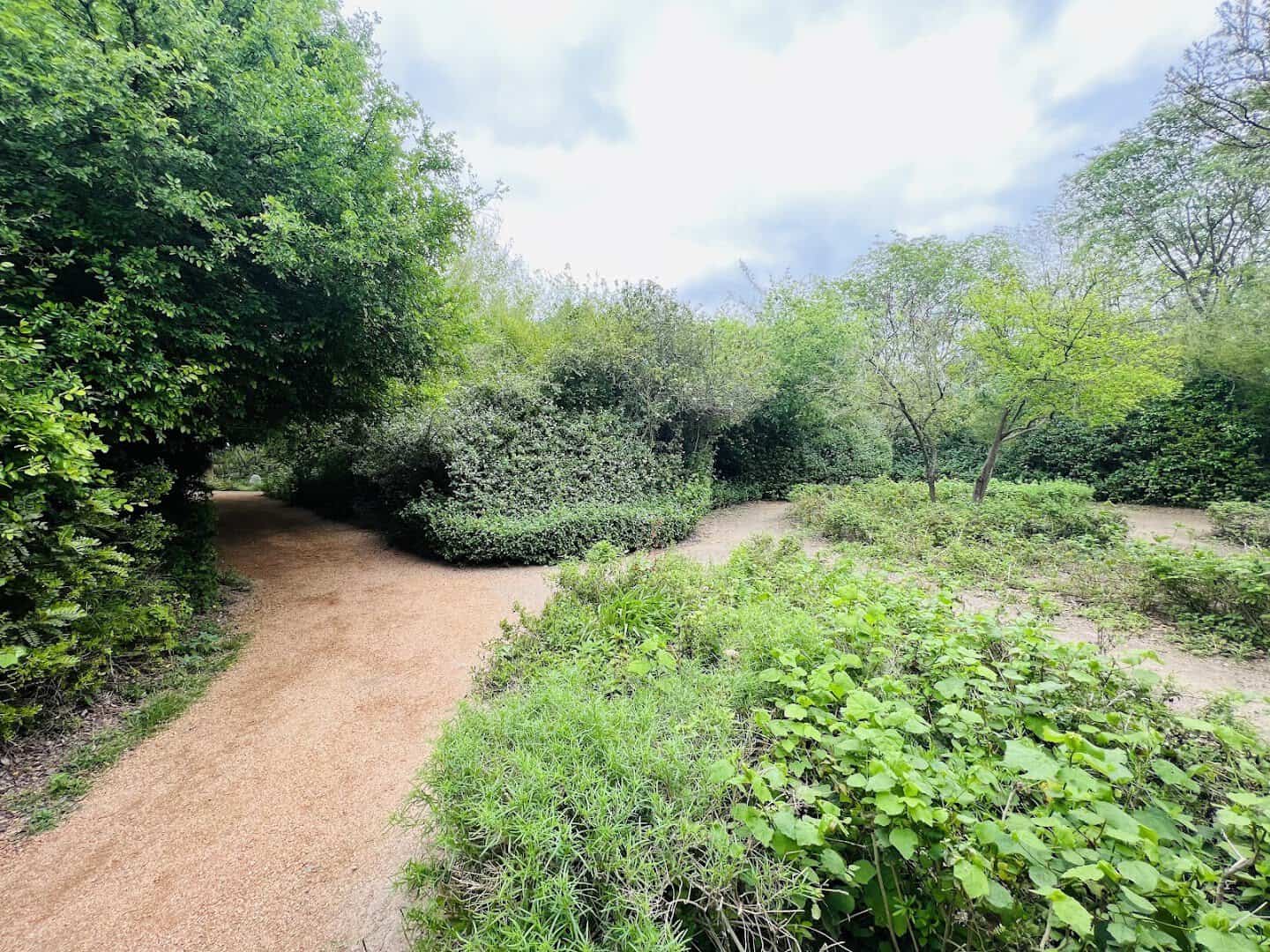
The center calls it one of the largest native butterfly gardens in the area, and I believe it. On a warm afternoon the paths are busy with queens, sulphurs, and swallowtails moving flower to flower. Walk slowly and they will land on the blooms right beside you.
There is a water feature in the garden and a purple martin condo, one of those tall apartment-style birdhouses. In spring the martins swoop in and out of it all day, chattering the whole time.
The dragonfly side of the house is just as serious. The center publishes its own dragonfly checklist alongside the butterfly one, and the interpretive exhibits give a whole section to these insects. I love that a birding center takes its bugs this seriously.
Pro tip: the butterflies are most active in the heat of the day, while the birds are best early. If you want both, come at opening, walk the ponds first, then finish in the garden as the sun climbs.
Keep your eyes on the ground and the low branches, too. Turtles sun on the pond edges, lizards and geckos skitter across the paths, and the odd rabbit pops out of the scrub. This is a full wetland community, not just a bird list.
Inside the Interpretive Center
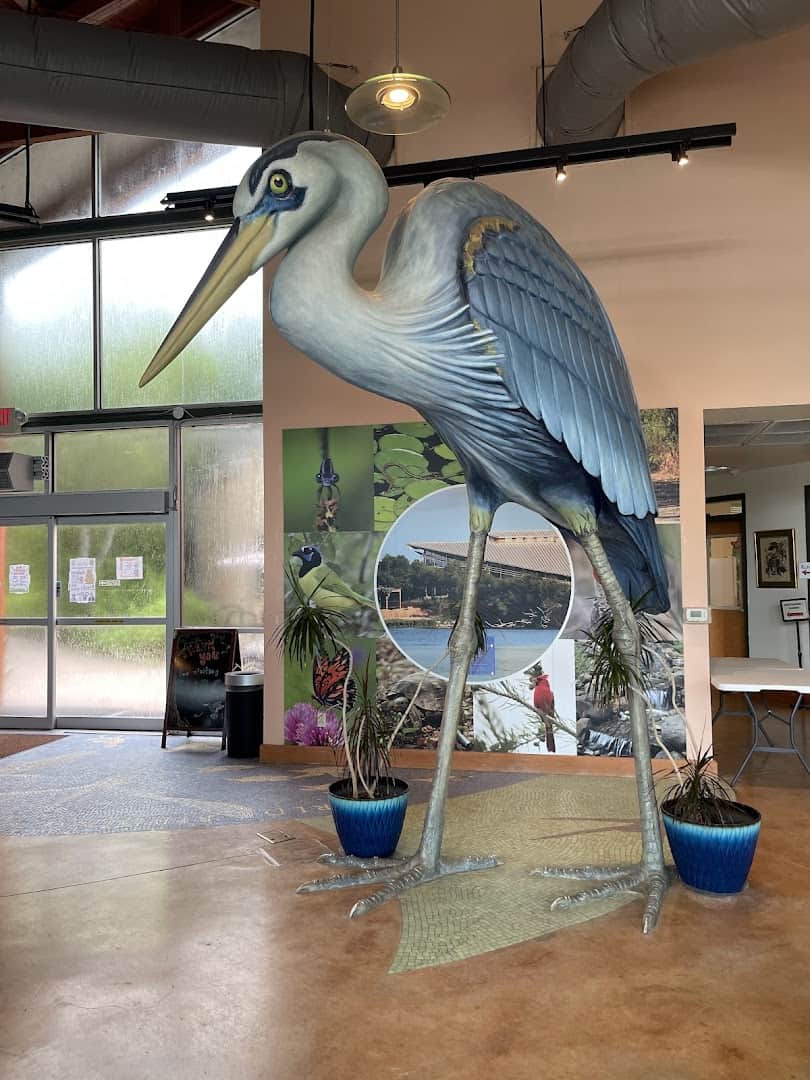
The building at the heart of the site is small, cool, and well done. The exhibits explain what a wetland does, why the Valley has so many birds, and how butterflies and dragonflies live their short lives. Kids get it. So do adults who thought they were tagging along.
One travel writer who walked the grounds put it simply: “Any place with this much water is bound to be a winner in my book.” That was written when the building was closed and the trails were all the writer could see. Add the exhibits, and it only gets better.
There is an education classroom used for the center’s fifth-grade wetland program, so on a weekday morning you might share the paths with a school group learning what a dragonfly nymph looks like.
The gift shop stocks field guides, nature games, souvenirs, and apparel. It is the right place to grab a butterfly guide before you head back out, and the staff can point you toward whatever has been showing up on the ponds that week.
From Farm Field to First of Nine
This is the part of the story I find most satisfying. Not so long ago this land was farm fields sitting next to the city’s floodwater and effluent ponds. Nobody would have called it scenic.
Then the World Birding Center idea came along. It is a partnership between the Texas Parks and Wildlife Department, the U.S. Fish and Wildlife Service, and local communities, built to string birding sites across the Rio Grande Valley. Its headquarters sits at Bentsen-Rio Grande Valley State Park.
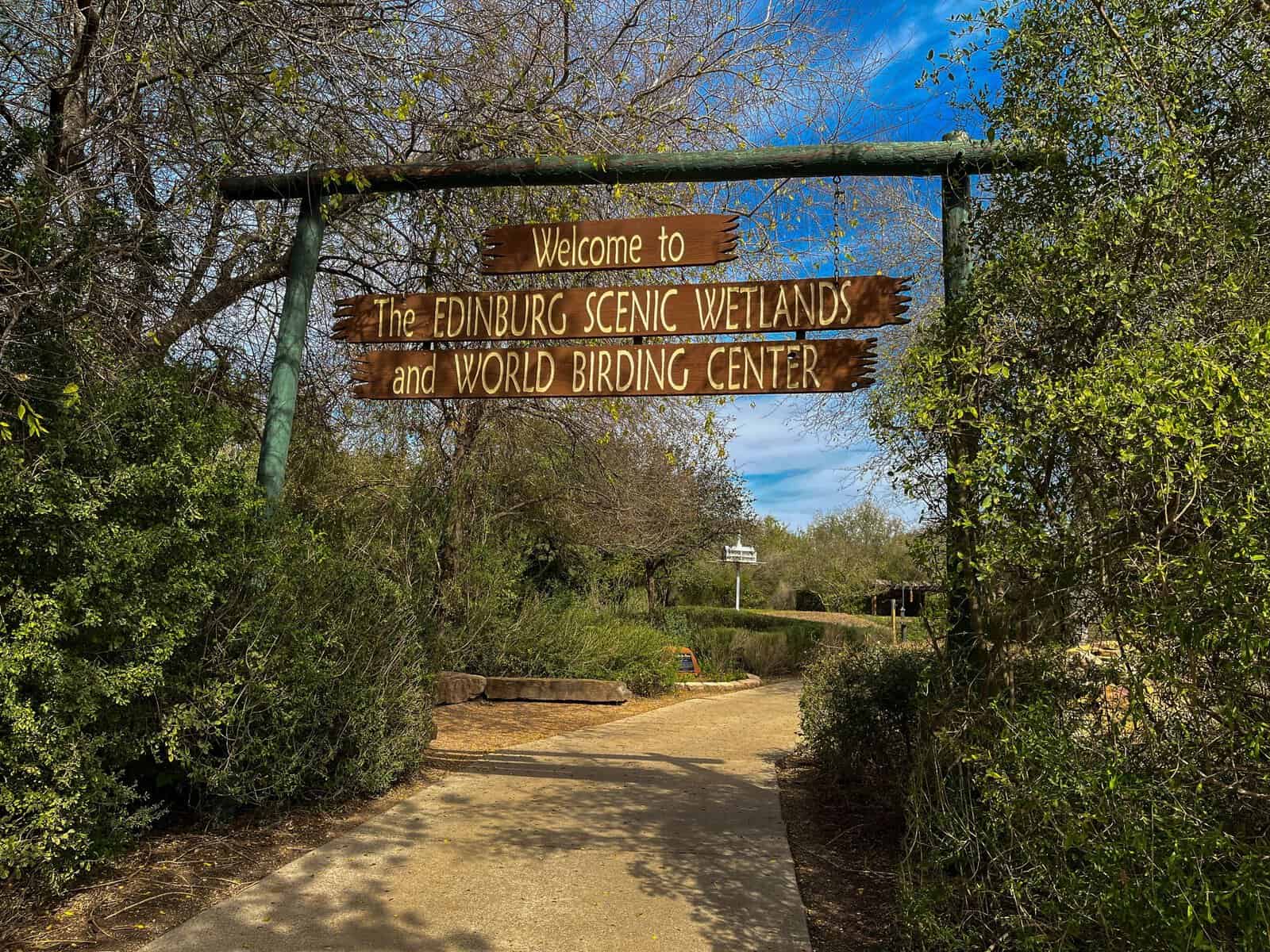
Nine sites were planned, running from Roma Bluffs on the river all the way to South Padre Island. In March 2003, the Edinburg Scenic Wetlands opened as the very first of the nine.
What set it apart, and still does, is that it exists entirely inside a city. The other sites sit in state parks and along the river. This one was built by revegetating farmland inside a municipal park, a few minutes from downtown Edinburg.
Native trees and shrubs went in where the crops had been, and the wildlife found the new habitat on its own. Today the bird list stands above 300 species, on land that was growing row crops a generation ago.
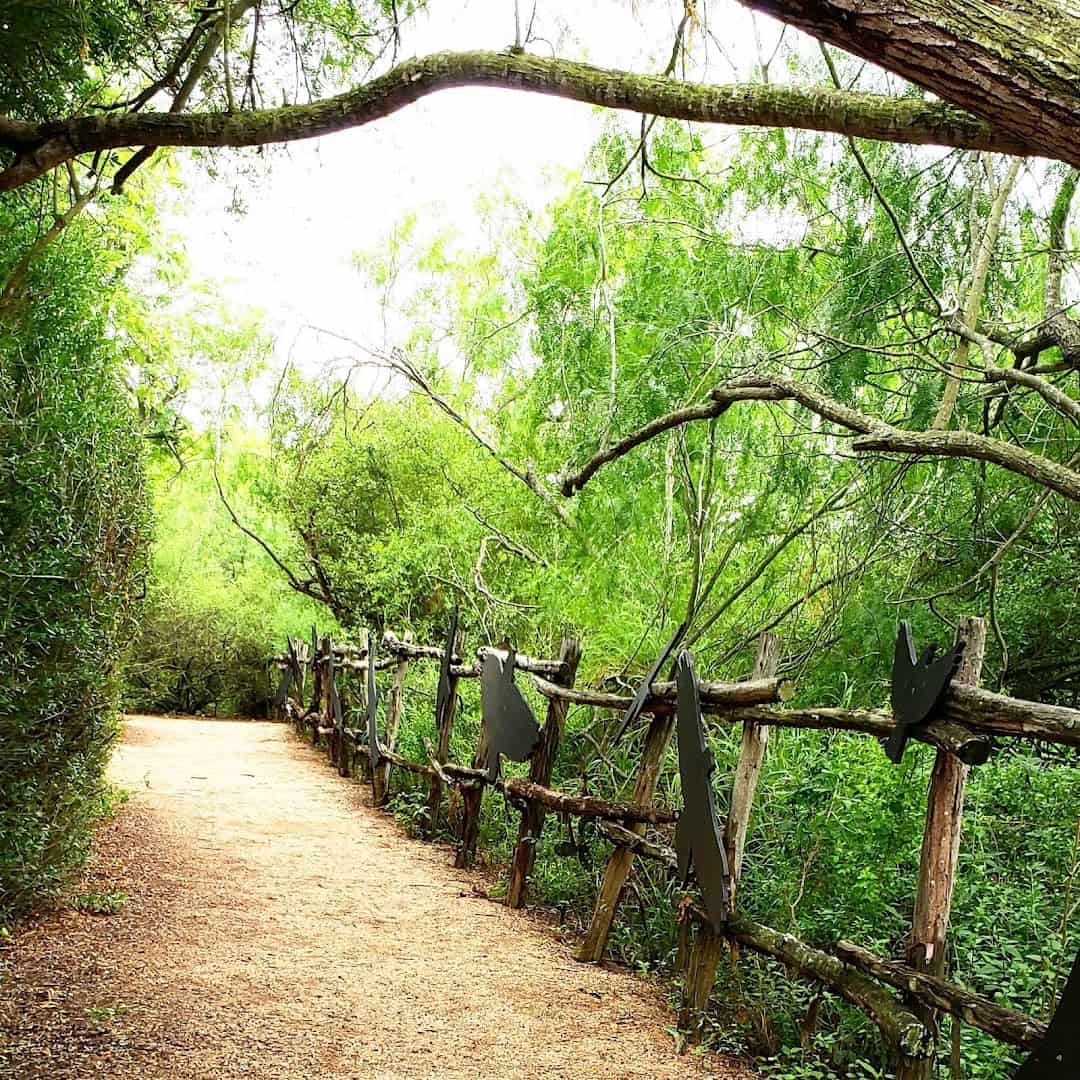
The mission printed on the center’s own materials is to educate people about the environmental necessity, economic value, and natural beauty of local wetlands. Stand on a dock at sunrise and the third part explains itself.
When to Come and What to Bring
Mornings win. Regional birders point to sunrise until about ten as the sweet spot, when the light is soft and the birds are feeding. Winter is the peak season for rarities, and the cold months also bring the grosbeaks to the feeders and the Winter Texans to the parking lot.
Spring and fall migrations fill the ponds with passing shorebirds and ducks. Summer belongs to the dragonflies and butterflies, and to the whistling ducks, which never leave. Every month has something.
Bring binoculars. If you do not own a pair, ask at the front desk, because the center has been known to offer loaners. Bring water, a hat, and sunscreen, since the docks have no shade. Closed-toe shoes are smart on the trails.
The center offers guided tours by appointment, plus field trips, naturalist walks, and family programs through the year. It even publishes a night hike guide to the bugs that come out after dark, so keep an eye on the calendar for evening events.
Families should ask about the kids’ activities at the desk. The Discovery Pond and the butterfly garden are built for small explorers, and the exhibits inside are pitched at exactly the right level for a curious ten year old.
If you live in the Valley, the family membership is a steal. Twenty-five dollars covers a year of free entry for up to eight people, plus a discount in the gift shop. At three dollars a visit, it pays for itself by the third trip.
How to Get There
Where: 714 S. Raul Longoria Road, Edinburg, TX 78542. Phone: (956) 381-9922. The center sits inside a city park just south of downtown Edinburg, a short drive north of McAllen.
The interpretive center is open Monday through Saturday from 8 a.m. to 6 p.m., and Sunday from noon to 6:30 p.m. Hours have shifted over the years, so a quick call before a holiday visit is a good idea.
Admission is $3 for adults and $2 for seniors 55 and older and for students. Children five and under get in free, and so do members. Groups of ten or more should call ahead for a group rate.
Pair the trip with the other World Birding Center sites if you have a full day. Quinta Mazatlan in McAllen and Estero Llano Grande in Weslaco are both within a short drive, and together they make one of the best birding loops in the country.
Bring the Binoculars and Go
I keep coming back to that three dollar price tag. For less than a bottle of water at the gas station, you get seven docks, two ponds, a garden buzzing with butterflies, and a shot at birds most Americans will never see.
So pick a cool morning, grab your binoculars, and drive to Edinburg. Find a dock, sit down, and give the pond ten quiet minutes. I promise it will give you something back.
Featured image: Richard Castilla via Edinburg Scenic Wetlands & World Birding Center

Stella Raines
Editor-in-Chief
Stella brings over a decade of storytelling experience to TX Headlines. With roots in West Texas and a love for road trips, she leads the editorial team with an eye for the hidden stories that make Texas unforgettable.
More Stories

These 10 Texas Spots Bloom Into Seas of Bluebonnets Each Spring

This Enchanting Texas Nature Trail Feels Like Hiking Through a Fairytale Forest

This Underrated Texas State Park Gives You a Full Day of Swimming and Hiking for Just $5

This Easy Texas Hike Leads to a Swinging Suspension Bridge Hidden in the Pines
Tags