This Nearly 200-Acre Texas Nature Park Feels Like a Private Escape Most People Don’t Know About
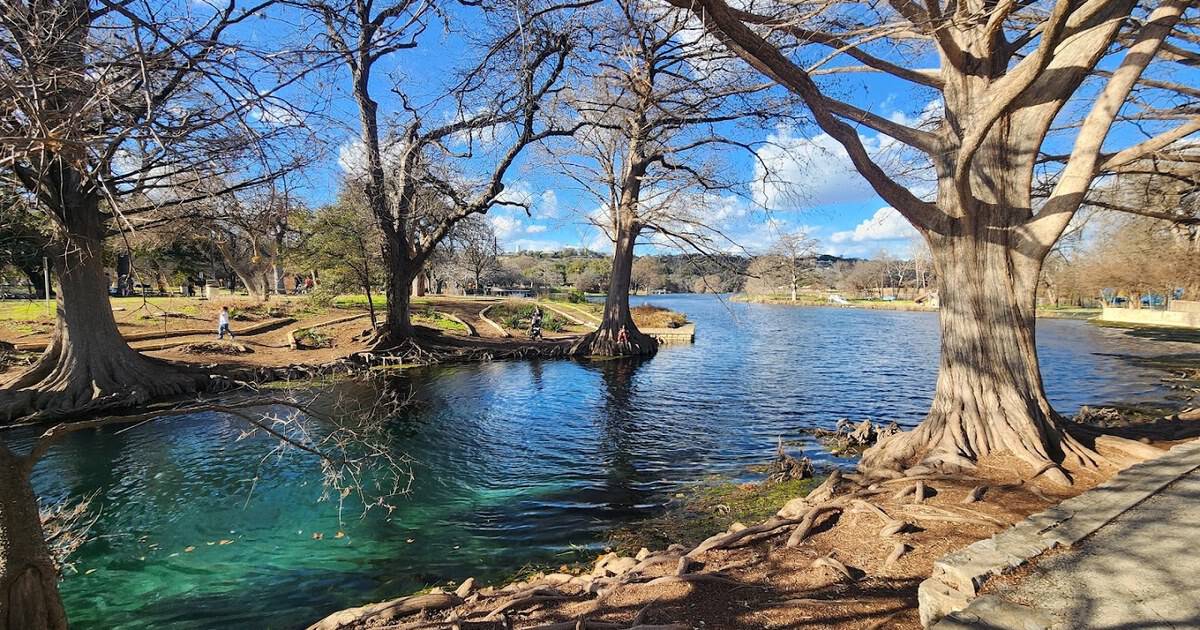
Here is a confession. I judge a park by its water. A sun-baked field with a swing set is a lot of things, but it is not a park. Give me shade and something alive moving under the water, and I will happily lose an entire afternoon.
Which is why Landa Park in New Braunfels lives rent-free in my head. This is a place where the Edwards Aquifer pushes up through a limestone ledge and becomes a lake, a river, and nearly 200 acres of cool, spring-fed green a few blocks from downtown.
The strange part is how many people miss it. Thousands drive into New Braunfels every summer for the tube chute and the water park, park the car, and never realize the quiet side of the Comal is right there behind the old oaks.
Below, discover what actually comes out of the ground here, where the wild trail hides, how a merchant’s private estate became the city’s front yard, and what to know before you go.
Where the Water Comes Out of the Rock
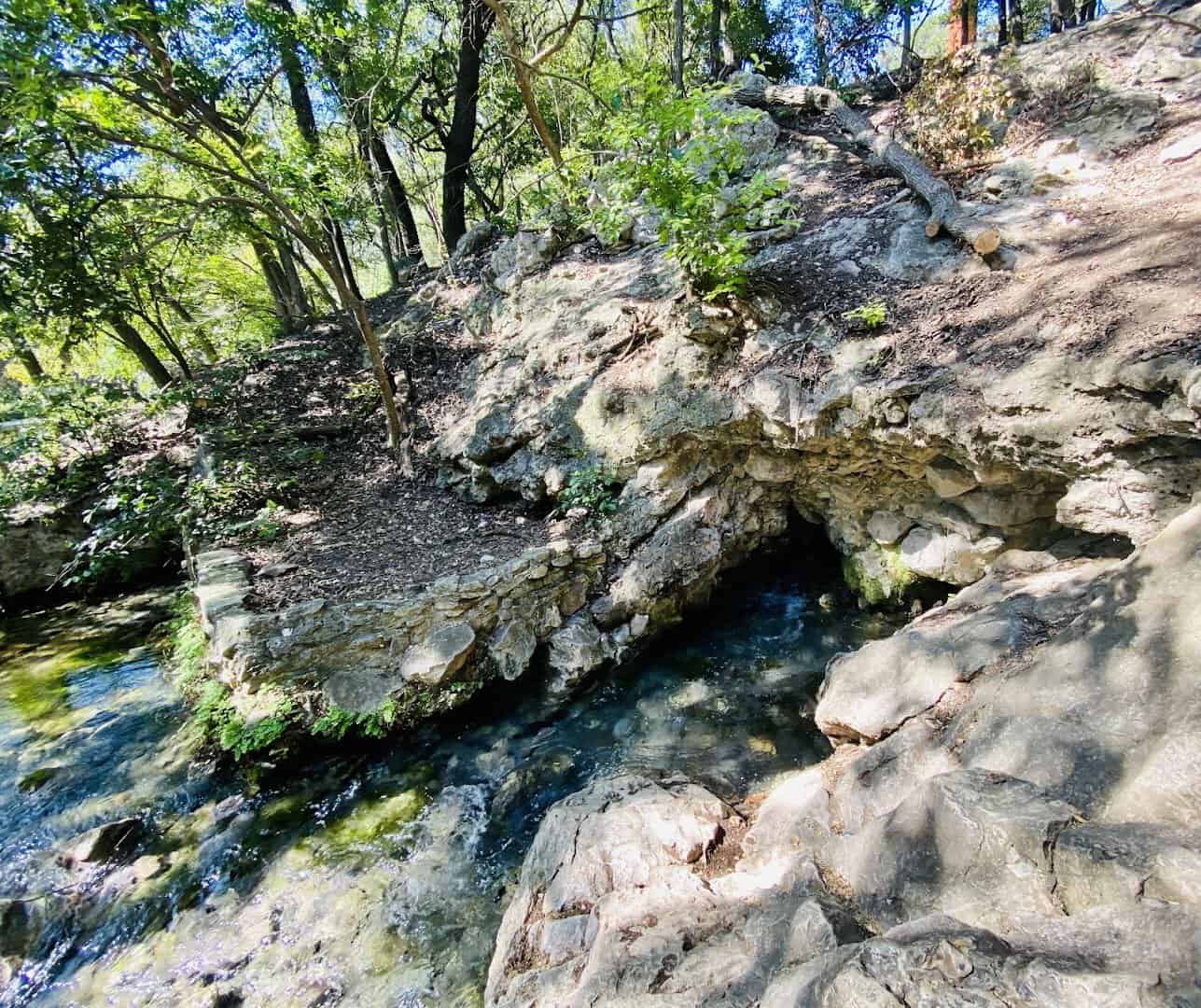
Start at the springs, because everything else here exists because of them. Comal Springs is the largest group of natural springs in Texas and in the whole American Southwest. The water rises out of the Balcones Fault, clear as glass and steady at roughly 70 degrees all year long.
That number matters more than it sounds. In August, when the rest of Texas feels like the inside of a car, the spring runs stay cool enough to make your ankles ache. In January, the same water feels warm. The springs do not care what month it is.
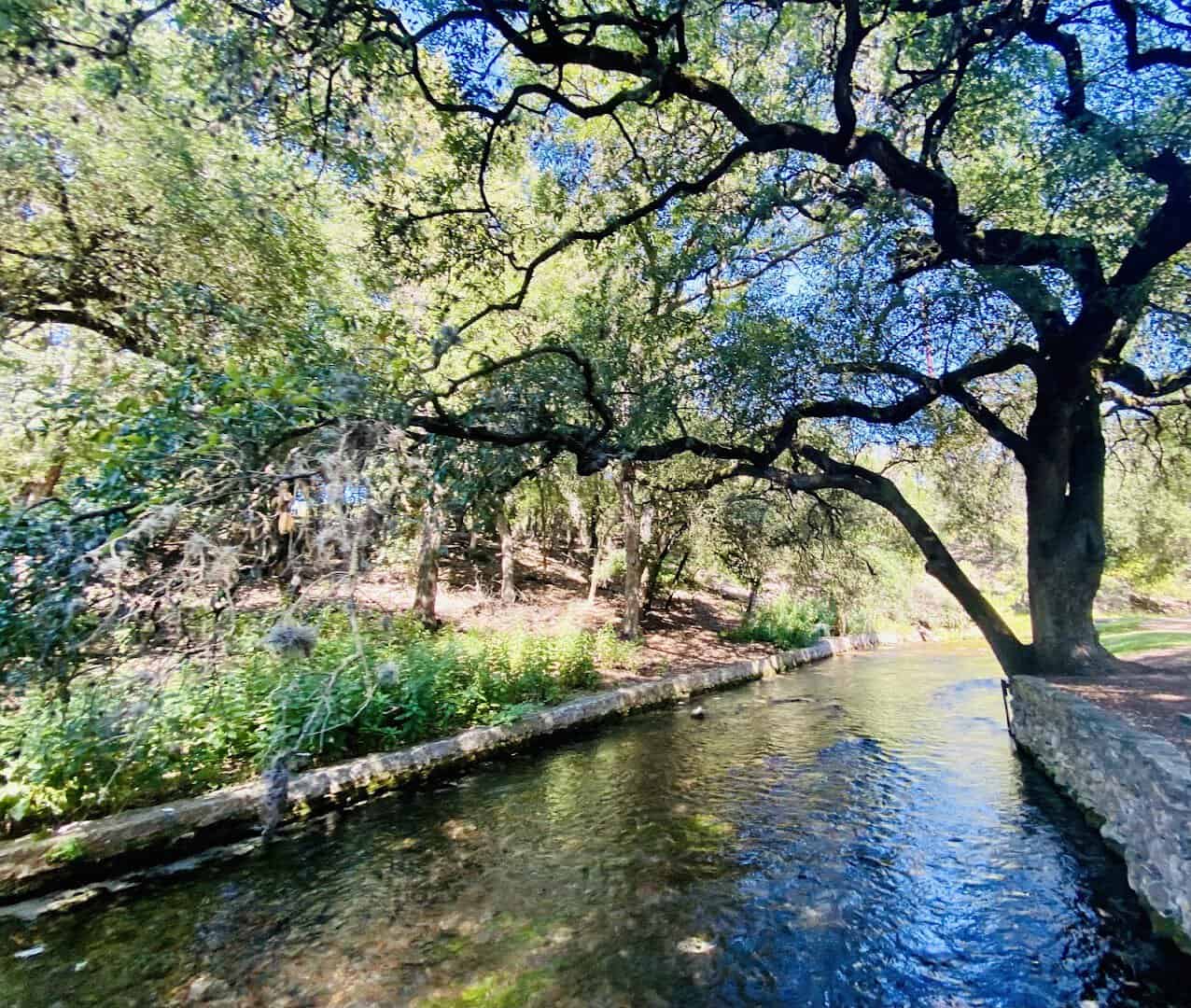
Follow the stone-lined channels and you will see the flow gather into the Comal River, which locals call the shortest navigable river in Texas. It runs a little over two miles before it pours into the Guadalupe. Short, yes, but powerful, and the springs are its entire source.
Look closely at the shallows. The springs are home to the fountain darter, a tiny endangered fish that lives almost nowhere else on Earth, and the threatened San Marcos salamander. You probably will not spot either one, but knowing they are down there changes how you look at the water.
Landa Lake and the Ducks Who Run It
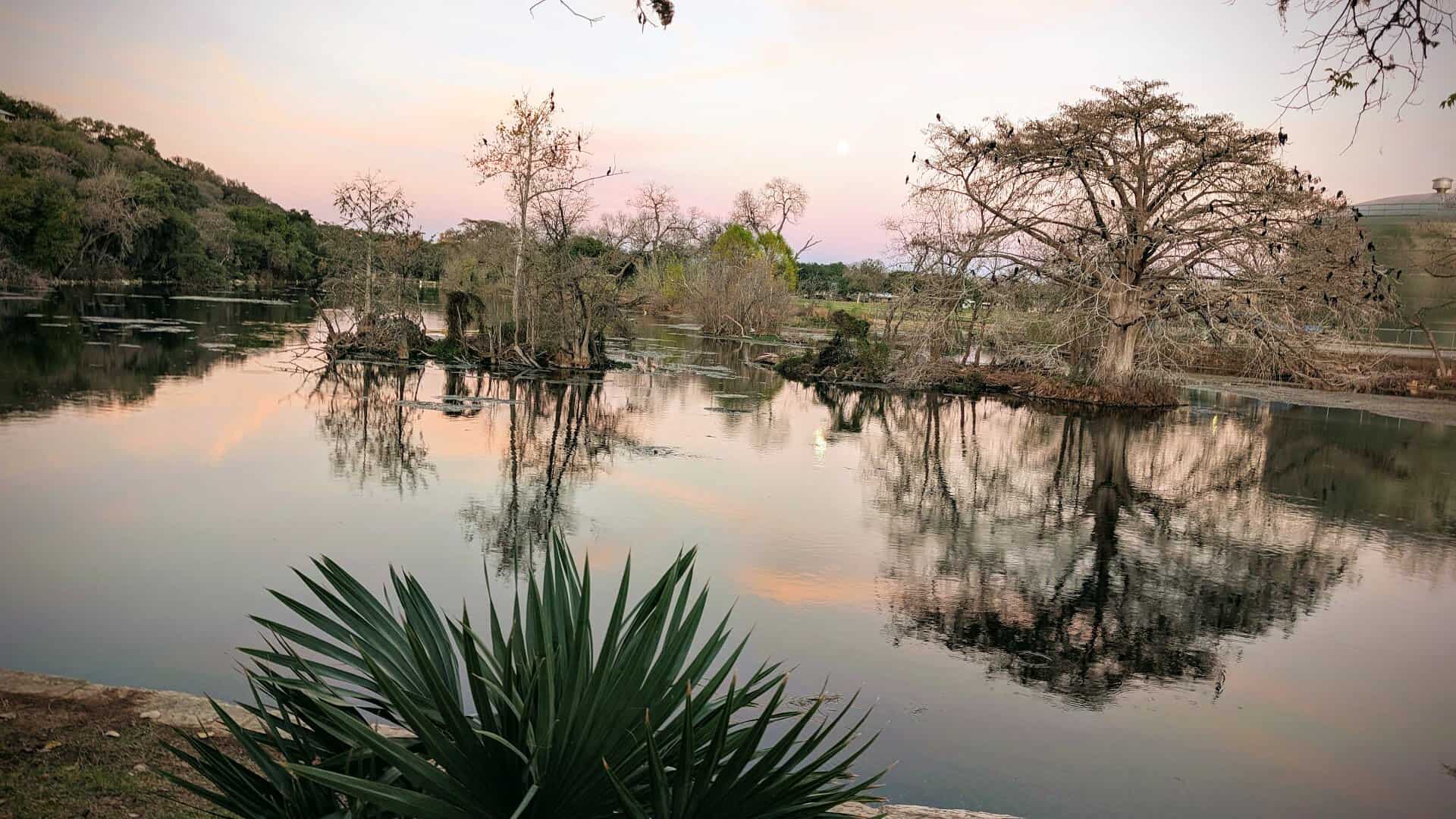
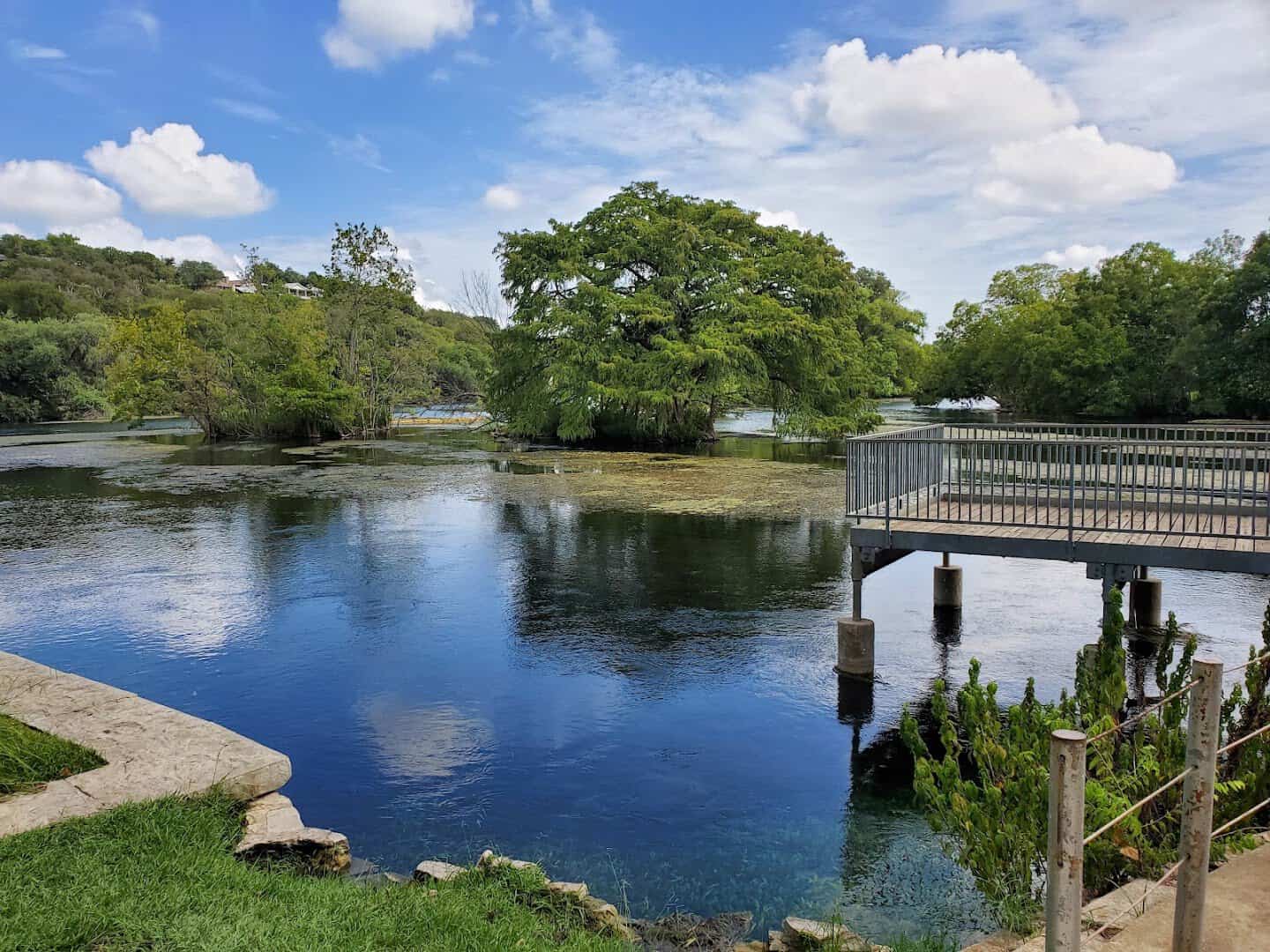
The springs feed Landa Lake, a 14-acre spring-fed lake that is the calm heart of the park. You can stand on the bank and count the fish. Bass hang in the clear pockets near the edges, and turtles stack themselves on half-sunken logs like they are posing.
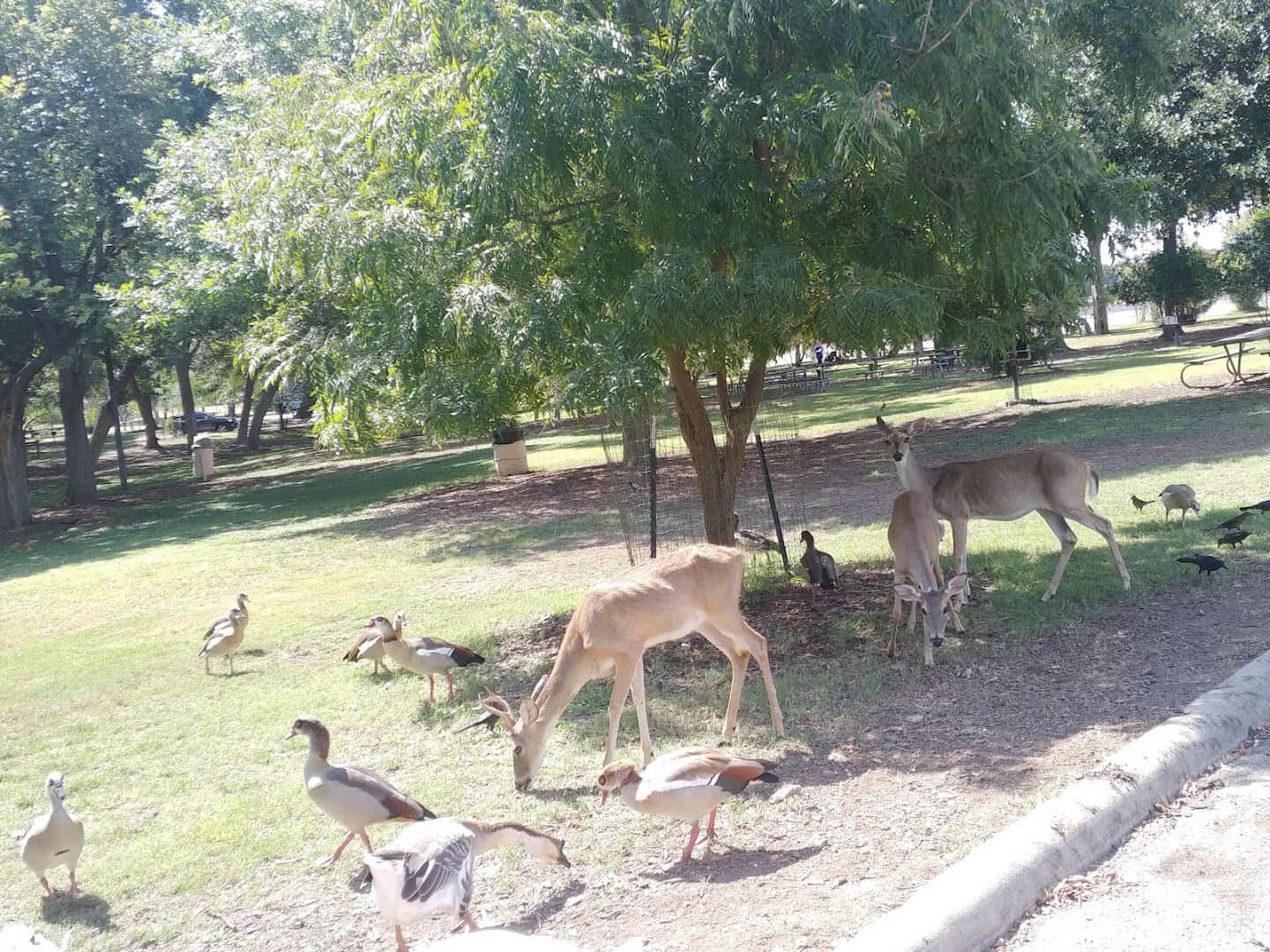
Then there are the ducks. They are not shy. One Tripadvisor reviewer titled a whole review “Lots of ducks!” and reported walking the lake trail past a crowd of wood ducks, including several mothers trailing tiny ducklings. Geese patrol the lawns like they pay taxes here.
Birders, bring the binoculars. Egrets and herons stalk the shallows, yellow-crowned night herons tuck into the cypress branches, and red-shouldered hawks circle over the tree canopy. On a quiet weekday morning, the loudest thing in the park is a heron taking off.
My favorite way to see the lake is from a paddle boat. Pedal out to the middle, stop, and let the boat drift. The water is so clear you can watch fish glide under the hull, and the whole lake smells faintly of wet limestone and cypress.
Panther Canyon, the Wild Side of the Park
Most visitors never leave the manicured lawns. That is a mistake, because tucked above the headwaters of the Comal is Panther Canyon, a natural area of rugged Hill Country woods that feels miles away from any town.
The Panther Canyon Nature Trail runs a little under two miles through the canyon. It is a real trail, with rocky footing, oak and juniper overhead, and stretches where the only sound is your boots on limestone. Give yourself an hour and a half to stop and look.
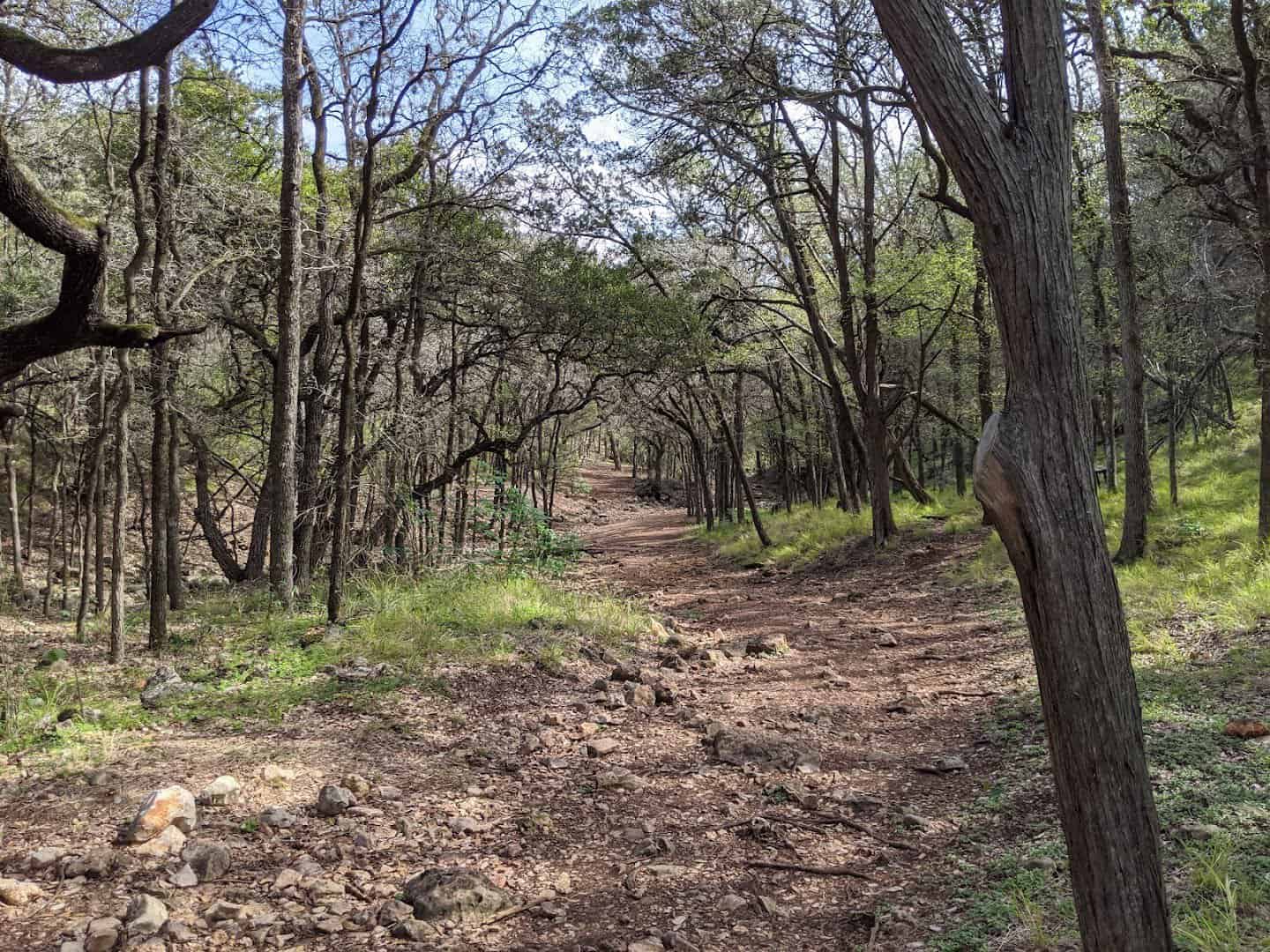
Reviewers love this stretch. One Tripadvisor write-up is titled “Panther Canyon is an excellent hike!” and another visitor described the walk as easy and “so peaceful.” Early morning is the best time, when deer drift through the brush and the light comes in sideways through the trees.
Did you know? Panther Canyon also holds a test well that monitors the Edwards Aquifer, the underground water source that feeds the springs. The whole canyon is part of the plumbing that keeps the park alive.
A Walk Among Century-Old Trees
Back down in the main park, the trees are the show. Landa Park became a registered arboretum in 1981, and today the William and Dolores Schumann Arboretum holds dozens of labeled species, many of them more than 100 years old.
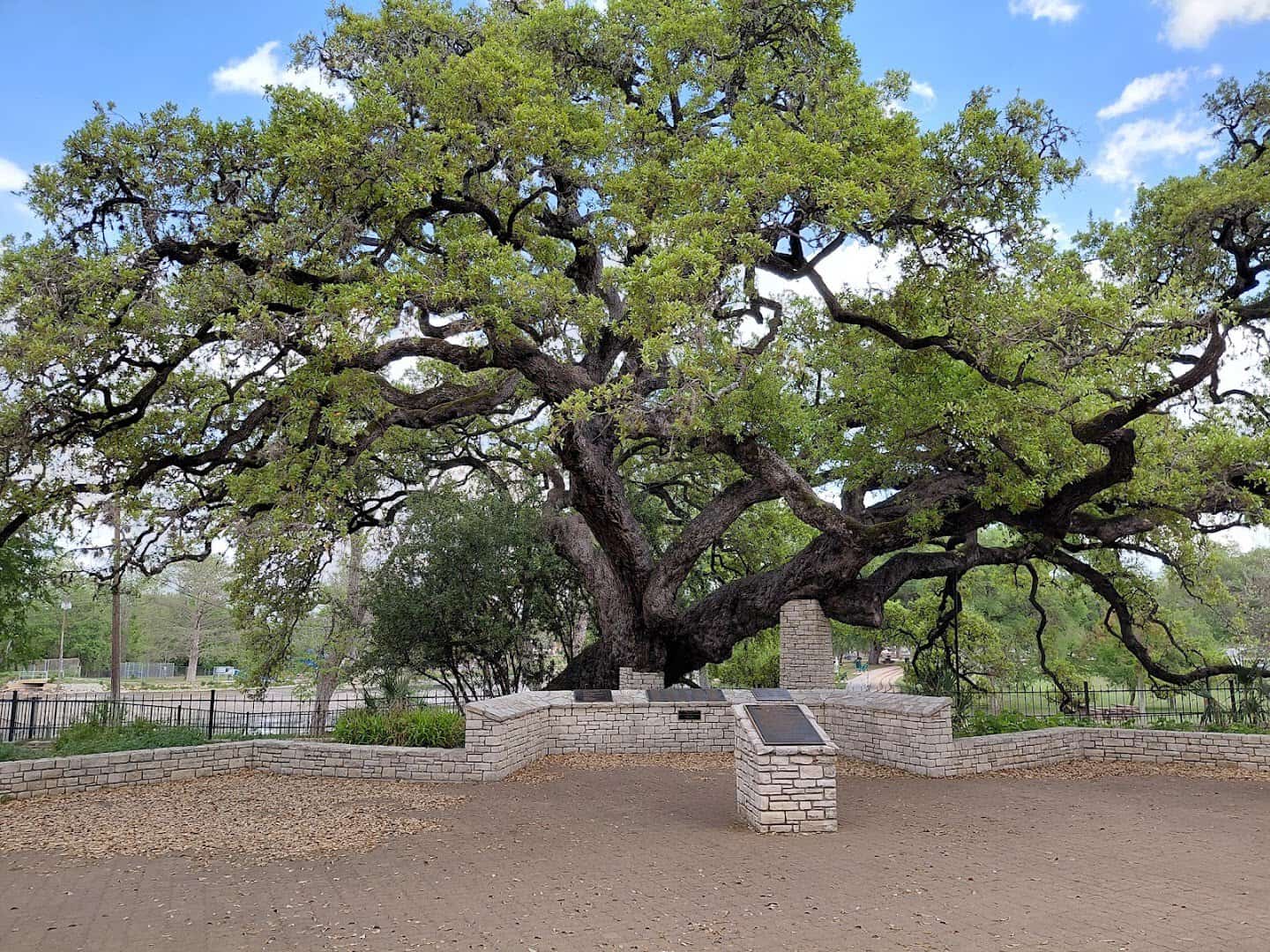
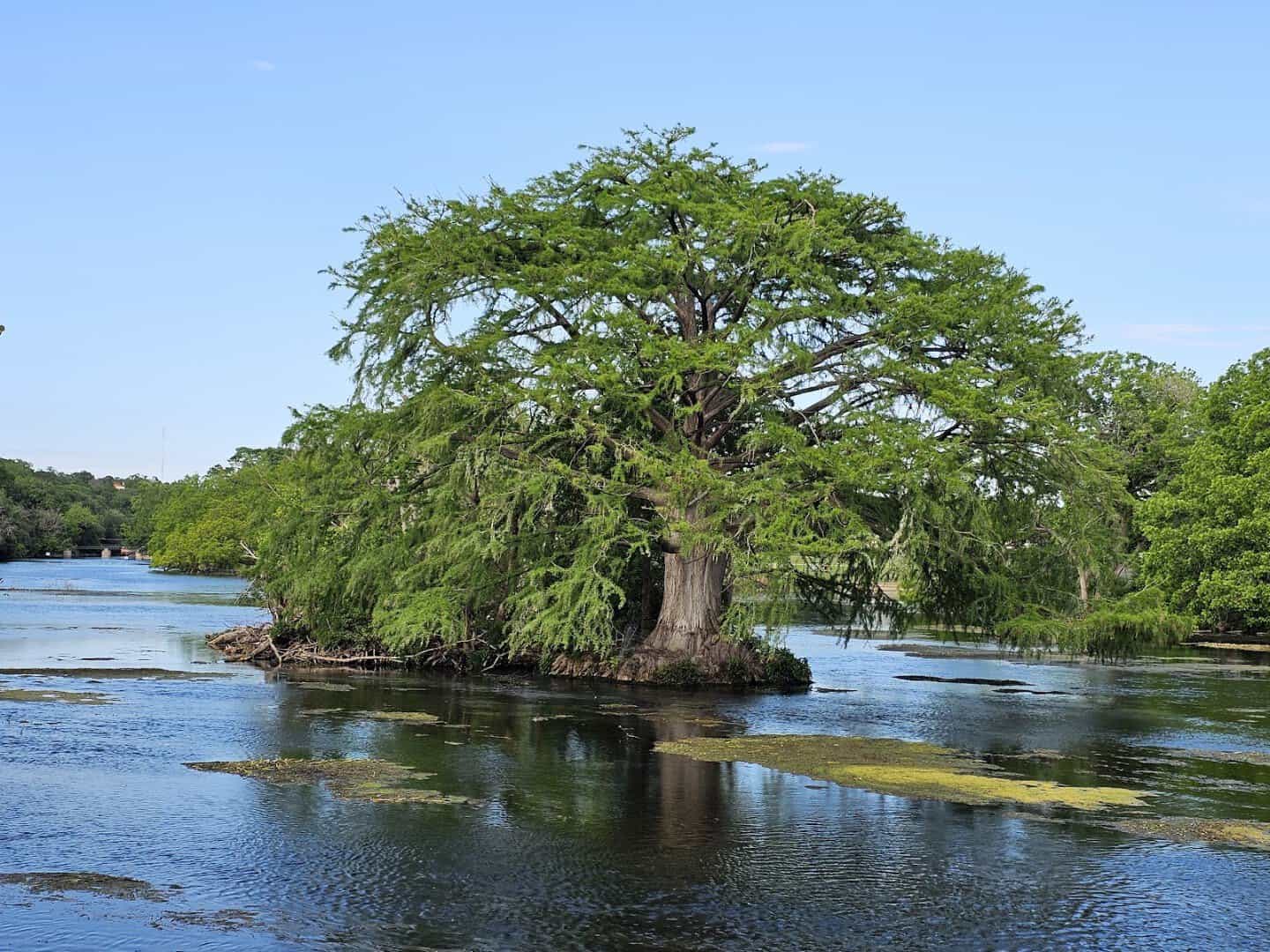
The Harry Landa Tree Trail winds past them. Massive live oaks spread their limbs almost to the ground, bald cypress line the water with knobby knees poking through the grass, and pecans drop their harvest every fall. The city’s arboretum map even lists a ginkgo and a date palm.
Pro tip: pick up the arboretum trail map from the city’s parks page before you go. Reading the labels turns an ordinary stroll into a scavenger hunt, and kids who claim to hate walking will suddenly be racing to find the next numbered tree.
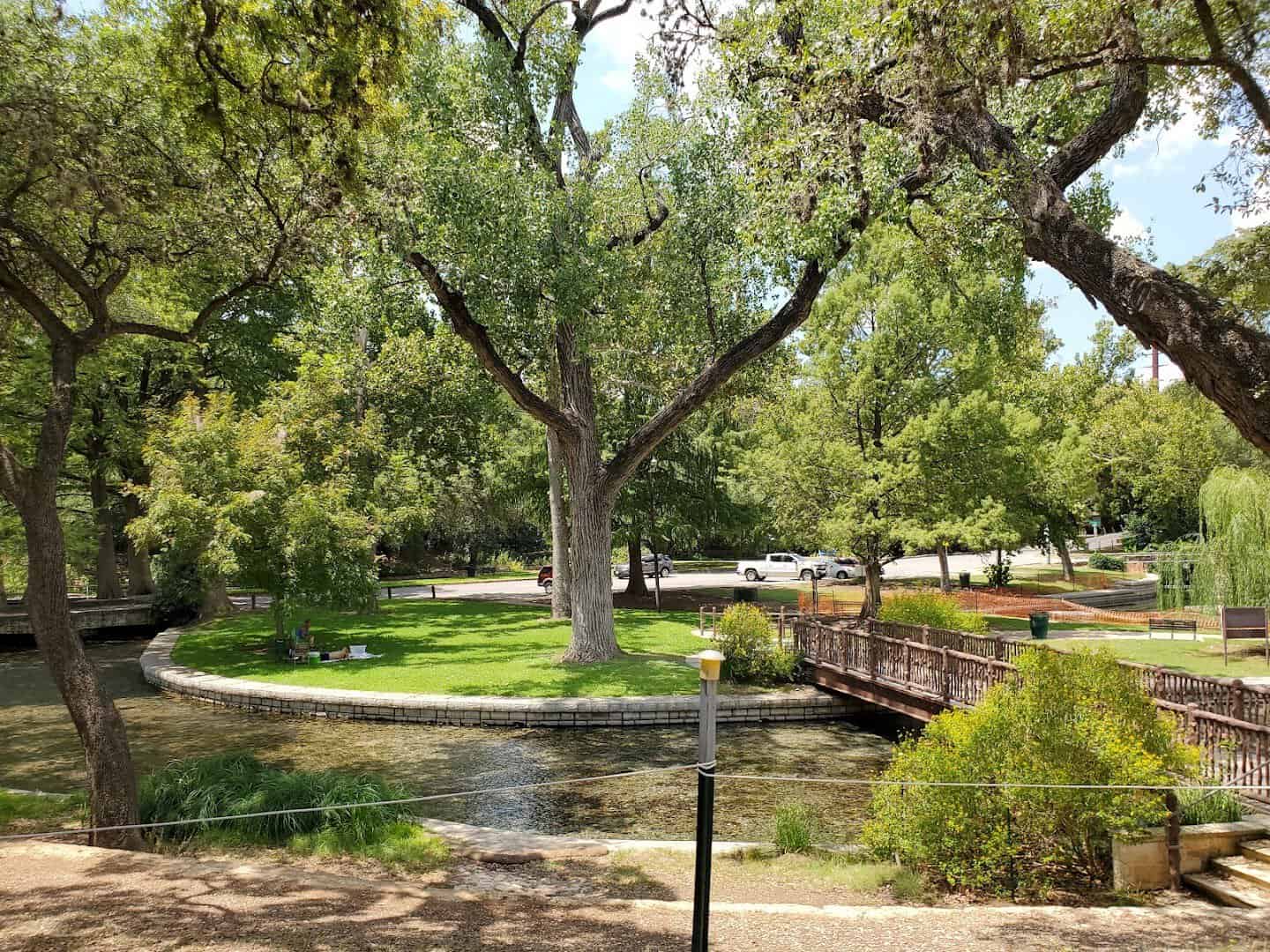
The shade is the real gift. Even in the hottest part of a Texas summer, the big oaks throw enough cover that the lawns stay walkable at noon. Bring a blanket, find a spot near the water, and you may not move for hours.
Little Train, Paddle Boats, and a Pool Fed by Springs
For all its wildness, Landa Park is also a classic old-fashioned city park, and I mean that kindly. A miniature train has looped the grounds for decades. It runs seasonally, tickets are about six dollars a person, and grown adults line up for it without a hint of embarrassment.
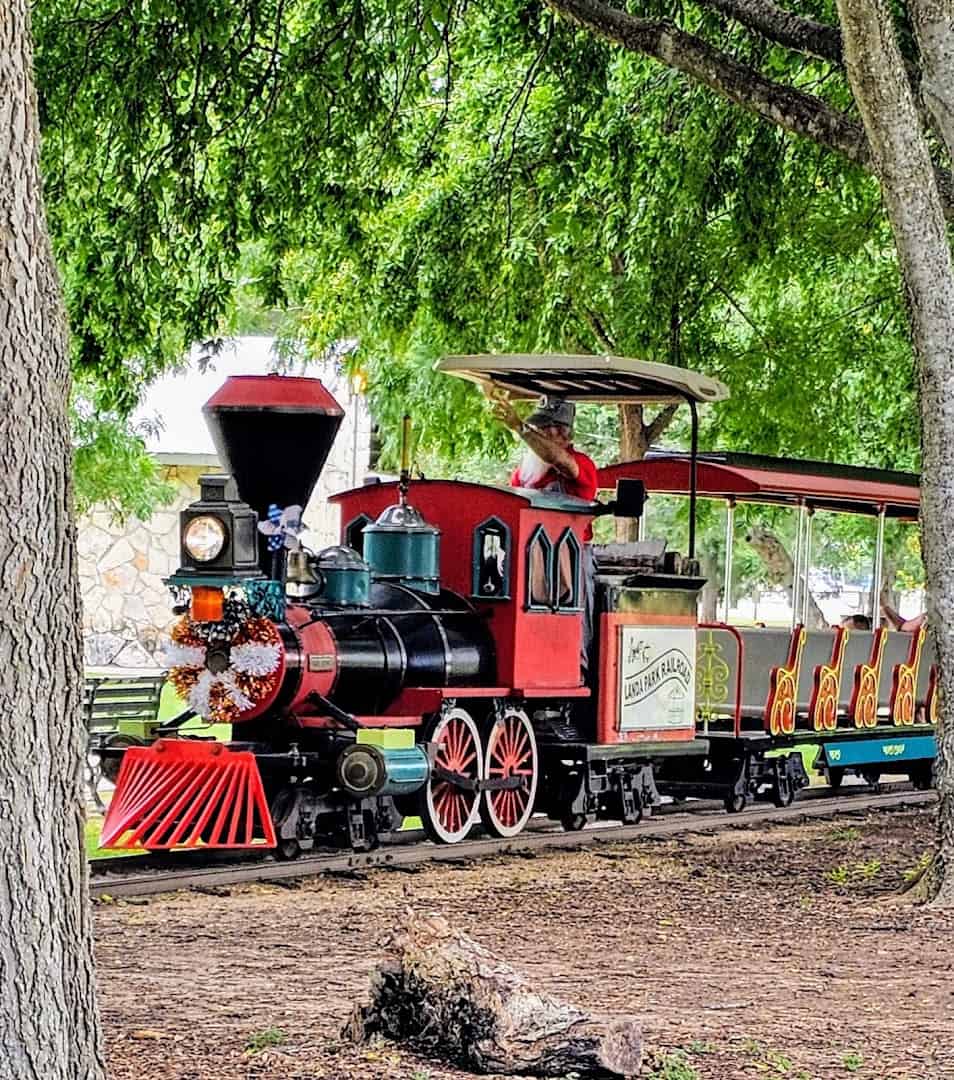
The paddle boats and the miniature golf course sit near the lake, run these days by a local outfitter, so check current prices before you plan around them. Three playgrounds are scattered through the park, and there are sand volleyball courts, a fishing pier, and picnic pavilions you can reserve.
Then there is the Landa Park Aquatic Complex, which pairs an Olympic-sized pool with a spring-fed swimming pool built before 1936. Swimming in water that came out of the ground a few hundred yards away is a very specific Texas pleasure. Check the city’s schedule before you count on it.
And in November the park hosts Wurstfest, the ten-day German sausage and beer festival that turns the grounds into a polka-fueled party. Wasserfest arrives in June, and the Fourth of July fireworks light up over the lake. Somehow the ducks put up with all of it.
A Brief History of the Beauty Spot of Texas
People have been drawn to these springs for a very long time. A Spanish mission, Nuestra Senora de Guadalupe, operated here from 1756 to 1758. German settlers founded New Braunfels in 1845, and in 1847 a man named William H. Merriweather bought the Comal Springs tract.
The name on the gate came later. On May 15, 1860, a merchant named Joseph Landa purchased the property. He was a practical man, and he put the Comal River to work powering gristmills, cotton and woolen factories, an ice plant, and a brewery.
When Joseph died in 1896, his son Harry took over the family businesses. A year later, Helen Gould, daughter of railroad baron Jay Gould, visited and suggested a rail spur to the springs. Harry listened. In 1898 the International and Great Northern built it, and Landa’s Park opened to tourists.
It was an instant hit. By 1900, two railroads were running weekend excursion trains to the park. Visitors picnicked under the oaks, danced on the open-air dance slab, and took steamboat rides on Landa Lake. People took to calling it the “Beauty Spot of Texas.”
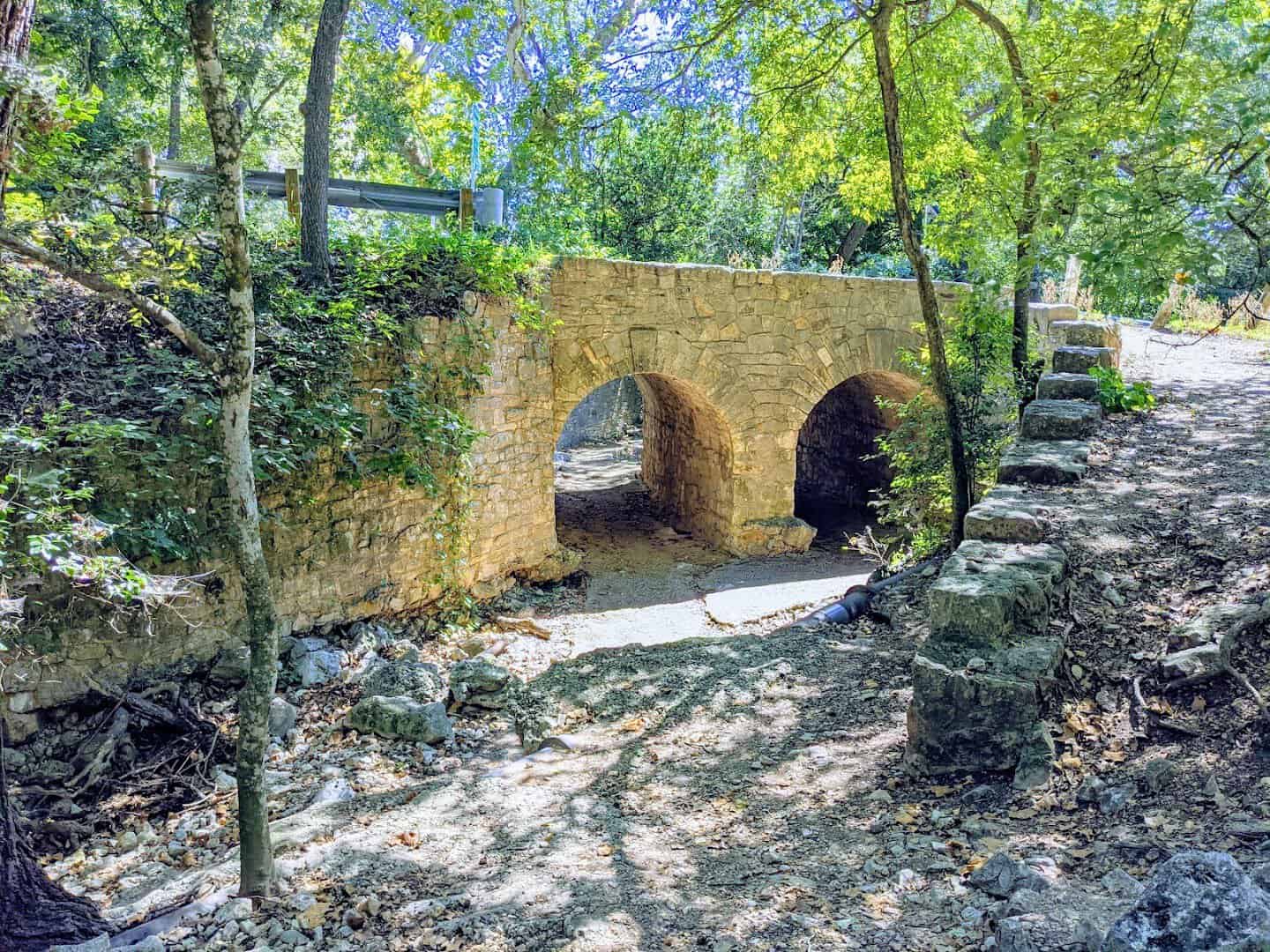
Baseball came too. The New Braunfels Tigers played here, big league clubs stopped in for exhibition games, and a young Dizzy Dean pitched for the Tigers in the late 1920s.
Harry sold the park to a San Antonio investment group in 1927. The Depression did the rest. By 1933 the park was closed and wrapped in barbed wire, and the town could only look at its springs through a fence.
Here is the part I love. In 1936, a civic leader named Erhard P. Nowotny led a petition asking the city to buy the park. Residents voted three to one in favor.
On May 25, 1936, the City of New Braunfels bought 128 acres, springs and all, for $80,000. Five days later, the town turned out for a community cleanup to pull the place back into shape.
The park has only grown since. The city added 30 acres from the Lower Colorado River Authority in 1984, leased 18 more in 1991, and picked up Panther Canyon along the way. Today it carries the Lone Star Legacy Park designation, given to Texas parks with deep history.
Tips Before You Go
The park is free to enter and opens at 6 in the morning every day, which is exactly when you want to be there. Early light on the lake, empty trails in Panther Canyon, the ducks still waking up. By 11 on a summer Saturday, the parking gets creative.
Weekdays are quieter than weekends by a wide margin. If you can swing a Tuesday, you will have whole stretches of the tree trail to yourself.
Leashed dogs are welcome on the grounds, but keep them out of the springs and the waterways. That water is protected habitat, and the city takes it seriously.
Wear real shoes if Panther Canyon is on your list. The canyon floor is loose rock, not a paved path. Bring water and sunscreen, and a bag for the pecans if you come in fall.
Pack a picnic. There are barbecue pits and tables all over the park, and eating lunch under a 100-year-old oak with the lake in view beats any restaurant in town. If you want a covered pavilion for a group, call the parks office to reserve one.
How to Get There
Where: Landa Park, 164 Landa Park Dr, New Braunfels, TX 78130
The park sits right on the edge of downtown New Braunfels, about 30 miles northeast of San Antonio and roughly 45 miles southwest of Austin along Interstate 35. Take the exit for downtown New Braunfels and follow the signs for Landa Park Drive. Parking is free inside the park.
Park reservations go through the city’s parks office at 830-221-4350. For the train schedule, call 830-625-8285.
Find Your Own Private Escape
The thing about Landa Park is that it does not feel like a city park at all once you are in it. The springs hum, the herons hunt, the oaks throw their shade, and the rest of New Braunfels fades out behind the trees.
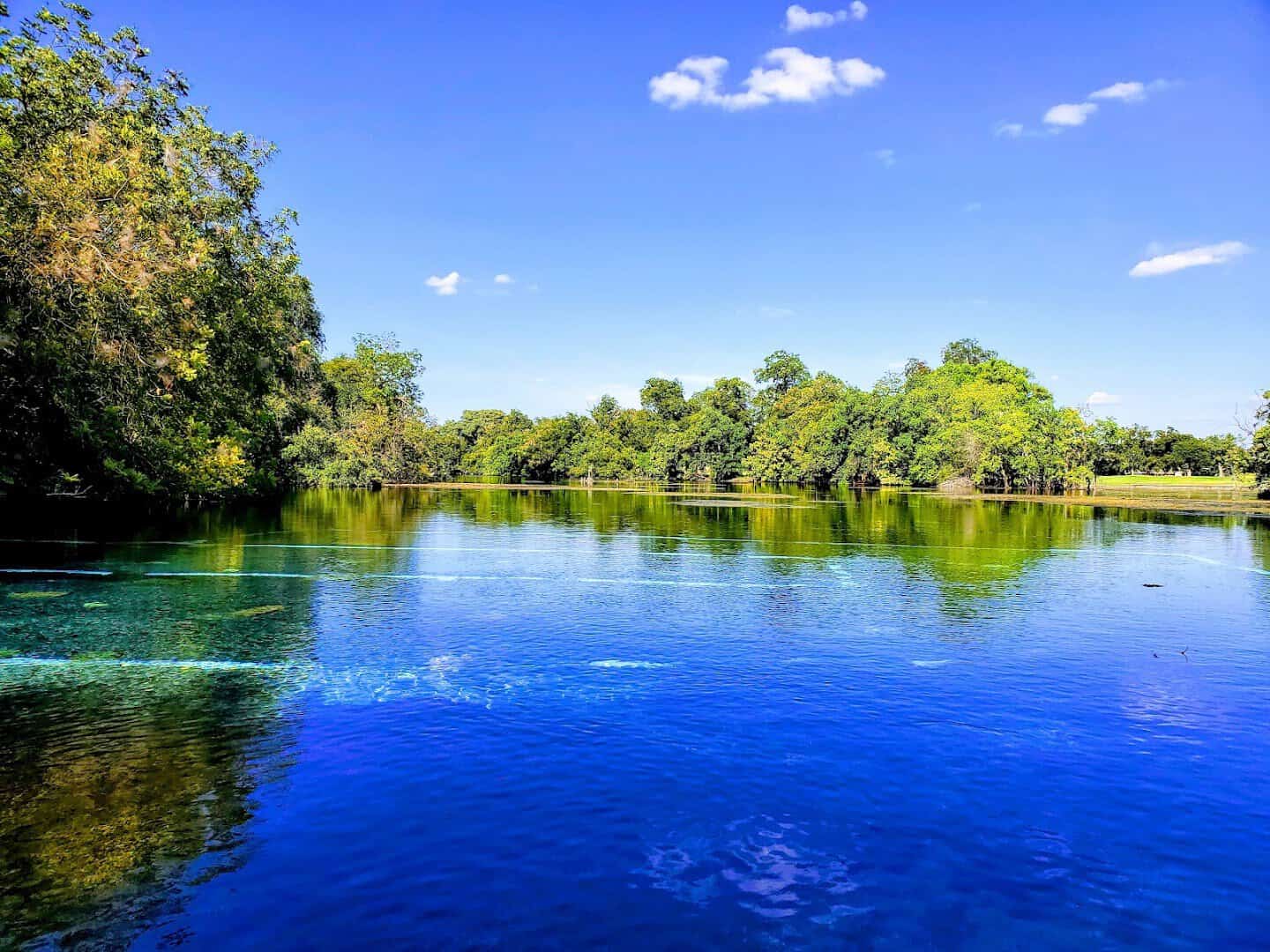
So next time you roll into town for the river, save a morning for the quiet side. Walk the tree trail, or pedal a paddle boat out to the middle of that impossibly clear lake, and see if you do not leave feeling like you found a secret.
Featured image: Lila VanDerMeer via Landa Park

Stella Raines
Editor-in-Chief
Stella brings over a decade of storytelling experience to TX Headlines. With roots in West Texas and a love for road trips, she leads the editorial team with an eye for the hidden stories that make Texas unforgettable.
More Stories

These 10 Texas Spots Bloom Into Seas of Bluebonnets Each Spring

This Enchanting Texas Nature Trail Feels Like Hiking Through a Fairytale Forest

This Underrated Texas State Park Gives You a Full Day of Swimming and Hiking for Just $5

This Easy Texas Hike Leads to a Swinging Suspension Bridge Hidden in the Pines
Tags