This Little-Known Texas Park Is Home to Hundreds of Prairie Dogs You Can Feed
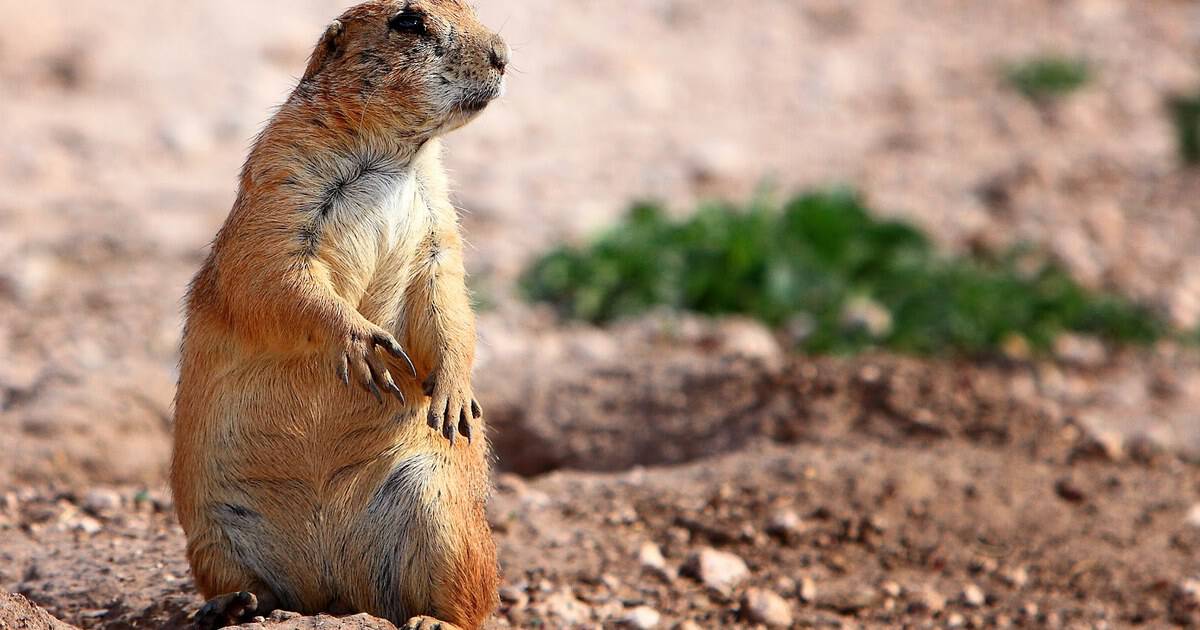
I will take a wild animal over a zoo animal every time, and the best version of that in Texas costs nothing but a bag of baby carrots.
No tickets, no glass, no keeper asking you to keep it down. Just a low wall, a sandy field, and a few hundred round little faces popping up to see what you brought.
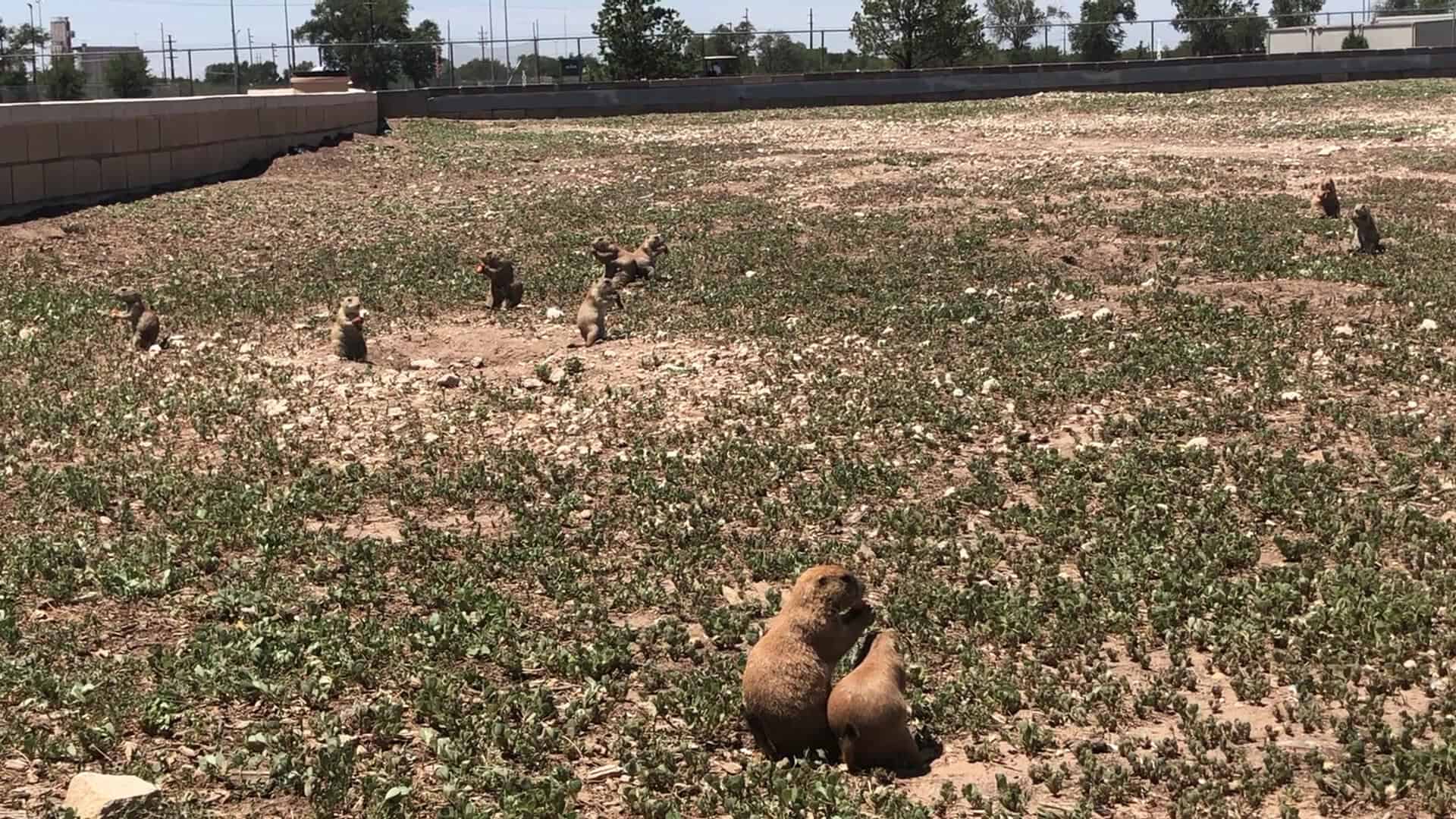
That is Prairie Dog Town in Lubbock’s Mackenzie Park, a seven-acre colony where visitors have been tossing snacks to black-tailed prairie dogs since 1935.
The whole place hums with chirping, dusty chaos, and it is one of the sweetest ways I know to spend an hour on the South Plains. It is also completely free.
Below, you will find what it is like to stand at that wall, what the prairie dogs actually eat, the cotton buyer who built the town to save a species, and the rest of the park waiting just up the road.
A Town With Hundreds of Furry Residents
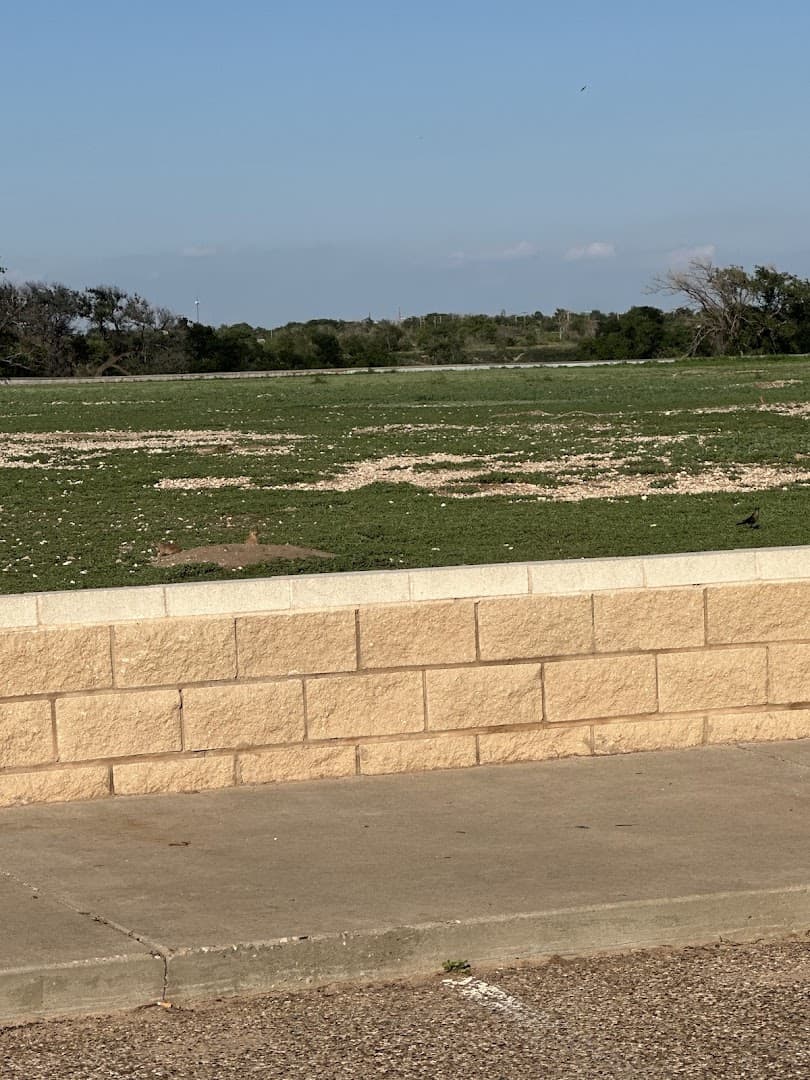
Picture a field shaped like a tortilla chip, ringed by a waist-high cinder block wall. Inside, the ground is pocked with hundreds of holes, and every hole seems to have a tenant. That is the whole layout, and it is all the layout you need.
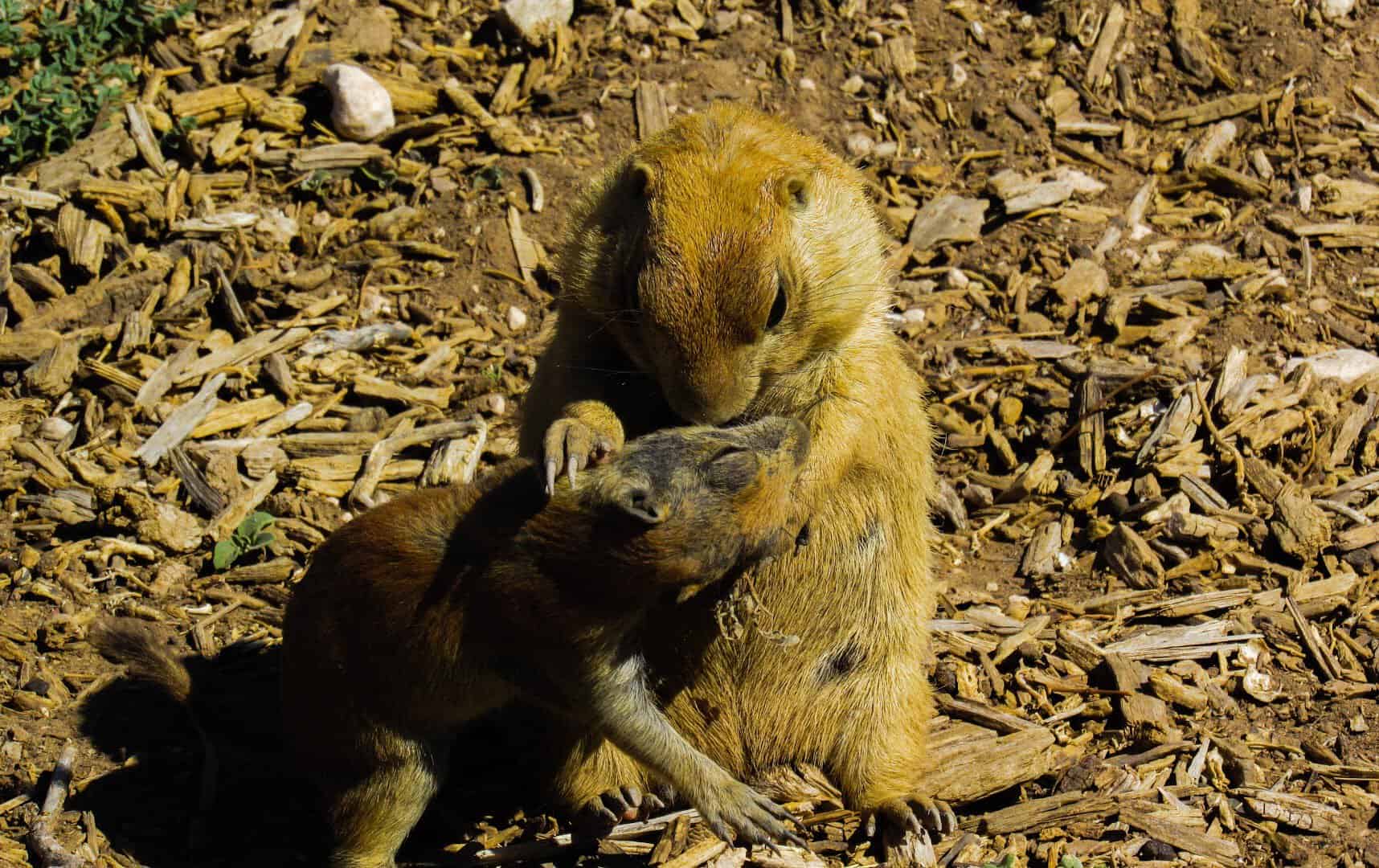
The residents are black-tailed prairie dogs, and there are hundreds of them. Adults weigh in around two pounds, about the size of a cottontail rabbit, with short tails tipped in black and a permanently curious expression.
Walk up to the wall and the nearest dogs will freeze, stand bolt upright, and study you. Then one of them decides you are harmless, and suddenly the field is moving. They scurry between holes, wrestle in the dirt, and sprawl flat on their bellies in the sun.
A pavilion and viewing area sit right at the edge, with sidewalks looping around the wall and interpretive signs explaining what you are looking at. One visitor, Irene, put it plainly in her review: “Fascinating little creatures. Take the time to read the placards – great info!”
Google reviewers have handed the place a 4.6 out of 5 across more than 900 reviews, and the word that keeps showing up is “cute.” I am not going to argue with 900 people.
Bring Carrots, Not Cheetos
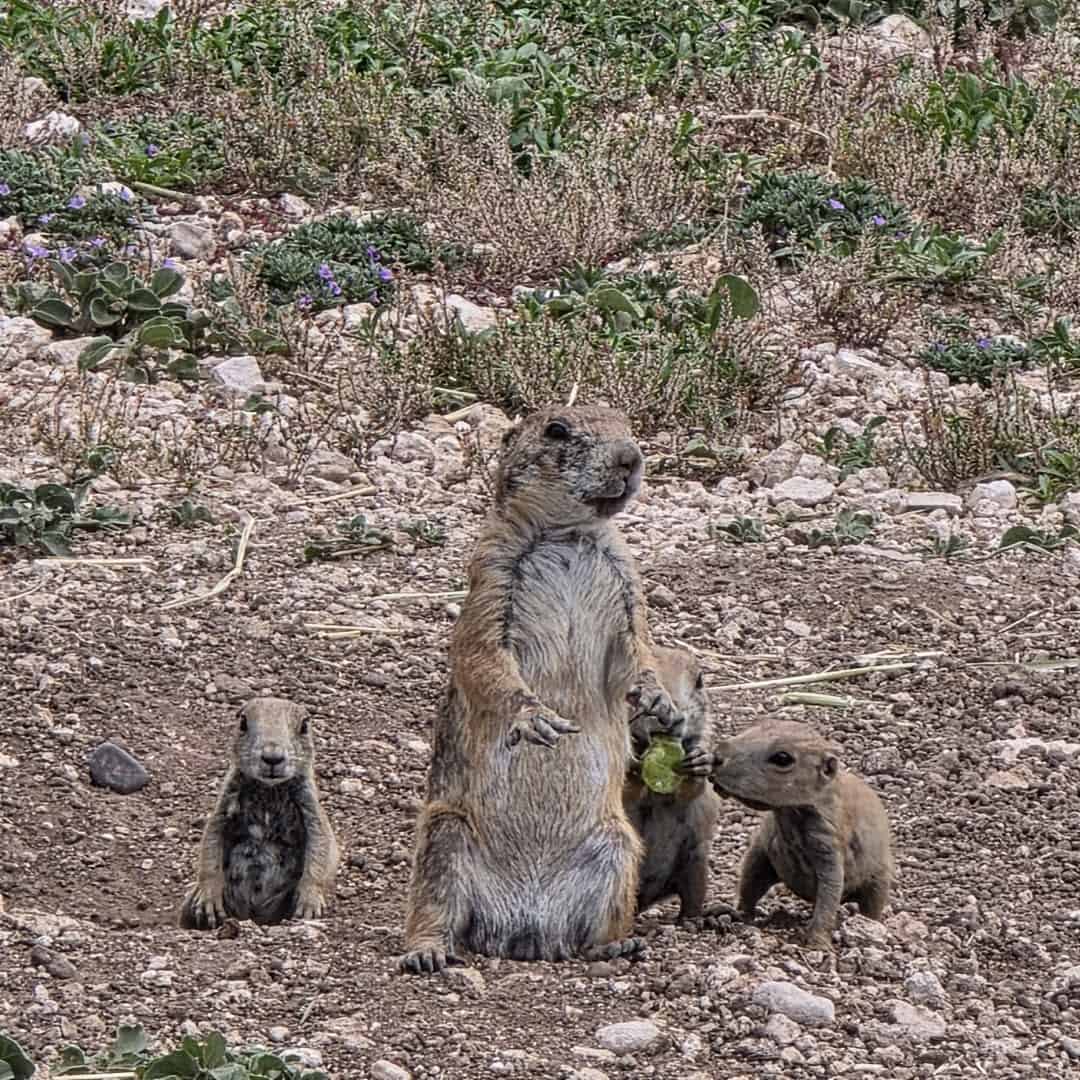
Yes, you can feed them. Feeding the prairie dogs is the whole tradition here, and it goes back generations of Lubbock families. Texas Highways called it a prairie dog potluck, because nearly everyone shows up with something in a bag.
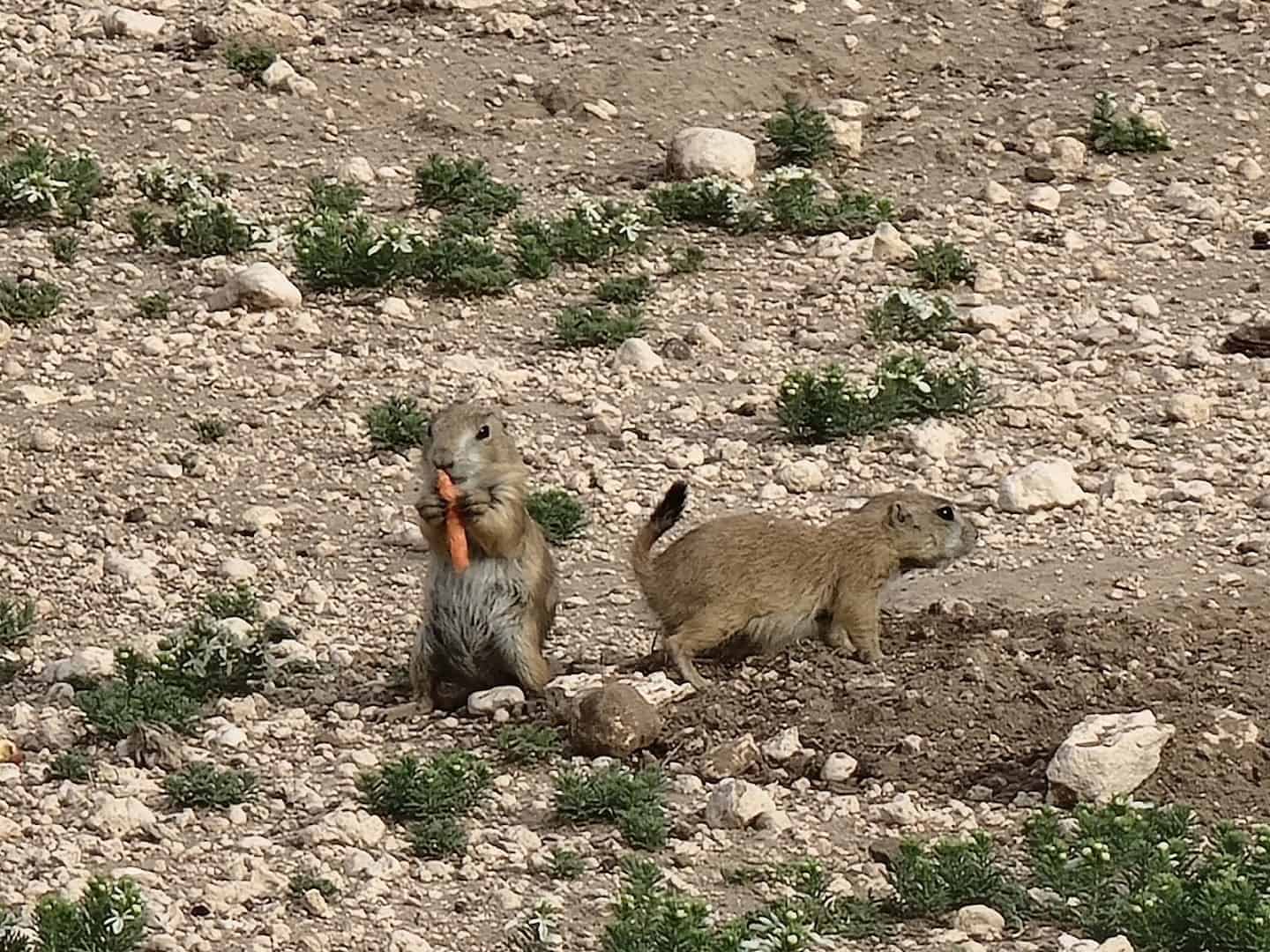
What you bring matters, though. Every source I read agrees on the menu: fresh carrots are the favorite, and celery, leafy greens, and unsalted nuts go over well too.
Leave the chips, the white bread, and the candy in the car. Anything salty or sugary is hard on them, because those little stomachs were built for prairie grass and not much else.
The park’s own operations staff have pointed out over the years that a steady stream of human food creates an artificial food source for a wild colony. So keep it small and keep it healthy.
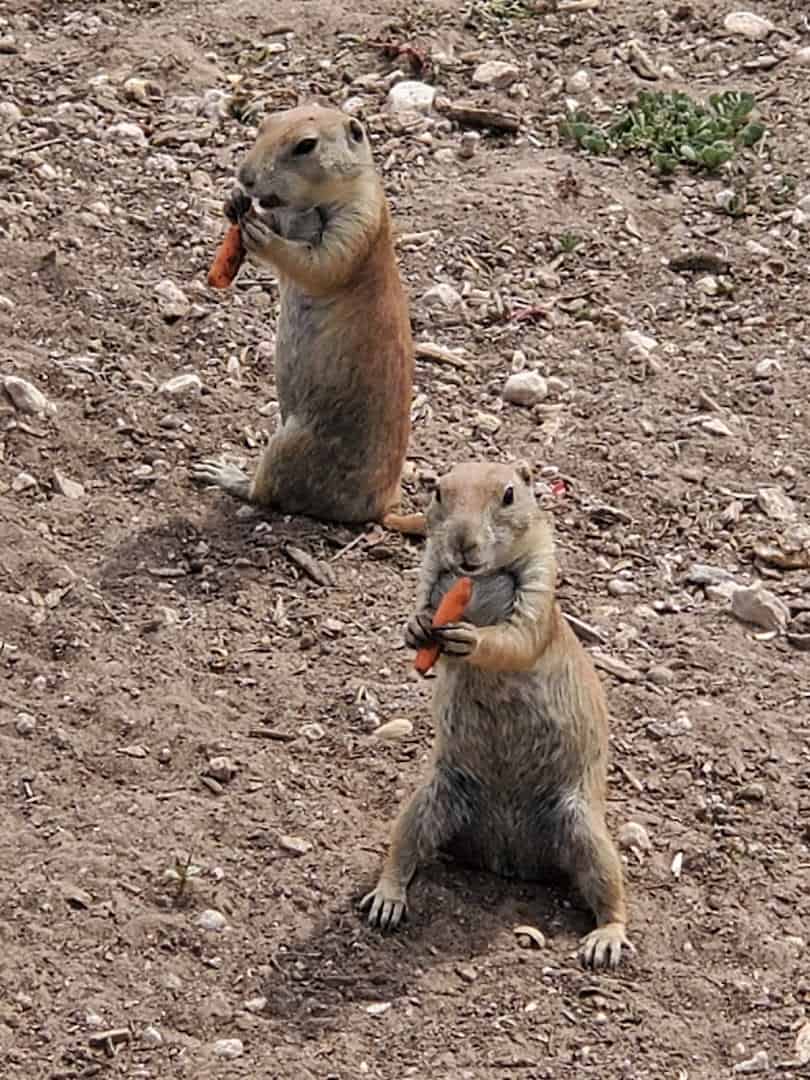
Think of it as a treat rather than a meal. The dogs forage on their own just fine, and a colony that still knows how to feed itself is exactly what the founder wanted.
Hold a carrot stick out over the wall and watch what happens. The boldest dog in range will trot up, take it in both paws, sit back on its haunches, and gnaw with a focus that would put a beaver to shame.
Toss one farther in and a scrum forms. Three or four dogs pile onto the same piece, the fastest one wins, and the losers stand there looking personally offended until the next piece lands.
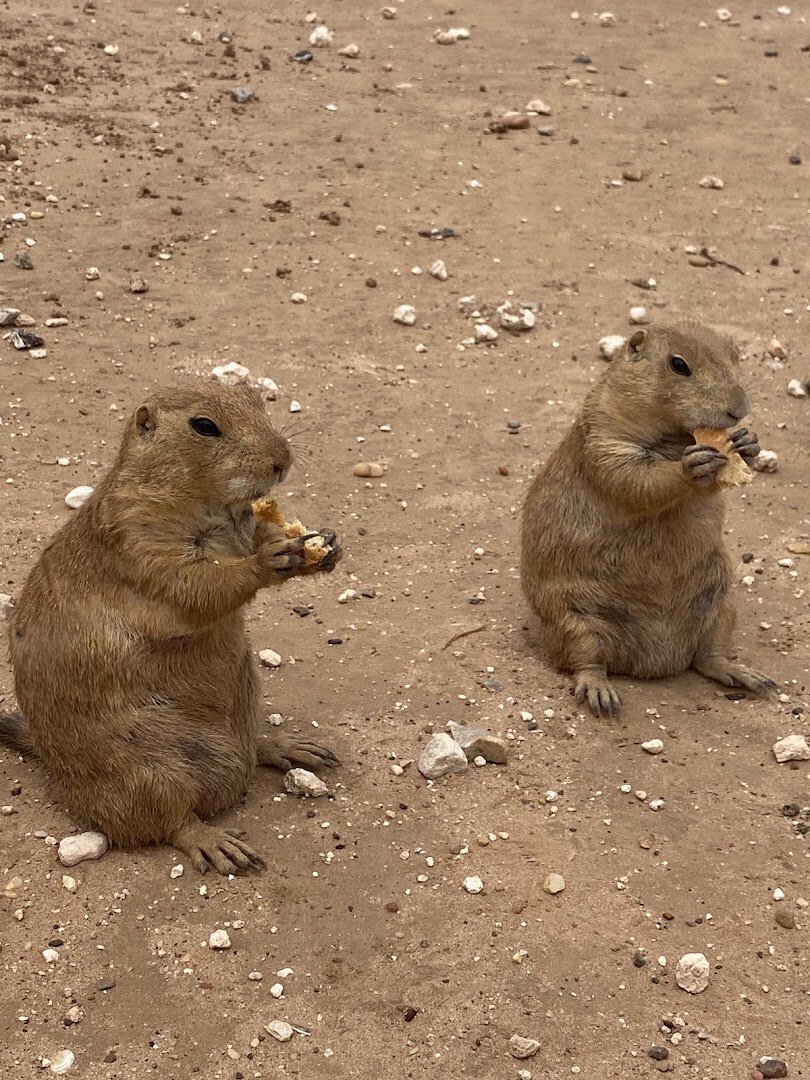
Pro tip: chop the carrots into small pieces before you arrive. More pieces means more dogs get a turn, and you get to watch the whole show a dozen times instead of once.
The Bark That Sounds Like a Chirp
Prairie dogs are not dogs at all. They are ground squirrels, cousins to the ones raiding your bird feeder, and they got their name from the sharp, high-pitched bark they use to warn the colony.
Stand still for a minute and you will hear it ripple across the field. It sounds more like a chirp than a bark, a quick yip that gets picked up and passed along from hole to hole.
That bark is a real language. Prairie dogs have distinct calls for different threats, and a hawk overhead sends the whole town diving underground in a second. Then, one by one, the heads pop back up. It is the best game of whack-a-mole you will ever watch for free.
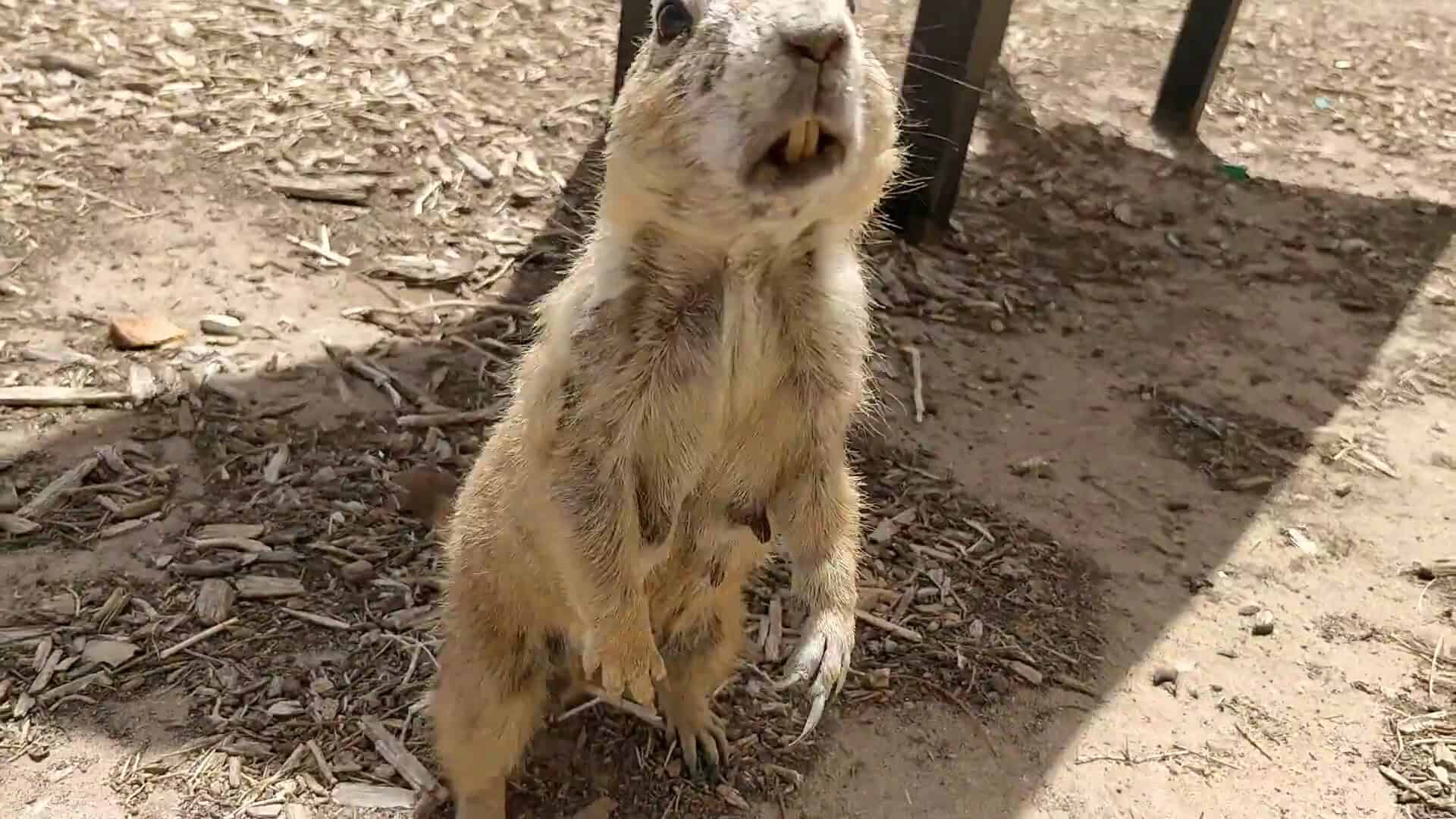
The town underfoot is far bigger than the town you can see. Prairie dog burrows drop straight down and then branch into rooms: bedrooms, nurseries, listening posts near the entrance, even a designated toilet chamber.
Reviewer Kim summed up the appeal: “Watching the prairie dogs pop in and out of their burrows…is endlessly entertaining.” I would add that the smell of warm dirt and dry grass is half the experience.
Keep an eye out for a second resident. Burrowing owls, small ground-dwelling birds with bright yellow eyes, sometimes move into abandoned prairie dog holes. Spotting one standing sentinel on the dirt, long legs and all, is a genuine bonus.
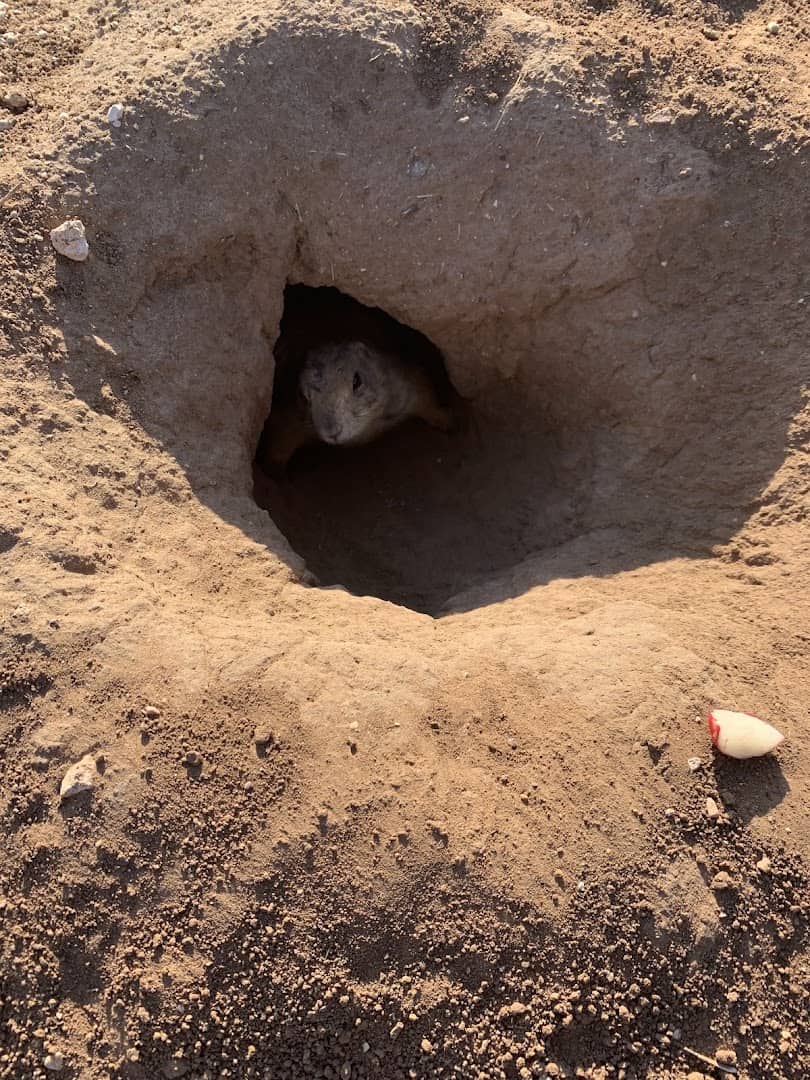
Did you know? Black-tailed prairie dogs are what biologists call a keystone species. Their tunnels and their presence support more than a hundred other animals on the plains, from hawks and ferrets to the owls you might see today.
How a Cotton Buyer Saved a Species
Here is the part of the story that gets me. In the 1930s, black-tailed prairie dogs were being poisoned across the plains as farm pests, and it was working.
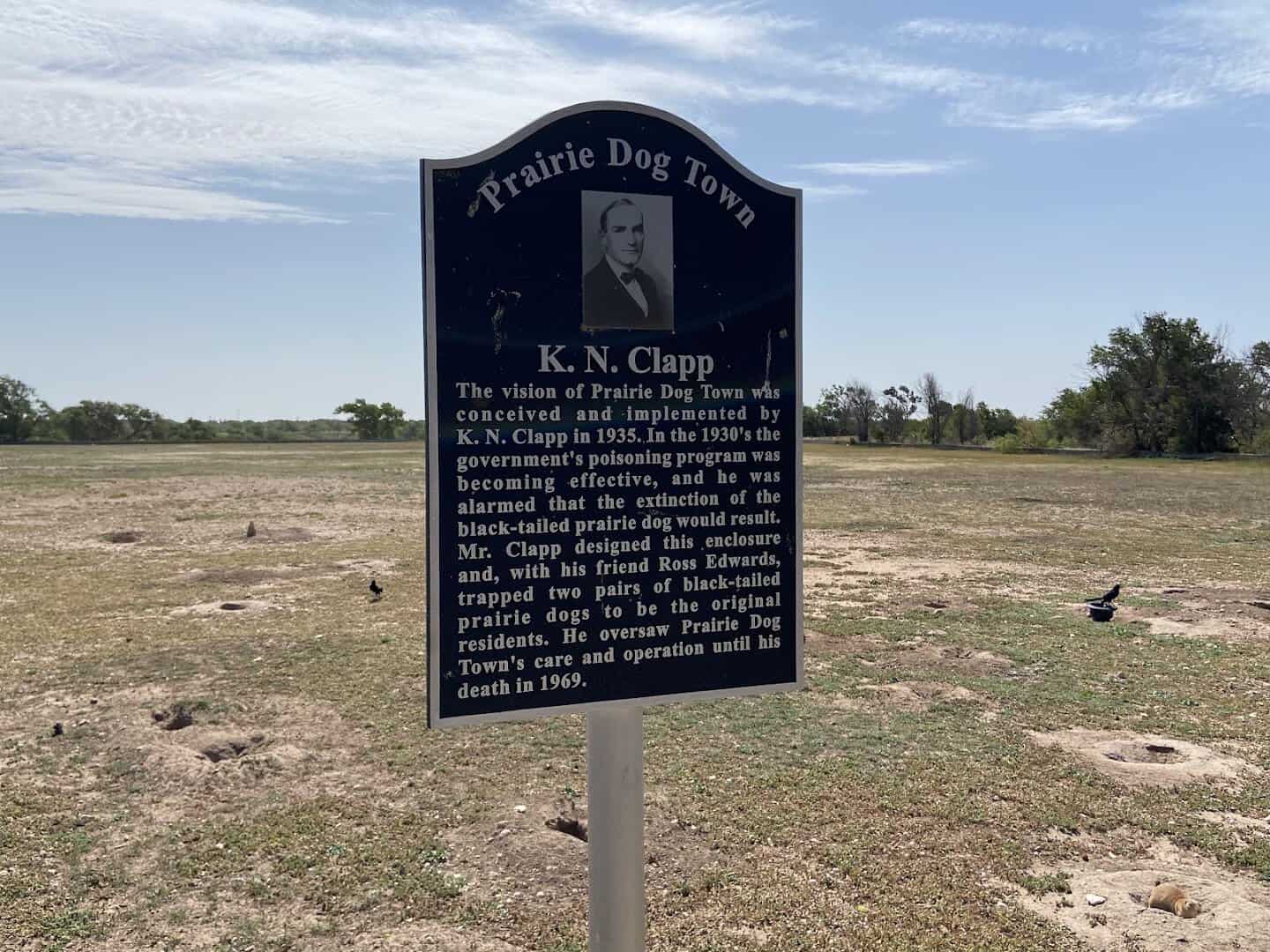
A Lubbock cotton buyer named Kennedy N. Clapp looked at that and got alarmed. He figured the black-tailed prairie dog could go extinct on his watch, and he decided somebody ought to keep a few alive.
Clapp designed an enclosure himself. With his friend Ross Edwards, he trapped two pairs of black-tailed prairie dogs, four animals and two burrows, and that was the founding population. The colony moved to its current spot in 1935 when Mackenzie Park became a state park.
It was the first protected prairie dog community of its kind anywhere. Within a few years it was drawing visitors from across the country.
Clapp kept looking after it personally until his death in 1969. He was named Mayor of Prairie Dog Town in perpetuity, a title I think he earned, and one I would happily vote for again.
A state historical marker stands near the pavilion telling his story. The town itself looked much the same for decades, until the mid-2000s, when the neighboring golf operator funded the pavilion, sidewalks, parking, and the signs you see today.
Today the City of Lubbock Parks and Recreation Department cares for the colony as part of Mackenzie Park. Four prairie dogs became hundreds, and a one-man rescue project turned into one of the most visited attractions in the city.
Meet Prairie Dog Pete
Every good town needs a mascot, and Lubbock’s is a prairie dog. Prairie Dog Pete has served as the town’s unofficial goodwill ambassador for decades, and he has even served as a symbol for the Lubbock Chamber of Commerce.
Pete has a February job, too. Like a certain groundhog in Pennsylvania, he emerges from his burrow each year to forecast whether West Texas gets an early spring. His track record is about what you would expect from a two-pound rodent, and the city loves him for it anyway.
The Rest of Mackenzie Park
Prairie Dog Town is the headliner, but it sits inside one of Lubbock’s oldest and largest parks, and the rest of it deserves a wander. Mackenzie Park sprawls along Yellowhouse Canyon on the city’s northeast side, just off 4th Street and Interstate 27.
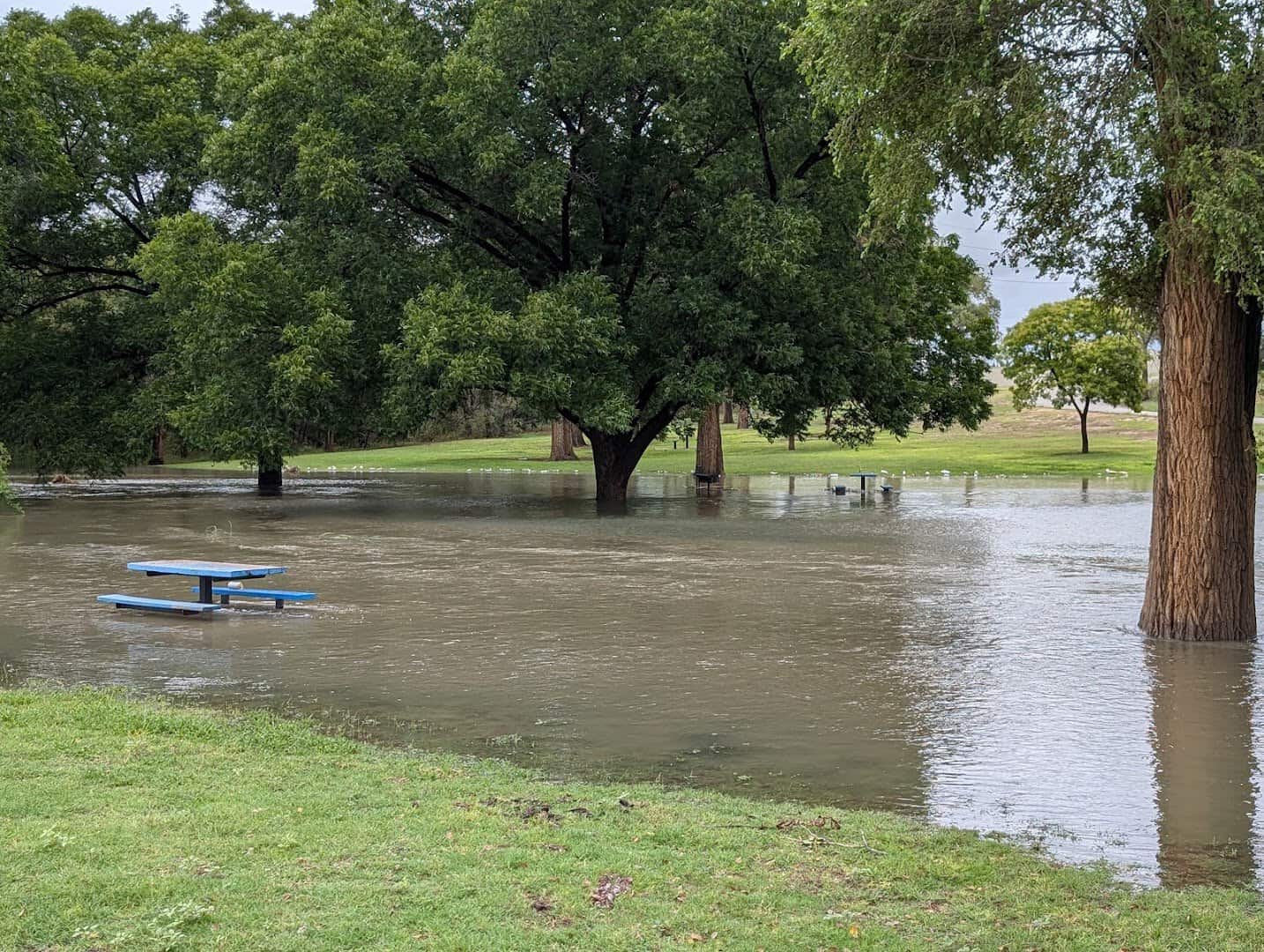
The prairie dogs overlook Meadowbrook Golf Course, a 36-hole public layout right next door. Walking and jogging paths thread through the park, and there are picnic tables and shaded spots scattered along the way if you brought lunch for yourself as well as the dogs.
Families with kids in tow usually pair the prairie dogs with Joyland, the old-fashioned amusement park inside Mackenzie Park. The two together make an easy half-day, and they are minutes apart.
Bring a blanket or a folding chair. The observation gazebo has shade, but the best seat is a patch of grass along the wall where you can settle in and let the dogs come to you.
Tips Before You Go
Timing is everything. Prairie dogs are most active in the early morning and late afternoon, and on a hot summer midday they retreat underground and wait it out.
Come at golden hour and the light on that sandy field is beautiful. Reviewer Cyrus agreed: “Lighting for pics is best at sunset.”
Spring is pup season. New litters emerge from the burrows in late spring, and a field full of tiny, wobbly prairie dog pups learning to stand up straight is about as adorable as Texas gets.
Wear closed shoes rather than sandals, since the ground around the wall is dirt and the sun is strong. Pack water, a hat, and sunscreen. Restrooms are on site, which road-trippers tend to mention gratefully.
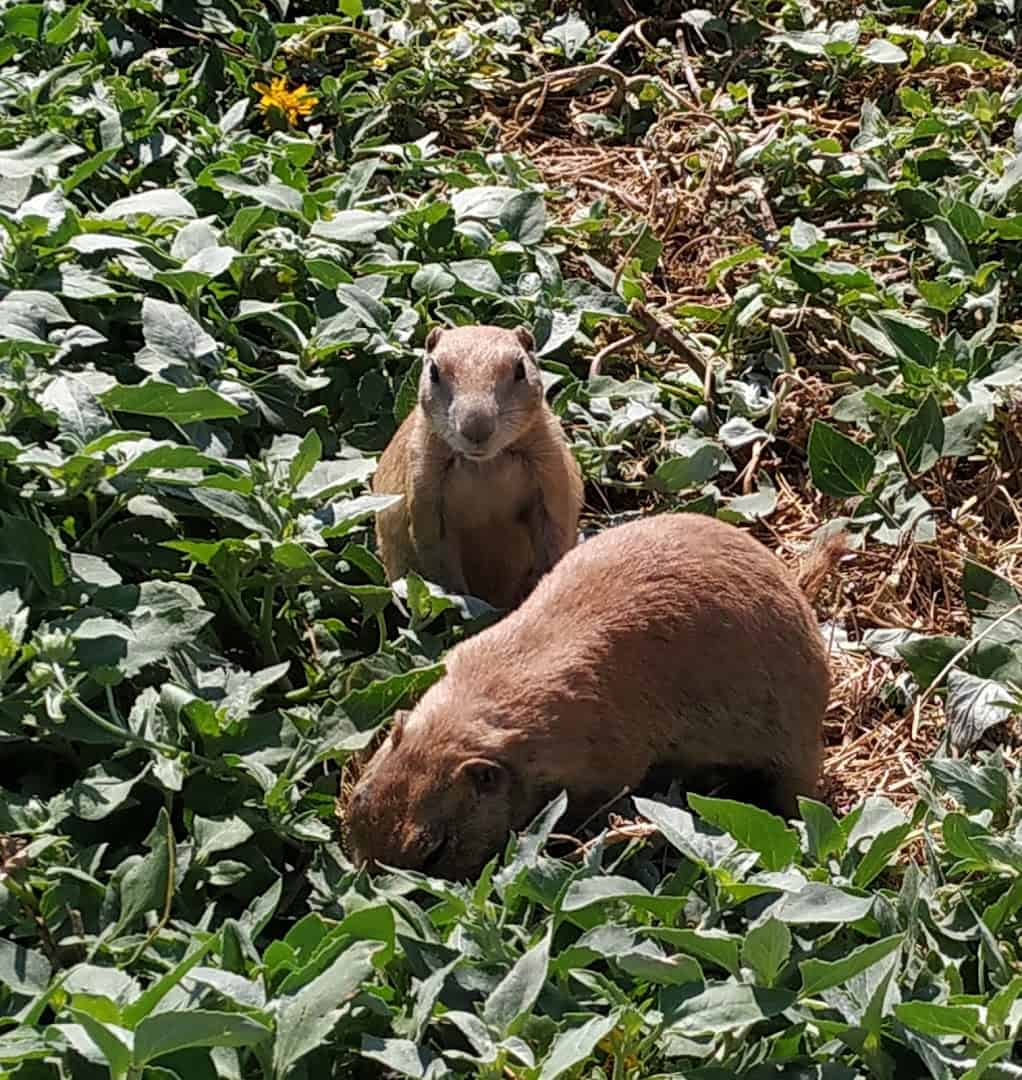
Feed from the wall and let the dogs stay on their side of it. They are wild animals with sharp teeth, and the whole point of the town is that they get to live as a wild colony.
Watch, toss, photograph, and leave them to their business. Leashed pets are better left in the car for the same reason, since a barking dog of the ordinary kind clears the field in seconds.
Admission is free, every day of the year, and parking is plentiful. Most sources list the park as open from early morning until midnight, so an evening stop on a long drive up I-27 is entirely doable.
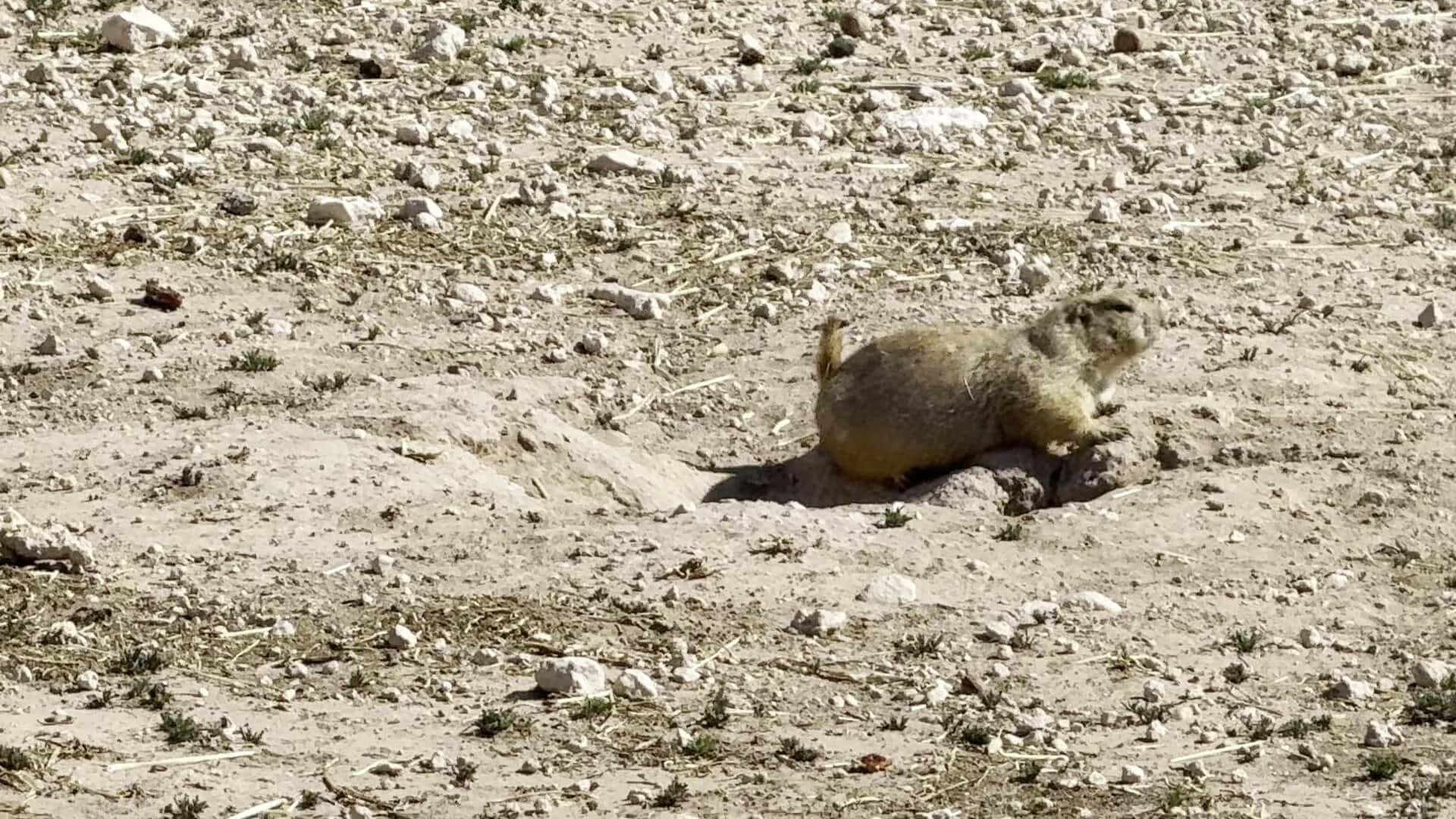
Budget an hour if you are passing through and longer if you have kids. In my experience, nobody ever leaves a prairie dog town on the first try.
How to Get There
Prairie Dog Town sits inside Mackenzie Park on the north side of Lubbock. From Interstate 27, exit at 4th Street and head east into the park.
Follow MacKenzie Park Road past the golf course to the parking lot and pavilion. The prairie dogs are right there, and you will hear them before you see them.
Where: Prairie Dog Town, MacKenzie Park Road, Mackenzie Park, Lubbock, TX 79401
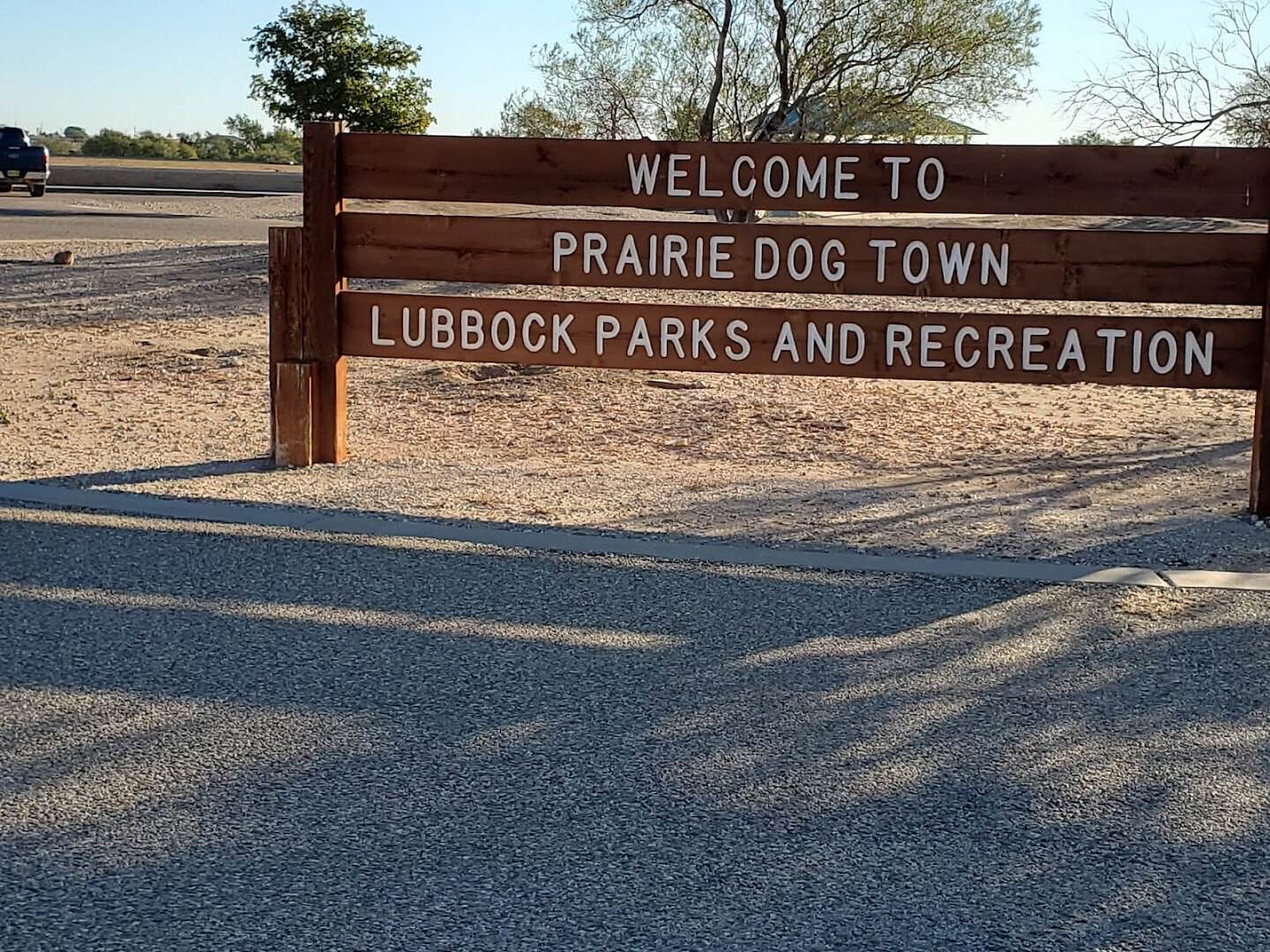
Lubbock is about five hours from Dallas and six from Austin, so this is a natural stop on a West Texas road trip, especially if you are already heading to the Buddy Holly Center or Texas Tech.
Plan Your Prairie Dog Picnic
Grab a bag of carrots on the way into town, pull into Mackenzie Park in the last hour of daylight, and walk up to the wall. Wait for the first head to pop up. Then the second. Then a dozen.
You will lose an hour without noticing, and you will leave with a phone full of round-faced photos and a new favorite free thing to do in Texas.
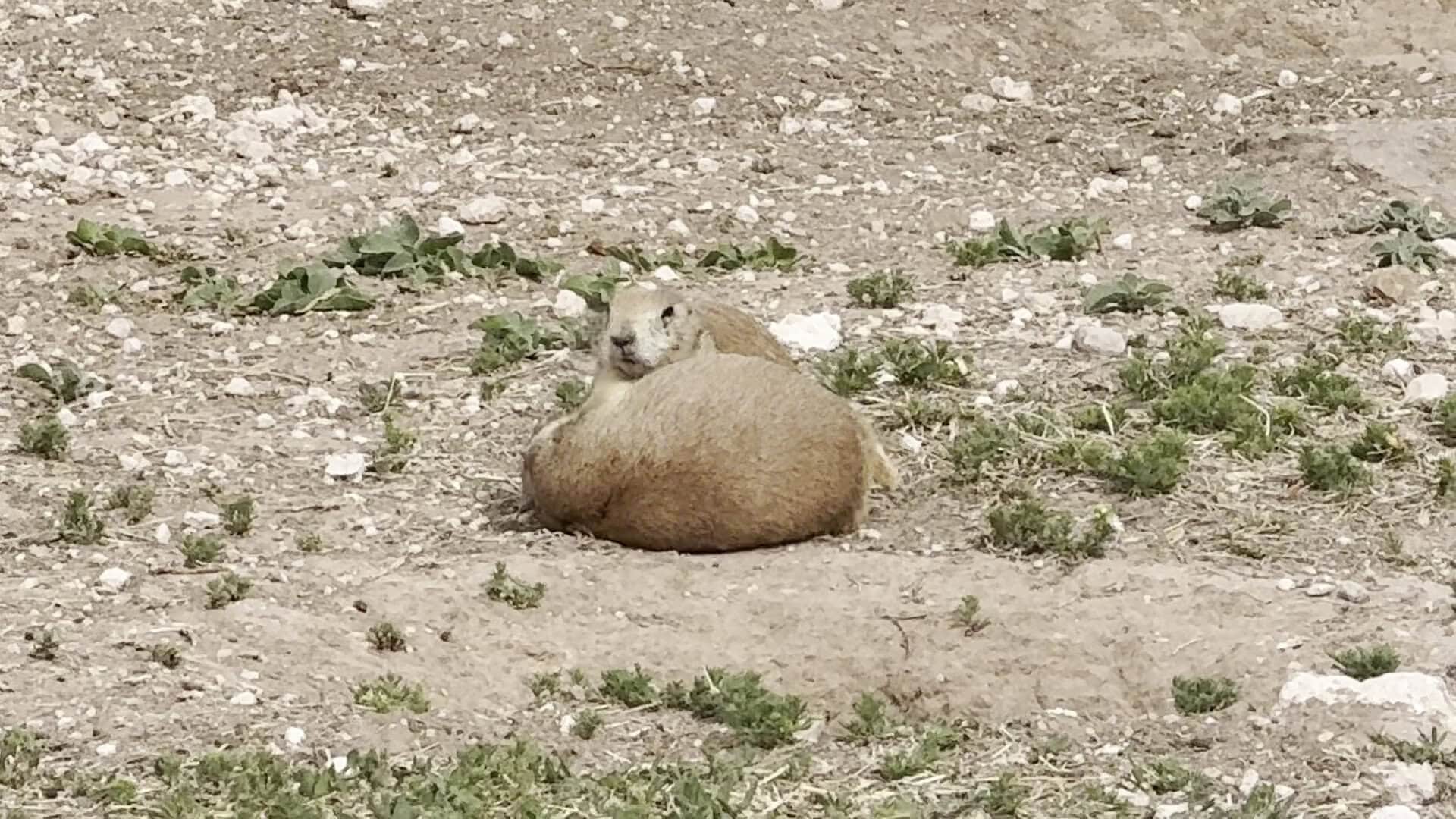
Whether you live on the South Plains or you are just passing through, the mayor of Prairie Dog Town would want you to stop by.
Featured image: Marc Morales via Prairie Dog Town

Stella Raines
Editor-in-Chief
Stella brings over a decade of storytelling experience to TX Headlines. With roots in West Texas and a love for road trips, she leads the editorial team with an eye for the hidden stories that make Texas unforgettable.
More Stories

These 10 Texas Spots Bloom Into Seas of Bluebonnets Each Spring

This Enchanting Texas Nature Trail Feels Like Hiking Through a Fairytale Forest

This Underrated Texas State Park Gives You a Full Day of Swimming and Hiking for Just $5

This Easy Texas Hike Leads to a Swinging Suspension Bridge Hidden in the Pines
Tags