10 Stargazing Destinations That Serve Up Jaw-Dropping Milky Way Views
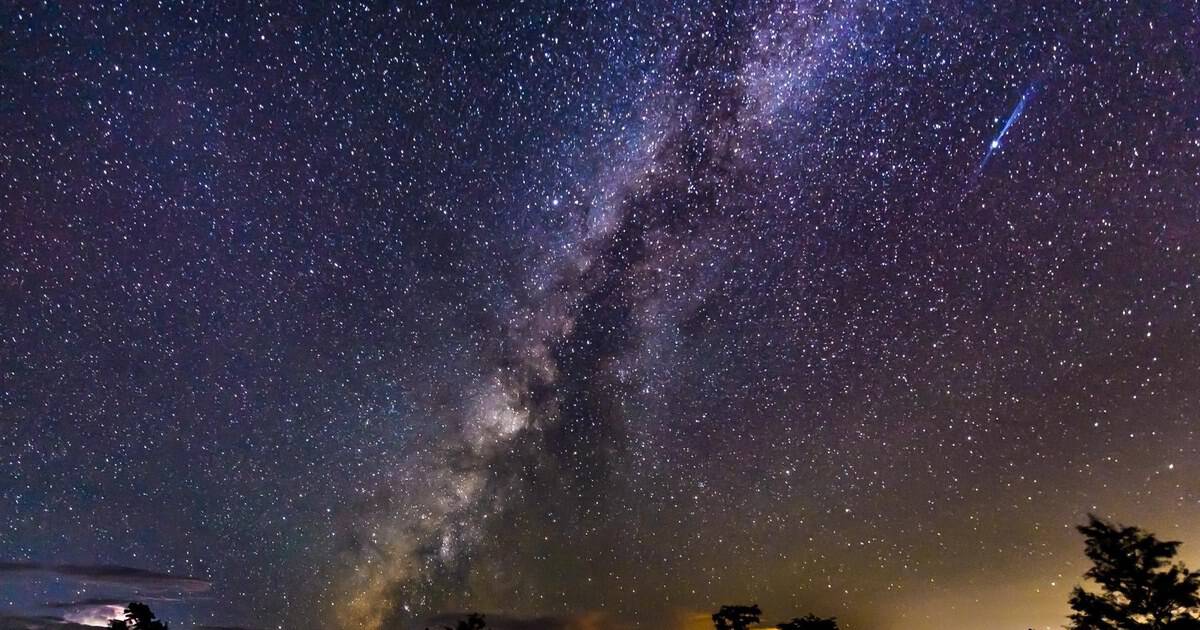
I still remember the first time I got truly far from any city at night and tipped my head back. The sky I grew up under, it turned out, was not the real one. City glow had been hiding a whole galaxy from me my entire life.
Drive far enough from the streetlights, though, and the night cracks wide open. The river of stars we call the Milky Way spills straight overhead, and suddenly you understand why people once built their whole calendars around it.
Below, discover ten places across America where the dark is protected on purpose. To be clear, this is about starry nights and the Milky Way, not the northern lights. These are certified dark-sky spots where the stars themselves are the show.
Each one is far from a big city, high or remote enough to dodge the light dome, and famous with photographers who chase clear, moonless nights. Pack a blanket, let your eyes adjust, and look up.
1. Cherry Springs State Park, Pennsylvania
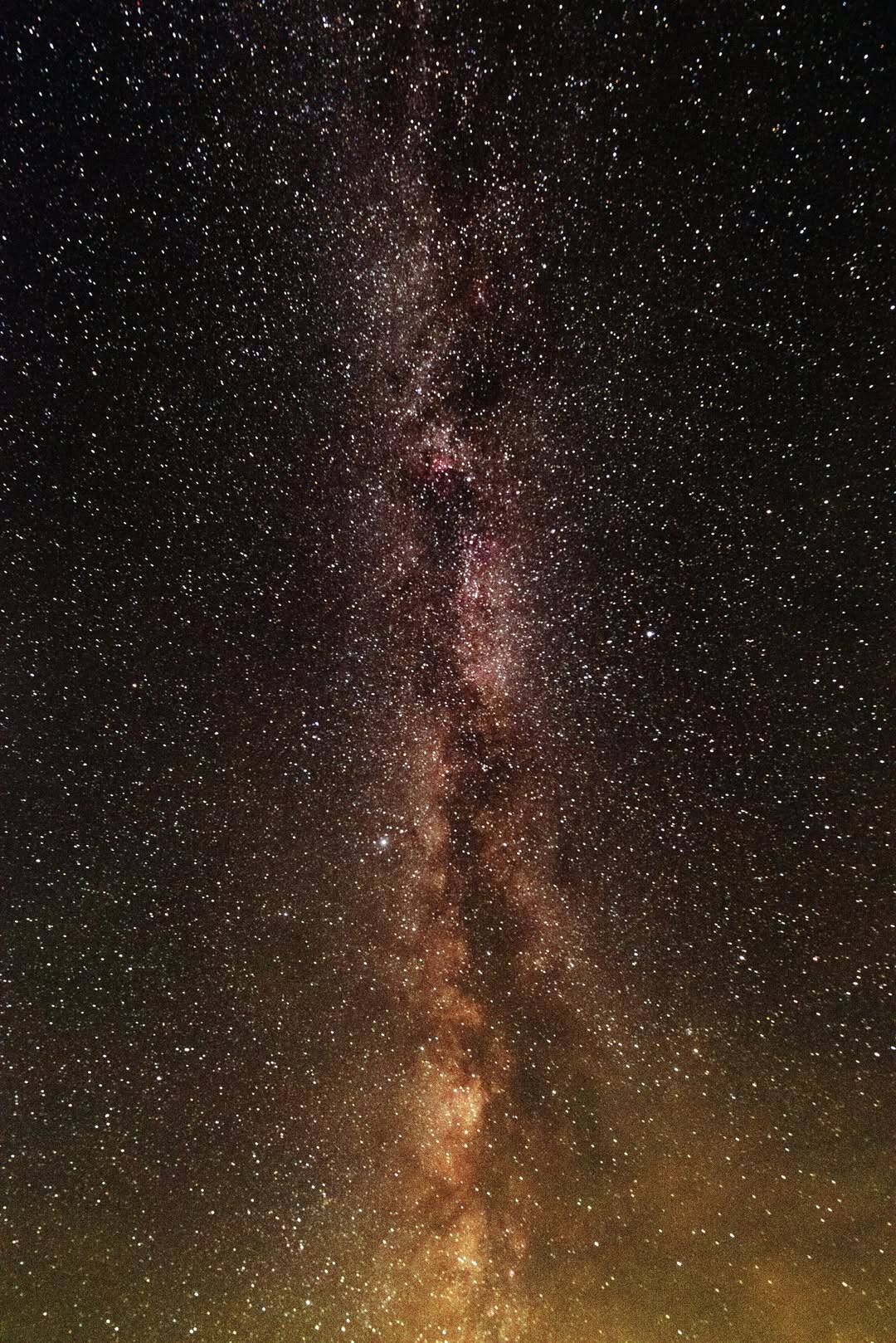
You do not need a desert or a mountaintop to see the galaxy. Cherry Springs proves it, sitting at 2,300 feet on a ridge ringed by the vast Susquehannock State Forest, with almost no light in any direction.
It became Pennsylvania’s first Dark Sky Park back in 2000, and it holds a gold-tier certification, the top rank there is. On a clear, moonless night the Milky Way here is bright enough to cast a faint shadow.
The park keeps a dedicated astronomy field with a low horizon all around, so stargazers spread out on blankets and reclining chairs. Did you know it is one of the darkest spots on the entire East Coast?
Where: Cherry Springs State Park, 4639 Cherry Springs Road, Coudersport, PA 16915, in the Susquehannock State Forest of north-central Pennsylvania.
2. Grand Canyon National Park, Arizona
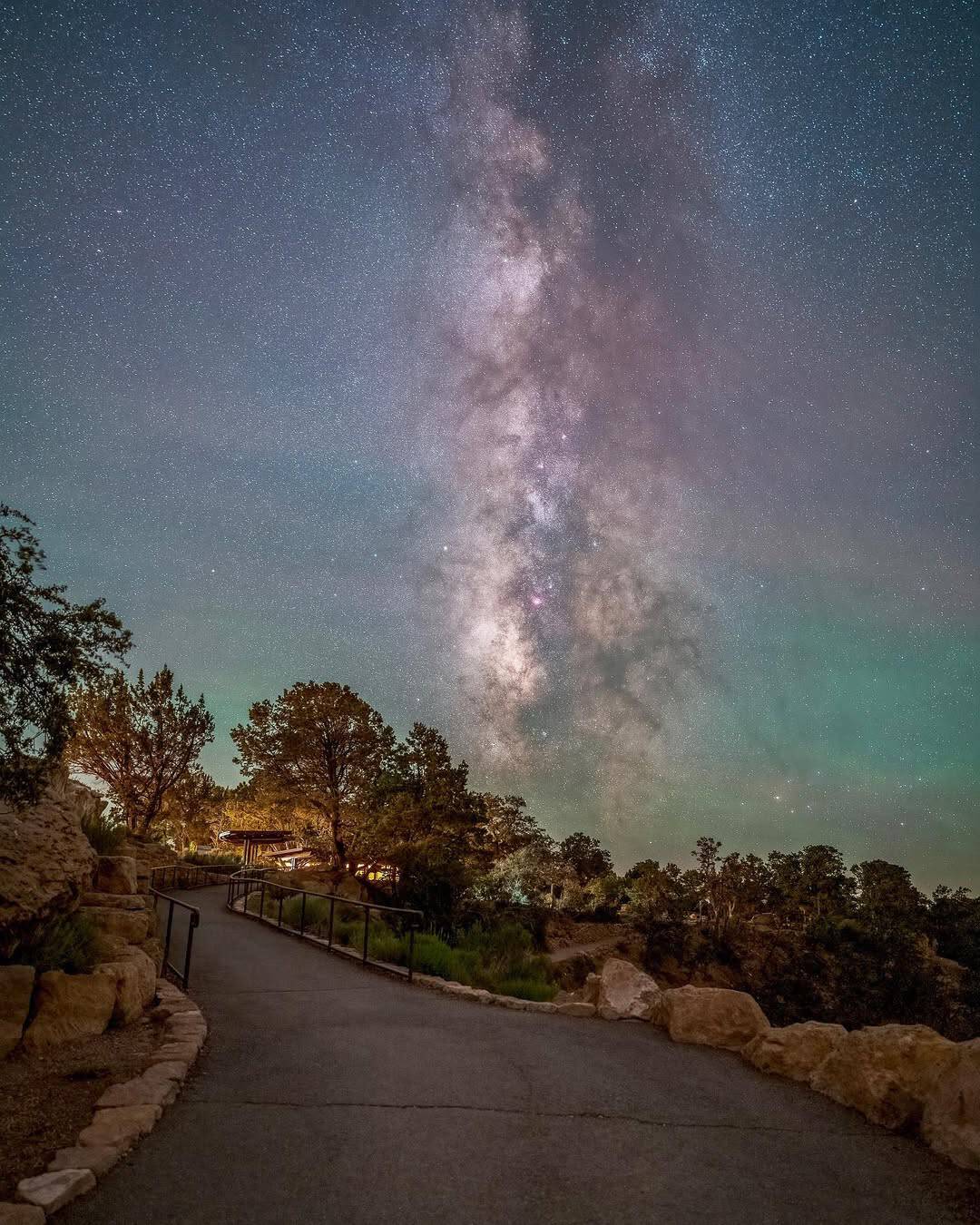
Everyone comes for the view down. The trick is to stay after dark and look up instead. When the sun drops behind the North Rim, the same canyon that stops your breath by day fills with thousands of stars.
Grand Canyon earned its International Dark Sky Park certification in 2019, after the park swapped out thousands of light fixtures to protect the night. The result is a galaxy arching over one of the most famous landscapes on Earth.
Every June the park throws a week-long Star Party, with telescopes set up on both rims and rangers pointing out planets. Pro tip: the South Rim’s Mather Point and Desert View both give you a wide, dark southern sky.
The volunteers and astronomers who host the event bring dozens of scopes, so you can hop from one to the next and see Saturn’s rings, distant galaxies, and star clusters up close, all for free.
Where: Grand Canyon National Park, AZ 86023; the South Rim is open year-round, about 80 miles north of Williams off Highway 64.
3. Great Basin National Park, Nevada
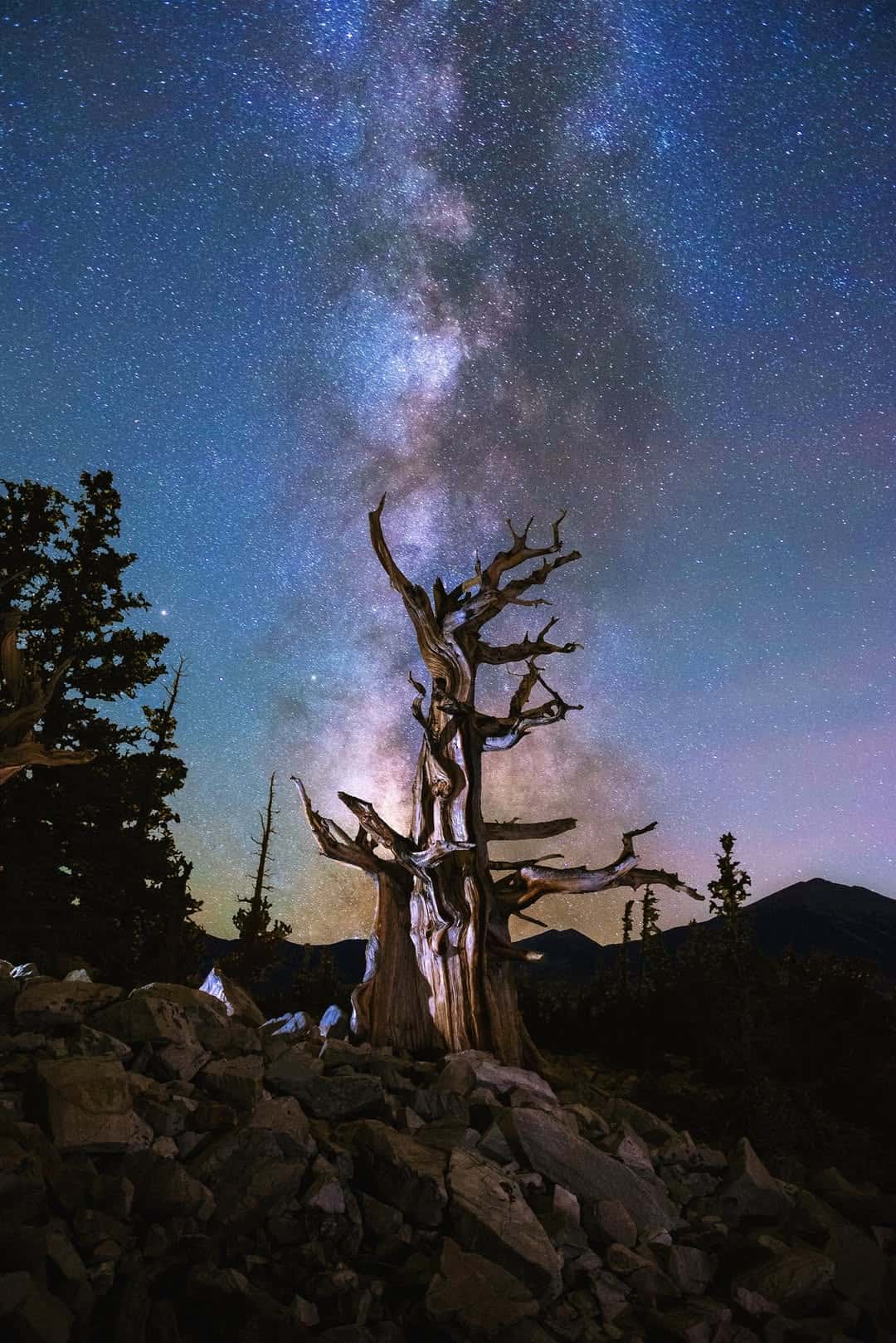
This might be the darkest corner of the lower 48 that almost nobody has heard of. Great Basin sits way out in eastern Nevada, hours from any city, and the emptiness around it is exactly the point.
On a clear night you can see thousands of stars, five planets, and the Milky Way stretched from horizon to horizon. The park earned its Dark Sky Park status in 2016 and leans all the way into it.
Ancient bristlecone pines, some nearly 5,000 years old, make otherworldly foregrounds for a photo of the galaxy. Time your trip for the annual September astronomy festival and you get rangers, telescopes, and talks under that huge sky.
Where: Great Basin National Park, 100 Great Basin National Park, Baker, NV 89311, near the Nevada-Utah line off Highway 50.
4. Death Valley National Park, California
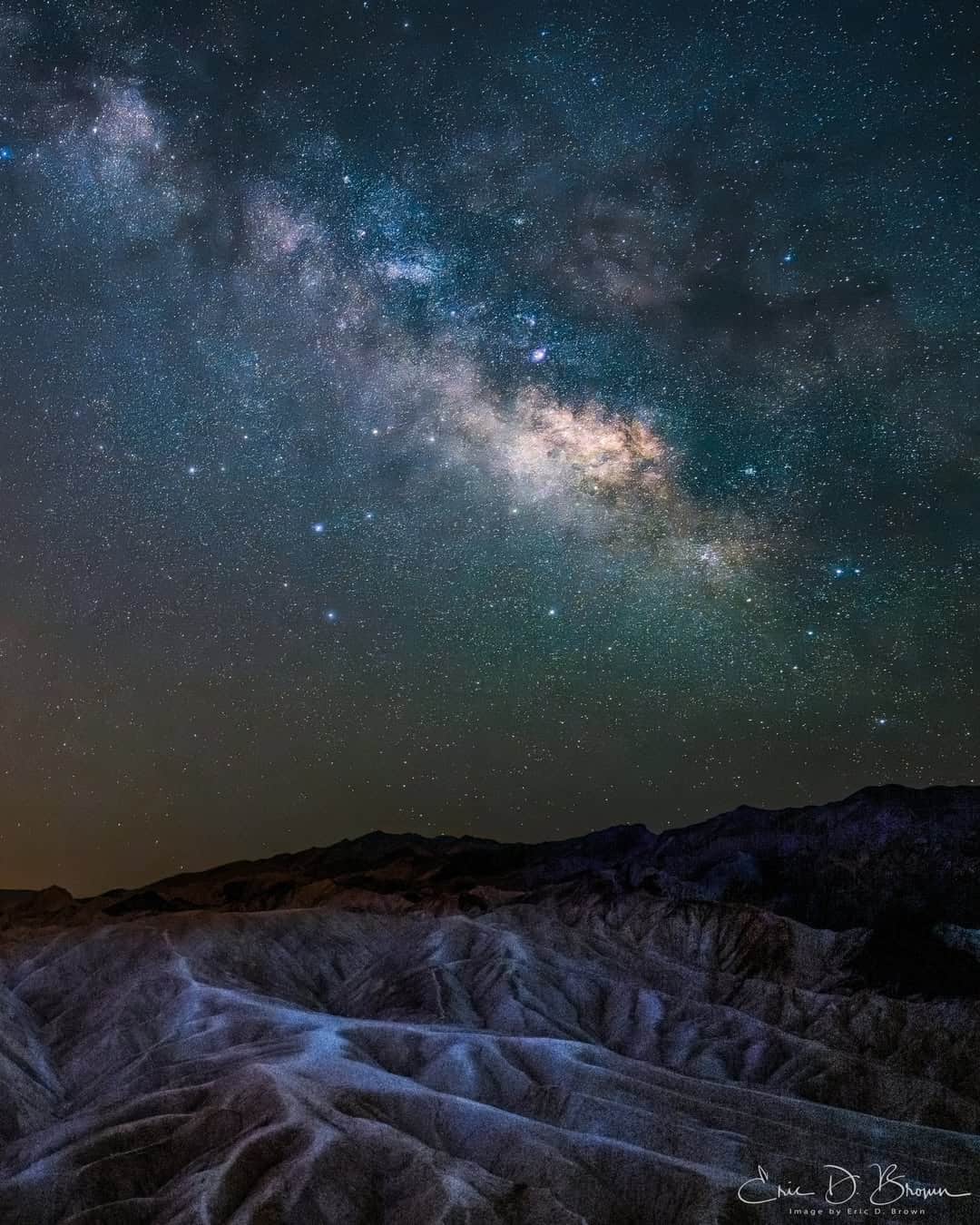
The hottest, lowest place in North America turns out to be one of the best for stars. Death Valley is enormous, remote, and bone dry, and dry desert air is about the clearest window to space you can find.
It holds a gold-tier Dark Sky Park certification, granted in 2013, and it is one of the largest dark-sky parks anywhere. Away from the few resorts, the light pollution basically drops to zero.
Wide-open spots like Mesquite Flat Sand Dunes, Badwater Basin, and Harmony Borax Works give you an unbroken view of the sky. Go in the cooler months, spread out, and let the Milky Way do the rest.
Because the park sits so low and the horizons run so flat, you can watch the whole arc of the galaxy from one side of the sky to the other. Photographers love the dunes as a foreground for it.
Where: Death Valley National Park, CA 92328; Furnace Creek makes a central base, about two hours northwest of Las Vegas.
5. Big Bend National Park, Texas
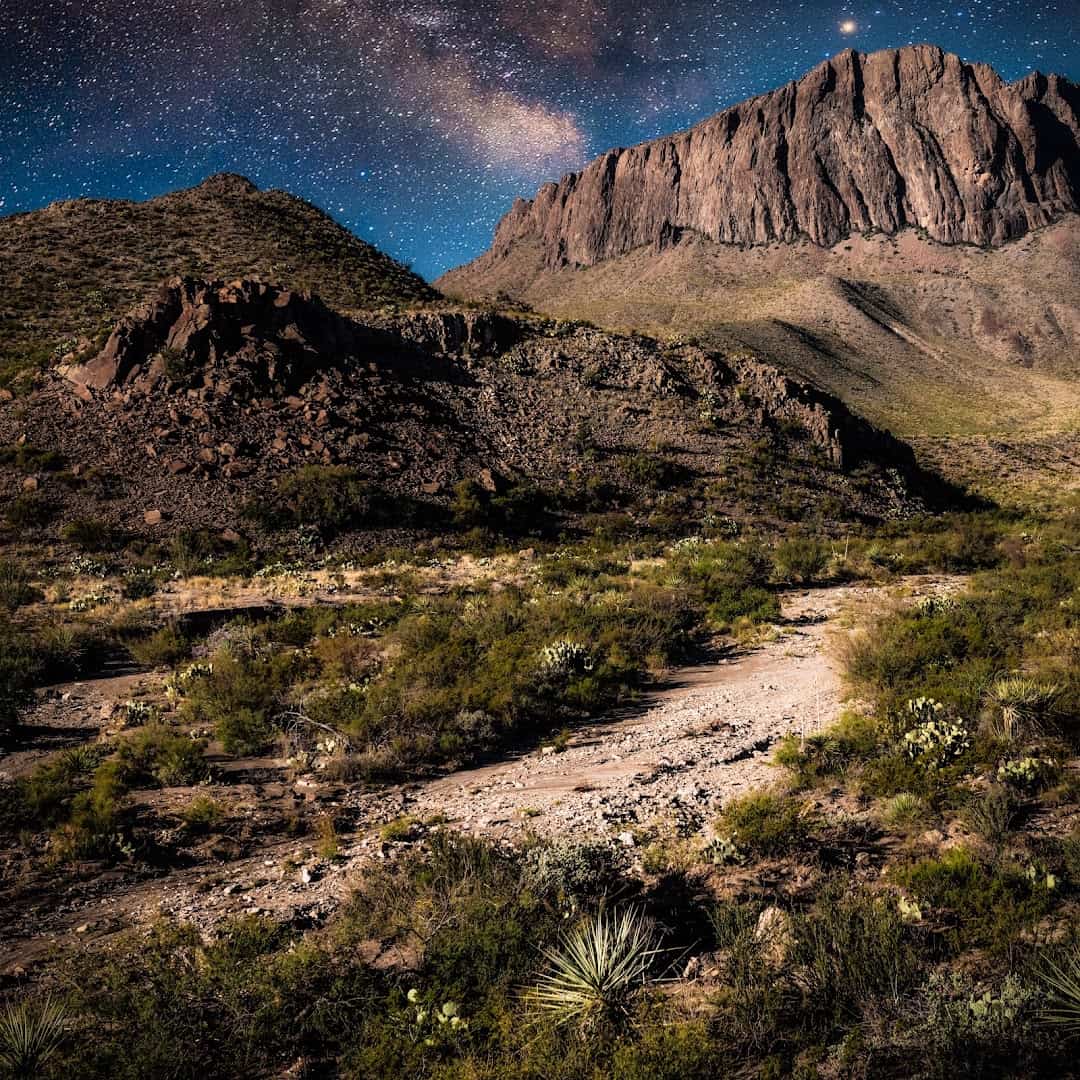
Texas does not do anything halfway, and that includes the dark. Out in the far western corner of the state, Big Bend sits so far from any city that it holds some of the darkest night skies in the country. The Chisos Mountains rise straight from the desert.
Big Bend earned its International Dark Sky Park certification in 2012, and on a clear, moonless night the Milky Way pours right over the peaks. Thousands of stars come out, bright enough to cast a faint shadow, in a place most Texans never realize is sitting in their own backyard.
The park runs regular night-sky programs and star parties, with rangers and volunteers setting up telescopes under that enormous desert sky. Come in the cooler months, let your eyes adjust, and the galaxy does the rest. This is proof Texas can hang with the darkest skies in the country.
Where: Big Bend National Park, TX 79834, in far West Texas along the Rio Grande, about two hours south of Marathon down US Highway 385.
6. Bryce Canyon National Park, Utah
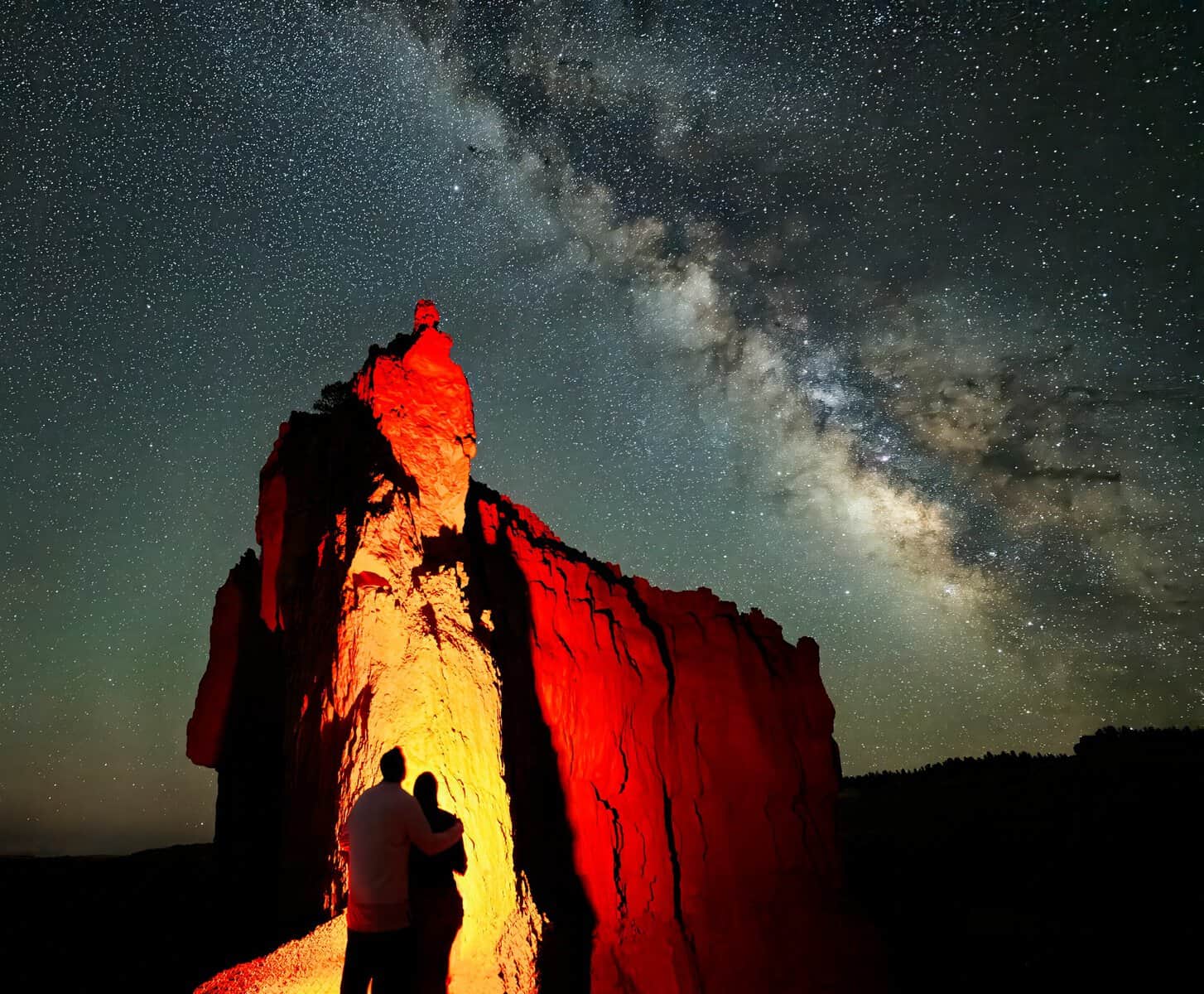
Bryce is famous for its hoodoos, those strange orange rock spires. What fewer people know is that its high, thin air makes it one of the finest stargazing spots in the national park system.
Perched between 8,000 and 9,000 feet, far from any city, Bryce serves up some of the clearest, darkest skies anywhere. On a moonless night you can see more than 7,500 stars with the naked eye.
The park runs astronomy programs and a big Astronomy Festival each summer, with dozens of telescopes trained on the galaxy. Picture the Milky Way rising straight over a canyon full of glowing stone spires.
Rangers here lead regular full-moon hikes and night-sky talks, and the thin mountain air keeps the stars from twinkling as much, so the whole view looks steadier and sharper than it does down at sea level.
Where: Bryce Canyon National Park, UT 84764; the park sits off Highway 63, about 80 miles northeast of Cedar City.
7. Mauna Kea, Hawaii
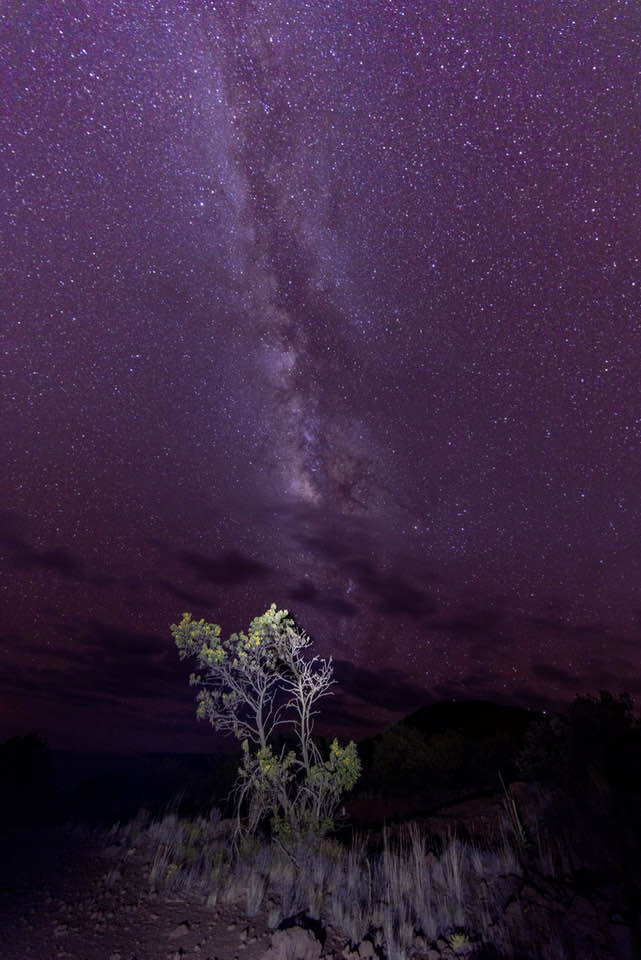
Rising nearly 14,000 feet out of the Pacific, Mauna Kea pokes above much of the atmosphere itself. That is why the world’s great observatories cluster on its summit, and why the stargazing here is close to unmatched.
You do not need to reach the top to enjoy it. The Maunakea Visitor Information Station, at about 9,200 feet, hosts stargazing on clear nights with some of the steadiest, driest air on the planet.
The dry, high, dark conditions mean the Milky Way blazes overhead in a way few places on Earth can match. Dress warm though, because even in Hawaii the mountain gets genuinely cold after dark.
Where: Maunakea Visitor Information Station, on the Big Island near Hilo, HI 96720, off the Mauna Kea Access Road from Saddle Road.
8. Voyageurs National Park, Minnesota
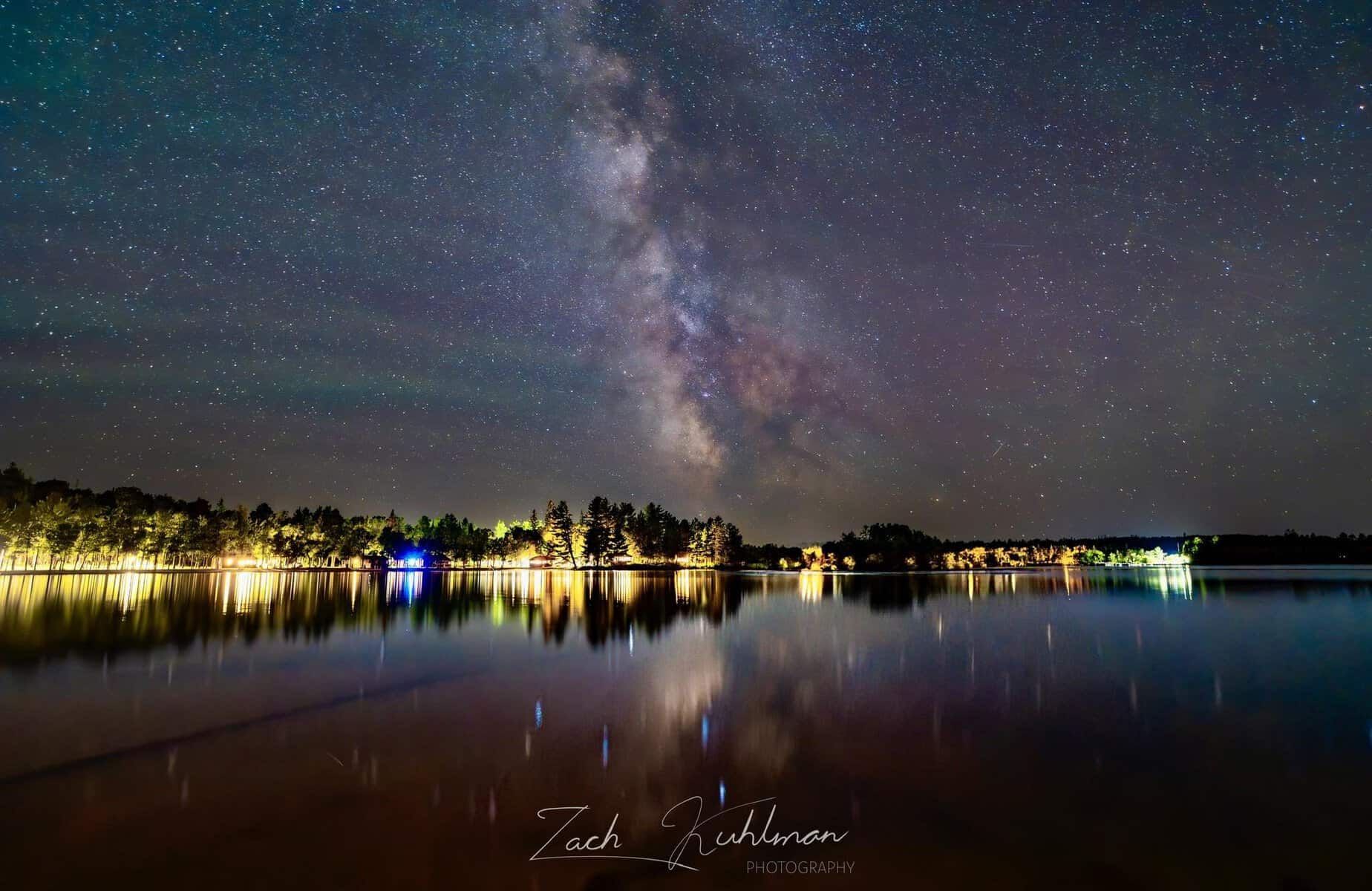
A maze of water and forest on the Canadian border, Voyageurs is one of the darkest places in the whole contiguous United States. Out here the night sky reads clean and vivid straight overhead.
It earned its International Dark Sky Park certification in 2020, Minnesota’s only one. With so little development for miles around, the Milky Way arches over the lakes and mirrors back off the still water.
The park leans into its skies with events all year, and the boat launches at the Rainy Lake and Kabetogama visitor centers put you right on the water. Late summer through fall gives you long, clear nights.
Getting out onto one of the lakes by canoe or boat drops you into total darkness, with water on every side and the whole galaxy reflected below you. It is about as immersive as stargazing gets.
Where: Rainy Lake Visitor Center, Voyageurs National Park, International Falls, MN 56649; the visitor center boat launch is an easy, reliable viewing spot.
9. Headlands International Dark Sky Park, Michigan
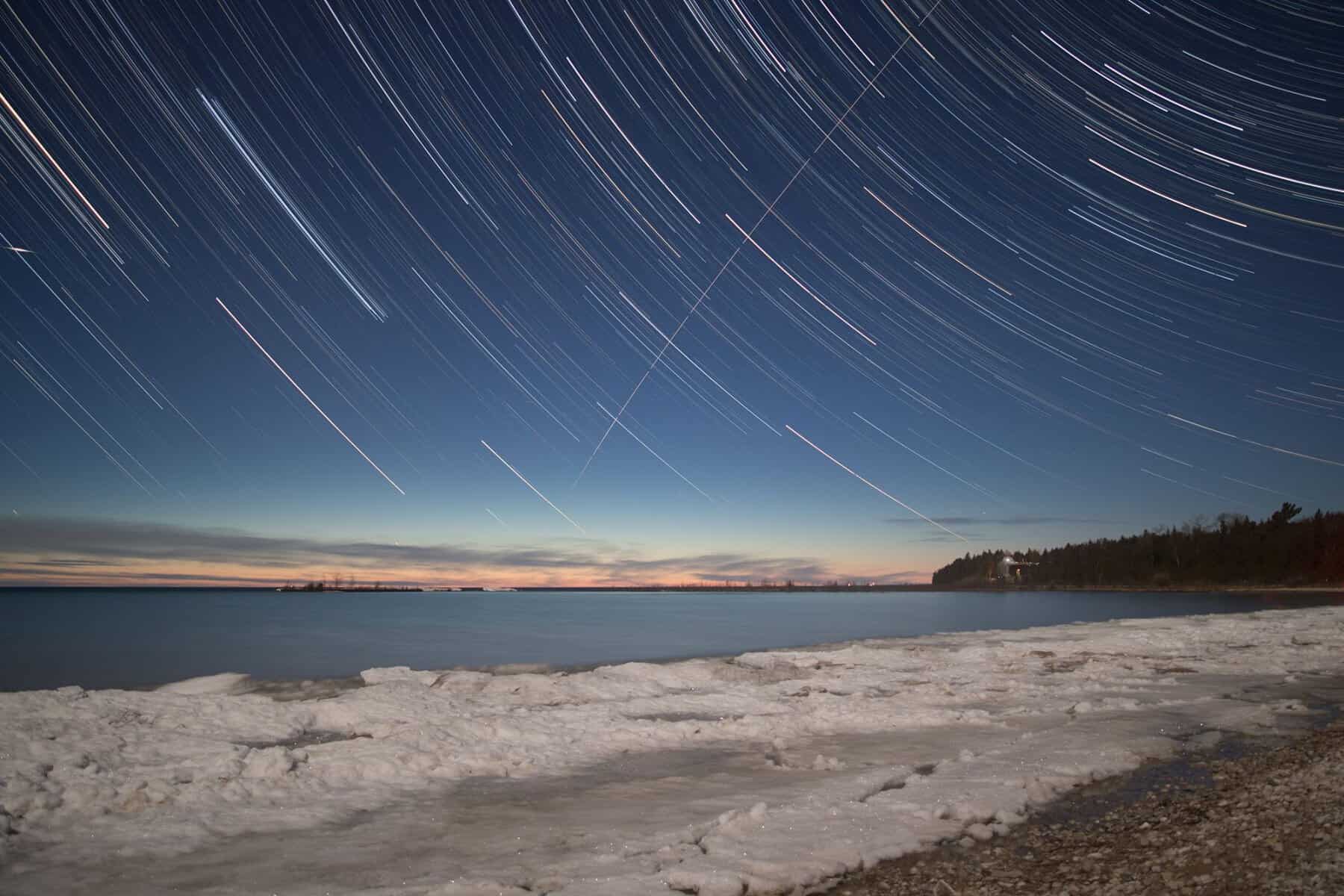
Way up at the tip of Michigan’s mitten, where Lake Michigan meets the Straits of Mackinac, sits 550 acres set aside specifically to protect the night. Headlands earned its Dark Sky designation in 2011.
Two miles of undeveloped shoreline face open water and a low northern horizon, which is exactly what a stargazer wants. The Milky Way rises over the lake, and the water throws the whole sky back at you.
The park keeps a waterfront event center and dark-sky viewing area, and best of all it is free and open around the clock. Pack a thermos, settle onto the beach, and wait for the galaxy to climb.
Where: Headlands International Dark Sky Park, 15675 Headlands Road, Mackinaw City, MI 49701, free and open 24 hours a day.
10. Big Cypress National Preserve, Florida
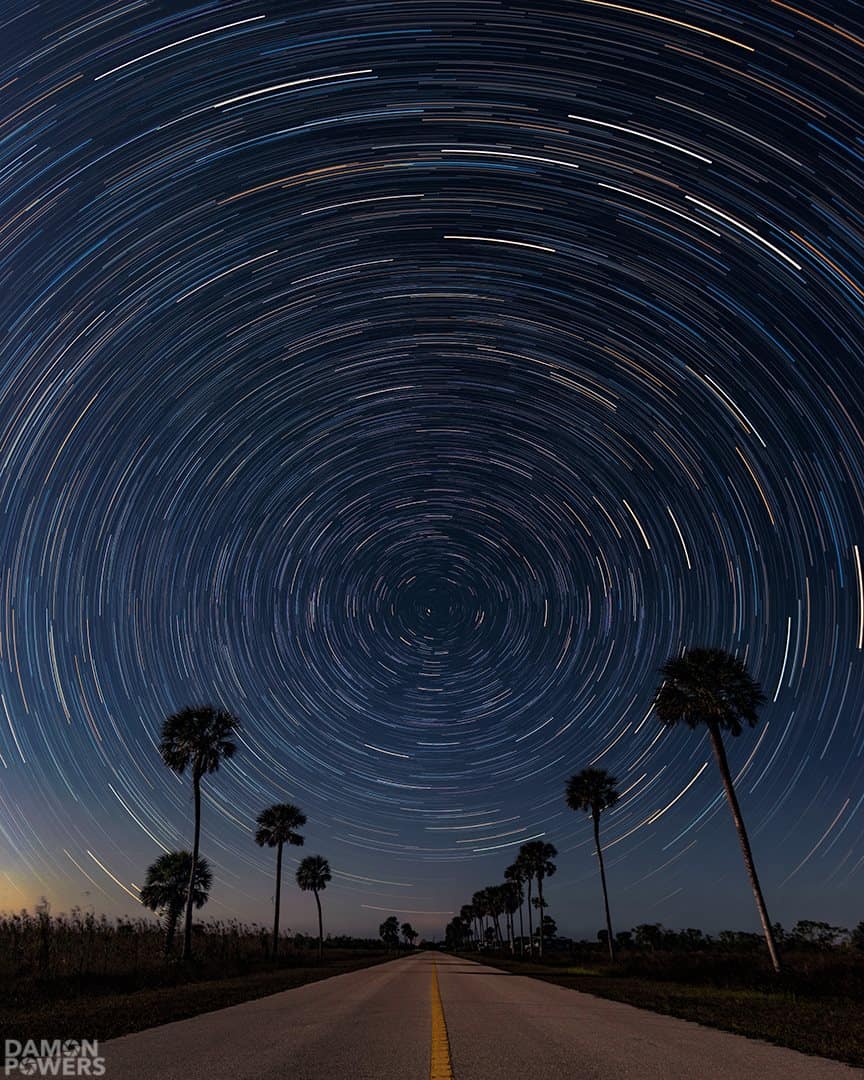
Here is the surprise of the whole list. Big Cypress, the swampy sweep of wetland just north of the Everglades, holds the darkest skies east of the Mississippi River.
It became the first International Dark Sky Park in the eastern United States, certified in 2016. Out in the vast, flat, roadless preserve, the light pollution falls away and the Milky Way pours across the sky.
The Kirby Storter Roadside Park and the Oasis Visitor Center area give you open horizons over the sawgrass. Bring bug spray, come on a clear winter night, and watch the galaxy rise over the wetlands.
For anyone stuck in the crowded, glowing Southeast, this is the closest thing to a true wilderness sky within easy reach. The preserve even hosts occasional star parties where volunteers set up telescopes for visitors.
Where: Big Cypress National Preserve, 33100 Tamiami Trail E, Ochopee, FL 34141, along US Highway 41 west of Miami.
Chase the Dark Sky
You do not need a plane ticket to stand under the whole galaxy, but you do need to leave the city lights behind. Watch for a clear night around the new moon, and give your eyes a full twenty minutes to adjust.
Pick the certified dark-sky park closest to you and start there, or build a whole road trip out of these ten. Keep the headlights off once you park, and put the phone away so your night vision holds.
Bring a blanket, a warm layer, and a little patience. The reward is a sky most people never get to see, a spill of stars that has been waiting there over your head the entire time.
Featured image: Jason Koerner

Stella Raines
Editor-in-Chief
Stella brings over a decade of storytelling experience to TX Headlines. With roots in West Texas and a love for road trips, she leads the editorial team with an eye for the hidden stories that make Texas unforgettable.