5 Magical Winter National Parks Across America
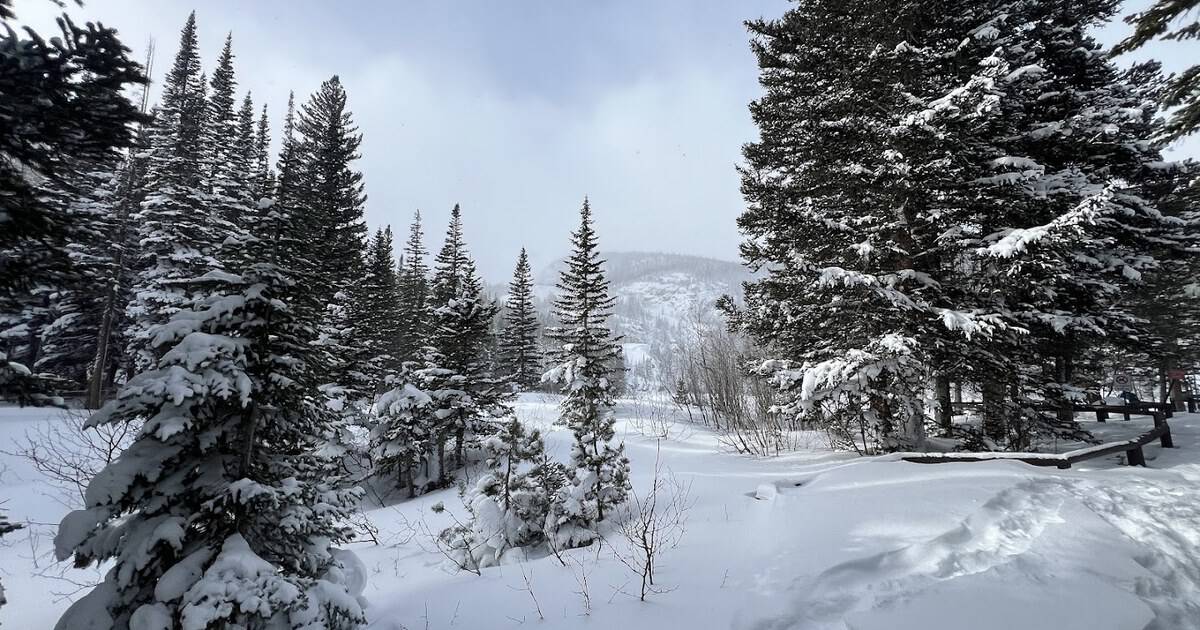
For years I saved national parks for summer. Book the trip for July, fight for a parking spot, share the overlook with a thousand sweaty strangers.
Then one December I saw a photo of a snowed-in canyon and it stopped me cold. I have been planning cold-weather trips ever since, and I was doing it backwards the whole time.
The truth is that snow turns these places into a quiet wonderland. Crowds vanish, the light goes soft and gold, and canyons you have seen in a hundred postcards suddenly look like nowhere you have ever been.
Below, five national parks that are at their absolute best once the snow flies. Each one trades its summer traffic jams for empty overlooks, plowed roads, and scenery you will have practically to yourself.
Pack the thermos, charge the camera, and let’s go find winter.
1. Bryce Canyon National Park, Utah
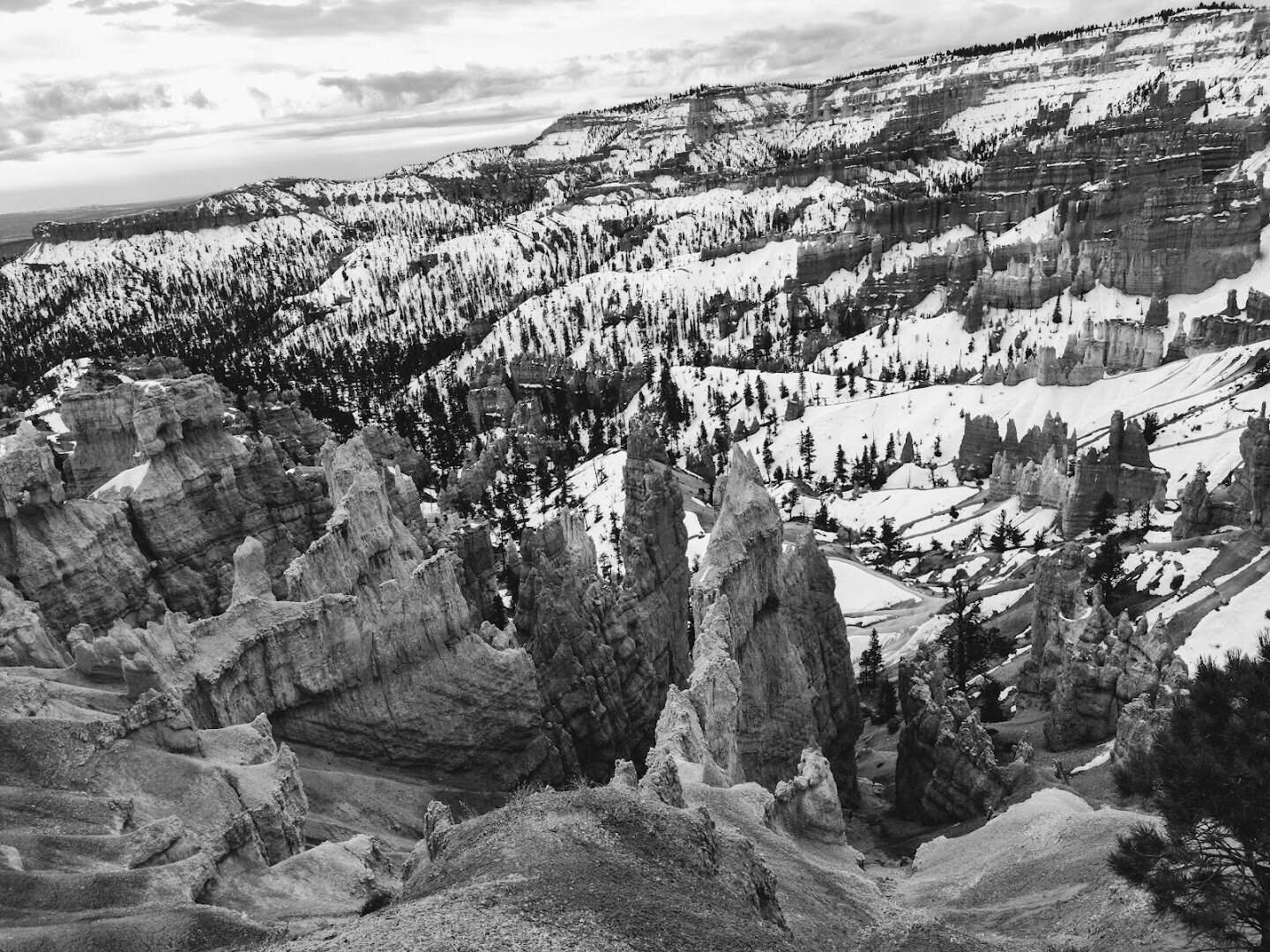
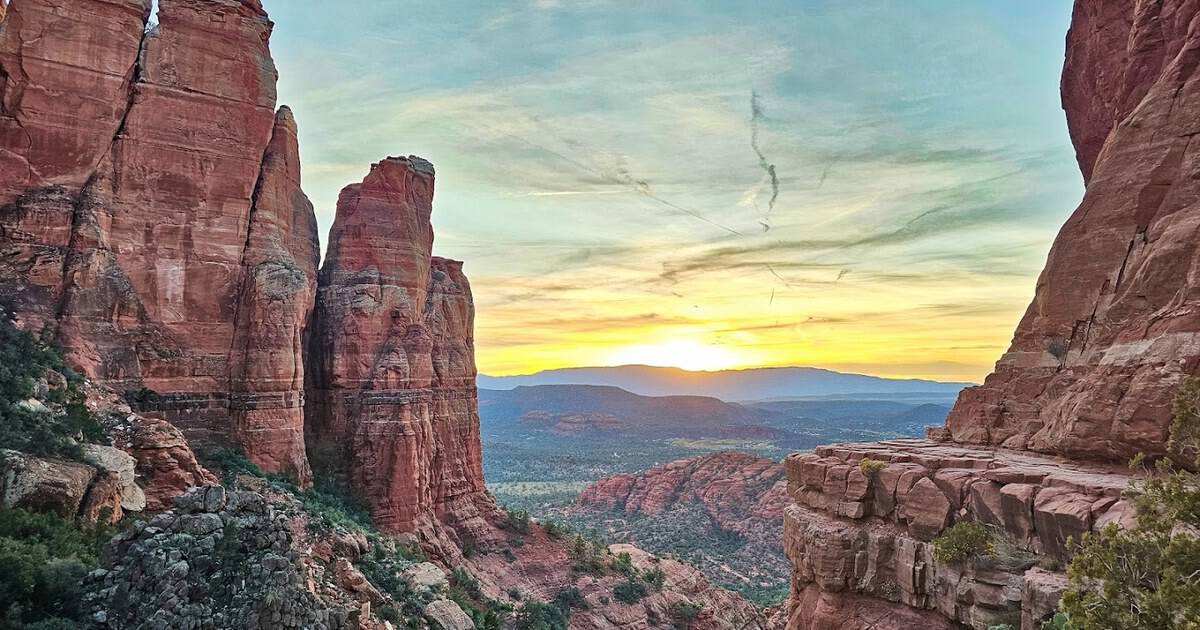
Bryce holds the largest collection of hoodoos on earth, those slender rock spires the color of rust and flame. Add snow and the whole amphitheater turns into a painting: bright white powder draped over deep red stone.
Strap on snowshoes and walk the plowed Rim Trail from Sunrise Point, where the overlooks stay cleared all season. The contrast of frost and fire is the kind of view that stops conversation cold.
Because Bryce sits above 8,000 feet, the snow lingers here long after the desert below has dried out. Rangers loan snowshoes for free on winter weekends, and the crisp, thin air makes the colors pop even harder.
The famous overlooks along the rim, Sunrise, Sunset, Inspiration, and Bryce Point, stay open all season, each one a slightly different angle on the same frozen amphitheater. Take your time and wander between them.
The park also throws a Winter Festival over Presidents Day weekend, with guided snowshoe hikes, ski clinics, and astronomy talks under some of the darkest skies in the country. Come at sunrise and the hoodoos practically glow.
Those cold, dry nights deliver a blanket of stars most people never get to see. Bundle up, because temperatures routinely drop into the teens after dark, and the payoff is a hushed, glittering canyon that feels like it belongs to another planet.
Getting here in winter is half the reward. The nearest town, Bryce Canyon City, all but hibernates, so a few cozy lodges and diners keep the lights on for the small crowd who know the secret.
Book a room close to the entrance, roll out before dawn, and you can stand alone at Sunrise Point while the first light turns the frosted spires from cold blue to burning orange.
Where: Sunrise Point, Bryce Canyon National Park, UT 84764. The road to the main overlooks stays open in winter; reach it via Highway 63 south of Bryce Canyon City.
2. Grand Canyon National Park, Arizona
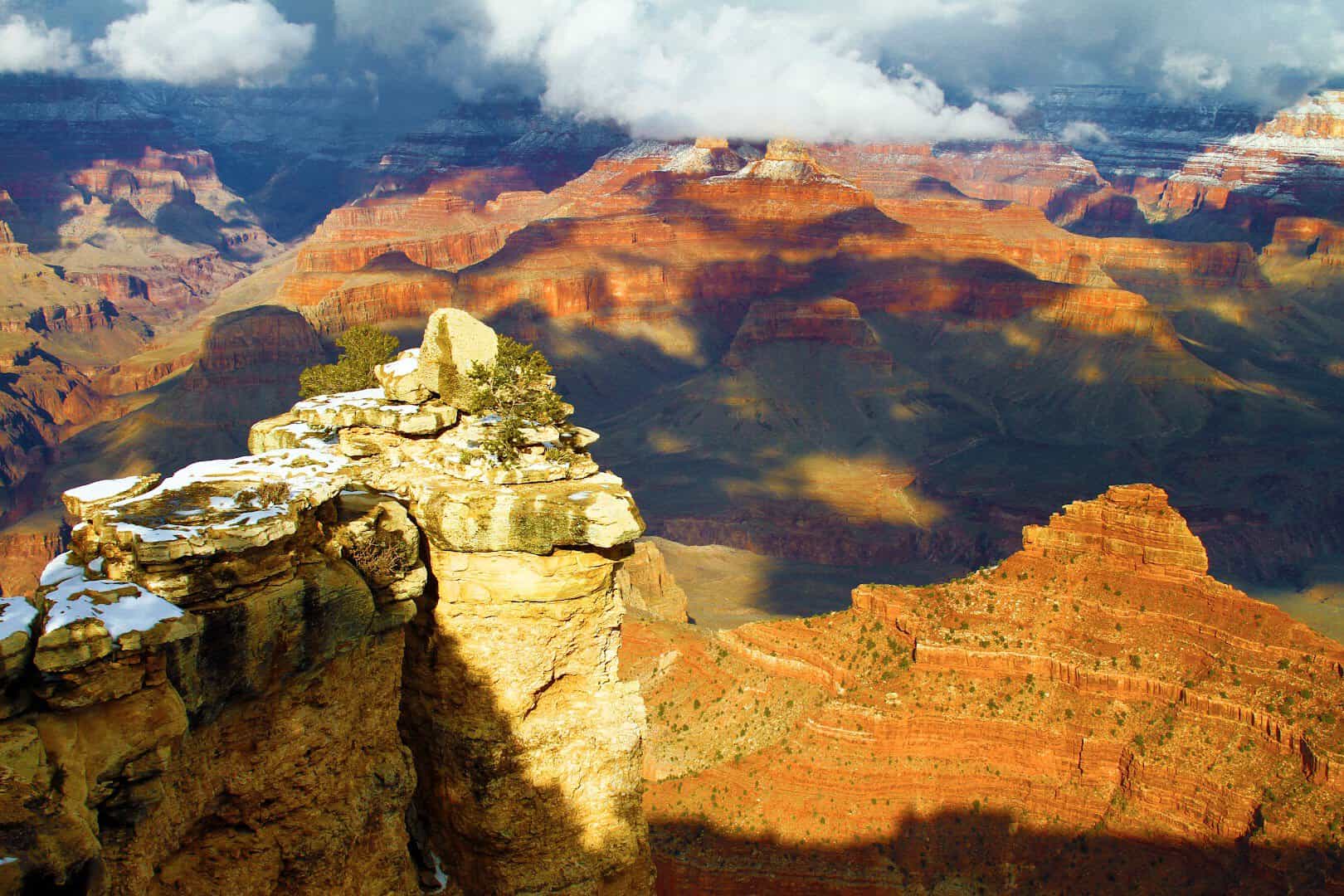
Here is a secret the summer crowds miss: a dusting of snow along the South Rim might be the most beautiful the Grand Canyon ever looks. White frosting on the layered red walls, dropping a mile down into blue shadow.
The South Rim stays open all year, and the main roads get plowed, so Mather Point and its jaw-dropping first view are right there waiting. Bring layers, because mornings hover near 18 degrees.
Snow rarely fills the canyon itself, so you get the strange gift of a green pinyon pine and a snowy rim in the same frame. The best overlooks are an easy walk from the visitor center.
Winter is the quiet season for the historic village too, so you can wander the El Tovar and the Bright Angel Lodge without elbowing through a tour group. The free shuttle runs a reduced schedule, but the Rim Trail walk is short and mostly flat.
Watch your footing on the icy sections near the edge, and keep the camera handy for the elk that drift through the pinyon and juniper. Every few steps opens a new angle on the frosted buttes.
Give yourself time to simply stand there and stay for a sunset that lights the whole gorge on fire. A snow-dusted Grand Canyon is a sight most visitors never bother to chase.
Where: Mather Point, Grand Canyon Village, AZ 86023. It sits steps from the main visitor center on the South Rim, open all winter off Highway 64.
3. Rocky Mountain National Park, Colorado
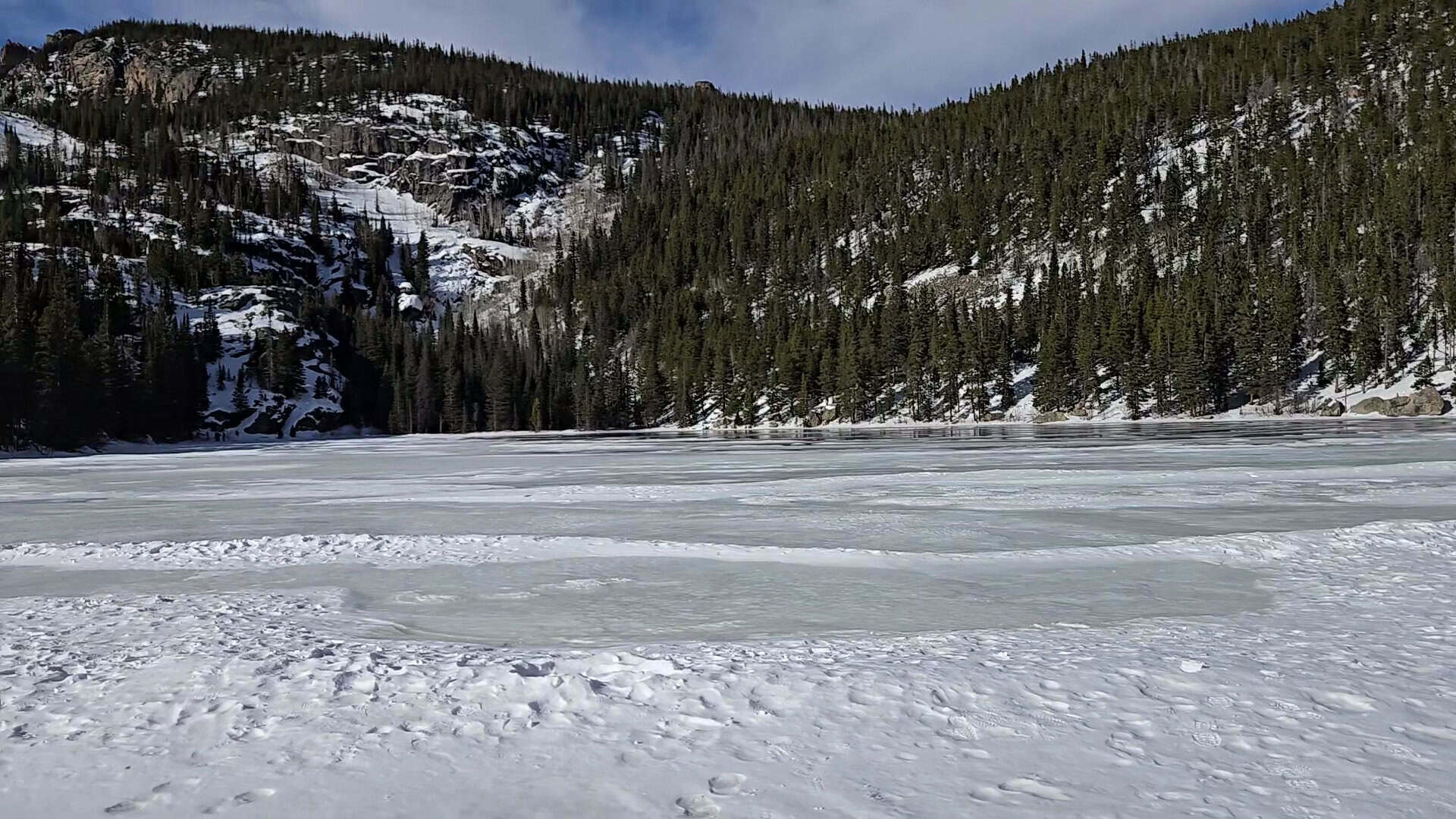
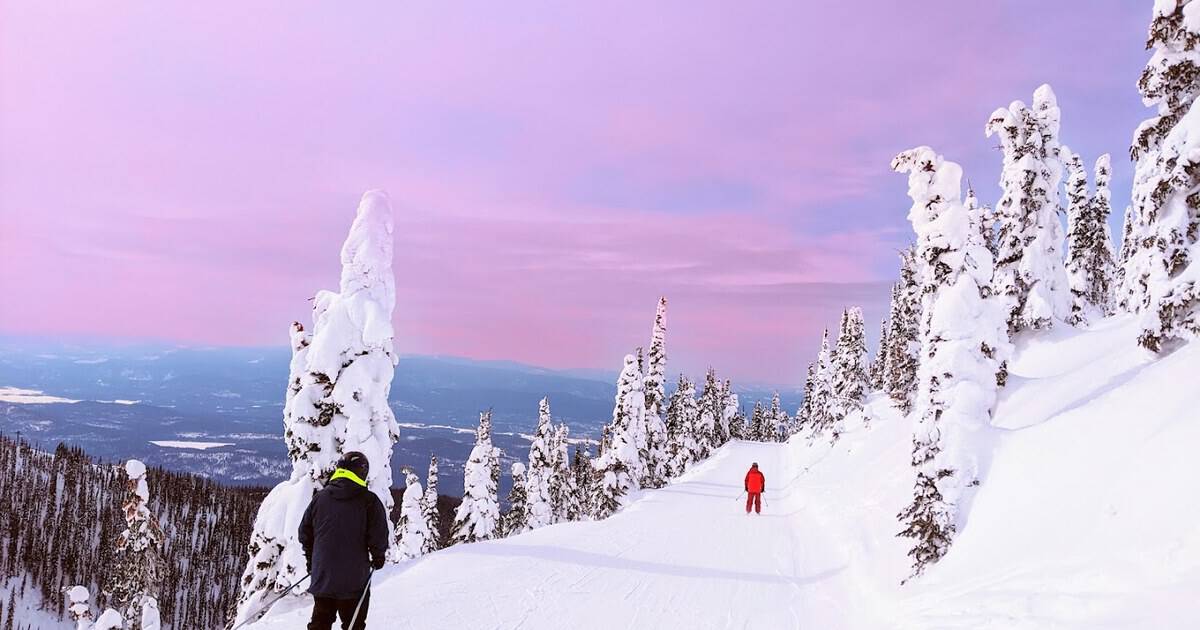
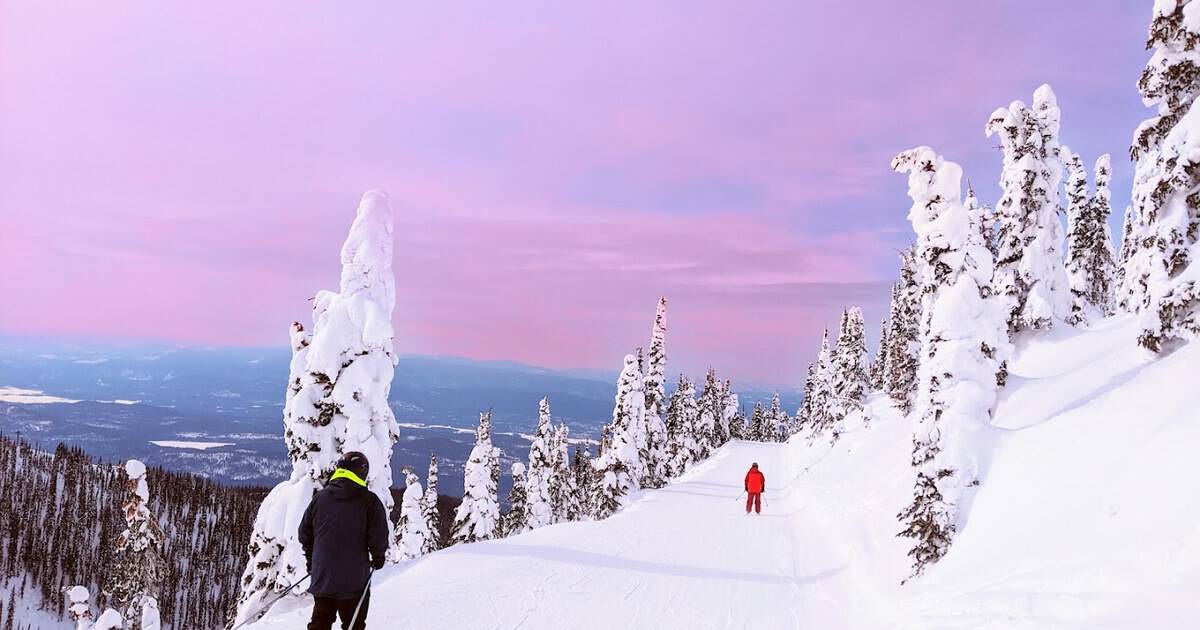
Rocky Mountain trades its summer traffic jams for a hushed, snow-globe stillness. The high peaks glow pink at dawn, and the valleys fill with untracked powder waiting for the first snowshoes of the day.
The classic winter outing starts at the Bear Lake trailhead. When the park service marks it frozen solid, you can walk straight across Bear Lake itself, then push on toward Nymph, Dream, and Emerald lakes tucked in the pines.
Bear Lake Road is plowed all winter, so the trailhead is easy to reach even after a storm. Watch for elk moving down into the lower valleys, and the tracks of a snowshoe hare crossing your path.
The wind up here is no joke, so pack a real shell and something to cover your face on the exposed stretches. Snowshoes or traction spikes turn the packed trail into an easy stroll.
The loop around Bear Lake is gentle enough for first-timers. Estes Park outfitters rent gear and run guided treks, so you can get out there without a garage full of equipment.
Go early, before the day-trippers arrive, and the whole basin belongs to you and the jays. Estes Park itself makes a snug base camp, half an hour from the trailhead and full of warm coffee shops and cheap winter rooms.
The park stays open every day of the year, and entrance lines that stretch for an hour in July simply vanish. Keep an eye on the avalanche and weather advisories, stick to the marked routes, and enjoy a famous range with the volume turned all the way down.
Where: Bear Lake Trailhead, Bear Lake Road, Rocky Mountain National Park, Estes Park, CO 80517. Bear Lake Road is plowed and open year-round.
4. Glacier National Park, Montana
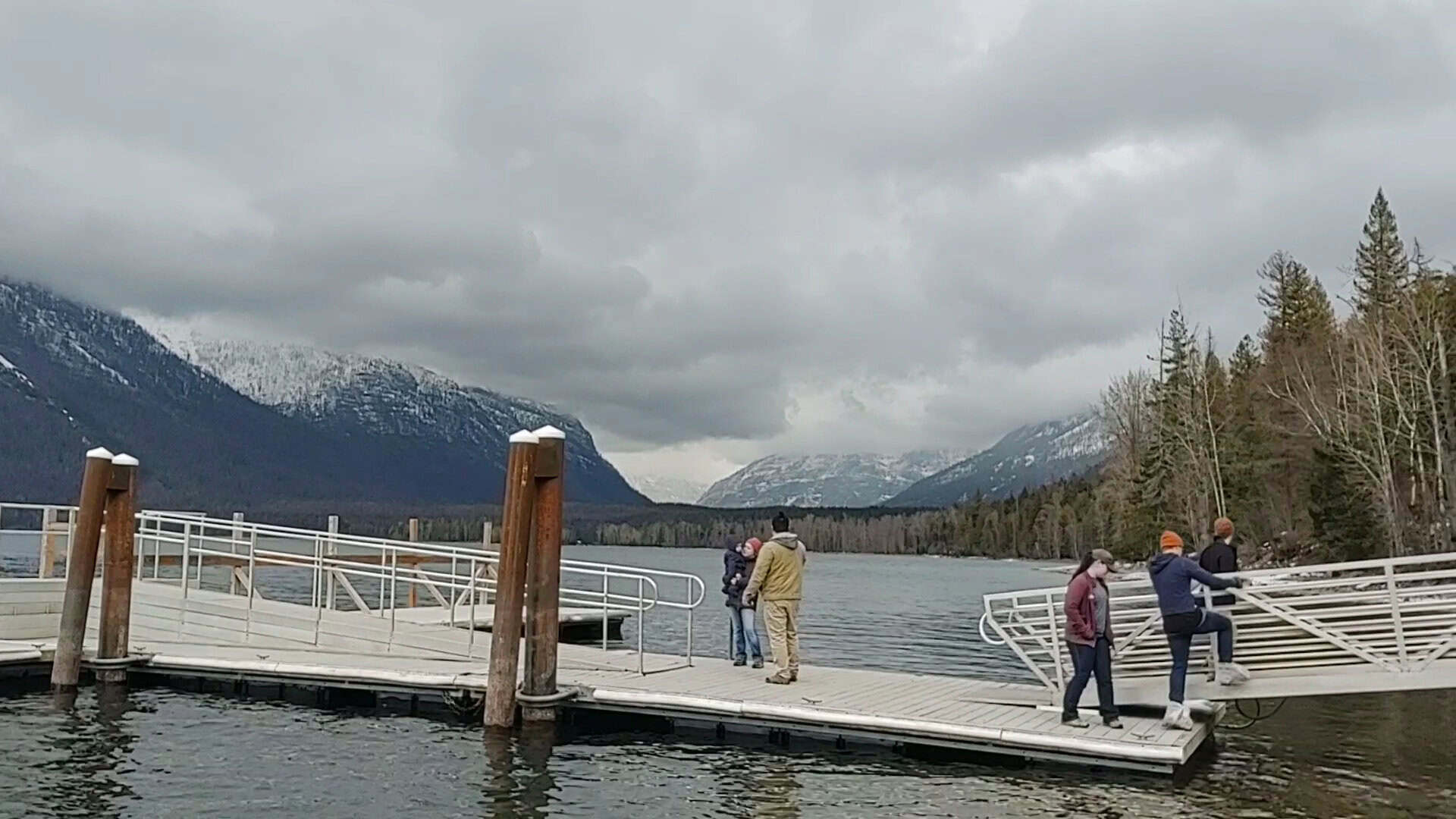
Summer Glacier is a bucket-list frenzy. Winter Glacier is a wide, white hush, and it might be the most peaceful place on this whole list. The famous Going-to-the-Sun Road sleeps under snow, and you have the shoreline nearly to yourself.
Bundle up and stroll the edge of Lake McDonald, its colored pebbles glowing under a skin of ice, with white peaks doubled in the still water. Rangers lead weekend snowshoe walks from the Apgar Visitor Center all season long.
The 11 miles from West Glacier to Lake McDonald Lodge stay plowed, and from there the unplowed road becomes a dream route for skiers and snowshoers. Moose and mountain goats drift down to lower ground.
Days are short and the weather turns fast, so check the forecast and carry chains for the drive in. Apgar keeps a small warming hut and staffed desk on winter weekends, and the free snowshoe walks are geared to beginners, gear included while it lasts.
This is the version of Glacier the summer millions never see: no shuttle lines, no jammed pullouts, just the lake, the peaks, and a silence you can almost hear.
Cross-country skiers glide the flat, unplowed road toward Avalanche Creek, and a lucky few spot bald eagles fishing the open water. The stillness makes every crunch of snow underfoot feel loud.
West Glacier and the tiny town of Columbia Falls keep a handful of rooms and cafes open through the cold, and the drive over from Kalispell is easy enough on a clear day.
Pack for real winter, because temperatures can plunge well below freezing and the light fades by late afternoon. Few parks feel this remote, and fewer still let you have a spot this famous nearly to yourself.
Where: Lake McDonald, Apgar Village, West Glacier, MT 59936. The 11 miles from West Glacier to Lake McDonald Lodge stay open year-round; the rest of the road closes.
5. Yosemite National Park, California
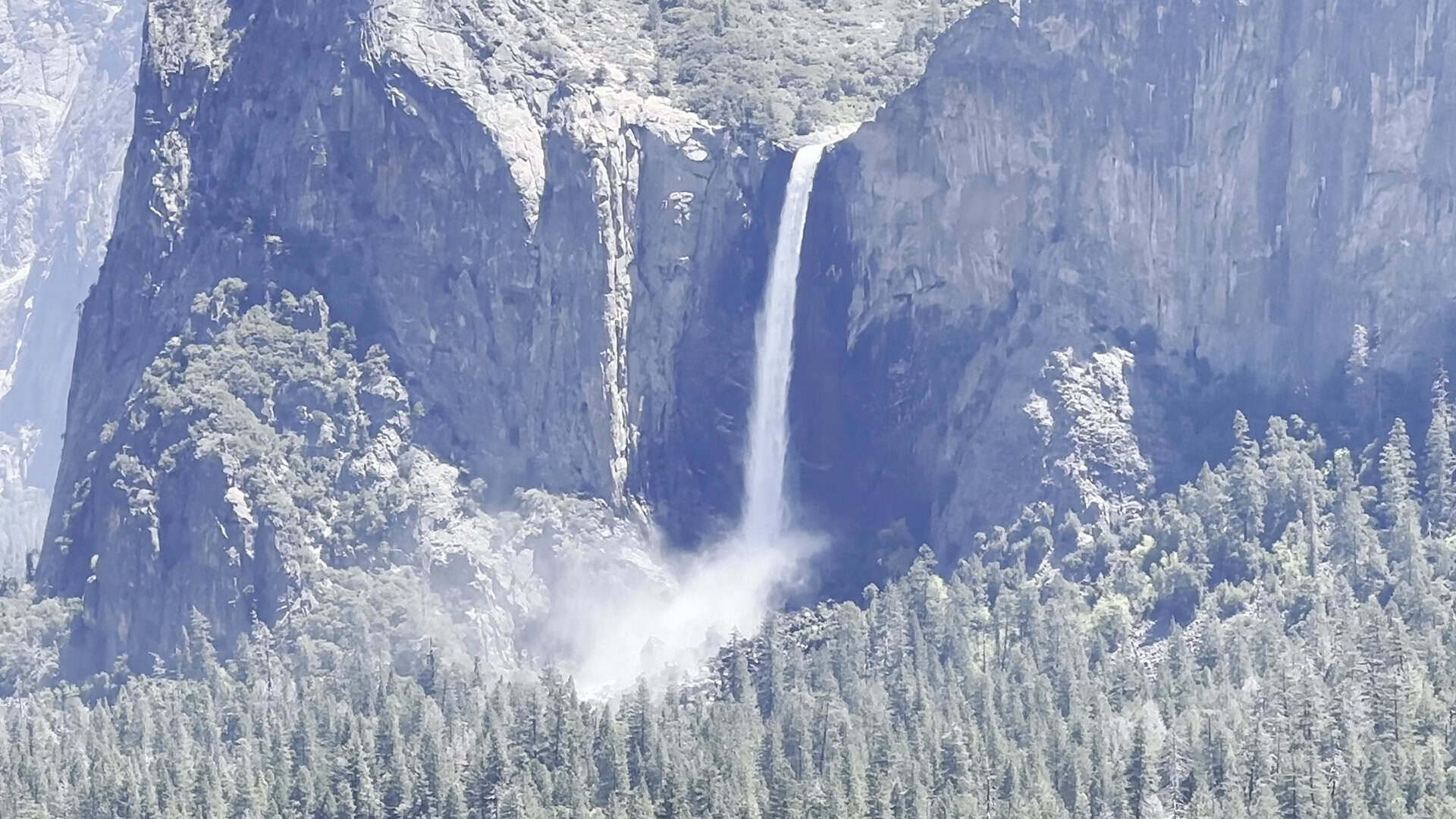
Yosemite Valley wears winter well. Snow lines the granite shoulders of El Capitan and Half Dome, and the classic Tunnel View, arguably the most photographed viewpoint in America, gets a frosted upgrade.
Come down into the valley and Bridalveil Fall thunders off a snow-dusted cliff, the pines around it feathered in white. It is an easy, jaw-dropping first taste of the place, and the cold spray drifting off the falls only sharpens the effect.
Time it right and you might catch the famous firefall in mid-February, when the setting sun lights Horsetail Fall so it glows like molten lava down the cliff. It needs a deep snowpack and a clear sky, which is half the magic of chasing it.
The valley floor stays open all winter, and the crowds thin to almost nothing outside firefall week. You can ice skate at Curry Village with Half Dome towering overhead, then warm up by a fire in the historic Ahwahnee lodge.
For a small fee you can even learn to ski or snowboard at Badger Pass, one of the oldest ski areas in California, then glide the groomed trails out toward Glacier Point.
Back down in the valley, the short walk to the base of Bridalveil Fall lets you feel the scale of the place with cold spray on your face. Dress in layers and start early to beat the afternoon light fading behind the walls.
If firefall week is on your radar, know that it has become its own event, with reservations and parking rules that shift every year, so read the park website before you commit. Bring tire chains, because the rangers often require them.
Come outside that window and you trade the crowds for something better: frozen meadows, a valley floor you can wander end to end, and the deep boom of snow sliding off the granite domes. Mule deer pick through the oaks while coyotes trot across the open flats at dusk.
Where: Tunnel View, Wawona Road (Highway 41), Yosemite Valley, CA 95389. The valley stays open all winter; carry tire chains, as they are often required.
Start Planning Your Winter Escape
Winter asks a little more of you. You will need warm layers, tire chains, and a willingness to check road conditions before you go. Pack a thermos of something hot and give yourself extra daylight to work with.
In return, winter hands you these giants with hardly anyone else around. The photos you bring home will look nothing like everyone else’s July snapshots, and the memories will not either.
There is something about standing in deep snow at a famous overlook, alone, that rewires how you think about these places. So pick one, book the trip nobody else is booking, and go see what a national park looks like when it belongs almost entirely to you.
Featured image: The Adventures of Liz and Joe via Bear Lake

Stella Raines
Editor-in-Chief
Stella brings over a decade of storytelling experience to TX Headlines. With roots in West Texas and a love for road trips, she leads the editorial team with an eye for the hidden stories that make Texas unforgettable.