9 Hidden Gems in Texas That Most People Drive Right Past
I have a theory about Texas. For every landmark with a gift shop and a parking attendant, there are three quieter places the locals would rather you not know about. Not because they are unfriendly. Because the magic thins when the crowds thicken.
That is the whole appeal of a hidden gem. These nine spots trade fame for quiet wonder, and most travelers drive right past them. Below, nine Texas places worth the detour, spread from a cypress swamp in the east to a desert oasis far out west.
1. Caddo Lake, East Texas
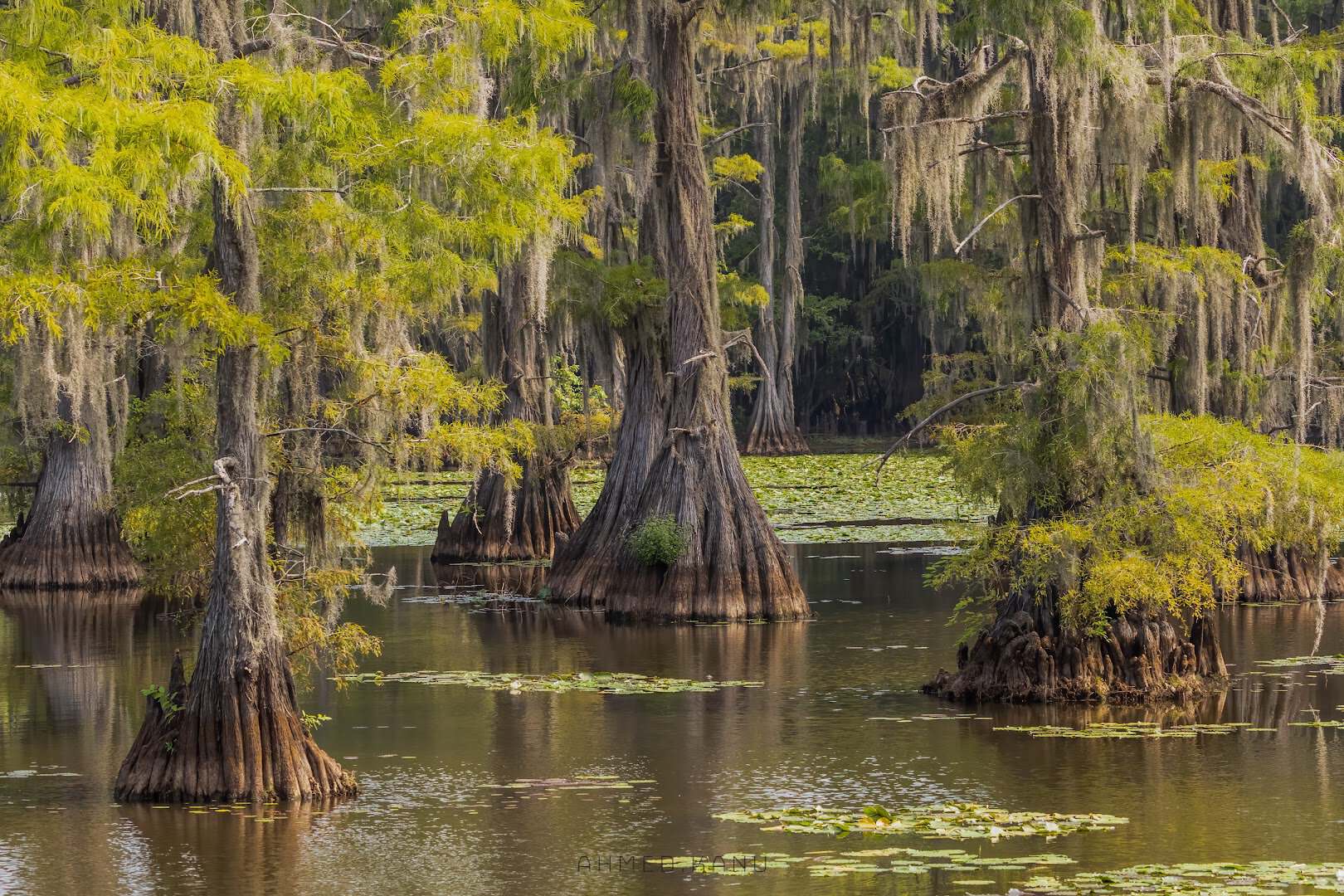
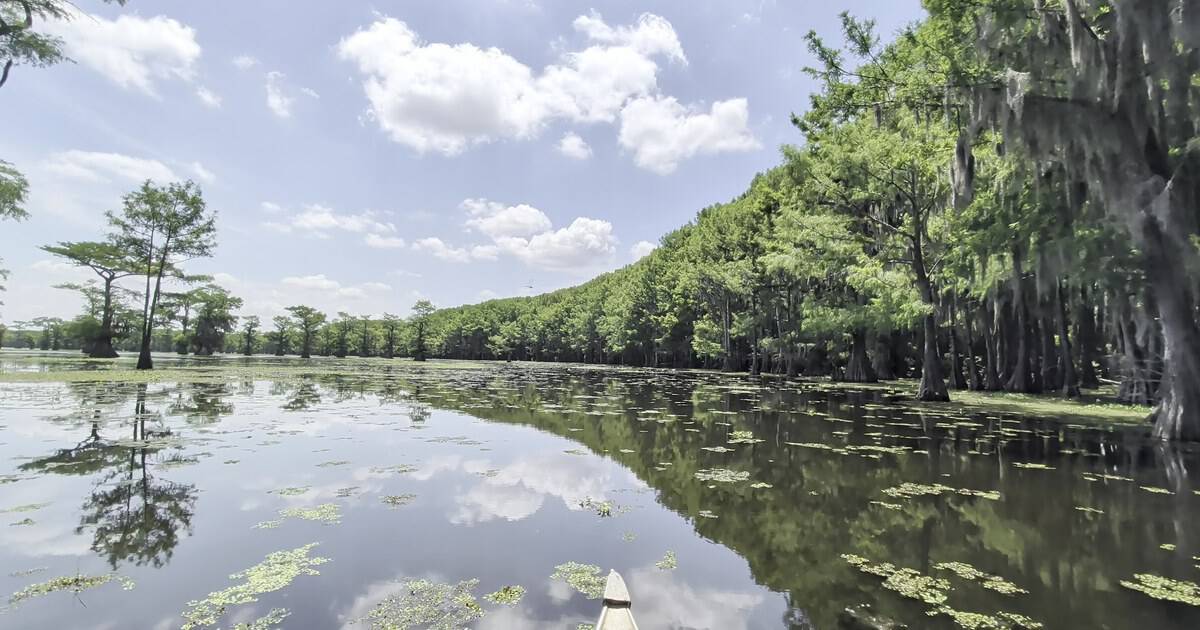
Deep in East Texas, near the tiny town of Uncertain, the water goes still and strange. Bald cypress trees rise straight out of the bayou, their trunks wrapped in Spanish moss that hangs down like grey lace.
Caddo Lake State Park protects 484 acres of this maze along Big Cypress Bayou. Rent a canoe, follow the marked paddling trails, and the whole world narrows to birdsong and the slow drip of moss.
It is the only large naturally formed lake in Texas, and it looks nothing like the rest of the state. Photographers come at dawn, when mist sits on the water and the herons start to move.
You can camp, fish, or rent a cabin and stay the weekend. Bring bug spray in summer, bring a jacket in winter, and bring a camera every single time.
Guided boat tours run out of the little town of Uncertain if you would rather not paddle yourself. Either way, go slow. The lake rewards patience, and the light through the cypress shifts by the minute.
Where: Caddo Lake State Park, 245 Park Road 2, Karnack, Texas 75661, about 15 miles northeast of Marshall.
2. Sea Rim State Park, Upper Gulf Coast
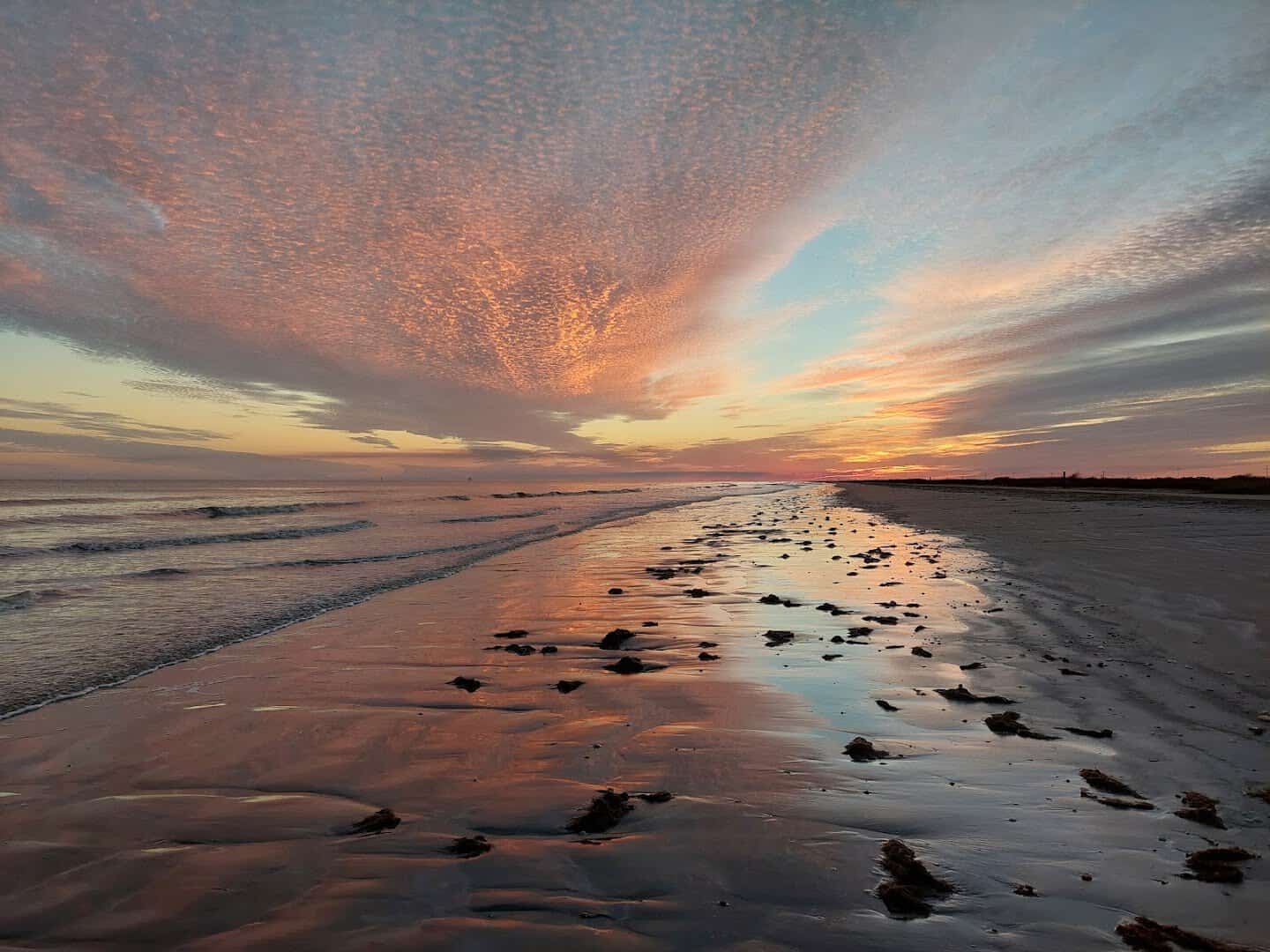
Most Texans have never heard of Sea Rim, and that is exactly why it stays wild. It sits in the far southeast corner of the state, past Sabine Pass, where the coastal marsh finally meets the Gulf.
The park runs 4,100 acres, split in two by the highway. One side gives you 5.2 miles of quiet beach. The other opens into a marsh laced with more than 16 miles of paddling trails.
Bring a kayak and you can slip through the reeds hunting for alligators, roseate spoonbills, and crabs. Bring a chair instead and you can have a whole stretch of Gulf sand nearly to yourself.
A boardwalk called the Gambusia Nature Trail lets you cross the marsh without getting your feet wet. This is the coast before the condos, and it is worth the drive to reach it.
Birders rate this stretch of coast among the best in the state during spring migration. Warblers, herons, and shorebirds stack up in the marsh, and a good morning here can fill a whole notebook.
Where: Sea Rim State Park, 19335 South Gulfway Drive, Sabine Pass, Texas 77655, about 20 miles south of Port Arthur.
3. Hamilton Pool Preserve, Hill Country
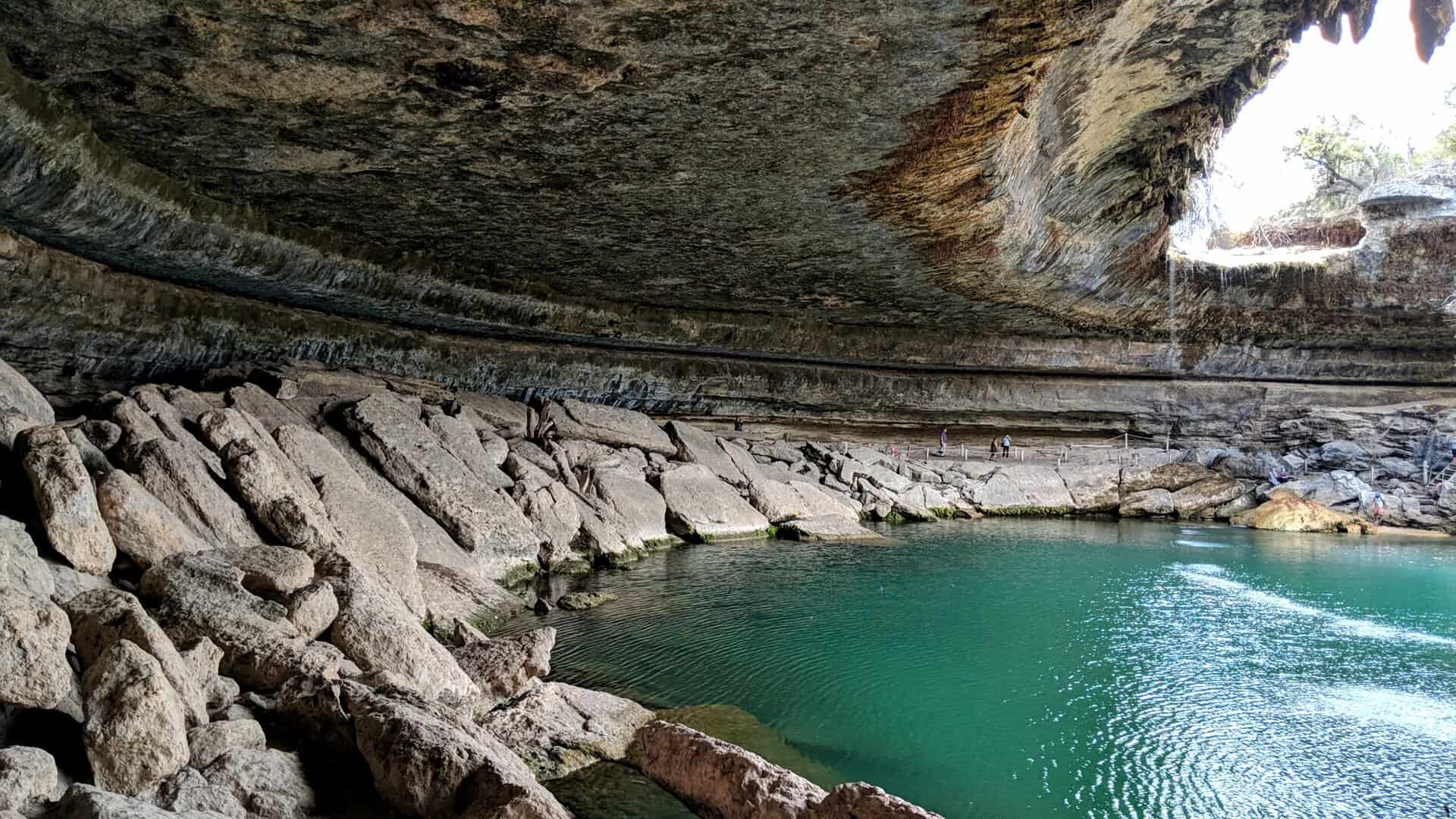
West of Austin, an underground river cave collapsed thousands of years ago and left behind something close to a secret. A jade green pool sits inside a curved stone grotto, fed by a waterfall that drops 50 feet.
Hamilton Pool Preserve covers 232 acres of protected canyon in the Hill Country. Ferns drip from the overhang, and the water glows a soft green when the afternoon light hits it just right.
One catch keeps it special. You need a reservation from March through October, and swimming depends on the day’s water quality, which the county checks constantly. Plan ahead and you earn one of the prettiest swimming holes in the country.
Even on the days you cannot swim, the short walk down to the grotto is a stunner. Wear shoes with grip, because the stone stays slick near the water.
Where: Hamilton Pool Preserve, 24300 Hamilton Pool Road, Dripping Springs, Texas 78620, a 45-minute drive west of Austin.
4. Dinosaur Valley State Park, North Central Texas
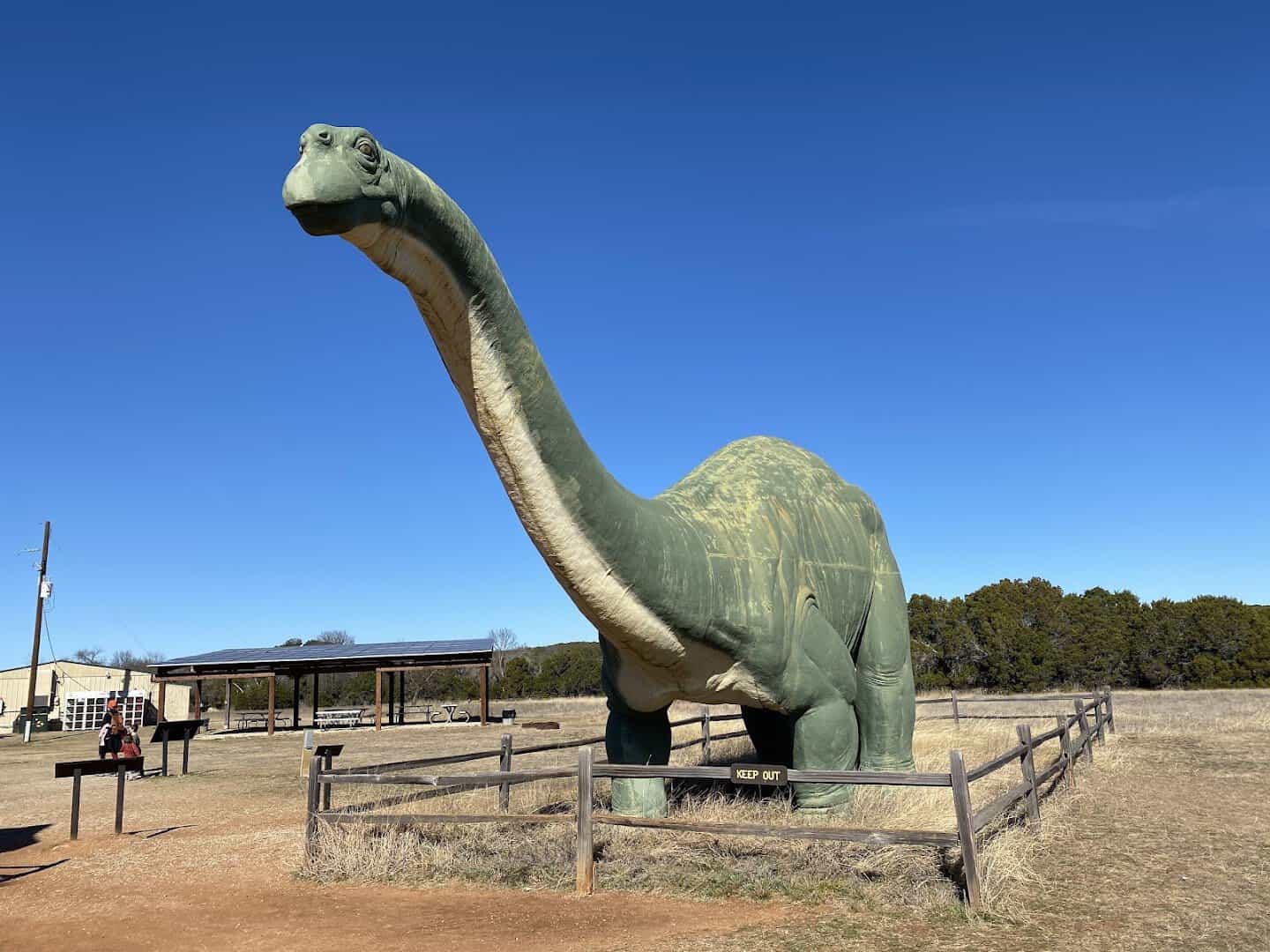
In the bed of the Paluxy River near Glen Rose, you can walk exactly where dinosaurs walked. Real footprints, pressed into limestone about 113 million years ago, sit right there in the shallow river water.
Dinosaur Valley State Park protects five main track sites across roughly 1,500 acres. When the river runs low, the giant saucer shaped sauropod prints and the three-toed theropod tracks come clear as day.
Descendants of settlers first found the tracks in 1908. In the 1930s a paleontologist named Roland T. Bird shipped a long trackway to a museum in New York, where it still sits today.
Kids lose their minds here, and honestly so do the grown-ups. Wade out in summer, follow the numbered sites, and step your own foot into a print far older than the hills.
Where: Dinosaur Valley State Park, 1629 Park Road 59, Glen Rose, Texas 76043, about two miles west of town off Highway 67.
5. Lost Maples State Natural Area, Hill Country
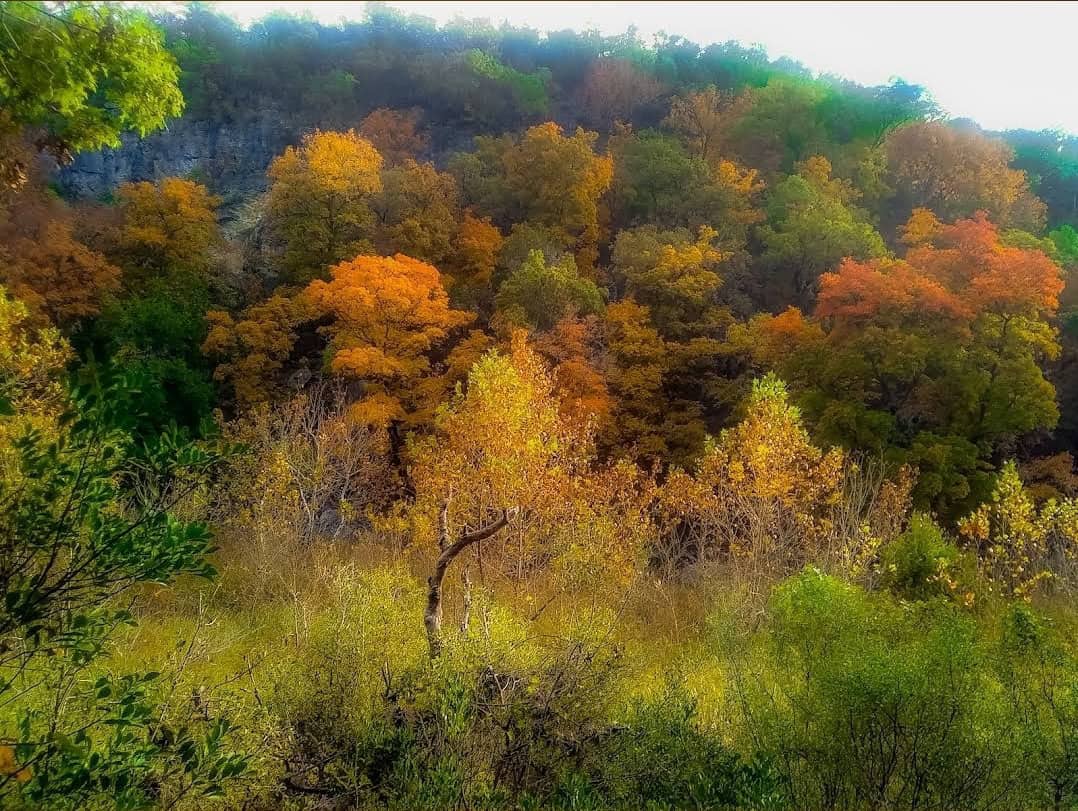
Texas does have a real fall, and it hides in Lost Maples. Every autumn a rare stand of Uvalde bigtooth maples turns the canyon walls near Vanderpool into fire: deep red, burnt orange, and gold.
These trees are a leftover from a cooler, wetter age, hanging on in a pocket microclimate along the Sabinal River. The color usually peaks in late October and early November.
The park covers 2,208 acres of clear creeks, limestone cliffs, and quiet trails. It fills fast in leaf season, capping at 250 cars, so come early on a weekday and let the canyon do its thing.
Even outside fall, the swimming holes and the birding make the trip worth it. Keep an eye out for the green kingfisher, a little jewel that draws birders from across the country.
Pack a picnic and plan to linger, because the color glows best in soft morning and late afternoon light. The main loop stays easy enough for most families, with steeper spurs for anyone chasing the high overlooks.
Where: Lost Maples State Natural Area, 37221 FM 187, Vanderpool, Texas 78885, about 71 miles northwest of San Antonio.
6. Balmorhea State Park, West Texas
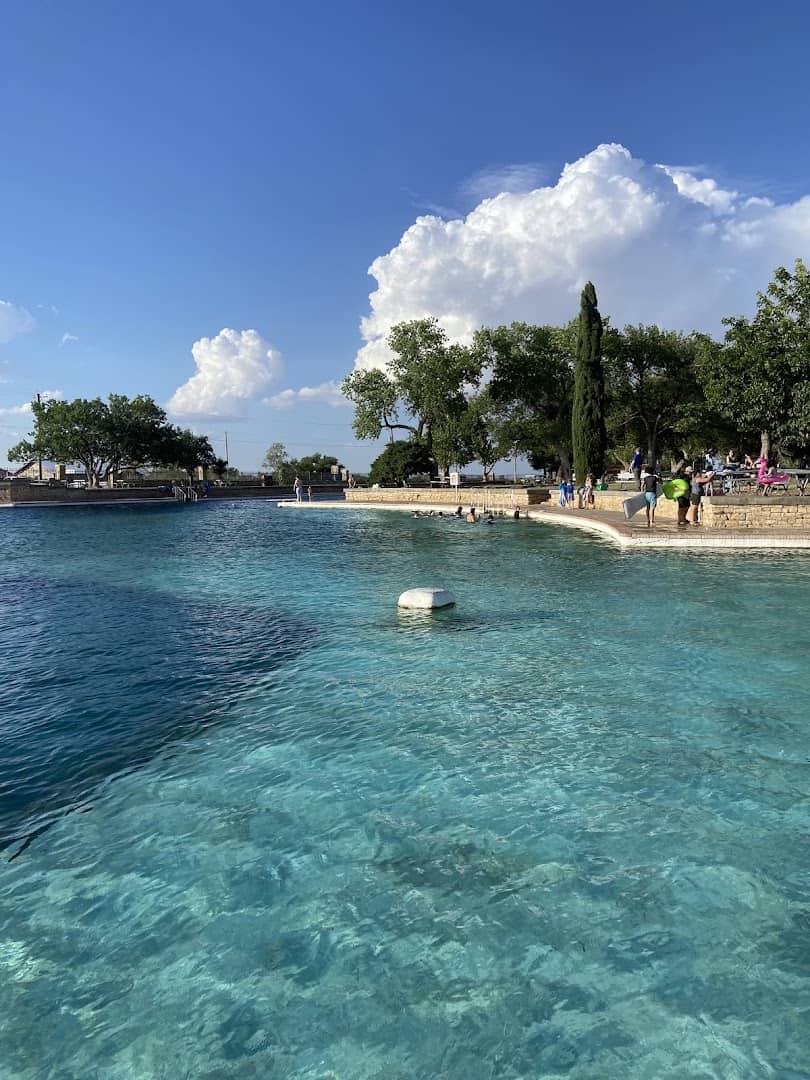
Out in the dry West Texas flats, near a wide spot on the map called Toyahvale, sits a pool that feels flat-out impossible. Balmorhea is the largest spring-fed swimming pool in the world.
The Civilian Conservation Corps built the rock walled pool around San Solomon Springs back in the 1930s. It covers 1.3 acres, holds about 3.5 million gallons, and stays a cool 72 to 76 degrees all year.
The water is so clear that snorkelers share it with tiny native fish and turtles. After a long, hot desert drive, sliding into that spring is one of the best feelings the state can offer.
Book a night at the historic San Solomon Springs Courts motel right in the park and you can swim at first light. Bring goggles, because the underwater view is the whole point.
Where: Balmorhea State Park, 9207 Texas Highway 17, Toyahvale, Texas 79786, about four hours west of San Antonio.
7. Big Bend Ranch State Park, Far West Texas
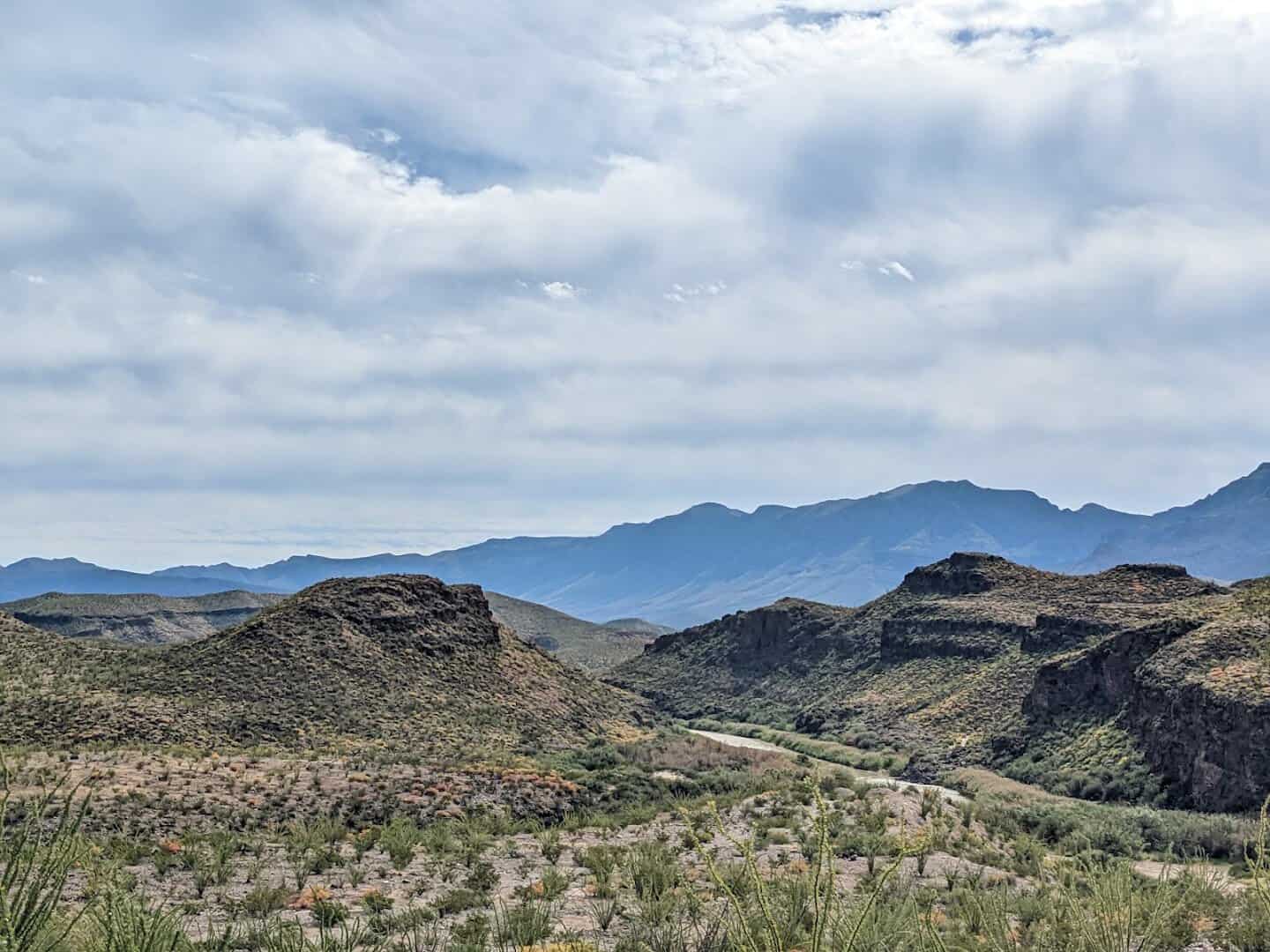
Everyone knows Big Bend National Park. Almost no one knows its wilder neighbor. Big Bend Ranch State Park is the largest state park in Texas, a sweep of raw desert mountains along the Rio Grande.
To reach it you drive FM 170, the River Road, widely called the most scenic drive in the state. It hugs the river for more than 50 miles between Lajitas and Presidio.
Inside are slot canyons, a warm spring, an old movie set, and some of the darkest night skies in the country. This is the Texas you picture when you close your eyes, minus the crowds.
Come prepared, because services out here are thin and the desert does not forgive shortcuts. Fill the tank, pack extra water, and give yourself a whole unhurried day for that legendary River Road drive.
Where: Big Bend Ranch State Park, main entrance off FM 170 east of Presidio, Texas 79845, reached through Lajitas or Presidio.
8. Caprock Canyons State Park, Texas Panhandle
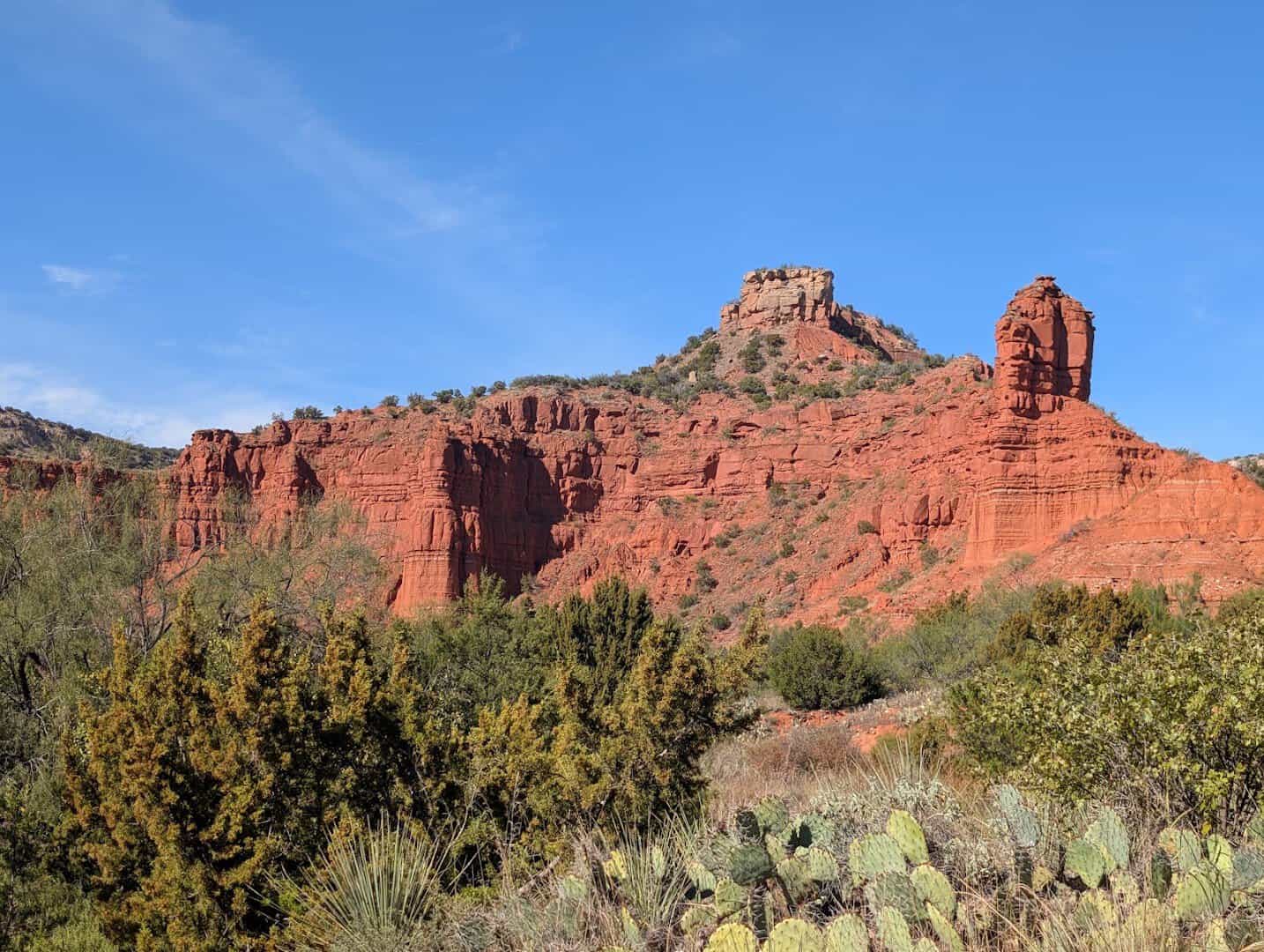
The Panhandle looks flat until it suddenly is not. At Caprock Canyons, the plains crack open into deep red rock canyons, and a herd of wild bison roams right through the middle of it.
This is the Official Texas State Bison Herd, descendants of animals Charles and Mary Ann Goodnight saved from near extinction. They wander the road, the campground, and the trails, so keep your distance and give them room.
The park spans more than 15,000 acres, with nearly 90 miles of trails, including a 64-mile route built on an old rail line. The red cliffs at sunset look like a completely different planet.
It is also a certified dark sky park, so the stars after dark are staggering. Camp a night, watch the bison at dusk, and stay up late for the Milky Way.
Bring a good camera and a long lens for the bison, and always keep well back on the trails. Sunrise paints the cliffs an even deeper red than any postcard, so it is worth setting an early alarm to catch it.
Where: Caprock Canyons State Park, 850 Caprock Canyon Park Road, Quitaque, Texas 79255, about three miles north of Quitaque.
9. Devil’s Sinkhole State Natural Area, Hill Country
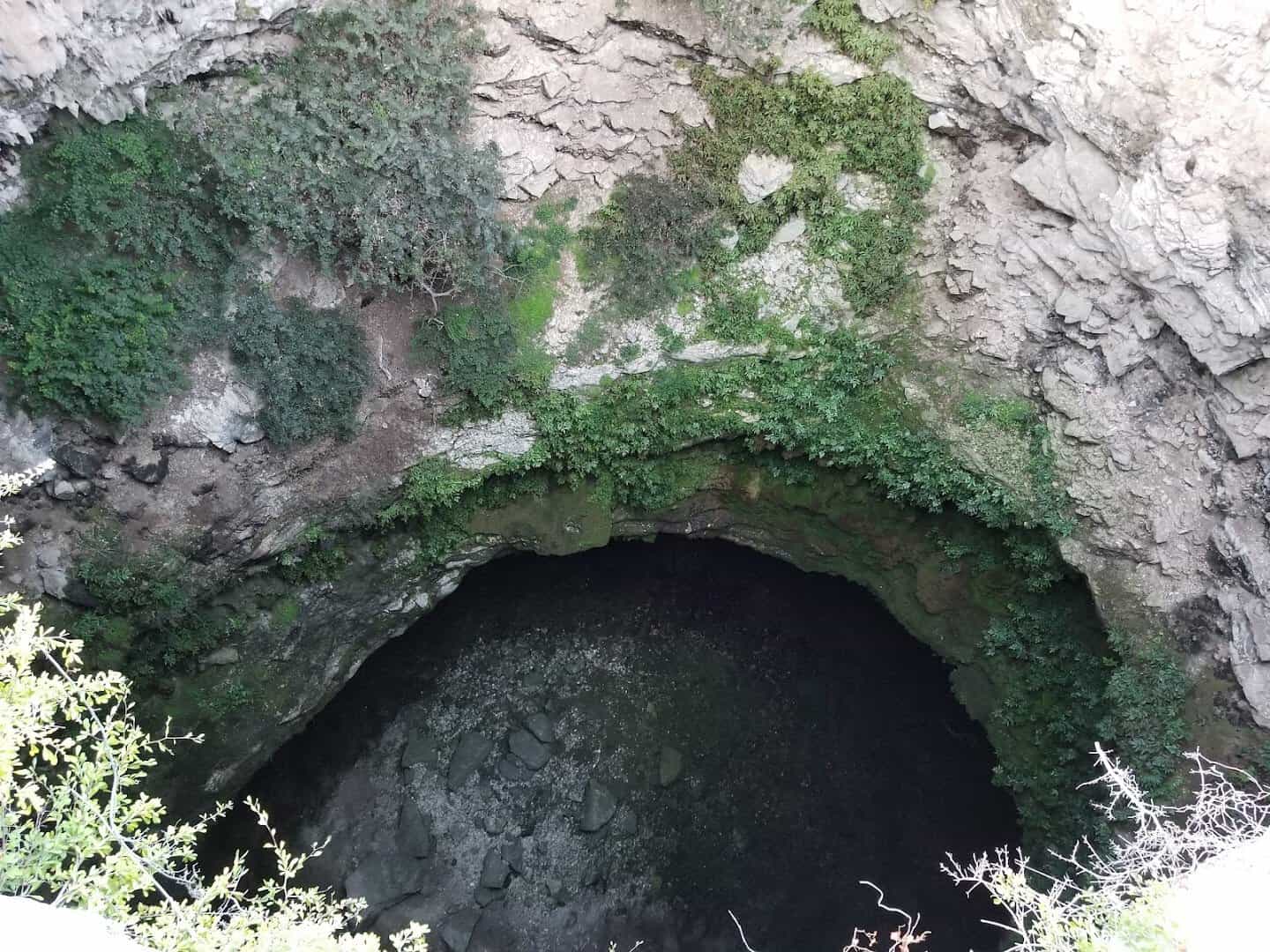
On the western edge of the Hill Country near Rocksprings hides a hole in the ground you truly have to see to believe. The Devil’s Sinkhole is a vertical cave dropping into a chamber more than 300 feet deep.
Each evening in the warm months, up to three million Mexican free-tailed bats pour out of the mouth in a spinning column. It is one of the great wildlife shows in Texas, and few people have ever caught it.
Access is by guided tour only, booked ahead through the Devil’s Sinkhole Society, so you never wander the site alone. Day tours run all year round, while the popular summer bat flights fill up fast.
Time your visit for a summer sunset flight and plan to stand quiet and amazed. The sound of that many wings lifting at once is something you feel in your chest.
Where: Devil’s Sinkhole State Natural Area visitor center, 101 North Sweeten Street, Rocksprings, Texas 78880; all tours depart from there.
Go Find the Texas Nobody Photographs
Here is what all nine of these places share. They reward a little effort: a reservation, a rough trail, a long drive down a two-lane road. That small toll is exactly what keeps the crowds thin, and thin crowds are the whole point.
So pick just one to start, fill the tank, and point the car somewhere off the usual map. The best of Texas is rarely the part with the biggest sign, and now you have nine good reasons to go prove it.
Featured image: jorge salazar via Hamilton Pool Preserve

Stella Raines
Editor-in-Chief
Stella brings over a decade of storytelling experience to TX Headlines. With roots in West Texas and a love for road trips, she leads the editorial team with an eye for the hidden stories that make Texas unforgettable.