11 Underrated U.S. Wine Regions That Rival Napa for Half the Price
I will happily defend Napa to anyone who asks. It has earned every one of those postcards. But I get a little cranky when people talk like it is the only corner of America worth swirling a glass in.
It is not, and the proof is a whole country full of sun-warmed vineyards that most people drive right past. Volcanic hills in Oregon, glacier-carved lakes in New York, high desert in Arizona that has no business growing grapes and does it anyway.
Below are eleven wine regions across America that hold their own against the big name in the valley, each one worth pointing the car toward for a long, unhurried weekend. Pack a cooler and a designated driver.
1. Willamette Valley, Oregon
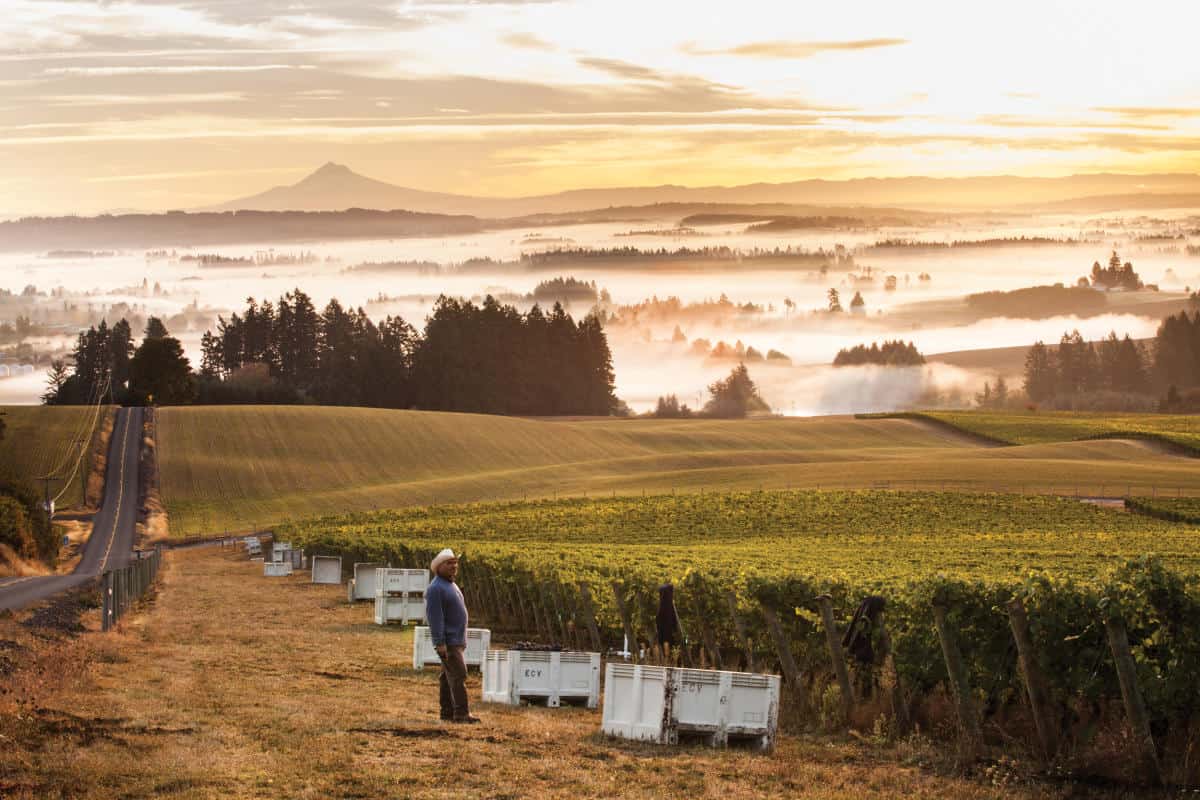
If you love Pinot Noir, this is your homeland. The Willamette Valley runs south from Portland for about a hundred miles, and its cool, wet climate makes the kind of delicate, earthy Pinot that put Oregon on the map back in the 1970s.
The Dundee Hills are the beating heart of it, all red volcanic soil and rows that glow gold in October. Tasting rooms here tend to be small and family run, and the person pouring your glass is often the person who grew the grapes.
Come for the wine, stay for the hazelnut farms and the farm-to-table dinners in tiny Dayton and Carlton.
Pro tip: time your trip for the International Pinot Noir Celebration each summer, when winemakers from around the world gather in McMinnville to pour side by side.
Where: Domaine Serene, 6555 NE Hilltop Ln, Dayton, OR 97114. Base yourself in Dundee or McMinnville, about 40 minutes southwest of Portland.
2. Verde Valley, Arizona
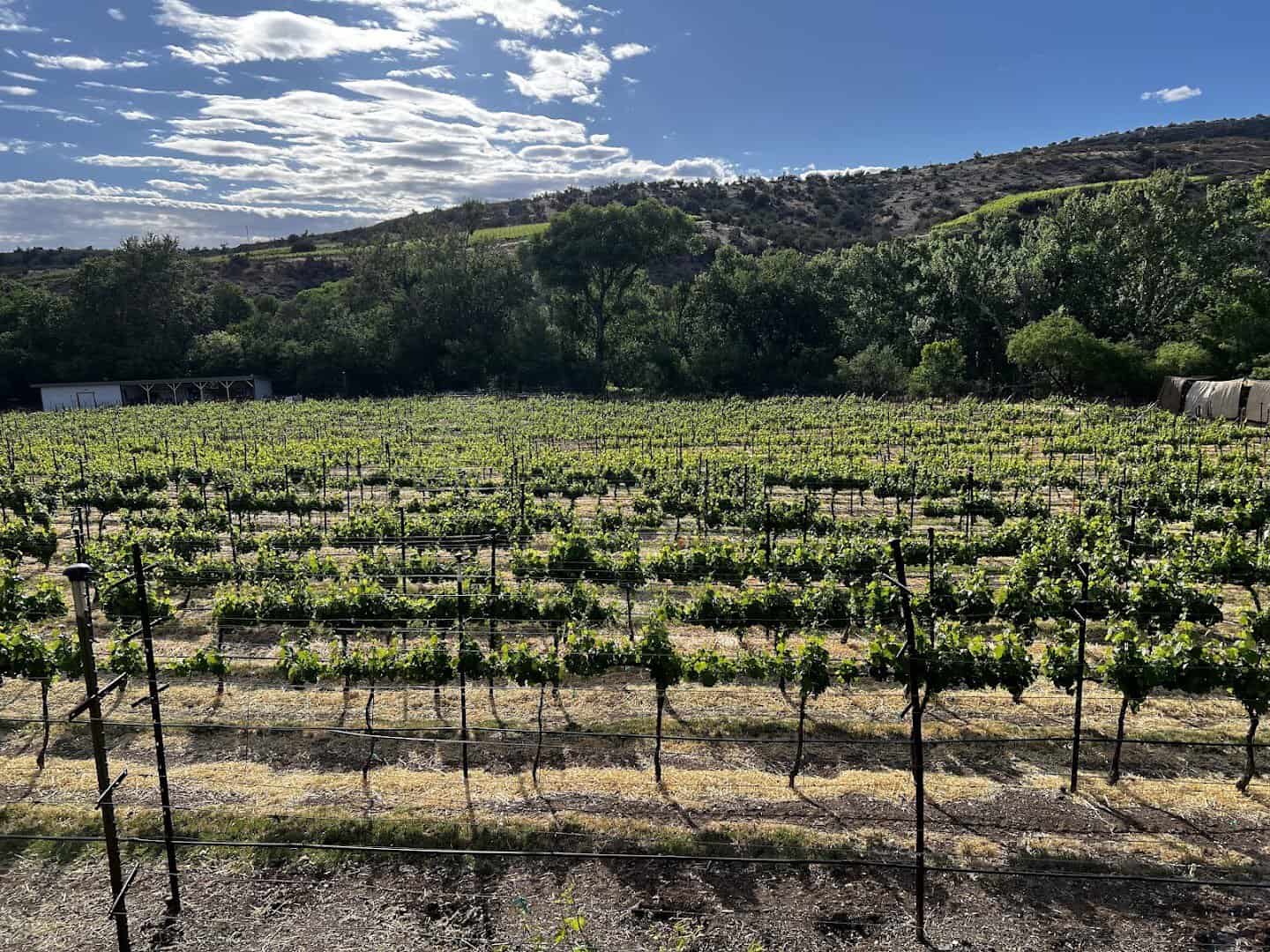
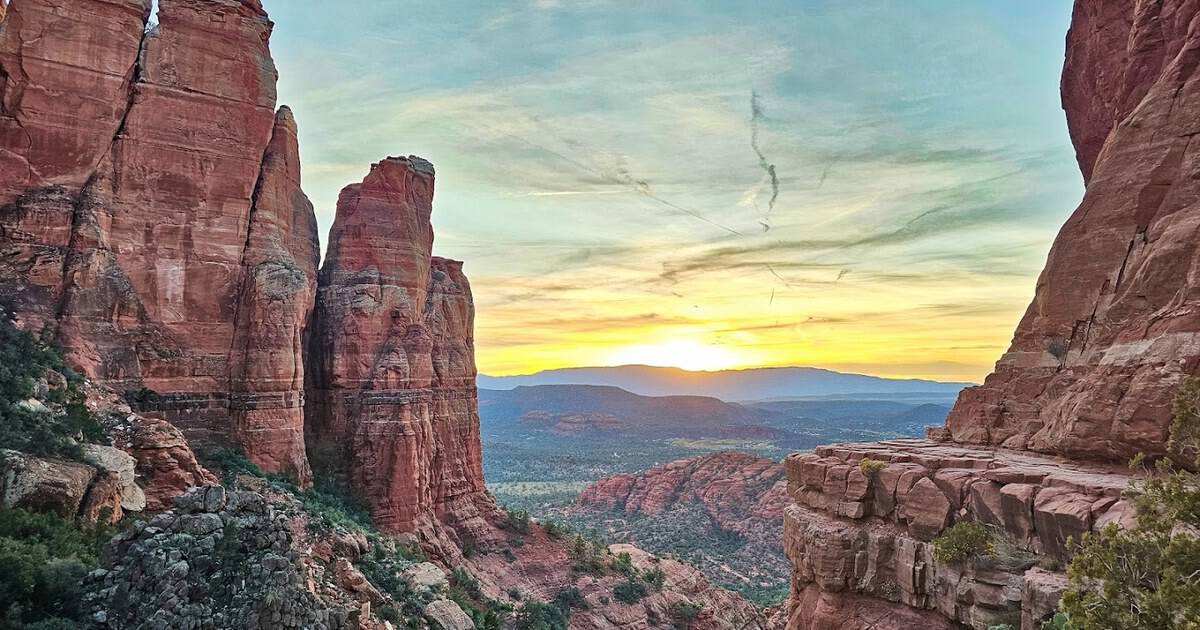
Nobody expects a wine country an hour from Sedona, which is exactly why it delights you. The Verde Valley sits at high desert elevation, where warm days and cool nights turn out surprisingly bold reds and crisp whites.
Little Cornville and Page Springs anchor the trail, with vineyards tucked along Oak Creek and red rock buttes framing the horizon. It feels like Tuscany crossed with the American Southwest, and it has quietly become one of the fastest growing wine scenes in the country.
Wine writers have called its Rhone-style blends some of the most exciting in the West, and the drive in alone is worth the trip.
Many of the tasting rooms cluster in nearby Old Town Cottonwood, so you can park once and wander from one to the next on foot.
Where: Page Springs Cellars, 1500 N Page Springs Rd, Cornville, AZ 86325. About 20 minutes from Sedona, two hours north of Phoenix.
3. Finger Lakes, New York
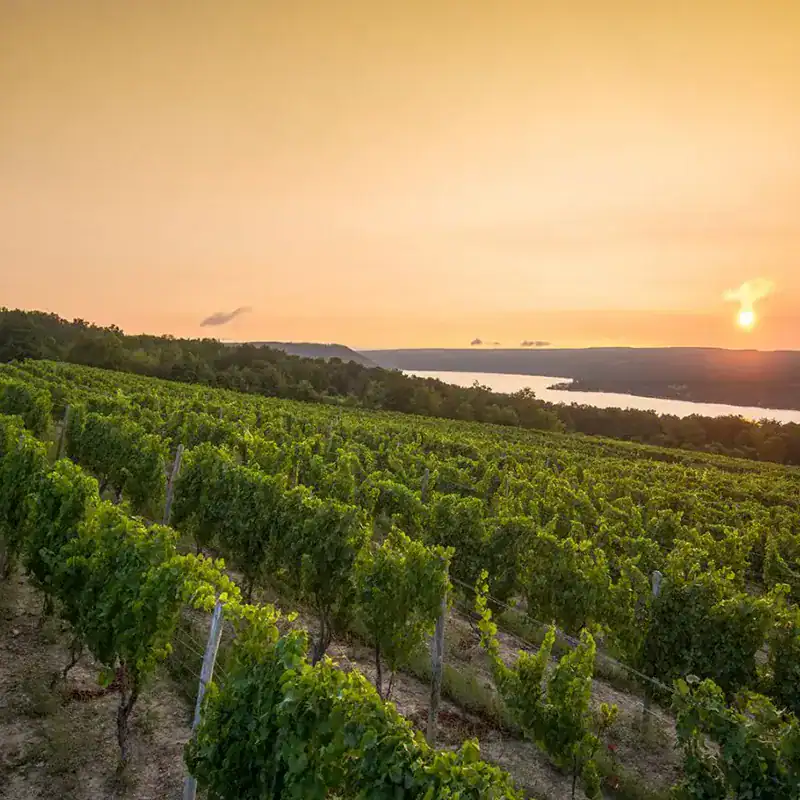
There is something a little magic about a vineyard that tumbles right down to the water. The Finger Lakes are eleven long, skinny glacial lakes in upstate New York, and their steep shores are lined with some of the best Riesling anywhere on earth.
Seneca and Cayuga lakes carry the most tasting rooms, and the deep water keeps the vines from freezing so the region can grow cool-climate grapes that would sulk anywhere else. The Rieslings run from bone dry to honeyed and dessert sweet.
Loop the lakes in fall, when the hillsides catch fire with color and the wineries pour their new vintage.
Did you know? Dr. Konstantin Frank is credited with proving European grapes could survive these cold winters back in the 1960s, which changed the whole region.
Where: Dr. Konstantin Frank Winery, 9749 Middle Rd, Hammondsport, NY 14840. Hammondsport sits at the base of Keuka Lake, about 90 minutes from Rochester.
4. Grapevine, Texas
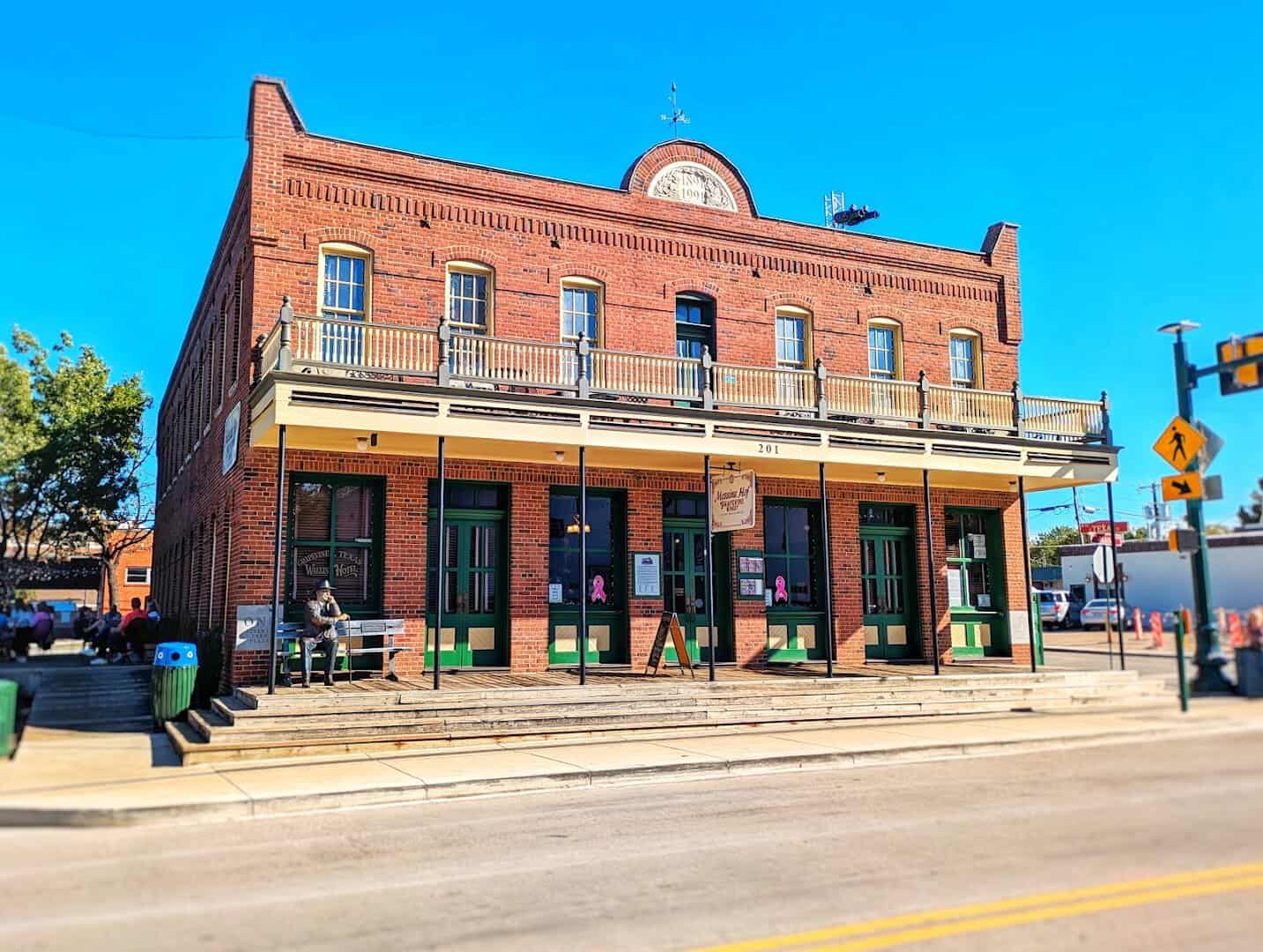
A town literally named Grapevine has a lot to live up to, and this one delivers. Just north of the Dallas-Fort Worth airport, Grapevine has stitched together more than a dozen tasting rooms into a walkable Urban Wine Trail through its charming historic Main Street.
You can stroll from one cozy tasting room to the next without ever moving your car, sipping Texas Hill Country reds and homegrown blends between antique shops and old brick storefronts. The vintage steam train rolling through only adds to the charm.
Time it for the annual GrapeFest in September, one of the largest wine festivals in the Southwest, where you can taste dozens of Texas wines in a single afternoon.
Where: Messina Hof Grapevine Winery, 201 S Main St, Grapevine, TX 76051. Ten minutes from DFW Airport, right in downtown Grapevine.
5. Walla Walla Valley, Washington
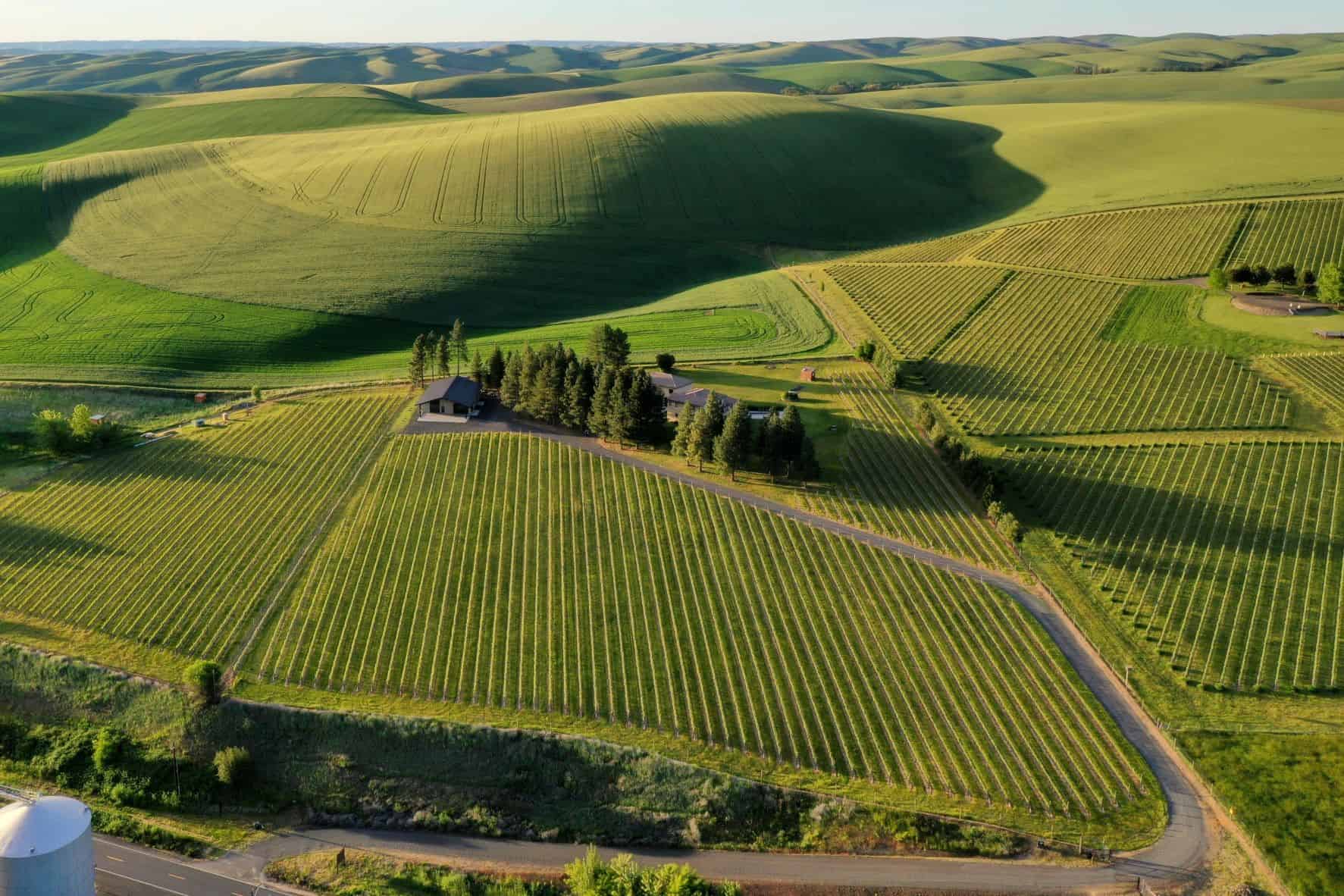
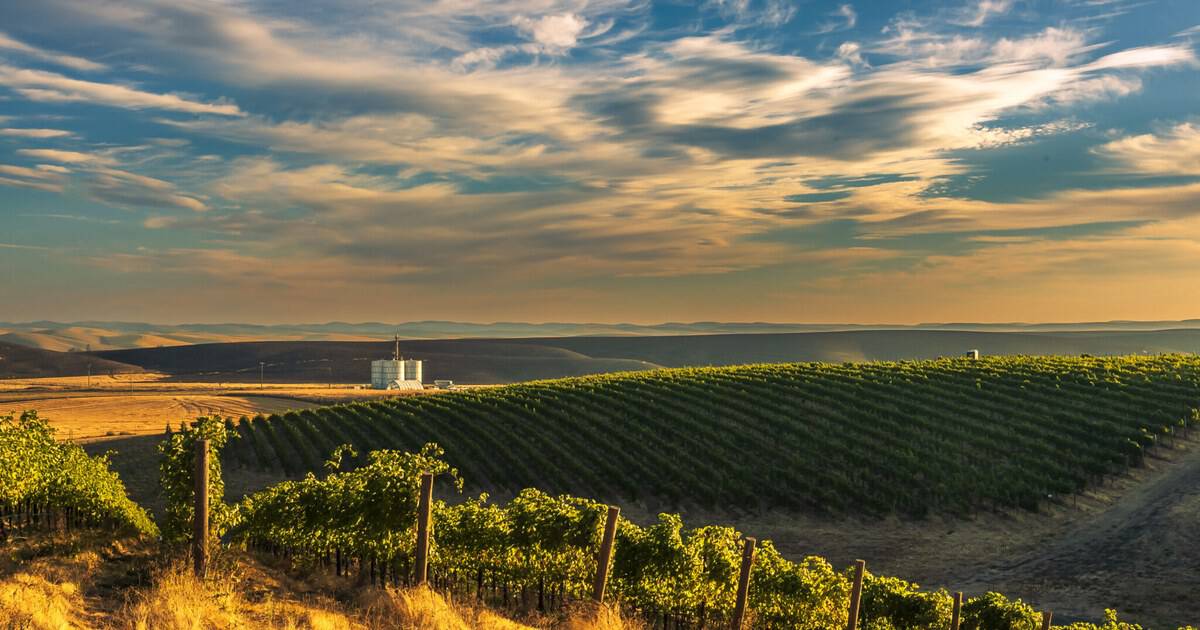
Washington quietly became the second largest wine state in the country, and Walla Walla is its crown jewel. Tucked in the state’s southeast corner, this old wheat-farming town now brims with vineyards famous for muscular Cabernet and Syrah.
The valley’s hot days and cool nights ripen big, generous reds, and its downtown is packed with tasting rooms inside restored brick buildings. You can taste world-class wine in the morning and eat a genuinely great dinner without ever leaving the walkable center.
Critics regularly rank its top bottles alongside the best in the nation, and prices remain refreshingly down to earth.
Spring release weekend in early May is the big event, when dozens of small producers open their doors and pour their newest wines side by side.
Where: L’Ecole No 41, 41 Lowden School Rd, Lowden, WA 99360. Walla Walla is about an hour by air from Seattle.
6. Yadkin Valley, North Carolina
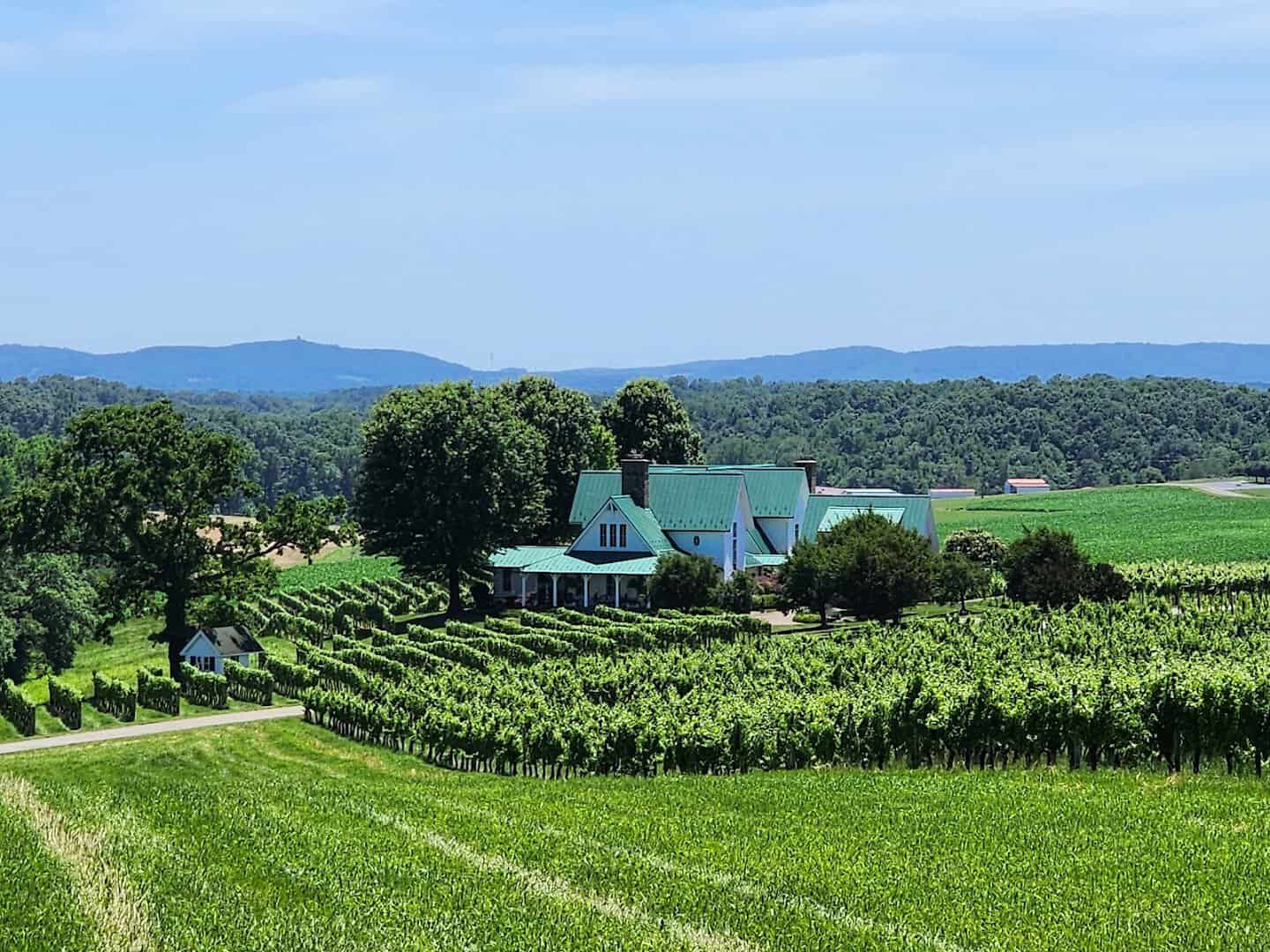
The South grows more than sweet tea, and the Yadkin Valley is the delicious proof. Set in the Blue Ridge foothills, this was North Carolina’s first officially recognized wine region, and its rolling green hills and mild seasons suit European grapes beautifully.
Grand estate wineries with mountain views sit near tiny family vineyards, all within an easy drive of one another. The scenery alone, all misty ridges and old tobacco barns, makes the tasting feel like a proper getaway.
Many of its wineries pour Cabernet Franc and Chardonnay that have collected a shelf of national medals.
Where: Shelton Vineyards, 286 Cabernet Ln, Dobson, NC 27017. About an hour northwest of Winston-Salem, off Interstate 77.
7. Paso Robles, California
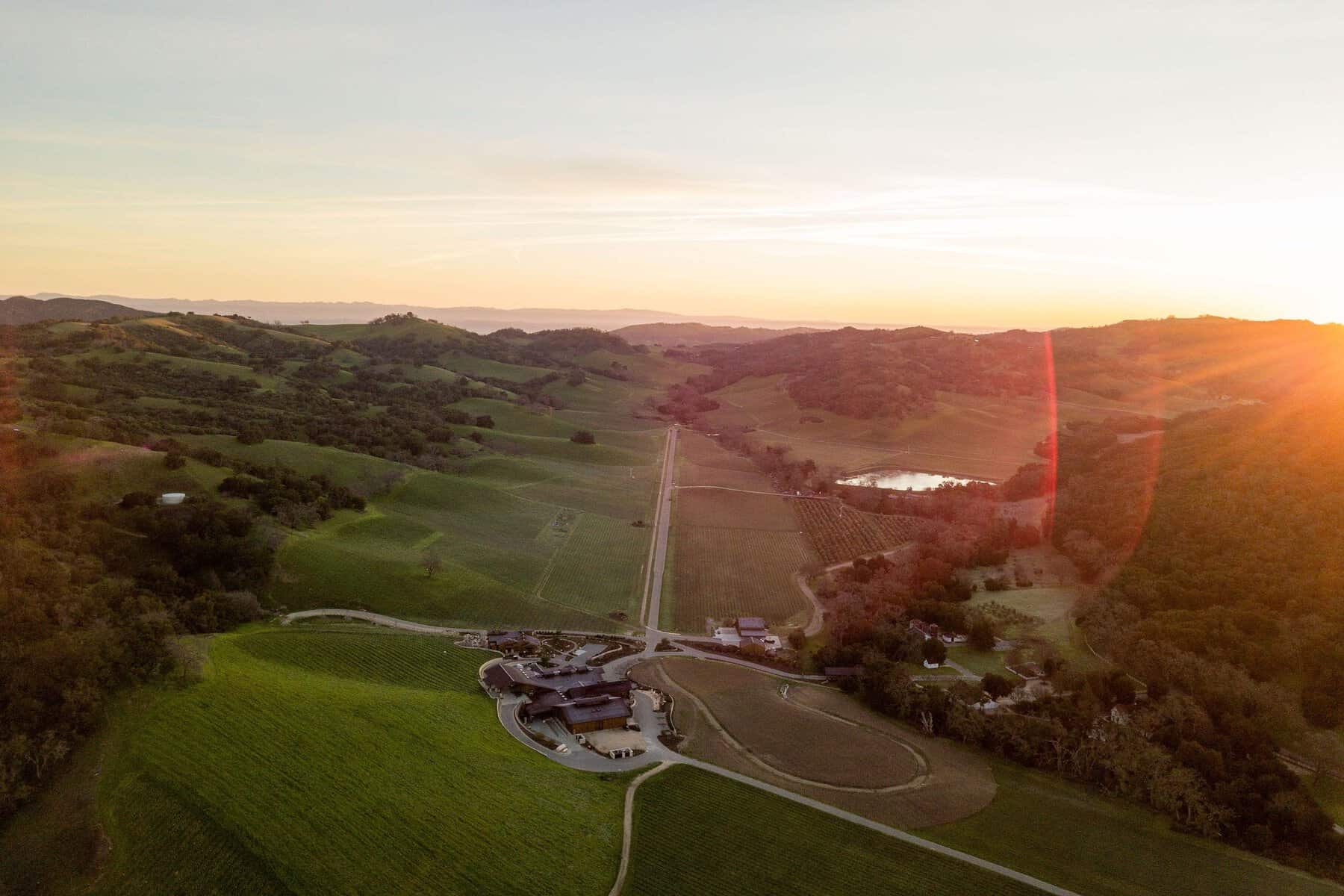
Here is the California wine trip you take when you are done fighting traffic in the valley. Paso Robles sits on the Central Coast halfway between Los Angeles and San Francisco, and it is big, sunny, and gloriously laid back.
More than 200 wineries roll across its oak-dotted hills, most of them small and welcoming, pouring brawny Zinfandel and Rhone blends without a hint of pretension. The town square anchors it all with easy restaurants and a friendly, dusty charm.
You can often taste with the actual winemaker here, something that grew impossible in the famous valley decades ago.
Did you know? Paso Robles has more than 40 grape varieties in the ground, one of the widest ranges of any American wine region.
Where: Eberle Winery, 3810 Hwy 46 E, Paso Robles, CA 93446. Roughly three hours from both LA and the Bay Area.
8. Hermann, Missouri
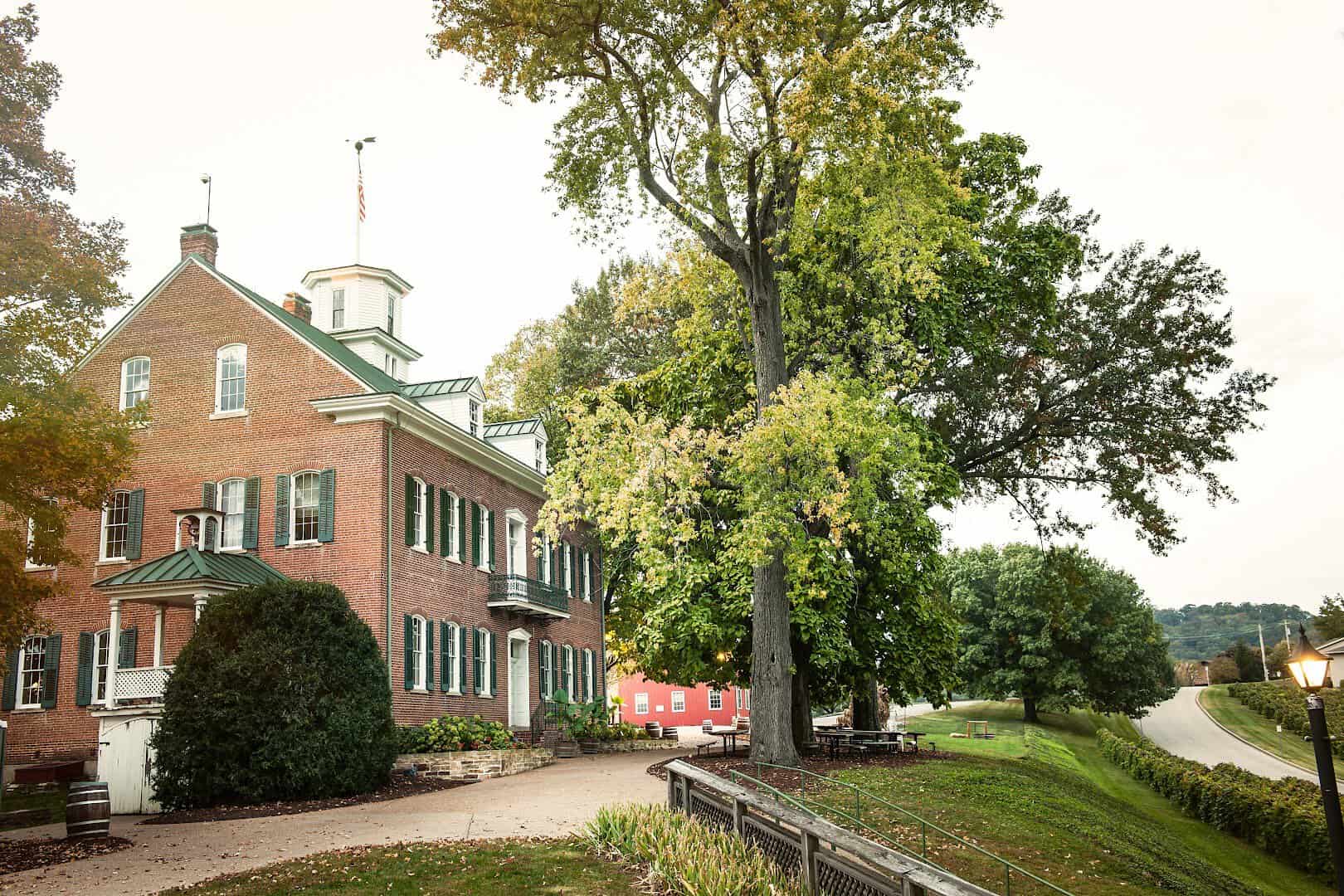
Long before California ruled American wine, Missouri did, and Hermann is where that story lives. German settlers planted these Missouri River bluffs in the 1840s, and by the late 1800s the area was one of the biggest wine producers in the country.
The town looks the part, with brick cellars, steep streets, and old-world storefronts that feel airlifted from the Rhine. Its signature Norton grape makes a deep, spicy red found almost nowhere else, and the sweet Vignoles is a local treasure.
Wander the historic cellars, some carved back in the 1800s and still in use today, then time your visit for the town’s beloved Maifest or Oktoberfest.
Where: Hermannhof Winery, 330 E 1st St, Hermann, MO 65041. About 80 minutes west of St. Louis along the Missouri River.
9. Monticello, Virginia
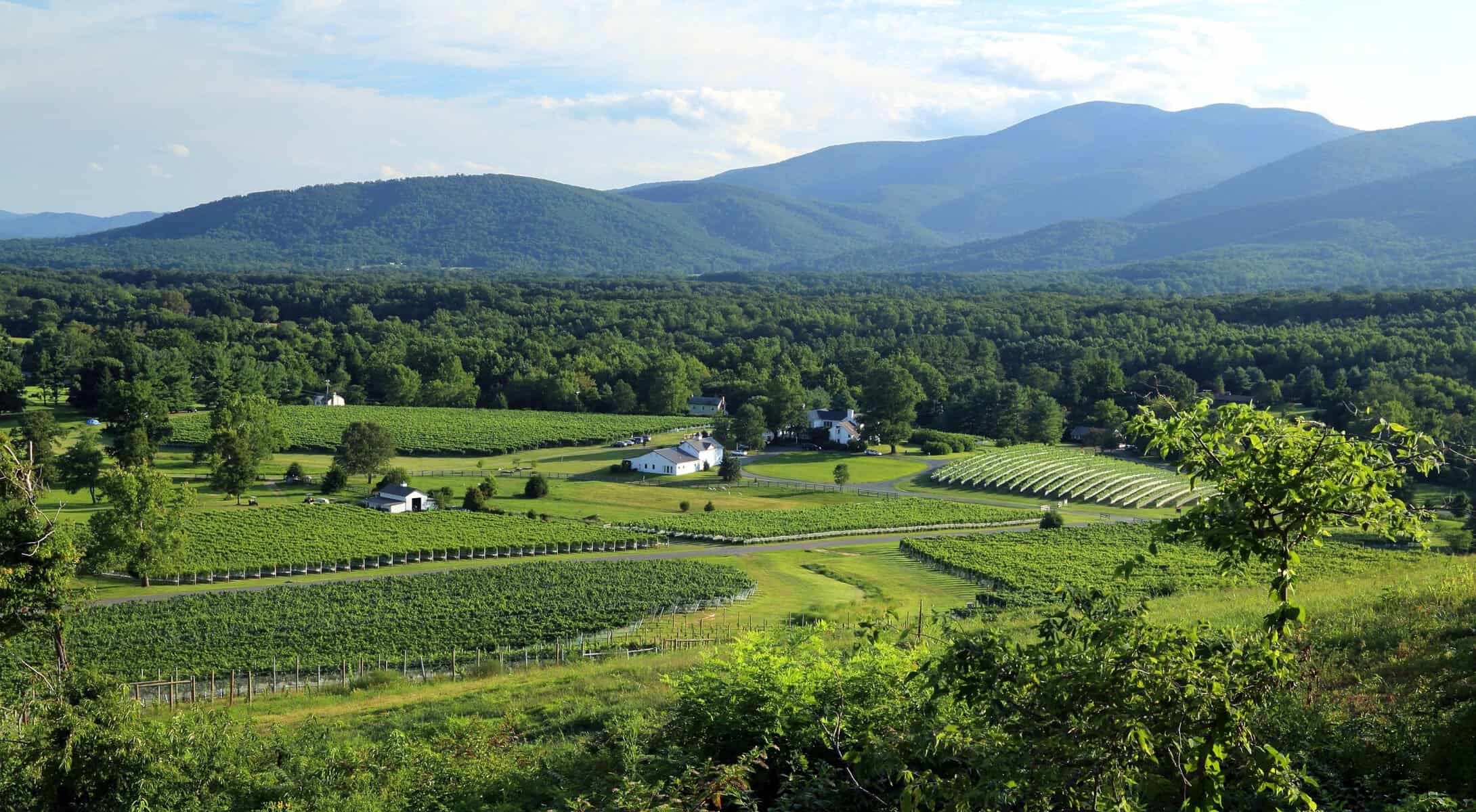
Thomas Jefferson dreamed of great American wine right here, and it only took a couple of centuries to prove him right. The Monticello region around Charlottesville is thick with vineyards climbing the Blue Ridge foothills, and Virginia has become one of the country’s most exciting wine states.
Its calling card is Viognier, a lush white that thrives in the humid summers, alongside elegant Cabernet Franc. Estates here often come with grand tasting rooms, mountain overlooks, and a real sense of history.
You can tour Jefferson’s own reconstructed vineyard at Monticello, then taste what his dream finally became.
Many of the wineries sit within a short drive of Charlottesville, so a single weekend can cover a handful of them without much windshield time.
Where: Barboursville Vineyards, 17655 Winery Rd, Barboursville, VA 22923. About 30 minutes from Charlottesville, two hours from Washington, D.C.
10. Grand Valley, Colorado
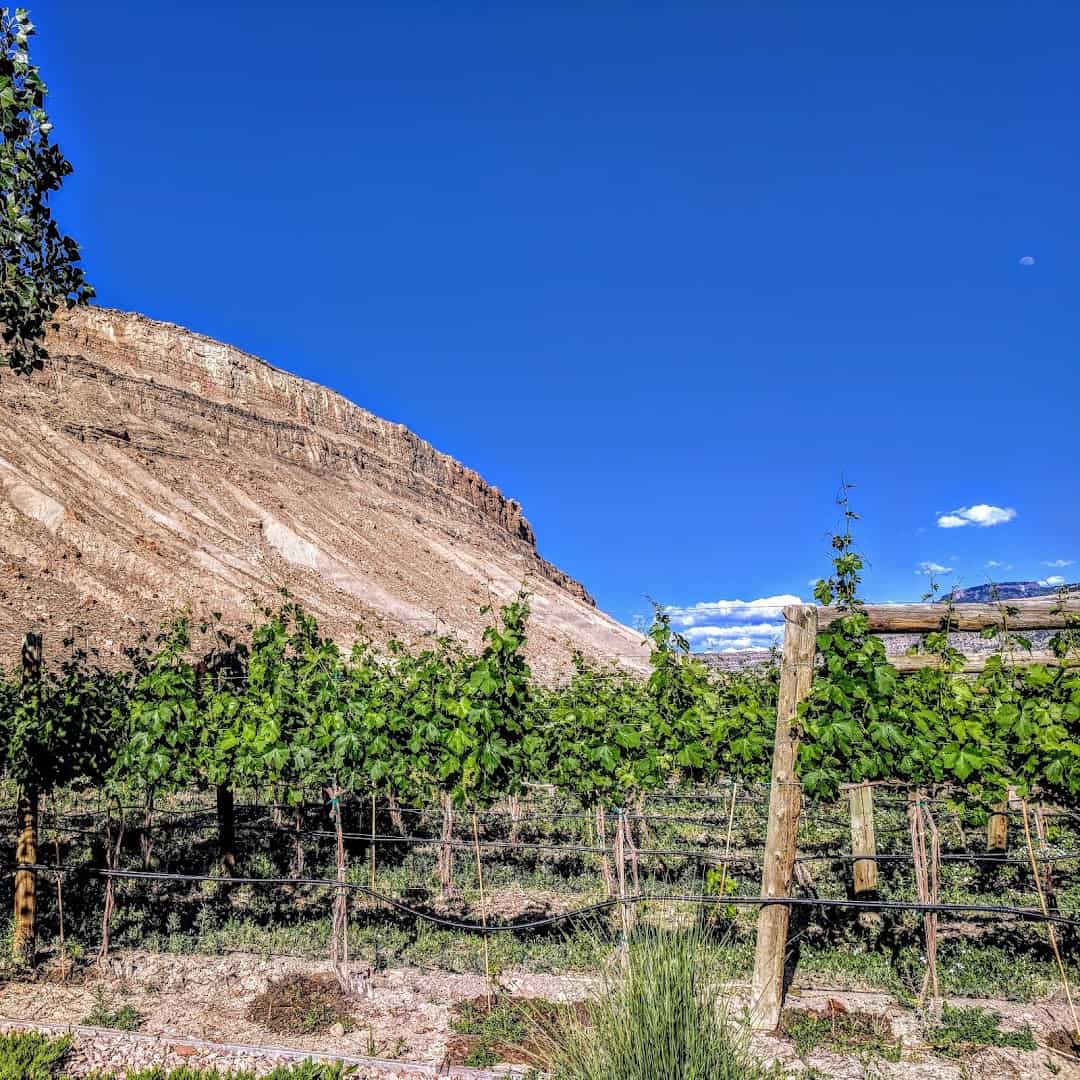
Wine at 4,700 feet, in the shadow of red mesas, tastes like an adventure because it is one. Colorado’s Grand Valley wraps around the little town of Palisade near Grand Junction, where the Colorado River and hot high-desert sun ripen peaches and grapes alike.
The vineyards sit beneath the flat-topped bulk of the Grand Mesa, and the light out here is almost impossibly clear. Most tasting rooms are small and personal, and many hand you a glass of crisp Riesling or rich Cabernet with a story attached.
Rent a bike and pedal the Fruit and Wine Byway between stops, orchard to vineyard.
Come in late summer and you can taste wine and buy a box of Palisade peaches on the same afternoon, the two crops the valley is famous for.
Where: Colterris Winery, 3548 E 1/2 Rd, Palisade, CO 81526. About four hours west of Denver, off Interstate 70.
11. Snake River Valley, Idaho
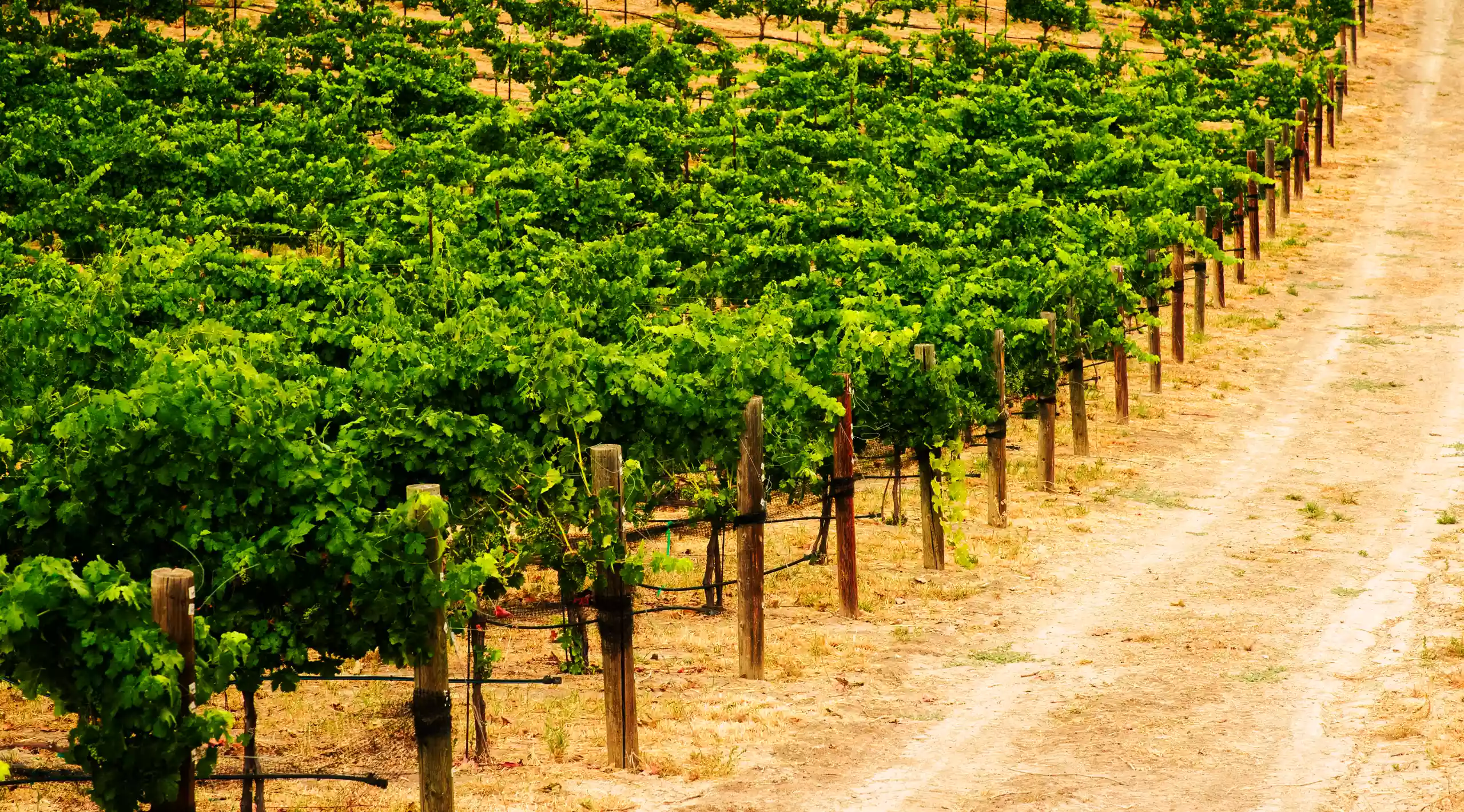
Idaho makes wine, and the ones who know are secretly thrilled that you probably did not know that. The Snake River Valley southwest of Boise is the heart of it, a sunny stretch of high-desert benchland where volcanic soil and cool nights build beautifully balanced wines.
The Sunnyslope district near Caldwell packs the most tasting rooms into the shortest drive, with views over the river canyon and the Owyhee Mountains beyond. It is friendly, affordable, and refreshingly free of crowds.
Its Syrah and Riesling have started turning heads at national competitions, so go now, well before everyone else finally catches on to the secret.
Where: Ste. Chapelle Winery, 19348 Lowell Rd, Caldwell, ID 83607. About 40 minutes west of Boise in the Sunnyslope area.
Pick a Region and Point the Car
The beautiful thing about American wine is that there is almost certainly a great glass being poured within a day’s drive of wherever you are reading this. You do not have to fly to the famous valley to taste something worth remembering.
So pick the region that pulls at you, book a cozy room, line up a driver, and go swirl something new. The postcards from these places are just as pretty, and the tasting rooms are a whole lot easier to get into.
Featured image: @ L’Ecole No 41

Stella Raines
Editor-in-Chief
Stella brings over a decade of storytelling experience to TX Headlines. With roots in West Texas and a love for road trips, she leads the editorial team with an eye for the hidden stories that make Texas unforgettable.