9 Bucket-List Wineries That Pair Great Wine With Jaw-Dropping Views
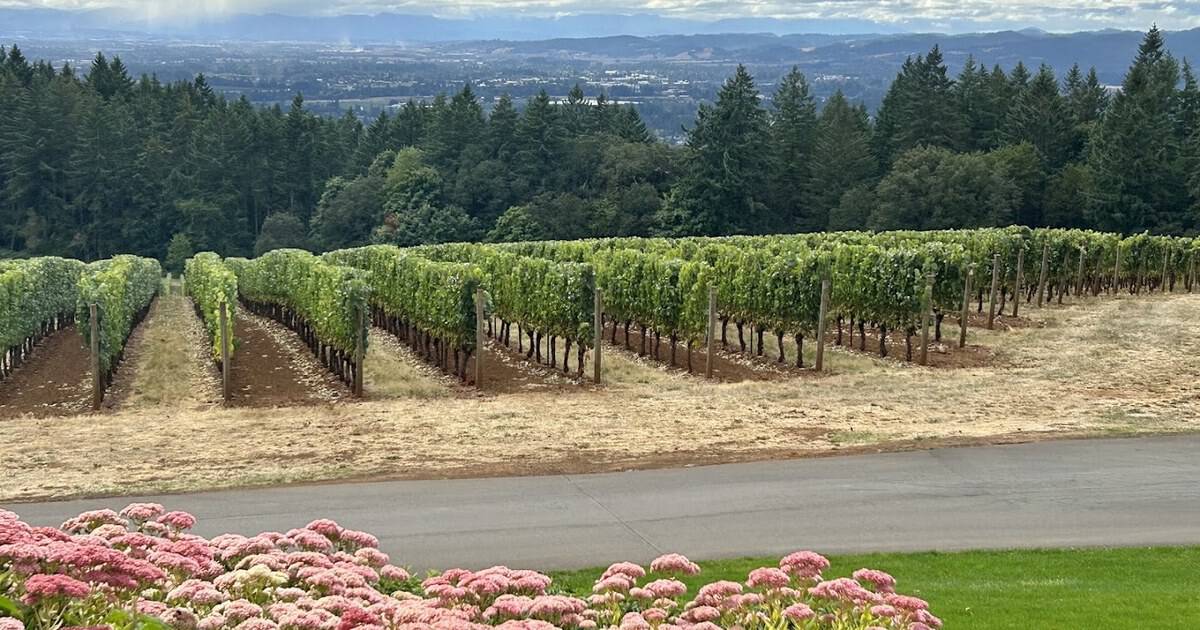
Wine tastes better outdoors. I will die on that hill, preferably one with vines rolling down its slope and a valley cracking open beyond it. The grape is negotiable. The view is not.
The best American wineries worked this out a long time ago. They planted where the land does something dramatic, then aimed the tasting terrace straight at it. The reward is jaw-dropping scenery with a glass already in your hand.
Below are nine wineries across the country where the view is the entire point. Some look out over oceans of vines. Others hang above rivers, canyons, lakes, and mountain ridges. Every one of them earns the drive, so pick the one nearest your next road trip and go.
1. Artesa Vineyards and Winery, California
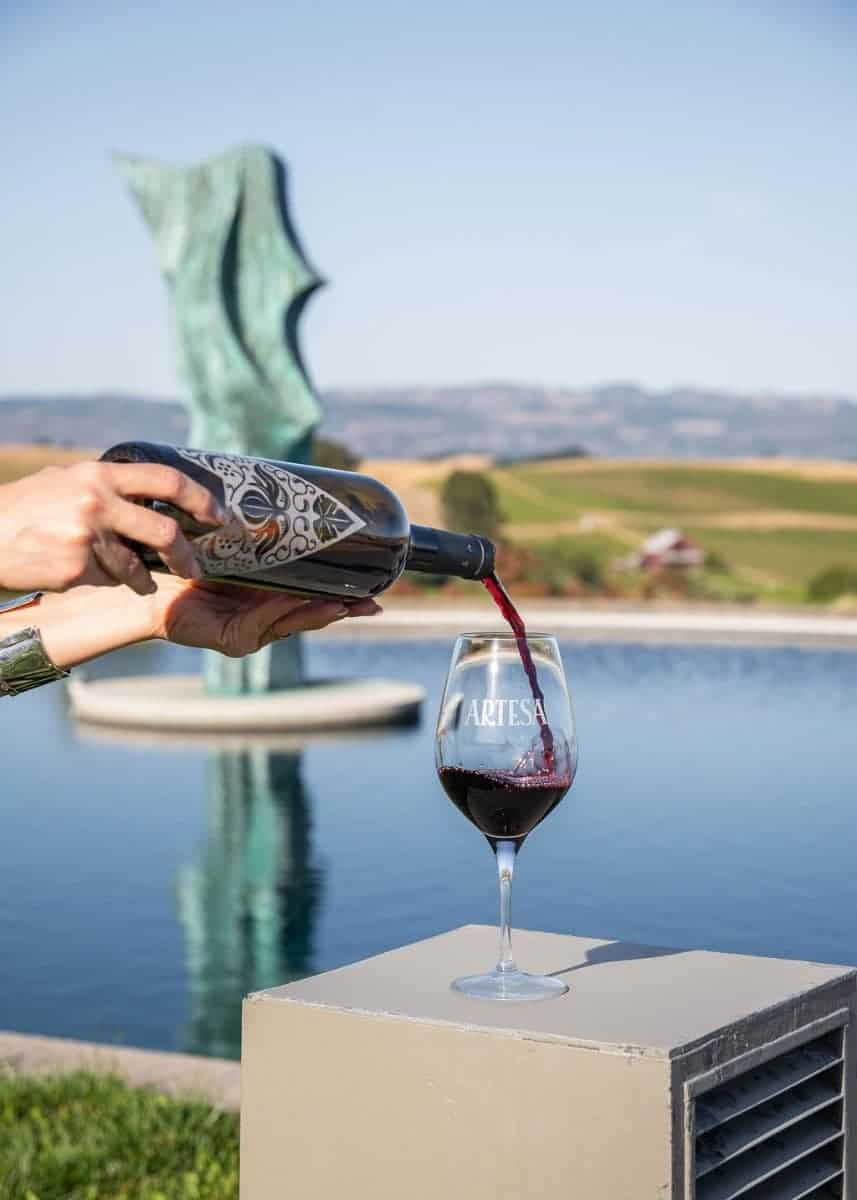
Artesa hides in plain sight. The winery is tucked into a Carneros hilltop, its roof grassed over so the building almost vanishes into the slope until you climb the front steps past the reflecting pools and modern sculpture.
Then the terrace opens up. You look out over rows of Pinot Noir, across San Pablo Bay, all the way to San Francisco on a clear day. The Spanish house Codorniu built it in the early 1990s and opened the doors in 1997.
This is a boutique operation despite the grand setting, focused on Pinot Noir and Chardonnay with a little sparkling wine on the side. Come for the pour and stay because the view keeps shifting as the afternoon light moves across the water.
It sits in the cool Carneros AVA, where fog off the bay slows the grapes down and gives the wines their balance. Book ahead, since the terrace tables go fast on a clear weekend.
Where: 1345 Henry Road, Napa, CA 94559.
2. Cave B Estate Winery, Washington
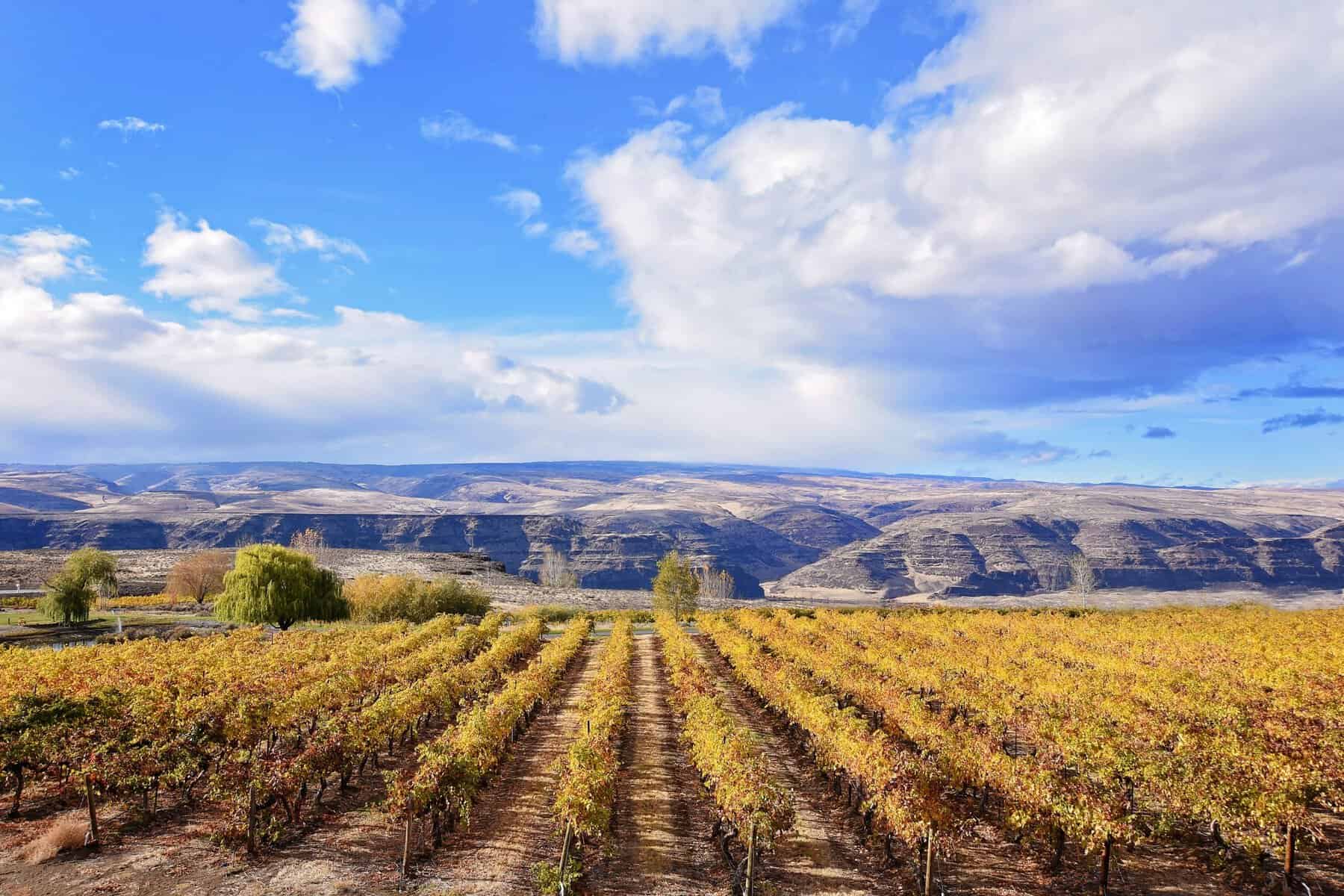
Few tasting rooms in America sit where this one does. Cave B perches on a basalt cliff about 900 feet above the Columbia River, in the wide-open center of Washington wine country.
The river curls far below you. The horizon stretches for miles. Next door sits the Gorge Amphitheatre, one of the most scenic concert venues anywhere, which tells you plenty about this particular bend in the canyon.
The estate grows its own grapes in the Ancient Lakes of Columbia Valley, and there is a resort inn and spa right on the rim if you want to stay the night.
This is high desert, so the days run hot and the nights turn cool, which is exactly what wine grapes want. The reds and whites here have the balance to prove it.
Pro tip: book a room and catch the sunrise over the gorge before anyone else is awake. It is the best seat on the property, and it comes free with the pillow.
Where: 348 Silica Road NW, Quincy, WA 98848.
3. Raffaldini Vineyards and Winery, North Carolina
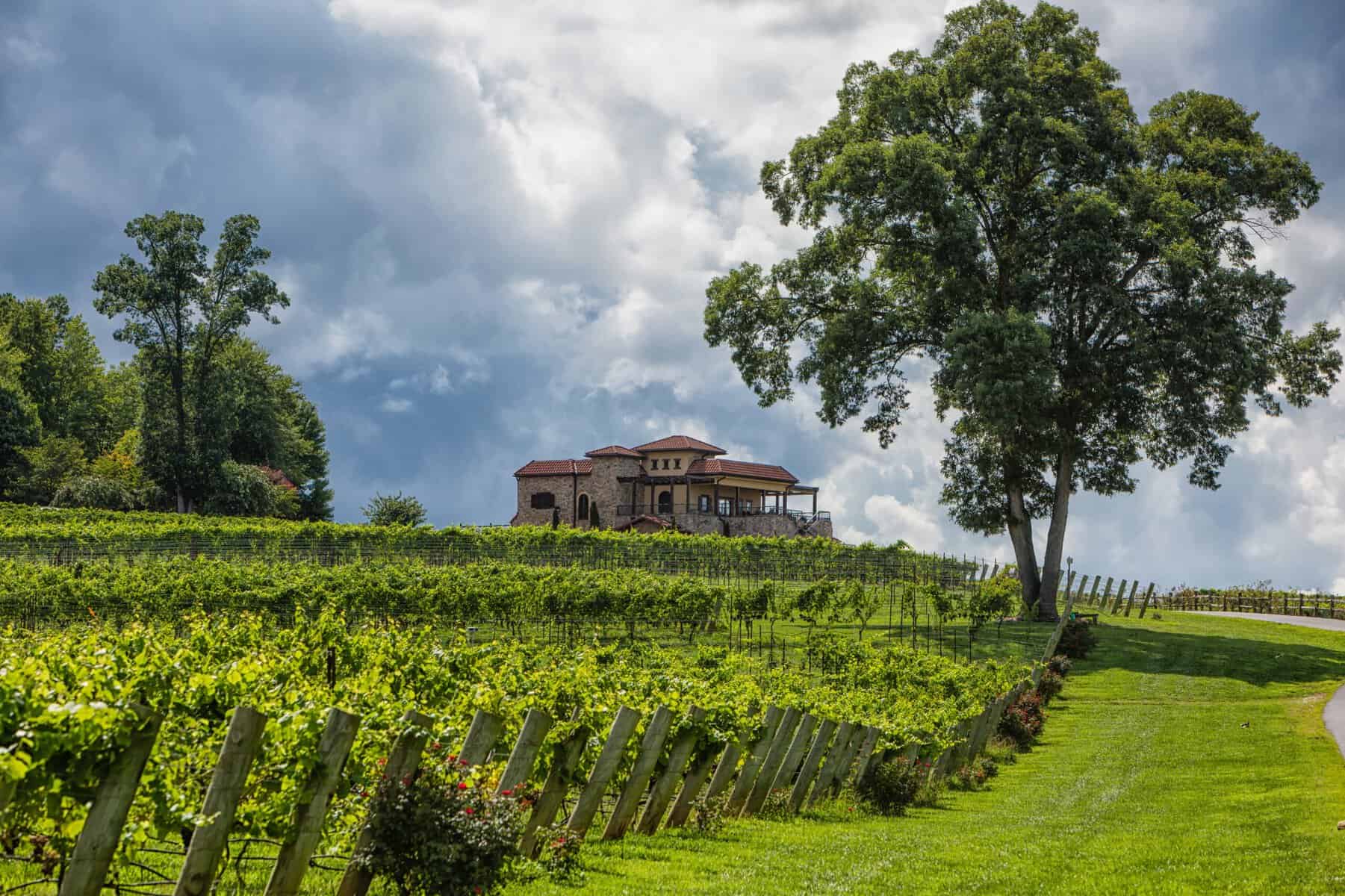
People call it Chianti in the Carolinas, and the nickname fits. A Tuscan-style villa crowns the estate, finished in 2008, with terracotta tones and a wide veranda made for lingering over a long lunch.
From the terrace, rows of Italian grapes run downhill toward the Blue Ridge and Brushy Mountains stacked in the distance. Jay Raffaldini began planting these Old World vines in 2001, on 102 acres of foothill outside little Ronda.
The wines lean Italian too, with Sangiovese, Vermentino, and Montepulciano among them. There is even a bocce court if you want to lean all the way into the Tuscan fantasy.
Some of the reds are made with an Italian drying technique that concentrates the grapes before pressing, which gives them real depth. It is the kind of detail that makes this feel less like a theme and more like a calling.
Order a glass, find a chair facing the mountains, and let the afternoon stretch out as long as it wants to.
Where: 450 Groce Road, Ronda, NC 28670.
4. Domaine Serene, Oregon
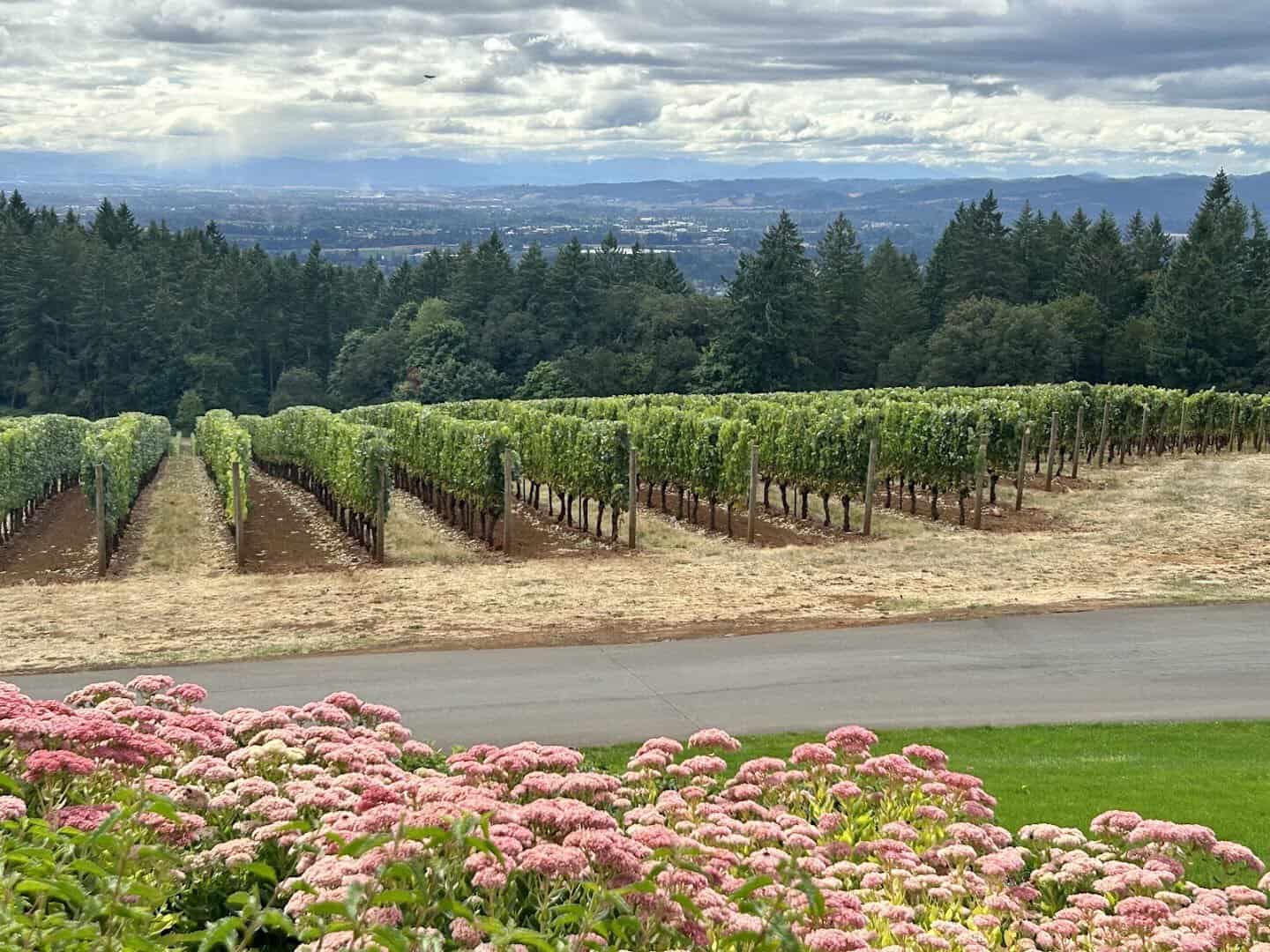
The Dundee Hills grow some of the country’s finest Pinot Noir, and Domaine Serene sits near the top of them. Its Tuscan-style chateau crowns a hill in the Red Hills of Dundee.
Step onto the clubhouse patio and the whole Willamette Valley drops away below you from about 850 feet up. Vineyards roll toward the Eola-Amity Hills to the south and the Yamhill-Carlton country to the west.
The Clubhouse is built for exactly this, a place to sit with a flight of estate Pinot and Chardonnay and watch the light change over the vines for an hour or three.
The estate has been collecting serious accolades for years, so the wine in your glass is as much a draw as the panorama in front of you. Both are worth slowing down for.
Did you know? Oregon Pinot regularly goes head to head with Burgundy in blind tastings. Sip one up here with that view in front of you and the reputation makes complete sense.
Where: 6555 NE Hilltop Lane, Dayton, OR 97114.
5. Sutcliffe Vineyards, Colorado
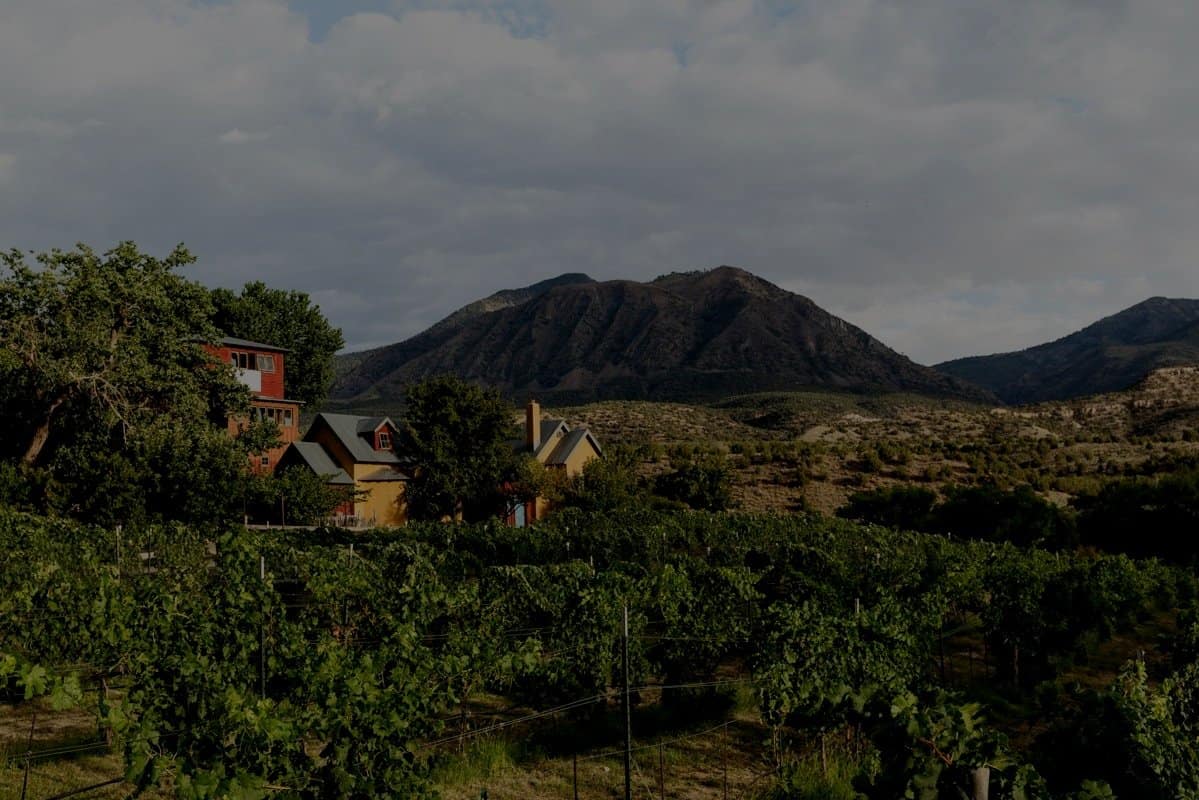
This is not the Colorado of ski postcards. Sutcliffe grows its vines deep in McElmo Canyon, about 12 miles west of Cortez, near the Utah line and the edge of the desert Southwest.
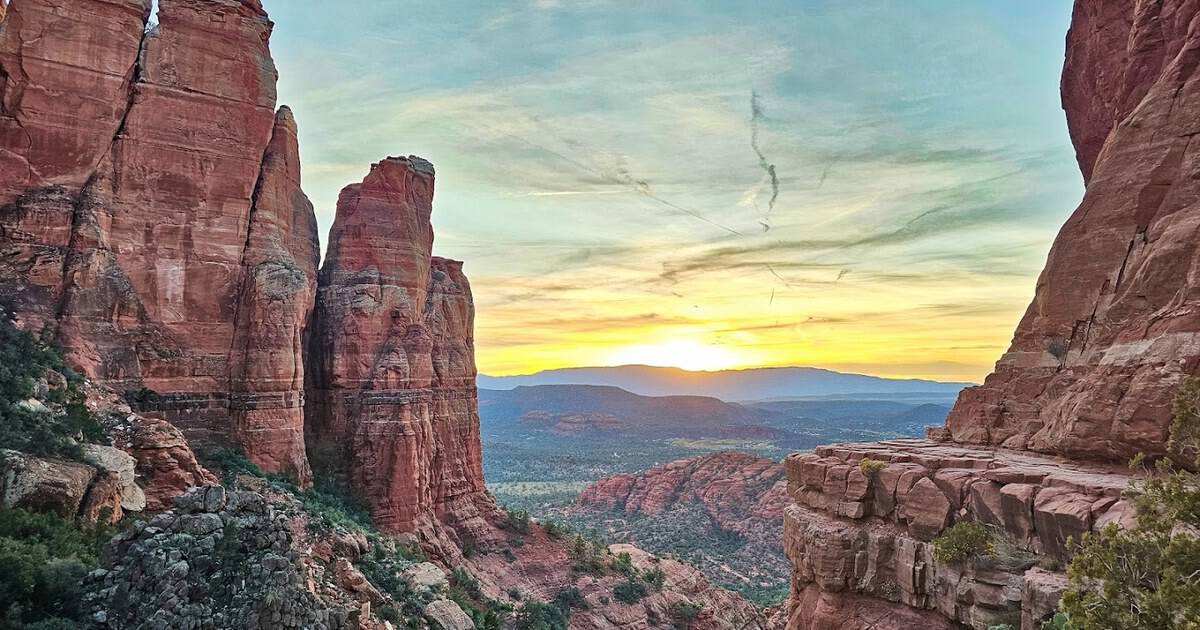
Red sandstone cliffs rise on both sides. Sleeping Ute Mountain watches over the valley, and the dramatic walls of Battlerock frame the horizon. Green rows of Cabernet Franc and Viognier glow against all that rock, an unlikely oasis at 5,340 feet.
The winery has been at it since 1991 and now counts among Colorado’s most awarded, with a stack of 90-point scores to its name. Tastings run by appointment, which keeps the canyon quiet.
You are close to Mesa Verde and the Canyons of the Ancients out here, so it slots neatly into a Four Corners trip. Pair a morning of cliff dwellings with an afternoon in the canyon and you have a near-perfect day.
That silence, framed by red walls and a mountain, is half the reason people make the long drive out. The wine in the glass is the other half.
Where: 12174 Road G, Cortez, CO 81321.
6. Fall Creek Vineyards, Texas
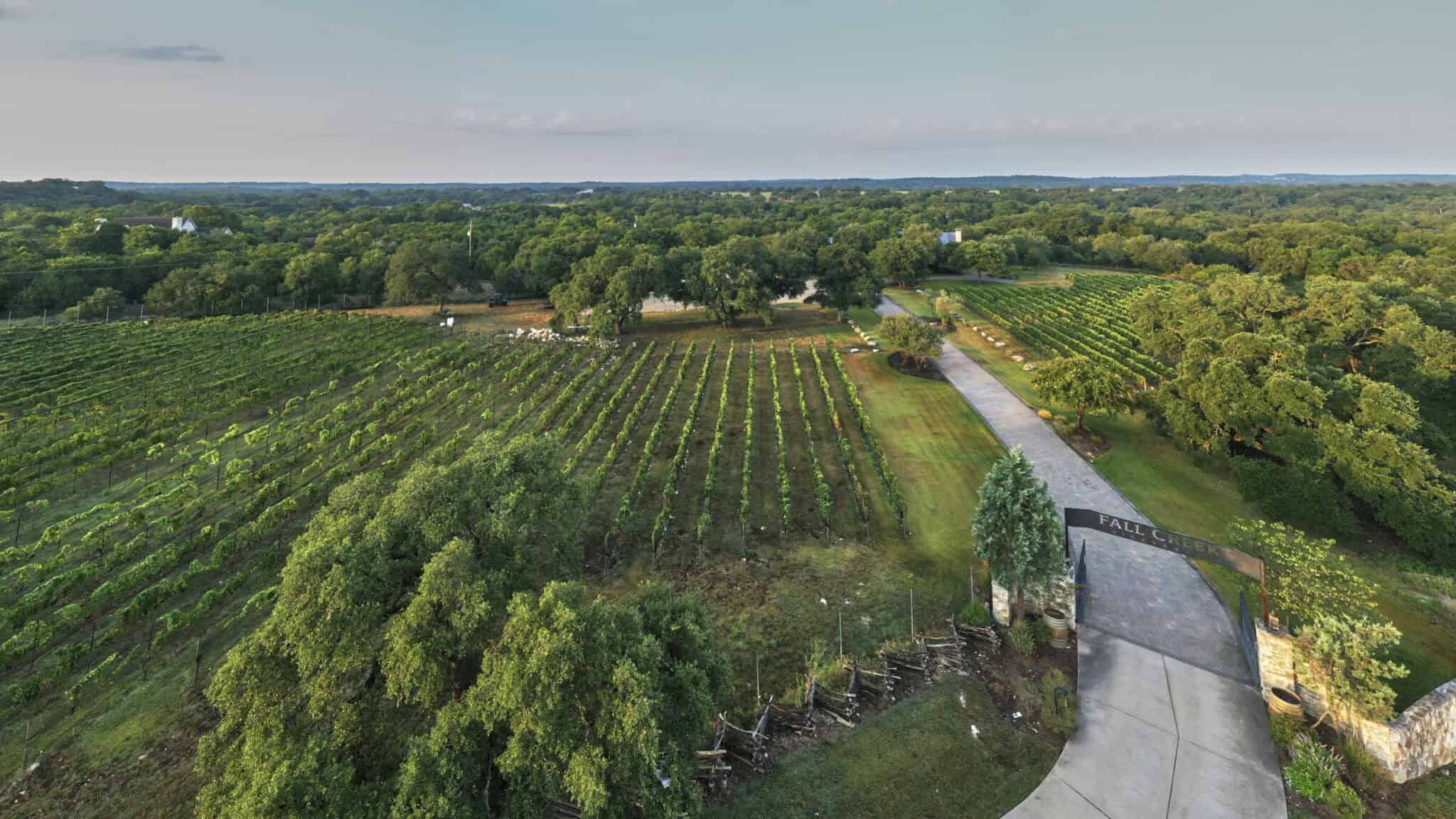
Texas wine has roots, and a lot of them lead back here. The Auler family planted this estate in the mid-1970s, among the very first to bet on grapes in the Hill Country, on the northwest corner of Lake Buchanan.
You are about 80 miles from Austin, but it feels a world away from the highway that brought you. The tasting patios look out over vineyards and rolling ranch land, with the lake shining just beyond the vines.
The original estate here is quieter than the winery’s busier Driftwood tasting room, which is exactly its charm. This is the one for a slow Saturday.
The Aulers helped prove Texas could grow serious wine, and the estate still leans into Spanish grapes like Tempranillo that love the Hill Country heat. It is a proud little piece of state history.
Bring a picnic, claim a shaded table on the lawn, and watch the light move across the water while you work through a flight.
Where: 1820 County Road 222, Tow, TX 78672.
7. Glenora Wine Cellars, New York
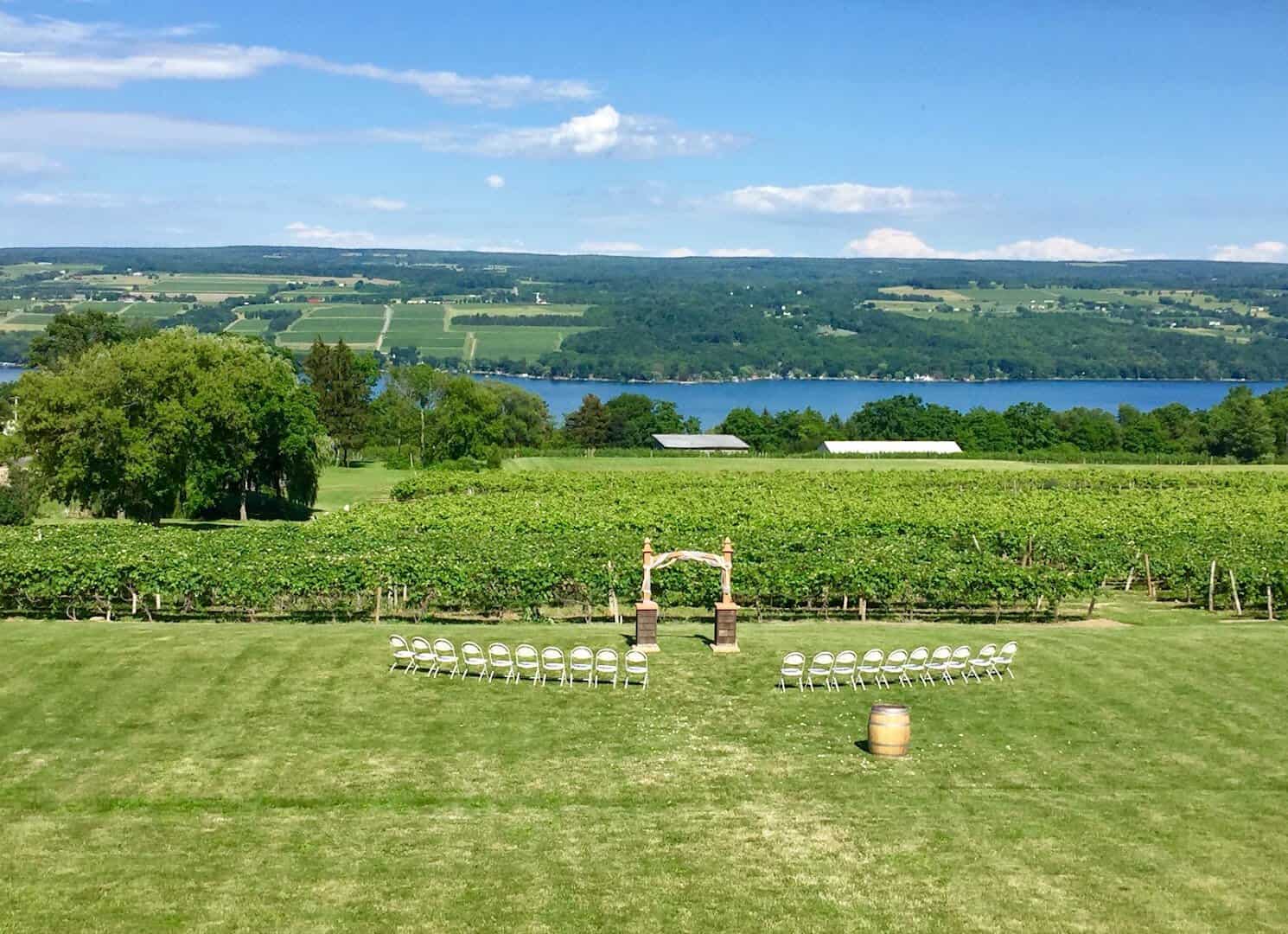
The Finger Lakes were carved by glaciers, and the long silver ribbons of water they left behind make gorgeous backdrops for a vineyard. Glenora was the first winery to open on Seneca Lake, back in 1977.
It sits on the western shore, its terrace and restaurant angled straight at the water. Vines slope down toward the lake, and the far ridge rises green on the opposite side.
There is a 30-room inn on site and a restaurant called Veraisons, so you can turn a tasting into a whole lazy overnight without ever moving the car.
The region has quietly become one of the best cool-climate wine areas in the country, and Glenora helped start it all. Rieslings and aromatic whites are the local strength, and they taste even better with the lake in view.
Time it for late day. A cold Riesling on the covered terrace as the sun drops over Seneca Lake is one of the great cheap luxuries in American wine.
Where: 5435 State Route 14, Dundee, NY 14837.
8. Bluemont Vineyard, Virginia
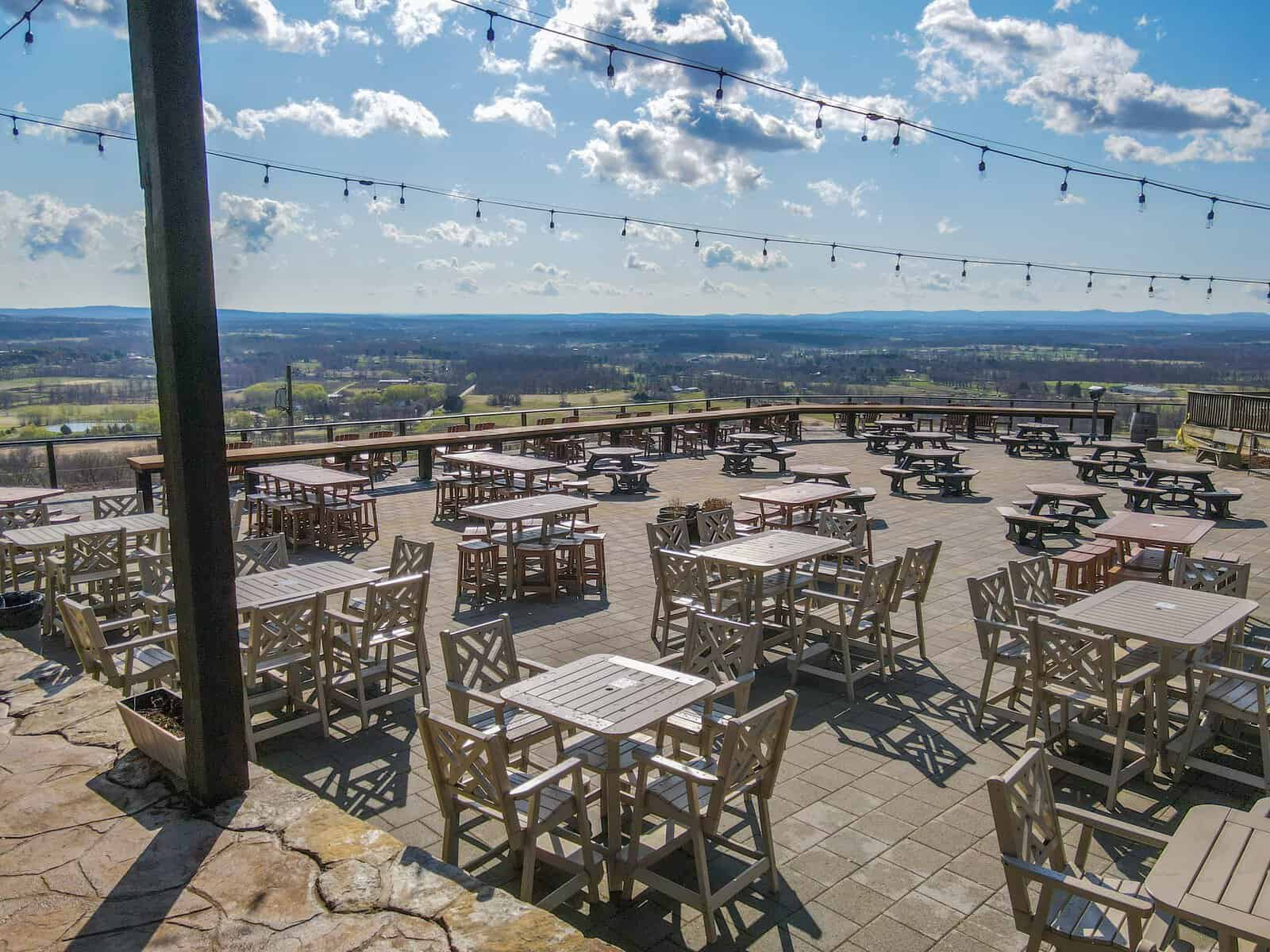
The number 951 shows up all over this place, and there is a reason. That is the elevation, in feet, of the tasting room perched on the first ridge of the Blue Ridge Mountains.
From up there, the Loudoun Valley spreads out in a long green panorama, patchwork farms and forest rolling toward the horizon. On a clear day you feel like you can see half of Virginia from your chair.
The family behind it runs a little cluster of places in these hills, so a wine afternoon can roll into a farm visit or a beer without much planning.
The kitchen leans into the view too, with wood-fired flatbreads and shareable plates built for a long, slow afternoon on the ridge. It is the kind of place you mean to leave by three and somehow do not.
Grab a table on the terrace, indoors or out depending on the weather, and let the mountain air do its quiet work.
Where: 18755 Foggy Bottom Road, Bluemont, VA 20135.
9. Chateau Grand Traverse, Michigan
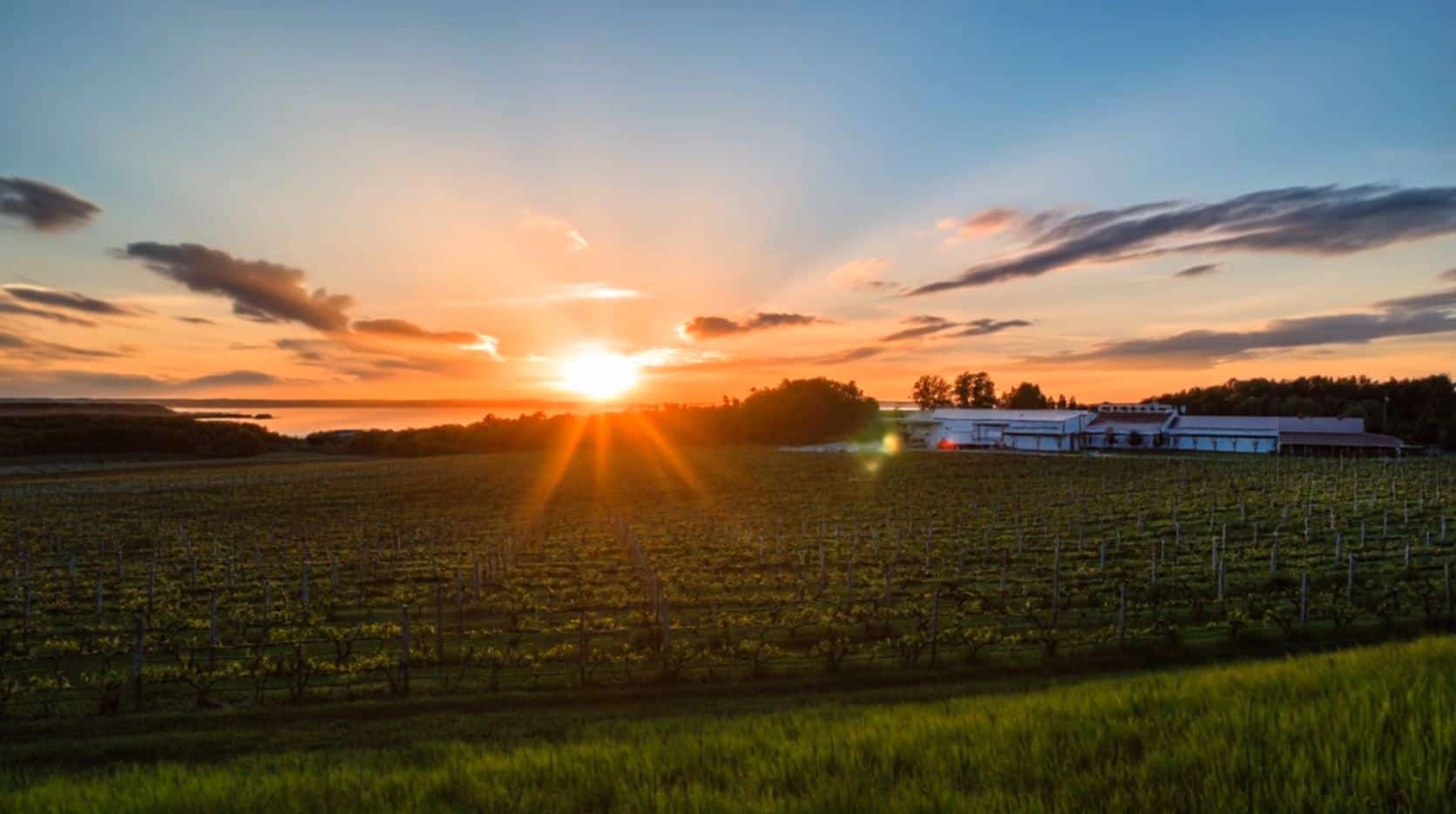
Michigan makes world-class Riesling, and this is where the modern story started. Chateau Grand Traverse became northern Michigan’s first bonded winery in 1976 and planted the region’s first serious European vines.
It sits on the Old Mission Peninsula, a slim finger of land reaching into Grand Traverse Bay, right along the 45th parallel. Vineyards roll toward blue water on both sides, and the evening light off the bay turns everything soft.
Riesling is the house specialty, from bone dry to sweet, and the O’Keefe family has spent decades proving these cool northern slopes can grow it beautifully.
You are sitting almost on the 45th parallel here, the same latitude as parts of France and Italy, which is a fun thing to think about with a cold glass in hand and the water in view.
Whether you know your Riesling or you are just chasing a pretty view, this corner of the Midwest quietly delivers both.
Where: 12239 Center Road, Traverse City, MI 49686.
Plan Your Winery Road Trip
A great glass of wine is even better with something worth staring at over the rim. These ten wineries stretch from a Napa hilltop to a Washington cliff to a canyon on the edge of the desert, and every one of them built its view on purpose.
So pick the region closest to your next trip, book a tasting ahead of time, and go see for yourself. Any one of these nine would make the whole weekend worth it. Just remember to bring a designated driver, and try not to lose the entire afternoon to the scenery.
Featured image: George William via Domaine Serene

Stella Raines
Editor-in-Chief
Stella brings over a decade of storytelling experience to TX Headlines. With roots in West Texas and a love for road trips, she leads the editorial team with an eye for the hidden stories that make Texas unforgettable.