10 Charming Wine Towns That Locals Escape to for the Weekend
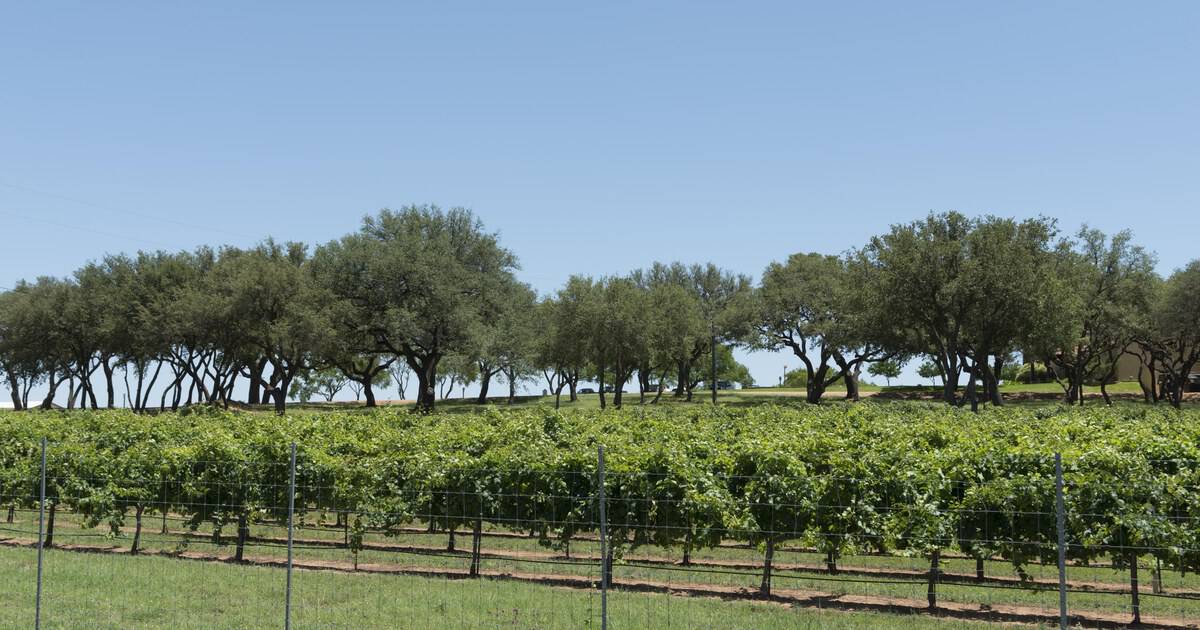
I will happily taste wine just about anywhere, but the trips I remember are never the ones built around a famous label. They are the ones where a small town does half the charming for me before I lift the first glass.
Because wine country does not have to mean Napa prices and a table you booked back in March. Sometimes it means a walkable Main Street, a handful of cellars, and a slow Sunday you did not have to plan around anyone.
So this is a list for the other kind of wine trip. America hides dozens of small towns where the vineyards start at the edge of downtown, the tasting rooms sit a walk apart, and the whole weekend runs slow and sun-warmed.
Below, ten charming wine towns you can reach by Friday night and still feel unwound by Sunday. They spread from the California coast to the Jersey Shore, and every one earns the drive on its own.
A few you already know by name. A few you probably do not, and honestly, the ones you do not are half the fun of a list like this. Pour a glass and read on.
1. Healdsburg, California
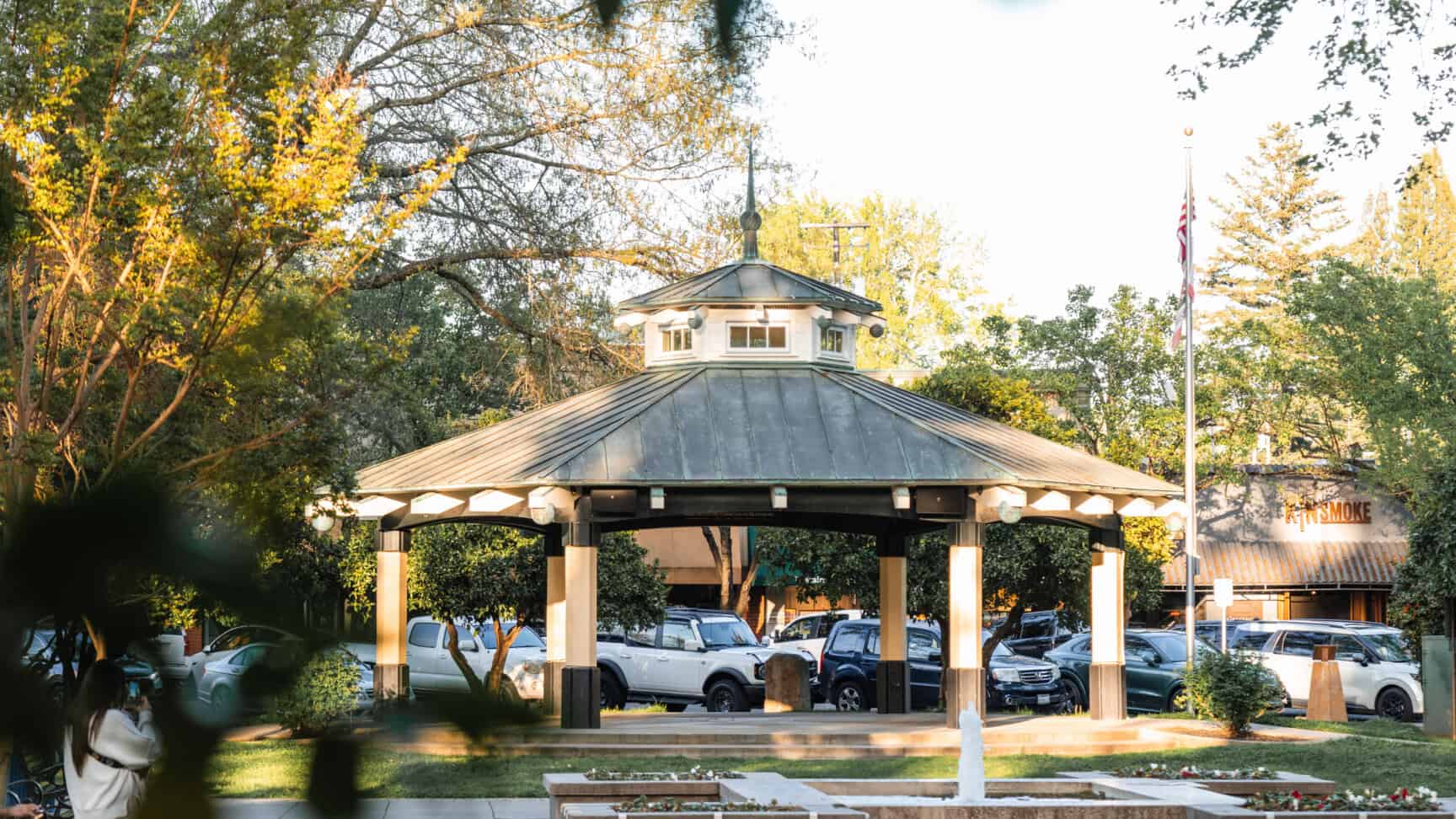
Start in the town Conde Nast Traveler once crowned Sonoma County’s most charming, and you understand the fuss within a block. This is Sonoma without the interstate rush, built for slow mornings and a short stroll to the first pour.
Ninety-two wineries sit inside Healdsburg’s city limits, and twenty-six of them pour right downtown. You can taste all weekend without ever starting the car.
The tree-shaded Plaza anchors everything, ringed by preserved 19th-century storefronts, farm-to-table kitchens, and easygoing tasting rooms. Healdsburg is also where three wine valleys meet: Alexander, Dry Creek, and Russian River. Few towns hand you that much range on foot.
Rent a bike, picnic on the green, and let the afternoon stretch. The reservations come easier and the crowds run thinner here than in the marquee valleys an hour to the south.
Where: Healdsburg Plaza, Center Street at Matheson Street, Healdsburg, California, about 70 miles north of San Francisco off Highway 101.
2. Hermann, Missouri
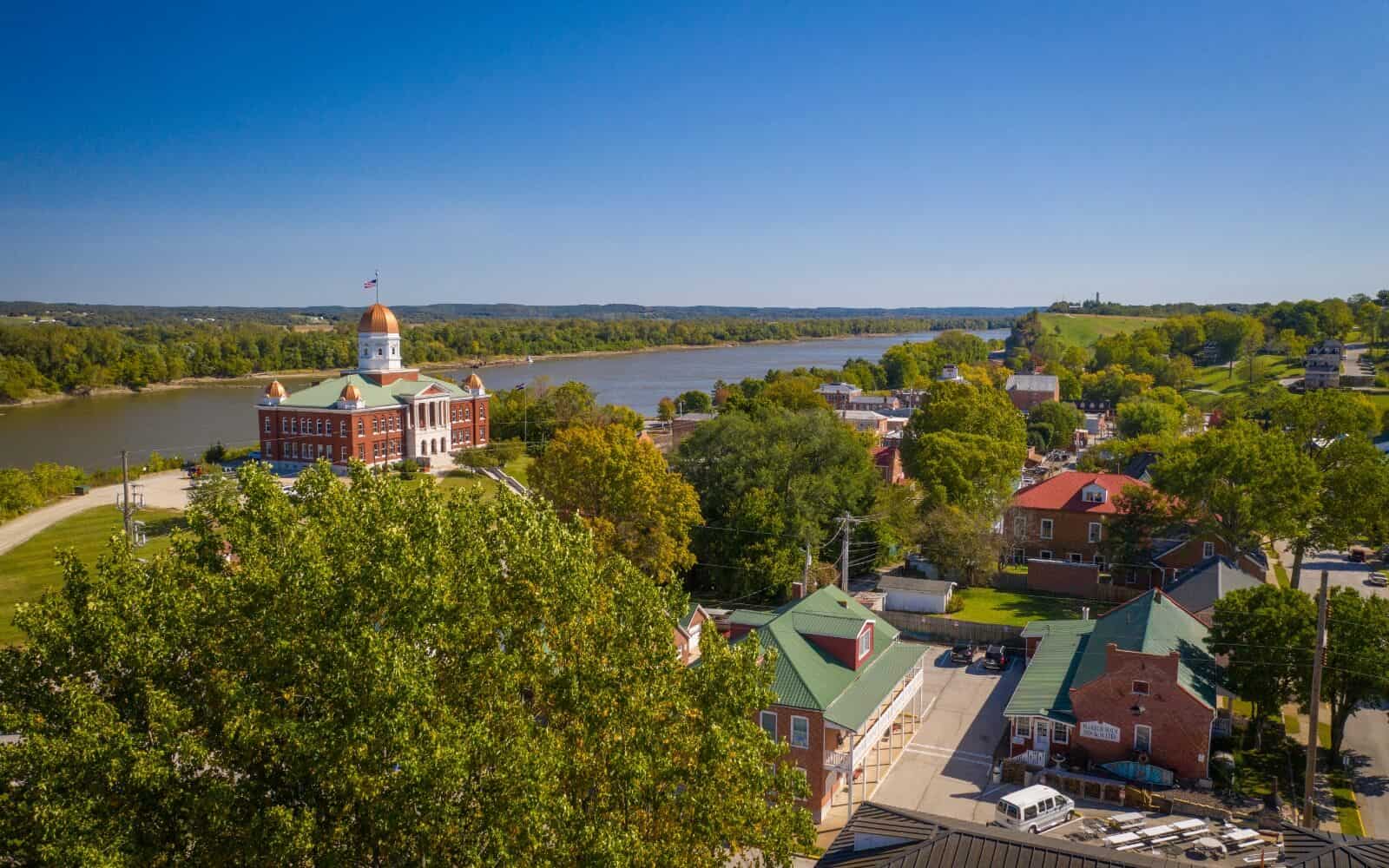
German immigrants settled Hermann in 1837, hunting for a slice of the Rhineland on the Missouri River. They found it, then planted grapes on the bluffs.
By 1870 this stretch, nicknamed the Missouri Rhineland, out-produced almost everywhere else in the country. Stone Hill Winery opened in 1847 and once ranked as the second-largest winery in America.
Today the brick storefronts, the river views, and the hillside cellars make a weekend feel like a small trip abroad. Stone Hill’s gold medals from the 1873 Vienna World’s Fair still hang on the wall, proof this quiet town once beat the world.
Time it for one of the seasonal wine festivals and the whole town spills into the streets. The rest of the year the pace is pure river town: slow mornings, long lunches, and a cellar tour before dinner.
Where: Downtown Hermann sits off Highway 100, roughly 80 miles west of St. Louis. Start at Stone Hill Winery, 1110 Stone Hill Highway, Hermann, Missouri.
3. Walla Walla, Washington
Say the name twice and it already sounds like a place that does not take itself too seriously. That turns out to be exactly right.
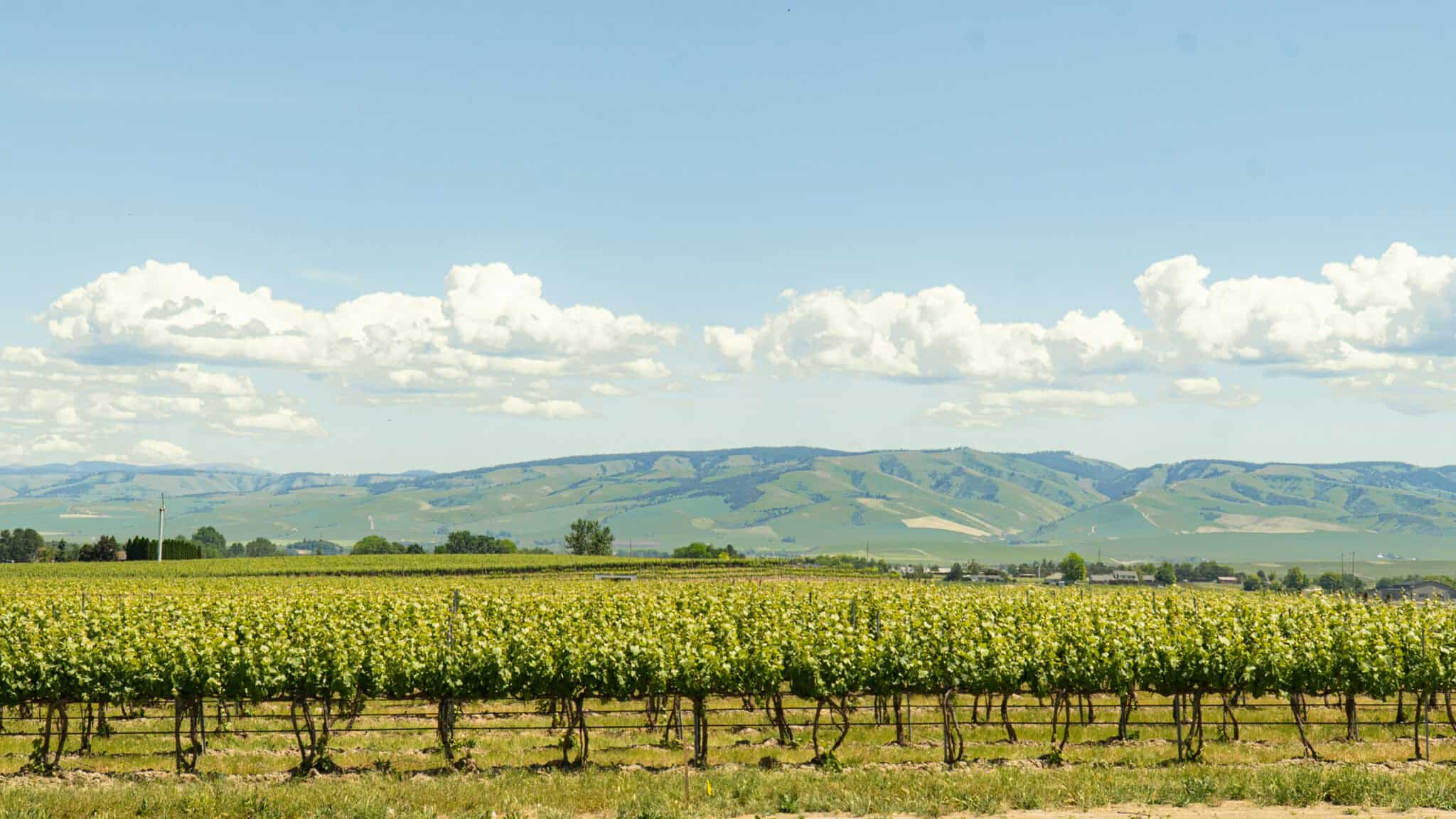
More than 120 wineries surround this town in Washington’s far southeast corner, and around forty of them pour inside a walkable downtown of historic brick buildings.
The local community college runs a respected winemaking program, so the whole place hums with people who actually make the stuff. Between tastings you get chef-driven restaurants, cozy cafes, and one of the state’s grand old hotels. It is a working wine town, not a stage set.
Come in fall when the vines turn gold and the harvest crush scents the whole valley, or catch a spring release weekend. Either way, you park once and walk the rest.
Where: Downtown Walla Walla, Main Street, Walla Walla, Washington, about four hours from both Seattle and Portland.
4. Cape May, New Jersey
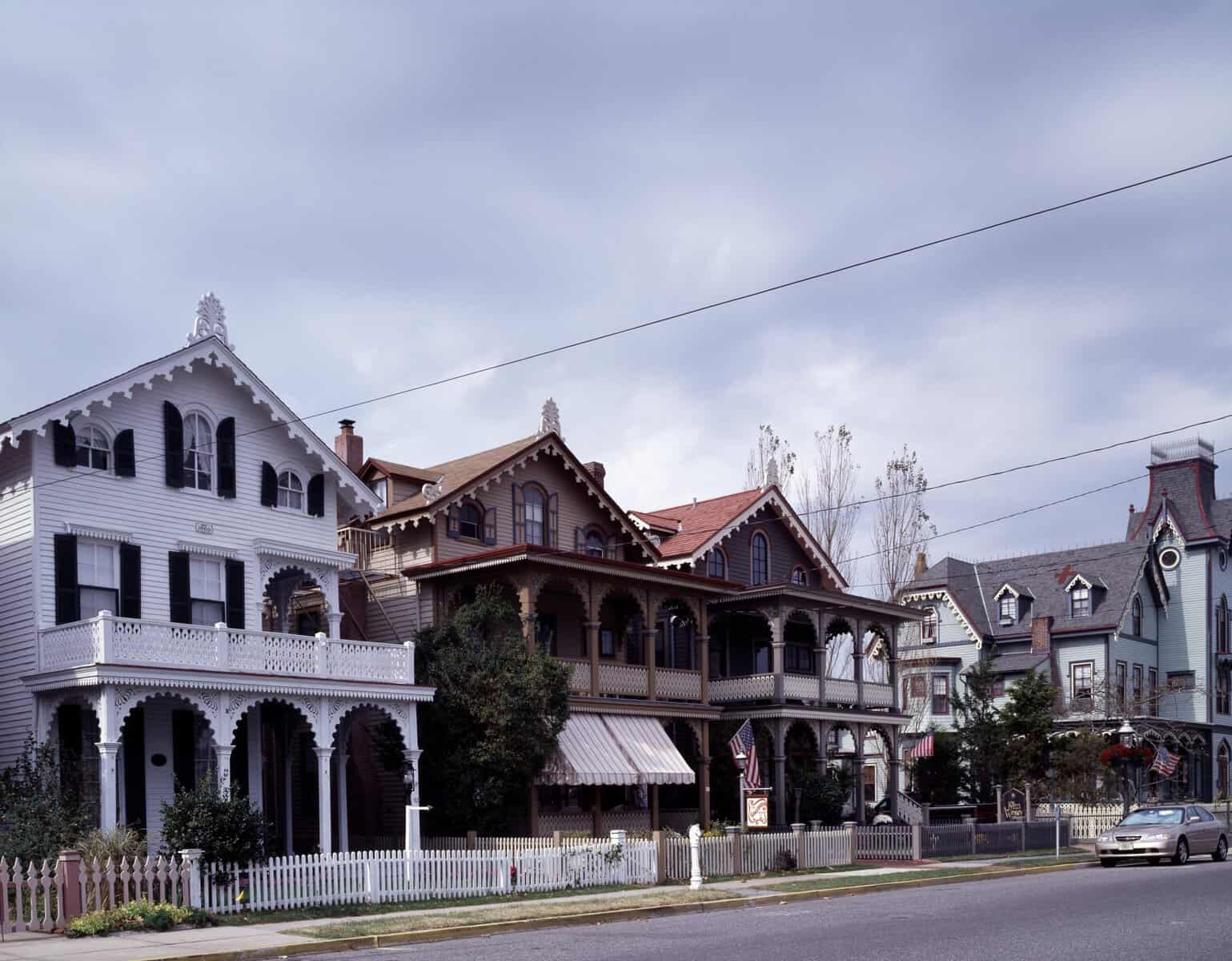
Head to the very bottom of New Jersey and you hit Cape May, a seaside town that never quite let go of the 1800s.
Its historic district holds hundreds of candy-colored Victorian houses with gingerbread trim, one of the largest such collections in the country. Horse-drawn carriages still clip past the porches.
The wine is newer but real. The Cape May Wine Trail links a handful of coastal wineries where salt air and sandy soil shape the grapes, an easy afternoon between beach and boardwalk. The oldest has been bottling since the 1970s.
Stroll the pedestrian Washington Street Mall, climb the 1859 lighthouse, then toast the sunset with a local white. Few weekends fold a beach town and a wine country together this neatly.
Where: Cape May sits at New Jersey’s southern tip, about 40 miles south of Atlantic City at the end of the Garden State Parkway.
5. Fredericksburg, Texas
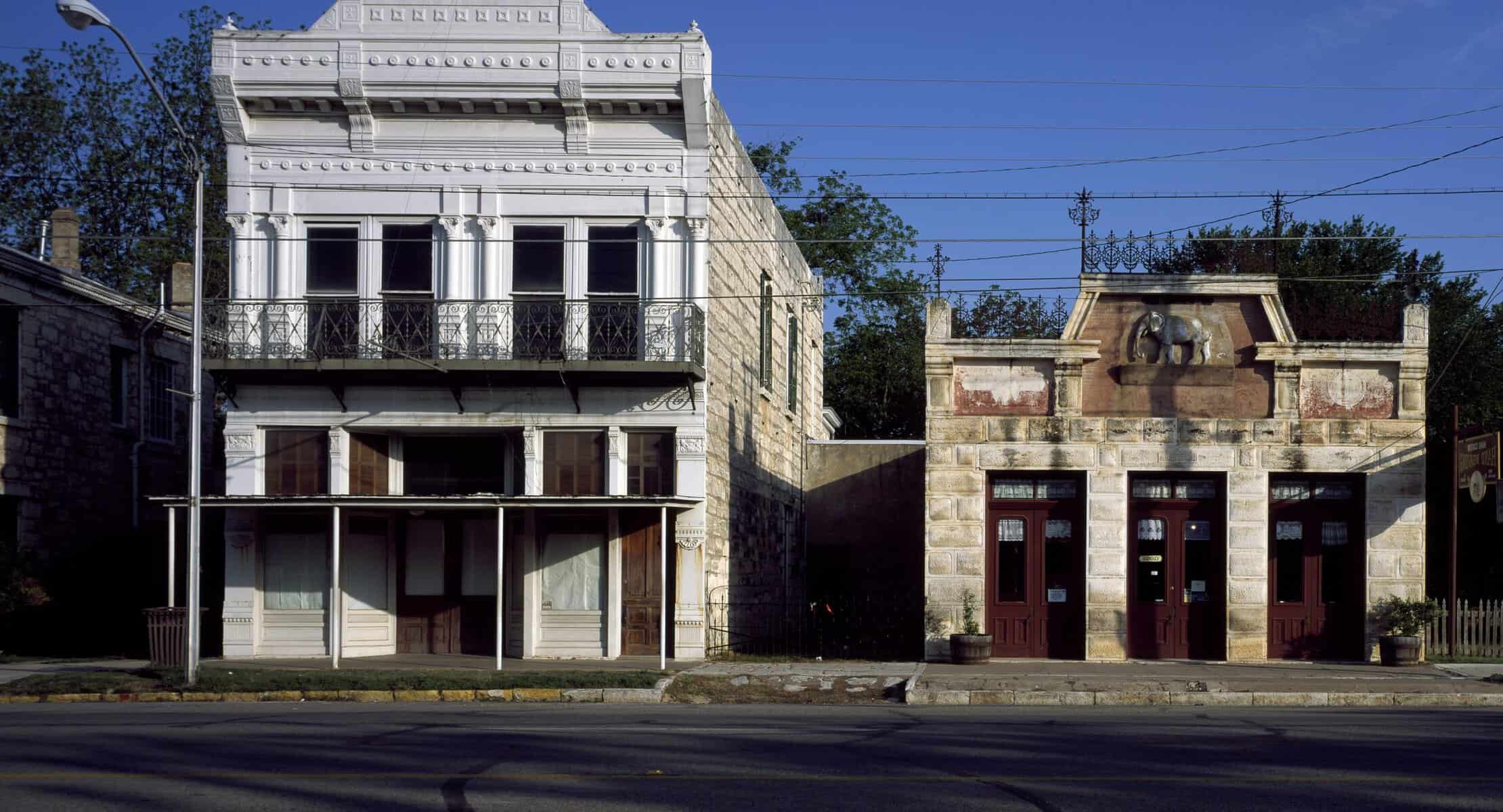
If Texas has a wine capital, this German-founded town in the Hill Country wears the crown without much argument.
Settlers from Germany laid out Fredericksburg in 1846, and their tidy Main Street still runs with biergartens, bakeries, and boutiques you can browse between pours.
Then there is Wine Road 290, the highway lined with tasting rooms that helped make Texas Hill Country one of the most visited wine regions in the country. Nearly a hundred wineries dot the area, from working estate vineyards to downtown rooms you can stroll to after dinner.
Fuel up first on a warm kolache or a plate of schnitzel, then drift from one tasting room to the next all afternoon. Come in spring and the wildflowers turn the whole drive into a postcard.
Where: Main Street, Fredericksburg, Texas, about 80 miles west of Austin; the Wine Road 290 tasting rooms line Highway 290 east of town.
6. Jacksonville, Oregon
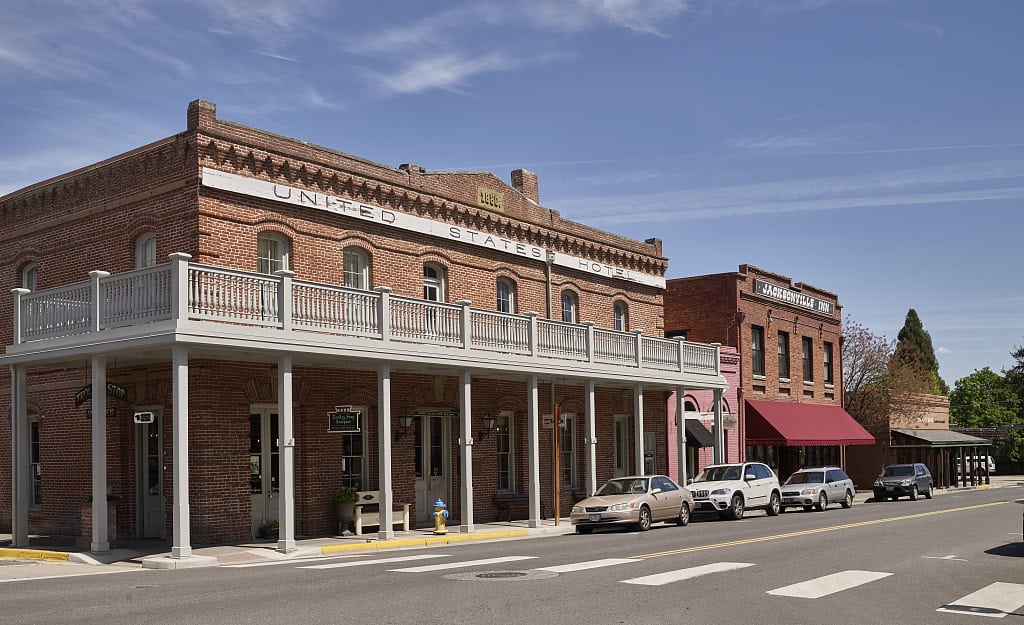
Gold built Jacksonville in the 1850s, and when the boom faded the town simply stopped changing, which turned out to be a gift.
The whole place is a National Historic Landmark now, with brick and clapboard storefronts, a preserved Wells Fargo office, and gas lamps along California Street.
Wine came later, up in the surrounding Applegate and Rogue valleys, where warm days and cool nights ripen bold reds. Syrah and Tempranillo thrive in the valley’s warm pockets, and the tasting rooms sit a short drive from the old downtown.
Time your visit for summer and the Britt Music Festival fills a hillside with open-air concerts under the stars. Any season, the walkable historic core does the rest.
Where: Jacksonville, Oregon, sits about five miles west of Medford in southern Oregon, the gateway to the Applegate Valley wine country.
7. Middleburg, Virginia
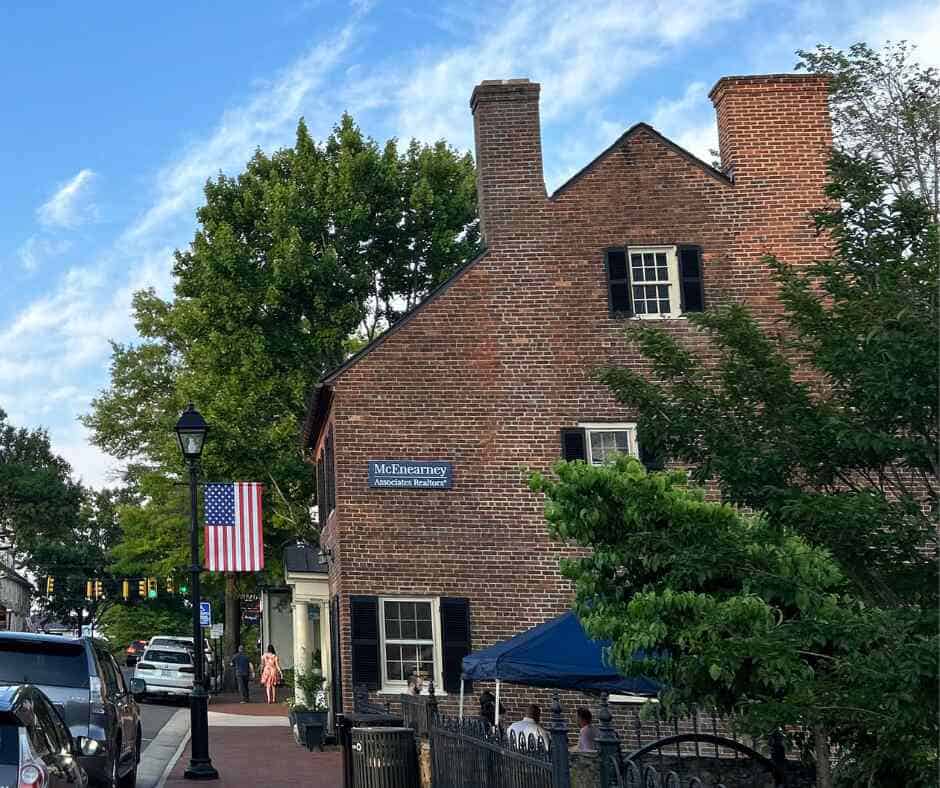
An hour west of Washington, the countryside turns to horse farms and stone walls, and Middleburg sits right in the middle of it.
Founded in 1787, the town earned its title as the nation’s horse and hunt capital, and Jackie Kennedy once walked its brick sidewalks between the boutiques and galleries.
More than a dozen vineyards lie within twenty miles, so the weekend splits neatly between tasting rooms and rolling pastures. The downtown keeps its old-inn charm, its chic shops, and a pace that feels a century removed from the capital nearby.
Watch a steeplechase, tour a horse farm, then close the day with a flight at a nearby estate. The whole scene feels like the English countryside that happens to pour excellent Cabernet Franc.
Where: Washington Street, Middleburg, Virginia, along Route 50, about 45 miles west of Washington, D.C.
8. Sonoita, Arizona
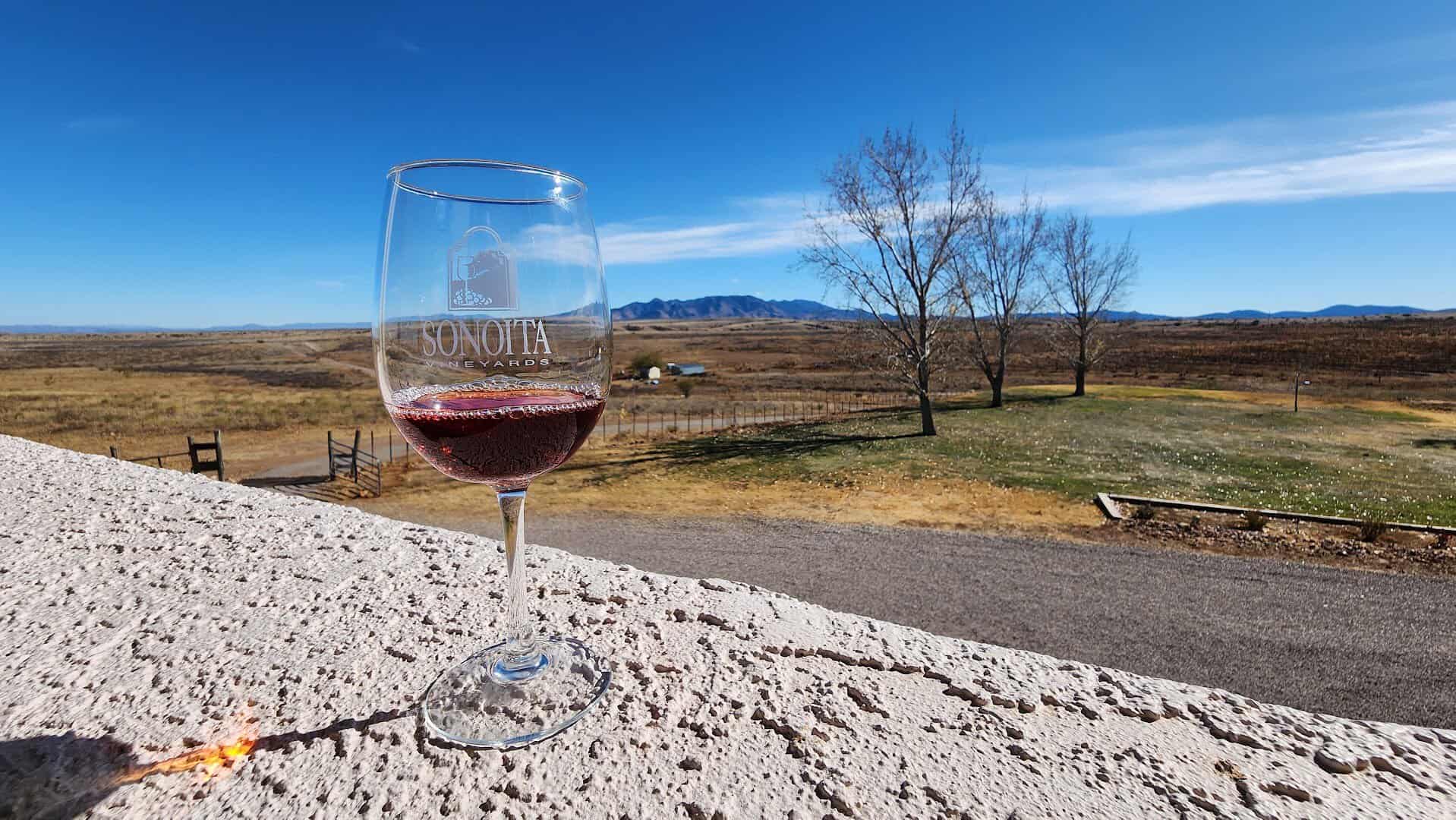
Arizona wine sounds like a punchline until you climb to Sonoita, where the desert cools and the grasslands roll toward the mountains. Then you taste it, and the joke is on everyone who skipped it.
This high basin sits four to five thousand feet up, with warm days and cool nights that grapes happen to love. It became Arizona’s first official wine region back in 1984.
Sonoita Vineyards, the state’s oldest, has poured for around forty years, and more than twenty wineries now cluster within a ten-mile drive toward neighboring Elgin. Locals call it wine country without the snootiness, and the welcome proves the point.
Sunsets over the grasslands run long and pink, and the nights are some of the darkest, most star-filled skies in the Southwest. Bring a designated driver and a light jacket, since the desert cools fast after dark.
Where: Sonoita sits at the junction of Highways 82 and 83, about an hour southeast of Tucson; most wineries lie within ten miles, toward Elgin.
9. Hammondsport, New York
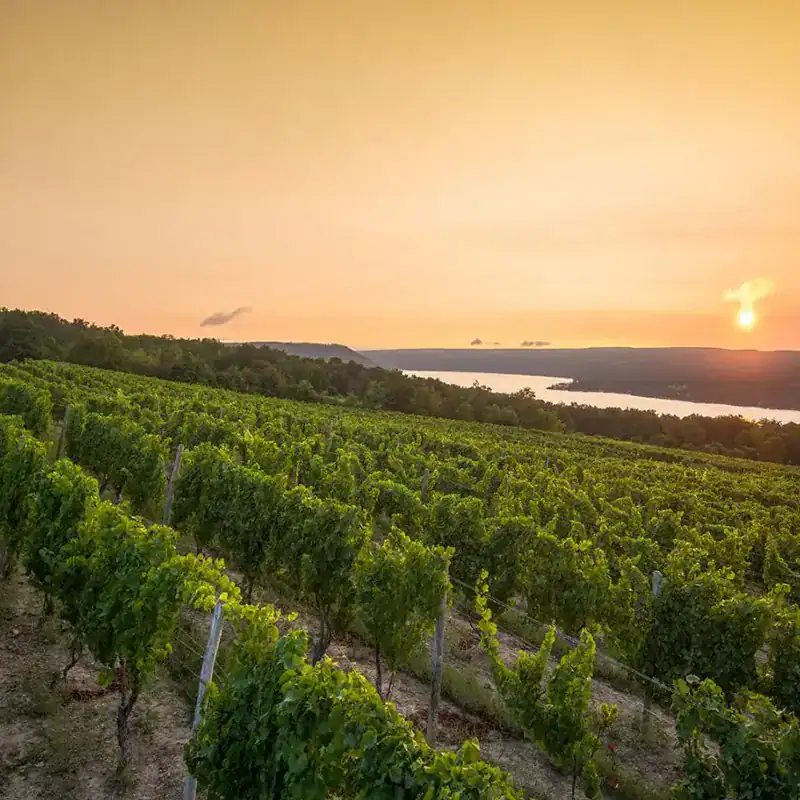
Fewer than six hundred people live in Hammondsport, and somehow it keeps landing on lists of the prettiest small towns in the country.
It curls around the southern tip of Keuka Lake in the Finger Lakes, with a village green, a white gazebo, and storefronts ringing picturesque Pulteney Square.
Grapes have grown on these hillsides since a reverend planted the first vines in 1830, and the town still calls itself the champagne center of America. The sparkling wine, poured in cellars just up the lake, lives up to the name.
Spend the morning out on the lake, the afternoon on the Keuka wine trail, and the evening on a bench by the gazebo. Few places pack this much into so small a footprint.
Where: Pulteney Square, Hammondsport, New York, at the southern tip of Keuka Lake, roughly 90 minutes southeast of Rochester.
10. Palisade, Colorado
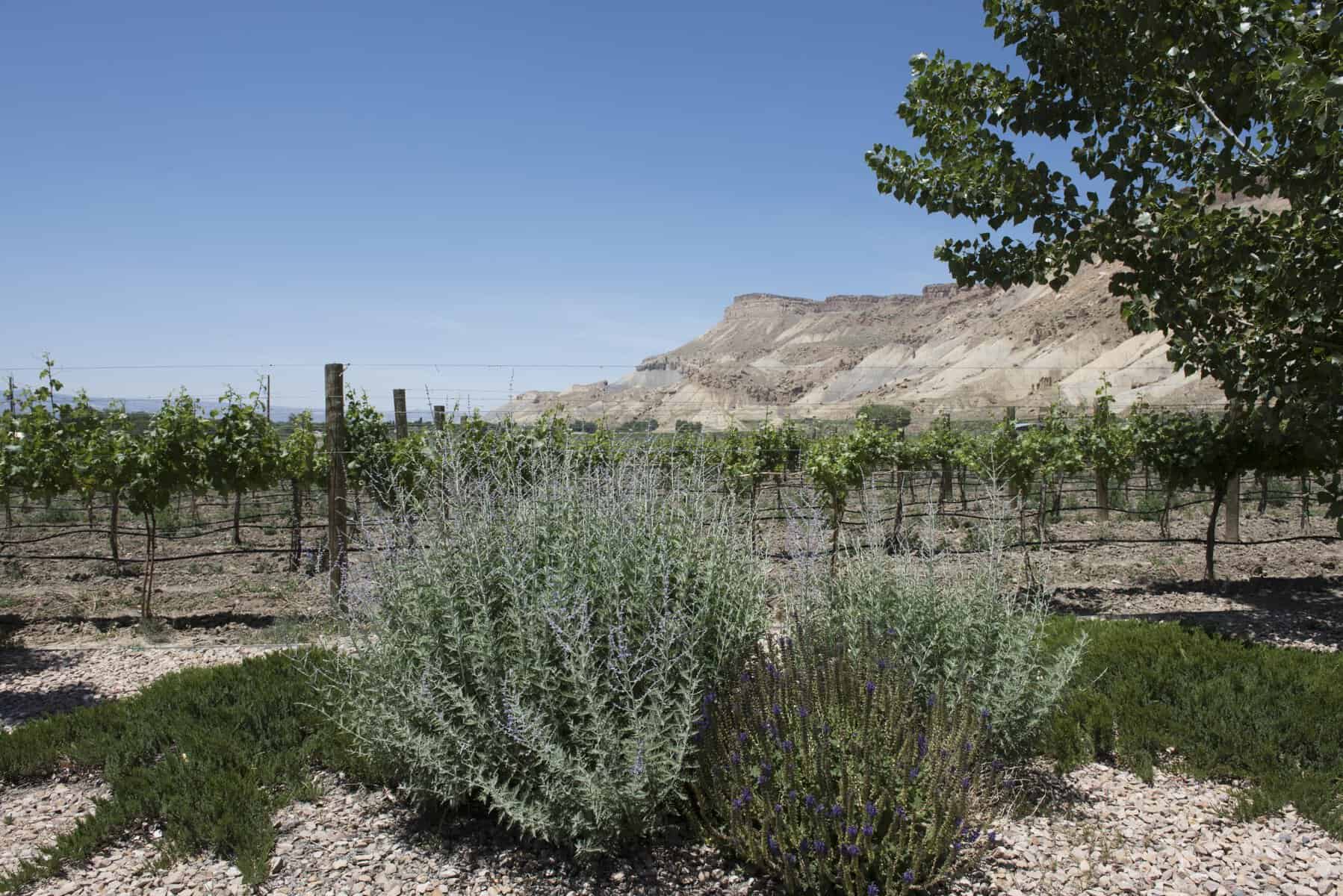
Tucked against red-rock cliffs on the Colorado River, Palisade grows two things beautifully: peaches and wine.
This is the heart of the Grand Valley, Colorado’s leading wine region, with more than twenty wineries strung along a Fruit and Wine Byway you can ride by bike.
The flat-topped Book Cliffs and Mount Garfield rise behind the vineyards, and warm days with cool desert nights ripen the grapes. A small-town Main Street handles the rest of the charm.
Rent a cruiser, roll from tasting room to fruit stand, and end the day with a glass as the cliffs glow orange. Come in late summer and the roadside stands overflow with just-picked peaches. It is wine country with a mountain-town heart.
Where: Palisade, Colorado, sits about 13 miles east of Grand Junction along the Colorado River, just off Interstate 70.
Pack a Bag and Pick One
The best part of a wine town is how little it asks of you. No big name, no big budget, just a Friday off and a comfortable pair of shoes.
Each of these ten hands you a walkable downtown, a cellar or ten within reach, and a Sunday you leave slower than you arrived.
So pick the one that is the shortest drive, book a room near the square, and let the town do the rest. Your weekend is already waiting.
Featured image: Carol M. Highsmith, Library of Congress

Stella Raines
Editor-in-Chief
Stella brings over a decade of storytelling experience to TX Headlines. With roots in West Texas and a love for road trips, she leads the editorial team with an eye for the hidden stories that make Texas unforgettable.