The 10 Fastest-Growing Texas Towns You Should Know About
These booming communities are reshaping Texas’s demographic and economic landscape.
Texas’s explosive population growth isn’t just happening in Austin, Dallas, and Houston — some of the state’s fastest growth is occurring in towns most Texans have never heard of or barely knew existed a decade ago.
These rapidly expanding communities represent the next chapter of Texas development, transforming from quiet rural towns or small suburbs into legitimate cities almost overnight.
Here are ten of Texas’s fastest-growing towns that are fundamentally reshaping the state’s population map.
1. Georgetown — Williamson County
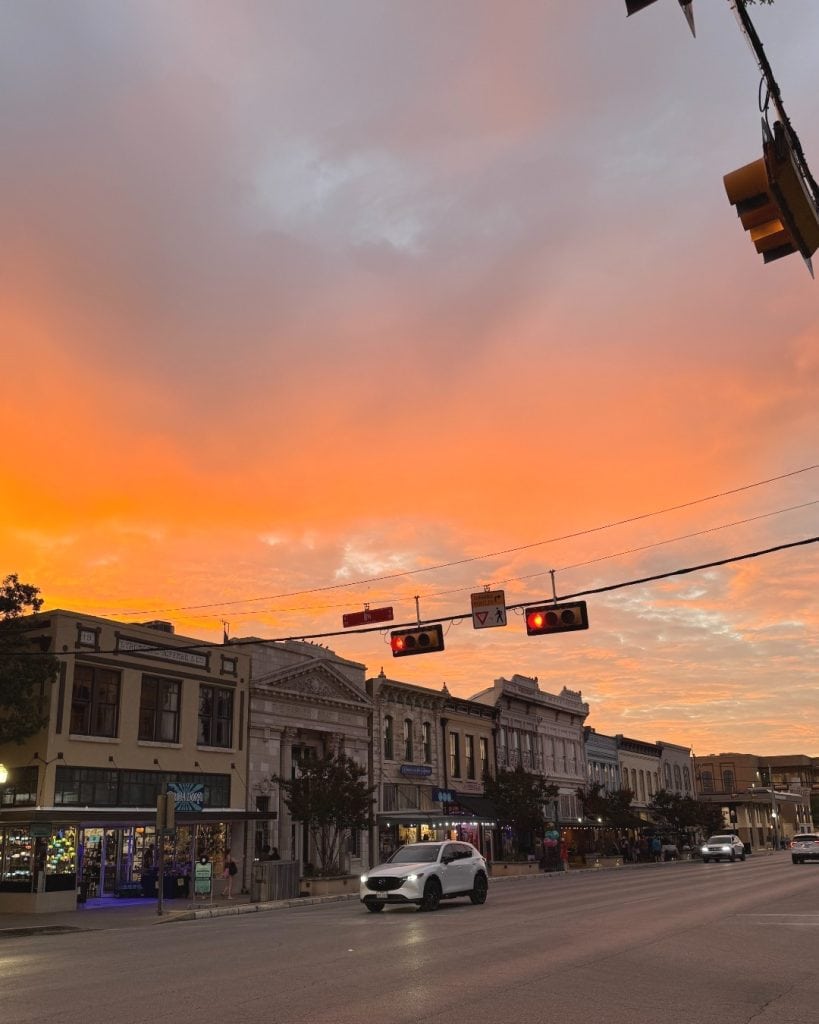
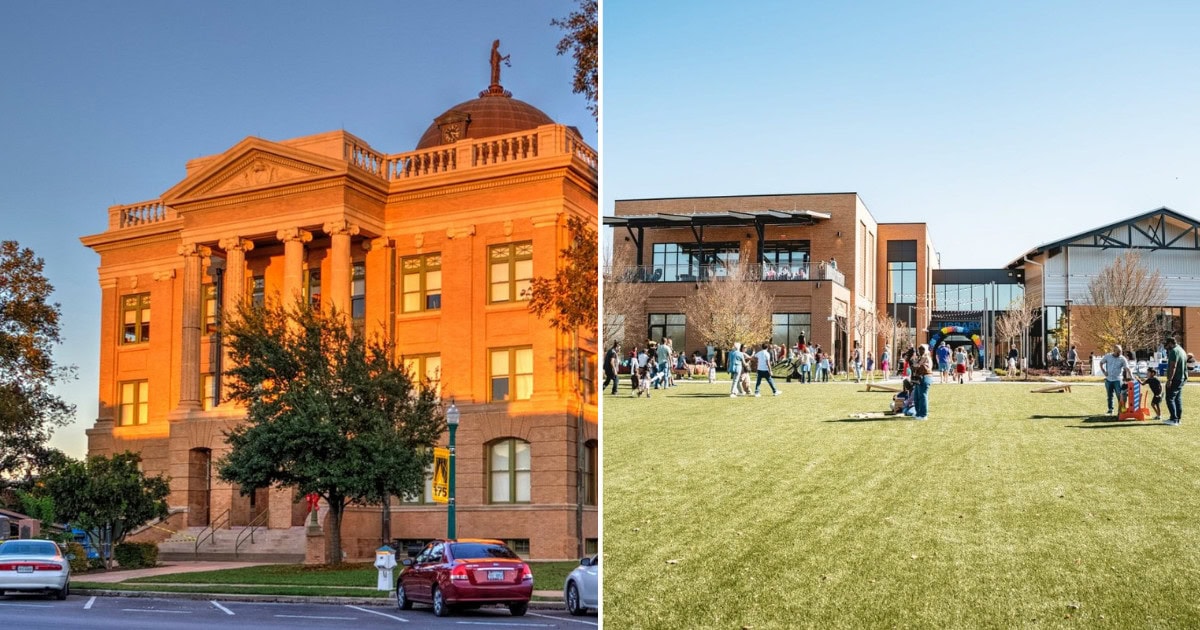
This Hill Country town north of Austin has been America’s fastest-growing city multiple times in recent years, with population growth consistently exceeding 8-10% annually.
Georgetown has exploded from 28,000 residents in 2000 to over 80,000 today as Austin’s sprawl pushes northward and remote workers discover Hill Country charm with big-city proximity.
The historic downtown square, Southwestern University, and proximity to both Austin and Round Rock’s employment centers make Georgetown attractive to families and retirees.
The growth brings challenges around traffic on I-35 and maintaining small-town character while the city works to build infrastructure fast enough to keep pace.
2. Leander — Williamson/Travis County

Another Austin suburb, Leander, has grown from under 8,000 in 2000 to over 70,000 today, with annual growth rates consistently above 7%.
The extension of Highway 183 and Metro Rail service connecting Leander to downtown Austin fueled explosive residential development.
Master-planned communities offering newer homes at lower prices than closer Austin suburbs attract young families, while the Hill Country setting provides scenic beauty.
The city struggles to build schools, roads, and services fast enough for the population influx, but growth shows no signs of slowing.
3. Fulshear — Fort Bend County
This tiny town west of Houston experienced mind-blowing growth from 1,100 residents in 2010 to over 20,000 today, with annual growth exceeding 10%.
Master-planned communities on former rice farms and ranch land are transforming rural Fort Bend County into Houston suburbs.
The highly-rated Lamar Consolidated ISD schools attract families, while newer infrastructure and homes appeal to buyers priced out of closer Houston suburbs.
Fulshear represents Houston’s continued westward expansion and the rapid suburbanization of previously rural areas.
4. Prosper — Collin/Denton County
Living up to its name, Prosper has grown from 10,000 residents in 2010 to over 35,000 today, with annual growth of around 8%.
Located between Dallas and Frisco, Prosper benefits from proximity to Legacy West development and major employers while offering newer construction and highly-rated schools.
The town races to build infrastructure supporting growth while trying to maintain the small-town character that initially attracted residents.
Development pressure is intense, with residential construction visible across the community.
5. Anna — Collin County
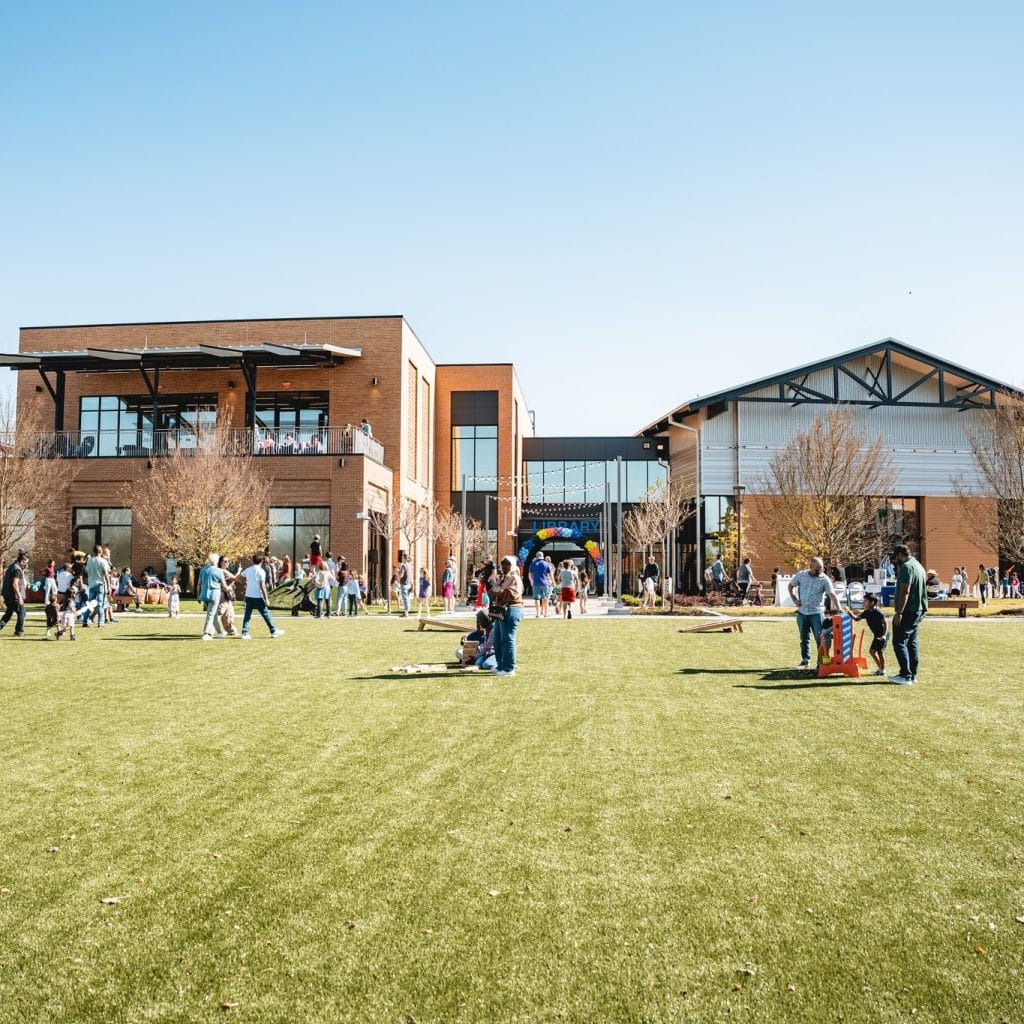
This former farming town north of Dallas exploded from under 2,000 residents in 2010 to over 20,000 today, with growth rates exceeding 9% annually.
Anna represents DFW sprawl pushing into previously rural areas as families seek affordable housing with reasonable commutes.
The city works to build schools and infrastructure while wrestling with the transition from an agricultural community to a bedroom suburb.
The growth brings economic development and tax base, but also concerns about losing the rural character that defined Anna for generations.
6. Princeton — Collin County
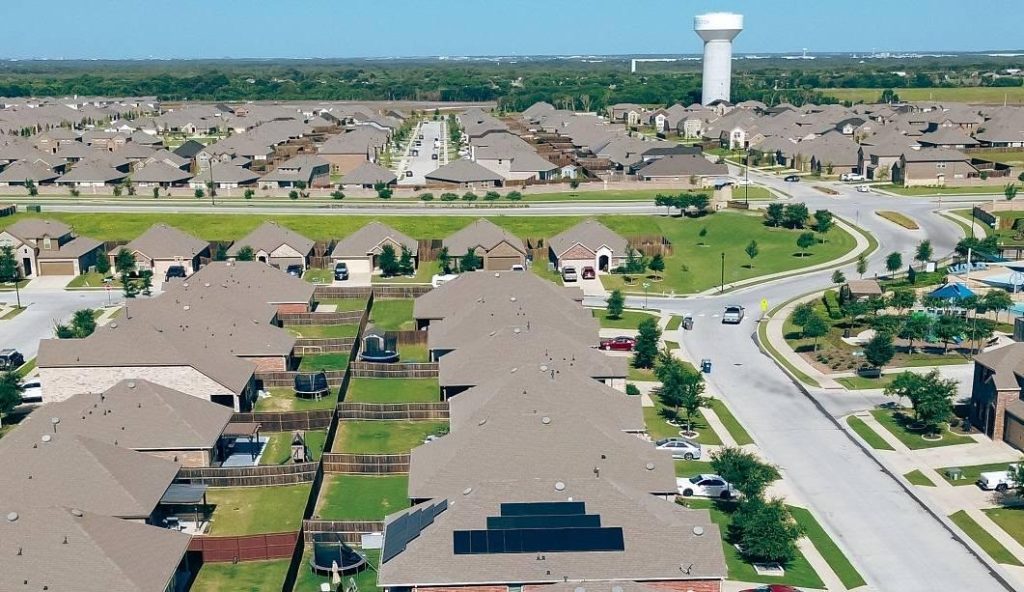
East of McKinney, Princeton has grown from 6,800 in 2010 to over 25,000 today as DFW development spreads eastward.
Annual growth around 8% reflects Princeton’s position in the path of Dallas sprawl, offering newer homes at lower prices than established Collin County suburbs.
The town balances growth pressure with attempts to maintain community character while building schools and roads to accommodate new residents.
Princeton represents countless small Texas towns transformed by proximity to major metro areas.
7. Celina — Collin/Denton County
North of Frisco, Celina experienced explosive growth from 6,000 in 2010 to over 25,000 today, with annual rates around 7%.
The town represents the last relatively affordable new construction within reasonable DFW commuting distance, driving continued rapid development.
Master-planned communities are replacing ranch land at breathtaking speed while the city works to maintain infrastructure and services.
Celina’s growth illustrates how far Dallas sprawl now extends and the premium on any remaining developable land in the metro area.
8. New Braunfels — Comal/Guadalupe County
This historic German town between Austin and San Antonio has grown from 57,000 in 2010 to nearly 100,000 today, with annual growth of over 5%.
New Braunfels combines tourist economy (Schlitterbahn, river tubing) with residential growth from both metro areas, plus retirees seeking the Hill Country lifestyle.
The city manages to maintain its charming German character and historic downtown despite explosive residential development.
The growth brings economic vitality while challenging the city to preserve what makes New Braunfels special.
9. Kyle — Hays County
Located between Austin and San Antonio on I-35, Kyle has grown from 28,000 in 2010 to over 55,000 today with annual growth of around 6%.
The city benefits from dual metro access, relatively affordable housing, and newer infrastructure, attracting families priced out of Austin proper.
Kyle represents the Austin-San Antonio corridor’s continued development and the emergence of the I-35 megaregion.
The challenge is building community identity beyond being an affordable bedroom community for two larger cities.
10. Little Elm — Denton County
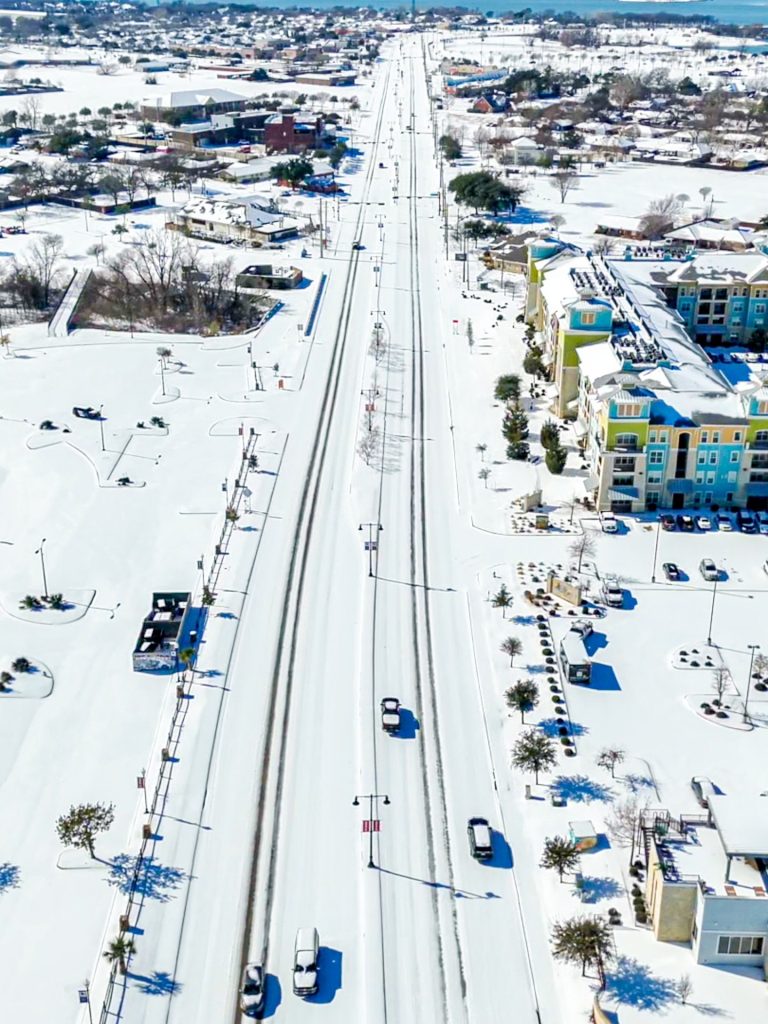
This Lake Lewisville community north of Dallas grew from 3,600 in 2000 to over 50,000 today, transforming from a small town to a legitimate suburb.
The lakefront location, master-planned communities, and DFW access drive continued growth at around 5% annually.
Little Elm works to build commercial infrastructure supporting the residential base and creating a complete community rather than just a bedroom suburb.
The lakefront setting distinguishes Little Elm from countless other DFW suburbs, while growth brings typical challenges.
Investment and Opportunity
For those watching Texas growth patterns, these towns represent both opportunity and risk.
Real estate investment in growing areas can prove lucrative but carries risks if growth stalls or infrastructure fails to materialize.
Business opportunities exist serving rapidly growing populations, though competition intensifies quickly.
The key is distinguishing sustainable growth from speculative bubbles and understanding which communities are building complete, livable cities versus just adding houses.
Indeed, these ten towns illustrate Texas’s continued population boom and the ongoing transformation of the state’s landscape.

Stella Raines
Editor-in-Chief
Stella brings over a decade of storytelling experience to TX Headlines. With roots in West Texas and a love for road trips, she leads the editorial team with an eye for the hidden stories that make Texas unforgettable.
More Stories
This Quiet Texas Coast Town Is a Working Fishing Village Where the Shrimp Comes Straight Off the Boat
This Tiny Texas Town on Route 66 Is a Neon-Lit Time Capsule of Roadside Americana

This Old-School Texas Buffet Piles Your Plate With Southern Classics and Homemade Pie