10 Natural Wonders That Deserve a Spot on Your Bucket List
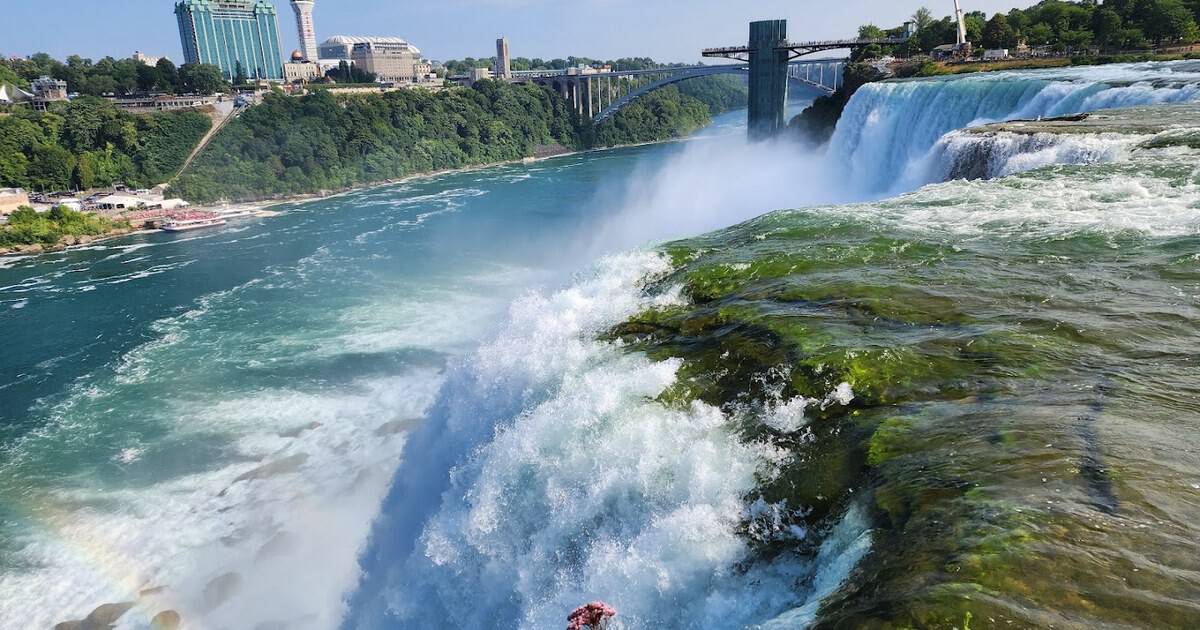
I keep a running list of places I want to see before I run out of road, and I am not the only one. Everybody has one, even the folks who swear they don’t.
Mine started on the back of a gas station receipt, and almost every line on it is a place carved by water, fire, or a couple of very patient million years.
These are America’s natural wonders, the landmarks that make a loud family go quiet the second they reach the railing. You feel small in the best possible way, and you drive home already planning the next one.
Below, ten of them worth pointing the car toward, spread from the Alaskan tundra to a Texas canyon most people speed right past. Some you already know by heart. A couple will be new, and those are usually the ones that stick.
1. Grand Canyon, Arizona
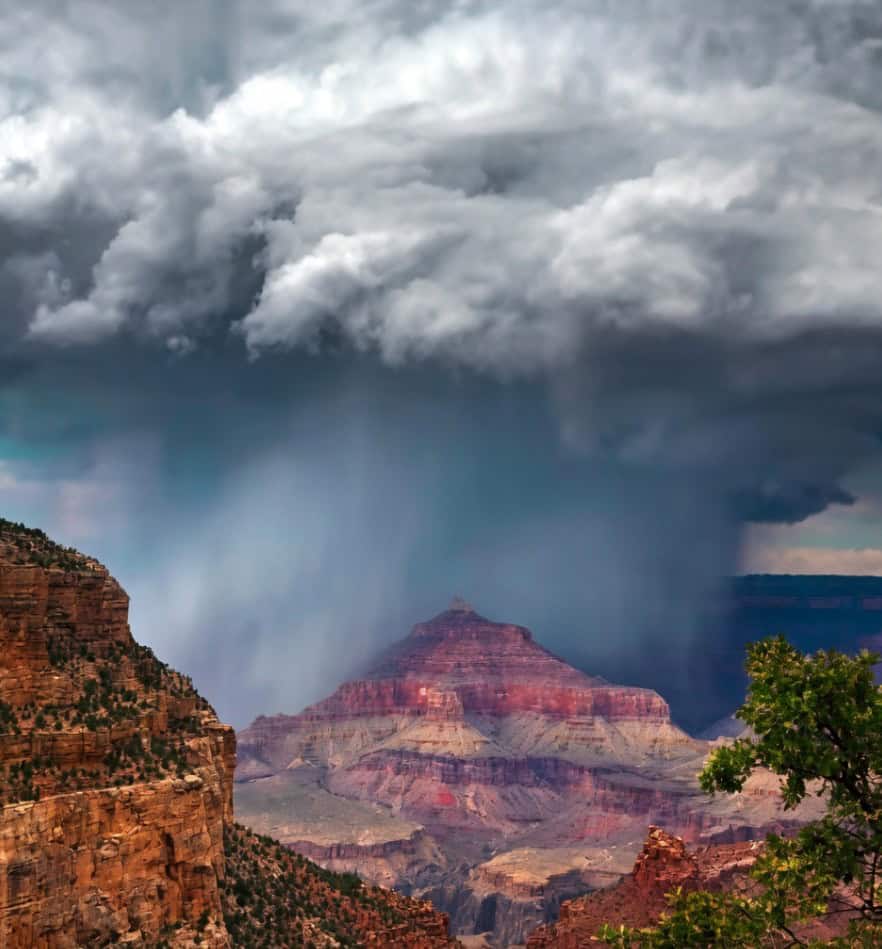
No photo has ever done it justice, and I’ve stopped expecting one to. The Grand Canyon runs 277 miles long, spreads up to 18 miles wide, and drops more than a mile straight down from the rim to the Colorado River.
The South Rim is where most first-timers start, and for good reason. Mather Point sits a short walk from the visitor center, and the free shuttle carries you along the edge to overlook after overlook as the light shifts the rock from rust to rose.
Come at sunrise if you can talk yourself out of bed. The canyon fills with shadow and color in slow motion, and the crowds haven’t found their coffee yet.
If you have a full day, the Bright Angel Trail drops below the rim into a different world of switchbacks and side canyons. Even a short stretch down and back shows you a canyon most visitors only ever see from the top.
Where: South Rim Visitor Center, 8 S Entrance Rd, Grand Canyon Village, AZ 86023. Nearest gateway town is Tusayan, with Flagstaff about 80 miles south.
2. Niagara Falls, New York
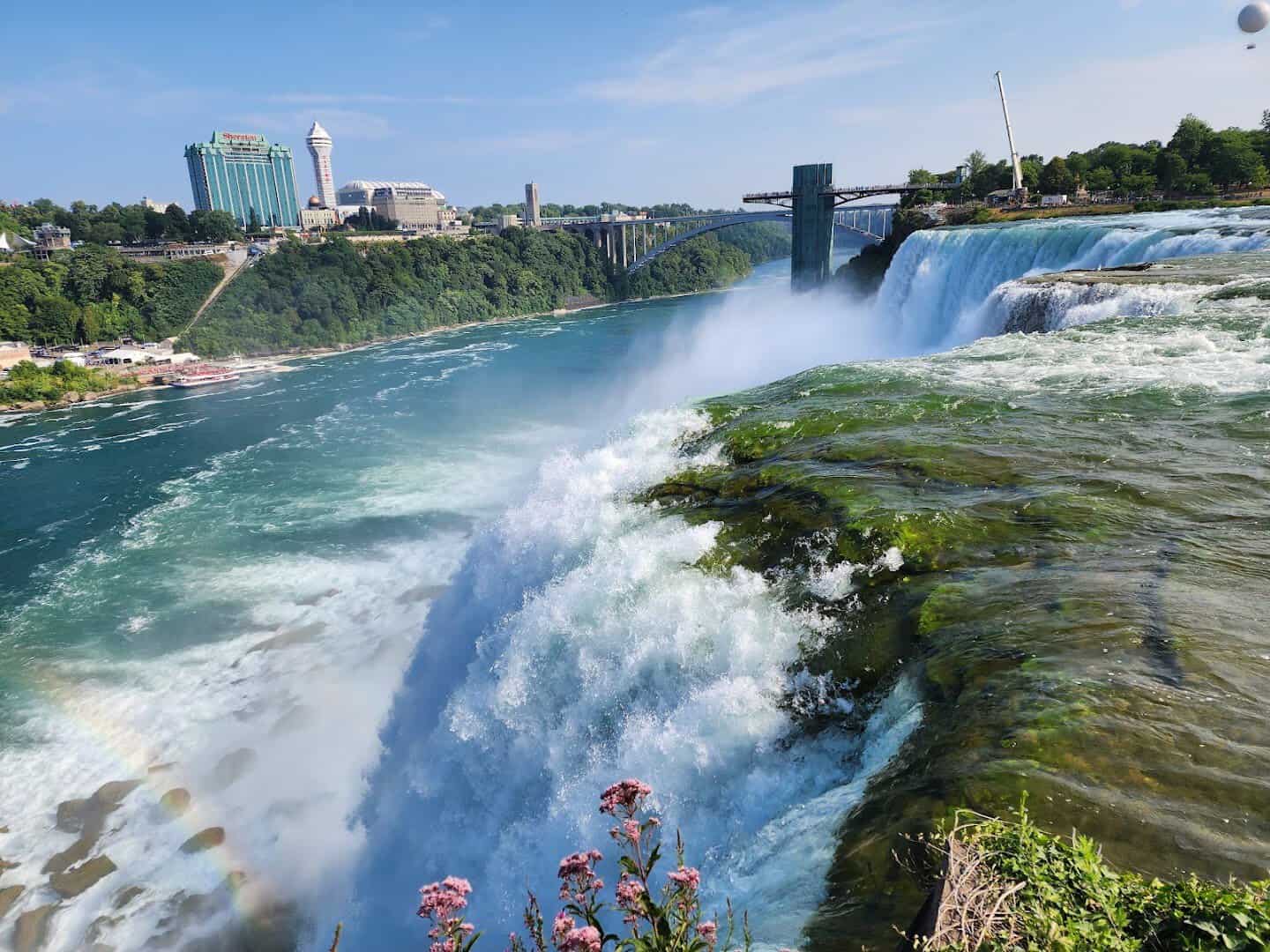
You hear it before you see it, a low roar that you feel in your chest. Roughly 600,000 gallons of water pour over Horseshoe Falls every single second, and standing at the rail you understand why people have crossed oceans just to look.
The American side is anchored by Niagara Falls State Park, and here’s the detail I love: it opened in 1885, which makes it the oldest state park in the country. Frederick Law Olmsted, the man behind Central Park, laid it out.
Walk out to Prospect Point, then ride the Maid of the Mist right up into the mist and spray. A cheap poncho is the best souvenir you’ll buy all trip.
For an even wetter thrill, the Cave of the Winds boardwalk puts you at the base of Bridal Veil Falls, where the Hurricane Deck sits close enough to catch the spray head-on. Bring a change of socks and lean in.
Where: Niagara Falls State Park, 332 Prospect St, Niagara Falls, NY 14303. Buffalo sits about 20 miles south with the nearest major airport.
3. Great Smoky Mountains, Tennessee
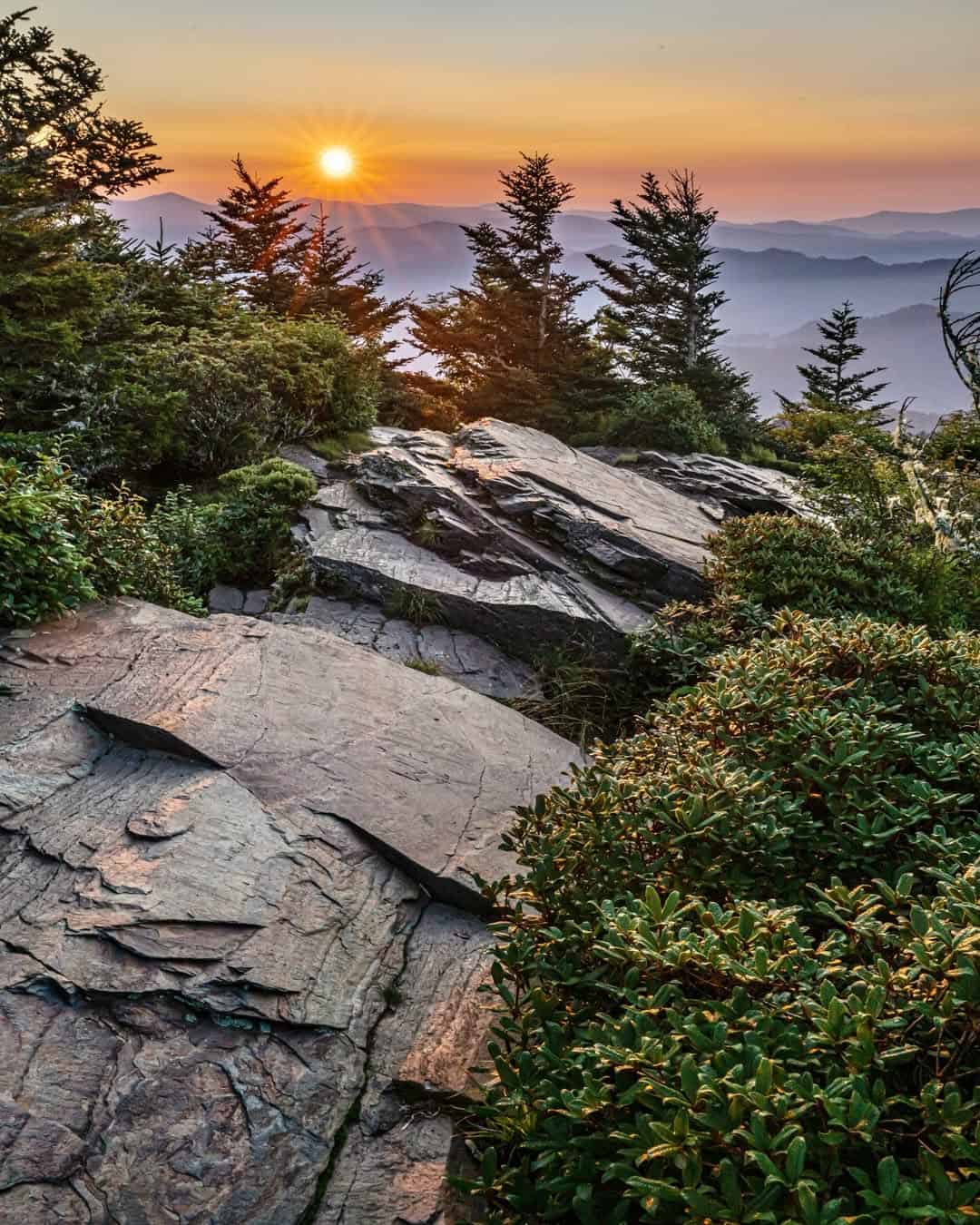
The blue haze that gave these mountains their name is real, and it drapes the ridgelines like smoke that forgot to rise. This is the most visited national park in the country, and one wander down a fern-lined trail tells you exactly why.
More than 19,000 species have been documented inside the park, with scientists guessing the true number runs far higher. Wildflowers, black bears, salamanders, and old-growth forest all share the same misty acreage.
Drive up to Clingmans Dome, the highest point at 6,643 feet, then climb the spiral ramp for a view that swallows three states on a clear morning. Autumn turns the whole range gold and crimson.
Where: Sugarlands Visitor Center, 1420 Fighting Creek Gap Rd, Gatlinburg, TN 37738. The park straddles the Tennessee and North Carolina line.
4. Old Faithful, Wyoming
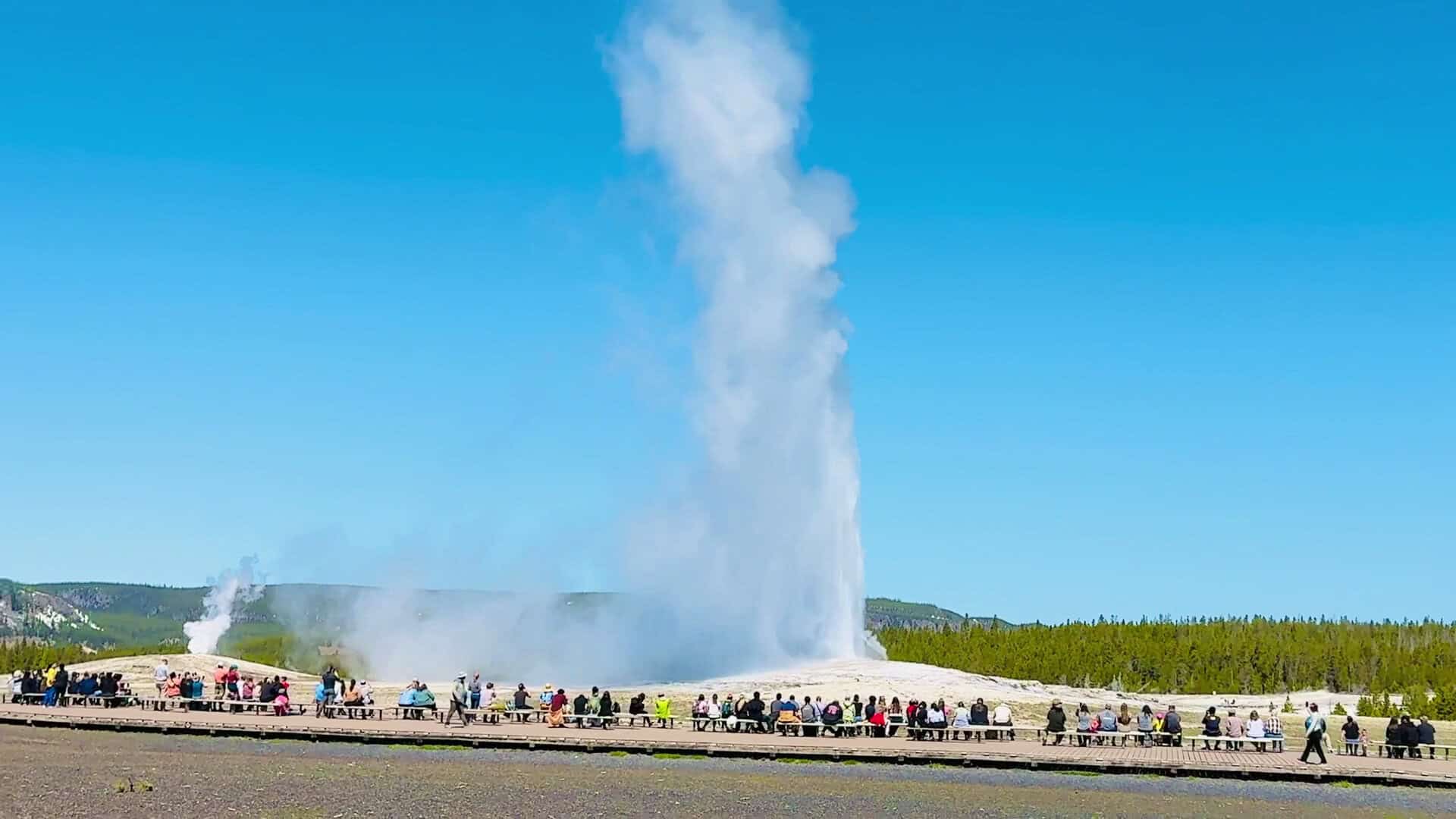
There’s real theater in a crowd watching a patch of steaming ground and waiting. Then the earth clears its throat, and a column of boiling water climbs anywhere from 106 to 185 feet into the Wyoming sky.
Old Faithful earned its name by being dependable. It erupts roughly 20 times a day, and rangers predict each show within about ten minutes, so you can grab a bench and a snack without missing it.
Do not stop at the star of the show. The surrounding Upper Geyser Basin holds the largest concentration of geysers on Earth, and a boardwalk loop links dozens of them, each hissing and bubbling on its own schedule.
A short drive away, the Grand Prismatic Spring spreads its rings of orange, gold, and deep blue across the ground like a painter spilled the whole palette. Take the overlook trail to see the colors from above.
Where: Upper Geyser Basin, Yellowstone National Park, WY 82190. West Yellowstone, Montana sits about 30 miles away through the park’s West Entrance.
5. Palo Duro Canyon, Texas
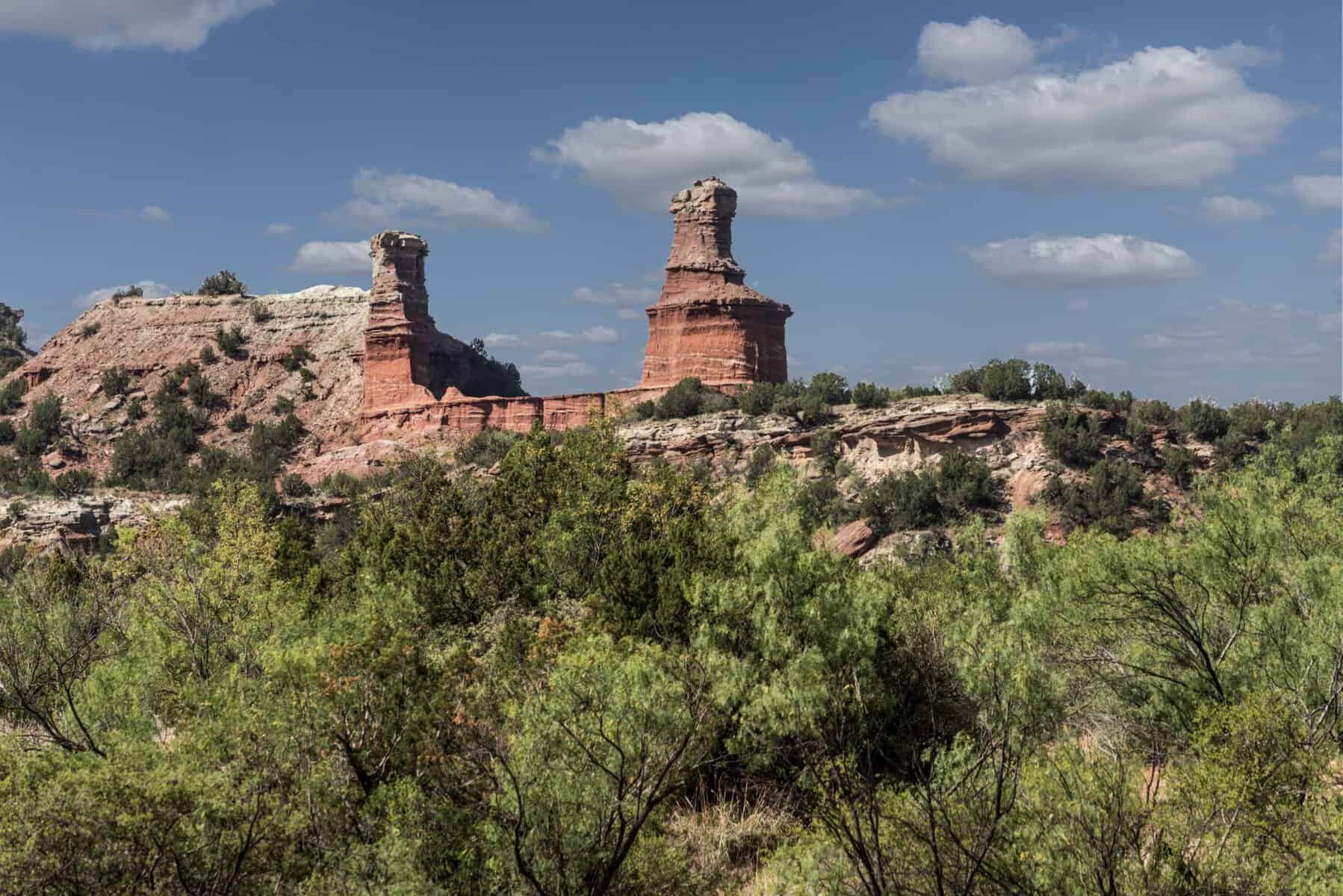
Here’s the one nobody expects. The Texas Panhandle looks flat as a tabletop right up until the ground splits open and drops 800 feet into a canyon of banded red and orange rock. Locals call it the Grand Canyon of Texas, and they aren’t exaggerating much.
Palo Duro is the second-largest canyon in the country, roughly 120 miles long and up to 20 miles wide. Yet it stays quietly under the radar, which means you can hike its trails without shuffling through a crowd.
The one to chase is the Lighthouse, a slender sandstone spire soaring 312 feet, reached by an easygoing six-mile round-trip hike. Go early, carry water, and let the colors do the rest.
Where: Palo Duro Canyon State Park, 11450 Park Rd 5, Canyon, TX 79015. Amarillo lies about 30 minutes north.
6. Yosemite Valley, California
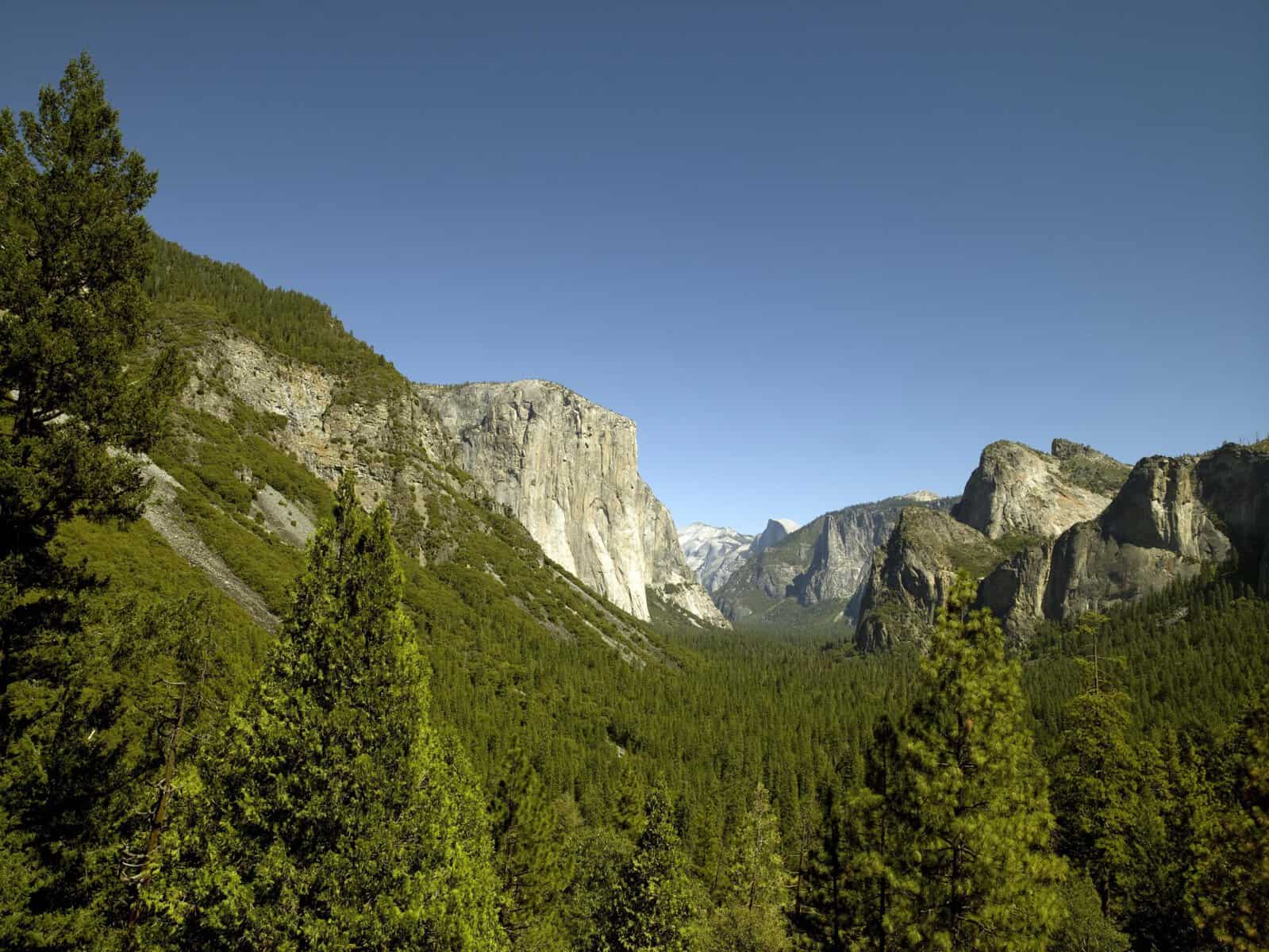
Some places make you laugh out loud the first time the trees part, and Yosemite Valley is one of them. Granite walls rise straight up on either side, and everywhere you look something has a name and a legend.
El Capitan looms about 3,000 feet of sheer stone, a magnet for climbers you can spot as tiny dots. Half Dome caps the valley’s far end, and Yosemite Falls plunges 2,425 feet, the tallest waterfall in North America.
Tunnel View is the classic first stop, framing the whole valley in one impossible frame. Spring runs the waterfalls at full volume, so aim for May if roaring water is what you came for.
Down on the valley floor, easy loop trails wind through meadows where deer graze at dusk and the granite glows pink in the last light. It is the rare bucket-list stop that rewards doing very little.
Where: Yosemite Valley Welcome Center, 9035 Village Dr, Yosemite Valley, CA 95389. The park is about a four-hour drive east of San Francisco.
7. Carlsbad Caverns, New Mexico
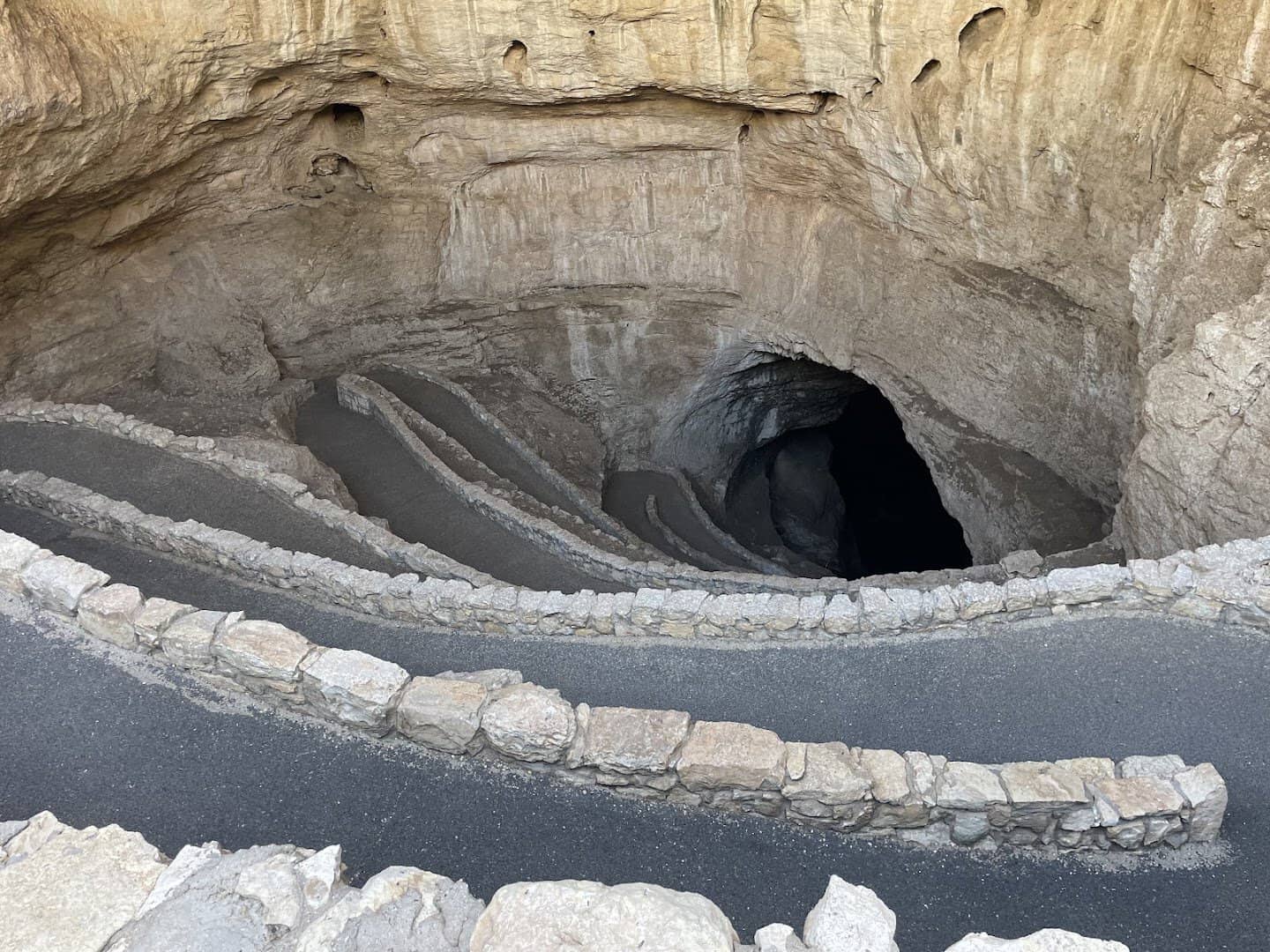
You ride an elevator the height of the Empire State Building straight down into the dark, or you walk in through the natural entrance and let the temperature drop around you. Either way, the desert vanishes and a hidden world opens up.
The Big Room is the headliner, an 8-acre underground chamber studded with stone formations that took hundreds of thousands of years to grow. A paved loop lets you wander it slowly, neck craned, whispering like everyone else.
Time your visit for a summer evening and stay for the bat flight, when around 400,000 Mexican free-tailed bats spiral out of the cave mouth at dusk to hunt. It is one of the great free shows in America.
Where: Carlsbad Caverns National Park, 727 Carlsbad Caverns Hwy, Carlsbad, NM 88220. The town of Carlsbad is about 30 minutes northeast.
8. Crater Lake, Oregon
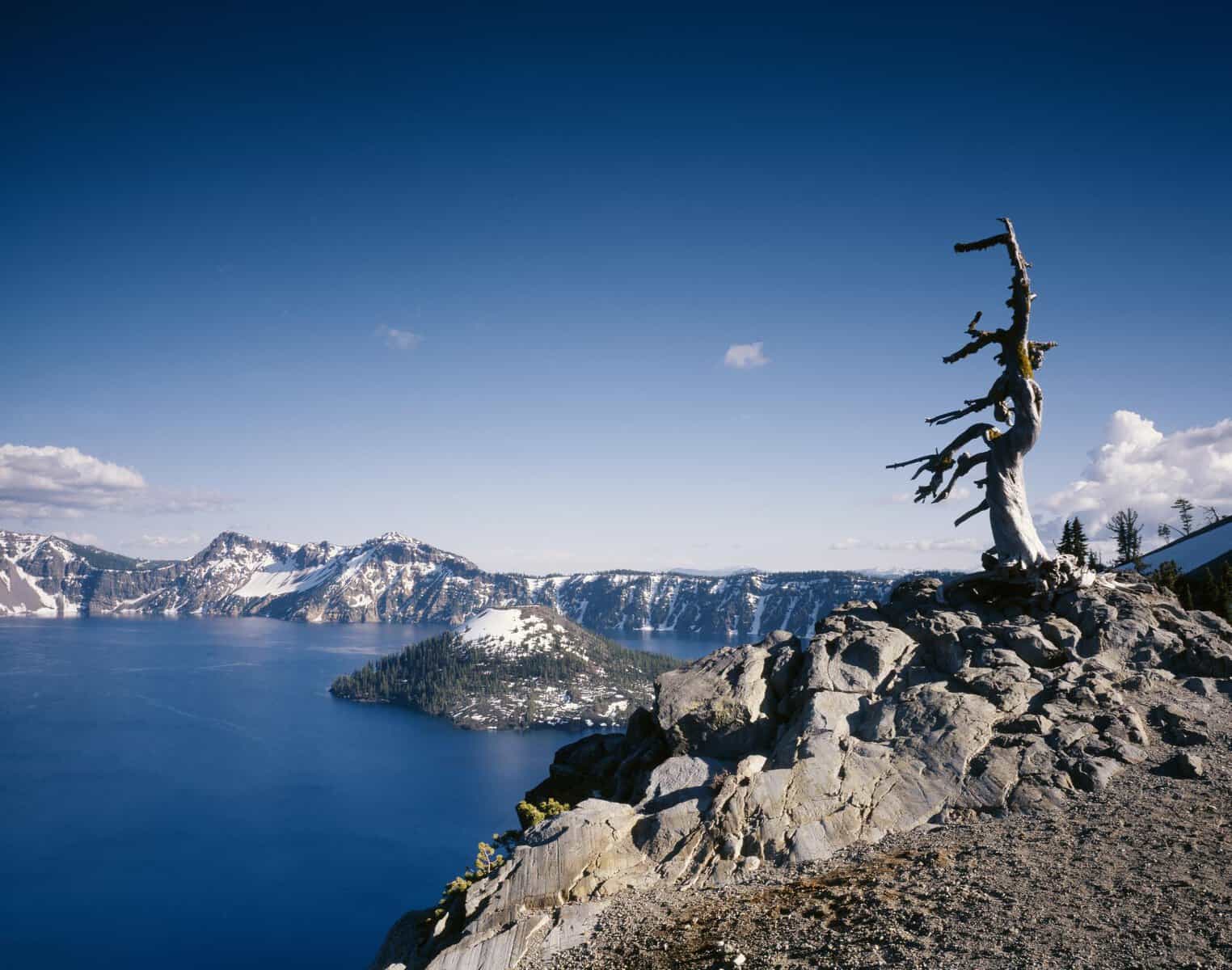
The blue is the thing everyone tries to describe and nobody quite manages. Crater Lake is the deepest lake in the United States at 1,943 feet, filled entirely by snow and rain, which keeps it startlingly clear and impossibly saturated.
It sits inside the collapsed bowl of Mount Mazama, a volcano that blew its top around 7,700 years ago and left this near-perfect caldera behind. Wizard Island pokes up from the water like a set piece.
Rim Drive circles the whole lake with pullouts at every angle, and the view resets your idea of what blue can look like. Summer is your window; snow closes much of the rim well into June.
If the timing works, a ranger-led boat tour drops you at the shoreline and even lets you step onto Wizard Island. Floating on water that clear, ringed by cliffs, is the kind of thing you tell people about for years.
Where: Rim Village and Steel Visitor Center, Crater Lake National Park, OR 97604. The south entrance is about an hour north of Klamath Falls.
9. Mount Rainier, Washington
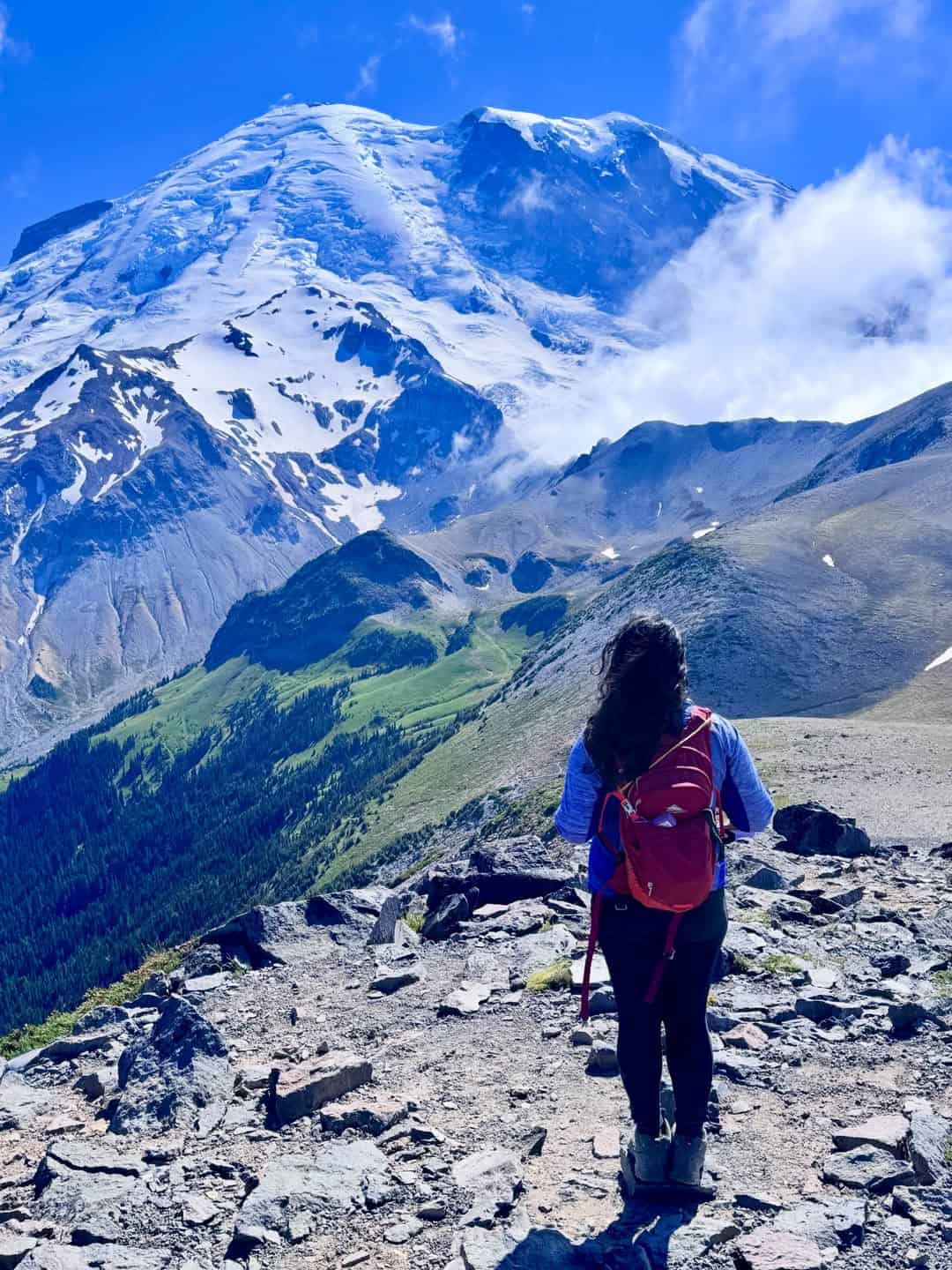
On a clear day it floats over Seattle like a mirage, so huge it hardly looks real. Mount Rainier stands 14,411 feet and wears 25 glaciers, making it the most glaciated peak in the Lower 48.
The place to aim for is Paradise, a high meadow that earns its name every July when subalpine wildflowers erupt in purple, gold, and white beneath the ice. Marmots whistle, waterfalls run, and the mountain fills the whole sky.
Trails fan out from the visitor center for every ability, from a paved stroll to a lung-burning climb toward the snowline. Pack a layer; even in August the meadows keep a mountain chill.
Where: Henry M. Jackson Visitor Center, 52807 Paradise Rd E, Ashford, WA 98304. The Nisqually entrance is about a two-hour drive southeast of Seattle.
10. Denali, Alaska
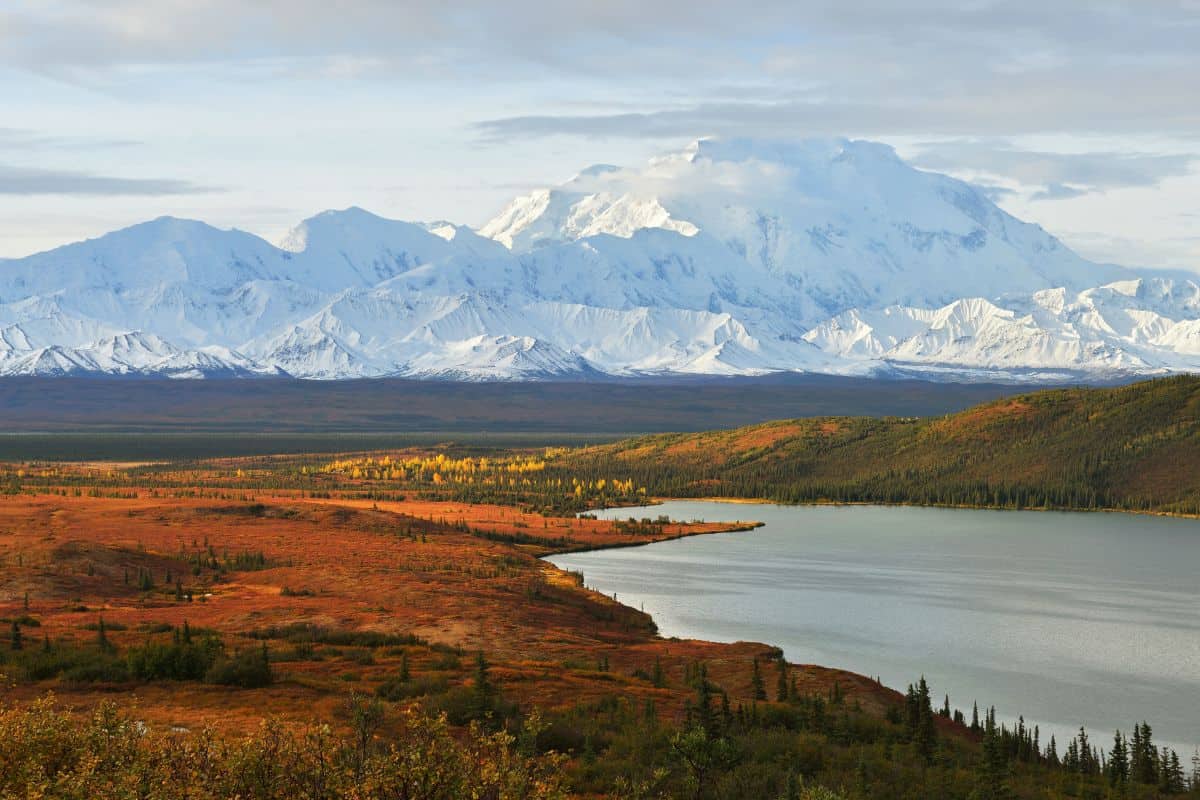
Save the biggest for a place that truly is. Denali rises 20,310 feet, the tallest peak in North America, and it presides over six million acres of tundra, braided rivers, and wildlife that outnumbers the people by a wide margin.
The mountain is famously shy, wrapped in its own weather most days, so a clear sighting feels like winning something. When the clouds part, the whole horizon simply stops making sense in the best way.
Private cars only reach mile 15, so the move is a park bus deeper in, where grizzlies, caribou, moose, and Dall sheep go about their day. It is as close to genuine wilderness as a road will carry you.
Where: Denali Visitor Center, Mile 1.5 Denali Park Rd, off the George Parks Highway at Mile 237, Denali National Park, AK 99755. Anchorage is about a four-hour drive south.
Start Building Your Own List
Ten wonders, ten very different flavors of small. Whether you start with the roar of Niagara, the hush of a cave in New Mexico, or a Texas canyon your friends didn’t know existed, the point is the same: go stand at the railing yourself.
Pick one, circle it on the calendar, and let the rest of the list wait its turn. These places have been patient for millions of years, so they’ll hold your spot a little longer.
Featured image: Carol M. Highsmith, Library of Congress

Stella Raines
Editor-in-Chief
Stella brings over a decade of storytelling experience to TX Headlines. With roots in West Texas and a love for road trips, she leads the editorial team with an eye for the hidden stories that make Texas unforgettable.