9 Bucket-List National Parks That First-Timers Should See First
There is a moment, the first time you stand at the edge of something too big to photograph, when your brain quietly gives up trying to measure it. I still remember that feeling from my very first big canyon, camera useless in my hand, just staring.
That is what a great national park does to a newcomer. America protects 63 of them, and a handful deliver that jaw-dropping scale so reliably that they belong at the very top of any beginner’s list.
Below are nine parks that treat first-timers kindly: paved overlooks, shuttle buses, gentle trails, and views that ask for no hiking experience at all. Pack water, charge the camera, and start planning your first great trip.
1. Grand Canyon National Park, Arizona
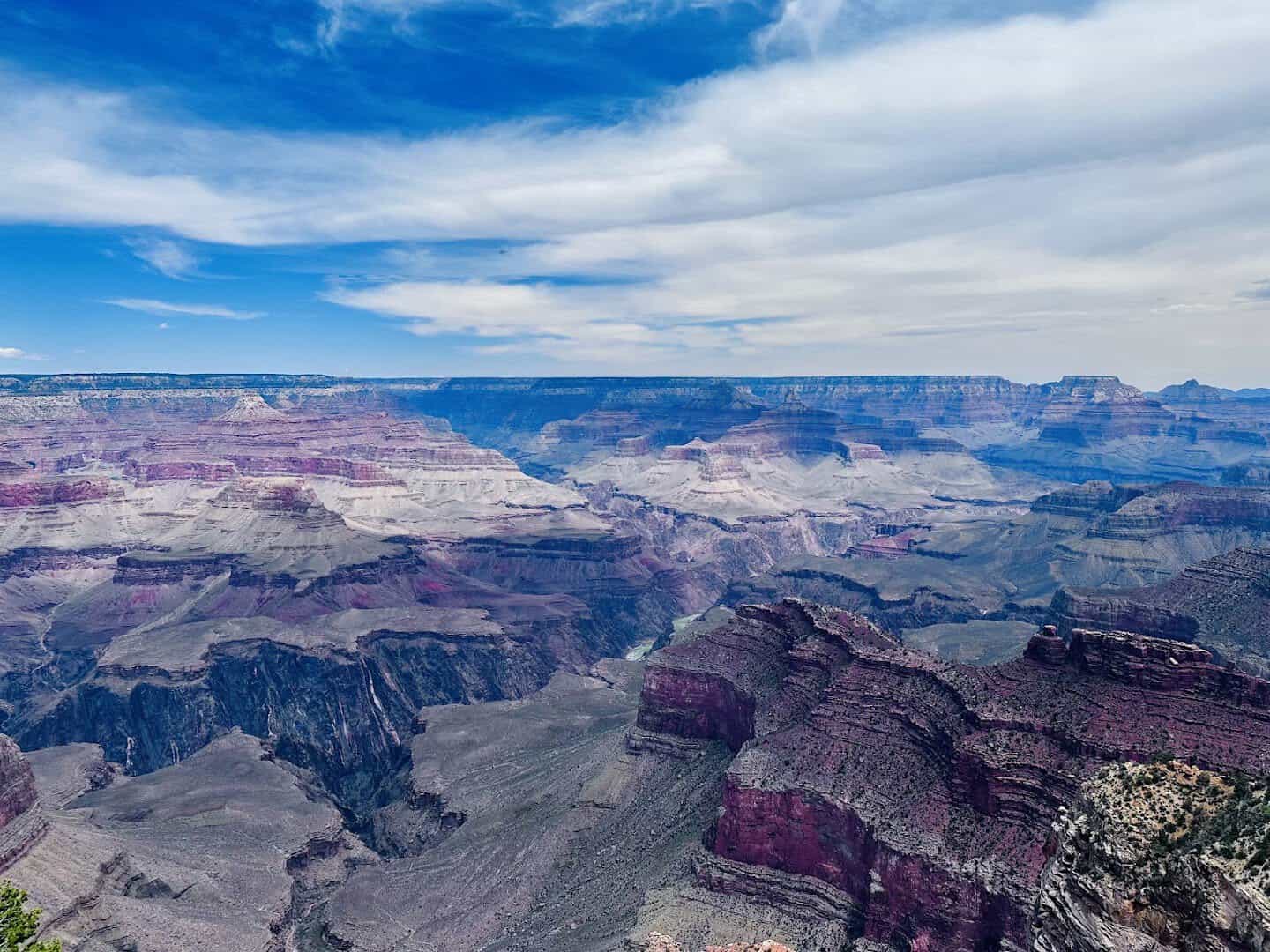
The Grand Canyon is the one that spoils you for every canyon after it. A mile deep, 277 river miles long, and impossible to fake, it became a national park in 1919 and now welcomes nearly five million people a year.
For a first visit, the South Rim is the easy answer. A free shuttle runs the rim road, Mather Point sits steps from the visitor center, and the view arrives before you have finished parking the car.
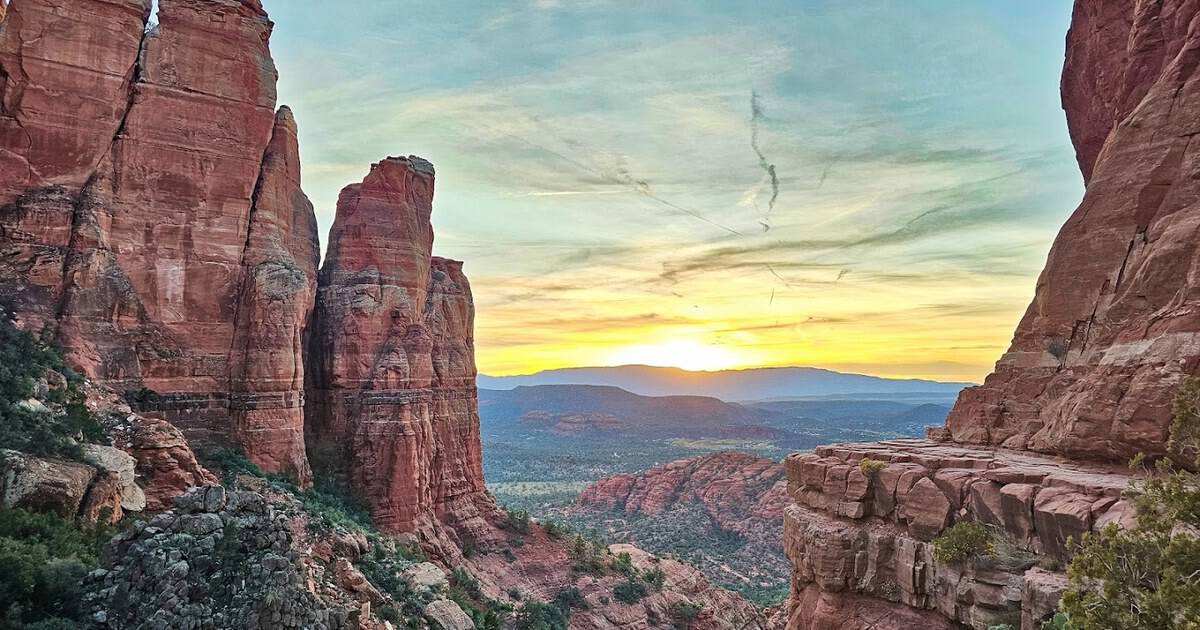
Come at sunrise or sunset, when the layered rock glows orange and the crowds thin out. Stand at the railing, let your eyes adjust to the distance, and try to find the tiny silver thread of the Colorado River far below.
Prefer to stretch your legs? The paved Rim Trail runs for miles with almost no elevation change, so you can walk as far as you like and hop the free shuttle back whenever your feet tire.
Pro tip: the South Rim stays open all year, and a light dusting of winter snow on the red rock is one of the most magical sights in the Southwest.
Where: Grand Canyon Visitor Center, S Entrance Rd, Grand Canyon Village, AZ 86023.
2. Yellowstone National Park, Wyoming
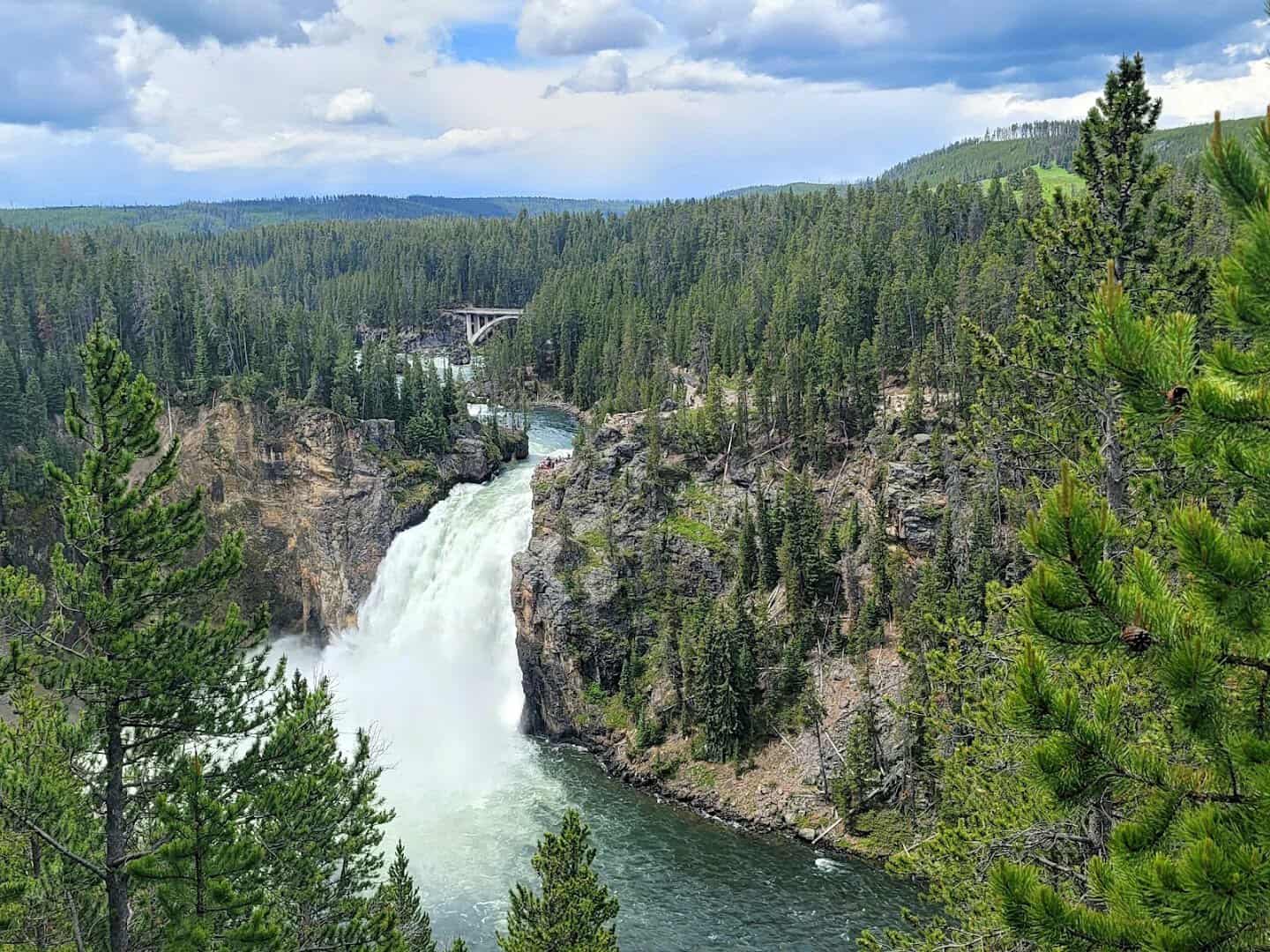
If you only ever see one park, make it the first one America ever made. Yellowstone became the world’s first national park in 1872, and more than 150 years later it still feels like another planet entirely.
Old Faithful erupts roughly every 90 minutes, blasting boiling water up to 185 feet into the air. A short walk away, the Grand Prismatic Spring glows in rings of blue, green, and burnt orange.
Boardwalks carry you safely over the steaming geyser basins, and bison, elk, and the occasional bear make the roadside feel like a live wildlife documentary. Give it at least two full days if you can.
Beyond the geysers, the Lamar and Hayden valleys are where the wildlife gathers at dawn and dusk. Bring binoculars, pull over at the roadside turnouts, and watch the herds move slowly across the open grass.
Keep your distance from the animals, though. A bison looks slow and calm, but it can outrun a person, so admire the herds from the safety of the boardwalk or your car.
Where: Yellowstone National Park, WY 82190 (nearest gateway town: West Yellowstone, Montana).
3. Zion National Park, Utah
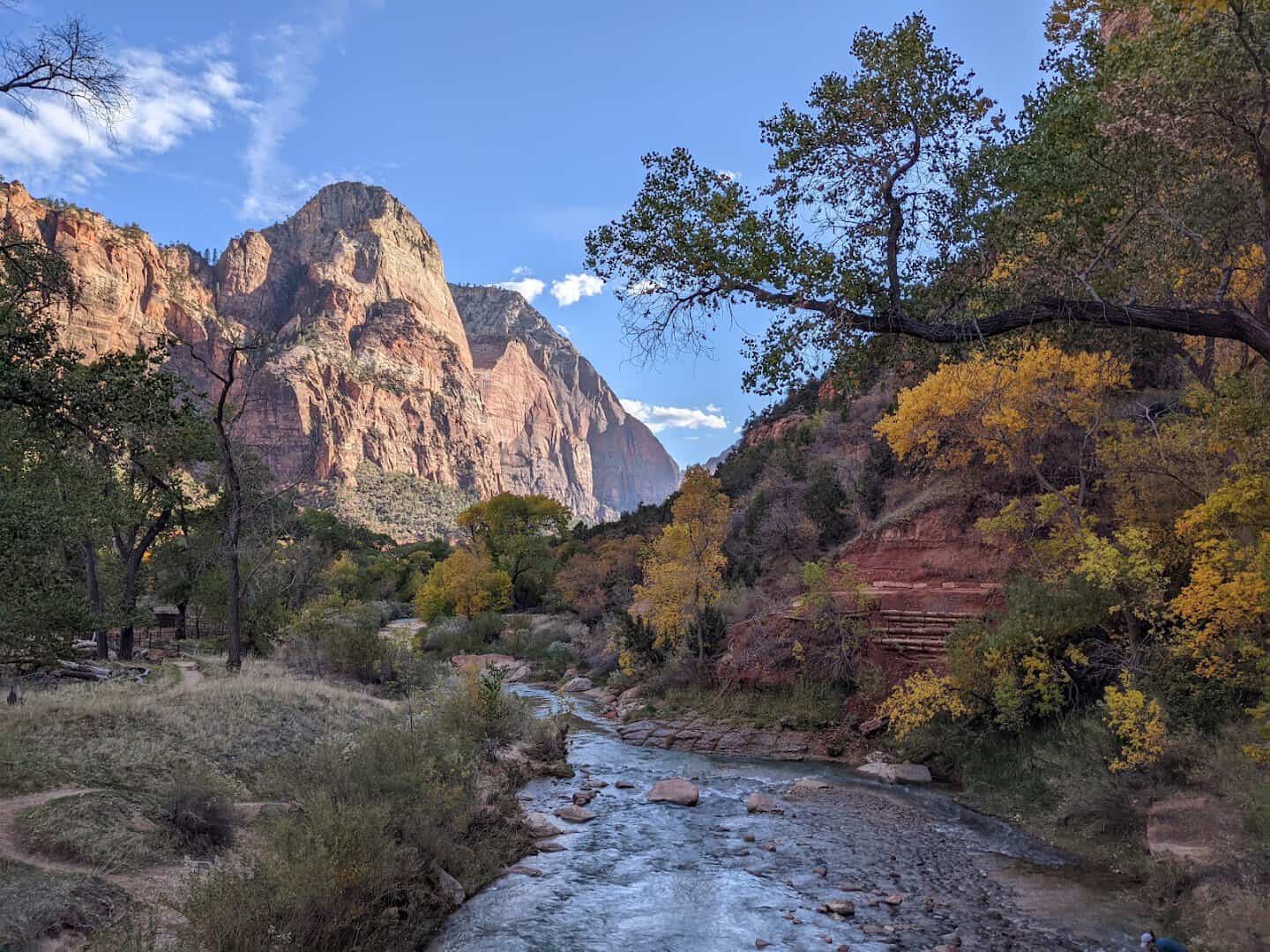
Zion is a canyon you explore from the bottom up, craning your neck at sandstone walls that burn red and gold in the afternoon light. For sheer drama per mile, few parks in the country match it.
A free shuttle runs the scenic drive most of the year, so first-timers can park in Springdale and let the bus do the driving. The Riverside Walk and the Pa’rus Trail are paved and gentle.
Feeling bold? The Narrows lets you wade upriver between towering walls, with no permit needed from the bottom. Angels Landing, the famous chain-assisted climb, requires a lottery permit and a very steady nerve.
Spring and fall bring the kindest weather and the richest canyon color. Summer runs hot in the desert sun, so start early, carry more water than you think you need, and rest in the shade at midday.
Where: Zion Canyon Visitor Center, 1 Zion Park Blvd, Springdale, UT 84767.
4. Great Smoky Mountains National Park, Tennessee
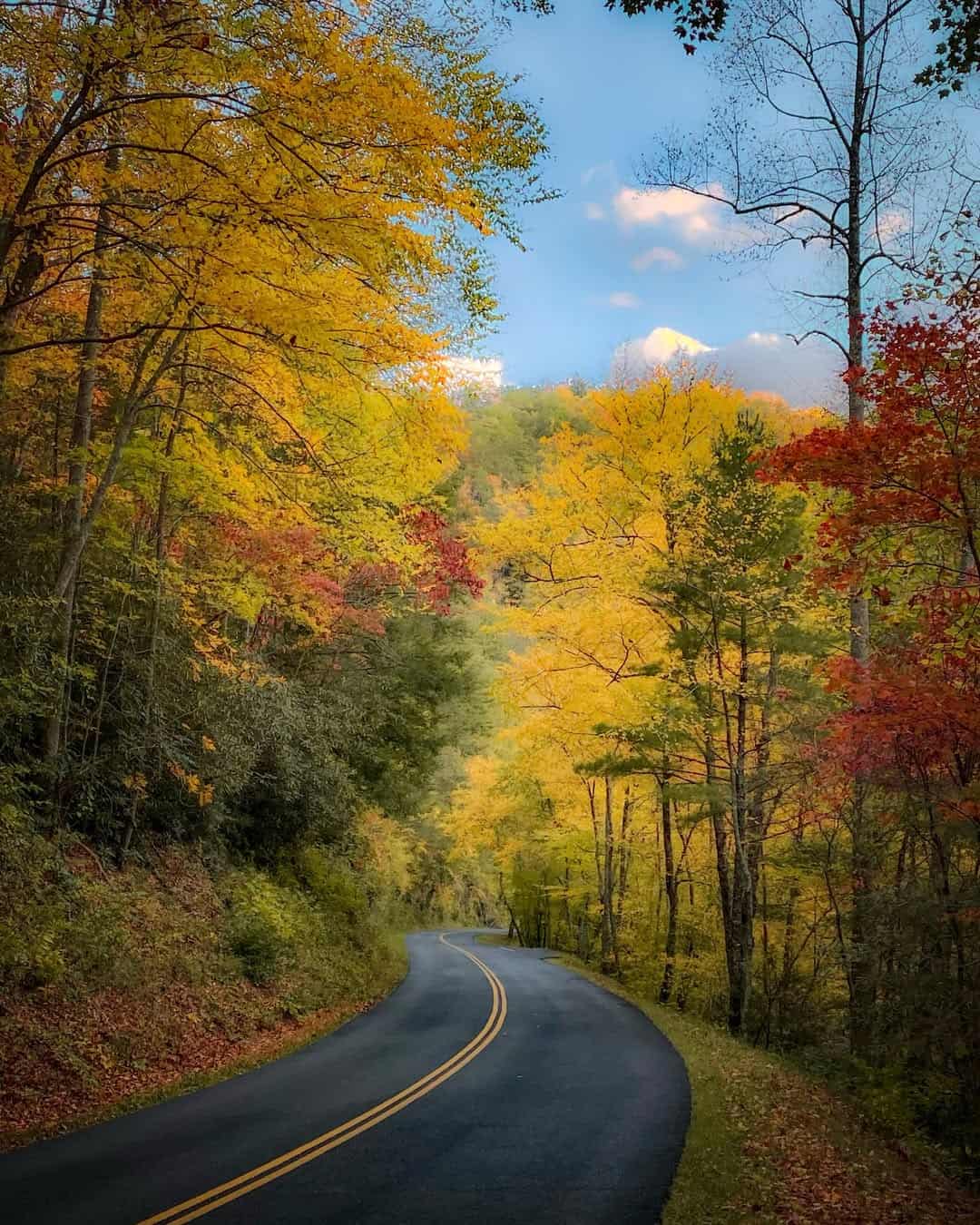
The Smokies are the most visited national park in the country, and they do not charge a cent to get in. More than ten million people come each year for the soft blue haze that gives the range its name.
Cades Cove, an 11-mile loop through a green valley, is the classic first drive, dotted with historic cabins and some of the best black bear watching anywhere. Go early in the morning to beat the traffic.
Straddling Tennessee and North Carolina, the park was established in 1934 and protects some of the oldest mountains on the continent. Kuwohi, its highest point, tops out at 6,643 feet with views for a hundred miles.
Time your trip right and the park rewards you. Spring paints the slopes with wildflowers, and for a couple of weeks each June the synchronous fireflies near Elkmont blink in unison after dark.
Did you know? The Smokies are one of the most biodiverse parks in America, home to around 1,500 kinds of flowering plants and a famous black bear population of roughly two bears per square mile.
Where: Sugarlands Visitor Center, 1420 Fighting Creek Gap Rd, Gatlinburg, TN 37738.
5. Big Bend National Park, Texas
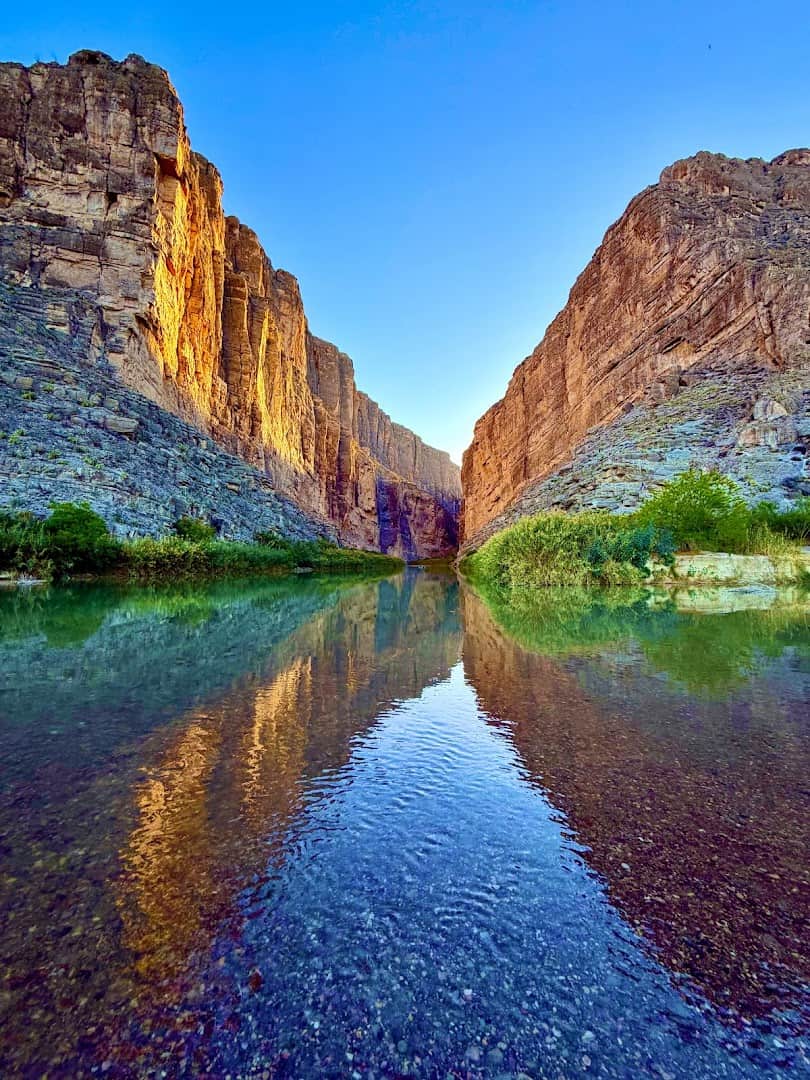
Way out in far West Texas, where the Rio Grande makes its big bend, sits a park most first-timers overlook, and that is exactly its charm. It covers 800,000 acres, and you can often have a trail nearly to yourself.
Santa Elena Canyon is the headline: limestone walls rising 1,500 feet straight from the river, with a short trail that walks you right into the cool shade. The Chisos Mountains rise like a green island in the desert.
Start with the Chisos Basin in the morning and the Ross Maxwell Scenic Drive in the afternoon. Elevations swing from 1,800 to 7,832 feet, so the park holds desert, river, and mountain woodland all at once.
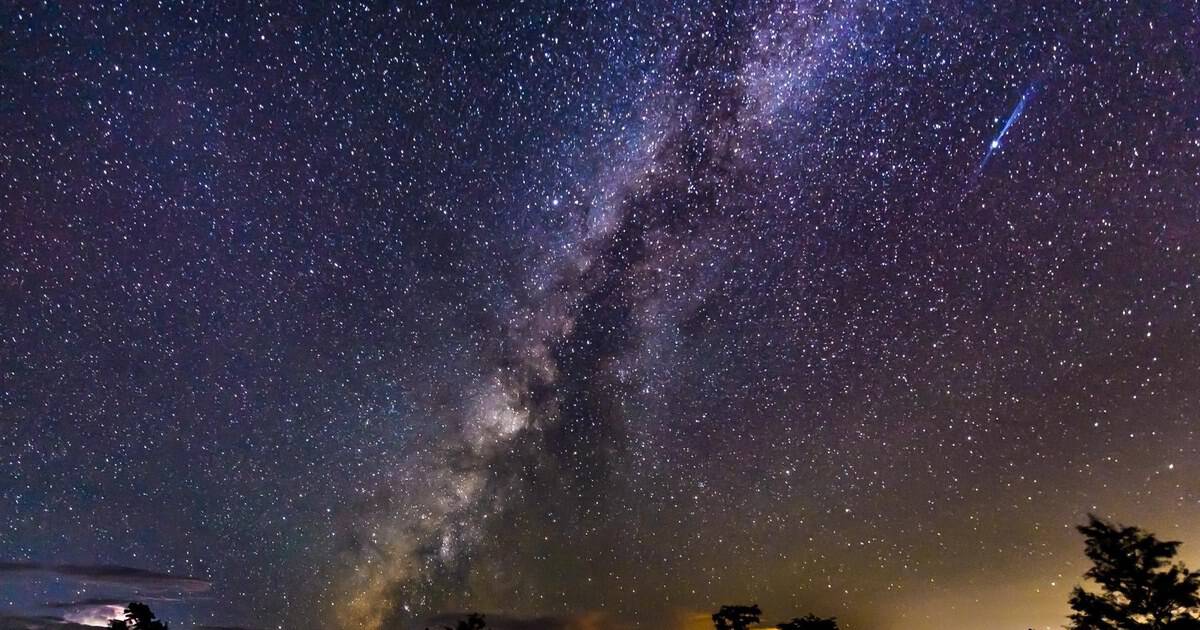
Pro tip: nights here are famously dark. Big Bend is a certified International Dark Sky Park, so stay past sunset and the Milky Way puts on a show you will not forget in a hurry.
Where: Panther Junction Visitor Center, 1 Panther Junction, Big Bend National Park, TX 79834.
6. Yosemite National Park, California
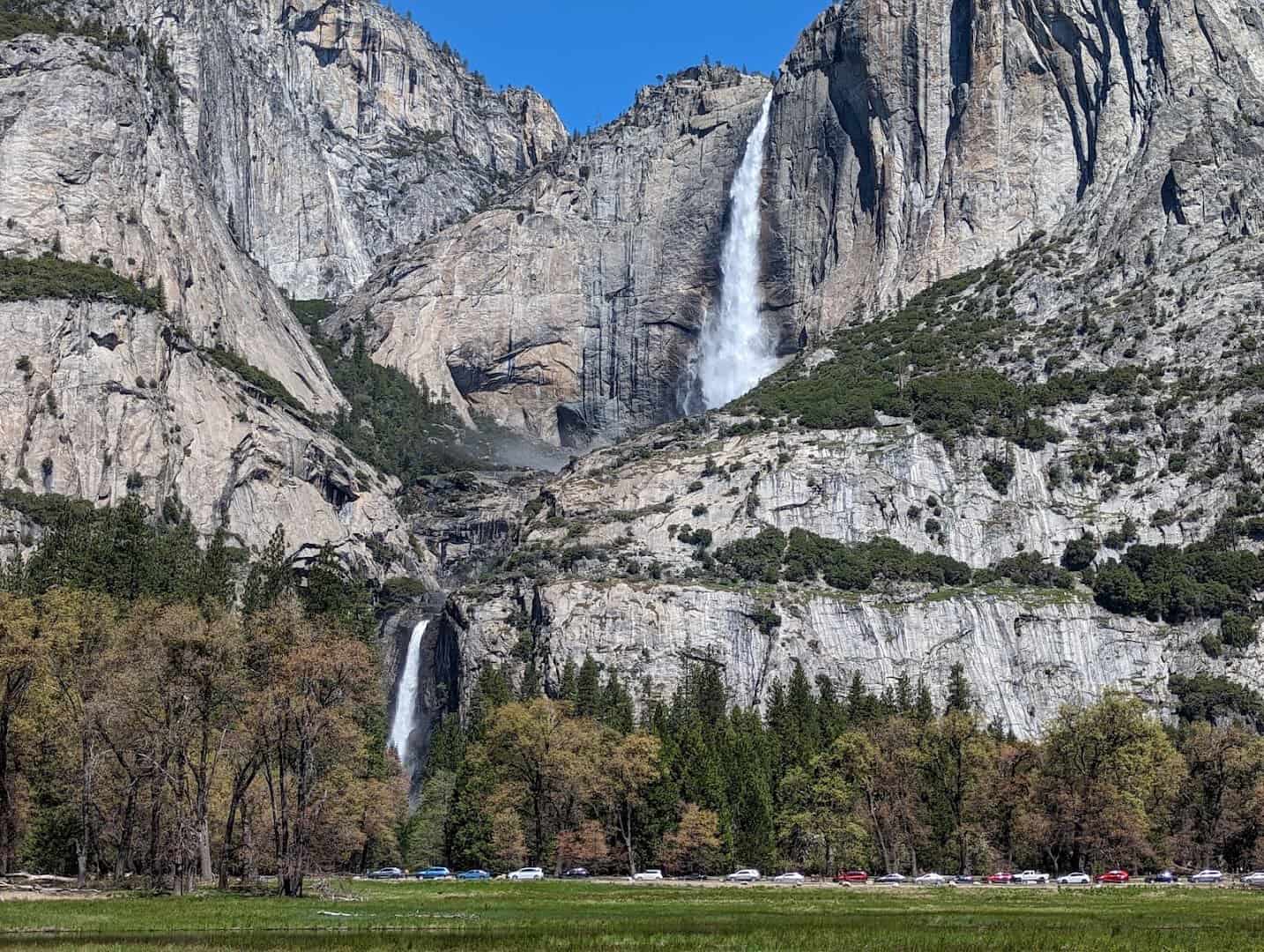
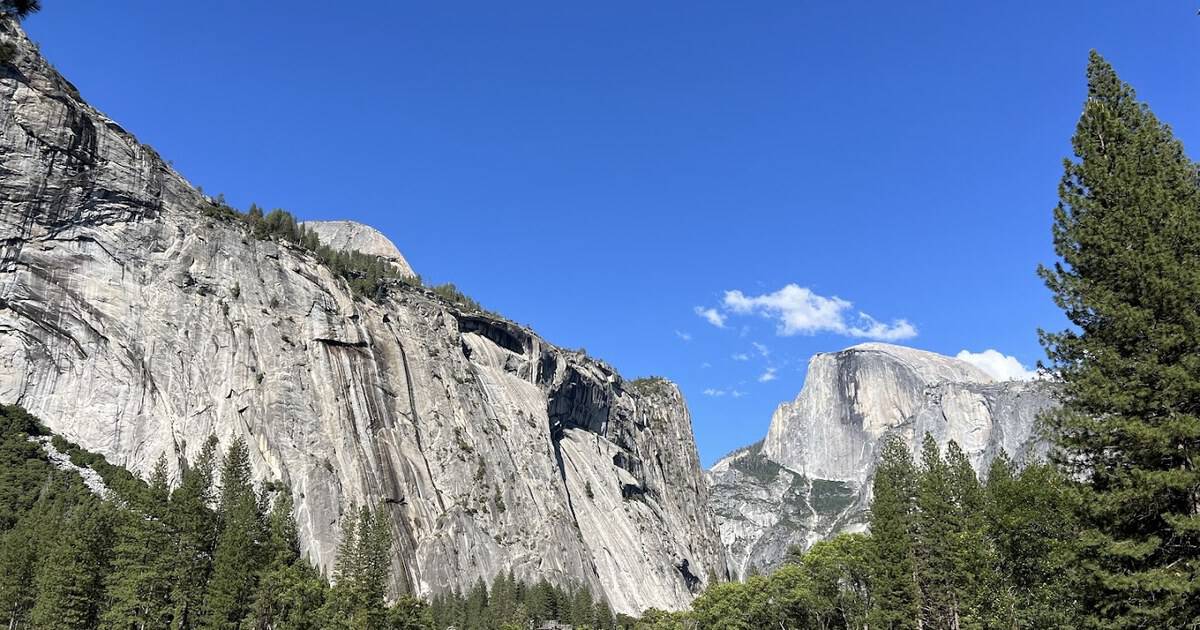
Yosemite Valley might be the most photographed seven miles in America, and it still outdoes every photo. Granite giants rise straight from a green valley floor, and waterfalls thunder off the cliffs through spring and early summer.
El Capitan towers about 3,600 feet above the valley, a magnet for climbers you can watch as tiny specks on the wall. Half Dome’s sheared face is the park’s signature silhouette, known the world over.
Yosemite Falls drops 2,425 feet, the tallest waterfall in North America, and a paved path leads right to its base. A free shuttle loops the valley, so no climbing skill is needed to be completely floored.
Protected since 1890, Yosemite helped launch the entire national park idea, thanks in part to naturalist John Muir’s campaigning for its wild granite heart.
Come in late spring for the waterfalls at full roar, when the winter snowmelt sends them crashing down the cliffs. By late summer some of them slow to a trickle, so timing matters here.
Where: Yosemite Valley Welcome Center, 9035 Village Dr, Yosemite Valley, CA 95389.
7. Rocky Mountain National Park, Colorado
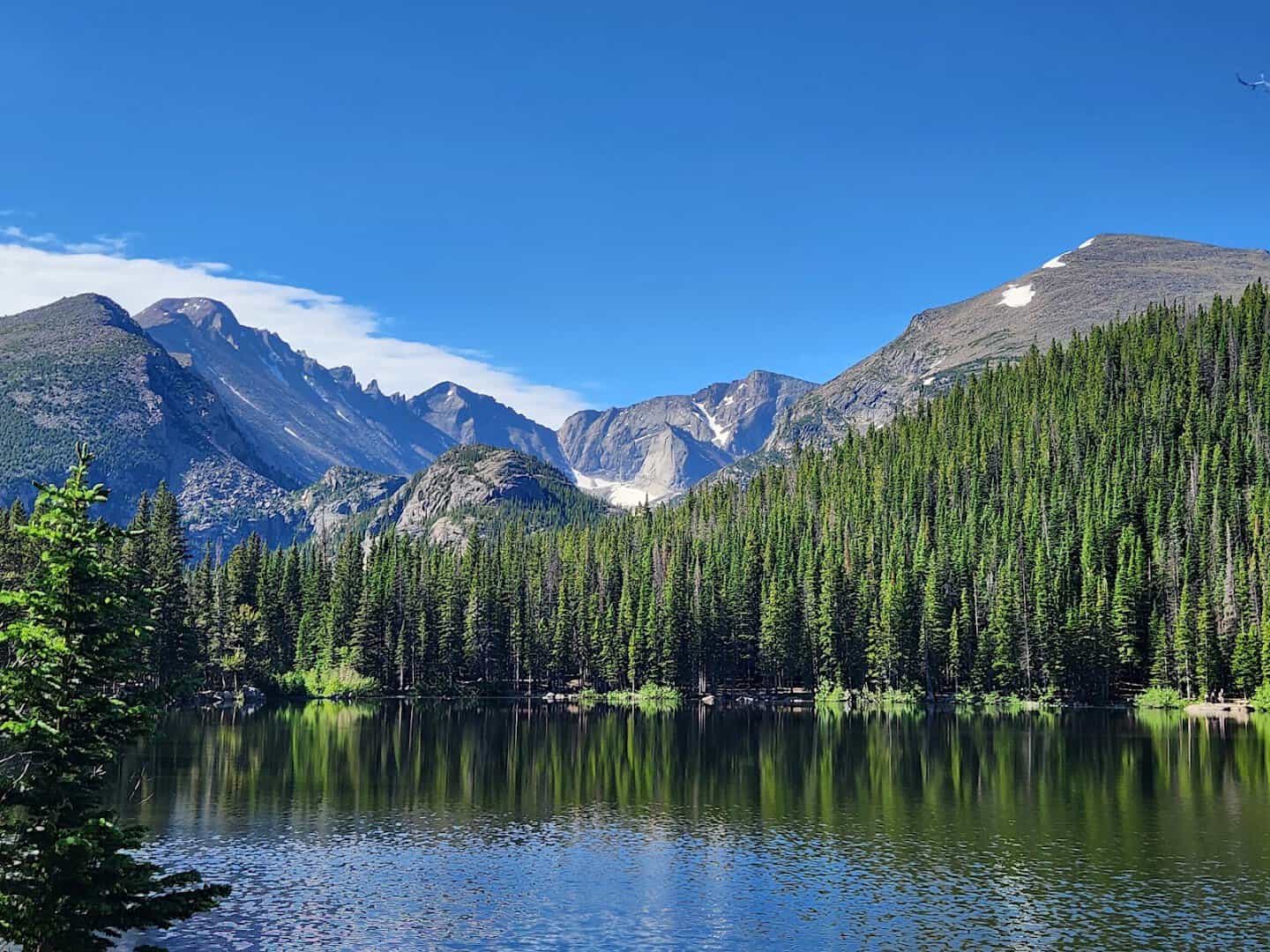
Rocky Mountain National Park hands you the high country without the long climb. Trail Ridge Road, the highest continuous paved road in the country, crests above 12,000 feet and delivers alpine tundra straight through your windshield.
Stop at the overlooks and you may spot elk grazing, marmots sunning on rocks, and snow lingering into July. Bear Lake, an easy stroll beneath sheer peaks, is the perfect first hike for newcomers.
The gateway town of Estes Park sits just outside the entrance, full of cozy lodges and good pie. Park elevations climb from 7,600 to more than 14,200 feet, so take the thin air slowly and drink plenty of water.
Come in September and you may hear the elk bugle echo across the meadows during the fall rut. The many alpine lakes and the quieter west side near Grand Lake give you good reasons to linger.
Where: Beaver Meadows Visitor Center, 1000 US-36, Estes Park, CO 80517.
8. Glacier National Park, Montana
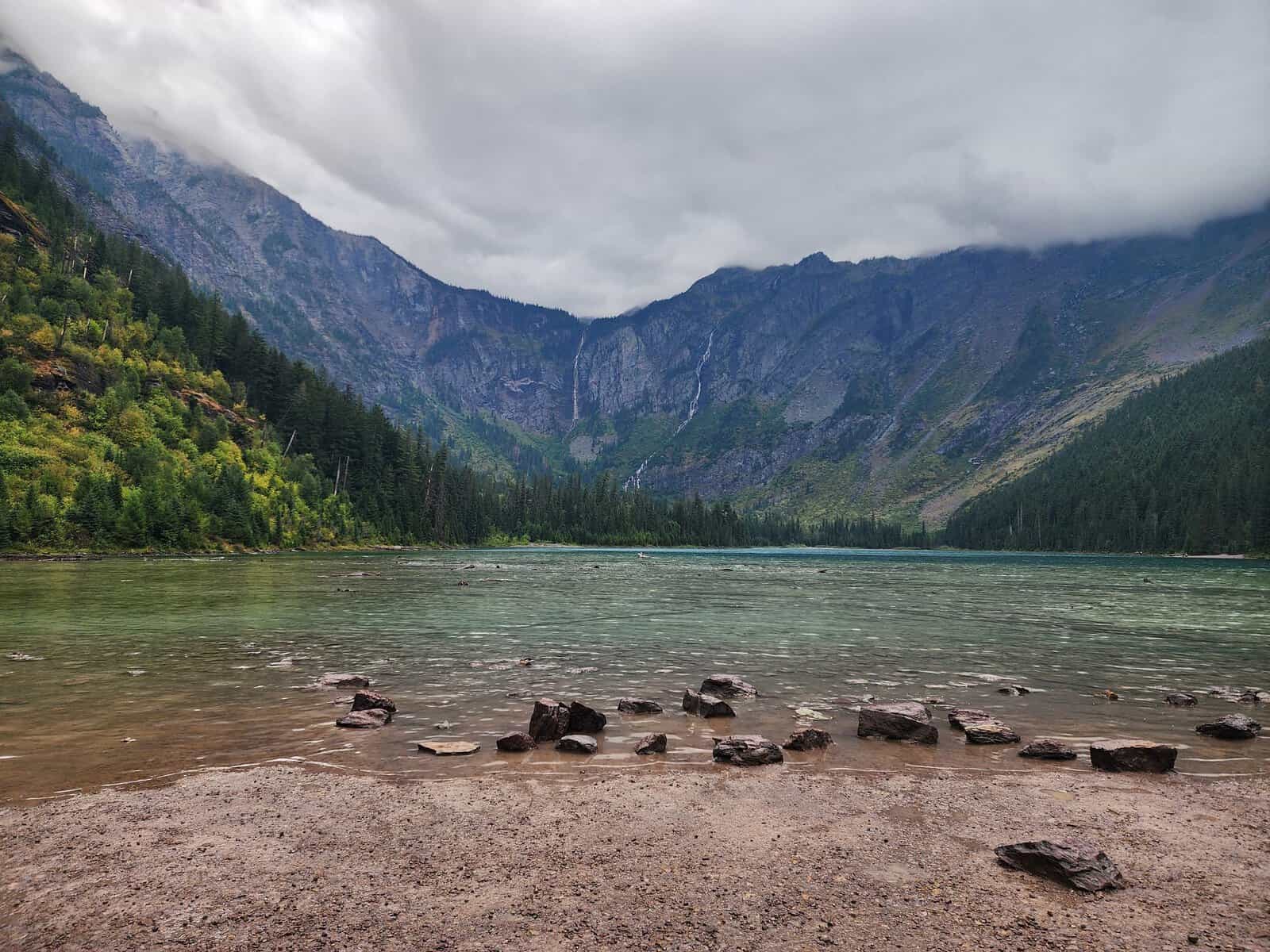
Glacier is what people picture when they imagine the wild north: turquoise lakes, hanging valleys, and peaks sharp enough to cut the sky. It sits right up against the Canadian border in the northwest corner of Montana.
The Going-to-the-Sun Road is the reason to come, a 50-mile engineering marvel built between 1921 and 1932 that climbs to Logan Pass at nearly 6,500 feet. Mountain goats and bighorn sheep watch from the roadside rocks.
Lake McDonald, near the west entrance, glows with its famous multicolored pebbles. Drive the whole road slowly, stop often, and let a first-timer’s jaw stay right where it belongs, somewhere down around the floor.
When you reach Logan Pass, the Hidden Lake Overlook trail climbs gently past wildflower meadows to a postcard view. It is one of the most rewarding easy walks anywhere in the park system.
Where: Apgar Visitor Center, 64 Grinnell Dr, West Glacier, MT 59936.
9. Olympic National Park, Washington
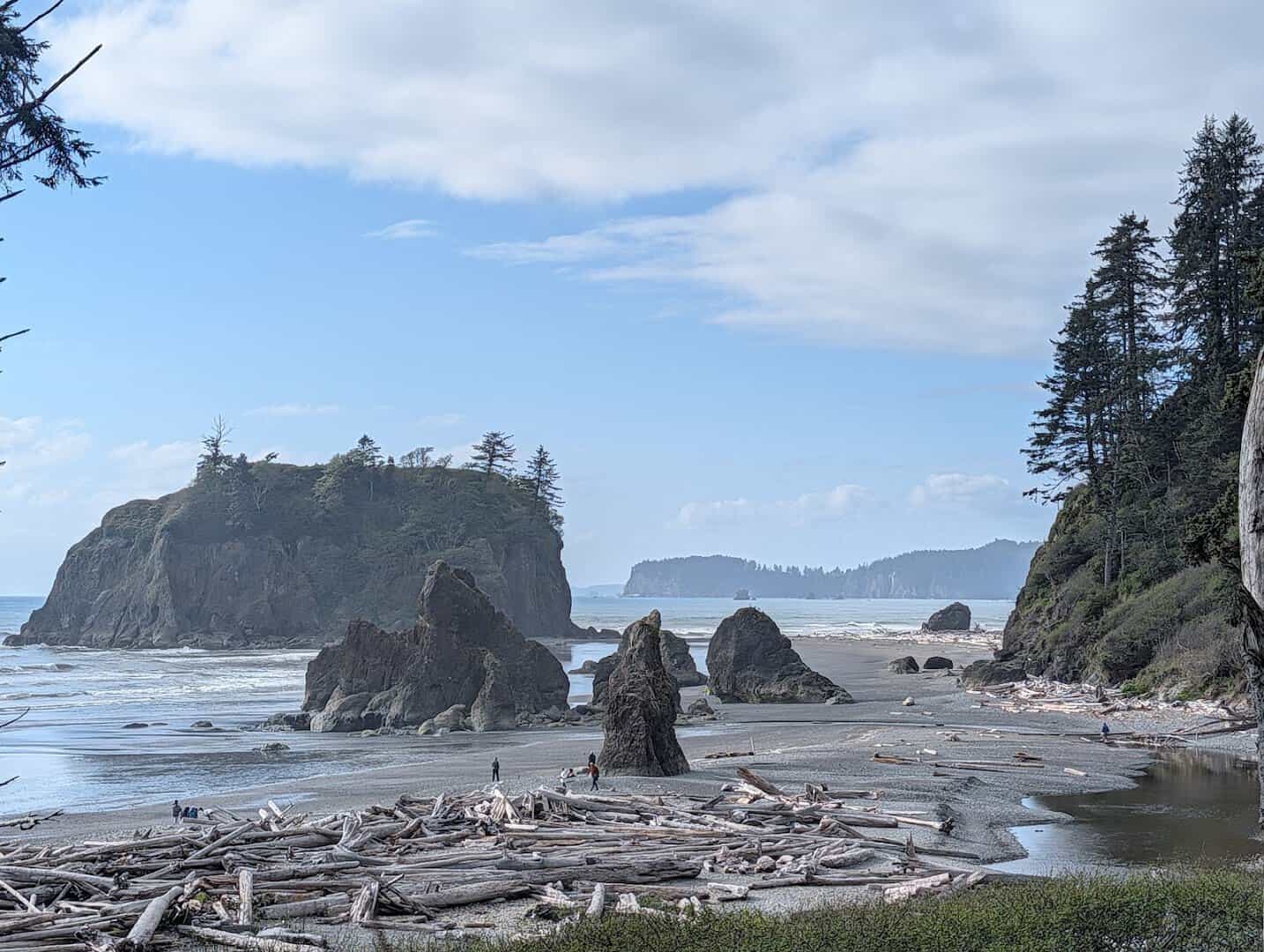
Olympic is really three parks in one, and that variety makes it a dream first visit. In a single day you can stand on a wild Pacific beach, walk through a rainforest, and gaze over glacier-capped peaks.
The Hoh Rain Forest drips with moss and ferns under some 140 inches of rain a year, one of the finest temperate rainforests left in the country. It feels prehistoric, impossibly green, and beautifully quiet.
Up high, Hurricane Ridge opens panoramic views of Mount Olympus and its neighbors, all reachable by car. Down low, tide pools and sea stacks line the coast. Few parks anywhere pack this much range into one place.
Do not miss Ruby Beach, where driftwood logs pile against the sea stacks at low tide. Lake Crescent, deep and clear and blue, makes an easy stop on the drive between the rainforest and the ridge.
Where: Olympic National Park Visitor Center, 3002 Mount Angeles Rd, Port Angeles, WA 98362.
Start Planning Your First Park Trip
The best part of a first national park is how little it asks of you. Most of these welcome newcomers with shuttles, paved overlooks, and short trails that still deliver that enormous, humbling view.
Pick the one that matches your season and your travel style, book your lodging early because the good spots fill up fast, and then simply go. Each of these parks is welcoming, well signed, and truly built for beginners.
Do not overthink it, and do not wait for the perfect trip. Your very first national park has a funny way of turning into a lifelong list.
Featured image: Chris Downing via Yosemite National Park

Stella Raines
Editor-in-Chief
Stella brings over a decade of storytelling experience to TX Headlines. With roots in West Texas and a love for road trips, she leads the editorial team with an eye for the hidden stories that make Texas unforgettable.