11 Beautiful National Parks That Look Almost Too Good to Be Real
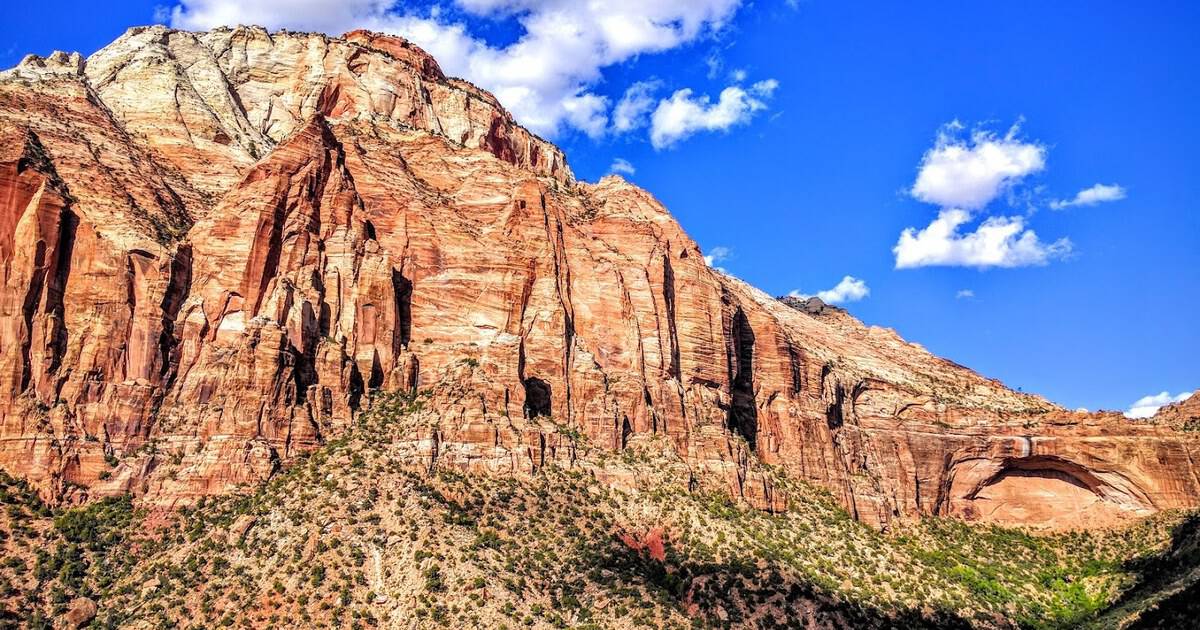
Nobody comes home from a national park and complains that it was just fine. That is the closest thing to a sure bet I know in all of travel, and I have chased a lot of long shots.
America keeps 63 of them, and picking a favorite starts a friendly fight at any dinner table. Some are household names, some stay quiet on purpose, and a few sit so far past the last paved road that your shoulders drop the moment you step out of the car.
Below, we’ll wander through eleven of the most beautiful national parks in America, from a red-rock canyon in Utah to the tallest peak on the continent. Pack good boots, a full tank, and a camera you trust.
1. Zion National Park, Utah
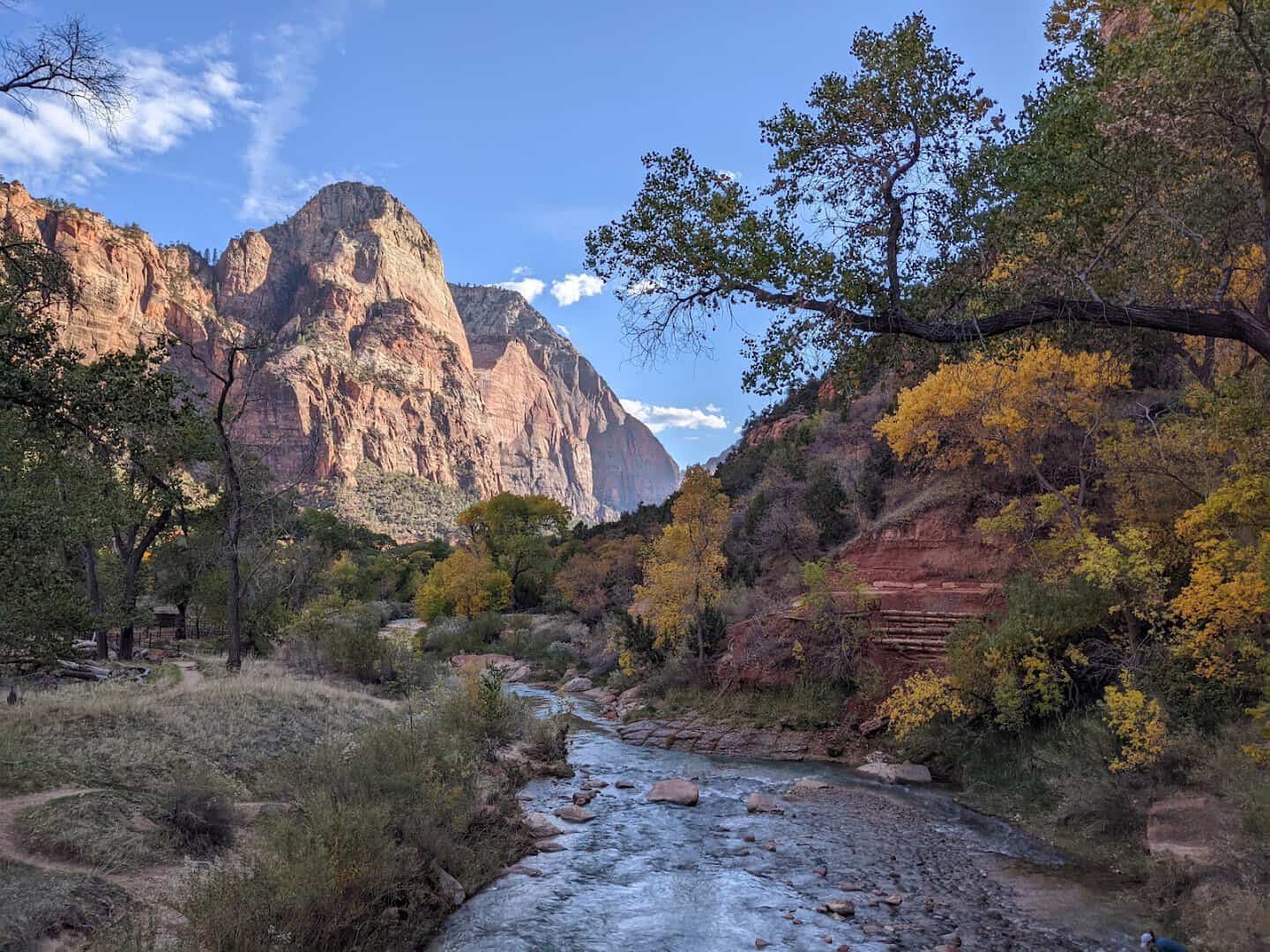
We start in southwest Utah, where the Virgin River spent millions of years slicing a canyon out of solid sandstone. The walls glow orange and cream, and they rise so high the sun only reaches the floor for a few hours a day.
This is a hiker’s park to its core. Angels Landing pays off a knuckle-whitening chain climb with a view down the whole canyon. The Narrows sends you wading straight up the river between walls a thousand feet tall.
Zion became a national park in 1919, and a clean shuttle now carries visitors up the canyon so the road stays calm. Come at first light; golden hour on those cliffs is worth every early alarm.
Even the easy walks deliver here. The paved Riverside Walk and the Emerald Pools trails put waterfalls and hanging gardens within reach of almost anyone, so nobody gets left in the parking lot.
Where: Zion Canyon Visitor Center, 1 Zion Park Blvd, Springdale, UT 84767.
2. Acadia National Park, Maine
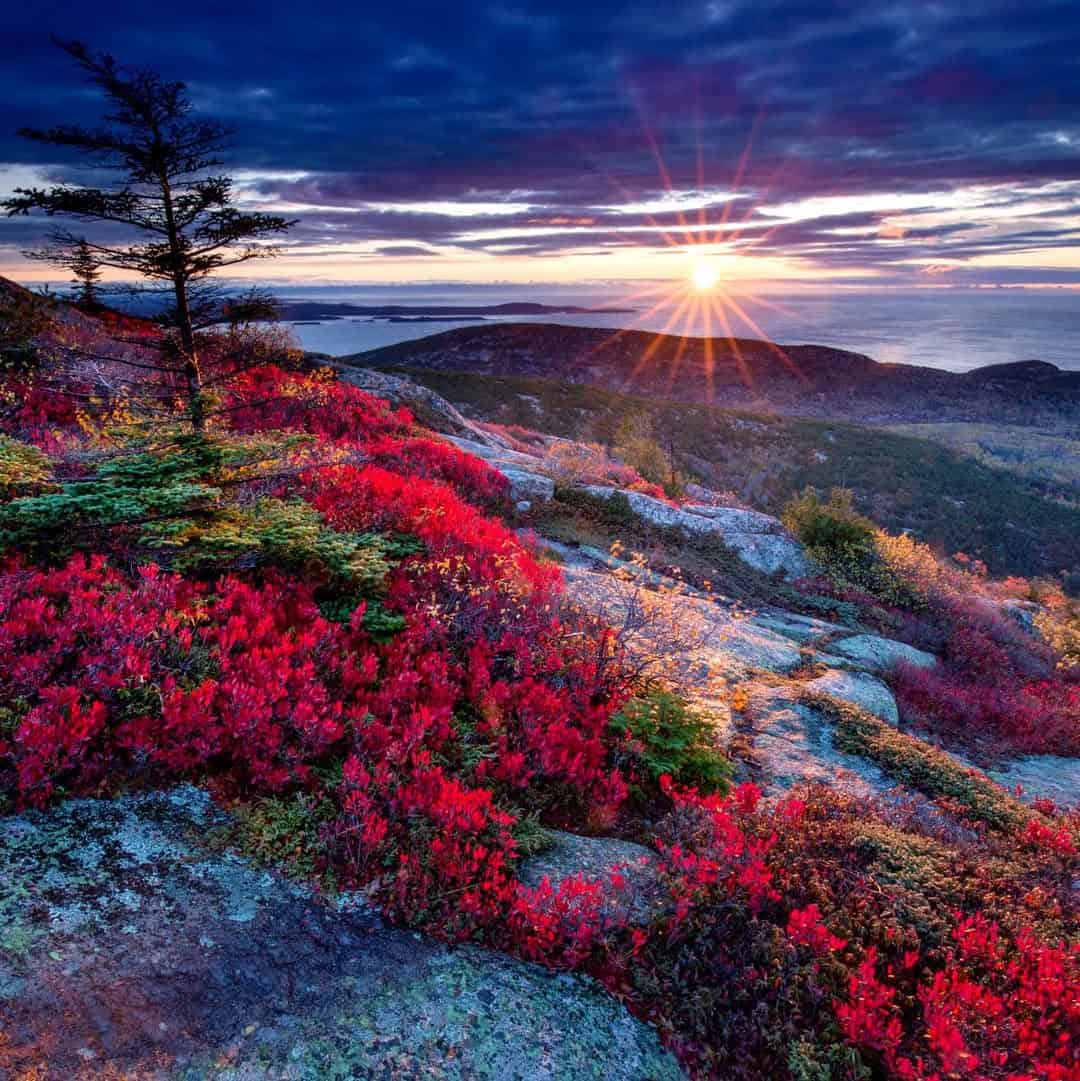
Swing to the opposite corner of the country, where granite mountains tumble straight into the cold Atlantic. Acadia crowns Mount Desert Island, and it packs forest, surf, and bald summits into one very walkable park.
Cadillac Mountain is the headliner. For much of the year it catches the first sunrise in the United States, so people line the summit in the dark with coffee and blankets, waiting for the sky to turn.
Down below, the Park Loop Road threads past Thunder Hole, Sand Beach, and the mirror-still Jordan Pond. Order popovers at the pond house, then walk the carriage roads John D. Rockefeller Jr. built by hand.
Time your trip for October and the whole island turns gold and crimson, with far fewer cars than the summer crush. The park is compact enough to see over one long, unhurried weekend.
Where: Hulls Cove Visitor Center, 25 Visitor Center Rd, Bar Harbor, ME 04609.
3. Grand Teton National Park, Wyoming
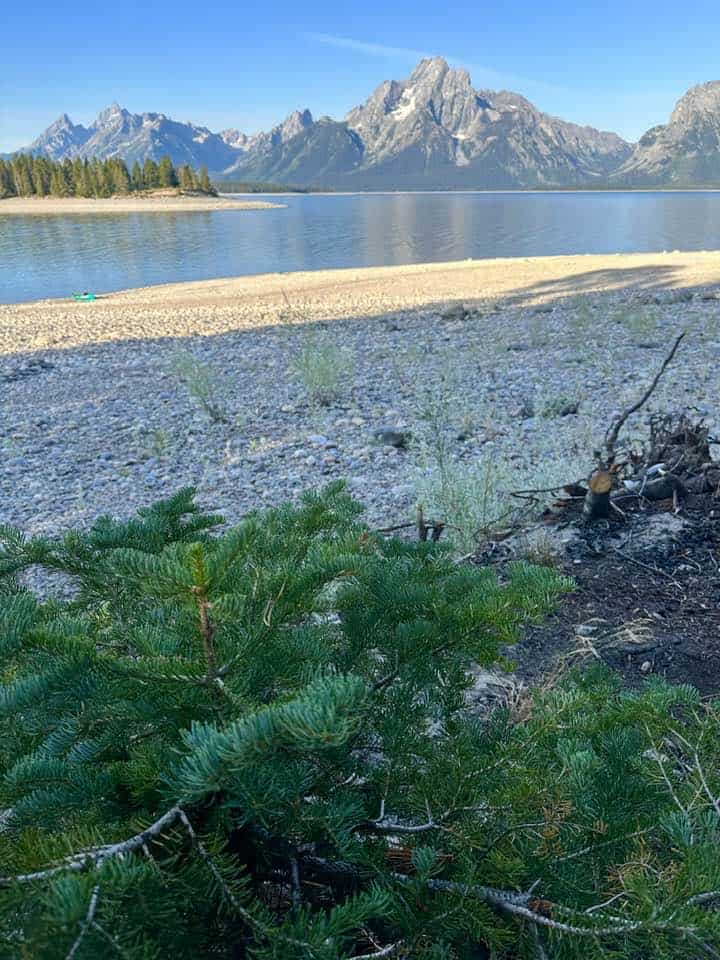
Some mountains ease you in with foothills. The Tetons do not. They erupt straight out of the valley floor, a wall of jagged granite with no warm-up, and the effect is honestly staggering.
Grand Teton itself tops out at 13,775 feet. Below it, Jenny Lake sits so clear you can count stones on the bottom, and the Snake River bends through cottonwoods where moose come to feed at dusk.
Oxbow Bend is the postcard everyone chases, especially when the peaks double themselves in the still water. Bring binoculars. This valley holds elk, bison, and the occasional grizzly working the sagebrush flats.
Where: Craig Thomas Discovery & Visitor Center, 1 Teton Park Rd, Moose, WY 83012.
4. Great Smoky Mountains National Park, Tennessee
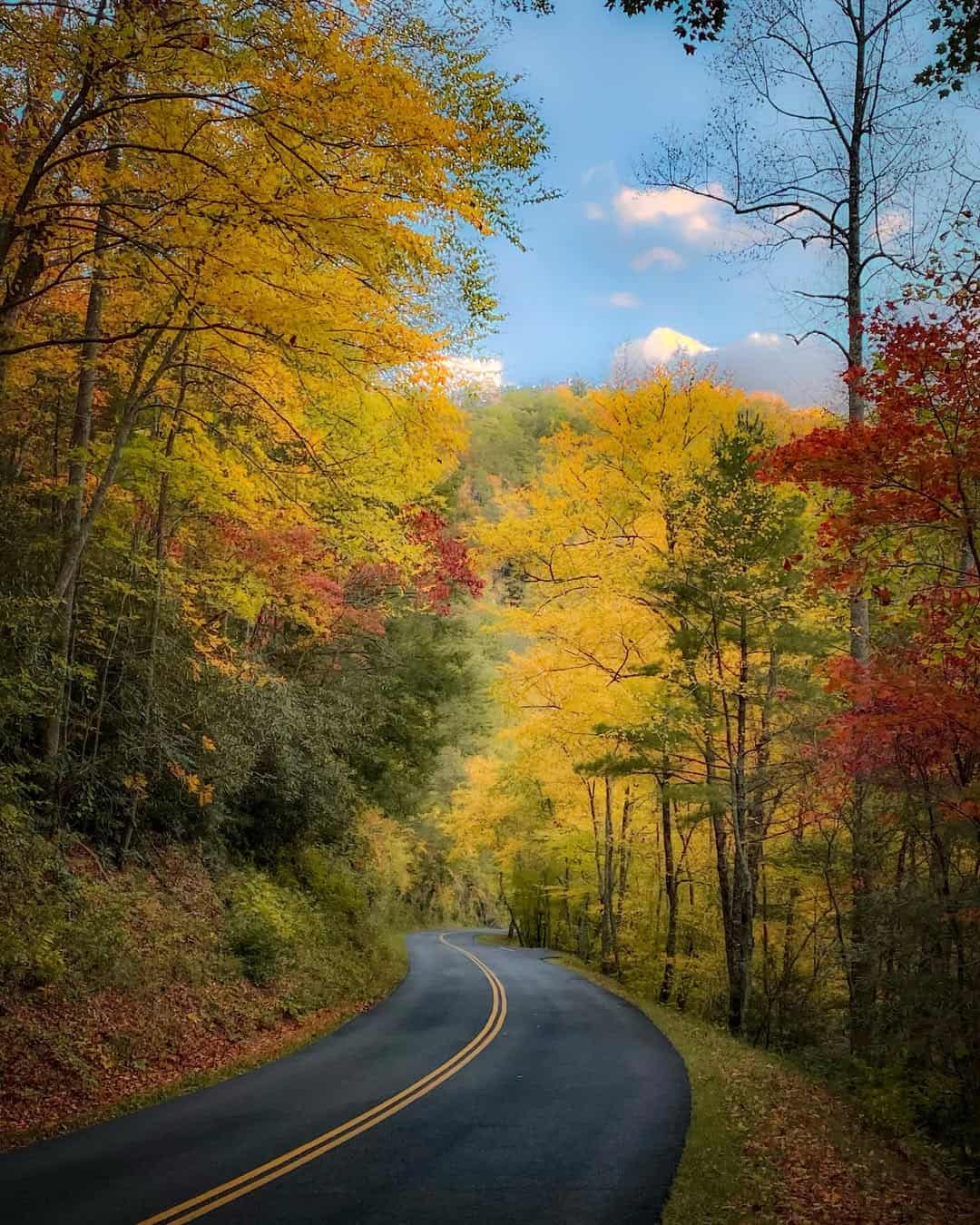
Ever wonder why they call them smoky? The forest breathes out a natural blue haze that pools in the valleys and drapes the ridgelines, and once you see it, the name makes total sense.
This is the most visited national park in the country, and it earns the crowds. Ancient rounded mountains roll to the horizon, spring wildflowers carpet the trails, and Cades Cove holds pioneer cabins in a green mountain bowl.
Did you know the park runs a lottery each June for its synchronous fireflies? Thousands of them blink in unison, one of only a few places on Earth where that happens. There is no entrance fee, either.
Where: Sugarlands Visitor Center, 1420 Fighting Creek Gap Rd, Gatlinburg, TN 37738.
5. Glacier National Park, Montana
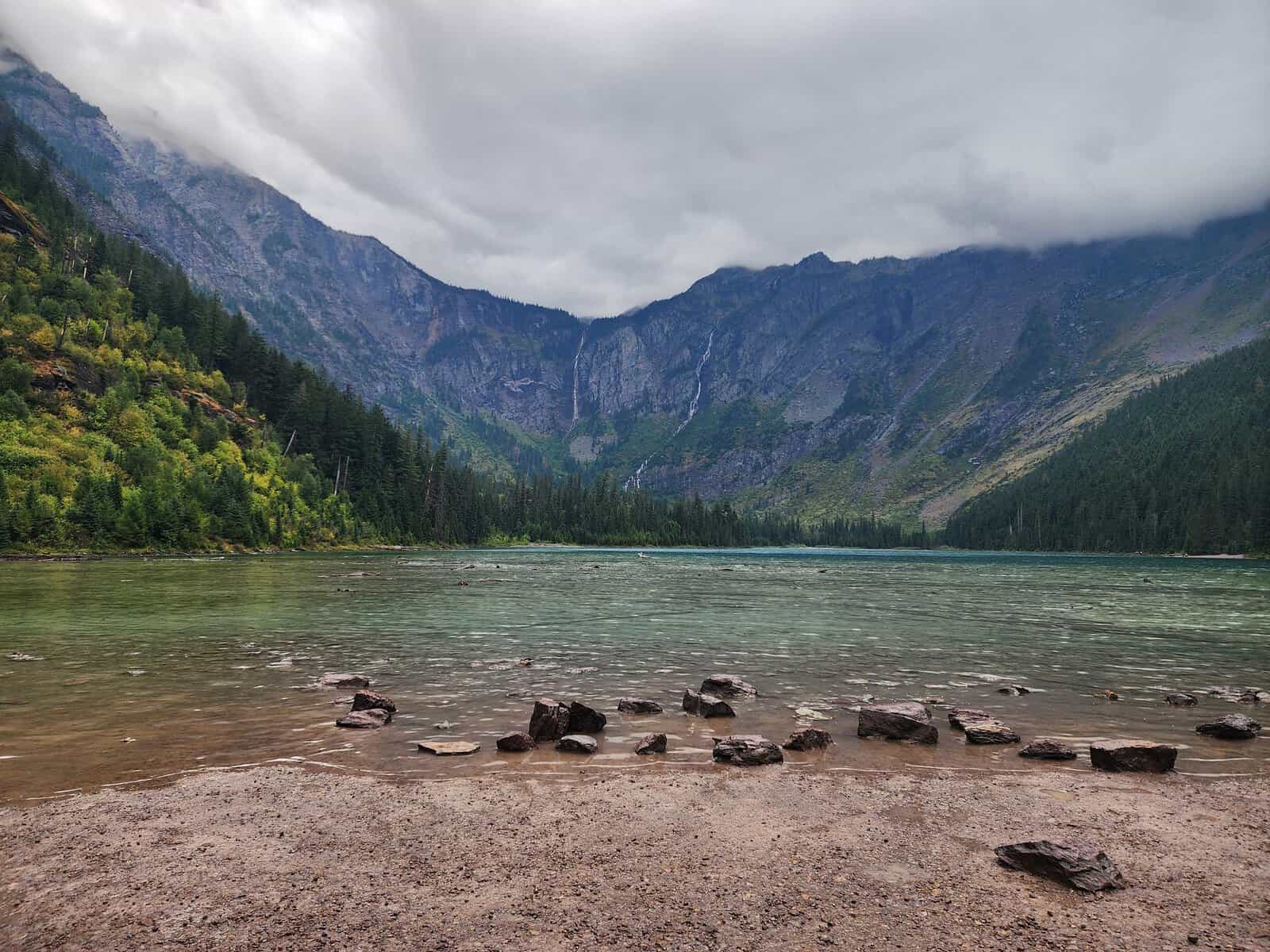
They call this stretch of Montana the Crown of the Continent, and the nickname is not marketing. Glacier stacks turquoise lakes, hanging valleys, and knife-edge peaks into one impossibly scenic sweep near the Canadian border.
The Going-to-the-Sun Road is the main event, a fifty-mile engineering marvel that climbs over Logan Pass with waterfalls spilling right onto the pavement. Mountain goats and bighorn sheep treat the guardrails like their own back porch.
Down at Lake McDonald, the water is so clear the famous multicolored pebbles glow beneath the surface. Go soon and go early; the road fills fast, and timed-entry tickets are often required in summer.
Where: Apgar Visitor Center, West Glacier, MT 59936, at the west end of Going-to-the-Sun Road.
6. Yosemite National Park, California
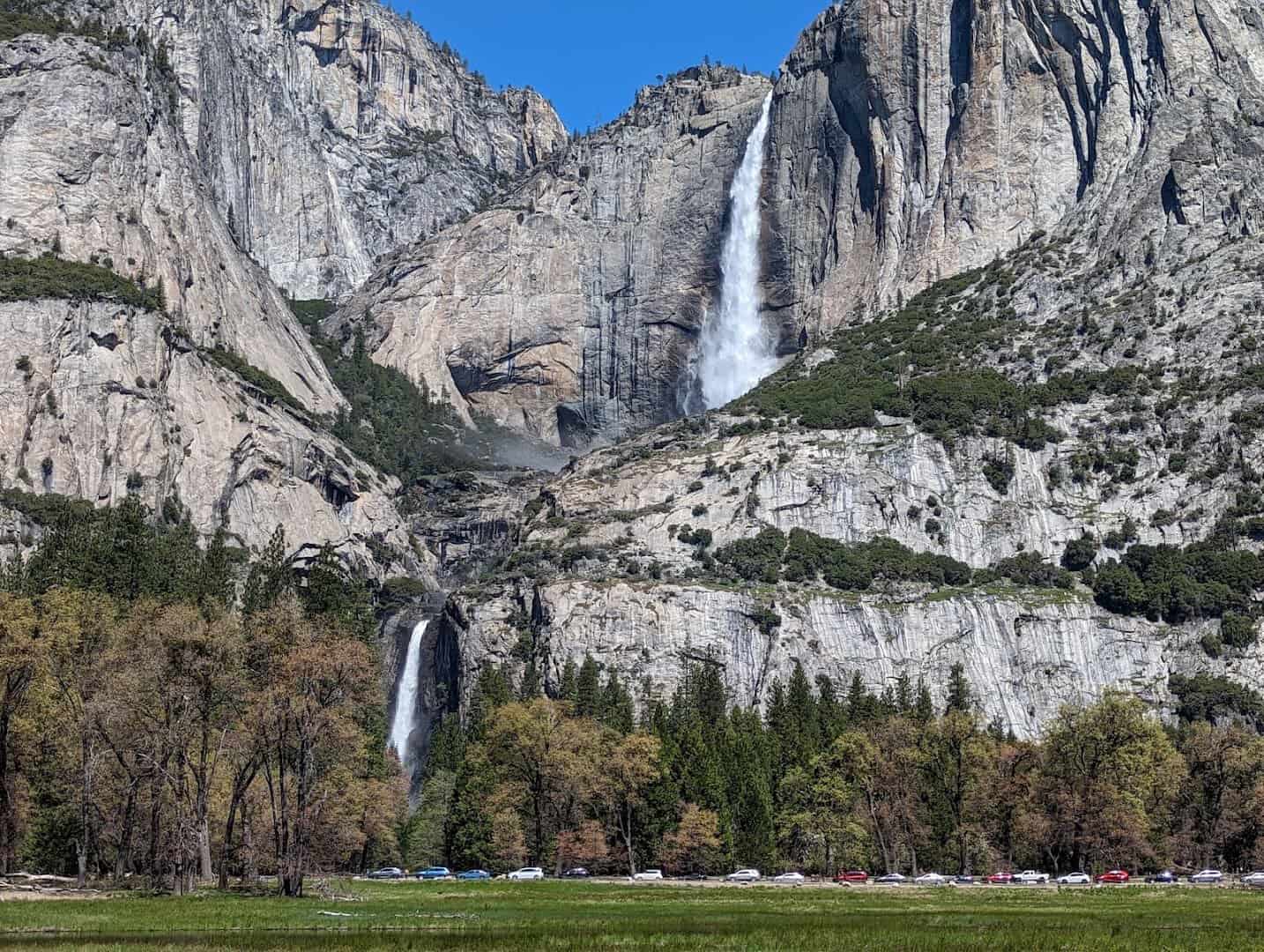
Yosemite Valley might be the single most photographed piece of ground in America, and it still knocks you flat in person. Sheer granite walls box in a green valley floor, and waterfalls pour off every edge.
El Capitan looms three-thousand vertical feet, a magnet for the world’s boldest climbers. Half Dome watches over the far end, and Yosemite Falls drops 2,425 feet, the tallest waterfall in North America when spring runoff is roaring.
Drive up to Glacier Point for the whole valley at once, or wander the Mariposa Grove among giant sequoias older than most nations. Naturalist John Muir helped make this a park back in 1890.
Spring is the season for the falls, when snowmelt sends them thundering. By late summer a few slow to a trickle, so aim for May or June if the waterfalls are what you drove out to see.
Where: Yosemite Valley Welcome Center, 9035 Village Dr, Yosemite Valley, CA 95389.
7. Crater Lake National Park, Oregon
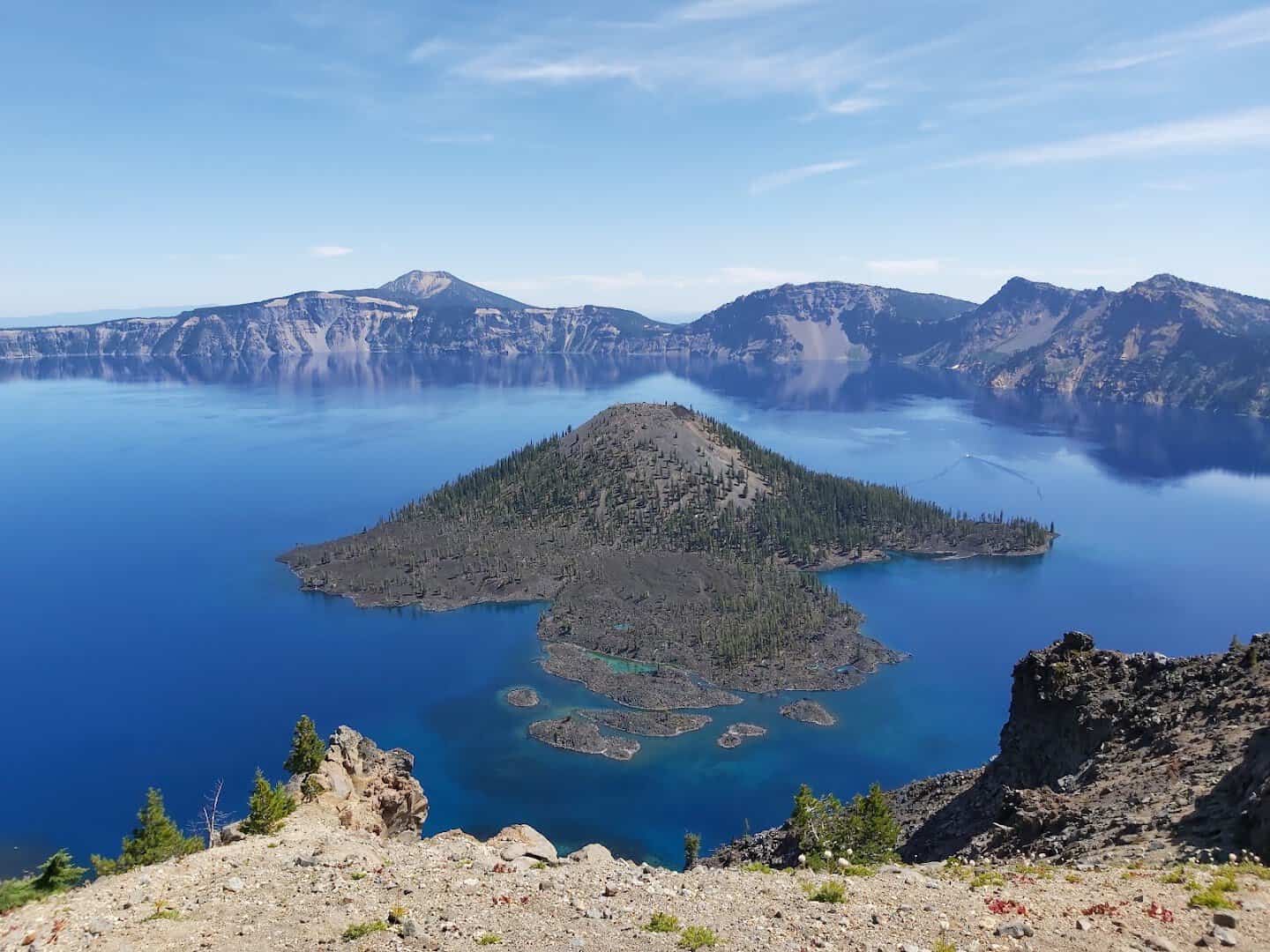
The color is the thing you never forget. Crater Lake is the deepest lake in the United States at 1,943 feet, and all that depth turns the water a blue so saturated it looks retouched.
The lake fills the collapsed caldera of Mount Mazama, a volcano that blew its top roughly 7,700 years ago. Rain and snowmelt did the rest. No rivers feed it, which is part of why it stays so startlingly clear.
Wizard Island, a cinder cone, rises from the surface like a set piece. Loop the 33-mile Rim Drive for one overlook after another, and plan around snow, since the road often stays closed deep into spring.
My advice is to stop at more than one pullout. The lake changes character with the light and the angle, and the view from the north rim looks like a different park than the one you photographed at breakfast.
Where: Steel Visitor Center, Munson Valley Rd, Crater Lake, OR 97604.
8. Grand Canyon National Park, Arizona
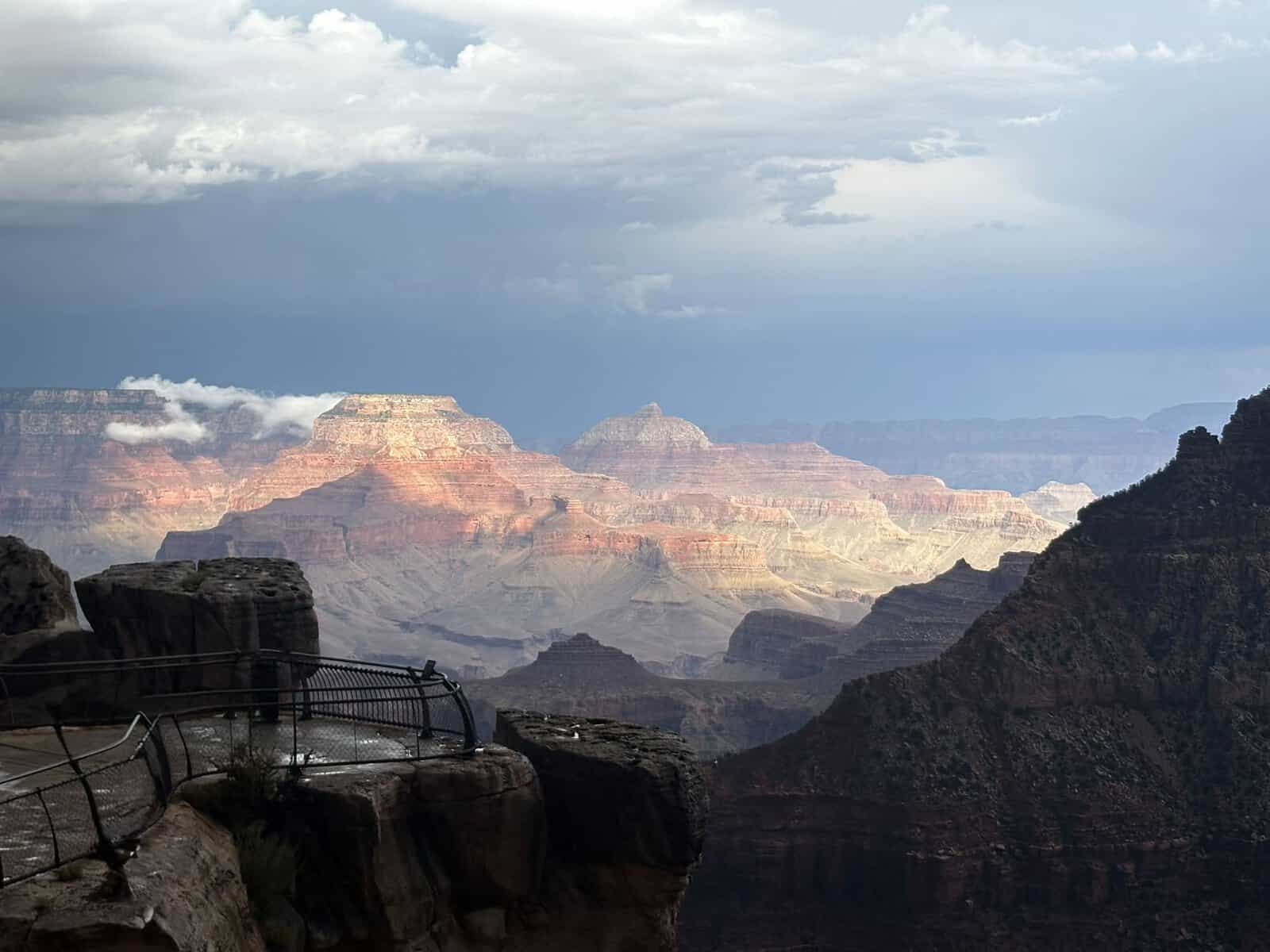
Photos cannot do it. You walk up to the South Rim expecting to be prepared, and the ground simply falls away for a mile straight down and eighteen miles across. Everyone goes quiet for a second.
The Colorado River spent millions of years cutting through rock that dates back nearly two billion, so you are staring at a cross-section of the planet’s history painted in reds and golds. It shifts color all day long.
Pro tip: catch sunrise at Mather Point when the crowds are thin, then walk a stretch of the Rim Trail as the light climbs down the canyon walls. It is a free morning you will replay for years.
Where: Grand Canyon Visitor Center, 8 S Entrance Rd, Grand Canyon Village, AZ 86023.
9. Rocky Mountain National Park, Colorado
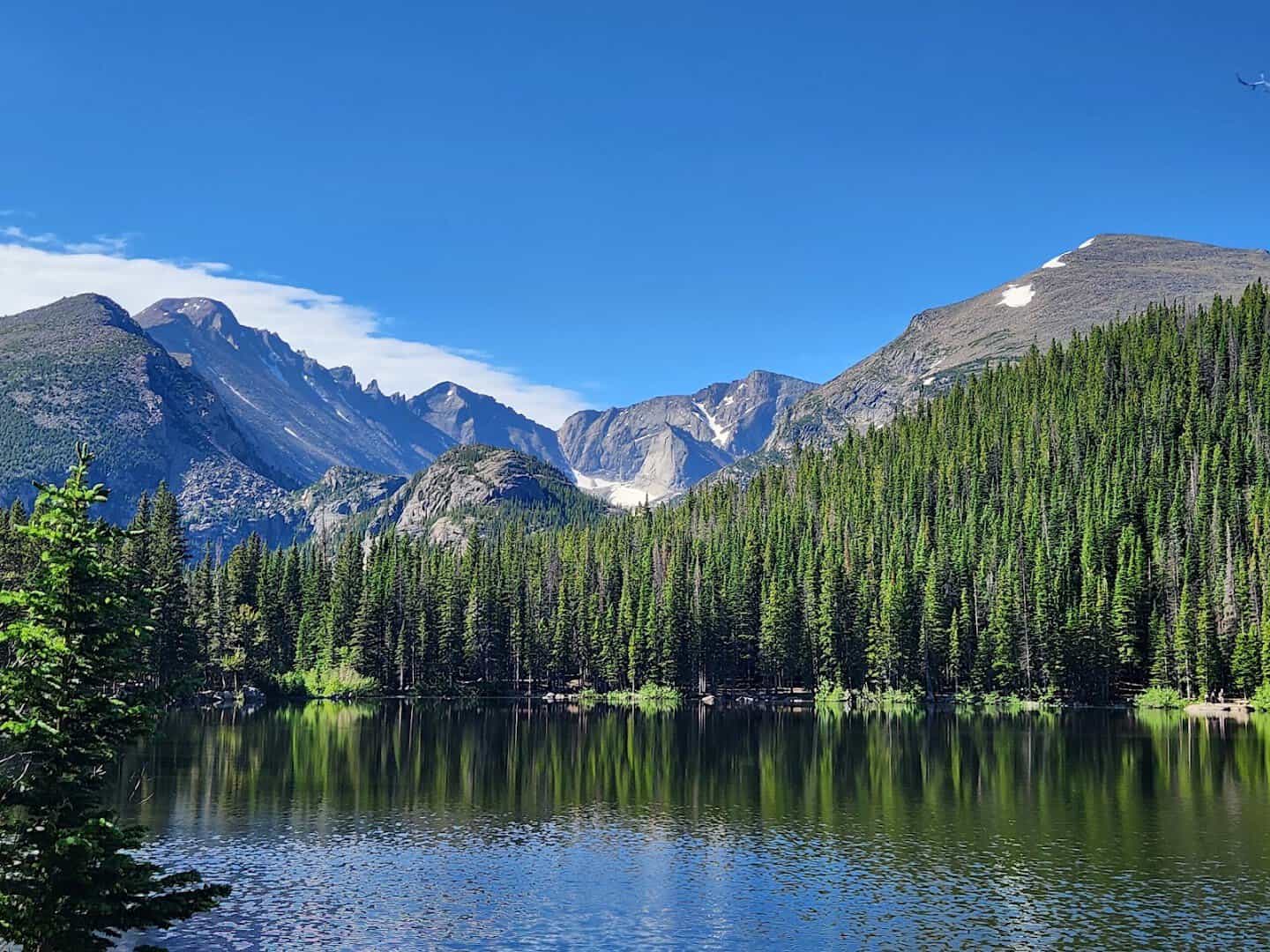
This park lets you drive into the sky. Trail Ridge Road climbs above 12,000 feet, the highest continuous paved road in the country, and up there the forest gives way to raw alpine tundra.
Below the passes, glassy lakes like Bear Lake sit ringed by pines and snowfields, and Longs Peak crowns the skyline at 14,259 feet. Elk graze the meadows so casually that traffic sometimes stops to let a herd cross.
Come in fall and the valleys fill with the bugling of bull elk, a sound that carries for miles. Gateway town Estes Park makes an easy, charming base right at the eastern entrance.
The altitude is no joke up here, so give yourself a day to adjust and carry more water than you think you will need. Every careful breath buys you a view most people never earn.
Where: Beaver Meadows Visitor Center, 1000 US-36, Estes Park, CO 80517.
10. Olympic National Park, Washington
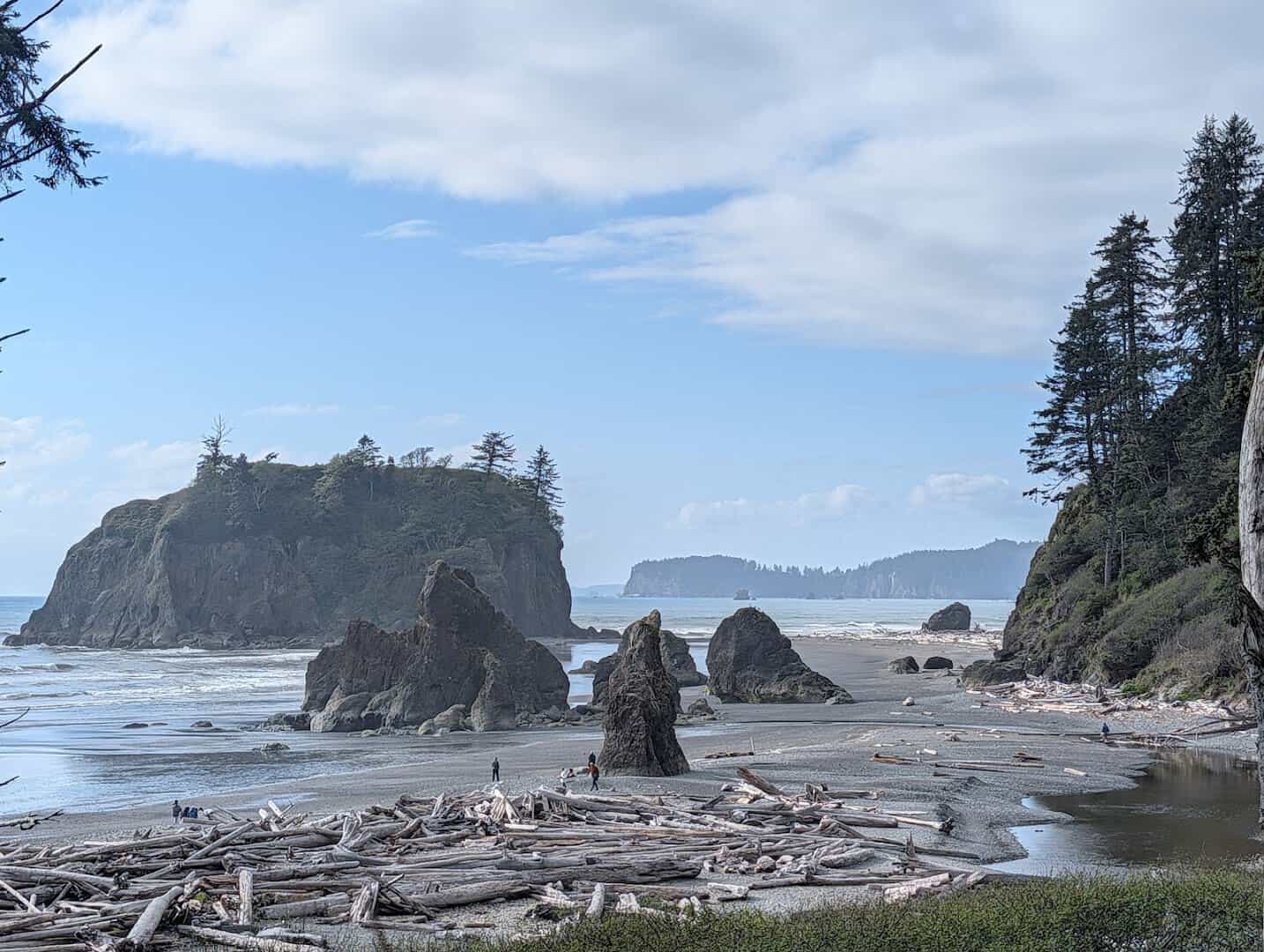
Most parks give you one landscape. Olympic hands you three, all in a single day’s drive on the Washington coast: rainforest, wild shoreline, and glacier-capped peaks that never quite let go of their snow.
The Hoh Rain Forest is the showstopper, a dripping green world where moss hangs off every branch and the quiet feels almost underwater. It soaks up twelve feet of rain a year, and it looks it.
Then the road delivers you to Ruby Beach, all sea stacks and driftwood and crashing surf. Drive up to Hurricane Ridge for the alpine view, and you have covered three worlds before dinner.
Where: Olympic National Park Visitor Center, 3002 Mount Angeles Rd, Port Angeles, WA 98362.
11. Denali National Park, Alaska
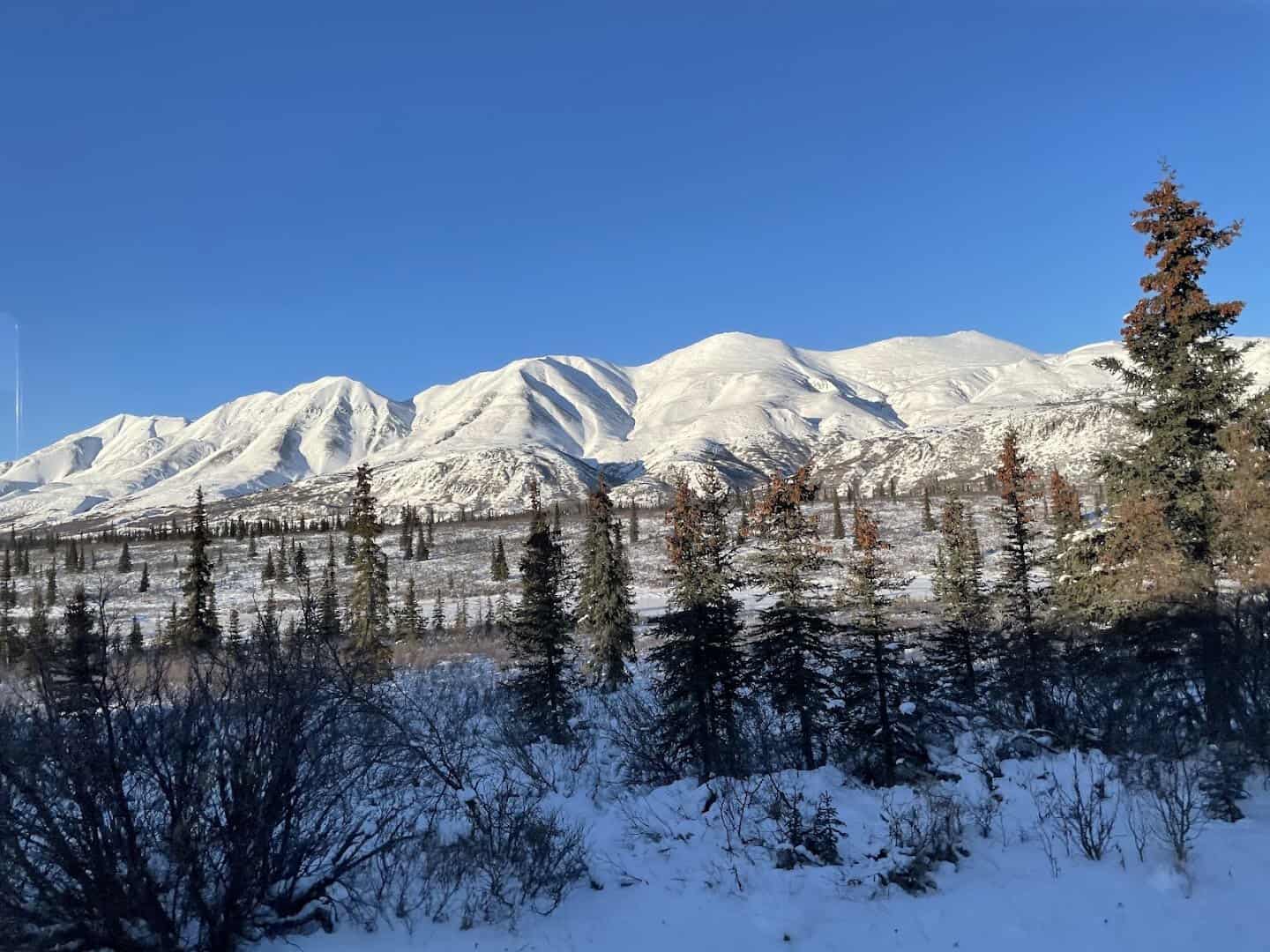
We finish at the top of the continent. Denali rises 20,310 feet, the tallest peak in North America, and on the clear days when the clouds pull back, it dominates the horizon like nothing else on the map.
Around it sprawls six million acres of genuine wilderness, larger than some states, threaded by a single ninety-two-mile road. There are no crowds of lodges here, just tundra, braided rivers, and animals living exactly as they always have.
Ride the park bus and you may spot grizzlies, caribou, wolves, and moose from your window. This is the wildest park on the list, and the one that reminds you how big the country really gets.
Only a lucky third of visitors catch the mountain fully out of the clouds, so locals joke about the exclusive “30 percent club.” If Denali shows itself for you, count the whole trip a win.
Where: Denali Visitor Center, Mile 1.5 Denali Park Road, Denali Park, AK 99755.
Start Planning Your Park Road Trip
Eleven parks, eleven completely different reasons to go. Whether you chase red canyons, misty ridgelines, or a mountain that scrapes the clouds, America’s best scenery is waiting behind an entrance sign.
So pick one, book the campsite or the cabin, and point the car toward the horizon. These places have a way of reminding you exactly why you fell in love with the road in the first place.
Featured image: Earth Explorer via Zion National Park

Stella Raines
Editor-in-Chief
Stella brings over a decade of storytelling experience to TX Headlines. With roots in West Texas and a love for road trips, she leads the editorial team with an eye for the hidden stories that make Texas unforgettable.