11 Storybook Small Towns That Belong on Every Honeymoon List
I will admit a small honeymoon heresy: you do not need a swim-up bar and a passport stamp to fall harder for the person you married. Some of the most romantic nights of my life have happened one tank of gas from home.
What a great small town gives you is unhurried closeness. Streets you can walk hand in hand, an inn where the owner knows your name by the second morning, a sunset with nobody’s elbow in it. Below, discover eleven of them, scattered coast to coast, each one built for two.
Pack light, leave the itinerary loose, and let the town set the pace. Every one of these is small enough to explore on foot and big enough to keep you busy for a long weekend.
1. Carmel-by-the-Sea, California
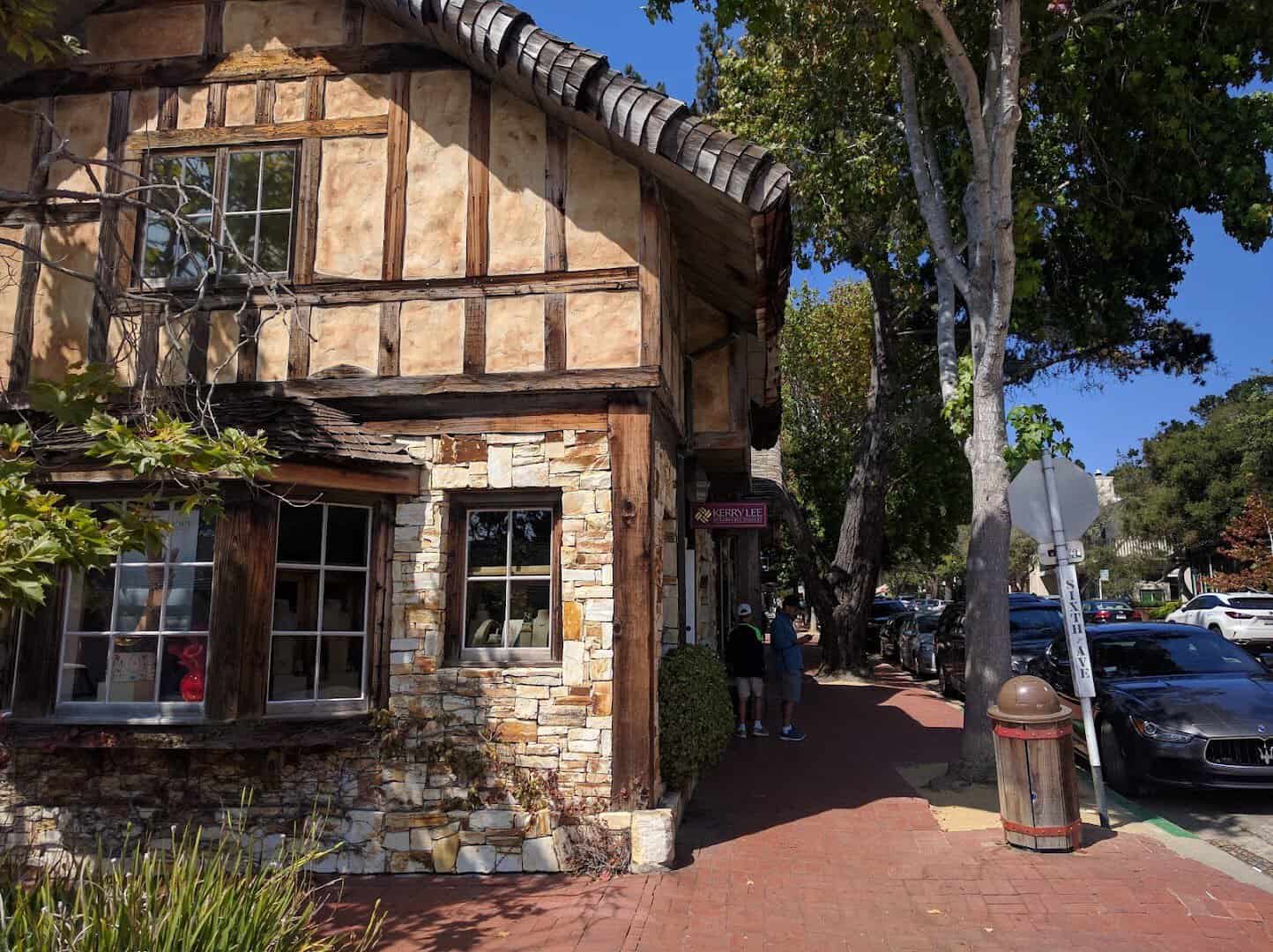
Some places look invented. Carmel-by-the-Sea, founded in 1902 as an artists’ colony, looks like a storybook someone forgot to close. Architect Hugh Comstock built the first of its fairytale cottages in the 1920s for his wife Mayotta, and about ten of his originals still stand.
Rolled eaves, rounded doors, crooked chimneys, a white-sand beach at the foot of Ocean Avenue. Thousands of honeymooners drift through every year, and it is easy to see why.
Spend a morning hunting the hidden cottages on a self-guided walk, then split a bottle of Monterey County wine as the fog rolls in off the Pacific. The whole village runs on quiet.
Here is a charming quirk: the houses have names instead of street numbers, so mail is picked up by hand at the post office. It is that kind of place, small and deliberate and a little magic.
Where: On the Monterey Peninsula, about two hours south of San Francisco by way of Highway 1. The village heart runs along Ocean Avenue.
2. Bar Harbor, Maine
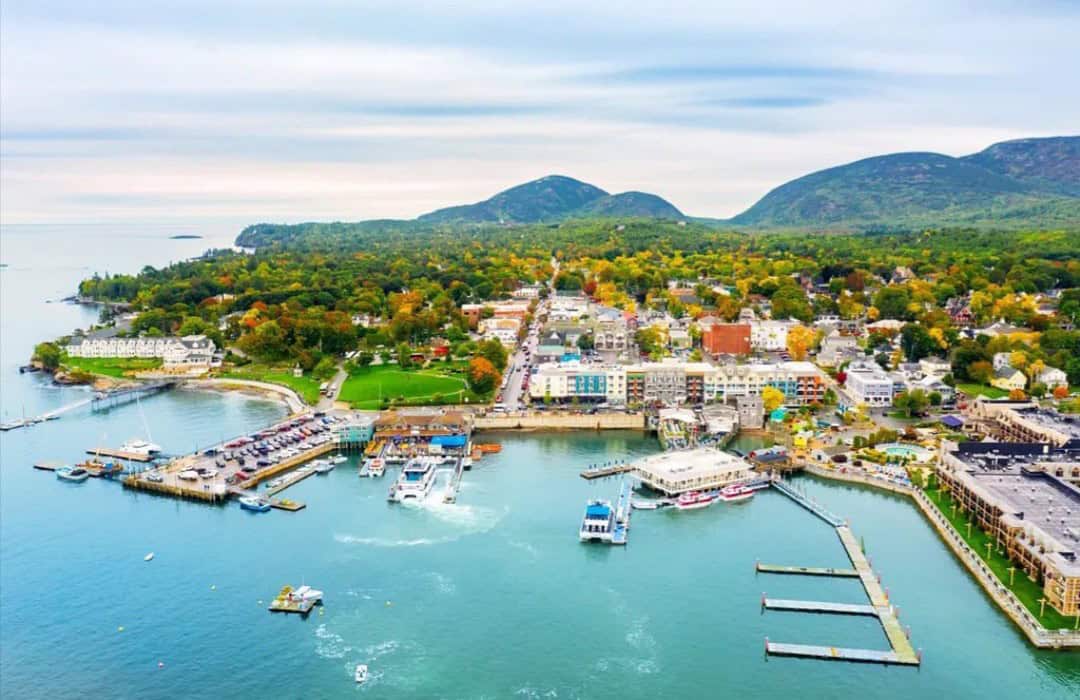
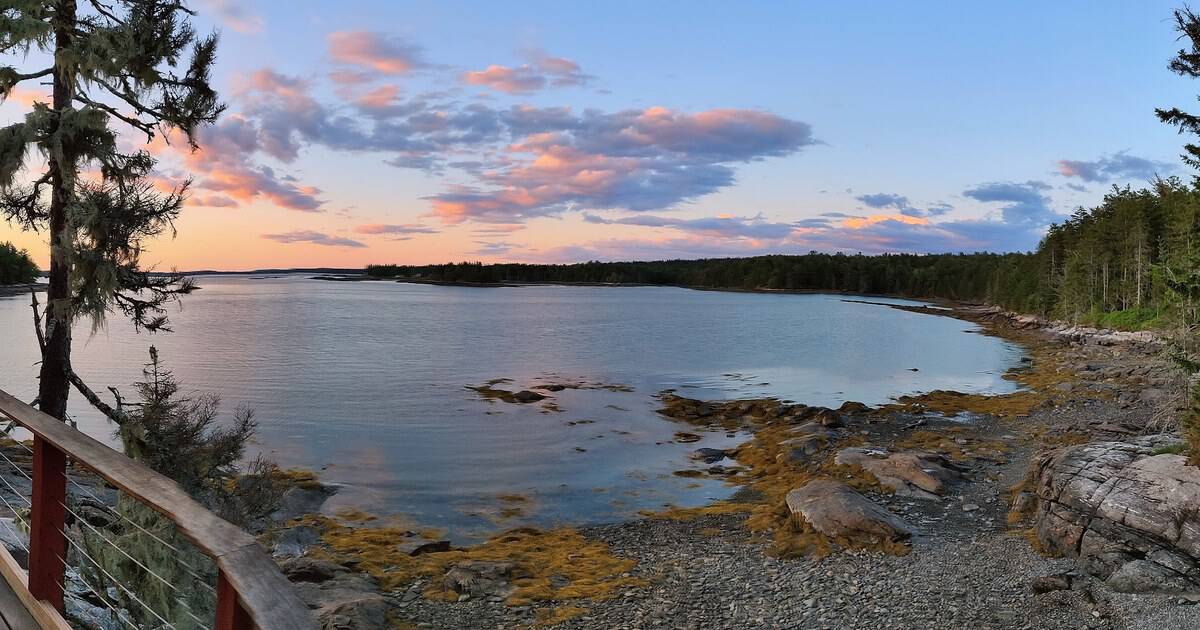
There is a specific joy in ocean air that smells like salt and spruce at the same time. Bar Harbor bottles it. This coastal Maine town began as a quiet fishing village, grew into a Gilded Age resort, and now sits as the front door to Acadia National Park.
Watch sunrise from Cadillac Mountain, then bike Acadia’s carriage roads and split a lobster roll on the water. Few mornings feel this earned.
The park alone holds 158 miles of trails and 47,000 acres, so you can hike hard or laze on the rocks. Come at golden hour and the granite peaks turn pink above the harbor.
Where: On Mount Desert Island, roughly five hours north of Boston. Acadia’s entrance sits minutes from downtown.
3. Sedona, Arizona
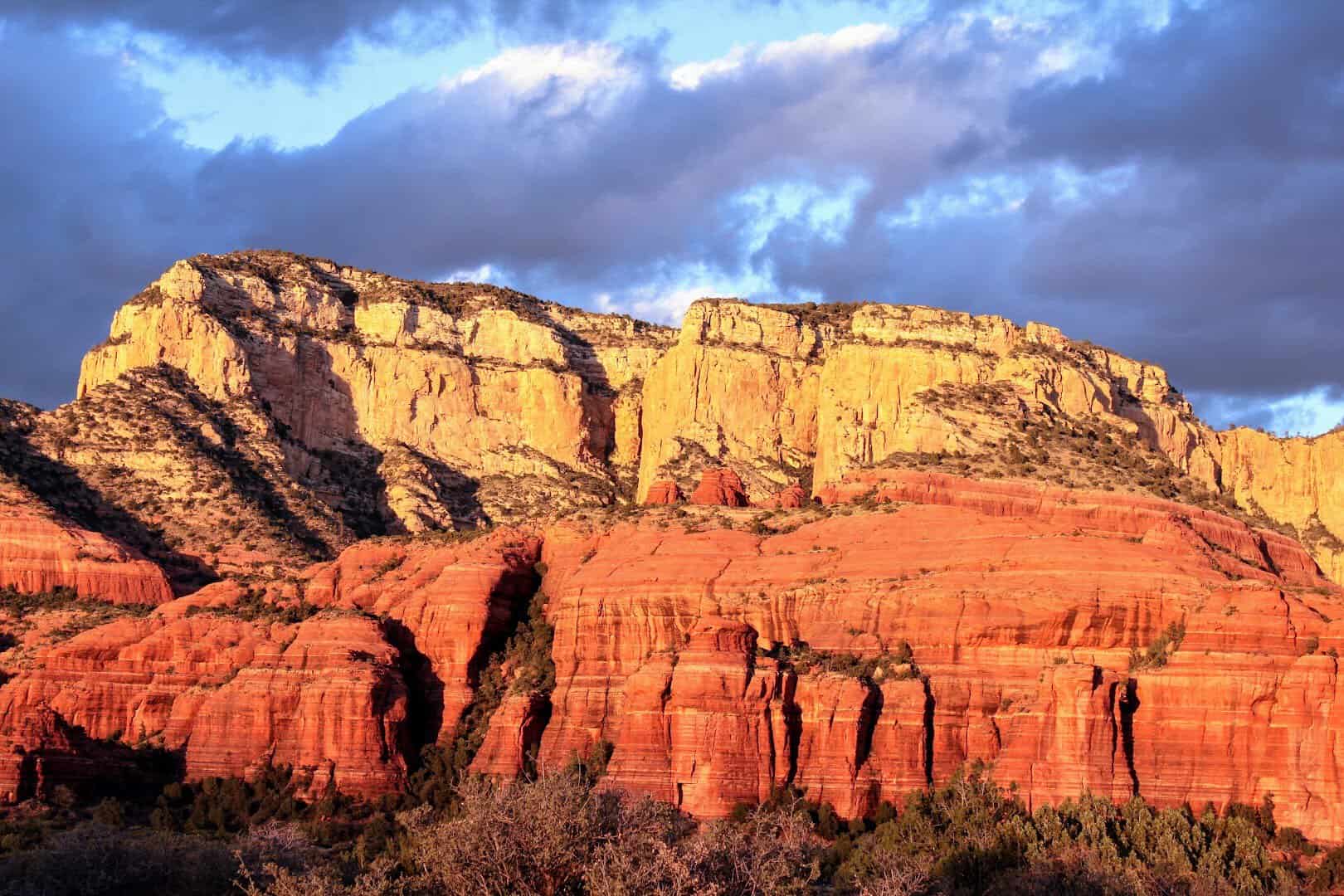
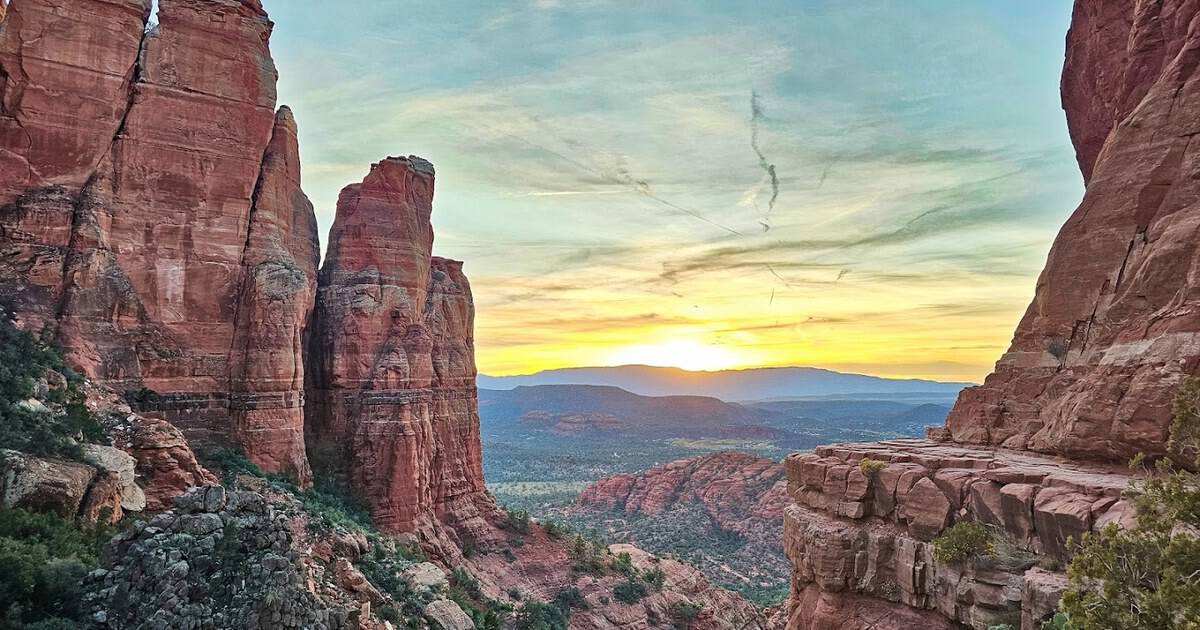
Red rock does a strange thing at sunset. It catches fire, glowing from blazing orange to a soft dusty rose, and the whole desert seems to hold its breath. Sedona packs more of that per square mile than almost anywhere in the West.
Chase a vortex hike, sip your way through Verde Valley wine country, then stargaze under some of the darkest skies in the country. The Chapel of the Holy Cross, built right into a cliff, is worth the pause.
Book a private jeep tour out to Cathedral Rock, or just find a quiet overlook and watch the light change. The town is small, so you can see the big sights and still have time to do nothing.
Wander the adobe courtyards of the Tlaquepaque arts village, then cool your feet in Oak Creek on a warm afternoon. Sedona makes slowing down feel like the whole point of the trip.
Where: About two hours north of Phoenix on I-17, and roughly thirty minutes south of Flagstaff.
4. Mackinac Island, Michigan
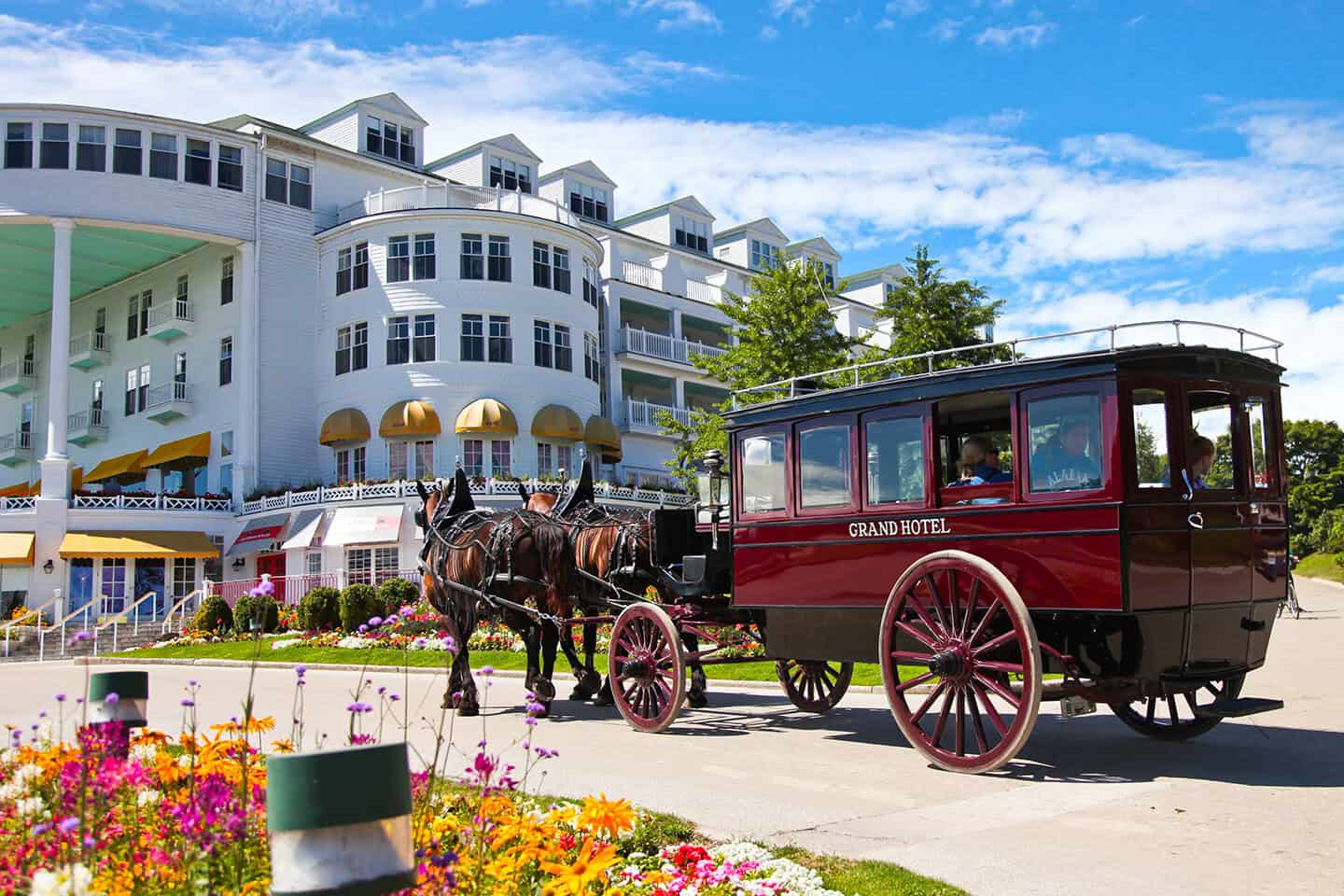
Imagine a place that voted the car out and never let it back in. Mackinac Island banned motor vehicles on July 6, 1898, after carriage drivers complained the horseless kind frightened their horses, and it has stayed car-free ever since.
You get here by ferry and get around by bicycle, foot, or horse-drawn carriage. Victorian porches, no engine noise, and eight miles of shoreline to circle slowly together.
Book a night at the grand old hotel on the bluff, catch the lilacs if you come in June, and let the clip-clop of hooves be the loudest thing you hear all weekend.
Rent a tandem bike for the flat loop around the island, then reward yourselves with the island’s famous fudge. With no traffic and no rush, the whole place asks you to slow down.
Where: Reached by ferry from Mackinaw City or St. Ignace, at the top of Michigan’s Lower Peninsula.
5. Fredericksburg, Texas
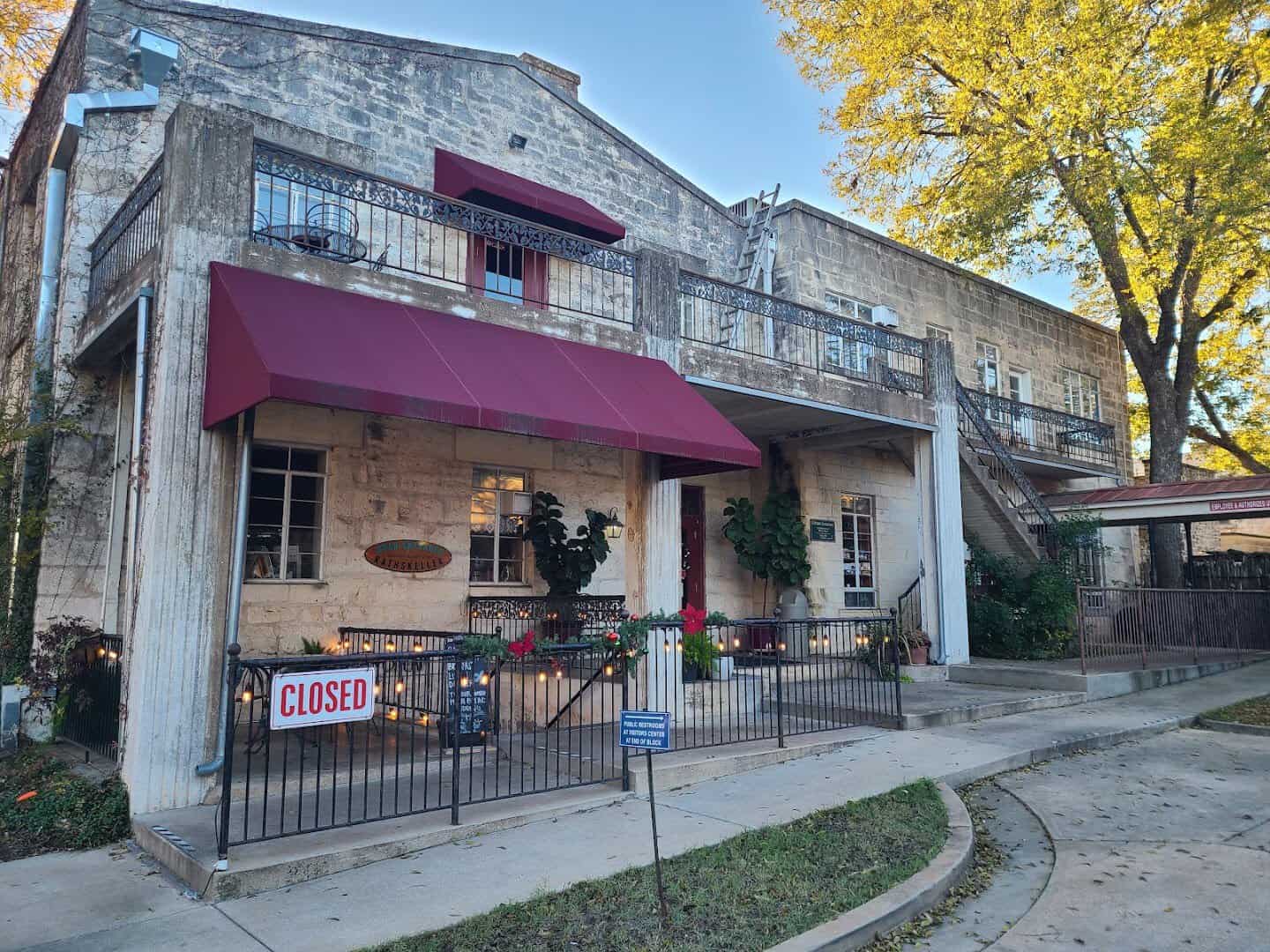
I have a soft spot for a town that keeps its accent. One hundred and twenty German settlers founded Fredericksburg in 1846, and the Old-World bones are still here, in the architecture, the bakeries, and the food.
Locals call it the Napa of Texas, and the area’s fifty-odd wineries earn the nickname. Stroll Main Street, taste your way through the afternoon, then drive out to Enchanted Rock as the light goes gold.
Book a cottage tucked behind Main Street, order the schnitzel and a local Riesling, and let the porch swing do the rest. It is the rare wine country you can wander without a plan.
Where: In the Texas Hill Country, about seventy miles west of Austin and seventy miles north of San Antonio. Main Street is the heart of it.
6. Beaufort, South Carolina
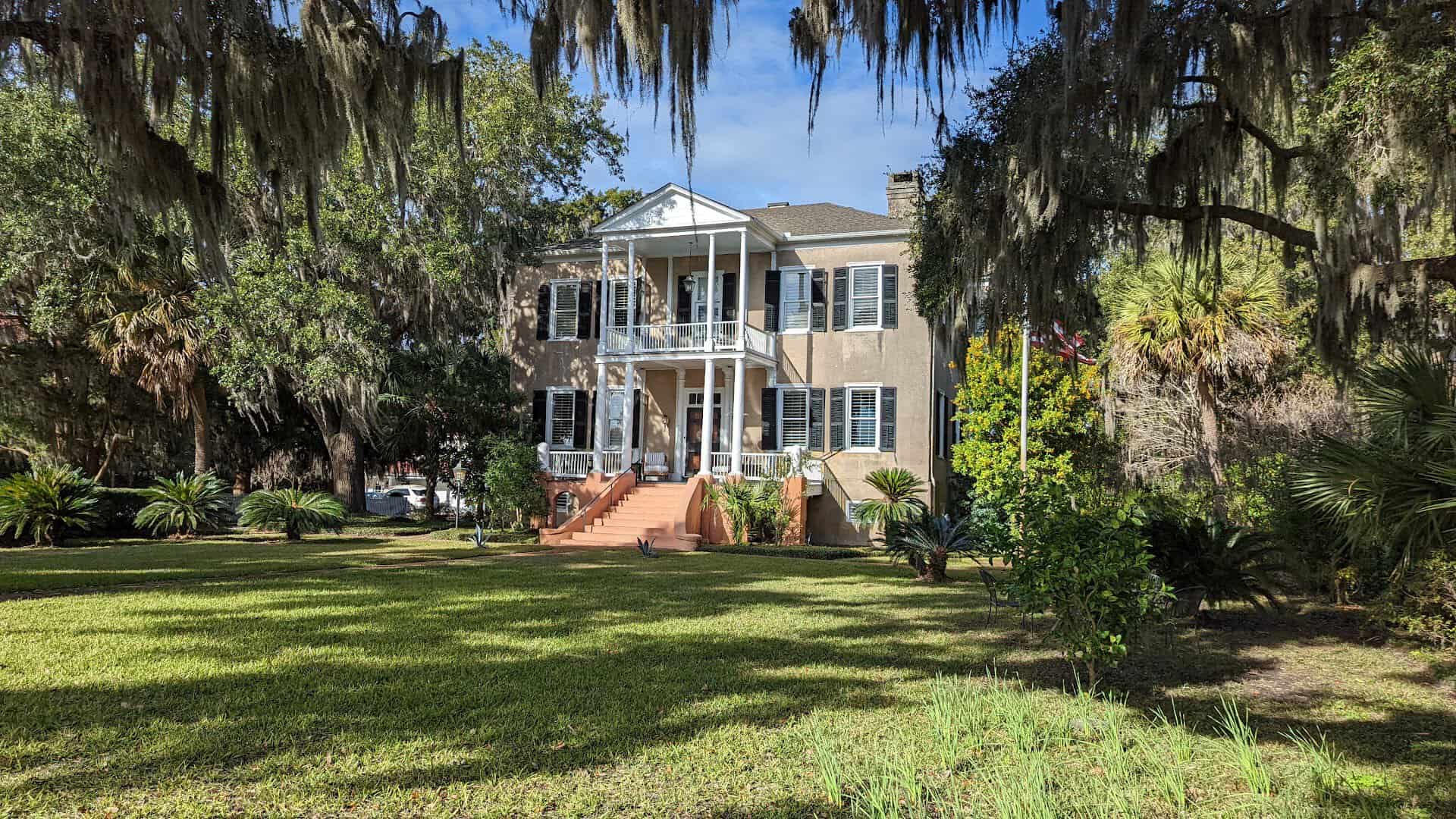
Picture a street so shaded by live oaks that the Spanish moss brushes the top of your car. That is downtown Beaufort, chartered back in 1711 and the second-oldest town in South Carolina.
It holds one of the largest collections of antebellum homes in the country, spared because Union troops occupied it rather than burned it. CBS News once named it a surprise romantic getaway, and a slow walk along the Beaufort River shows you why.
Take a horse-drawn tour past the grand old houses, then catch the sunset over the water from the downtown waterfront park. The Lowcountry runs on porch time, and it suits two people just fine.
Where: On Port Royal Island, about an hour north of Savannah, Georgia. The historic downtown gathers along Bay Street.
7. Telluride, Colorado
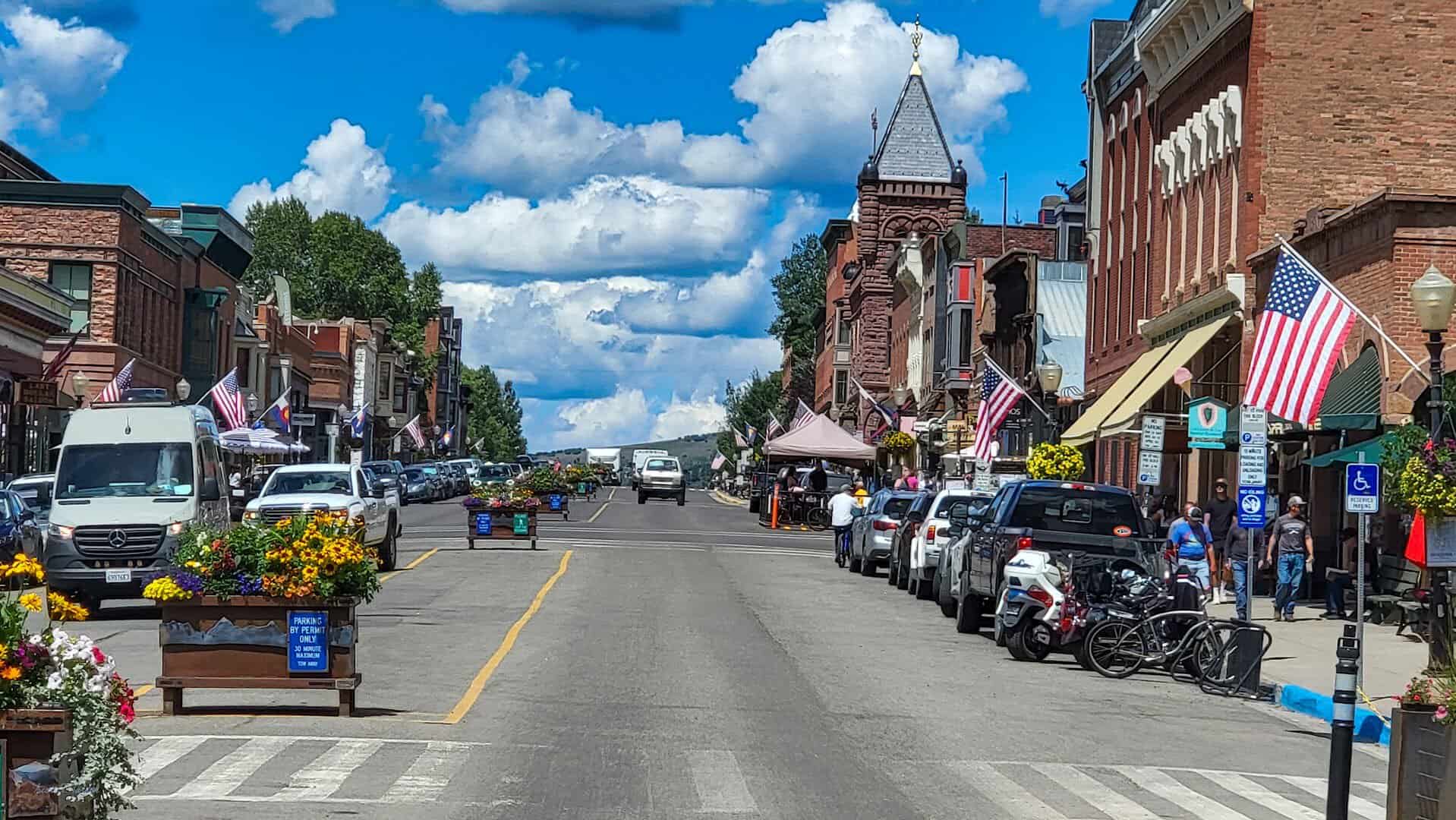
Telluride sits at the dead end of a box canyon, walled in by peaks that climb past thirteen and fourteen thousand feet. The highway simply stops here, which is the whole point. Nobody is passing through.
The 1878 mining town is a National Historic Landmark District, just eight blocks wide, and a free gondola glides you over the ridge to Mountain Village in thirteen quiet minutes. Ride it at dusk, hold on to each other, and say nothing.
In summer the wildflowers take over the high meadows; in winter the whole canyon goes white. Either way, the walk from one end of town to the other takes about ten minutes.
Where: In the San Juan Mountains of southwest Colorado, about 330 miles from Denver. A regional airport sits close by.
8. Leavenworth, Washington
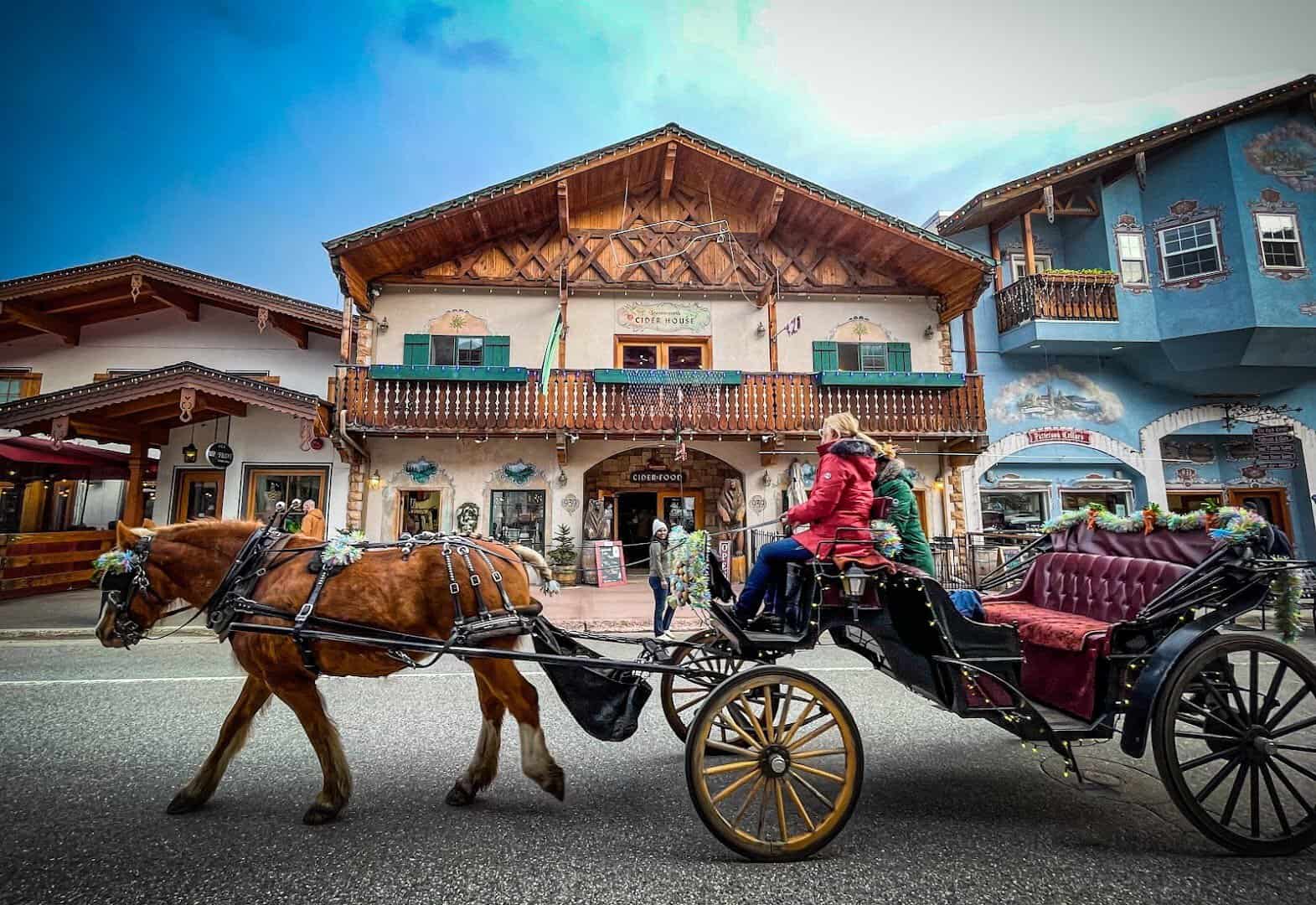
Here is a town that reinvented itself out of pure nerve. When the railroad and timber left in the mid-1900s, Leavenworth remade its whole downtown as a Bavarian village in 1962, banking on the North Cascades’ resemblance to the Alps.
It worked. Alpine facades, twinkling festival lights, and mountains on every side. Time it for the Christmas lighting season and the streets glow like a snow globe you get to live inside.
Share a pretzel and a warm drink, wander the shop-lined blocks, then find a river trail just outside town for a quiet afternoon. More than a million people visit a year, and it still feels like a secret in the off-season.
Where: About two hours east of Seattle on US-2, over Stevens Pass in the Cascade Mountains.
9. Eureka Springs, Arkansas
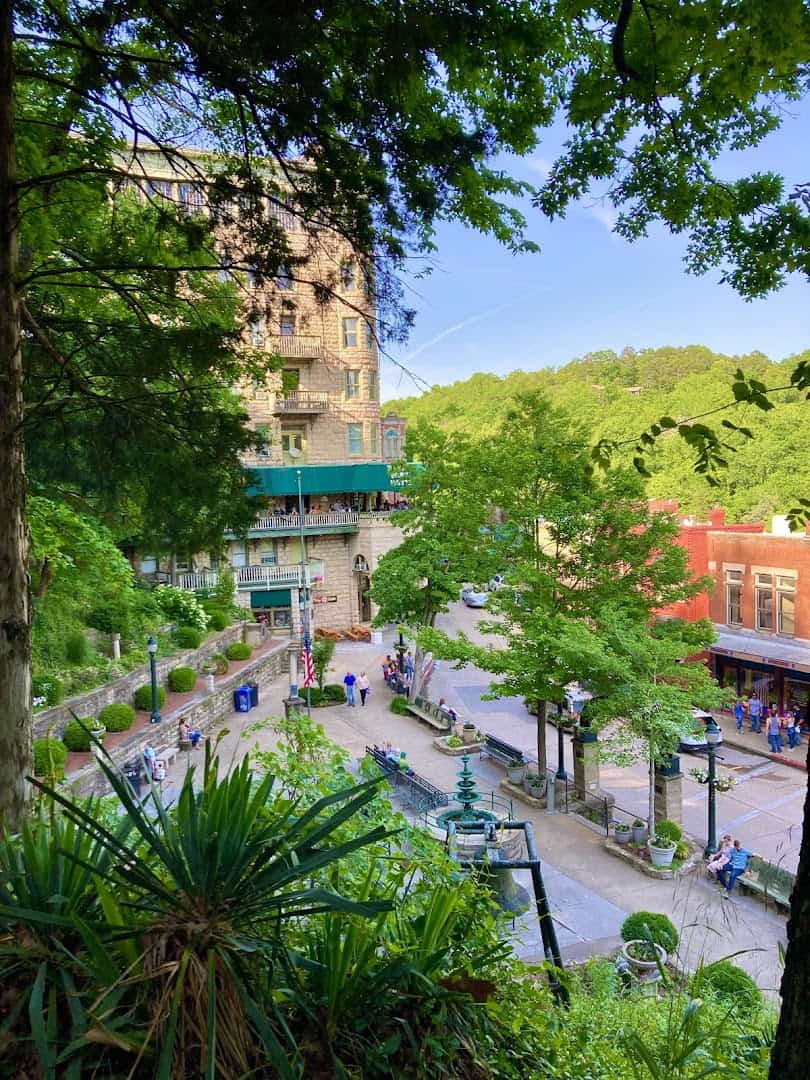
They once called it the Stairstep Town, because the streets climb and wind so steeply up the Ozark hillsides that no two houses sit at the same height.
Founded in 1879 around its healing springs, Eureka Springs became a premier Victorian resort, then quietly kept every gingerbread cottage while the fashion moved on.
The result is a whole historic downtown of well-preserved Victorian storefronts with a bohemian, artistic soul. Wander the switchback lanes; getting a little lost is the fun.
Book a room in one of the old Victorian inns, browse the little galleries, and follow the spring-fed grottoes tucked between the buildings. It is a town made for holding hands and looking up.
Where: In the Ozark Mountains of northwest Arkansas, about an hour from Fayetteville.
10. St. Augustine, Florida
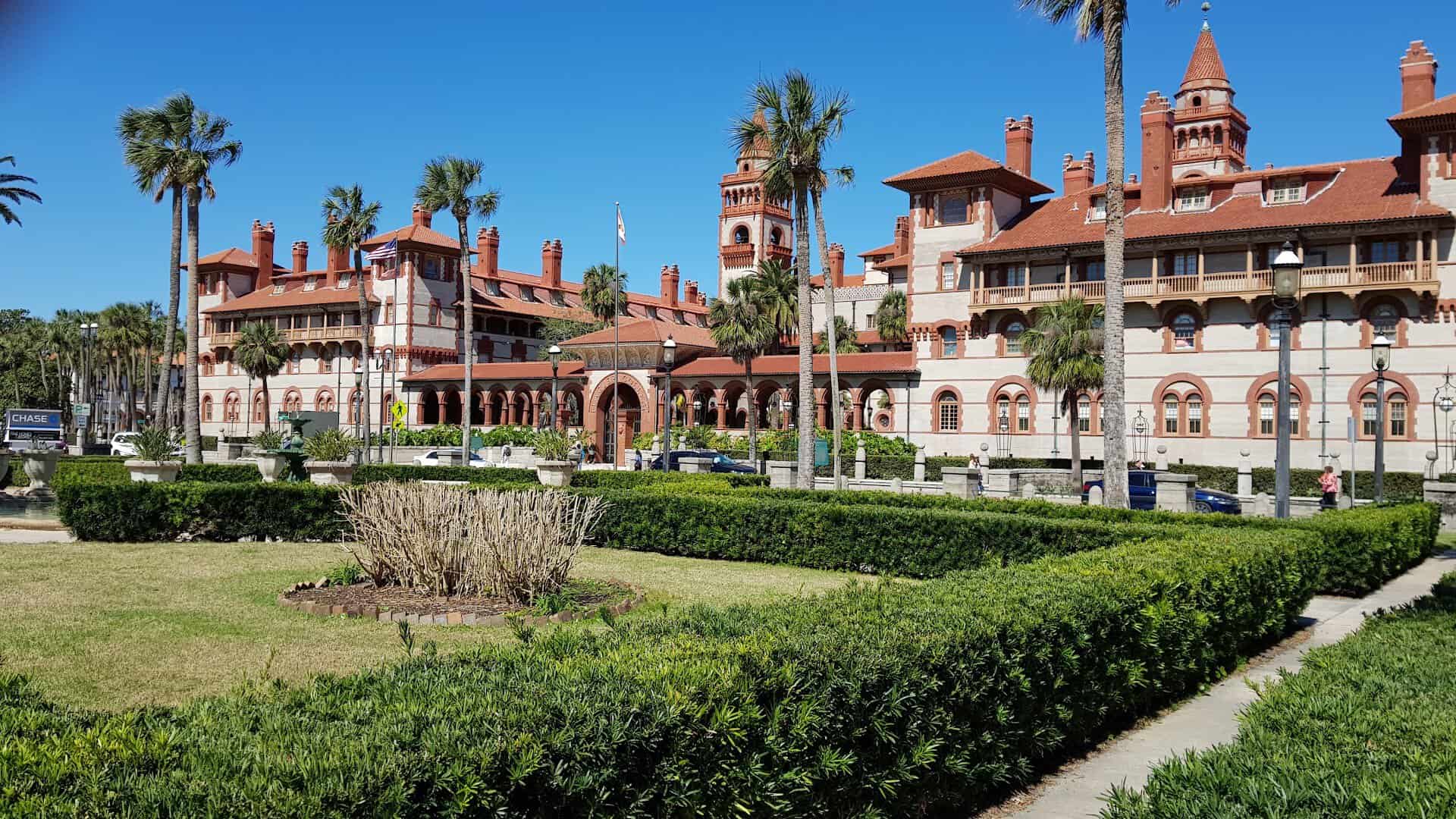
You want old? St. Augustine is the oldest continuously occupied European settlement in the continental United States, founded by Spanish admiral Pedro Menendez de Aviles in 1565, forty-two years before Jamestown.
Cobblestone lanes, Spanish colonial balconies, and the Castillo de San Marcos, the oldest masonry fort in the country, standing guard over the water. Walk St. George Street after dark, when the lamps come on and the crowds thin, and the centuries feel close.
Take a carriage ride through the old town, tour Flagler College’s storybook courtyard, and time your visit for the winter Nights of Lights if you can. Few American walks feel this old-world.
When the history soaks in, the Atlantic beaches sit a short drive east for a lazy afternoon. Old fort, older streets, and warm water: it makes for a honeymoon with a little time travel built in.
Where: On Florida’s Atlantic coast, about forty minutes south of Jacksonville. The historic district centers on St. George Street.
11. Jackson, Wyoming
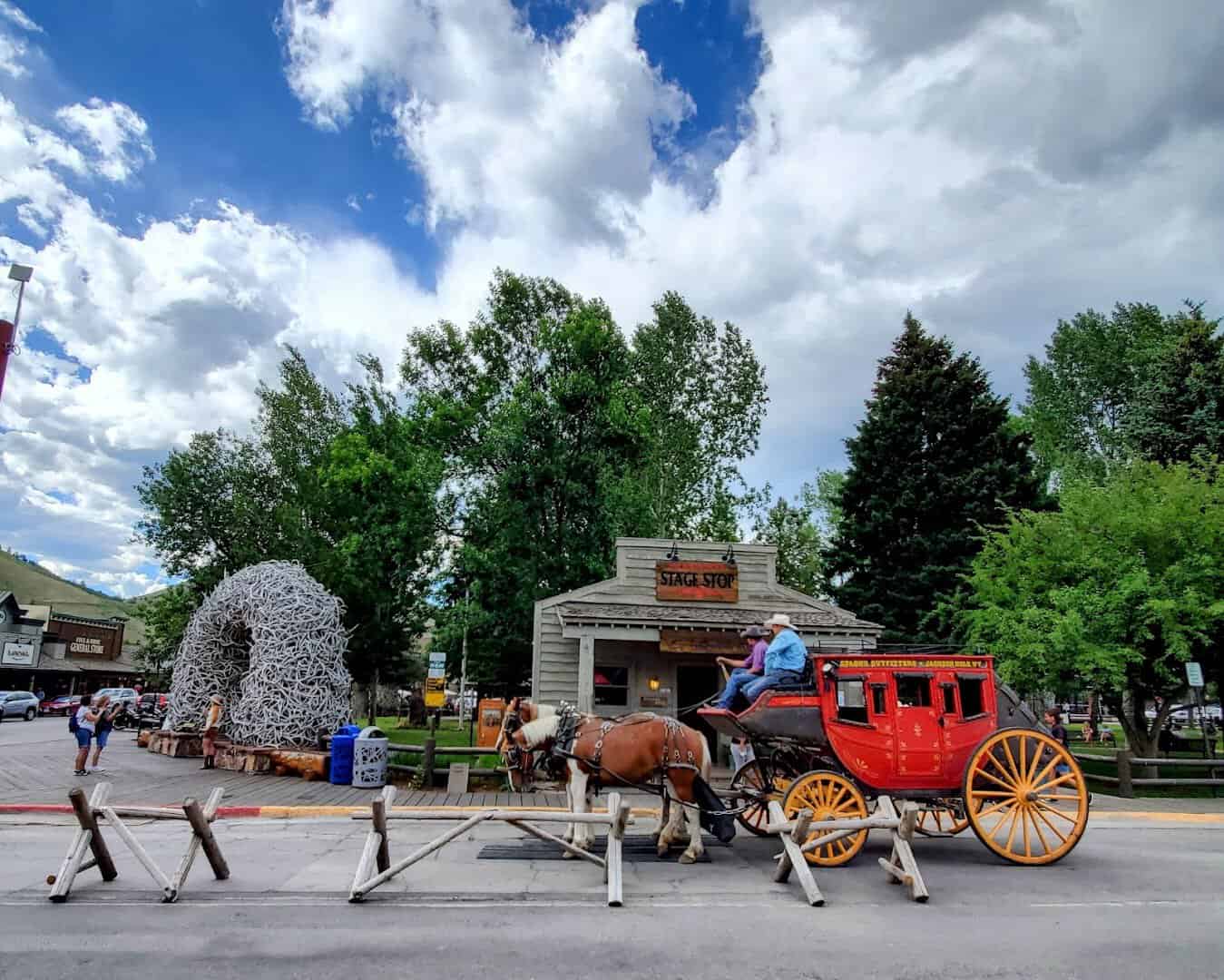
End at the foot of the Tetons, where the mountains do not ease you in so much as knock the wind out of you. Jackson began as a rough trapper town in the Jackson Hole valley and grew into the gateway for Grand Teton and Yellowstone.
Its Town Square is famous for four arches woven from thousands of shed elk antlers, the first raised by Boy Scouts in 1953. Snap a photo beneath them, then point the car north toward the peaks.
Drive the park loop for the classic Snake River overlook, watch for moose at dawn, and end the day with dinner in town. The Tetons make a spectacular backdrop for the start of a marriage.
Where: In the Jackson Hole valley of western Wyoming, with Jackson Hole Airport minutes away and the Town Square at Broadway and Cache.
Start Planning Your Two-Person Escape
A honeymoon is not really about the miles. It is about the pauses, the shared plate, the walk with nowhere to be. Any one of these towns will hand you all three, and none of them asks for a long flight or a fat budget to get there.
Pick the one that makes you both lean in, book the room, and go get lost together. The best part of a small town is that there is nothing to do but be with each other, and that turns out to be the whole point.
Featured image: John Sonatore via Bar Harbor

Stella Raines
Editor-in-Chief
Stella brings over a decade of storytelling experience to TX Headlines. With roots in West Texas and a love for road trips, she leads the editorial team with an eye for the hidden stories that make Texas unforgettable.