This Historic Texas Ruin Is a Field of Stone Chimneys That Deserves a Spot on Your Bucket List
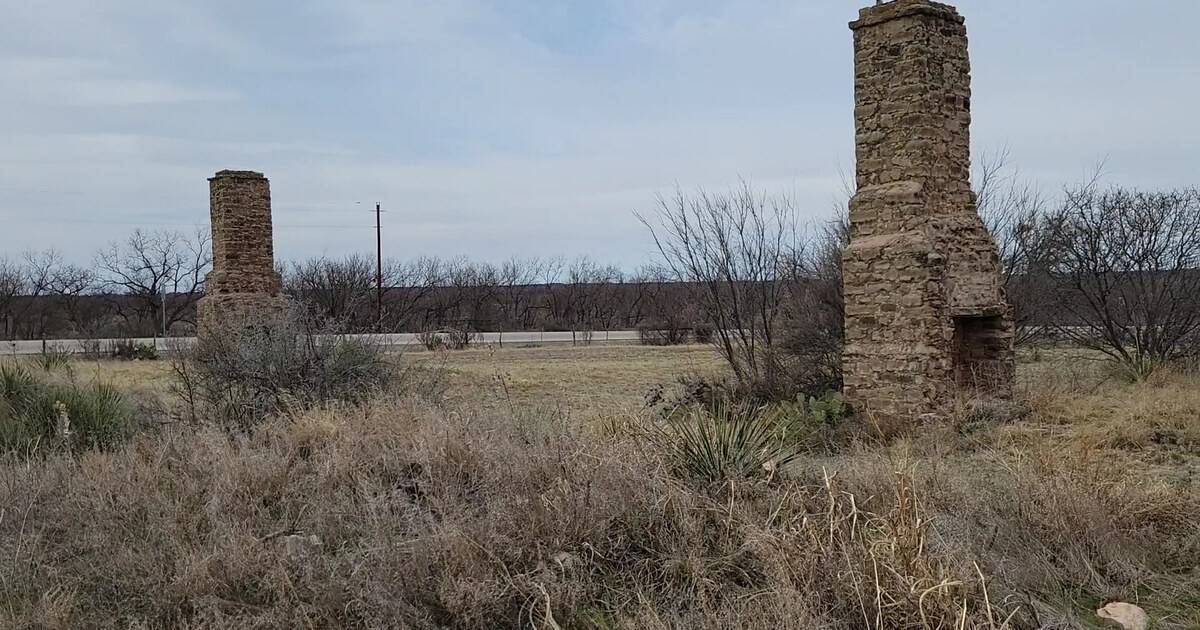
I have a real soft spot for the kind of place that does not try to impress you. No skyline, no gift shop, no polished visitor center funneling you toward the exit. Just what is left standing after everything else has fallen away.
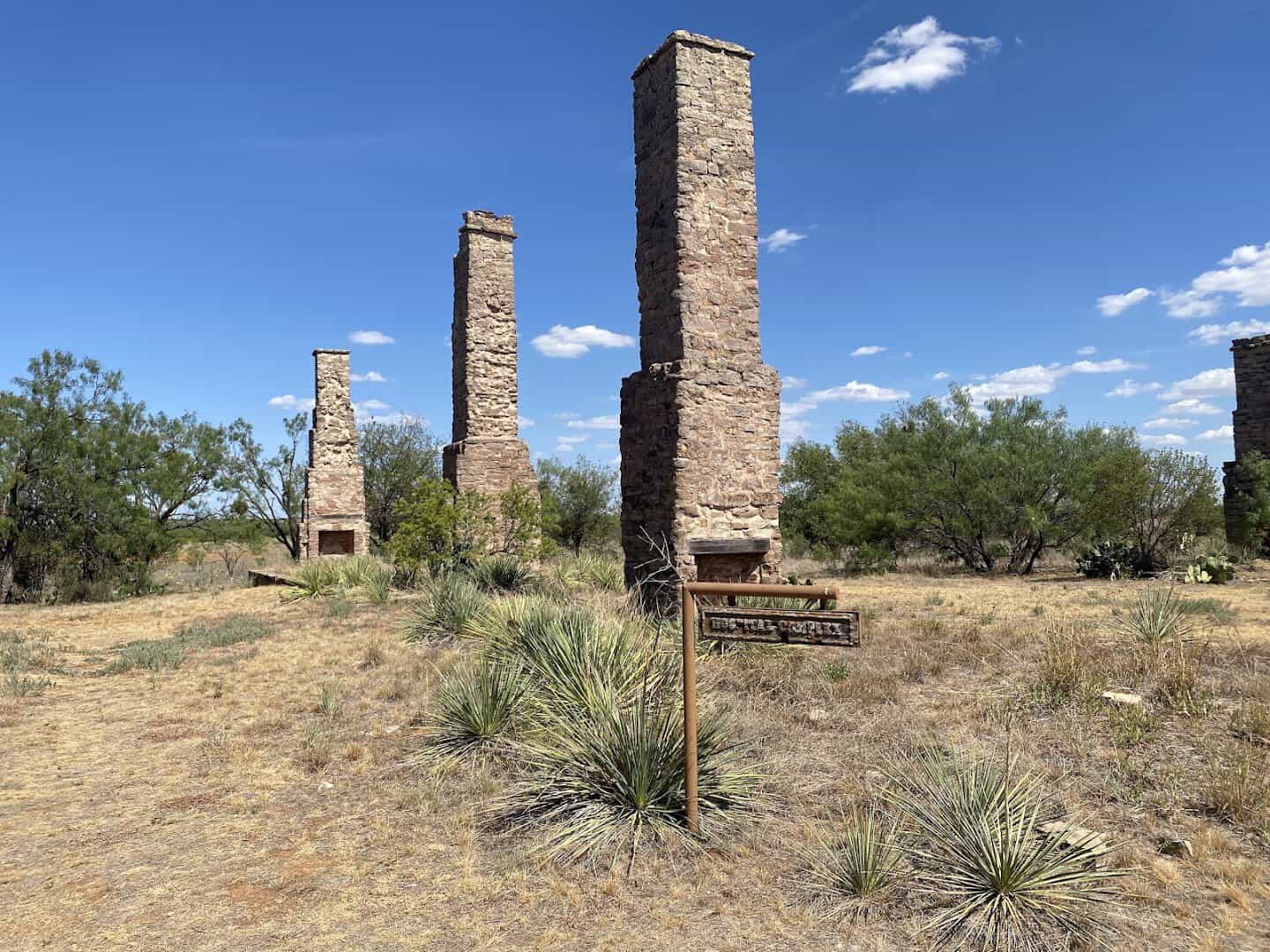
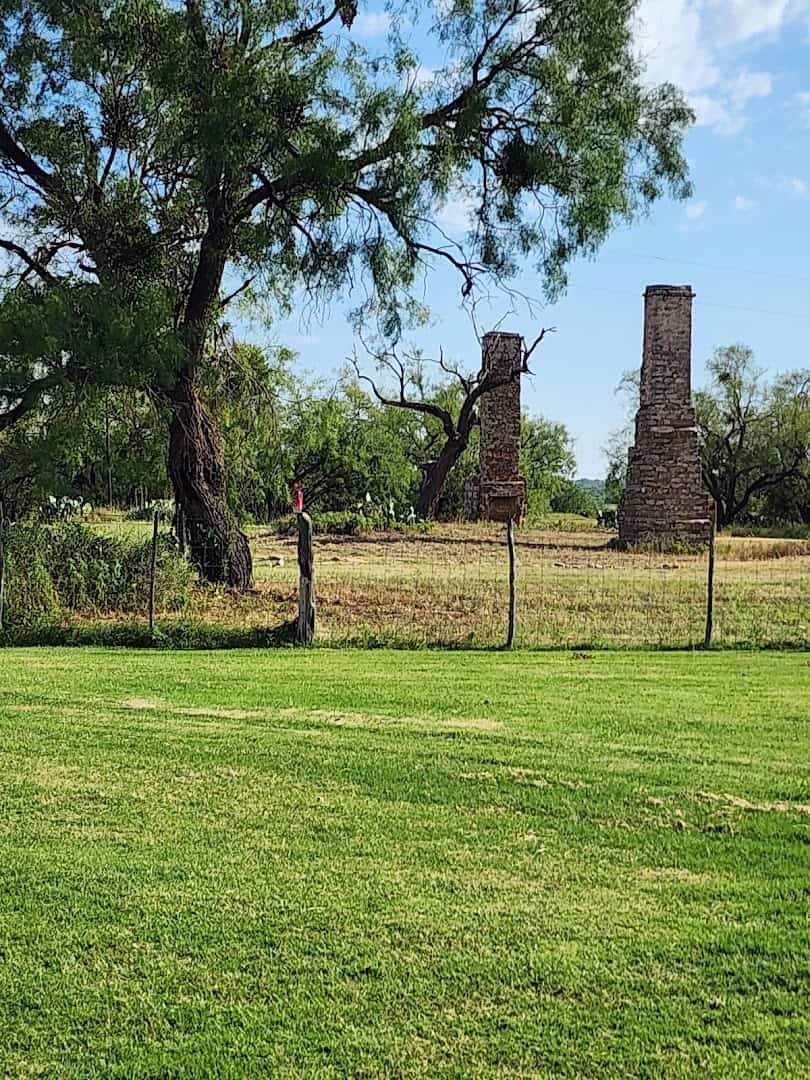
Out on the rolling plains north of Abilene, a row of stone chimneys rises straight out of the grass, tall and gray and standing alone. There are no walls between them anymore, no roofs, no soldiers. Just the chimneys, the wind, and the enormous West Texas sky.
This is Fort Phantom Hill, and it is one of the most quietly cinematic spots in the whole state. It is also the kind of thing you can drive right past on the highway without ever knowing it was there.
Below, we will walk the grounds, meet the soldiers who could not wait to leave, untangle the two competing stories behind that wonderful name, and sort out exactly how to visit for free.
A Field of Chimneys You Can Wander at Will
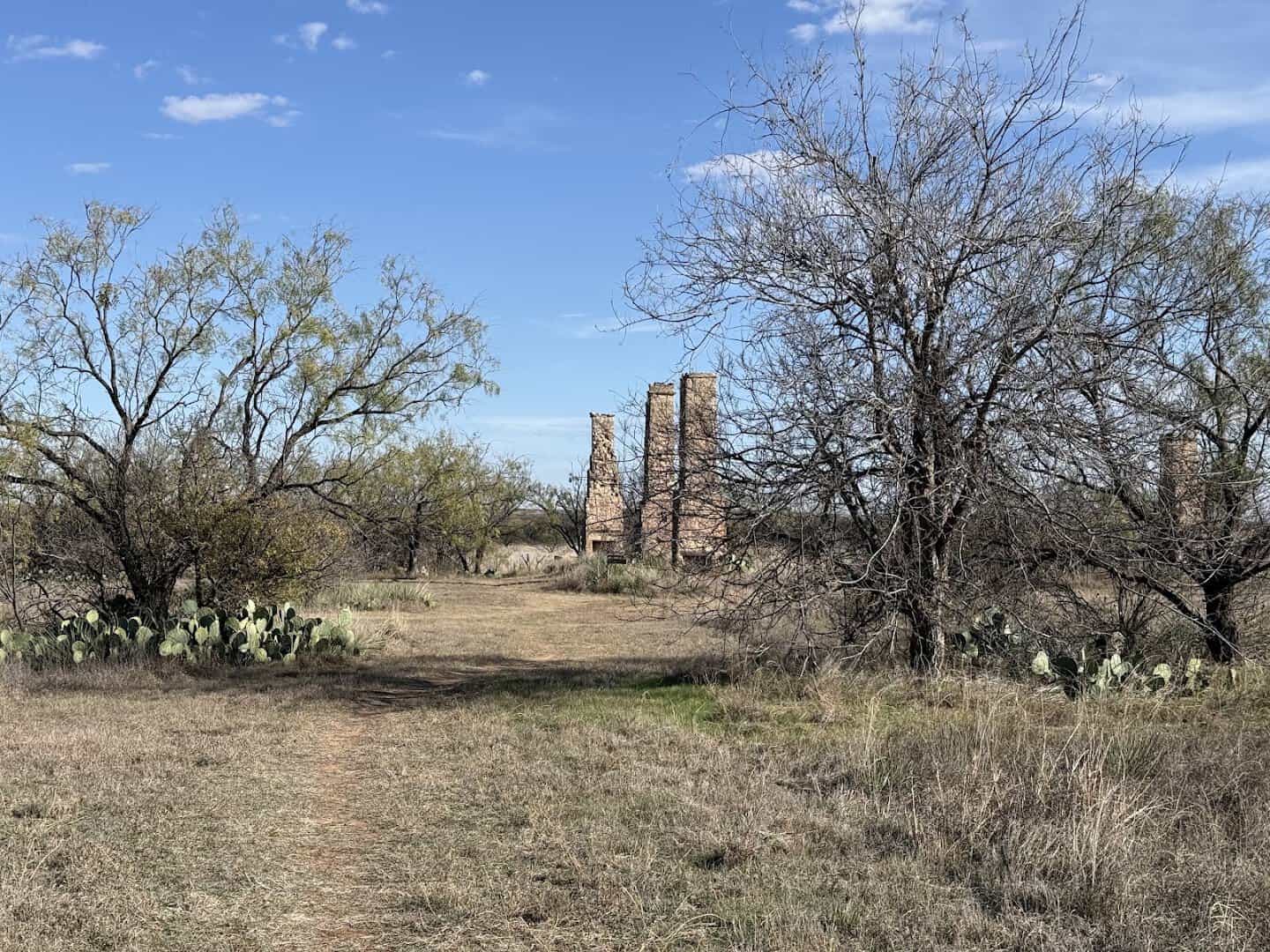
The first thing that gets you is the scale. More than a dozen stone chimneys stand across the site, each one marking a building that burned away underneath it well over a century and a half ago.
Walk between them and you start doing math without meaning to. This one was a barracks. That cluster was officers’ quarters. The gaps in the grass, where a foundation line still shows, were rooms full of people who once called this lonely spot home.
It is a self-guided place, and that is the charm of it. No ticket booth, no crowd, no roped-off path telling you where to stand. You park, you read a sign or two, and then the 38 acres are basically yours to explore at your own pace.
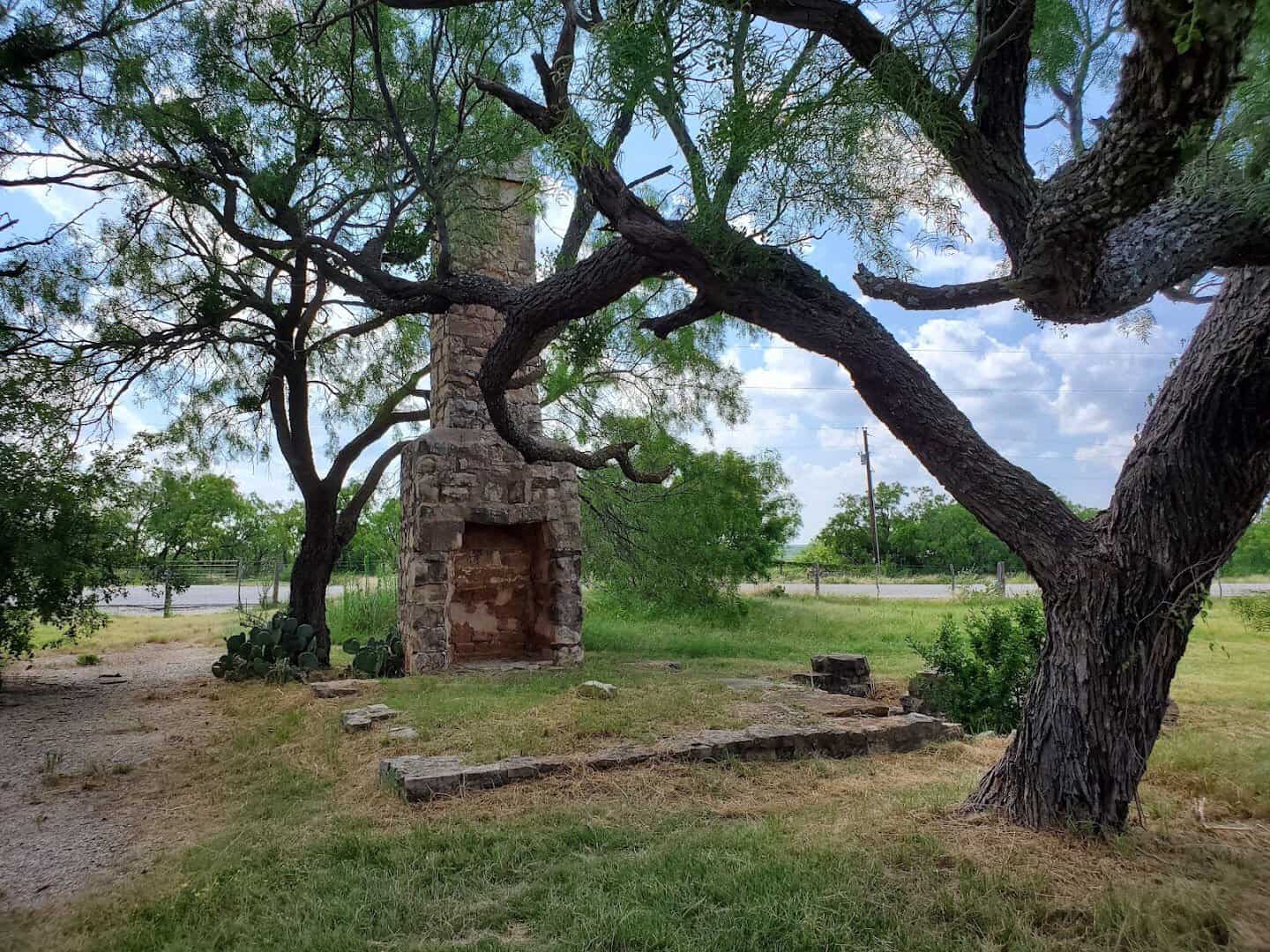
Come at sunrise or sunset and the whole thing glows. The low light rakes across the stone, the chimneys throw long shadows over the prairie, and photographers will tell you those golden hours are when the ruin looks its most dramatic.
In spring, bluebonnets and prickly pear fill in the gaps between the ruins, and the contrast of soft wildflowers against hard gray stone is exactly the sort of thing that makes a camera roll fill up fast.
One traveler summed the appeal up simply, calling it “a worthy 45-minute detour.” That is about right. It is a stretch-your-legs, feed-your-imagination kind of stop, not a whole-day affair. Bring a curious kid or a history-loving friend and the walk gets even better.
Three Stone Buildings That Refused to Burn
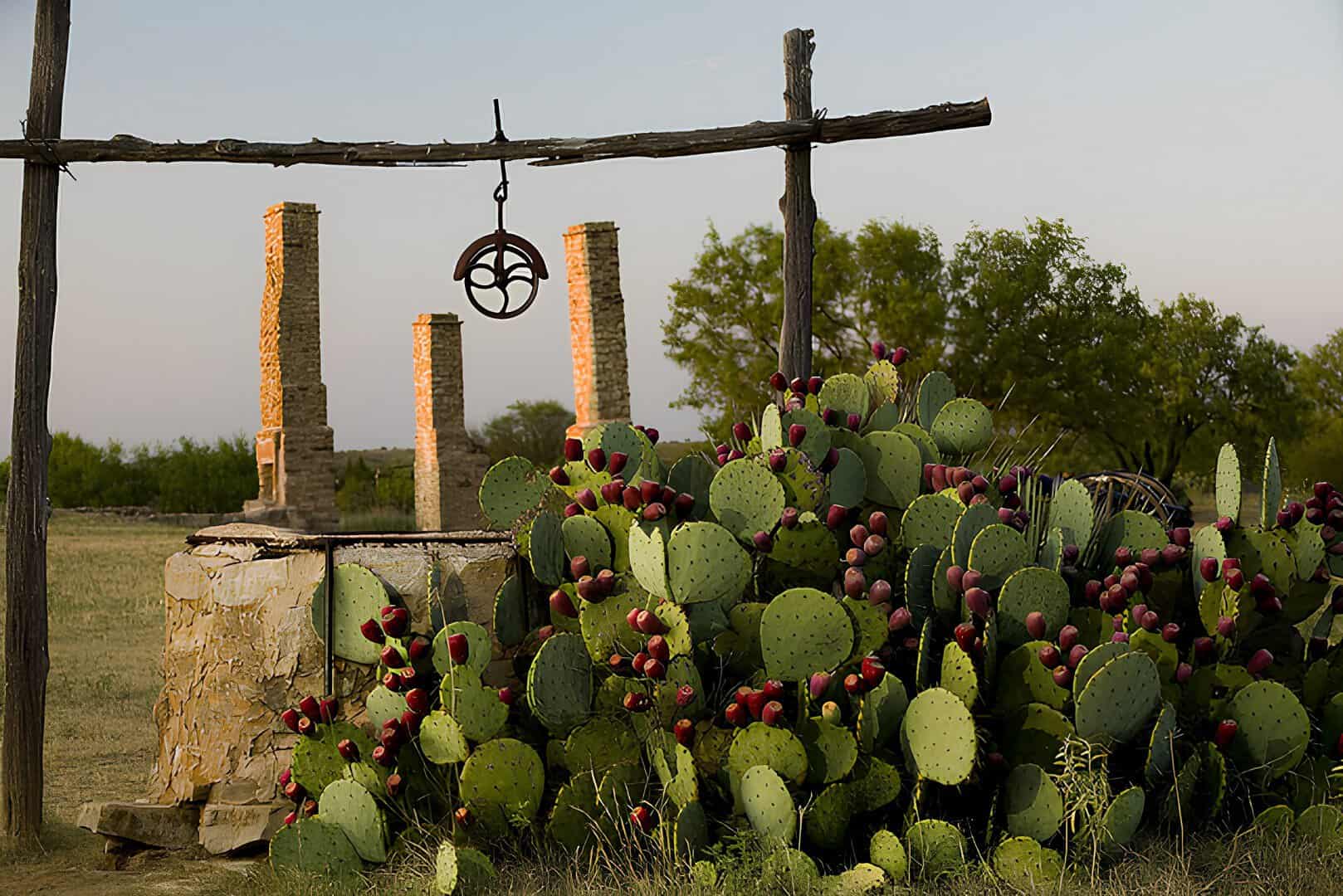
The chimneys grab your eye first, but the real survivors are three stone structures that outlasted the fire, the weather, and every decade since.
There is the powder magazine, the squat little vault where the fort kept its gunpowder, still intact after all these years. There is the old guardhouse. And there is the commissary, or warehouse, which stands almost whole, its thick walls doing exactly what they were built to do.
These were the buildings made of stone rather than timber, and stone is the reason we get to see them at all. When fire swept the fort, the wooden walls and thatched roofs vanished. The stone stayed put.
Standing beside those walls, you get a real sense of just how hard frontier life must have been out here in the early 1850s. There is no romance in the practical details, only grit, and somehow that makes the place more moving, not less.
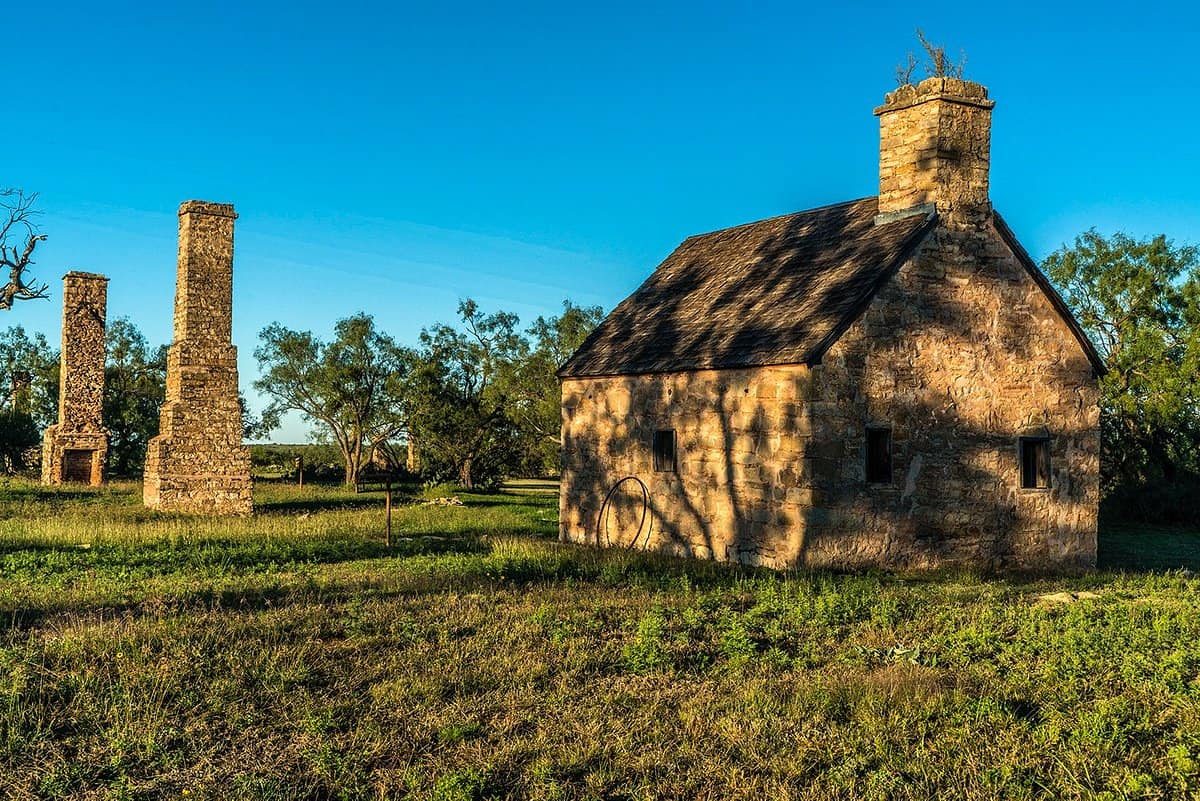
Did you know? The site is labeled throughout with interpretive signs, and free brochures explain what each pile of stone once was. Bring a little curiosity and the ruins practically narrate themselves.
A Brief and Brutal History of a Doomed Fort
Fort Phantom Hill did not last long. It was established on November 14, 1851, when five companies of the U.S. Army’s Fifth Infantry, under Lieutenant Colonel John Joseph Abercrombie, set up camp on the Clear Fork of the Brazos River.
Officially, it never even had a name. The Army called it “the Post on the Clear Fork of the Brazos.” It was one of a line of frontier forts meant to guard settlers and travelers pushing west toward California.
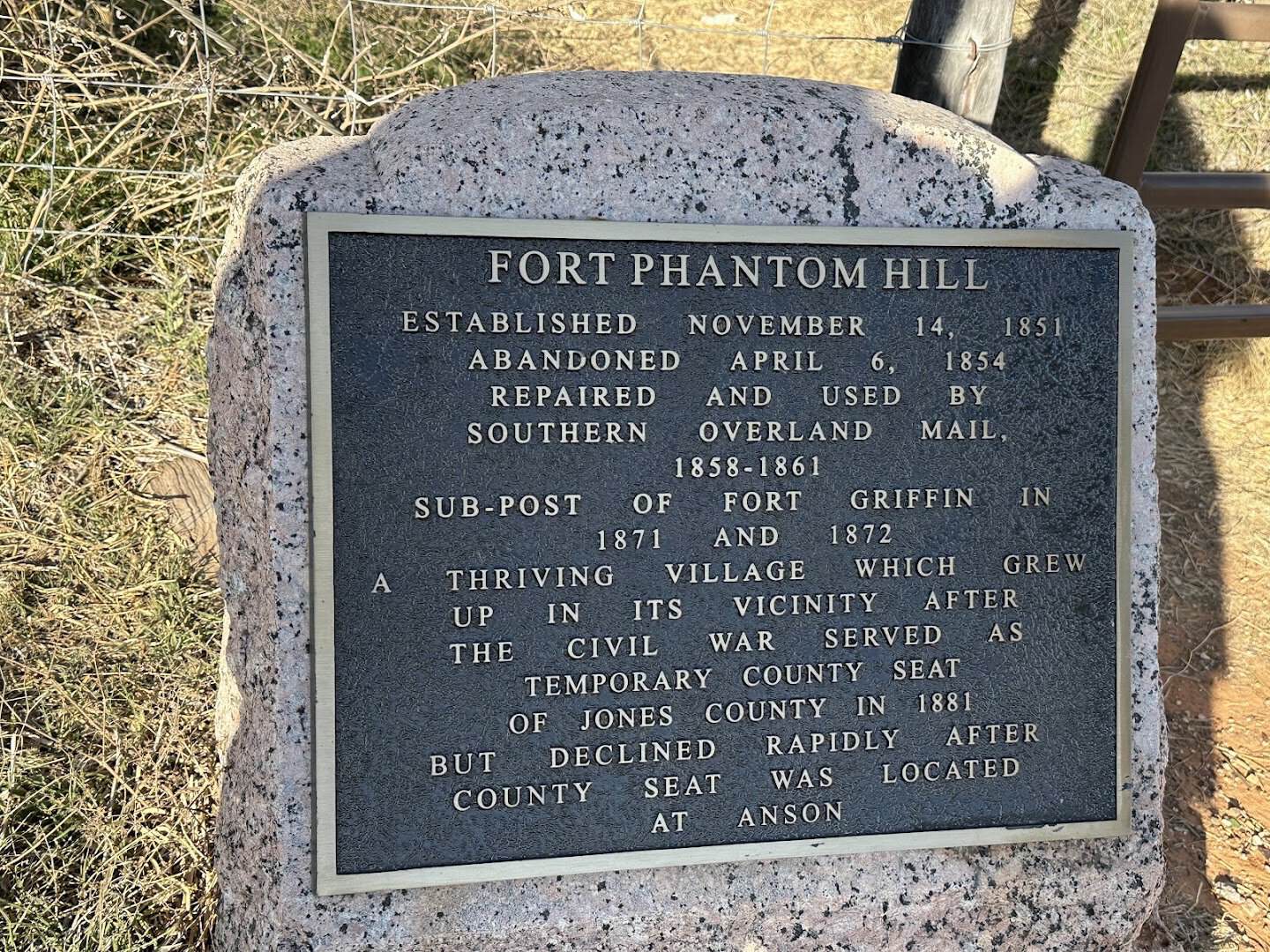
The trouble started almost immediately. Good water was scarce, even after the soldiers dug a well 80 feet down. Firewood was thin. Supplies had to come overland from Austin, some 250 miles away, and did not always arrive.
One young officer, Lieutenant Clinton Lear, put it about as bluntly as a soldier can in 1852. He wrote that he could not believe “God ever intended white man to occupy such a barren waste.” That was the general mood among the garrison.
The Army approved abandonment, and on April 6, 1854, the troops marched out for good. The fort had been occupied for less than three years. Then came the strangest chapter of all.
The Fire, and Why Nobody Is Quite Sure Who Set It
Almost as soon as the last soldiers disappeared over the horizon, Fort Phantom Hill burned.
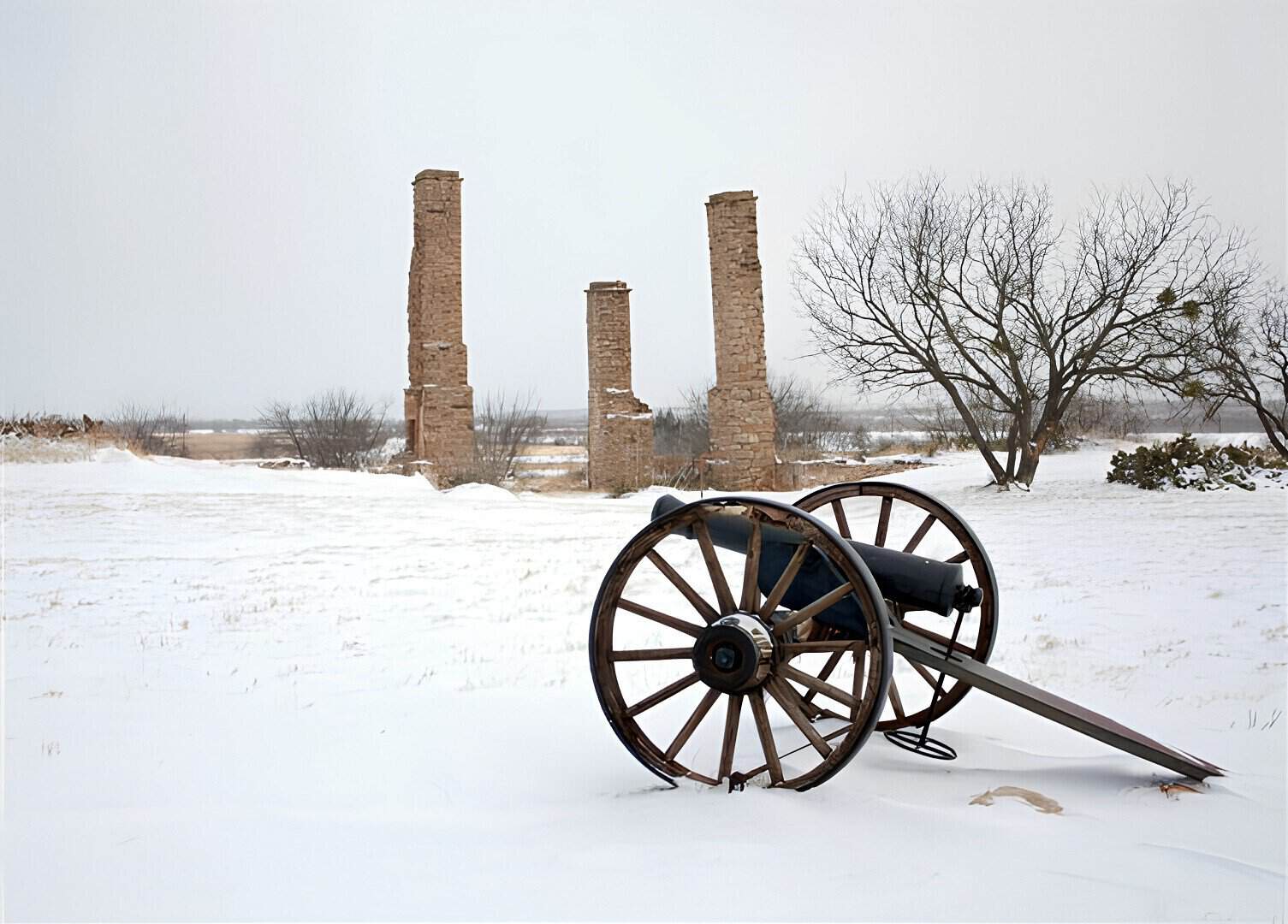
The wooden barracks, the pickets, the thatched roofs, all of it went up. To this day the cause is written down as a shrug. Most historians figure the departing soldiers torched it themselves, glad to be rid of the place. Nobody ever confirmed it.
What the flames could not touch were those stone buildings and the chimneys, which is why the ruin looks the way it does. Fire is the whole reason Fort Phantom Hill is a field of chimneys and not a restored fort with a snack bar.
There is something poetic in that. A post the soldiers hated so much they may have burned it on the way out became, over time, one of the most photographed and best loved ruins in West Texas.
So Why “Phantom Hill”?
Now for the fun part, because a name that good deserves a story, and this one has two.
The first is an optical illusion. Approach the low rise from a distance and it stands up sharp against the plains. Get closer and it seems to flatten out and melt away, like a mirage shimmering off the horizon. A hill that vanishes as you reach it, a phantom hill.
The second story is better around a campfire. As the tale goes, a jittery sentry one night fired at a figure he swore was standing on the hill. When the others searched, they found nobody there at all.
One trooper reportedly cracked that the man must have seen a ghost, and the name stuck. Honestly, who would ever want to change it?
It is rare for a place to earn a name this good by accident. Most towns and forts got theirs from a person or a river. This one got its from a trick of the light or a nervous night watch, and both fit a ruin full of empty doorways.
Historians lean toward the mirage as the real explanation. I say let both stories live. A ruin this atmospheric has earned a little mystery, and “Phantom Hill” beats “Post on the Clear Fork of the Brazos” every day of the week.
The Many Lives It Lived After the Army Left
Here is what surprises most people. The fort’s story did not end when it burned in 1854. The old ruin kept finding new work for decades.
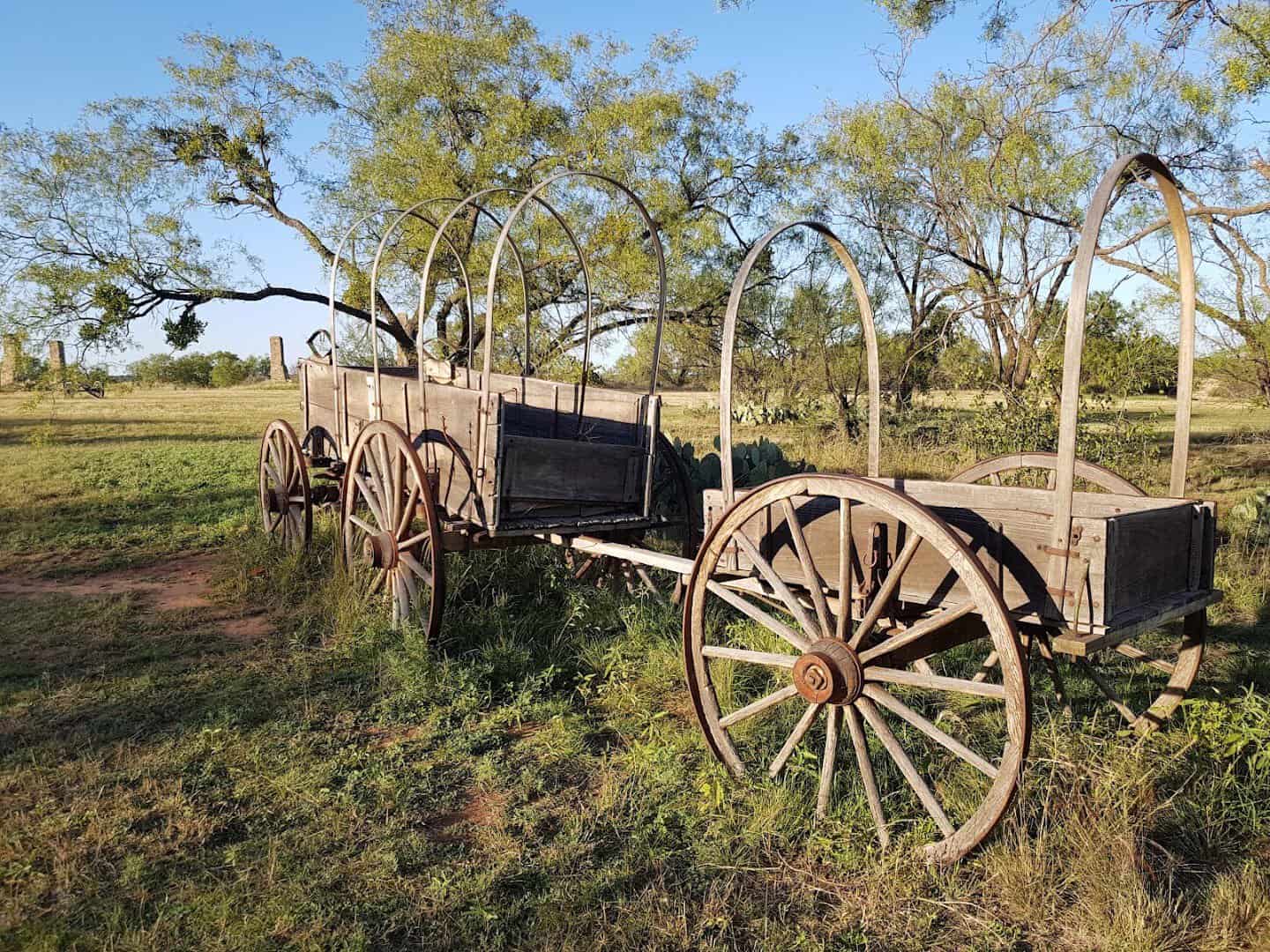
From 1858, it served as a stop on the Butterfield Overland Mail route, a stagecoach way station carrying letters and passengers across the frontier. During the Civil War, Confederate frontier troops used the site to watch the western edge of the state.
Then, from 1871 to 1875, the ruins became a sub-post of nearby Fort Griffin during the Red River War. Old walls, new soldiers.
The last act was the most unexpected. In the buffalo-hunting years of the 1870s, a small town sprang up around the ruins, a hide-shipping point that grew to more than 500 residents by the 1880 census. It even briefly served as the seat of Jones County in 1881.
When the railroad chose Abilene instead, the little town faded, and the plains reclaimed their quiet. The chimneys, as ever, stayed standing. If you like the idea of a single patch of ground living five lives in one century, this is your kind of stop.
How the Ruin Ended Up Protected
You can visit today because a few people decided this place was worth saving. The land passed through private hands for much of the twentieth century, bought by rancher John Guitar in 1928 and later held by his grandson, Jim Alexander.
In 1997, Alexander transferred the site to the nonprofit Fort Phantom Hill Foundation, which keeps it preserved and, remarkably, free to the public. The foundation runs the grounds on donations and goodwill rather than ticket sales.
The ruins had already earned a spot on the National Register of Historic Places back on September 14, 1972. That listing is part of why the chimneys still stand as straight as they do.
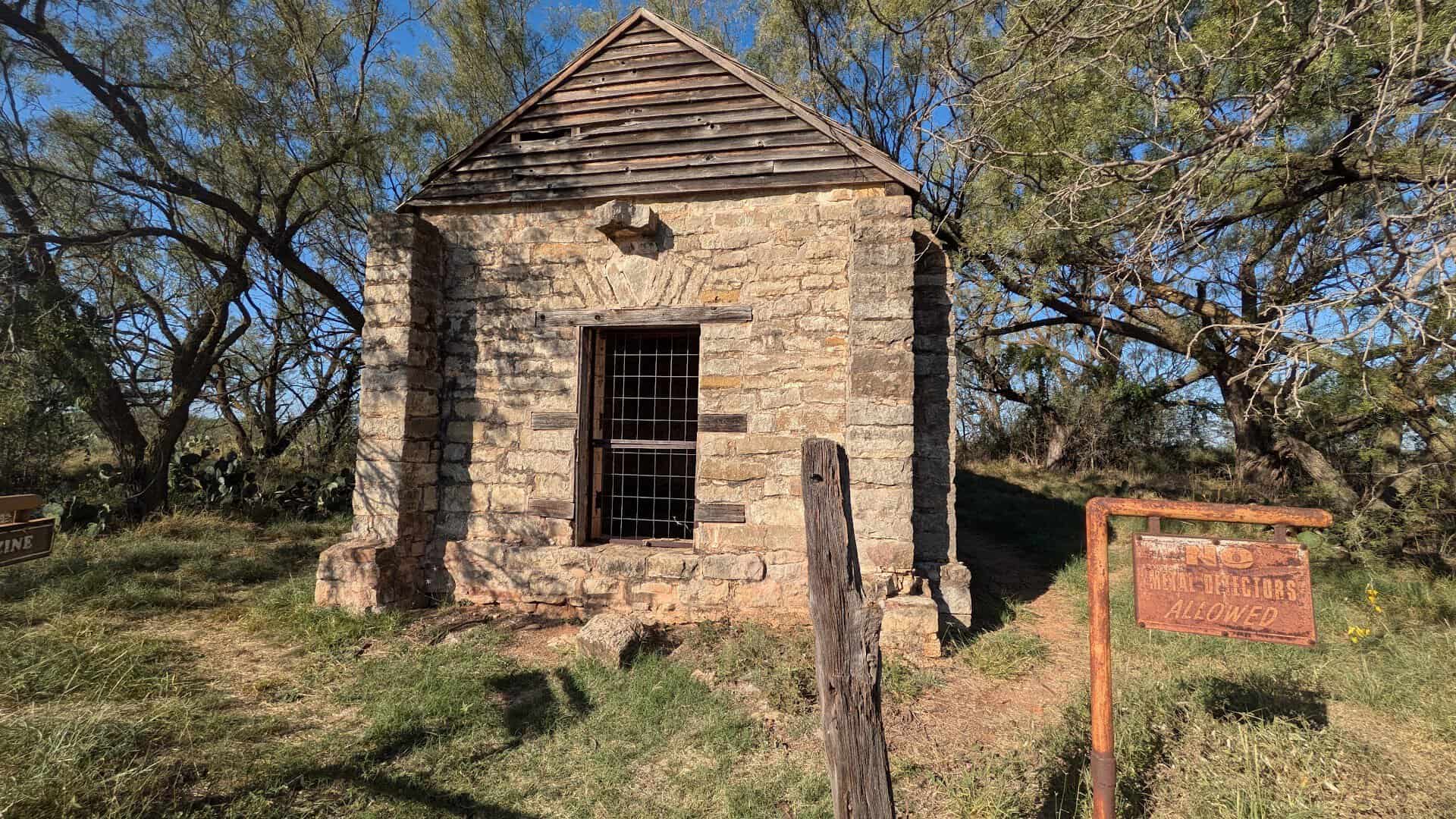
Pro tip: because the site runs on that goodwill, follow the posted rules to a tee. No climbing on the structures, no metal detecting, and leave every artifact exactly where it lies. Take only photos, as the saying goes, and this one stays open for the next person.
How to Visit Fort Phantom Hill
The best news about this bucket-list stop is how easy it is to reach and how little it asks of you. The ruins sit about ten miles north of Abilene, an easy drive on farm road, with ample parking and, pleasantly, real restrooms on site.
It is open daily from sunup to sundown, and there is no admission fee. Give yourself 30 to 45 minutes to stroll the grounds, read the signs, and let the scale of the place sink in. Golden hour is worth planning around if you love a good photograph.
Wear real shoes, bring water in the warm months, and pack your camera with room to spare. There is very little shade out on the plains, so a hat in summer goes a long way toward making the walk comfortable.
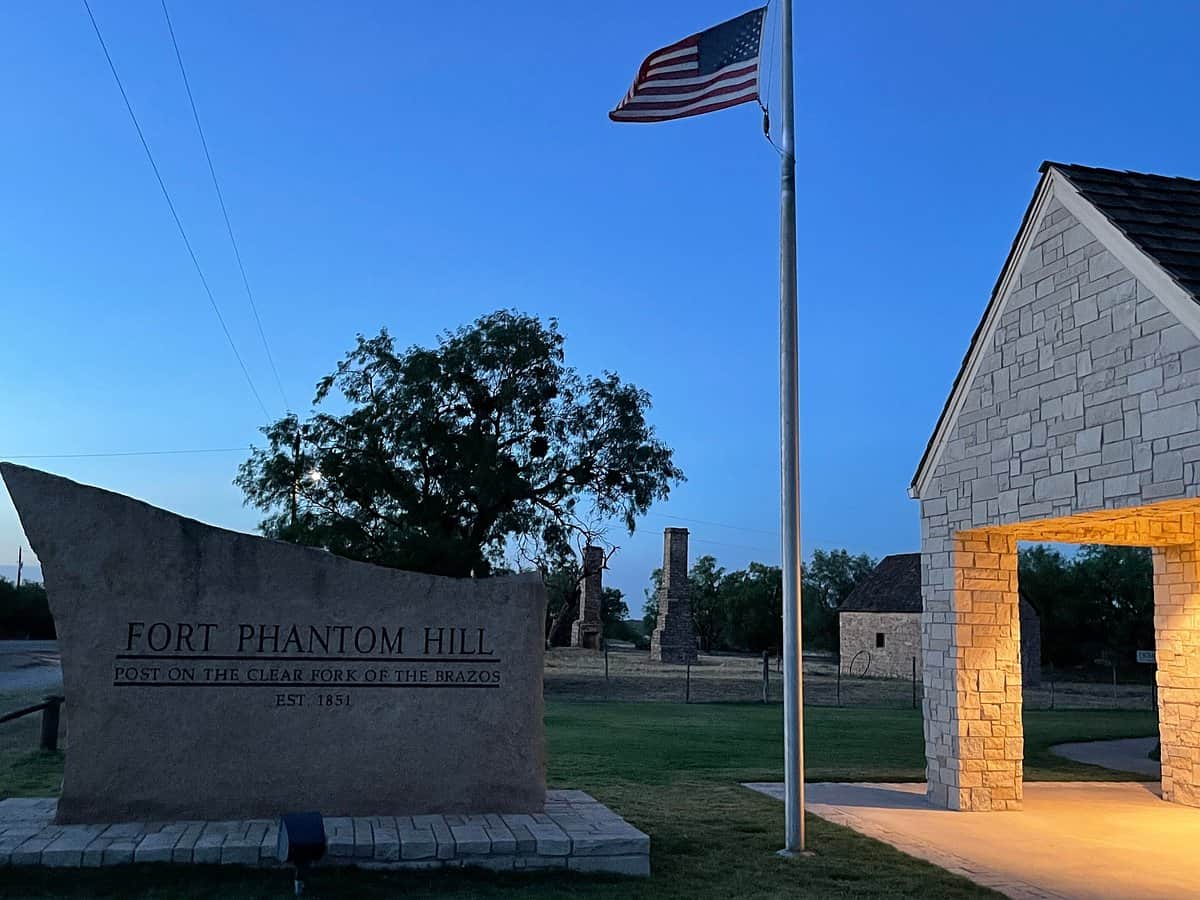
Where: Fort Phantom Hill, 10818 FM 600, Abilene, TX 79601. Open daily, dawn to dusk. Admission is free. More information at fortphantom.org.
Put This One on the List
There is a particular magic to a ruin that outlived everyone who ever wanted to leave it. Fort Phantom Hill stands patient and windswept on the West Texas plains, asking nothing but a little of your time and a full charge on your camera.
So point the car toward Abilene, catch the light just as it turns gold, and go wander among the chimneys. You will leave with a camera full of photos and a real feel for a Texas that most people drive right past.
Featured image: Lance Green via Fort Phantom Hill

Stella Raines
Editor-in-Chief
Stella brings over a decade of storytelling experience to TX Headlines. With roots in West Texas and a love for road trips, she leads the editorial team with an eye for the hidden stories that make Texas unforgettable.
More Stories

This Massive Texas Fabric Warehouse Is a Wonderland Crafters Drive Hours to Reach

This Rainbow-Fronted Texas Resale Shop Is Where Designer Labels Show Up at a Fraction of Retail

This Hidden Texas Crystal Shop Is a Glittering Haven of Hand-Picked Stones and Good Energy
This Lush Texas Garden Center Is Tucked Beneath a Giant Oak and Feels Like a Hidden Green Escape
Tags