This Scenic Texas Nature Preserve Hides a Secret Beach Where You Can Dig for Prehistoric Shark Teeth
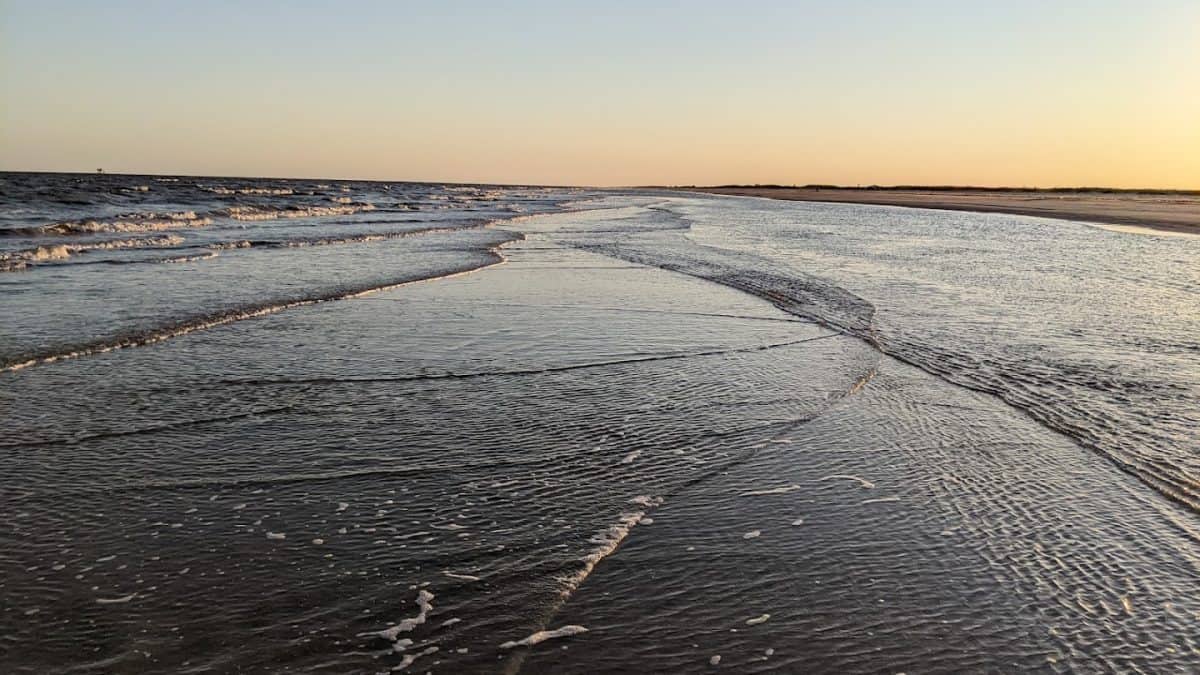
Some people collect shot glasses. I collect the kind of places that make you feel like a kid with a magnifying glass again.
Nothing does that faster than the promise of an Ice Age fossil sitting loose in the sand, waiting for anyone willing to walk slowly and look down. No dig permit, no fee, no crowd. Just you, the tide, and deep time.
That is the whole pitch of a wild, marsh-wrapped stretch of the upper Gulf Coast near Sabine Pass. Here a secret fossil beach quietly gives up prehistoric shark teeth, mammoth bone, and 13,000-year-old spear points to whoever shows up at the right tide.
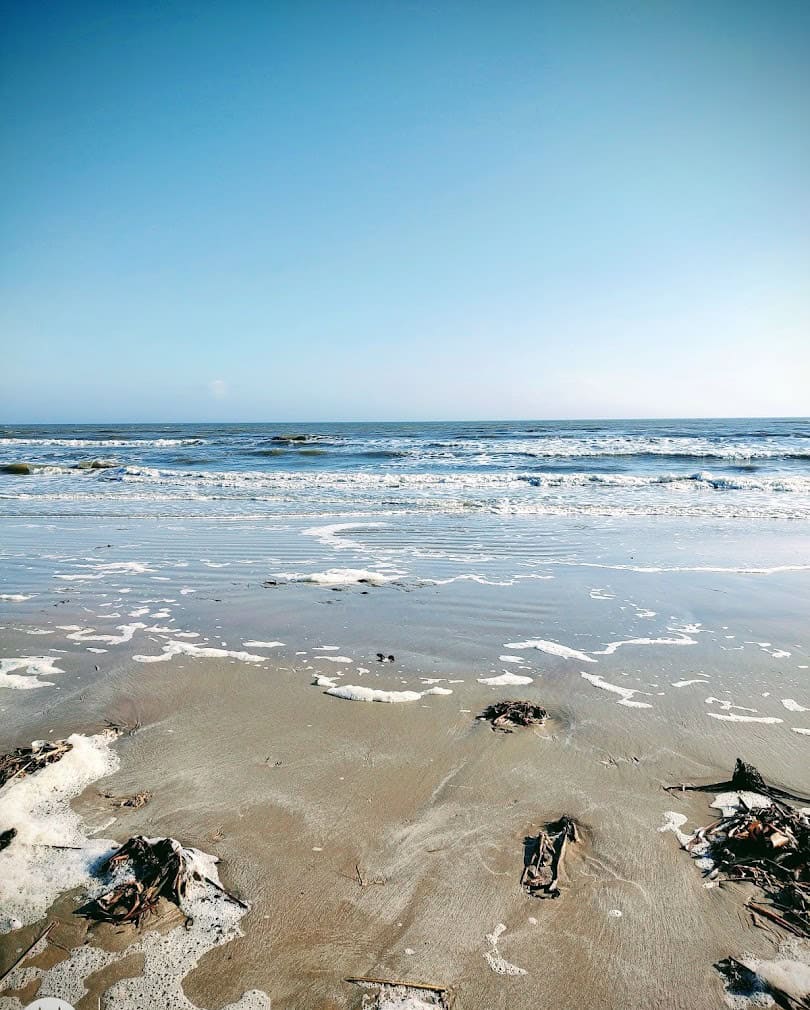
The place is McFaddin National Wildlife Refuge, and its beach is one of the most famous fossil-hunting shorelines in the country. Below, here is what washes ashore, how to find it, and everything else this enormous refuge hands you for free.
A Beach That Coughs Up the Ice Age
McFaddin Beach runs about 20 miles of hard-packed sand between High Island and Sea Rim State Park. It looks like an ordinary lonely Gulf shore. It is anything but.
For decades, the waves here have been delivering fossils and ancient tools straight onto the sand. Not from under the beach, as it turns out, but from an old drowned landscape sitting offshore beneath the Gulf.
When a storm churns the water and the longshore current drags everything southwest, the sea sorts its heaviest treasures onto the beach. Then the tide pulls back and leaves them there for you.
What kind of treasures? Fossilized shark teeth, glossy black and deep brown from thousands of years of mineralization. Chunks of mammoth and mastodon. Even the bones of sabertooth cat, ground sloth, extinct horse, and bison.
Researchers have identified 38 different kinds of animals from this beach alone, including 30 mammals. One proboscidean tusk fragment was radiocarbon dated to roughly 11,100 years old. Some material found here is far older still.
Why the Shark Teeth Steal the Show
Of everything the Gulf delivers here, the shark teeth are the finds most people come for, and the ones beginners actually go home with. They are common enough to reward a first-timer and beautiful enough to keep the veterans coming back.
Look for a glassy triangle, often smaller than your thumbnail, in that unmistakable fossil black. The enamel takes on a mineral shine that a fresh, white modern tooth never has, which is how you know you are holding something ancient.
They come from sharks that cruised these warm shallow seas long before people arrived, and the same beach still gives up bigger, heavier finds for the patient. A mammoth tooth, a chunk of bone, a bison horn core. The teeth are just the gateway.
More Clovis Points Than Any County in Texas
Here is the detail that turns a fun beach walk into something close to sacred. McFaddin Beach has produced more Clovis points than any single county in the entire state.
Clovis points are the finely worked spear tips left by some of the earliest people on this continent, roughly 13,000 years ago. More than 100 of them have surfaced on this one beach.
That is more than the famous Gault site inland, and more than three times what the next Texas county has turned up. Archaeologists gave the shoreline its own official designation, 41JF50.
About 45 percent of the datable artifacts from here belong to the Paleoindian period, an astonishingly high share that lights up McFaddin as a bright spot on national maps of America’s first inhabitants.
Did you know? A “point” is the pointed stone tip that was lashed to a wooden spear or dart shaft. The wood rotted away millennia ago, so the stone is all that comes home to the sand.
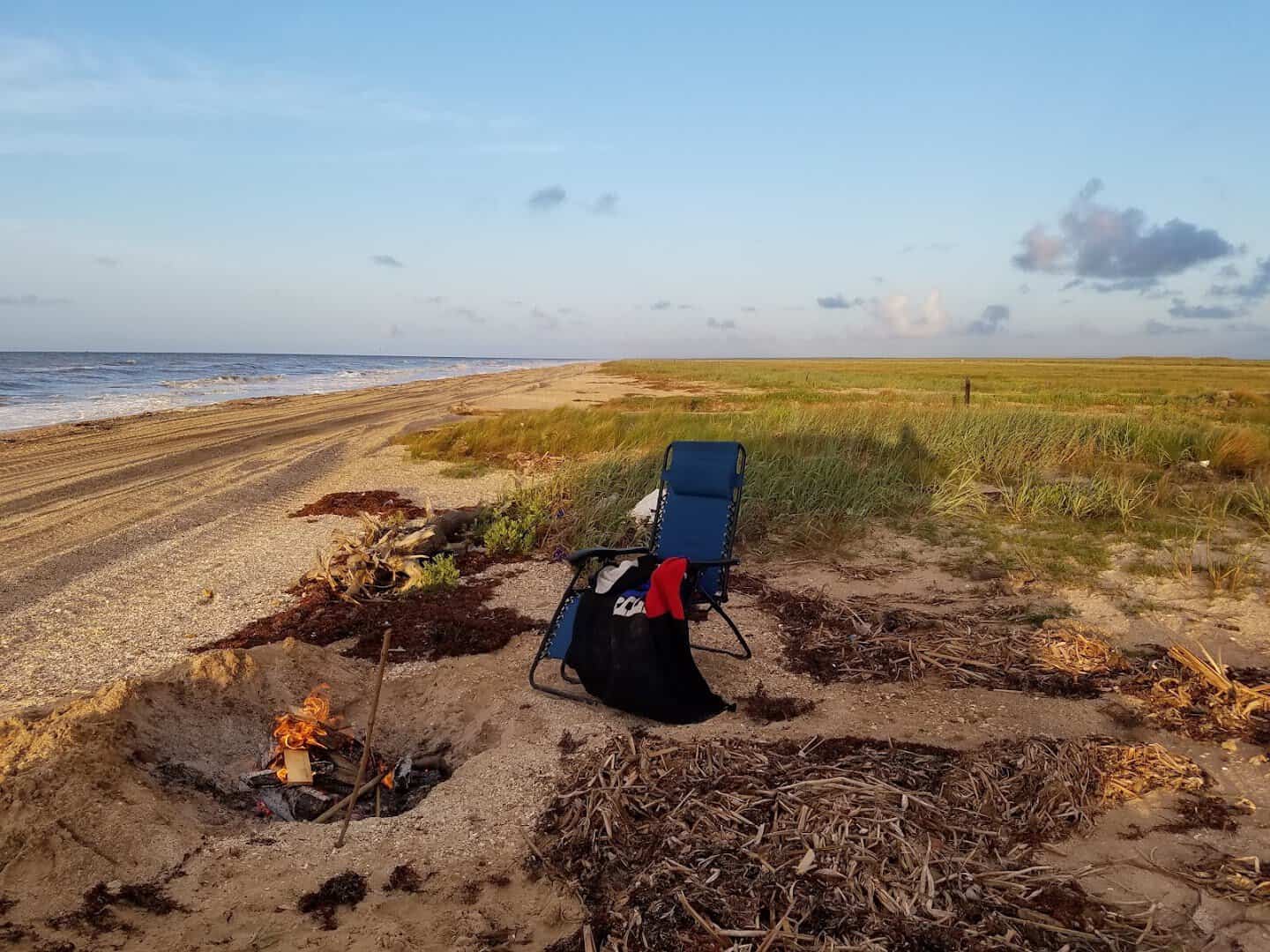
Standing on that beach, you are quite literally walking the debris field of the last Ice Age and the first Texans, sorted and delivered by the Gulf. Not many places let you hold that in your hand.
How to Actually Find Something
Fossil hunting here rewards patience and timing, not luck. Talk to anyone who does it regularly and they will tell you the same three things.
Go right after a storm or a strong front. Rough water is what stirs the offshore beds and throws fresh material up onto the sand. A calm, pretty week is often a slow week for finds.
Go at low tide, ideally early in the morning, when the widest ribbon of newly washed sand is exposed and the light is low and raking. Walk slowly and scan the tide line where shell and gravel collect.
Train your eye for glossy black. Fossilized shark teeth run a wet, oily black or dark brown that stands out against the pale sand and bleached shell once your brain learns the color. After the first one, you start seeing them everywhere.
Pro tip: bring a small mesh bag, a spray bottle of water to rinse finds, and sturdy shoes. And check the weather and tide charts before you commit to the drive, because timing is the entire game out here.
One rule matters. Surface collecting is welcome on McFaddin Beach itself, which sits outside the state park. Inside neighboring Sea Rim State Park it is against the rules to remove anything, so keep your fossil hunting on the refuge beach.
One of the Densest Gator Populations in Texas
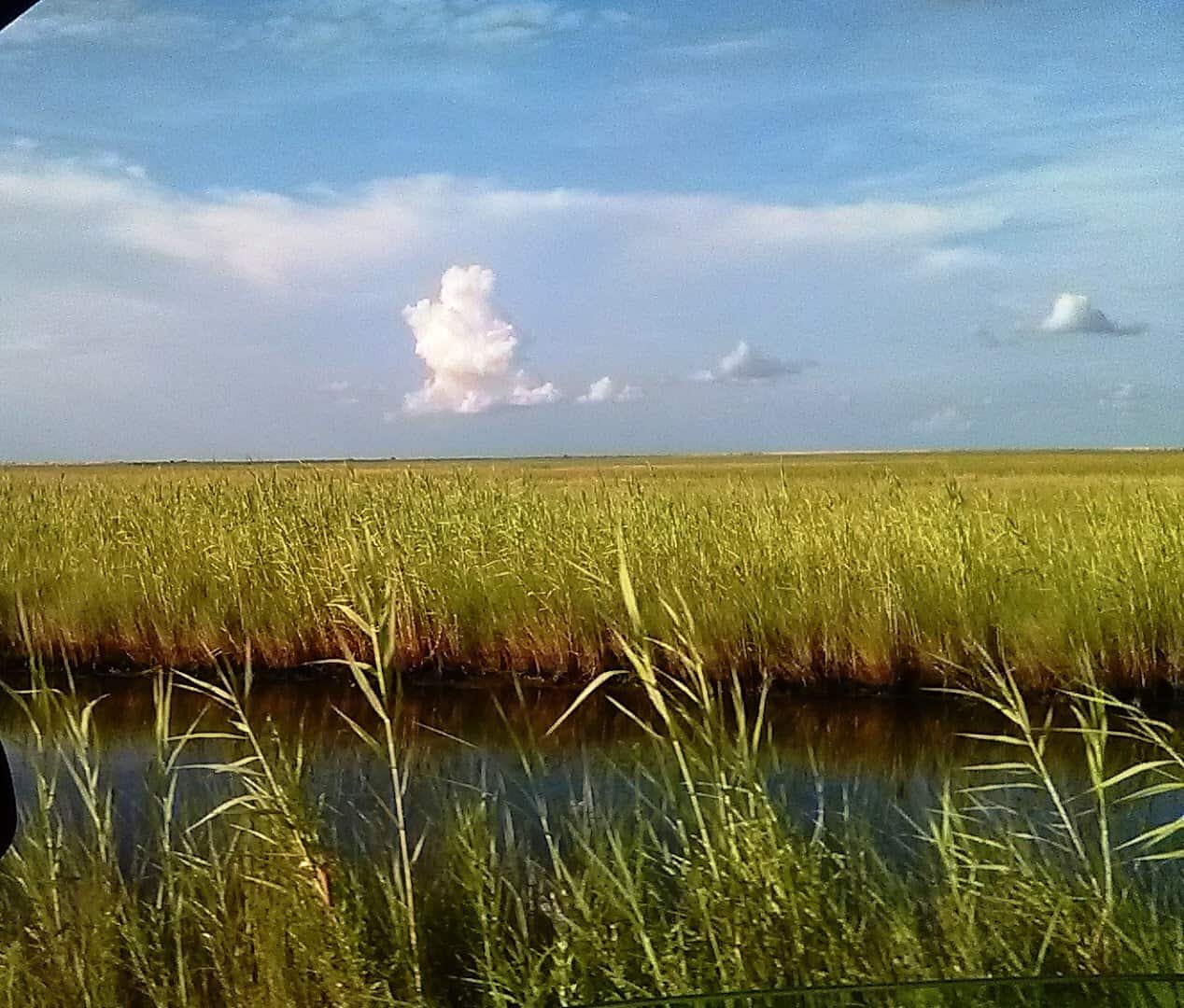
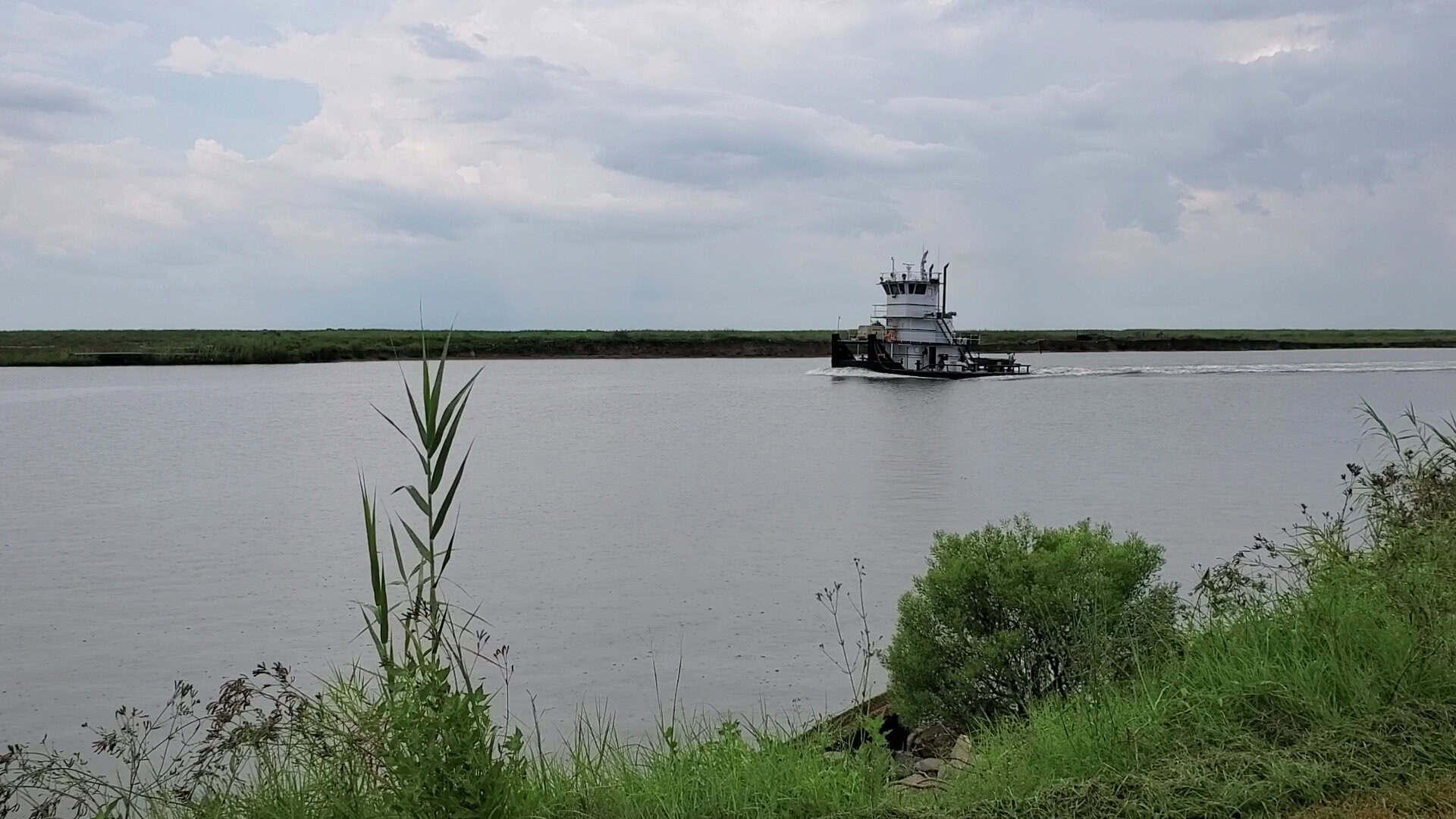
The fossils get the headlines, but the living refuge around them is just as remarkable. McFaddin protects the largest remaining freshwater marsh on the entire Texas coast, and that marsh is stuffed with wildlife.
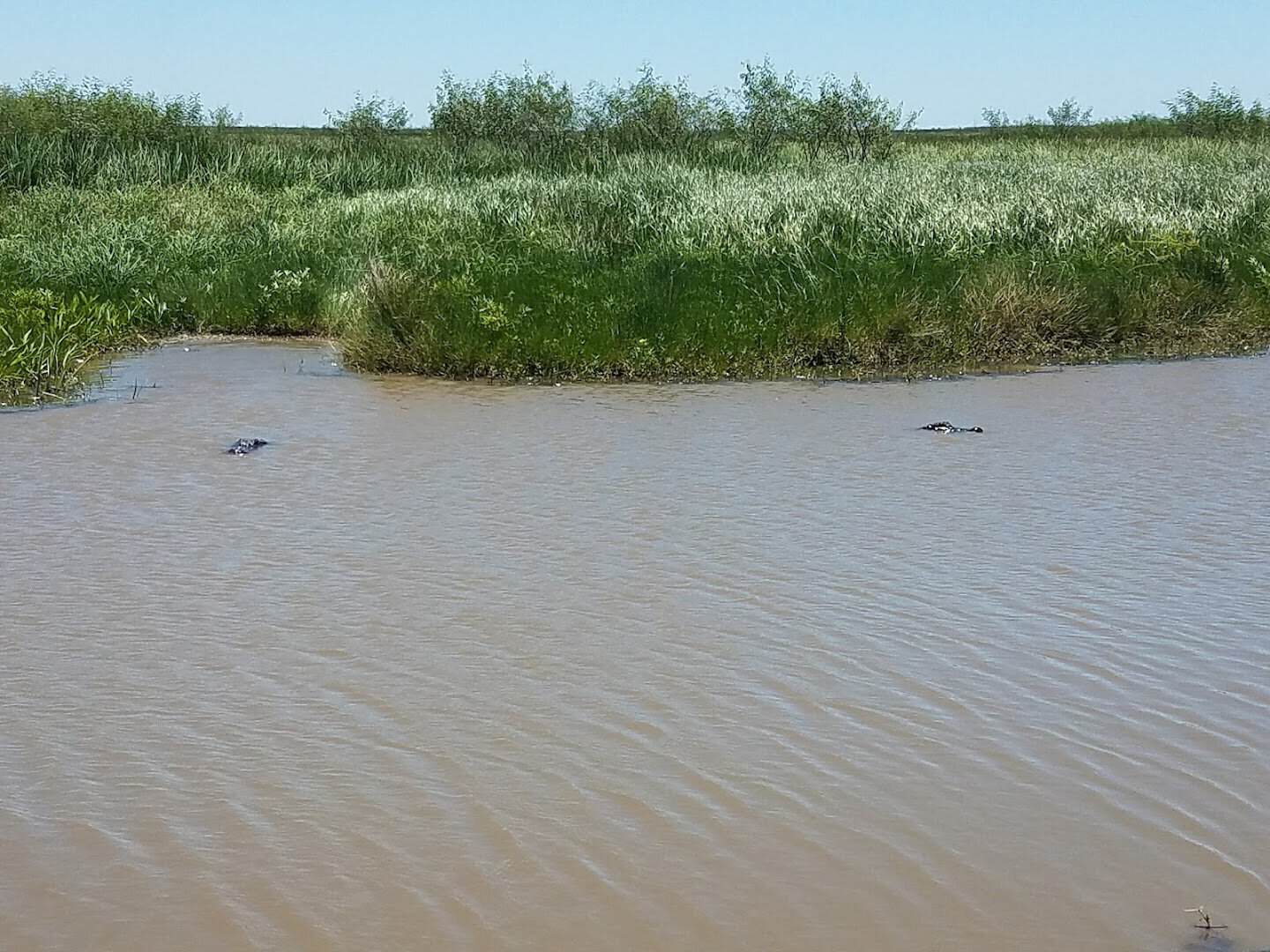
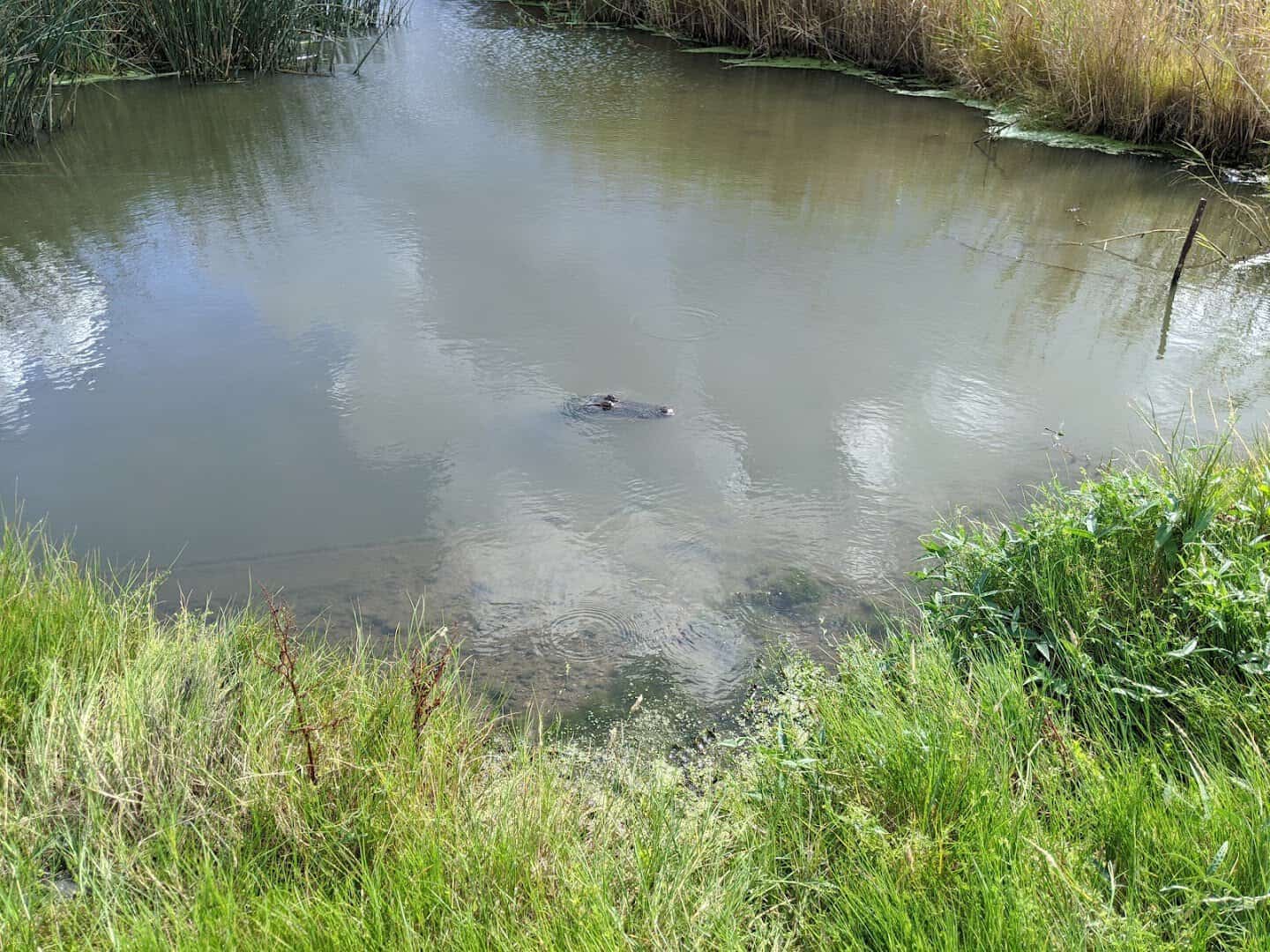
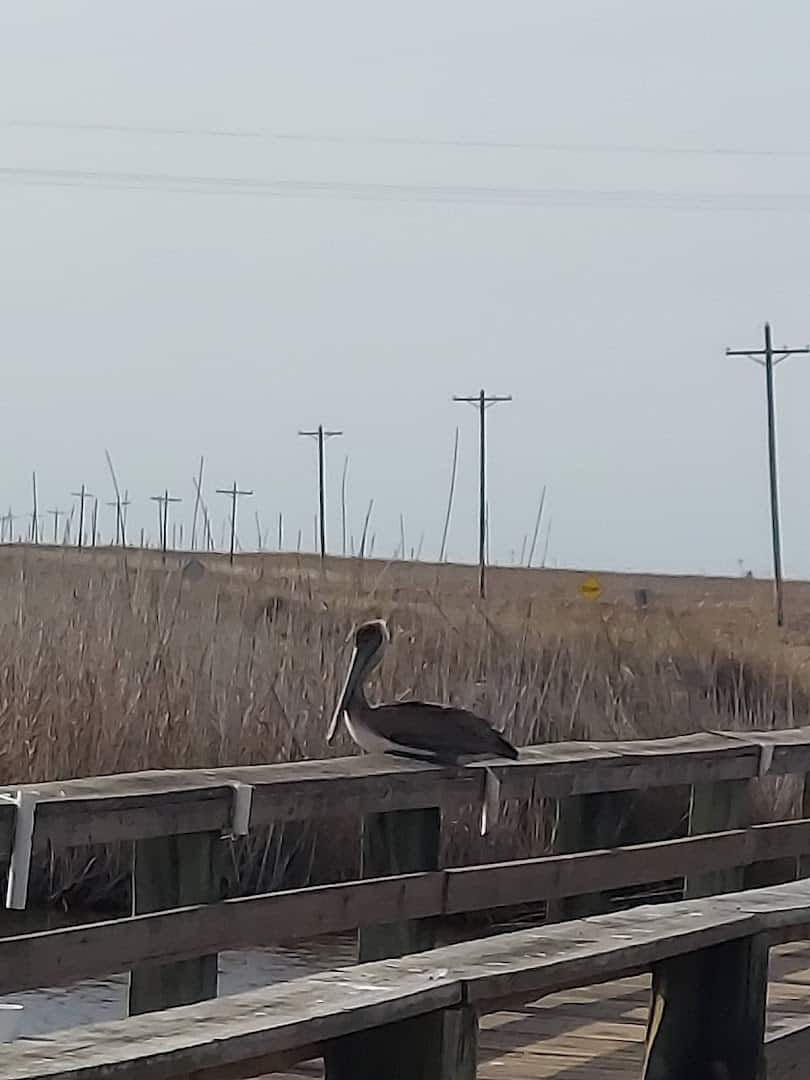
This is one of the densest American alligator populations in the state. From the road and the trails you will spot reptilian eyes sitting motionless at the waterline, most active in spring but present all year. Keep a respectful distance and just watch.
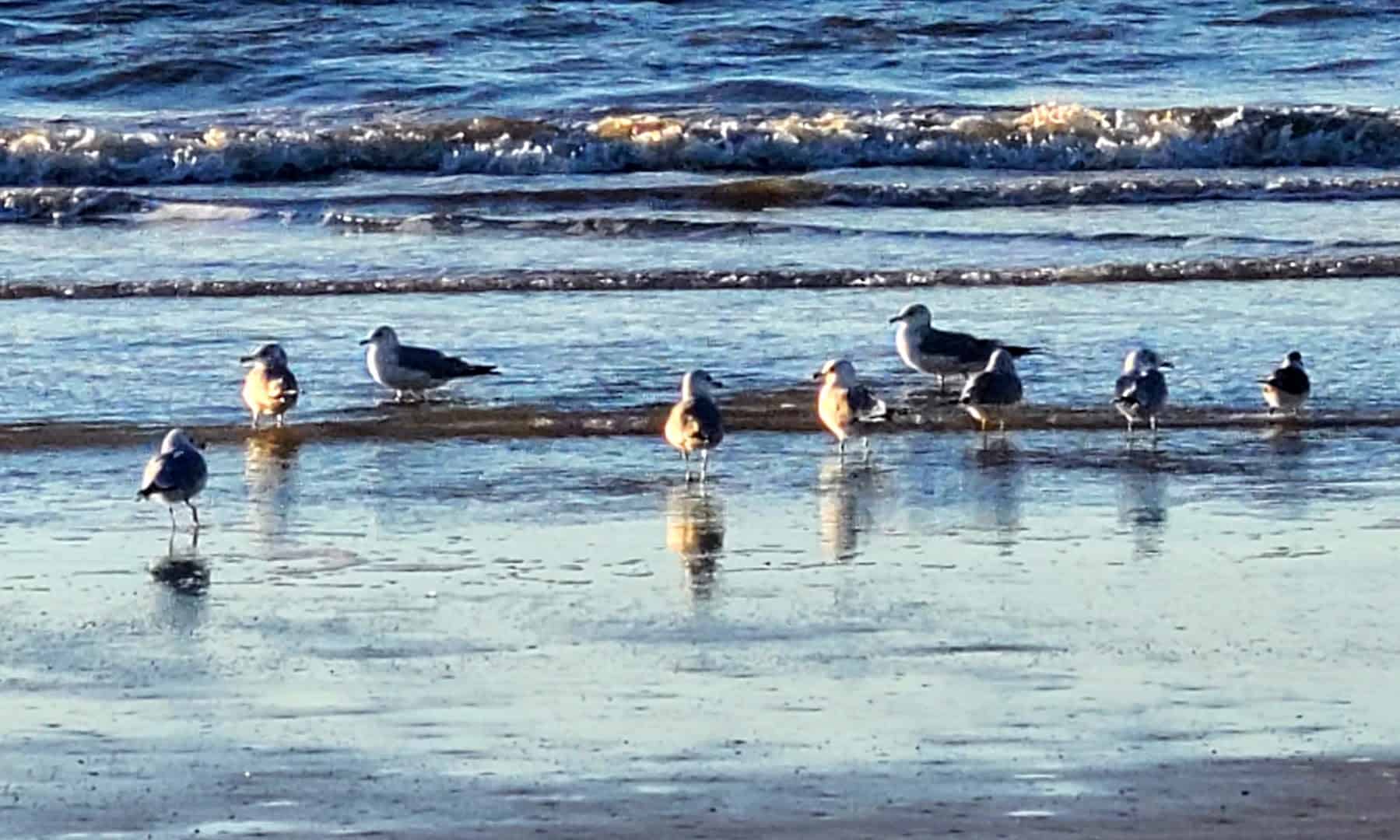
The bird show is the other reason people make the trip. The refuge sits on the Central Flyway, the great north-south migration highway, and feeding flocks of snow geese here have topped 70,000 birds at once. Let that number sink in.
Herons, egrets, ducks, and the flamingo-pink roseate spoonbill all work the shallows. The neighboring state park has logged over 300 bird species, so a good pair of binoculars earns its keep.
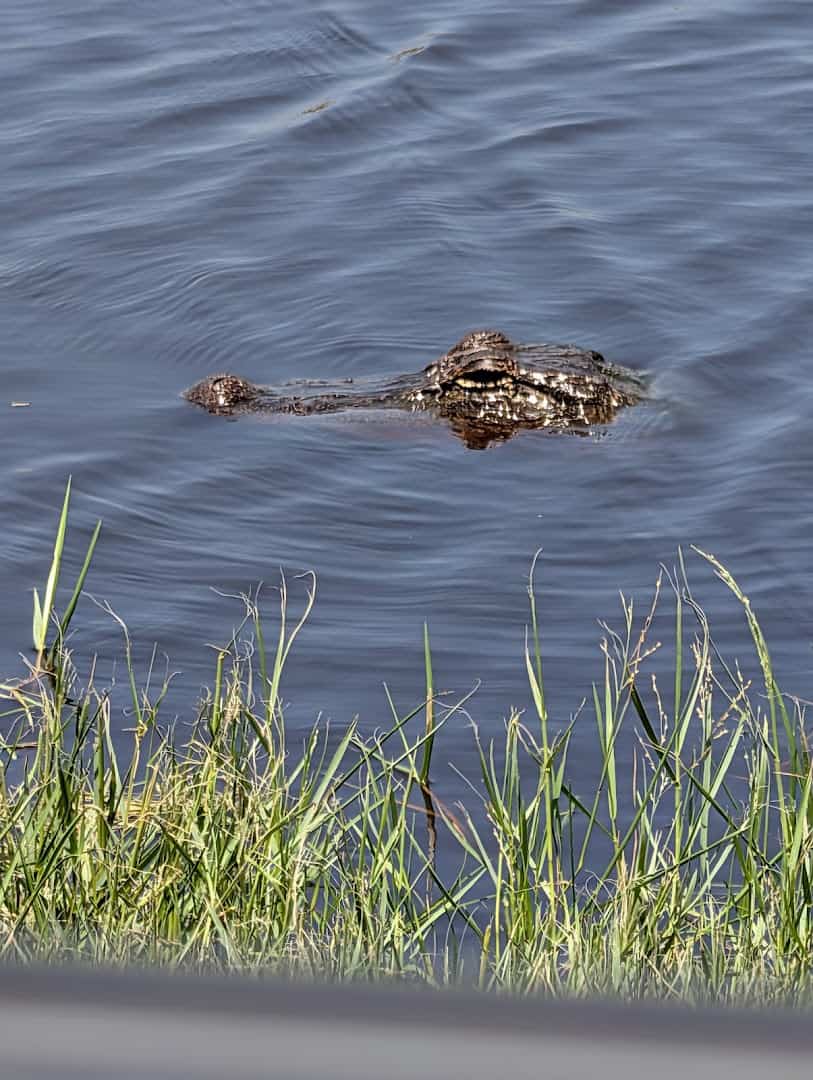
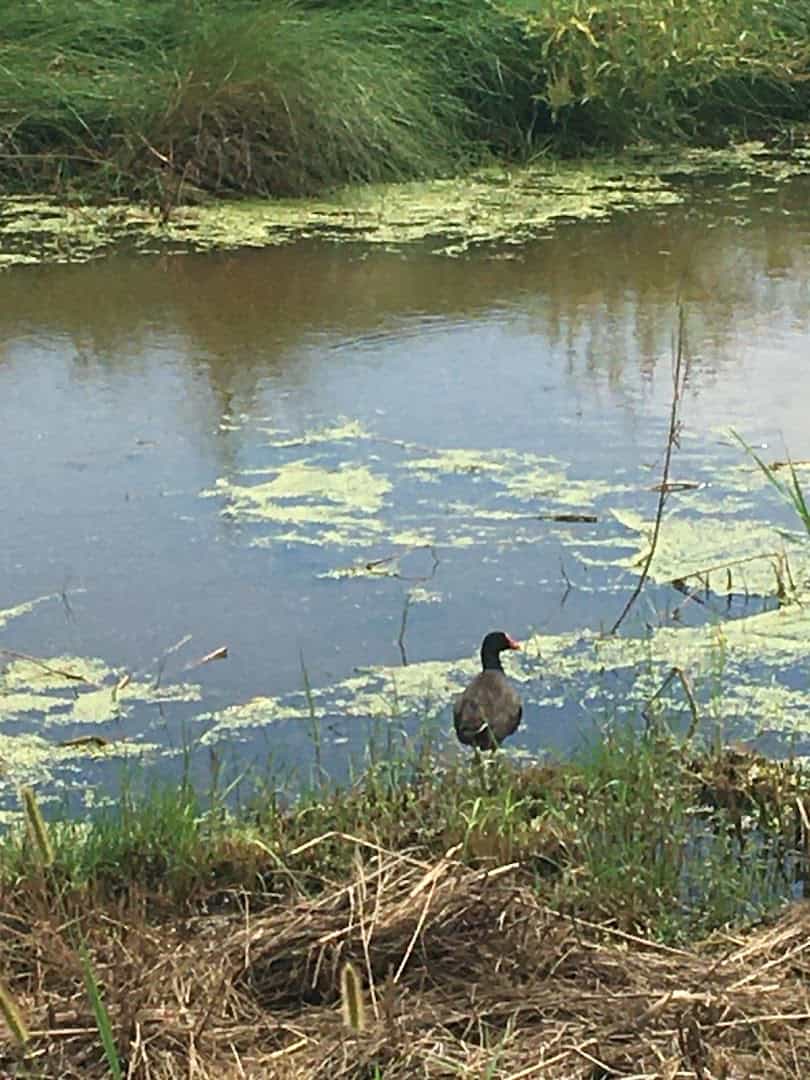
Down in the water and the marsh grass you will find red drum, flounder, alligator gar, and blue catfish. Add shrimp and crabs, plus the muskrats, river otters, mink, raccoons, armadillos, gray foxes, and bobcats that call the cordgrass home.
The Marsh Boardwalk and the Water Trails
You do not need a four-wheel-drive and a fossil obsession to enjoy this corner of Texas. Right next door, Sea Rim State Park gives you the easy, dry-footed version of the same wild marsh.
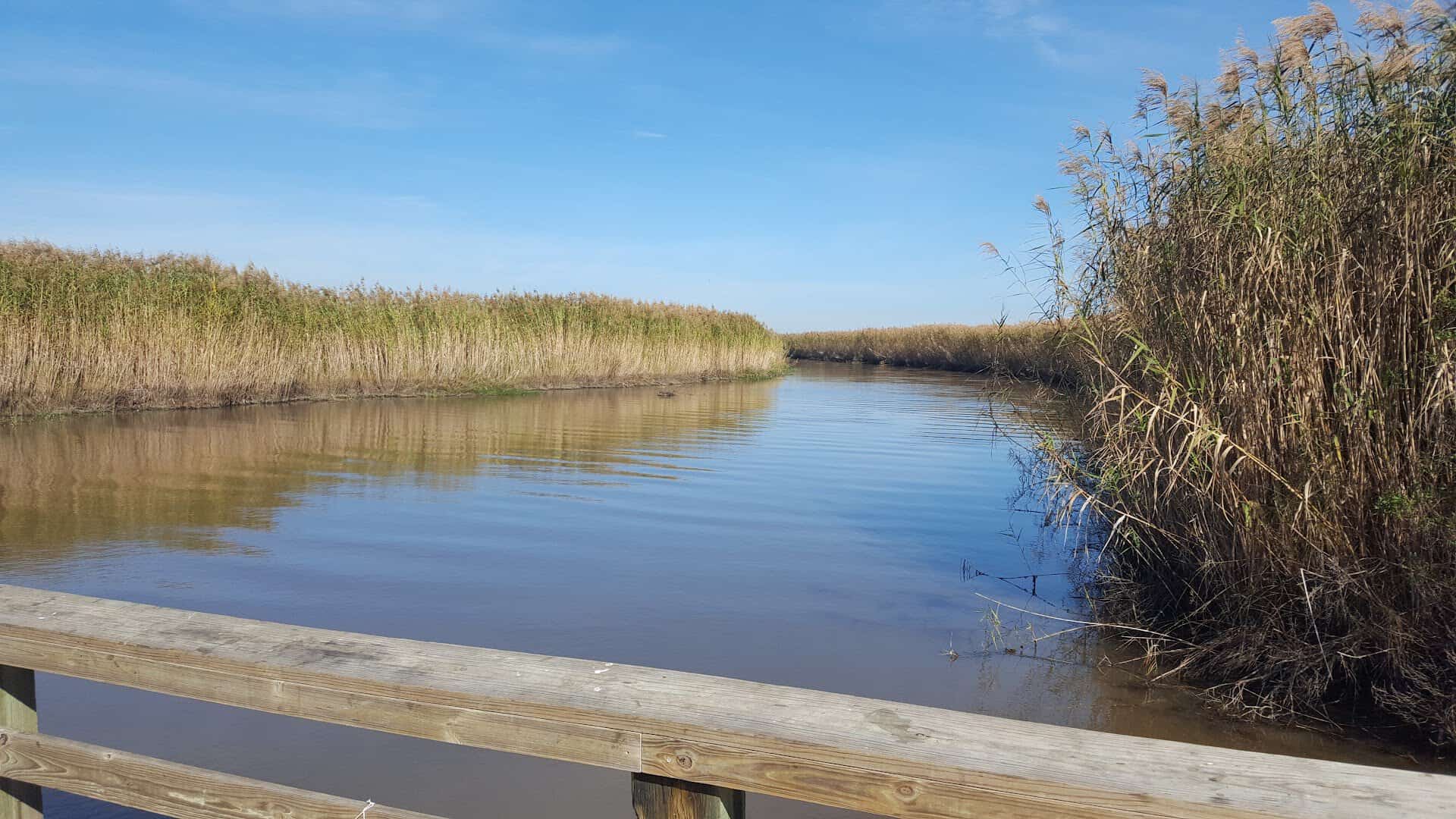
The Gambusia Nature Trail is a boardwalk loop of about nine tenths of a mile that takes maybe 20 minutes at a stroll. It is named for the tiny gambusia fish darting below, and it carries you out over dense cane and open marsh where the birds and gators are.
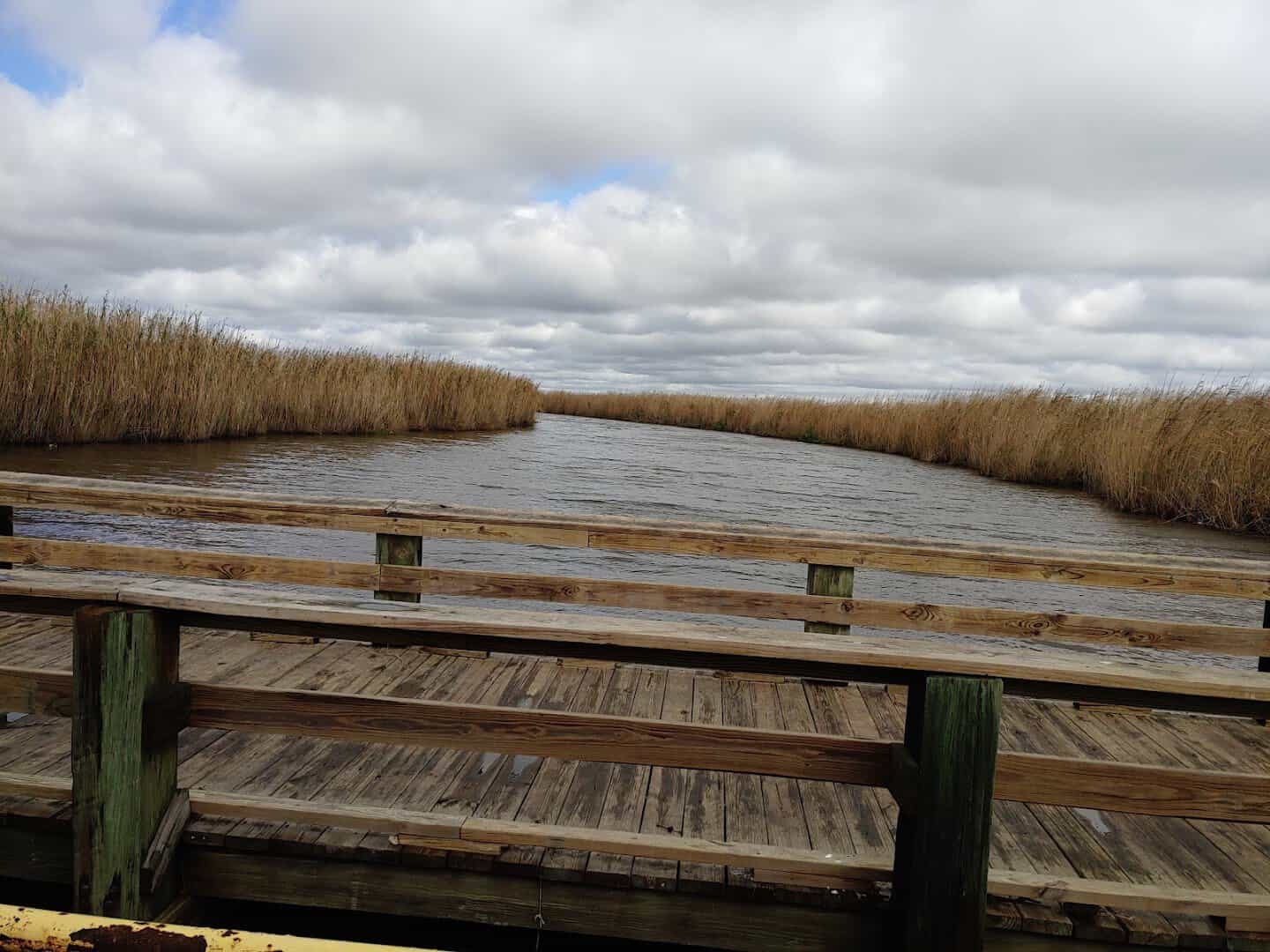
Paddlers get their own choice of three marsh trails, rated easy, moderate, and advanced. The gentlest is a 1.8-mile round trip built to introduce beginners to the still, glassy back-marsh water. Bring your own kayak or canoe.
Between the boardwalk, the paddling trails, and the beach itself, you can spend a full day here and never repeat yourself. The marsh at dawn, the beach at low tide, the water trail in the golden hour before you leave.
Who First Noticed What Was Washing Up
The story of how this beach became famous is a very human one, and it starts with a hurricane. In 1961, Hurricane Carla tore across this coast and reshuffled everything.
Afterward, local residents Odis and Beverly Beckham began systematically walking the beach and collecting the artifacts and bones the storm had exposed. They were among the first to grasp that something extraordinary was surfacing here.
Their finds pulled in the scientists. Biology professor Russell J. Long of Lamar University published the first real summary of the site in 1977, building on a student’s earlier inventory of the fossil animals.
The most devoted chronicler came later. Avocational archaeologist Paul Tanner started keeping careful location records in 1983 and spent roughly 25 years as the site’s field researcher, work that earned him a national award in 2009.
Every one of them was doing the same simple thing you can do this weekend. Walking a lonely Texas beach, looking down, and picking up a piece of deep time.
What It Costs and What to Bring
The best part of this whole adventure is the price. The refuge and its beach are free to enter, open during daylight hours, with no reservation, no gate fee, and no ticket to buy.
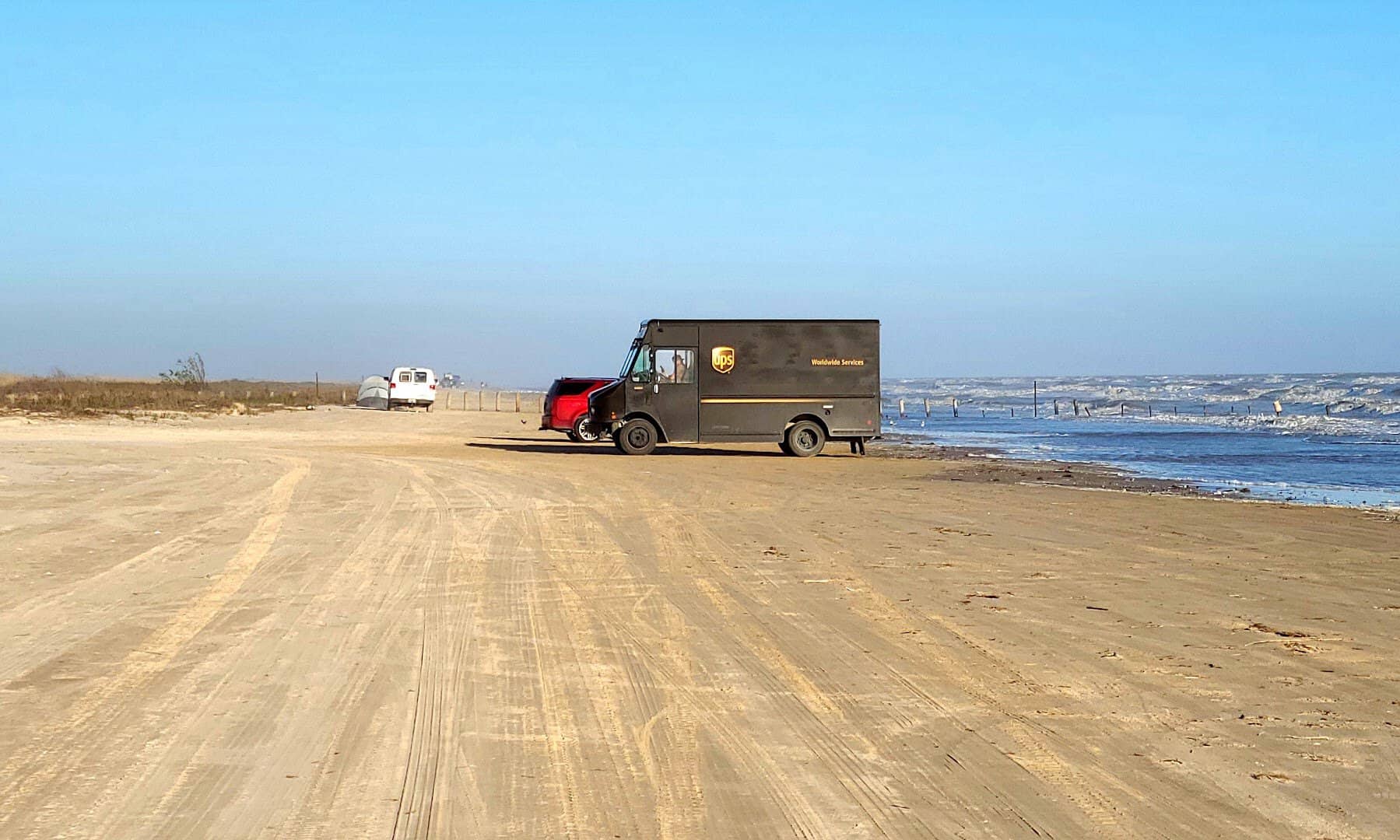
There is a catch, and it is the fun kind. This is genuinely primitive country. The beach has no concessions, no shade, and no services, so you carry in everything you need and carry out everything you brought.
Pack more water than you think you will drink, sunscreen, a hat, snacks, and a trash bag. Real restrooms with running water sit at the McFaddin entrance, but do not count on much else once your tires hit the sand.
Speaking of tires, the beach is hard-packed and drivable, but a four-wheel-drive is strongly recommended, especially near soft spots and after rain. Getting stuck on a remote Gulf beach as the tide creeps in is a bad afternoon.
Prefer to keep your car off the sand entirely? Base yourself at Sea Rim State Park next door, where you will find camping, restrooms, and the boardwalk, then walk or drive onto the refuge beach from there.
How to Get There
The refuge sits near Sabine Pass in Jefferson County, tucked into the far southeast corner of Texas between the Louisiana line and the Gulf. From the Beaumont and Port Arthur area you follow the coast southeast toward the water.
The drivable beach opens up just past Sea Rim State Park off Highway 87, and that is your access point for the fossil-hunting stretch. Bring the tide chart, the storm timing, and a full tank.
Where: McFaddin National Wildlife Refuge, 7950 S. Gulfway Drive, Sabine Pass, TX 77655. Refuge office phone: (409) 971-2909.
Go Walk the Beach That Remembers the Ice Age
There are prettier beaches in Texas, with softer sand and colder drinks. There is no beach in Texas quite like this one, where a single slow morning can put a 13,000-year-old spear point or a fossil shark tooth into your palm.
So watch the forecast, wait for a front to blow through, and point the car toward Sabine Pass at first light. Walk slow, look down, and let the Gulf hand you a piece of the ancient world. Just remember to bring enough water, and keep one eye on the tide.
Featured image: Mark Caraway via McFaddin National Wildlife Refuge
Featured image: Mark Caraway via McFaddin National Wildlife Refuge

Stella Raines
Editor-in-Chief
Stella brings over a decade of storytelling experience to TX Headlines. With roots in West Texas and a love for road trips, she leads the editorial team with an eye for the hidden stories that make Texas unforgettable.
More Stories
These 10 Peaceful Texas Walking Trails Are Made for an Easy, Scenic Stroll
This Easy Texas Hike Ends at a Swinging Rainbow Bridge Tucked Deep in the Woods
This Riverside Texas State Park Hides a Beautifully Rebuilt 1700s Spanish Mission
This Lush Texas Wildlife Sanctuary Has an 18-Foot Boardwalk That Lets You Walk Among the Treetops
Tags