This Riverside Texas State Park Hides a Beautifully Rebuilt 1700s Spanish Mission
Give me a slow green river over a crowded beach any day of the week. There is something about cypress trees leaning over quiet water that resets my whole nervous system faster than any spa ever could.
So when I find a Texas state park that sits right on a river, wraps a rebuilt Spanish mission in its arms, and asks four dollars to get in, I want to tell everyone I know.
This one, tucked into the small town of Goliad in South Texas, has a hushed river calm that most people drive right past on their way to somewhere flashier. It is the kind of quiet that sneaks up on you.
Below, I want to walk you through why this 276 acre park on the San Antonio River deserves a full day, from the paddling trail to the mission the government literally rebuilt stone by stone.
A Cypress River That Begs You to Slow Down
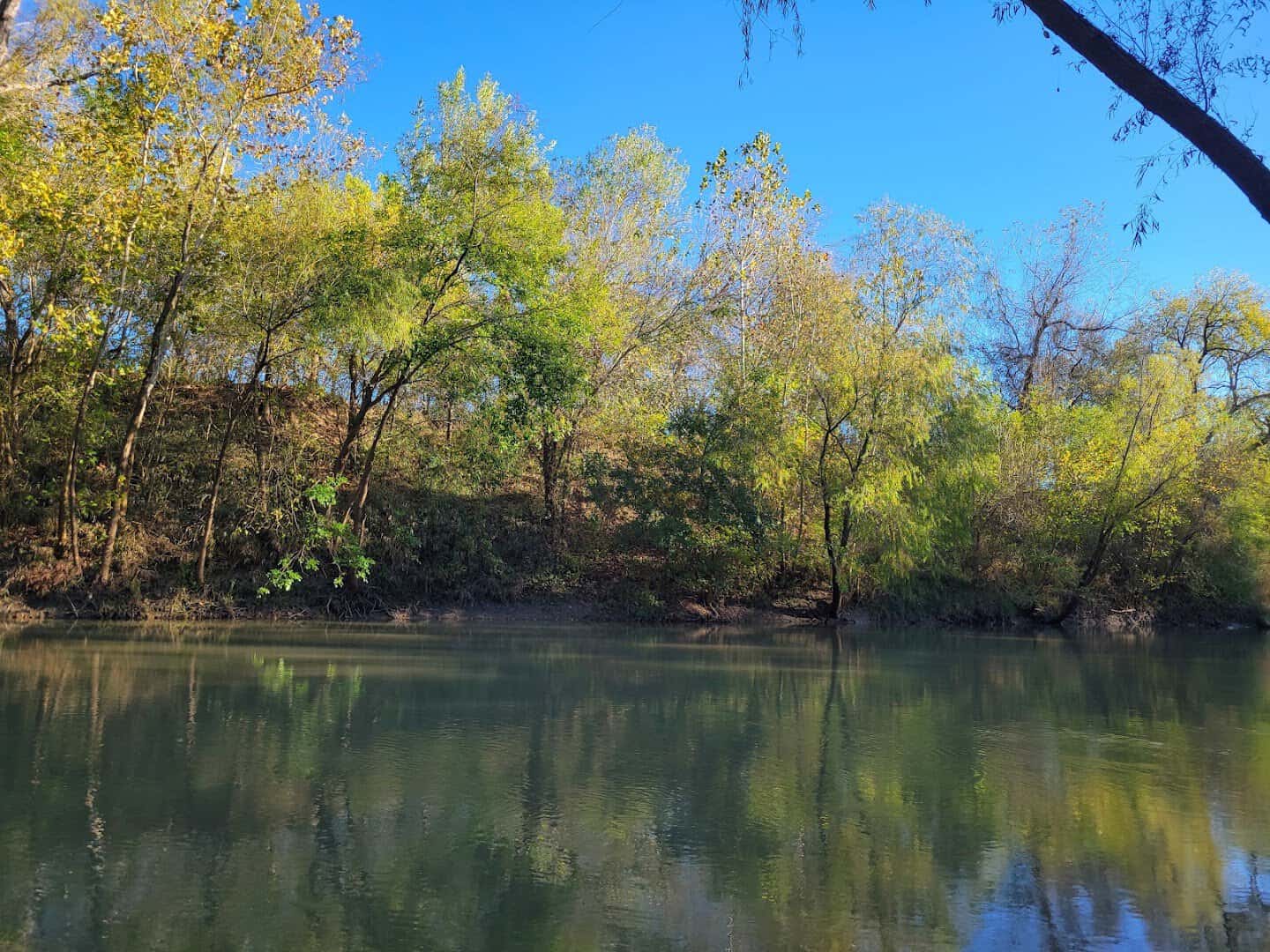
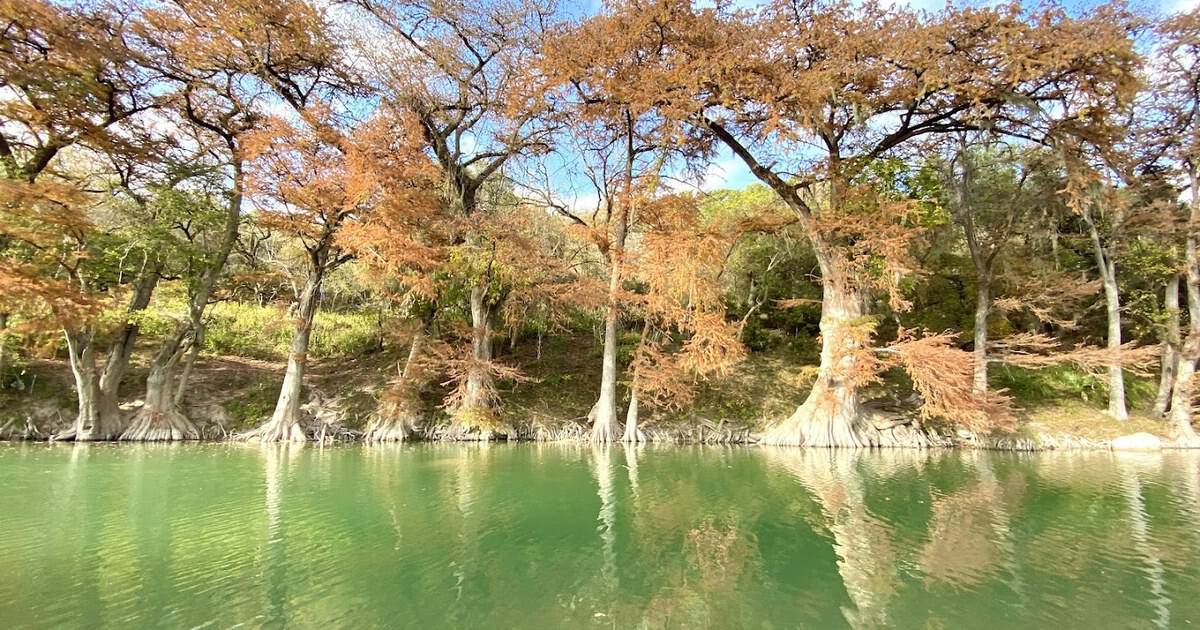
The San Antonio River threads right through the park, and its banks are lined with old bald cypress trees. In the morning the water goes glassy and still, and the light comes through the branches in long soft bars.
This is the kind of place where you can sit on the bank with a coffee and just watch the current move. No cost, no ticket, no schedule. The river does the entertaining.
If sitting still is not your speed, the park is the take-out point for the Goliad Paddling Trail. It runs 6.6 miles down the river and takes most people about two hours and forty-five minutes in a kayak or canoe.
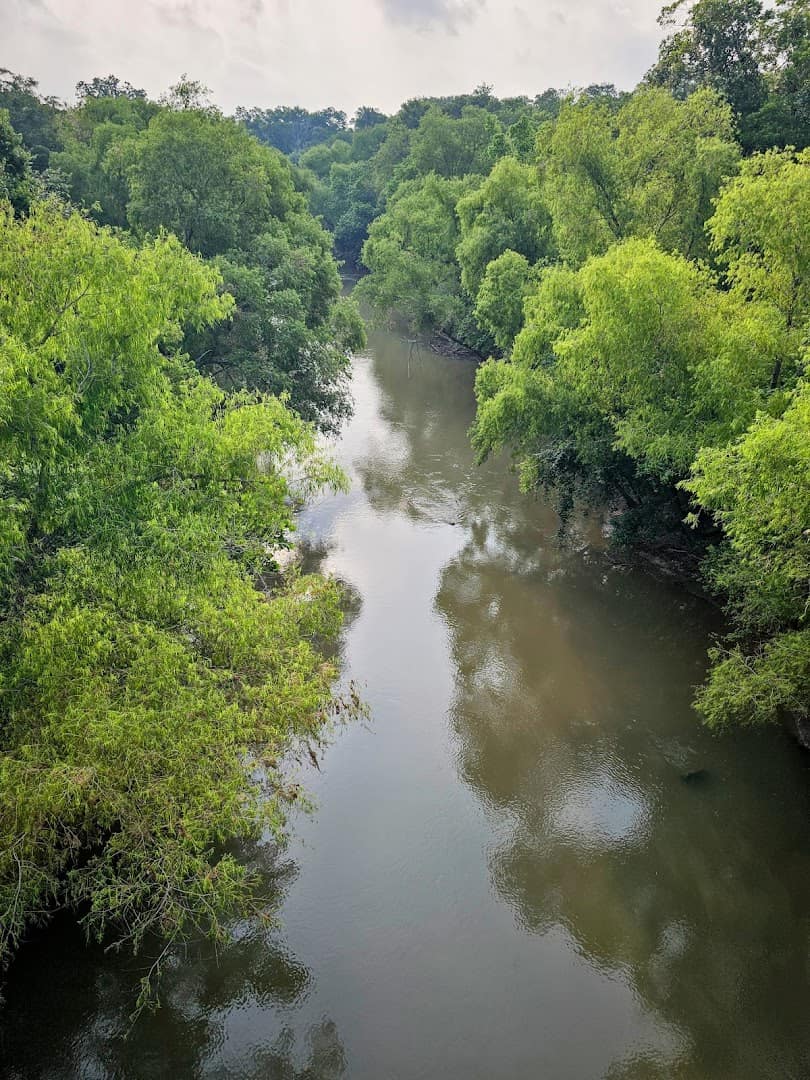
The trail is an official Texas Inland Paddling Trail, put together by the San Antonio River Authority, Texas Parks and Wildlife, the county, and a local volunteer group. You launch upstream and drift down through green tunnels of cypress until the park comes into view.
Pro tip: bring your own kayak or canoe, since the park does not rent boats on site. A shorter version of the float ends at the Ferry Street take-out and runs closer to two hours if you are short on time.
The float is gentle rather than white-knuckle, which is exactly why I love it. You paddle a little, drift a lot, and let the river carry you past turtles sunning on logs and herons stalking the shallows.
The Mission a Nation Rebuilt by Hand
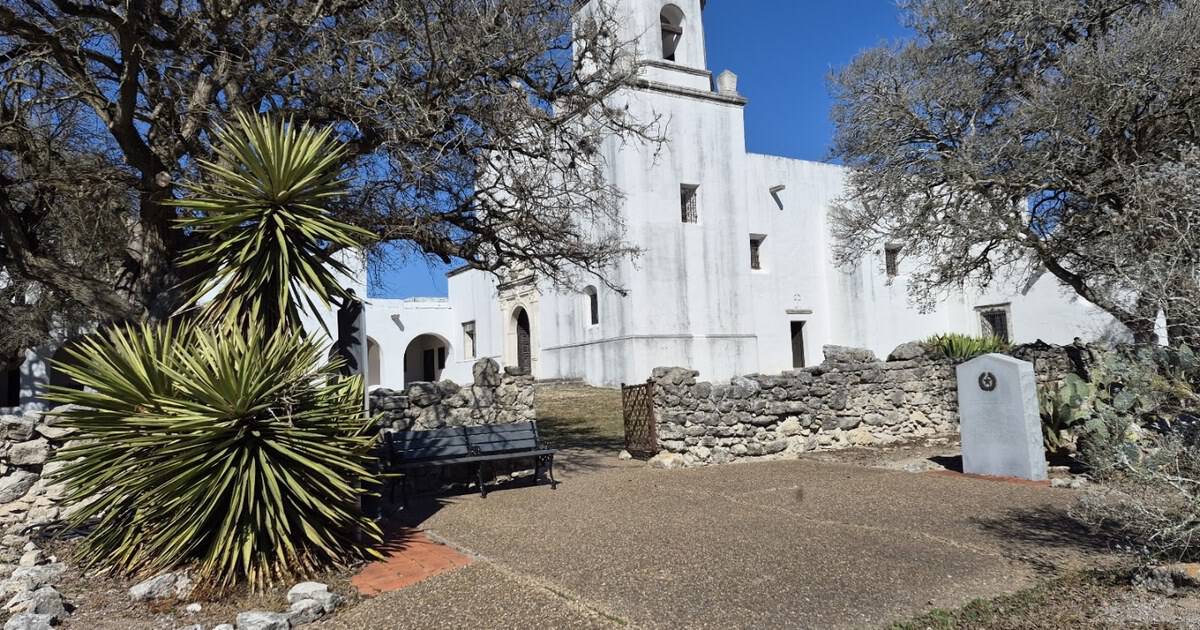
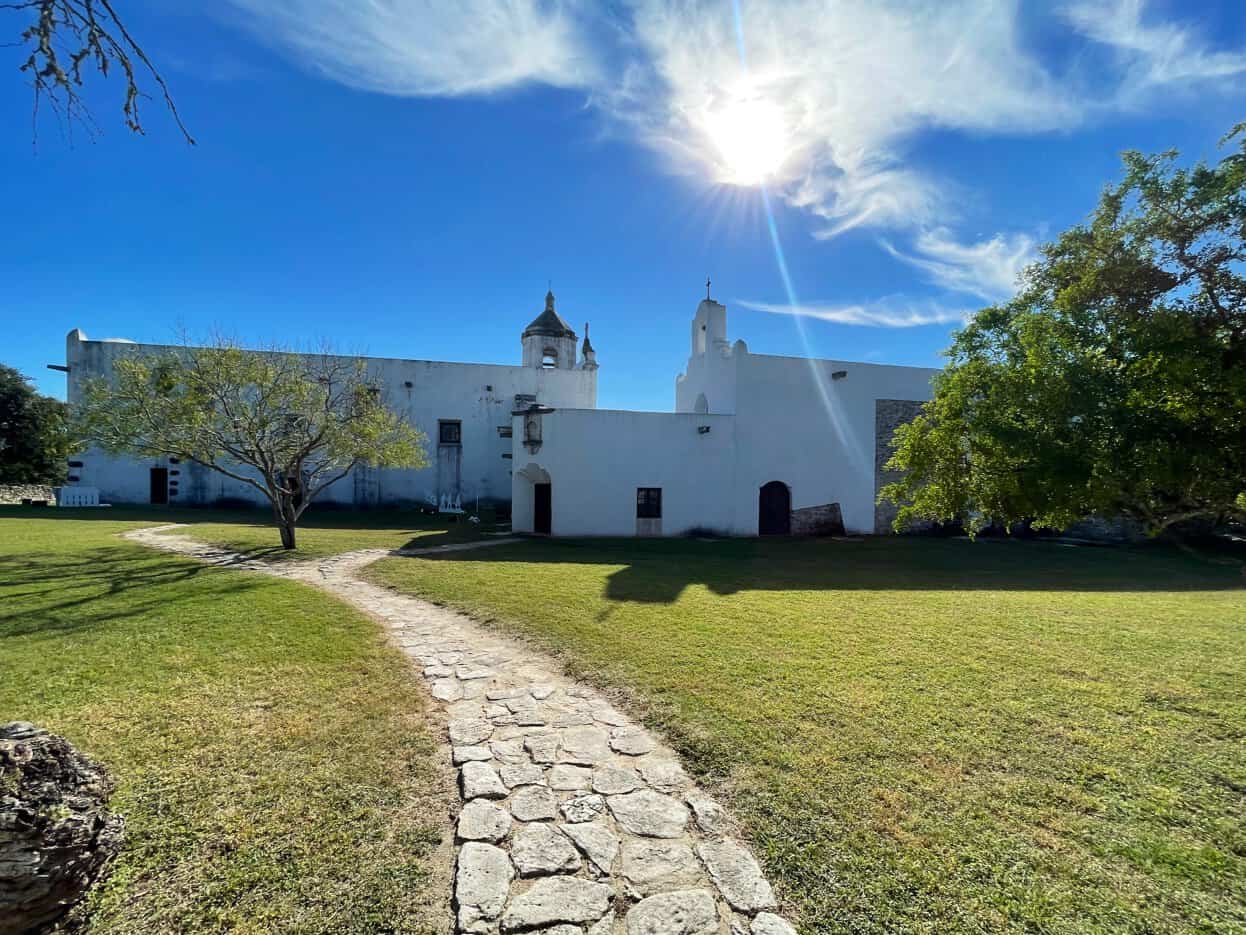
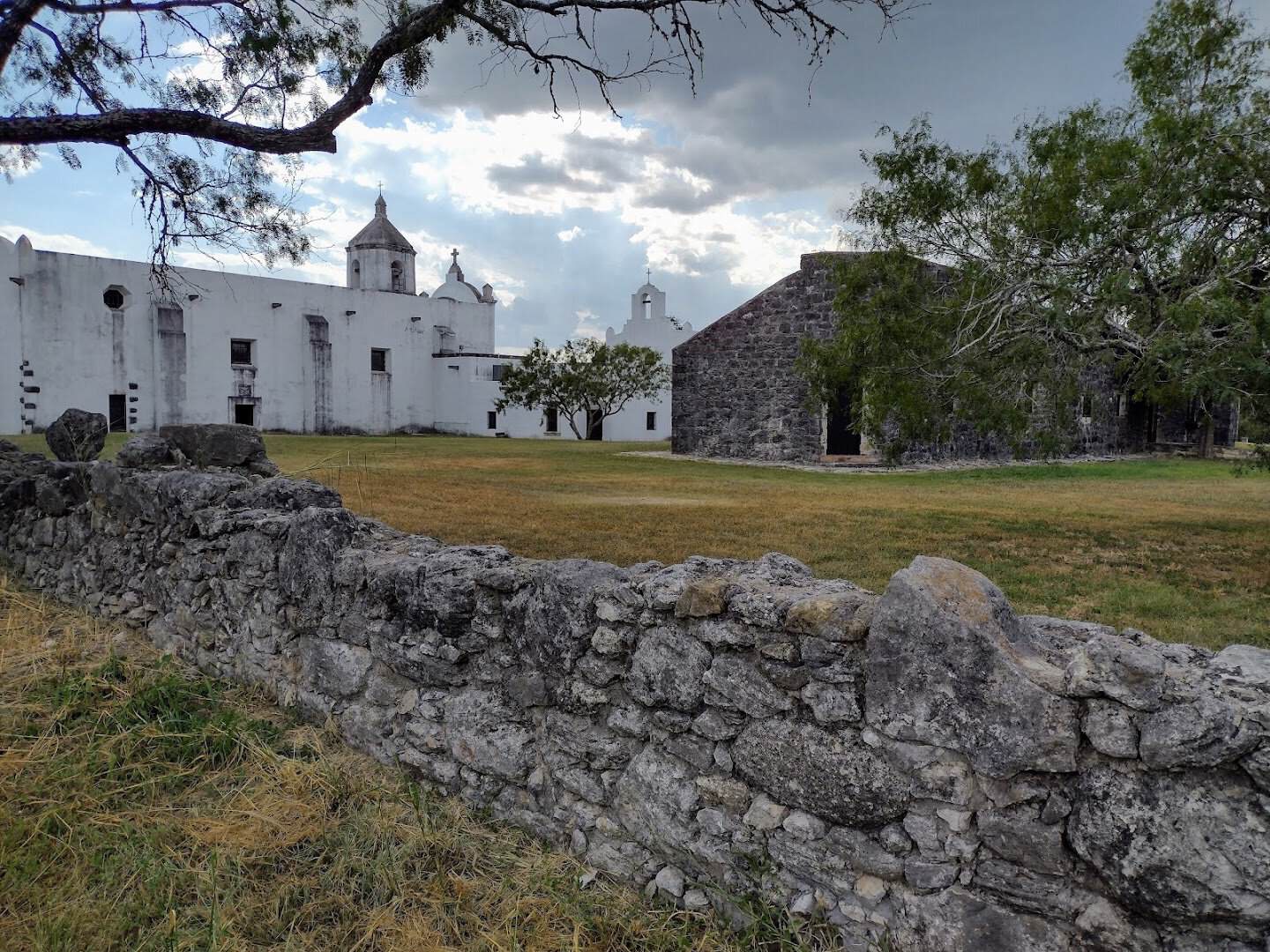
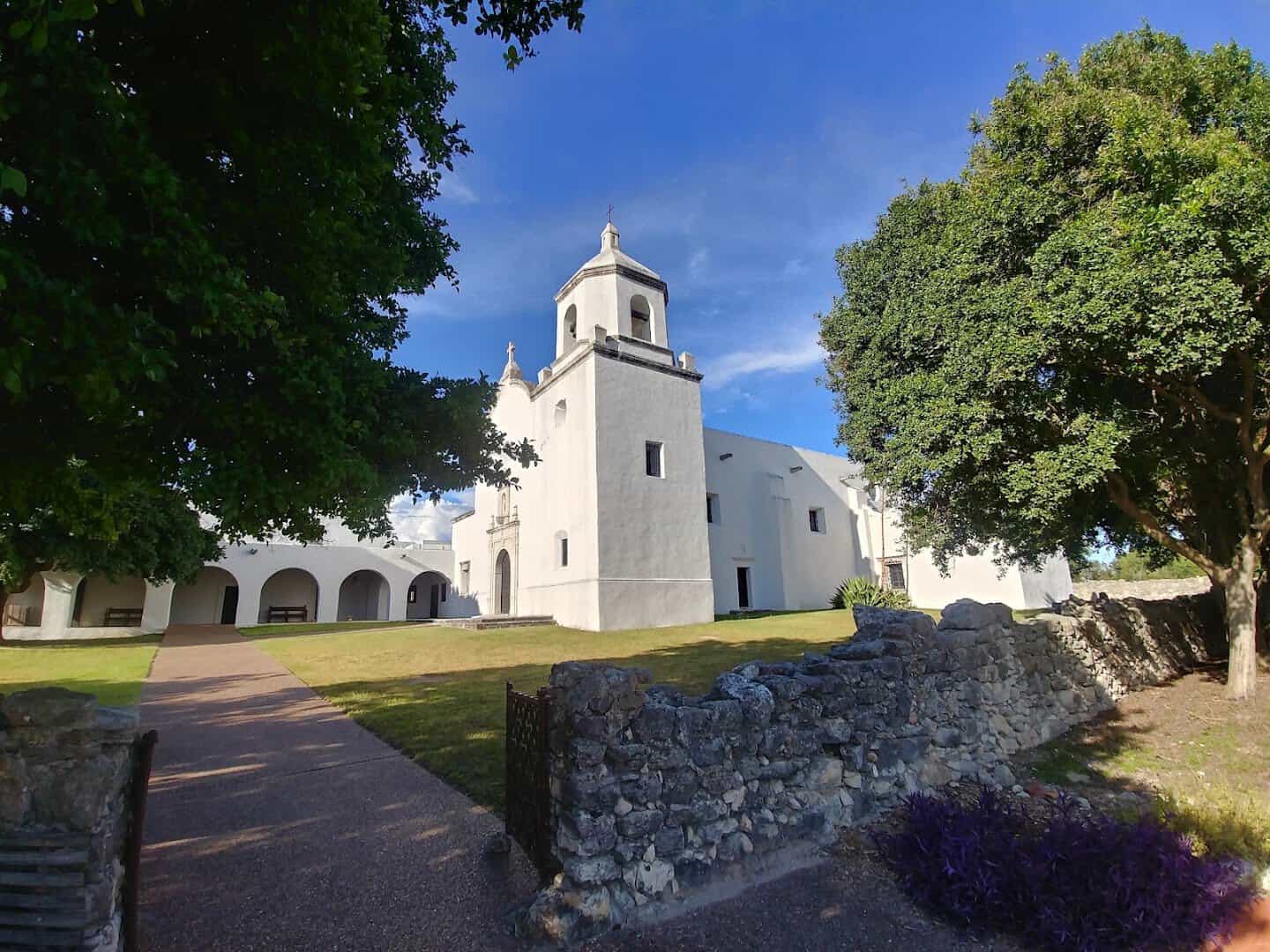
Here is the part that surprised me most. Sitting inside this park is Mission Espiritu Santo, a Spanish colonial mission with a whitewashed church, a granary, and a workshop, and almost all of it was rebuilt in the 1930s.
The original mission moved to this spot in 1749. Over the years it fell into ruin, and townspeople carried off its cut stone to build their own homes. By the early 1900s there was very little left to see.
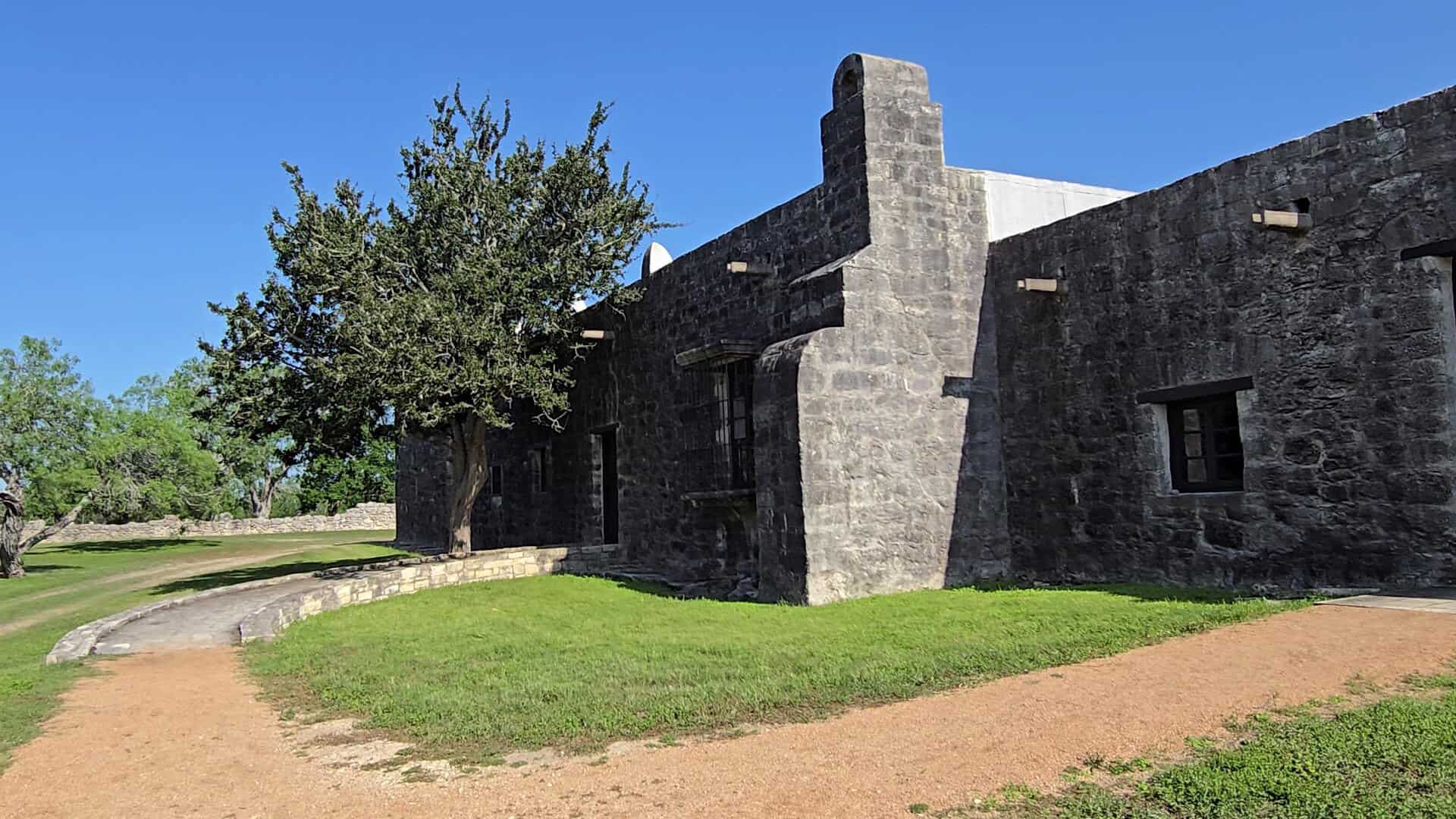
Then, in the 1930s, a crew came in and put it back together. They studied other surviving Spanish missions, quarried matching stone, forged the iron hinges by hand, and even fired the roof tiles on site. The result is a full working mission complex you can walk into today.
Step inside the church and it is cool and quiet, with thick plastered walls and a simple painted ceiling. The granary now holds a small museum that tells the mission’s story. You can pace the cloister and picture the daily rhythm of the place three centuries ago.
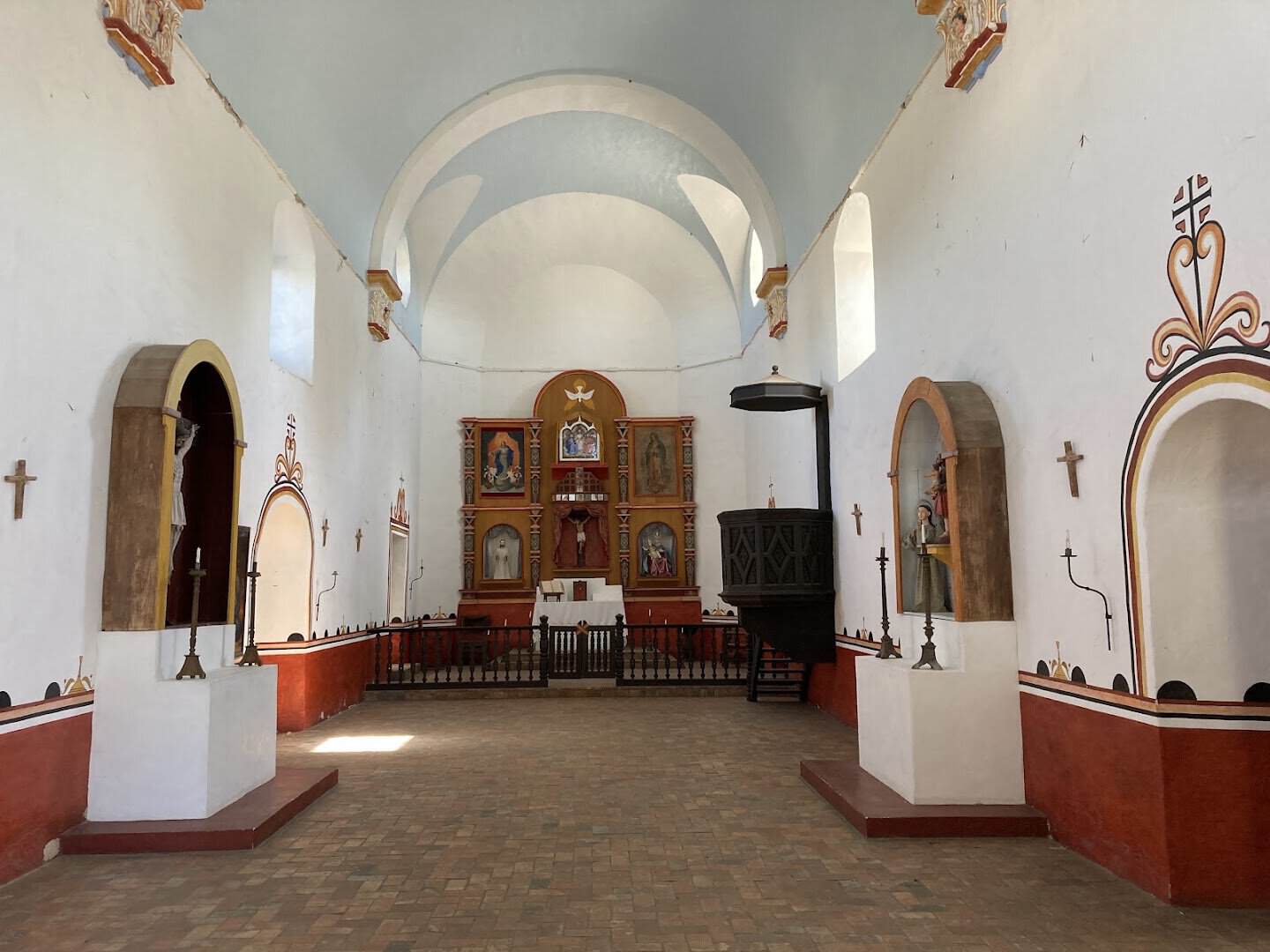
Wander out to the reconstructed workshop and it is easy to forget which century you are in. The whole complex was laid out to show how the mission actually functioned, not just how its church looked on a Sunday.
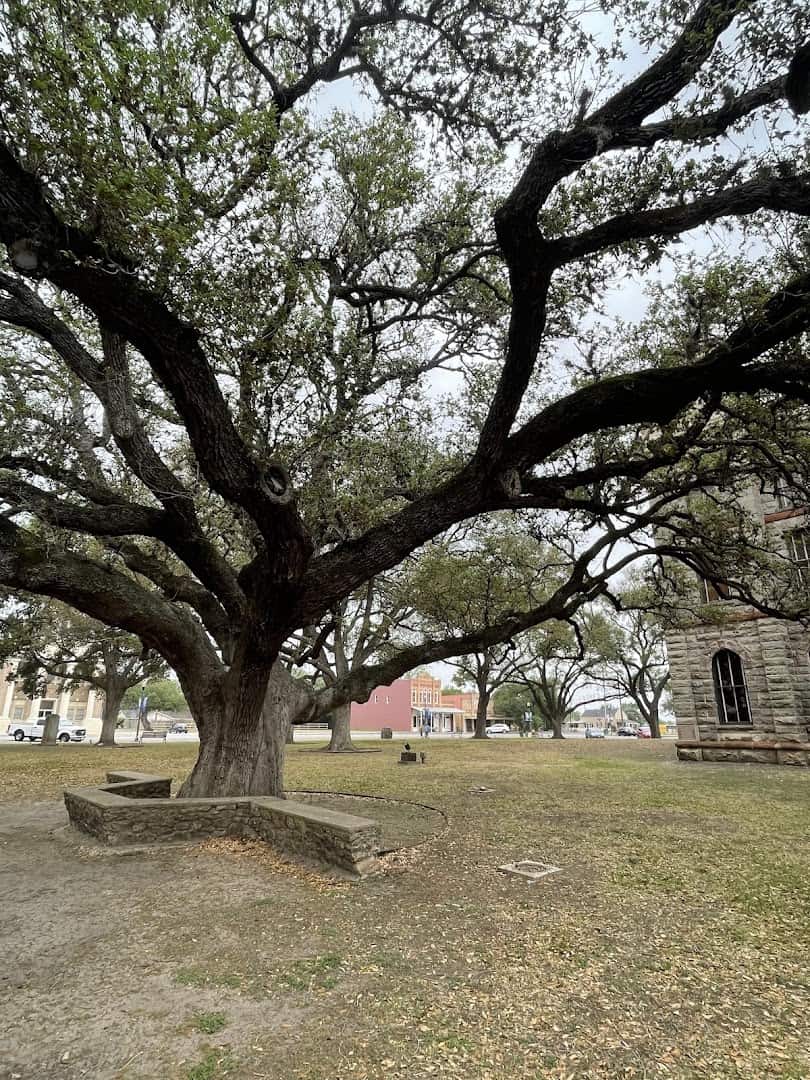
The setting helps. The mission sits on a rise above the river, framed by live oaks, so the white walls catch the late light and glow. It is one of those spots where you keep taking the same photo, hoping the phone will finally capture it.
Did you know this mission ran the first large-scale cattle ranch in Texas? Its herds once supplied Spanish settlements as far away as Louisiana. Long before the Texas cowboy became a legend, vaqueros were working cattle on this very ground, driving them across the same river you can paddle today.
Who Actually Rebuilt It
The crew who resurrected the mission were the Civilian Conservation Corps, the New Deal work program that built so many of our best state parks. The company assigned to Goliad, unit 3822, was made up entirely of military veterans, some of them in their fifties and sixties.
These older men researched Spanish architecture, hauled stone, and did the slow, patient work of reconstruction between 1935 and 1941. World War II pulled the labor away before every building was finished, but what they left behind is often called a CCC masterpiece.
They built more than the mission. The tidy custodian’s cottage they raised in the 1930s still stands, and today it serves as the El Camino Real de los Tejas visitor center, where you can learn about the old royal road that once connected Texas to Mexico.
The whole cluster earned a spot on the National Register of Historic Places in 2001. When you walk the grounds, you are walking through the handiwork of two very different centuries stacked on top of each other.
I find the veterans part genuinely moving. Men who had already served their country spent their later years learning masonry and carpentry so that a piece of Texas history would still be standing for the rest of us. That kind of quiet work tends to outlast the loud kind.
Trails for Every Kind of Legs
You do not need to be a serious hiker to enjoy the walking here. The trails are short, shaded, and easy, which is exactly what you want on a warm South Texas afternoon.
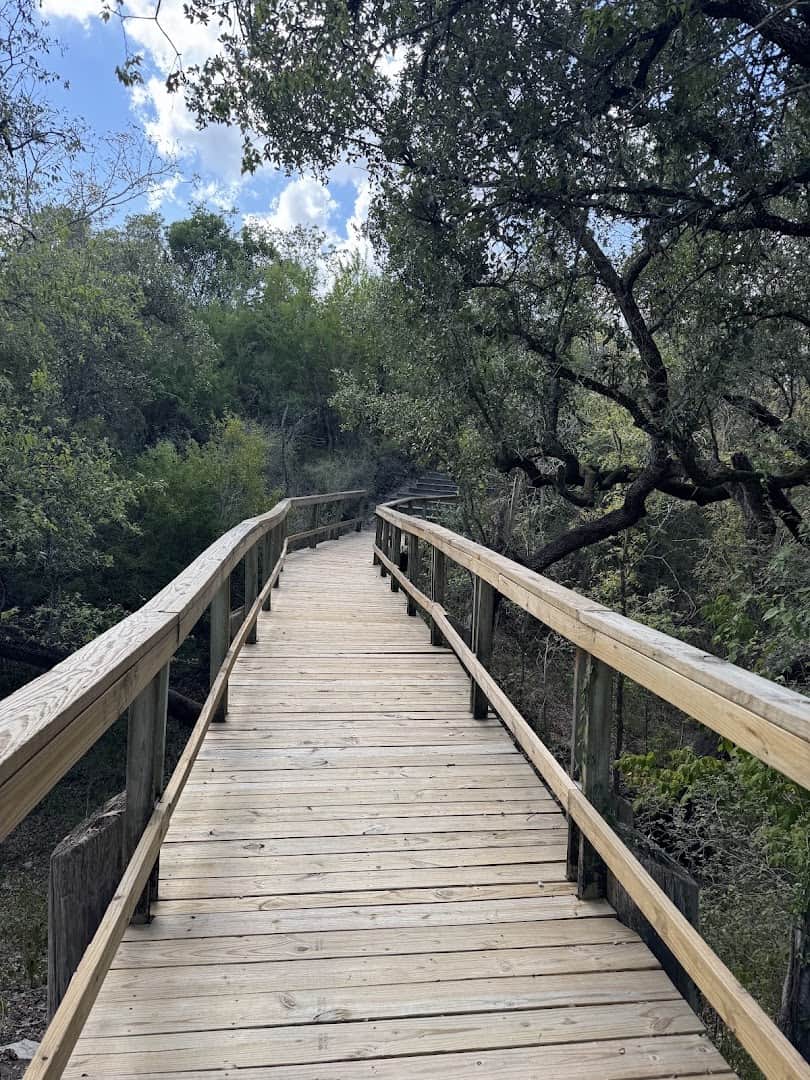
The Aranama Trail is a quarter-mile loop near the mission, with a few little bridges and steps that keep it interesting. It is a gentle stretch of legs after you tour the church.
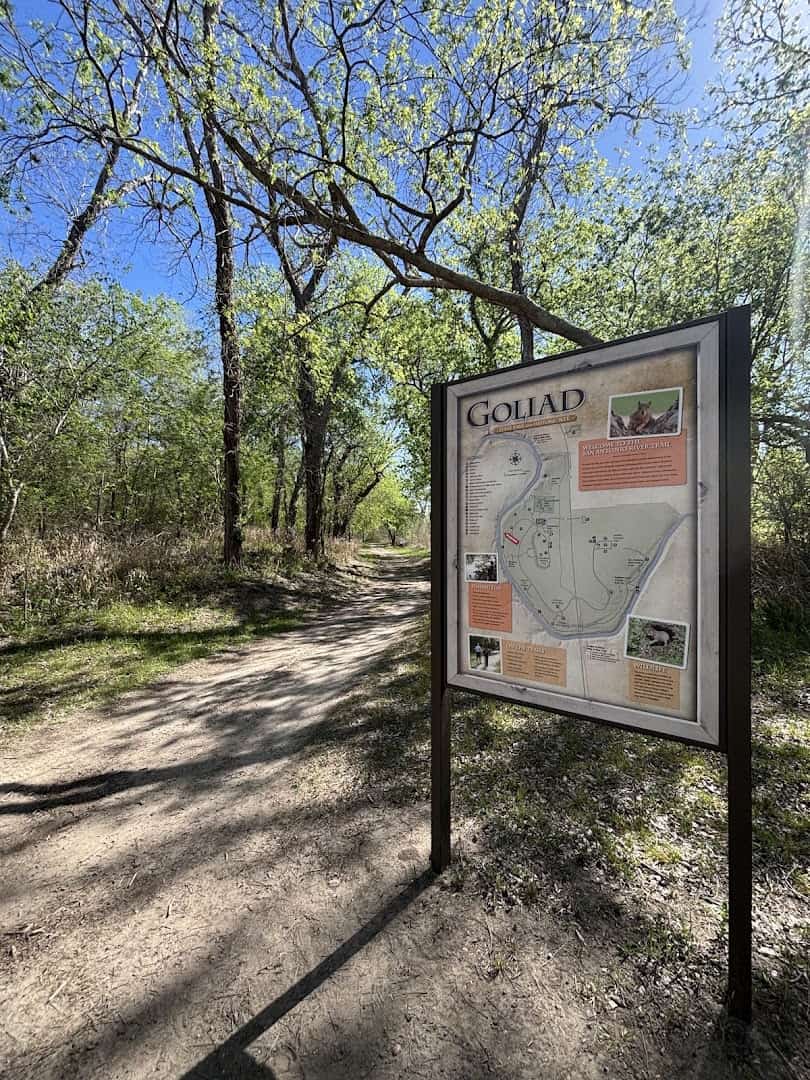
The San Antonio River Trail runs about a mile one way along the water, flat and easy, perfect for a slow amble with a camera. Keep your eyes on the branches and the mud banks for wildlife.
For something longer, the Angel of Goliad Hike and Bike Trail is a paved 2.5-mile path that links the park to the town of Goliad itself. Bring a bike and you can pedal into town for lunch and roll back without ever touching a highway.
Birdsong, Fish, and Other Neighbors
This park sits on a migration corridor, so the birding is genuinely good. Visitors regularly report seeing hundreds of birds in a single trip, from wading birds along the river to songbirds in the cypress canopy.
Bring binoculars and a little patience. Early morning and late afternoon are when the river edge comes alive, and the reflections on the still water double every heron you spot.
The fishing is a quiet joy too. The San Antonio River here holds catfish, bass, and sunfish, and there is a dock that makes casting easy for kids and grandparents alike.
Here is my favorite detail: you do not need a fishing license to fish inside a Texas state park, and this one will even loan you the gear. Walk in empty-handed, borrow a rod at the office, and try your luck. It is free.
That loaner program makes this a great place to teach a kid to fish without buying a thing. Sit on the dock, bait a hook, and let the afternoon go slow. Nobody is in a hurry down here.
Spending the Night Under the Cypress
If a day trip is not enough, and honestly it might not be, the park has room for you to stay. The camping options cover everything from a tent under the trees to a big rig with full hookups.
RV travelers have 44 sites to choose from. Twenty of them are full-hookup pull-throughs in the Karankawa area near the mission, wide enough for large motorhomes, with 20, 30, and 50 amp service, water, and sewer.
Tent campers get 14 water-only sites down closer to the river. A handful of them, the more tucked-away numbers, give you a little extra privacy and the sound of the current all night long.
There are also five screened shelters if you want a roof and a screen between you and the bugs without hauling a tent. Falling asleep to frogs and waking up to birdsong is the whole point.
Because the park is small and the sites fill up on holiday weekends, book ahead in spring and fall. Reservations are easy to make online, and locking in a riverside spot is worth the two minutes it takes.
What It Costs and When to Go
The price of entry is refreshingly small. Day use runs about $4 per person for anyone 13 and older, and children get in free. A Texas State Parks Pass covers the whole car.
The park is generally open daily, with day-use hours running into the evening, though the mission building and visitor center keep shorter hours. Spring and fall are the sweet spots, when the South Texas heat backs off and the river air feels perfect.
Tip: pack a picnic. There are shaded tables scattered through the grounds, and eating lunch within sight of a 275-year-old mission is a hard thing to beat. Bring water, since the sun down here means business even on mild days.
Because you are already in Goliad, leave time for the town. The Fannin Battleground and the old Presidio La Bahia sit nearby, and the courthouse square is worth a slow wander before you point the car home.
If you have kids, the paved Angel of Goliad trail makes an easy bike ride from the park into town for ice cream. It is named for a local heroine remembered for her kindness, which feels about right for a place this gentle.
How to Get There
Where: Goliad State Park and Historic Site, 108 Park Road 6, Goliad, TX 77963.
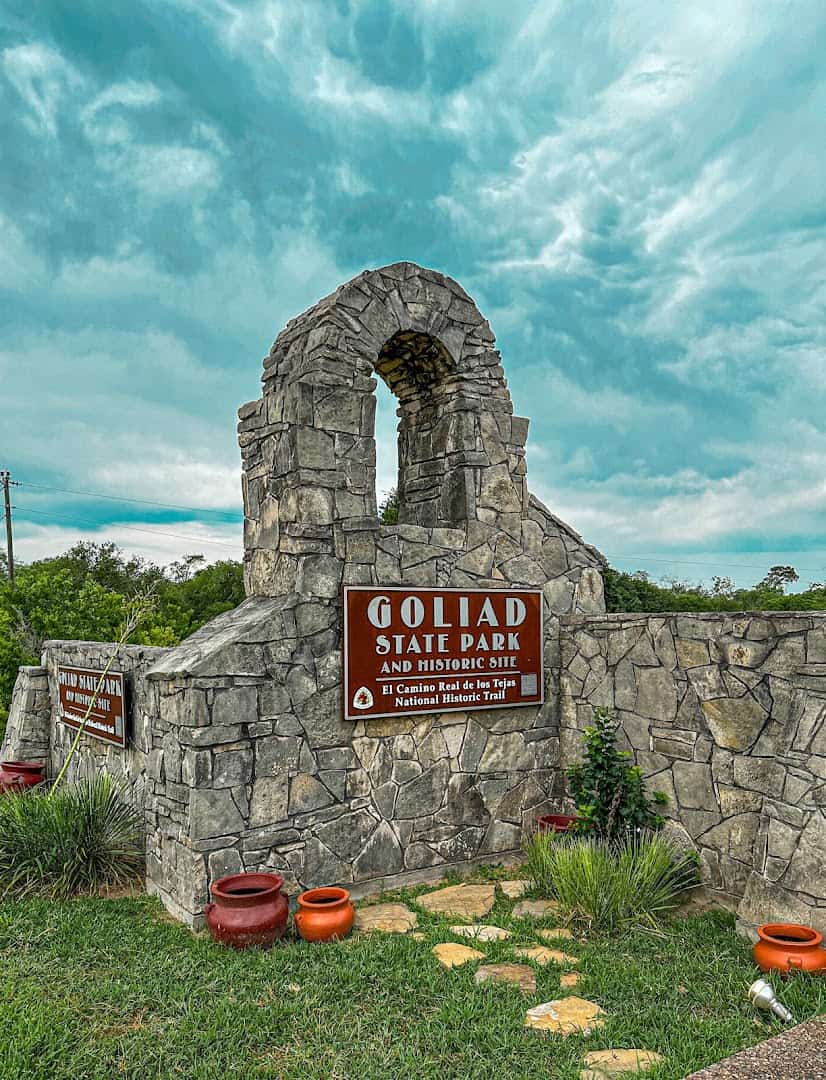
The park sits just south of the town of Goliad on U.S. Highway 183. It is roughly a 90-minute drive from San Antonio, about half an hour from Victoria, and a straight shot down from the Houston area in under three hours.
Point the Car South
Some parks sell you a thrill. This one offers something rarer: a slow river, a rebuilt piece of history, birdsong at dawn, and the room to breathe. All of it for about the price of a fancy coffee.
Load up the kayak or just a folding chair, grab the family, and give yourself a whole day beside the cypress and the old stone walls. You will drive home calmer than you left, and you will already be planning the next visit.
Featured image: kathy palaski via Goliad State Park

Stella Raines
Editor-in-Chief
Stella brings over a decade of storytelling experience to TX Headlines. With roots in West Texas and a love for road trips, she leads the editorial team with an eye for the hidden stories that make Texas unforgettable.
More Stories
This Easy Texas Hike Ends at a Swinging Rainbow Bridge Tucked Deep in the Woods
This Scenic Texas Nature Preserve Hides a Secret Beach Where You Can Dig for Prehistoric Shark Teeth
This Lush Texas Wildlife Sanctuary Has an 18-Foot Boardwalk That Lets You Walk Among the Treetops
This 2-Mile Texas Trail Follows One of the Last Pristine Creeks in the State
Tags