This Depression-Era Texas Bridge Is the State’s Longest Stone Arch, Its 18 Limestone Spans Crossing the Brazos
Nobody sets out to visit a bridge. I’ve driven across a thousand of them without a second glance. A bridge is the boring gap between where you were and where you’re going, and most earn every inch of that reputation.
Then you round a bend in Palo Pinto County and see a low run of stone arches stitched across the Brazos River. Your foot finds the brake on its own.
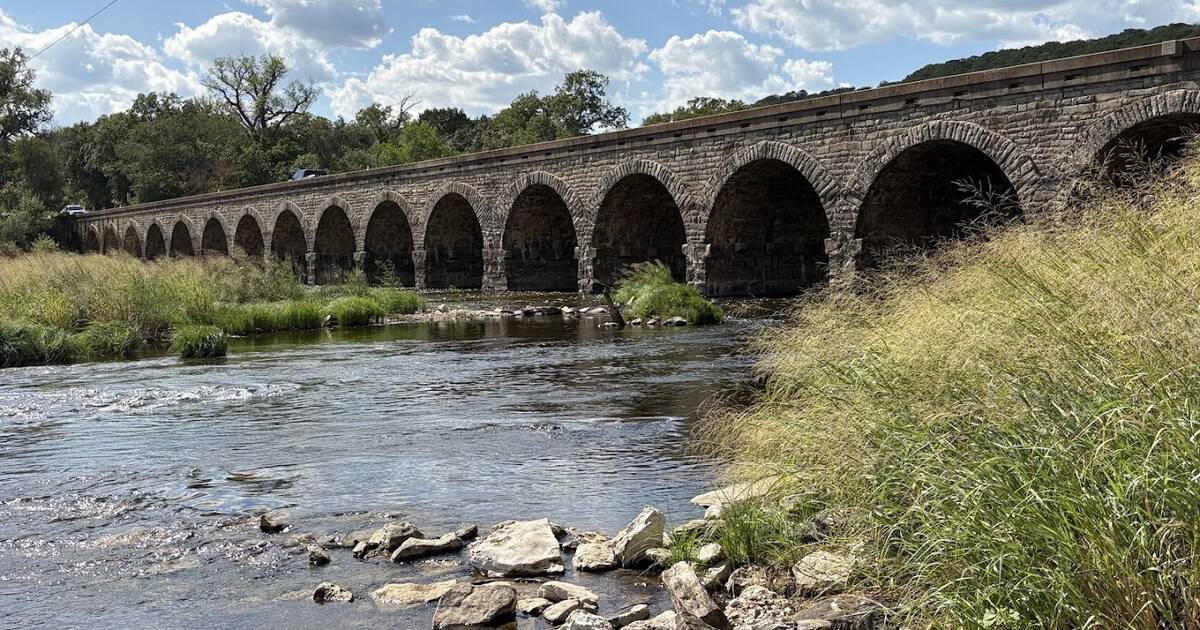
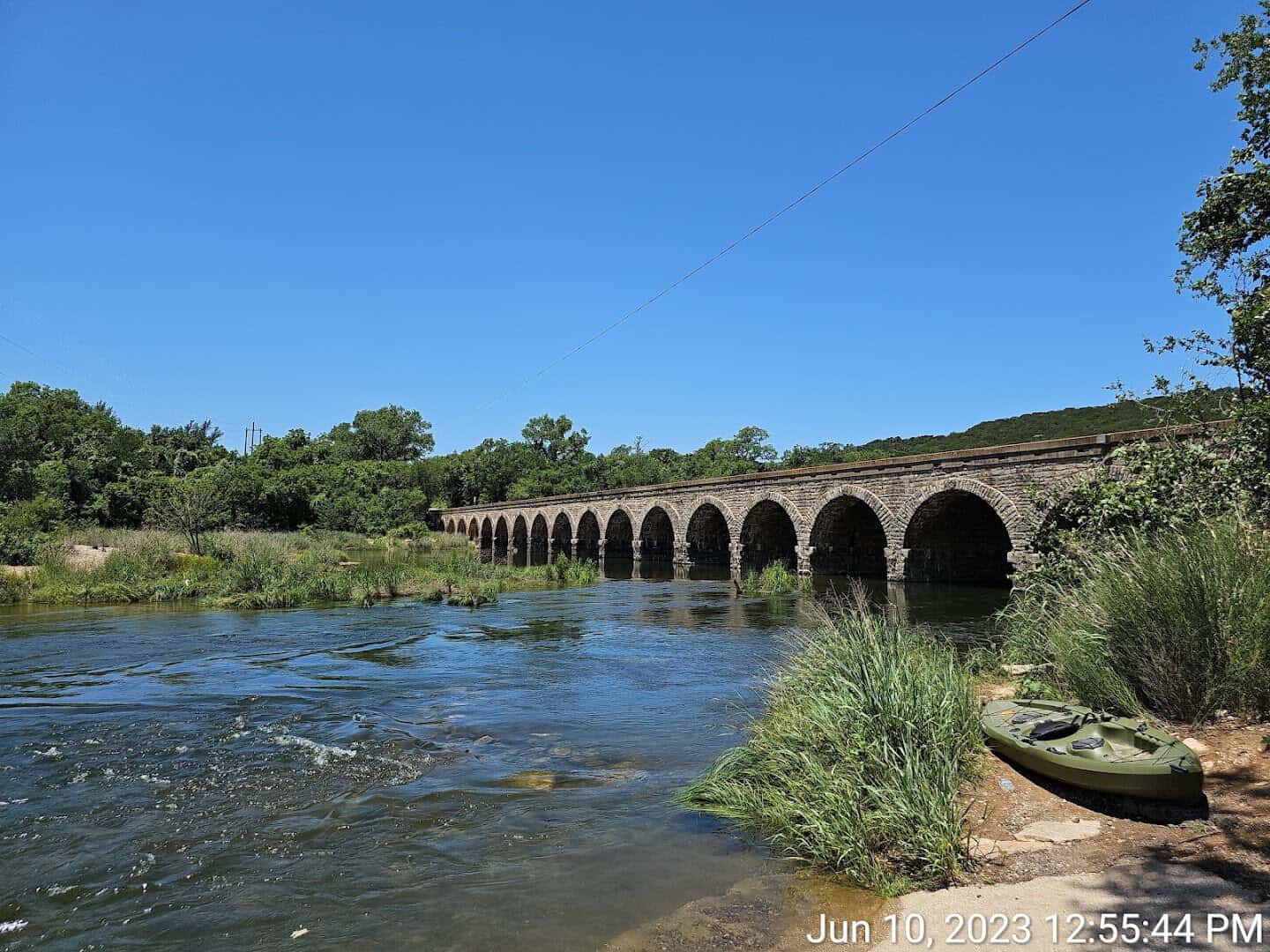
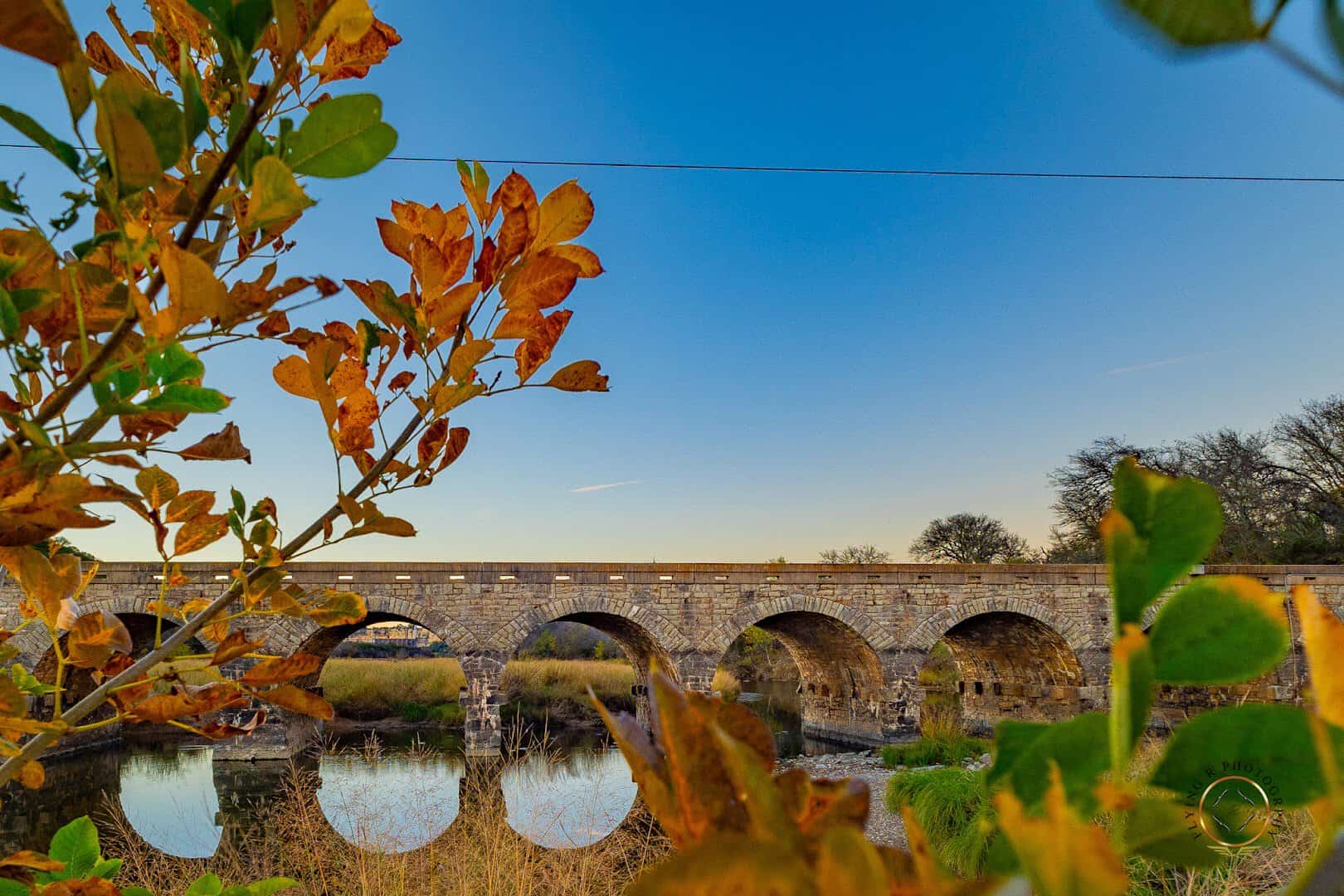
Eighteen arches, all cut from pale local limestone, march bank to bank in one straight, patient line. This is the Possum Kingdom Stone Arch Bridge, and it is the longest stone arch bridge in Texas.
It still carries Highway 16 traffic today, more than eighty years after out-of-work coal miners laid the first stone. Below, we’ll count its arches, dig into how it got built during the Depression, and map out the lake day you can wrap around it.
Eighteen Arches You Have to See From the Side
Here is the catch with this bridge, and it is a good one. Drive across the top and you would never know what you were on.
It feels like any other stretch of two-lane blacktop, a guardrail on each side, the river a quick flash of blue underneath. The whole show is happening below your tires.
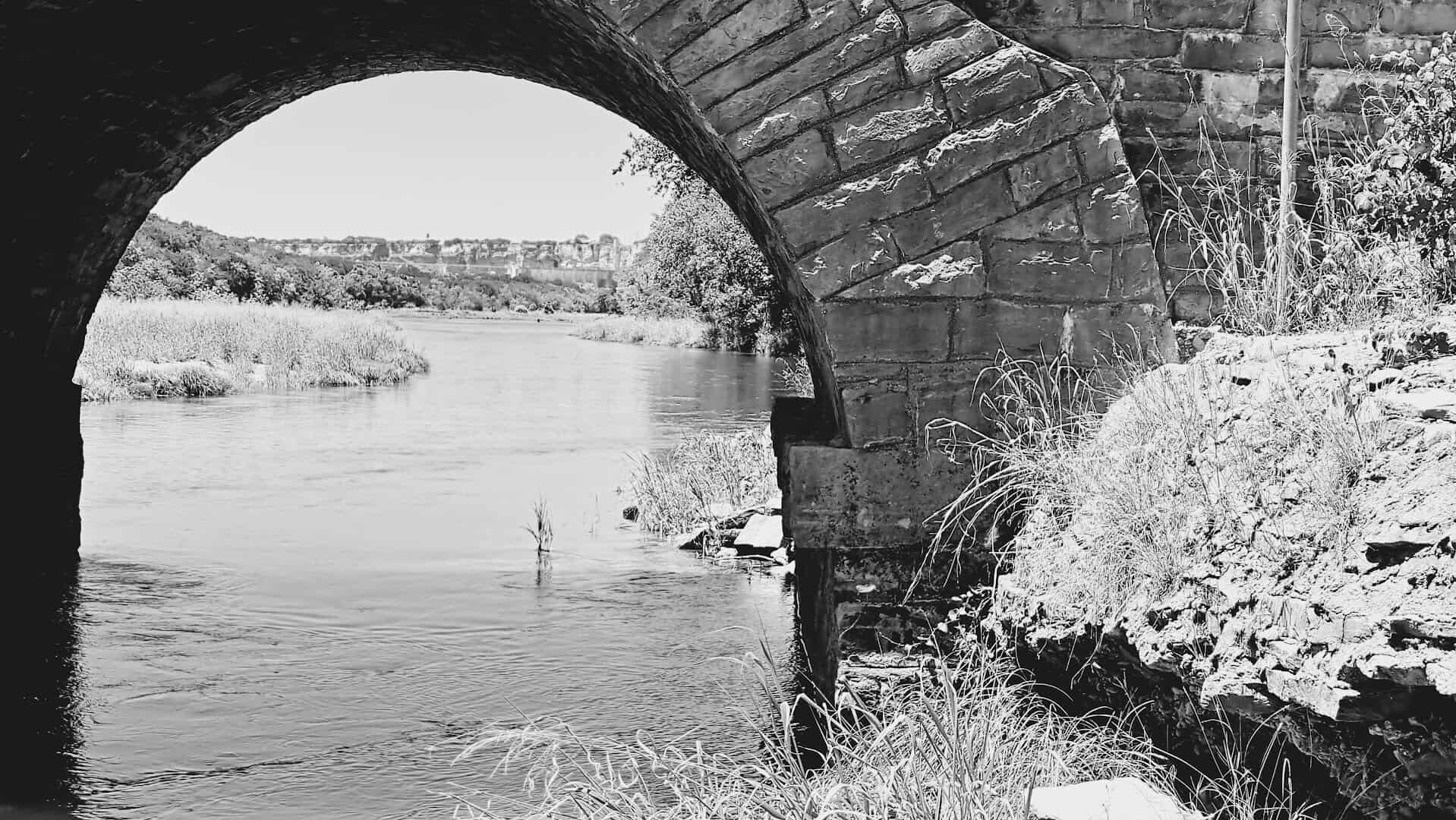
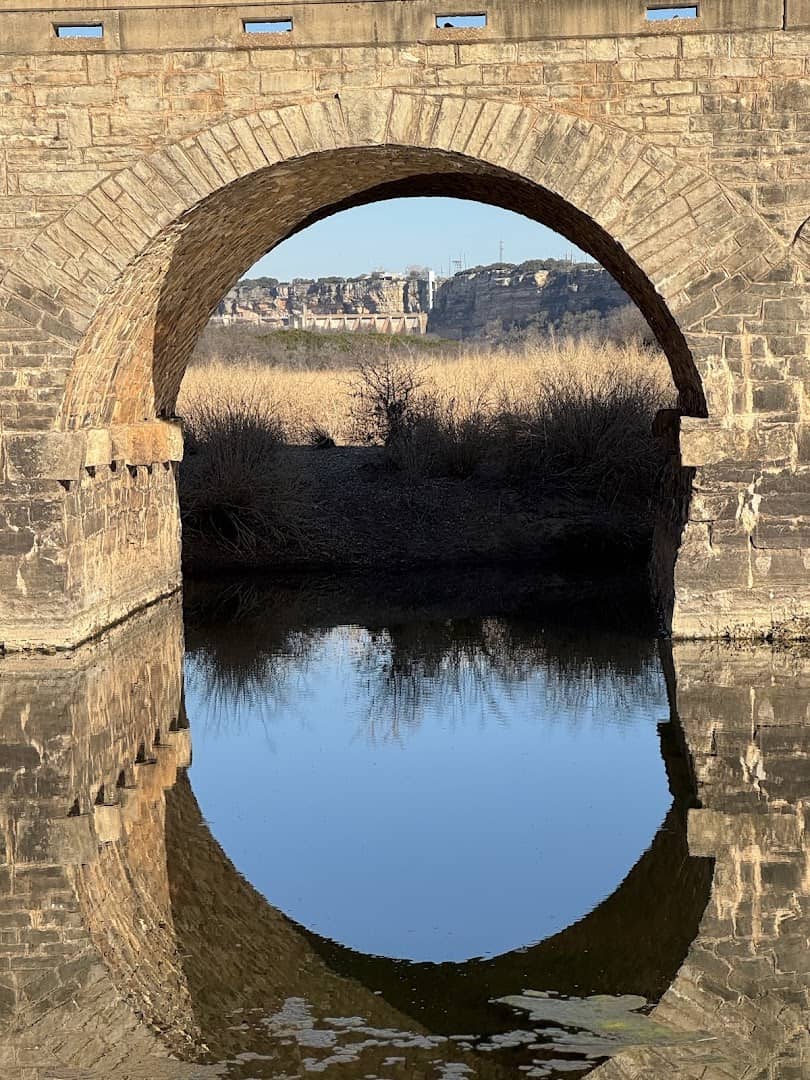
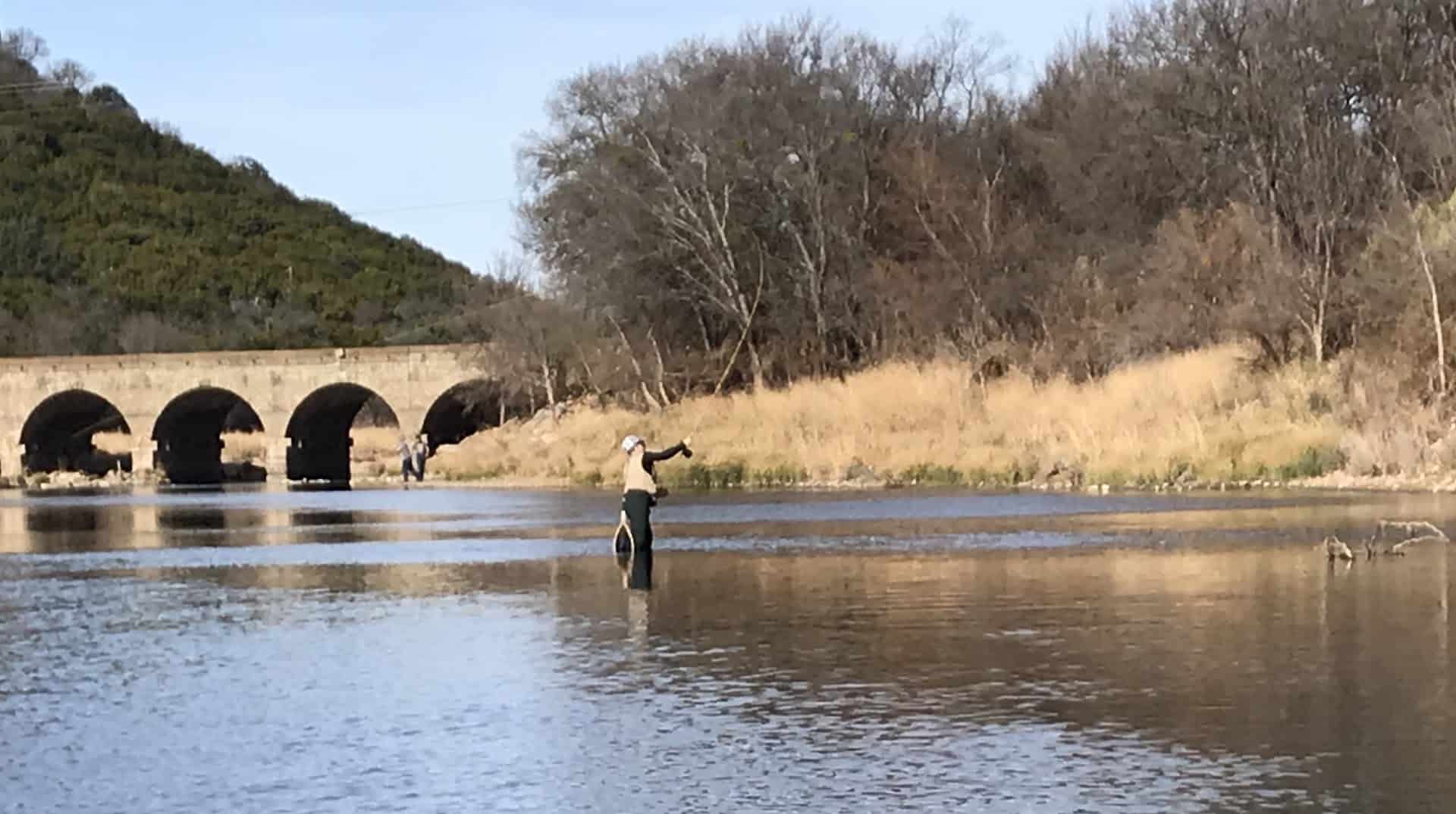
You only get it from the riverbank. Pull onto the gravel shoulder, walk down toward the water, and turn around. That is when the eighteen arches reveal themselves, one after another, doubling in the still water.
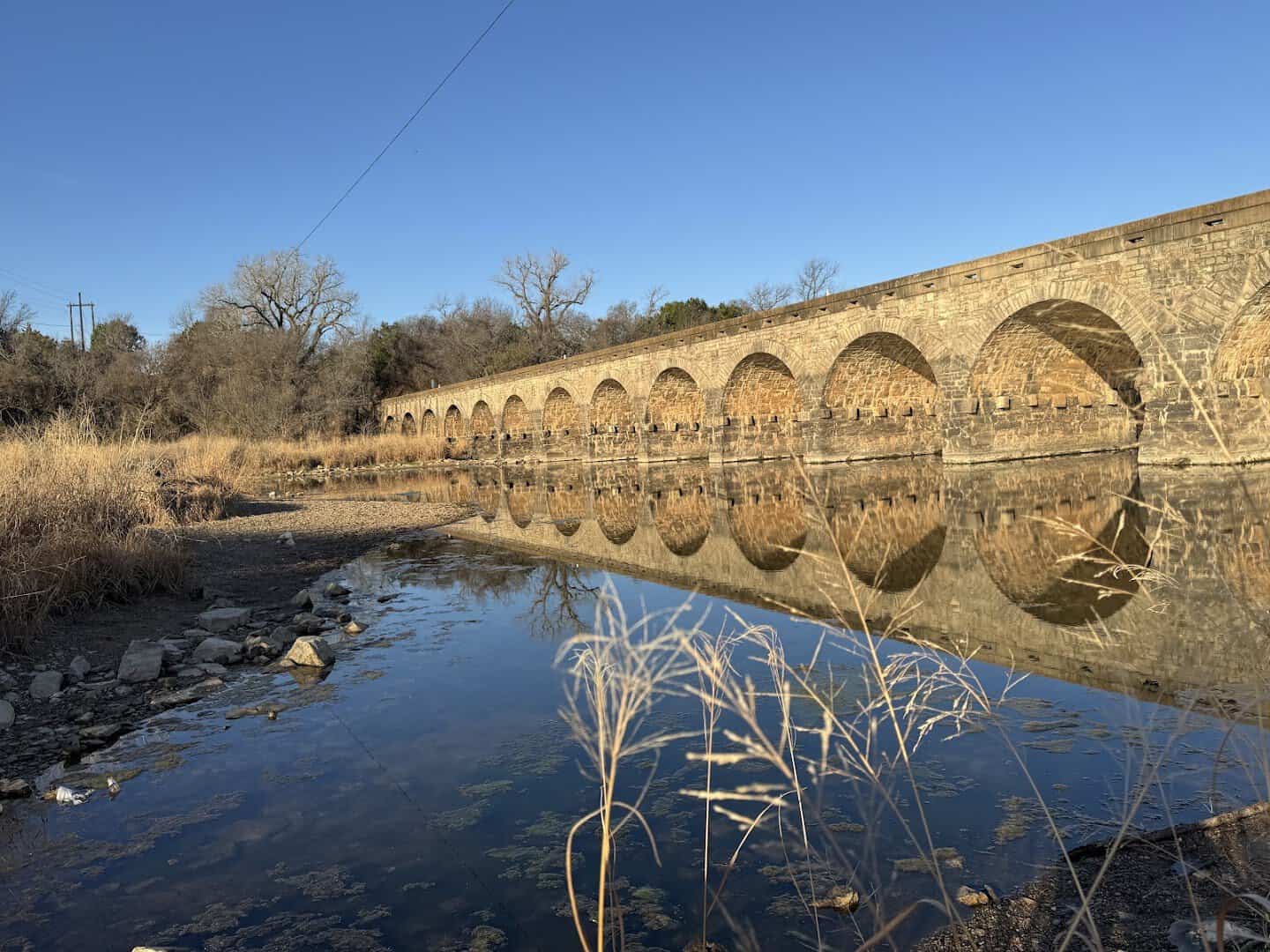
One traveler who stopped to shoot it called it simply “a beautiful place to hike and explore.” That undersells it, honestly.
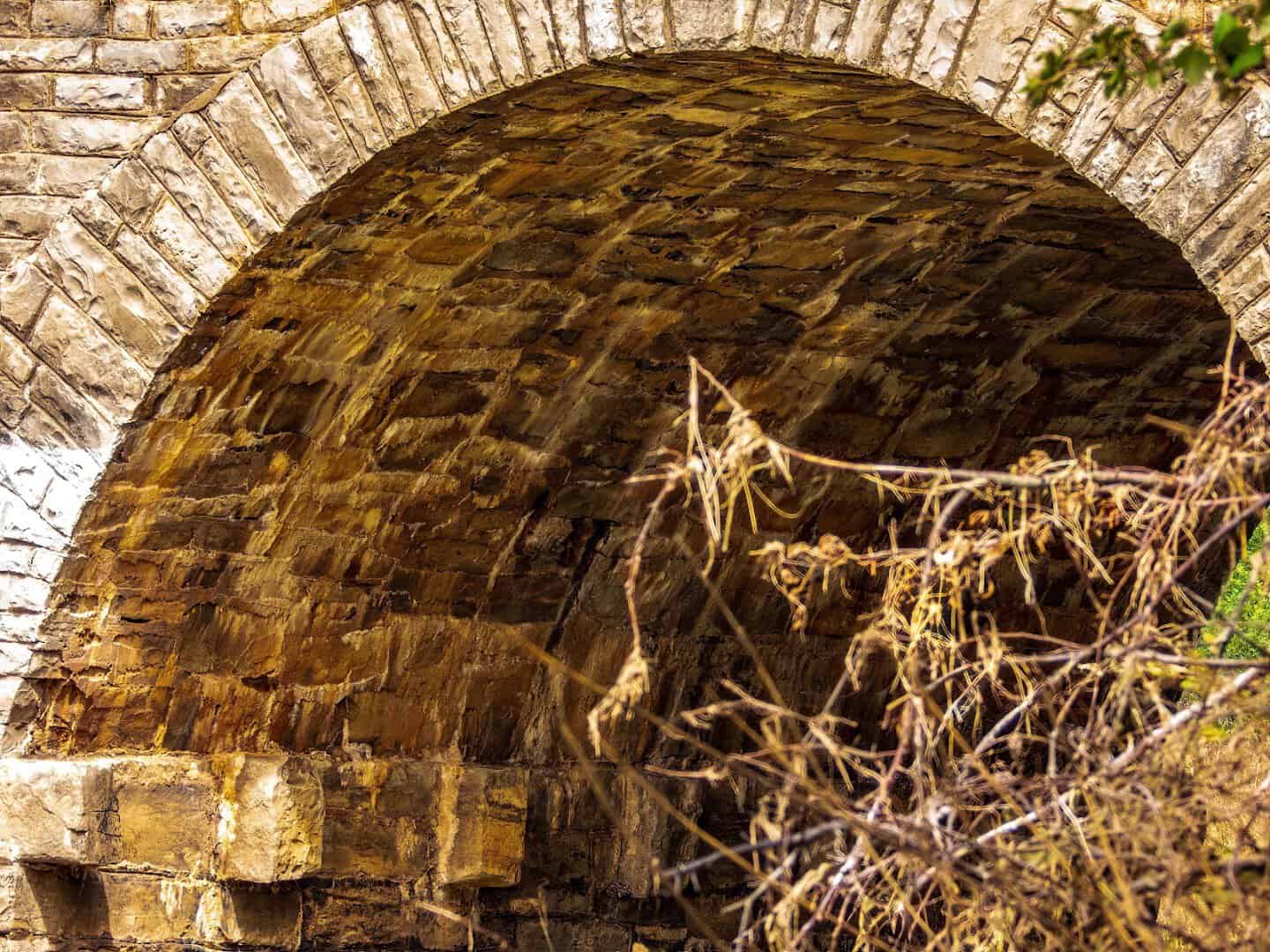
The stonework has a hand-cut roughness no poured-concrete overpass will ever have. Get close and you can still trace the chisel marks left by whoever shaped each block.
Run your hand along the limestone and it is cool and slightly rough, flecked with the fossils that give this Texas stone its character. Every block is a little different from the next.
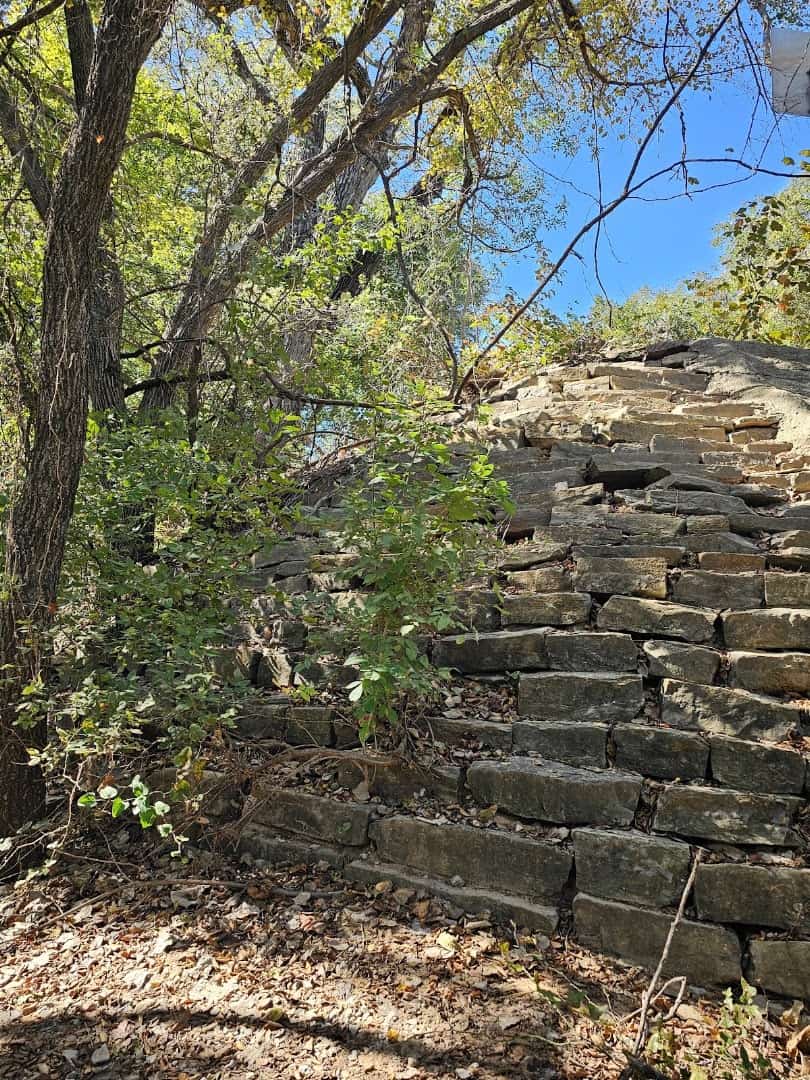
The setting does half the work. The Brazos runs green and slow here, the banks lined with cedar and cottonwood. On most days the loudest sound is a fishing line hitting the water.
Come at sunrise or an hour before sunset for the best of it. The low light rakes across the limestone, throws the arches into deep shadow, and turns the whole span gold. The scene looks about a century older than it is.
The Numbers Behind the Arches
This is a big bridge, and the specifics push it from pretty to remarkable. It runs 433 feet and 4 inches from end to end.
That length earns it the title of the longest and most substantial masonry arch bridge in the entire state. No other stone span in Texas comes close.
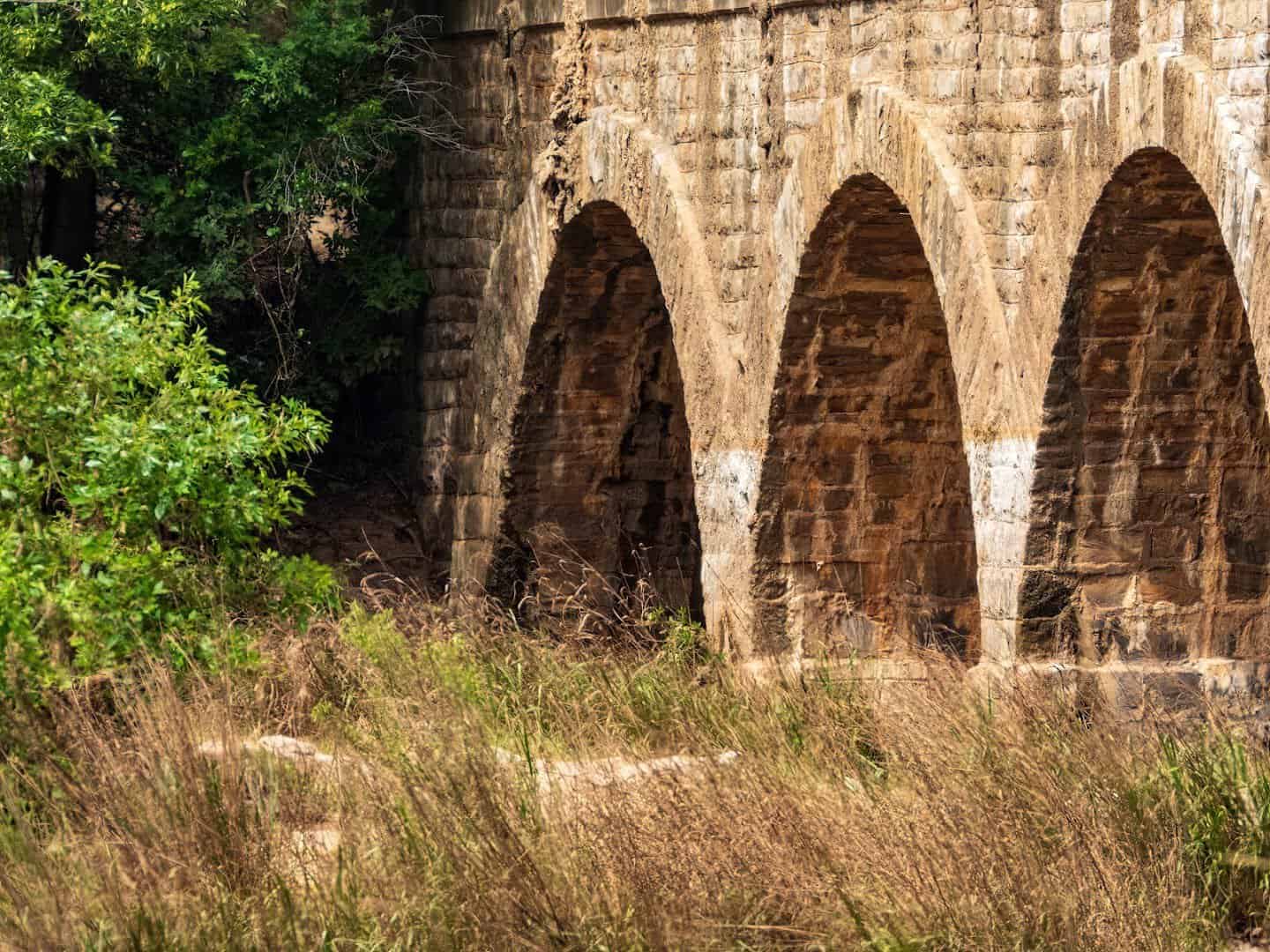
The eighteen arches are not identical, and that is the secret to how alive it looks. Their spans vary from 23 feet to 30 feet, each one rising and falling in its own rhythm.
The result reads as handmade rather than stamped out by a machine. You can feel the difference from fifty yards away.
The roadway on top is narrow by modern standards, a reminder that this was built for the traffic of 1942, not today. Cross it slowly and you feel every one of those eighty years.
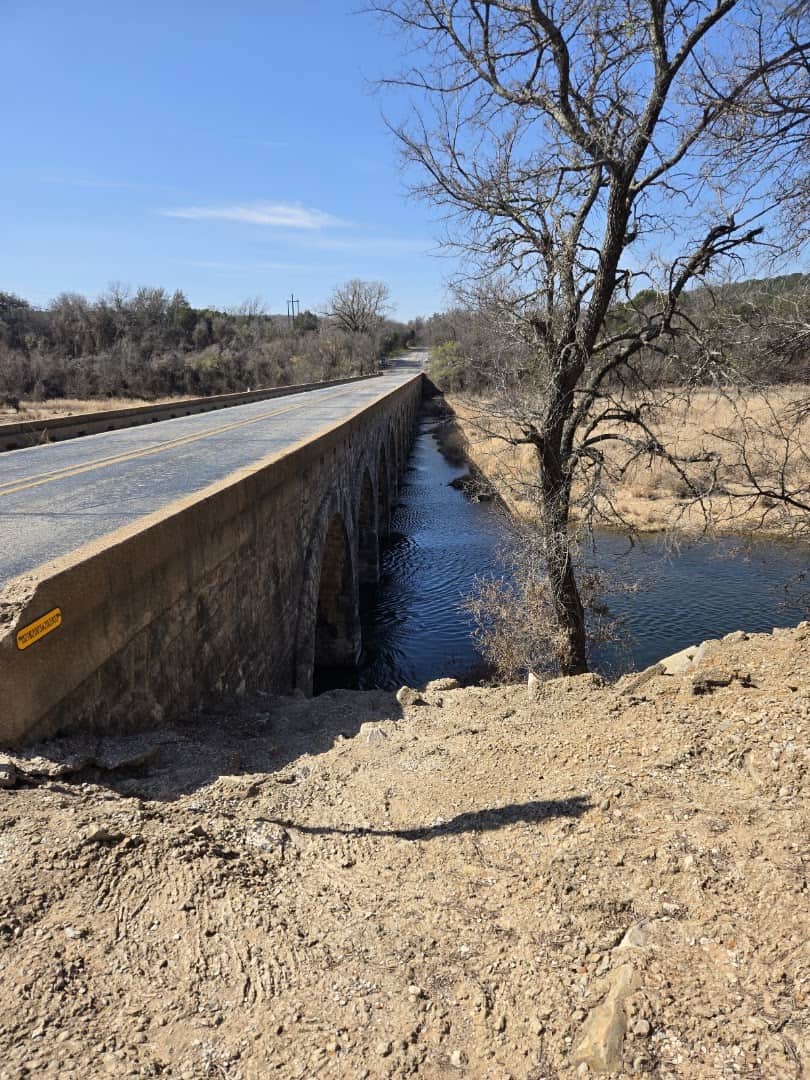
Underneath, the piers stand on solid bedrock. Most are a slim 3 feet wide. Two of them, piers number 7 and 13, widen to roughly 5 feet at the base.
Those are the bracing piers, built heavier on purpose to take the shove of a river in full flood. Everything about this bridge was designed to stay standing.
The raw material adds up in a hurry. It took more than 7,200 cubic yards of locally quarried limestone, every yard of it cut, hauled, and fitted by hand.
Did you know a single cubic yard of limestone can weigh well over a ton? Multiply that out across 7,200 of them and the sheer labor starts to sink in.
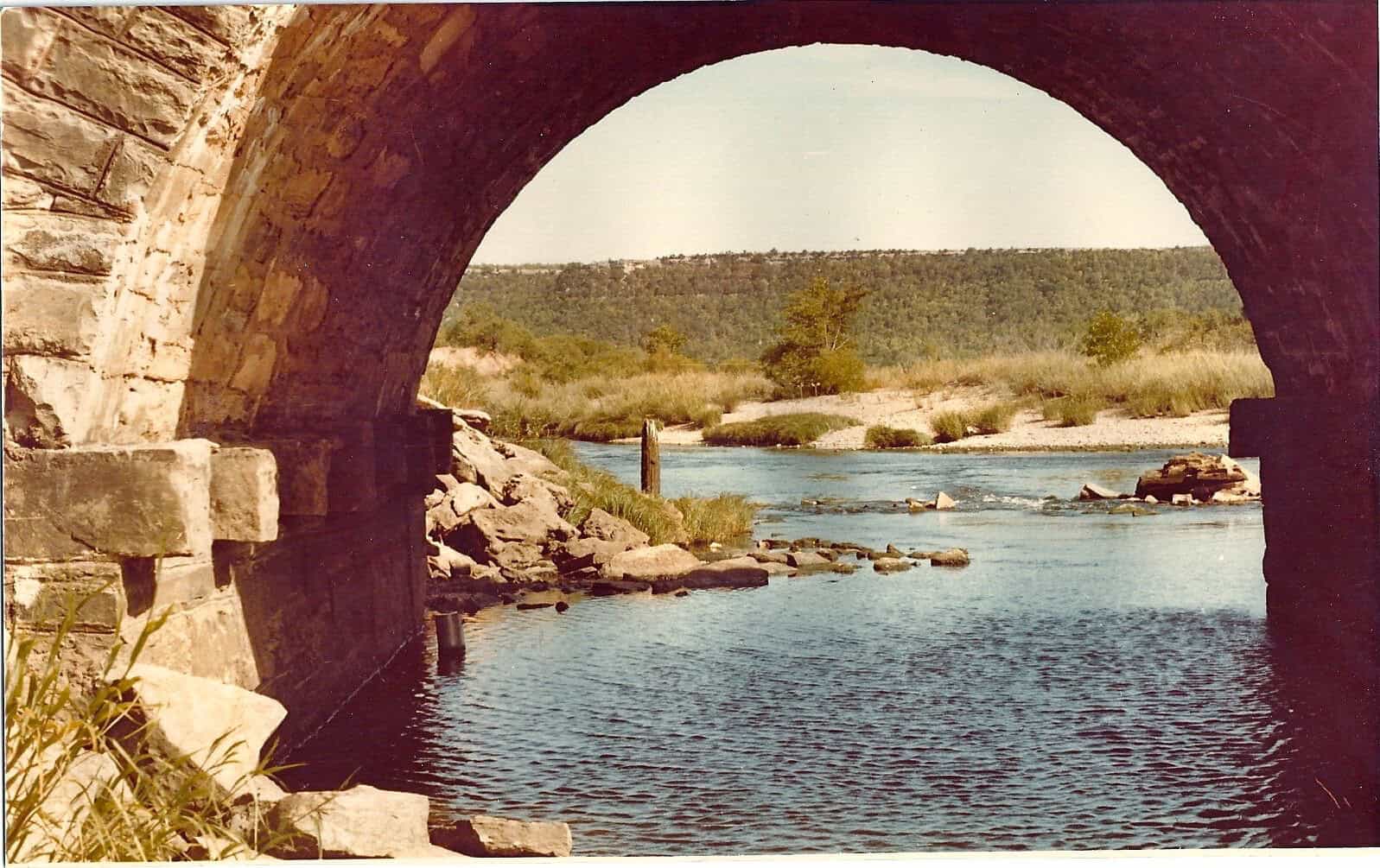
There were no fleets of trucks or cranes making this easy. The stone came out of nearby ground, got dressed to size on site, and went up course by course. What looks effortless from the road was thousands of separate lifts.
Coal Miners, a New Deal, and a Bridge Built to Last
The bridge went up between 1940 and 1942, and the story of who built it is the best part of the visit.
It was a Works Progress Administration project. That was one piece of the flood of public works Franklin Roosevelt’s New Deal pushed out to put Americans back on the payroll during the Depression.
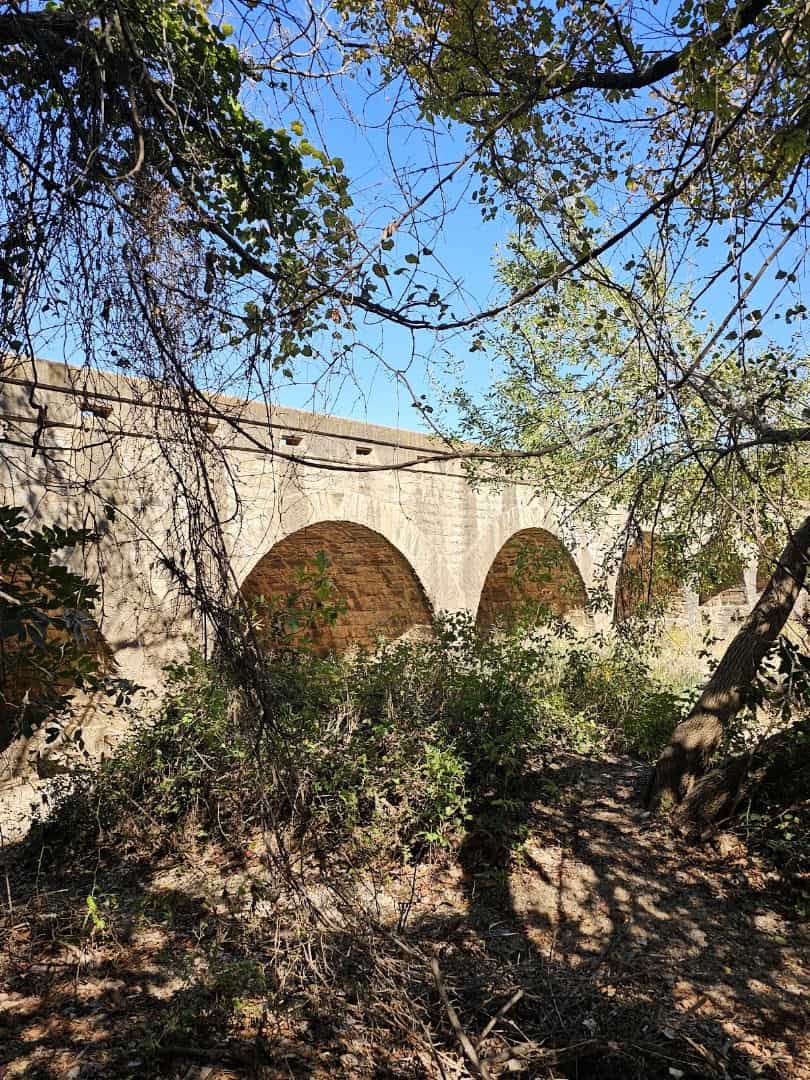
Projects like this one were the whole idea. Instead of handing out relief checks, the government paid people to build roads, parks, and bridges the country would still be using decades later.
The crew was large. Records point to 74 skilled workers and roughly 250 unskilled laborers on the job at its peak.
Many of the stonemasons were former coal miners. These were men who had learned to cut and handle stone in the dark, deep underground, long before they ever set a block in daylight.
Sit with that for a second. The exact skill these men built in one of the hardest jobs going turned out to be the exact skill this bridge needed.
A decade that took so much from working people handed a few hundred of them a chance to make something permanent. Something that would outlast everyone who touched it.
And it has, in style. We still drive on their work every day, photographers still chase it at golden hour, and nobody has ever had to tear it down and start over.
The craftsmanship did not go unnoticed. The Living New Deal, which catalogs projects from the era, calls the bridge “one of the state’s greatest achievements in landscape construction.”
In 1996 the Historic American Engineering Record documented every arch and pier for the national archive at the Library of Congress. The bridge is now part of the permanent record of how this country built its way out of hard times.
Why Anyone Built Something This Solid
You might wonder why a rural river crossing ever needed to be this heavy and this permanent. The answer sits about a mile upstream, and it is enormous.
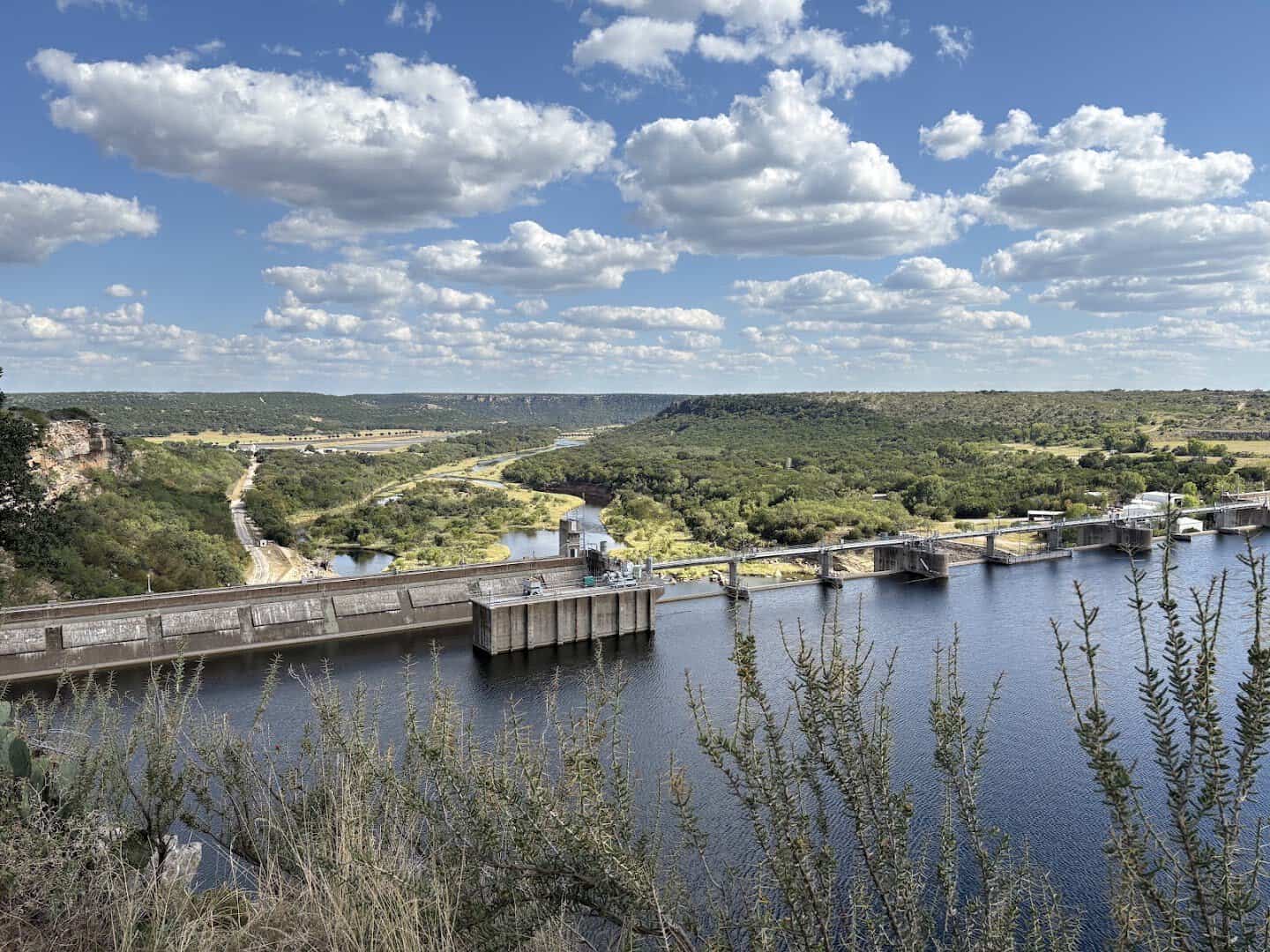
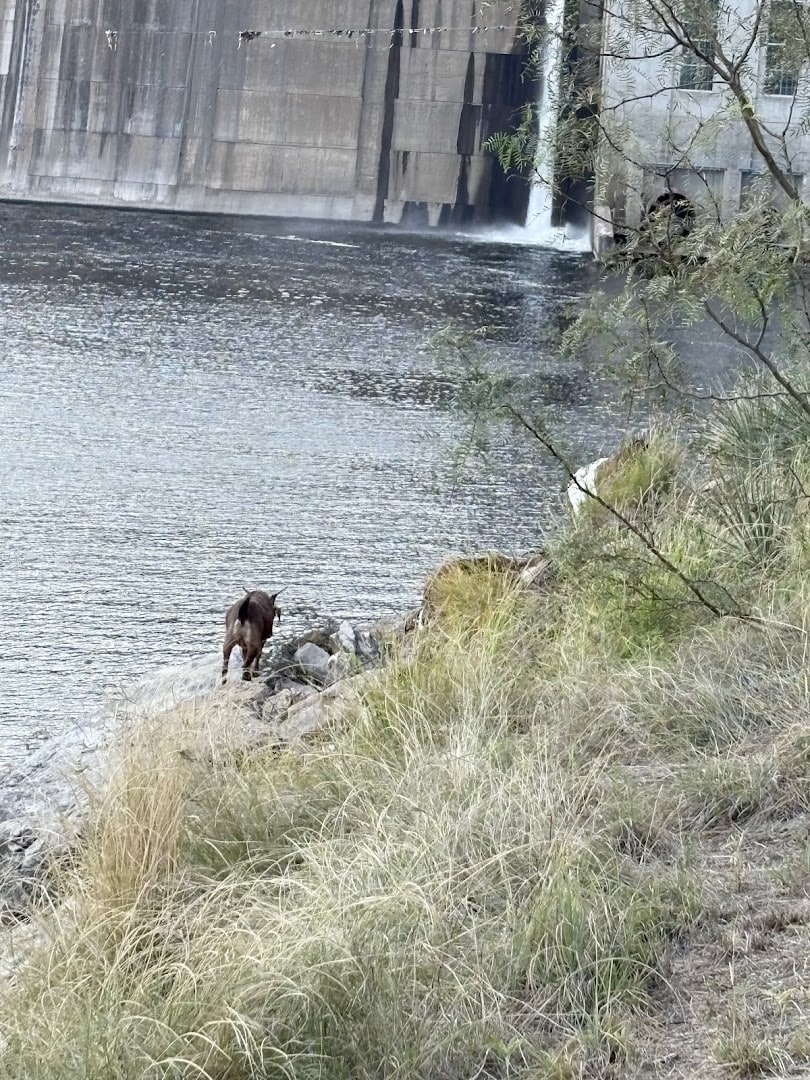
That neighbor is the Morris Sheppard Dam, finished in 1941, which plugged the Brazos and created Possum Kingdom Lake behind it.
A dam that size does not simply hold water back. When the gates open, it sends a controlled surge downstream, and any bridge below it has to survive that surge.
So the state highway engineers chose an ancient, heavy form on purpose. A masonry arch bridge is one of the oldest ideas in engineering.
It also happens to shrug off floodwater in a way lighter, modern designs cannot. The arches let the water rush through, the sheer mass holds the line, and the whole thing stays put.
It has been tested for real, more than once. The bridge has been completely overtopped by floodwater and come through without structural failure.
Picture that. Water pouring clean over the roadway while every arch holds. Pretty good for a shape the Romans would have recognized on sight.
Make a Whole Day of It on the Lake
You would not point the car this deep into Palo Pinto County just for a bridge, and the good news is you don’t have to. The reservoir that made the bridge necessary is the real draw for most people.
Possum Kingdom Lake covers about 17,000 acres and unspools some 310 miles of shoreline through rugged, cedar-covered canyon country.
And that name. Possum Kingdom is one of the great oddball place names in Texas, and there is a story behind it.
As the tale goes, a fur trader named Ike Sablosky bought opossum pelts from trappers all along the Brazos in the 1920s. He called his most reliable suppliers his “possum kingdom,” and the name stuck to the whole stretch of river.
The water is famously clear. On the right day near the dam, divers report visibility from 30 feet to well past 100, which is why the lake has a genuine scuba following.
Snorkelers and free-divers love the coves near the dam for the same reason. Few inland lakes in Texas run this clear or this deep.
The state park is your easiest way in. It offers more than 100 campsites, a handful of rentable cabins with lake views, and three hiking trails that run from easy strolls to real leg-burners.
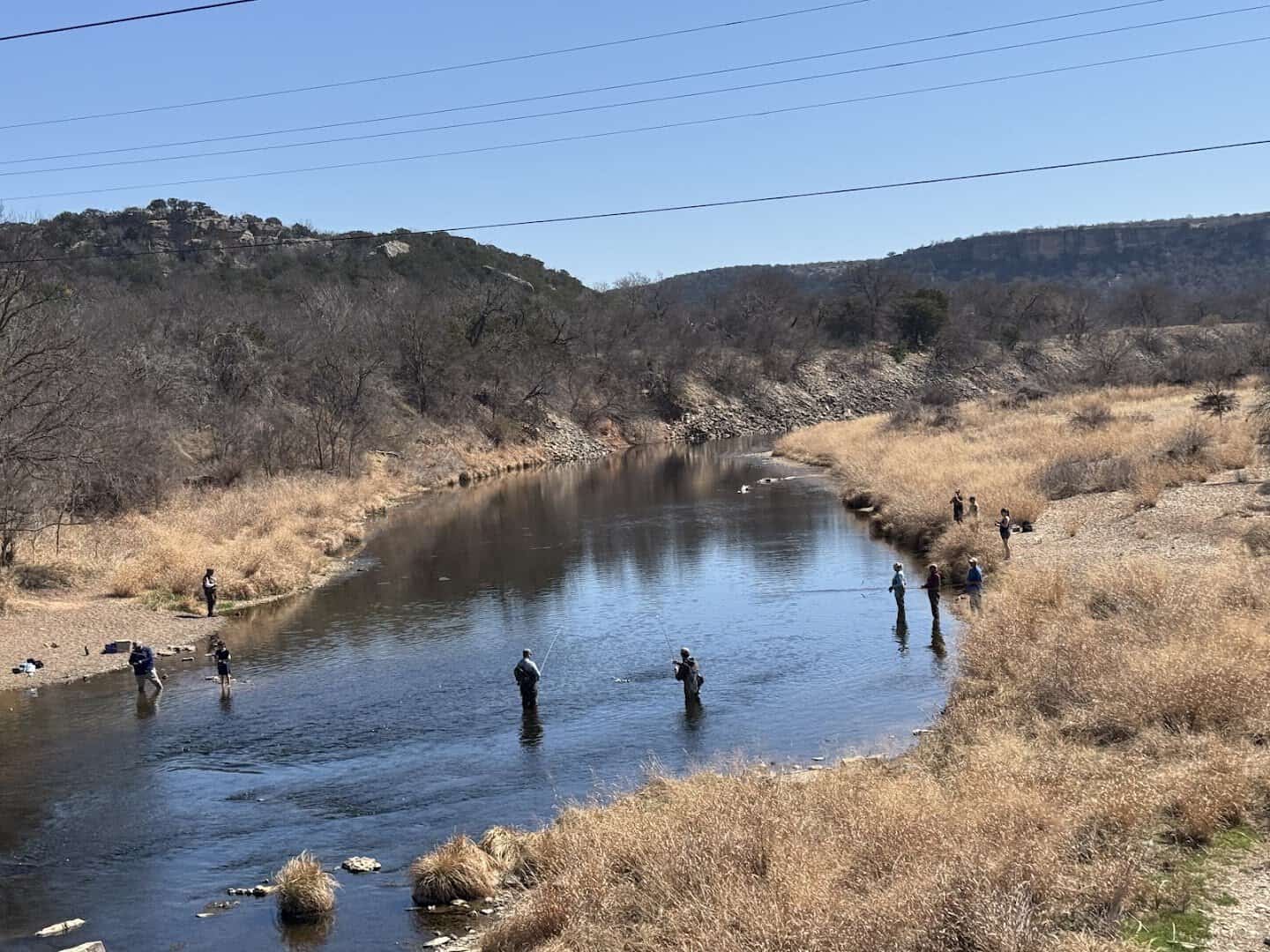
Bring a rod and you can fish for white crappie, several kinds of bass, and catfish. The fishing here has kept families coming back for generations.
In the cold months there is a bonus. They stock trout in the tailwater right below the bridge, so you can land a rainbow and admire eighty-year-old stonework in the same afternoon.
Then there is Hell’s Gate. It is the lake’s signature landmark, a pair of towering cliffs standing guard over the most popular cove on the water.
Boaters raft up there all summer, and the Fourth of July fireworks over Hell’s Gate are the stuff of local legend. It is worth timing a trip around.
Pro tip: bring everything you need with you. This is beautiful, wide-open country, and the nearest full-service town is a fair drive off. Top off the gas tank and load the cooler before you head for the water.
How to Get There
The bridge carries State Highway 16 across the Brazos, roughly a mile below the Morris Sheppard Dam. There are no gates, no admission, and no visitor center.
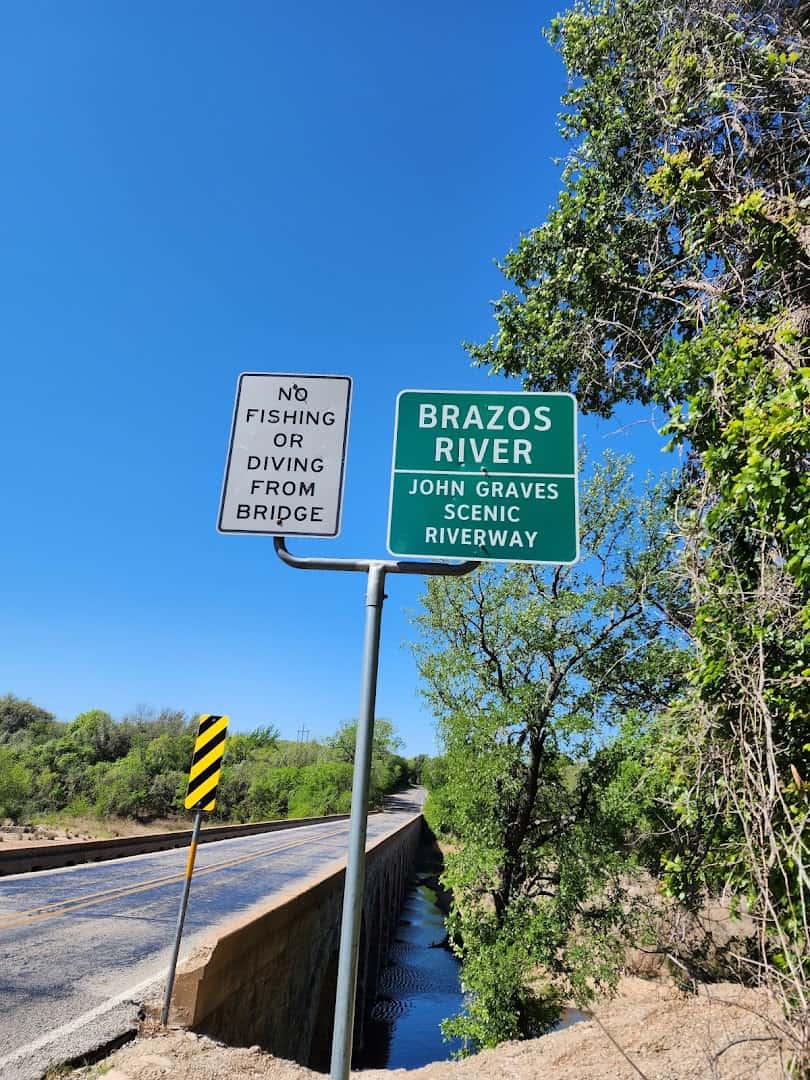
You simply drive up, and the best views are a short scramble down to the riverbank. Wear shoes you don’t mind getting a little muddy.
Where: State Highway 16 at the Brazos River, about 11 miles west of Graford, TX 76449, just below Morris Sheppard Dam. Roadside parking sits along the shoulder on either approach.
For the lake itself, Possum Kingdom State Park sits nearby off Park Road 33 near Caddo. It makes the simplest base for camping, hiking, and getting on the water.
Point the Car West
We build things fast and cheap now, and most of them are designed to be replaced within a generation. That is exactly why a hand-cut stone bridge from 1942, still doing its daily job, hits the way it does.
It was built by people who needed the work and did it beautifully anyway. Eighty years of floods and traffic have not moved it an inch.
So the next time you are anywhere near this corner of North Texas, take the detour. Pull over on the shoulder, walk down to the water, and look back at those eighteen arches doubled in the river.
Then go find Hell’s Gate, drop a line in the lake, and stay for the sunset. You will not be sorry you stopped for a bridge.
Featured image: Natalia Jimenez via Possum Kingdom Stone Arch Bridge

Stella Raines
Editor-in-Chief
Stella brings over a decade of storytelling experience to TX Headlines. With roots in West Texas and a love for road trips, she leads the editorial team with an eye for the hidden stories that make Texas unforgettable.
More Stories

This Colorful Texas Fabric Shop Is a Creative Wonderland for Quilters

This Glowing Texas Museum Lets You Wander Through Hundreds of Antique Stained-Glass Windows
This Under-the-Radar Texas Craft Store Is Where Artists Hunt Down Supplies for Next to Nothing
This Tiny Texas Town Is Home to One of the Most Beautiful Painted Churches in America
Tags