This Lush Texas Wildlife Sanctuary Has an 18-Foot Boardwalk That Lets You Walk Among the Treetops
I will never get tired of the moment a trail leaves the ground. Most of the time we look up at the treetops and guess at what is happening in all that green.
Every so often, though, a place decides to send you up there instead, to the height where the birds actually live.
Down in the southern tip of Texas, tucked against the Rio Grande, there is a refuge that does exactly that. Its canopy walkway lifts you roughly eighteen feet off the forest floor and sets you eye to eye with the branches.
You are not watching a subtropical jungle from below anymore. You are standing right inside it.
Below, here is everything worth knowing before you point the car toward Alamo: the walk itself, the four hundred kinds of birds, the trails that wander down to hidden lakes, and the strange, lucky history that saved this patch of forest in the first place.
A Stroll Above the Treetops
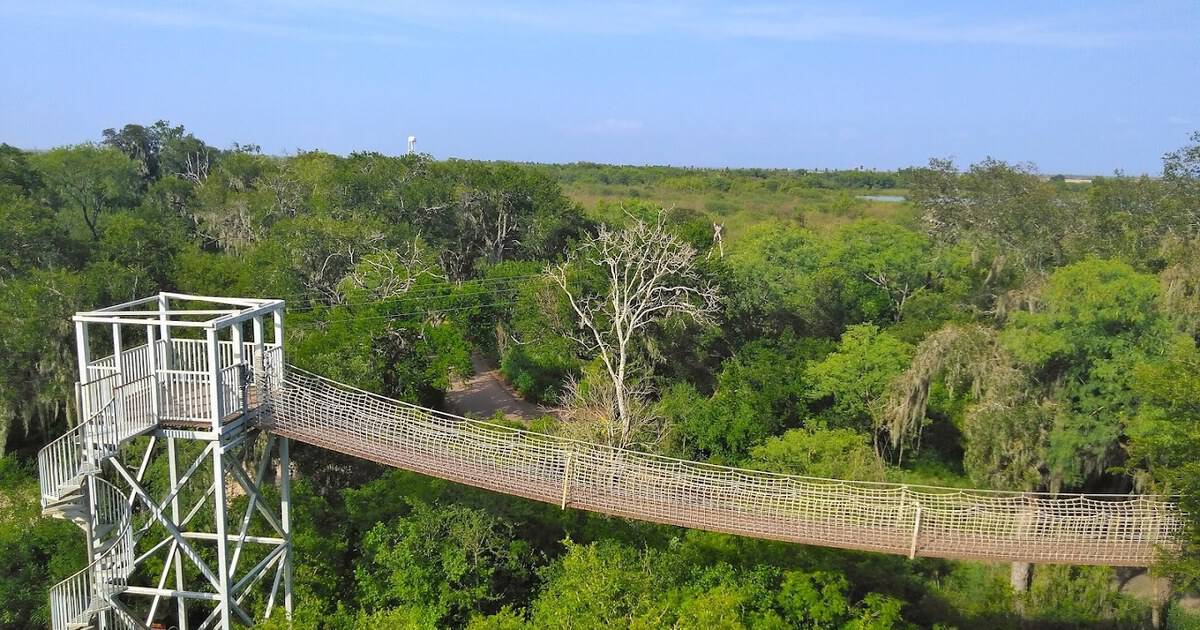
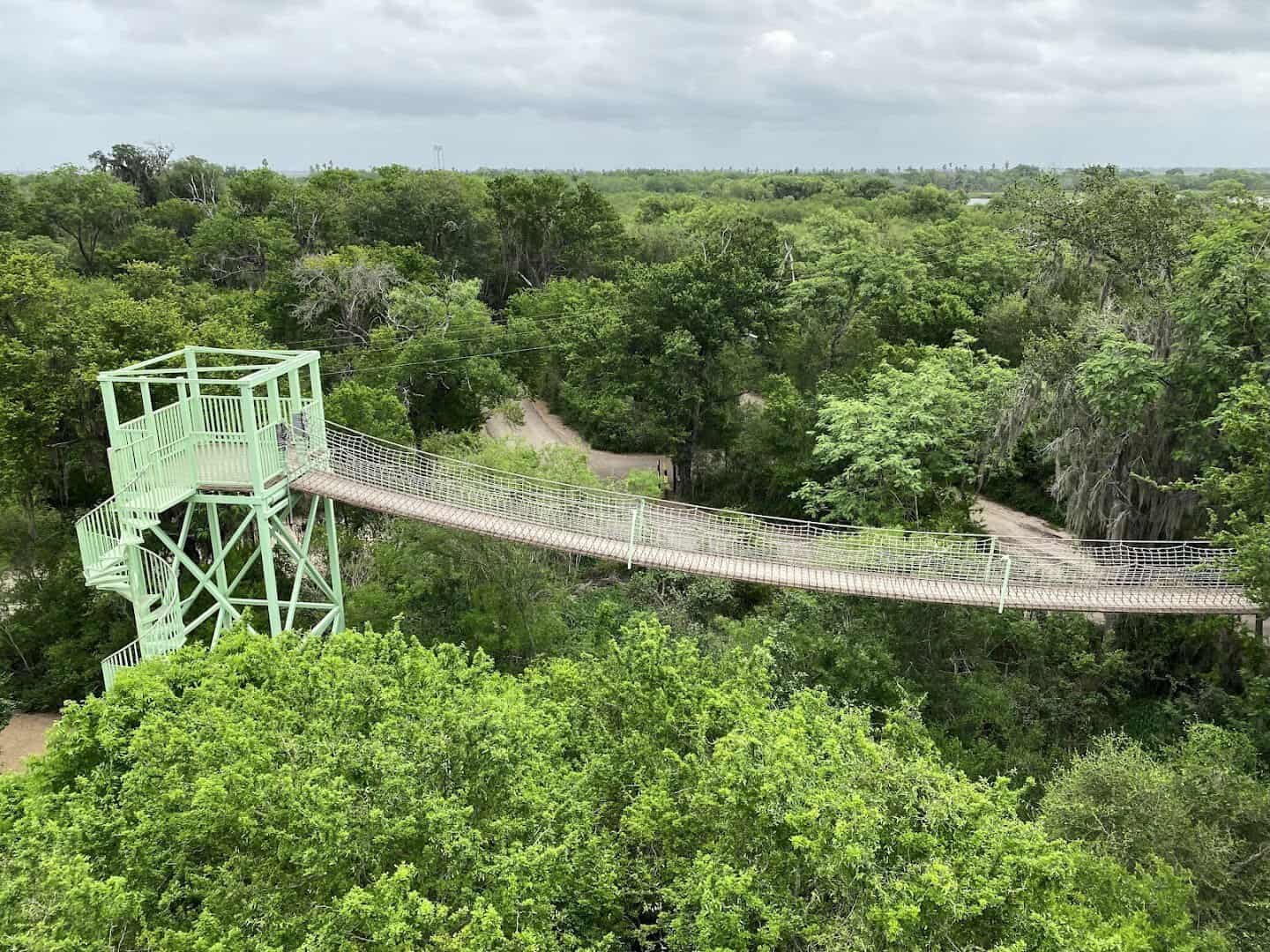
The whole reason this refuge keeps showing up on people’s must-see lists is the canopy walk. Picture two tall towers rising out of a grove of Texas ebony and anacua trees, joined by a bridge that runs high through the leaves.
You climb, and the world changes fast. At about eighteen feet up you reach the level where warblers flit and green jays call, close enough to watch a bird preen with no branch in the way.
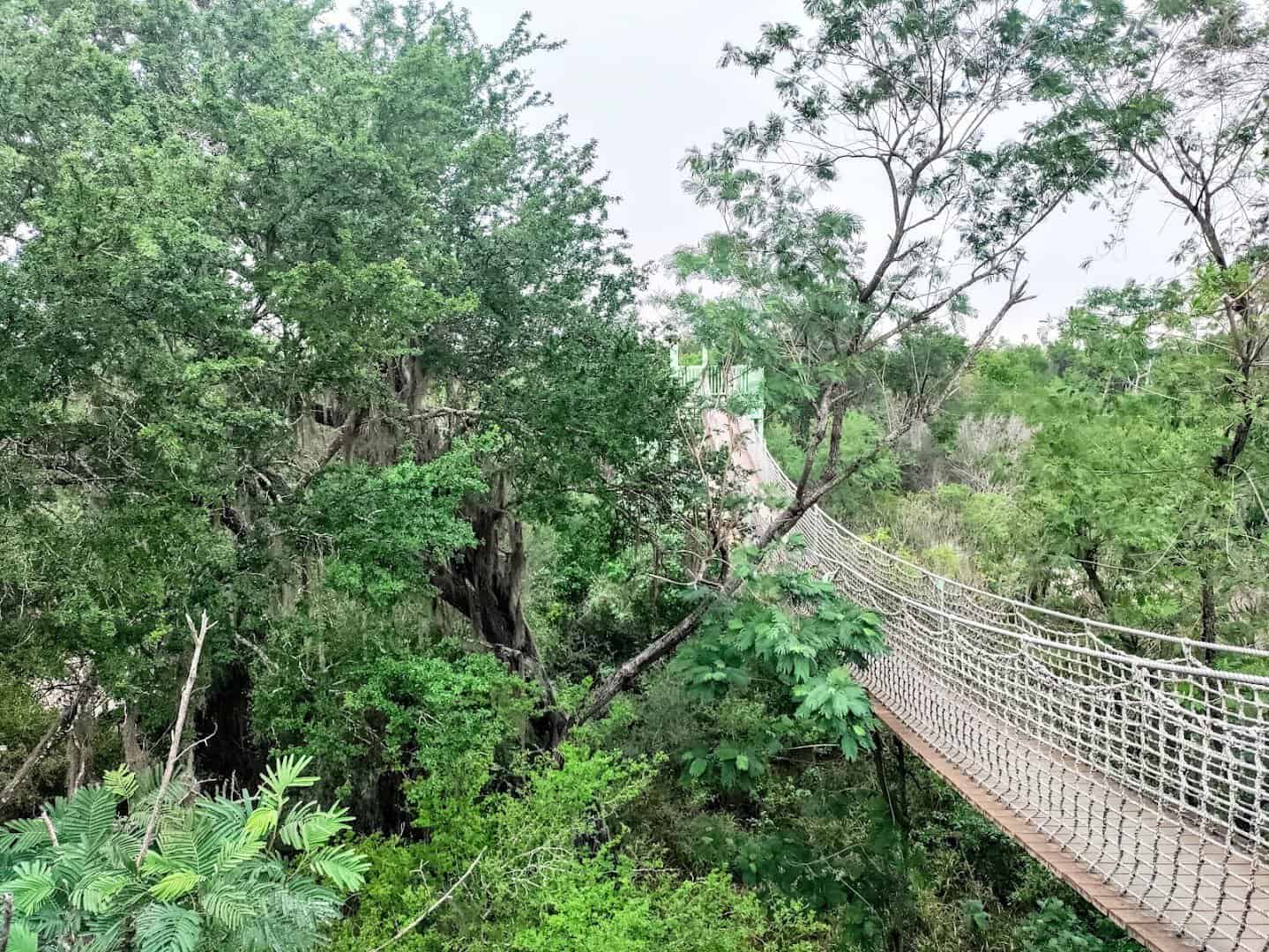
The bridge gives a little as you cross, the friendly sway of a walkway built to move.
Keep climbing and the taller tower carries you to forty feet, well above the tree line. From the top the view opens across the whole refuge and out over the Rio Grande floodplain, and on a clear day you can see into Mexico on the far bank.
It is the kind of overlook that makes you go quiet.
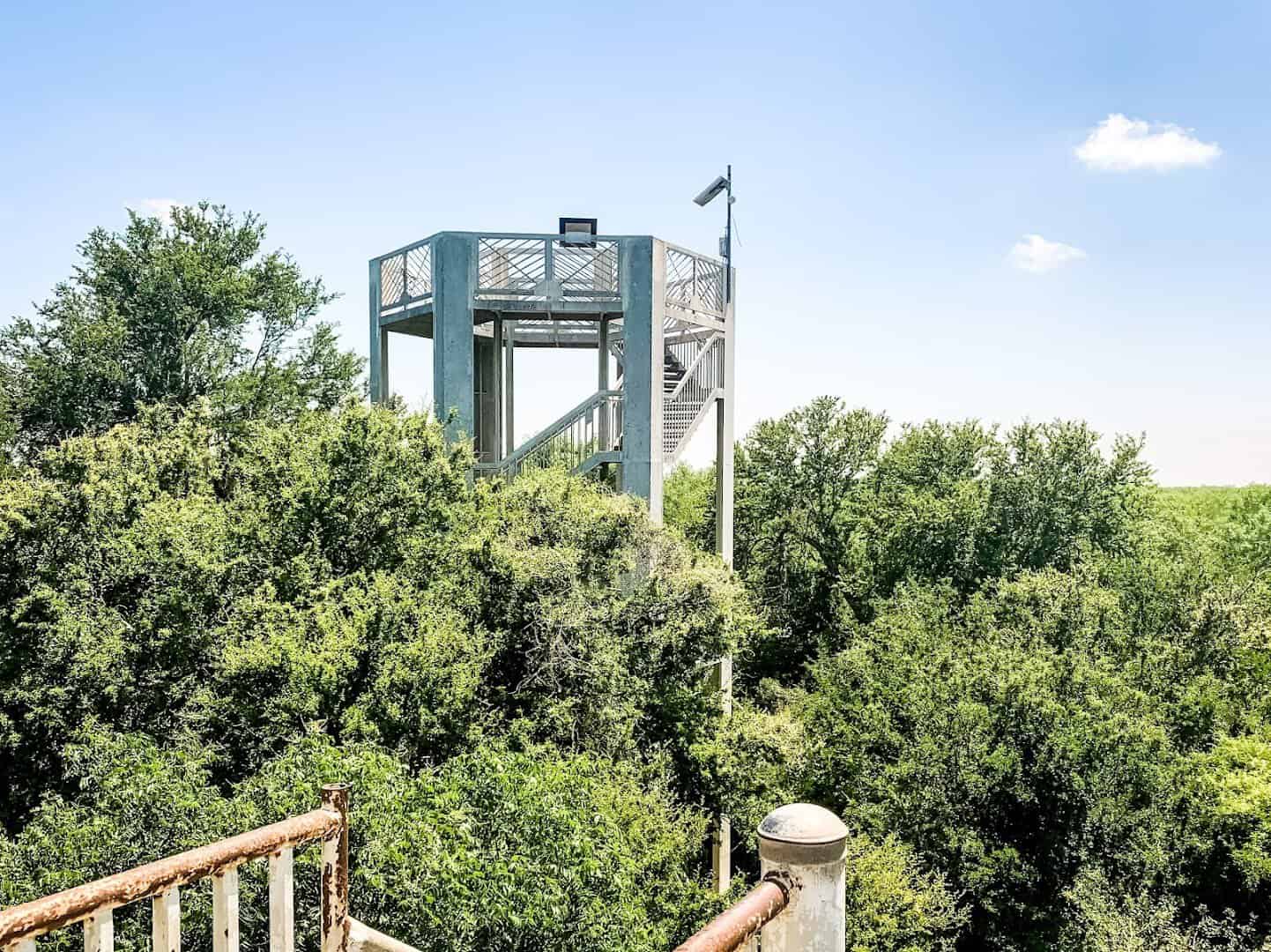
This is not some brand-new attraction bolted on for tourists. The canopy walk has been part of the refuge experience for years. It remains one of the only spots in Texas where an ordinary visitor can stroll through a forest at bird height, no rope or harness in sight.
The trees you are walking through matter as much as the height. Texas ebony and anacua are tough, dark-leaved natives of the Rio Grande Delta, and up here you see them the way a bird does, all knotted branches and hidden nests instead of just trunks.
Come early. The light is soft, the heat has not arrived, and the canopy is at its loudest and busiest right after sunrise, when everything with wings is out looking for breakfast. Late afternoon works too, when the birds come back to roost and the towers empty out.
Four Hundred Kinds of Wings
Birders talk about this place the way food lovers talk about a legendary pit. More than four hundred bird species have been recorded here, which is a staggering number for one small pocket of land.
The reason is geography. The refuge sits at a crossroads where major migration routes funnel together, so spring and fall turn the trees into a moving, singing traffic jam of feathers. Warblers, orioles, herons, and hawks all pass through.
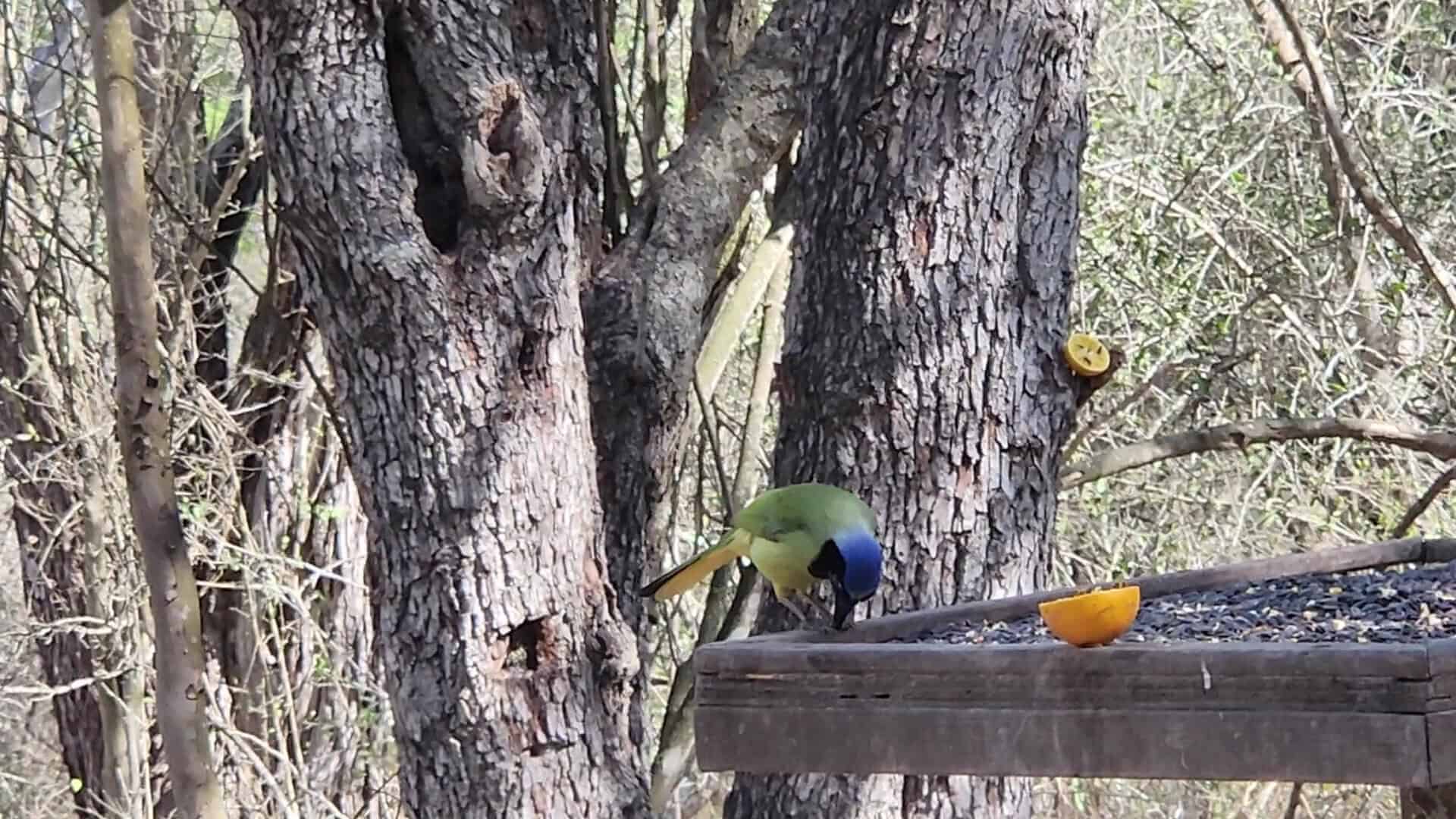
Then there are the residents you will not easily find anywhere else in the United States. The green jay, dressed in colors that look almost tropical. The plain chachalaca, a noisy chicken-sized bird that announces the morning whether you are ready or not.
The great kiskadee and the flame-colored Altamira oriole round out the cast.
Did you know? Roughly half of all the butterfly species found in North America have been spotted at this one refuge. On a warm afternoon the trails flicker with them, tropical strays that drifted up from Mexico and Central America.
And somewhere in the thornscrub, rarely seen but very much present, move two of the most elusive cats on the continent. This is one of the last strongholds of the ocelot, and the jaguarundi has been recorded here too.
You almost certainly will not see one. Knowing they are out there is its own quiet thrill.
Serious birders fly in from around the world for species that reach the United States only in this narrow strip of South Texas. The Altamira oriole, the buff-bellied hummingbird, the clay-colored thrush, the northern beardless-tyrannulet. Names most Texans have never heard, treasures to the people who keep life lists.
The refuge anchors a whole network of birding sites across the Lower Rio Grande Valley, and it draws big crowds during the region’s fall birding festivals. Want company and expert guides? Come in November. Want the trails mostly to yourself? Come on a quiet weekday morning.
Trails That Wander to the Water
Beyond the canopy walk, about twelve miles of trails thread through the refuge, and they are gentle, flat, and made for wandering rather than conquering.
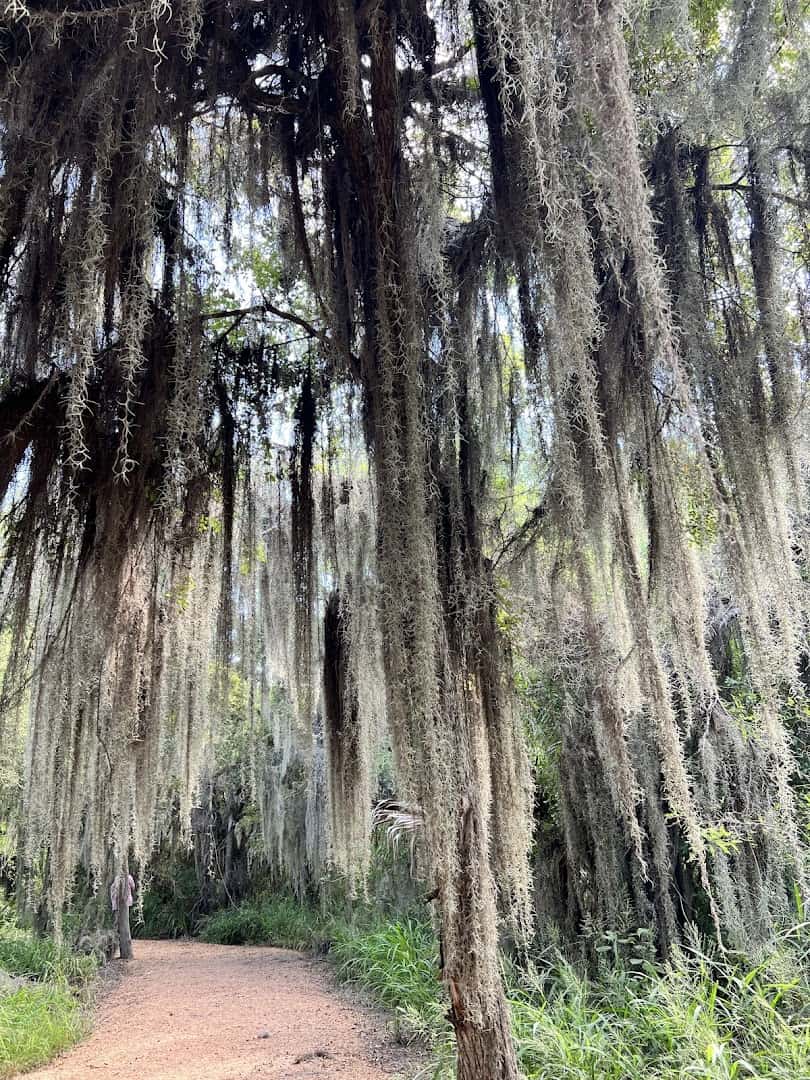
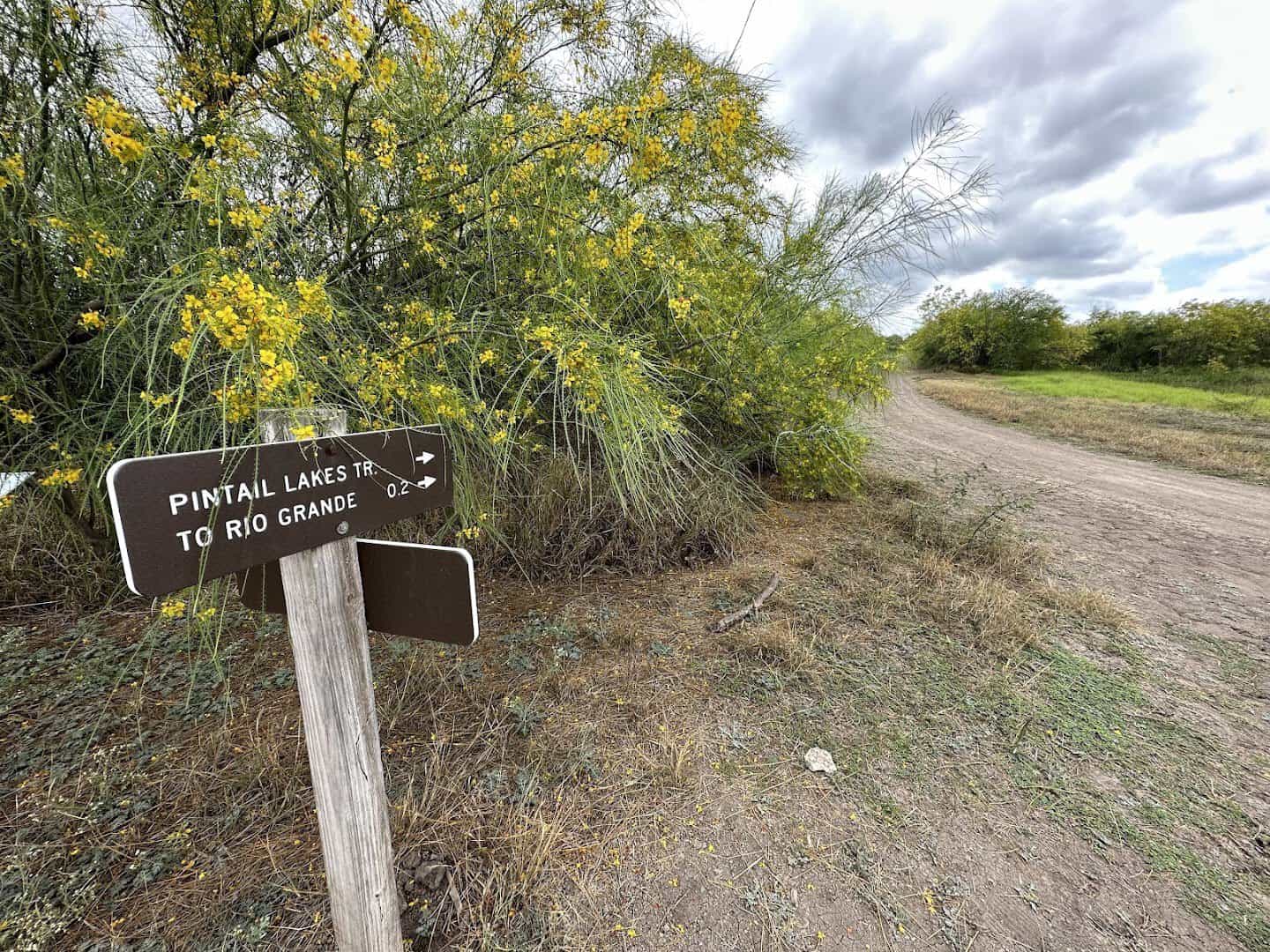
The most popular is the Chachalaca Trail, a half-mile path that slips through the shade and leads you down to the Willow Lakes. Elms and Rio Grande ash lean over the water, and the resacas, old oxbow bends of the river, sit calm and glassy.
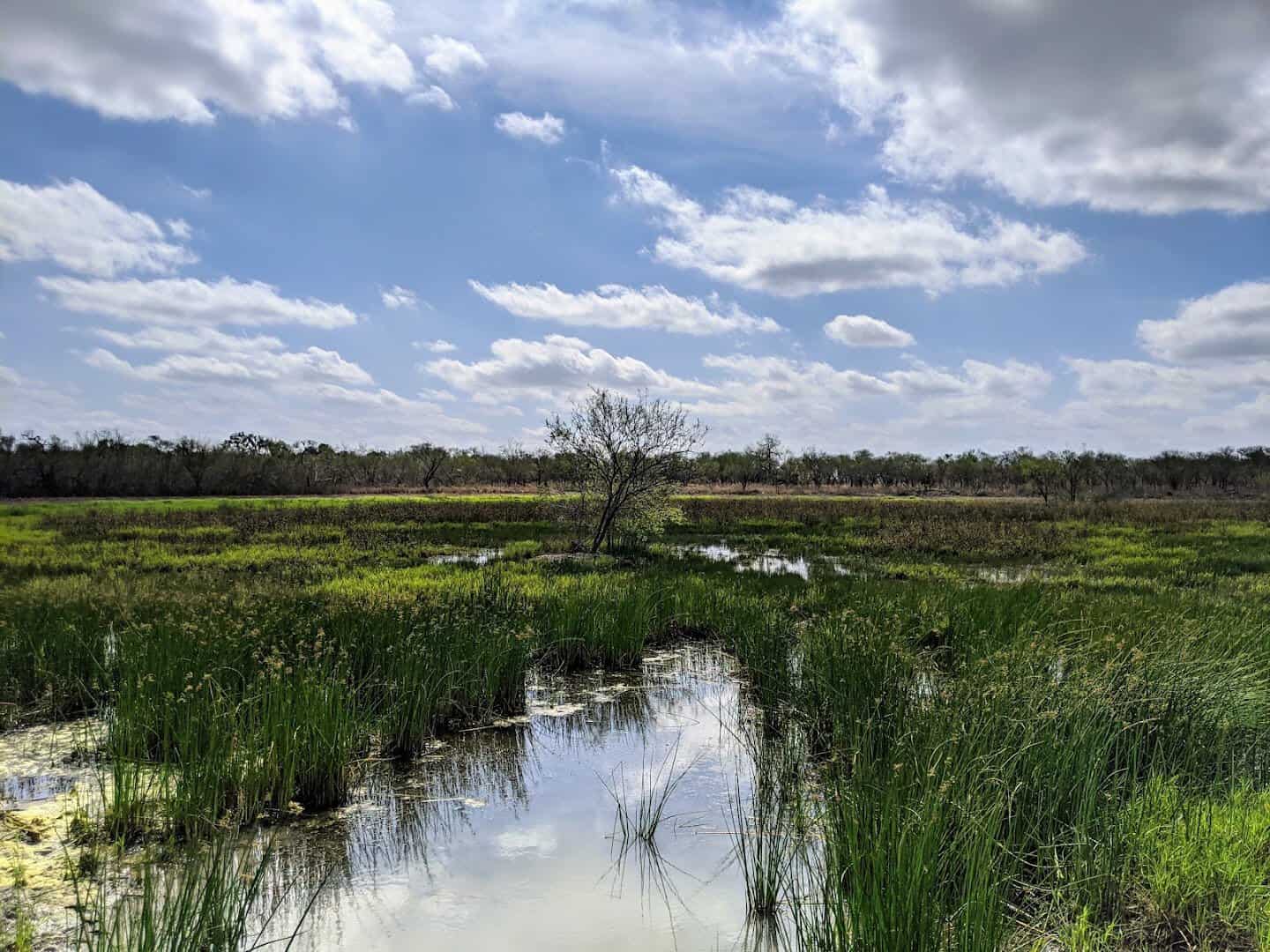
Those lakes are where the show gets good in the cooler months. Pintail Lakes and the other wetland ponds fill with waterfowl, and the still surface throws back a perfect mirror of the sky. Bring the camera you keep telling yourself you will start using.
Prefer something short and smooth? The paved Malachite Trail near the visitor center runs an easy fifth of a mile and is fully accessible, so a stroller or a wheelchair rolls right along it. You need not be a serious hiker to feel like you have stepped into another country.
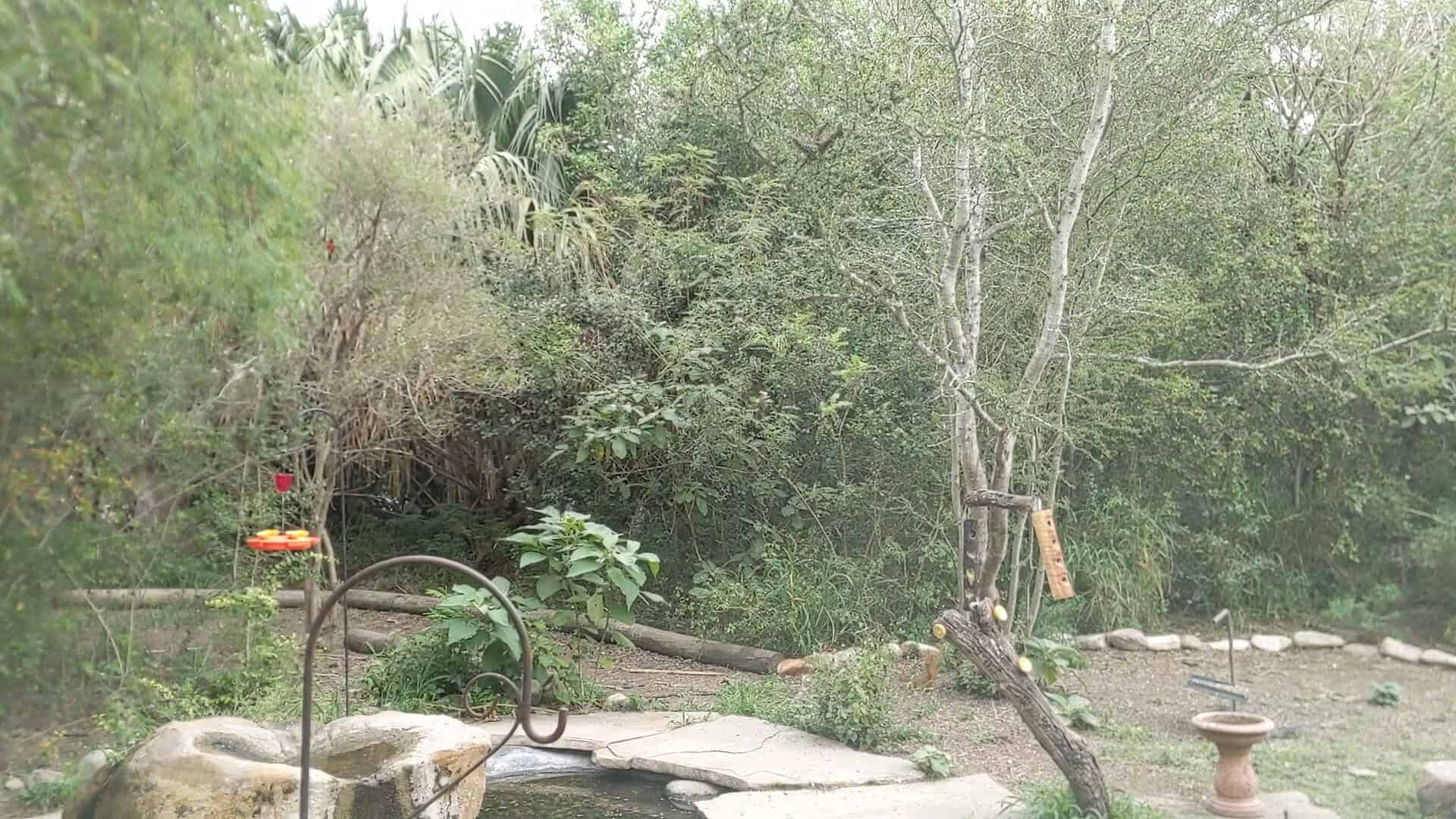
Everything winds through five distinct little habitats stacked together, from upland thorn forest to bottomland woods to the muddy edges of the resacas. Each one hides different creatures, which is exactly why a slow walk here beats a fast one.
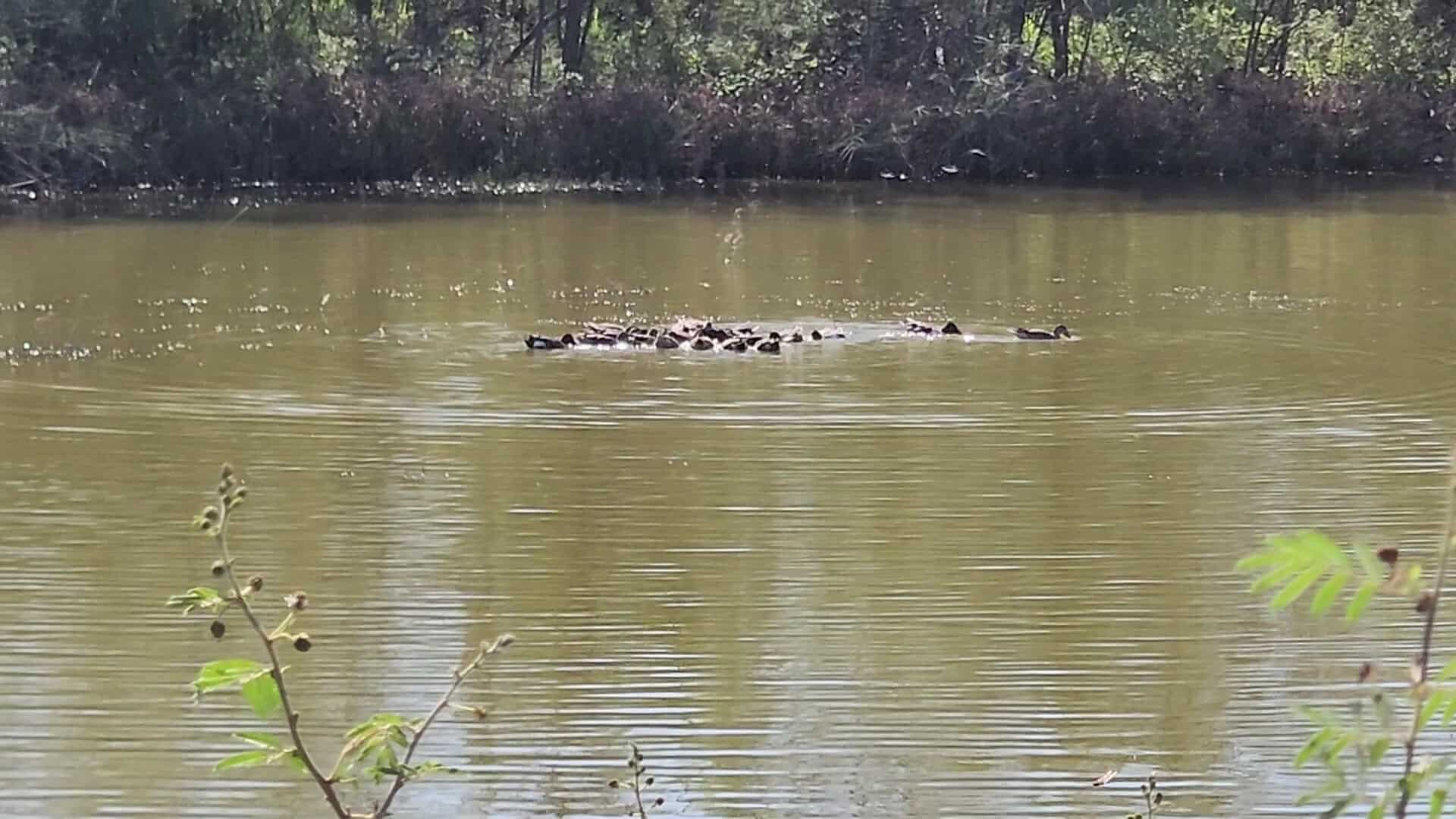
Pintail Lakes has viewing spots set up for exactly this, quiet places to sit and watch ducks, wading birds, and the occasional alligator sunning itself. Patience is the whole game. Sit still for ten minutes and the water starts to reveal what it was hiding.
Pro tip: cyclists are welcome on the seven-mile wildlife drive and many of the trails. A bike is a lovely way to cover more ground while still moving quietly enough to spot wildlife.
The paved loop is closed to most car traffic, so it can feel like the whole refuge belongs to you.
How a Forgotten Forest Became a Jewel
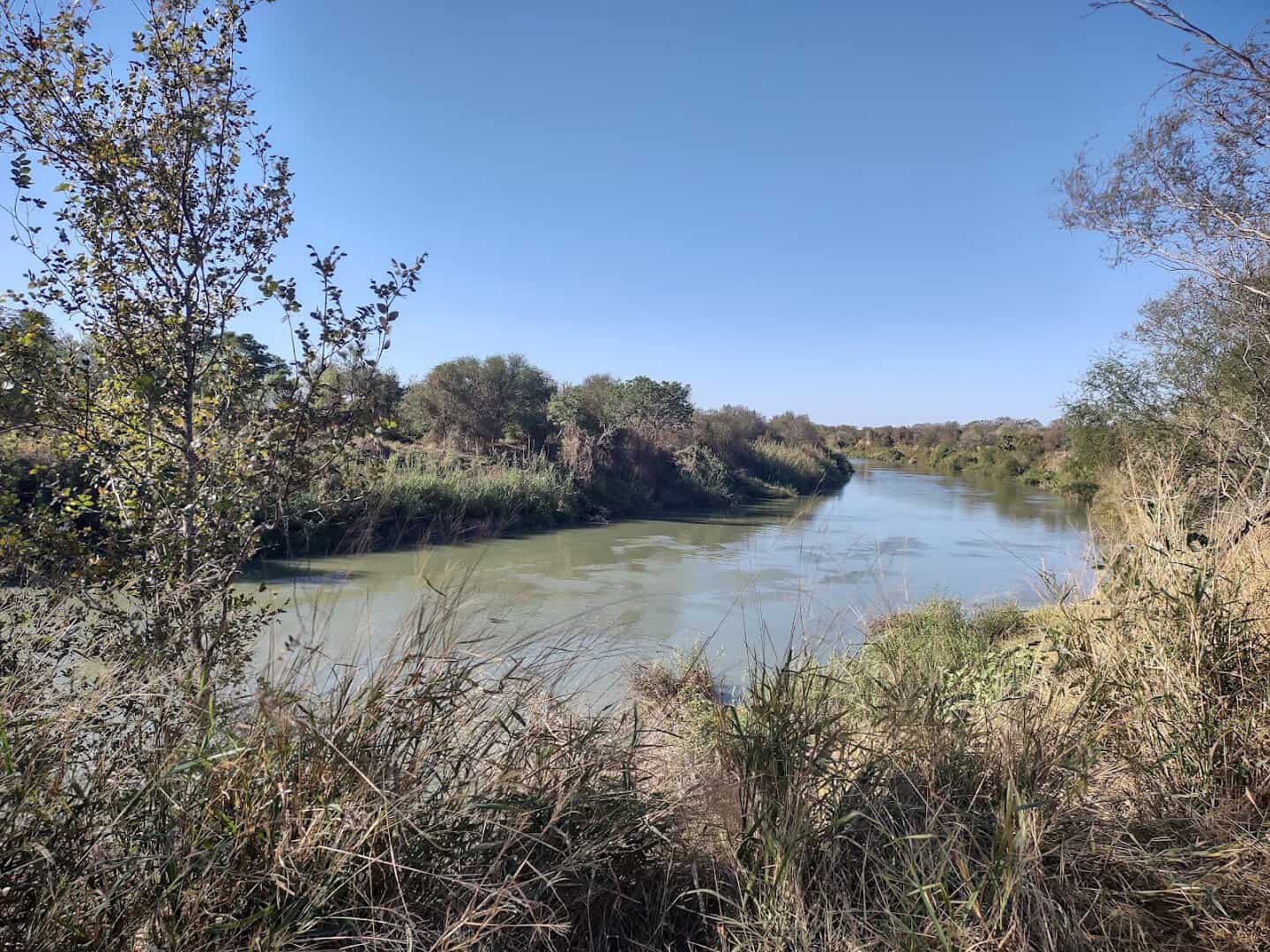
Here is the part that still amazes me. Almost all of the subtropical forest that once lined the Rio Grande Delta is gone, cleared long ago for farmland. This refuge protects one of the last real remnants of it.
The federal government set the land aside in 1943, buying about two thousand acres to protect that vanishing riparian forest and the migratory birds that depend on it. The timing turned out to be everything. A few more years and there might have been nothing left to save.
The ground itself carries deep history. The property sits on old Mexican land grants, including the Santa Ana grant handed to Benigno Leal back in 1834.
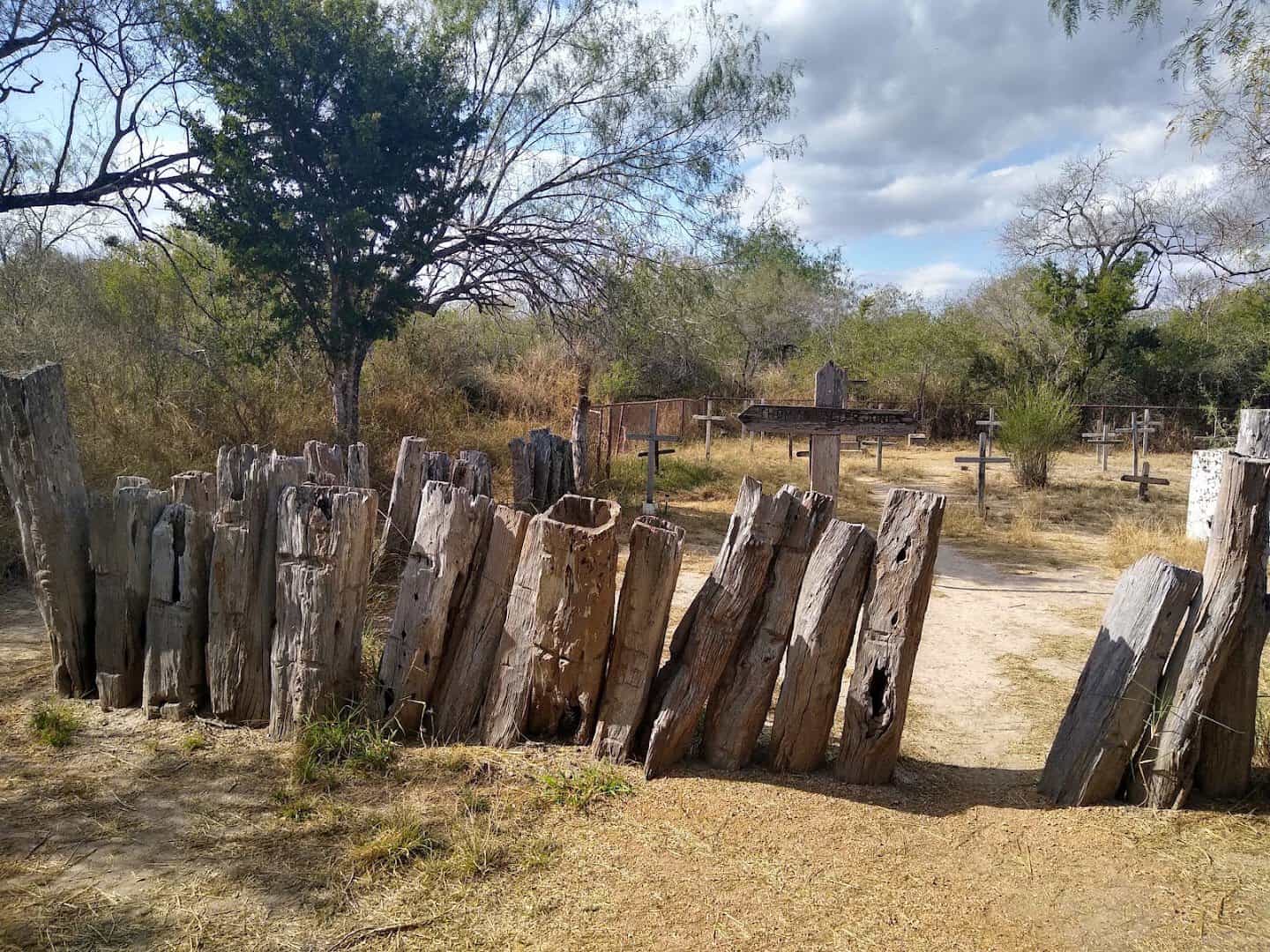
A small pioneer cemetery with a handful of graves still rests within the refuge boundaries. People lived and farmed this bend of the river long before it became a sanctuary.
Why does one patch of land hold so much life? It sits where the tropics of Mexico brush up against the temperate United States, and where two great bird migration routes cross. Species from both worlds overlap here, which is why the counts sound almost too high to believe.
By 1967 the place had earned formal recognition as a Registered Natural Landmark, a nod to just how rare its tangle of tropical and temperate life really is. Naturalists took to calling it the jewel of the entire national refuge system, and the nickname stuck.
Today the refuge covers roughly 2,088 acres and shelters something like 450 species of plants, hundreds of butterflies, dozens of reptiles and mammals, and of course those four hundred birds. It is a whole small world held together on land that was nearly plowed under.
What to Know Before You Go
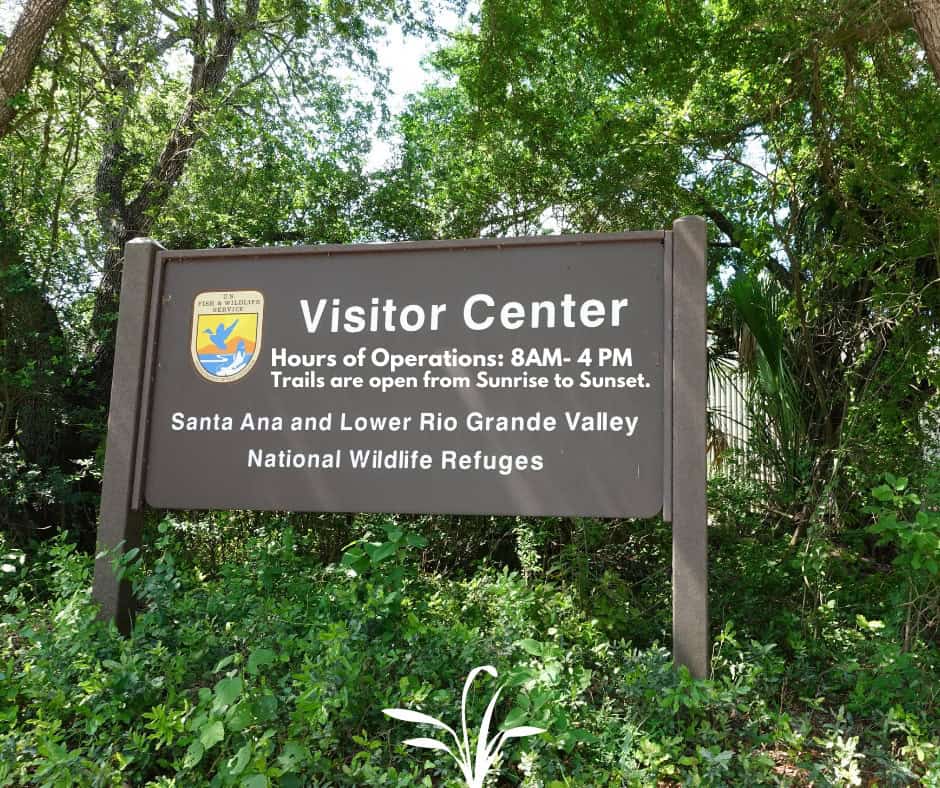
The refuge is open every day from sunrise to sunset, so you can catch that golden early light or stay for the softer end of the afternoon. The visitor center, with its exhibits and small nature store, keeps its own daytime hours, so check before you count on it.
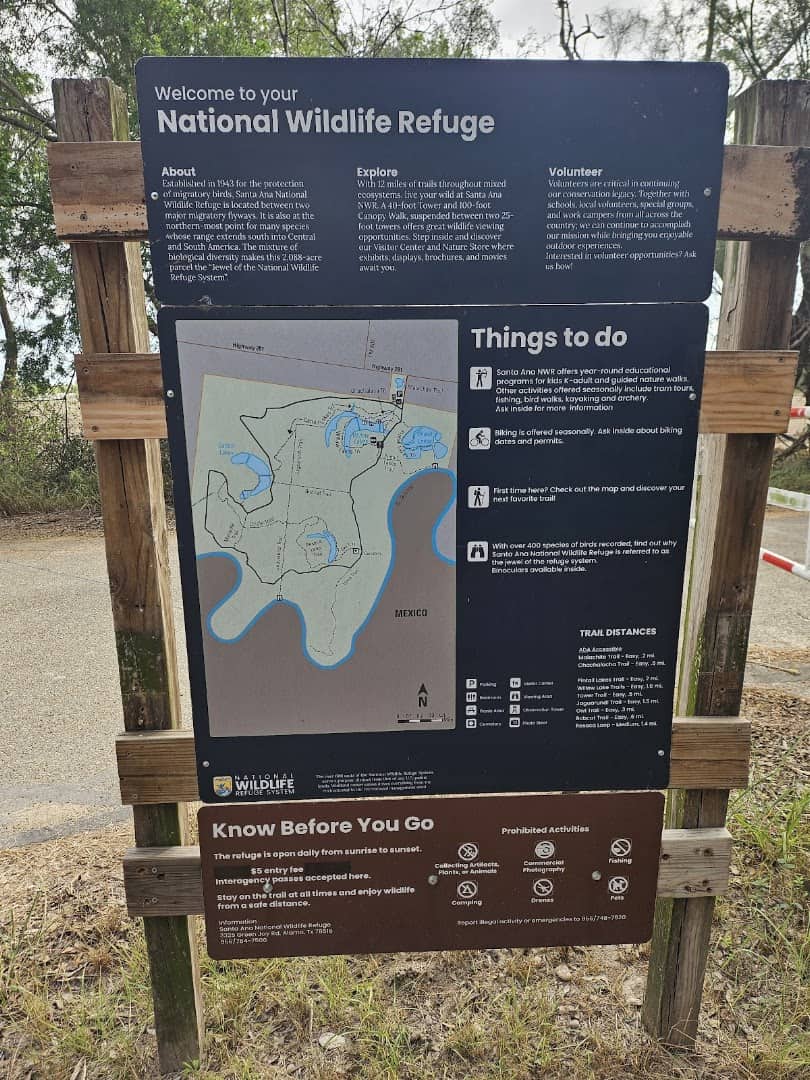
Entry is refreshingly cheap. Expect a modest per-vehicle fee at the gate, and if you time your trip for the first Sunday of the month, entrance is free. Confirm current prices on the refuge website, since fees do change.
In the cooler winter season the refuge runs a guided open-air tram along the seven-mile wildlife drive. A naturalist points out what you would have rolled right past, and it is a wonderful way to see the back reaches of the property without hiking every mile.
The visitor center is worth a stop before you head out. It has exhibits on the refuge’s wildlife, helpful staff who can tell you what has been sighted lately, and a small nature store. Feeders just outside the windows often pull in green jays and kiskadees at close range.
Bring water, sun protection, and bug spray no matter the season, because this is South Texas and the thornscrub does not care about your comfort. Binoculars turn a nice walk into a great one. A field guide, paper or app, is worth its weight.
Whether you live down in the Valley or you are just passing through on a Texas road trip, give yourself half a day at least. The canopy walk is quick, but the trails reward anyone willing to slow down and simply look.
How to Get There
Where: Santa Ana National Wildlife Refuge, 3325 Green Jay Road, Alamo, TX 78516. It sits a few miles south of Alamo in the Lower Rio Grande Valley, an easy drive from McAllen, Harlingen, or Brownsville.
The refuge is well signed off the main highways, and the visitor center parking lot puts you within a short walk of the trailheads and the canopy walk itself.
Go Meet the Birds at Eye Level
There are plenty of beautiful places to walk in Texas, but very few that let you rise up into the treetops and stand where the birds do. This one hands you that gift for the price of a tank of gas and a little early morning effort.
Pack your binoculars, get there while the light is still soft, and climb those towers. Whether you come for the four hundred birds, the elusive cats, or just the pure joy of walking above the canopy, this quiet corner of South Texas will send you home planning your next visit.
Featured image: Vladyslav Atkins via Santa Ana National Wildlife Refuge

Stella Raines
Editor-in-Chief
Stella brings over a decade of storytelling experience to TX Headlines. With roots in West Texas and a love for road trips, she leads the editorial team with an eye for the hidden stories that make Texas unforgettable.
More Stories
This Easy Texas Hike Ends at a Swinging Rainbow Bridge Tucked Deep in the Woods
This Scenic Texas Nature Preserve Hides a Secret Beach Where You Can Dig for Prehistoric Shark Teeth
This Riverside Texas State Park Hides a Beautifully Rebuilt 1700s Spanish Mission
This 2-Mile Texas Trail Follows One of the Last Pristine Creeks in the State
Tags