This Quirky Texas Town Has a Giant Pecan, a Haunted Saloon, and Small-Town Charm to Spare
I have a soft spot for small towns that bet everything on one strange idea. If a place builds a thousand-pound nut and props it on the courthouse lawn, I want to know that town.
Restraint is for cities. Commitment to a bit is a personality, and I will happily drive an hour out of my way for a town with a personality this big.
So when I hear about a place that claims the world’s largest pecan, keeps a saloon people swear never fully emptied of its ghosts, and still throws the kind of Fourth of July parade where the whole county turns out, my keys are already in my hand.
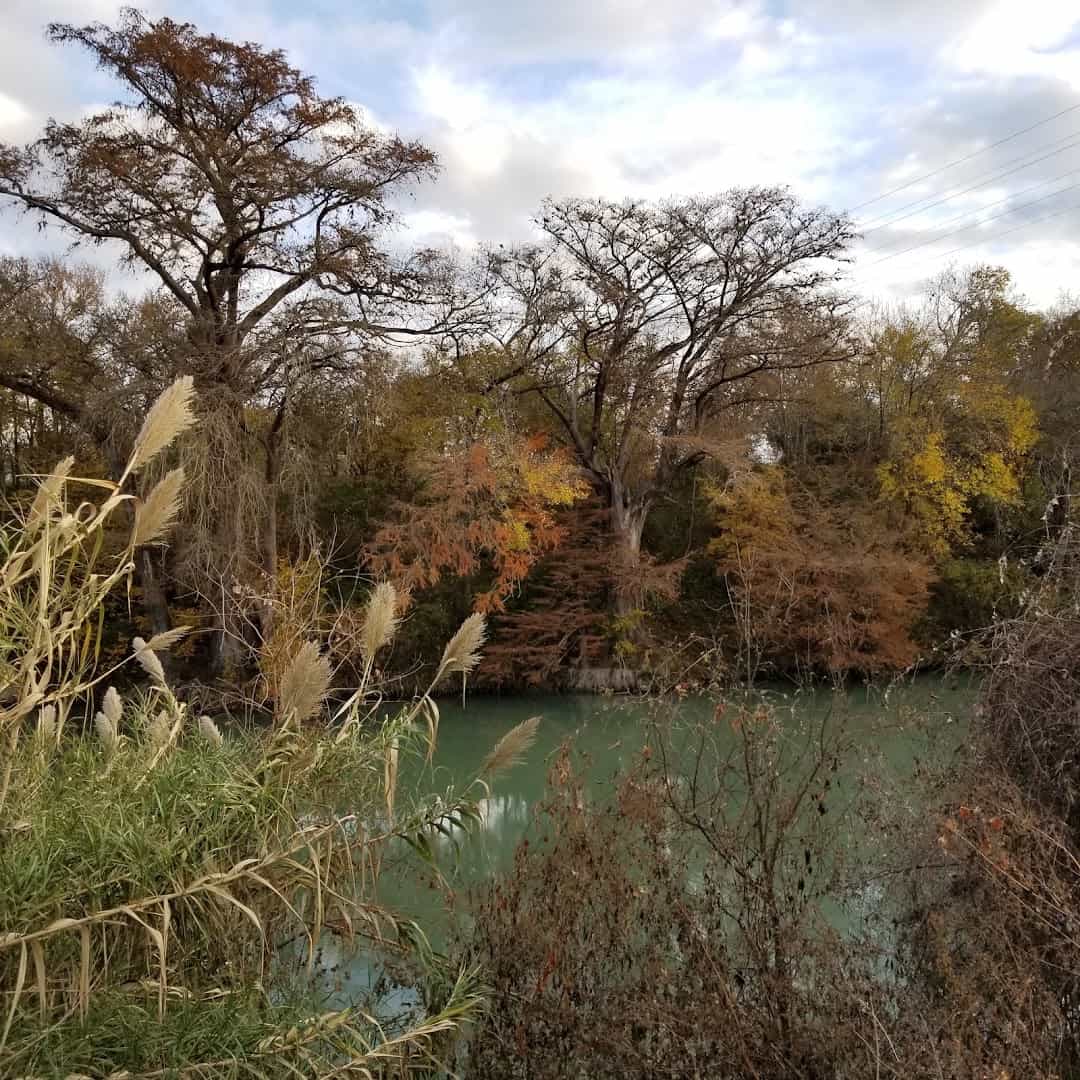
That town is Seguin, a proudly, gleefully odd pocket of Central Texas about 35 miles east of San Antonio, sitting right on the Guadalupe River.
It has called itself the Pecan Capital of Texas for decades, and it wears the title like a crown.
Below, here is what makes it worth pointing the car this way: the giant pecans, the famously haunted hotel, the barbecue folks plan whole trips around, and a historic downtown that hands you charm by the armful.
A Thousand-Pound Pecan on the Courthouse Lawn
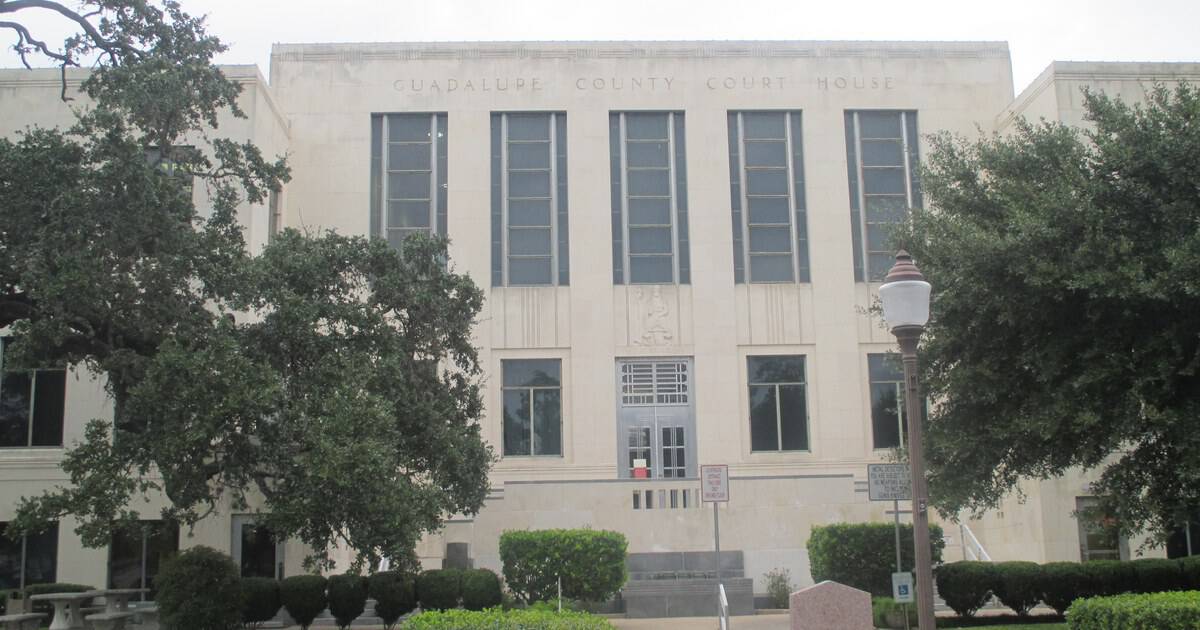
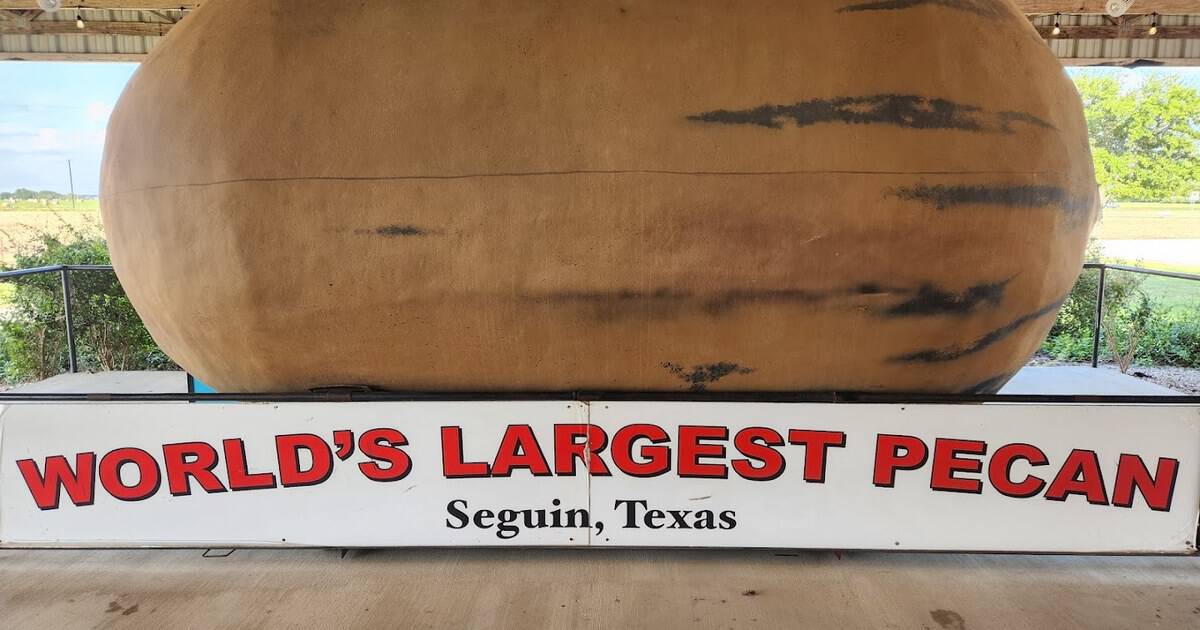
Let’s start with the nut, because Seguin does. On the north side of the old Guadalupe County Courthouse sits a five-foot-long, 1,000-pound pecan sculpture, and for decades it held the “world’s largest” claim outright.
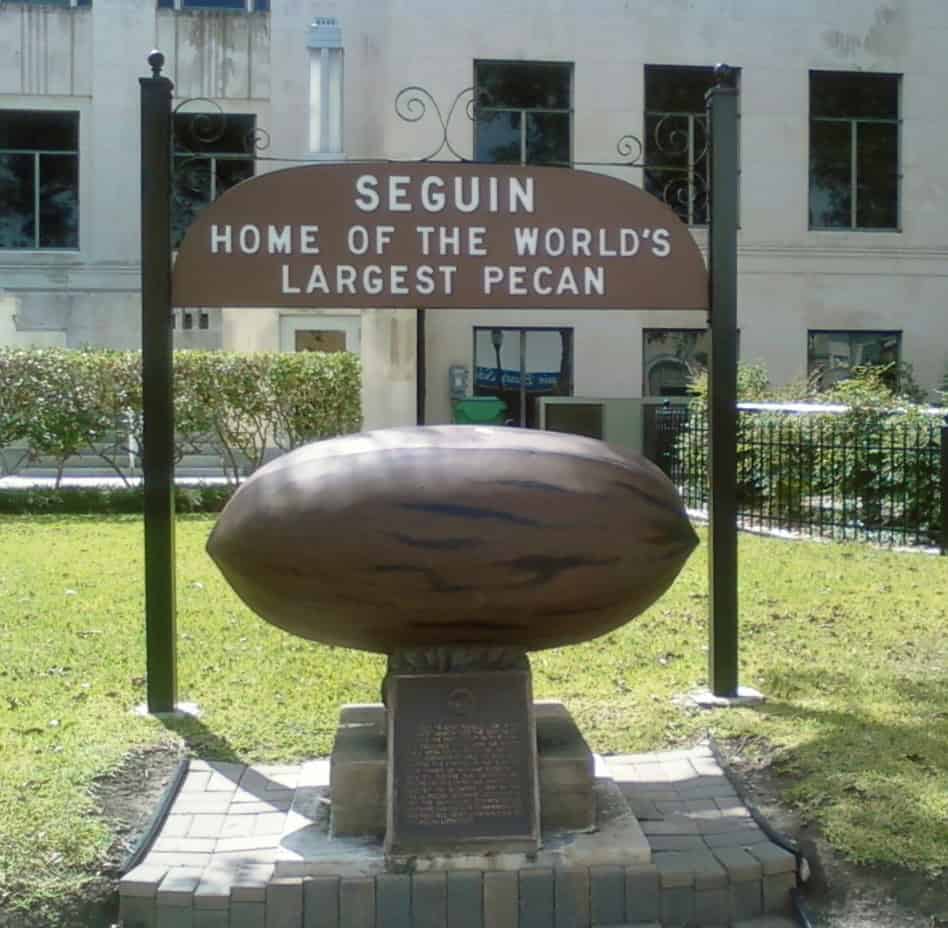
It was built in 1962 by Edmund “Doc” Darilek, a local dentist who had planted his own pecan orchard a few years earlier. He clearly loved the tree more than the average hobbyist ever could.
He named his creation after Alvar Nunez Cabeza de Vaca, the 16th-century Spanish explorer who called the Guadalupe “the river of nuts” for all the pecan trees crowding its banks. The name stuck to the whole region.
Doc’s pecan is not the only one anymore. A newer fiberglass giant, roughly 16 feet by 8 feet, went up in 2011 at the Texas Agricultural Education and Heritage Center.
Between the two, the town has more monster pecans than most places have traffic lights. Every one of them is free to walk up to and photograph, which makes for a very silly and very fun roadside stop.
Nuts, and Proud of It
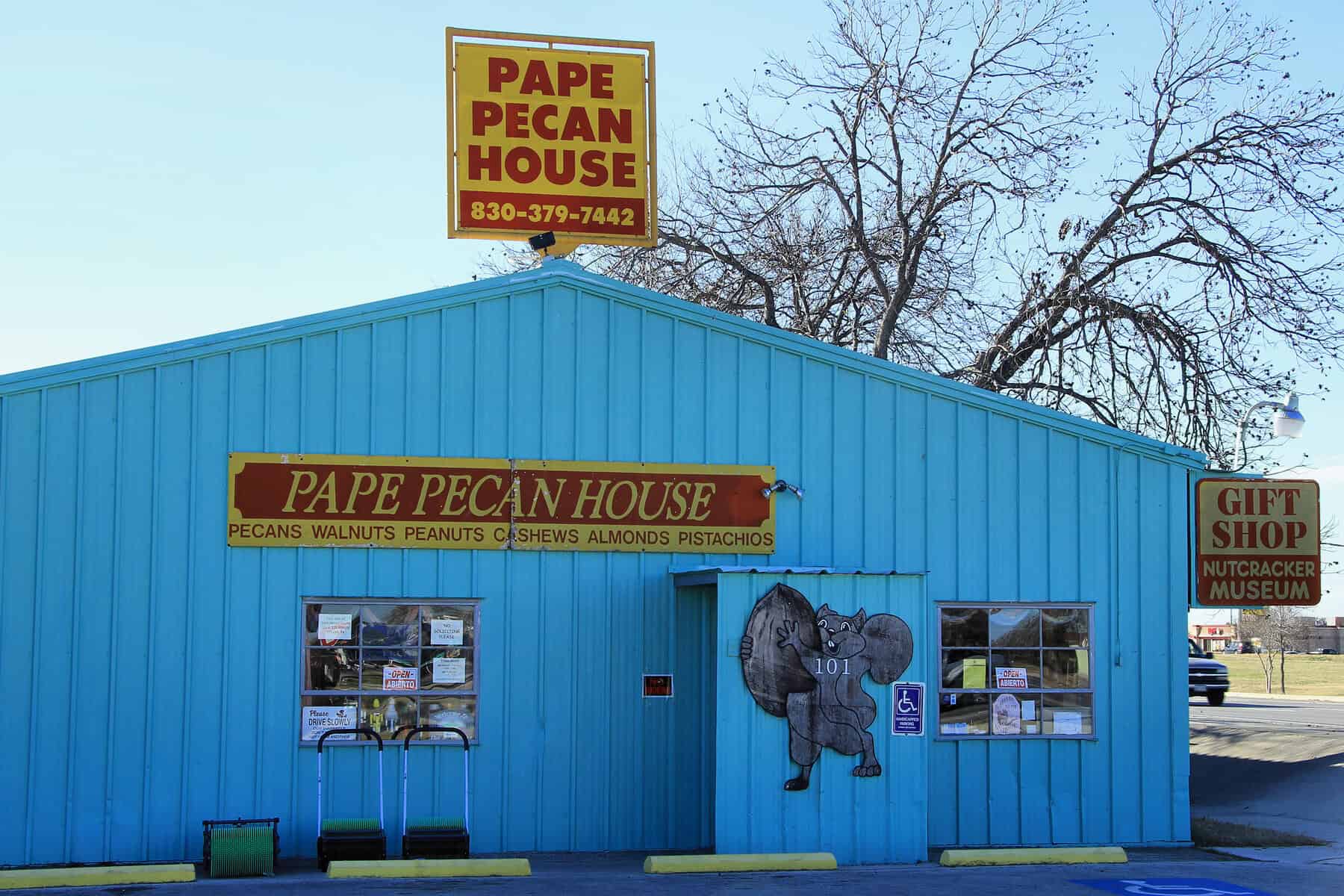
The pecan obsession does not stop at the sculptures. Over at the Pape Pecan House, founder Kenneth Pape built a ten-foot mobile pecan just so the town would have something to pull down the street in parades. Priorities, honored.
Inside that same shop is a detail that always makes me grin: a nutcracker museum holding more than 8,000 nutcrackers. Soldiers, animals, oddities, shelf after shelf of them.
It is the sort of collection you go in expecting to skim and leave forty minutes later having found a favorite. Kids and grandparents tend to lose track of time in equal measure.
Every fall the town leans all the way in with Pecan Fest, a celebration of the crop that put it on the map. It is the pecan holiday you did not know you needed.
Pro tip: this is the season when the local pecan candy and fresh-shelled halves are everywhere, so come hungry and bring an empty tote.
The Saloon That Never Really Closed
Now for the ghosts, because you did not read this far for the woodwork. Seguin’s Magnolia Hotel is widely called one of the most haunted spots in all of Texas, and its history reads like a frontier novel.
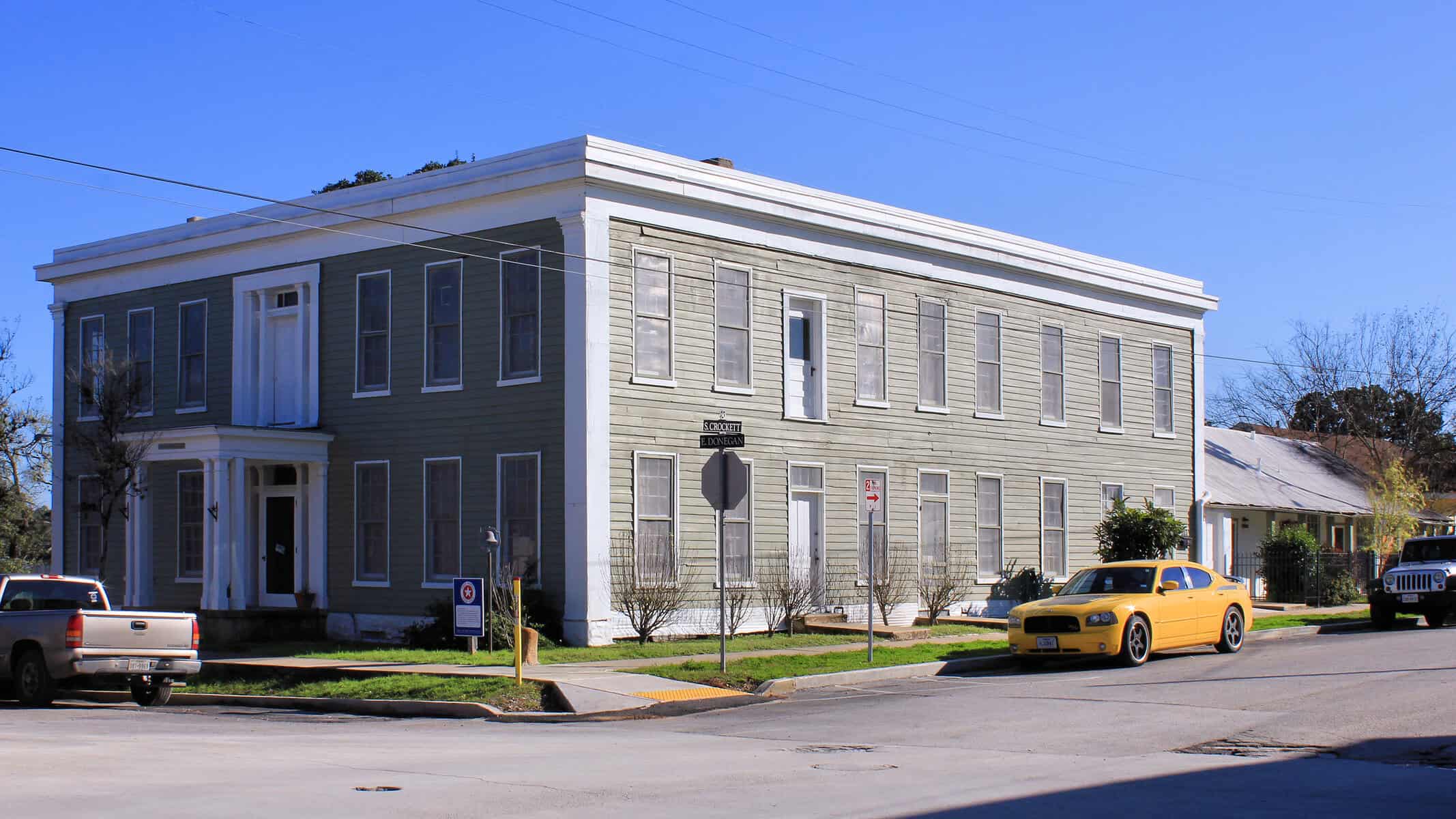
The Magnolia started as a two-room log cabin built by James Campbell, a Texas Ranger and one of Seguin’s founders, around 1840. Campbell did not enjoy it long.
He was killed by Comanche warriors soon after, in the fallout from the Council House Fight of 1840. That early violence is part of why the place feels the way it does.
By 1844 the cabin was sheltering travelers as the Magnolia. It grew into the town’s main stagecoach stop and social hub, with a saloon, guest rooms, and a bell, said to have come from the Alamo, rung to announce each arriving coach.
Famous Texas Ranger Captain Jack Hays married Susan Calvert in the building’s concrete section in April 1847. Even landscape architect Frederick Law Olmsted, passing through in 1854, gave it a rare compliment for the frontier, calling the hotel large and good.
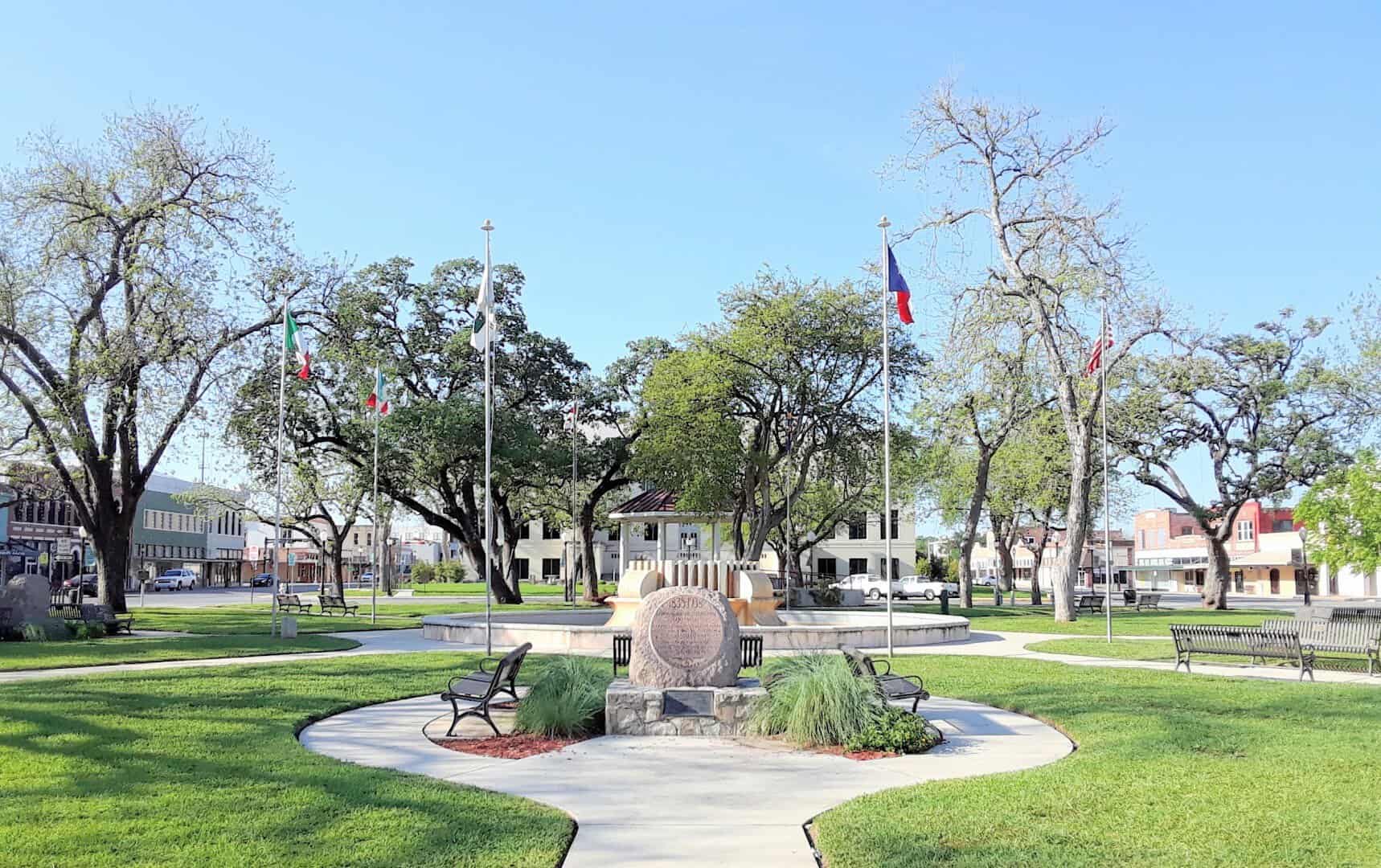
These days the Magnolia is said to house more than a dozen resident spirits, including a young girl named Emma and a far less friendly figure known as Mr. Deavors.
The building has been featured on Ghost Adventures, Ghost Brothers, and other paranormal shows, and that eerie reputation is now half the draw for curious visitors.
Owners Jim and Erin Wallace Ghedi bought the crumbling landmark in 2013, when it was on the state’s list of most endangered historic places, and privately funded its restoration.
Erin, who has researched and written about the town’s ghost stories, leads tours that walk you through the history and the hauntings together. Did you know? The best ones sell out around Halloween, so book ahead if October is your month.
More Than One Place to Meet a Ghost
The Magnolia gets the headlines, but it is not the only address in town with a story. Locals will tell you about a headless figure said to drift along Milam Street after dark, the kind of legend that makes a quiet downtown feel a little electric once the sun drops.
Out at Texas Lutheran University, the Wupperman Theatre carries its own tale: the spirit of a small girl in a blue dress, said to keep an eye on the stage.
Whether you buy any of it or not, a town this comfortable with its ghosts is a town that knows how to tell a story, and that is its own kind of charm.

The Mother of Concrete Cities
Seguin was founded in 1838 by a group of Texas Rangers, first under the name Walnut Springs, then renamed for Juan Seguin, the Tejano hero of the Texas Revolution. From the start it was a town that did things its own way.
Its strangest and most enduring claim is architectural. In the mid-1800s, Seguin became the first town in Texas to widely use “limecrete,” a poured mix of local lime, gravel, sand, and water.
A journalist later dubbed it “the Mother of Concrete Cities,” and roughly 19 of the original 90 limecrete buildings are still standing today. That is a remarkable survival rate for anything built before the Civil War.
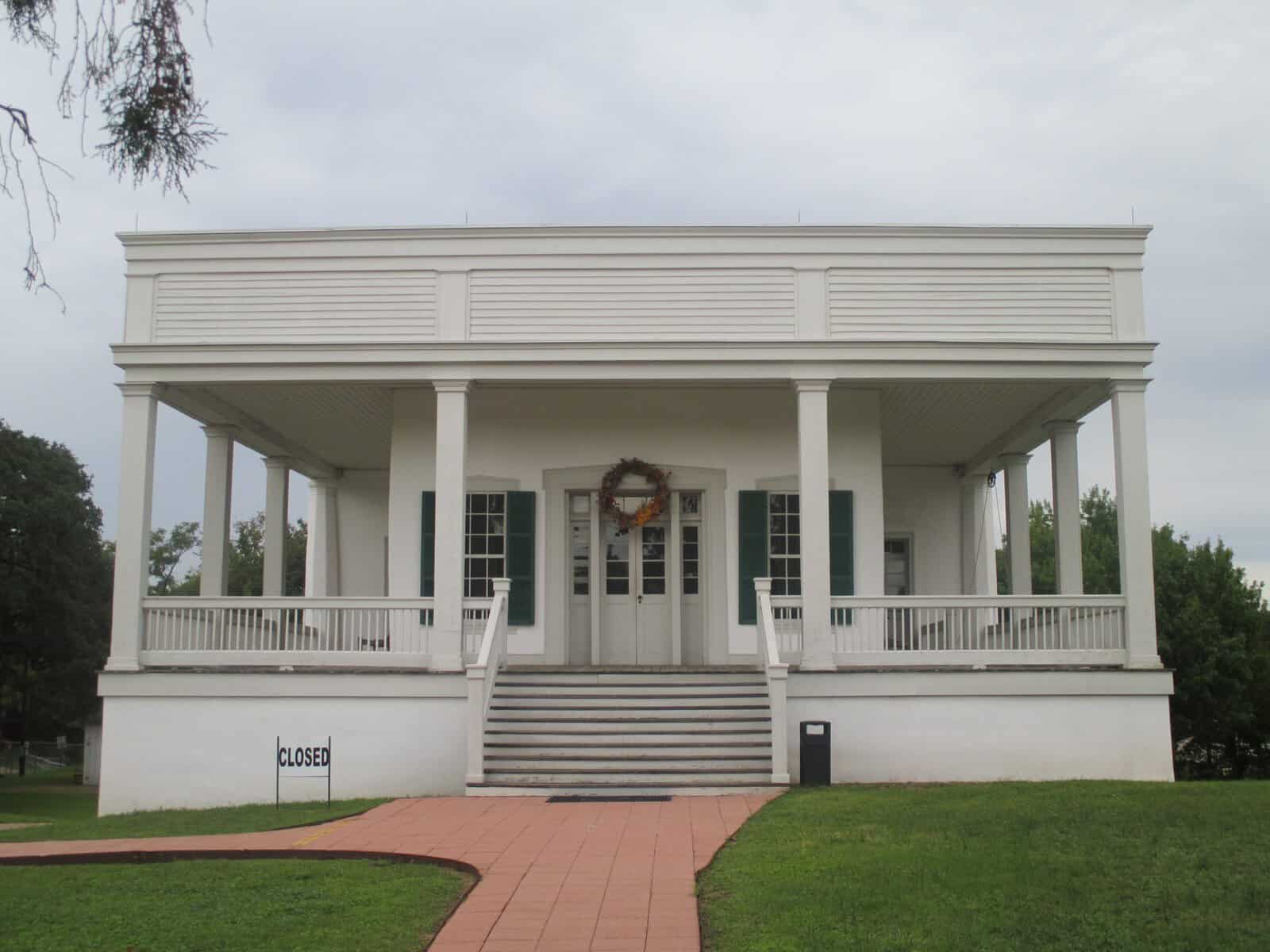
The finest survivor is the Sebastopol House, a Greek Revival home poured entirely from limecrete in 1856. It is now a Texas state historic site, one of the few limecrete buildings left in the whole country, and open for guided tours several days a week.
Walking through it, you get the rare feeling of standing inside a genuine 19th-century experiment that actually worked, and the guides know exactly which details to point out.
Barbecue That Started a Pilgrimage
If the pecans get people to Seguin, the barbecue is increasingly why they come back. Burnt Bean Co., a small joint on South Austin Street, has quietly become one of the most talked-about smokehouses in the state.
It is run by Ernest Servantes and Dave Kirkland, two longtime competition barbecue rivals who joined forces in 2021 and turned their years of trophies into a menu. The brisket, ribs, and sausage are the stars, tender and clean-smoked rather than heavy-handed.
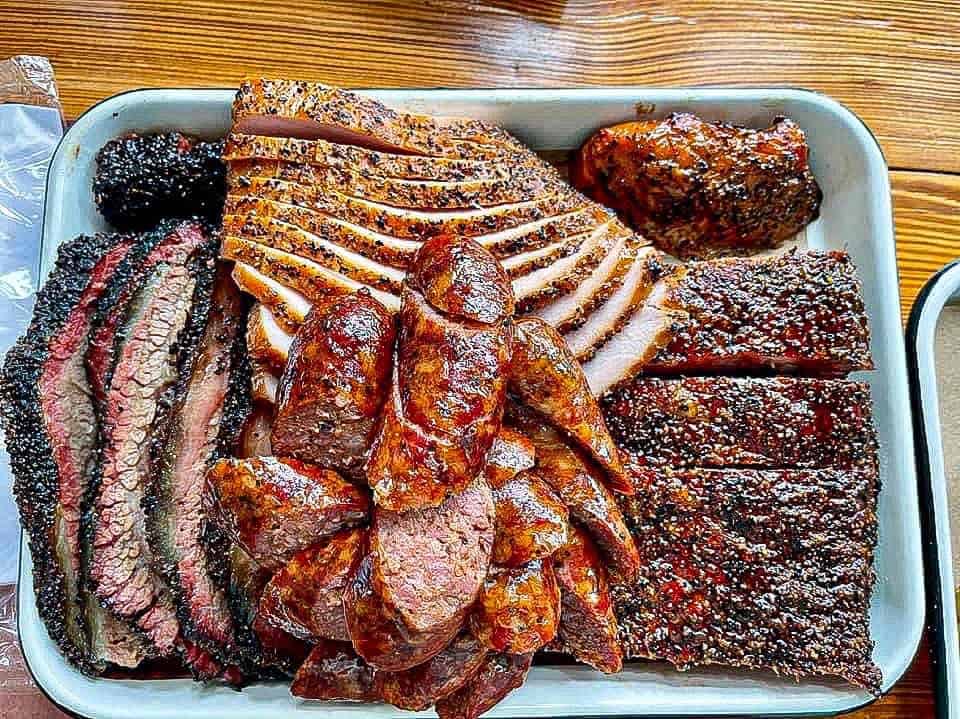
The accolades piled up fast. Burnt Bean has been named a James Beard finalist, earned a Michelin Bib Gourmand, and in 2025 landed the number one spot on Texas Monthly’s list of the top 50 barbecue joints in the entire state.
In a state that treats barbecue like a birthright, that is close to a coronation. Get there early, because the best cuts sell out well before the afternoon is over.
River Days at the Park
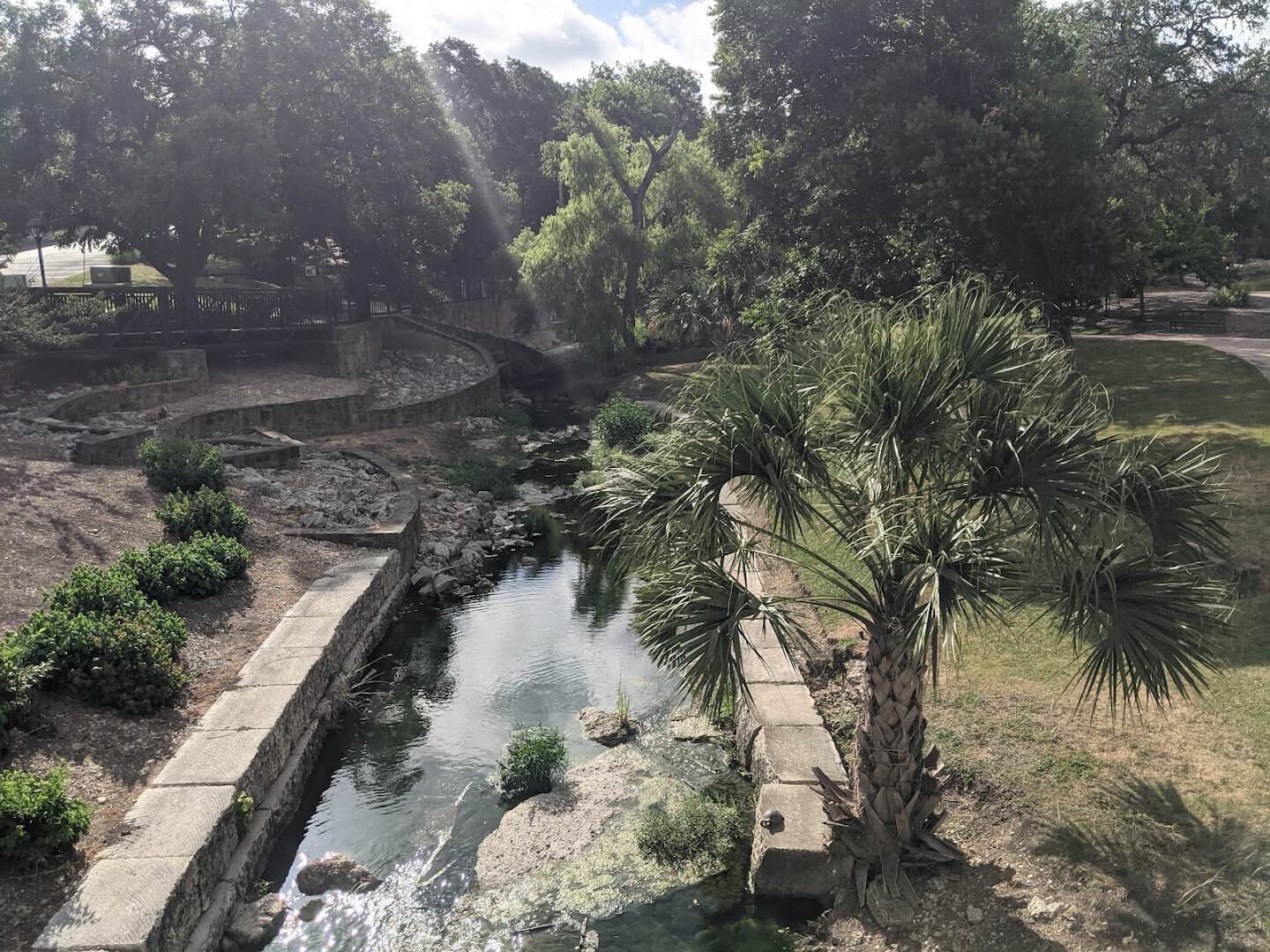
When you need to walk off the brisket, Max Starcke Park is where the town goes to breathe. It spreads across 227 acres right along the Guadalupe River, and it is far more than a patch of grass.
Inside you will find a scenic 18-hole public golf course, a disc golf course, shaded walking trails, and a 15,000-gallon wave pool that is a small miracle on a July afternoon.
The Guadalupe itself is the main event, though, cool and green and perfect for floating a lazy loop in a rented tube. Bring sunscreen and a cooler, and plan to lose track of the afternoon.
It is the kind of park where a family can spend a whole day and never run out of something to do, which is exactly what a good small-town park should be.
Squirrels, Shops, and a Sip
Downtown Seguin knows how to be walked. Restored storefronts hold local boutiques, cafes, and a weekly farmers market, and the whole district is stitched together by the Seguin Squirrel Trail.

That trail is a scavenger hunt of painted squirrel statues that turns a stroll into a game the kids will actually play along with. Finding the next one becomes weirdly competitive.
When you want a break, the choices are pleasantly grown-up. You can pull up a stool at Seguin Brewing Company for a locally brewed pint, or drive a few minutes out to Blue Lotus Winery and Texas Mead Works for something poured from local vines and hives.
And the events keep coming: a Cinco de Mayo Pachanga, a Holiday Stroll each winter, and what the town proudly bills as the biggest small-town Fourth of July parade around. Whenever you visit, odds are good something is happening on the square.



How to Get There
Seguin sits at the crossroads of Interstate 10 and US 90, an easy drive from either San Antonio or Austin.
That makes it a natural day trip. It also makes a fine overnight if you want to catch a ghost tour one evening and still float the river the next morning.
Where: the giant pecan at the Guadalupe County Courthouse, 101 E Court St; Magnolia Hotel, 203 S Crockett St; Burnt Bean Co., 108 S Austin St; Sebastopol House, 704 Zorn St; Max Starcke Park, 600 River Dr W. All in Seguin, TX 78155.
Plan Your Trip to the Pecan Capital
Seguin is what happens when a town decides being a little weird is a feature, not a flaw.
It gives you a thousand-pound nut, a saloon full of ghosts, championship barbecue, and a river to cool off in, all inside one friendly county seat that never once takes itself too seriously.
So pick a weekend and gas up the car, then go shake hands with the world’s largest pecan.
Book a ghost tour, order the brisket before it sells out, and let this gleefully proud little town remind you why the best Texas trips are usually the ones nobody warned you about.
Featured image: Billy Hathorn, CC BY 3.0, via Wikimedia Commons


Stella Raines
Editor-in-Chief
Stella brings over a decade of storytelling experience to TX Headlines. With roots in West Texas and a love for road trips, she leads the editorial team with an eye for the hidden stories that make Texas unforgettable.
More Stories
This Tiny Texas Town Has the State’s Oldest Dance Hall, and a River Runs Right Past It
This Epic Texas Rail-Trail Stretches 130 Miles Past 19 Small Towns and Over 100 Old Trestles
These Charming Texas Towns Feel Like a Trip to Europe
This Charming Small Texas Town Guards the World’s Largest Pecan and the State’s Best Barbecue
Tags