11 Small Towns in the Midwest That Surprise Everyone
Say “the Midwest” to someone who has never driven through it and watch their eyes glaze over. Flyover country. Cornfields, interstates, and no real reason to pull off the highway. I half believed it myself for years, until I started collecting the exceptions.
Then you stumble onto a Swiss village, a riverboat town, or a gold-rush main street frozen in Victorian brick, and the whole flat-and-boring story falls apart. These are the towns with a quiet plot twist, small places that hand you something you never saw coming.
Below are eleven of them, spread from Ohio clear to the Dakotas. None needs an airport, a crowd, or a reason bigger than plain curiosity. Every one surprises the people who wander in expecting nothing at all. Here is where to start.
1. Red Wing, Minnesota
Most people know Red Wing from the boots, or from the pottery stamped on their grandmother’s old crocks. Almost nobody expects the town itself, a Mississippi River port sitting under Barn Bluff, the 300-foot ridge Henry David Thoreau climbed in 1861 and raved about for pages.
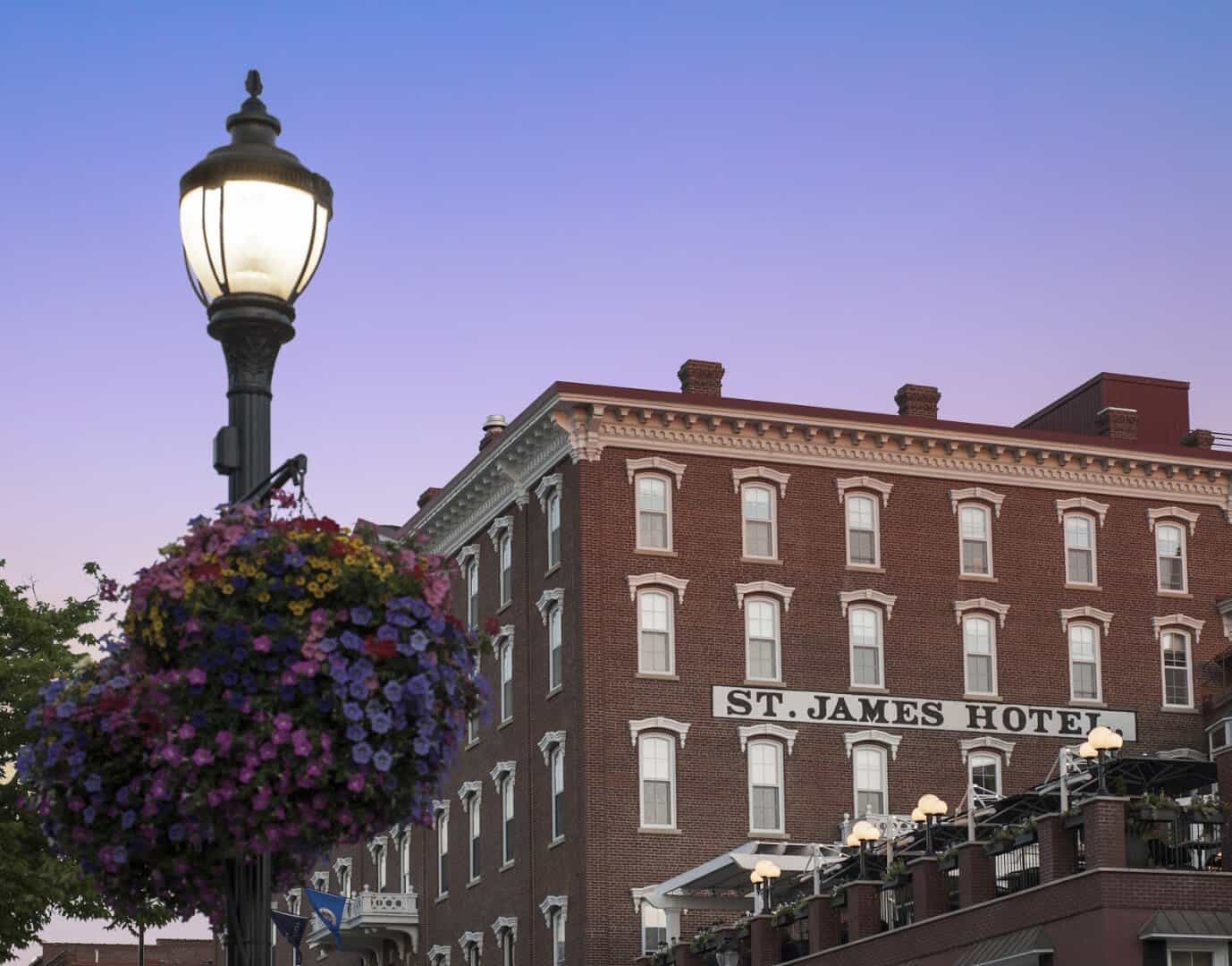
Downtown still runs on nineteenth-century brick. The St. James Hotel has watched over Main Street since 1875, back when Red Wing was the busiest wheat market on the planet. Climb the bluff at golden hour, browse the pottery, then eat dinner where wheat barons once did.
Red Wing Stoneware has turned out crocks and jugs since 1877, and the town’s name honors a Dakota chief who carried a swan’s wing dyed scarlet as his talisman. Both stories are still very much alive downtown.
Where: St. James Hotel, 406 Main St, Red Wing, MN 55066.
2. Berlin, Ohio
Berlin sits in the middle of the largest Amish settlement in the world, and the real surprise is how gently two centuries share a single Main Street. Horse-drawn buggies clop past shops selling handmade quilts, heirloom furniture, and more pie than any sensible person should attempt in one afternoon.
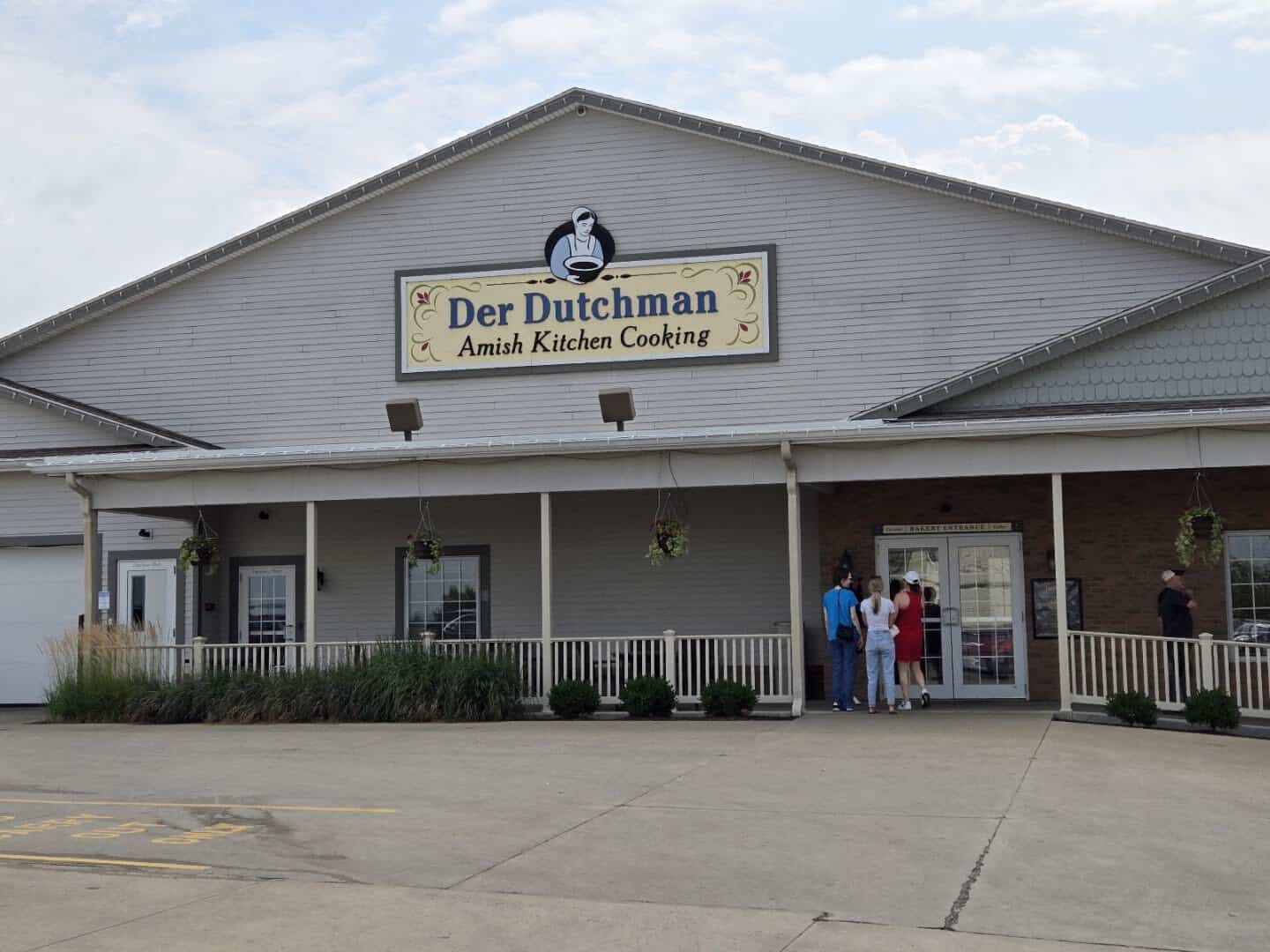
The anchor is Der Dutchman, a family-style restaurant where the broasted chicken and mashed potatoes arrive in bowls sized for a farm crew. Come hungry, drive the winding Holmes County backroads afterward, and wave at every buggy you pass.
Boyd and Wurthmann down the block has served classic Amish breakfasts since the 1930s, and the twelve-mile Holmes County Trail lets you tour the surrounding farmland by bike, on foot, or beside a passing horse.
Where: Der Dutchman, 4967 Walnut St, Berlin, OH 44610.
3. Madison, Indiana
Madison quietly holds Indiana’s largest historic district, more than 2,000 protected buildings stacked along the Ohio River. In 1809 it was a log-cabin hamlet. Within a few decades it was one of the state’s grandest riverboat towns, and it simply never tore down the evidence.
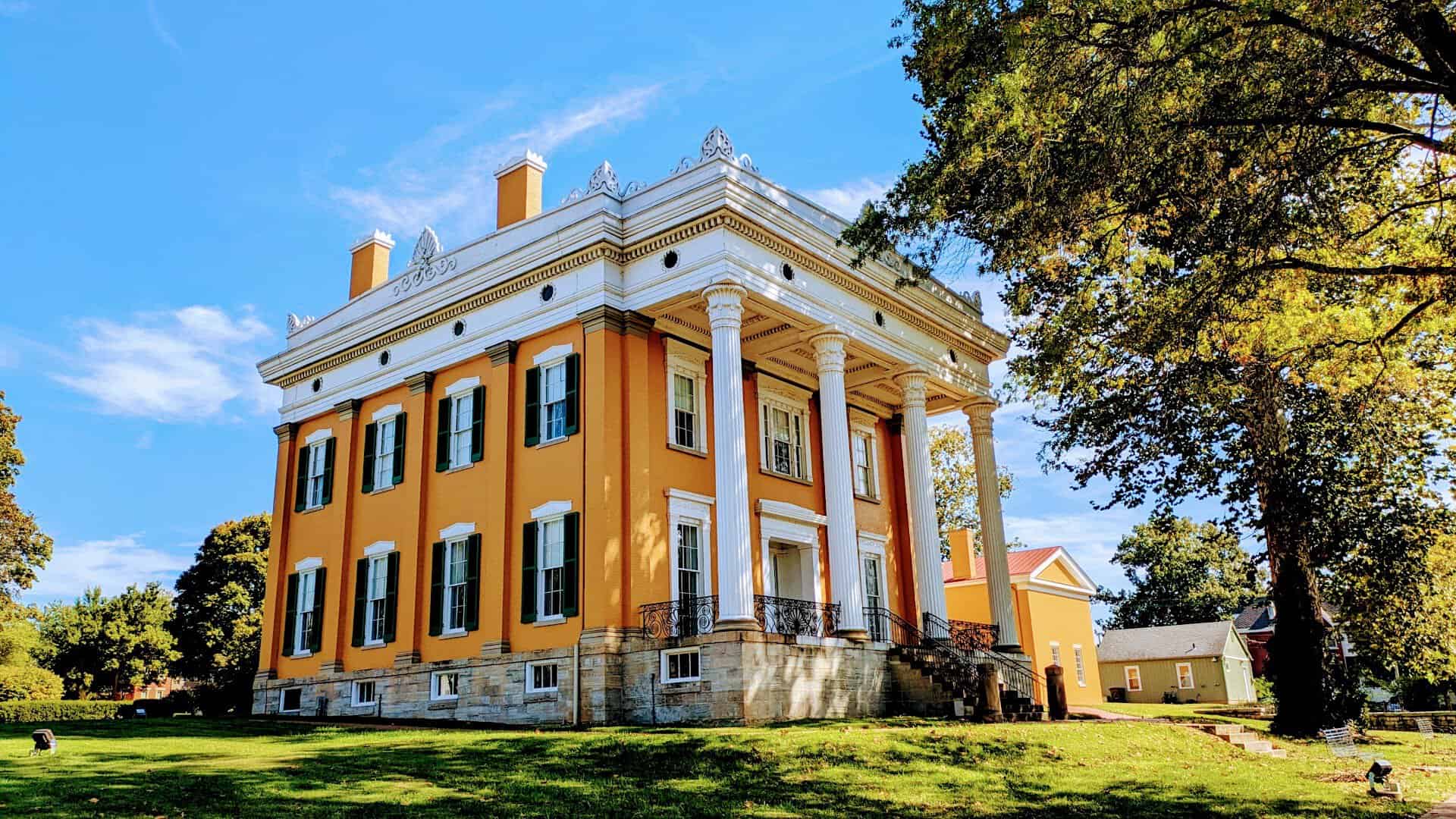
The crown jewel is the Lanier Mansion, an 1844 Greek Revival showpiece by architect Francis Costigan, its lawn sloping right to the water with the Kentucky hills across the way. Wander the streets below it and you genuinely lose track of what century you are in.
The whole downtown forms one of the largest National Historic Landmark districts in the country. Antique shops, cafes, and river overlooks fill the blocks between the grand old homes, and the hills of Kentucky watch from across the water.
Where: Lanier Mansion, 601 W First St, Madison, IN 47250.
4. New Glarus, Wisconsin
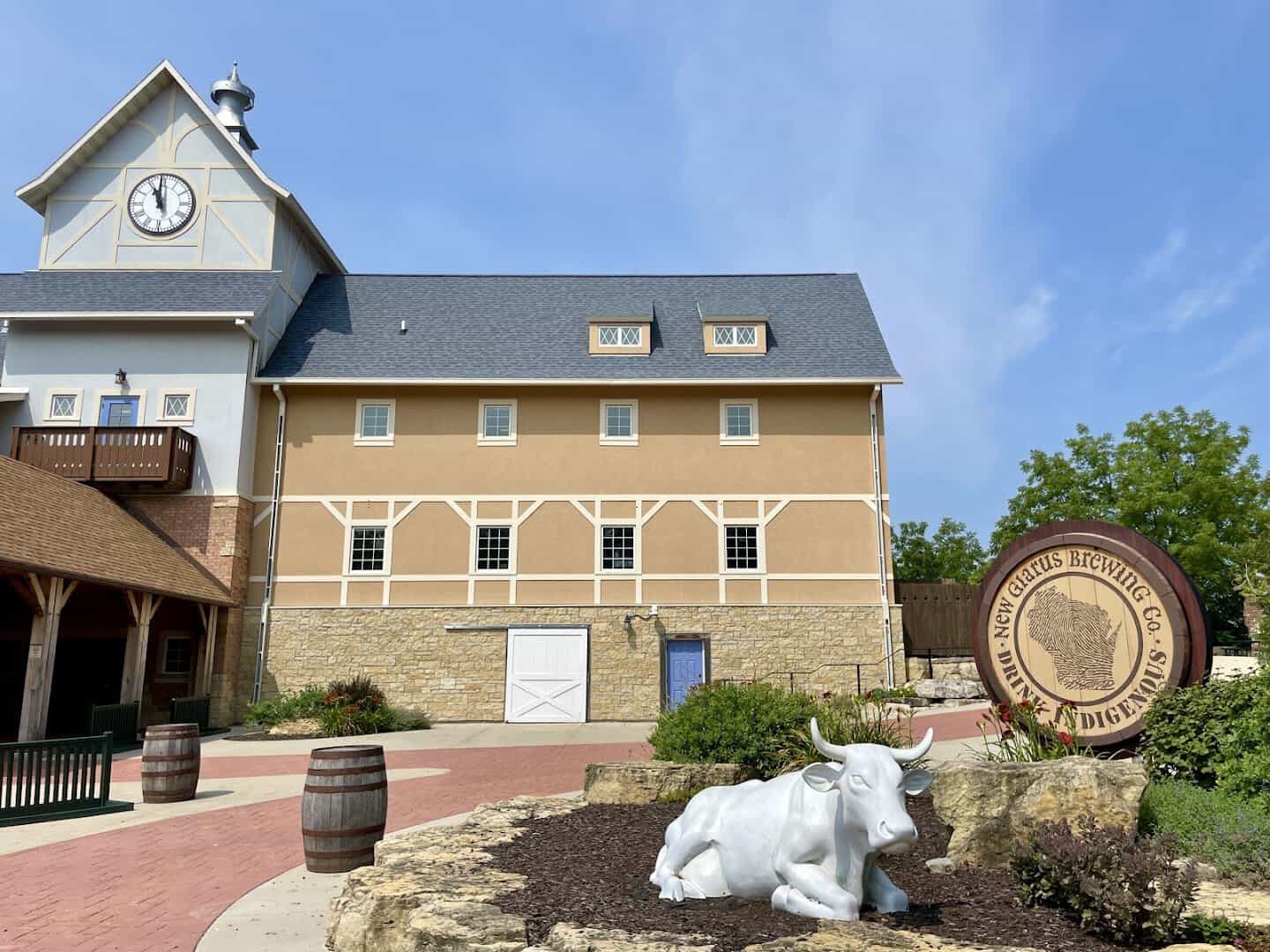
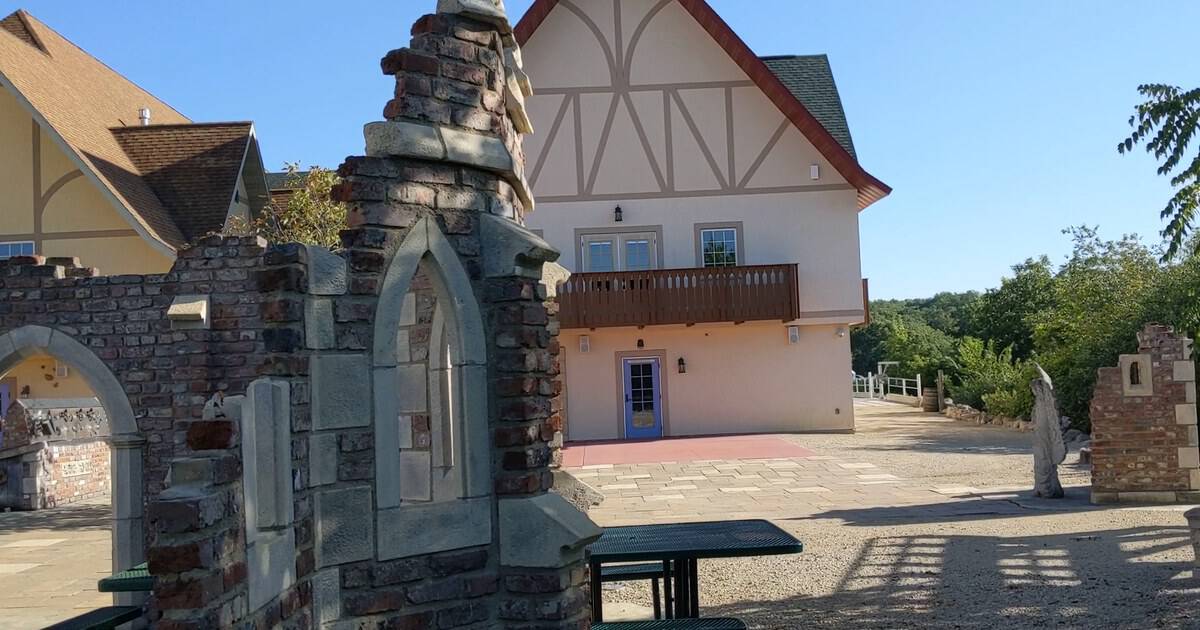
Roll into New Glarus and you will swear you took a wrong turn into the Alps. Swiss flags, chalet balconies, fondue on the menu, and a town that has leaned hard into its heritage ever since 108 settlers fled the Canton of Glarus back in 1845.
On the hill above town, New Glarus Brewing pours beer you cannot legally buy anywhere outside Wisconsin, which is reason enough for a road trip on its own. Add the Swiss Historical Village and its fourteen replica buildings, and the illusion is complete.
Every Labor Day weekend the town stages its Wilhelm Tell Festival, complete with a play performed in both English and Swiss German, a tradition it has kept up since 1938. Yodeling and alphorns included.
Where: New Glarus Brewing Company, 2400 State Rd 69, New Glarus, WI 53574.
5. Marshall, Michigan
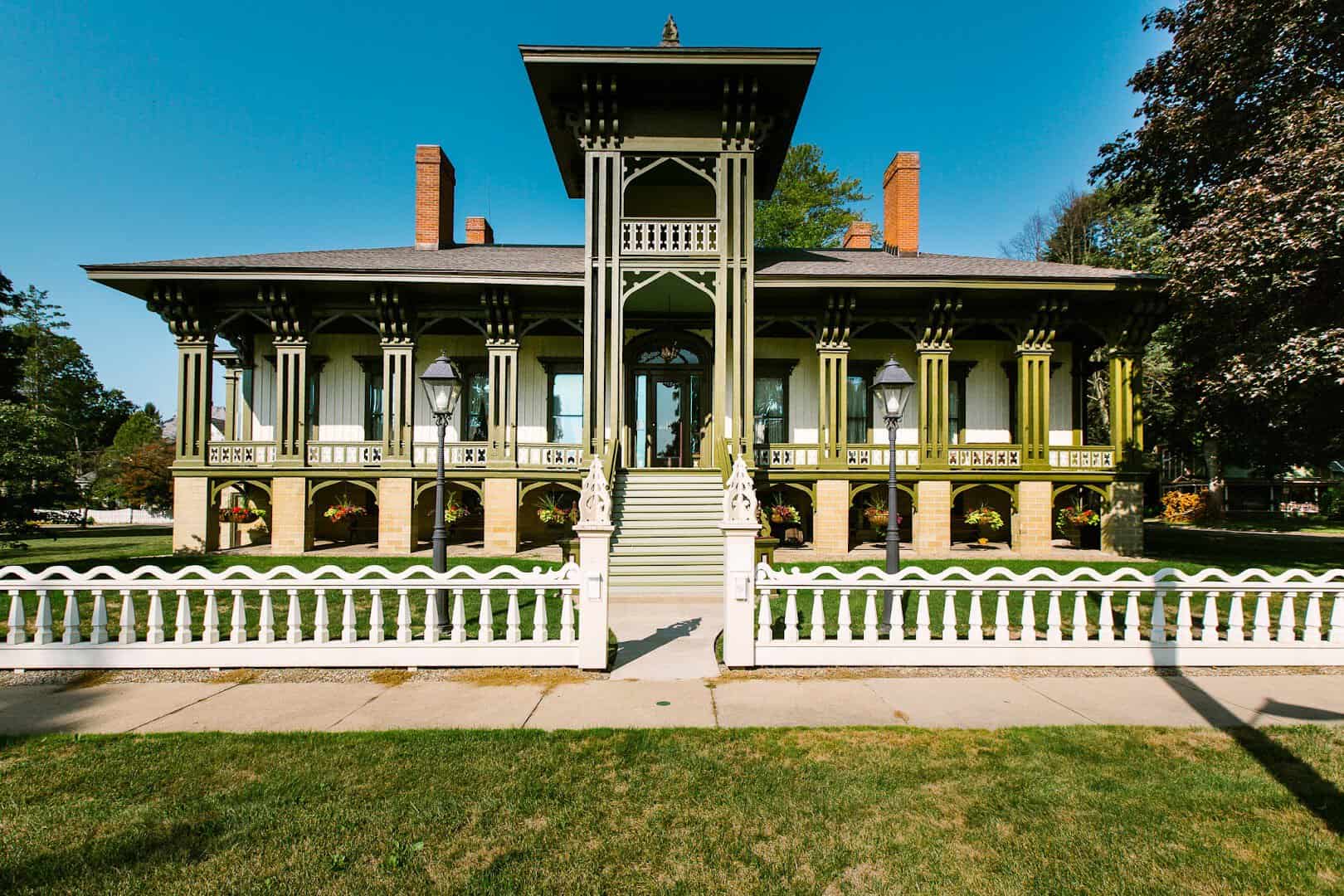
The National Park Service calls Marshall “the best virtual textbook of nineteenth-century American architecture in the country,” and for once that is not hype. More than 800 historic homes fill a National Historic Landmark district that almost no passing traveler sees coming.
The showstopper is the Honolulu House, an 1860 mansion built by a judge who had served as ambassador to Hawaii and came home wanting a tropical palace on a Michigan corner. It is as gloriously strange as it sounds. Tour it, then stroll the storybook downtown.
Marshall came within a whisker of becoming Michigan’s state capital in the 1840s. Losing that vote is part of why the town never boomed, and why so much of its 1800s streetscape survives so perfectly today.
Come the weekend after Labor Day and the town opens its historic homes for a candlelit tour that has run for more than fifty years. It is worth planning a trip around.
Where: Honolulu House, 107 N Kalamazoo Ave, Marshall, MI 49068.
6. Hermann, Missouri
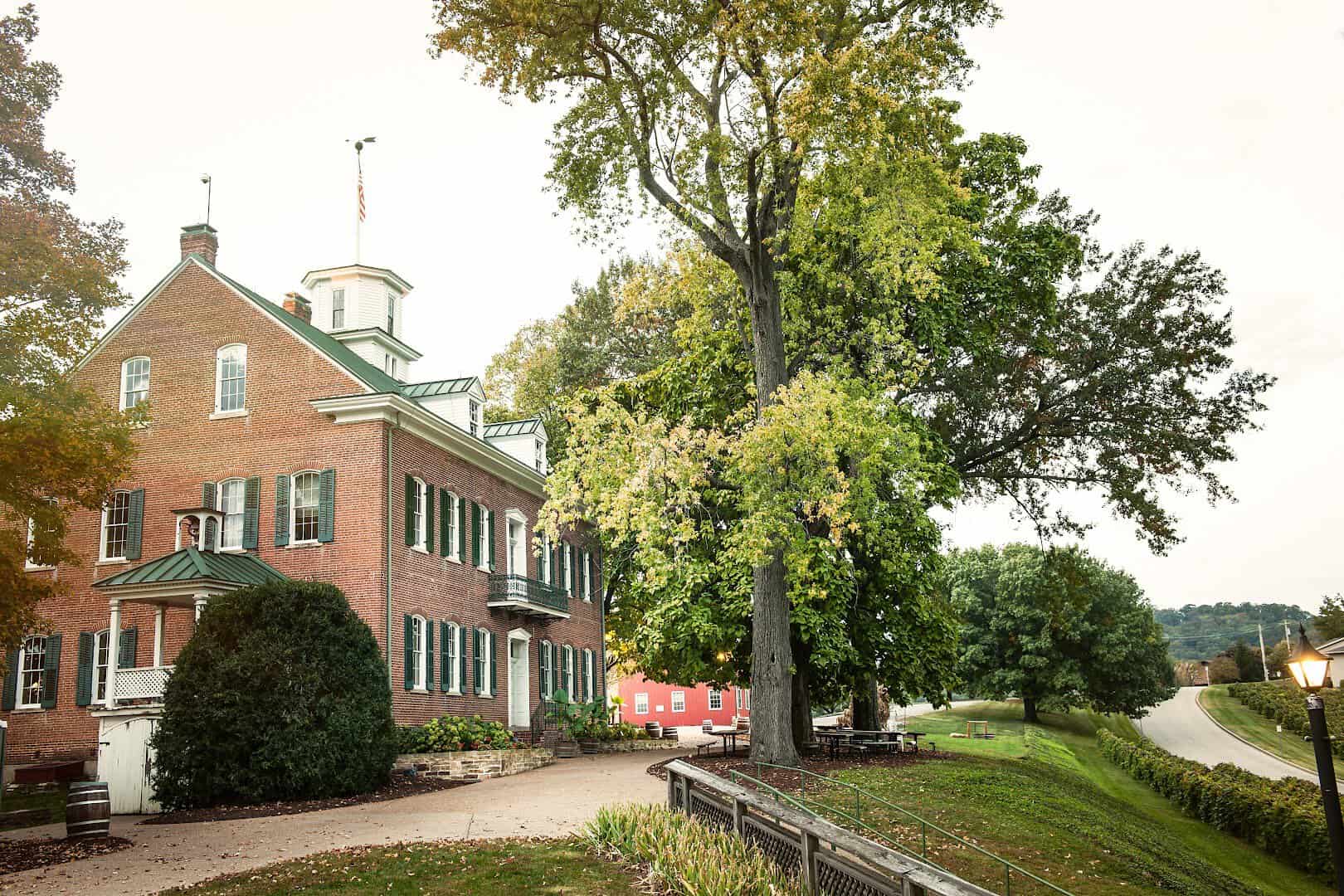
German settlers chose this bend of the Missouri River in 1837 precisely because it reminded them of the Rhineland, then planted grapes to prove the point. By 1870 Missouri was the top wine-producing state in the country, and Hermann poured more than half of it.
Stone Hill Winery, founded in 1847, crowns a hilltop above town with the largest underground wine cellars in the nation, dug by hand over twenty-two years. Sip a Norton, tour the cool vaulted cellars, and marvel that any of this exists in the middle of Missouri.
Founder Michael Poeschel’s Norton wine collected eight gold medals at world’s fairs, starting in Vienna in 1873. Hermann still throws a full-tilt Oktoberfest every fall, so the German roots have never really gone dormant.
Where: Stone Hill Winery, 1110 Stone Hill Hwy, Hermann, MO 65041.
7. Le Claire, Iowa
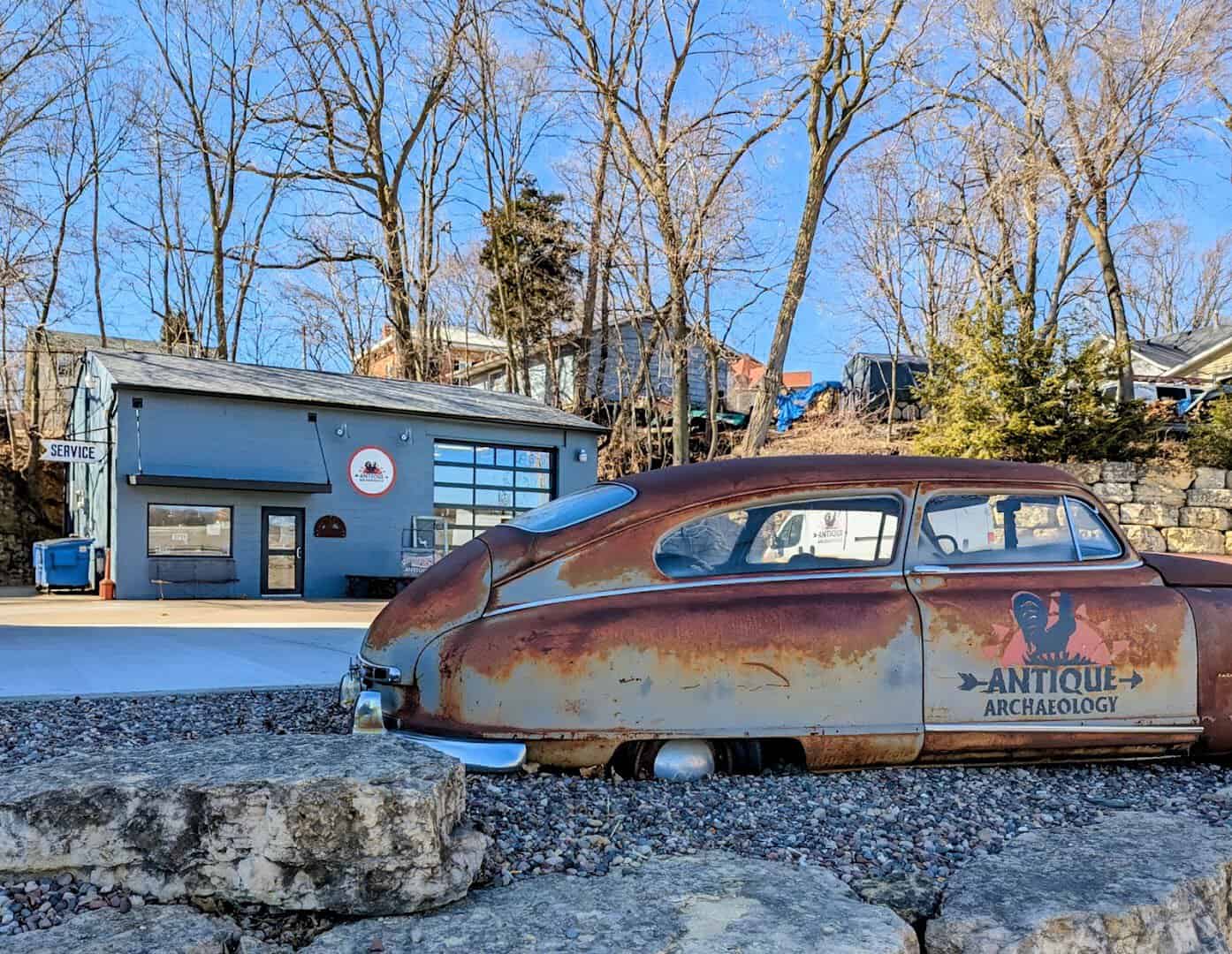
Le Claire packs two unlikely claims into one small town on the Mississippi. It is the birthplace of “Buffalo Bill” Cody, and it is the home base for the History Channel’s “American Pickers.” Both facts tend to stop first-time visitors mid-sentence.
Fans make the pilgrimage to Antique Archaeology, Mike Wolfe’s shop inside a former riverfront fabrication building, then discover the rest of it: a walkable main street, wine tasting, a distillery, and the Riverboat Twilight, a replica Victorian steamboat still cruising the water.
Buffalo Bill Cody was born just outside town in 1846, and the Buffalo Bill Museum on the riverfront tells his story alongside the Mississippi’s own steamboat past. Libation Lane, with its wineries and brewery, handles the rest of the afternoon.
Time it right and you can watch a paddle-wheeler churn past while you browse the shops along the water. It is a slower, sweeter kind of afternoon.
Where: Antique Archaeology, 115 Davenport St, Le Claire, IA 52753.
8. Council Grove, Kansas
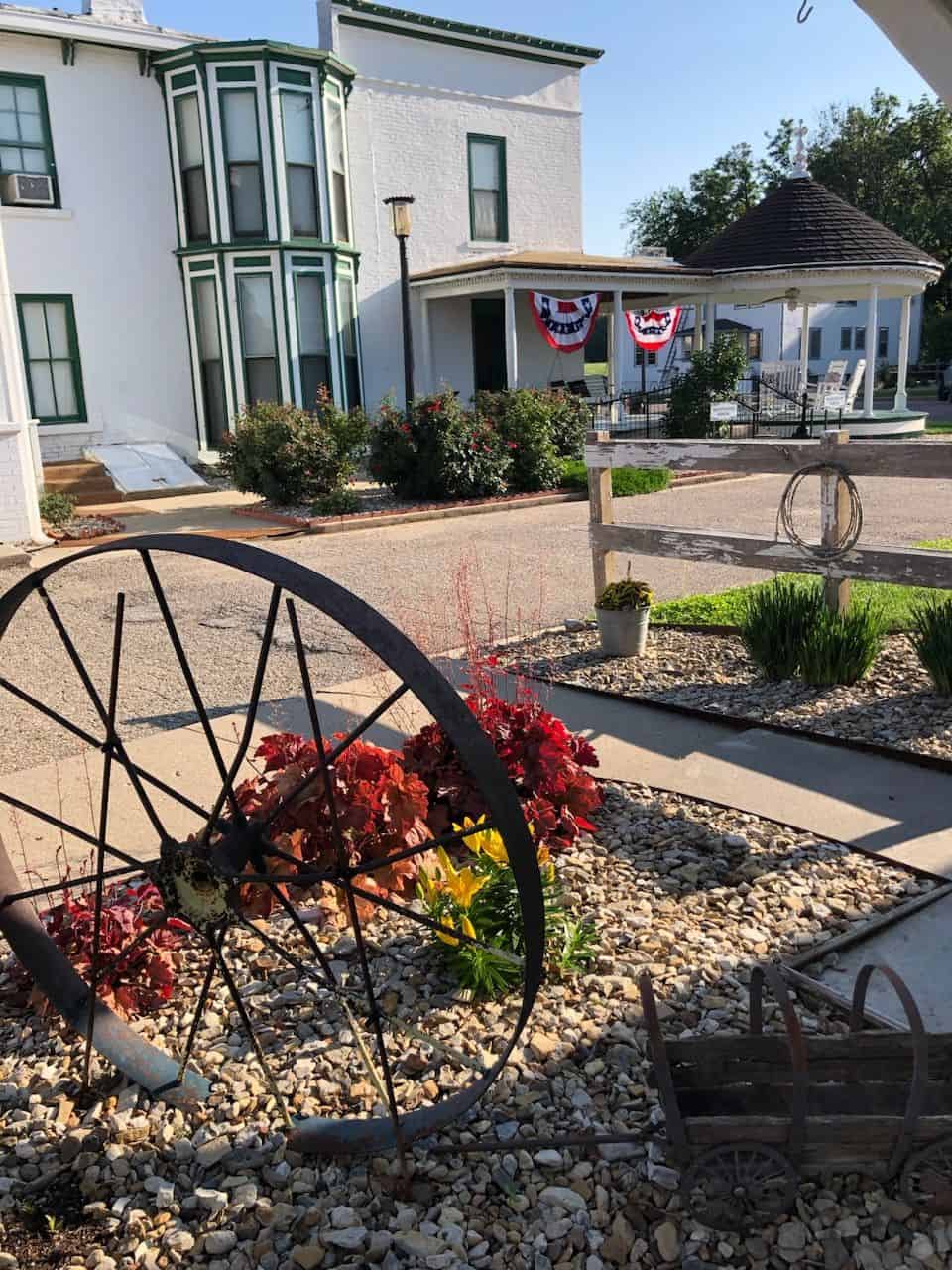
Council Grove was the last real place to stock up before the Santa Fe Trail plunged into open country, so history piled up here fast. Twenty-four marked landmarks dot the town, from the Council Oak, where an 1825 treaty opened the trail, to old stone stagecoach stops.
The Hays House, built by a grandson of Daniel Boone, has fed travelers since 1857 and bills itself as the oldest continuously operating restaurant west of the Mississippi. Order supper where wagon trains once paused to rest their oxen.
Seth Hays, who founded the trading post, was a grandson of Daniel Boone and a cousin of Kit Carson, which tells you the kind of company this little prairie town once kept. History leans on you here.
Where: Hays House, 112 W Main St, Council Grove, KS 66846.
9. Nebraska City, Nebraska
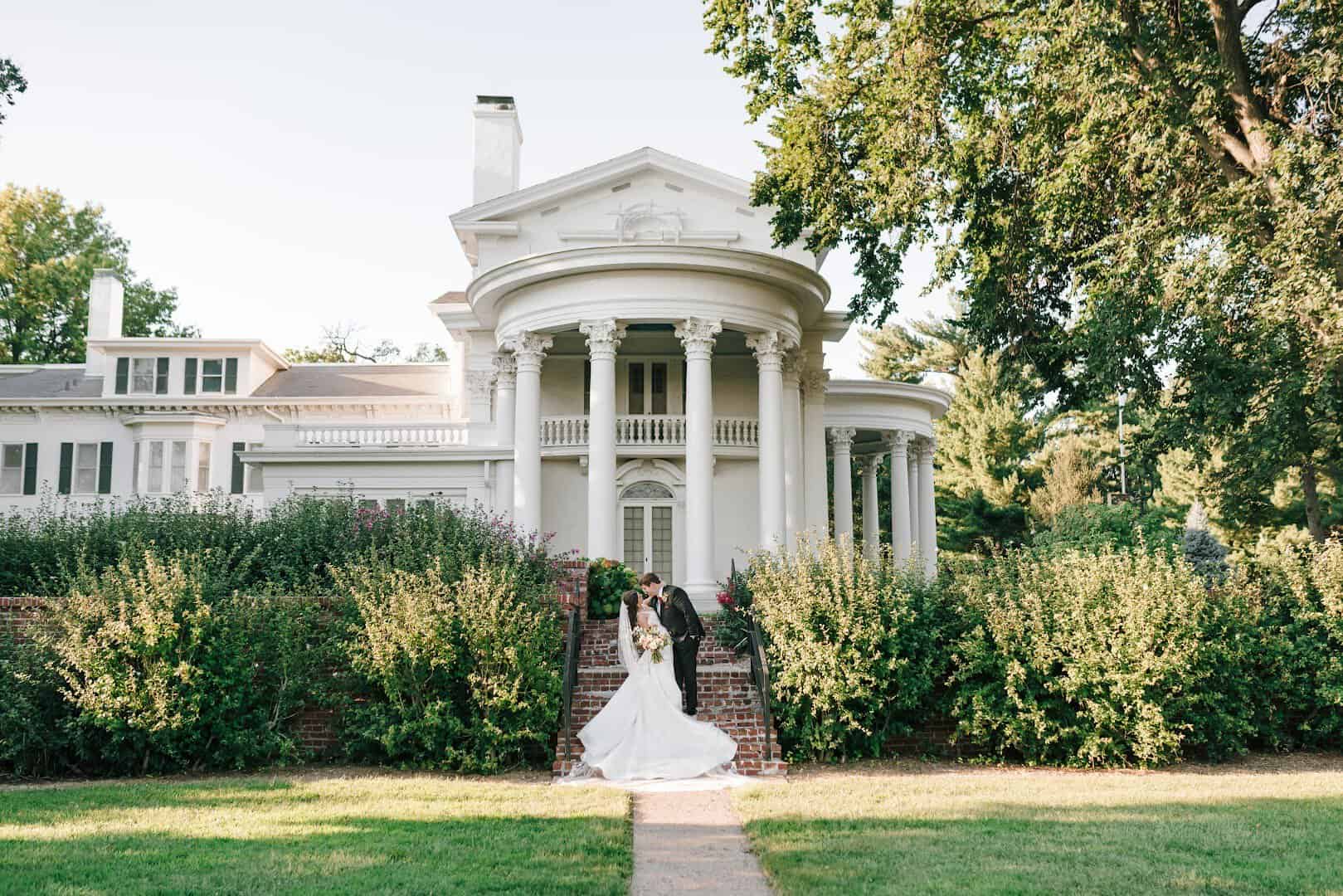
Arbor Day was born right here. In 1872 J. Sterling Morton, a Nebraska City newspaperman, talked the state into planting trees, and the holiday spread from this bluff above the Missouri River to the rest of the world.
His home, Arbor Lodge, grew from two rooms into a fifty-two-room mansion topped by a Tiffany skylight, ringed by an arboretum, apple orchards, and more than 200 varieties of lilac. In a state most people picture as bare plains, it is a forest someone planted on purpose.
Morton’s son Joy, who grew up on these grounds, went on to found the Morton Salt company and the Morton Arboretum near Chicago. The family clearly never lost its thing for trees, and Nebraska City is greener for it.
Where: Arbor Lodge State Historical Park, 2600 Arbor Ave, Nebraska City, NE 68410.
10. Medora, North Dakota
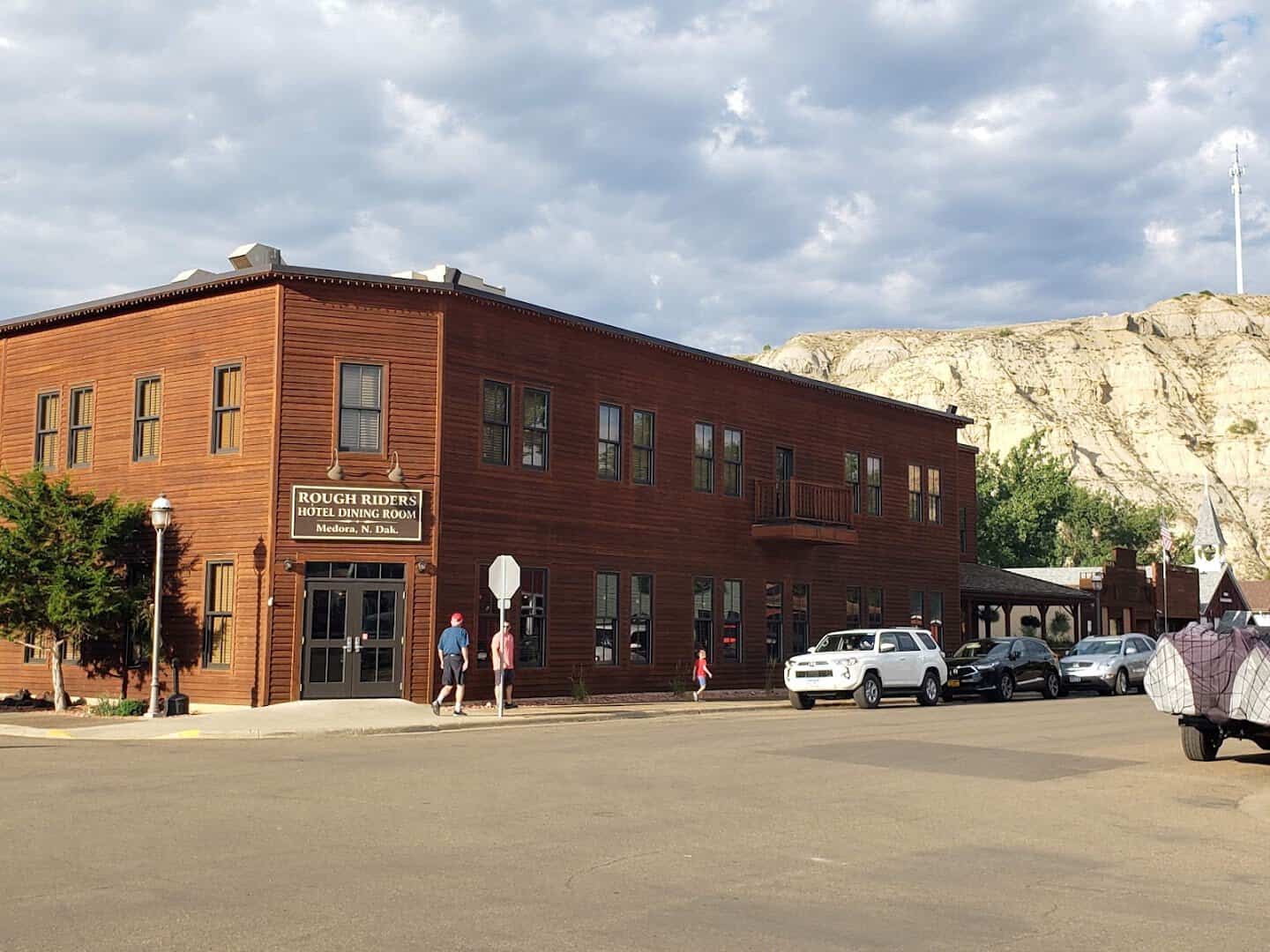
A French nobleman founded Medora in 1883, named it for his wife, and built a meatpacking empire that flamed out within a few years. What survives is a genuine Old West town parked at the door of Theodore Roosevelt National Park and its painted badlands.
The Rough Riders Hotel has welcomed guests since 1884 and keeps one of the largest private libraries of Roosevelt books anywhere. A young Teddy hunted bison in these hills, and you can still feel the frontier underfoot on the wooden boardwalks.
Every summer the town stages the Medora Musical, an outdoor variety show set against the badlands, with a pitchfork fondue dinner served beforehand on the bluff. It is exactly as gloriously odd as it sounds.
Where: Rough Riders Hotel, 301 3rd Ave, Medora, ND 58645.
11. Deadwood, South Dakota
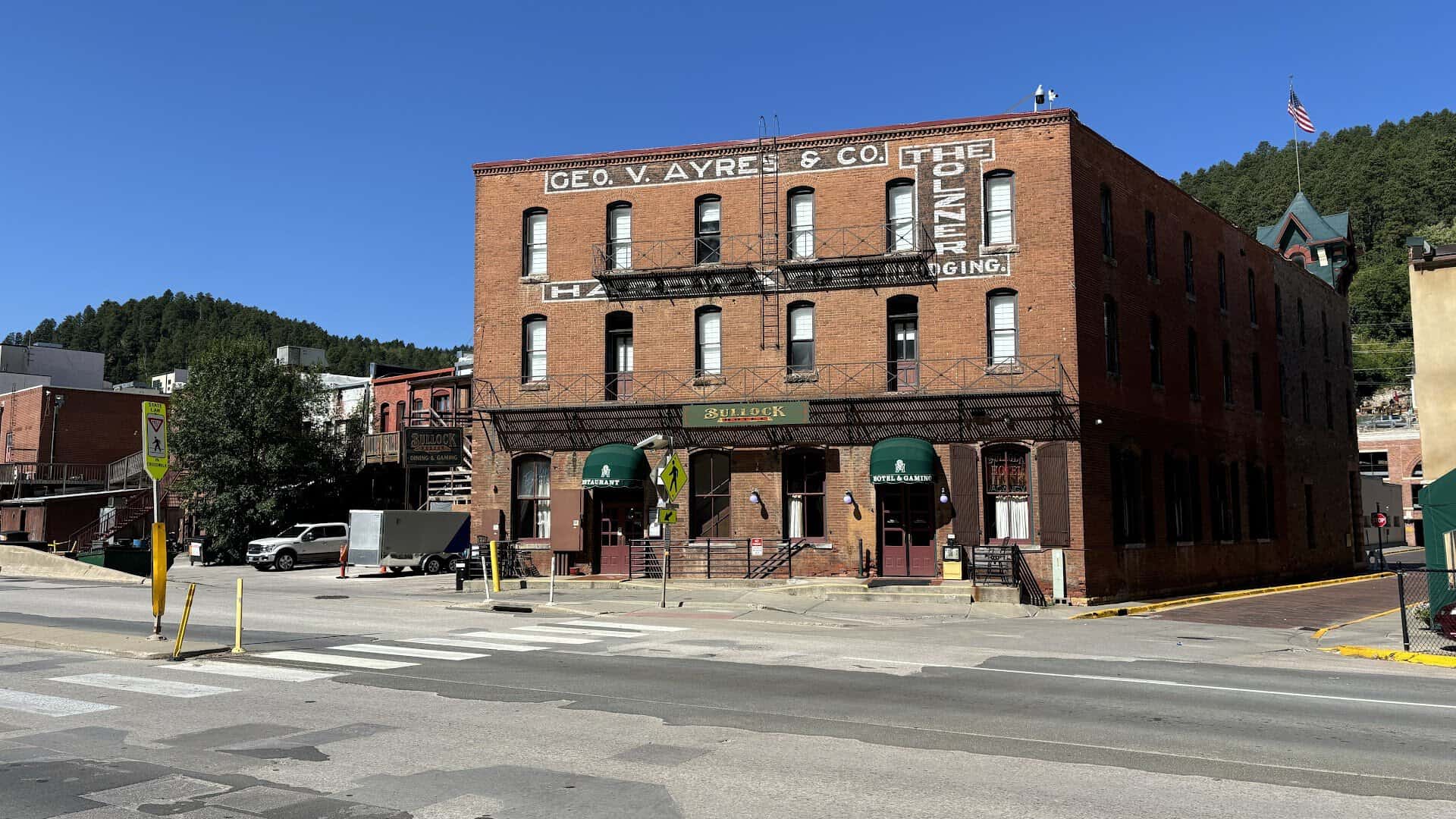
Deadwood earned its Wild West fame the hard way, born in an 1876 gold rush that pulled in Wild Bill Hickok, Calamity Jane, and every flavor of trouble. The surprise today is that the entire town is a National Historic Landmark, its Main Street preserved right down to the brick.
The Bullock Hotel, built in 1896 by Deadwood’s first sheriff, still runs, its skylight and grand staircase intact. Walk the gulch, catch a costumed street reenactment, and the old boomtown snaps back to life all around you.
Wild Bill Hickok was gunned down here in 1876 holding aces and eights, the hand forever after known as the “dead man’s hand,” and his grave rests up the hill in Mount Moriah Cemetery. The whole town leans into its legend.
Gaming revenue funds the preservation here, so the whole gulch keeps getting spruced up rather than falling down. Few old boomtowns have aged this gracefully.
Where: Bullock Hotel, 633 Main St, Deadwood, SD 57732.
Go Find Your Own Plot Twist
Eleven towns, eleven states, and not a single cornfield cliche among them. The Midwest hides its best stories in plain sight, one small main street at a time, waiting patiently for the people who bother to slow down and actually pull off the highway.
Pick the one that surprised you most, point the car toward it, and go prove the flyover crowd wrong. Just try to leave a little room in the trunk for pie, pottery, and a bottle of Missouri wine.
Featured image: Todor Krecu via New Glarus Brewing Company

Stella Raines
Editor-in-Chief
Stella brings over a decade of storytelling experience to TX Headlines. With roots in West Texas and a love for road trips, she leads the editorial team with an eye for the hidden stories that make Texas unforgettable.