10 Wine-Country Small Towns Across America
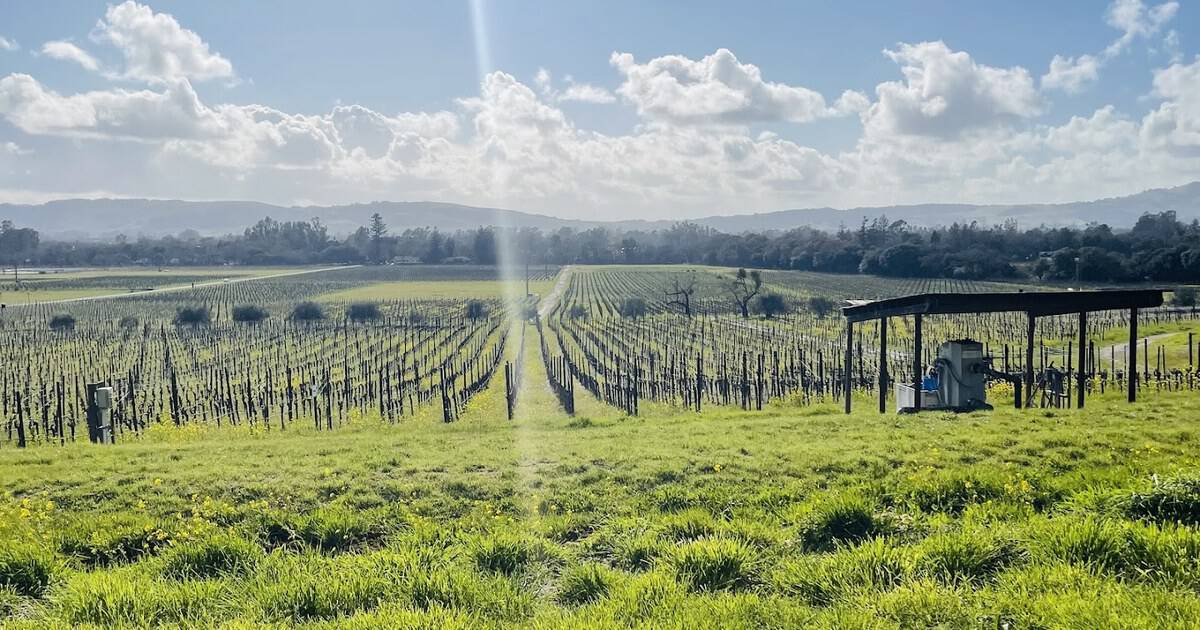
Here is a hot take that will get me in trouble at any tasting bar: the wine is rarely the best part of a wine trip. The pour is lovely, sure. But what I actually chase is the town wrapped around the vineyard.
I mean the one with three good restaurants, a bookshop, and a porch where somebody hands you a glass and forgets to rush you. That is the real draw of American wine country, the slow golden afternoon you only find where the grapes grow.
The best of these places are small on purpose, walkable, and stitched together by family wineries that have been at it for generations. Some have been making wine longer than California has been a state.
Below, ten wine-country small towns spread clear across the country, from a Finger Lakes village to a Texas Hill Country favorite. Each one comes with a standout winery to point the car at and everything you need to plan the trip.
1. Sonoma, California
Everybody races to Napa and misses the quieter, older sibling one valley west. Sonoma is built around the largest town plaza in California, eight shady acres where the Bear Flag was first raised in 1846 and California declared its independence from Mexico.
More than twenty tasting rooms ring that plaza, so you can spend a whole day sipping without ever touching the car keys. That alone makes it my favorite easy-does-it wine town in the state.
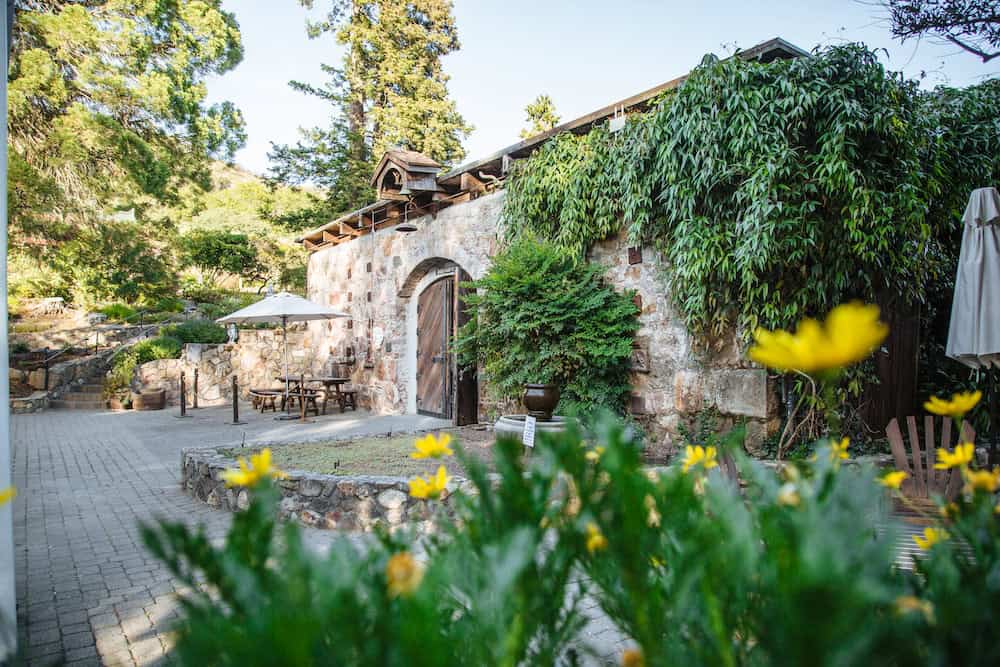
My pick for the anchor is Gundlach Bundschu, founded in 1858 by Bavarian immigrant Jacob Gundlach and still run by the sixth generation of his family. That makes it California’s oldest family winery, older than the state’s paved highways.
Come at golden hour, when the low light turns the vine rows and the old stone cellar the color of honey. It is the kind of view that makes you quietly push back your dinner reservation.
Where: Gundlach Bundschu, 2000 Denmark Street, Sonoma, CA 95476. The historic Sonoma Plaza sits two miles northwest in the center of town.
2. Hammondsport, New York
Tucked at the southern tip of Keuka Lake, Hammondsport is a postcard of a village green ringed by brick storefronts. It also happens to sit at the birthplace of serious East Coast wine.
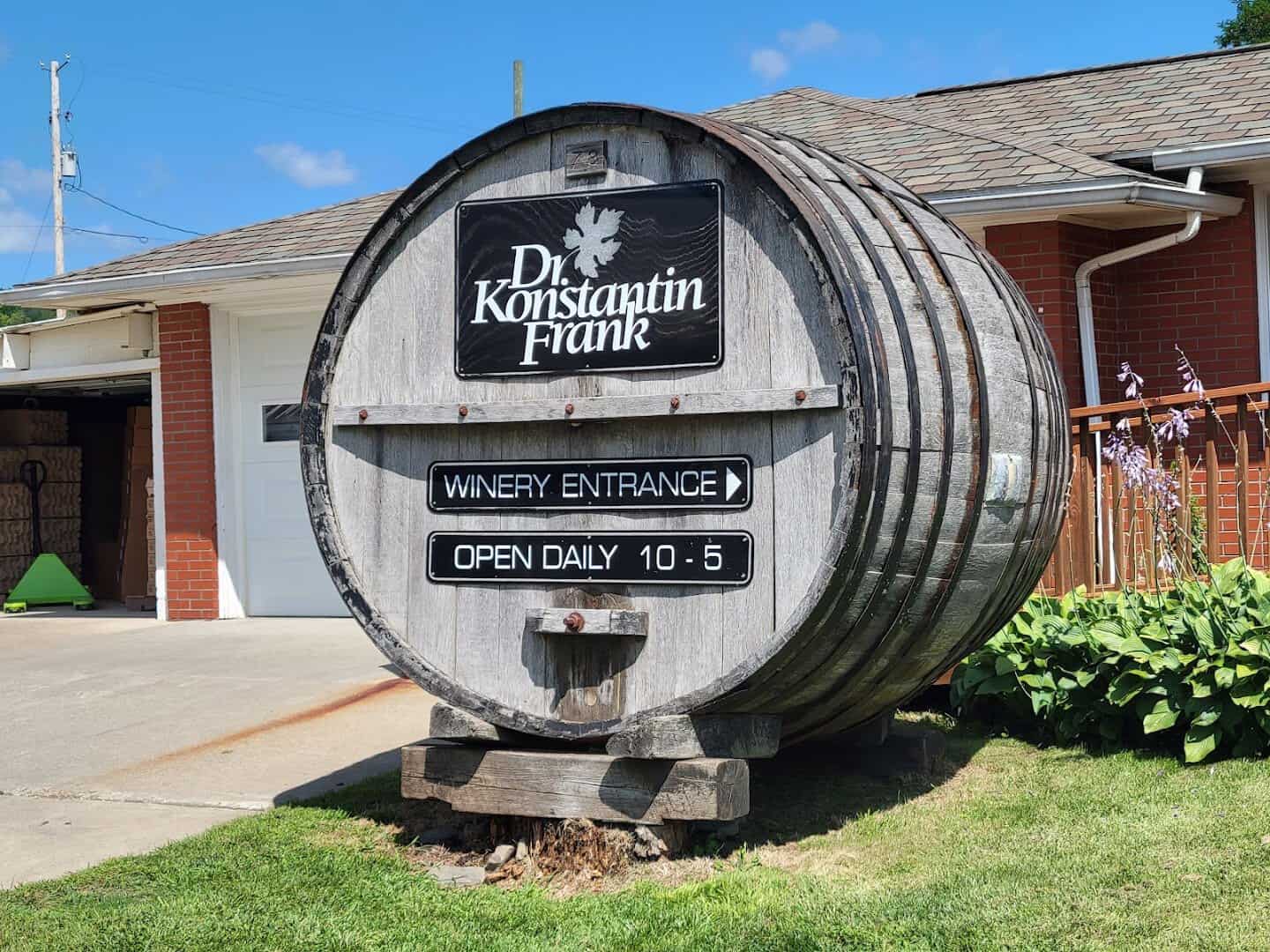
The story runs through one stubborn genius. Dr. Konstantin Frank, a viticulturist who fled the Soviet Union and landed here in 1951, planted classic European grapes along the lake in 1957 when everyone swore they would freeze. They thrived, and he earned the title father of vinifera in the East.
His winery opened in 1962 and is now on its fourth generation, home to some of the oldest vines in the whole country. The steep, slate-rich slopes above the water make the tasting-room view worth the drive on their own.
Ask for the dry Riesling; it is what the Finger Lakes does better than almost anywhere else in the country.
Where: Dr. Konstantin Frank Winery, 9749 Middle Road, Hammondsport, NY 14840, on the western hills above Keuka Lake.
3. Dundee, Oregon
If you love Pinot noir, Dundee is basically the promised land. This tiny town sits on the eastern edge of the Dundee Hills, the red-soiled center of Oregon’s Willamette Valley and the birthplace of American Pinot noir.
Pioneers like David Lett and the Sokol Blossers planted the first vines here more than fifty years ago, betting that ancient volcanic Jory soil would make magic. It did, and it put Oregon on the world wine map. Around a hundred vineyards now dot 12,500 acres of these hills.
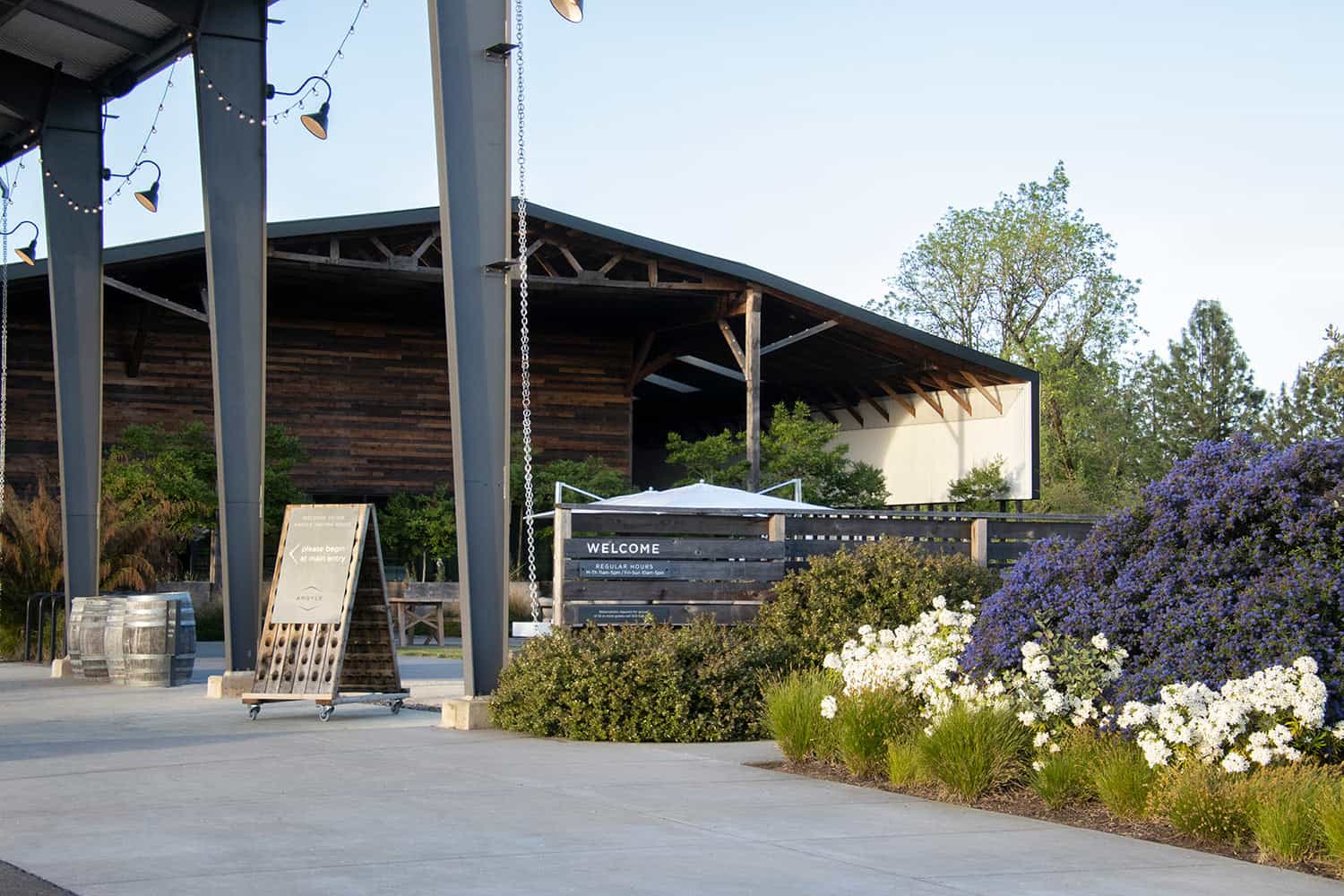
Right in the middle of town, Argyle Winery pours its acclaimed sparkling from a tasting house built inside an old hazelnut processing barn. It was the first commercial winery inside Dundee’s city limits, and it is still one of the friendliest front doors to the whole region.
Where: Argyle Winery, 691 Highway 99W, Dundee, OR 97115, in the heart of downtown, about 40 minutes southwest of Portland.
4. Middleburg, Virginia
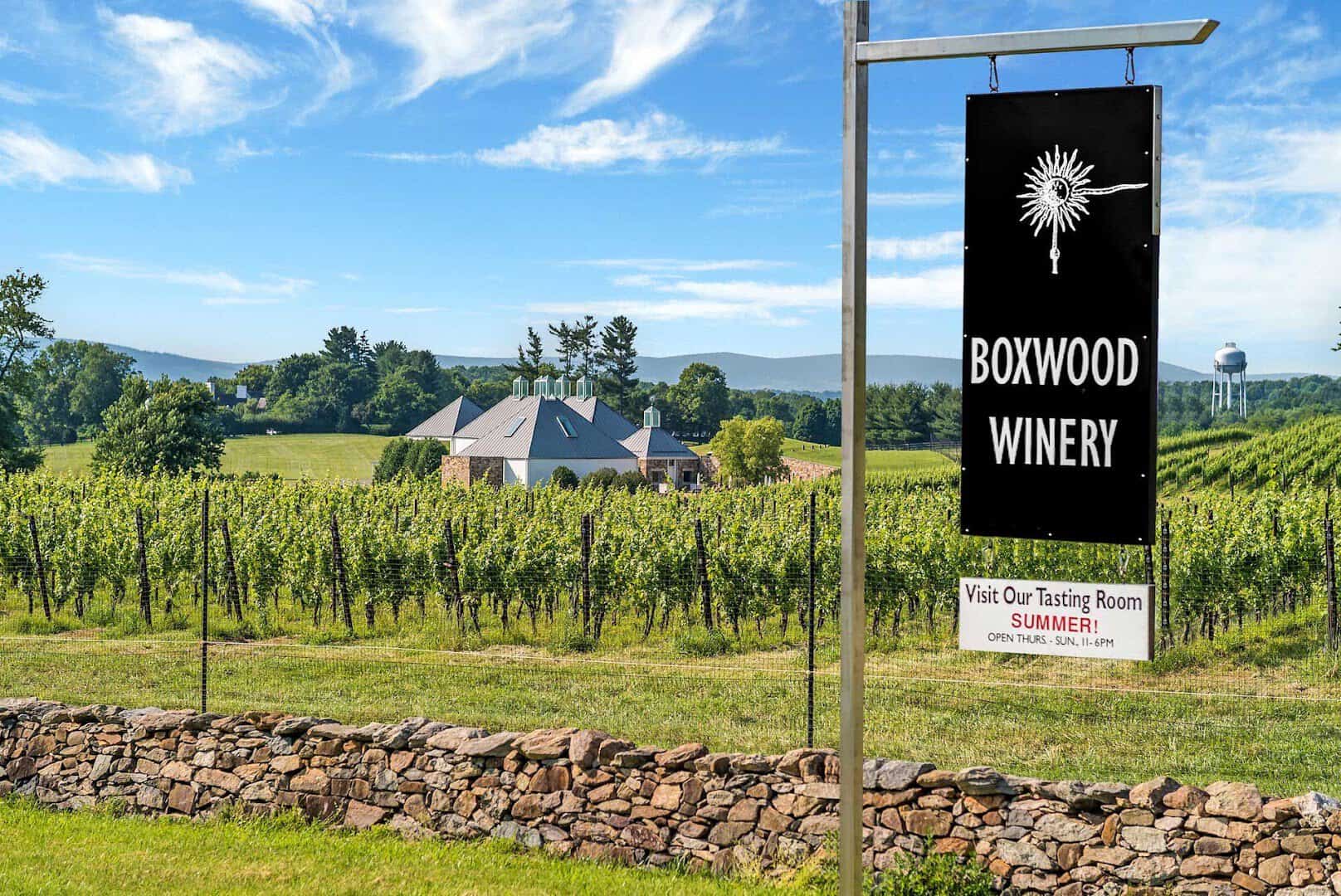
An hour west of Washington, D.C., Middleburg feels like a movie set for old-money country living. Think stone walls, fox-hunt history, and a main street that has looked much the same since the 1700s.
This is horse country first and wine country a close second, and the two blend beautifully. You can spend a morning watching thoroughbreds graze behind white fences, then taste Bordeaux blends by afternoon.
Middleburg earned its own federal wine appellation in 2012, largely thanks to the persistence of one estate.
Boxwood Estate Winery sits on a historic farm once owned by aviation pioneer General Billy Mitchell, now planted with Bordeaux grapes across 26 gentle acres. Founder John Kent Cooke, who once owned the Washington football team, spent seven years helping create the region’s appellation before ever selling a bottle.
Where: Boxwood Estate Winery, 2042 Burrland Lane, Middleburg, VA 20117, a short drive from Middleburg’s historic main street.
5. Woodinville, Washington
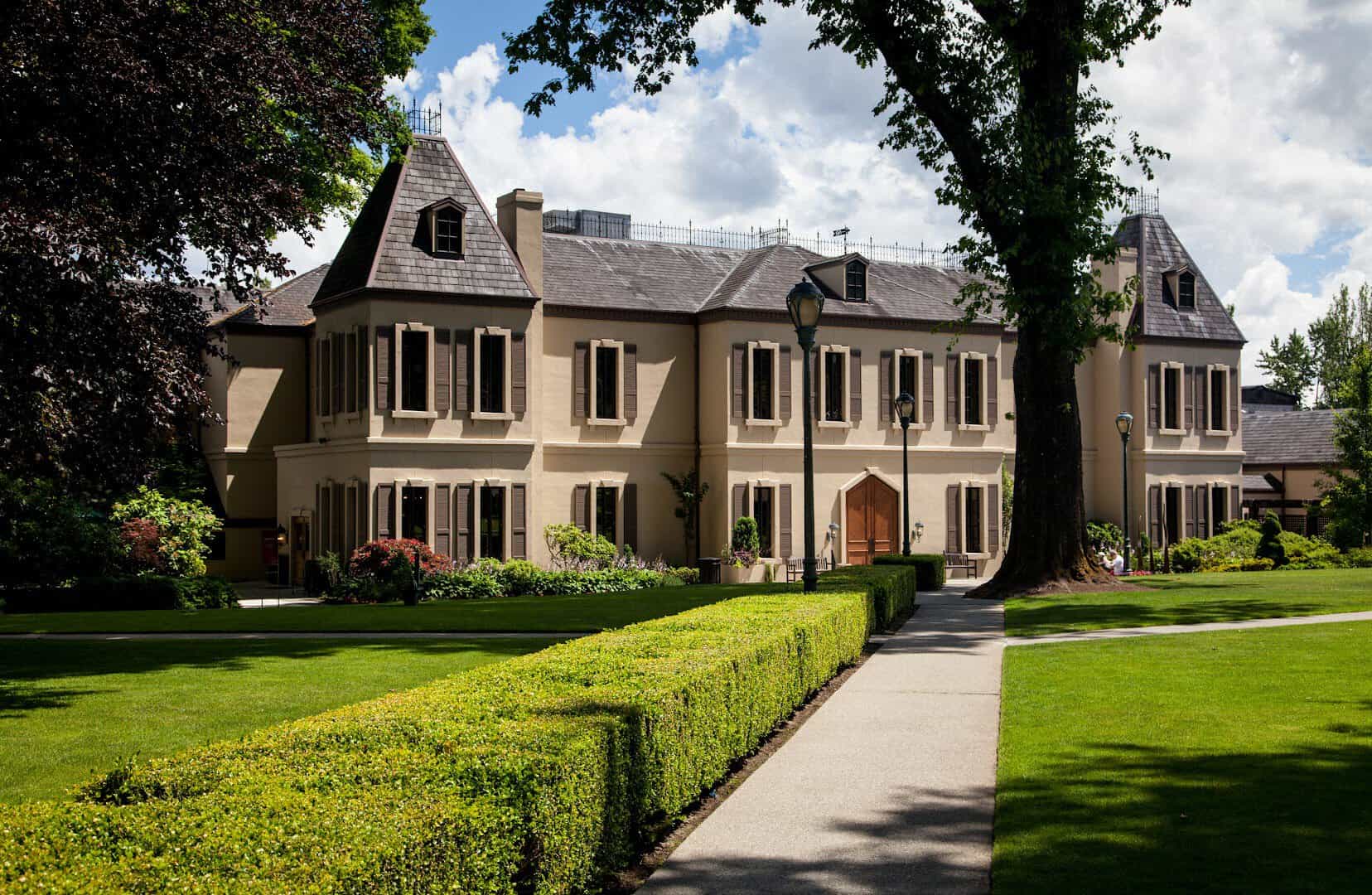
Here is the surprise: some of Washington’s best wine is poured a half hour from downtown Seattle, no mountain pass required. Woodinville packs well over a hundred tasting rooms into an easy, leafy stretch you can explore on foot or by bike.
The town that started it all is Chateau Ste. Michelle, Washington’s oldest winery, founded in 1934. Its 105 wooded acres, tree-lined drive, and grand chateau feel more like an estate garden than a production facility.
In summer the lawn hosts a beloved outdoor concert series, so you can catch a big-name act with a glass of Riesling in hand. Come for the wine, stay for the picnic, and plan to lose the whole afternoon.
Where: Chateau Ste. Michelle, 14111 NE 145th Street, Woodinville, WA 98072, roughly 30 minutes northeast of Seattle.
6. Dahlonega, Georgia
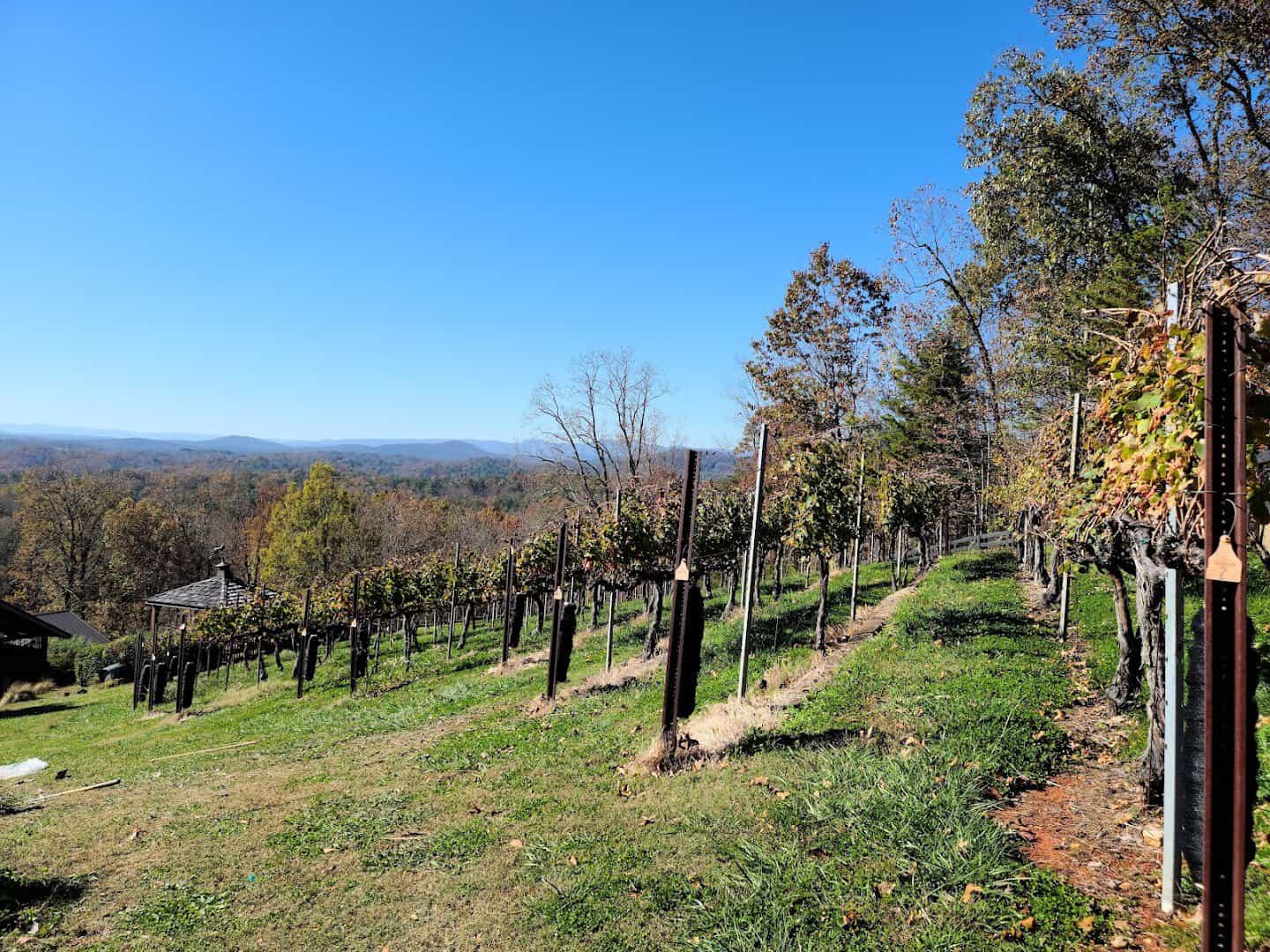
The South makes wine, and it makes it well, a fact that surprises just about everyone. Dahlonega, the little Gold Rush town in the North Georgia mountains, has quietly become the heart of the state’s wine scene.
The town square is pure charm, ringed by the old brick courthouse and the Appalachian foothills. Drive five miles north and up, and you reach Wolf Mountain Vineyards, perched at 1,800 feet with rows of vines spilling down the slopes.
The multi-level patios there look out over ridgelines that go blue at dusk, and the winery has pulled in more than 200 medals in national competitions. Book the café lunch, order a bottle of the sparkling, and linger past your reservation.
Where: Wolf Mountain Vineyards, 180 Wolf Mountain Trail, Dahlonega, GA 30533, about five miles north of the Dahlonega square.
7. Los Olivos, California
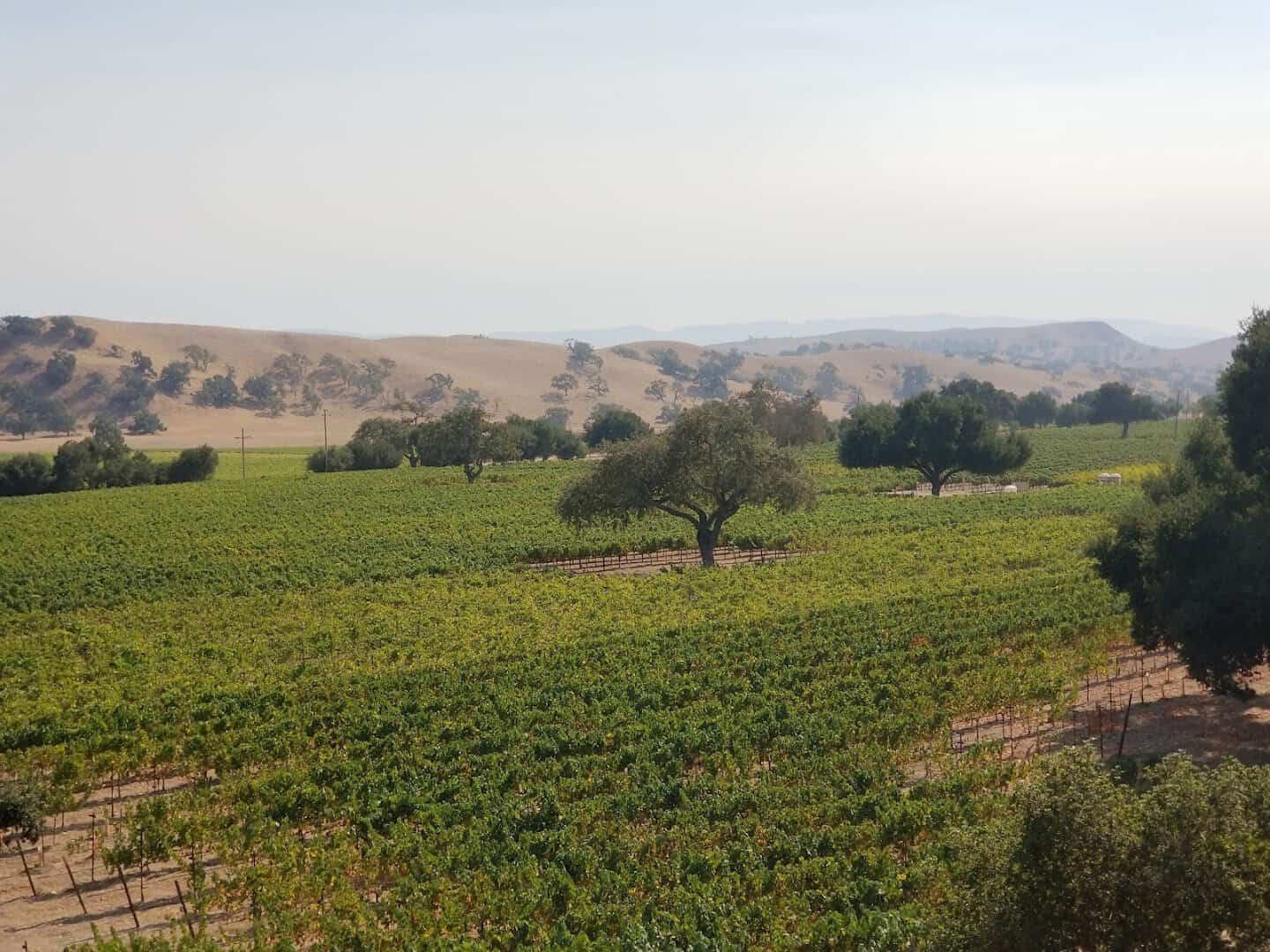
Santa Ynez Valley wears its fame lightly, and Los Olivos is its most walkable little village. Picture six square blocks of clapboard storefronts, tasting rooms, and truly excellent restaurants two hours up the coast from Los Angeles.
You can park once and wander from pour to pour, which is exactly how a wine town should feel. Grab a scoop from the ice cream shop between tastings and you have the whole afternoon sorted.
Just outside the village, Firestone Vineyard spreads across 500 estate acres.
Founded in 1972 by Leonard Firestone, son of the tire magnate, it was the first estate winery in Santa Barbara County. The tasting patio looks straight out over the vines toward the coastal hills, and the estate Sauvignon Blanc is a local point of pride.
Where: Firestone Vineyard, 5017 Zaca Station Road, Los Olivos, CA 93441, a few minutes from the village center.
8. Suttons Bay, Michigan
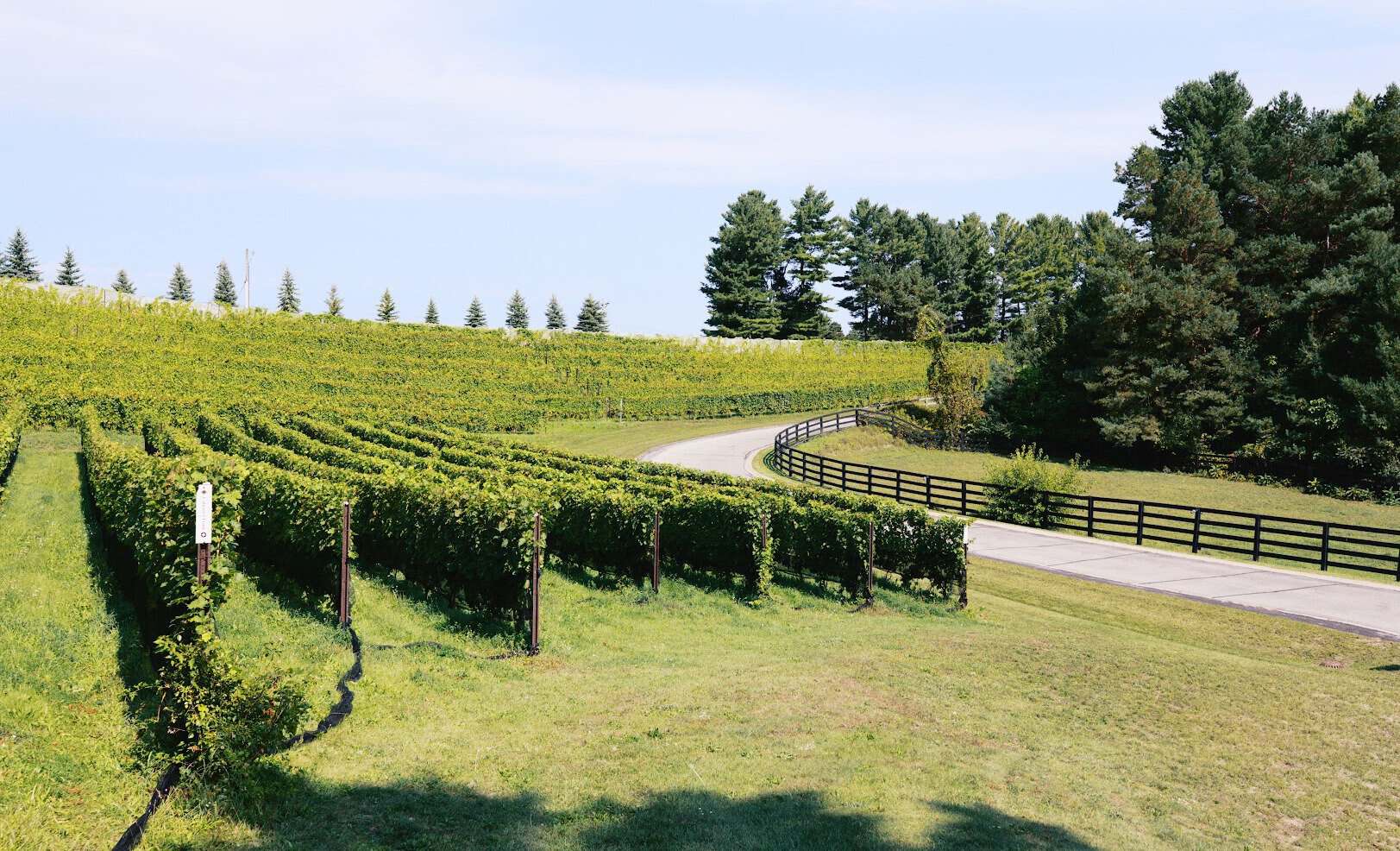
Do not sleep on the Great Lakes. On the Leelanau Peninsula, a slim finger of land reaching into Lake Michigan, the water moderates the winters just enough to grow lovely cool-climate wine.
Suttons Bay is the walkable little harbor town at the center of it, twelve miles north of Traverse City, with a bright main street and water views at the end of every block. It is the kind of place you visit for a day and start pricing cottages by dinner.
Just outside town, Black Star Farms turns a former equestrian estate into a full destination: a winery and tasting room, an inn, a bistro café, and hiking trails across 160 rolling acres. Established in 1998, it is the peninsula’s marquee stop.
Where: Black Star Farms, 10844 E Revold Road, Suttons Bay, MI 49682, a scenic 15-minute drive up M-22 from Traverse City.
9. Sonoita, Arizona
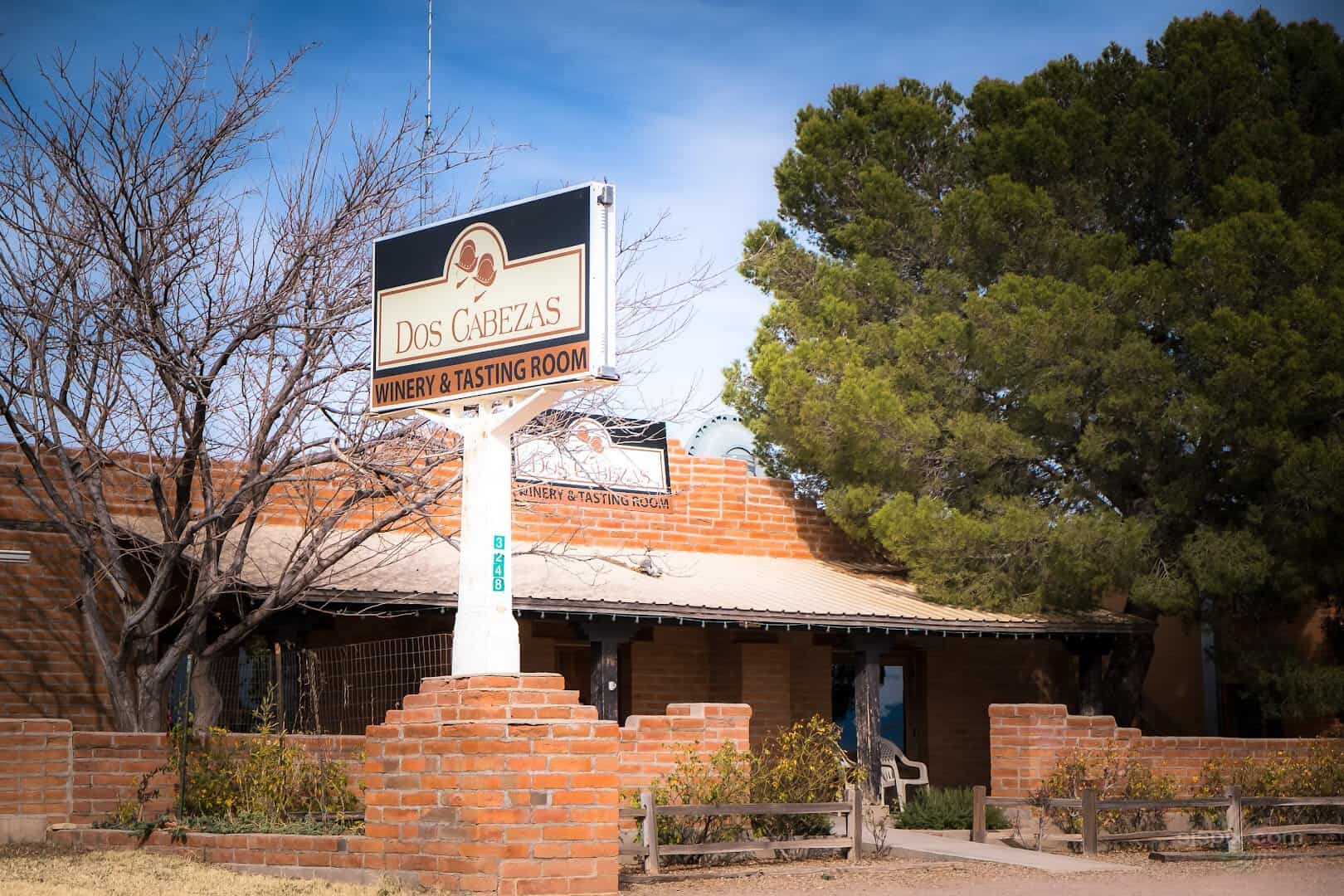
Wine in the desert sounds like a punchline until you stand in Sonoita’s rolling grassland at 5,000 feet. The air is cooler than you expect, and the views run a full 360 degrees to the mountains.
This high-desert pocket southeast of Tucson is Arizona’s first federally recognized wine region, and the elevation and temperatures oddly mimic Sonoma, California. Locals only half joke that it is cowboys and vintners sharing the same bar.
Dos Cabezas WineWorks is one of the region’s most respected names, pouring bold Southwestern reds against a backdrop of grass and sky. It is unpretentious, sun-washed, and completely unlike any other tasting room on this list.
Time it for a summer evening and you may catch a monsoon storm rolling across the valley while you sip. That is a memory no famous vineyard can sell you.
Where: Dos Cabezas WineWorks, 3248 Highway 82, Sonoita, AZ 85637, about an hour southeast of Tucson.
10. Fredericksburg, Texas
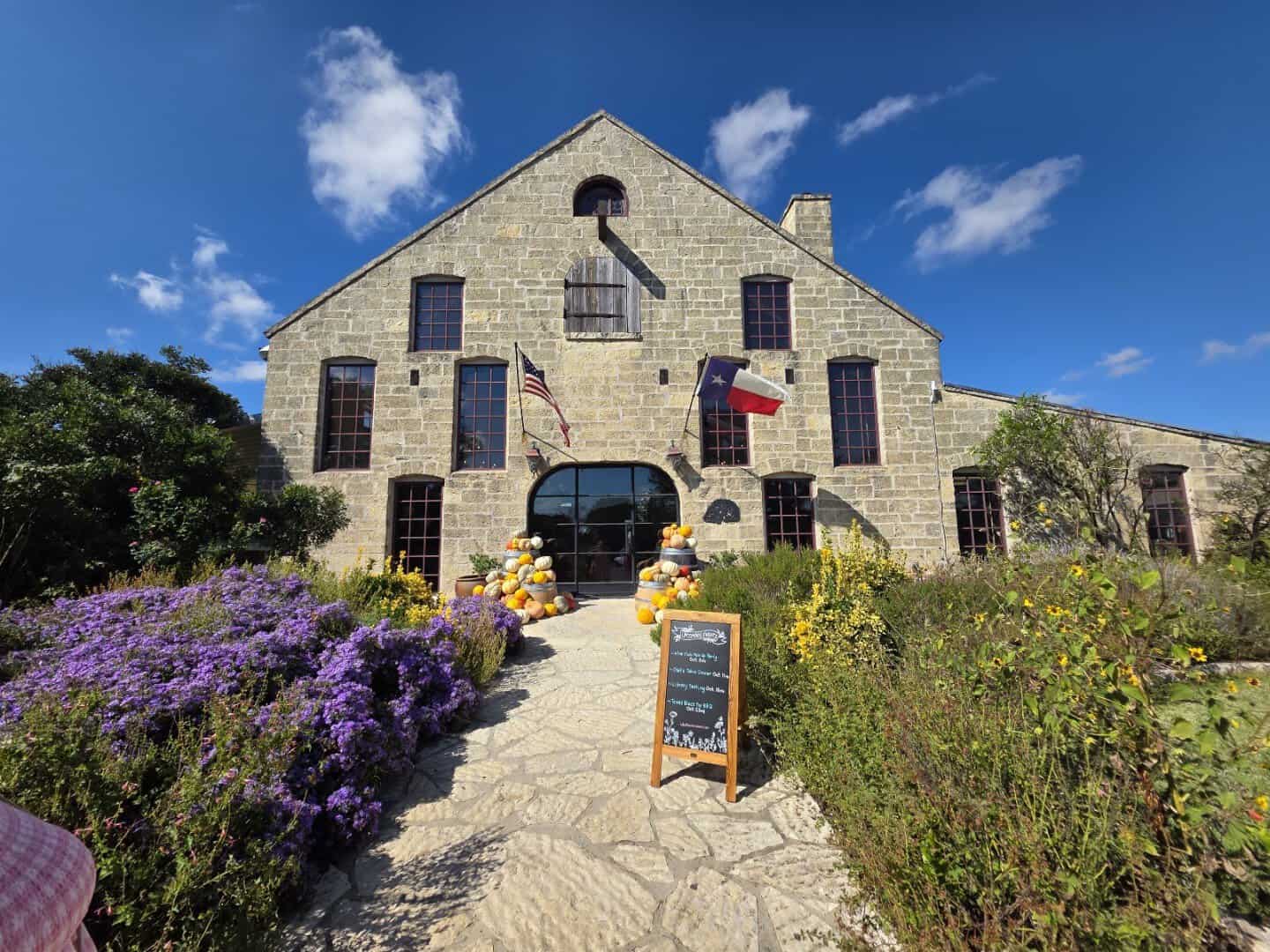
I saved a Texan for last, and it earns the spot. Fredericksburg, settled by German immigrants in 1846, keeps its heritage alive in stone cottages, biergartens, and a Main Street that still greets you with a hearty willkommen.
It is also the beating heart of Texas wine. Wine Road 290 links dozens of tasting rooms east toward Stonewall, and the Hill Country now trails only Napa as an American wine-tourism draw.
The anchor is Becker Vineyards, founded in 1992 inside a reproduction 19th-century German stone barn ringed by lavender fields. It is the most awarded winery in the state, with nearly 300 gold medals, and it keeps a second tasting room right on Main Street too.
Visit in June, when the lavender is in full purple bloom, and you will wonder why you ever thought Texas could not do wine country.
Where: Becker Vineyards, 464 Becker Farms Road, Fredericksburg, TX 78624, on Highway 290 between Fredericksburg and Stonewall.
Pack a Bag and Point the Car
The beauty of wine country is that you do not have to be a connoisseur to fall for it. You just need a free weekend, a comfortable pair of shoes, and a willingness to let a small town slow you down.
Pick the region closest to home, or the one that has been quietly living in the back of your mind, book a table, and simply go. The vineyards will still be there waiting at golden hour, and so, I promise, will that unhurried little porch.
Featured image: Kavya S via Gundlach Bundschu

Stella Raines
Editor-in-Chief
Stella brings over a decade of storytelling experience to TX Headlines. With roots in West Texas and a love for road trips, she leads the editorial team with an eye for the hidden stories that make Texas unforgettable.