12 Coastal Small Towns in America Worth the Drive
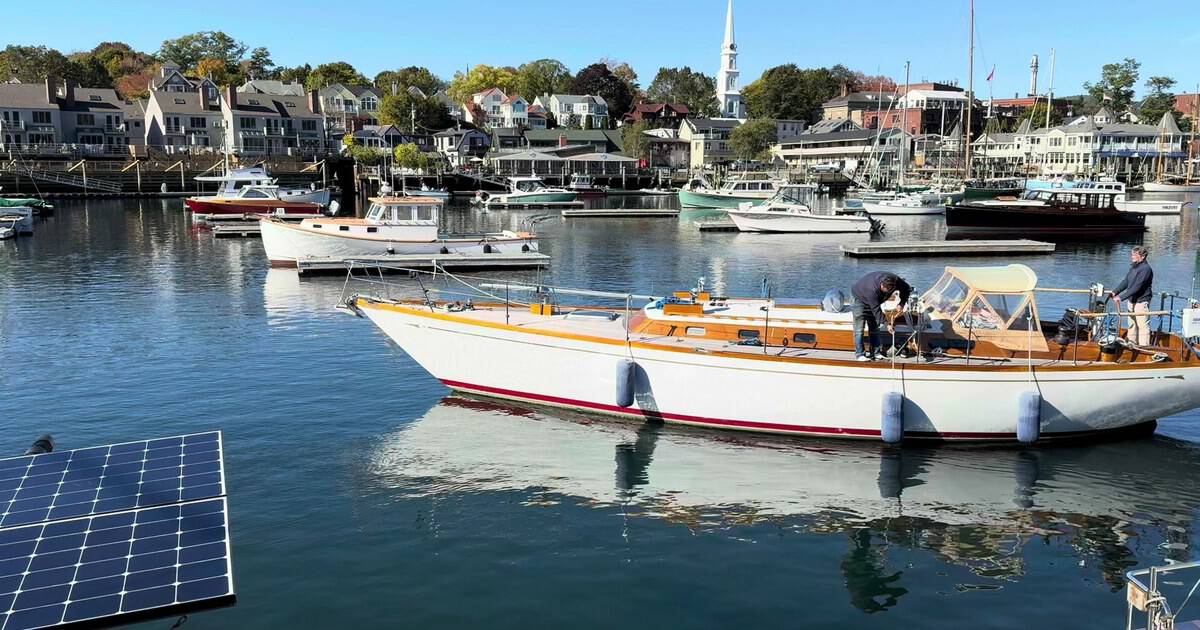
The interstate is efficient. It is also where good trips quietly go to die, one identical exit sign at a time. Give me the long way around, the two-lane road that hugs a shoreline and dead-ends at a harbor full of masts.
That is the whole argument for a coastal small town: the kind of place with salt-air charm, a working waterfront, and a main street you can walk end to end before your coffee cools. These are the towns that reward you for skipping the highway.
Below, discover twelve seaside and harbor towns across the country, from the rocky Atlantic to the Gulf, the Pacific, and the Great Lakes. Each one is worth pointing the car toward, so here is where to go and how to get there.
1. Camden, Maine
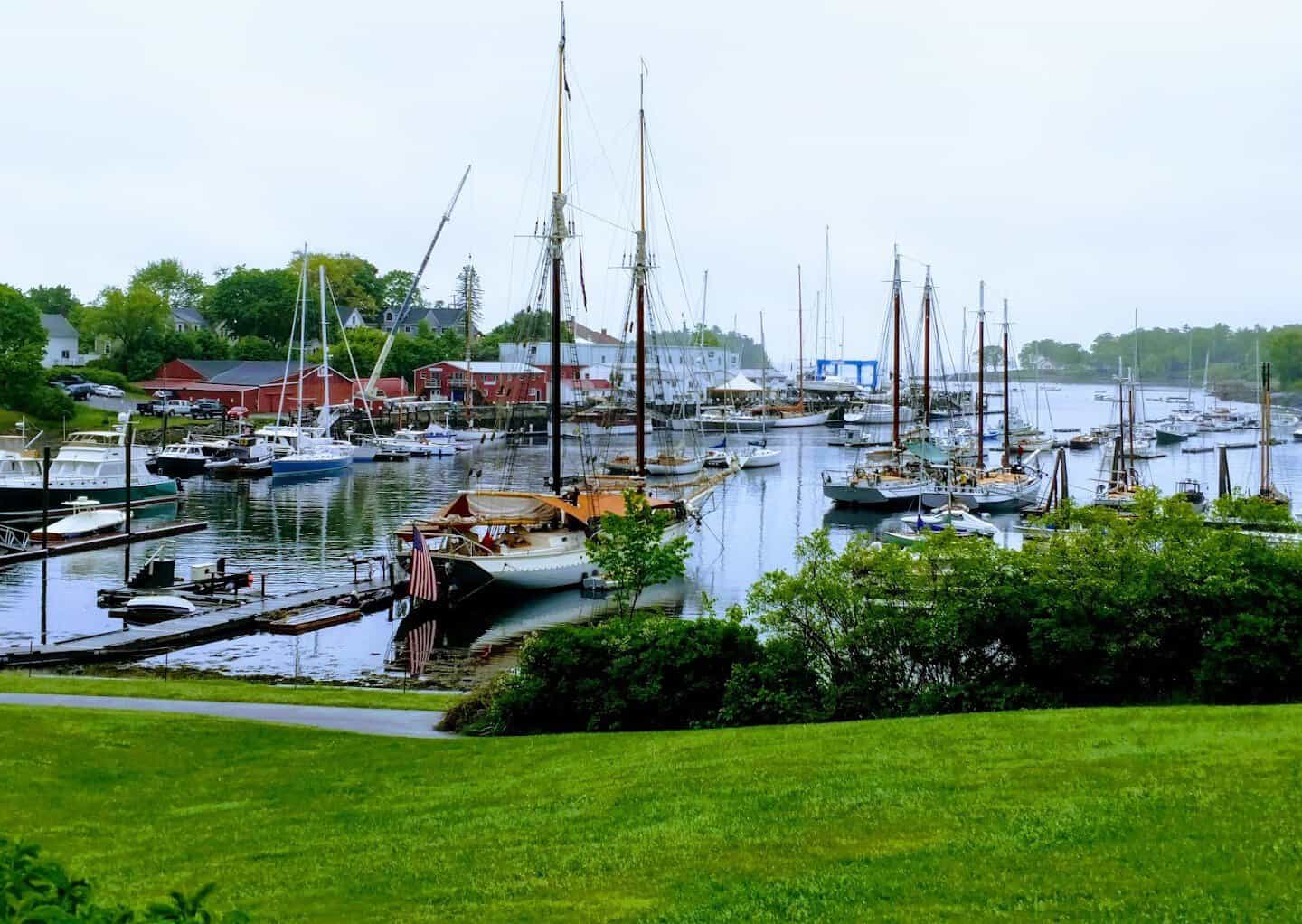
They call Camden the Jewel of the Maine Coast, and for once the nickname undersells it. Tall-masted windjammer schooners still crowd the harbor, some of them National Historic Landmarks that have sailed Penobscot Bay since the 1800s.
Settled in 1768, the town tucks its clapboard shops between the water and the Camden Hills. Climb the 1897 road up Mount Battie and the whole bay unrolls beneath you, islands and sails and all.
You can book a two-hour day sail on a historic schooner, and the sunset trips are the ones people remember for years.
Pro tip: park once and walk. The harbor, the shops, and the library’s little amphitheater on the water all sit within a few easy blocks of each other.
Where: Camden Public Landing, 1 Public Landing, Camden, ME 04843
2. Newport, Rhode Island
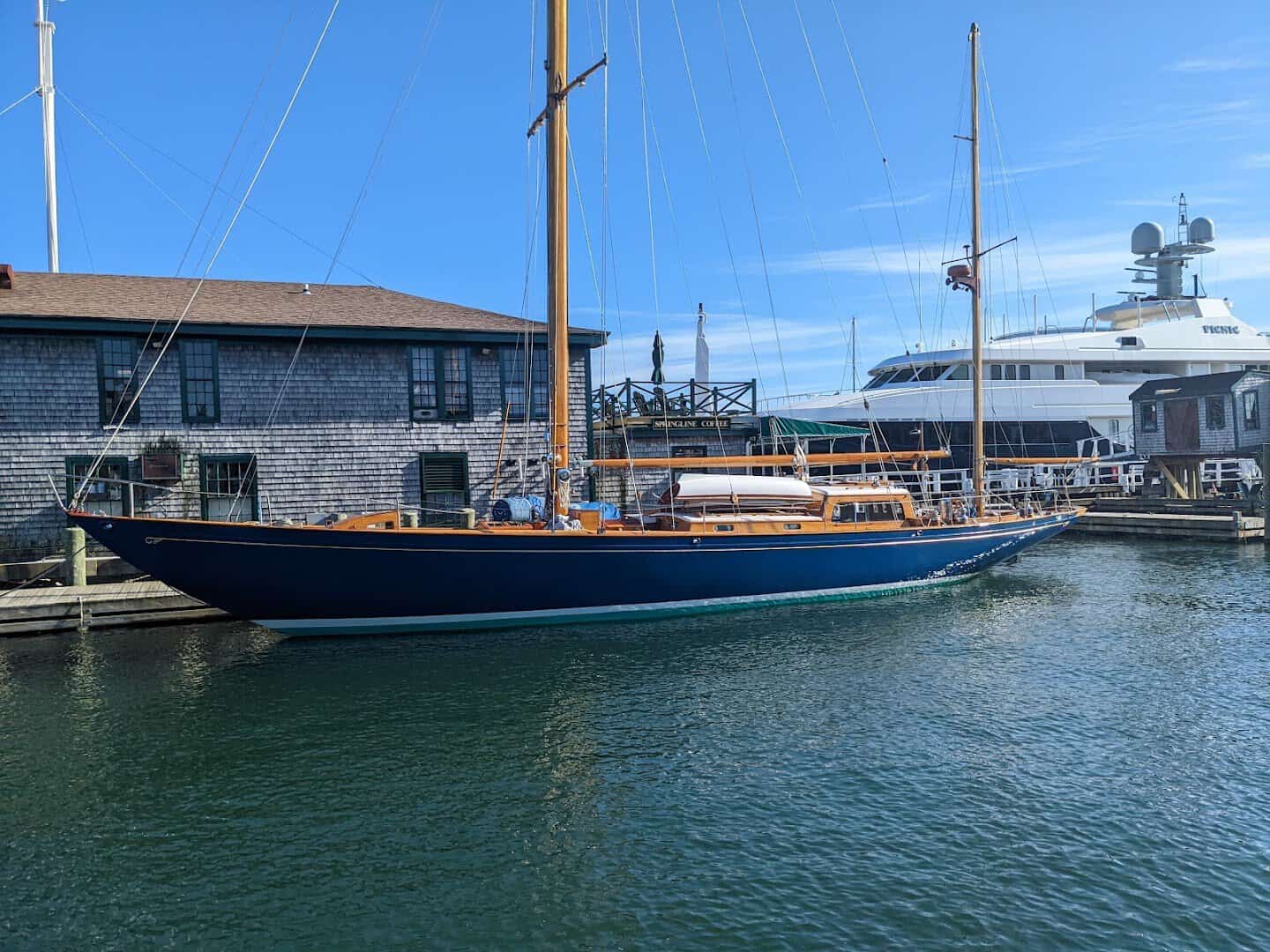
Newport wears two hats and wears them both well. There are the Gilded Age mansions along the Cliff Walk, and there is the salty, granite-quayed harbor that came first and still runs the show.
Bowen’s Wharf dates to the 1760s, back when this was Newport’s maritime heartbeat, thick with sailmakers and merchants. Today its restored buildings hold galleries, boutiques, and seafood joints, with cobblestones underfoot and boats bobbing at the edge.
Walk the wharf, then walk the Cliff Walk for ocean on one side and mansions on the other. Few towns hand you both.
This is also one of the great sailing towns on earth, home to the America’s Cup for decades. Even if you never board a boat, the harbor traffic is a show on its own.
Where: Bowen’s Wharf, 4 Bowen’s Wharf, Newport, RI 02840
3. Cape May, New Jersey
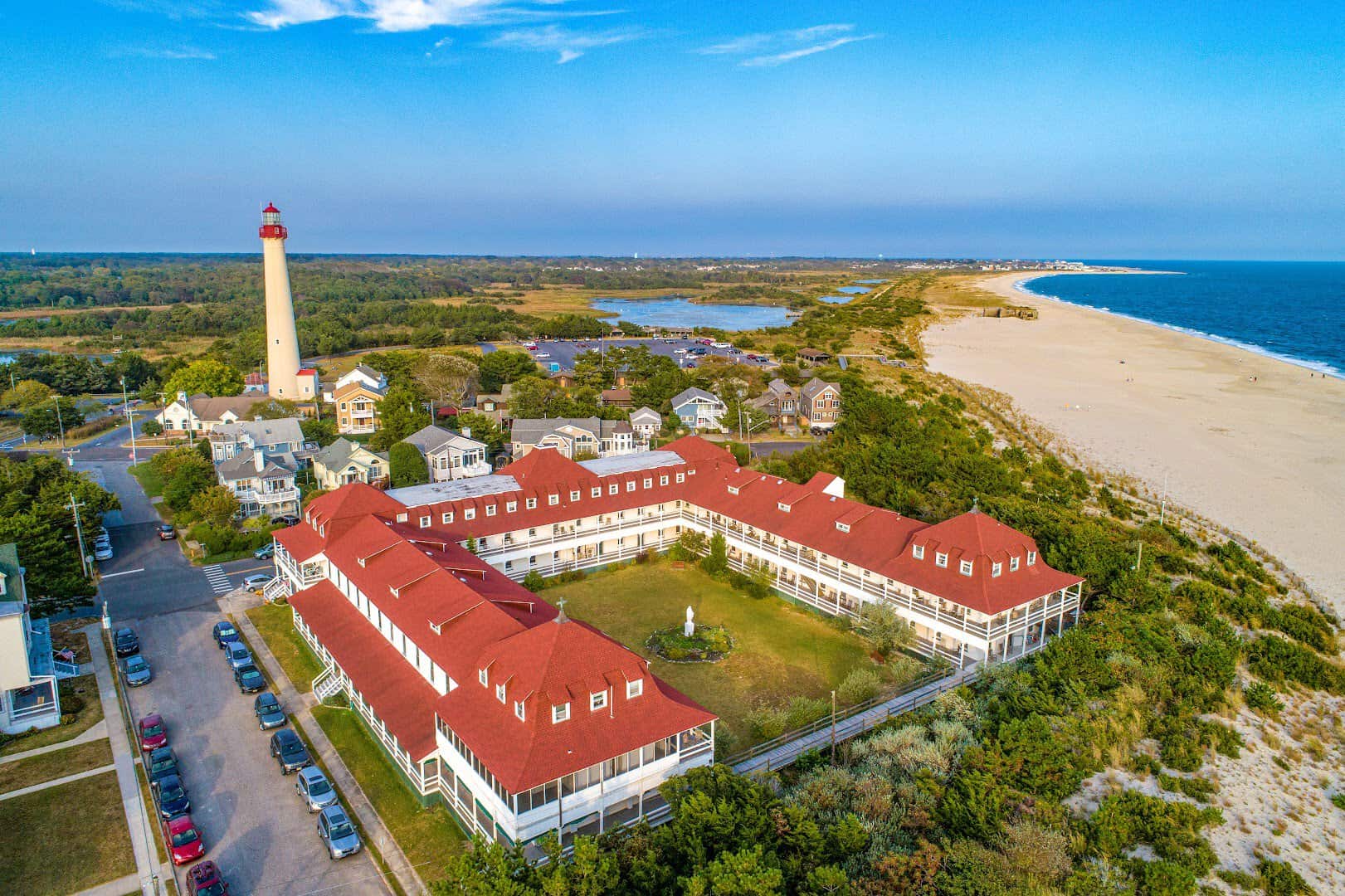
Here is a fun fact to drop at dinner: Cape May is the oldest seaside resort in America, and in 1976 the entire city was named a National Historic Landmark. Every gingerbread porch earns it.
The town holds one of the country’s largest collections of 19th-century Victorian buildings, second only to San Francisco. Pastel cottages line the streets, and the pedestrian Washington Street Mall gathers the shops and ice cream.
Out at the point stands the 1859 Cape May Lighthouse, still lit, still climbable. From the top you can see where the bay meets the sea.
Birders love it here. The point is one of the country’s famous migration stopovers, and every autumn brings hawks and songbirds by the thousands over the dunes.
Where: Cape May Lighthouse, 215 Lighthouse Ave, Cape May Point, NJ 08212
4. St. Michaels, Maryland
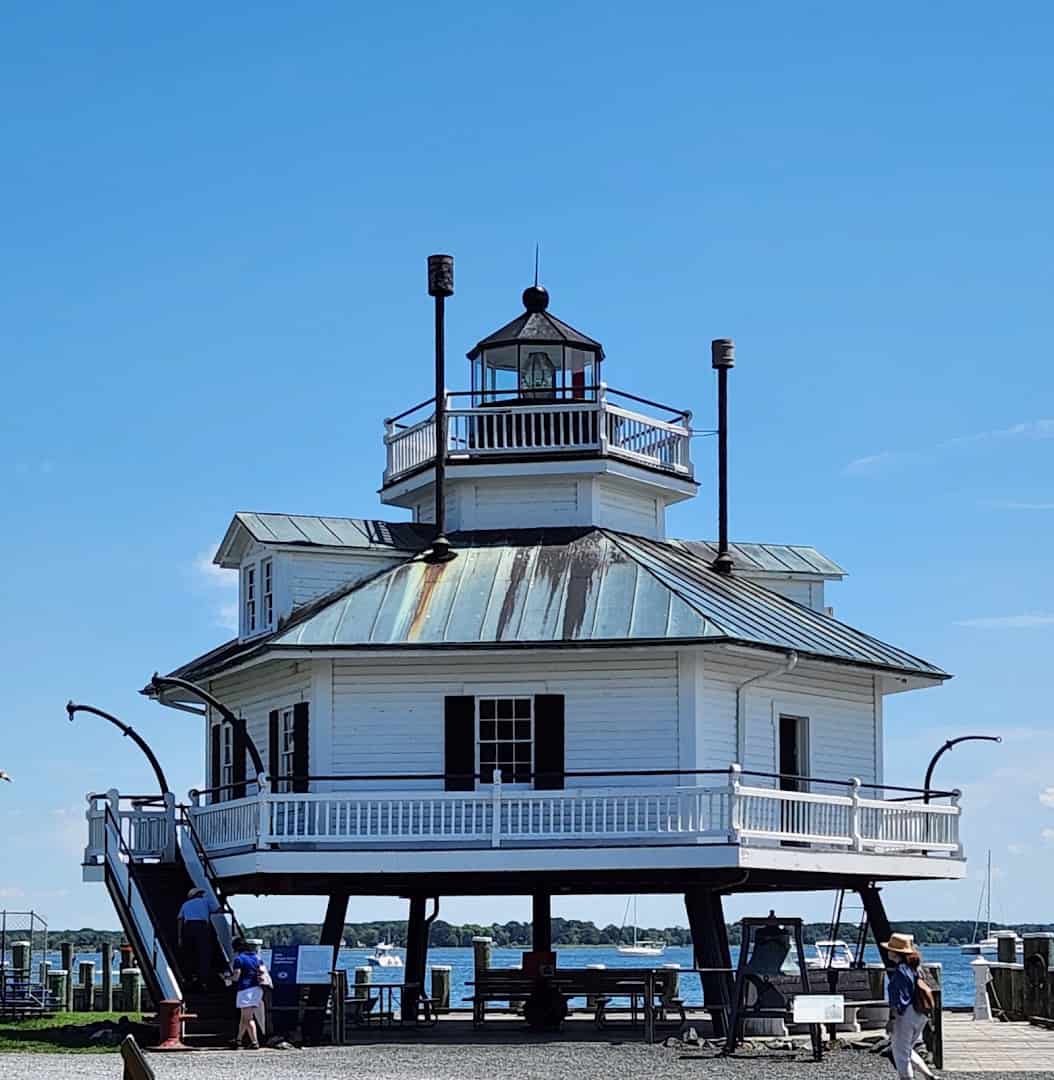
St. Michaels bills itself as “The Town That Fooled the British,” and it earned the tagline honestly. During the War of 1812, locals hung lanterns in the treetops so British gunners overshot the town in the dark.
Now it is one of the Chesapeake’s gentlest weekends. The Chesapeake Bay Maritime Museum spreads across eighteen waterfront acres and shelters the screwpile Hooper Strait Lighthouse, rescued from demolition and rebuilt on the point.
You can climb the lighthouse, watch skipjacks come and go, and eat a crab cake within sight of the water that made the town.
Rent a kayak, take a sunset cruise on the Miles River, or claim a bench and watch the working boats. The slow pace here is the whole appeal.
Where: Chesapeake Bay Maritime Museum, 213 N Talbot St, St. Michaels, MD 21663
5. Apalachicola, Florida
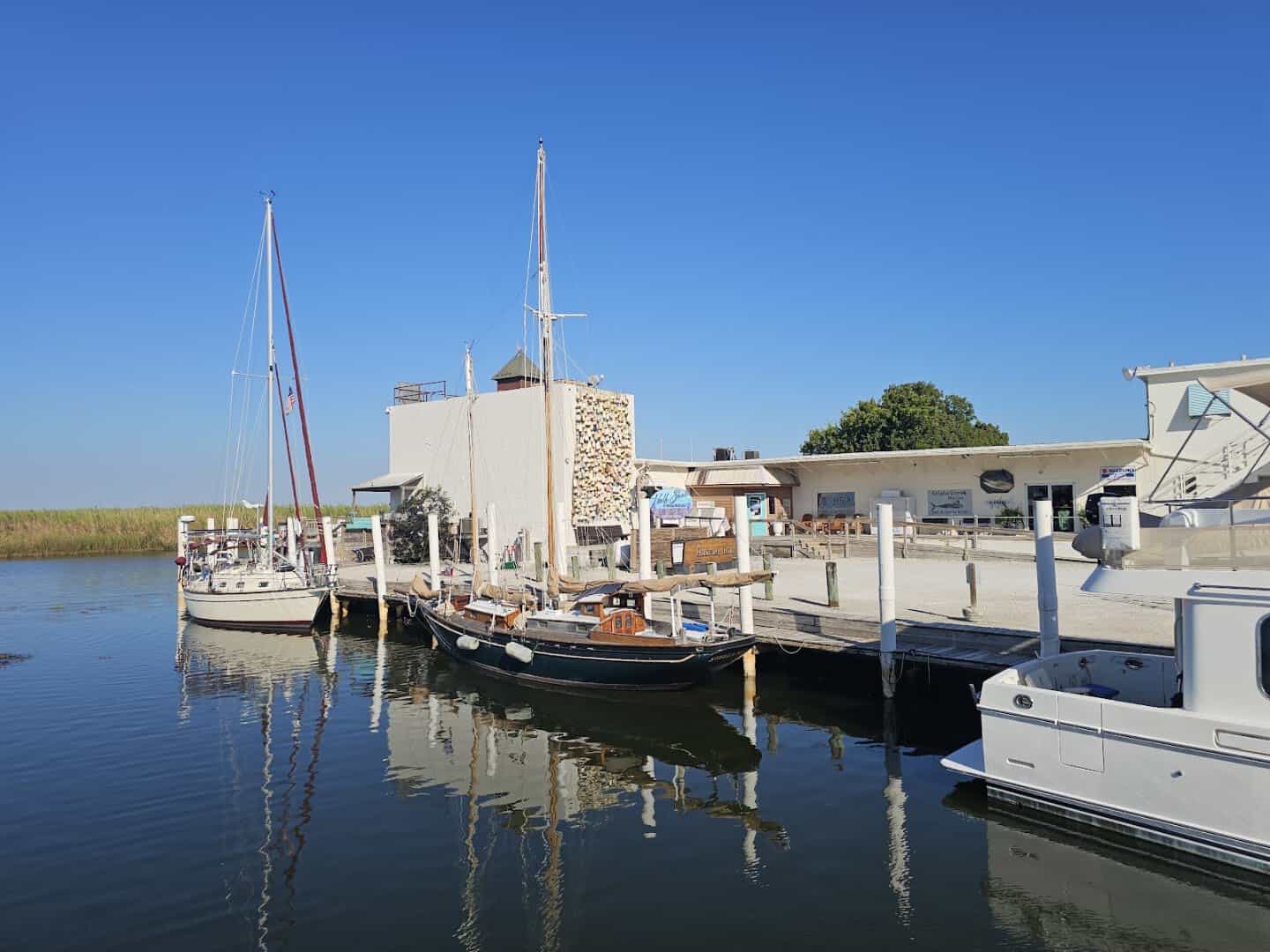
This is Old Florida with the shrimp boats still tied up out front. Apalachicola sits on the Forgotten Coast where the river meets the bay, and its oyster beds once supplied 90 percent of the state’s oysters.
Established in 1831, it grew into the third-largest port on the Gulf, and the restored brick storefronts along the working waterfront remember it. No high-rises, no chains, just docks and galleries and seafood pulled in that morning.
Did you know air conditioning started here? Local doctor John Gorrie patented an ice machine in 1850, and his museum keeps a replica.
Order the oysters, naturally. Raw, char-grilled, or fried, they taste like the bay they came out of that same morning.
Where: Historic downtown along Water Street, Apalachicola, FL 32320
6. Fairhope, Alabama
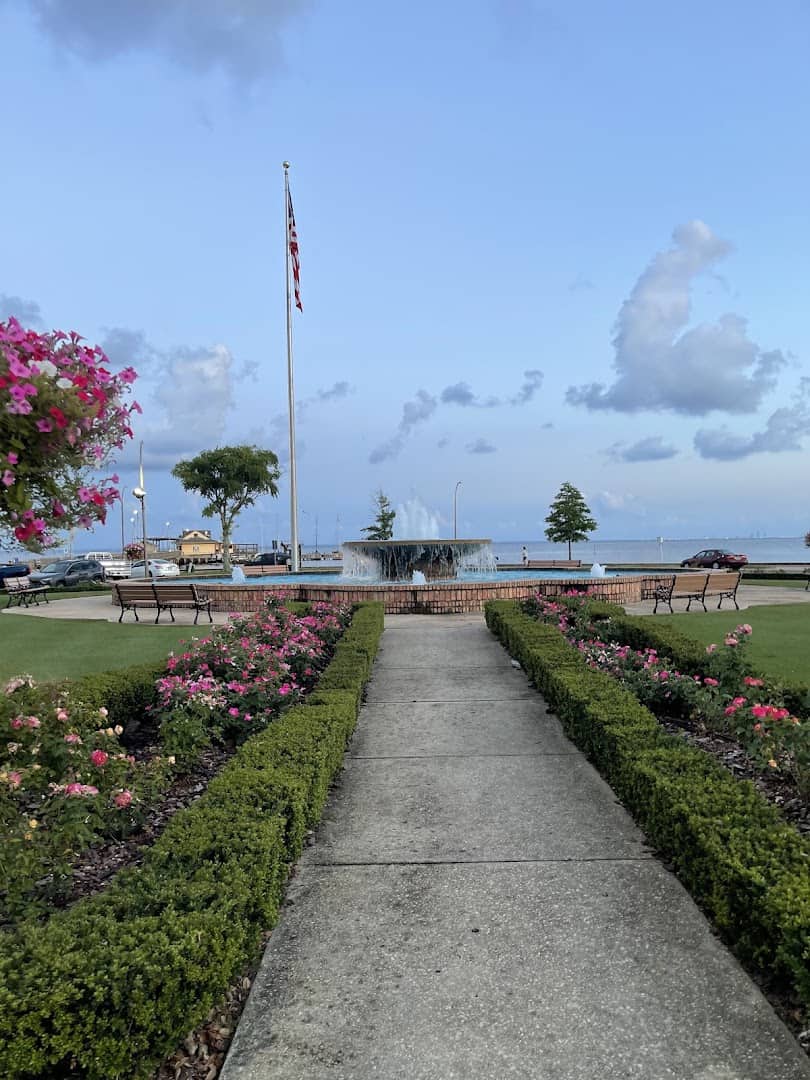
Fairhope began in 1894 as an actual utopia, a “Single Tax Colony” dreamed up by reformers who wanted a town built on cooperation. Somehow the idealism stuck, and the place is genuinely lovely for it.
Flowers spill from every corner downtown, which is why locals call it the City of Flowers. The real showstopper is the Fairhope Municipal Pier, stretching 1,448 feet over Mobile Bay toward one of the best sunsets in the South.
Stroll the pier, browse the independent bookshops and galleries, and stay for the light to drop over the water.
The bay here is famous for the jubilee, a rare event when fish and crabs crowd the shallows and locals wade out with buckets. Ask around and someone will happily tell you the story.
Where: Fairhope Municipal Pier, 1 S Mobile St, Fairhope, AL 36532
7. Rockport, Texas
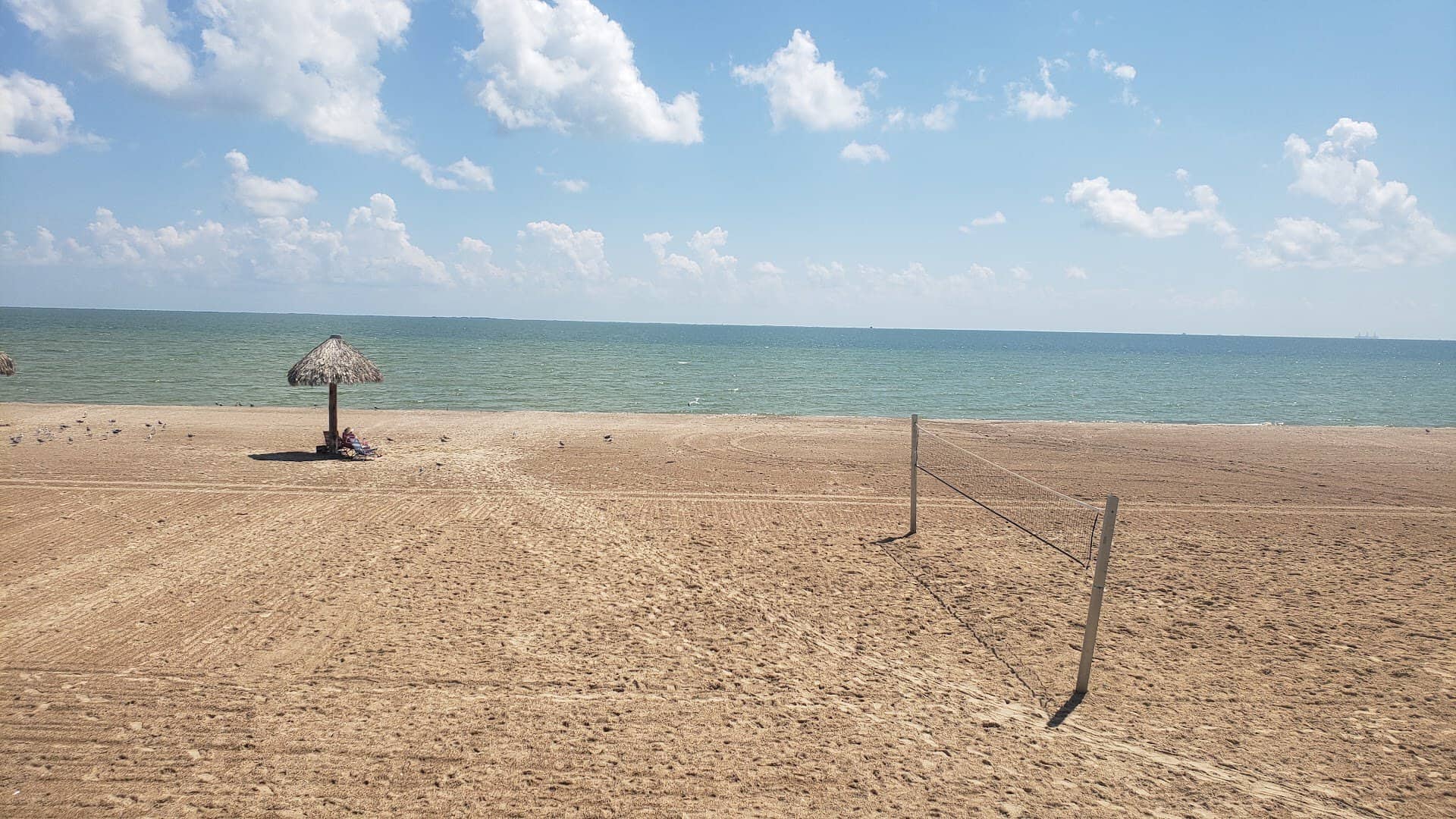
Every good list of American coast needs a Texas stop, and Rockport is the one. Sitting on Aransas Bay, this laid-back town feels like it wandered out of the 1950s and decided to stay put.
Rockport Beach was the first Blue Wave certified beach in Texas, and the harbor downtown fills with shrimp boats, wine bars, and galleries. The art colony here goes back to the 1940s and never left.
From November through March, the world’s only wild flock of whooping cranes winters just up the bay at Aransas. That is a genuinely rare thing to witness.
Nearby stands the Big Tree, a live oak more than a thousand years old that has ridden out centuries of Gulf storms. It is a short drive and worth the detour.
Where: Rockport Harbor, 902 Navigation Cir, Rockport, TX 78382
8. Cannon Beach, Oregon
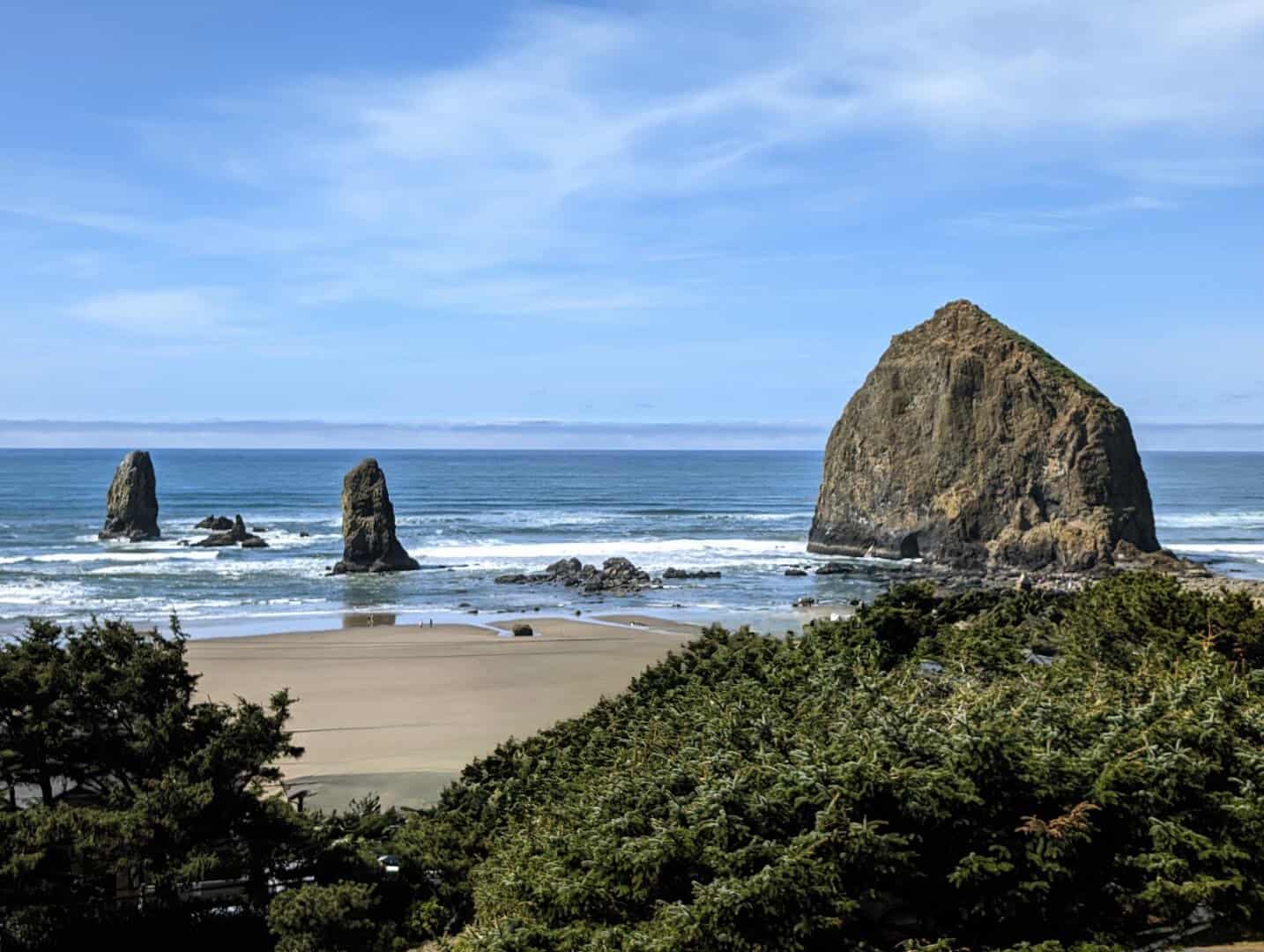
Some scenery you recognize before you have ever seen it. Haystack Rock rises 235 feet straight out of the surf at Cannon Beach, and yes, this is the beach from The Goonies.
National Geographic once named this one of the hundred most beautiful places on earth. At low tide the rock’s base opens into some of the richest tide pools on the Oregon coast, crowded with sea stars and anemones.
Come between April and July and tufted puffins nest on the rock. Volunteers set up telescopes so you can watch them.
The town behind the beach is all cedar-shingled galleries, bakeries, and bookshops. Every June it hosts one of the oldest sandcastle contests anywhere on the coast.
Where: Haystack Rock, Cannon Beach, OR 97110
9. Mendocino, California
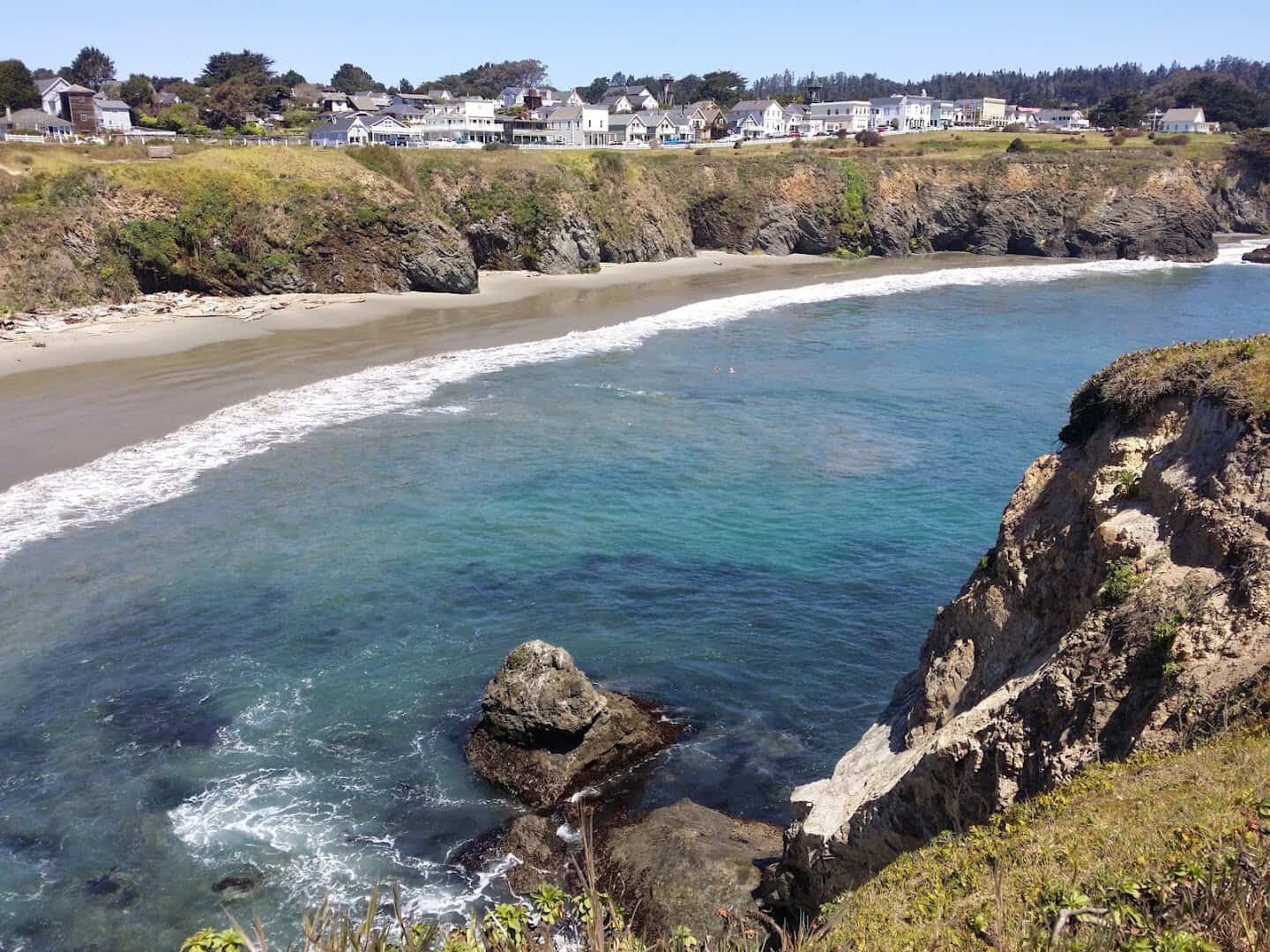
Drop a New England fishing village onto a wild California bluff and you get Mendocino. The founders came west in 1851 and built Victorian homes and white churches that look straight off the coast of Maine.
That resemblance is so convincing that film crews use the town whenever they need “New England” on screen. Wooden water towers still stand over the streets, dozens of them, many now turned into shops and tiny inns.
The village sits ringed on three sides by the bluffs of Mendocino Headlands State Park, where the Pacific hammers the rocks below.
Come in winter or spring and gray whales pass close to the headlands on their migration. Bring a jacket, because the wind off the Pacific means business year-round.
Where: Mendocino Headlands State Park, 45035 Main St, Mendocino, CA 95460
10. Port Townsend, Washington
Port Townsend meant to become the New York of the West. The railroad never arrived, the boom froze mid-build, and the town has been left with one of the best-preserved Victorian seaports in the country.
The whole downtown is a National Historic Landmark District, ornate brick storefronts facing the water at the tip of the Olympic Peninsula. Snow-capped mountains sit on the horizon behind the masts.
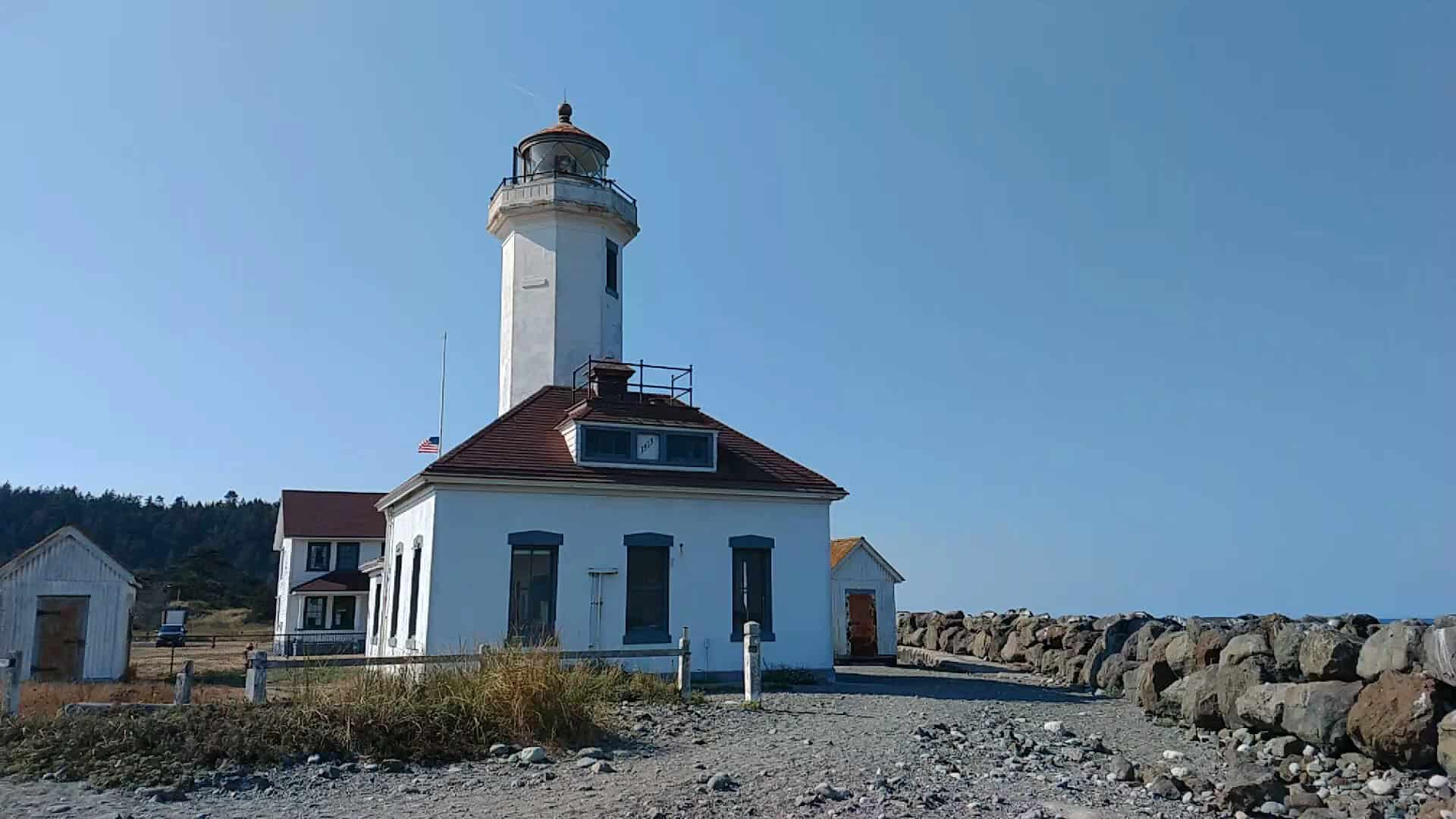
Wander the waterfront, then head to Point Wilson Lighthouse where the strait opens wide. The town slows you down on purpose.
Every September the harbor fills with wooden boats for one of the country’s biggest maritime festivals. The rest of the year, that boatbuilding culture never really leaves the docks.
Where: Historic waterfront, Water Street, Port Townsend, WA 98368
11. Mackinac Island, Michigan
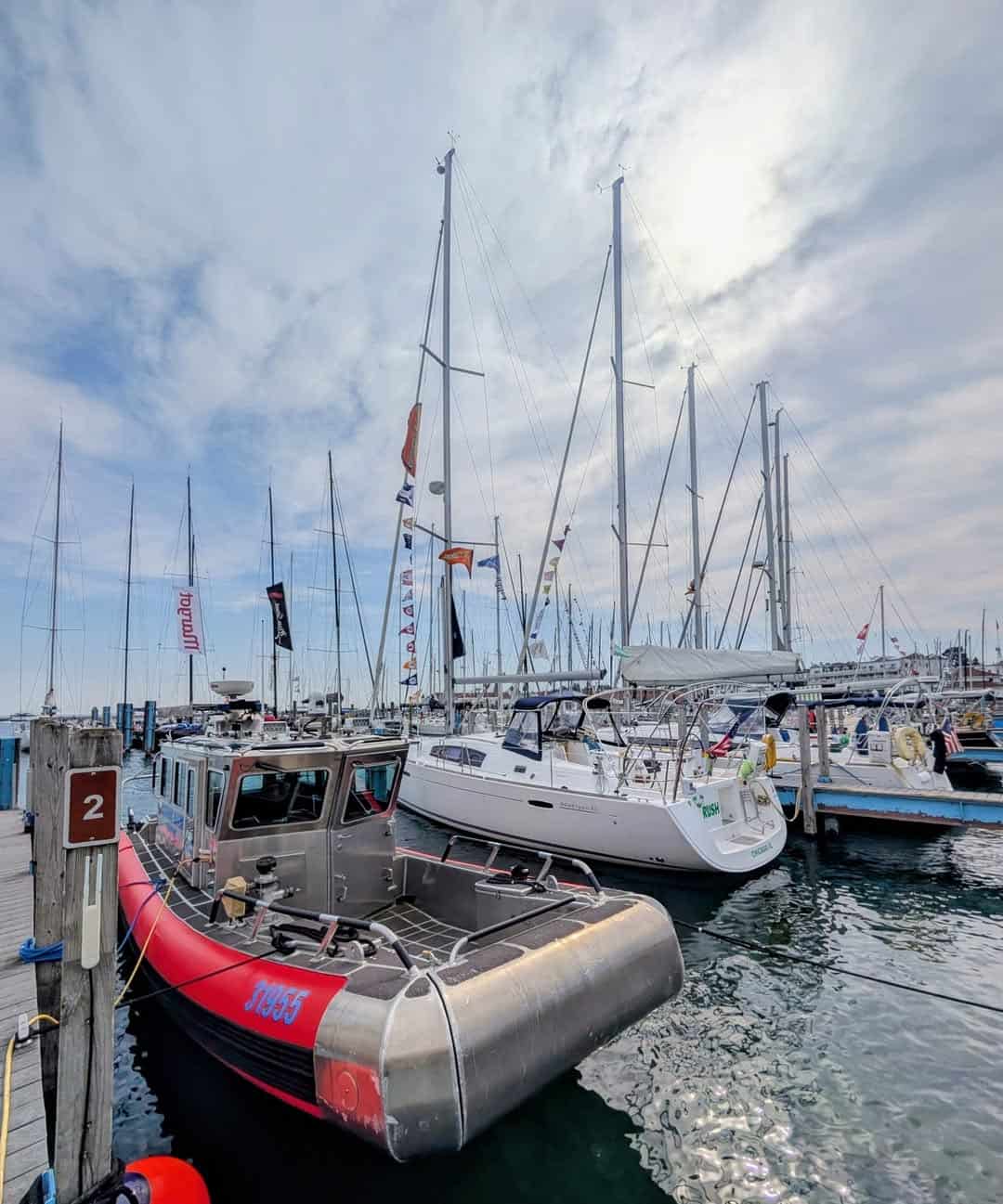
Mackinac Island banned cars in 1898 and never looked back. You arrive by ferry, and from the dock it is horses, bicycles, and your own two feet, with roughly 500 horses outnumbering the year-round residents.
The village is a Victorian time capsule between Lake Michigan and Lake Huron. The Grand Hotel opened in 1887 with the longest front porch in the world, 660 feet of it overlooking the straits.
Then there is the fudge. A dozen shops turn out thousands of pounds a day, and the smell alone will pull you inside.
Rent a bike and pedal the eight miles of shoreline road that circle the island, the only state highway in America with no cars. It is flat, easy, and lovely the whole way.
Where: Main Street, Mackinac Island, MI 49757 (ferries from Mackinaw City and St. Ignace)
12. Bayfield, Wisconsin
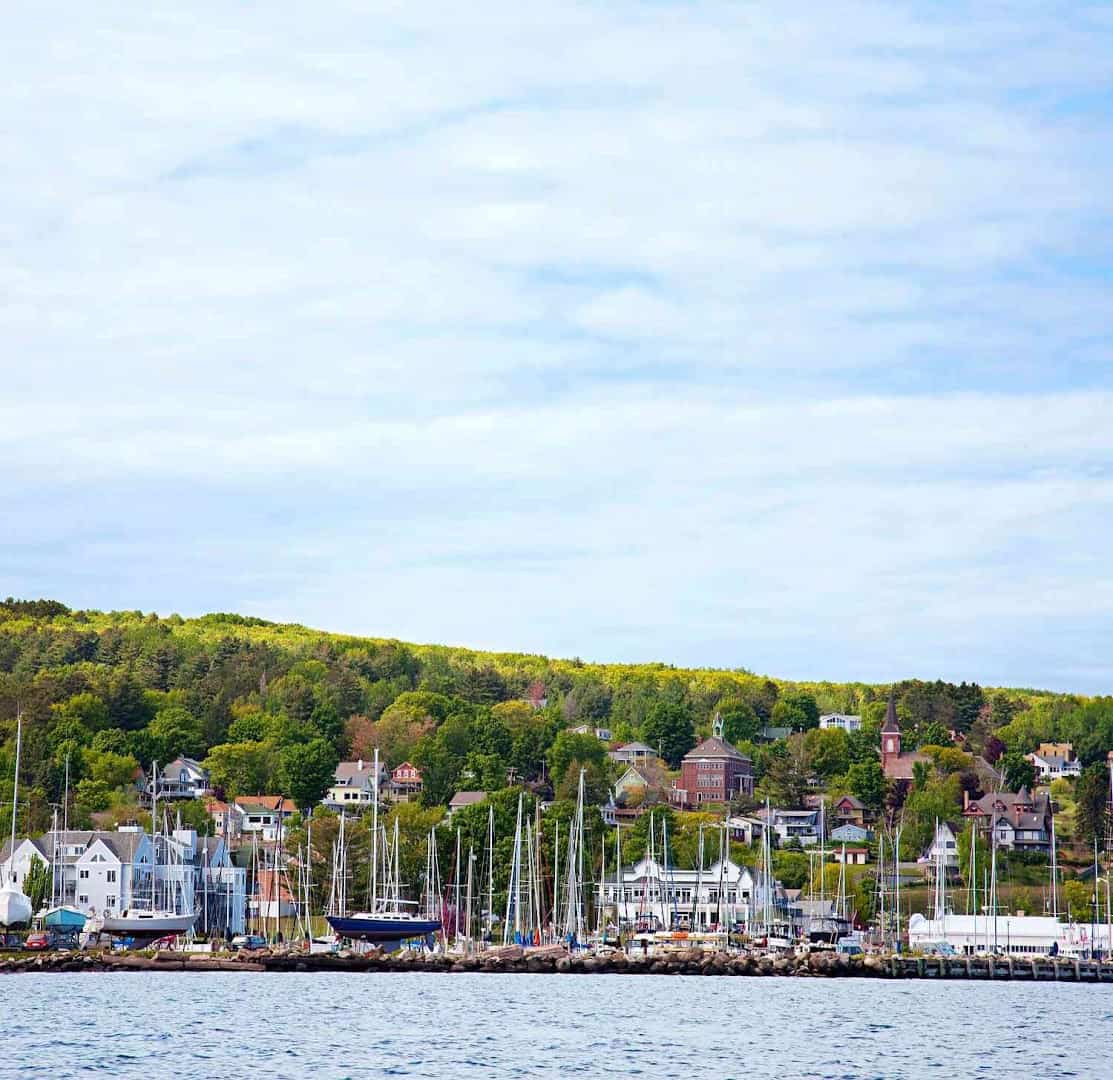
The Great Lakes hold coastline as dramatic as any ocean, and Bayfield is the proof. With just 584 residents it is the smallest city in Wisconsin, perched on Lake Superior as the gateway to the Apostle Islands.
Founded in 1856 as a fishing and brownstone port, the town keeps its Victorian storefronts and a working harbor. Out on the water wait 22 islands, six historic lighthouses, and red sandstone sea caves you can reach by kayak.
Time your trip for early October and the Apple Festival, when the orchard hills give up their harvest and 50,000 people show up to celebrate.
A short ferry ride reaches Madeline Island, the largest of the group, where you can swim, hike, and watch the sun set over the greatest of the Great Lakes.
Where: Bayfield City Dock, 30 N Front St, Bayfield, WI 54814
Point the Car Toward the Water
The best coastal towns are not detours from the trip. They are the trip. Each of these twelve gives you a harbor to walk, a history worth knowing, and a reason to stay one more night.
So pick a coast, pack light, and take the slow road. The masts and the lighthouses will be waiting, and you will be glad you skipped the interstate.
Featured image: Russell Hubbard via Camden Harbor

Stella Raines
Editor-in-Chief
Stella brings over a decade of storytelling experience to TX Headlines. With roots in West Texas and a love for road trips, she leads the editorial team with an eye for the hidden stories that make Texas unforgettable.