9 National Parks That Have Skies Dark Enough to See the Milky Way
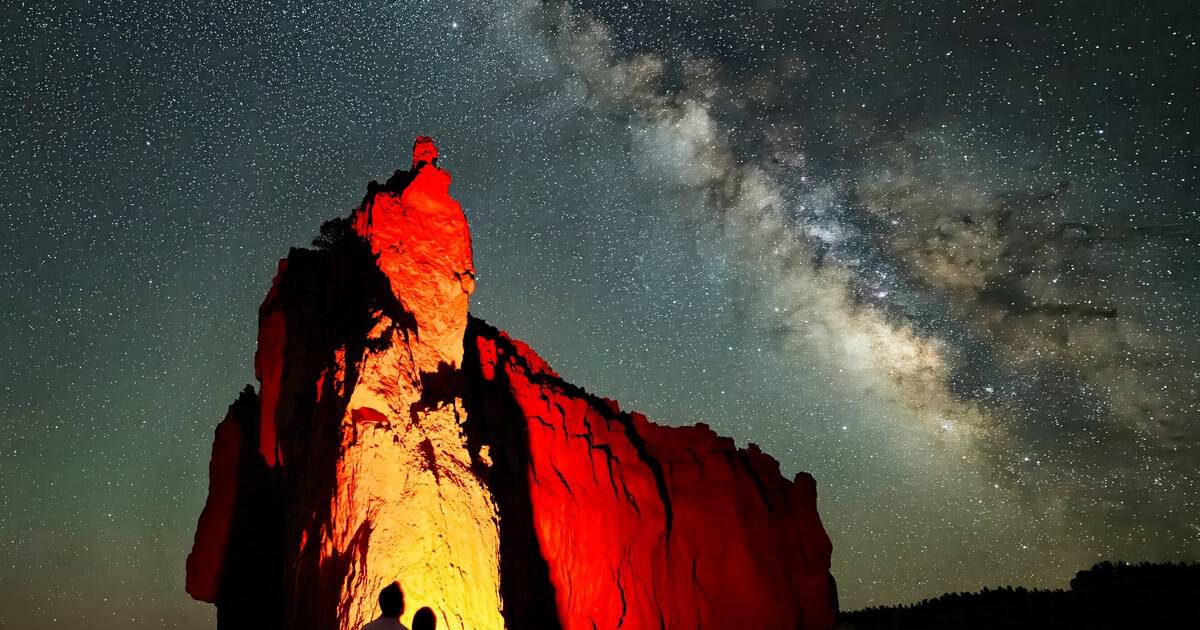
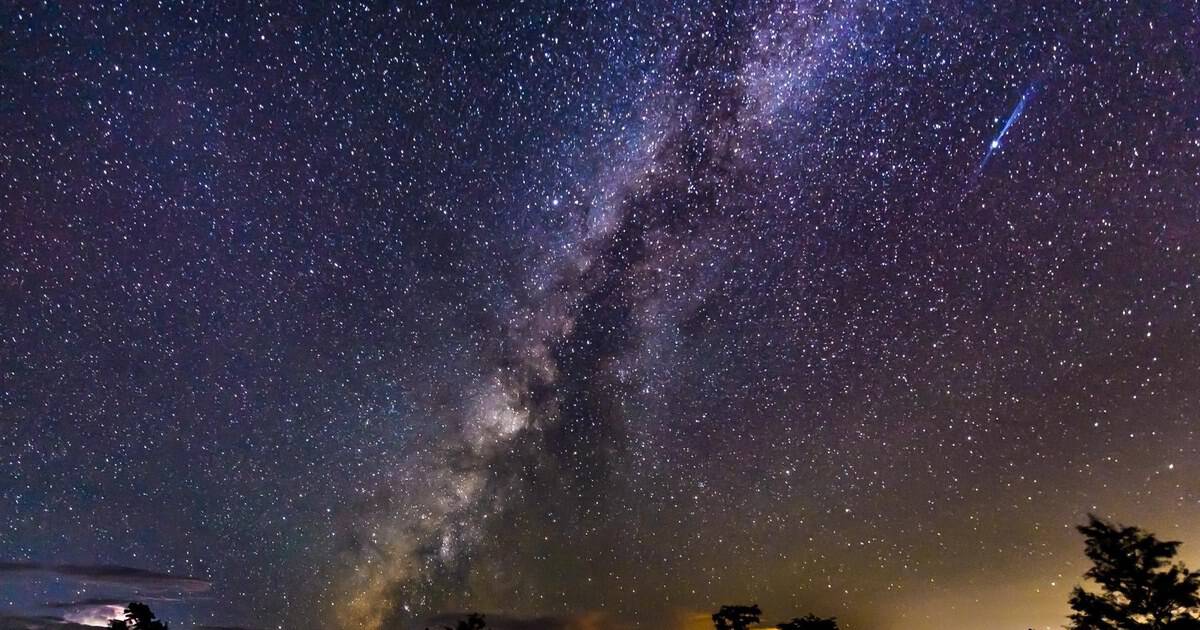
Nobody forgets the first time they see a truly dark sky. Mine happened on a backroad hours from any town, when I glanced up and the Milky Way was just there, a bright river of light I had only ever seen in photographs.
Most of us live under a permanent orange haze that erases all but the loudest stars. A handful of national parks have fought to keep their nights velvet black, dimming thousands of lights so the sky can do its work, and the payoff is genuinely staggering.
Below, discover nine certified Dark Sky parks where the stars still come out in their thousands. I have spread them coast to coast and desert to prairie, so wherever you live, one of them is closer than you think.
1. Death Valley National Park, California
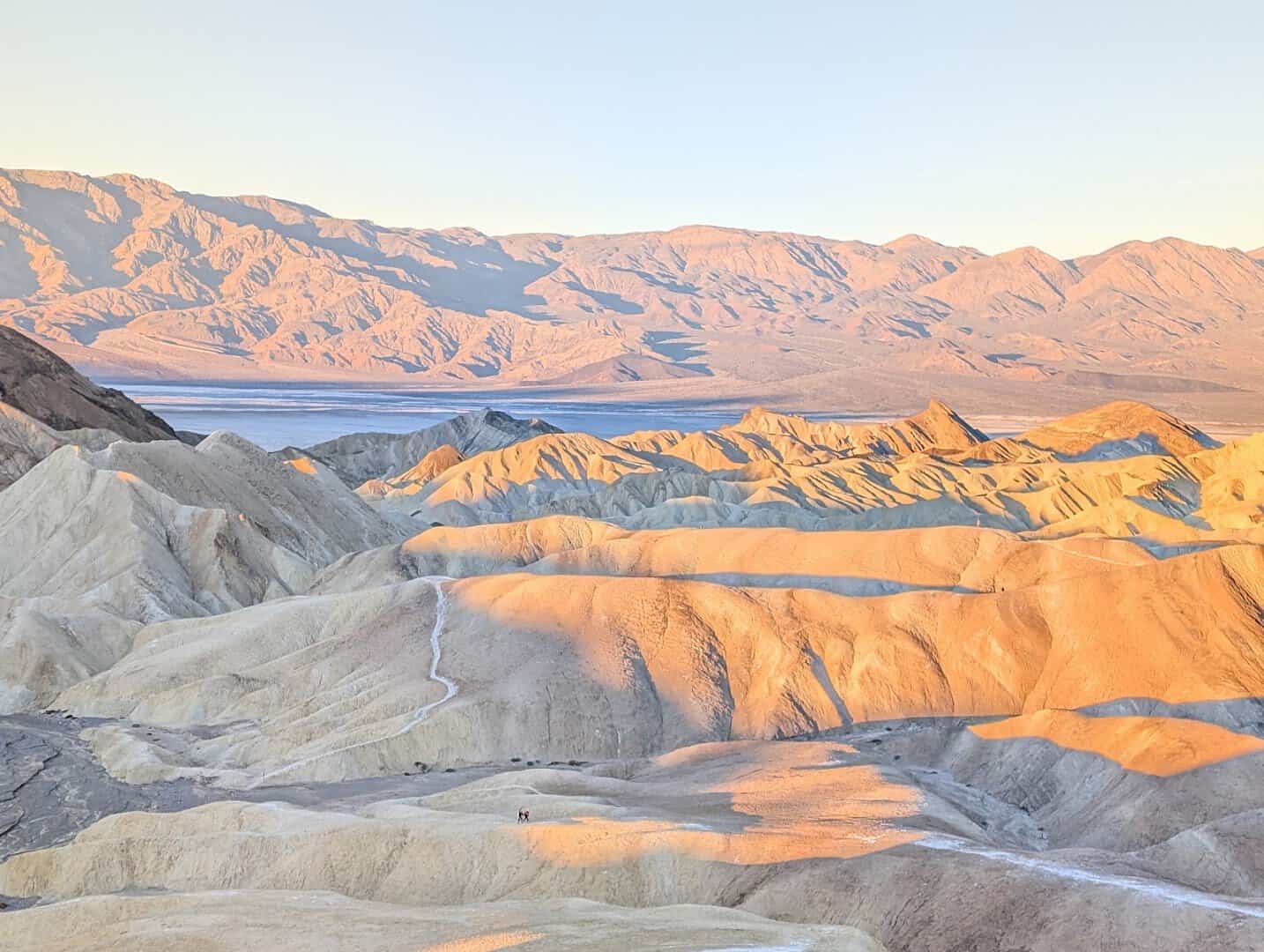
Start at the lowest, hottest place in North America, which turns out to be one of the darkest, too. Death Valley holds a Gold Tier rating, the highest that DarkSky International awards, across 3.4 million acres of open Mojave desert.
On a clear, moonless night the sky here reaches Bortle Class 2, dark enough that the Milky Way can throw a faint shadow. The park averages more than 300 clear nights a year, among the best odds in the country.
Spread a blanket at Badwater Basin, where the salt flats shine under starlight, or at the Mesquite Flat Sand Dunes near Stovepipe Wells. Both sit far from any competing glow, with horizons that fall away in every direction.
Winter is the sweet spot here. The furnace-heat of summer eases off, the nights turn long and cool, and the low humidity keeps the air crisp for hours after sunset. Bring a red flashlight so your eyes stay adjusted.
Where: Furnace Creek Visitor Center, CA-190, Death Valley, CA 92328, about 120 miles northwest of Las Vegas.
2. Big Bend National Park, Texas
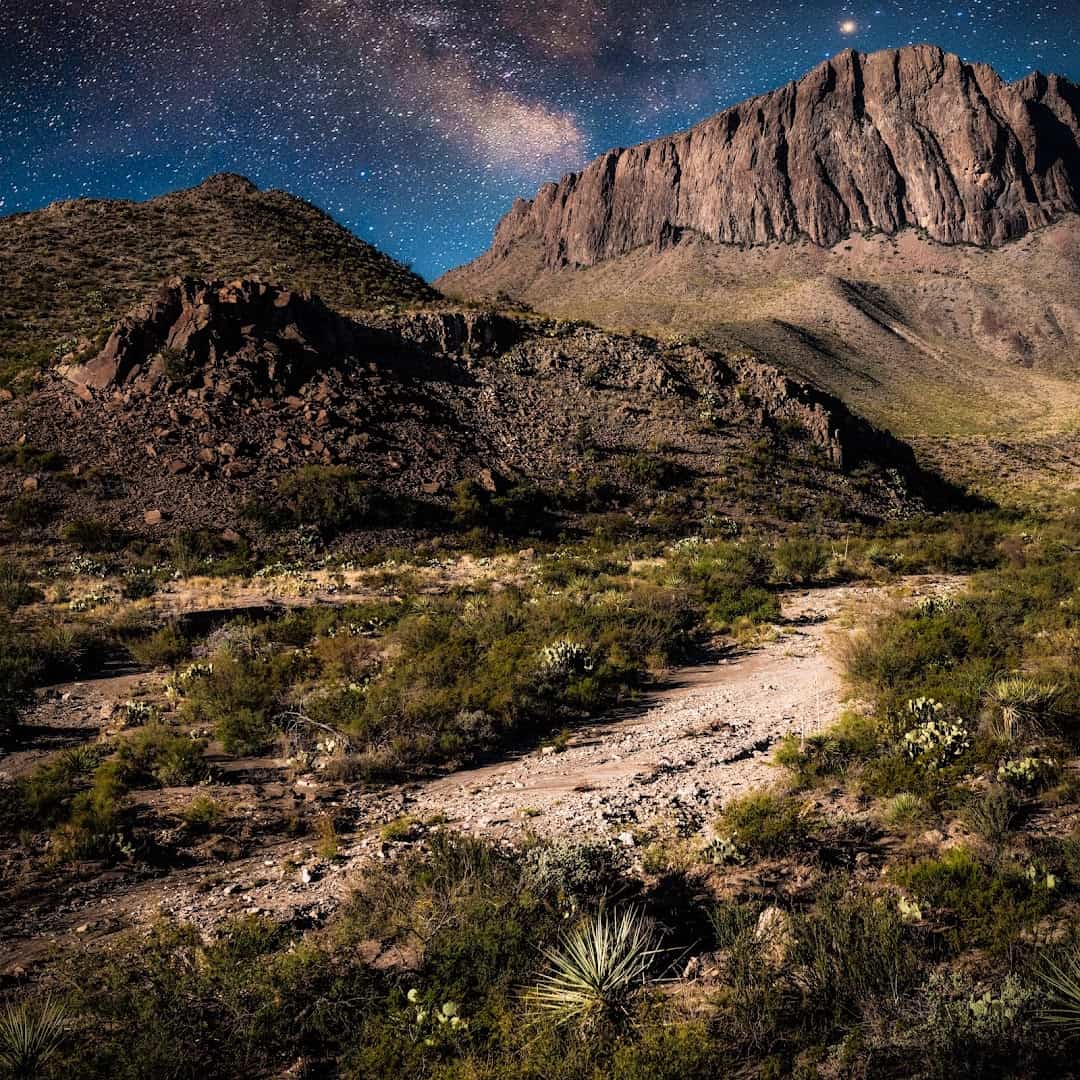
My home state earns its spot near the top of this list, and not by a small margin. The National Park Service night sky team has measured Big Bend’s skies as the darkest in the entire lower 48 states.
Tucked into a remote elbow of West Texas where the Rio Grande bends, the park sprawls across more than 800,000 acres. When it earned Gold Tier status in 2012, it was the largest Dark Sky Park in the world.
On a clear night you can count roughly 2,000 stars here, against the few hundred visible in most cities. That sheer distance from any urban glow is the whole secret, and it is why photographers drive days to reach it.
The desert floor holds the day’s warmth long after dark, so summer nights are comfortable and the winter ones only ask for a jacket. Find an open spot along the Ross Maxwell Scenic Drive and let the sky fill in around you.
Where: Big Bend National Park, TX 79834; enter via US-385 south from Marathon or TX-118 from Study Butte.
3. Great Basin National Park, Nevada
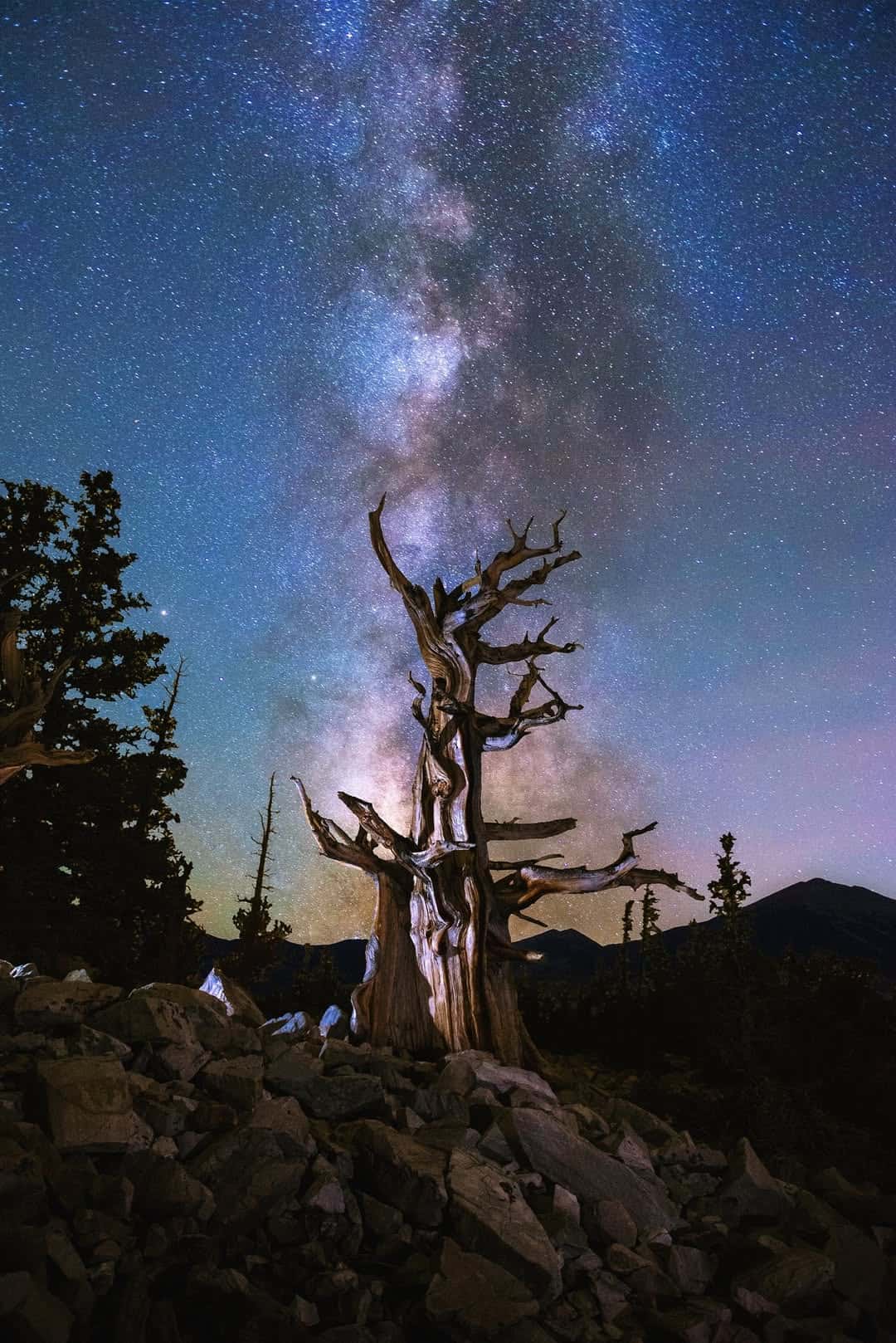
Great Basin makes its own strong claim to the darkest, quietest skies in the Lower 48, thanks to a remote, high-elevation perch near the Nevada and Utah line.
On a moonless night, thousands of stars, planets, meteors and even faint distant galaxies show up to the naked eye. The park sits far from any bright town, and the mountain air is thin and clean.
It is also home to the Great Basin Observatory, the only research-grade telescope inside a national park. Each late September, the free Astronomy Festival packs three nights with star parties, constellation talks and astrophotography workshops.
Time your trip around a new moon and the difference is night and day, so to speak. Nearby Wheeler Peak, second-tallest in Nevada, gives you elevation and a foreground of ancient bristlecone pines for the view.
Those bristlecones are worth a daytime look, too. Some have been standing for more than 4,000 years, older than the pyramids, and the park protects one of the finest groves anywhere. It is a humbling thing to stand beside.
Where: Great Basin National Park, Baker, NV 89311, off NV-488 just west of the tiny town of Baker.
4. Grand Canyon National Park, Arizona
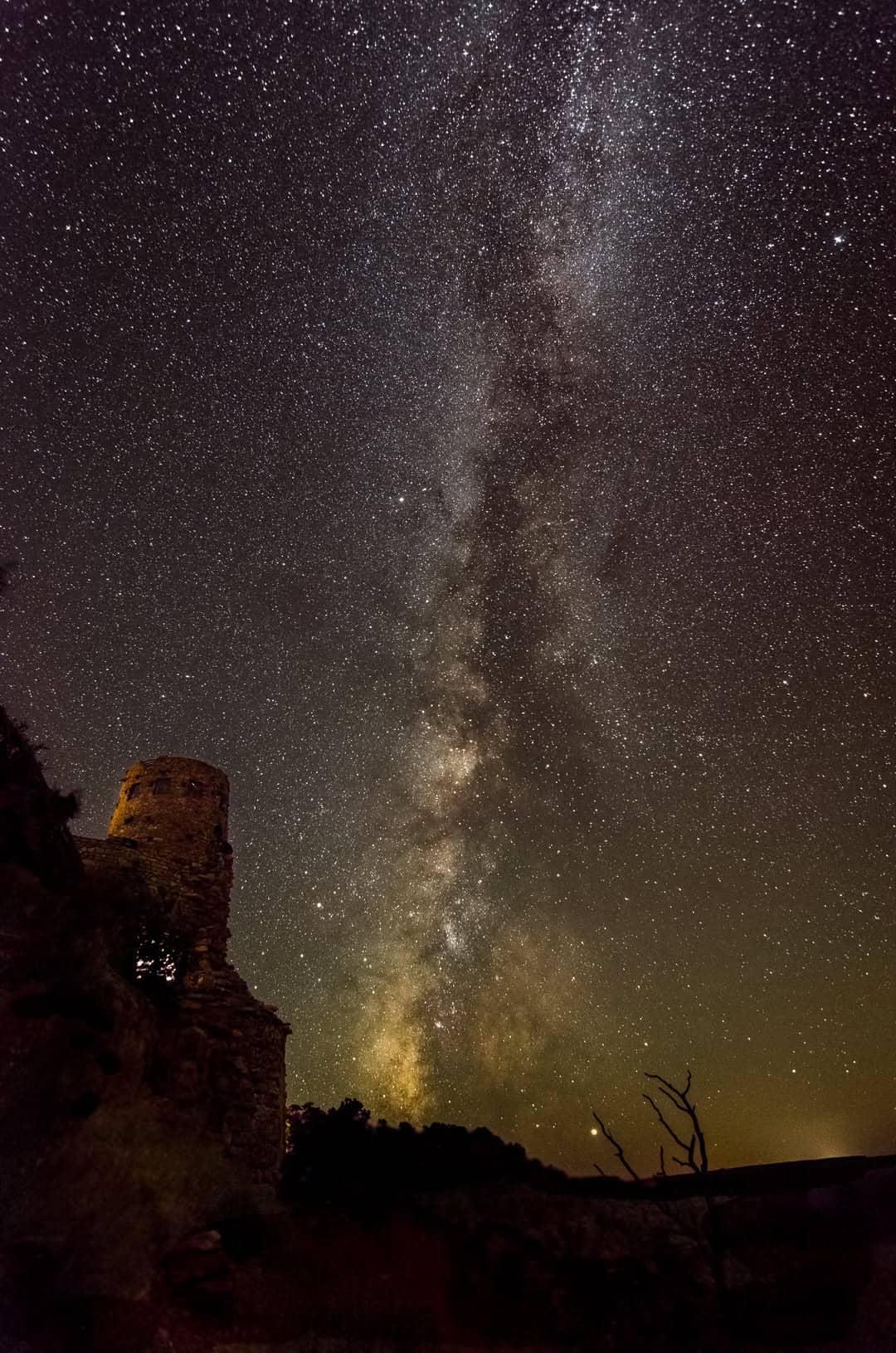
You already know the view down. Look up instead. In 2019 Grand Canyon earned International Dark Sky Park status, and the night over that mile-deep chasm is every bit as dazzling as the daylight.
Each June the park hosts the Grand Canyon Star Party, a week of free telescope viewing on the South Rim. Amateur astronomers set up dozens of scopes behind the visitor center and point them at anything you ask about.
Constellations, planets and the Milky Way stretch clear across the canyon rim. Guest speakers give astronomy talks at 8 p.m. each evening, and the viewing then runs late into the night.
Even outside the star party, the South Rim delivers. Grab a bench at Mather Point or Yavapai after the day-trippers leave, and watch the last light drain out of the canyon as the first stars come on.
The rim sits around 7,000 feet, so the air is thin and the nights cool even in summer. That altitude is part of why the stars look so sharp here. Bring a jacket and give yourself a full hour after dark.
Where: Grand Canyon Visitor Center, South Rim, Grand Canyon Village, AZ 86023, five miles north of the South Entrance on AZ-64.
5. Voyageurs National Park, Minnesota
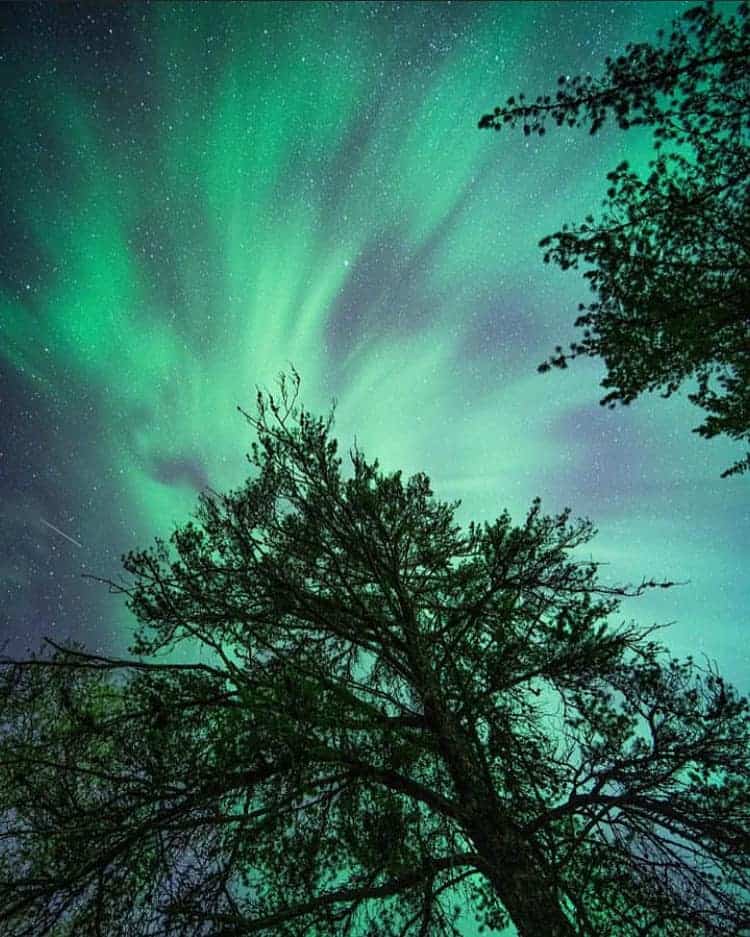
Head north to the Canadian border and the show changes entirely. Voyageurs is Minnesota’s only International Dark Sky Park, and here the headline act is often the aurora borealis itself.
The Pines of Kabetogama is the park’s prime spot for catching the northern lights, most likely during winter’s long nights and around the spring and fall equinoxes when conditions line up.
Much of Voyageurs is water, so many visitors watch the sky from a houseboat, drifting under stars with no shoreline glare at all. The park runs summer star parties and a winter Boreal Stargazing Week for the brave.
There is something wonderfully still about waiting for the aurora out on a frozen lake, thermos in hand. When the green curtains do appear, they ripple across the whole northern sky and reflect back off the ice.
Where: Rainy Lake Visitor Center, near International Falls, MN 56649, reached via US-53 to MN-11 east.
6. Bryce Canyon National Park, Utah
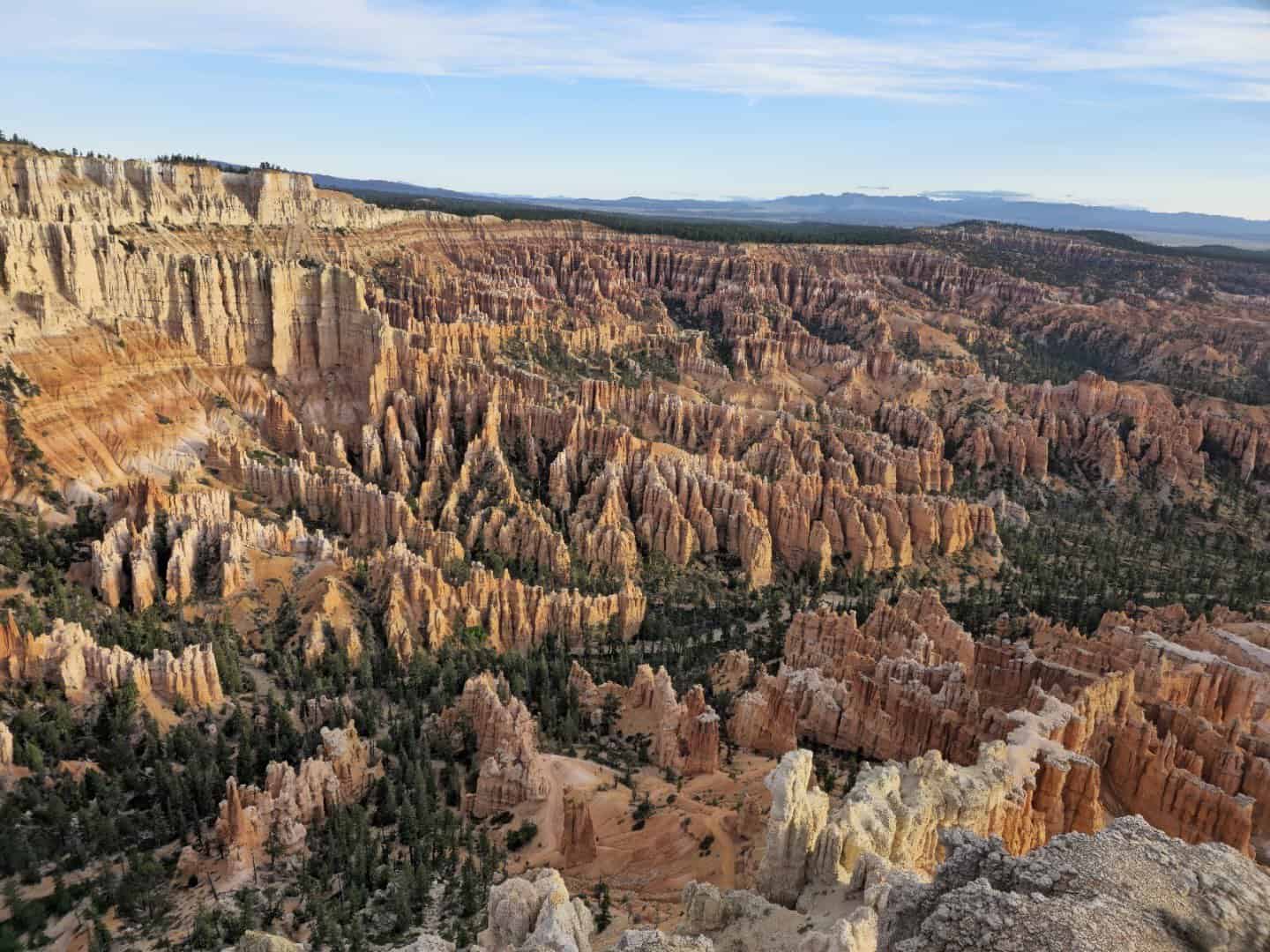
Few places pair earth and sky quite like this. Bryce Canyon’s crimson hoodoos stand under a ceiling of roughly 7,500 visible stars on a moonless night, a combination that borders on the surreal.
Designated a Dark Sky Park in 2019, Bryce runs about 100 astronomy programs a year. Its Astronomy Rangers lead them on Tuesdays, Thursdays and Saturdays through the warmer months.
Each program pairs a multimedia show with a 90-minute telescope session on the silver Milky Way. Come the new moon in late June or early July, the park throws its annual Astronomy Festival.
The park’s high elevation, above 8,000 feet at the rim, thins the atmosphere and sharpens every point of light. Sunset Point and Inspiration Point are favorites, with the hoodoos glowing faintly below as the sky deepens.
Where: Bryce Canyon National Park, UT-63, Bryce Canyon City, UT 84764, off UT-12 in southern Utah.
7. Great Sand Dunes National Park, Colorado
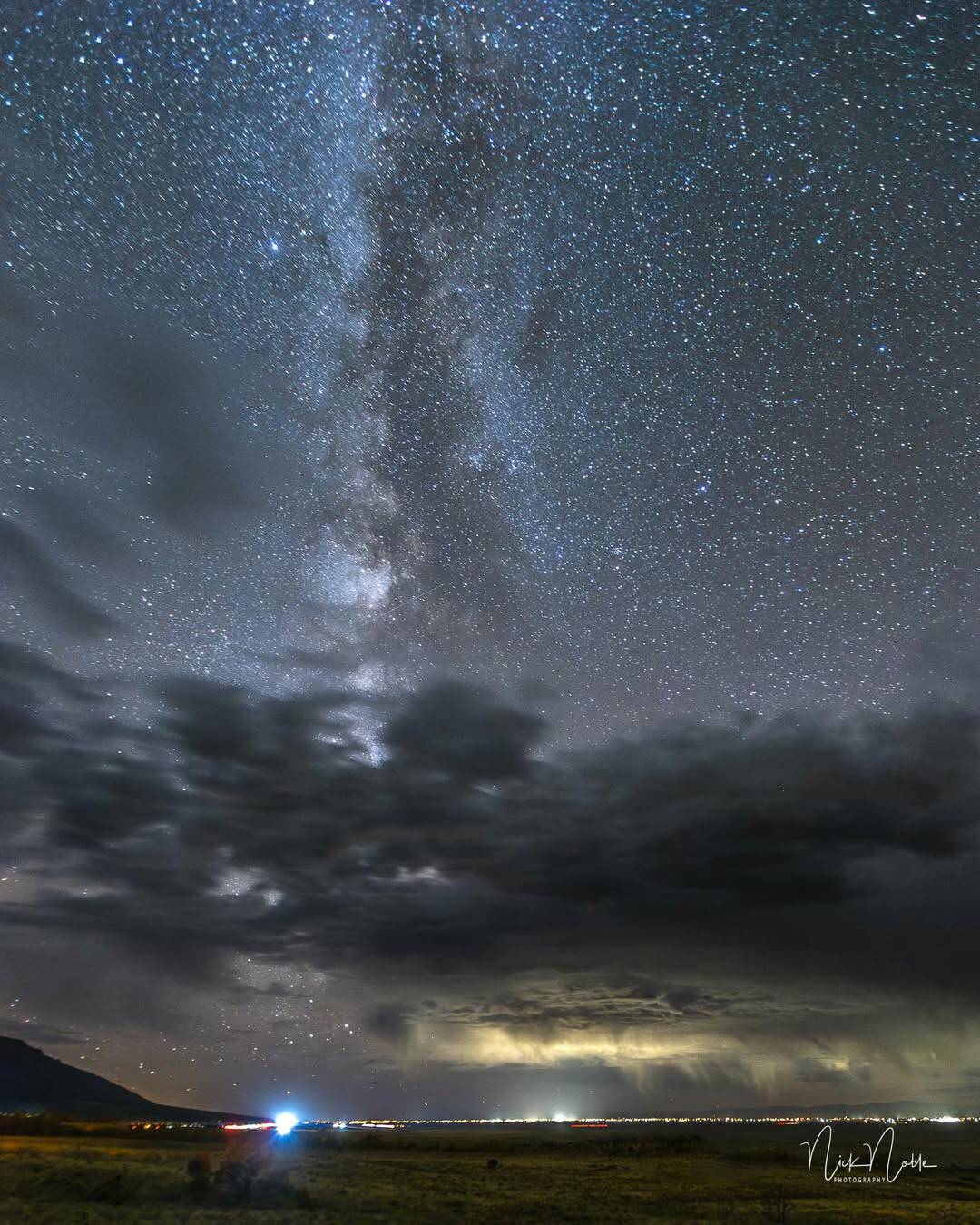
Picture the tallest sand dunes in North America, gone silver under starlight. Great Sand Dunes became an International Dark Sky Park in 2019, and its dry air and high elevation make the night almost impossibly clear.
In some parts of the park you can see up to 15,000 stars over the course of a single night. The pale dunes make a soft, sweeping foreground for all that sky above.
Walk out onto the sand after dark and the Sangre de Cristo mountains ring the horizon in silhouette. It feels like standing on another planet, which is exactly why night owls keep coming back.
Rangers run night programs in summer, and the seasonal Medano Creek at the base of the dunes can mirror the sky when it is flowing. Go barefoot on the still-warm sand and give your eyes a full twenty minutes to open up.
Where: 11999 State Highway 150, Mosca, CO 81146, roughly 37 miles northeast of Alamosa.
8. Glacier National Park, Montana
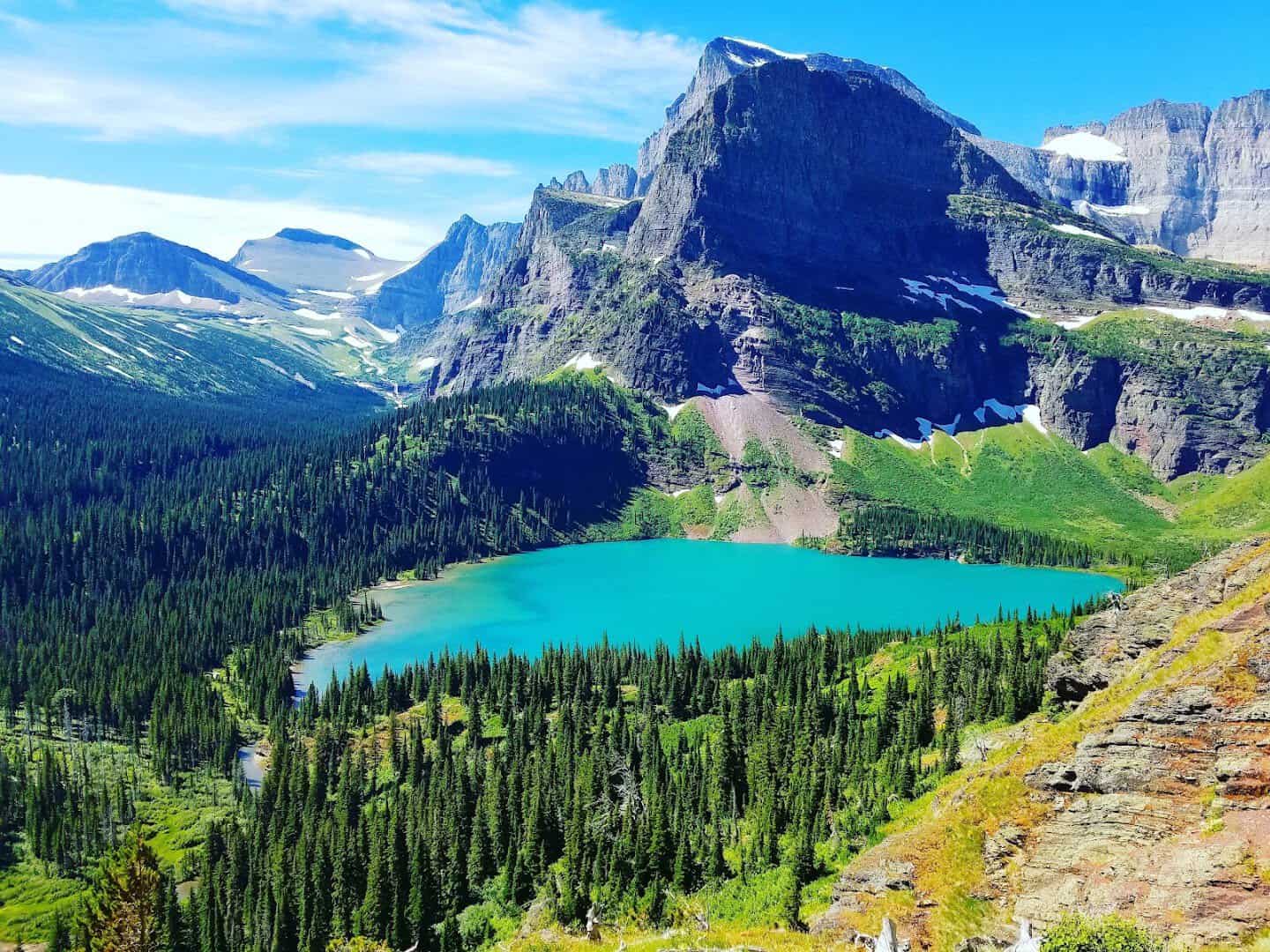
Glacier does something no other park on this list can. Together with Canada’s Waterton Lakes, it forms the world’s first International Dark Sky Park to span an international border.
Crisp, clear mountain air and real distance from any city make the nights here exceptional. Stargazers gather at Apgar Village, Logan Pass, and the shores of Lake McDonald and St. Mary Lake.
The St. Mary Visitor Center even has an observation dome, opened in 2019. Logan Pass star parties are among the most popular summer events the park offers, so arrive early for a spot.
Summer is the window here, since the high country and the Going-to-the-Sun Road stay snowbound much of the year. On a clear July night, the peaks hold the last of the light while the sky fills in above them.
Where: Glacier National Park, West Glacier, MT 59936, with stargazing hubs at St. Mary and Apgar via US-2 and US-89.
9. Theodore Roosevelt National Park, North Dakota
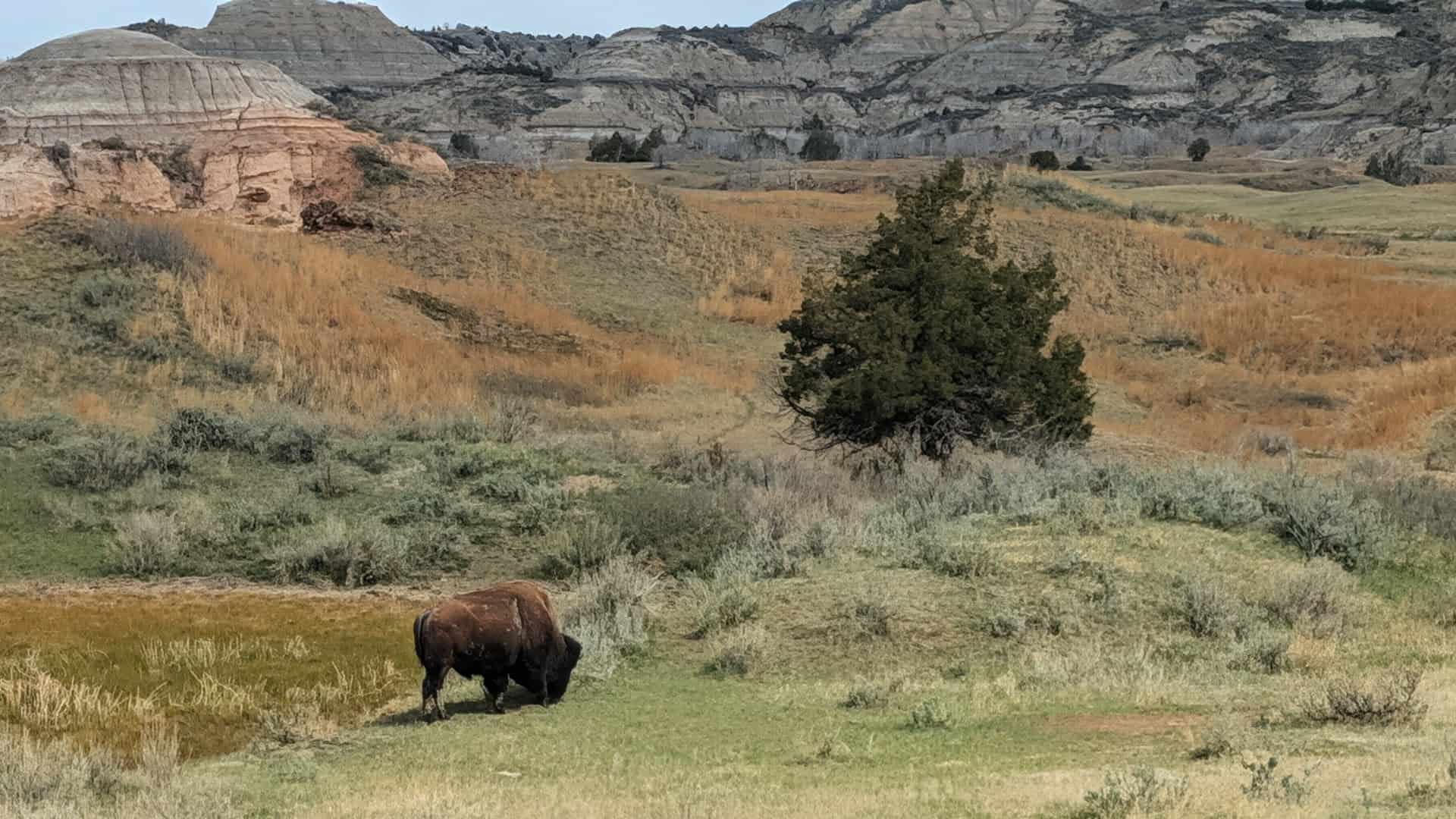
End on the northern plains, in the badlands that shaped a young president. Theodore Roosevelt National Park earned its Dark Sky designation in 2021, spreading a Bortle Class 3 sky over its rugged, striped buttes.
The vast, empty prairie means almost no light pollution for miles in any direction. On clear winter nights during solar peaks, the aurora sometimes joins the stars overhead for good measure.
Each year the park and the historic town of Medora host the Dakota Nights Astronomy Festival, a weekend of high-powered telescopes, ranger talks and night-sky programs for every age.
By day, the striped clay buttes and grazing bison make it worth the drive on their own. By night, with almost nothing man-made in sight, the same wide-open country turns into one of the best dark-sky rooms in the Midwest.
Where: Theodore Roosevelt National Park, Medora, ND 58645, at the South Unit entrance off I-94.
Pack a Blanket and Look Up
Here is the quiet truth about a real dark sky: no photo ever does it justice, and once you have seen one, ordinary suburban nights never look quite the same again.
Every park on this list has done the hard, unglamorous work of dimming its own lights so the stars can do theirs. All you have to do is show up and let your eyes adjust for twenty minutes.
So pick the one closest to you, check the moon phase for a new-moon weekend, pack a warm layer and a blanket, and go meet the Milky Way. It has been waiting up there for you the whole time.
Featured image: Amanda Jaeger via Theodore Roosevelt National Park

Stella Raines
Editor-in-Chief
Stella brings over a decade of storytelling experience to TX Headlines. With roots in West Texas and a love for road trips, she leads the editorial team with an eye for the hidden stories that make Texas unforgettable.