9 Fall Foliage Train Rides That Wind Through Peak Autumn Color
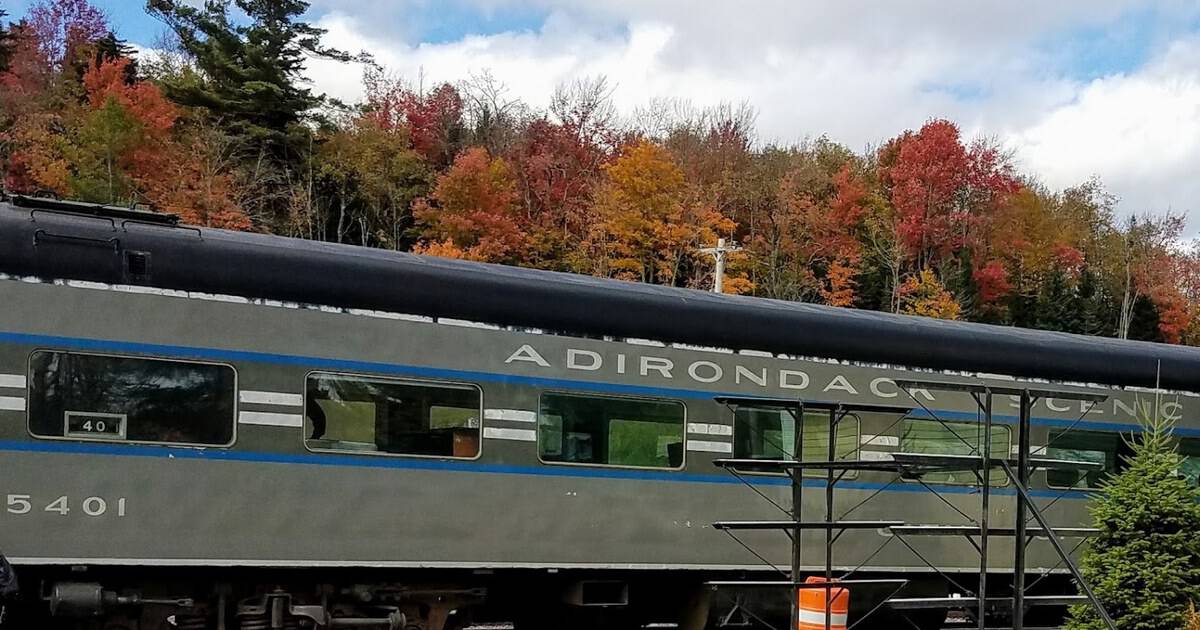
I will do almost anything to avoid driving on a peak-foliage weekend. You crawl behind a chain of brake lights, the person at the wheel never gets to look up, and every good overlook is the one with nowhere left to park.
The smarter move is to hand the driving to someone else and let the scenery come to you. A vintage train does exactly that, swapping the steering wheel for a window seat and a slow roll through gold and fire.
Below are nine fall foliage train rides across America, from the White Mountains to an Arizona canyon. Each is built around a river, a gorge, or a mountain that blazes gold. Book a date near peak, and book the open-air car early, because those seats sell out first.
1. Conway Scenic Railroad, New Hampshire
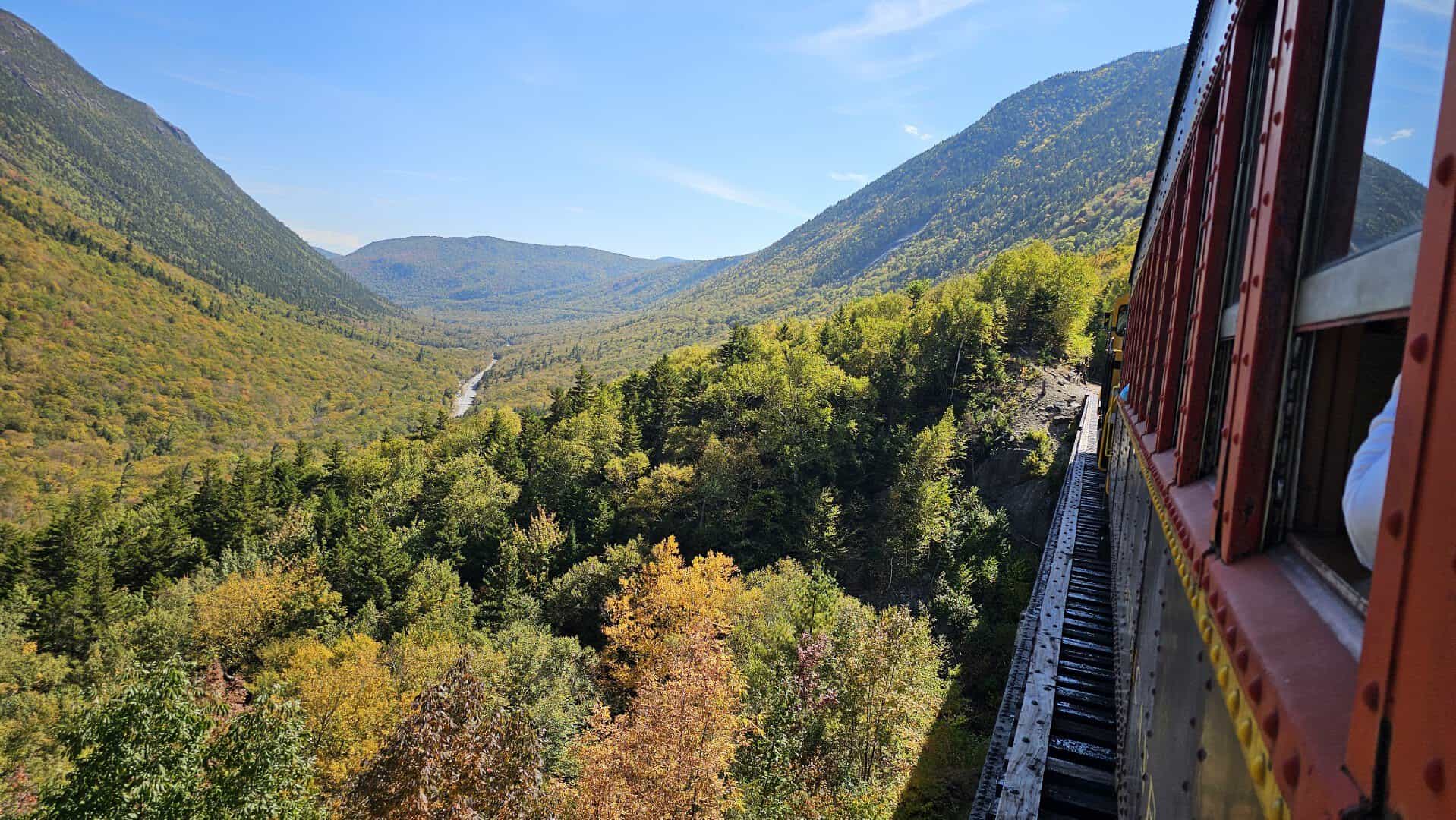
New Hampshire’s White Mountains throw one of the loudest fall shows in the country, and the Mountaineer runs straight into the middle of it. The train pulls out of a Victorian 1874 depot in North Conway and climbs north toward Crawford Notch.
The route clings to ledges above the valley, crossing the curved Frankenstein Trestle and the tall Willey Brook Bridge while red and gold hardwoods drop away below. Waterfalls and bare cliff walls fill the windows on the steepest pitch.
Color up at notch elevation usually peaks from the last week of September into early October, ahead of the valley floor. The round trip runs about four and a half hours, so pack a lunch and settle in.
Steam pulls some departures and a vintage diesel others, so check the schedule if a working steam engine is the whole point for you. The 1874 station with its ornate tower is worth a few photos before you board.
Where: Conway Scenic Railroad, 38 Norcross Circle, North Conway, NH 03860.
2. Cuyahoga Valley Scenic Railroad, Ohio
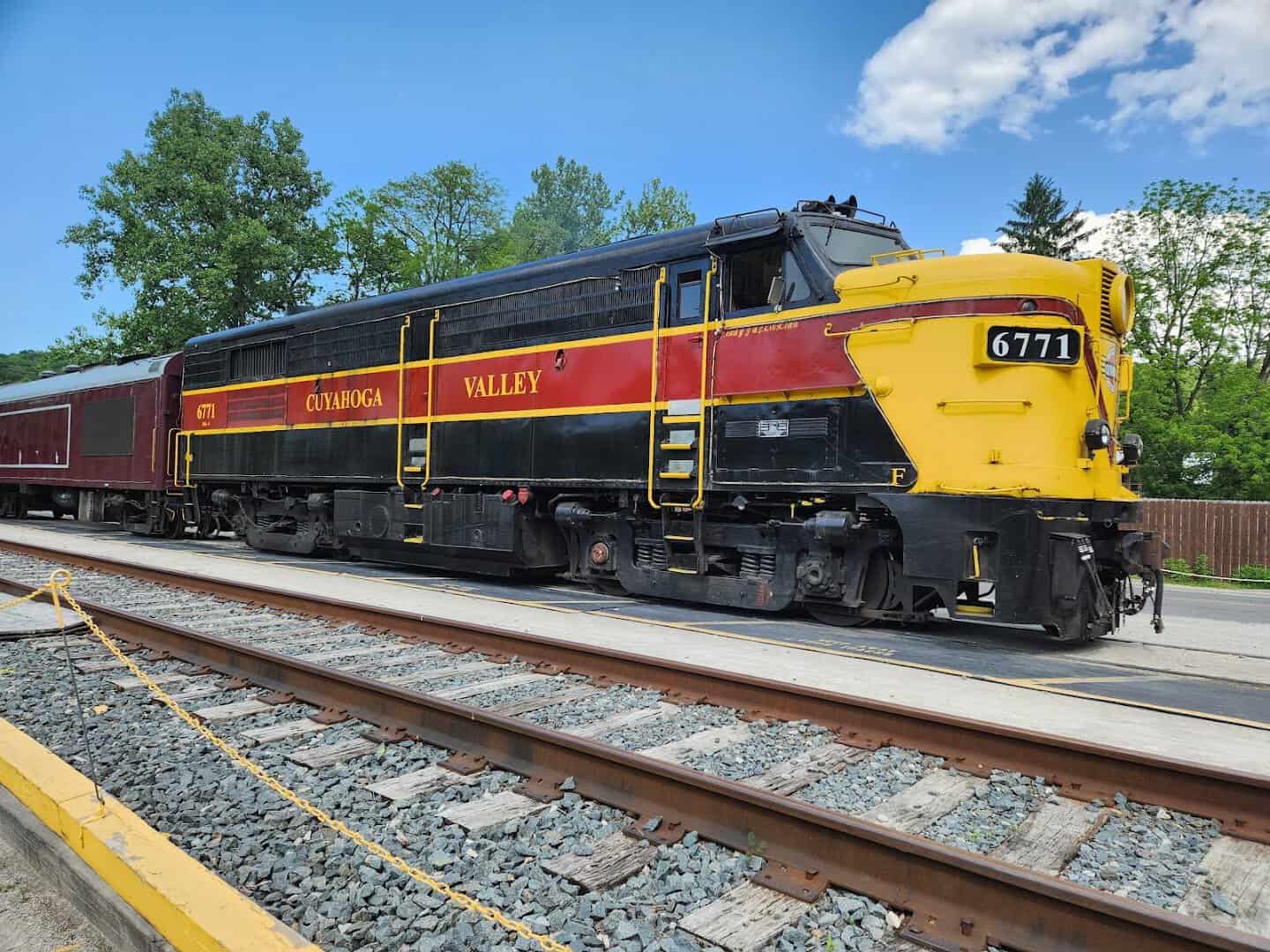
Here is a rare one: a scenic railroad that runs almost entirely inside a national park. The Cuyahoga Valley train traces the Cuyahoga River through protected parkland the whole way, which means the fall color is not going anywhere.
The line follows the river valley between Independence and Akron, rolling past wetlands, wooded ridges, and quiet stops like Boston Mill and Peninsula. The historic Peninsula Depot dates to the 1880s Valley Railway that once linked Cleveland and Akron.
Ohio color tends to peak in the second and third weeks of October. The nonprofit line has run since 1975, and the “Fall Flyer” season is the one to catch for river-valley gold.
The valley grade is flat and gentle, one of the easier rides on this list, which makes it a good pick for families and anyone who wants scenery without a long haul. The corridor runs about fifty-one miles through the park.
Where: Cuyahoga Valley Scenic Railroad, Peninsula Depot, 1630 Mill Street West, Peninsula, OH 44264.
3. Adirondack Railroad, New York
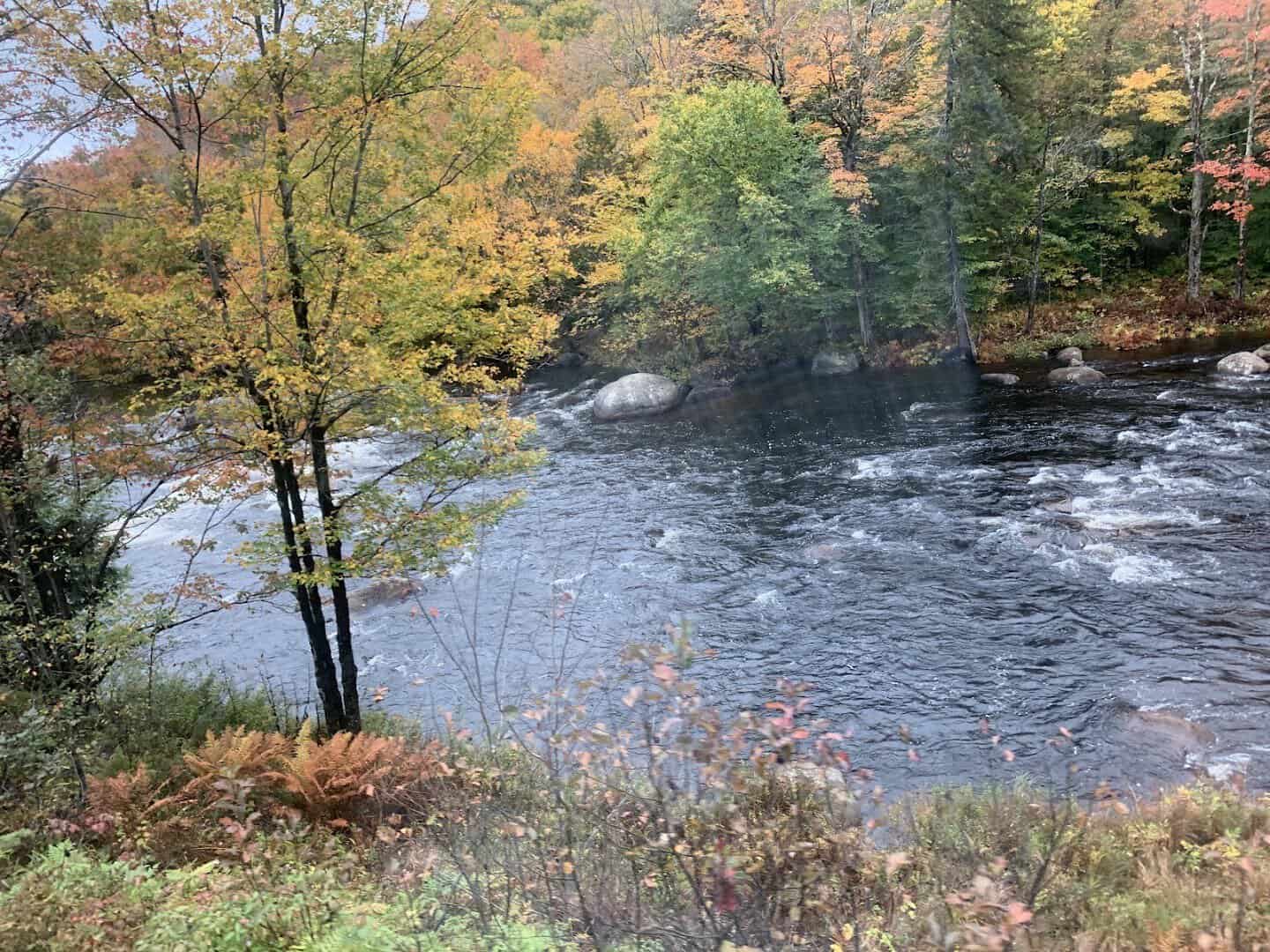
New York’s Adirondacks turn earlier than almost anywhere else in the Northeast, and this line carries you into country most cars never reach. The Adirondack Railroad runs from Utica’s grand Union Station up the Moose River corridor toward Thendara and Old Forge.
Much of the scenery is roadless wilderness and cold northern lakes, classic North Woods maple and birch color you cannot easily drive to. William Seward Webb built the line in 1892, and full-corridor service returned only a few years ago.
Aim for late September into the first week of October, when the Adirondacks usually hit peak first. The Utica-to-Thendara run covers about fifty-two miles one way.
The fully restored corridor now reaches 108 miles toward Tupper Lake, standard-gauge track that carried New York Central passengers until 1965. Old Forge at the far end makes an easy base for a fall weekend in the woods.
Where: Adirondack Railroad, Utica Union Station, 321 Main Street, Utica, NY 13501.
4. Durango & Silverton Narrow Gauge Railroad, Colorado
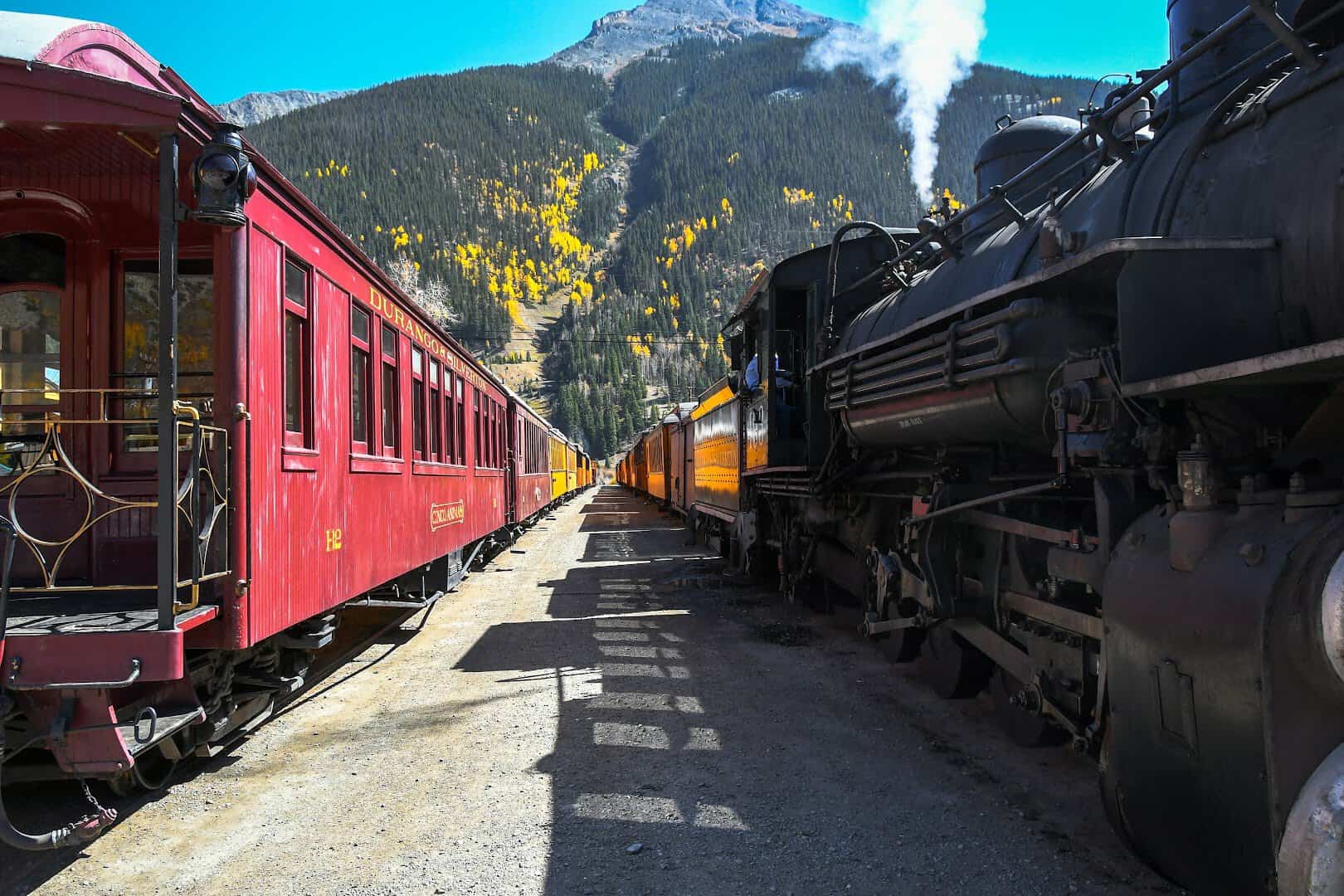
Fall in the Rockies means aspens, and few places show them off like the Animas River canyon. This narrow-gauge steam line has run since 1882, hauling passengers forty-five miles from Durango up through the San Juan Mountains to the old mining town of Silverton.
In late September the aspen groves along the gorge turn blazing gold against dark spruce and red rock walls. The narrow-gauge track hugs cliffs and river bends no road can follow, so the view belongs to riders alone.
The original 1882 depot on Main Avenue is a National Historic Landmark. Durango sits near 6,500 feet and Silverton over 9,000, so the color climbs the mountain as you do.
The three-foot narrow-gauge track was laid to haul silver ore out of the San Juans, and it has run without a break ever since. Silverton itself is a preserved mining town, a fine place to eat before the ride back down.
Where: Durango & Silverton Narrow Gauge Railroad, 479 Main Avenue, Durango, CO 81301.
5. Lehigh Gorge Scenic Railway, Pennsylvania
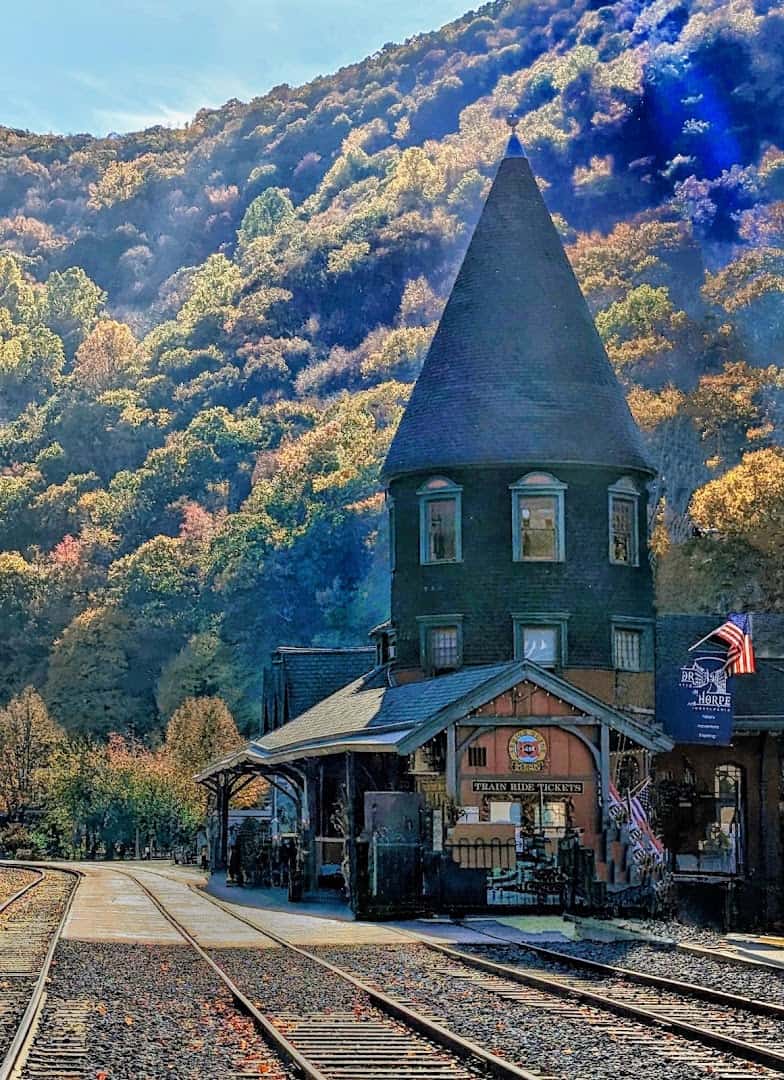
The Poconos know how to do autumn, and Jim Thorpe is the storybook town at the center of it. The Lehigh Gorge Scenic Railway leaves an 1888 stone station downtown and follows the Lehigh River north into Lehigh Gorge State Park.
Steep, forested cliff walls press right up to the river, so the open-air “Autumn Leaf” cars catch color on both canyon walls and the water at once. The train turns at Penn Haven Junction for a round trip of about sixteen miles.
Pennsylvania color usually peaks mid-to-late October, and those weekends are the busiest of the year here. It is a short, scenery-packed ride, ideal if you want a half day rather than a whole one.
Jim Thorpe earned the nickname the Switzerland of America for its steep streets and Victorian storefronts, so leave time to wander the town after the train. The current scenic railway launched in 2005 once a new river bridge was in place.
Where: Lehigh Gorge Scenic Railway, 1 Susquehanna Street, Jim Thorpe, PA 18229.
6. Cass Scenic Railroad, West Virginia
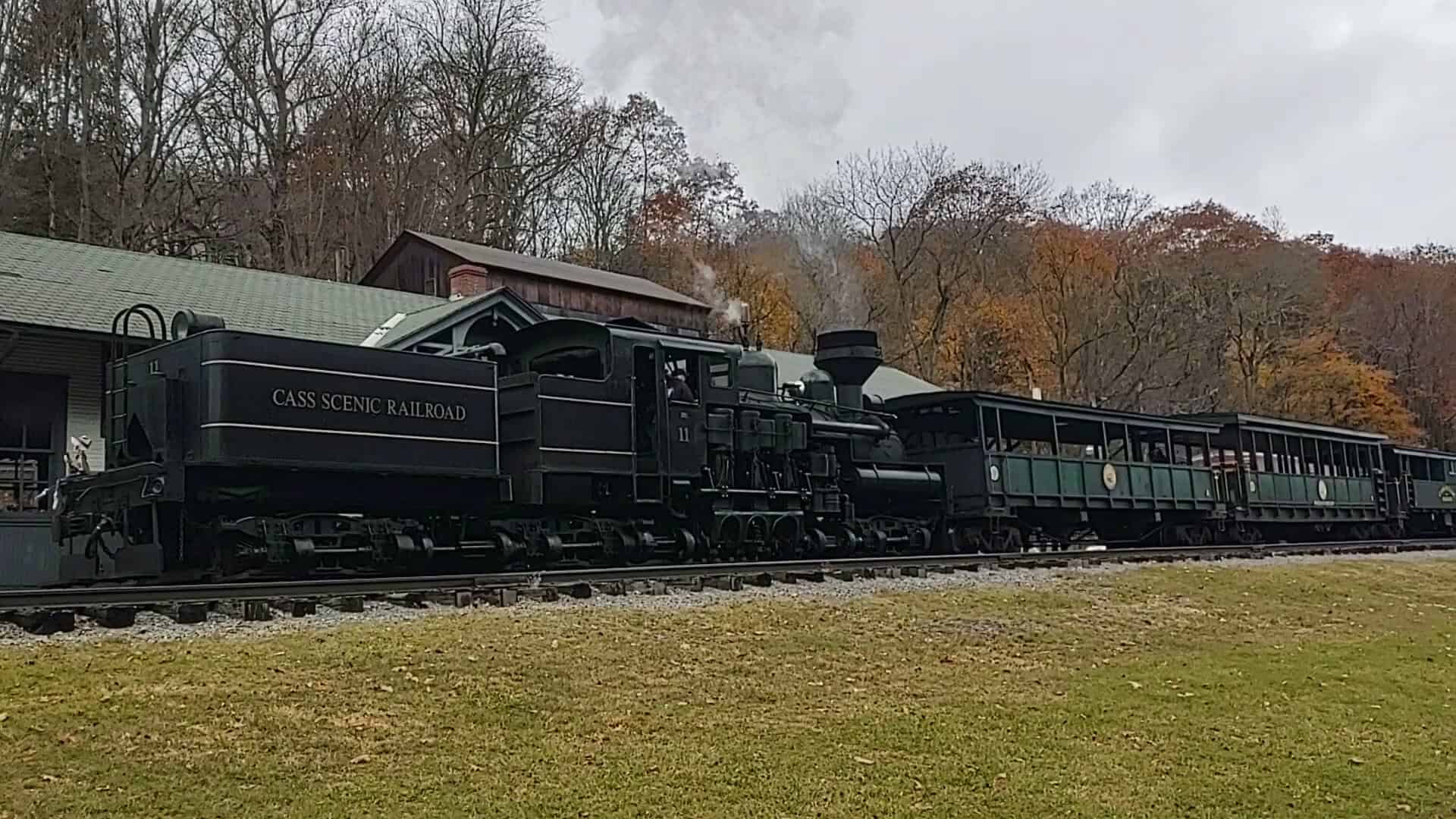
Nobody warns you how steep an old logging railroad can climb. The Cass Scenic Railroad still runs the geared Shay steam locomotives that once dragged timber, grinding up switchback grades toward the summit of Bald Knob, the third-highest point in West Virginia.
The town and the railroad both date to 1901, born from a West Virginia pulp-and-paper operation. Today the flagship trip hauls you to nearly 4,850 feet for panoramic Allegheny views that seem to run to the horizon.
High elevation means the color turns early, usually early-to-mid October, and stretches for miles from the top. Riding authentic geared steam to a near-5,000-foot bald is a combination almost nowhere else can offer.
Some of the grades reach as steep as eleven percent, about as hard a climb as any railroad in the country attempts. The engines burn through the effort slowly, which is part of why the trip up to Bald Knob takes the better part of a day.
Where: Cass Scenic Railroad, 12363 Cass Road, Cass, WV 24927.
7. Mount Hood Railroad, Oregon
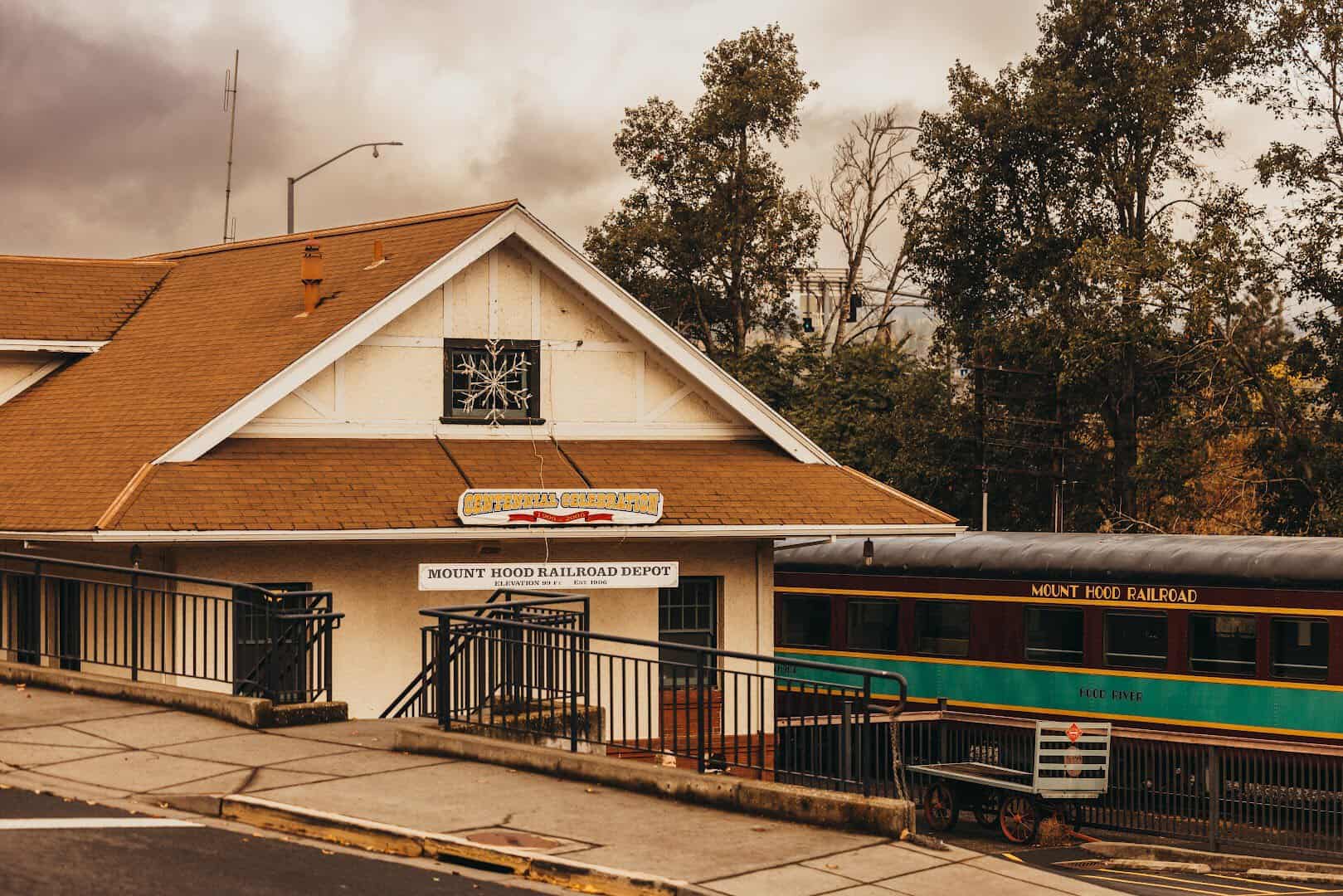
Out west the foliage comes with a volcano attached. The Mount Hood Railroad runs south from downtown Hood River up through the Hood River Valley, a patchwork of orchards and vineyards, with Oregon’s tallest peak standing snow-capped on the skyline.
First traffic rolled in 1906, and the line still includes a rare switchback where the train reverses to gain the grade. The “Fall Harvest” runs pair autumn orchard and vineyard color with that distinctly Pacific Northwest view of Mount Hood.
The trip toward Parkdale covers about twenty-two miles, and color usually peaks mid-to-late October. Pro tip: sit on the west side of the car for the clearest look at the mountain.
The valley fills with pear and apple orchards, so the Fall Harvest runs often pair the color with cider and just-picked fruit near the Parkdale end. First traffic on this line rolled back in 1906.
Where: Mount Hood Railroad, 110 Railroad Avenue, Hood River, OR 97031.
8. Essex Steam Train, Connecticut
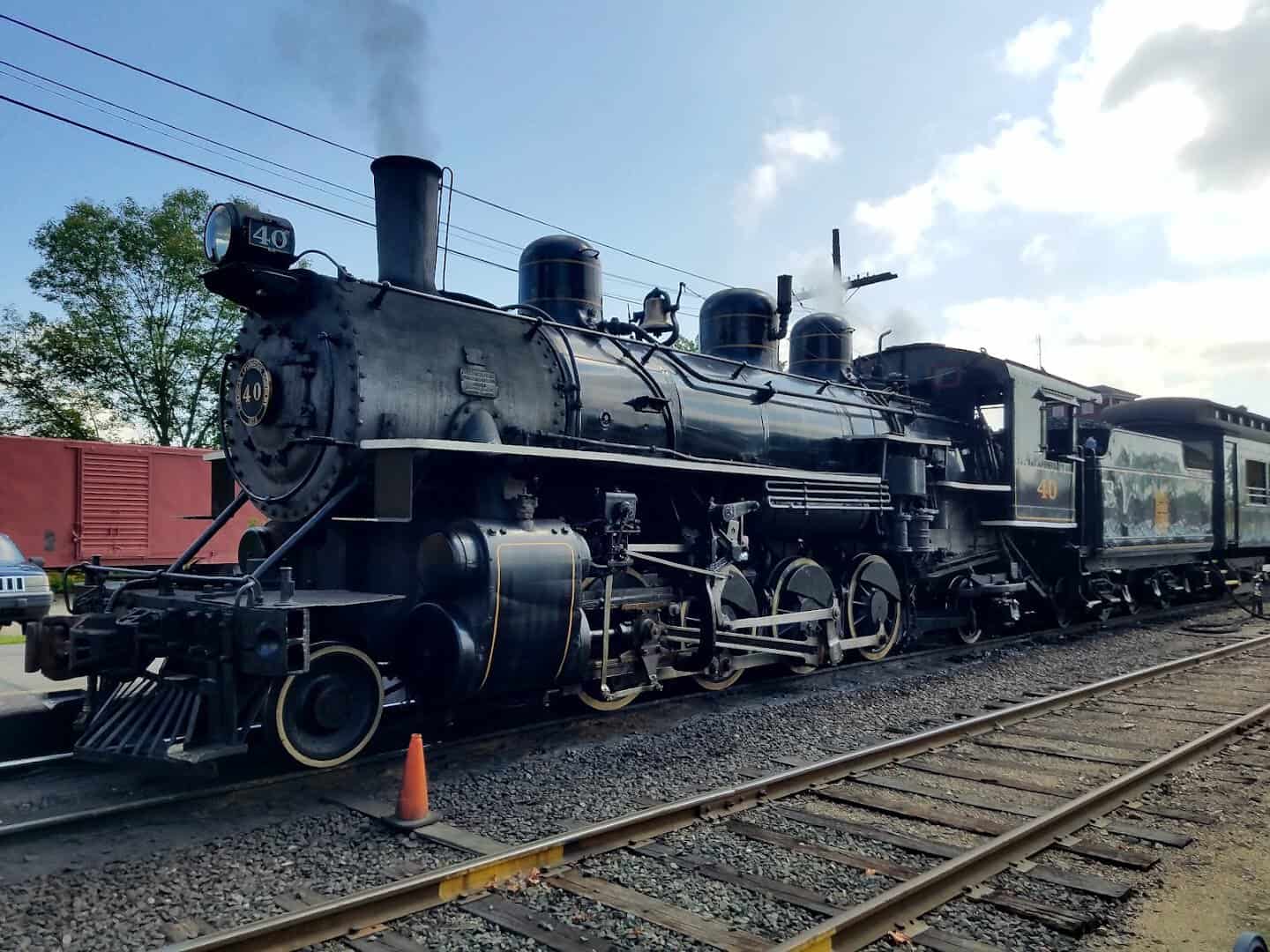
Connecticut sweetens the deal by adding a boat. The Essex Steam Train pulls out of an 1892 depot behind locomotive No. 40, a 2-8-2 built in 1920, and steams up the lower Connecticut River valley through classic New England hardwoods.
The signature package connects at Deep River Landing to a multi-deck riverboat for a cruise on the Connecticut River, so you get the color from the rails and again from the deck. The whole outing runs about two and a half hours.
Peak here lands roughly mid-to-late October, though the valley holds color from late September on. The rail-and-riverboat combo is one of the most complete foliage day trips in New England.
Locomotive No. 40 has called Essex home since 1977, and the line it runs traces track chartered back in 1868. The riverboat leg adds a slower, water-level look at the same hardwoods you just rolled past.
Where: Essex Steam Train & Riverboat, 1 Railroad Avenue, Essex, CT 06426.
9. Verde Canyon Railroad, Arizona
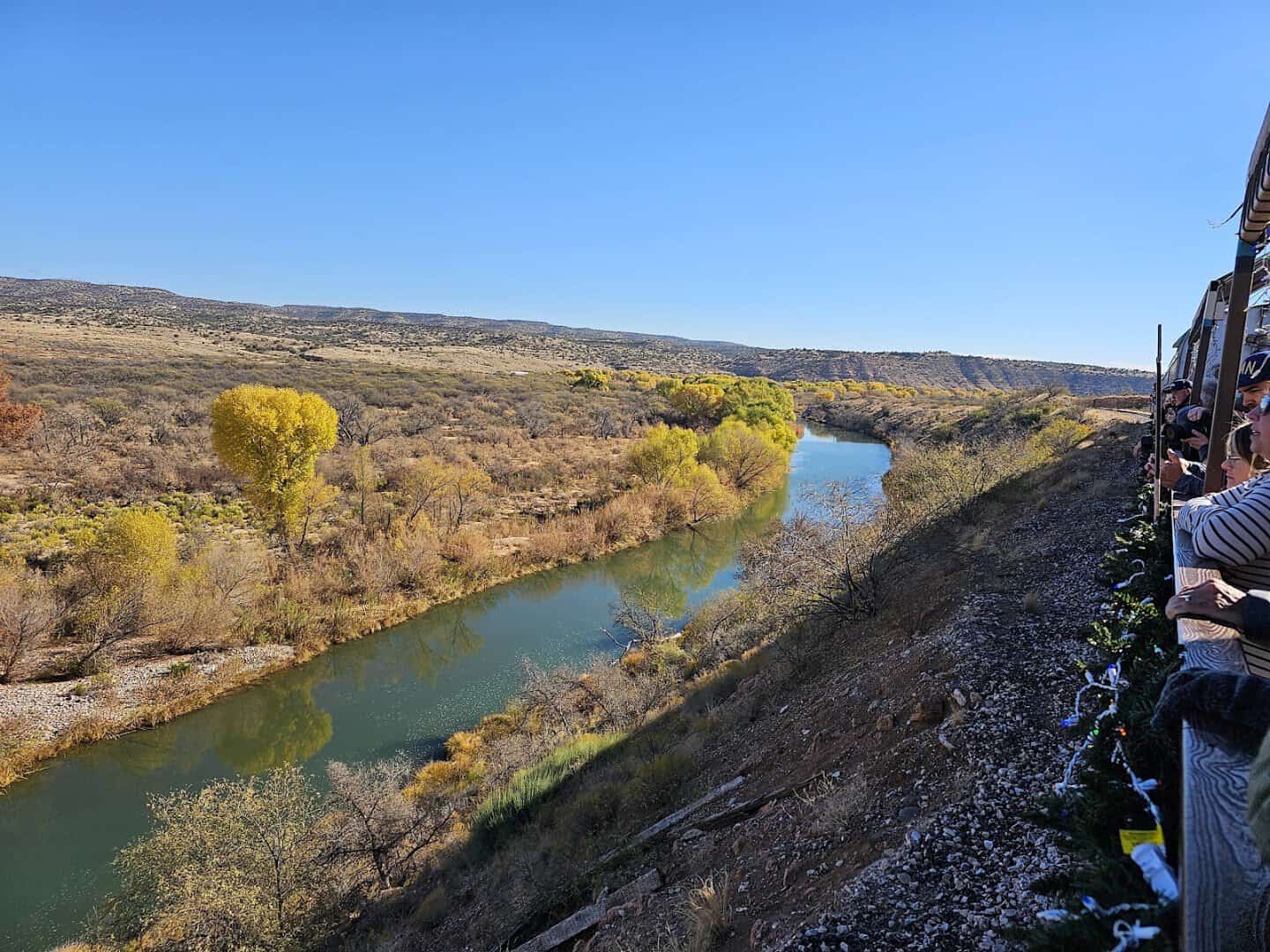
Autumn in the desert sounds like a contradiction until you see the Verde River canyon in November. The Verde Canyon Railroad runs twenty miles from Clarkdale to Perkinsville and back, through a roadless red-rock canyon that no highway can reach.
Old-growth cottonwoods and sycamores, some centuries old, turn gold, bronze, and copper over the green river. The train crosses trestles and passes through a 680-foot curved tunnel, pulled by two vintage 1953 diesels that once worked the Alaska Railroad.
This is the last of the nine to peak, with cottonwood gold usually arriving early-to-mid November. Did you know? Bald eagles are a common cool-season sighting along the canyon, so keep your eyes on the cliffs.
The railroad carries around 100,000 riders a year, and the two 1953 diesels up front are among only about ten of their kind still running anywhere. The 680-foot tunnel is a small thrill that breaks up the four-hour round trip.
Where: Verde Canyon Railroad, 300 North Broadway, Clarkdale, AZ 86324.
Book the Window Seat Before the Leaves Turn
Fall color runs on a tight schedule, and a different one in every region, so the trick is matching your trip to the peak week where you are headed. The Adirondacks and the San Juans go earliest.
New England and the Poconos hold the middle of October, and Arizona’s cottonwoods bring up the rear in November. Check the current foliage reports the week before you travel, because a warm autumn can push peak back by a week or more.
Weekends near peak sell out first, so reserve ahead and go midweek if your schedule allows, when the cars are quieter and the light is softer. Many of these lines add extra departures once the color arrives.
Whichever ride you pick, book the open-air car, bring a layer for the morning chill, and let someone else watch the tracks. Then all you have to do is turn toward the window and enjoy the show.
Featured image: Ronald Parrish via Adirondack Railroad

Stella Raines
Editor-in-Chief
Stella brings over a decade of storytelling experience to TX Headlines. With roots in West Texas and a love for road trips, she leads the editorial team with an eye for the hidden stories that make Texas unforgettable.