9 Breathtaking Places to Watch Fall Colors Catch Fire
Every September, a certain kind of restlessness sets in. The light goes gold an hour earlier, the mornings bite, and suddenly I am refreshing foliage maps like they owe me money.
There is nothing quite like a hillside catching fire in slow motion, that blaze of autumn color that makes people plan whole road trips around a two-week window. It is the best show nature runs all year, and admission is free.
Below, I have rounded up nine places across America where fall does its most jaw-dropping work, from New England back roads to Rocky Mountain aspen groves. Pack a thermos, chase the peak, and let these views earn their spot on your bucket list.
1. Kancamagus Highway, New Hampshire
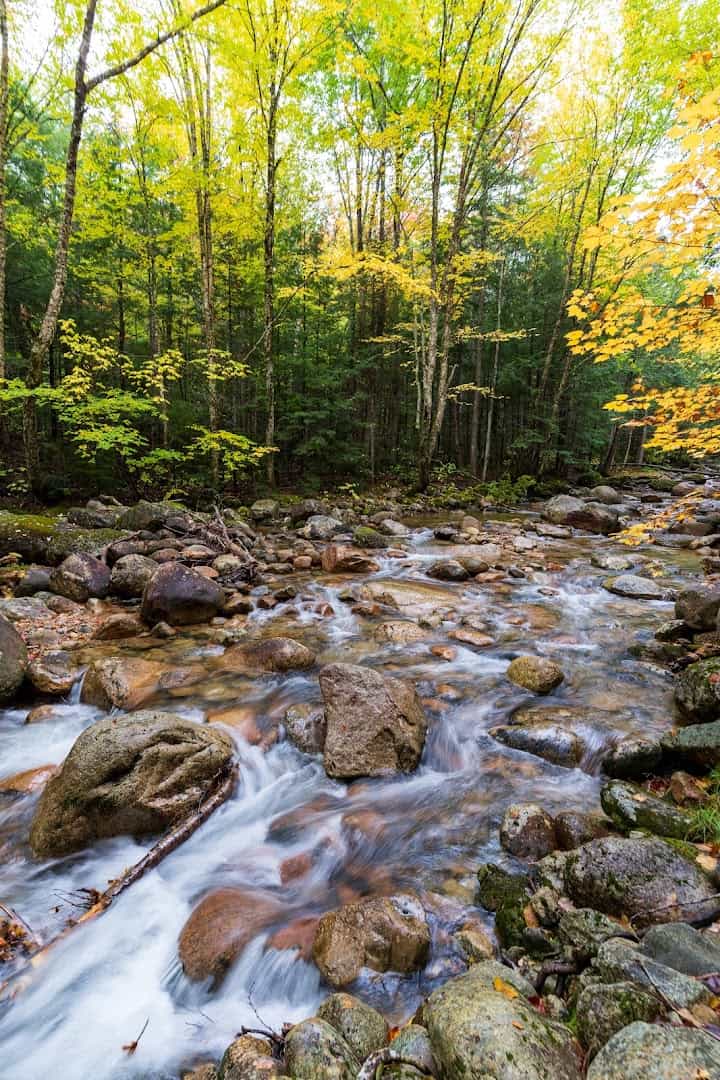
If you only drive one road all autumn, make it this one. The Kancamagus Highway runs 34 miles through the White Mountains, and every mile of it detonates with color once the sugar maples turn.
Locals just call it the Kanc, and it climbs to nearly 3,000 feet at its highest pass. Pull over at Sabbaday Falls or the Hancock Overlook and the whole valley spreads out in red, gold, and burnt orange.
There are no gas stations or towns along the route, just forest, rivers, and one overlook after another. That emptiness is the point, because the road belongs entirely to the leaves. Roll the windows down and let the cool mountain air in.
Peak color usually lands in early to mid-October, and weekends get busy, so start at sunrise if you can. Sabbaday Falls is a short, easy walk if you want to stretch your legs beside the water.
Where: New Hampshire Route 112, running 34 miles between Lincoln and Conway, New Hampshire, through the White Mountain National Forest. Start in Lincoln and head east toward Conway.
2. Great Smoky Mountains, Tennessee
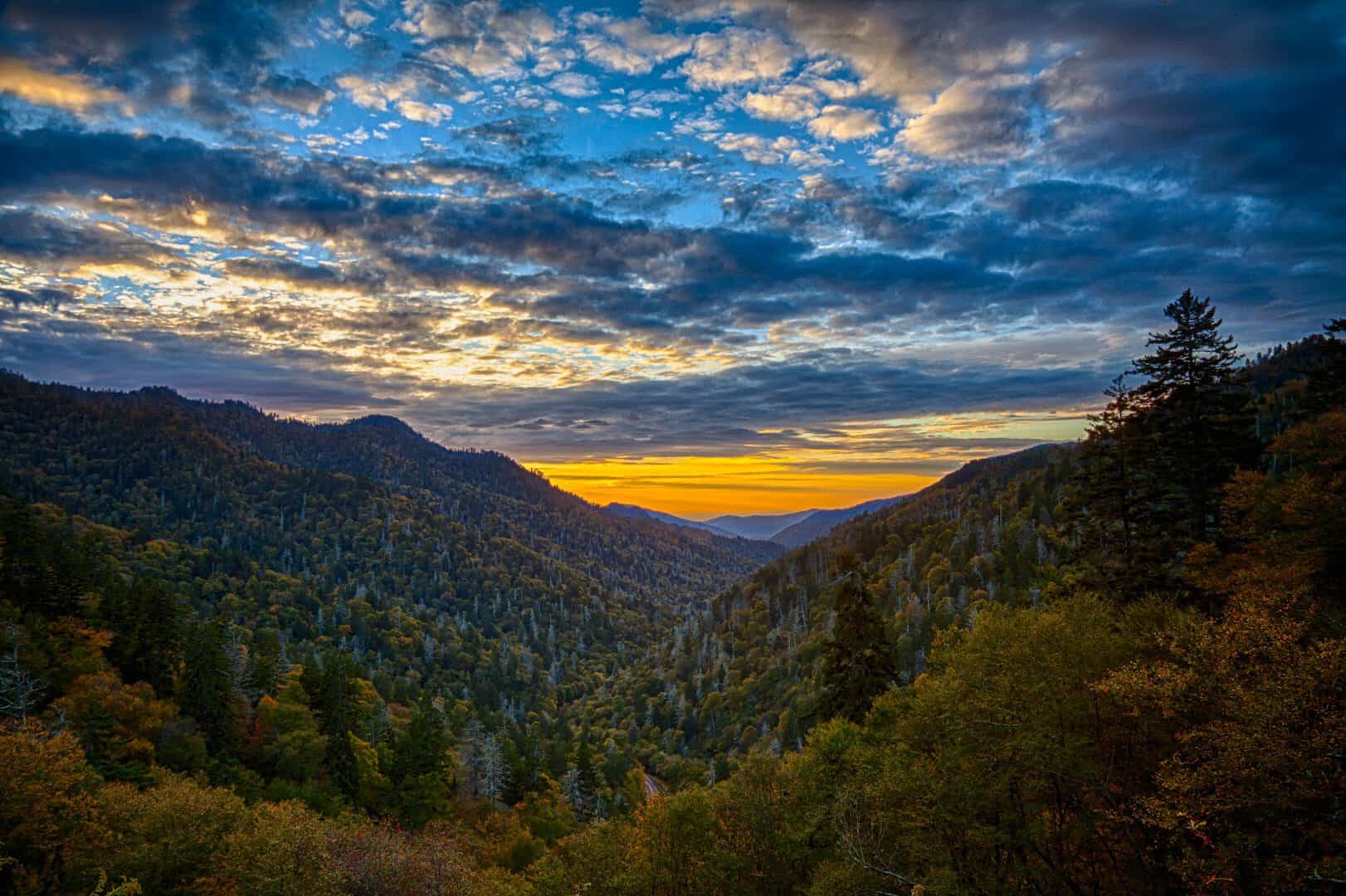
The Smokies earn their name in autumn, when a blue haze settles over ridgelines stacked with color. Newfound Gap sits at 5,046 feet, right on the Tennessee and North Carolina line, and the view from the top is staggering.
Because the land drops so far below, fall color rolls down the mountains for weeks, so there is almost always a peak somewhere. Higher up, the reds and golds arrive first, then the show marches slowly downhill.
This is the most visited national park in the country, and one look from the gap explains why. Wave after wave of forest fades into that famous smoke-blue distance.
Stop at the Morton Overlook near the gap for one of the best sunset views in the park, when the sky lights up behind the ridges. Come on a weekday morning to beat the crowds along Newfound Gap Road.
Where: Newfound Gap and Morton Overlook, on Newfound Gap Road (US-441) in Great Smoky Mountains National Park, about 15 miles south of Gatlinburg, Tennessee.
3. Lost Maples State Natural Area, Texas
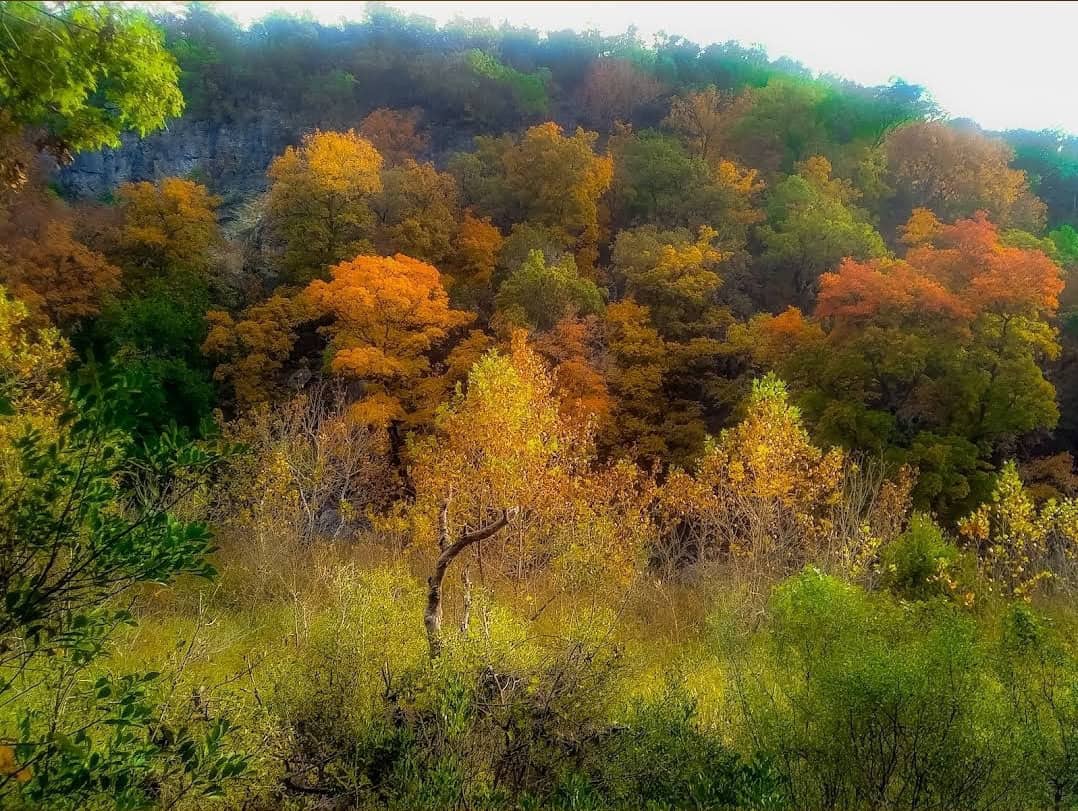
Texas is not supposed to have a fall like this, which is exactly why locals guard it. Tucked into the Hill Country, this park protects a rare relict stand of bigtooth maples that blaze crimson every autumn.
Come in late October or November and the canyon walls flush deep red and orange, a color show most people never expect this far south. The trees are survivors from a cooler, wetter age, stranded here for thousands of years.
Texas Parks and Wildlife bought the land in the early 1970s to protect it, and the Maple Trail is the star of the show. The park even posts a fall foliage report so you can time your visit to the peak.
That peak window is short and the park caps daily entry, so reserve a day pass ahead in season. Arrive early on a weekend, because the small lot fills fast once the color turns.
Where: 37221 FM 187, Vanderpool, Texas 78885, about five miles north of Vanderpool in the Hill Country.
4. Maroon Bells, Colorado
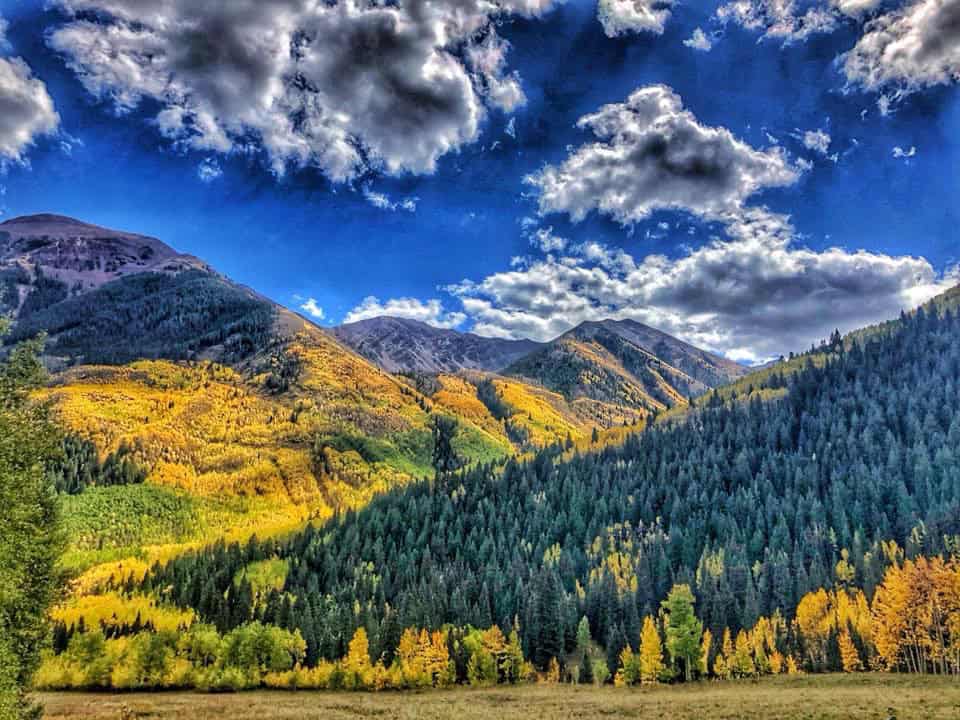
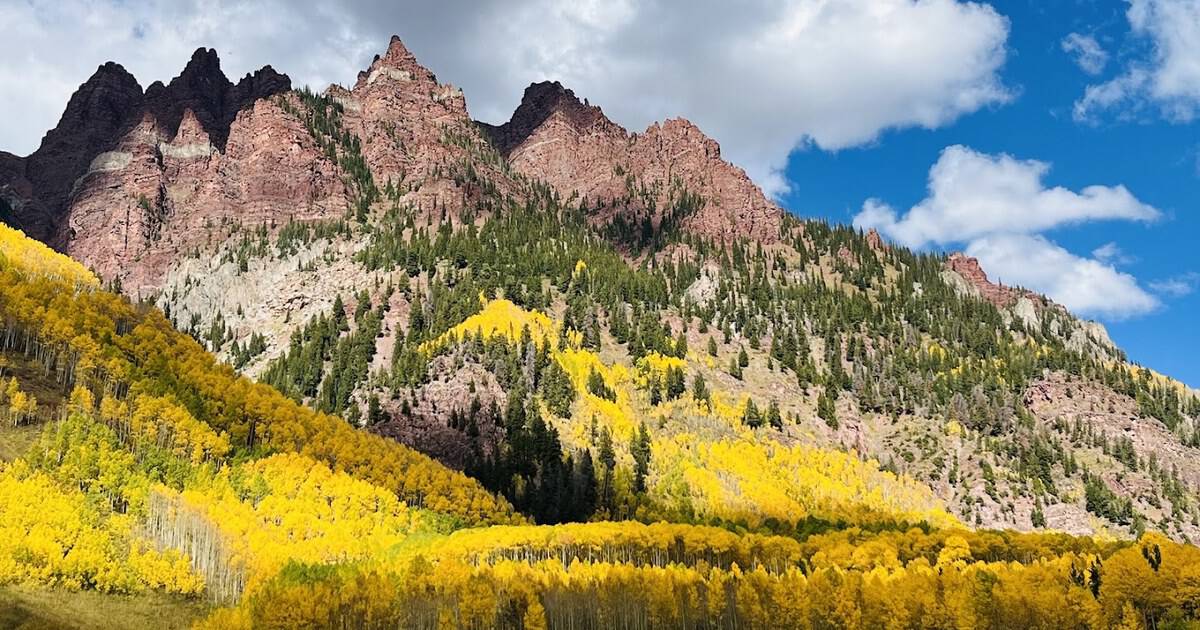
Ask a landscape photographer to name the most beautiful spot in America and a lot of them will say this one. Two rust-colored peaks rise above Maroon Lake near Aspen, and in fall, golden aspens set the whole basin alight.
These are among the most photographed mountains in North America, and late September is when they peak. The aspens turn an electric yellow, the lake mirrors it all, and the Bells glow in the morning sun.
Sitting at nearly 9,600 feet, Maroon Lake is an easy walk from the parking area, with longer trails climbing deeper into the wilderness. The Scenic Loop and Crater Lake trails reward anyone willing to hike a little farther.
During leaf season a timed reservation and a shuttle from Aspen Highlands keep the crowds and cars in check. Book early and aim for a dawn slot, when the alpenglow hits the peaks.
Where: Maroon Creek Road, near Aspen, Colorado 81611. In fall, access is by timed reservation and shuttle from the Aspen Highlands ski area.
5. Tunnel of Trees, Michigan
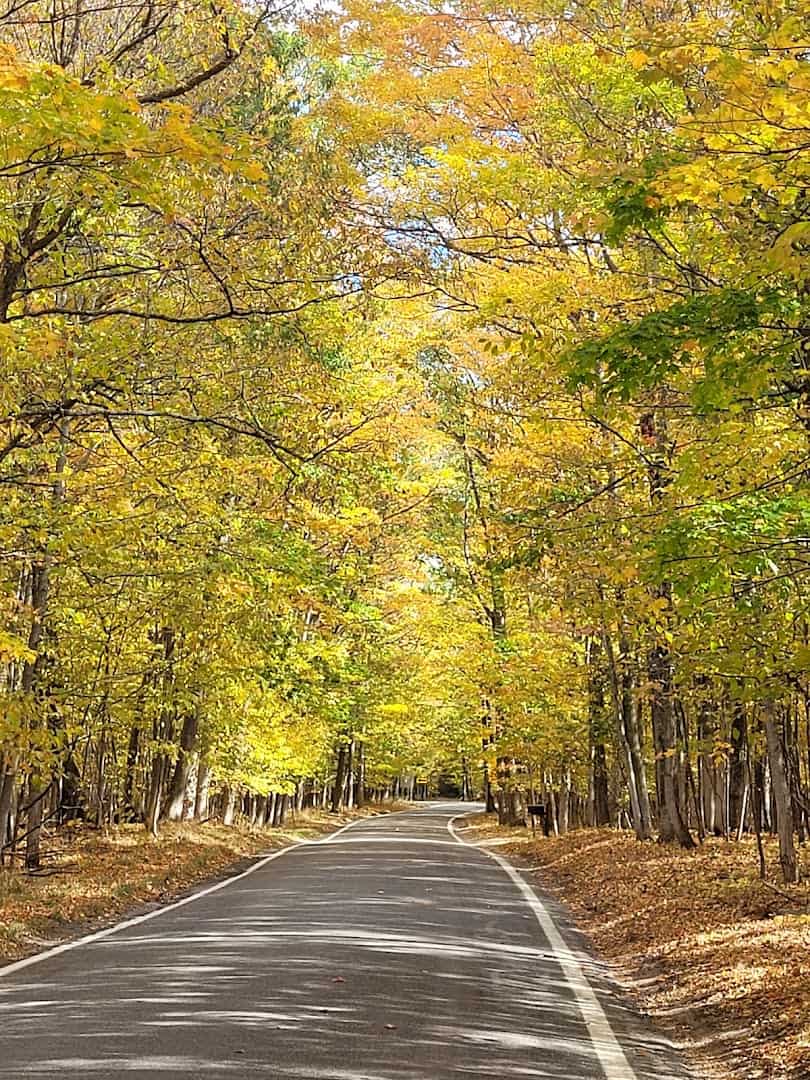
Some roads feel like driving through a cathedral, and this is one of them. The Tunnel of Trees winds along Lake Michigan’s shore in the state’s far north, hemmed so tightly by hardwoods that the canopy closes overhead.
In October the maples, birches, and oaks turn the whole corridor gold and amber. The road is narrow, shoulderless, and slow by design, which is the best way to take in a Michigan autumn.
Glimpses of Lake Michigan flash between the trunks, deep blue against the fire-colored leaves. The route runs about 20 miles and ends at the historic hamlet of Cross Village.
Stop in Good Hart along the way for a pasty or a cinnamon roll from the general store, a Northern Michigan tradition. Drive it on a clear weekday and you may have long stretches of the tunnel to yourself.
Where: M-119, running roughly 20 miles from Harbor Springs to Cross Village, Michigan, along the Lake Michigan shore. Start in Harbor Springs and drive north.
6. Blue Ridge Parkway, North Carolina
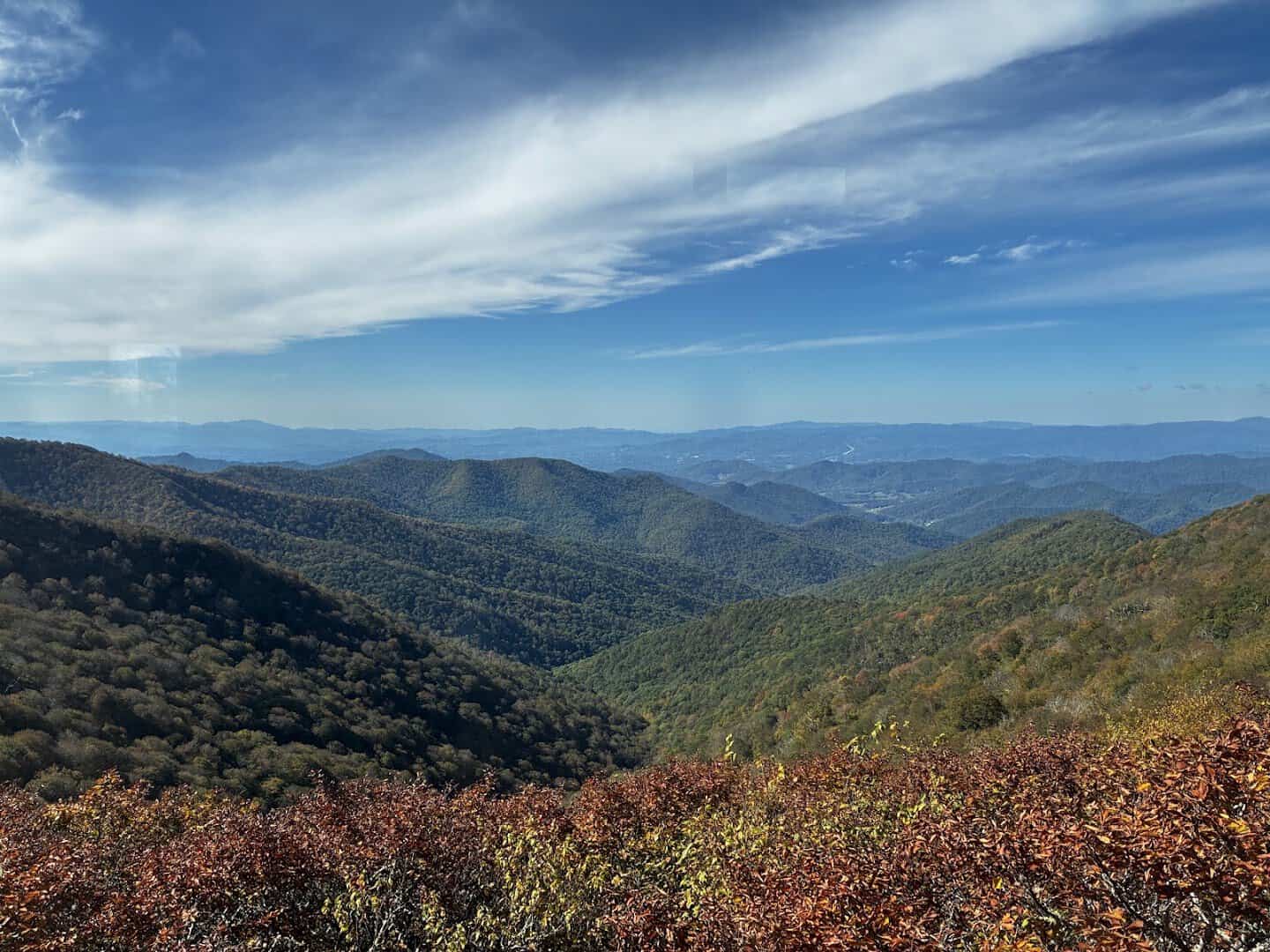
The Blue Ridge Parkway is 469 miles of pure scenery, but if you want one stop that delivers, aim for Craggy Gardens. At 5,500 feet outside Asheville, the overlooks here open onto ridge after ridge of southern Appalachian color.
Peak arrives in early October, when the balds and slopes flush crimson, gold, and rust. From the visitor center you can picnic a mile high or hike up to Craggy Pinnacle for a sweeping view of the layered mountains.
The parkway itself is the draw, a slow ribbon of a road built for exactly this. Every few miles another overlook begs you to stop the car and just look.
Because the color climbs down from the highest peaks, you can chase it for weeks by changing your elevation. Weekends near Asheville get busy, so go early and keep your tank full, since services are scarce up top.
Where: Craggy Gardens, Blue Ridge Parkway Milepost 364, near Asheville, North Carolina. The visitor center sits at Milepost 364.4, and this stretch closes in winter.
7. Jordan Pond, Maine
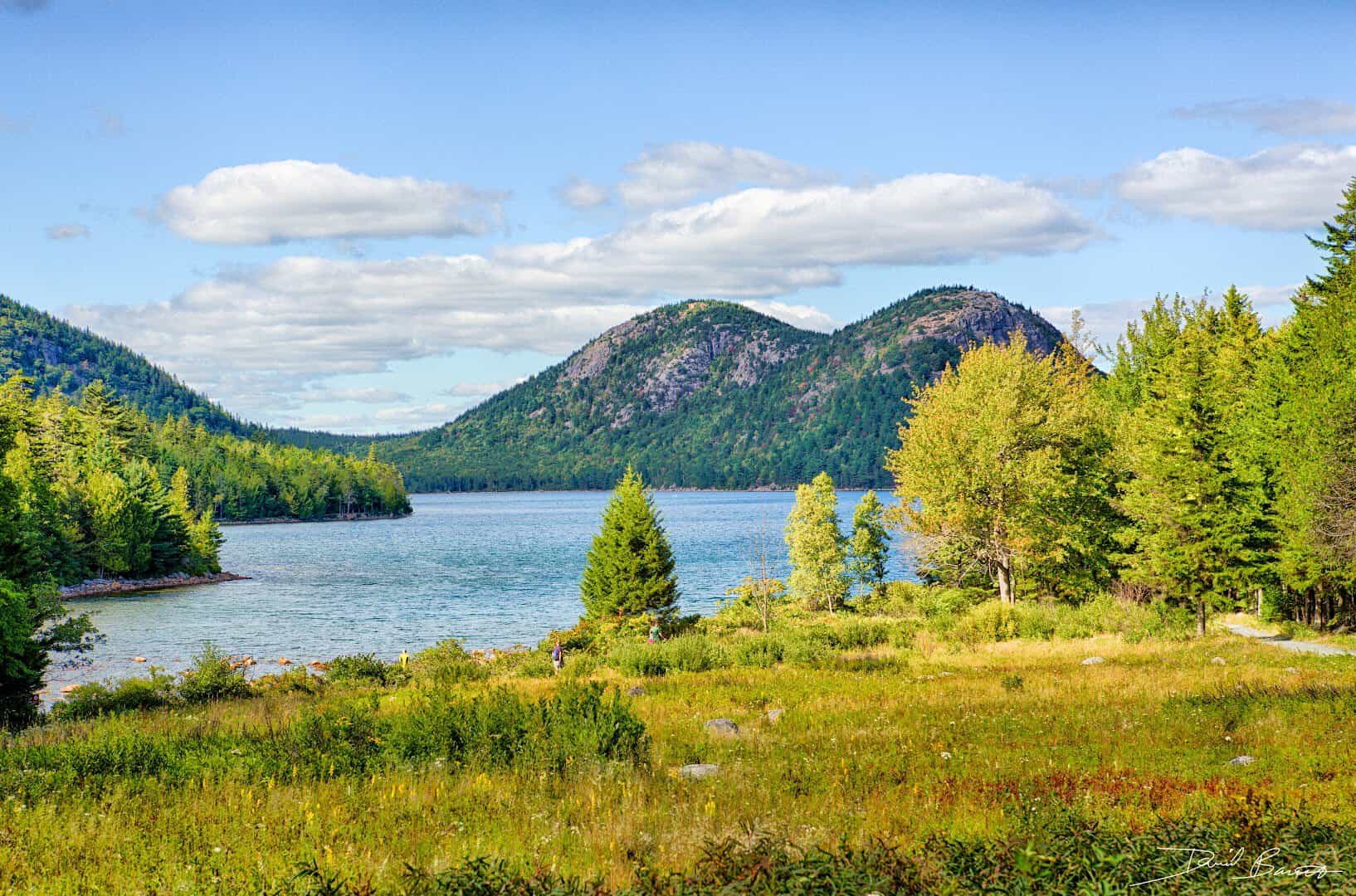
Maine does fall with a rocky, salt-air drama all its own, and Acadia is the heart of it. Jordan Pond sits clear and cold beneath two rounded peaks called the Bubbles, framed by forest that turns fiery in October.
Walk the easy loop around the water and the reflections do the rest, red and orange doubled on a glassy surface. Acadia is the only national park in the Northeast, and leaf season is its quietest, prettiest window.
Cap the walk at the Jordan Pond House, famous for its popovers since the 1890s. Warm popover, mountain view, and cool coastal air together make a perfect Maine autumn afternoon.
The full pond loop runs about three miles and stays mostly flat, with plank boardwalks over the boggy stretches. Come on a still morning and the Bubbles mirror so cleanly you will not know which way is up.
Where: Jordan Pond, off the Park Loop Road in Acadia National Park, near Seal Harbor and Bar Harbor, Maine. Bar Harbor sits about ten minutes north.
8. Cascade Springs, Utah
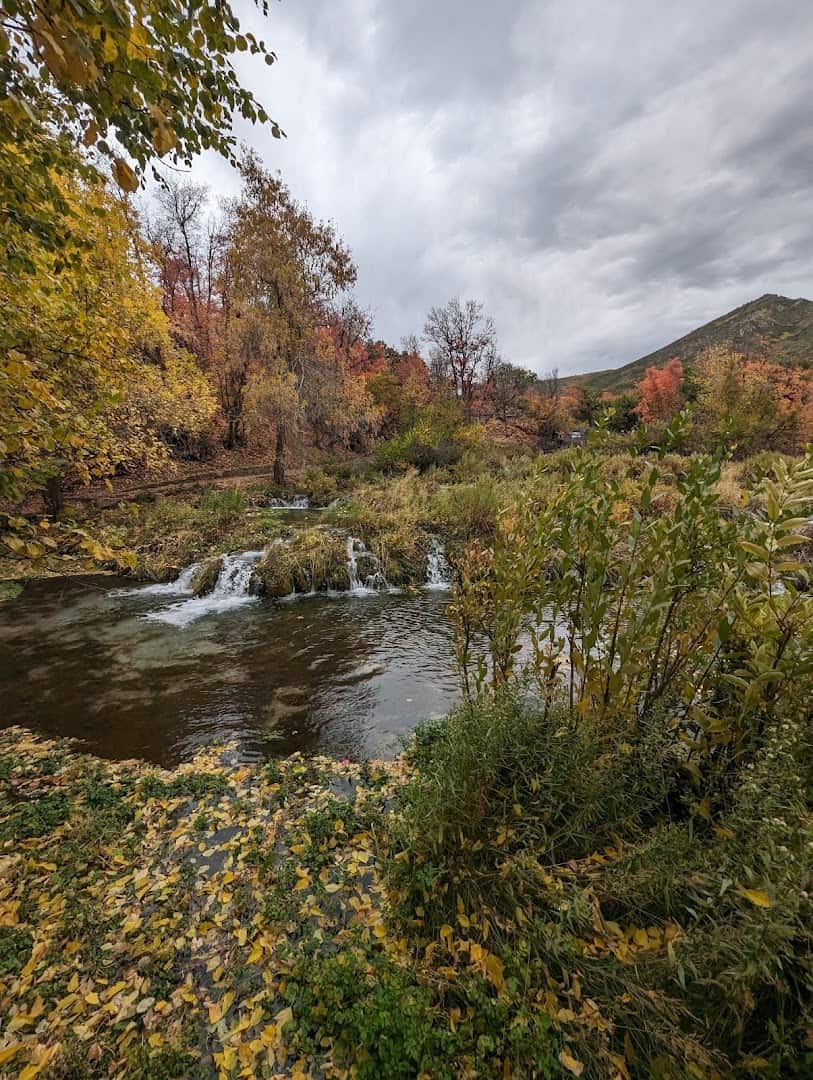
Utah’s fall secret is written in aspen and oak, and the Alpine Loop shows it off best. Near its high point sits Cascade Springs, where boardwalks wind past crystal pools and small waterfalls ringed by golden trees.
Drive the loop in late September or early October and the mountainsides between Sundance and the springs turn pure yellow. The paved boardwalk trail is short, flat, and open to everyone.
The water here bubbles up cold and clear through a series of terraced pools before spilling toward Deer Creek. It is a gentle, glowing stop on one of the West’s great fall drives. Steam sometimes rises off the water on a frosty autumn morning.
The Alpine Loop itself is a winding mountain byway, so take it slow and pull off at the overlooks. The road closes in winter, so autumn is your last chance to drive it before the snow arrives.
Where: Cascade Springs, off the Alpine Loop Scenic Backway, reached via Cascade Springs Drive from Midway, Utah. The springs are free, and a small fee covers the loop road.
9. Colton Point State Park, Pennsylvania
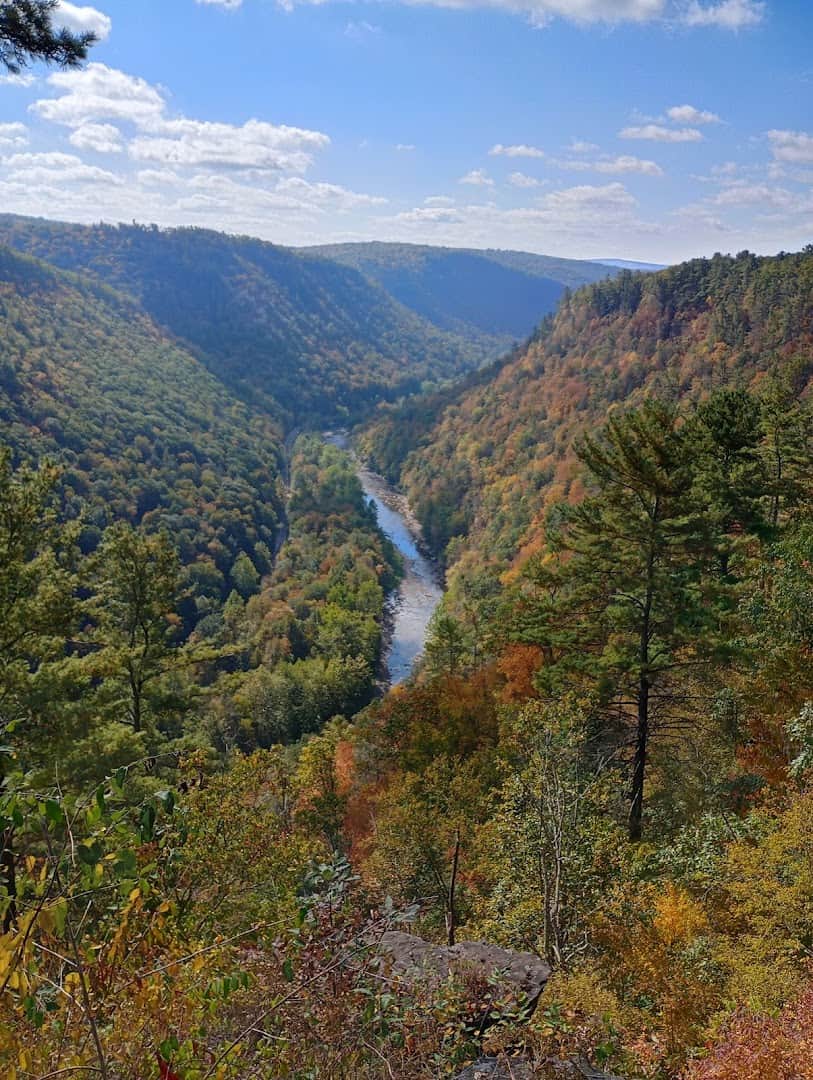
Pennsylvania hides its own grand canyon in the hills of Tioga County, and fall is when it shows off. From the rim at Colton Point State Park, the Pine Creek Gorge drops 800 feet and stretches nearly a mile across.
In October the forest below turns a patchwork of red, yellow, and orange, all the way down to the creek far beneath you. Colton Point sits on the quieter west rim, right across the canyon from its busier twin, Leonard Harrison.
Rustic stone overlooks built in the 1930s frame the view, and trails lead down into the gorge for the adventurous. The rim view alone is worth the drive, deep woods and big color in every direction.
This is the classic Pennsylvania autumn, and the whole canyon glows near mid-October. Bring a jacket, because the overlooks catch the wind and the mornings turn crisp this time of year. Hawks ride the thermals over the gorge, so keep an eye on the sky.
Where: Colton Point State Park, Colton Road off US-6, Wellsboro, Pennsylvania 16901, on the west rim of the Pine Creek Gorge.
Chase the Peak Before It Fades
Fall color is nature’s most fleeting show, here for two weeks and gone with the next hard wind. That is what makes chasing it so worth it, because you have to time it, drive for it, and show up while it lasts.
So pick a peak, watch the foliage maps, and point the car toward the gold. Whichever of these you choose, autumn will not disappoint, and by the drive home you will already be planning next year’s trip.
Featured image: Melissa Not telling via Maroon Bells

Stella Raines
Editor-in-Chief
Stella brings over a decade of storytelling experience to TX Headlines. With roots in West Texas and a love for road trips, she leads the editorial team with an eye for the hidden stories that make Texas unforgettable.