7 Lakeside Fall Getaways That Mirror Peak Color on Glassy Water
Everyone books the mountains in October. I think they are aiming one layer too high.
A lake in autumn hands you the color twice. The ridgeline burns overhead, then the still water repeats it below, a whole shoreline of mirrored gold you can paddle right through.
There is a reason photographers stalk calm mornings on the water. Fog, low light and a glassy surface turn a good foliage view into a great one, with the whole canopy doubled at the waterline.
Mountains give you one canopy. A lake gives you two, stacked at the shoreline, and it holds the low morning light in a way a hillside never can. That is the case for aiming your fall trip at the water.
Below are seven lakeside getaways where the color peaks hard and the reflection does half the work. They span the country, they turn on different weeks, and every one is worth the drive. Pack a jacket and a camera.
1. Maroon Lake, Colorado
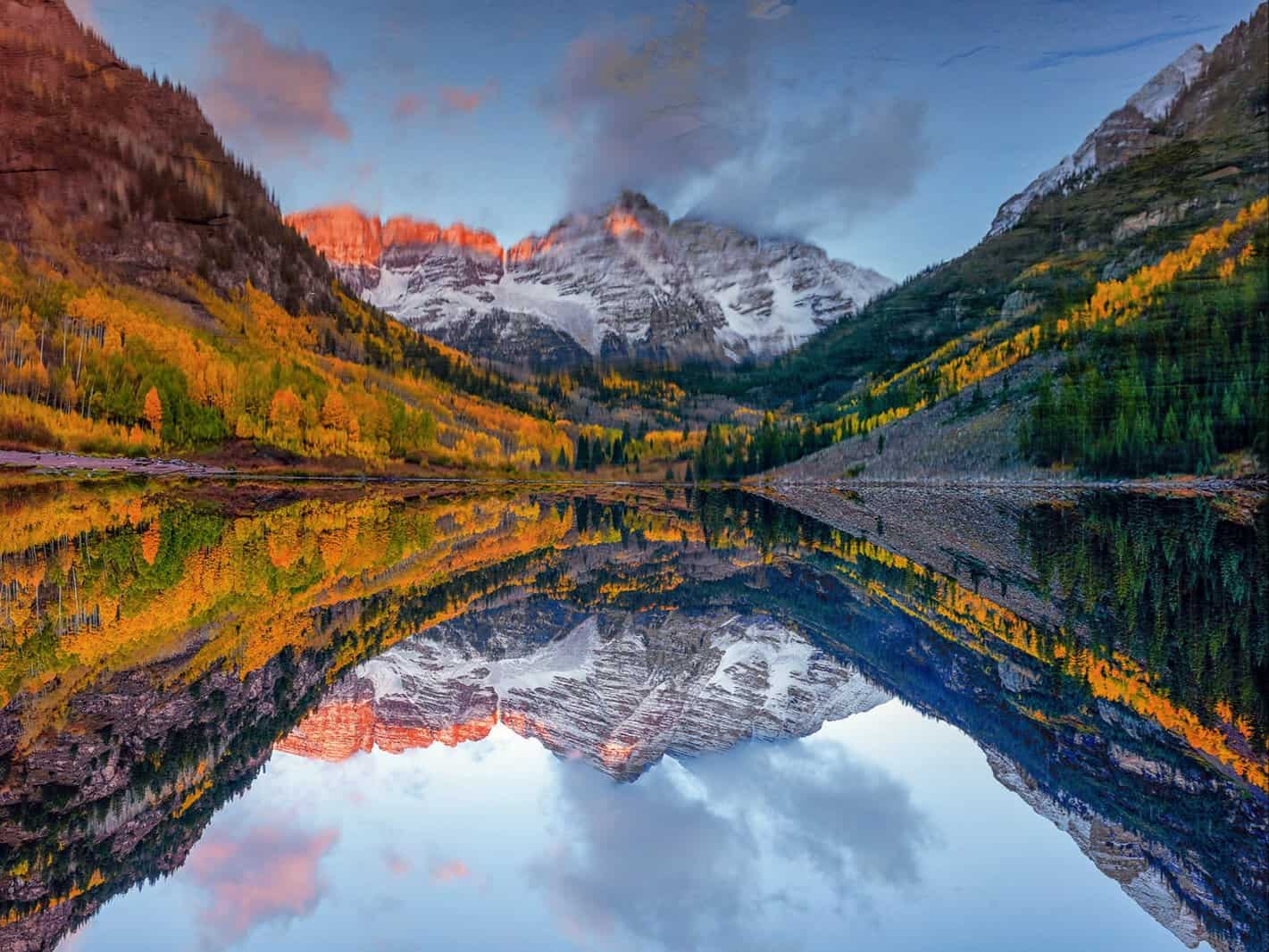
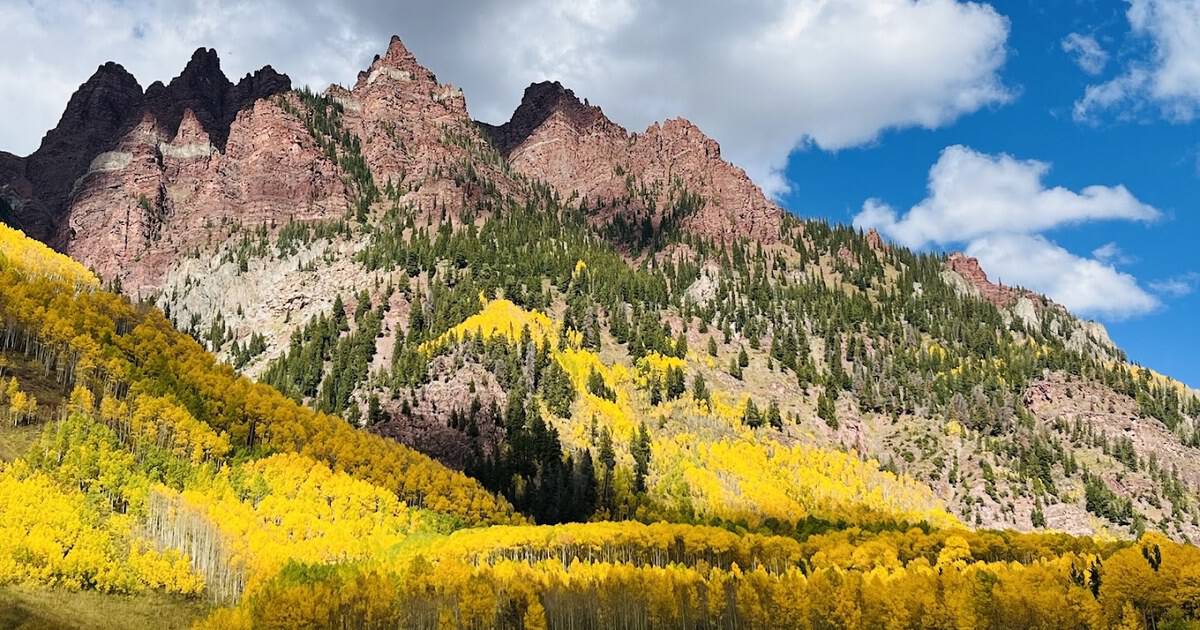
These are the most photographed peaks in Colorado, and the aspens are the reason. In late September the groves below the Maroon Bells go solid gold and drop straight down to the lake.
The reflection is the whole show. Two dark peaks, a wall of yellow, and a clean mirror of both at the waterline. Photographers line up in the cold before sunrise for it.
A short, flat loop circles Maroon Lake for anyone who does not want to hike, and the Crater Lake trail climbs higher for those who do. The elevation means this one turns before the valleys below.
You need a reservation now. The late September aspen window sells out first, so book the shuttle from Aspen Highlands the moment slots open. Private cars are turned away during peak daytime hours.
Peak color usually lands in the final ten days of September, though it shifts a little each year. Come on a still morning and the water goes to glass before the first breeze finds it.
The Bells sit at nearly ten thousand feet, so pack a warm layer even for a sunrise in September. Dawn here can start below freezing and climb thirty degrees by lunch.
Where: Maroon Bells Scenic Area, end of Maroon Creek Road, Aspen, Colorado; ride the RFTA shuttle from the Aspen Highlands welcome center.
2. Lake Winnipesaukee, New Hampshire
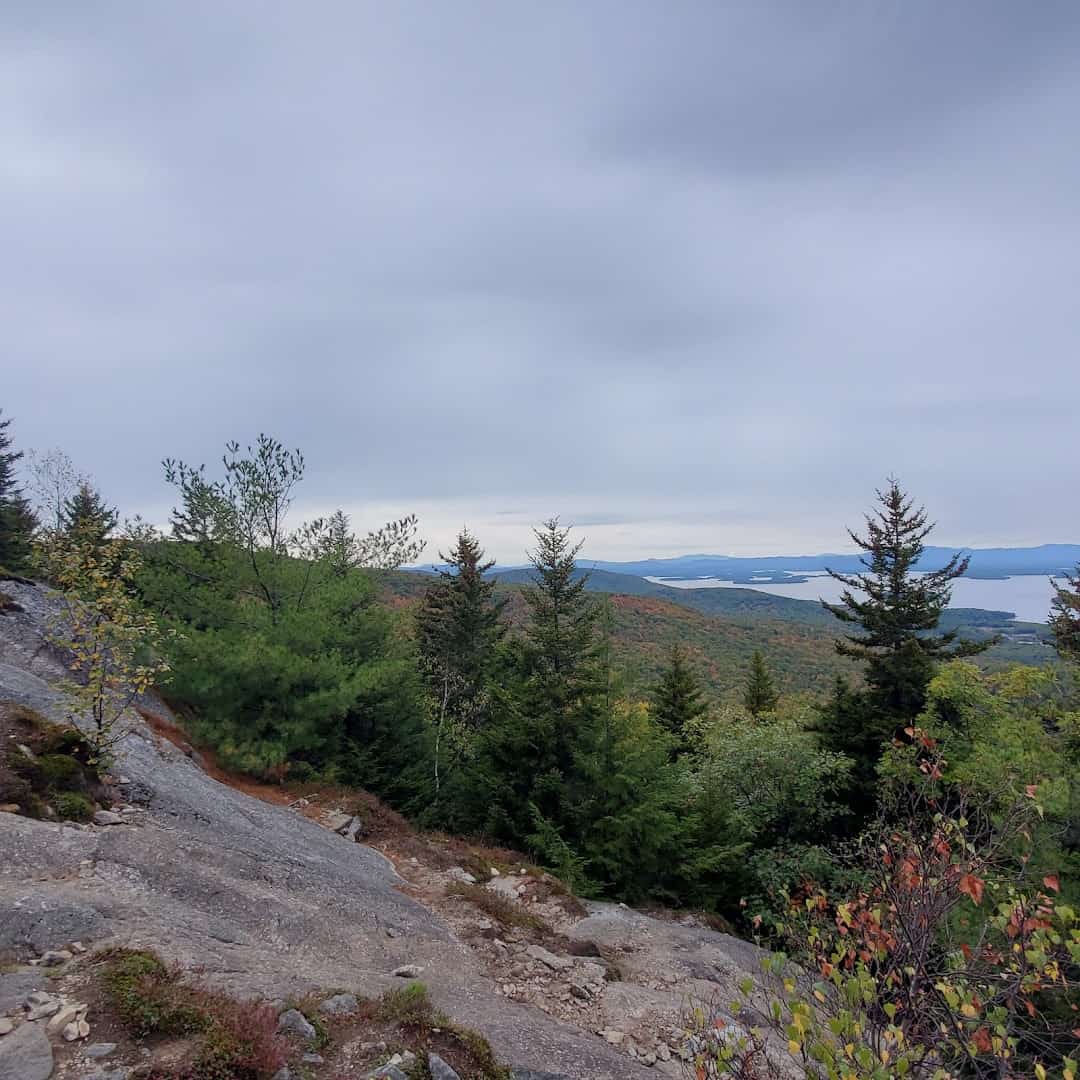
New Hampshire’s biggest lake wears fall beautifully, all red and orange and yellow around a shoreline that runs for miles. There is a slow way to see it, and I love the slow way.
The Winnipesaukee Scenic Railroad rolls out of Meredith in vintage cars, hugging the water while a conductor calls out the color. Fares start around thirty five dollars for the two hour ride.
Foliage trains run Friday and Saturday from mid September to mid October, and they sell out weeks ahead. Book before you drive up, then add a lake cruise while you are there.
For a view from above, hike Mount Major in Alton. It is a short, steep climb to a bald summit where the whole lake spreads out below you, framed in autumn color.
The season here usually runs three to four weeks, starting mid September. Boarding also runs from Weirs Beach and Laconia if the Meredith departures are full.
Come on a clear morning and the lake goes still enough to hold the shoreline upside down. The islands, and there are said to be over two hundred of them, wear their own color.
The Lakes Region towns around the shore make an easy base, with inns, farm stands and pumpkin everything through October. This is New England fall doing exactly what you came for.
Where: Meredith town docks, Route 3, Meredith, New Hampshire; the boarding point for the scenic railroad and lake cruises.
3. Caddo Lake, Texas
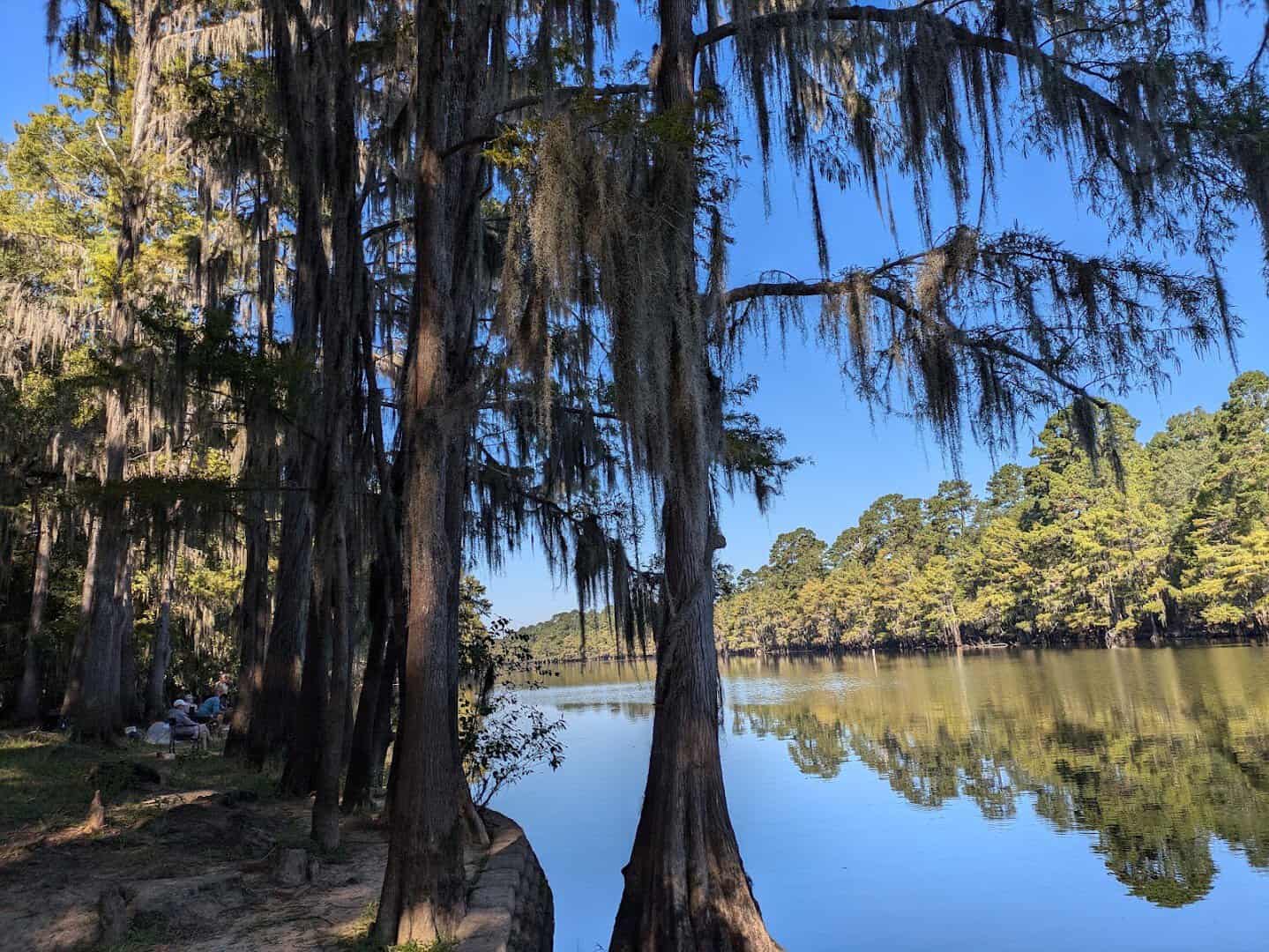
Texas fall lives in the water here, not on a mountain. Caddo is a maze of bald cypress, said to be the largest cypress forest in the world, and every tree turns in autumn.
The needles go rust and burnt orange above black water and long gray beards of Spanish moss. Paddle a canoe into the flooded corridors and the color closes overhead like a tunnel.
Peak runs late here, usually late October into November, later than the rest of this list. Water levels are good for paddling then, and migrating birds fill the bayou.
Rent a kayak at the park or take a guided flatboat tour to reach the deeper channels and the oldest cypress, the ones you cannot see from shore. The park sits about fifteen miles from Marshall.
The stone and timber cabins here were built by the Civilian Conservation Corps in the 1930s, so you can stay the night right inside the forest. Come for sunrise, when mist sits on the water.
Caddo is the only naturally formed lake of any size in Texas, which is part of why it feels nothing like the rest of the state. In fall it feels closer to the Louisiana bayou next door.
Where: Caddo Lake State Park, 245 Park Road 2, Karnack, Texas, about fifteen miles northeast of Marshall.
4. Oxbow Bend, Grand Teton, Wyoming
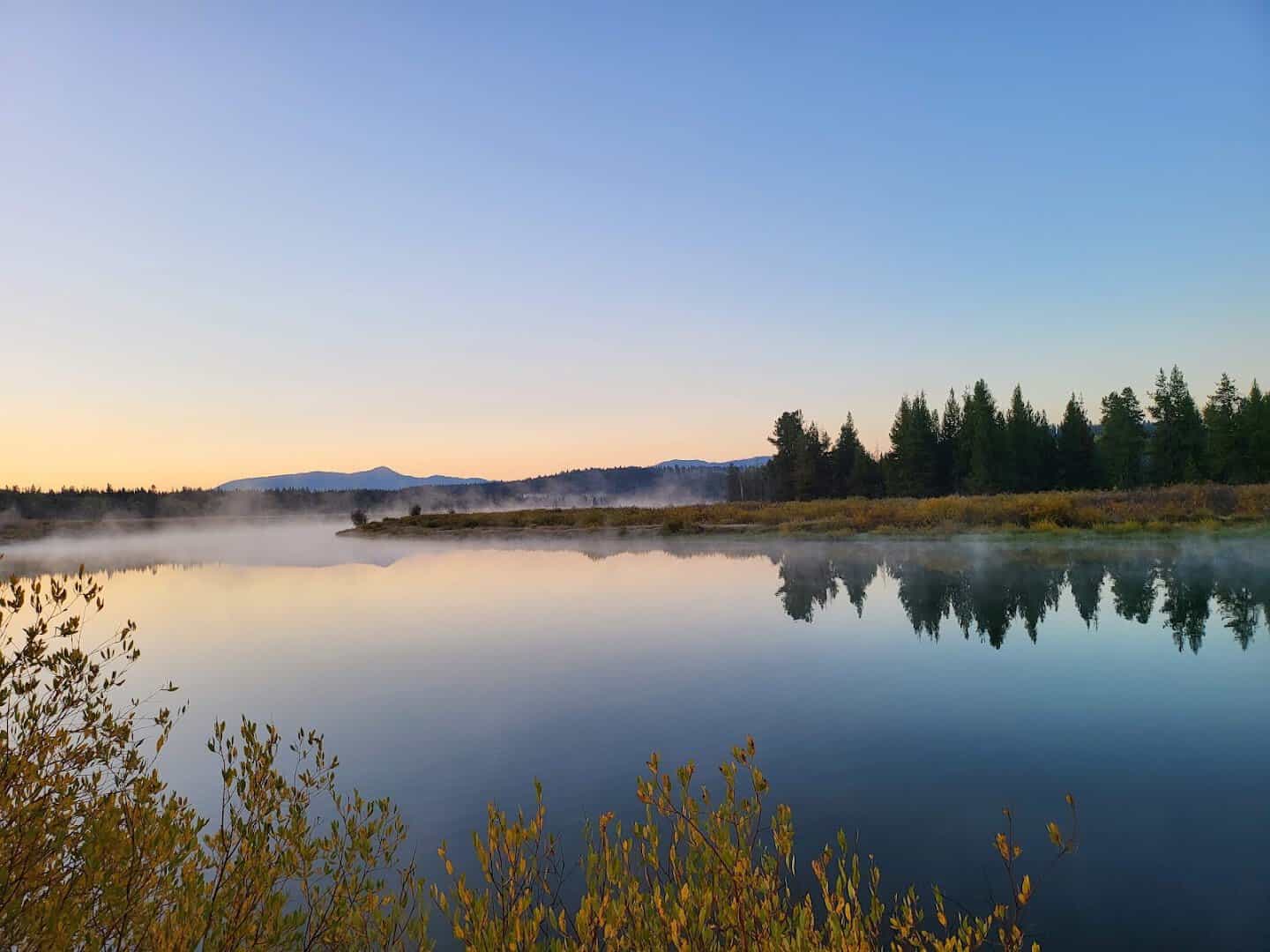
Not every great fall reflection needs a proper lake. At Oxbow Bend the Snake River slows and pools into a wide, still mirror, and in autumn the willows and cottonwoods along it turn pure gold.
Come at first light. Mist rises off the water, the gold banks glow, and Mount Moran stands over the whole scene. It is one of the most photographed spots in Grand Teton for a reason.
The window is short, roughly the last week of September into early October. The aspens on the hillsides go at the same time, so the whole valley lights up at once.
Drive the nearby Moose Wilson Road for more golden aspens and a real chance at a moose, which spend more time in the open as the summer heat fades out of the valley.
Cottonwoods and willows line the banks, aspen groves climb the slopes, and scarlet hawthorn fills the gaps. Against the gray peaks and the still water the color reads even brighter.
Watch the water as much as the trees. Otters, beavers and the odd elk work the shallows here at dawn, and the bend is a well known spot for a moose to wade out of the willows.
Where: Oxbow Bend turnout, Highway 89, Grand Teton National Park, near Moran, Wyoming, about a mile east of Jackson Lake Junction.
5. Table Rock Lake, Missouri
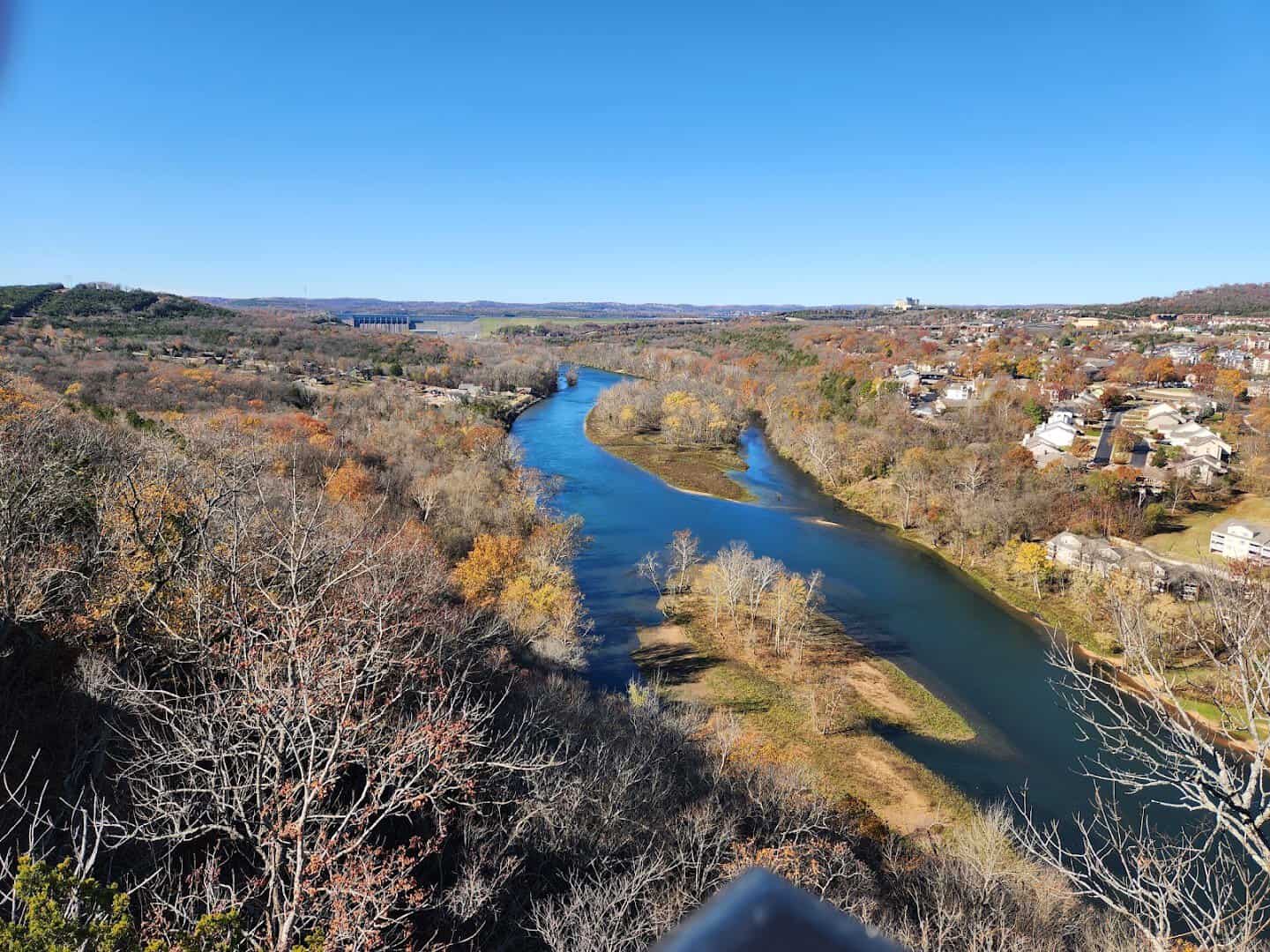
The Ozarks give you a long, generous fall, and Table Rock Lake sits right in the fire of it. The hills around Branson glow red and gold from mid October on.
What sets this one apart is the low angle light on open water. A pontoon or a lake cruise in mid October puts the full canopy at eye level with its reflection below.
Prefer dry land? The Table Rock Dam Overlook takes in the lake, the shoreline color and the headwaters of Lake Taneycomo in one easy sweep.
The lake carries some eight hundred miles of shoreline across the Missouri and Arkansas line, so a slow lap by boat or car never runs short of color.
Branson sits minutes away with shows, food and lodging, so this is the easy pick if you want scenery without roughing it. The Ozarks hold their color for weeks, not days.
Aim for a clear afternoon in the third week of October, when the low sun and the open water do that doubling trick the whole list is built around.
The nearby Ruth and Paul Henning Conservation Area adds trails and overlooks if you want the color on foot instead of by boat. It sits just off the highway between the lake and town.
Where: Table Rock Dam Overlook, State Highway 165, Branson, Missouri, at the south end of Table Rock Dam.
6. Lake Coeur d’Alene, Idaho
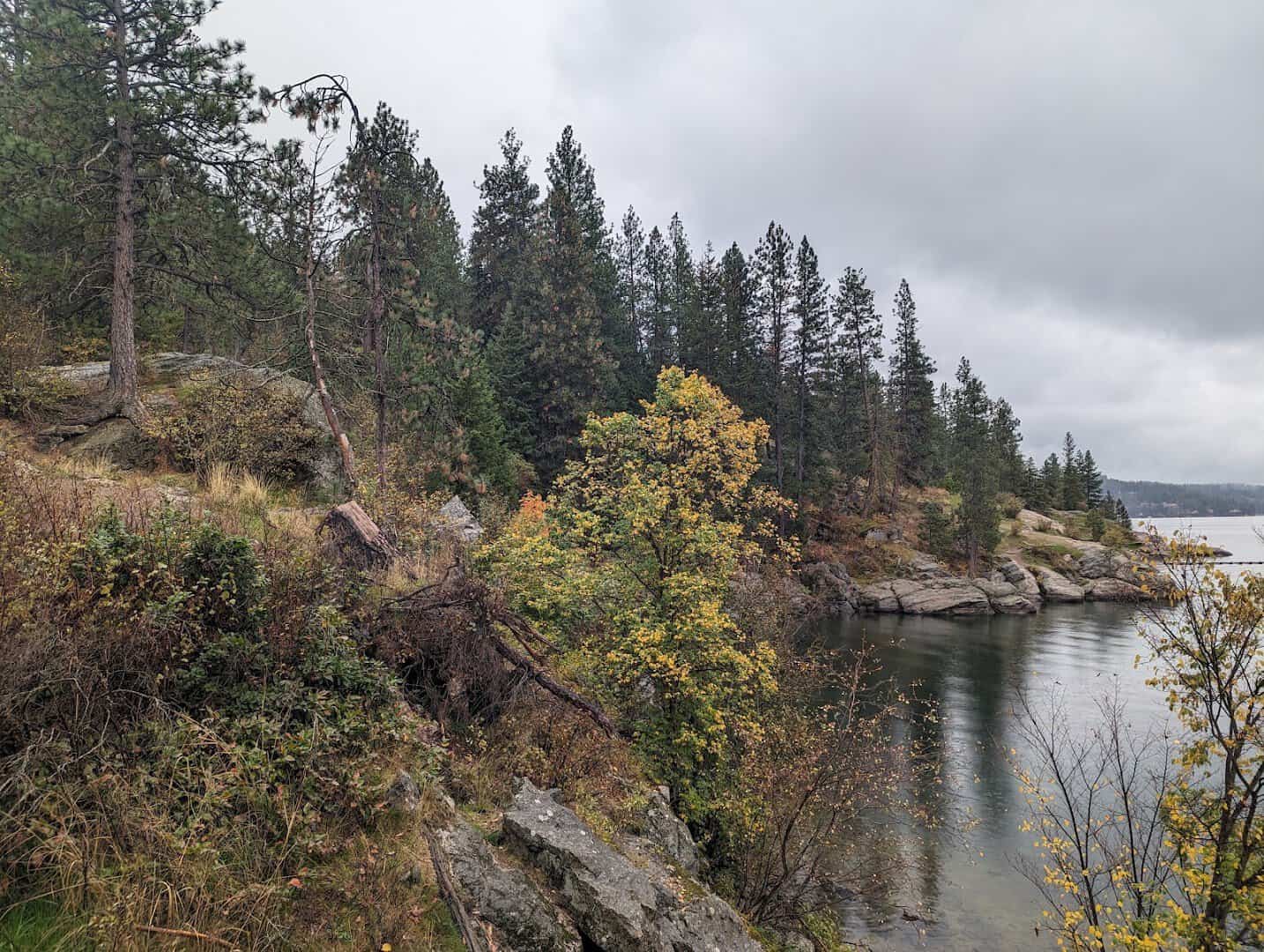
North Idaho does fall a little differently. Alongside the usual maples, the tamaracks, a larch that drops its needles, turn from deep green to pure yellow across the mountainsides above the lake.
The shoreline lights up in early October. Walk Tubbs Hill, a wooded point right off downtown, where a two mile loop opens ever changing views of the water on every turn.
The point covers one hundred and sixty acres of craggy, forested ground, laced with trails that dip to quiet coves and climb to rocky overlooks. You are minutes from town the whole time.
For more ground, drive the Lake Coeur d’Alene Scenic Byway through the forests toward the little town of Harrison. The whole route hugs colored hills and open water.
The North Idaho Centennial Trail runs along the eastern shore if you would rather ride or run it. Peak color usually lands in the first week of October.
The larches are the thing to catch here. For a few weeks they glow like someone strung the dark evergreen slopes with lights, then the needles fall and the show is over until next year.
Where: Tubbs Hill, downtown Coeur d’Alene, Idaho; the trailhead sits beside McEuen Park off Front Avenue.
7. Beaver Lake, Arkansas
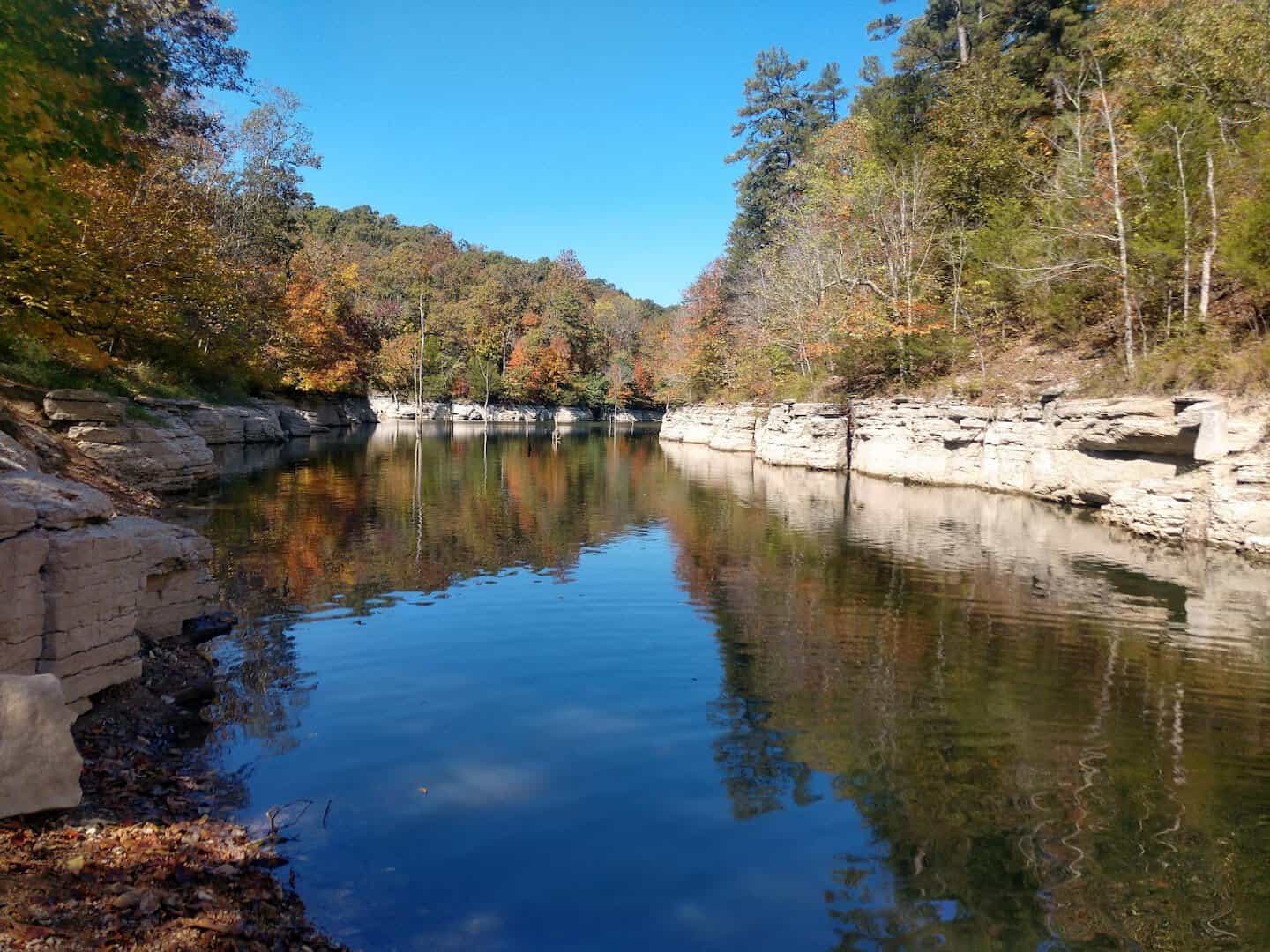
The Ozarks spill into Arkansas too, and Beaver Lake catches all of it. Clear water mirrors crimson dogwoods, golden hickories and fiery maples along a deeply carved shoreline.
The best trailhead is Hobbs State Park, the largest state park in Arkansas, with more than twelve thousand acres of hardwood ridges along the lake. The Pigeon Roost Trail climbs to a wide lake view.
Color starts mid October and peaks late October into early November. Base yourself in nearby Eureka Springs, a hillside Victorian town that is a fall trip all on its own.
The park visitor center is a good first stop for trail maps and current color reports. From there the ridgetop trails drop toward quiet coves where the water sits dead still.
Bring a paddle if you can. The lake’s clear, spring fed water throws back a mirror image of the whole burning hillside, which is the reason to come in the first place.
Time it with the drive on the nearby Pig Trail Scenic Byway, a twisting stretch of Ozark highway that turns into a tunnel of red and gold at peak. It is one of the best fall drives in the state.
Where: Hobbs State Park, 20201 East Highway 12, Rogers, Arkansas, on Beaver Lake west of Eureka Springs.
Pack the Flannel and Go
Fall color is a moving target, and it never lingers. Each of these lakes peaks on its own schedule, from the late September aspens out west to the November cypress down in Texas.
So pick one, check the local color report the week before you go, and get on the water while the hills are still burning. That doubled reflection is only there for a couple of weeks.
Featured image: Melissa Not telling via Maroon Bells

Stella Raines
Editor-in-Chief
Stella brings over a decade of storytelling experience to TX Headlines. With roots in West Texas and a love for road trips, she leads the editorial team with an eye for the hidden stories that make Texas unforgettable.