5 Magical National Parks That Are Even More Stunning Under Snow
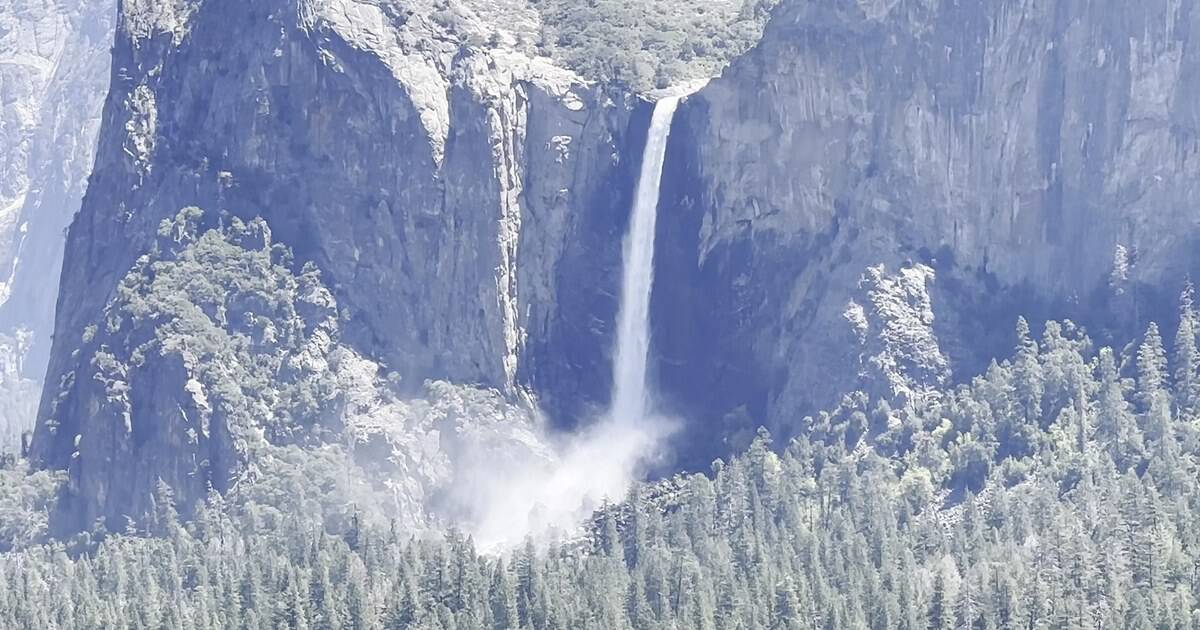
Everyone books national parks for July, and July is the crowded, sweaty, circling-for-parking version. I will make the case for the opposite: the real magic shows up once the crowds go home and the snow moves in.
Winter turns these places into a hushed wonderland. The famous overlooks empty out, the light goes gold and low, and a dusting of snow makes a canyon or a lake look like something out of a storybook.
Below, we will walk through five parks that trade their summer chaos for a quiet, frozen kind of beauty. Think fewer selfie sticks, cheaper lodges, and views you might have entirely to yourself.
These five stay open and welcoming in the cold months, and each one earns the drive when the snow is down and the trails go silent. They stretch from the California high country to the blue ridges of Tennessee, so there is a snowy escape within reach of almost everyone.
You will not need mountaineering skills for any of them, just warm boots and a sense of adventure. Pack the layers, check the road report, and let us begin.
1. Yosemite National Park, California
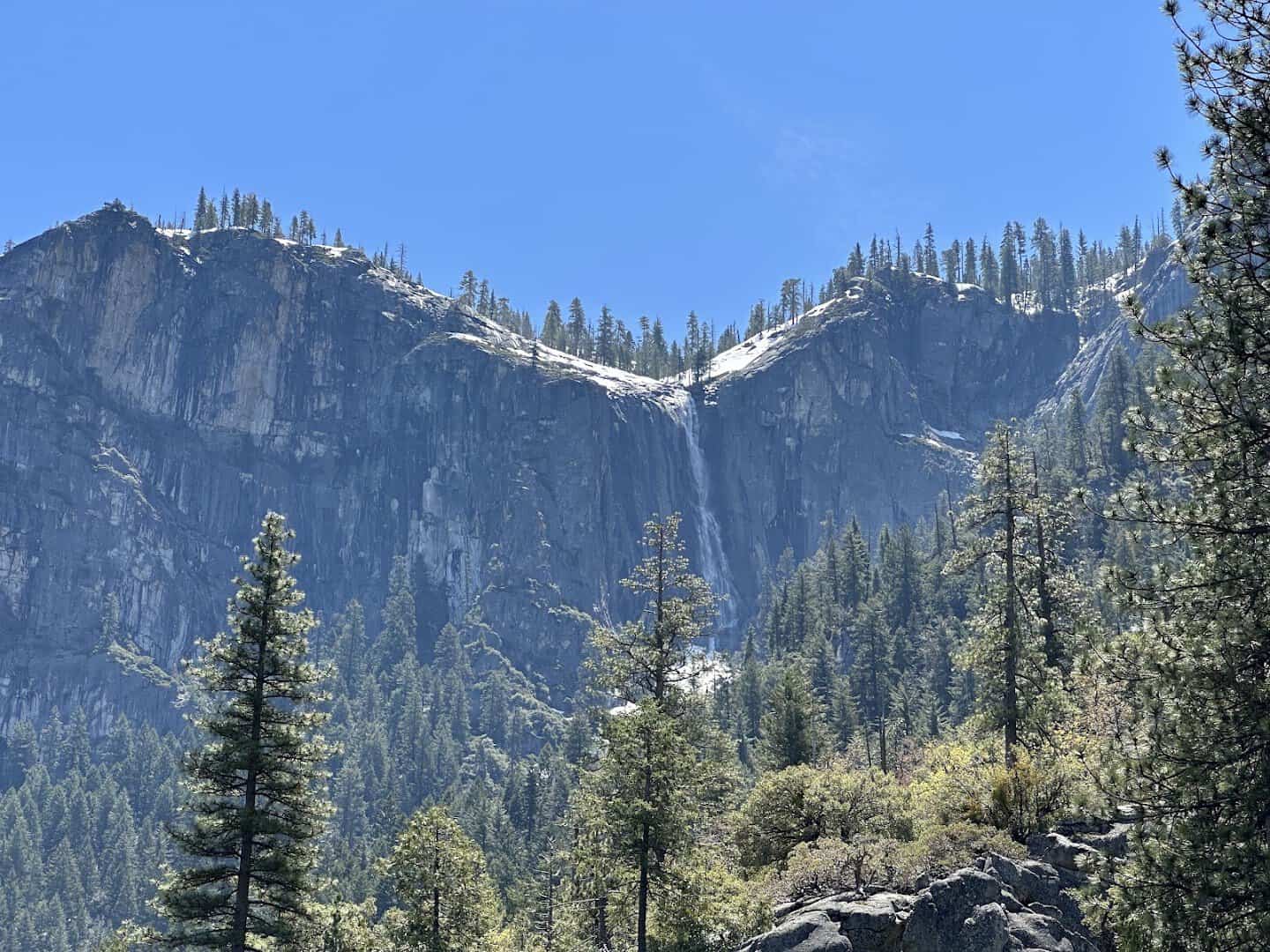
You may have seen the photos of Horsetail Fall glowing molten orange at sunset. That is the natural Firefall, and it only happens for a couple of weeks in February when the low sun lights the water like it is on fire.
Winter is when Yosemite Valley slows down. Snow settles on the meadows, the granite walls wear white caps, and you can stand under El Capitan without a summer traffic jam. February highs sit around 51 degrees, so it is cold but manageable.
No reservation is needed to enter the valley in February, which is a small miracle if you remember the summer permit scramble. Come at golden hour and the whole place glows.
Did you know Yosemite is home to one of the oldest ski areas in California? The Badger Pass slopes have been running since 1935, so you can spend a morning skiing and an afternoon gawking at snow-dusted Half Dome.
The waterfalls put on a different show in the cold. Ice builds up at the base of Yosemite Falls into a strange, shifting cone, and the whole valley seems to hold its breath.
Photographers love this season for a reason. Fresh snow softens every edge, storms clear to reveal dramatic light, and you can frame Half Dome without a hundred other tripods in the way.
For a bit of old-fashioned fun, the outdoor ice rink at Half Dome Village has been a winter tradition for generations. You can glide in circles with a view of Half Dome towering right above you.
Bring traction cleats for the icy trails, and keep the gas tank full. The valley floor rewards a slow, quiet wander when the tour buses are parked for the season.
Where: Yosemite National Park, CA 95389. Enter through the Arch Rock entrance on Highway 140 from Merced, the route that stays most reliably plowed and open through winter.
2. Grand Canyon National Park, Arizona
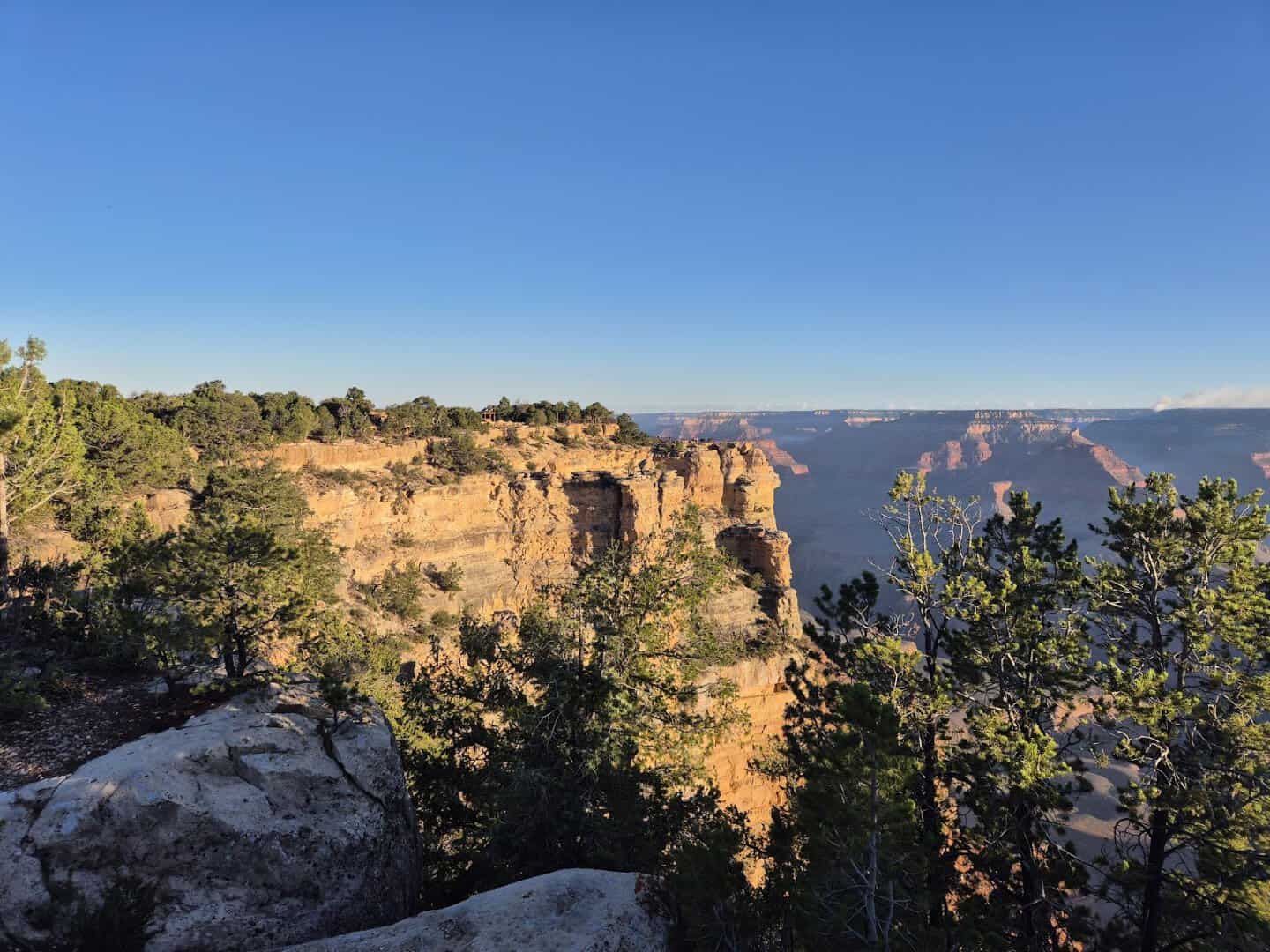
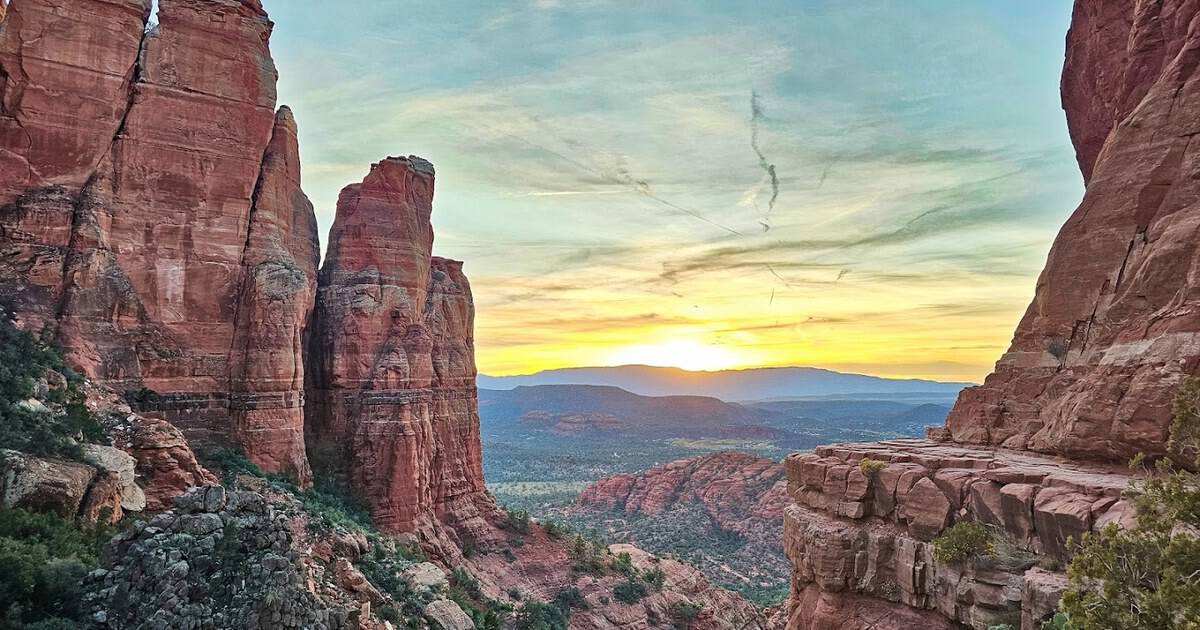
A dusting of snow on the red rim is one of the most underrated sights in the country. Storms drop 50 to 100 inches on the South Rim each year, and white snow against orange rock is a color combination photos never quite capture.
The rim sits around 7,000 feet, high enough that winter is a real season here, not a rumor. The South Rim stays open all year, lodges and all, but the crowds thin to less than ten percent of the annual total.
You get the same jaw-dropping view with room to breathe, cheaper hotel rooms, and a stillness the summer never offers. Sunrise at Mather Point, with fresh snow on the ledges, is worth the cold fingers.
Here is a winter bonus: Hermit Road opens to private cars from December through February, a scenic stretch you can normally only reach by shuttle bus. Bundle up and drive it slowly, stopping at every overlook.
The winter air does something wonderful to the view. Gone is the summer haze, and on a clear cold day you can see clear across to the North Rim and the buttes stacking up in crisp, layered light.
Wildlife wanders closer, too. Elk and mule deer drift through the pinyon and juniper along the rim, unbothered by the thin winter crowds, and the paved Rim Trail makes for an easy, safe stroll.
Pro tip: the trails below the rim can be sheets of ice in the morning. Strap on some traction spikes if you plan to dip even a little way down toward the canyon floor.
Where: Grand Canyon Village, AZ 86023. Take the South Entrance off Highway 64, open year round, roughly an hour north of Williams.
3. Rocky Mountain National Park, Colorado
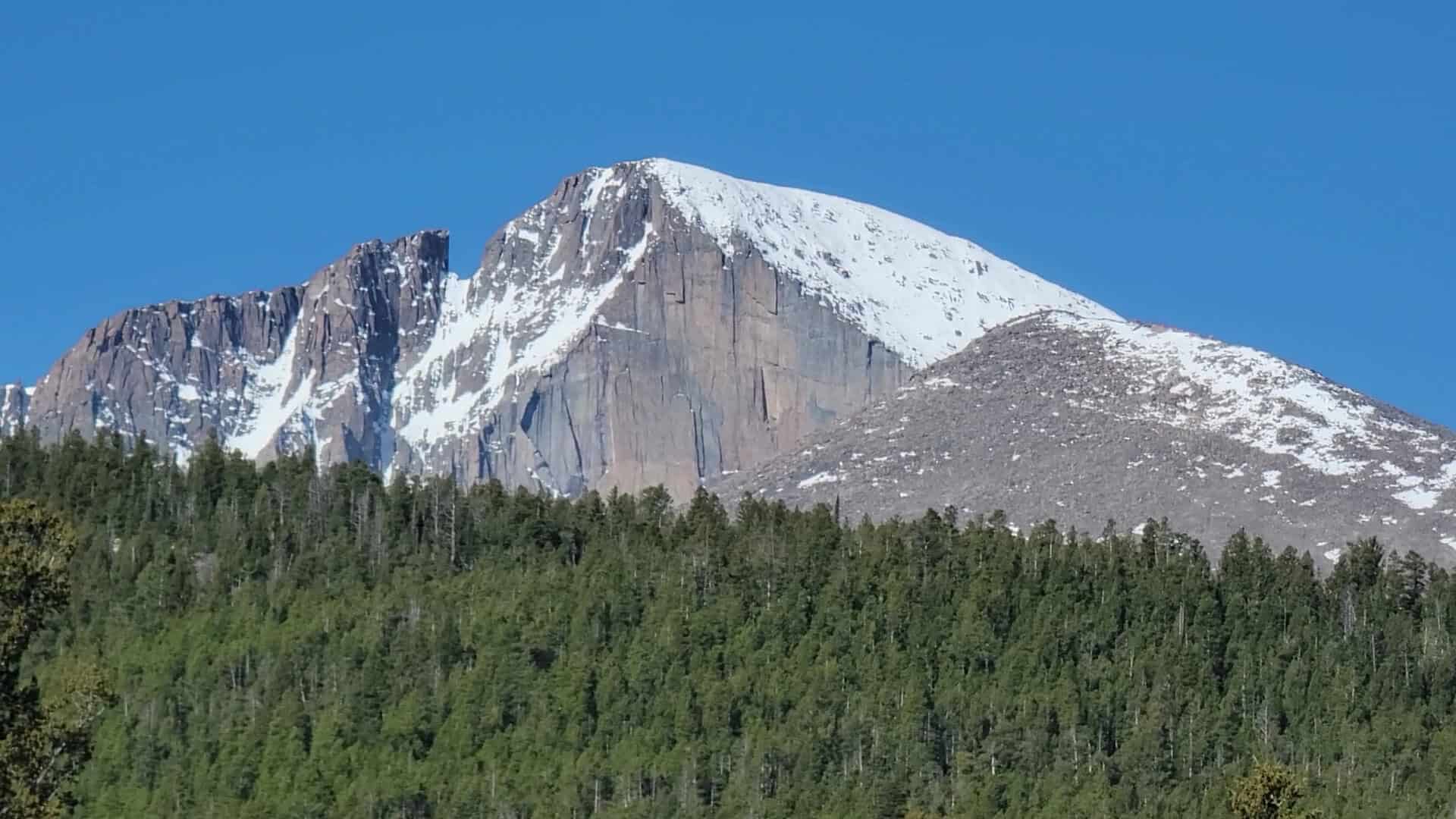
Locals will tell you winter is the park’s quietest and most beautiful season, and they are right. The high peaks turn stark and white, the trails go silent, and the summer shuttle lines are a distant memory.
With Trail Ridge Road closed for the season, the park feels wonderfully empty. You trade the high alpine loop for the lower valleys, where the snow is deep and the quiet is total.
Winter is also prime elk time. The herds come down from the high country and gather in the meadows around Moraine Park and even in the town of Estes Park itself. Watching elk against fresh snow is a genuine thrill.
By January and February, Bear Lake usually freezes solid enough to walk across for postcard views of snow-clad Hallett Peak. Free ranger-led snowshoe walks run there on weekends, and the park loans out the snowshoes.
The scenery earns every cold breath. Snow-loaded evergreens line the lower trails, frozen creeks trace silver lines through the valleys, and the jagged Continental Divide stands sharp and white against a hard blue sky.
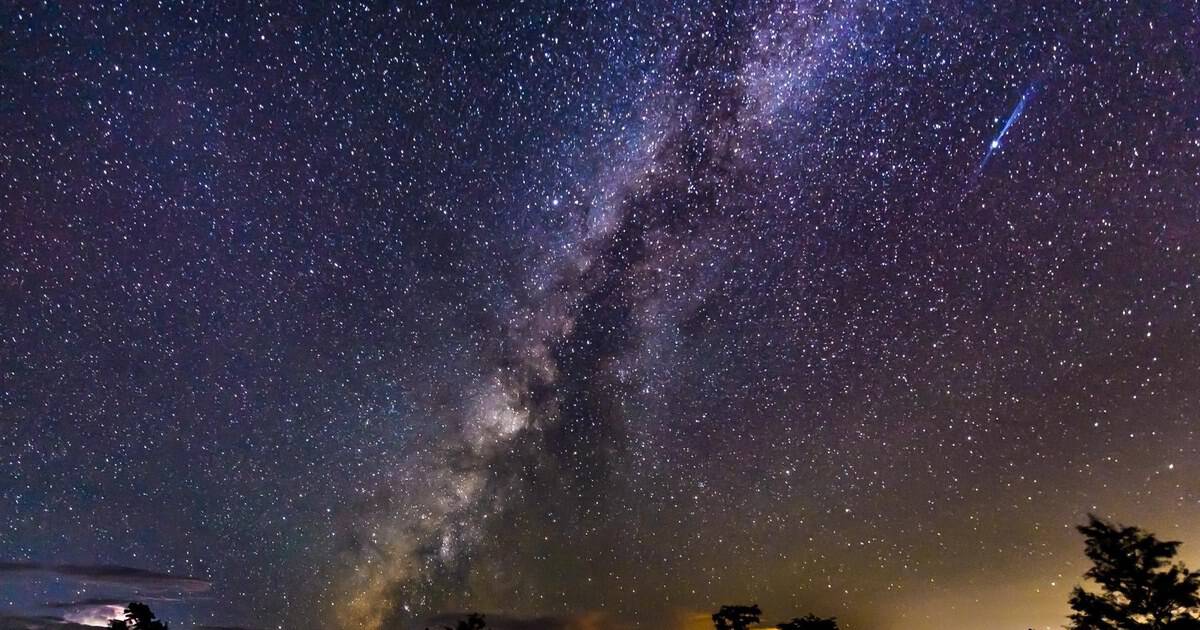
Nights are a bonus you did not plan for. With dry winter air and almost no one around, the star show over the peaks is spectacular, so linger a little after sunset before you head back to town.
If you have kids in tow, the Hidden Valley area has a free sledding hill that is pure joy on a bluebird day. Conditions are usually best from January through March.
Where: 1000 US Highway 36, Estes Park, CO 80517. Use the Beaver Meadows Entrance; Estes Park sits about 90 minutes northwest of Denver.
4. Great Smoky Mountains National Park, Tennessee
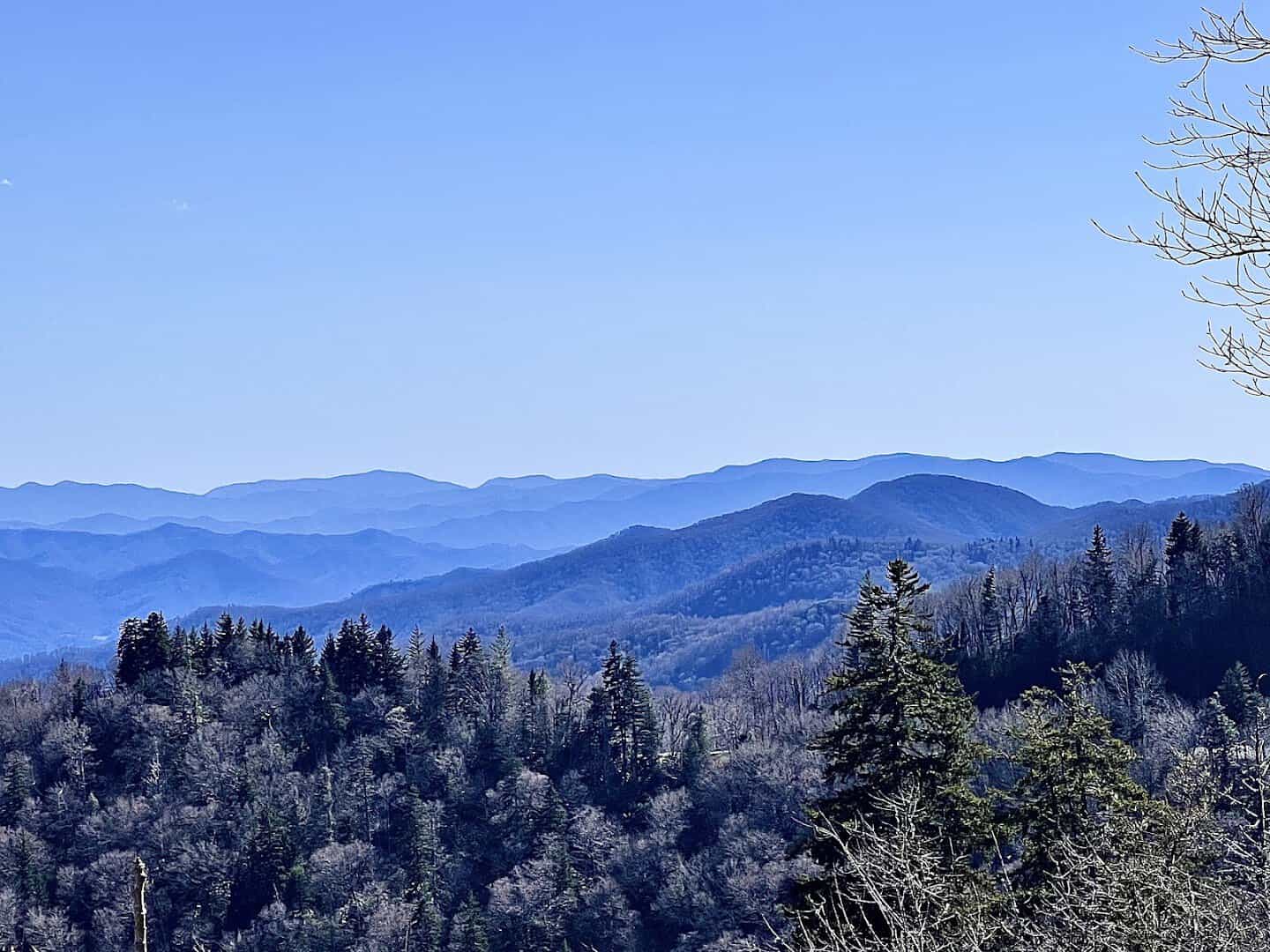
The most-visited national park in America practically clears out in winter, and that alone is reason enough to go. The summer haze lifts, the crowds vanish, and the mountains show a quieter, starker face.
With the leaves down, the bare hardwood ridges open up views you simply cannot get in summer. Layer after blue layer of mountains rolls to the horizon, and hidden waterfalls and rock faces finally step out from behind the canopy.
Up high, it turns properly wintry. Clingmans Dome, the tallest peak in Tennessee, collects nearly 100 inches of snow a year and runs 10 to 20 degrees colder than the valleys below.
The road to the dome closes to cars all season, so it becomes a stellar cross-country ski route to the top of the state. Down in Gatlinburg you still catch a few inches most winters, usually in January and February.
Newfound Gap Road stays open, giving you an easy drive up into the high country and back. Did you know you can straddle two states at Newfound Gap, with one boot in Tennessee and one in North Carolina?
On the coldest mornings the spruce-fir forest near the top wears a thick coat of rime ice, every needle furred white by frozen fog. It is a fleeting, magical sight that most summer visitors never get to see.
Down low, Cades Cove is at its most peaceful. The loop road is quiet, the historic cabins sit still in the cold, and wildlife is easy to spot against the bare winter fields.
The park’s waterfalls are worth chasing now, too. After a cold snap, the edges of Laurel Falls and Grotto Falls glaze over with ice, and the trails to reach them are blissfully empty.
Where: Newfound Gap Road (US-441), reached from Gatlinburg, TN 37738. Sugarlands Visitor Center sits just inside the entrance for maps and current conditions.
5. Crater Lake National Park, Oregon
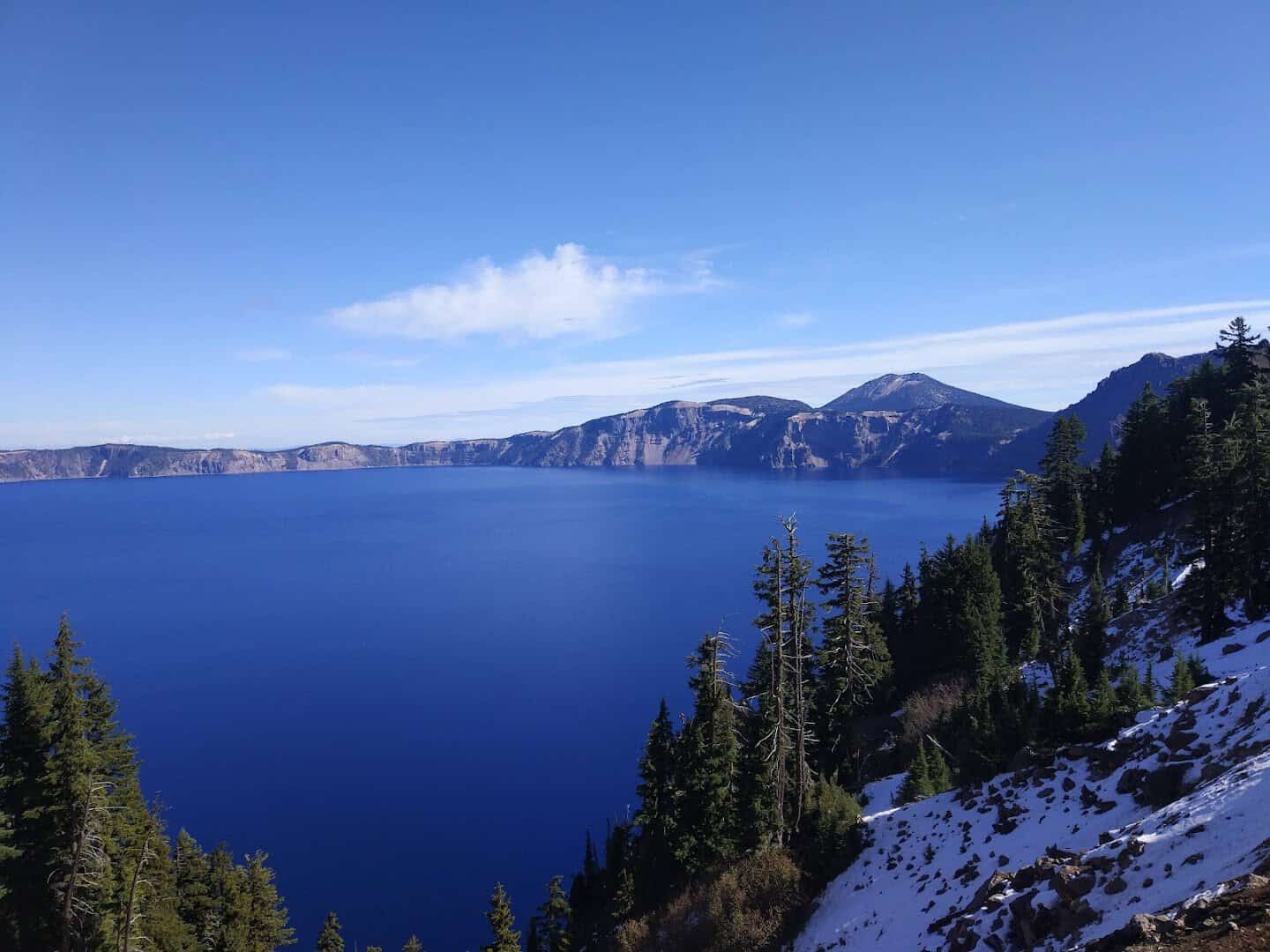
Crater Lake is the deepest lake in the United States at 1,943 feet, and in winter its impossibly blue water sits ringed by walls of white. With an average of 43 feet of snow a year, the whole rim becomes a pristine ski-and-snowshoe wilderness.
That blue is not a filter. The water is so deep and so clean that it drinks up every color but blue, and against fresh snow it looks almost painted. Wizard Island rising from the middle only adds to the effect.
The 31-mile Rim Drive that circles the old volcano is not plowed, so it turns into a snowshoe and cross-country route with some of the most spectacular views in any park. You earn every overlook, and you often have it to yourself.
You do not need to be an athlete to enjoy it, either. A short walk up from the village puts you at a rim viewpoint, where the snow-rimmed caldera drops away and the blue seems to go on forever.
Rangers lead free guided snowshoe walks every Saturday and Sunday, a friendly way to explore and learn how the plants and animals survive all that snow. Rim Village is your winter basecamp, and the park even lends out snowshoes for the walks.
This is one of the snowiest places anyone lives and works in the country. Rangers here measure winter in feet, not inches, and the buried buildings and towering plow banks are a spectacle in their own right.
The silence is the thing you remember. Away from Rim Village, the only sounds are your own snowshoes and the wind, with that vast sapphire lake spread out below you and nobody else in sight.
Just remember the road up is not always open. Winter storms can close the access route for a day or two, so check conditions the morning you plan to go.
Where: Rim Village, Crater Lake, OR 97604. From Medford, take Highway 62 to the south entrance, the only one kept open in winter.
Start Planning Your Winter Park Escape
Winter asks a little more of you: warmer layers, snow tires, a slower pace, and a look at road conditions before you go. In return it hands you the parks the way most people never see them, quiet and glittering and half empty.
So pick one, pack the thermos, and go while the snow is fresh. The overlooks are waiting, and this time of year, you might just have them all to yourself.
Featured image: Trevor Guwalgiya (Trevor) via Tunnel View

Stella Raines
Editor-in-Chief
Stella brings over a decade of storytelling experience to TX Headlines. With roots in West Texas and a love for road trips, she leads the editorial team with an eye for the hidden stories that make Texas unforgettable.