12 Iconic Landmarks That Are Worth the Trip to See in Person
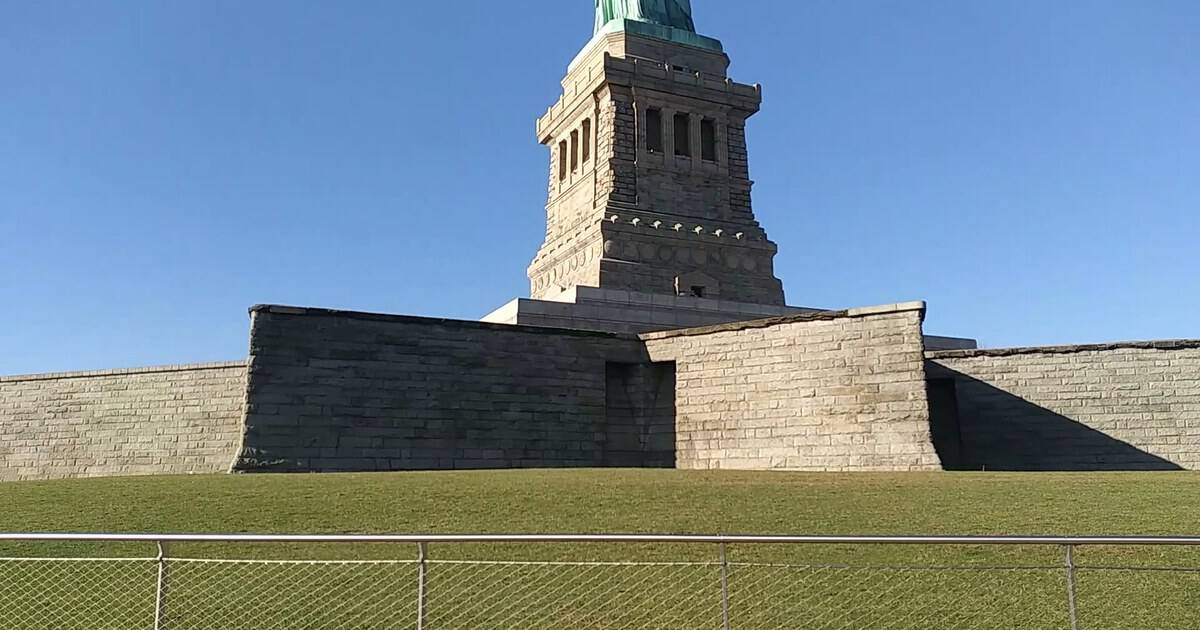
I collect these moments: the first time you stand in front of something you have only ever seen on postcards, movie posters, and the backs of quarters. The photo never prepares you. The real thing is always bigger, quieter, or more moving than you expected.
These are the American landmarks that earn every inch of their fame. They carry real jaw-dropping scale, the kind that makes a grown adult go quiet and reach for a camera they know cannot capture it.
Below, twelve icons worth building an entire road trip around. A copper giant in a harbor, a canyon a mile deep, a geyser that keeps its own schedule. Some you can drive right up to. Others you earn with a ferry, a hike, or a long look up.
1. Statue of Liberty, New York
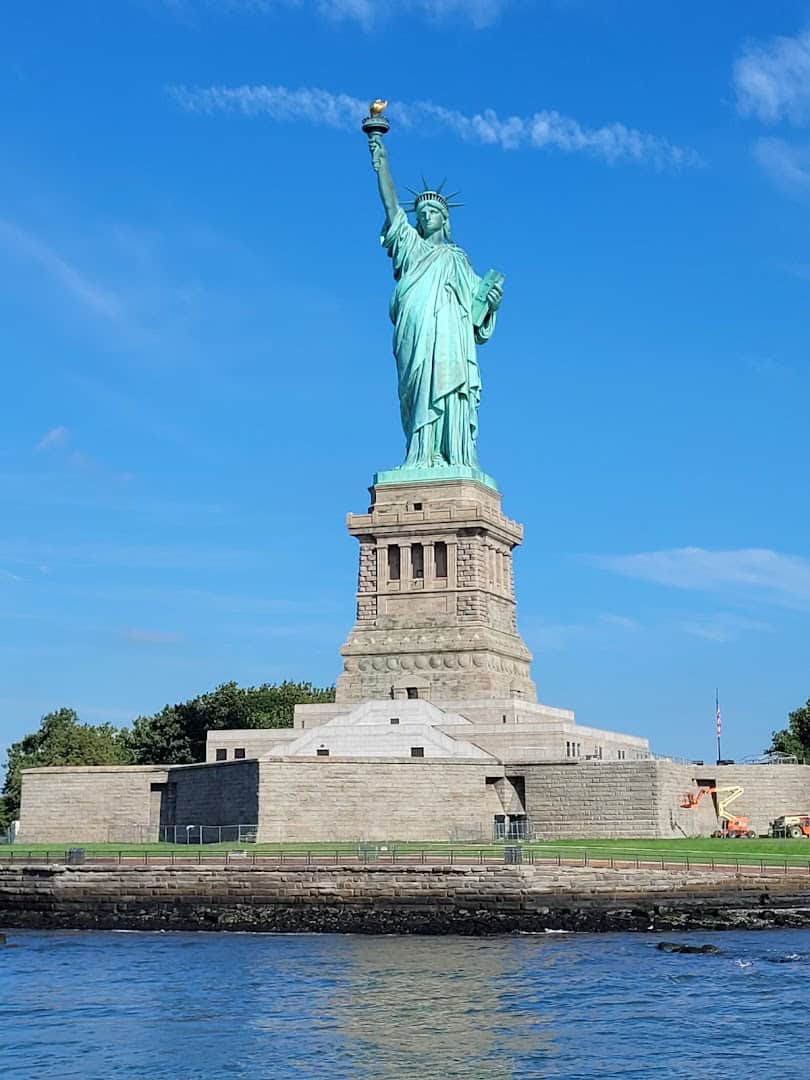
She was a gift from France, dedicated in 1886, and she still does the job she was built for. Nothing says “you have arrived” quite like Lady Liberty rising out of New York Harbor, torch up, 305 feet from the base of her pedestal to the tip of the flame.
Take the ferry and watch her grow from a green speck into a giant. Book ahead if you want to climb into the crown, because those tickets vanish fast and the view down the harbor is the payoff.
Did you know the copper skin was once shiny brown, like a penny? It turned that famous sea-green over decades as the metal weathered. Every ferry also passes Ellis Island, worth pairing on the same ticket.
Where: Liberty Island, New York, NY 10004. Reach it by official ferry from Battery Park in Manhattan or Liberty State Park in Jersey City.
2. Golden Gate Bridge, California
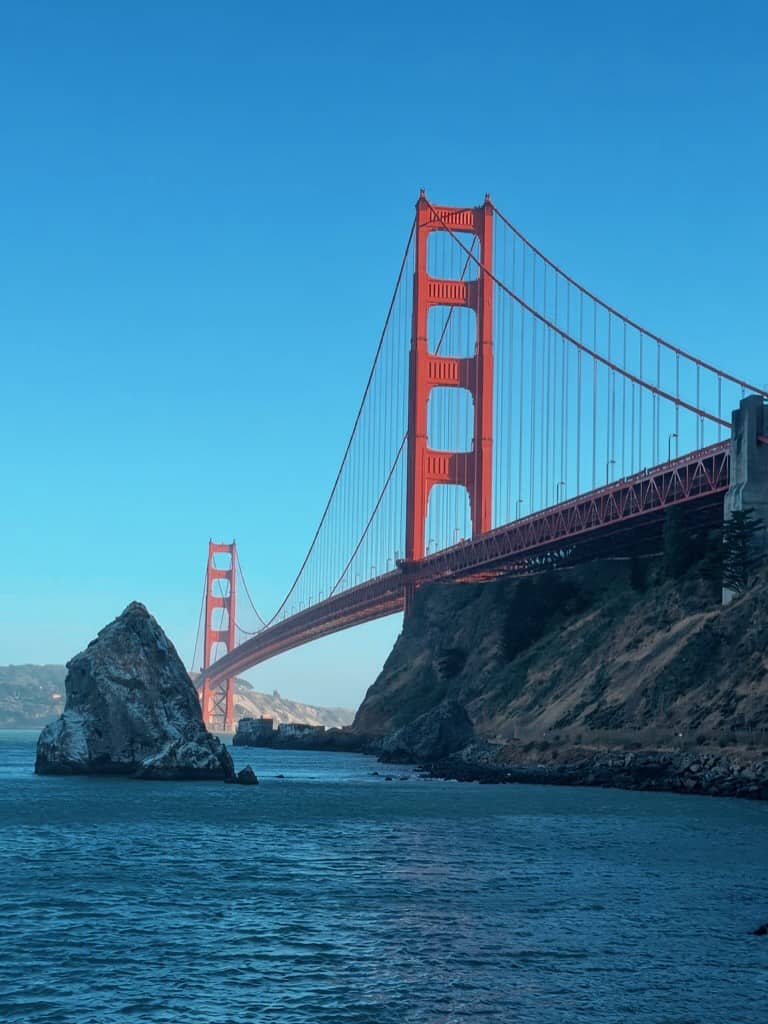
Opened in 1937 and painted a shade called International Orange, this may be the most photographed bridge on earth. Its towers rise 746 feet, and on a foggy morning they vanish into the mist while the deck floats below, which somehow makes it better.
Walk it, bike it, or pull off at the vista points on either end. Come at sunset when the light turns the whole span molten and the fog rolls in like it was hired for the scene.
When it opened, it was the longest suspension bridge in the world, a title it held for nearly three decades. Give yourself time for the round-trip walk across, which runs about 1.7 miles each way.
Where: Golden Gate Bridge, San Francisco, CA 94129. The northern vista point in the Marin Headlands gives you the classic postcard angle.
3. Gateway Arch, Missouri
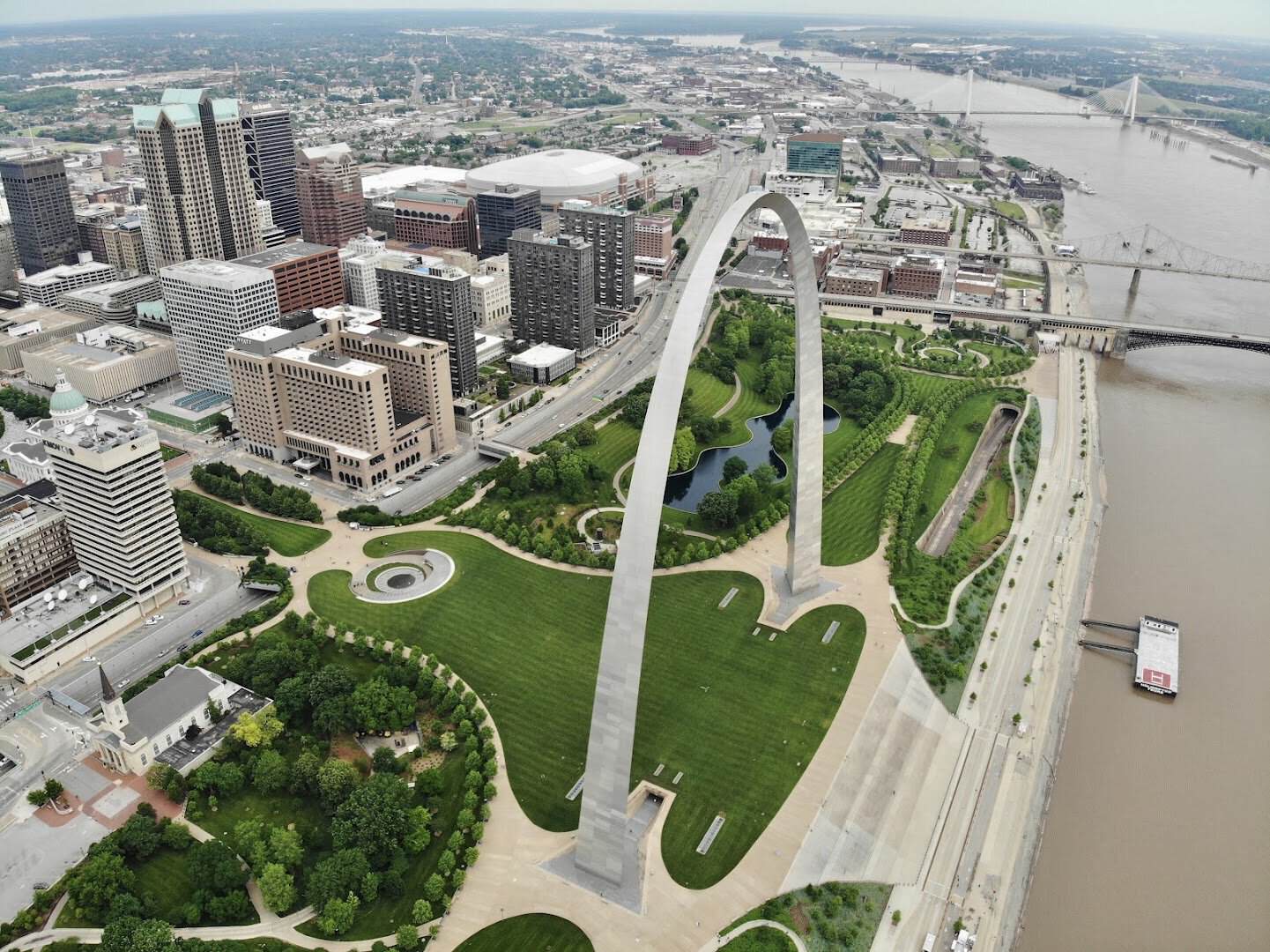
At 630 feet, this stainless steel curve is the tallest arch in the world and the tallest monument in the country. Completed in 1965, it marks St. Louis as the historic gateway to the West, and it gleams like nothing else on the skyline.
A tram of tiny pods carries you to the top, where slanted windows look out over the Mississippi River on one side and the city on the other. Pro tip: book the tram in advance, especially on summer weekends.
Here is the fun part: the arch is exactly as wide as it is tall, 630 feet each way. Down below, a museum walks you through the westward expansion the monument was built to honor.
Where: Gateway Arch National Park, 11 N 4th St, St. Louis, MO 63102. It sits right on the downtown riverfront.
4. The Alamo, Texas
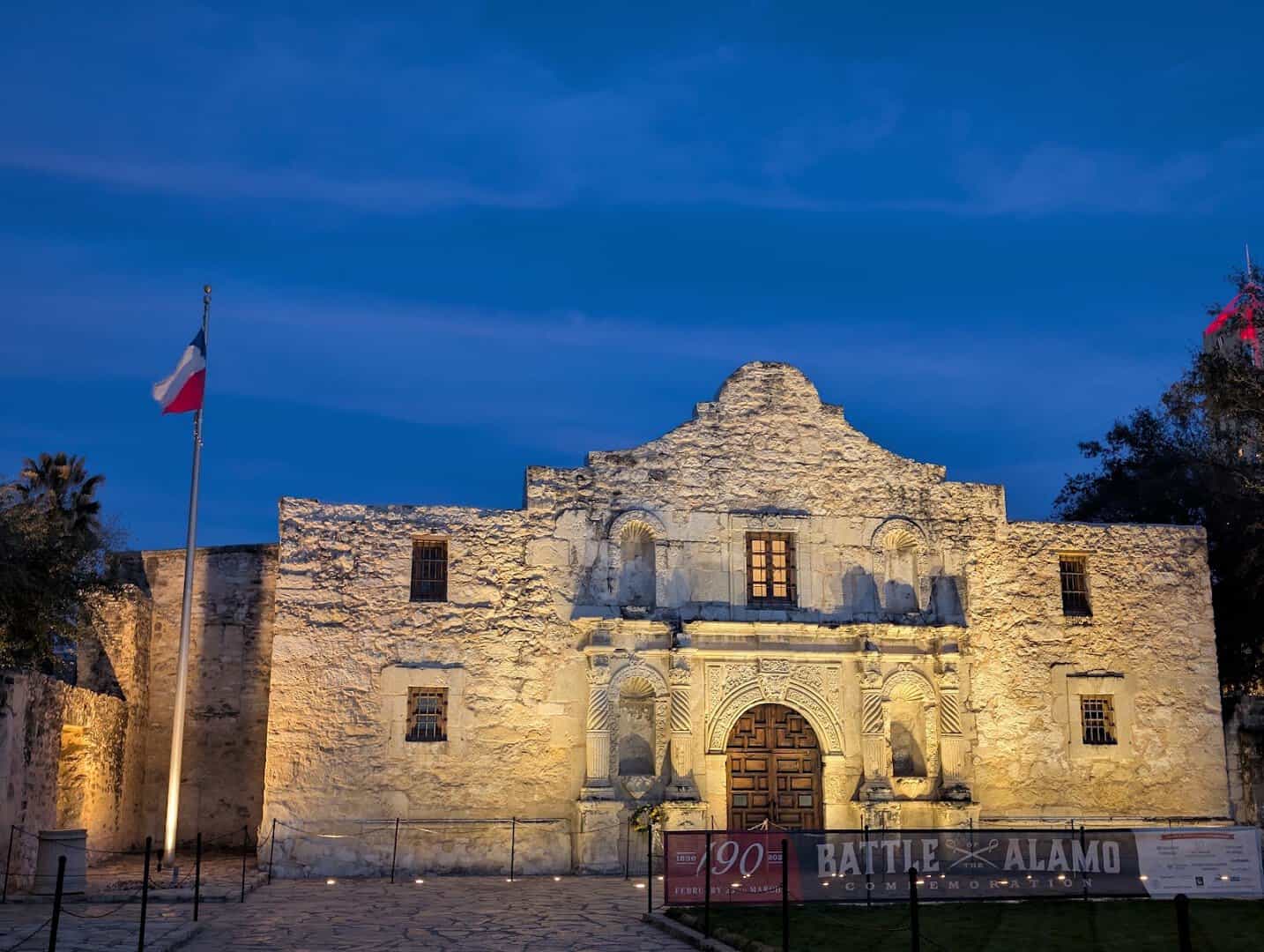
Founded in 1718 as a Spanish mission, the Alamo became a legend in 1836, when a small band held out against a much larger force. That story turned three words, “Remember the Alamo,” into some of the most famous in American history.
What surprises most visitors is how peaceful it feels now, a low limestone chapel sitting quietly in the middle of a busy downtown. The grounds are free to walk, and the old church still stops you in your tracks.
The famous curved gable on the front was actually added years after the battle, so the shape everyone pictures is not quite the one the defenders saw. Pair it with a stroll along the nearby River Walk.
Where: 300 Alamo Plaza, San Antonio, TX 78205. It is right in the heart of downtown, steps from the River Walk.
5. Mount Rushmore, South Dakota
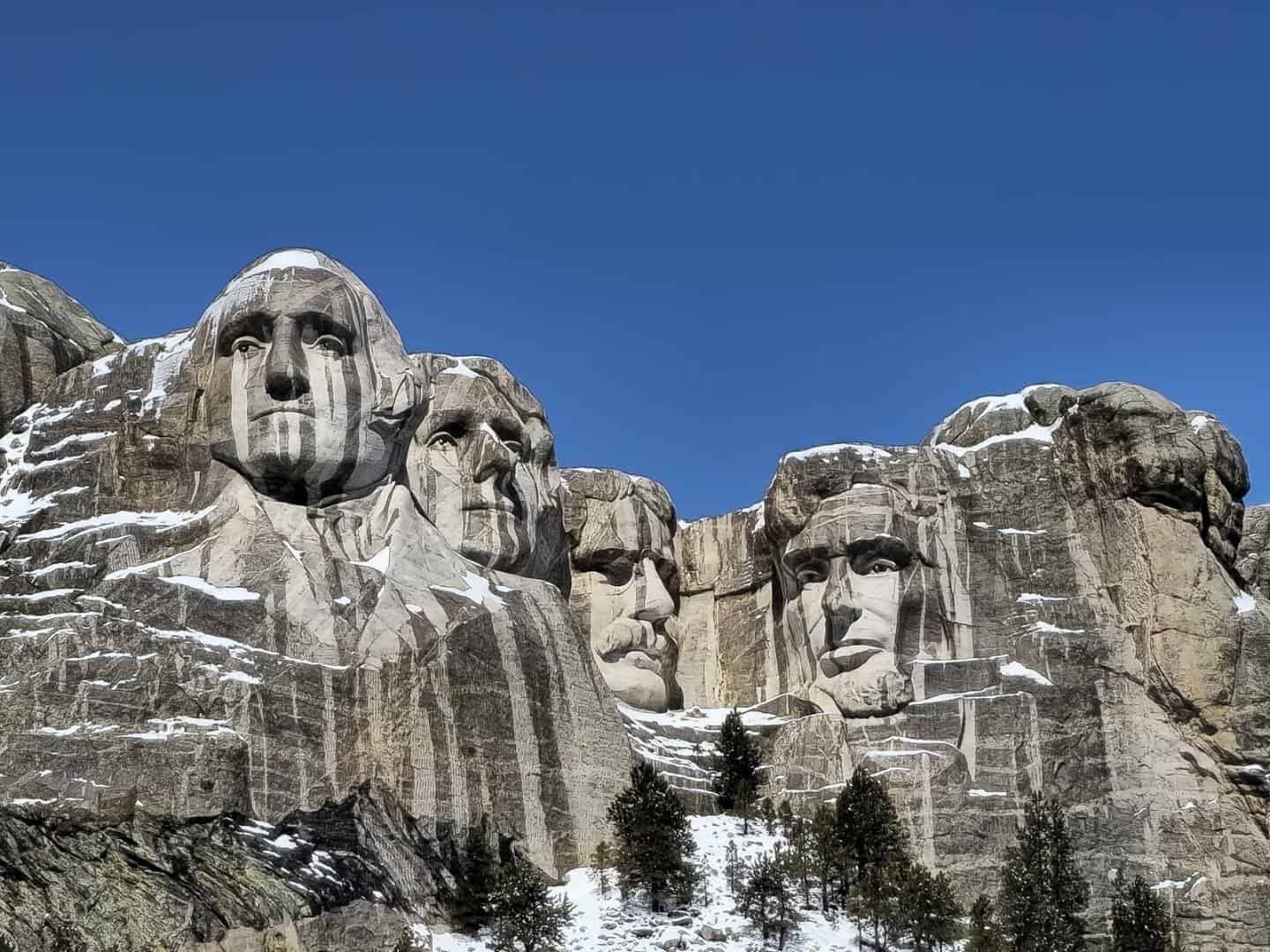
Sculptor Gutzon Borglum and his crew carved four presidents into a granite cliff between 1927 and 1941, using dynamite for most of the rough work. Each face stands about 60 feet tall, roughly as high as a six-story building.
The scale does not land until you are standing on the viewing terrace, craning your neck. Come for the evening lighting ceremony in summer, when the faces glow against the dark Black Hills sky.
The Avenue of Flags leads you toward the mountain like a red carpet. While you are in the area, the nearby Crazy Horse Memorial, still being carved, makes an easy add-on to the day.
Where: 13000 SD-244, Keystone, SD 57751. It sits in the Black Hills, about 25 miles southwest of Rapid City.
6. Grand Canyon, Arizona
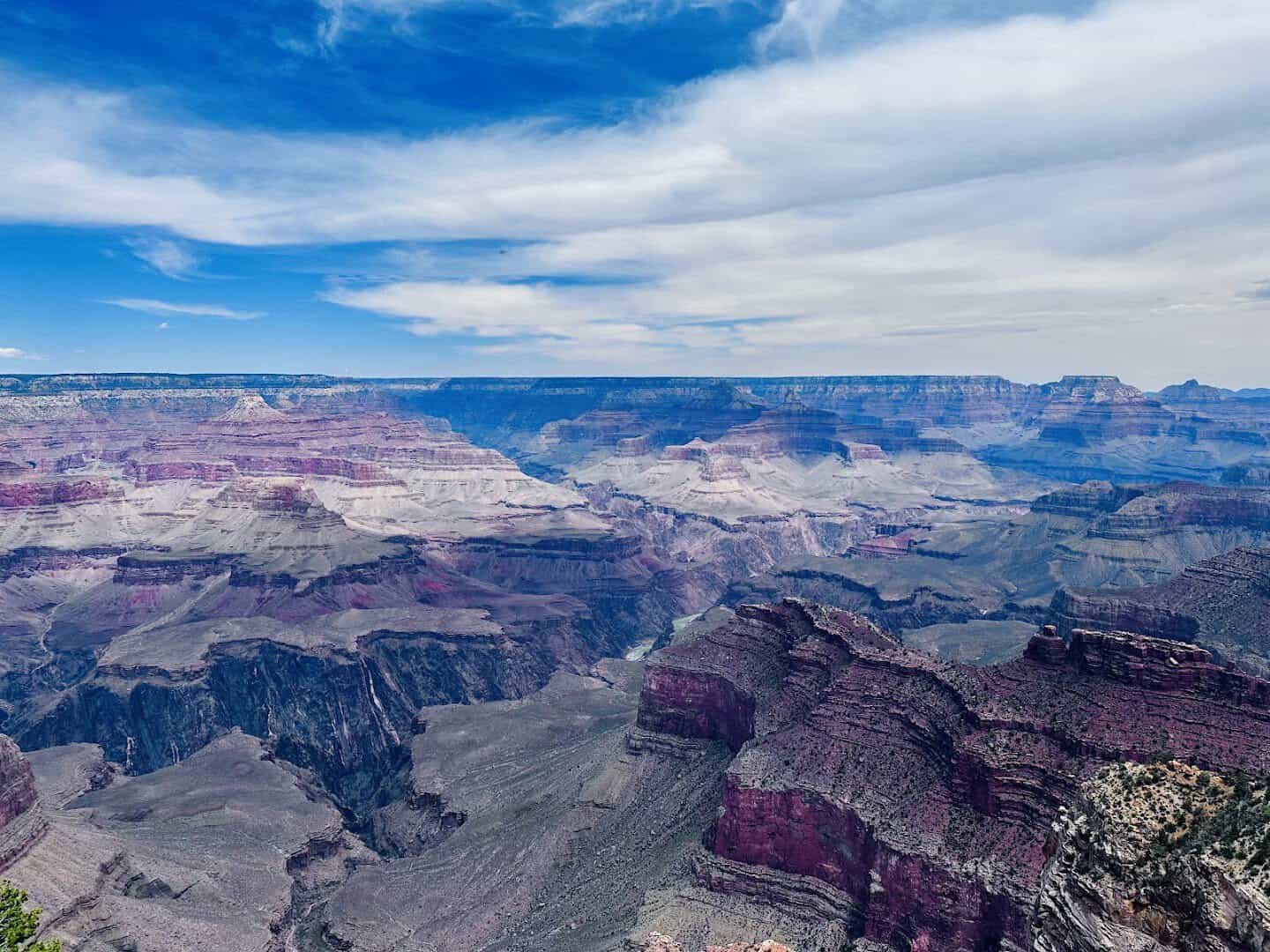
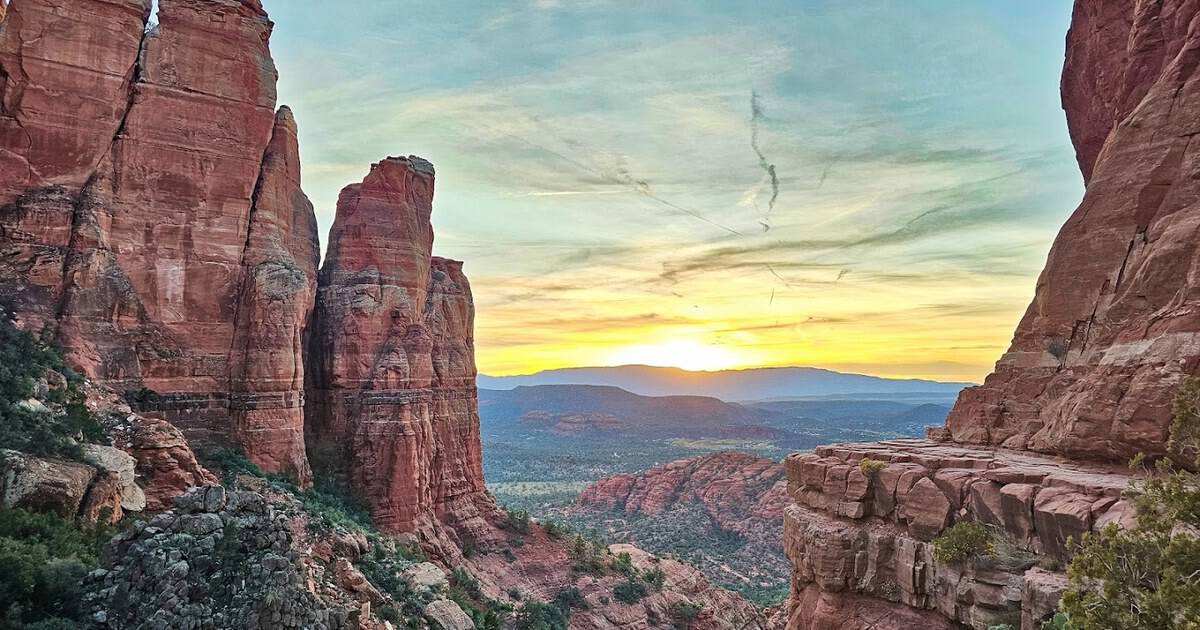
Some things are famous because marketing made them so. The Grand Canyon is famous because it is genuinely staggering. A mile deep, up to 18 miles across, and carved over millions of years by the Colorado River winding 277 miles through the rock.
Photos flatten it. In person, the layers of red and gold recede into a haze that plays tricks on your sense of distance. Watch a sunrise from the South Rim and you will understand why people cry up there.
The South Rim stays open year round and holds most of the classic overlooks. If you have the knees for it, even a short walk down the Bright Angel Trail changes the whole perspective.
Where: Grand Canyon National Park, AZ 86023. The South Rim visitor center is about 80 miles north of Williams via Highway 64.
7. Space Needle, Washington
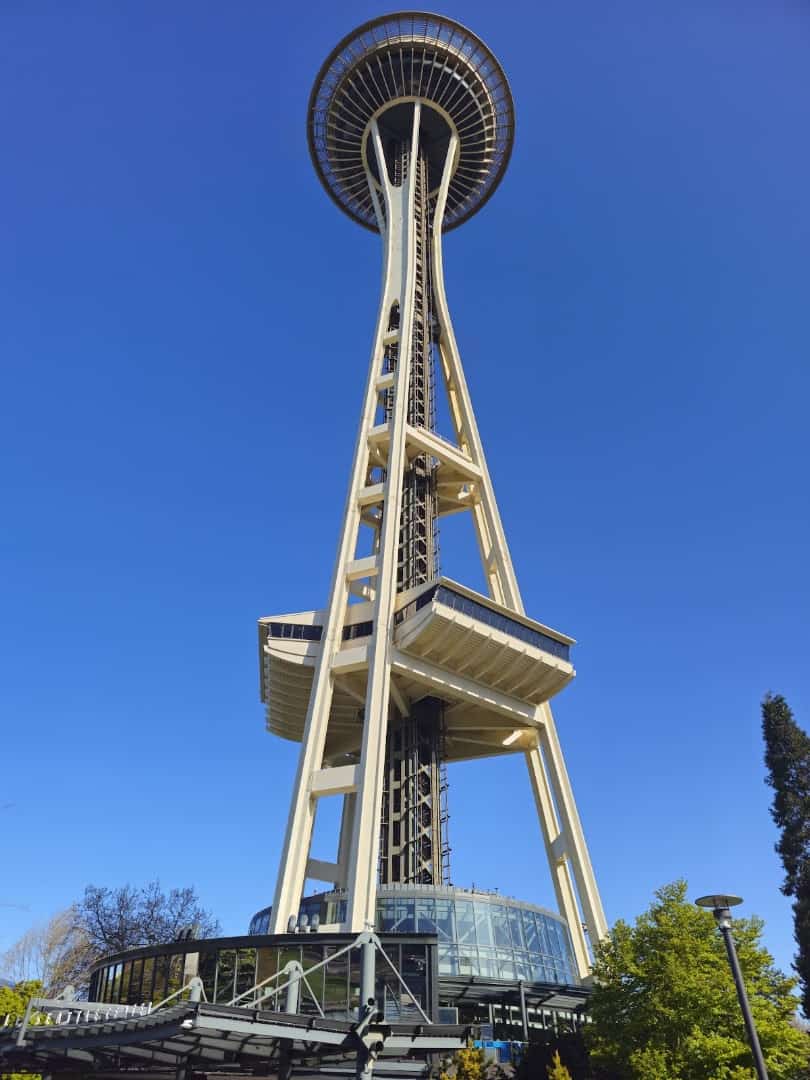
Built for the 1962 World’s Fair, the Space Needle shot up in barely a year and gave Seattle a skyline symbol overnight. It stands 605 feet tall, topped by a flying-saucer observation deck that looked like the future back then and still does.
The elevator ride is half the fun. Up top, a rotating glass floor lets you look straight down through your feet, with Mount Rainier and Puget Sound spread out beyond the glass on a clear day.
It went from groundbreaking to finished in under a year, which feels impossible for something this ambitious. Time your visit for dusk to catch the city lights flick on across the water.
Where: 400 Broad St, Seattle, WA 98109. It anchors the Seattle Center, a short monorail ride from downtown.
8. Lincoln Memorial, District of Columbia
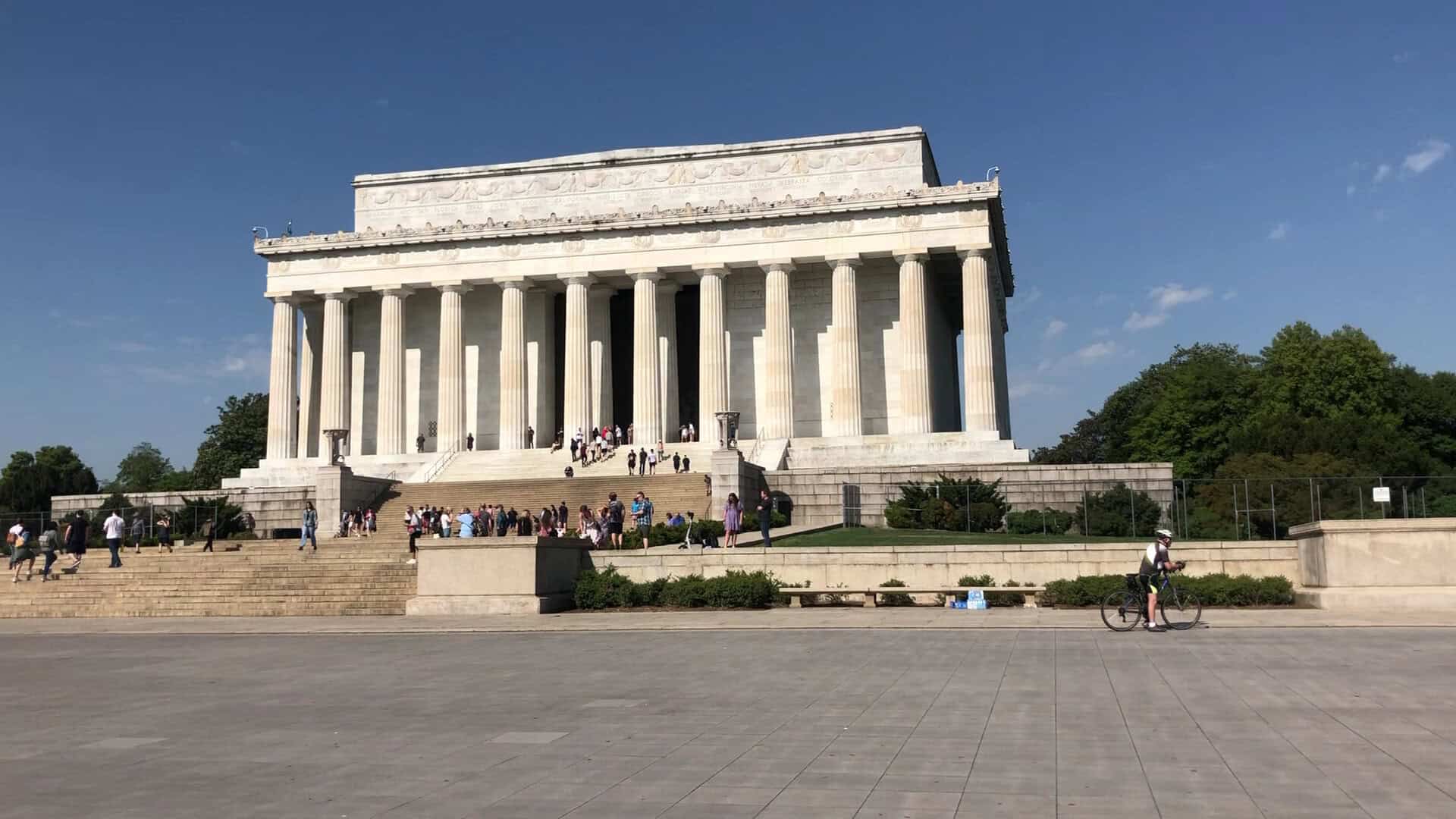
Dedicated in 1922, this marble temple houses a seated Abraham Lincoln carved by Daniel Chester French. The statue alone stands 19 feet tall, and Lincoln’s gaze looks out down the reflecting pool toward the Washington Monument.
Read the Gettysburg Address engraved on the wall, then turn around and stand where Martin Luther King Jr. delivered “I Have a Dream.” Few spots in the country carry this much weight in one quiet room.
Visit at night when it is beautifully lit and nearly empty. The 36 columns ringing the memorial stand for the 36 states in the Union at the time of Lincoln’s death, a small detail most people walk right past.
Where: 2 Lincoln Memorial Cir NW, Washington, DC 20037, at the west end of the National Mall.
9. Liberty Bell, Pennsylvania
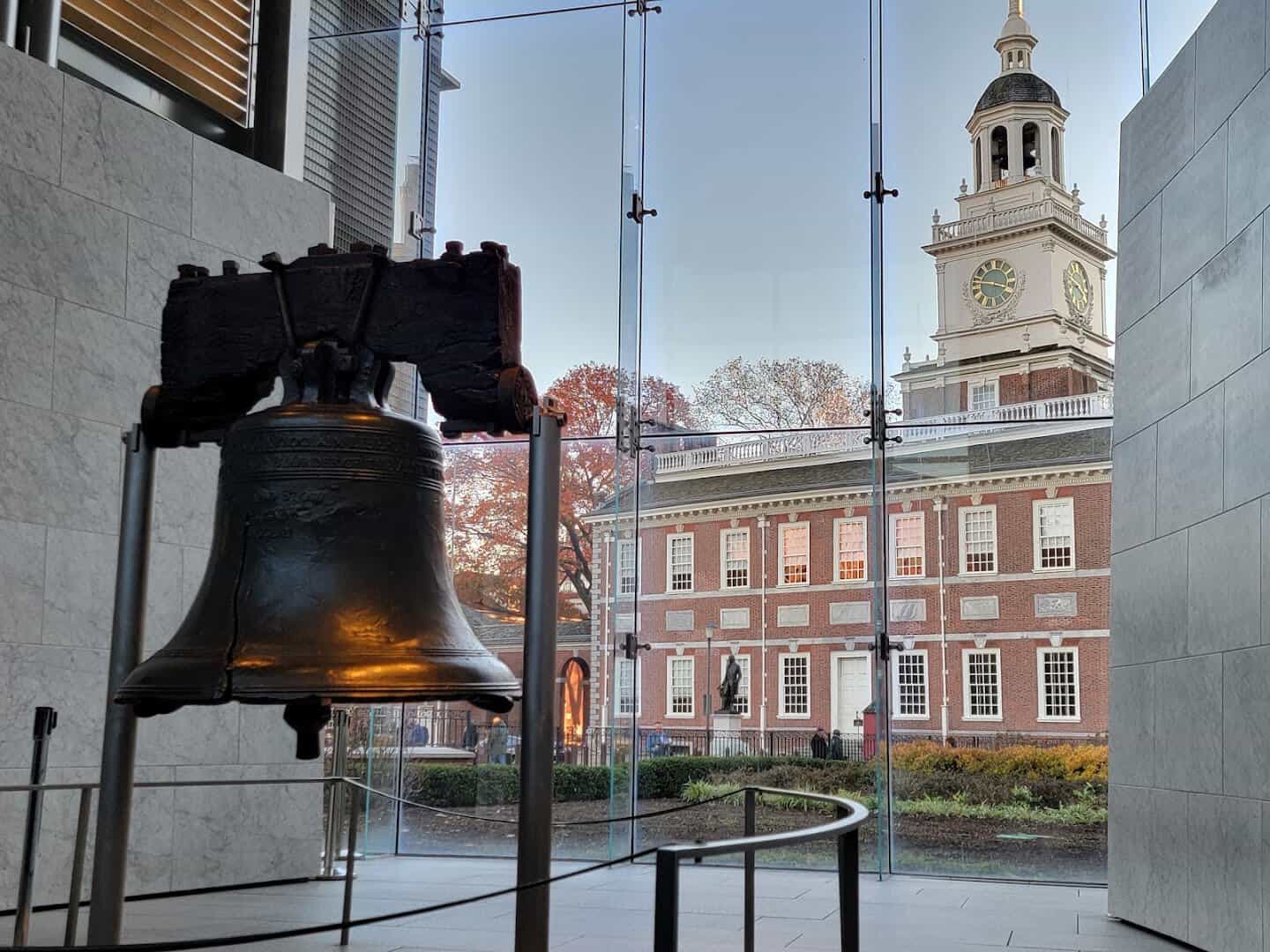
Cast in 1752, the Liberty Bell is famous for its most obvious flaw, the crack that runs up its side and silenced it long ago. It weighs over 2,000 pounds, and its inscription about proclaiming liberty made it a symbol far bigger than any sound it ever made.
The bell sits in its own glass pavilion, free to visit, with the tower of Independence Hall framed right behind it. Go early to beat the lines and read the story of how a cracked bell became a national icon.
The exact origin of that famous crack is still a bit of a mystery, which somehow makes it more endearing. Independence Hall itself, where the Declaration was signed, sits just across the way.
Where: 526 Market St, Philadelphia, PA 19106, in Independence National Historical Park.
10. Hoover Dam, Nevada
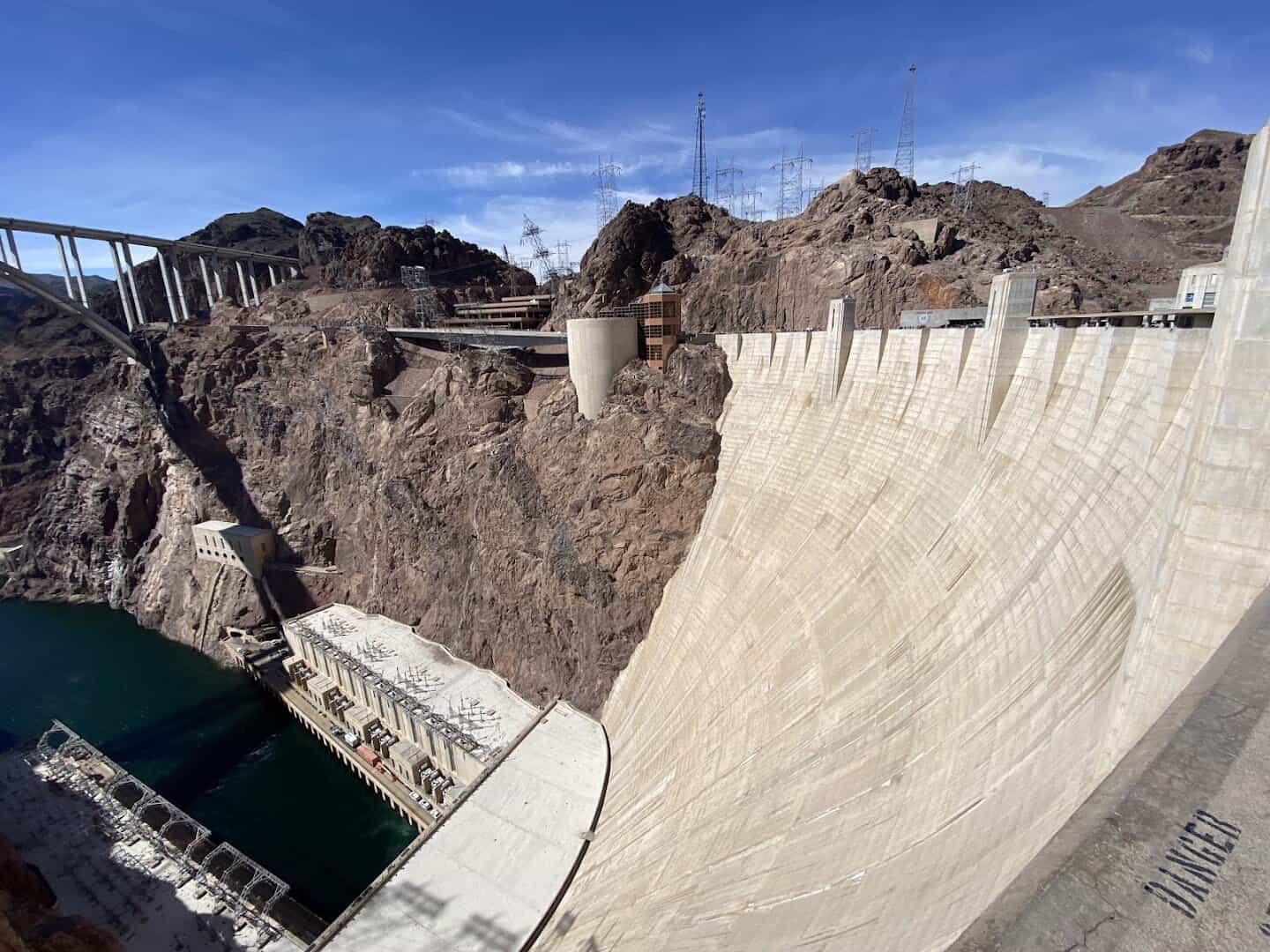
Completed in 1935 during the depths of the Depression, Hoover Dam wedged 726 feet of concrete into the Black Canyon of the Colorado River. It tamed a wild river, created Lake Mead, and still powers a big chunk of the Southwest.
Standing at the top and looking down the curved face is a genuine gut-check. Take the tour into the belly of the dam, or walk the bridge overlook for the full scale of what people built here by hand.
Look for the Art Deco touches worked into the concrete, from the towers to the terrazzo floors. The pedestrian bridge just downstream gives you the whole sweep of the dam in one clean, safe view.
Where: Hoover Dam Access Rd, Boulder City, NV 89005, about 35 miles southeast of Las Vegas on Highway 93.
11. Cloud Gate, Illinois
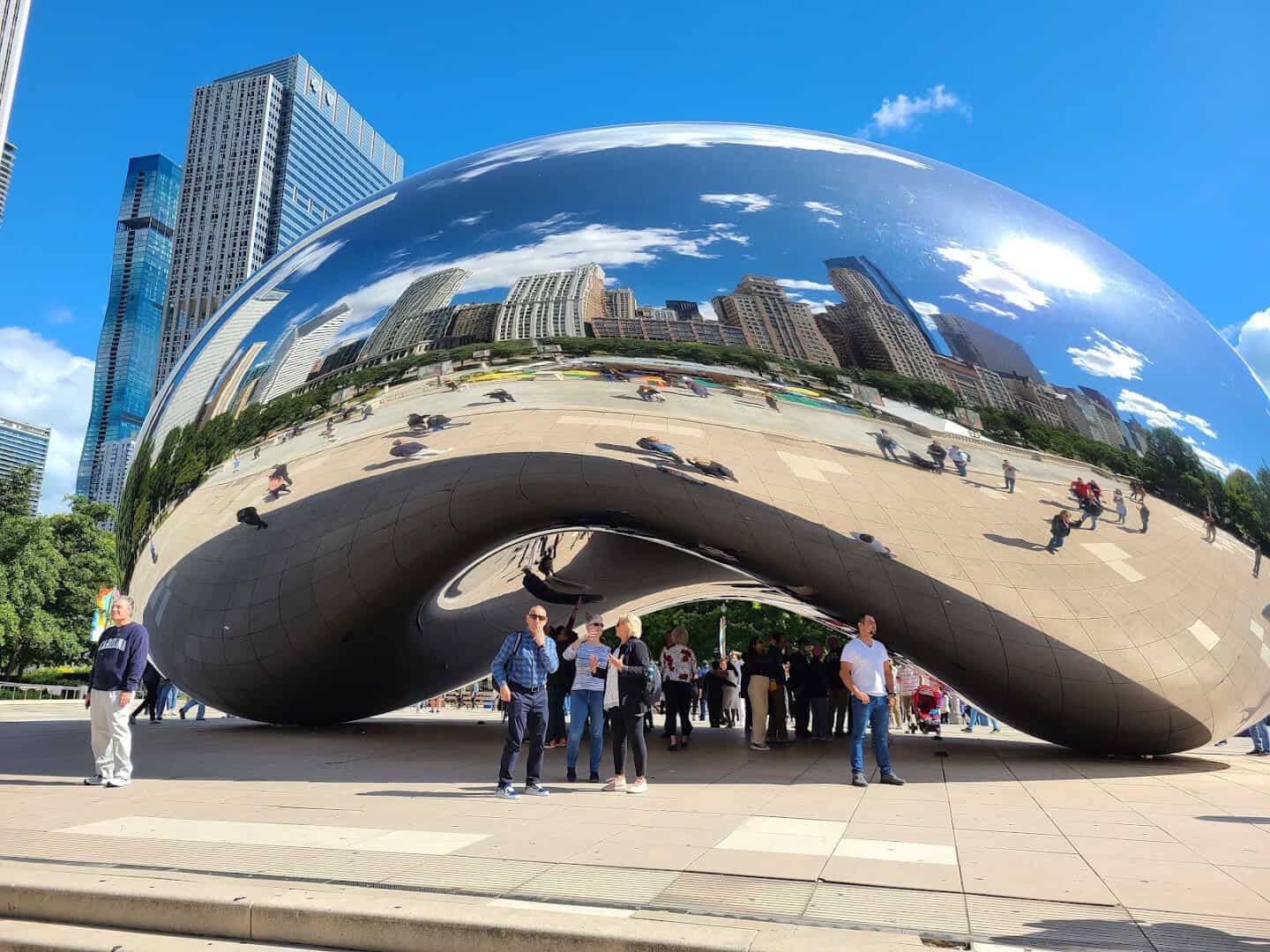
Locals call it the Bean, and the nickname stuck even though the artist, Anish Kapoor, disliked it at first. Unveiled in 2004, this 110-ton curve of polished stainless steel has no visible seams, just a mirror that bends the Chicago skyline into something playful.
Walk underneath into the swirling arch and watch the whole crowd, the clouds, and the buildings warp around you. It is impossible to take a bad photo here, and everyone tries.
The concave underside, nicknamed the omphalos, stretches and multiplies your reflection like a funhouse mirror. It anchors Millennium Park, so you can pair it with the Crown Fountain and Lurie Garden nearby.
Where: Millennium Park, 201 E Randolph St, Chicago, IL 60602, in the downtown Loop.
12. Old Faithful, Wyoming
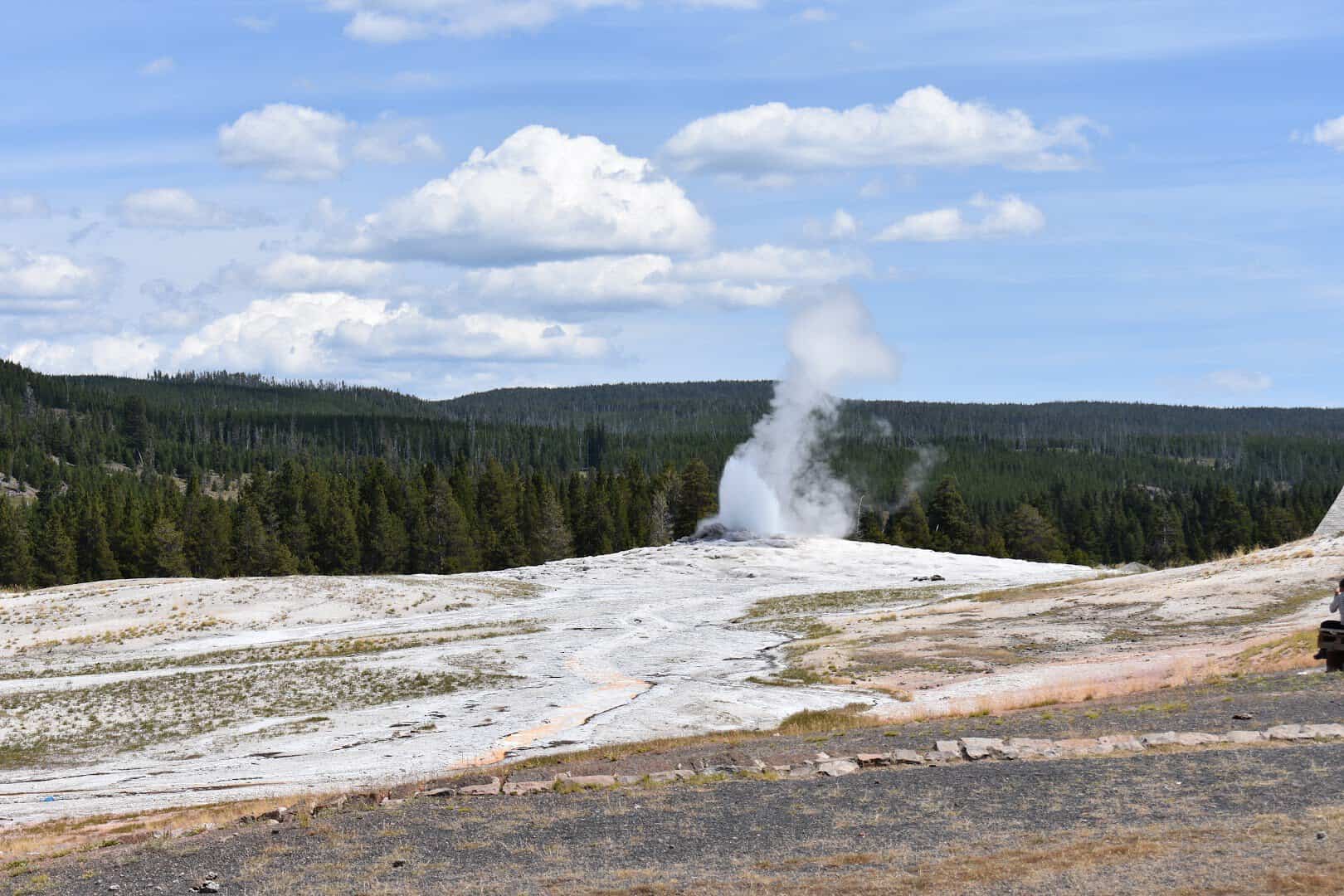
Not every landmark is built by human hands. Old Faithful is a geyser that erupts roughly every 90 minutes, blasting boiling water as high as 180 feet, and it has been keeping that rough schedule since the park’s earliest days.
Rangers post the next predicted eruption, so grab a bench, get comfortable, and wait for the ground to put on its show. The whole Yellowstone basin around it steams and bubbles like another planet.
It is not the biggest geyser in the park, just the most reliable, which is how it earned the name. Walk the boardwalk loop afterward to see the rainbow-colored hot springs that share the basin.
Where: Old Faithful, Yellowstone National Park, WY 82190. The nearest gateway is West Yellowstone, about 30 miles to the northwest.
Start Planning Your American Bucket List
You could spend a lifetime chasing these, and honestly, that is not a bad plan. Each one rewards the effort of actually showing up, because a screen never captures the scale, the hush, or the goosebumps.
Pick one, point the car or book the flight, and go stand in front of something famous. Then find out how much bigger it is in person than it ever looked on a postcard.
Featured image: Vincent Cardella via Grand Canyon National Park

Stella Raines
Editor-in-Chief
Stella brings over a decade of storytelling experience to TX Headlines. With roots in West Texas and a love for road trips, she leads the editorial team with an eye for the hidden stories that make Texas unforgettable.