12 Bucket-List Western Parks That Show Off the Wild West at Its Biggest
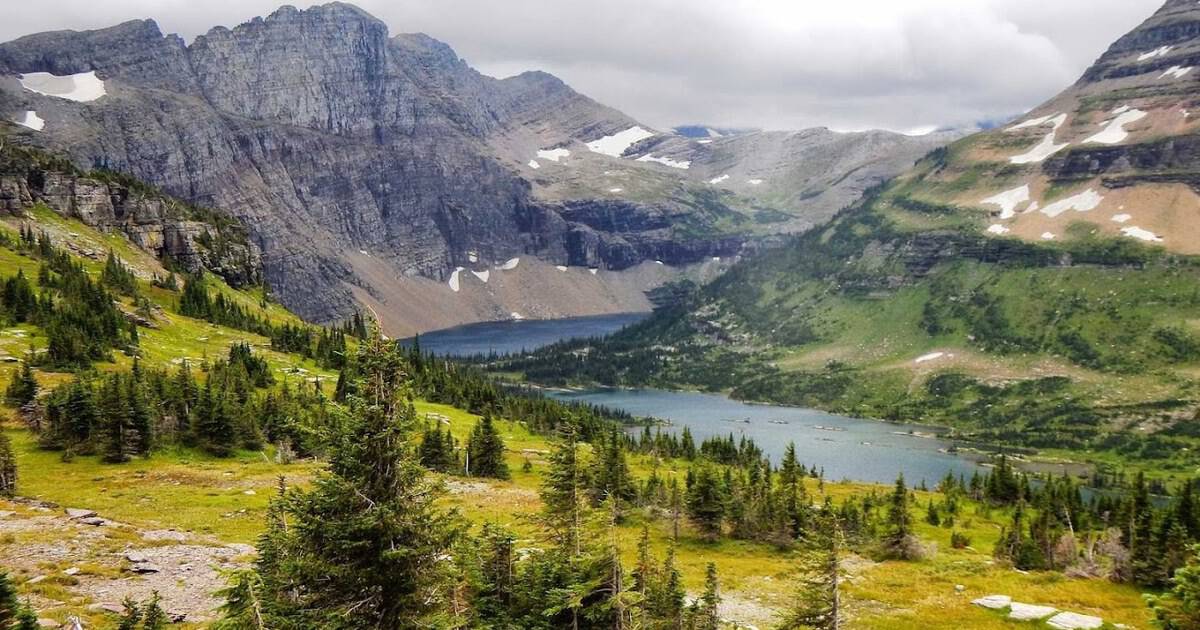
Here is a hill I will happily die on. The American West runs the table on national parks, and the rest of the country is playing for second place.
From mile-deep red canyons to glacier-carved peaks, the West trades in raw, wide-open grandeur. These are the parks I would point a road trip toward before any others, the ones that make you pull over just to stare.
A quick note before we roll out. I kept this list to the West, and to one park per state, so it reads like a real cross-country route instead of a pile-up in Utah and California.
Below, discover twelve western national parks worth building a whole trip around, each with the story that makes it special and exactly how to get there.
1. Grand Canyon National Park, Arizona
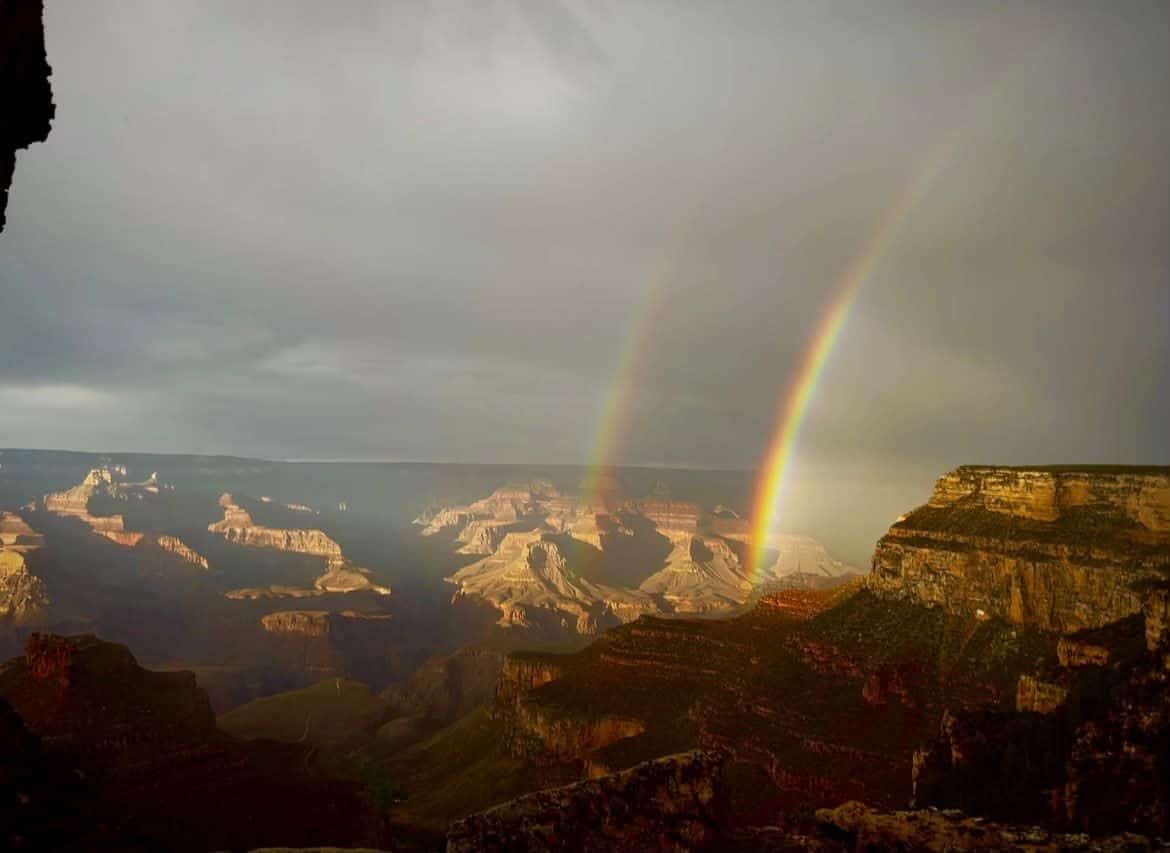
A lot of famous places shrink when you finally see them in person. The Grand Canyon does the opposite. It is a mile deep, up to eighteen miles across, and carved by the Colorado River over millions of years.
Congress made it a national park on February 26, 1919, protecting more than 1.2 million acres of layered rock. Nearly five million people come every year, most of them to the South Rim.
Come at sunrise, when the light rakes across the buttes and every band of stone glows a different color. If your knees are willing, the Bright Angel Trail drops you below the rim. Mule trains still carry riders down the same path, a tradition more than a century old.
Where: South Rim Visitor Center, 8 S Entrance Rd, Grand Canyon Village, AZ 86046.
2. Glacier National Park, Montana
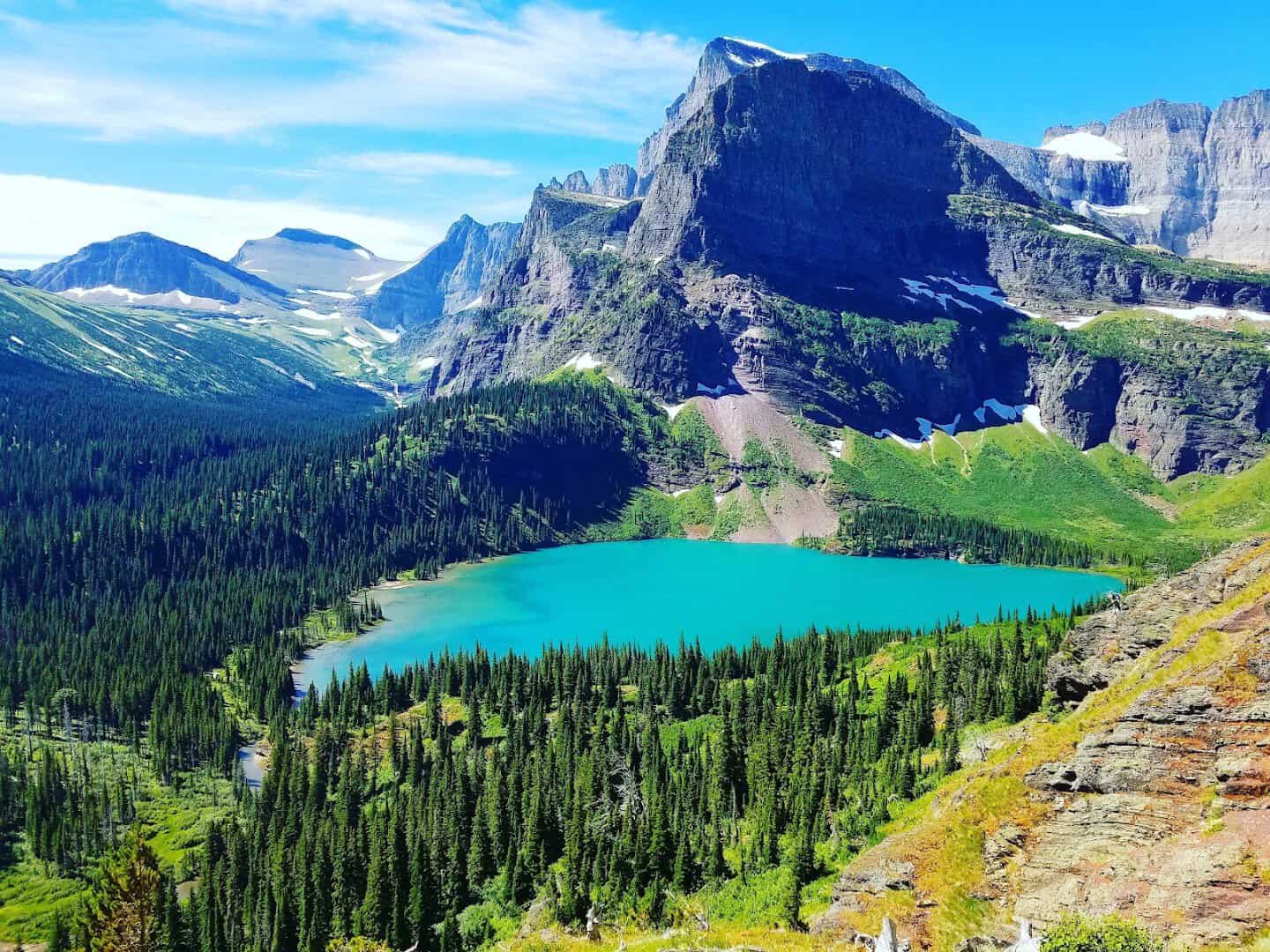
If you only drive one road in your life, make it the Going-to-the-Sun Road. Fifty miles of hairpin turns climb past waterfalls, alpine meadows, and cliffs that fall away into blue-green valleys.
Established in 1910, Glacier hides more than 700 lakes among its peaks. Lake McDonald, the largest, is famous for the smooth, candy-colored pebbles resting under its impossibly clear water. This is grizzly country, so keep your eyes on the slopes.
Pro tip: drive the road early. The mountain goats and bighorn sheep are out near Logan Pass, and the crowds are not yet. The park loses a little more ice every year, so see the glaciers while they still hang in the high cirques.
Where: West Glacier, MT 59936 (west entrance to Going-to-the-Sun Road).
3. Zion National Park, Utah
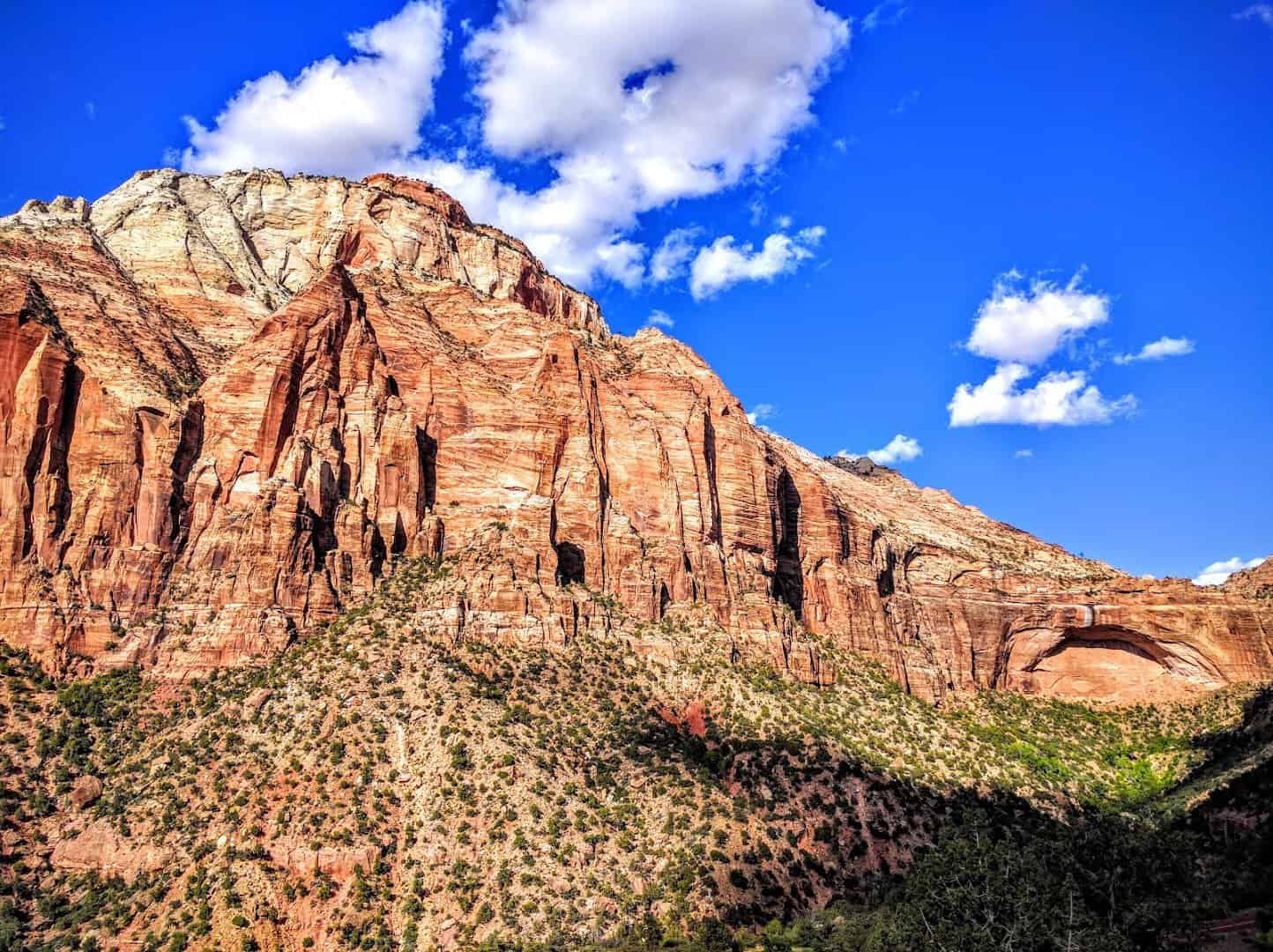
There is a specific thrill in standing at the bottom of something enormous and looking up. Zion delivers it over and over, its rust-red sandstone walls rising two thousand feet straight off the canyon floor.
Utah’s first national park, established November 19, 1919, was cut by the modest-looking Virgin River. Wade straight up that river into The Narrows, cool the day off in the Emerald Pools, or climb the knife-edge chains of Angels Landing if your nerves allow.
A free shuttle carries you up the canyon most of the year, so you can leave the car and just look up. The sandstone glows almost neon at sunset, when the last light catches the highest walls.
Where: Zion Canyon Visitor Center, 1 Zion Park Blvd, Springdale, UT 84767.
4. Olympic National Park, Washington
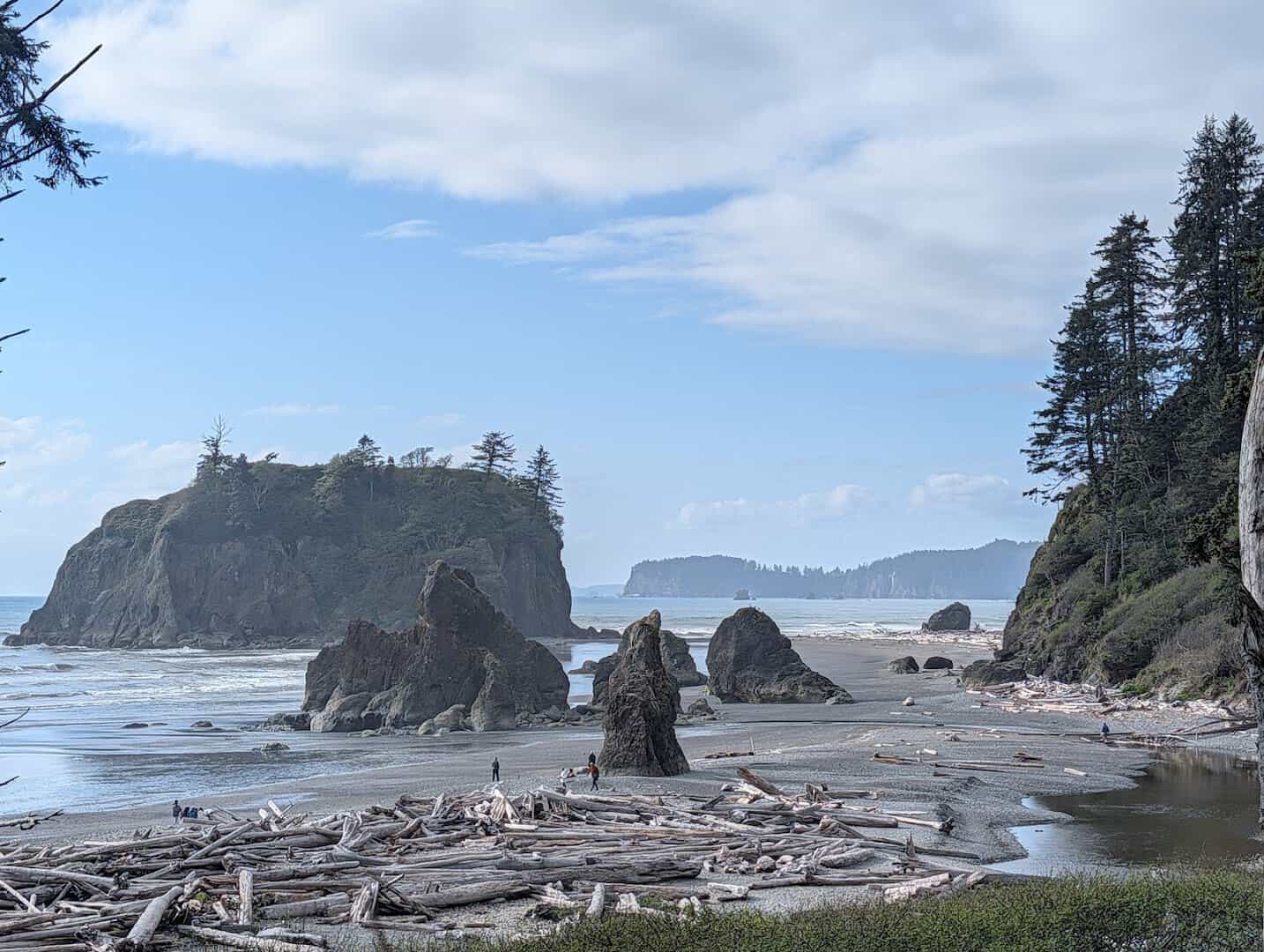
Most parks give you one landscape. Olympic hands you three. Glacier-topped peaks, a wild Pacific coastline, and a moss-draped rainforest all live inside one park boundary.
Signed into being by Franklin Roosevelt on June 29, 1938, it spreads across more than 922,000 acres of the Olympic Peninsula. Walk the dripping green trails of the Hoh Rain Forest, then drive up to Hurricane Ridge for a view that runs all the way to Canada.
Save an evening for Ruby Beach, where sea stacks stand offshore and tide pools fill with starfish. You can chase all three landscapes in a single long day. Did you know? The Hoh is one of the finest temperate rainforests left in the country.
Where: Olympic National Park Visitor Center, 3002 Mount Angeles Rd, Port Angeles, WA 98362.
5. Yellowstone National Park, Wyoming
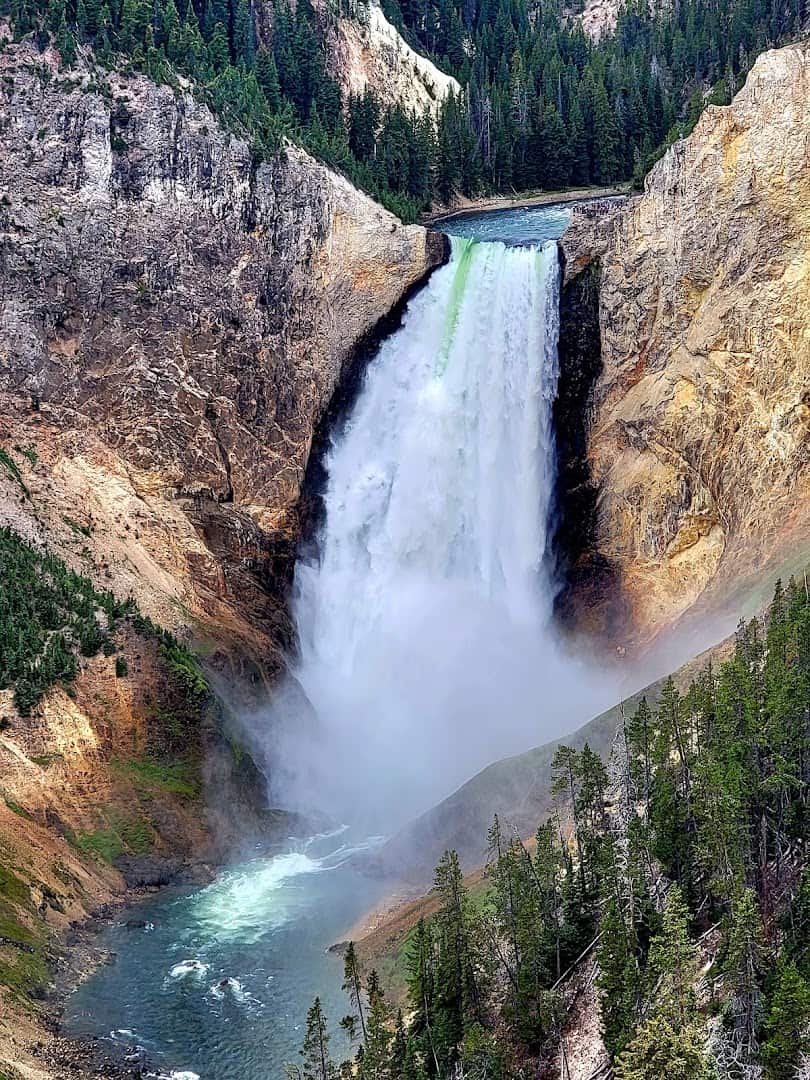
Yellowstone started it all. On March 1, 1872, it became the first national park in the world, and honestly, it set a bar nobody has quite cleared since.
Its 2.2 million acres sit on top of a slumbering supervolcano. Old Faithful still erupts around twenty times a day, and the Grand Prismatic Spring blazes in rings of orange and blue.
Then there is the wildlife. The largest free-roaming bison herd in the country grazes the valleys, and wolves and grizzlies work the Lamar Valley at dawn.
The Grand Canyon of the Yellowstone drops in two thundering falls, painted yellow by the rock the park is named for. Give the park more than a day. There is a lifetime of geysers, hot springs, and wildlife packed inside.
Where: Yellowstone National Park, WY 82190.
6. Big Bend National Park, Texas
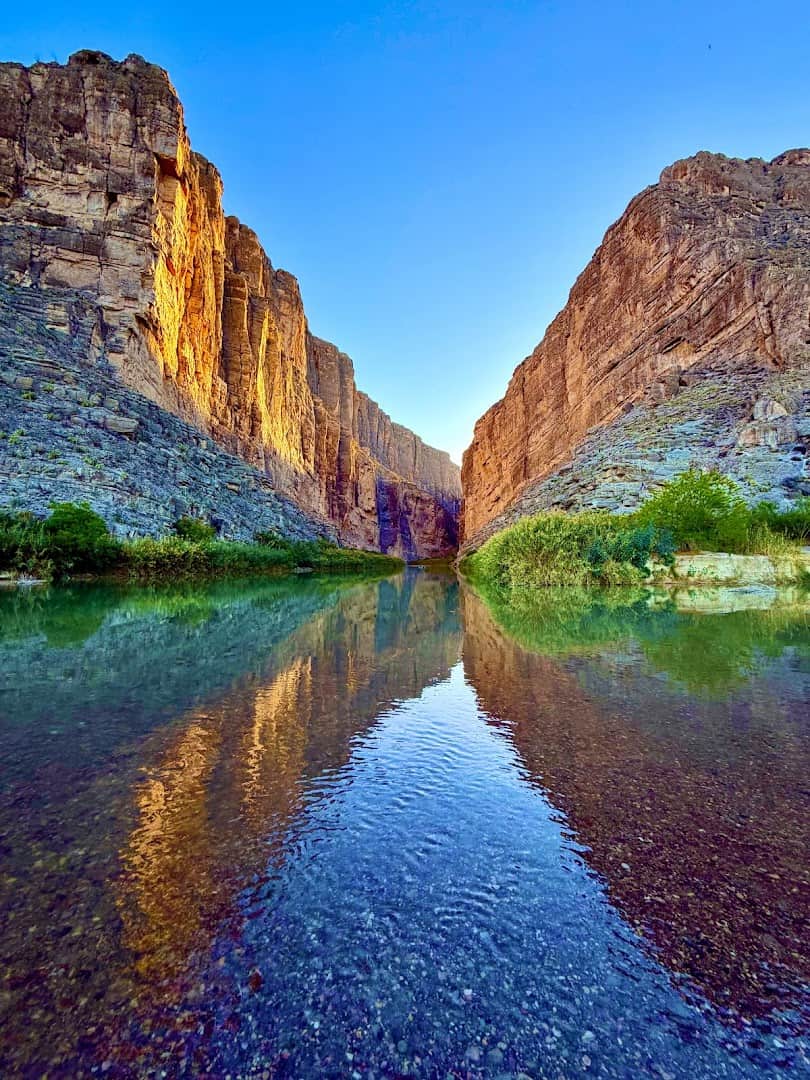
I have a soft spot for the places most people drive right past. Big Bend, tucked into the far southwest corner of Texas, is the definition of that. It is remote, enormous, and gloriously empty.
Established June 12, 1944, as the state’s first national park, its 801,000 acres cradle the Chisos Mountains inside a great bend of the Rio Grande. Float through the sheer walls of Santa Elena Canyon, then soak in the riverside hot springs afterward.
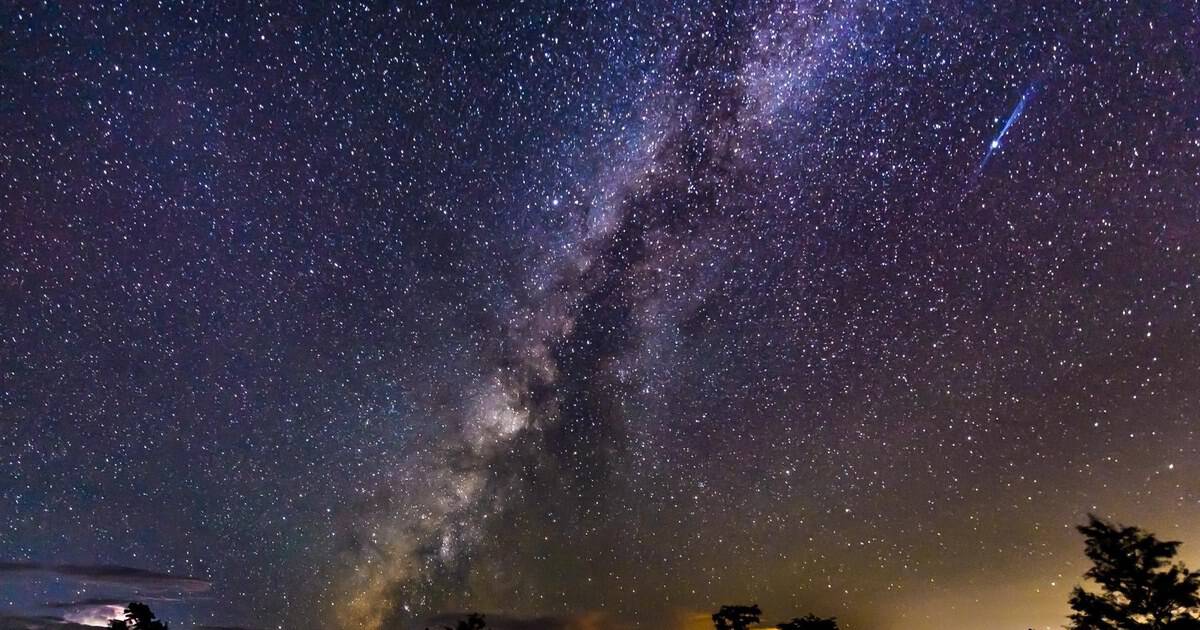
Stay after dark. Big Bend has some of the blackest, most star-packed skies in America, and more bird species than any other national park. The nearest stoplight is hours away, which is exactly why the quiet feels so complete.
Where: Big Bend National Park, TX 79834 (nearest towns Terlingua and Marathon).
7. Rocky Mountain National Park, Colorado
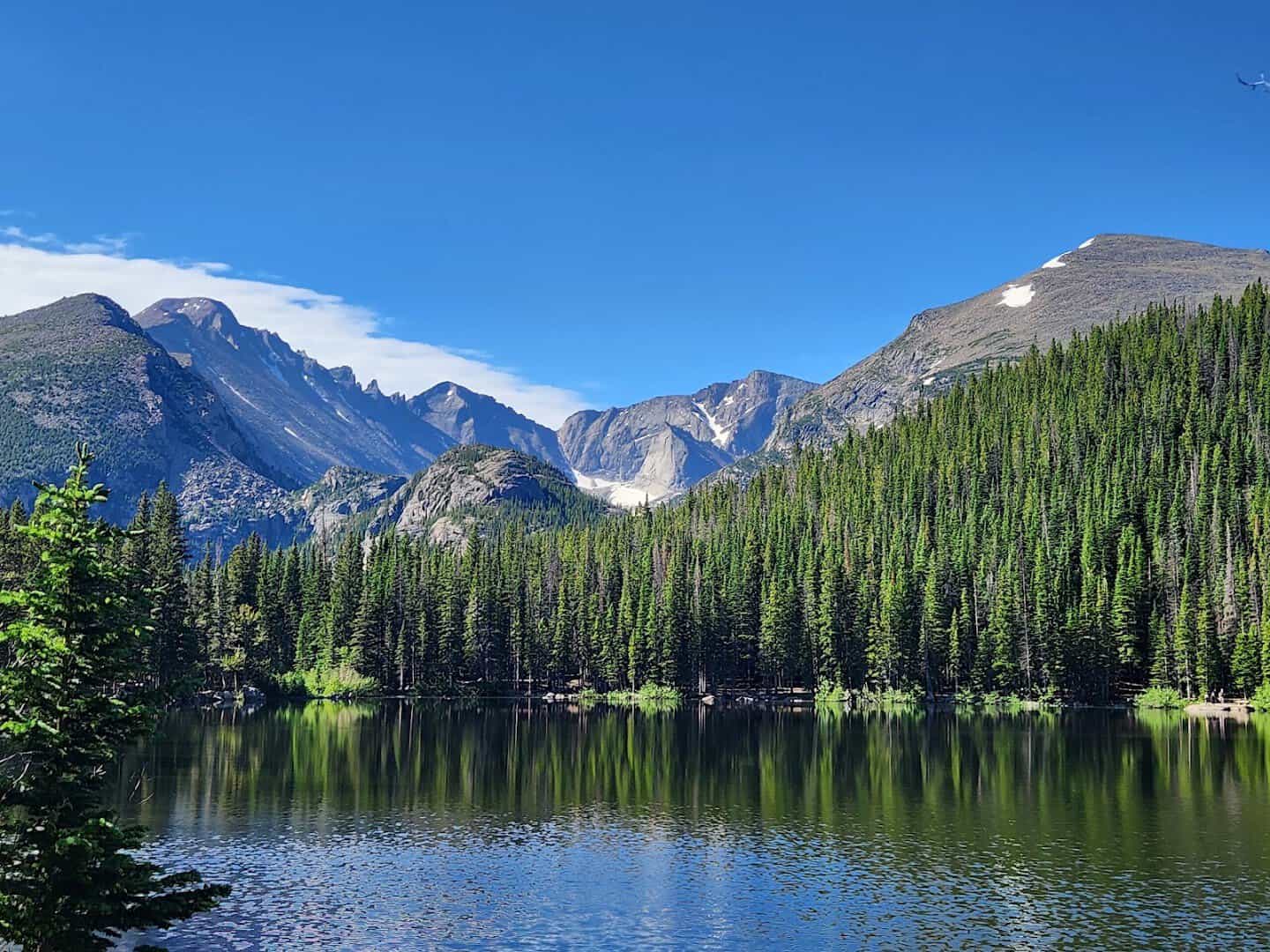
You can hike for weeks in Colorado, or you can simply drive above the clouds. Rocky Mountain National Park lets you do the second in an afternoon.
Established in 1915, the park is crossed by Trail Ridge Road, forty-eight miles that climb past 12,000 feet and hold you above the treeline for eleven of them. Longs Peak towers over it all at 14,259 feet, the park’s lone fourteener.
Down in the meadows, elk and moose graze at the edges of the aspens. Bear Lake, ringed by pines and reflecting the peaks, is the easy walk everyone remembers. Come in fall, when the elk bugle across the valleys and the hillsides turn solid gold.
Where: Beaver Meadows Visitor Center, 1000 US Hwy 36, Estes Park, CO 80517.
8. Crater Lake National Park, Oregon
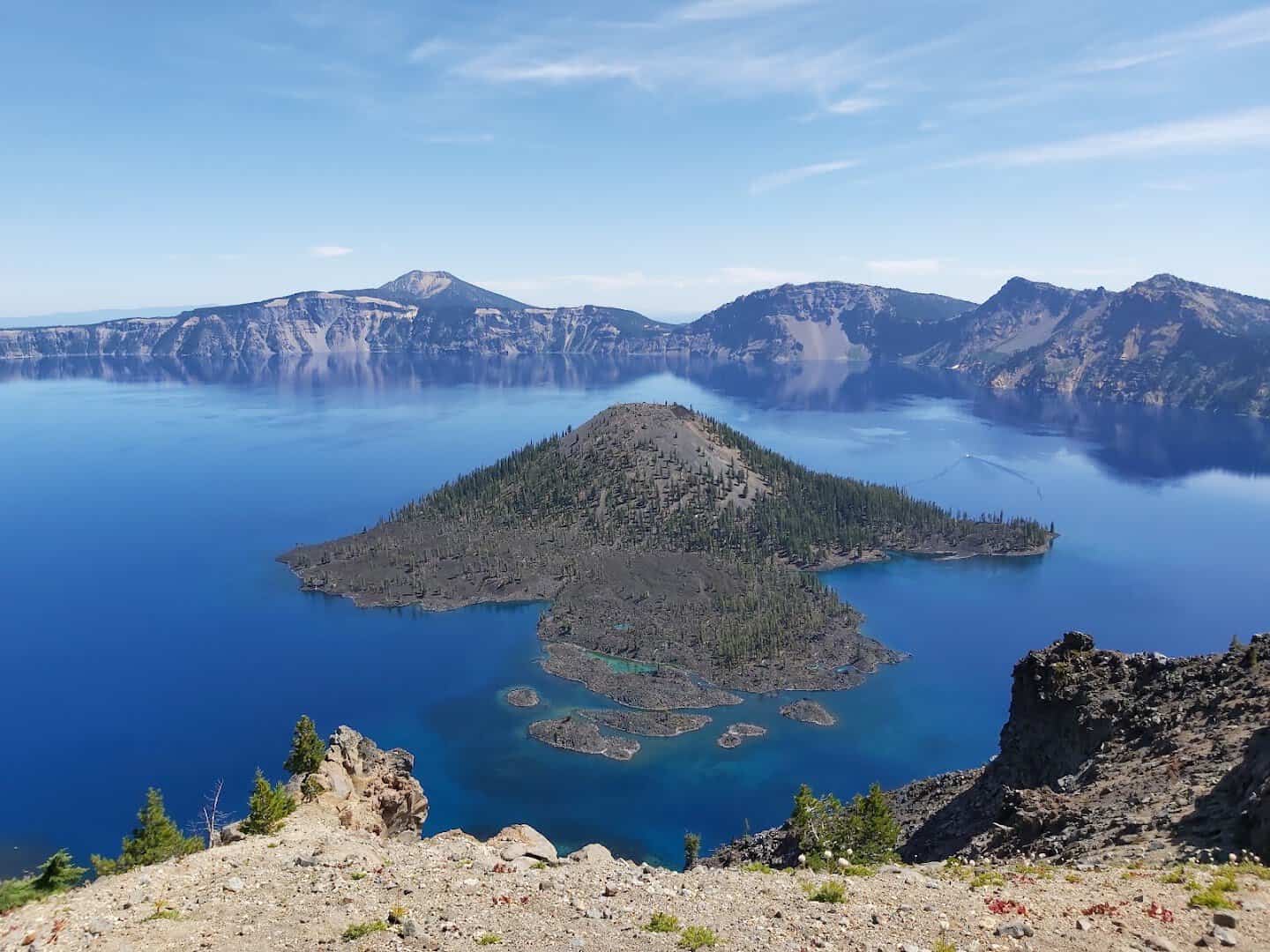
The blue is the thing. No photo really prepares you for the color of Crater Lake, a shade so deep and saturated it looks almost fake in person.
Established in 1902 as the country’s fifth national park, the lake fills the collapsed caldera of Mount Mazama, which blew its top roughly 7,700 years ago. At around 1,943 feet, it is the deepest lake in the United States, fed by nothing but rain and snow.
Drive the 33-mile Rim Drive for a new angle at every pullout, and watch for Wizard Island, the little cinder cone rising out of the water. Boat tours run out to the island in summer, the only way to touch the water itself.
Where: Crater Lake National Park, OR 97604 (Rim Village, off Rim Drive).
9. Yosemite National Park, California
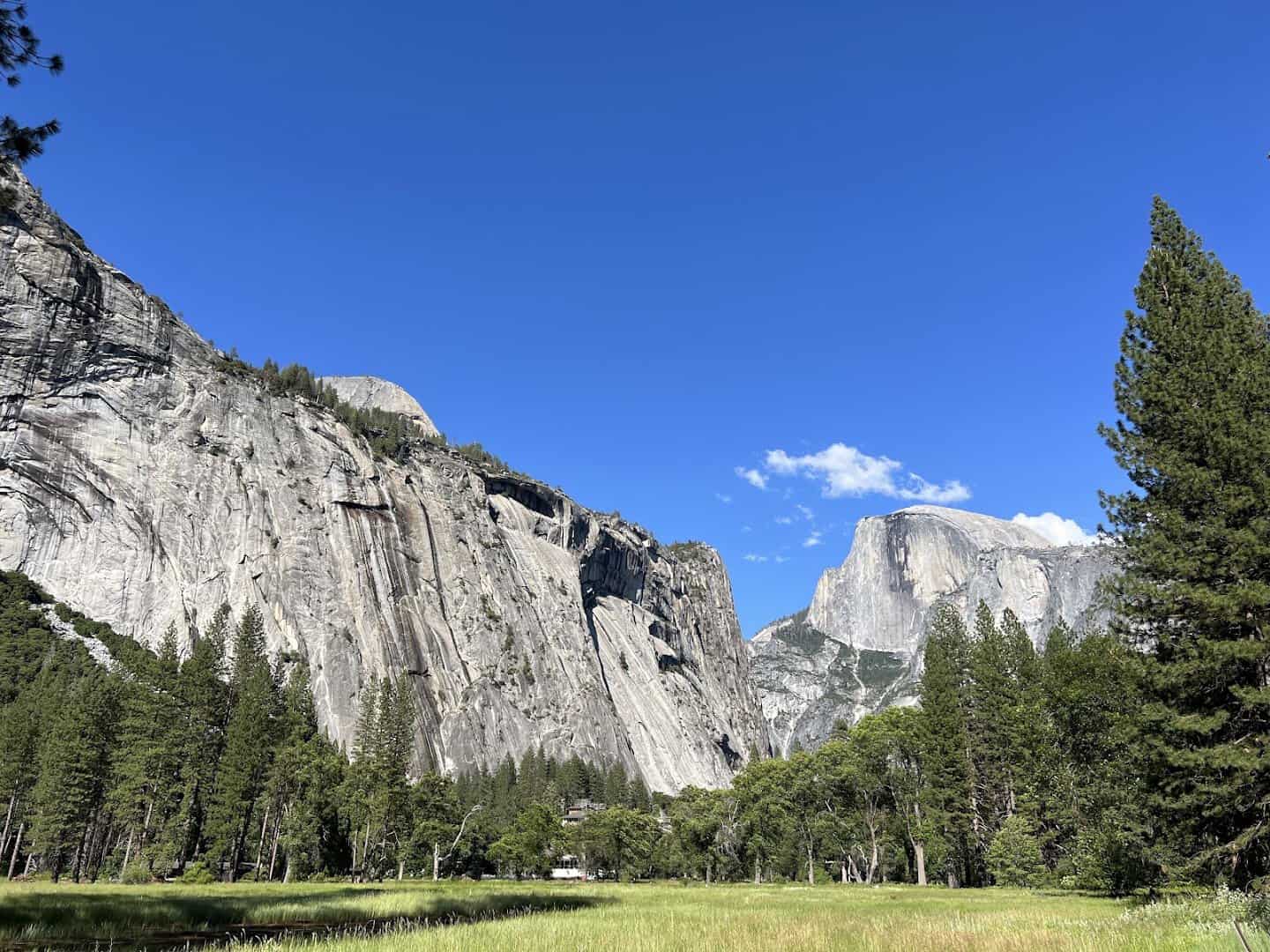
A few views can make a carful of grown adults go quiet, and the first glimpse of Yosemite Valley is one of them. Granite walls climb straight up on either side while waterfalls pour off the rim.
Signed into law on October 1, 1890, Yosemite is the home of Half Dome, the sheer face of El Capitan, and Yosemite Falls, which drops 2,425 feet, the tallest waterfall in North America.
Wander the Mariposa Grove afterward, among giant sequoias older than most of recorded history. Stand at Tunnel View once and you will understand every photograph ever taken here. Time your visit for late spring, when snowmelt sends the waterfalls thundering at full force.
Where: Yosemite Valley Visitor Center, 9035 Village Dr, Yosemite Valley, CA 95389.
10. Carlsbad Caverns National Park, New Mexico
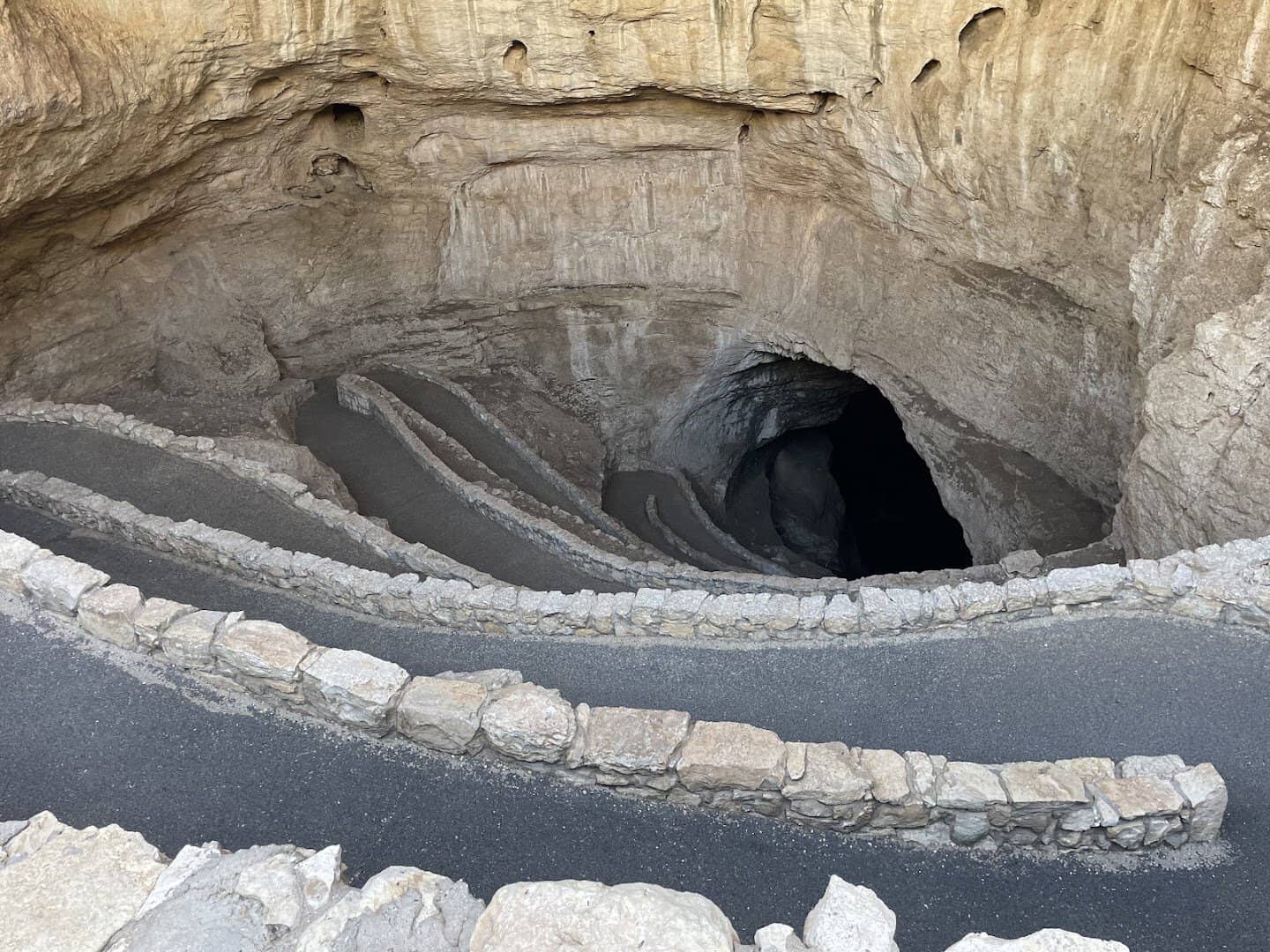
The best view in this park is underground. An elevator or a steep switchback trail drops you 750 feet into a hushed limestone world of stone draperies and towering formations.
Protected as a national park in 1930, Carlsbad’s Big Room is the largest cave chamber in North America, an 8.2-acre hall you can walk a loop around. It is one of more than 119 caves hidden beneath these desert hills.
Come at dusk in summer, when hundreds of thousands of Mexican free-tailed bats spiral out of the cave mouth in a living tornado. The evening bat flights run from spring into fall. Wear a jacket. The caverns hold steady around 56 degrees no matter the desert heat above.
Where: 727 Carlsbad Caverns Hwy, Carlsbad, NM 88220.
11. Great Basin National Park, Nevada
Here is the sleeper pick nobody expects. Great Basin sits in a lonely corner of eastern Nevada, and its emptiness is exactly the point.
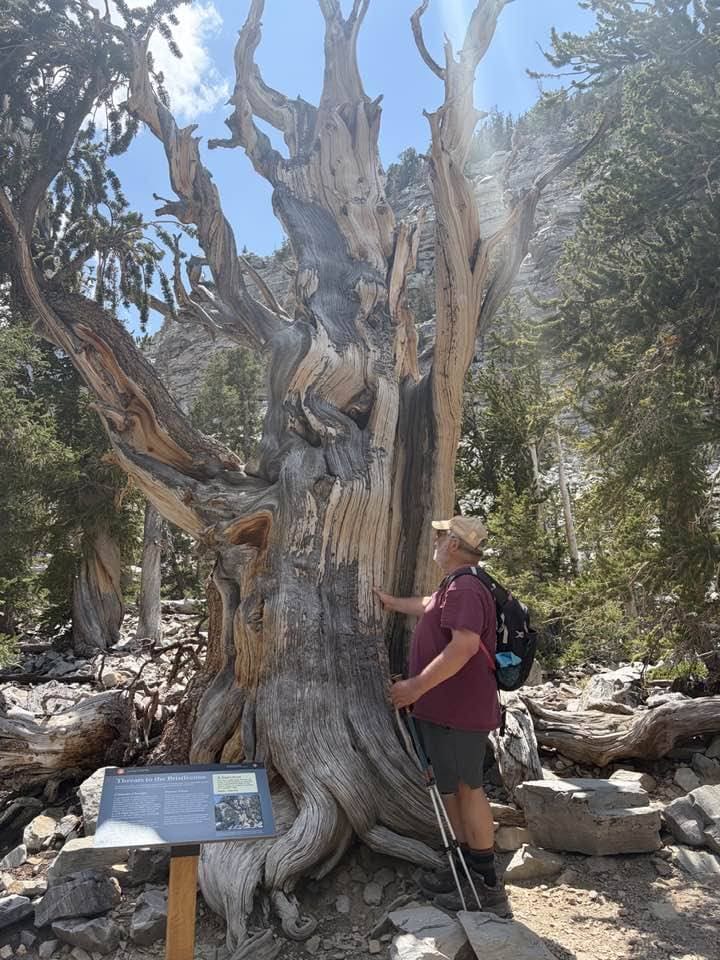
Established October 27, 1986, it climbs from desert valley to the 13,063-foot summit of Wheeler Peak. Tour the ornate rooms of Lehman Caves, then walk among bristlecone pines that were already ancient when the pyramids were young.
Because almost nobody lives nearby, the night sky here is astonishing. Stay after dark for skies so clear they are certified for stargazing. Wheeler Peak even shelters a small glacier, the southernmost in the country. Did you know? Some of those bristlecones are close to 5,000 years old.
Where: Lehman Caves Visitor Center, 100 Great Basin National Park, Baker, NV 89311.
12. Badlands National Park, South Dakota
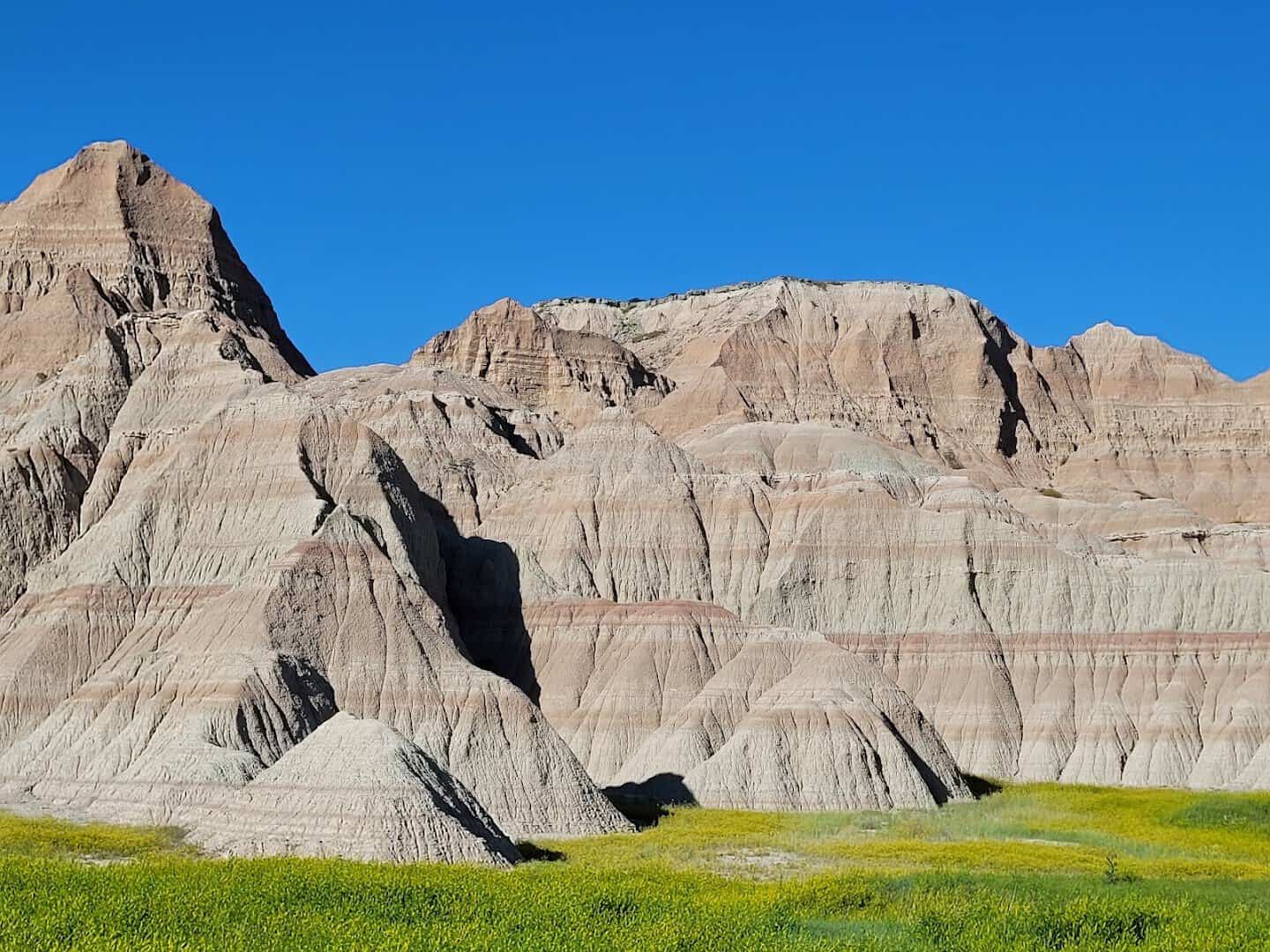
Drive in from the flat green prairie and the ground simply falls away into a maze of striped spires and jagged buttes. It feels less like a park and more like another planet.
Redesignated a national park in 1978, Badlands protects 244,000 acres of eroded rock and one of the richest fossil beds on Earth, holding creatures that lived here 23 to 35 million years ago.
Bison, bighorn sheep, and pronghorn roam the mixed-grass prairie today. Watch for prairie dogs popping up along the road as you drive the Badlands Loop at sunset, when the whole landscape glows pink and gold.
Where: Ben Reifel Visitor Center, 25216 Ben Reifel Rd, Interior, SD 57750.
Start Planning Your Western Road Trip
The best thing about the West is how close these wonders sit to one another. String a few together and one vacation turns into a highlight reel.
A few of these sit within a day’s drive of each other, so you could pair Zion with the Grand Canyon, or Yellowstone with Grand Teton just next door.
So pick a park, gas up the car, and go see the country at its biggest and boldest. The West has been waiting for you the whole time.
Featured image: Mr Greco via Glacier National Park

Stella Raines
Editor-in-Chief
Stella brings over a decade of storytelling experience to TX Headlines. With roots in West Texas and a love for road trips, she leads the editorial team with an eye for the hidden stories that make Texas unforgettable.