11 Overlooked Wine Regions That Serious Wine Lovers Keep Quiet About
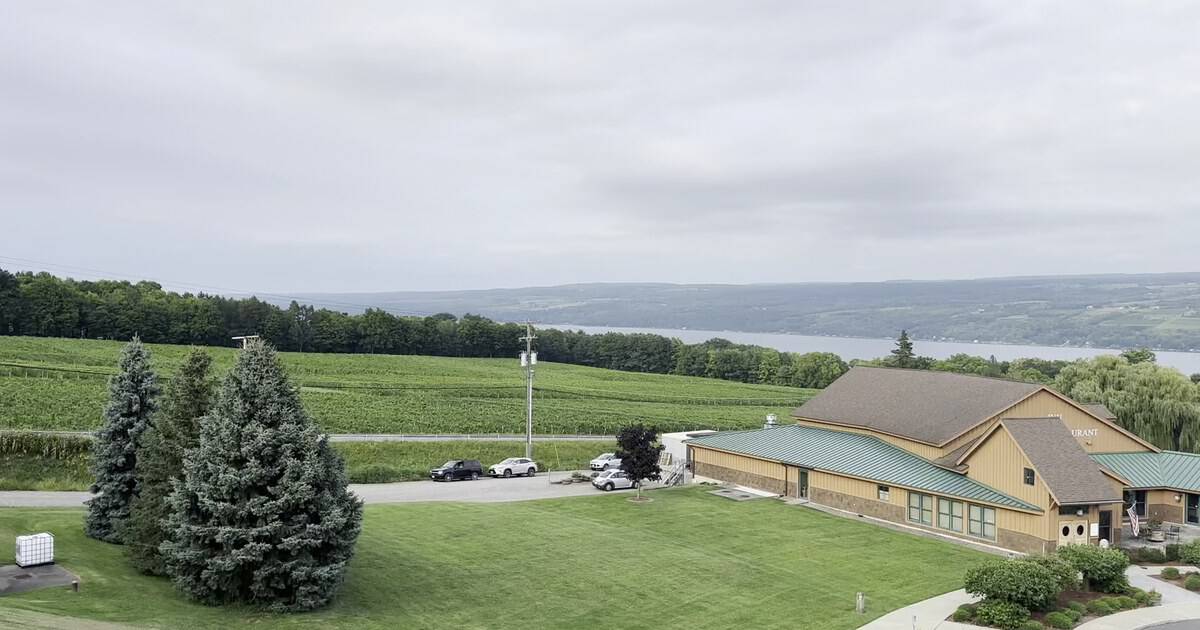
Here is a wine opinion that will not win me friends in Napa. Some of the best glasses being poured in America right now come from places you have never seen on a fancy tasting-room tote bag.
I say that as someone who loves a big-name Cabernet as much as the next person. But there is a particular thrill in the underdog pour, the bottle that makes you sit up and ask where on earth it came from.
These are the regions doing quietly brilliant work while the crowds queue elsewhere. Below, eleven wine countries worth pointing the car toward, from a New York lake to a high Texas plain.
The best part is that these places have not priced themselves out of reach. Tastings still run friendly, the winemakers often pour for you themselves, and a weekend trip does not require a second mortgage. That alone makes them worth chasing.
1. Finger Lakes, New York
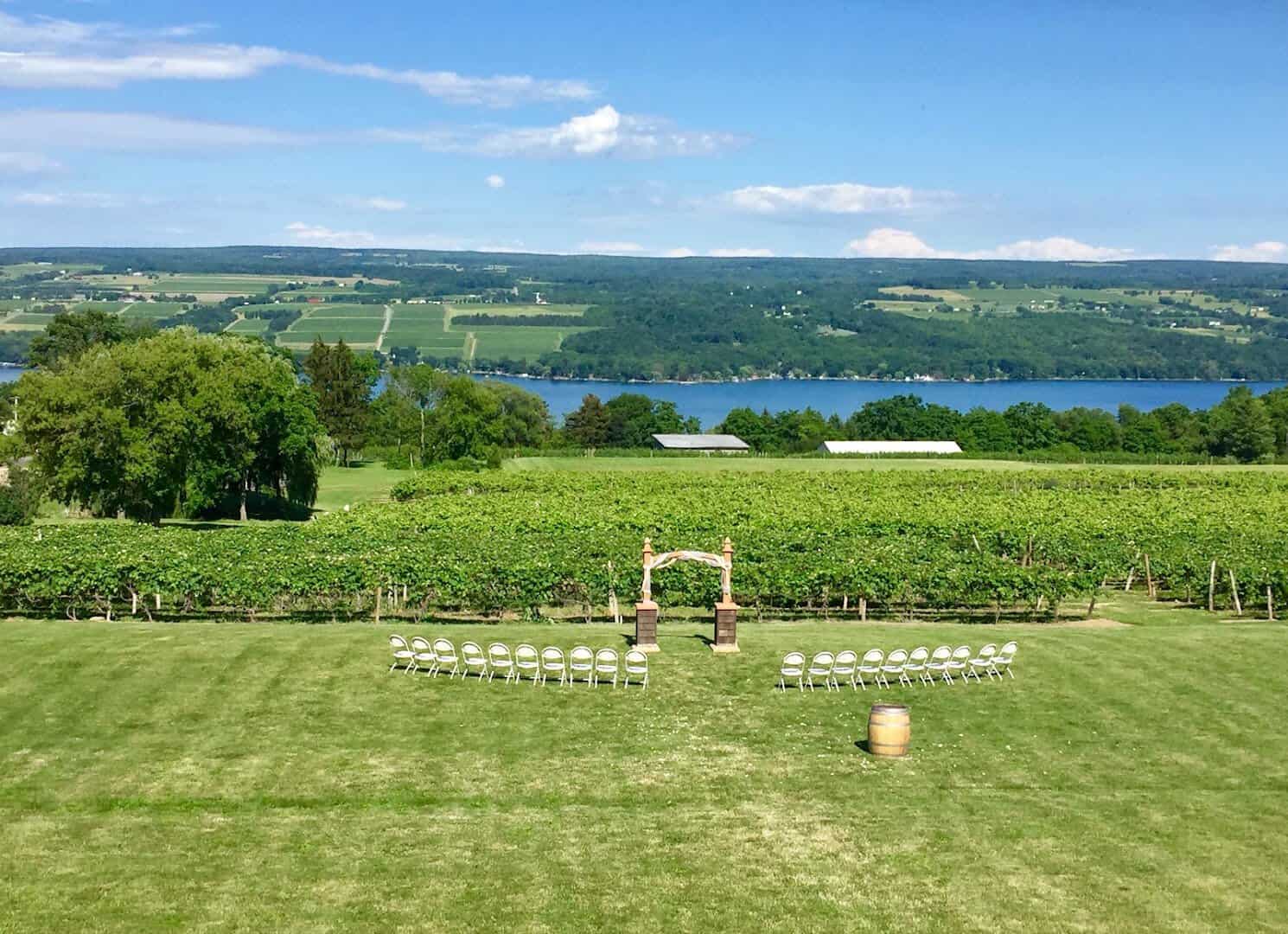
Long glacial lakes hold the winter at bay here, and the result is Riesling that can go toe to toe with Germany’s best. Seneca Lake alone strings together dozens of tasting rooms along its shores.
Come for the Riesling and stay for the sparkling and ice wines. The lake views from a hillside patio are the kind that make you cancel your afternoon plans without a second thought.
Seneca Lake alone counts nearly thirty member wineries on its trail, so you could taste for a full week and barely repeat yourself. German winemakers spotted this cool-climate corner back in the 1960s and never looked back.
Where: Base yourself in Watkins Glen at the south end of Seneca Lake, then follow the Seneca Lake Wine Trail. Glenora Wine Cellars sits at 5435 NY-14, Dundee, NY 14837, ten minutes up the west shore.
2. Grand Valley, Colorado
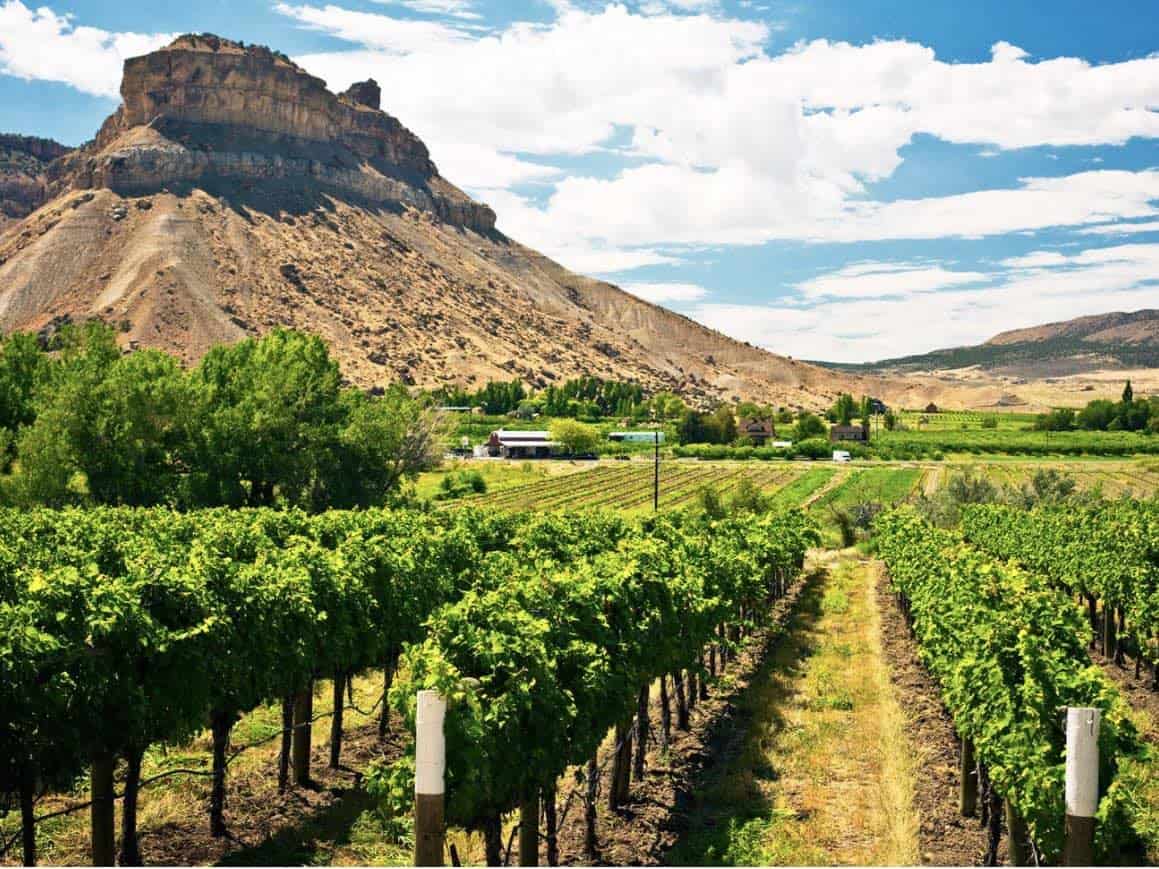
Nobody expects a wine country tucked between the Colorado River and the flat top of the Grand Mesa, yet Palisade has been growing grapes since the 1970s. It became Colorado’s first official wine region in 1991.
The high-desert sun and cool nights give the reds real backbone, and the peach orchards next door mean you can pair your tasting with the best fruit in the state.
Around thirty wineries now work the valley floor, most within an easy bike ride of one another. You can pedal a loop of tasting rooms with the red-rock cliffs on one side and the river on the other.
Where: Palisade sits just off I-70 east of Grand Junction. Colterris Winery, at 3708 G Road, Palisade, CO 81526, pours estate reds with the Book Cliffs rising behind the vines.
3. Yadkin Valley, North Carolina
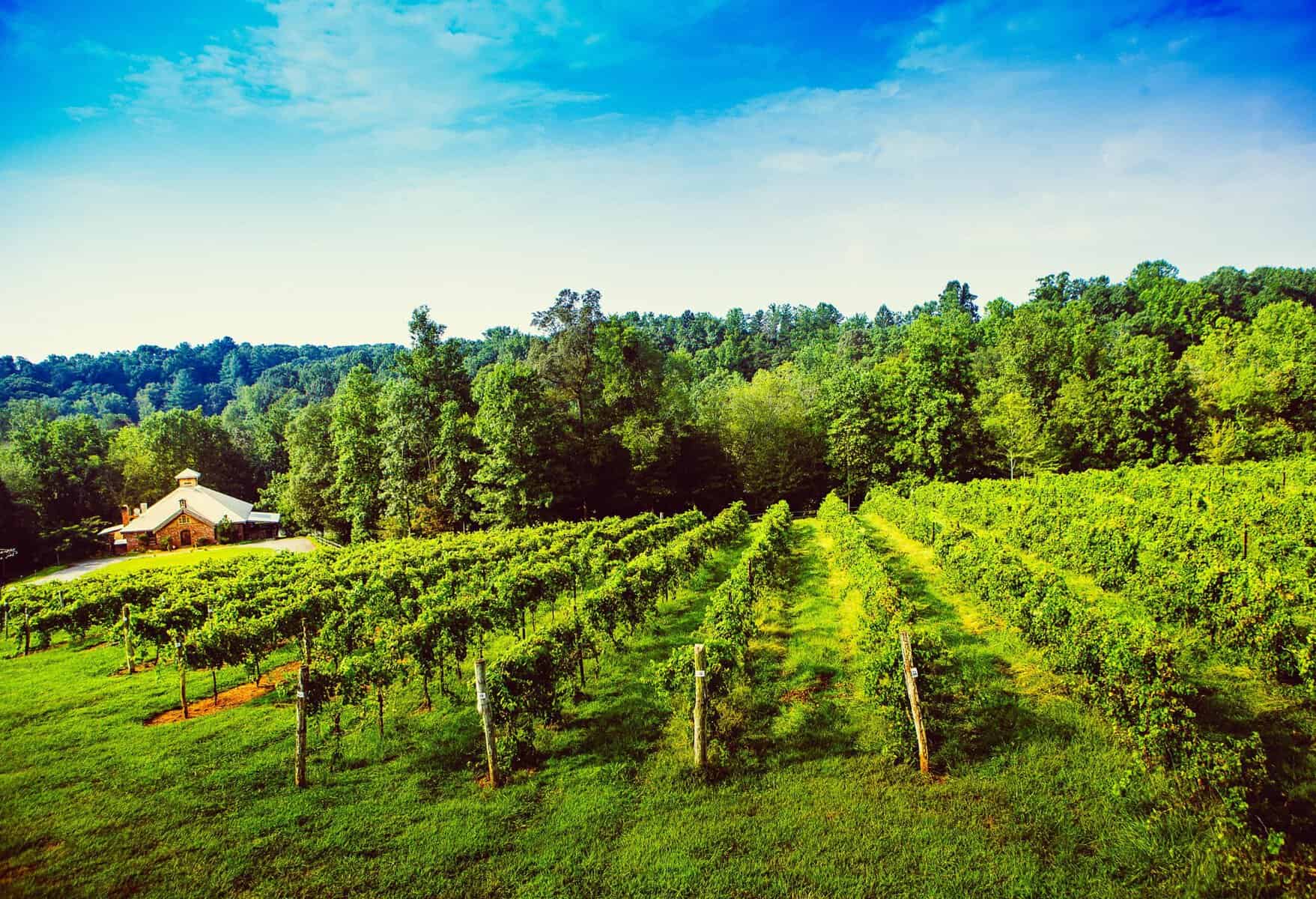
North Carolina’s first wine region spreads across more than a million acres of rolling Piedmont, and it long ago outgrew its sweet-muscadine reputation. Today dry European-style wines make up about seventy percent of what is grown.
You will find Cabernet Franc and Chardonnay poured in grand Tuscan-style estates and tiny family barns alike. It is an easy, unhurried afternoon of tasting an hour or so from Winston-Salem.
The valley earned North Carolina’s first official wine designation in 2003, and dozens of wineries have opened since. Many double as event barns and farm kitchens, so lunch and a tasting come as one relaxed package.
Where: The valley fans out around Elkin and Yadkinville. Childress Vineyards, owned by NASCAR’s Richard Childress, anchors the scene at 1000 Childress Vineyards Road, Lexington, NC 27295.
4. Texas High Plains, Texas
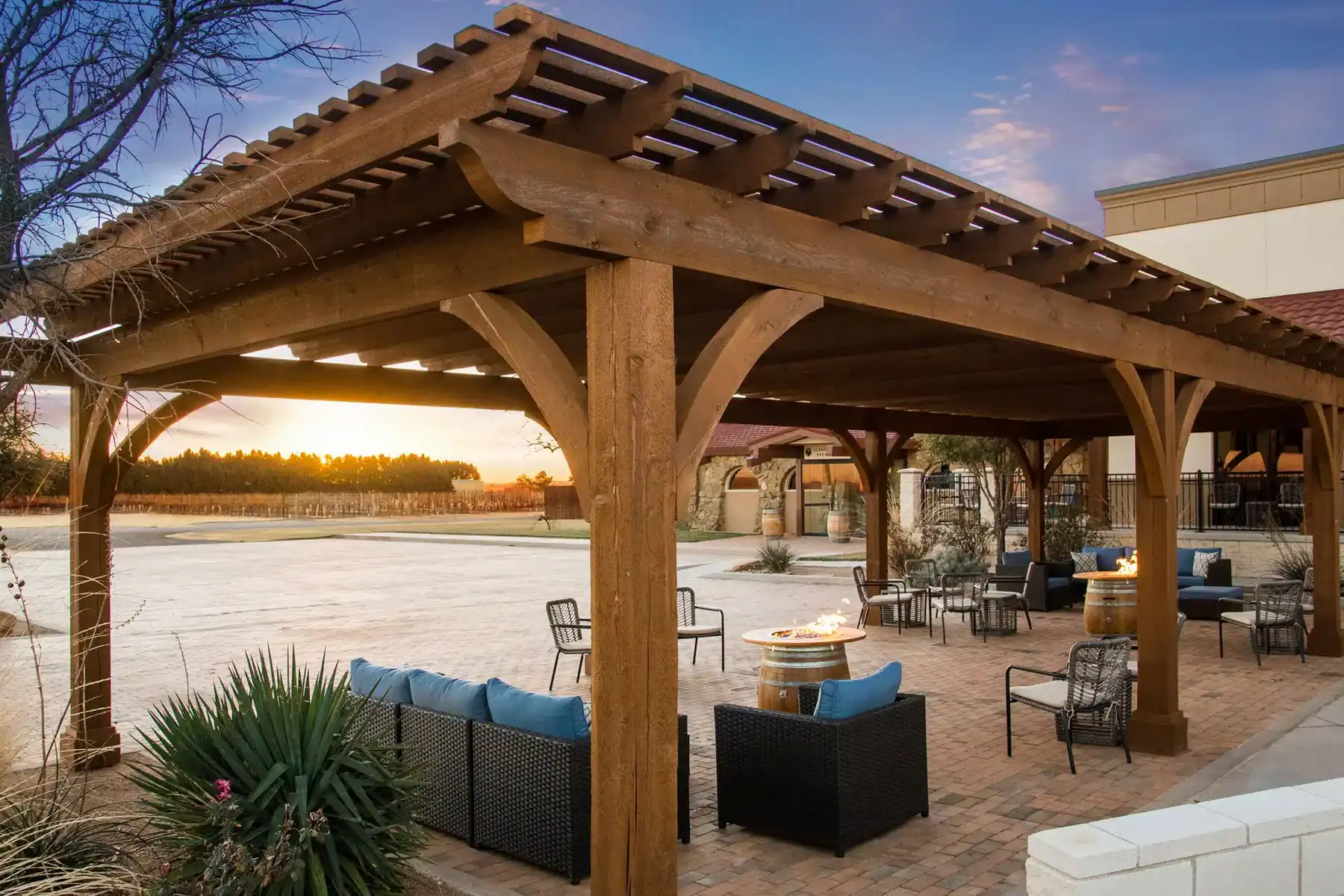
Everyone photographs the Hill Country, but the grapes that fill most Texas bottles are grown up here on the flat, sunbaked plains around Lubbock. This is the workhorse of Texas wine, and it is criminally overlooked.
The elevation tops 3,000 feet, so warm days and cool nights ripen bold reds and crisp whites. A tasting here feels like being let in on a secret the rest of the state has not caught onto yet.
Roughly four out of every five Texas wine grapes are grown on these plains, even though the tour buses head elsewhere. That gap between what the region produces and how few people visit is exactly what makes it worth the trip.
Where: Lubbock is the hub. Llano Estacado, the state’s largest winery and founded in 1976, welcomes visitors at 3426 E FM 1585, Lubbock, TX 79404.
5. Walla Walla Valley, Washington
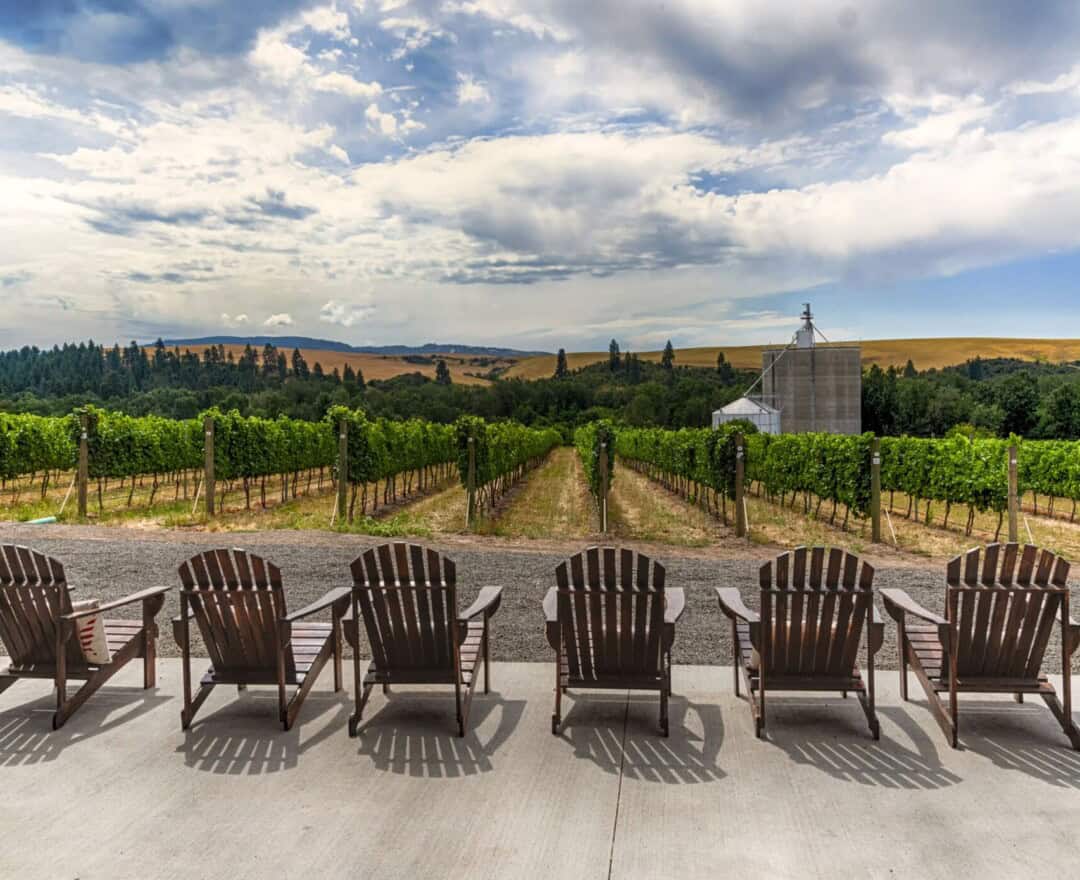
Tucked into the far southeast corner of Washington, Walla Walla turns out some of the most serious reds in the country. More than 120 wineries now cluster around a single small, walkable town.
The Syrah and Cabernet here have a following among people who taste wine for a living, yet the valley still feels like a discovery. You can taste your way through downtown storefronts without ever starting the car.
Old wheat country gave way to vines only a few decades ago, and the town leaned all the way in. Between tastings you get a walkable Main Street of good restaurants and old brick buildings that have not been polished into a theme park.
Where: Walla Walla sits near the Oregon border, about four hours from Seattle. Pepper Bridge Winery, at 3783 Peppers Bridge Road, Walla Walla, WA 99362, overlooks the estate vineyards.
6. Monticello, Virginia
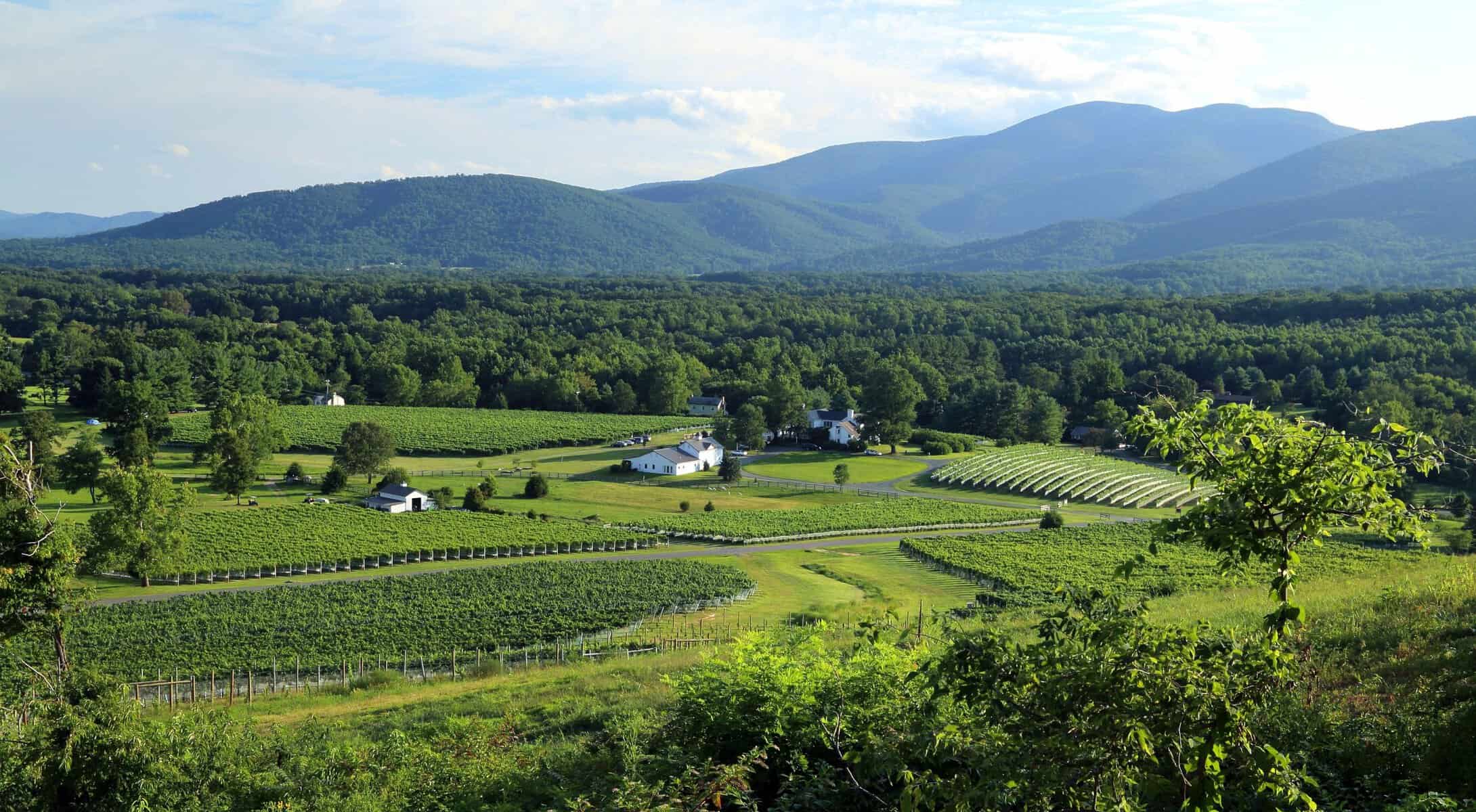
Thomas Jefferson dreamed of growing great wine in the hills around Charlottesville, and it only took a couple of centuries for the rest of us to catch up. Over thirty wineries now dot the Monticello region beneath the Blue Ridge.
Viognier and Cabernet Franc have become the local calling cards, poured on porches with the mountains laid out in the distance. History and a good glass rarely sit this close together.
More than half of Virginia’s vineyard acres grow inside this one region, and the wineries range from polished tasting halls to converted farmhouses. Pair a morning at Monticello itself with an afternoon of tasting and you have a near-perfect day.
Where: Charlottesville is the gateway. Jefferson Vineyards grows on the very site Jefferson chose, at 1353 Thomas Jefferson Parkway, Charlottesville, VA 22902.
7. Old Mission Peninsula, Michigan
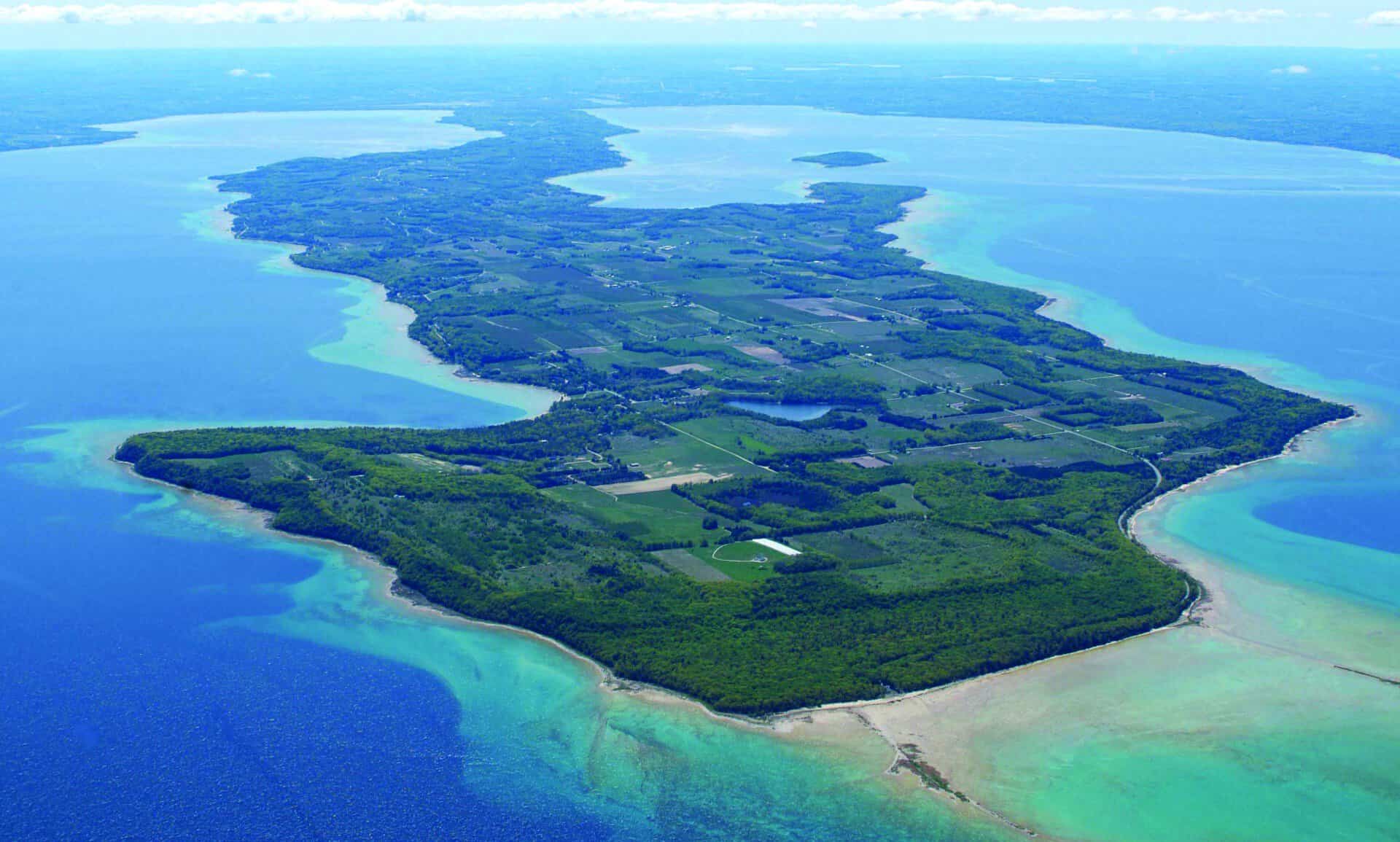
A narrow finger of land pokes north into Grand Traverse Bay, and the water on both sides keeps the vines just warm enough. The reward is bright Riesling, Pinot Grigio and some of the best ice wine in the country.
Ten wineries line this skinny peninsula, each one hemmed by blue water and cherry orchards. In autumn, the color out here is worth the drive on its own.
This is serious cool-climate country, and one local ice wine was even poured at a presidential inauguration. Cherry season and harvest overlap in late summer, so you can taste the region’s fruit and its wine on the same afternoon.
Where: Follow Center Road north from Traverse City. Chateau Grand Traverse, which made Michigan’s first commercial ice wine, sits at 12239 Center Road, Traverse City, MI 49686.
8. Umpqua Valley, Oregon
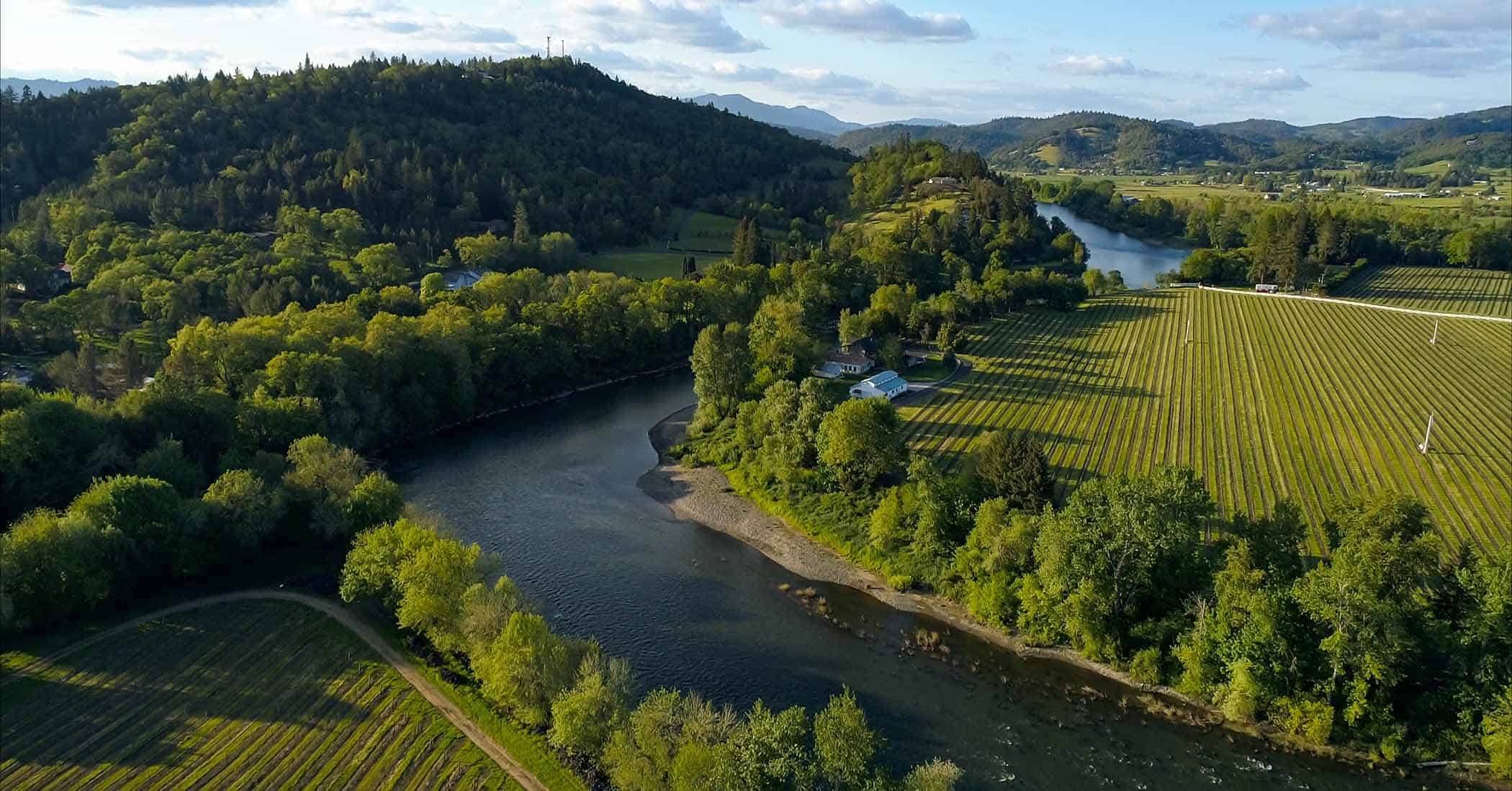
Everyone races north to the Willamette for Pinot Noir, which leaves the warmer Umpqua Valley gloriously uncrowded. This is where the first Tempranillo in the Pacific Northwest went into the ground back in the 1990s.
The rolling hills around Roseburg grow an unusually wide range of grapes, so a single afternoon can swing from Spanish reds to crisp whites. It feels like Oregon wine before the crowds arrived.
The warmer, drier climate here lets growers plant varieties the famous Willamette to the north cannot ripen. Tasting rooms tend to be small and family-run, the kind where the person pouring your glass often made the wine.
Where: Roseburg sits along I-5 in southern Oregon. Abacela, the Tempranillo pioneer, pours at 12500 Lookingglass Road, Roseburg, OR 97471.
9. Dahlonega, Georgia
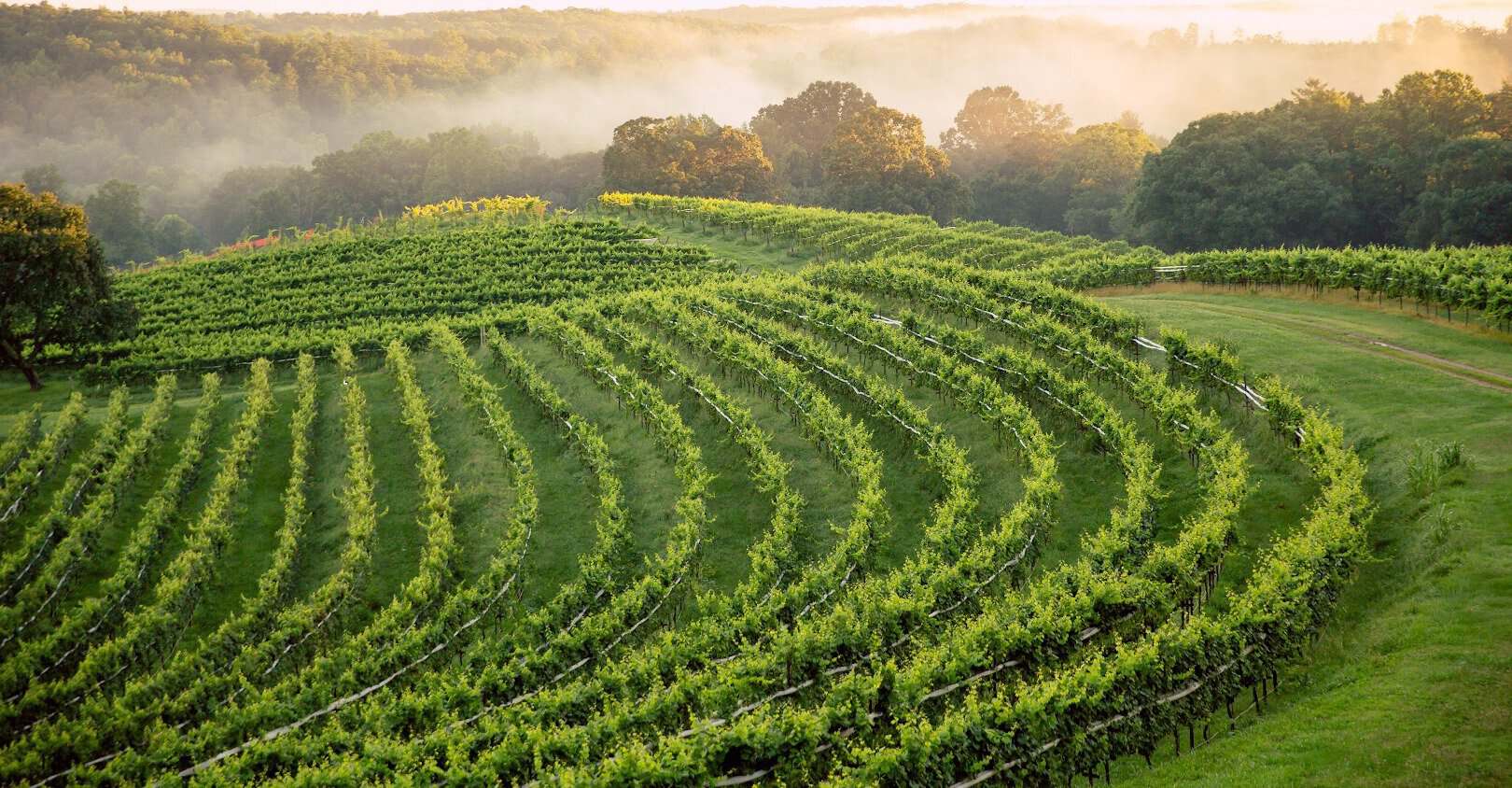
The town that sparked America’s first gold rush now bills itself as the heart of Georgia wine country, and the claim holds up. Mountain elevation and cool nights give the North Georgia foothills a real growing edge.
Tuscan-style estates spill across the ridgelines with the Appalachians as a backdrop, pouring everything from dry reds to easygoing local blends. It is a mountain-town weekend with a glass in hand.
The county packs the highest concentration of wineries in Georgia into one walkable-then-drivable cluster. Add a historic gold-rush square full of shops and cafes, and the wine is only half the reason to come.
Where: Dahlonega is about an hour north of Atlanta. Montaluce Winery, with its hillside villa and restaurant, sits at 501 Hightower Church Road, Dahlonega, GA 30533.
10. Snake River Valley, Idaho
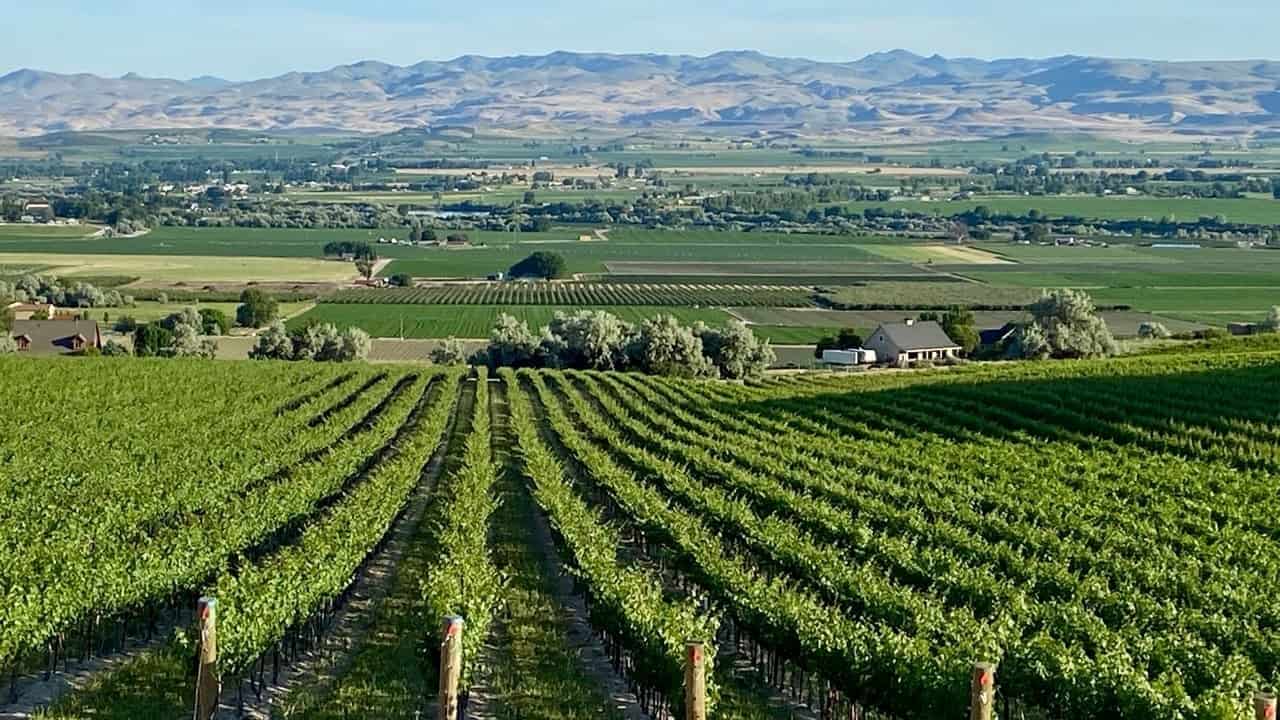
Idaho wine barely registers on most maps, which is exactly why the Snake River Valley is such a happy surprise. The Sunnyslope district around Caldwell packs in most of the state’s vineyards and half its wineries.
Warm days, cool nights and volcanic soils turn out bright, food-friendly reds and whites, and the tasting rooms sit among orchards and river views. Come now, before the rest of the country figures it out.
Idaho’s first winery opened here in the 1970s, and the district still grows the bulk of the state’s grapes. Prices stay refreshingly reasonable, so an afternoon of tasting will not empty your wallet the way the big-name valleys can.
Where: Sunnyslope is a short drive southwest of Caldwell. Ste. Chapelle, Idaho’s oldest and largest winery, welcomes visitors at 19348 Lowell Road, Caldwell, ID 83607.
11. Paso Robles, California
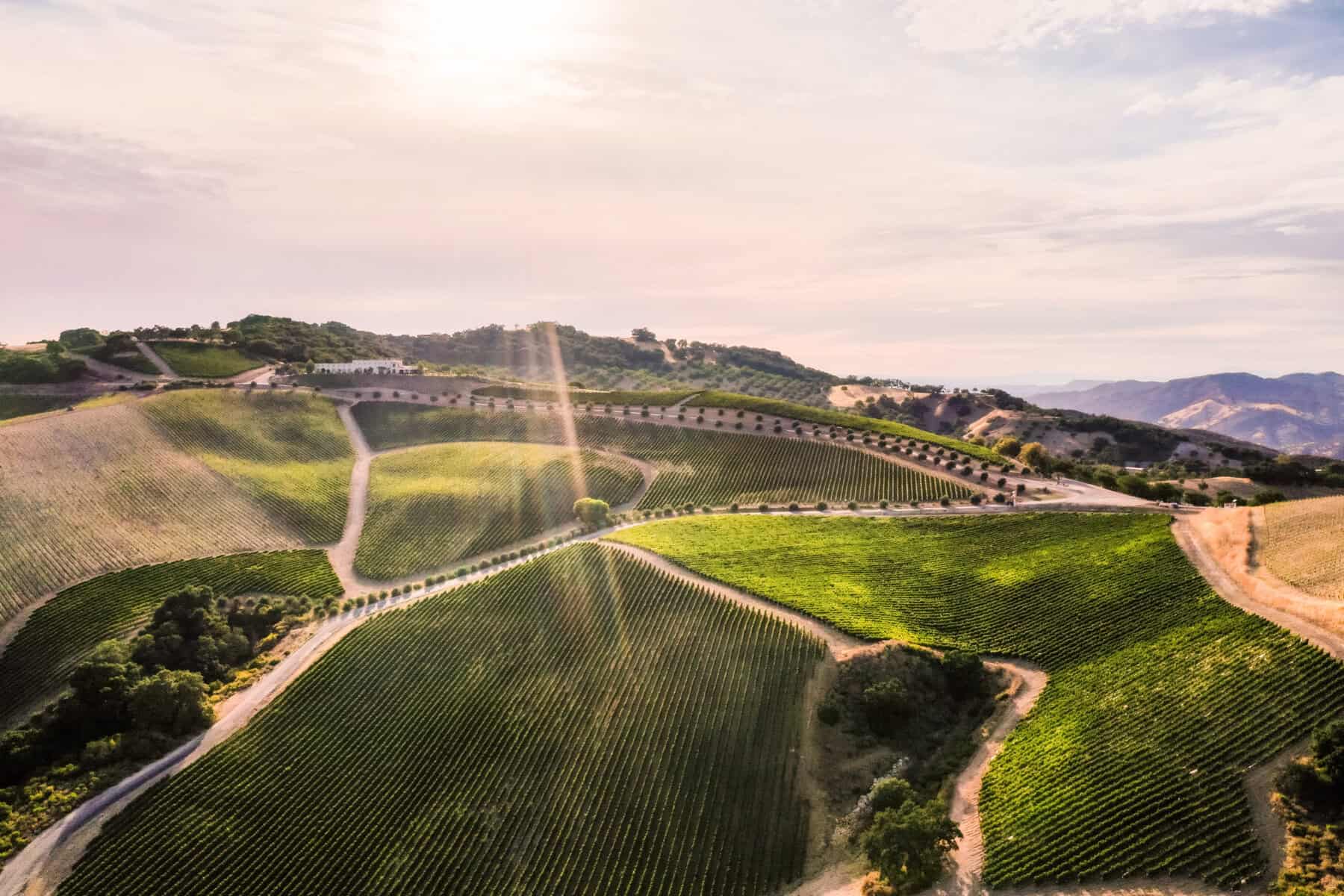
Yes, it is in California, and no, it is still nowhere near as swamped as its northern cousins. Paso Robles has grown into one of the state’s most experimental regions, with more than 200 wineries scattered across oak-dotted hills.
The heat here suits big, bold Rhône and Bordeaux reds, and the back-road wineries stay refreshingly down to earth. It is the California wine country you can still actually get a reservation at.
Growers here experiment with some sixty grape varieties, so the tastings rarely feel formulaic. Zinfandel put the town on the map more than a century ago, and the newer generation keeps pushing into blends you will not find up north.
Where: Paso Robles sits right off Highway 101, halfway between San Francisco and Los Angeles. Start around the downtown square, then follow the back roads west into the hills.
Pack a Cooler and Go Exploring
The great thing about an underrated wine region is that it is still yours to discover. No two-hour waits, no valet lines, just good pours and someone behind the bar who is genuinely glad you found them.
Any one of these eleven makes an easy long weekend, and most sit close enough to a decent airport or a scenic drive to build a whole trip around. Pack a cooler, leave room in the trunk, and plan to bring a few bottles home.
So pick a corner of the map you have never considered, book a tasting or two, and see what the crowds have been missing. Your next favorite bottle is probably somewhere you least expect. Cheers to that.
Featured image: NV via Glenora Wine Cellars

Stella Raines
Editor-in-Chief
Stella brings over a decade of storytelling experience to TX Headlines. With roots in West Texas and a love for road trips, she leads the editorial team with an eye for the hidden stories that make Texas unforgettable.