11 Fall Road Trips for Leaf-Peeping Across America
Every October I plan my calendar around one thing that refuses to hold still. Fall color does not wait, and it does not arrive everywhere at once.
It sweeps down from Canada and creeps up the mountains, and if you time it right, you can chase that wave of red and gold clear across the country.
I have driven enough back roads in October to believe one thing hard. The leaves are only half the reward. The other half is the road itself, winding through fire-colored hills, the kind of drive where you pull over every few miles just to look.
Below are eleven fall road trips worth planning a weekend around, spread from New England to the Rockies to the Texas Hill Country. Watch your local color reports, pick your region, and go the moment it turns.
1. Kancamagus Highway, New Hampshire
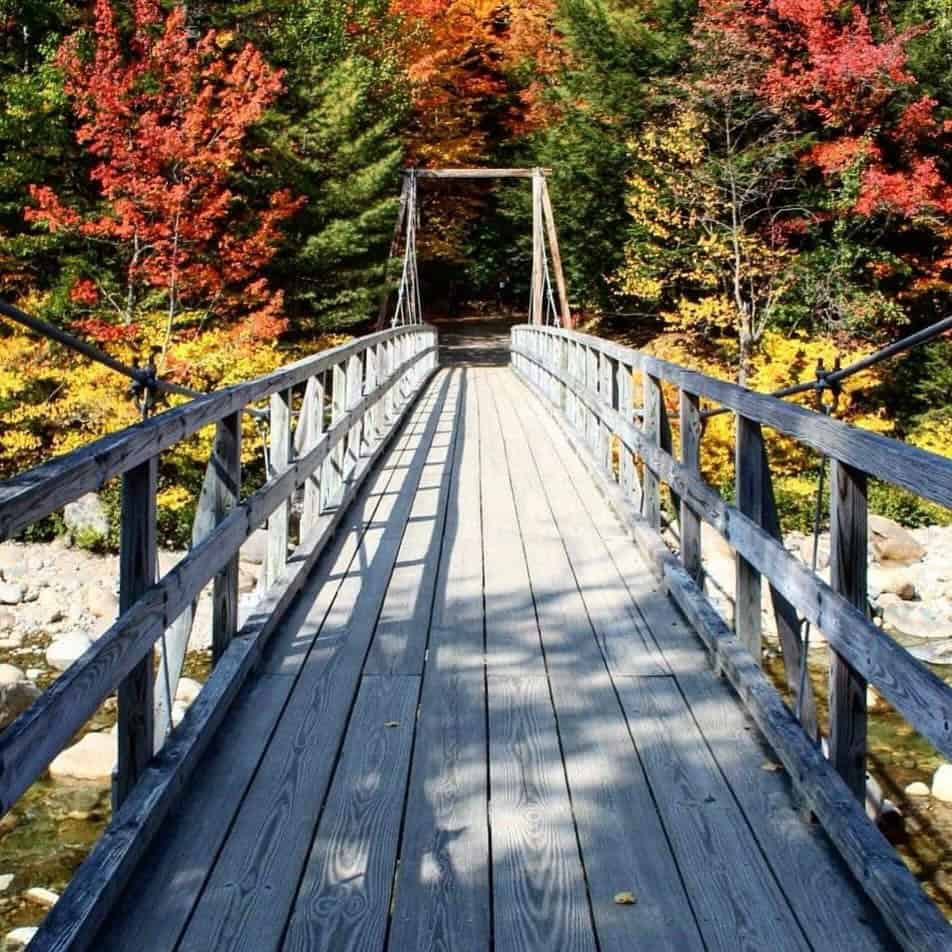
The Kanc is New England’s fall drive by reputation, and it earns the title. New Hampshire Route 112 runs about 34 miles through the White Mountains between Lincoln and Conway, with not a single gas station or store the whole way, just forest.
Sugar maples, birch, and beech light up in reds and oranges as the road climbs to Kancamagus Pass, nearly 2,900 feet up. Pull off at the C.L. Graham Wangan Ground Overlook for a wide valley view, or walk the short path to Sabbaday Falls.
The road takes its name from Chief Kancamagus, the last leader of the Penacook Confederacy in the late 1600s. Come the last week of September or the first week of October for full color, and go early, because the pullouts fill fast on a bright weekend.
Where: NH Route 112 between Lincoln and Conway, New Hampshire. From I-93 Exit 32 at Lincoln, head east on NH-112.
2. Blue Ridge Parkway, North Carolina
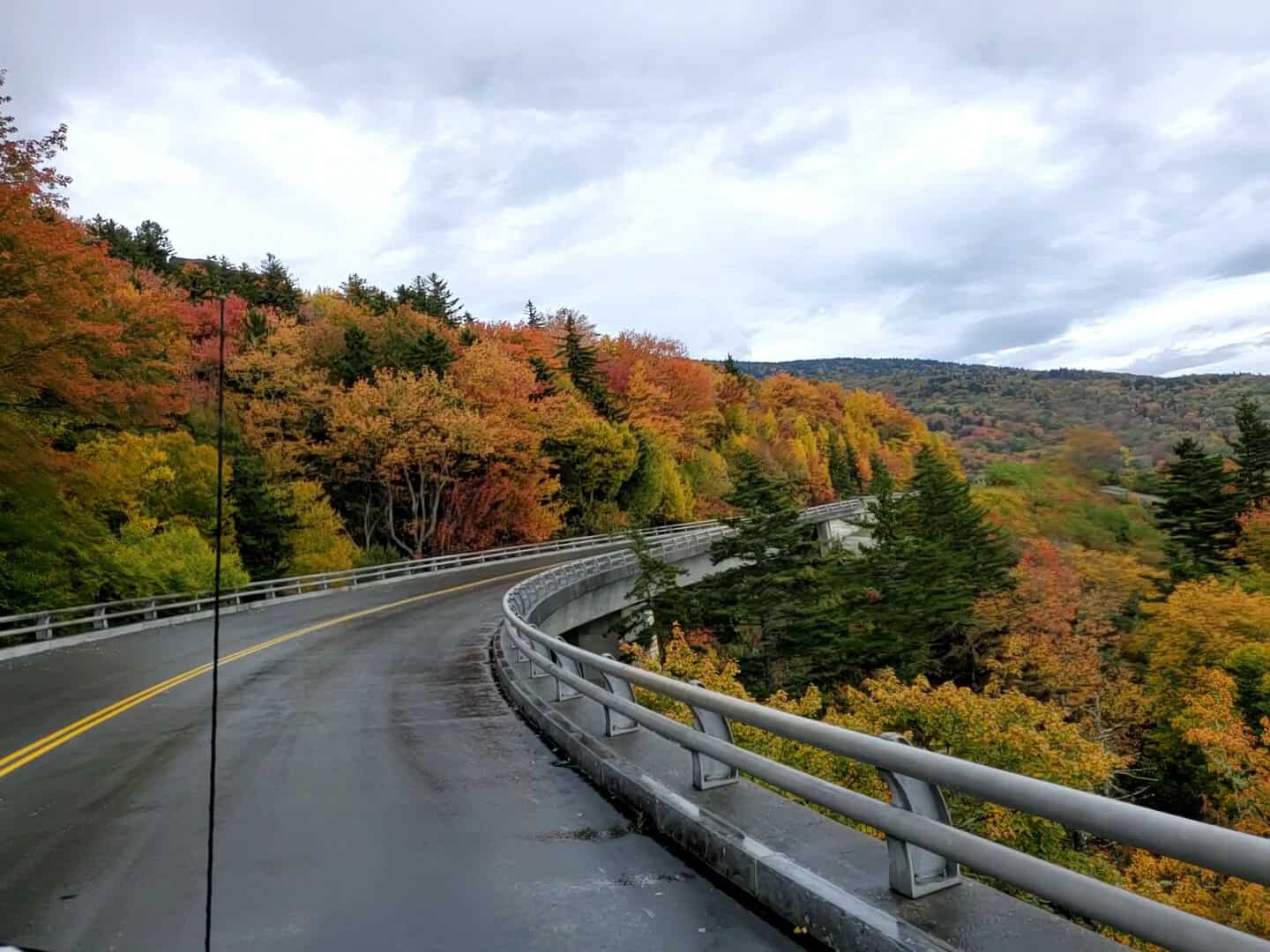
If you only drive one stretch of the Blue Ridge Parkway, make it the North Carolina end around Asheville. The Parkway runs 469 miles in all, but the southern high country is where fall gets loud.
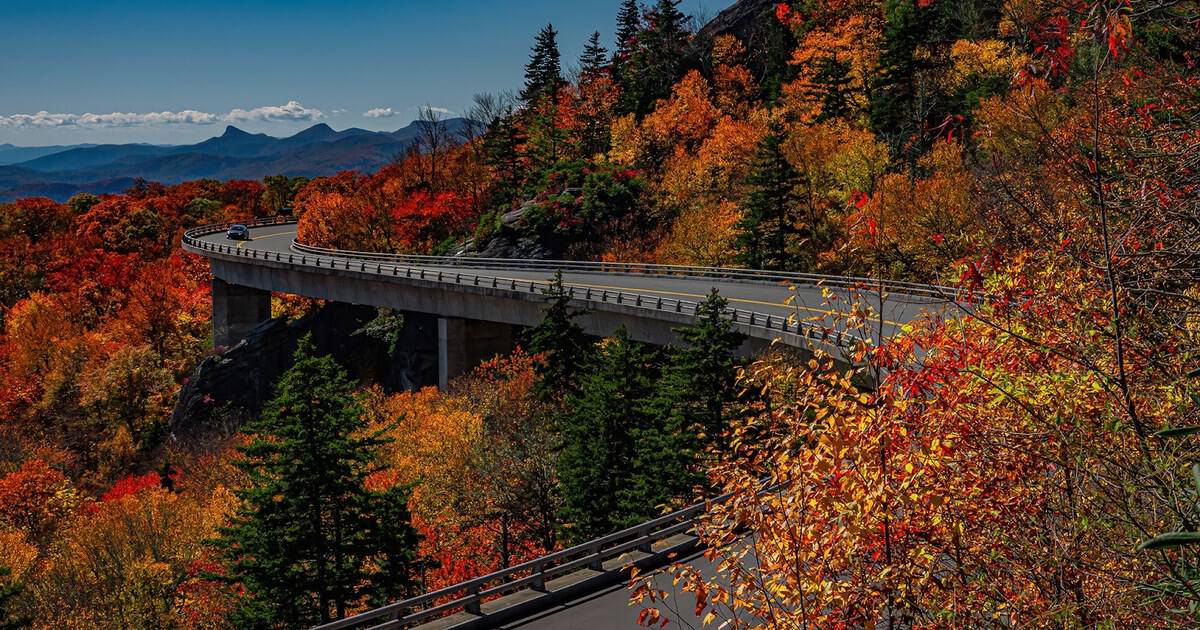
Sugar maple, oak, hickory, and sourwood turn over several weeks, the color sliding downhill from the peaks as the days cool. Stop at Craggy Gardens for early high-elevation color, then drive to the Linn Cove Viaduct, the S-curved bridge that hugs Grandfather Mountain.
Nearby Mount Mitchell is the highest peak east of the Mississippi at 6,684 feet. The Parkway began in 1935 as a Depression-era jobs project and took 52 years to finish. Early October lights the ridgetops, and mid-to-late October brings the lower slopes into full color.
Where: Blue Ridge Parkway around Asheville, North Carolina. Reach it from Asheville via US-25 or US-74A to a Parkway on-ramp.
3. Vermont Route 100, Vermont
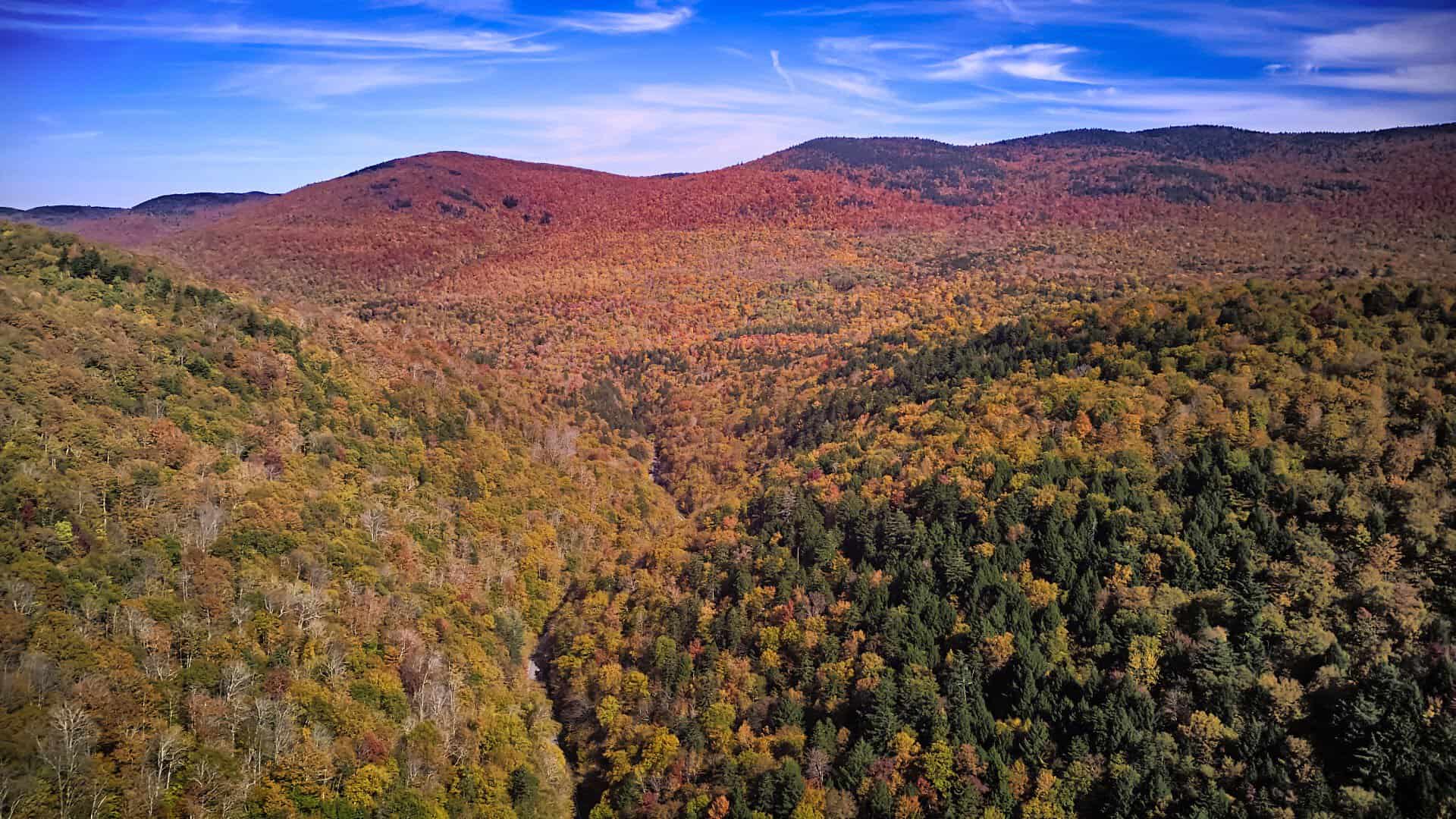
Vermonters call Route 100 the state’s Main Street, and in October it becomes one long postcard. This is Vermont’s longest highway, running about 216 miles north to south along the spine of the Green Mountains.
Sugar maples, the state tree, throw down deep reds and golds. Because the road keeps climbing and dropping, it seems to hit peak color again and again. Drive the seven forested miles of Granville Gulf and watch for Moss Glen Falls, a cascade you can see right off the highway.
The gulf still holds pockets of old-growth forest and is a good place to spot a moose at dawn. Late September through mid-October is the window, with the central stretch peaking around Columbus Day weekend.
Where: VT Route 100 through central Vermont, from Waterbury to Ludlow. From I-89 Exit 10 at Waterbury, pick up VT-100 south.
4. Arkansas Scenic 7 Byway, Arkansas
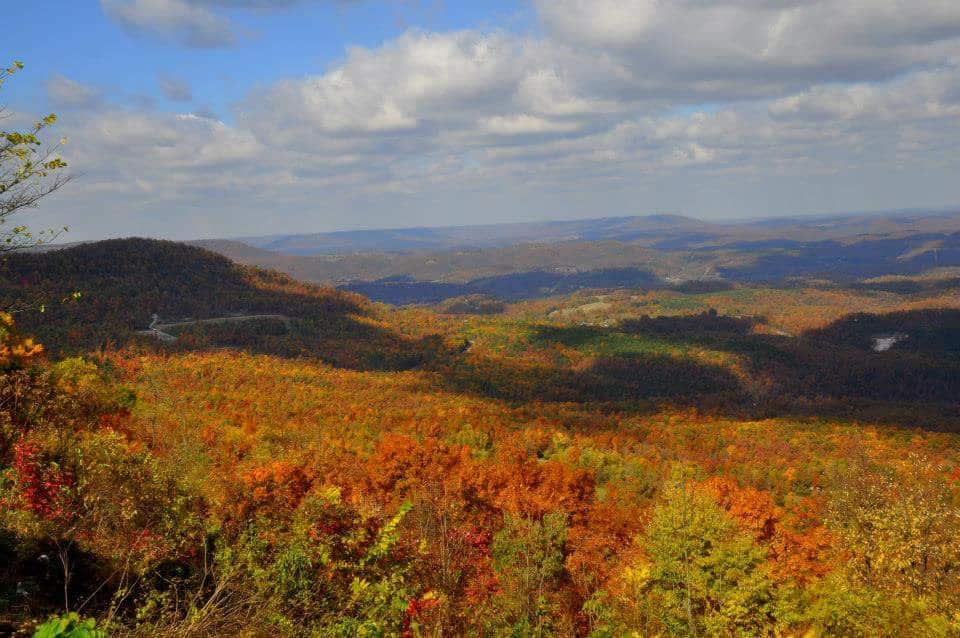
The Ozarks do not get the leaf-peeping headlines New England does, and that is exactly why I love Arkansas Scenic 7. The stretch that matters runs about 105 miles between Russellville and Harrison, twisting through the Ozark National Forest.
Oak and hickory turn yellow, orange, and red against dark green pines, and limestone bluffs open up around every bend. Pull off at the Grand Canyon of the Ozarks overlook just before the little town of Jasper, or catch the view from Rotary Ann Overlook.
This is one of the oldest designated scenic byways in the country, and the road corkscrews as it drops toward Jasper’s square. Color here comes later than up north, peaking in late October into early November.
Where: Arkansas Highway 7 between Russellville and Jasper, Arkansas. From I-40 at Russellville, take AR-7 north.
5. Lost Maples State Natural Area, Texas
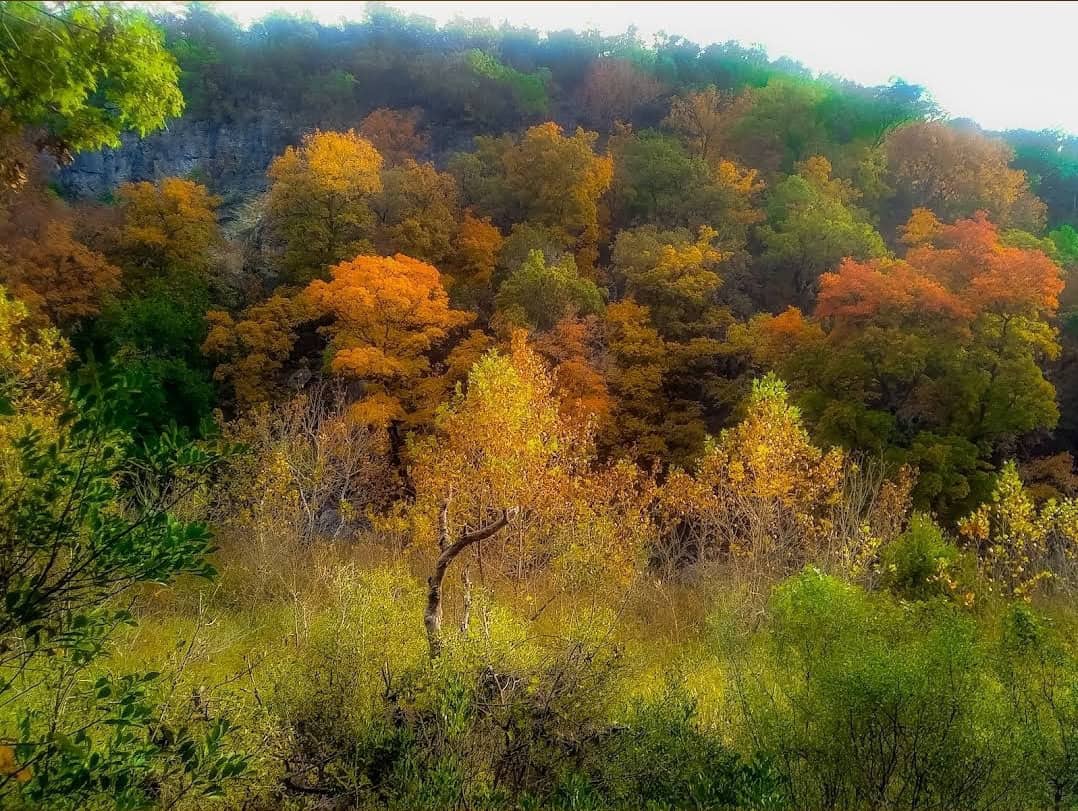
Texas keeps a fall-color secret in the Hill Country, and it is worth the drive. Lost Maples protects 2,900 acres along the Sabinal River, and its bigtooth maples are true relics, stranded here since the last Ice Age in a cool, shaded canyon.
When they turn, they go brilliant red, orange, and gold, colors most people never expect this far south. Walk the Maple Trail along Can Creek, or take the East Trail past Monkey Rock and the Grotto for the best displays.
The park posts a weekly fall-color report because the timing shifts with the rain each year. Aim for late October into mid-November. It sits about two hours northwest of San Antonio, so it makes an easy weekend from the city.
Where: 37221 Ranch Road 187, Vanderpool, Texas 78885, about five miles north of Vanderpool on FM 187.
6. Maroon Bells Scenic Loop, Colorado
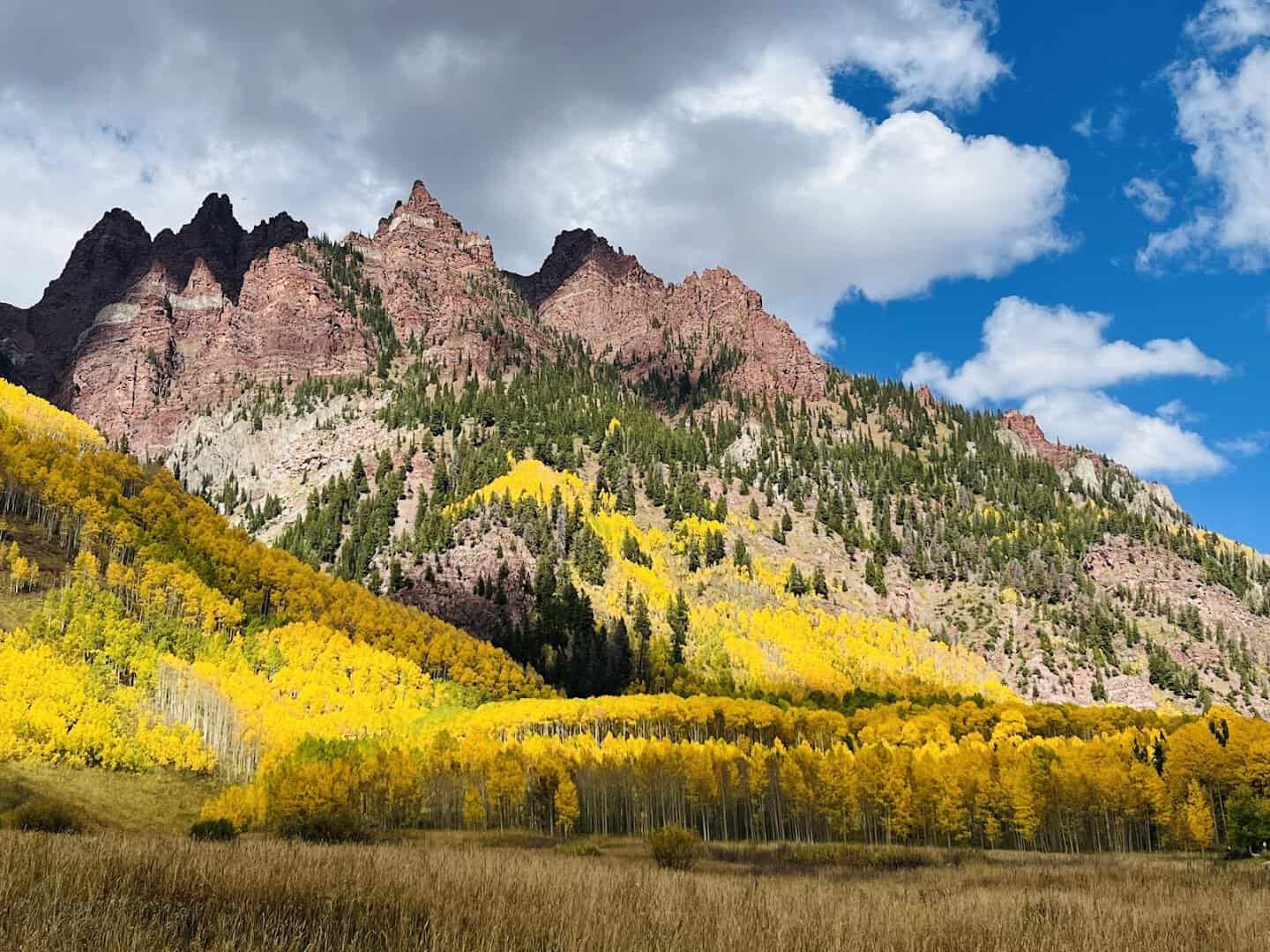
The Maroon Bells may be the most photographed mountains in North America, and autumn is their finest hour. Maroon Creek Road climbs about ten miles from Aspen up to Maroon Lake, where whole hillsides of quaking aspen turn pure gold beneath the twin peaks.
The classic shot is the Bells mirrored in the still lake at first light. Both summits top 14,000 feet, and their maroon color comes from ancient weathered mudstone that gives the range its name.
Aspens turn earlier than eastern hardwoods, so plan for mid-to-late September into the very first days of October. During peak season a shuttle from Aspen Highlands runs the road and cars are restricted in daytime, so ride it and enjoy the view instead of the wheel.
Where: Maroon Creek Road near Aspen, Colorado. From Aspen take CO-82 to the road, then board the shuttle at Aspen Highlands in season.
7. Newfound Gap Road, Tennessee
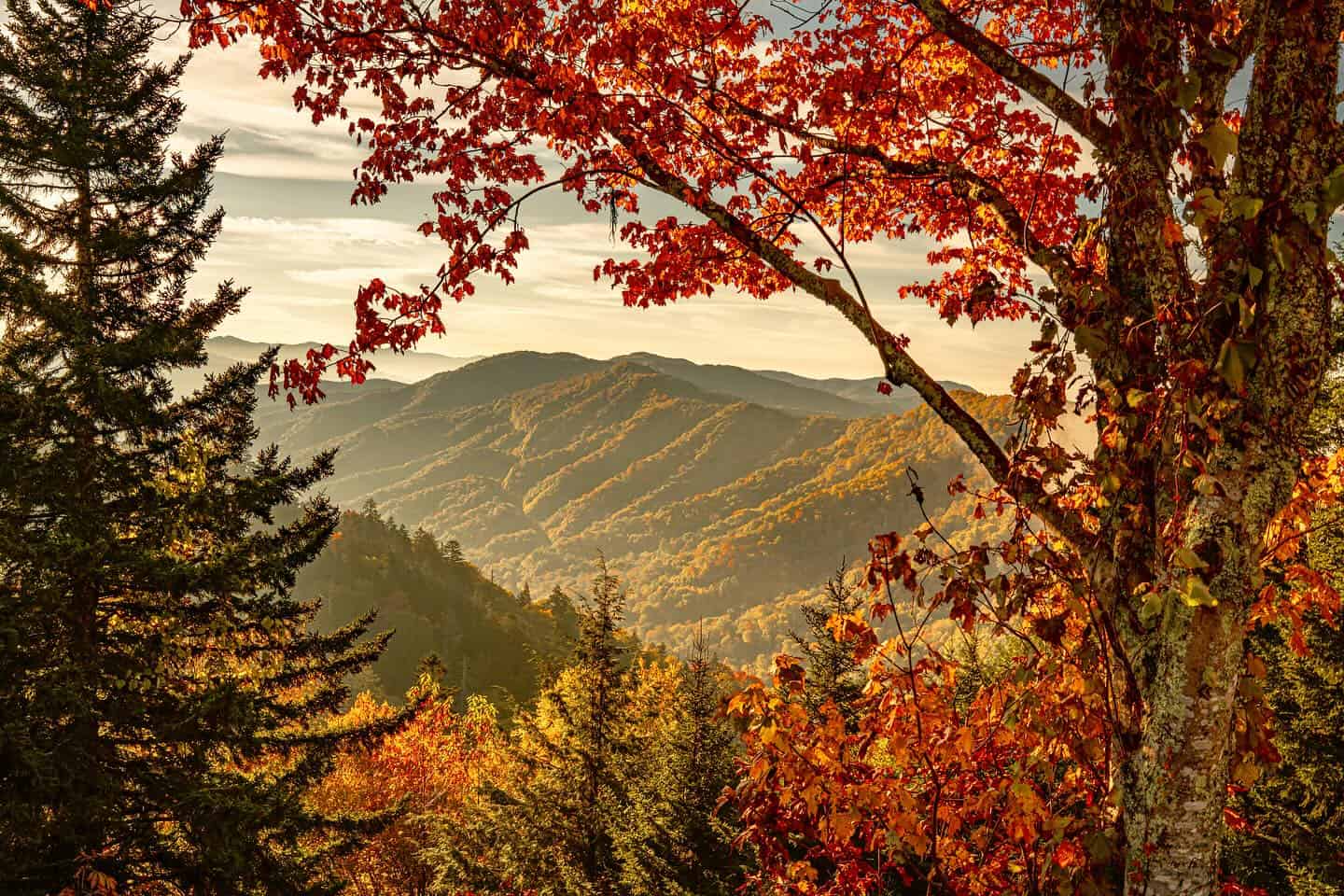
The most visited national park in America is a leaf-peeper’s dream, and Newfound Gap Road runs right through the heart of it. US-441 crosses the Great Smoky Mountains for about 31 miles between Gatlinburg, Tennessee, and Cherokee, North Carolina, climbing more than 4,000 feet along the way.
That elevation change means the color spreads down the slopes over weeks. Sugar maple, scarlet oak, and hickory glow below, with yellow birch up high. Stop at Newfound Gap itself, 5,046 feet up on the state line, where President Franklin Roosevelt dedicated the park in 1940.
The spur to Clingmans Dome climbs to the park’s highest point at 6,643 feet. Time your trip for mid-October to catch the widest sweep of color across the mountains.
Where: US-441 between Gatlinburg, Tennessee, and Cherokee, North Carolina. From Gatlinburg, follow US-441 south into the park.
8. Brockway Mountain Drive, Michigan
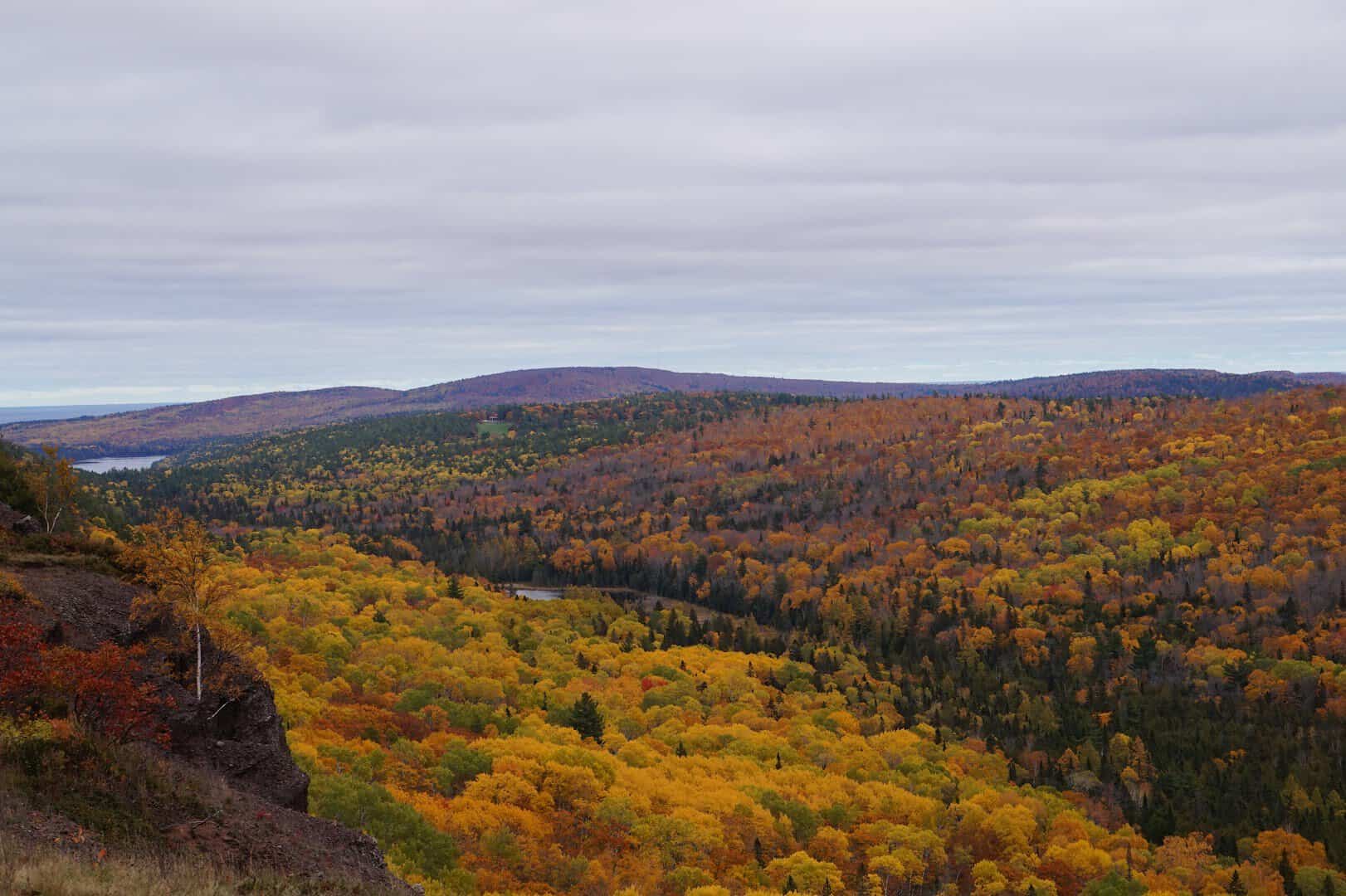
Michigan’s Upper Peninsula turns before almost anywhere else in the Midwest, and Brockway Mountain Drive gives you the view from above. This ridgetop road runs 8.8 miles near Copper Harbor, at the very tip of the Keweenaw Peninsula, climbing to about 1,320 feet.
That makes it the highest paved road between the Rockies and the Alleghenies. From the summit overlook you look down on a blanket of sugar maple and birch in full red and gold, with the deep blue of Lake Superior stretching to the horizon.
Inland lakes sit tucked into the forest below, and it is a famous spot to watch hawks stream past on their fall migration. The color peaks early here, from late September into the first days of October.
Where: Brockway Mountain Drive between Copper Harbor and Eagle Harbor, Michigan. Access from M-26 at either end.
9. Skyline Drive, Virginia
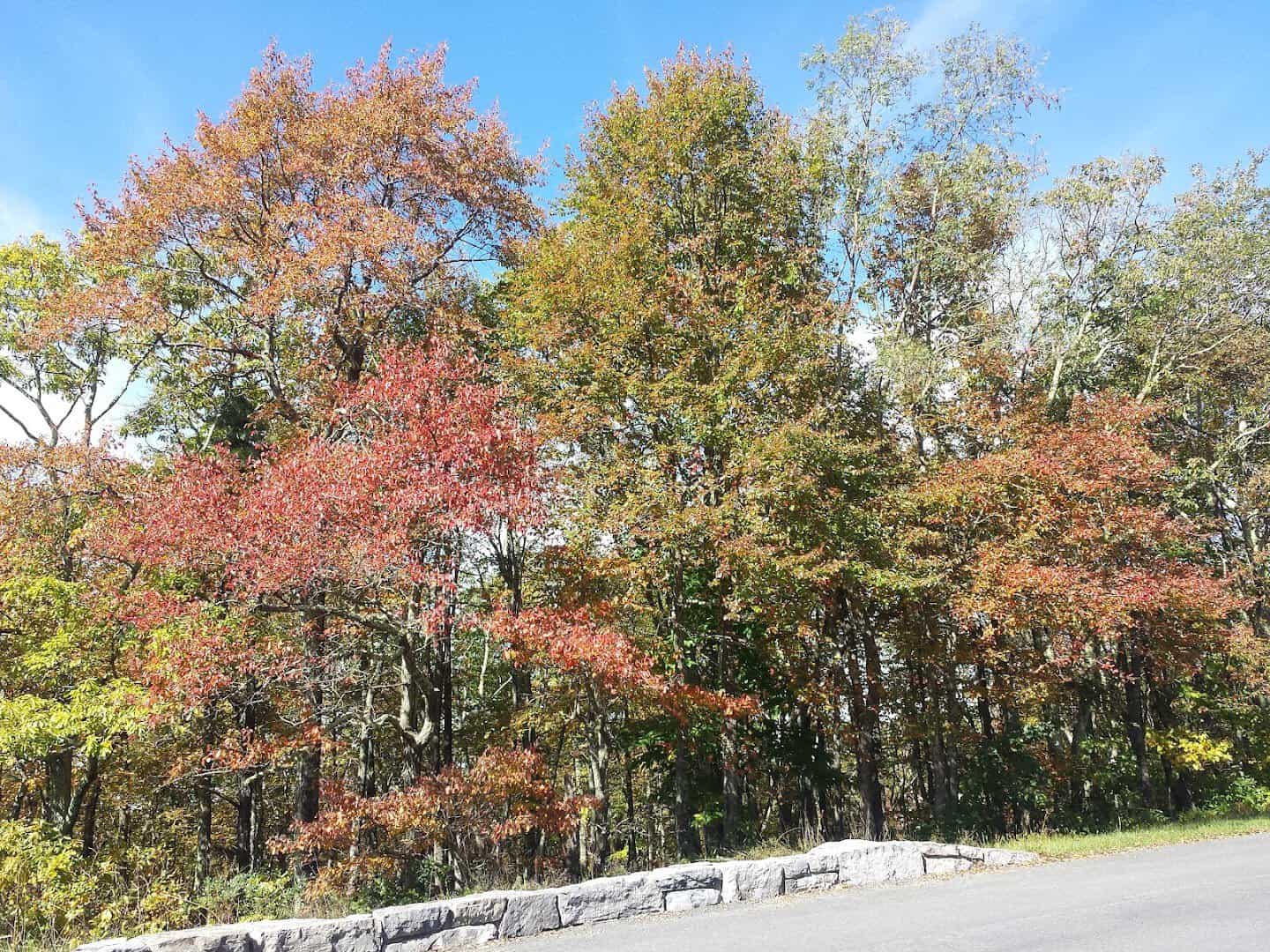
Skyline Drive is a fall road trip with 75 chances to stop and stare. The road runs the entire 105-mile length of Shenandoah National Park along the crest of the Blue Ridge, and every one of those overlooks opens onto valleys and Piedmont farmland below.
Oak, hickory, and red maple set the ridgeline glowing gold and crimson. Break the drive at Skyland, the highest point at about 3,680 feet, or picnic at Big Meadows. Keep the speed easy, since the limit is 35 and the deer are plentiful.
At its southern end near Rockfish Gap, Skyline Drive hands off directly to the Blue Ridge Parkway, so you can string the two together into one very long leaf-peeping weekend. Mid-to-late October is the sweet spot.
Where: Skyline Drive, Shenandoah National Park, Virginia. Northern entrance at Front Royal, off I-66 and US-340.
10. North Shore Scenic Drive, Minnesota
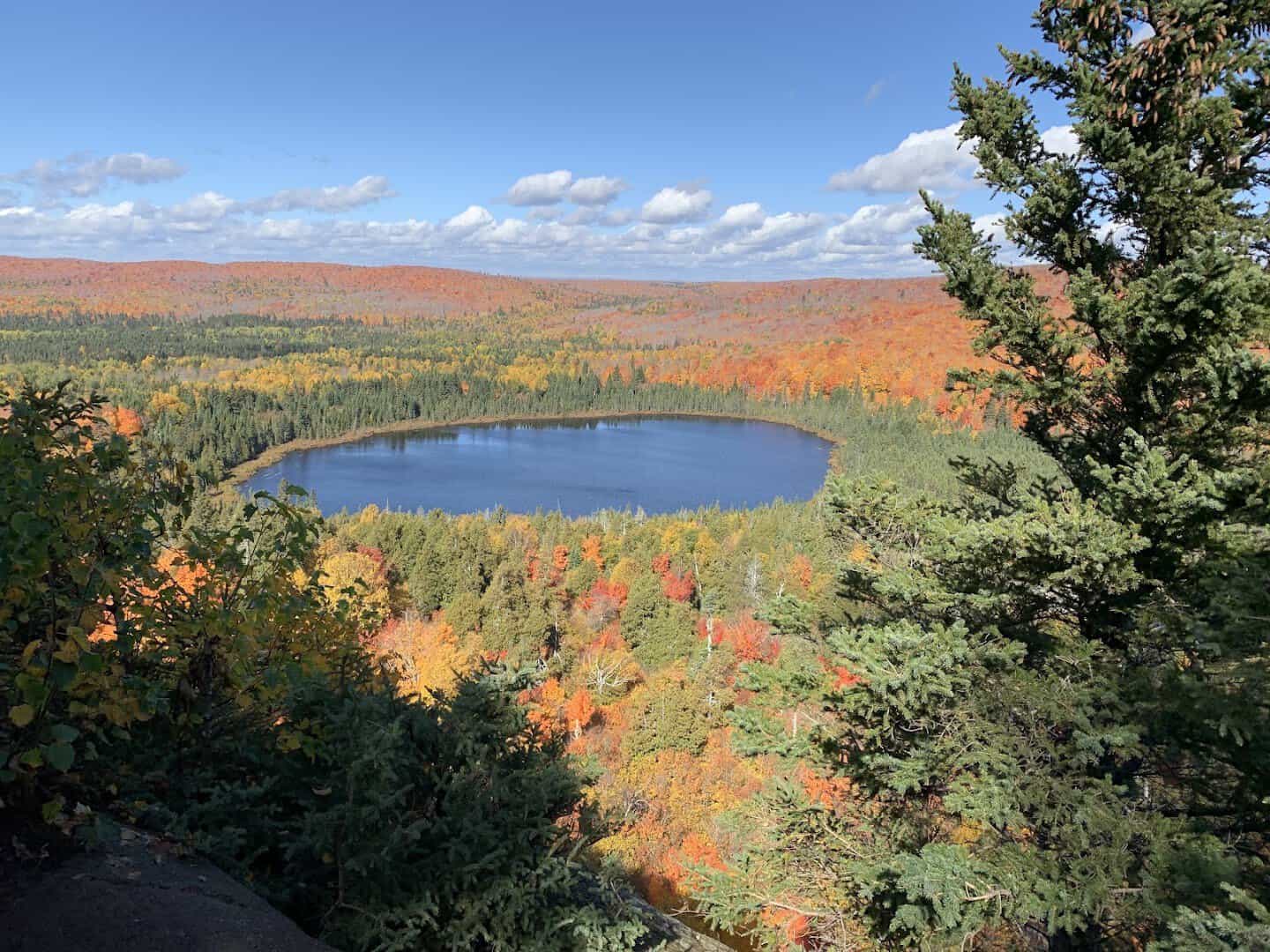
For fall color with a Great Lake beside you the whole way, point the car up Minnesota’s North Shore. Highway 61 runs about 150 miles from Duluth to the Canadian border, hugging the rugged edge of Lake Superior.
Hillsides of sugar maple, birch, and aspen glow red and gold above the water, and waterfalls and cliffs break up the drive. Stop at Gooseberry Falls, climb the cliffs at Palisade Head, and photograph Split Rock Lighthouse on its headland near Two Harbors.
Grand Marais makes a cozy harbor-town base at the far end. Color turns first inland and higher up in late September, then reaches the shoreline through the first half of October. It is one of only a handful of roads rated an All-American Road.
Where: Highway 61 from Duluth to Grand Marais, Minnesota. From Duluth, follow MN-61 north along the lake.
11. Enchanted Circle Scenic Byway, New Mexico
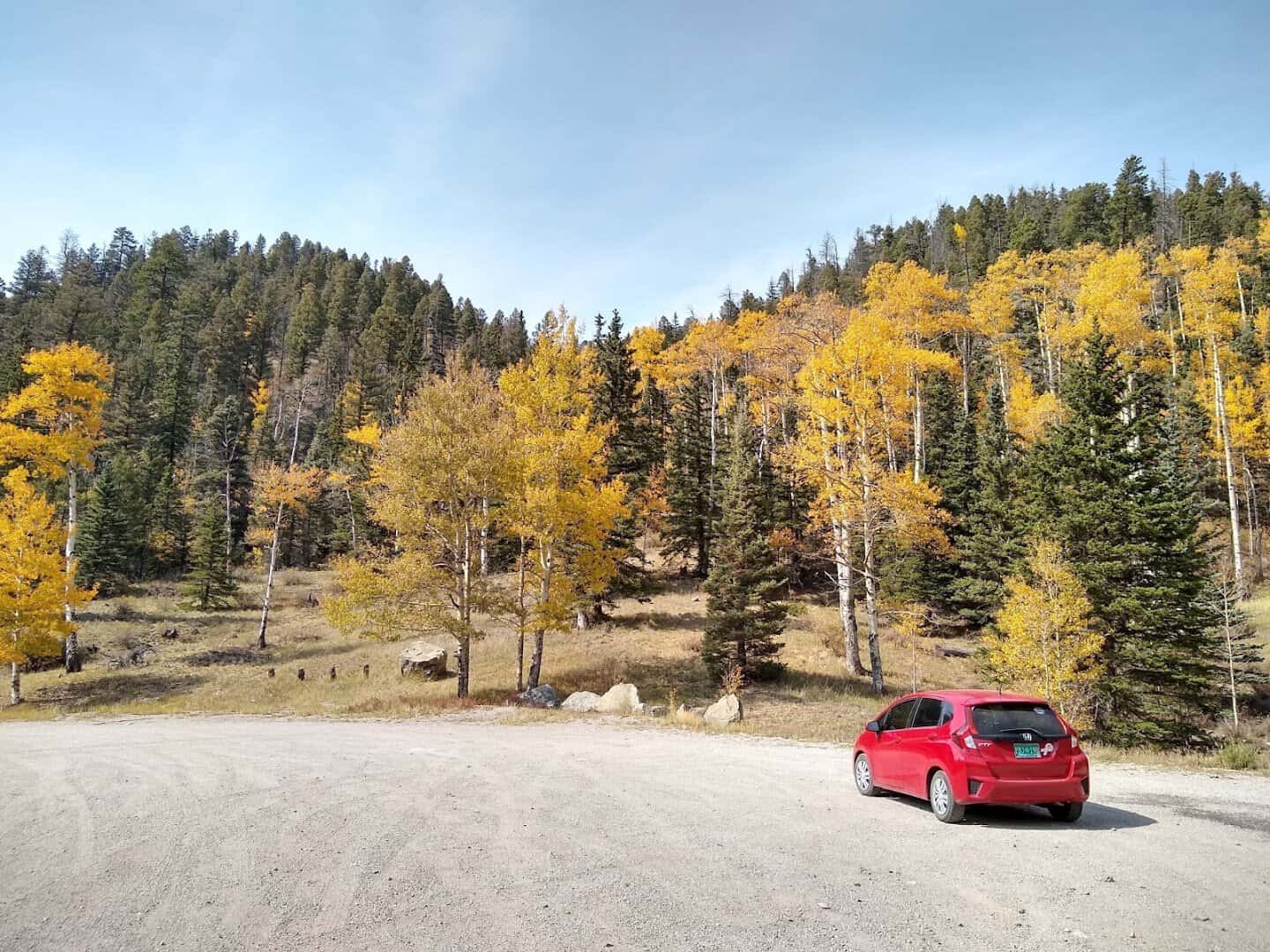
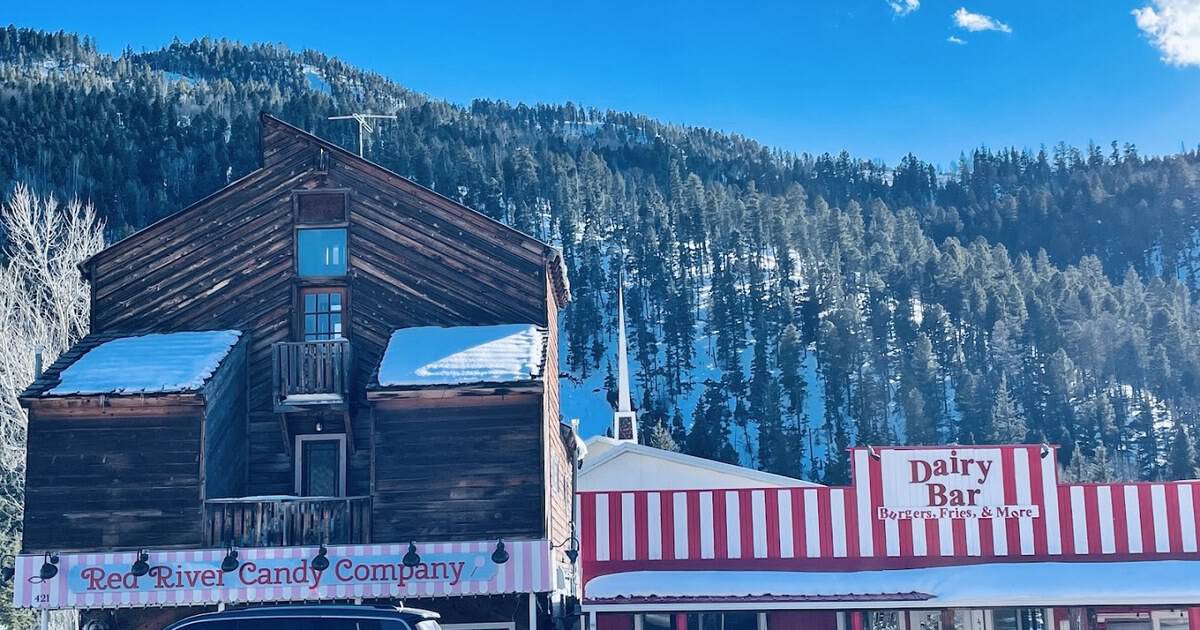
The Southwest has aspens too, and the Enchanted Circle shows them off in gold. This 84-mile loop out of Taos stitches together four highways around Wheeler Peak, New Mexico’s highest mountain at 13,161 feet.
As the road climbs the Sangre de Cristo slopes, huge groves of quaking aspen turn brilliant yellow against dark evergreens and high desert light. Cross Bobcat Pass at 9,820 feet near the old mining town of Red River, stop by Eagle Nest Lake, and loop back through Questa.
High elevation means the aspens turn early, so aim for late September into early October. The whole circle is an easy day with room to wander, and it sits about two and a half hours north of Albuquerque.
Where: Enchanted Circle Scenic Byway looping from Taos, New Mexico. From Taos, take US-64 east to begin the loop.
Pack the Car and Chase the Color
Fall does not last, and that is the whole point. The color that makes these drives worth the trip is gone in a couple of weeks, so the trick is to pick your region, watch the local color reports, and go the moment it turns.
Maybe you are threading the White Mountains, chasing golden aspens in the Rockies, or discovering that Texas hides real fall color of its own. Either way, a road is out there waiting to fill your windshield with red and gold. Grab a thermos and let the leaves set the pace.
Featured image: QLan Huynh via Linn Cove Viaduct

Stella Raines
Editor-in-Chief
Stella brings over a decade of storytelling experience to TX Headlines. With roots in West Texas and a love for road trips, she leads the editorial team with an eye for the hidden stories that make Texas unforgettable.